
Article

Bioactivity of Pod and Seed Extracts from Leucaena leucocephala, Prosopis laevigata, and Pithecellobium dulce Collected in Oaxaca, Mexico


by
Jesús Andres Morales-López
1,*,
Teodulfo Aquino-Bolaños
2,*,
Angélica Bautista-Cruz
2,
Tamara Aquino-Aguilar
1,
Edgar García-Sánchez
3,
Tlacaelel Aquino-López
1 and
Keyla Cruz-García
1
1
Secretaría de Ciencias, Humanidades, Tecnología e Innovación (SECIHTI), Instituto Politécnico Nacional, CIIDIR-Oaxaca, Hornos 1003, Santa Cruz Xoxocotlán 71230, Oaxaca, Mexico
2
Instituto Politécnico Nacional, CIIDIR-Oaxaca, Hornos 1003, Santa Cruz Xoxocotlán 71230, Oaxaca, Mexico
3
SECIHTI-Instituto Politécnico Nacional, Centro Interdisciplinario de Investigación para el Desarrollo Integral Regional Unidad Oaxaca, Hornos 1003, Santa Cruz Xoxocotlán 71230, Oaxaca, Mexico
*
Authors to whom correspondence should be addressed.
Microbiol. Res. 2026, 17(5), 97; https://doi.org/10.3390/microbiolres17050097 (registering DOI)
Submission received: 10 April 2026 / Revised: 12 May 2026 / Accepted: 16 May 2026 / Published: 19 May 2026
(This article belongs to the Special Issue Advances in Plant–Pathogen Interactions)

Abstract

Guaje (Leucaena leucocephala), mezquite (Prosopis laevigata), and guamuchil (Pithecellobium dulce) are leguminous trees distributed throughout southeastern Mexico. Their pods and seeds constitute the main agroecological residues and represent a natural source of secondary metabolites with high biotechnological potential. The aim of this study was to determine the chemical composition, antimicrobial and antioxidant activities, and toxicity of the pods and seeds of L. leucocephala, P. laevigata, and P. dulce. It was found that pod extracts contained higher concentrations of phenolic compounds, flavonoids, and terpenes than seed extracts. Antimicrobial assays showed inhibition zones ranging from 8.1–14.7 mm (E. coli), 8.8–15.1 mm (S. aureus), 11.3–15.4 mm (E. faecalis), 8.9–24.1 mm (C. albicans), and 8.5–22.6 mm (C. krusei). The ethyl acetate (AVPD) and ethanolic (EVPD) extracts from P. dulce pods showed the highest antimicrobial activity, with MIC values ranging from 0.03 to 0.15 mg/mL, MBC values of 0.07 mg/mL (S. aureus and E. faecalis), and MFC values of 1.25 mg/mL (C. albicans) and 0.62 mg/mL (C. krusei). Antioxidant activity was higher in pod extracts, with AVPD and EVPD showing IC50 values of 0.257 and 0.320 mg/mL, respectively. Consistently, EVPD exhibited the highest phenolic content (133.24 mg GAE/g) and flavonoid content (50.90 mg QE/g), followed by AVPD (87.29 mg GAE/g and 42.40 mg QE/g, respectively). The results indicate that pod extracts of L. leucocephala and P. dulce contain secondary metabolites with broad antimicrobial and antioxidant potential and low toxicity.

1. Introduction

Plants are one of the oldest and most important sources in the search for new bioactive compounds for the prevention and treatment of diseases. Their metabolism represents an extensive reservoir of secondary metabolites with significant pharmacological relevance, exhibiting a wide range of biological activities, including antibacterial, antifungal, antiparasitic, antioxidant, anticoagulant, anti-inflammatory, cytotoxic, cardiotonic, antitumor, and analgesic effects [1].
The species L. leucocephala, P. laevigata, and P. dulce are leguminous trees widely distributed in arid and semi-arid regions of Oaxaca [2]. Their pods and seeds are natural reservoirs of secondary metabolites with high biotechnological value and potential pharmaceutical and food applications. The consumption of their leaves, pods, and seeds is common in countries such as Mexico, Thailand, and Malaysia [3].
Previous studies have reported the presence of phenols, flavonoids, and alkaloids in L. leucocephala and L. esculenta, which have been associated with antioxidant, antimicrobial, anti-inflammatory, antitumor, and immunostimulatory activities [4,5,6,7]. Similarly, extracts from Prosopis spp. (including P. laevigata, P. velutina, P. alpataco, and P. flexuosa) have demonstrated antimicrobial, antioxidant, and anti-inflammatory activities, attributed to the presence of alkaloids, terpenes, flavonoids, and phenolic compounds [8,9,10]. In addition, P. dulce has been traditionally used to treat diarrheal, hemorrhagic, ulcerative, and respiratory conditions, which has been linked to its content of alkaloids, flavonoids, glycosides, phenols, steroids, and tannins [11,12,13].
Although numerous studies have documented the presence of bioactive secondary metabolites in L. leucocephala [3,4], Prosopis spp. [8,9], and P. dulce [11,12], the available information regarding their chemical composition and biological activities remains fragmented. While previous reports consistently describe phenols, flavonoids, and alkaloids as predominant compounds in leaves, stems, and seeds, associated with antioxidant, antimicrobial, and anti-inflammatory activities, the reported results show some variability among studies [14].
These differences can largely be explained by methodological factors. The selection of the extraction solvent and its polarity determine the selective solubility of metabolites, influencing the differential recovery of bioactive compounds. The plant matrix (leaves, seeds, pods) affects both the concentration and nature of extracted compounds due to physiological and functional differences among tissues [3]. Variability in experimental conditions such as microorganism selection, incubation times, concentrations, and quantification methods can impact the sensitivity and comparability of results. It has been documented that the distribution of secondary metabolites varies among plant parts, directly influencing their biological activity [6,8].
Although the pharmacological and biotechnological potential of L. leucocephala, P. laevigata, and P. dulce is well recognized, scientific research has predominantly focused on leaves, flowers, bark, roots, and seeds. In contrast, pods despite representing the main agroecological residue of these species remain comparatively underexplored and undervalued as a source of bioactive compounds [14]. The lack of integrative and comparative studies evaluating both phytochemical composition and biological activity across different plant parts represents a significant knowledge gap, particularly regarding pod-derived extracts. Therefore, the aim of this study was to determine the phytochemical composition, antimicrobial activity, antioxidant capacity, and toxicity of extracts obtained from the pods and seeds of L. leucocephala, P. laevigata, and P. dulce collected in the Valles Centrales region of Oaxaca, Mexico.

2. Materials and Methods

2.1. Collection of Plant Material

The pods and seeds of L. leucocephala, P. laevigata, and P. dulce were collected between March and May 2025 in three municipalities of Oaxaca, Mexico: Cuilápam de Guerrero (16°57′–17°04′ N, 96°45′–96°52′ W; 1560 m above sea level), Santa Cruz Xoxocotlán (16°57′–17°04′ N, 96°42′–96°49′ W; 1530 m above sea level), and Oaxaca de Juárez (17°03′43″ N, 96°43′18″ W) (Figure 1). All sampling sites are located within the Valles Centrales region and share similar climatic and altitudinal conditions, which allowed for partial control of environmental variability.
Plant material was collected during a single seasonal period (spring), and individuals at similar physiological maturity were selected to reduce variability associated with developmental stage. Species identification was carried out at the herbarium of the Interdisciplinary Center for Research and Regional Development (CIIDIR), Oaxaca, Mexico, where voucher specimens were deposited under accession numbers OAX-45103, OAX-45105, and OAX-45108.

2.2. Preparation of Ethyl Acetate and Ethanol Extracts

Ethyl acetate (EA) and 96% ethanol (EE) were used as medium- and high-polarity solvents to obtain the extracts (Table 1). The extraction was performed using 500 g of dried plant material at a plant material-to-solvent ratio of 1:5 (w/v) [15]. Maceration was carried out in amber glass containers for 72 h at room temperature. The extracts were filtered using Whatman No. 5 filter paper and concentrated using a rotary evaporator (VEVOR®, model SJ-2494, Shanghai, China) at 45 ± 5 °C.
The resulting extracts were further dried in a laminar flow hood at 30 °C. All EA and EE extracts obtained were stored in amber glass vials with airtight caps at 4 °C, protected from direct exposure to air and light until further analysis.

2.3. Phytochemical Analysis

To identify the different groups of secondary metabolites, the following phytochemical tests were performed: saponins were detected using the foam test; phenols using the 10% ferric chloride test; flavonoids using the natural products test and sodium hydroxide; flavones and chalcones using the sulfuric acid test; terpenes using the Liebermann–Burchard test; tannins using the 5% ferric chloride test; alkaloids using the Dragendorff and Wagner tests; and quinones using the hydrochloric acid test [16,17]. The following compounds were used as positive controls: terpenoids (β-sitosterol), alkaloids (atropine), flavonoids (quercetin), and phenols (gallic acid). Results were evaluated semi-quantitatively based on the subjective assessment of color intensity as follows: intense coloration (+++), clearly observable coloration (++), weak coloration (+), and absence of coloration or negative reaction (−). Each assay was performed in triplicate.

2.4. Antimicrobial Activity

The antimicrobial activity of the extracts was evaluated using the agar well diffusion method, following the recommendations issued by the Clinical and Laboratory Standards Institute (CLSI) [18] and the methodology described by [19,20]. Five microorganisms were tested: Escherichia coli, Staphylococcus aureus, Enterococcus faecalis, Candida albicans and Candida krusei. Petri dishes containing Mueller–Hinton (MH) (BD Bioxon, Franklin Lakes, NJ, USA) agar were used for bacterial assays, while MH agar supplemented with 2% glucose was used for yeasts. Three wells (6 mm in diameter) were aseptically made in the solidified agar using a sterile cork borer. The plates were inoculated with microbial suspensions adjusted to 0.5 McFarland standard. The extracts were dissolved in 5% dimethyl sulfoxide (DMSO) at concentrations of 5 and 10 mg/mL and subsequently loaded into the wells. For each microorganism and concentration, two controls were included: a positive control (ceftriaxone for bacteria and ketoconazole for yeasts) and a negative control (5% DMSO). The plates were incubated at 37 ± 2 °C for 24 h. Antimicrobial activity was determined by measuring the diameter of the inhibition zones around the wells using a digital caliper, expressed in millimeters (mm), and interpreted according to the established CLSI M100 guidelines [18]. All assays were performed in triplicate.

2.4.1. Minimum Inhibitory Concentration (MIC)

The MIC was determined using the broth microdilution method described by [21]. For this experiment, sterile 96-well flat-bottom microplates and Mueller–Hinton (BD Difco, Franklin Lakes, NJ, USA) broth were used. The extracts were sterilized by filtration through 0.22 μm FINETECH® membrane filters (Finetech GmbH & Co. KG, Berlin, Germany). Ten concentrations (2.5, 1.25, 0.62, 0.312, 0.156, 0.078, 0.039, 0.019, 0.009, and 0.004 mg/mL) were prepared using 2% dimethyl sulfoxide as the solvent. Aliquots of 100 μL of broth containing the corresponding extract concentrations were added to wells in columns 2–11. Column 1 served as the sterility control (100 μL of broth only), and column 12 as the growth control (100 μL of broth plus 100 μL of inoculum). Subsequently, 100 μL of microbial inoculum (1.5 × 10⁸ CFU/mL) was added to each well, except for those in column 1. The microplates were incubated at 37 °C for 24 h. All treatments were performed in triplicate for each microbial species. The MIC was defined as the lowest concentration of the extract that completely inhibited visible microbial growth, as indicated by the absence of turbidity [21].

2.4.2. Minimum Bactericidal and Fungicidal Concentrations (MBC, MFC)

The MBC and MFC were established following the determination of the MIC. In total, 10 µL was extracted from the well designated as the MIC, as well as from the two subsequent concentrations that showed no visible microbial growth. The aliquots were transferred to plates with MH for bacteria and SDA for yeasts, and incubated at 35 °C for 48 h. The bactericidal and fungicidal effect of the extracts on microbial strains was defined as the concentration of the extract at which the culture inhibited more than 90% of microbial growth [19].

2.5. Antioxidant Activity

The antioxidant activity of the extracts was determined using the DPPH method [22]. Five concentrations (25, 12.5, 6.25, 3.12, and 1.56 mg/mL) were prepared. Aliquots of 50 μL of each extract dilution were mixed with 950 μL of a 60 μM solution of 2,2-diphenyl-1-picrylhydrazyl (DPPH) (Sigma-Aldrich, St. Louis, MO, USA) in 2 mL Eppendorf tubes. The mixtures were incubated in the dark for 30 min. To correct for intrinsic color interference of the extracts, a specific blank was prepared for each concentration by mixing 50 μL of the corresponding extract dilution with 950 μL of absolute ethanol.
Absorbance was measured at 517 nm using a spectrophotometer (Zeigen, model 1104, Mexico City, Mexico). The results were expressed as percentage inhibition of the DPPH radical according to the following equation, where AB is the absorbance of the DPPH solution without extract (control), and AM is the absorbance of the sample.
I n h i b i t i o n ( % ) = ( A B A M ) A B × 100

2.6. Quantification of Total Phenolic and Flavonoid Contents

Total phenolic content (TPC) was determined using the Folin and Ciocalteu method, with gallic acid (Fermont, Monterrey, Nuevo León, Mexico) as the calibration standard (10–250 μg/mL). Extracts were reconstituted in absolute ethanol (1 mg/mL). A 50 μL aliquot of each sample was mixed with 750 μL of distilled water and 50 μL of Folin and Ciocalteu reagent (1 N) (Sigma-Aldrich, St. Louis, MO, USA). Afterward, 150 μL of 20% (w/v) sodium carbonate solution was added. The mixture was incubated for 2 h at room temperature in the dark. Absorbance was recorded at 765 nm using a spectrophotometer (Zeigen, model 1104, Mexico City, Mexico). All determinations were carried out in triplicate, and results were expressed as milligrams of gallic acid equivalents per gram of sample (mg GAE/g) [23].
Total flavonoid content (TFC) was determined using the aluminum chloride colorimetric assay, employing quercetin (Sigma-Aldrich, St. Louis, MO, USA) as the calibration standard (10–250 μg/mL). Extracts were reconstituted in 80% ethanol (1 mg/mL). A 100 μL aliquot of each sample was mixed with 300 μL of 95% ethanol, 20 μL of 10% aluminum nitrate (Fermont, Monterrey, Nuevo León, Mexico), 20 μL of potassium acetate (1 M) (Meyer, Mexico City, Mexico), and 560 μL of distilled water. The mixture was vortexed and incubated for 30 min at room temperature, protected from light. Absorbance was measured at 415 nm using a spectrophotometer (Zeigen, model 1104, Mexico City, Mexico). All determinations were performed in triplicate, and results were expressed as milligrams of quercetin equivalents per gram of sample (mg QE/g) [23].

2.7. Brine Shrimp Lethality Assay (Artemia salina)

The toxicity of the extracts was evaluated using the Artemia salina lethality assay, as described by [24]. Cysts (inactive eggs) of A. salina were incubated in synthetic seawater at 30 °C in the dark and allowed to hatch for 26 h. The synthetic seawater was prepared by dissolving 25 g of sodium chloride and 0.5 g of sodium bicarbonate in 1000 mL of double-distilled water.
Aliquots of 5 μL containing approximately 20–25 nauplii were transferred into each well of a 96-well microplate containing 200 μL of the extracts at concentrations of 1000, 100, and 10 μg/mL, prepared in 2% dimethyl sulfoxide. Each treatment was performed in triplicate. After exposure, the number of dead nauplii was recorded, and the percentage of mortality was calculated. The toxicity of the extracts was classified based on LC50 values as follows: extremely toxic (LC50 < 10 μg/mL), very toxic (10 < LC50 < 100 μg/mL), moderately toxic (100 < LC50 < 1000 μg/mL), and non-toxic (LC50 > 1000 μg/mL) [25].

2.8. Statistical Analysis

The antibacterial activity data, including inhibition zone diameters, were analyzed using a one-way ANOVA, followed by Dunnett’s post hoc test to compare extract treatments against the positive control (ceftriaxone and ketoconazole) and negative control (DMSO). LC50 values were estimated by interpolating the mortality data obtained in the bioassays, considering 95% confidence intervals.
The median inhibitory concentration (IC50) values of the extracts were calculated using linear regression analysis based on the equation of the line obtained from the relationship between extract concentration and percentage of inhibition. Total phenolic and flavonoid contents were quantified using calibration curves constructed with gallic acid and quercetin standards, respectively. The results were calculated from the corresponding regression equations and expressed as milligrams of gallic acid equivalents (mg GAE/g) and quercetin equivalents (mg QE/g) per gram of sample.
Pearson’s correlation analysis was performed using the corresponding total phenolic content (TPC) and total flavonoid content (TFC) values of the extracts and the inhibition zone diameters of the evaluated microbial strains. Pearson correlation coefficients were interpreted based on r values as follows: null correlation (0.00 ≤ r < 0.10), weak correlation (0.10 ≤ r < 0.30), moderate correlation (0.30 ≤ r < 0.50), and strong correlation (0.50 ≤ r < 1.00) [26]. All statistical analyses were performed using GraphPad Prism version 10.3.1 (GraphPad Software Inc., La Jolla, CA, USA).

3. Results

3.1. Phytochemical Profile

The main secondary metabolites identified in the seeds were as follows: L. leucocephala (alkaloids, chalcones, and saponins), P. laevigata (flavonoids, alkaloids, and chalcones), and P. dulce (alkaloids, saponins, and chalcones); in the pods: L. leucocephala (flavonoids, alkaloids, and terpenoids), P. laevigata (flavonoids, chalcones, terpenoids, and alkaloids), and P. dulce (phenols, flavonoids, chalcones, terpenoids, and tannins) (Table 2).
A higher content of phenolic compounds, flavonoids, and terpenes was observed in the pod extracts of the three plant species compared to the seed extracts. Similarly, ethanolic extracts showed greater diversity and intensity of secondary metabolites than ethyl acetate extracts. The AVLL, AVPD, ESPL, and EVPL extracts stood out, as they contained at least seven of the nine groups of compounds and showed higher levels of flavonoids, chalcones, and tannins. The ASLL and ASPD extracts contained the fewest compounds (flavonoids, flavones, and chalcones).

3.2. Antimicrobial Activity

Higher antimicrobial activity was observed in the pod and seed extracts of L. leucocephala and P. dulce at higher concentrations. Inhibition zones ranged from 8.1–14.7 mm (E. coli), 8.8–15.1 mm (S. aureus), 11.3–15.4 mm (E. faecalis), 8.9–24.1 mm (C. albicans), and 8.5–22.6 mm (C. krusei).
The ASPD, ESLL, and EVLL extracts showed the largest inhibition zones against E. coli. For S. aureus, the most effective extracts were EVLL, ESPD, and AVPD; for E. faecalis, AVPD and EVPD. For the fungal strains, C. albicans was most susceptible to AVPD, ESLL, and EVPD extracts, whereas C. krusei was most susceptible to AVLL, AVPD, ESLL, and EVPD (Table 3).
The MIC varied among the strains tested: E. coli (0.01–1.25 mg/mL), S. aureus (0.03–2.5 mg/mL), E. faecalis (0.07–0.16 mg/mL), C. albicans (0.31–1.25 mg/mL), and C. krusei (0.31–1.25 mg/mL). The pod extracts of L. leucocephala and P. dulce exhibited the highest antimicrobial activity. The L. leucocephala pod extract had MICs of 0.01–0.07 mg/mL (E. coli), 0.07 mg/mL (S. aureus), 1.25 mg/mL (C. albicans), and 1.25 mg/mL (C. krusei), and the P. dulce pod extract had MICs of 0.03–0.15 mg/mL (S. aureus), 0.07–0.15 mg/mL (E. faecalis), 0.62–1.25 mg/mL (C. albicans), and 0.31 mg/mL (C. krusei) (Table 4).
The MBC and MFC values of the extracts varied among the evaluated microorganisms: E. coli (0.62–>2.5 mg/mL), S. aureus (0.07–0.31 mg/mL), E. faecalis (0.07–0.31 mg/mL), C. albicans (1.25–>2.5 mg/mL), and C. krusei (0.62–>2.5 mg/mL) (Table 4).
The ethanolic extract of P. dulce pods (EVPD) exhibited the highest bactericidal and fungicidal activity, with an MBC of 0.07 mg/mL (S. aureus) and 0.07 mg/mL (E. faecalis), and an MFC of 1.25 mg/mL (C. albicans) and 0.62 mg/mL (C. krusei).

3.3. Antioxidant Activity

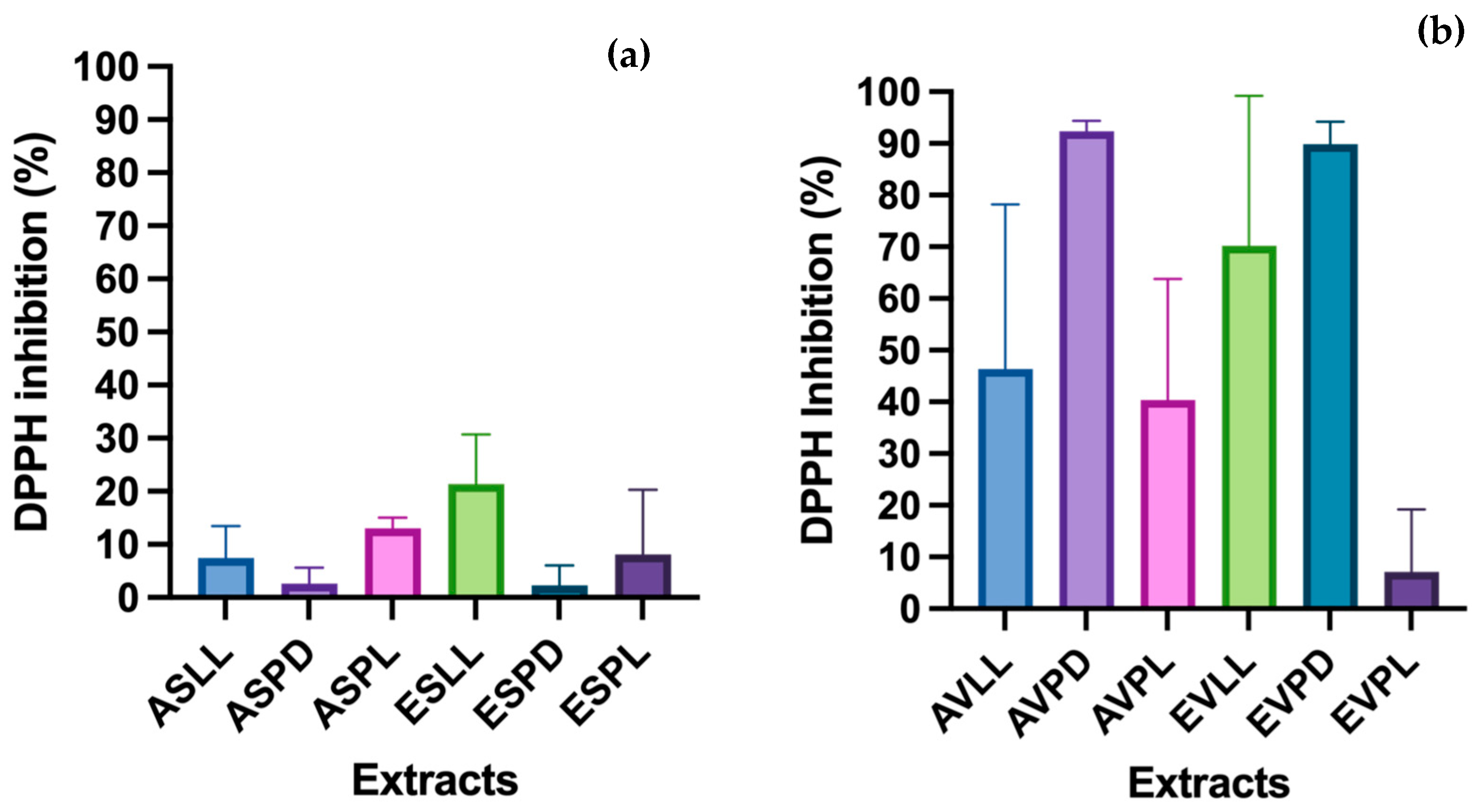
The evaluated extracts showed increased DPPH radical scavenging activity as their concentration increased. Greater antioxidant activity was observed in the pod extracts compared to the seed extracts; the AVPD, EVLL, and EVPD extracts were able to inhibit more than 50% of the DPPH radical (Figure 2).
The P. dulce pod extracts (AVPD) at 0.257 mg/mL and (EVPD) at 0.320 mg/mL were the most effective in DPPH radical scavenging activity. Of the remaining 10 extracts, three showed IC50 values below 25 mg/mL, while the other seven showed values above 25 mg/mL (Table 5).

3.4. Total Phenolic and Flavonoid Contents

The total phenolic content (TPC), total flavonoid content (TFC), and DPPH inhibition showed clear variability among species, extract type, and plant part. Pod extracts exhibited higher TPC, TFC, and antioxidant activity than seeds (Table 5).
The highest TPC was found in EVPD (133.24 mg GAE/g), followed by AVPD (87.29 mg GAE/g) and EVLL (61.62 mg GAE/g). A similar pattern was observed for TFC, with EVPD showing the highest value (50.90 mg QE/g), followed by AVPD (42.40 mg QE/g) and EVLL (42.21 mg QE/g).
DPPH inhibition was the highest in AVPD (93.43%), EVLL (92.59%), and EVPD (92.32%), supporting a positive association between phenolic compounds and antioxidant activity. In contrast, seed extracts showed lower values, particularly ASPD, which presented very low flavonoid content (0.61 mg QE/g) and low antioxidant activity (7.60%).
TPC showed strong positive correlations against E. faecalis (r = 0.898) and S. aureus (r = 0.610), while a moderate correlation was observed against C. albicans (r = 0.471). Similarly, TFC exhibited strong positive correlations with E. faecalis (r = 0.715), S. aureus (r = 0.613), and C. albicans (r = 0.602). In contrast, negative correlations were observed against E. coli for both TPC (r = −0.378) and TFC (r = −0.201) (Table 6). These results suggest that phenolic and flavonoid compounds may contribute to the antimicrobial activity of the extracts, particularly against Gram-positive bacteria and yeast strains.

3.5. Toxicity Assay (LC50) in Artemia salina

Variations in the toxicity of the evaluated extracts showed a concentration-dependent relationship, with increased mortality of A. salina nauplii observed at concentrations of 100 and 1000 μg/mL.
Table 7 shows the LC50 values for the 12 extracts; the ethanolic extract of P. dulce seeds was the most lethal, with an LC50 value of 76.43 μg/mL. Of the remaining eleven extracts, eight had LC50 values greater than 100 μg/mL, and only three had values greater than 1000 μg/mL.

4. Discussion

Plants synthesize a wide diversity of secondary metabolites as part of their adaptive, defensive, and ecological interaction mechanisms; many of these compounds exhibit significant pharmacological potential and diverse biological activities [1]. In previous studies, phenolic compounds, flavonoids, and alkaloids have been identified as the predominant constituents in extracts of leaves, seeds, and flowers of L. leucocephala [2,3], P. laevigata [27,28], and P. dulce [12,13]. In contrast, the present study revealed a broader and more diverse phytochemical profile in seed and particularly pod extracts, including not only these compounds but also additional secondary metabolites such as chalcones, quinones, flavones, terpenoids, tannins, and saponins. This difference may be associated with the specific metabolic functions of pods, which are involved in protection and dispersal, potentially leading to a more complex accumulation of bioactive compounds compared to other plant parts [14].
The presence of these types of secondary metabolites has also been reported in other species of the Fabaceae family, although with variations depending on the plant organ analyzed. For instance, in Parkia biglobosa, high levels of polyphenols and flavonoids have been identified in leaves, fruits, and roots [29], whereas in Vachellia farnesiana, phenolic compounds and flavonoids are mainly reported in leaves and pods, while alkaloids and tannins are more abundant in roots [30,31]. Similarly, terpene compounds have been identified in root extracts of Acacia schaffneri [32], and in Enterolobium cyclocarpum, tannins, saponins, oxalates, and alkaloids have been reported across multiple tissues, including leaves, seeds, pods, and fruits [33]. These comparisons highlight that, although similar classes of metabolites are present across Fabaceae species, their distribution and diversity vary depending on the plant part, supporting the patterns observed in the present study.
The synthesis and accumulation of secondary metabolites are influenced by genetic, physiological, and environmental factors. Environmental conditions such as water availability, solar radiation, soil composition, and biotic or abiotic stress can modulate the production of these compounds, especially those involved in antioxidant defense and protection against pathogens [34].
The antimicrobial activity of plant extracts has been widely documented and is associated with the diversity of secondary metabolites produced as part of plant defense mechanisms against pathogenic microorganisms [35]. The results obtained in the present study are consistent with previous reports; however, variations in antimicrobial effectiveness can be observed depending on the plant species, tissue, and extraction conditions. For instance, Mora-Villa et al. [3] reported that methanolic seed extracts of L. leucocephala inhibited bacterial and fungal growth in vitro, with inhibition zones ranging from 6–9.33 mm and MIC values between 2000–4000 μg/mL against E. coli and S. aureus, as well as antifungal activity against Candida glabrata. Similarly, methanolic extracts of P. laevigata leaves have shown inhibition zones of 8–10 mm at 2 mg/mL and up to 10.66–16 mm at higher concentrations, with lower MIC values against Candida spp. [36]. In contrast, ref. [37] reported antibacterial activity of methanolic seed extracts of P. dulce against multidrug-resistant bacteria, although with comparatively higher MIC values, indicating lower potency.
Compared to these studies, the antimicrobial activity observed in the present work falls within a comparable range of inhibition; however, the differences in activity may be explained by variations in extraction solvents, plant parts, and particularly the diversity and composition of secondary metabolites detected. In this study, the broader phytochemical profile identified, particularly in pod extracts, suggests that multiple bioactive compounds may contribute to the observed antimicrobial effects, acting either individually or synergistically.
It has been demonstrated that phenolic compounds and flavonoids can inhibit bacterial growth through different mechanisms, such as altering cell membrane permeability, inhibiting enzymes, and interfering with the synthesis of proteins and nucleic acids [34,35]. Their presence has been reported to inhibit fungal growth by affecting cell wall synthesis, altering membrane permeability, and disrupting essential enzymatic processes [38]. Other compounds observed in the extracts with the highest antimicrobial activity include terpenes, saponins, and alkaloids, metabolites that have been associated with antibacterial and antifungal activities. Terpenes, due to their lipophilic nature, can interact with the lipid bilayer of the membrane, causing structural disorganization, loss of integrity, and alterations in permeability [39,40]. Similarly, saponins and alkaloids exert their activity by interacting with membrane proteins and lipids, leading to increased cellular permeability and eventual cell death [41,42].
The antioxidant activity of plant extracts is closely related to the ability of plants to synthesize secondary metabolites that mitigate oxidative stress. These compounds act through multiple mechanisms, including direct scavenging of free radicals, donation of electrons or hydrogen atoms, reduction in oxidizing agents, and protection of biomolecules against oxidative damage [43]. The antioxidant activity observed in the pod and seed extracts of L. leucocephala, P. laevigata, and P. dulce is consistent with previous reports; however, differences in activity levels can be noted. For example, Chowtivannakul et al. [44] reported that seed extracts of L. leucocephala exhibited 50% inhibition of the DPPH radical at 839.59 μg/mL, indicating moderate antioxidant capacity compared to the values obtained in the present study.
Studies on L. leucocephala have shown that fractions with higher polyphenol content exhibit enhanced antioxidant capacity, particularly in radical scavenging and reducing power assays, which has been attributed to the abundance of flavonoids and other phenolic compounds in tissues exposed to environmental stress, such as pods [45]. Similarly, in P. laevigata and P. dulce, antioxidant activity has been reported in leaf and seed extracts and is positively associated with total phenolic and flavonoid contents [46].
The results obtained in the present study reinforce this relationship, suggesting that the higher antioxidant activity observed may be linked not only to the concentration but also to the diversity of phenolic compounds present. Several studies indicate that pods tend to exhibit a more diverse and concentrated phenolic profile than other plant parts, which can result in greater antioxidant capacity. This pattern has been associated with the protective role of secondary metabolites against oxidative stress and environmental factors [47].
The total phenolic and flavonoid content observed in the extracts highlight the importance of these compounds as key contributors to antioxidant and antimicrobial activity. Phenolic compounds and flavonoids are known to act as free radical scavengers and to interact with cellular components, which supports their biological effects [41,43]. The values obtained in this study agree with previous reports in L. leucocephala and P. laevigata, where higher TPC and TFC have been associated with increased biological activity [42,44].
The toxicity of plant extracts is a key factor in assessing their safety and distinguishing specific biological effects from nonspecific toxic responses, thereby providing essential information on their potential biological applications [35]. The observed toxicity can be attributed to the presence and interaction of secondary metabolites such as saponins, chalcones, quinones, and alkaloids, which have been widely associated with cytotoxic activity in similar bioassays.
Comparative studies indicate that extracts containing higher proportions of alkaloids and quinones tend to exhibit greater toxicity than those dominated by phenolic compounds or flavonoids [23]. This suggests that the balance between different classes of metabolites plays a critical role in modulating biological effects. Extracts with more complex phytochemical profiles may exhibit variable toxicity depending on potential synergistic or antagonistic interactions among their constituents. Such interactions can either enhance or mitigate cytotoxic effects, highlighting the importance of considering not only individual compounds but also their combined activity.
The cytotoxic effects of these metabolites can be explained by their interactions at the cellular level. Alkaloids may interfere with key enzymatic processes and disrupt cellular functions [48,49], while saponins, due to their amphipathic nature, can interact with membrane sterols, increasing permeability and causing structural damage [50]. Quinones, characterized by their redox activity, can generate reactive oxygen species, leading to oxidative stress and damage to cellular macromolecules [51]. Together, these mechanisms provide a plausible explanation for the toxicity observed and underscore the relevance of phytochemical composition in determining the biological effects of plant extracts.
Despite the results obtained in this investigation, it is necessary to acknowledge and carefully consider the limitations observed during the development of the study and in future research. The collection of plant material from a single geographic region and during a specific seasonal period may directly influence both the phytochemical composition and the biological activities observed. The inclusion of different geographic regions and seasonal periods in future studies would allow a more comprehensive comparison and better understanding of the variability in the chemical composition and biological potential of the evaluated plant species. The evaluation of crude extracts and the absence of an individual identification of bioactive compounds represent an additional limitation, since the biological activities observed may result from synergistic or antagonistic interactions among multiple metabolites present in the extracts. The use of chromatographic and analytical techniques for the isolation, identification, and characterization of bioactive constituents would allow a better understanding of their individual contributions, as well as the mechanisms of action involved. Another limitation was the evaluation against a relatively limited number of antimicrobial strains. The inclusion of a broader diversity of clinically relevant microorganisms, including resistant strains, would provide a more comprehensive understanding of the antimicrobial potential of the evaluated extracts. The biological activities reported herein were assessed exclusively through in vitro assays under controlled conditions; therefore, their therapeutic potential must be validated through in vivo studies to confirm their efficacy, safety, and possible mechanisms of action under biological systems.

5. Conclusions

It was found that extracts from the pods and seeds of L. leucocephala and P. dulce exhibited in vitro antimicrobial activity, with inhibition zones of 8.1–14.7 mm (E. coli), 8.8–15.1 mm (S. aureus), 11.3–15.4 mm (E. faecalis), 8.9–24.1 mm (C. albicans), and 8.5–22.6 mm (C. krusei). Extracts obtained from pods showed higher antioxidant activity, with P. dulce extracts (AVPD and EVPD) standing out, displaying low IC50 values of 0.257 and 0.320 mg/mL, respectively. This activity is consistent with their high total phenolic and flavonoid contents, notably in EVPD (133.24 mg GAE/g and 50.90 mg QE/g) and AVPD (87.29 mg GAE/g and 42.40 mg QE/g), suggesting a relationship between phenolic composition and radical scavenging capacity.
These biological effects may be associated with the presence and diversity of secondary metabolites, particularly phenolic compounds and flavonoids, which are widely recognized for their antioxidant and antimicrobial properties. Toxicity was generally moderate across extracts; however, the ethanolic extract of P. dulce seeds exhibited higher toxicity (LC50 = 76.43 μg/mL), which may be related to the presence of compounds such as saponins, chalcones, quinones, and alkaloids. Overall, these findings highlight the potential of these species as sources of bioactive compounds for the development of natural antimicrobial and antioxidant agents.
Based on the results obtained, future research should focus on the isolation, identification, and evaluation of individual secondary metabolites, as well as their correlation with the observed biological activities, to better elucidate their mechanisms of action and potential applications.

Author Contributions

Conceptualization, J.A.M.-L. and T.A.-B.; Methodology, J.A.M.-L., T.A.-A. and E.G.-S.; Software, T.A.-A.; Validation, T.A.-B. and T.A.-L.; Formal analysis, T.A.-B., T.A.-L. and K.C.-G.; Investigation, J.A.M.-L., T.A.-A. and E.G.-S.; Resources, E.G.-S. and K.C.-G.; Data curation, T.A.-B., A.B.-C. and T.A.-L.; Writing—original draft, J.A.M.-L.; Writing—review & editing, J.A.M.-L.; Visualization, A.B.-C. and K.C.-G.; Supervision, T.A.-B., A.B.-C. and E.G.-S.; Project administration, A.B.-C., T.A.-L. and K.C.-G. All authors have read and agreed to the published version of the manuscript.

Funding

This research received no external funding.

Institutional Review Board Statement

The approval of the ethical committee was attained by the Internal Bioethics Committee belonging to the Instituto Politécnico Nacional CIIDIR Oaxaca, SIP-DI-DP-DDCyT-CIIDIR OAX-D-SAI-051-2026, 28 April 2026.

Informed Consent Statement

Not applicable.

Data Availability Statement

The original contributions presented in the study are included in the article. Further inquiries can be directed to the corresponding author.

Acknowledgments

The first author thanks the Secretaría de Ciencias, Humanidades, Tecnología e Innovación (SECIHTI) for awarding a grant to the first author to undertake their post-graduate studies in Conservation and Use of Natural Resources-Biological Control Laboratory of IPN-CIIDIR Oaxaca for its support, and Sistema Nacional de Investigadoras e Investigadores (SNII-SECIHTI).

Conflicts of Interest

The authors declare no conflicts of interest.

References

  1. Torres-Chati, J.; León-Quispe, J.; Tomas-Chota, G. Antibacterial and antifungal activity from leaf extracts of Luma chequen (Molina) A. Gray “myrtle” against pathogens of clinical origin. Rev. Soc. Venez. Microbiol. 2017, 37, 10–16. [Google Scholar]
  2. Román-Cortés, N.; García-Mateos, M.D.; Castillo-González, A.M.; Sahagún-Castellanos, J.; Jiménez-Arellanes, A. Nutritional components and antioxidants of two species of guaje (Leucaena spp.): An underutilized traditional resource. Rev. Chapingo Ser. Hortic. 2014, 20, 157–170. [Google Scholar] [CrossRef]
  3. Mora-Villa, A.; Serrano-Parrales, R.; Lira-Saade, R.; Jiménez-Estrada, M.; Hernández-Delgado, T. Evaluation of the antimicrobial activity of Leucaena esculenta and Leucaena leucocephala seed collected from Tlayacapan, Morelos, México. Polibotánica 2021, 52, 175–191. [Google Scholar] [CrossRef]
  4. Abu, M.; Yin, H.; Isha, A.; Armania, N. Antioxidant, antimicrobial and cytotoxic potential of condensed tannins from Leucaena leucocephala hybrid-Rendang. Food Sci. Hum. Wellness 2016, 5, 65–75. [Google Scholar] [CrossRef]
  5. Retnaningsih, A. Test of the inhibitory power of petai cina leaves (Leucaena leucocephala folium) against Staphylococcus aureus and Escherichia coli bacteria using the agar diffusion method. J. Dunia Kesmas 2016, 5, 110–114. [Google Scholar]
  6. Utami, P.R.; Chairani; Yudha, H. Combination test of Chinese leaf extract (Leucaena leucocephala folium) and Aloe vera inhibiting growth of Escherichia coli. Indones. J. Med. Lab. Sci. Technol. 2020, 2, 60–67. [Google Scholar] [CrossRef]
  7. Zayed, M.Z.; Samling, B. Phytochemical constituents of the leaves of Leucaena leucocephala from Malaysia. Int. J. Pharm. Pharm. Sci. 2016, 8, 174–179. [Google Scholar] [CrossRef]
  8. Valencia, D.; Rueda, E.O.; Leyva, P.M.A.; Mazón-López, S.R.; Ortega-García, J. Bioactive Compounds, Antioxidant Activity and Profile of Fatty Acids in Mesquite Seed Oil (Prosopis spp.). Arch. Latinoam. Nutr. 2020, 70, 50–59. [Google Scholar] [CrossRef]
  9. Ramírez-Rojo, M.I.; Vargas-Sánchez, R.D.; Hernández-Martínez, J.; Martínez-Benavidez, E.; Sánchez-Escalante, J.J.; Torrescano-Urrutia, G.R.; Sánchez-Escalante, A. Antioxidant activity of mesquite leaf extracts (Prosopis velutina). Biotecnia 2019, 21, 113–119. [Google Scholar] [CrossRef]
  10. Rennan, P.G.; Souza, G.T.A.; Moura, H.V.; Martins, D.M.E.; Calvalcanti-Mata, M.E. Technological characterization of cookies made with different concentrations of mesquite flour during 120 days of storage. Braz. J. Food Technol. 2018, 21, e2017116. [Google Scholar] [CrossRef]
  11. Poongodi, T.; Hemalatha, R. In vitro cytotoxicity, phytochemistry, and GC–MS analysis of Pithecellobium dulce leaves. World J. Pharm. Pharm. Sci. 2015, 4, 1266–1276. [Google Scholar]
  12. Kalavani, R.; Banu, R.S.; Jeyanthi, K.A.; Sankari, T.U.; Kanna, A.V. Evaluation of anti-inflammatory and antibacterial activity of Pithecellobium dulce (Benth.) extract. Biotechnol. Res. 2016, 2, 148–154. [Google Scholar]
  13. Praveen, A.R.; Prasath, K.; Kalyan, B.; Babu, I. Antidiabetic activity of bark extract of Pithecellobium dulce Benth. in alloxan-induced diabetic rats. Nat. Prod. Indian J. 2010, 6, 201–204. [Google Scholar]
  14. Sagar, N.A.; Pareek, S.; Sharma, S.; Yahia, E.M.; Lobo, G.M. Fruit and vegetable waste: Bioactive compounds, their extraction, and possible utilization. Compr. Rev. Food Sci. Food Saf. 2018, 17, 512–531. [Google Scholar] [CrossRef]
  15. Muñoz, R.A.; Santome, S.; León, J.Q. Antibacterial activity of hexane and ethanolic extracts of marine macroalgae of the Bay of Ancón, Lima–Peru. Rev. Investig. Vet. Peru 2020, 31, e17829. [Google Scholar] [CrossRef]
  16. Wagner, H.; Bladt, S. Plant Drug Analysis: A Thin Layer Chromatography Atlas, 2nd ed.; Springer: Berlin/Heidelberg, Germany, 1996. [Google Scholar]
  17. Rodríguez-Pava, C.N.; Zarate Sanabria, A.G.; Sánchez Leal, L.C. Antimicrobial activity of four varieties of plants against pathogens clinical significance in Colombia. Nova 2017, 15, 119–129. [Google Scholar] [CrossRef]
  18. CLSI M100; Performance Standards for Antimicrobial Susceptibility Testing. Clinical and Laboratory Standard Institute: Wayne, PA, USA, 2020. Available online: https://clsi.org/shop/standards/m100/ (accessed on 11 May 2026).
  19. Navarrete-Barragán, N.A.; Pita-Ospina, E.F.; Sánchez Mora, R.M.; Giraldo Quintero, S.E.; Bernal Lizarazú, M.C. In vitro activity of the ethanolic extracts from Lantana camara L., Petiveria alliacea L. and Lippia dulcis T. against pathogenic bacteria. Nova 2020, 18, e3700. [Google Scholar] [CrossRef]
  20. Maželienė, Ž.; Kirvaitienė, J.; Kaklauskienė, K.; Volskienė, R.; Aleksandravičienė, A. Antifungal and antibacterial activity of aqueous and ethanolic extracts of different Rosa rugosa parts. Microbiol. Res. 2025, 16, 26. [Google Scholar] [CrossRef]
  21. Cárdenas, A.; Isaza Mejía, G.; Pérez Cárdenas, J.E.; Martínez Garzón, M.M. Estudio fitoquímico preliminar y evaluación de la actividad antibacteriana de Solanum dolichosepalum Bitter (frutillo). Rev. Cuba. Plantas Med. 2017, 22, 1–11. [Google Scholar]
  22. López, T.; Morillo, M.; Visbal, T.; Carmona, J. Phytochemical study, antioxidant activity and toxicity on Artemia salina, from extracts of aerial parts of Justicia secunda Vahl. (Acanthaceae), collected in Mérida-Venezuela. Rev. Colomb. Cienc. Quím. Farm. 2022, 51, 213–229. [Google Scholar] [CrossRef]
  23. Chandra, S.; Khan, S.; Avula, B.; Lata, H.; Yang, M.H.; ElSohly, M.A.; Khan, I.A. Assessment of total phenolic and flavonoid content, antioxidant properties, and yield of aeroponically and conventionally grown leafy vegetables and fruit crops: A comparative study. Evid.-Based Complement. Altern. Med. 2014, 2014, 253875. [Google Scholar] [CrossRef] [PubMed]
  24. Torres-López, T.G.; Magaña Magaña, J.E.; Licón Trillo, L.P.; Alonso Gómez, M.A. Comparison of different extracts, their lethal dose 50 in brine Shrimp and the chemical composition of Granje (Celtis pallida Torr.). Rev. Biológico Agropec. 2022, 10, 17–27. [Google Scholar] [CrossRef]
  25. Fernández-Calienes Valdés, A.; Mendiola Martínez, J.; Monzote Fidalgo, L.; García Parra, M.; Sariego Ramos, I.; Acuña Rodríguez, D.; Gutiérrez Gaitén, Y. Evaluation of toxicity of Cuban plant extracts with possible antiparasitic action based on the use of Artemia salina larvae. Rev. Cuba. Med. Trop. 2009, 61, 254–258. [Google Scholar]
  26. Hernández-Lalinde, J.D.; Espinosa-Castro, J.F.; Peñaloza-Tarazona, M.E.; Fernández-González, J.E.; Chacón-Rangel, J.G.; Toloza-Sierra, C.A.; Rodríguez-Rodríguez, J.A.; Bermúdez-Pirela, V.J. Sobre el uso adecuado del coeficiente de correlación de Pearson: Definición, propiedades y suposiciones. Arch. Venez. Farmacol. Ter. 2018, 37, 587–595. [Google Scholar]
  27. Acosta-Salas, U.J.; Favela González, K.M.; Pérez García, L.A.; del Río Arellano, C.N.; de la Fuente Salcido, N.M. Extracción preliminar y determinación de la actividad biológica de péptidos de semilla de Prosopis laevigata (mezquite). Cienc. Farm. Biomed. 2019, 4, 56–67. [Google Scholar]
  28. Hoffmann, E.; Boeri, P.; Monasterio, R.; Fontana, A.; Puppo, M.A.; Barrio, D.A.; Piñuel, L. Bioactivity of Prosopis alpataco and Prosopis flexuosa flours: Healthy alternatives as ingredients for nutritional foods. Food Biosci. 2024, 58, 103778. [Google Scholar] [CrossRef]
  29. Touré, A.; Tiho, T.; Yao, N.; Adima, A. Phytochemical composition and antioxidant activities of leaves, fruit pulp, and stem and root barks of Parkia biglobosa (Mimosaceae). J. Biosci. Med. 2022, 10, 48–62. [Google Scholar] [CrossRef]
  30. Delgadillo-Puga, C.; Cuchillo-Hilario, M.; Navarro-Ocaña, A.; Medina-Campos, O.N.; Nieto-Camacho, A.; Ramírez-Apan, T.; López-Tecpoyotl, Z.G.; Díaz-Martínez, M.; Álvarez-Izazaga, M.A.; Cruz-Martínez, Y.R.; et al. Phenolic compounds in organic and aqueous extracts from Acacia farnesiana pods analyzed by ULPS-ESI-Q-oa/TOF-MS. In vitro antioxidant activity and anti-inflammatory response in CD-1 mice. Molecules 2018, 23, 2386. [Google Scholar] [CrossRef]
  31. Deka, L.; Kashyap, B.; Ahmed, R.; Sarma, H.; Doley, R.; Bora, N.S.; Gam, S.; Gogoi, B.; Borah, R.; Dutta, K.N. Exploration of the antioxidant and anti-inflammatory potential of Vachellia farnesiana bark by in vitro method. J. Pharmacogn. Phytochem. 2024, 13, 702–707. [Google Scholar] [CrossRef]
  32. Manríquez-Torres, J.d.J.; Hernández-Lepe, M.A.; Chávez-Méndez, J.R.; González-Reyes, S.; Serafín-Higuera, I.R.; Rodríguez-Uribe, G.; Torres-Valencia, J.M. Isolation and Cytotoxic Activity of Phyllocladanes from the Roots of Acacia schaffneri (Leguminosae). Molecules 2020, 25, 3944. [Google Scholar] [CrossRef]
  33. Olmedo-Juárez, A.; Jimenez-Chino, A.L.; Bugarin, A.; Zamilpa, A.; Gives, P.M.-d.; Villa-Mancera, A.; López-Arellano, M.E.; Olivares-Pérez, J.; Delgado-Núñez, E.J.; González-Cortazar, M. Phenolic Acids and Flavonoids from Pithecellobium dulce (Robx.) Benth Leaves Exhibit Ovicidal Activity against Haemonchus contortus. Plants 2022, 11, 2555. [Google Scholar] [CrossRef] [PubMed]
  34. Borges, C.V.; Minatel, I.O.; Gomez-Gomez, H.A.; Lima, G.P.P. Medicinal plants: Influence of environmental factors on the content of secondary metabolites. In Medicinal Plants and Environmental Challenges; Ghorbanpour, M., Varma, A., Eds.; Springer International Publishing: Cham, Switzerland, 2017; pp. 259–277. [Google Scholar]
  35. Cushnie, T.P.T.; Lamb, A.J. Recent advances in understanding the antibacterial properties of flavonoids. Int. J. Antimicrob. Agents 2011, 38, 99–107. [Google Scholar] [CrossRef]
  36. Nava-Solis, U.; Rodríguez-Canales, M.; Hernández-Hernández, A.B.; Velasco-Melgoza, D.A.; Moreno-Guzman, B.P.; Rodríguez-Monroy, M.A.; Canales-Martínez, M.M. Antimicrobial activity of the methanolic leaf extract of Prosopis laevigata. Sci. Rep. 2022, 12, 20807. [Google Scholar] [CrossRef]
  37. Aldarhami, A.; Bazaid, A.S.; Alhamed, A.S.; Alghaith, A.F.; Ahamad, S.R.; Alassmrry, Y.A.; Alharazi, T.; Snoussi, M.; Qanash, H.; Alamri, A.; et al. Antimicrobial potential of Pithecellobium dulce seed extract against pathogenic bacteria: In silico and in vitro evaluation. BioMed Res. Int. 2023, 2023, 2848198. [Google Scholar] [CrossRef]
  38. Daglia, M. Polyphenols as antimicrobial agents. Curr. Opin. Biotechnol. 2012, 23, 174–181. [Google Scholar] [CrossRef]
  39. Bakkali, F.; Averbeck, S.; Averbeck, D.; Idaomar, M. Biological effects of essential oils—A review. Food Chem. Toxicol. 2008, 46, 446–475. [Google Scholar] [CrossRef] [PubMed]
  40. Nazzaro, F.; Fratianni, F.; De Martino, L.; Coppola, R.; De Feo, V. Effect of essential oils on pathogenic bacteria. Pharmaceuticals 2013, 6, 1451–1474. [Google Scholar] [CrossRef]
  41. Górniak, I.; Bartoszewski, R.; Króliczewski, J. Comprehensive review of antimicrobial activities of plant flavonoids. Phytochem. Rev. 2019, 18, 241–272. [Google Scholar] [CrossRef]
  42. Wink, M. Modes of Action of Herbal Medicines and Plant Secondary Metabolites. Medicines 2015, 2, 251–286. [Google Scholar] [CrossRef]
  43. Muscolo, A.; Mariateresa, O.; Giulio, T.; Mariateresa, R. Oxidative Stress: The Role of Antioxidant Phytochemicals in the Prevention and Treatment of Diseases. Int. J. Mol. Sci. 2024, 25, 3264. [Google Scholar] [CrossRef] [PubMed]
  44. Chowtivannakul, P.; Srichaikul, B.; Talubmook, C. Antidiabetic and antioxidant activities of seed extract from Leucaena leucocephala (Lam.) de Wit. Agric. Nat. Resour. 2016, 50, 357–361. [Google Scholar] [CrossRef]
  45. Benjakul, S.; Kittiphattanabawon, P.; Sumpavapol, P.; Maqsood, S. Antioxidant activities of lead (Leucaena leucocephala) seed as affected by extraction solvent, prior dechlorophyllisation and drying methods. J. Food Sci. Technol. 2014, 51, 3026–3037. [Google Scholar] [CrossRef] [PubMed]
  46. García-Azpeitia, L.; Montalvo-González, E.; Loza-Cornejo, S. Nutritional and phytochemical characterization of leaves, flower and fruits of Prosopis laevigata. Bot. Sci. 2022, 100, 1014–1024. [Google Scholar] [CrossRef]
  47. Isah, T. Stress and defense responses in plant secondary metabolites production. Biol. Res. 2019, 52, 39. [Google Scholar] [CrossRef]
  48. Habli, Z.; Toumieh, G.; Fatfat, M.; Rahal, O.N.; Gali-Muhtasib, H. Emerging Cytotoxic Alkaloids in the Battle against Cancer: Overview of Molecular Mechanisms. Molecules 2017, 22, 250. [Google Scholar] [CrossRef]
  49. Cushnie, T.P.; Cushnie, B.; Lamb, A.J. Alkaloids: An overview of their antibacterial, antibiotic-enhancing and antivirulence activities. Int. J. Antimicrob. Agents 2014, 44, 377–386. [Google Scholar] [CrossRef]
  50. Podolak, I.; Galanty, A.; Sobolewska, D. Saponins as cytotoxic agents: A review. Phytochem. Rev. 2010, 9, 425–474. [Google Scholar] [CrossRef] [PubMed]
  51. Kumagai, Y.; Shinkai, Y.; Miura, T.; Cho, A.K. The chemical biology of naphthoquinones and its environmental implications. Annu. Rev. Pharmacol. Toxicol. 2012, 52, 221–247. [Google Scholar] [CrossRef] [PubMed]
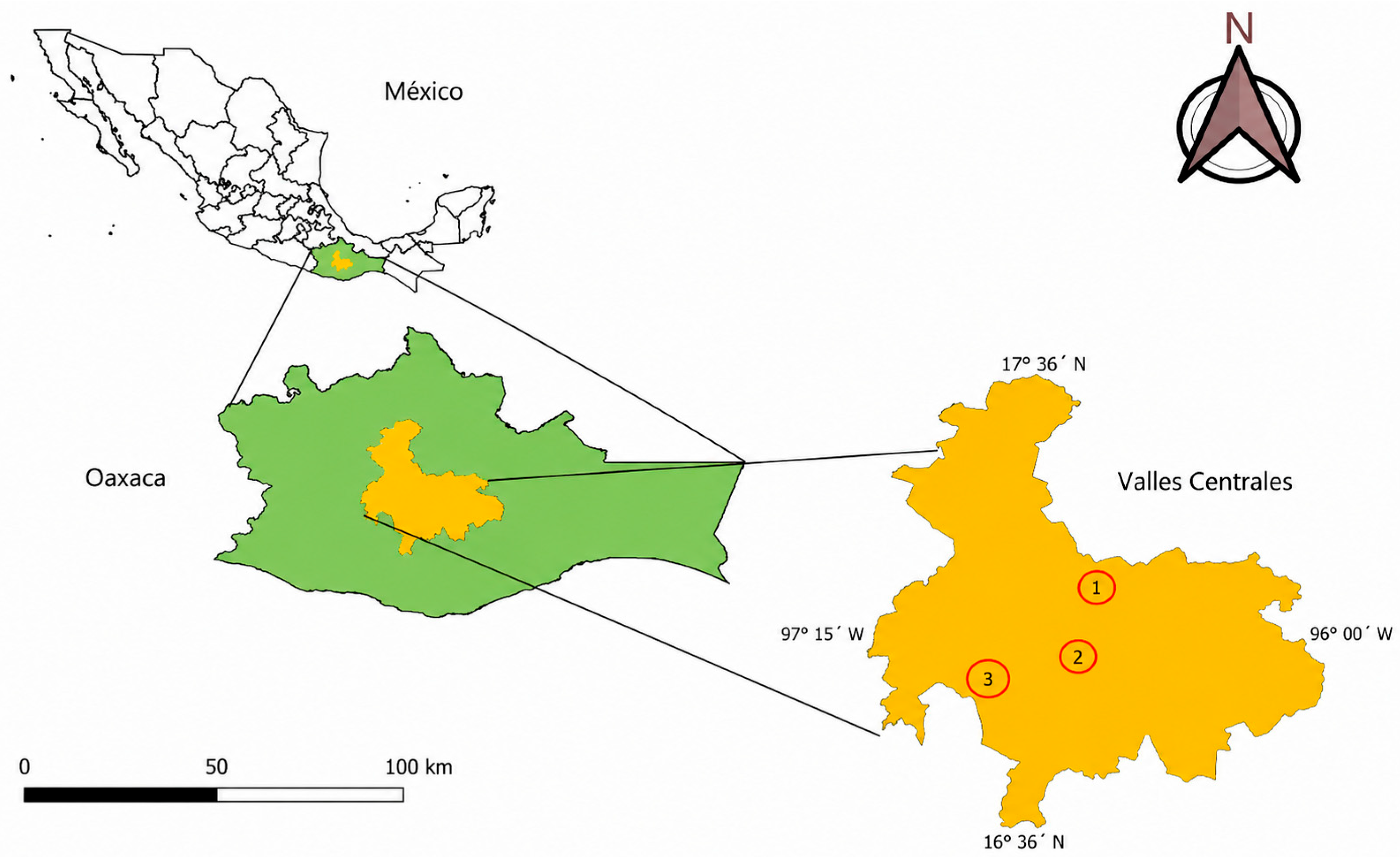
Figure 1. Geographic location of the plant collection sites in Oaxaca, Mexico: (1) Oaxaca de Juárez, (2) Santa Cruz Xoxocotlán, and (3) Cuilápam de Guerrero.
Microbiolres 17 00097 g001
Figure 2. Percentage of DPPH radical inhibition of extracts from (a) seeds and (b) pods of L. leucocephala, P. laevigata, and P. dulce.
Microbiolres 17 00097 g002
Table 1. Seed and pod extracts of L. leucocephala, P. laevigata, and P. dulce.
Treatment CodePlant SpeciesPlant Part
Ethyl acetate
ASLLL. leucocephalaSeed
AVLL Pod
ASPDP. dulceSeed
AVPD Pod
ASPLP. laevigataSeed
AVPL Pod
Ethanol
ESLLL. leucocephalaSeed
EVLL Pod
ESPDP. dulceSeed
EVPD Pod
ESPLP. laevigataSeed
EVPL Pod
Table 2. Identification of secondary metabolites in seed and pod extracts of L. leucocephala, P. laevigata, and P. dulce.
Secondary Metabolites
ExtractsSAP 1FHE 2FLA 3FLV 4CHA 5TER 6TAN 7ALK 8QUI 9
ASLL+++
AVLL++++++++++++
ASPD+++
AVPD+++++++++++++++++
ASPL+++++++
AVPL+++++++++++
ESLL++++++++++
EVLL++++++++++++++++
ESPD++++++++++++
EVPD+++++++++++++++
ESPL++++++++++++++
EVPL++++++++++++
1 SAP: Saponins; 2 FHE: Phenols; 3 FLA: Flavonoids; 4 FLV: Flavones; 5 CHA: Chalcones; 6 TER: Terpenoids; 7 TAN: Tannins; 8 ALK: Alkaloids; and 9 QUI: Quinones. Intense coloration (+++); clearly observable coloration (++); weak coloration (+); negative reaction and/or no coloration observed (−).
Table 3. Antimicrobial activity of pod and seed extracts of L. leucocephala, P. laevigata, and P. dulce against pathogenic microorganisms by the agar well test.
Inhibition Zones (mm)
ConcentrationMicroorganisms
Extractsmg/mLEC 1SA 2EF 3CA 4CK 5
ASLL5---8.9 ± 0.57 ***-
109.6 ± 0.23 ***10.5 ± 0.55 ***-14.1 ± 0.58 ***-
AVLL58.1 ± 0.29 ***--9.4 ± 0.94 ***8.5 ± 0.37 ***
1012 ± 0.29 **--14.8 ± 0.99 **20.5 ± 0.75 ns
ASPD5---9.9 ± 0.48 ***8.6 ± 0.47 ***
1012.1 ± 0.1 ***--15.4 ± 0.31 **22.6 ± 0.59 ns
AVPD5-12 ± 0.35 ***11.3 ± 0.53 ***14.7 ± 0.48 **13.8 ± 0.97 **
10-12.5 ± 0.41 ***14.7 ± 0.72 ***22.6 ± 0.82 ns19.7 ± 0.76 ns
ASPL5----11.7 ± 0.69 *
10----13.7 ± 0.42 *
AVPL5---13 ± 0.54 **-
10---14.8 ± 0.33 **-
ESLL58.1 ± 0.1 ***--9 ± 0.38 ***9 ± 0.38 ***
1014.7 ± 0.38 **9.9 ± 0.35 ***-22.4 ± 0.64 ns22 ± 0.48 ns
EVLL510.2 ± 0.33 **11.3 ± 0.64 ***-8.2 ± 0.25 ***-
1012.2 ± 0.22 **11.7 ± 0.31 ***-13 ± 0.26 ***11.9 ± 0.30 **
ESPD5---11.2 ± 0.50 **-
1011.2 ± 0.51 ***8.8 ± 0.11 ***-14.7 ± 0.81 **10.4 ± 0.18 ***
EVPD5-13.5 ± 0.93 **12.4 ± 0.45 ***15.1 ± 0.30 **19.4 ± 0.47 ns
10-15.1 ± 0.88 **15.4 ± 0.26 ***24.1 ± 0.60 ns22.1 ± 0.79 ns
ESPL5-----
10-----
EVPL5-----
10-----
Controls
(Ceftriaxone
/ketoconazole)
526.4 ± 0.4125.7 ± 0.4925.08 ± 0.4926.5 ± 0.4026.4 ± 0.40
1027.9 ± 0.6927.5 ± 0.4028.3 ± 0.8128.2 ± 0.5828.86 ± 0.58
DMSO5%-----
1 EC: E. coli; 2 SA: S. aureus; 3 EF: E. faecalis; 4 CA.: C. albicans; 5 CK: C. Krusei. - The extract showed no inhibitory effect on microorganisms. Values are expressed as mean ± SD (n = 3). The values were considered significantly different p ≤ 0.12 (ns), p ≤ 0.033 (*), p ≤ 0.002 (**), and p < 0.001 (***) for the inhibition halos of the extracts compared to the positive control, as determined by a one-way ANOVA followed by Dunnett’s test.
Table 4. Minimum inhibitory (MIC), bactericidal (MBC), and fungicidal (MFC) concentrations of seed and pod extracts of L. leucocephala, P. laevigata, and P. dulce.
Microorganisms
ExtractsE. coliS. aureusE. faecalisC. albicansC. krusei
CodePlant speciesMIC 1MBC 2MIC 1MBC 2MIC 1MBC 2MIC 1MFC 3MIC 1MFC 3
ASLLL. leucocephala>2.5>2.52.5>2.5-->2.5>2.5--
AVLL 0.07>2.5---->2.5>2.5>2.5>2.5
ASPDP. dulce>2.5>2.5---->2.5>2.5>2.5>2.5
AVPD --0.150.310.150.311.25>2.5>2.5>2.5
ASPLP. laevigata-------->2.5>2.5
AVPL ------>2.5---
ESLLL. leucocephala1.25>2.5>2.5>2.5-->2.5>2.5--
EVLL 0.01>2.50.070.07--1.25>2.51.25>2.5
ESPDP. dulce0.150.62>2.5>2.5--0.311.25>2.5-
EVPD --0.030.070.070.070.621.250.310.62
ESPLP. laevigata----------
EVPL ----------
1 MIC: Minimum inhibitory concentration (mg/mL); 2 MBC: Minimum bactericidal concentration (mg/mL); 3 MFC: Minimum fungicidal concentration (mg/mL); - the extract showed no inhibitory effect on the microorganisms.
Table 5. Antioxidant activity, total phenolic and flavonoid contents of pod and seed extracts of Leucaena leucocephala, Prosopis laevigata, and Pithecellobium dulce.
Treatment CodePlant
Species
Plant PartTotal PhenolicsTotal FlavonoidsAntioxidant Activity
1 (mg GAE/g)2 (mg QE/g)DPPH Inhibition (%)IC50 3 (mg/mL)
ASLLL. leucocephalaSeed 7.87 ± 0.574.87 ± 0.1616.81 ± 0.6277.25 ± 0.78
AVLL Pod32.10 ± 0.9120.07 ± 0.3690.99 ± 0.439.01 ± 0.45
ASPDP. dulceSeed 11.05 ± 0.260.61 ± 0.127.60 ± 0.21157.57 ± 0.31
AVPD Pod87.29 ± 0.9342.40 ± 0.1393.43 ± 0.120.257 ± 0.18
ASPLP. laevigataSeed 17.91 ± 0.123.85 ± 0.3016.50 ± 0.31163.4 ± 0.39
AVPL Pod22.49 ± 0.2031.60 ± 0.8077.01 ± 0.4913.61 ± 0.53
ESLLL. leucocephalaSeed 8.06 ± 0.088.11 ± 0.4836.48 ± 0.9039.05 ± 0.95
EVLL Pod61.62 ± 0.2042.21 ± 0.2092.59 ± 0.683.18 ± 0.73
ESPDP. dulceSeed 13.02 ± 0.3411.77 ± 0.928.75 ± 0.71237.4 ± 0.78
EVPD Pod133.24 ± 0.3250.90 ± 0.2492.32 ± 0.150.320 ± 0.19
ESPLP. laevigataSeed 23.44 ± 0.282.64 ± 0.4525.21 ± 0.0629.75 ± 0.13
EVPL Pod21.52 ± 0.531.82 ± 0.1225.90 ± 0.1243.62 ± 0.18
1 mg GAE/g: mg equivalent of gallic acid/g of sample; 2 mg QE/g mg: mg quercetin equivalents/g sample; 3 IC50: Half maximal inhibitory concentration (mg/mL); Values are expressed as mean ± standard deviation (SD) (n = 3).
Table 6. Pearson correlation coefficients between total phenolic/flavonoid contents and antimicrobial activity against tested microorganisms.
Microorganism1 TPC (r)2 TFC (r)
E. coli−0.378−0.201
S. aureus0.6100.613
E. faecalis0.8980.715
C. albicans0.4710.602
C. krusei0.3970.311
1 TPC (r): Pearson correlation coefficient between total phenolic content and antimicrobial activity; 2 TFC (r): Pearson correlation coefficient between total flavonoid content and antimicrobial activity; Values of Pearson’s correlation coefficient (r) were interpreted as follows: null correlation (0.00 ≤ r <0.10), weak correlation (0.10 ≤ r < 0.30), moderate correlation (0.30 ≤ r < 0.50), and strong correlation (0.50 ≤ r < 1.00).
Table 7. LC50 values and toxicity classification against A. salina of pod and seed extracts of L. leucocephala, P. laevigata, and P. dulce.
Treatment CodePlant SpeciesPlant PartLC50 1 (μg/mL)Classification of Toxicity
ASLLL. leucocephalaSeed >1000Non-toxic
AVLL Pod399.57Moderately toxic
ASPDP. dulceSeed >1000Non-toxic
AVPD Pod719.68Moderately toxic
ASPLP. laevigataSeed 229.78Moderately toxic
AVPL Pod179.62Moderately toxic
ESLLL. leucocephalaSeed 424.53Moderately toxic
EVLL Pod>1000Non-toxic
ESPDP. dulceSeed 76.43Very toxic
EVPD Pod311.17Moderately toxic
ESPLP. laevigataSeed 206.1Moderately toxic
EVPL Pod119.99Moderately toxic
1 LC50: Median lethal concentration (μg/mL).
Disclaimer/Publisher’s Note: The statements, opinions and data contained in all publications are solely those of the individual author(s) and contributor(s) and not of MDPI and/or the editor(s). MDPI and/or the editor(s) disclaim responsibility for any injury to people or property resulting from any ideas, methods, instructions or products referred to in the content.