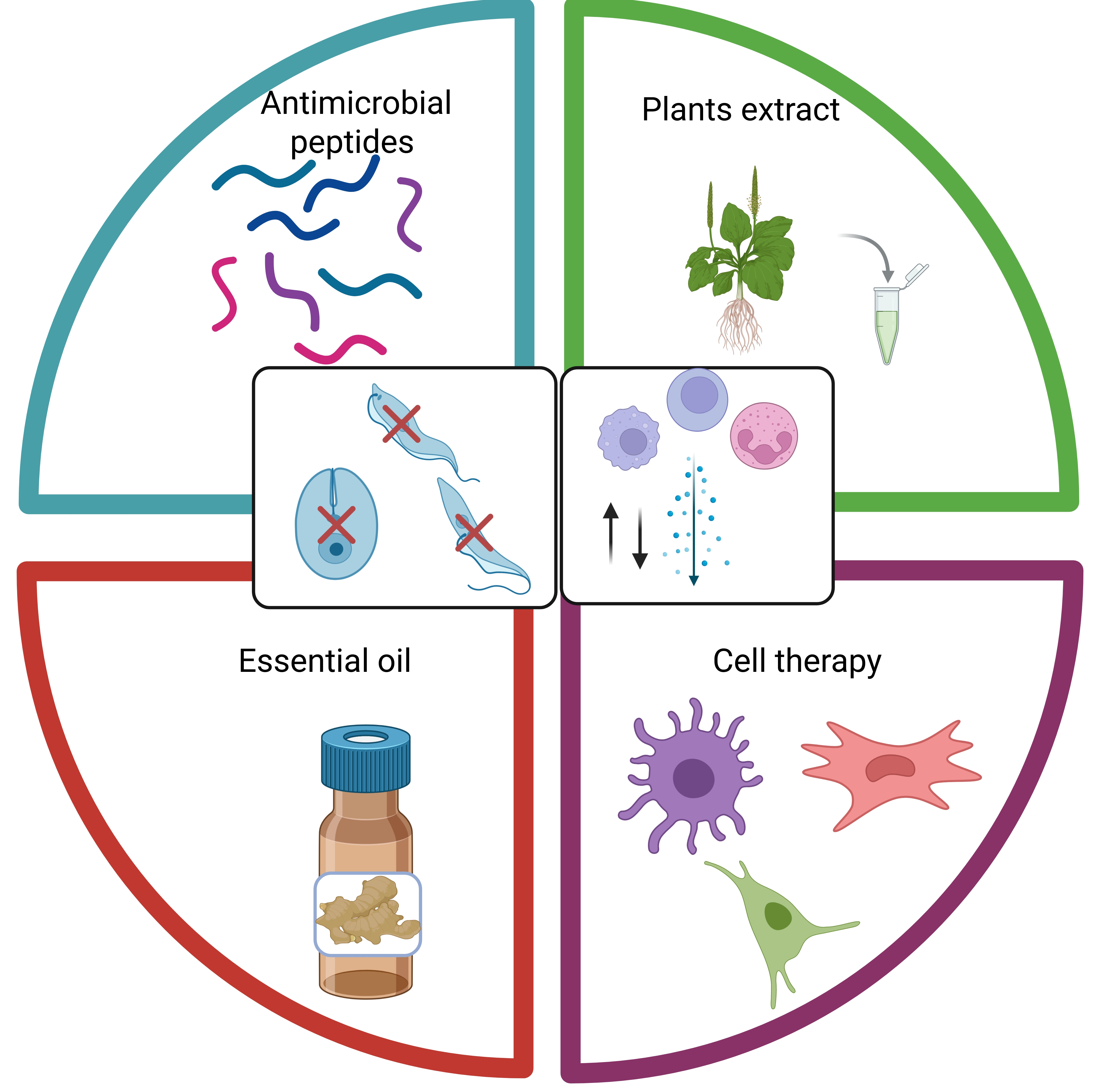

Multitarget Therapeutic Strategies for Chagas Disease: Natural Compounds, Antimicrobial Peptides, and Cell-Based Immunomodulation

 , , , , and
Abstract
1. Introduction
2. Search Strategy and Selection Criteria
3. Conventional Treatment for Chagas Disease
4. Recent Clinical Trials and Emerging Drug Candidates
5. Emerging Therapeutic Strategies Against T. cruzi
5.1. Natural Products
5.1.1. Plant- and Microalgae-Derived Extracts
5.1.2. Essential Oils
5.1.3. Mushroom- and Fungal-Derived Natural Products
5.2. Antimicrobial Peptides
5.3. Cell-Based Immunomodulatory Strategies for Chronic Chagas Cardiomyopathy
6. Toward Integrated Therapeutic Strategies for Chagas Disease
7. Conclusions
Author Contributions
Funding
Institutional Review Board Statement
Informed Consent Statement
Data Availability Statement
Acknowledgments
Conflicts of Interest
Abbreviations
| DTUs | Discrete Typing Units |
| MASP | Mucin-associated surface proteins |
| NTR | Nitroreductases |
| FMN | Flavin mononucleotide |
| FDA | Food and Drug Administration |
| SOD | Superoxide dismutase |
| IC50 | Half-maximal inhibitory concentration |
| EC50 | Maximal effective concentration |
| iNOS | Inducible nitric oxide synthase |
| ROS | Reactive Oxygen Species |
| GC | Gas chromatography |
| GC-MS | Gas chromatography–mass spectrometry |
| SI | Selectivity index |
| CC50 | Half-maximal cytotoxic concentration. |
| TC50 | Toxic concentration 50% |
| LC50 | Lethal Concentration 50% |
| CCC | Chronic Chagas cardiomyopathy |
| MSCs | Mesenchymal stem cells |
| ASCs | Adipose tissue-derived mesenchymal stromal cells |
| BMCs | Bone marrow-derived cells |
| mDCs | Mature myeloid dendritic cells |
| tDCs | Tolerogenic dendritic cells |
| BMCT | Bone marrow mononuclear cell transplantation |
| CMSCs | Cardiac mesenchymal stem cells |
| dpi | Days post-infection |
| ECG | Electrocardiogram |
| G-CSF | Granulocyte colony-stimulating factor |
| IGF-1 | Insulin-like growth |
| LPS, | Lipopolysaccharide |
| LVEF | Left ventricular ejection fraction |
| MDSCs | Myeloid-derived suppressor cells |
| TGF-β, | Transforming growth factor-beta |
| TNF-α | Tumor necrosis factor-alpha |
References
- Cucunubá, Z.M.; Gutiérrez-Romero, S.A.; Ramírez, J.D.; Velásquez-Ortiz, N.; Ceccarelli, S.; Parra-Henao, G.; Henao-Martínez, A.F.; Rabinovich, J.; Basáñez, M.G.; Nouvellet, P.; et al. The epidemiology of Chagas disease in the Americas. Lancet Reg. Health Am. 2024, 37, 100881. [Google Scholar] [CrossRef] [PubMed]
- World Health Organization. Chagas Disease (American Trypanosomiasis) [Internet]; World Health Organization: Geneva, Switzerland, 2025; Available online: https://www.who.int/news-room/fact-sheets/detail/chagas-disease-(american-trypanosomiasis) (accessed on 12 February 2026).
- Lidani, K.C.F.; Andrade, F.A.; Bavia, L.; Damasceno, F.S.; Beltrame, M.H.; Messias-Reason, I.J.; Sandri, T.L. Chagas disease: From discovery to a worldwide health problem. Front. Public Health 2019, 7, 166. [Google Scholar] [CrossRef] [PubMed]
- Velásquez-Ortiz, N.; Ramírez, J.D. Understanding the oral transmission of Trypanosoma cruzi as a veterinary and medical foodborne zoonosis. Res. Vet. Sci. 2020, 132, 448–461. [Google Scholar] [CrossRef] [PubMed]
- Ferri, G.; Edreira, M.M. All roads lead to cytosol: Trypanosoma cruzi multi-strategic approach to invasion. Front. Cell. Infect. Microbiol. 2021, 11, 634793. [Google Scholar] [CrossRef] [PubMed]
- Kratz, J.M.; Gonçalves, K.R.; Romera, L.M.; Moraes, C.B.; Bittencourt-Cunha, P.; Schenkman, S.; Chatelain, E.; Sosa-Estani, S. The translational challenge in Chagas disease drug development. Mem. Inst. Oswaldo Cruz 2022, 117, e200501. [Google Scholar] [CrossRef] [PubMed]
- Bonney, K.M.; Luthringer, D.J.; Kim, S.A.; Garg, N.J.; Engman, D.M. Pathology and pathogenesis of Chagas heart disease. Annu. Rev. Pathol. 2019, 14, 421–447. [Google Scholar] [CrossRef] [PubMed]
- Dattani, A.; Drammeh, I.; Mahmood, A.; Rahman, M.; Szular, J.; Wilkinson, S.R. Unraveling the antitrypanosomal mechanism of benznidazole and related 2-nitroimidazoles: From prodrug activation to DNA damage. Mol. Microbiol. 2021, 116, 674–689. [Google Scholar] [CrossRef] [PubMed]
- García-Huertas, P.; Cardona-Castro, N. Advances in the treatment of Chagas disease: Promising new drugs, plants and targets. Biomed. Pharmacother. 2021, 142, 112020. [Google Scholar] [CrossRef] [PubMed]
- Crespillo-Andújar, C.; Comeche, B.; Hamer, D.H.; Arevalo-Rodriguez, I.; Alvarez-Díaz, N.; Zamora, J.; Pérez-Molina, J.A. Use of benznidazole to treat chronic Chagas disease: An updated systematic review with a meta-analysis. PLoS Negl. Trop. Dis. 2022, 16, e0010386. [Google Scholar] [CrossRef] [PubMed]
- Sacks, D.; Baxter, B.; Campbell, B.C.V.; Carpenter, J.S.; Cognard, C.; Dippel, D.; Eesa, M.; Fischer, U.; Hausegger, K.; Hirsch, J.A.; et al. Multisociety consensus quality improvement revised consensus statement for endovascular therapy of acute ischemic stroke. Int. J. Stroke 2018, 13, 612–632. [Google Scholar] [CrossRef] [PubMed]
- Queiroga, T.B.D.; Pereira, N.S.; da Silva, D.D.; Andrade, C.M.; de Araújo Júnior, R.F.; Brito, C.R.D.N.; Galvão, L.M.D.C.; da Câmara, A.C.J.; Nascimento, M.S.L.; Guedes, P.M.M. Virulence of Trypanosoma cruzi strains is related to the differential expression of innate immune receptors in the heart. Front. Cell. Infect. Microbiol. 2021, 11, 696719. [Google Scholar] [CrossRef] [PubMed]
- Lima, D.A.; Gonçalves, L.O.; Reis-Cunha, J.L.; Guimarães, P.A.S.; Ruiz, J.C.; Liarte, D.B.; Murta, S.M.F. Transcriptomic analysis of benznidazole-resistant and susceptible Trypanosoma cruzi populations. Parasit. Vectors 2023, 16, 167. [Google Scholar] [CrossRef] [PubMed]
- Stan, D.; Enciu, A.M.; Mateescu, A.L.; Ion, A.C.; Brezeanu, A.C.; Stan, D.; Tanase, C. Natural compounds with antimicrobial and antiviral effect and nanocarriers used for their transportation. Front. Pharmacol. 2021, 12, 723233. [Google Scholar] [CrossRef] [PubMed]
- Alam, M.; Bano, N.; Ahmad, T.; Sharangi, A.B.; Upadhyay, T.K.; Alraey, Y.; Alabdallah, N.M.; Rauf, M.A.; Saeed, M. Synergistic role of plant extracts and essential oils against multidrug resistance and Gram-negative bacterial strains producing extended-spectrum β-lactamases. Antibiotics 2022, 11, 855. [Google Scholar] [CrossRef] [PubMed]
- Shen, L.; Luo, H.; Fan, L.; Tian, X.; Tang, A.; Wu, X.; Dong, K.; Su, Z. Potential immunoregulatory mechanism of plant saponins: A review. Molecules 2023, 29, 113. [Google Scholar] [CrossRef] [PubMed]
- Duarte-Mata, D.I.; Salinas-Carmona, M.C. Antimicrobial peptides’ immune modulation role in intracellular bacterial infection. Front. Immunol. 2023, 14, 1119574. [Google Scholar] [CrossRef] [PubMed]
- Duschak, V.G.; Paniz Mondolfi, A.E.; Benaim, G. Editorial: Chagas disease novel drug targets and treatments. Front. Cell. Infect. Microbiol. 2023, 13, 1199715. [Google Scholar] [CrossRef] [PubMed]
- Rojo, G.; Castillo, C.; Duaso, J.; Liempi, A.; Droguett, D.; Galanti, N.; Maya, J.D.; López-Muñoz, R.; Kemmerling, U. Toxic and therapeutic effects of nifurtimox and benznidazole on Trypanosoma cruzi ex vivo infection of human placental chorionic villi explants. Acta Trop. 2014, 132, 112–118. [Google Scholar] [CrossRef] [PubMed]
- Mejia, A.M.; Hall, B.S.; Taylor, M.C.; Gómez-Palacio, A.; Wilkinson, S.R.; Triana-Chávez, O.; Kelly, J.M. Benznidazole resistance in Trypanosoma cruzi is a readily acquired trait that can arise independently in a single population. J. Infect. Dis. 2012, 206, 220–228. [Google Scholar] [CrossRef] [PubMed]
- Scarim, C.B.; Jornada, D.H.; Chelucci, R.C.; de Almeida, L.; Dos Santos, J.L.; Chung, M.C. Current advances in drug discovery for Chagas disease. Eur. J. Med. Chem. 2018, 155, 824–838. [Google Scholar] [CrossRef] [PubMed]
- Hall, B.S.; Bot, C.; Wilkinson, S.R. Nifurtimox activation by trypanosomal type I nitroreductases generates cytotoxic nitrile metabolites. J. Biol. Chem. 2011, 286, 13088–13095. [Google Scholar] [CrossRef] [PubMed]
- Petravicius, P.O.; Costa-Martins, A.G.; Silva, M.N.; Reis-Cunha, J.L.; Bartholomeu, D.C.; Teixeira, M.M.G.; Zingales, B. Mapping benznidazole resistance in trypanosomatids and exploring evolutionary histories of nitroreductases and ABCG transporter protein sequences. Acta Trop. 2019, 200, 105161. [Google Scholar] [CrossRef] [PubMed]
- Trochine, A.; Alvarez, G.; Corre, S.; Faral-Tello, P.; Durán, R.; Batthyany, C.I.; Cerecetto, H.; González, M.; Robello, C. Trypanosoma cruzi chemical proteomics using immobilized benznidazole. Exp. Parasitol. 2014, 140, 33–38. [Google Scholar] [CrossRef] [PubMed]
- Campos, M.C.; Phelan, J.; Francisco, A.F.; Taylor, M.C.; Lewis, M.D.; Pain, A.; Clark, T.G.; Kelly, J.M. Genome-wide mutagenesis and multidrug resistance in American trypanosomes induced by the front-line drug benznidazole. Sci. Rep. 2017, 7, 14407. [Google Scholar] [CrossRef] [PubMed]
- Ochoa-Martínez, P.; López-Monteon, A.; López-Domínguez, J.; Manning-Cela, R.G.; Ramos-Ligonio, A. Expression analysis of thirteen genes in response to nifurtimox and benznidazole in Mexican isolates of Trypanosoma cruzi by digital PCR. Acta Parasitol. 2025, 70, 15. [Google Scholar] [CrossRef] [PubMed]
- Zingales, B.; Bartholomeu, D.C. Trypanosoma cruzi genetic diversity: Impact on transmission cycles and Chagas disease. Mem. Inst. Oswaldo Cruz 2022, 117, e210193. [Google Scholar] [CrossRef] [PubMed]
- Becker, I.; Miranda-Ortiz, H.; Fernández-Figueroa, E.A.; Sánchez-Montes, S.; Colunga-Salas, P.; Grostieta, E.; Juárez-Gabriel, J.; Lozano-Sardaneta, Y.N.; Arce-Fonseca, M.; Rodríguez-Morales, O.; et al. The Low Variability of Tc24 in Trypanosoma cruzi TcI as an Advantage for Chagas Disease Prophylaxis and Diagnosis in Mexico. Pathogens 2023, 12, 368. [Google Scholar] [CrossRef] [PubMed]
- Herreros-Cabello, A.; Callejas-Hernández, F.; Gironès, N.; Fresno, M. Trypanosoma Cruzi Genome: Organization, Multi-Gene Families, Transcription, and Biological Implications. Genes 2020, 11, 1196. [Google Scholar] [CrossRef] [PubMed]
- U.S. Food and Drug Administration. Guidance for Industry: Potency Tests for Cellular and Gene Therapy Products; FDA/CBER: Silver Spring, MD, USA, 2011.
- Centers for Disease Control and Prevention. Clinical Care of Chagas Disease; CDC: Atlanta, GA, USA, 2024.
- Molina, I.; Salvador, F.; Sánchez-Montalvá, A.; Treviño, B.; Serre, N.; Sao Avilés, A.; Almirante, B. Toxic profile of benznidazole in patients with chronic Chagas disease: Risk factors and comparison of the product from two different manufacturers. Antimicrob. Agents Chemother. 2015, 59, 6125–6131. [Google Scholar] [CrossRef] [PubMed]
- Sales Junior, P.A.; Molina, I.; Fonseca Murta, S.M.; Sánchez-Montalvá, A.; Salvador, F.; Corrêa-Oliveira, R.; Carneiro, C.M. Experimental and Clinical Treatment of Chagas Disease: A Review. Am. J. Trop. Med. Hyg. 2017, 97, 1289–1303. [Google Scholar] [CrossRef] [PubMed]
- Assis, J.C.S.O.; Suave, L.T.; Fernandes, G.R.R.; Machado-de-Assis, G.F.; Martins, H.R.; Alessio, G.D.; Martins-Filho, O.A.; Salgado, R.A.; Carneiro, M.; Torres, R.M.; et al. Long-term outcomes of benznidazole treatment in chronic Chagas disease: A 27-year cohort study of parasitological cure and death in the Jequitinhonha Valley, Brazil. PLoS Neglected Trop. Dis. 2025, 19, e0013619. [Google Scholar] [CrossRef] [PubMed]
- Losada Galván, I.; Madrid Pascual, O.; Herrero-Martínez, J.M.; Pérez-Ayala, A.; Lizasoain Hernández, M. Does Progressive Introduction of Benznidazole Reduce the Chance of Adverse Events in the Treatment of Chagas Disease? Am. J. Trop. Med. Hyg. 2019, 100, 1477–1481. [Google Scholar] [CrossRef] [PubMed]
- Berenstein, A.J.; Falk, N.; Moscatelli, G.; Moroni, S.; González, N.; Garcia-Bournissen, F.; Ballering, G.; Freilij, H.; Altcheh, J. Adverse events associated with nifurtimox treatment for Chagas disease in children and adults. Antimicrob. Agents Chemother. 2021, 65, e01135-20. [Google Scholar] [CrossRef] [PubMed]
- Ramos, L.G.; de Souza, K.R.; Júnior, P.A.S.; Câmara, C.C.; Castelo-Branco, F.S.; Boechat, N.; Carvalho, S.A. Tackling the challenges of human Chagas disease: A comprehensive review of treatment strategies in the chronic phase and emerging therapeutic approaches. Acta Trop. 2024, 256, 107264. [Google Scholar] [CrossRef] [PubMed]
- Morillo, C.A.; Marin-Neto, J.A.; Avezum, A.; Sosa-Estani, S.; Rassi, A., Jr.; Rosas, F.; Villena, E.; Quiroz, R.; Bonilla, R.; Britto, C.; et al. Randomized trial of benznidazole for chronic Chagas’ cardiomyopathy. N. Engl. J. Med. 2015, 373, 1295–1306. [Google Scholar] [CrossRef] [PubMed]
- Torrico, F.; Gascón, J.; Barreira, F.; Blum, B.; Almeida, I.C.; Alonso-Vega, C.; Barboza, T.; Bilbe, G.; Correia, E.; Garcia, W.; et al. New regimens of benznidazole monotherapy and in combination with fosravuconazole for treatment of Chagas disease (BENDITA): A phase 2, double-blind, randomised trial. Lancet Infect. Dis. 2021, 21, 1129–1140. [Google Scholar] [CrossRef] [PubMed]
- Cafferata, M.L.; Toscani, M.A.; Althabe, F.; Belizán, J.M.; Bergel, E.; Berrueta, M.; Capparelli, E.V.; Ciganda, Á.; Danesi, E.; Dumonteil, E.; et al. Short-course Benznidazole treatment to reduce Trypanosoma cruzi parasitic load in women of reproductive age (BETTY): A non-inferiority randomized controlled trial study protocol. Reprod. Health 2020, 17, 128. [Google Scholar] [CrossRef] [PubMed]
- Pinazo, M.J.; Forsyth, C.; Losada, I.; Trigo Esteban, E.; García-Rodríguez, M.; Villegas, M.L.; Molina, I.; Crespillo-Andújar, C.; Gállego, M.; Ballart, C.; et al. Efficacy and safety of fexinidazole for treatment of chronic indeterminate Chagas disease (FEXI-12): A multicentre, randomised, double-blind, phase 2 trial. Lancet Infect. Dis. 2024, 24, 395–403. [Google Scholar] [CrossRef] [PubMed]
- Roig-Sanchis, J.; Bosch-Nicolau, P.; Silgado, A.; Salvador, F.; Sánchez-Montalvá, A.; Aznar, M.; Oliveira, I.; Espinosa-Pereiro, J.; Serre-Delcor, N.; Pou, D.; et al. Long-term follow-up of individuals with Chagas disease treated with posaconazole and benznidazole in a non-endemic region: The CHAGASAZOL cohort. Clin. Microbiol. Infect. 2025, 31, 1539–1545. [Google Scholar] [CrossRef] [PubMed]
- Torrico, F.; Gascon, J.; Ortiz, L.; Alonso-Vega, C.; Pinazo, M.J.; Schijman, A.; Almeida, I.C.; Alves, F.; Strub-Wourgaft, N.; Ribeiro, I.; et al. Treatment of adult chronic indeterminate Chagas disease with benznidazole and three E1224 dosing regimens: A proof-of-concept, randomised, placebo-controlled trial. Lancet Infect. Dis. 2018, 18, 419–430. [Google Scholar] [CrossRef] [PubMed]
- Diniz, L.F.; Mazzeti, A.L.; Caldas, I.S.; Ribeiro, I.; Bahia, M.T. Outcome of E1224-Benznidazole Combination Treatment for Infection with a Multidrug-Resistant Trypanosoma cruzi Strain in Mice. Antimicrob. Agents Chemother. 2018, 62, e00401-18. [Google Scholar] [CrossRef] [PubMed]
- Porta, E.O.J.; Kalesh, K.; Steel, P.G. Navigating drug repurposing for Chagas disease: Advances, challenges, and opportunities. Front. Pharmacol. 2023, 14, 1233253. [Google Scholar] [CrossRef] [PubMed]
- Pandey, R.P.; Nascimento, M.S.; Franco, C.H.; Bortoluci, K.; Silva, M.N.; Zingales, B.; Gibaldi, D.; Castaño Barrios, L.; Lannes-Vieira, J.; Cariste, L.M.; et al. Drug Repurposing in Chagas Disease: Chloroquine Potentiates Benznidazole Activity against Trypanosoma cruzi In Vitro and In Vivo. Antimicrob. Agents Chemother. 2022, 66, e0028422. [Google Scholar] [CrossRef] [PubMed]
- Anand, U.; Jacobo-Herrera, N.; Altemimi, A.; Lakhssassi, N. A comprehensive review on medicinal plants as antimicrobial therapeutics: Potential avenues of biocompatible drug discovery. Metabolites 2019, 9, 258. [Google Scholar] [CrossRef] [PubMed]
- Ji, H.F.; Li, X.J.; Zhang, H.Y. Natural products and drug discovery: Can thousands of years of ancient medical knowledge lead us to new and powerful drug combinations in the fight against cancer and dementia? EMBO Rep. 2009, 10, 194–200. [Google Scholar] [CrossRef] [PubMed]
- Izumi, E.; Ueda-Nakamura, T.; Dias Filho, B.P.; Veiga Júnior, V.F.; Nakamura, C.V. Natural products and Chagas’ disease: A review of plant compounds studied for activity against Trypanosoma cruzi. Nat. Prod. Rep. 2011, 28, 809–823. [Google Scholar] [CrossRef] [PubMed]
- Martínez-Peinado, N.; Cortes-Serra, N.; Tallini, L.R.; Pinazo, M.J.; Gascon, J.; Bastida, J.; Alonso-Padilla, J. Amaryllidaceae plants: A potential natural resource for the treatment of Chagas disease. Parasit. Vectors 2021, 14, 337. [Google Scholar] [CrossRef] [PubMed]
- Nair, J.J.; van Staden, J. Antiprotozoal alkaloid principles of the plant family Amaryllidaceae. Bioorg. Med. Chem. Lett. 2019, 29, 126642. [Google Scholar] [CrossRef] [PubMed]
- Molina-Garza, Z.J.; Bazaldúa-Rodríguez, A.F.; Quintanilla-Licea, R.; Galaviz-Silva, L. Anti-Trypanosoma cruzi activity of 10 medicinal plants used in northeast Mexico. Acta Trop. 2014, 136, 14–18. [Google Scholar] [CrossRef] [PubMed]
- Cázares-Jaramillo, G.E.; Molina-Garza, Z.J.; Luna-Cruz, I.E.; Solís-Soto, L.Y.; Rosales-Encina, J.L.; Galaviz-Silva, L. In vitro anti-Trypanosoma cruzi activity of methanolic extract of Bidens pilosa and identification of active compounds by gas chromatography-mass spectrometry analysis. Parasites Hosts Dis. 2023, 61, 405–417. [Google Scholar] [CrossRef] [PubMed]
- Varela, J.; Serna, E.; Torres, S.; Yaluff, G.; de Bilbao, N.I.; Miño, P.; Chiriboga, X.; Cerecetto, H.; González, M. In vivo anti-Trypanosoma cruzi activity of hydro-ethanolic extract and isolated active principles from Aristeguietia glutinosa and mechanism of action studies. Molecules 2014, 19, 8488–8502. [Google Scholar] [CrossRef] [PubMed]
- Pardo-Rodriguez, D.; Lasso, P.; Mateus, J.; Mendez, J.; Puerta, C.J.; Cuéllar, A.; Robles, J.; Cuervo, C. A terpenoid-rich extract from Clethra fimbriata exhibits anti-Trypanosoma cruzi activity and induces T cell cytokine production. Heliyon 2022, 8, e09182. [Google Scholar] [CrossRef] [PubMed]
- Castañeda, J.S.; Suta-Velásquez, M.; Mateus, J.; Pardo-Rodriguez, D.; Puerta, C.J.; Cuéllar, A.; Robles, J.; Cuervo, C. Preliminary chemical characterization of ethanolic extracts from Colombian plants with promising anti—Trypanosoma cruzi activity. Exp. Parasitol. 2021, 223, 108079. [Google Scholar] [CrossRef] [PubMed]
- da Silva Júnior, J.N.; Oliveira, K.K.D.S.; Silva, A.C.D.; Lorena, V.M.B.; Marques, D.A.V.; Bezerra, R.P.; Porto, A.L.F. Microalgae extracts modulates the immune response in Trypanosoma cruzi-infected human cells. Cytokine 2024, 179, 156621. [Google Scholar] [CrossRef] [PubMed]
- Chepkirui, C.; Ochieng, P.J.; Sarkar, B.; Hussain, A.; Pal, C.; Yang, L.J.; Coghi, P.; Akala, H.M.; Derese, S.; Ndakala, A.; et al. Antiplasmodial and antileishmanial flavonoids from Mundulea sericea. Fitoterapia 2021, 149, 104796. [Google Scholar] [CrossRef] [PubMed]
- Marriot, P.J.; Shellie, R.; Cornwell, C. Gas chromatographic technologies for the analysis of essential oils. J. Chromatogr. A 2001, 936, 1–22. [Google Scholar] [CrossRef] [PubMed]
- Masyita, A.; Mustika Sari, R.; Dwi Astuti, A.; Yasir, B.; Rahma Rumata, N.; Emran, T.B.; Nainu, F.; Simal-Gandara, J. Terpenes and terpenoids as main bioactive compounds of essential oils, their roles in human health and potential application as natural food preservatives. Food Chem. X 2022, 13, 100217. [Google Scholar] [CrossRef] [PubMed]
- Crescente, G.; Cascone, G.; Sorrentino, A.; Volpe, M.G.; Boscaino, F.; Moccia, S. Influence of extraction techniques on chemical composition, antioxidant and antifungal activities of Mentha spicata L. essential oil: A comparative study of microwave-assisted hydrodistillation and steam distillation. Food Biosci. 2025, 69, 106939. [Google Scholar] [CrossRef]
- Nabavi, S.M.; Marchese, A.; Izadi, M.; Curti, V.; Daglia, M.; Nabavi, S.F. Plants belonging to the genus Thymus as antibacterial agents: From farm to pharmacy. Food Chem. 2015, 173, 339–347. [Google Scholar] [CrossRef] [PubMed]
- Falleh, H. Demystifying the power of essential oils: A review of their antibacterial properties and potential as natural food preservatives. EXCLI J. 2025, 24, 828–850. [Google Scholar] [CrossRef] [PubMed]
- Luna, E.C.; Luna, I.S.; Scotti, L.; Monteiro, A.F.M.; Scotti, M.T.; de Moura, R.O.; de Araújo, R.S.A.; Monteiro, K.L.C.; de Aquino, T.M.; Ribeiro, F.F.; et al. Active essential oils and their components in use against neglected diseases and arboviruses. Oxid. Med. Cell. Longev. 2019, 2019, 6587150. [Google Scholar] [CrossRef] [PubMed]
- Santoro, G.F.; Cardoso, M.G.; Guimarães, L.G.; Mendonça, L.Z.; Soares, M.J. Trypanosoma cruzi: Activity of essential oils from Achillea millefolium L.; Syzygium aromaticum L. and Ocimum basilicum L. on epimastigotes and trypomastigotes. Exp. Parasitol. 2007, 116, 283–290. [Google Scholar] [CrossRef] [PubMed]
- Azeredo, C.M.; Santos, T.G.; Maia, B.H.; Soares, M.J. In vitro biological evaluation of eight different essential oils against Trypanosoma cruzi, with emphasis on Cinnamomum verum essential oil. BMC Complement. Altern. Med. 2014, 14, 309. [Google Scholar] [CrossRef] [PubMed]
- Santoro, G.F.; das Graças Cardoso, M.; Guimarães, L.G.; Salgado, A.P.; Menna-Barreto, R.F.; Soares, M.J. Effect of oregano (Origanum vulgare L.) and thyme (Thymus vulgaris L.) essential oils on Trypanosoma cruzi (Protozoa: Kinetoplastida) growth and ultrastructure. Parasitol. Res. 2007, 100, 783–790. [Google Scholar] [CrossRef] [PubMed]
- Sarto, M.P.M.; Lucas da Silva, H.F.; de Souza Fernandes, N.; de Abreu, A.P.; Zanusso Junior, G.; de Ornelas Toledo, M.J. Essential oils from Syzygium aromaticum and Zingiber officinale, administered alone or in combination with benznidazole, reduce the parasite load in mice orally inoculated with Trypanosoma cruzi II. BMC Complement. Med. Ther. 2021, 21, 77. [Google Scholar] [CrossRef] [PubMed]
- Quimbaya Ramírez, J.J.; González Rugeles, C.I.; Stashenko, E.E.; Mantilla Hernández, J.C.; Díaz Galvis, M.L.; García Sánchez, L.T. In vivo protection against chagasic cardiomyopathy progression using trypanocidal fractions from Lippia alba (Verbenaceae) essential oils. Ind. Crops Prod. 2021, 167, 113553. [Google Scholar] [CrossRef]
- Quintero, W.L.; Moreno, E.M.; Pinto, S.M.L.; Sanabria, S.M.; Stashenko, E.; García, L.T. Immunomodulatory, trypanocide, and antioxidant properties of essential oil fractions of Lippia alba (Verbenaceae). BMC Complement. Med. Ther. 2021, 21, 187. [Google Scholar] [CrossRef] [PubMed]
- Cimino, C.; Maurel, O.M.; Musumeci, T.; Bonaccorso, A.; Drago, F.; Souto, E.M.B.; Pignatello, R.; Carbone, C. Essential Oils: Pharmaceutical Applications and Encapsulation Strategies into Lipid-Based Delivery Systems. Pharmaceutics 2021, 13, 327. [Google Scholar] [CrossRef] [PubMed]
- Barra, A. Factors affecting chemical variability of essential oils: A review of recent developments. Nat. Prod. Commun. 2009, 4, 1147–1154. [Google Scholar]
- Alexandre, T.R.; Lima, M.L.; Galuppo, M.K.; Mesquita, J.T.; do Nascimento, M.A.; Dos Santos, A.L.; Sartorelli, P.; Pimenta, D.C.; Tempone, A.G. Ergosterol isolated from the basidiomycete Pleurotus salmoneostramineus affects Trypanosoma cruzi plasma membrane and mitochondria. J. Venom. Anim. Toxins Incl. Trop. Dis. 2017, 23, 30. [Google Scholar] [CrossRef] [PubMed]
- Cota, B.B.; Rosa, L.H.; Fagundes, E.M.; Martins-Filho, O.A.; Correa-Oliveira, R.; Romanha, A.J.; Rosa, C.A.; Zani, C.L. A potent trypanocidal component from the fungus Lentinus strigosus inhibits trypanothione reductase and modulates PBMC proliferation. Mem. Inst. Oswaldo Cruz 2008, 103, 263–270. [Google Scholar] [CrossRef] [PubMed]
- do Nascimento, J.S.; Silva, F.M.; Magallanes-Noguera, C.A.; Kurina-Sanz, M.; Dos Santos, E.G.; Caldas, I.S.; Luiz, J.H.H.; Silva, E.O. Natural trypanocidal product produced by endophytic fungi through co-culturing. Folia Microbiol. 2020, 65, 323–328. [Google Scholar] [CrossRef] [PubMed]
- Rosa, L.H.; Gonçalves, V.N.; Caligiorne, R.B.; Alves, T.M.; Rabello, A.; Sales, P.A.; Romanha, A.J.; Sobral, M.E.; Rosa, C.A.; Zani, C.L. Leishmanicidal, trypanocidal, and cytotoxic activities of endophytic fungi associated with bioactive plants in Brazil. Braz. J. Microbiol. [Publ. Braz. Soc. Microbiol.] 2010, 41, 420–430. [Google Scholar] [CrossRef]
- Hussain, A.; Ghosh, S.; Roy, K.; Nath, S.; Sarkar, B.; Dutta, A.; Maji, P.; Basu, S.; Paul, S.; Dey, S.; et al. A mushroom derived ‘carbohydrate-fraction’ reinstates host-immunity and protects from Leishmania donovani infection. Parasite Immunol. 2021, 43, e12806. [Google Scholar] [CrossRef] [PubMed]
- Pereira, R.M.; Greco, G.M.Z.; Moreira, A.M.; Chagas, P.F.; Caldas, I.S.; Gonçalves, R.V.; Novaes, R.D. Applicability of plant-based products in the treatment of Trypanosoma cruzi and Trypanosoma brucei infections: A systematic review of preclinical in vivo evidence. Parasitology 2017, 144, 1275–1287. [Google Scholar] [CrossRef] [PubMed]
- Soeiro, M.N.C.; Sales-Junior, P.A.; Pereira, V.R.A.; Vannier-Santos, M.A.; Murta, S.M.F.; Sousa, A.S.; Sangenis, L.H.C.; Moreno, A.M.H.; Boechat, N.; Branco, F.S.C.; et al. Drug screening and development cascade for Chagas disease: An update of in vitro and in vivo experimental models. Mem. Inst. Oswaldo Cruz 2024, 119, e240057, Erratum in Mem. Inst. Oswaldo Cruz 2024, 119, e240057er. https://doi.org/10.1590/0074-02760240057er. [Google Scholar] [CrossRef] [PubMed] [PubMed Central]
- Su, M.; Su, Y. Recent advances in amphipathic peptidomimetics as antimicrobial agents to combat drug resistance. Molecules 2024, 29, 2492. [Google Scholar] [CrossRef] [PubMed]
- Mohammed, E.H.M.; Lohan, S.; Ghaffari, T.; Gupta, S.; Tiwari, R.K.; Parang, K. Membrane-active cyclic amphiphilic peptides: Broad-spectrum antibacterial activity alone and in combination with antibiotics. J. Med. Chem. 2022, 65, 15819–15839. [Google Scholar] [CrossRef] [PubMed]
- Kim, S.H.; Min, Y.H.; Park, M.C. Antimicrobial peptides: Current status, mechanisms of action, and strategies to overcome therapeutic limitations. Microorganisms 2025, 13, 2574. [Google Scholar] [CrossRef] [PubMed]
- Kocagoz, T.; Temur, B.Z.; Unubol, N.; Acikel Elmas, M.; Kanlidere, Z.; Cilingir, S.; Acar, D.; Boskan, G.; Akcelik Deveci, S.; Aybakan, E.; et al. Protease-resistant, broad-spectrum antimicrobial peptides with high antibacterial and antifungal activity. Life 2025, 15, 242. [Google Scholar] [CrossRef] [PubMed]
- Rojas-Pirela, M.; Kemmerling, U.; Quiñones, W.; Michels, P.A.M.; Rojas, V. Antimicrobial Peptides (AMPs): Potential Therapeutic Strategy against Trypanosomiases? Biomolecules 2023, 13, 599. [Google Scholar] [CrossRef] [PubMed]
- Adade, C.M.; Oliveira, I.R.; Pais, J.A.; Souto-Padrón, T. Melittin peptide kills Trypanosoma cruzi parasites by inducing different cell death pathways. Toxicon 2013, 69, 227–239. [Google Scholar] [CrossRef] [PubMed]
- Souza, A.L.; Faria, R.X.; Calabrese, K.S.; Hardoim, D.J.; Taniwaki, N.; Alves, L.A.; De Simone, S.G. Temporizin and temporizin-1 peptides as novel candidates for eliminating Trypanosoma cruzi. PLoS ONE 2016, 11, e0157673. [Google Scholar] [CrossRef] [PubMed]
- Monteiro, M.L.; Lima, D.B.; Menezes, R.R.P.P.B.; Sampaio, T.L.; Silva, B.P.; Serra Nunes, J.V.; Cavalcanti, M.M.; Morlighem, J.E.; Martins, A.M.C. Antichagasic effect of hemocyanin derived from antimicrobial peptides of Penaeus monodon shrimp. Exp. Parasitol. 2020, 215, 107930. [Google Scholar] [CrossRef] [PubMed]
- Osorio-Méndez, J.F.; Pardo-Rodriguez, D.; Rocha-Roa, C.; Toro, L.J.; Muñoz-Tabares, L.; Recalde-Reyes, D.P.; Cala, M.P. Exploring the mechanisms of action of the antimicrobial peptide CZS-5 against Trypanosoma cruzi epimastigotes: Insights from metabolomics and molecular dynamics. Parasit. Vectors 2025, 18, 208. [Google Scholar] [CrossRef] [PubMed]
- Martín-Escolano, R.; Cebrián, R.; Martín-Escolano, J.; Rosales, M.J.; Maqueda, M.; Sánchez-Moreno, M.; Marín, C. Insights into Chagas treatment based on the potential of bacteriocin AS-48. Int. J. Parasitol. Drugs Drug Resist. 2019, 10, 1–8. [Google Scholar] [CrossRef] [PubMed]
- Madison, M.N.; Kleshchenko, Y.Y.; Nde, P.N.; Simmons, K.J.; Lima, M.F.; Villalta, F. Human defensin alpha-1 causes Trypanosoma cruzi membrane pore formation and induces DNA fragmentation, which leads to trypanosome destruction. Infect. Immun. 2007, 75, 4780–4791. [Google Scholar] [CrossRef] [PubMed]
- Higyno, P.M.; Mendes, P.F.; Miranda, M.B.; Pereira, D.E.; Mota, A.P.; de Oliveira Pinto Coelho Nogueira, K.; Caldas, I.S.; Moura, S.A.; Menezes, C.A. Vasoactive intestinal peptide reduces the inflammatory profile in mice infected with Trypanosoma cruzi. Exp. Parasitol. 2015, 159, 72–78. [Google Scholar] [CrossRef] [PubMed]
- Pereira, F.B.; Dutra, W.O.; Gollob, K.J.; Reis, E.A.; Oliveira, A.L.G.; Rocha, M.O.D.C.; Menezes, C.A.D.S. Vasoactive intestinal peptide degradation might influence interleukin-17 expression in cardiac chagasic patients. Rev. Inst. Med. Trop. Sao Paulo 2018, 60, e57. [Google Scholar] [CrossRef] [PubMed]
- Frade, A.F.; Guérin, H.; Nunes, J.P.S.; Silva, L.F.S.E.; Roda, V.M.P.; Madeira, R.P.; Brochet, P.; Andrieux, P.; Kalil, J.; Chevillard, C.; et al. Cardiac and digestive forms of Chagas disease: An update on pathogenesis, genetics, and therapeutic targets. Mediat. Inflamm. 2025, 2025, 8862004. [Google Scholar] [CrossRef] [PubMed]
- Nunes, M.C.P.; Bern, C.; Clark, E.H.; Teixeira, A.L.; Molina, I. Clinical features of Chagas disease progression and severity. Lancet Reg. Health Am. 2024, 37, 100832. [Google Scholar] [CrossRef] [PubMed]
- Silva, A.M.D.; Ferreira Júnior, M.A.; Cardoso, A.I.Q.; Ivo, M.L.; Almeida, J.P.F.; Melo, R.D.S. Costs related to obtaining organs for transplantation: A systematic review. Transpl. Rev. 2022, 36, 100724. [Google Scholar] [CrossRef] [PubMed]
- Gray, E.B.; La Hoz, R.M.; Green, J.S.; Vikram, H.R.; Benedict, T.; Rivera, H.; Montgomery, S.P. Reactivation of Chagas disease among heart transplant recipients in the United States, 2012–2016. Transpl. Infect. Dis. 2018, 20, e12996. [Google Scholar] [CrossRef] [PubMed]
- Campos de Carvalho, A.C.; Goldenberg, R.C.; Jelicks, L.A.; Soares, M.B.; Dos Santos, R.R.; Spray, D.C.; Tanowitz, H.B. Cell therapy in Chagas disease. Interdiscip. Perspect. Infect. Dis. 2009, 2009, 484358. [Google Scholar] [CrossRef] [PubMed]
- de Carvalho, K.A.; Abdelwahid, E.; Ferreira, R.J.; Irioda, A.C.; Guarita-Souza, L.C. Preclinical stem cell therapy in Chagas disease: Perspectives for future research. World J. Transplant. 2013, 3, 119–126. [Google Scholar] [CrossRef] [PubMed]
- Jasmin; Jelicks, L.A.; Koba, W.; Tanowitz, H.B.; Mendez-Otero, R.; Campos de Carvalho, A.C.; Spray, D.C. Mesenchymal bone marrow cell therapy in a mouse model of Chagas disease: Where do the cells go? PLoS Negl. Trop. Dis. 2012, 6, e1971. [Google Scholar] [CrossRef] [PubMed]
- Silva, D.N.; Souza, B.S.F.; Azevedo, C.M.; Vasconcelos, J.F.; de Jesus, P.G.; Feitoza, M.S.; Meira, C.S.; Carvalho, G.B.; Cavalcante, B.R.; Ribeiro-Dos-Santos, R.; et al. IGF-1-overexpressing mesenchymal stem/stromal cells promote immunomodulatory and proregenerative effects in chronic experimental Chagas disease. Stem Cells Int. 2018, 2018, 9108681. [Google Scholar] [CrossRef] [PubMed]
- Mello, D.B.; Ramos, I.P.; Mesquita, F.C.; Brasil, G.V.; Rocha, N.N.; Takiya, C.M.; Lima, A.P.; Campos de Carvalho, A.C.; Goldenberg, R.S.; Carvalho, A.B. Adipose tissue-derived mesenchymal stromal cells protect mice infected with Trypanosoma cruzi from cardiac damage through modulation of anti-parasite immunity. PLoS Negl. Trop. Dis. 2015, 9, e0003945. [Google Scholar] [CrossRef] [PubMed]
- Silva, D.N.; de Freitas Souza, B.S.; Azevedo, C.M.; Vasconcelos, J.F.; Carvalho, R.H.; Soares, M.B.; Dos Santos, R.R. Intramyocardial transplantation of cardiac mesenchymal stem cells reduces myocarditis in a model of chronic Chagas disease cardiomyopathy. Stem Cell Res. Ther. 2014, 5, 81. [Google Scholar] [CrossRef] [PubMed]
- Larocca, T.F.; Souza, B.S.; Silva, C.A.; Kaneto, C.M.; Alcantara, A.C.; Azevedo, C.M.; Castro, M.F.; Macambira, S.G.; Soares, M.B.; Ribeiro-dos-Santos, R. Transplantation of adipose tissue mesenchymal stem cells in experimental chronic chagasic cardiopathy. Arq. Bras. Cardiol. 2013, 100, 460–468. [Google Scholar] [CrossRef] [PubMed]
- Santos, E.S.; de Aragão-França, L.S.; Meira, C.S.; Cerqueira, J.V.; Vasconcelos, J.F.; Nonaka, C.K.V.; Pontes-de-Carvalho, L.C.; Soares, M.B.P. Tolerogenic dendritic cells reduce cardiac inflammation and fibrosis in chronic Chagas disease. Front. Immunol. 2020, 11, 488. [Google Scholar] [CrossRef] [PubMed]
- Santos, E.S.; Silva, D.K.C.; Dos Reis, B.P.Z.C.; Barreto, B.C.; Cardoso, C.M.A.; Ribeiro Dos Santos, R.; Meira, C.S.; Soares, M.B.P. Immunomodulation for the treatment of chronic Chagas disease cardiomyopathy: A new approach to an old enemy. Front. Cell. Infect. Microbiol. 2021, 11, 765879. [Google Scholar] [CrossRef] [PubMed]
- Harrell, C.R.; Djonov, V.; Volarevic, V. The cross-talk between mesenchymal stem cells and immune cells in tissue repair and regeneration. Int. J. Mol. Sci. 2021, 22, 2472. [Google Scholar] [CrossRef] [PubMed]
- Soares, M.B.; Lima, R.S.; Rocha, L.L.; Takyia, C.M.; Pontes-de-Carvalho, L.; de Carvalho, A.C.; Ribeiro-dos-Santos, R. Transplanted bone marrow cells repair heart tissue and reduce myocarditis in chronic chagasic mice. Am. J. Pathol. 2004, 164, 441–447. [Google Scholar] [CrossRef] [PubMed]
- Vilas-Boas, F.; Feitosa, G.S.; Soares, M.B.; Pinho-Filho, J.A.; Mota, A.; Almeida, A.J.; Carvalho, C.; de Carvalho, H.G.; de Oliveira, A.D.; dos Santos, R.R. Bone marrow cell transplantation to the myocardium of a patient with heart failure due to Chagas’ disease. Arq. Bras. Cardiol. 2004, 82, 184–185. [Google Scholar] [CrossRef] [PubMed]
- Vilas-Boas, F.; Feitosa, G.S.; Soares, M.B.P.; Pinho-Filho, J.A.; Mota, A.C.A.; Almeida, A.J.G.; Andrade, M.V.; Carvalho, H.G.; Oliveira, A.D.; Ribeiro-dos-Santos, R. Bone marrow cell transplantation in Chagas’ disease heart failure: Report of the first human experience. Arq. Bras. Cardiol. 2011, 96, 325–331. [Google Scholar] [CrossRef] [PubMed]
- Silva, D.N.; Souza, B.S.F.; Vasconcelos, J.F.; Azevedo, C.M.; Valim, C.X.R.; Paredes, B.D.; Rocha, V.P.C.; Carvalho, G.B.; Daltro, P.S.; Macambira, S.G.; et al. Granulocyte-colony stimulating factor-overexpressing mesenchymal stem cells exhibit enhanced immunomodulatory actions through the recruitment of suppressor cells in experimental Chagas disease cardiomyopathy. Front. Immunol. 2018, 9, 1449. [Google Scholar] [CrossRef] [PubMed]
- Sanz-Nogués, C.; O’Brien, T. Current good manufacturing practice considerations for mesenchymal stromal cells as therapeutic agents. Biomater. Biosyst. 2021, 2, 100018. [Google Scholar] [CrossRef] [PubMed]
- Goldenberg, R.C.; Jelicks, L.A.; Fortes, F.S.; Weiss, L.M.; Rocha, L.L.; Zhao, D.; Carvalho, A.C.; Spray, D.C.; Tanowitz, H.B. Bone marrow cell therapy ameliorates and reverses chagasic cardiomyopathy in a mouse model. J. Infect. Dis. 2008, 197, 544–547. [Google Scholar] [CrossRef] [PubMed]
- Chatelain, E.; Konar, N. Translational challenges of animal models in Chagas disease drug development: A review. Drug Des. Dev. Ther. 2015, 9, 4807–4823. [Google Scholar] [CrossRef] [PubMed]
- Franco, C.H.; Alcântara, L.M.; Chatelain, E.; Freitas-Junior, L.; Moraes, C.B. Drug Discovery for Chagas Disease: Impact of Different Host Cell Lines on Assay Performance and Hit Compound Selection. Trop. Med. Infect. Dis. 2019, 4, 82. [Google Scholar] [CrossRef] [PubMed]
- Heinrich, M.; Jalil, B.; Abdel-Tawab, M.; Echeverria, J.; Kulić, Ž.; McGaw, L.J.; Pezzuto, J.M.; Potterat, O.; Wang, J.B. Best Practice in the chemical characterisation of extracts used in pharmacological and toxicological research-The ConPhyMP-Guidelines. Front. Pharmacol. 2022, 13, 953205. [Google Scholar] [CrossRef] [PubMed]
- Atanasov, A.G.; Zotchev, S.B.; Dirsch, V.M.; International Natural Product Sciences Taskforce; Supuran, C.T. Natural products in drug discovery: Advances and opportunities. Nat. Rev. Drug Discov. 2021, 20, 200–216. [Google Scholar] [CrossRef] [PubMed]
- Gaudêncio, S.P.; Bayram, E.; Lukić Bilela, L.; Cueto, M.; Díaz-Marrero, A.R.; Haznedaroglu, B.Z.; Jimenez, C.; Mandalakis, M.; Pereira, F.; Reyes, F.; et al. Advanced Methods for Natural Products Discovery: Bioactivity Screening, Dereplication, Metabolomics Profiling, Genomic Sequencing, Databases and Informatic Tools, and Structure Elucidation. Mar. Drugs 2023, 21, 308. [Google Scholar] [CrossRef] [PubMed]
- Gabaldón-Figueira, J.C.; Martinez-Peinado, N.; Escabia, E.; Ros-Lucas, A.; Chatelain, E.; Scandale, I.; Gascon, J.; Pinazo, M.J.; Alonso-Padilla, J. State-of-the-Art in the Drug Discovery Pathway for Chagas Disease: A Framework for Drug Development and Target Validation. Res. Rep. Trop. Med. 2023, 14, 1–19. [Google Scholar] [CrossRef] [PubMed]
- Sadgrove, N.J.; Padilla-González, G.F.; Leuner, O.; Melnikovova, I.; Fernandez-Cusimamani, E. Pharmacology of Natural Volatiles and Essential Oils in Food, Therapy, and Disease Prophylaxis. Front. Pharmacol. 2021, 12, 740302. [Google Scholar] [CrossRef] [PubMed]
- Mahlapuu, M.; Håkansson, J.; Ringstad, L.; Björn, C. Antimicrobial Peptides: An Emerging Category of Therapeutic Agents. Front. Cell. Infect. Microbiol. 2016, 6, 194. [Google Scholar] [CrossRef] [PubMed]
- Berhe, H.; Kumar Cinthakunta Sridhar, M.; Zerihun, M.; Qvit, N. The Potential Use of Peptides in the Fight against Chagas Disease and Leishmaniasis. Pharmaceutics 2024, 16, 227. [Google Scholar] [CrossRef] [PubMed]
- Galipeau, J.; Krampera, M.; Barrett, J.; Dazzi, F.; Deans, R.J.; DeBruijn, J.; Dominici, M.; Fibbe, W.E.; Gee, A.P.; Gimble, J.M.; et al. International Society for Cellular Therapy perspective on immune functional assays for mesenchymal stromal cells as potency release criterion for advanced phase clinical trials. Cytotherapy 2016, 18, 151–159. [Google Scholar] [CrossRef] [PubMed]
- de Wolf, C.; van de Bovenkamp, M.; Hoefnagel, M. Regulatory perspective on in vitro potency assays for human mesenchymal stromal cells used in immunotherapy. Cytotherapy 2017, 19, 784–797. [Google Scholar] [CrossRef] [PubMed]




| Species | Family | Principal Component | Strain and Target Stage | Experimental Model | Antimicrobial Activity Against T. cruzi (IC50, LC50) | Cytotoxicity (TC50, SI, CC50) | Action Mechanism | Reference |
|---|---|---|---|---|---|---|---|---|
| Rhodophiala andicola | Amaryllidaceae | Tazettine and other alkaloids | Tulahuen/Trypomastigote and Amastigote | In vitro | 6.13 ppm–10.18 ppm (amastigote) | TC50 (Vero): 228.4 µg/mL, SI: 37.27; TC50 (HepG2): 188.1 ppm, SI: 30.7 | Reduction in parasite viability linked to methylenedioxy and tertiary nitrogen motifs. | [50,51] |
| Crinum erubescens | Amaryllidaceae | Not in source | Tulahuen/Trypomastigote and Amastigote | In vitro | 9.50 ppm–11.10 ppm (amastigote) | TC50 (Vero): 234.7 µg/mL, SI: 24.69; TC50 (HepG2): 678.3 µg/mL SI: 71.4 | Reduction in parasite viability linked to methylenedioxy and tertiary nitrogen motifs. | [50,51] |
| Haematoxylum brasiletto | Fabaceae | Gallic acid, methyl gallate, phloroglucinol, hematoxylin | CL Brener/Epimastigote | In vitro | 7.92 µg/mL | None reported | Parasite growth inhibition mediated by trypanocidal phenolic compounds. | [52] |
| Eryngium heterophyllum | Apiaceae | Not in source | CL Brener/Epimastigote | In vitro | 11.24 µg/mL | None reported | Antiparasitic mechanism remains to be elucidated. | [52] |
| Schinus molle (Peruvian Pepper) | Anacardiaceae | α -phellandrene, β-phellandrene, p-cymene | CL Brener/Epimastigote | In vitro | 16.31 µg/ML | None reported | Direct trypanocidal activity mediated by terpenes; additional repellent and insecticidal effects against Triatoma infestans nymphs and eggs. | [52] |
| Marrubium vulgare | Lamiaceae | Terpenes (α -eudesmol, etc.) and flavonoids (luteolin, vitexin) | CL Brener/Epimastigote | In vitro | 22.66 µg/mL | None reported | Reduction in parasite viability mediated by flavonoids and terpenes, including luteolin and apigenin. | [52] |
| Bidens pilosa | Asteraceae | 2-hydroxy-3-methylbenzaldehyde (50.9%), linalool (15.4%) | Brener and Nuevo Leòn/Epimastigote and Trypomastigote | In vitro | LC50 (epimastigote): 318 µg/mL; LC50 (trypomastigote): 552 µg/mL | CC50 (Vero): 1003 µg/mL; SI: 3.1 | Phenol- and alkaloid-rich fractions impair parasite growth through metabolic disruption. | [53] |
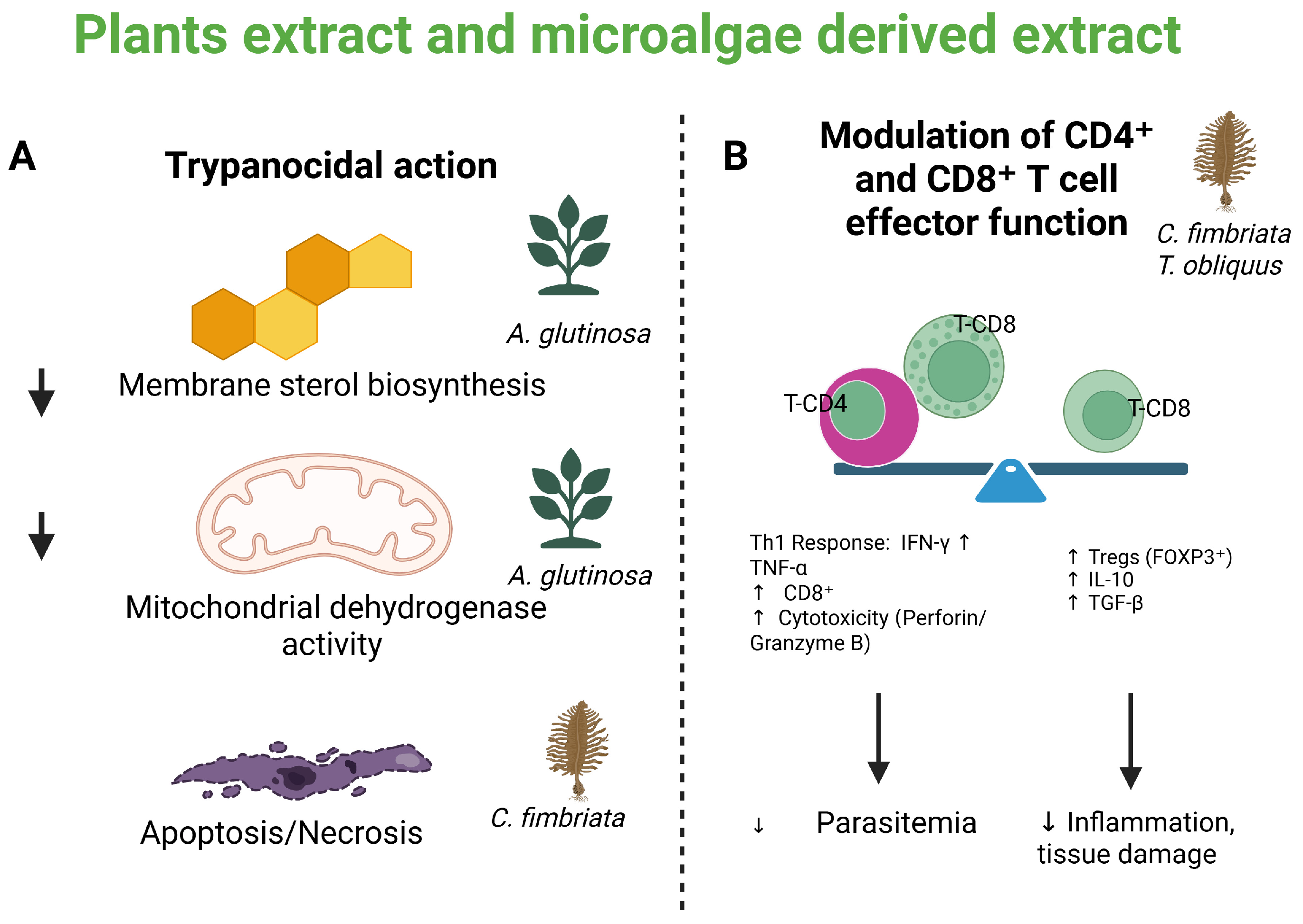
| Aristeguietia glutinosa | Asteraceae | (+)-15-hydroxy-7-labden-17-al | CL Brener and Y strain/Epimastigote and Trypomastigote | In vitro and In vivo (Murine model) | 19.6 µg/mL (Epimastigote in vitro); reduced parasitemia at 50 mg/kg b.w. (in vivo) | Non-cytotoxic against murine macrophages; well tolerated in mice | Disruption of sterol biosynthesis and mitochondrial metabolism, likely through inhibition of squalene-2,3-epoxidase and parasite dehydrogenases such as fumarate reductase | [54] |
| Clethra fimbriata | Clethraceae | Triterpenes (Ursolic acid, Betulinic acid) and Flavonoids | Y-strain (DTU II)/Epimastigote, Trypomastigote, Amastigote | In vitro | IC50 (epimastigote): 153.9 µg/mL; EC50: 39.3 µg/mL; IC50 (amastigote): 45.6 µg/mL | CC50 (Vero): >1000 µg/mL; SI (trypomastigote): 25.4; SI (amastigote): 21.9 | Apoptosis-like parasite death combined with T-cell-mediated immunomodulation, including increased IFN-γ, TNF, granzyme B, and perforin production. | [55,56] |
| Tetradesmus obliquus | Chlorophyceae | Proteins, fatty acids, pigments | Y-strain/Trypomastigote | In vitro | 15.08 µg/mL | CC50 (PBMC): 253.44 µg/mL; SI: 16.8 | TNF/IL-10-mediated immunomodulation balancing parasite control and tissue protection. | [57] |
| Chlorella vulgaris | Chlorophyceae | Proteins and Polysaccharides | Y-strain/Trypomastigote | In vitro | 112.1 µg/mL | CC50 (PBMCs): 1000 µg/mL; SI: 8.9 | Decreased IFN-associated immunomodulation and parasite structural disruption | [57] |
| Species Essential Oil | Family | Principal Component | Strain and Target Stage | Experimental Model | Antimicrobial Activity Against T. cruzi (IC50) | Cytotoxicity (SI or CC50) | Action Mechanism | Reference |
|---|---|---|---|---|---|---|---|---|
| Cinnamomum verum | Lauraceae | (E)-cinnamaldehyde and eugenol | Dm28c/epimastigotes, metacyclic trypomastigotes and amastigotes | In vitro | 24.13 µg/mL (epimastigotes); 5.05 µg/mL (trypomastigotes); 20 µg/mL (amastigotes) | CC50: 49.4 µg/mL (Vero cells); SI: 2.05 (epimastigotes), 9.78 (trypomastigotes) | Induction of cytosolic redox imbalance through covalent interaction with parasite proteins. | [66] |
| Oregano essential oil (Origanum vulgare L.) | Labiatae | 3-ciclohen-1-ol | Y strain/epimastigotes and bloodstream trypomastigotes | In vitro | 175 µg/mL (epimastigotes); 115 µg/mL (trypomastigotes) | Not reported | Plasma membrane disruption and flagellar myelin-like alterations. | [67] |
| Clove essential oil (Syzygium aromaticum L.) | Myrtaceae | Eugenol | Y strain (TcII)/epimastigotes and bloodstream trypomastigotes | In vitro and In vivo (Male Swiss Mus musculus mice) | 99.5 µg/mL (epimastigotes); 57.5 µg/mL (trypomastigotes) | Not reported | Nuclear ultrastructural alterations associated with reduced parasite burden and blood culture positivity. | [68] |
| Ginger essential oil (Zingiber officinale) | Not in source | α -pinene, β-pinene, zingiberene | Y strain (TcII)/bloodstream trypomastigotes | In vivo (Male Swiss Mus musculus mice) | Not reported | Not reported | Reduction in parasite burden and mortality rate in infected mice. | [68] |
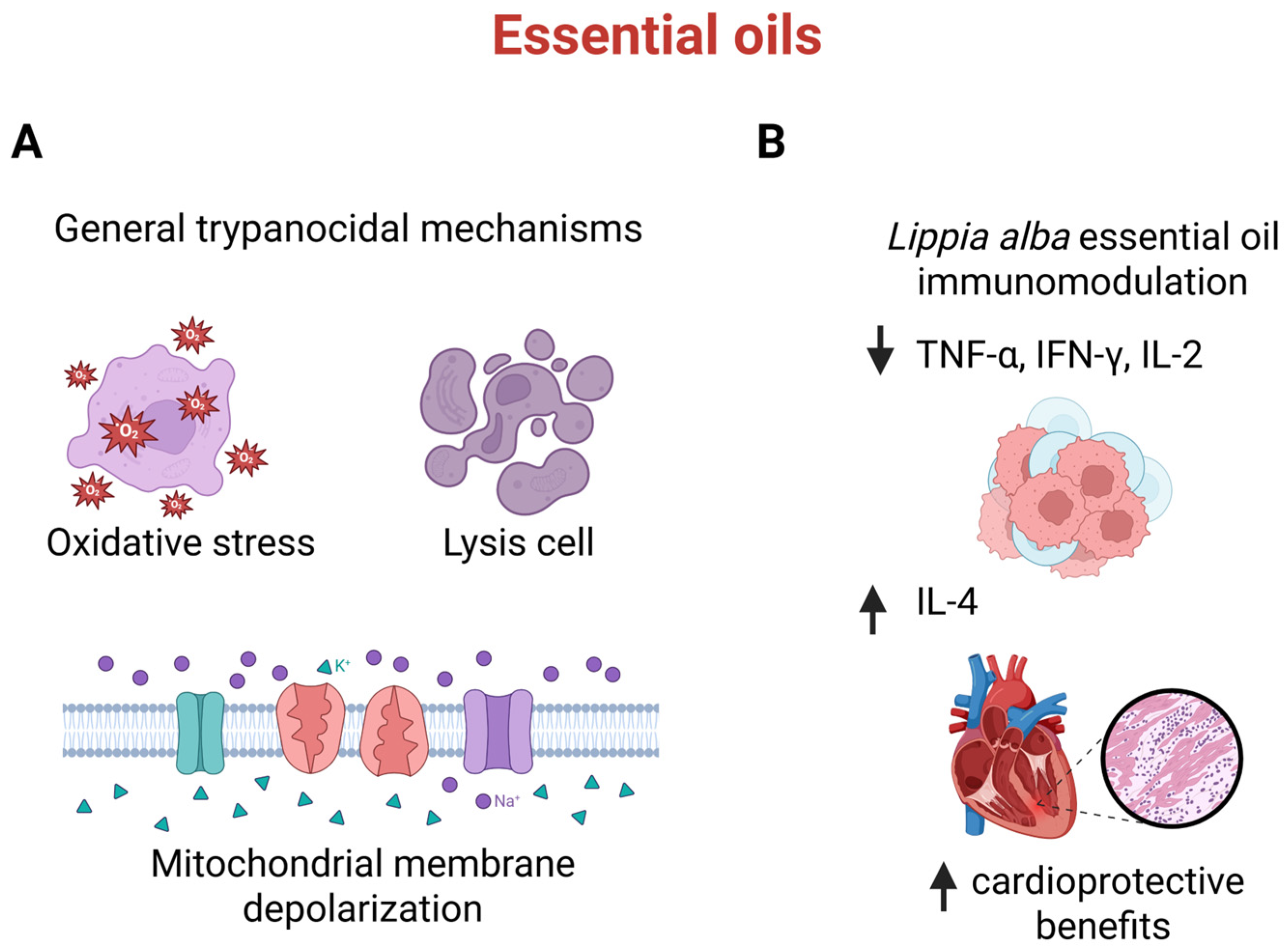
| Lippia alba (OxiLim fraction mix) | Verbenaceae | Limonene, Citral, Caryophyllene oxide | 338Cl2 (TcI)/amastigotes | In vivo (Wistar rats) | 80% negative results in heart qPCR (after 30 doses) | No histological evidence of toxicity found in spleen, liver, kidney, lung, and colon biopsies after treatment | Cardioprotection, tissue recovery, and immunomodulation associated with apoptosis-like parasite death, mitochondrial membrane potential loss, ROS increase, reduced TNF-α/IFN-γ, and increased IL-10/IL-4. | [69] |
| Lippia alba (ACT1 fraction) | Verbenaceae | Limonene | T. cruzi Sylvio X10/1 strain(TcI)/amastigotes | In vitro | 45 ± 1.7 µg/mL | CC50 (J774A.1 macrophages): 458 ± 4.2 μg/mL; SI: 10.1 | Reduction in pro-inflammatory cytokines, antioxidant, and induction of apoptosis. | [70] |
| Fungal Source | Compound/Isolate | Strain and Target Stage | Experimental Model | Antimicrobial Activity Against T. cruzi (IC50) | Cytotoxicity (SI, CC50) | Action Mechanism | Reference |
|---|---|---|---|---|---|---|---|
| Pleurotus salmoneostramineus | Ergosterol | Y strain/Trypomastigotes | In vitro | 51.3 μg/mL | CC50 (murine macrophages): >200 μg/mL SI: >3.9 | Permeabilization of the plasma membrane and depolarization of mitochondrial membrane potential. | [73] |
| Pleurotus ostreatus | Ergosterol peroxide | Epimastigotes | In vitro | 6.7 μg/mL | Not specified (approx. 8-fold more active than ergosterol). | Presence of the endoperoxide group, a known structure with biological properties. | [73] |
| Lentinus strigosus | Hypnophilin | Tulahuen strain/Intracellular amastigotes | In vitro | 2.5 μM | SI: 3.56 Non-cytotoxic at 4 μM. (PBMC) | Inhibition of trypanothione reductase (TryR) via nucleophilic attack on active site thiols. | [74] |
| Lentinus strigosus | Panepoxydone | Tulahuen strain/Intracellular amastigotes | In vitro | 8.7 μM | SI: 0.15 (PBMC). | Inhibition of TRyR enzyme. | [74] |
| Phanerochaete sp. H2 & T. purpurogenus H4 | Austin | Y strain/Epimastigotes | In vitro | 36.6 μg/mL | CC50 (rat cardiomyoblasts (H9c2): 175.65 μg/mL, SI: 4.79 | Defense or signaling response triggered by microbial stress during fungal co-culture. | [75] |
| Endophytic Fungus (isolate UFMGCB 508) | Crude Extract | Tulahuen strain/Amastigotes | In vitro (L929 fibroblasts; human cancer cell lines) | 1 μg/mL | Mentioned as having high selective activity (L929 fibroblasts; human cancer cell lines). | Strong inhibition of TryR enzyme. | [76] |
| Antimicrobial Peptides | Length | Origin | Strain and Target Stage | Experimental Model | Antimicrobial Activity Against T. cruzi (IC50, LD50) | Cytotoxicity (SI or CC50) | Proposed Mechanism | Reference |
|---|---|---|---|---|---|---|---|---|
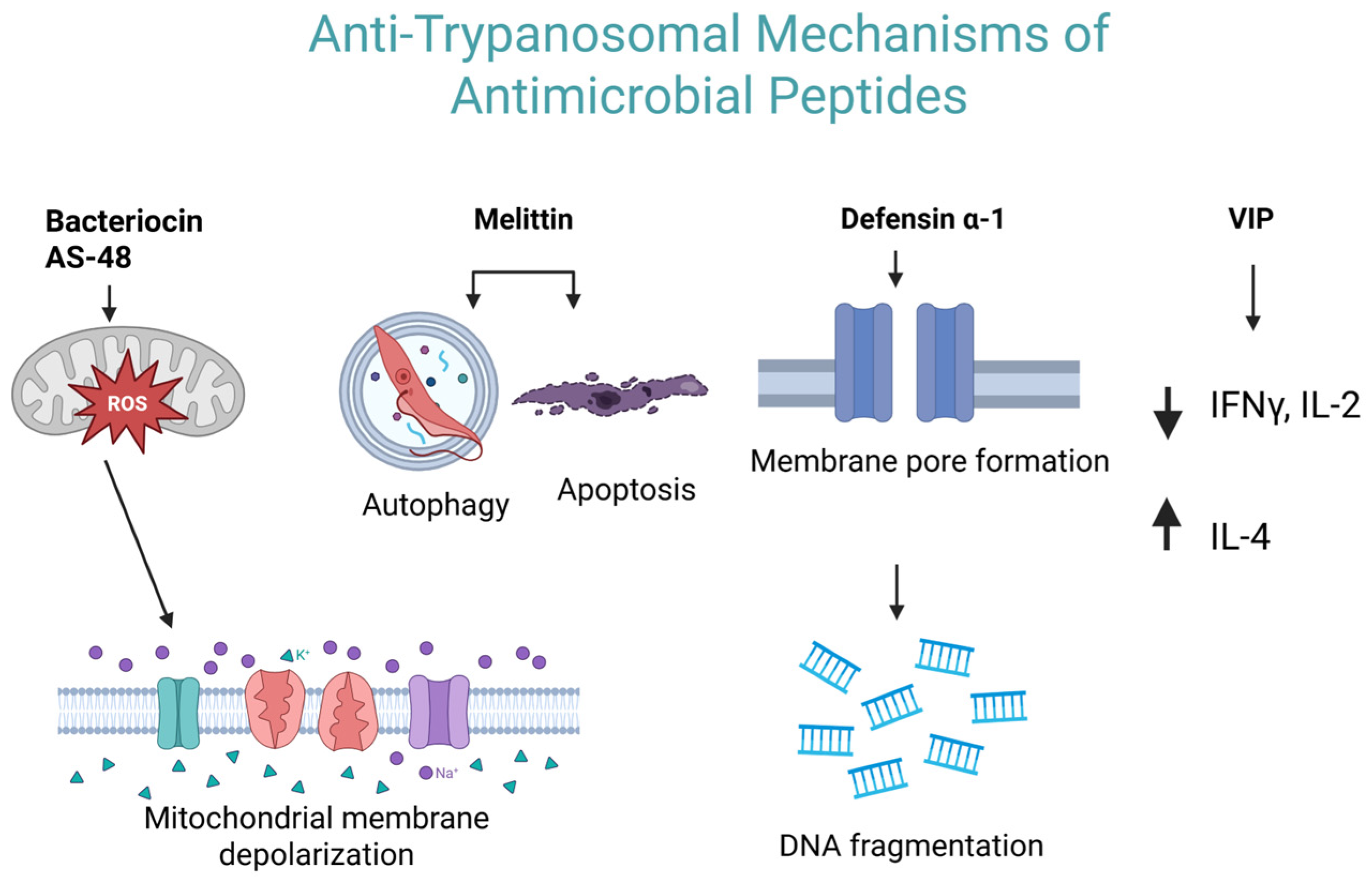
| Melittin | 26 residues | Apis mellifera venom | CL Brener clone/epimastigotes, trypomastigotes, and intracellular amastigotes | In vitro | Epimastigotes: 2.44 ± 0.23 μg/mL; Trypomastigotes (LD50): 0.14 ± 0.05 μg/mL; Amastigotes: 0.22 ± 0.09 μg/mL | LLC-MK2 rhesus monkey kidney epithelial cell line: CC50 > 5 μg/mL; SI: 35.7 (trypomastigotes), 33.3 (amastigotes) | Stage-dependent programmed cell death involving autophagy/apoptosis and mitochondrial dysfunction. | [85] |
| Temporizin | 16 residues | Artificial hybrid (Temporin A N-terminus, Gramicidin pore-forming region, Poly-L/K C-terminus) | Y strain/epimastigotes | In vitro | IC50: 795 ng/mL; 855.7 ng/mL | J774 mouse macrophage-like cells: IC50 = 116.9 μg/mL; GH3 rat pituitary cell3: 161.1 μg/mL; Jurkat: 134.3 μg/mL; Peritoneal macrophages: 115 μg/mL | Membrane ion-channel formation associated with cytoplasmic and mitochondrial alterations, chromatin condensation, and reservosome swelling. | [86] |
| Temporizin-1 | 13 residues | Artificial hybrid (shortened form of Temporizin) | Y strain/epimastigotes | In vitro | IC50: 817.3 ng/mL; 887.2 ng/mL | J774: IC50 = 129.3 μg/mL; GH3 (rat pituitary cells): 341.9 μg/mL; Jurkat human T lymphoblast cells: 59.09 μg/mL; Peritoneal macrophages: 3.6 μg/mL | Small ion-channel formation linked to intracellular organelle damage. | [86] |
| Hmc364-382 | 19 residues | Hemocyanin derived (Penaeus monodon shrimp) | Y strain/epimastigotes, trypomastigotes, amastigotes | In vitro | Epimastigotes: 4.79 μM; Trypomastigotes: 3.62 μM; Amastigotes: 3.62 μM | LLC-MK2 rhesus monkey kidney epithelial cell line: CC50 > 200 μM; SI: >55.24 | Necrotic parasite death associated with membrane disruption and increased ROS production. | [87] |
| Hmc666-678 | 13 residues | Hemocyanin derived (Penaeus monodon shrimp) | Y strain/epimastigotes and trypomastigotes | In vitro | Epimastigotes: 4.01 μM; Trypomastigotes: 4.41 μM | LLC-MK2 rhesus monkey kidney epithelial cell line: CC50 > 200 μM; SI: >45.35 | Hydrophobicity-driven membrane interaction. | [87] |
| CZS-5 | 32 residues | Cruziohyla calcarifer (frog skin secretions) | X-1081 (TcI), Mg, Ds, Y (TcII) strains/epimastigotes | In vitro | X-1081 strain: 4.7 ± 1.0 μM | Erythrocytes: CC50 = 237.6 ± 15.2 μM; SI: 50.3 | Multitarget parasite damage involving toroidal pore-mediated membrane disruption, DNA leakage, ROS increase, and energy metabolism impairment. | [88] |
| CZS-11 | 27 residues | Cruziohyla calcarifer (frog skin secretions) | X-1081 strain/epimastigotes | In vitro | 12.7 ± 2.9 μM | Erythrocytes: CC50 = 567.5 ± 44.9 μM; SI: 44.7 | Toroidal pore-mediated membrane damage supported by molecular dynamics simulations. | [88] |
| Bacteriocin AS-48 | 70 residues | Enterococcus faecalis | Arequipa, SN3, Tulahuen strains/epimastigotes, trypomastigotes, and amastigotes | In vitro | Epimastigotes: 0.76–1.16 μM; Amastigotes: 0.99–6.81 μM; Blood trypomastigotes: 0.11–0.19 μM | Vero cells: CC50 = 93.06 ± 5.67 μM; SI: 47.0–846.0 | ROS-mediated mitochondrial depolarization and bioenergetic collapse. | [89] |
| Human Defensin α -1 | 30 residues | Human leukocytes and epithelial cells | MMC 20A clone (Tulahuen strain)/trypomastigotes and amastigotes | In vitro | Concentration-dependent killing (3.7–35 μM); 35% killing in blood at 25 Μm | HeLa cell line Sublethal dose (3.7 μM) tested against human cells showed reduction in parasite binding and entry. | Pore-mediated membrane disruption associated with nuclear/kDNA fragmentation and apoptosis-like alterations. | [90] |
| Cell-Based Strategy | Cell Source/Intervention | Experimental or Clinical Model | Main Therapeutic Effects Reported | Proposed Mechanism of Action | Translational Limitation | Reference |
|---|---|---|---|---|---|---|
| Bone marrow cell therapy | Mesenchymal cells from bone marrow | Murine model of acute Chagas disease (CD1 mice infected with Brazil strain T. cruzi) | Reduced right ventricular dilation | Predominantly indirect cardiac action, with limited direct myocardial incorporation, despite preferential homing to damaged cardiac tissue. | Limited tracking depth; low myocardial homing of administered cells. | [99] |
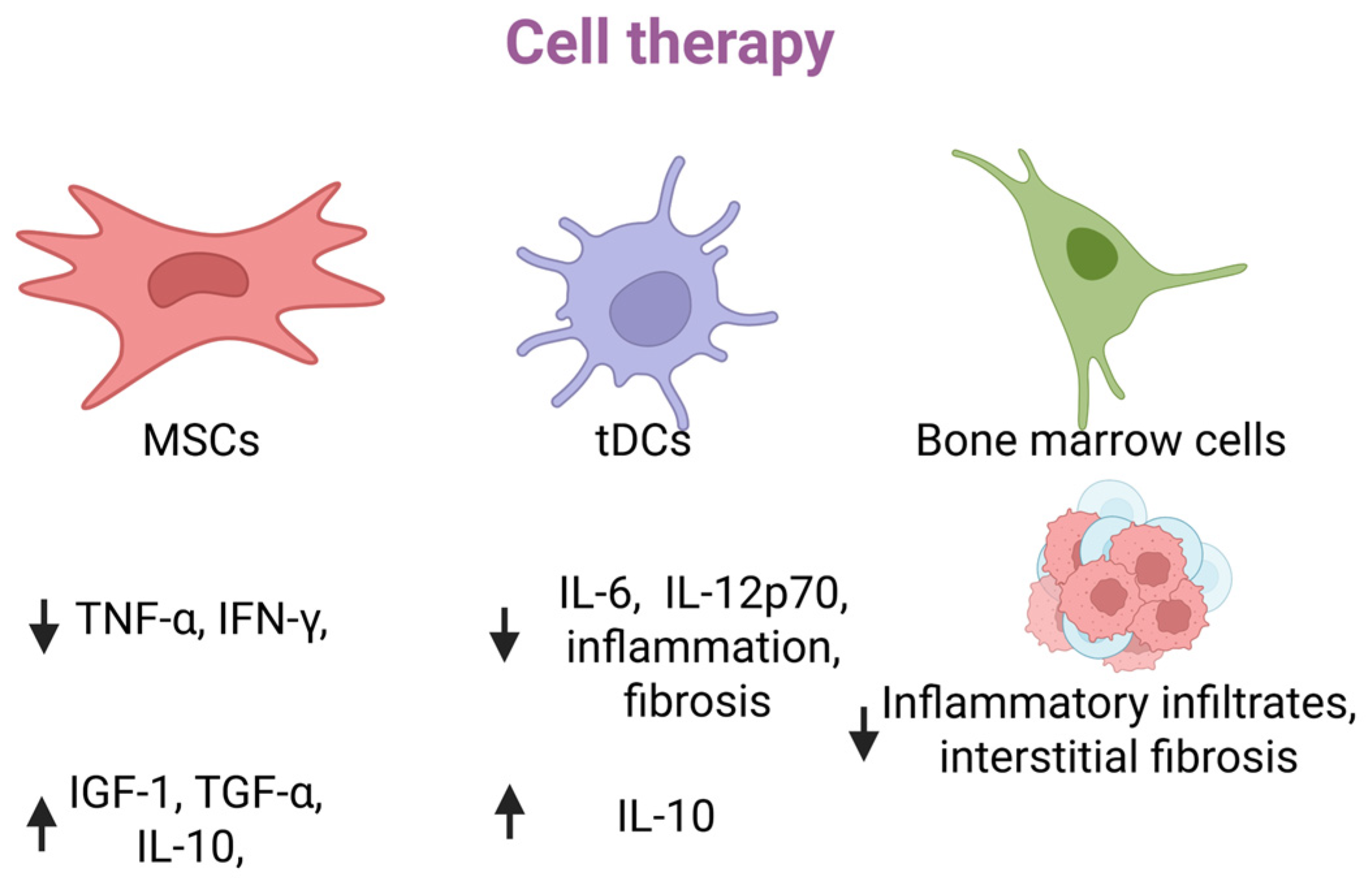
| Genetically modified MSC therapy | IGF-1-overexpressing MSCs (MSC_IGF-1) derived from bone marrow | Murine model of chronic Chagas disease (C57BL/6 mice infected with Colombian strain T. cruzi) | Decreased cardiac inflammatory infiltrates and fibrosis, accompanied by recovery of skeletal muscle myofiber area. | Immunomodulatory and pro-regenerative effects; reduced TNF-α/IFN-γ; fibrosis modulation; IGF-1-mediated skeletal muscle repair. | Lack of left ventricular dysfunction in the mouse model, limiting interpretation of functional cardiac benefit. | [100] |
| Adipose-derived MSC therapy | Adipose tissue-derived mesenchymal stromal cells (ASCs) | Mouse model of chagasic cardiomyopathy (CD1 mice infected with Brazil strain T. cruzi) | Reduced blood parasitemia, cardiac inflammatory infiltrates, tissue parasite burden, and fibrosis; prevention of right ventricular dilation. | Anti-parasite immune modulation; increased IL-10 with reduced IFN-γ/TNF-α; inhibition of parasite replication in macrophages. | Poor intravenous tolerability, with pulmonary embolism; limited clinical relevance of early treatment at 3 dpi; lack of human-like left ventricular dysfunction. | [101] |
| Adipose-derived Mesenchymal Stem Cells (ADSCs) | Mesenchymal stem cells derived from adipose tissue. | Experimental: Chronic chagasic mouse model. | Reduction in inflammation and fibrosis within the myocardial tissue (based on conversation history regarding this source line). | Immunomodulation and secretion of paracrine factors to stimulate tissue repair. | Murine–human biological differences; lack of standardized cell dosing and delivery methods. | [101] |
| Cardiac MSC therapy | Cardiac mesenchymal stem cells (CMSCs) from GFP transgenic mouse hearts | Mouse model of chronic Chagas disease (C57BL/6 mice infected with Colombian strain T. cruzi) | Reduced cardiac inflammatory cell infiltration | Immunomodulation via reduced TNF-α and increased TGF-β in cardiac tissue; suppression of lymphoproliferation. | Fibrotic area was not reduced; cells did not differentiate into beating cardiomyocytes in vivo or in vitro. | [102] |
| Genetically modified MSC therapy | G-CSF-overexpressing MSCs (MSC_G-CSF) derived from bone marrow | Murine model of chronic Chagas disease (C57BL/6 mice infected with Colombian strain T. cruzi) | Decreased myocardial leukocyte infiltration and fibrosis, accompanied by improved exercise capacity. | Enhanced immunomodulation via Tregs and MDSCs recruitment; increased IL-10 with reduced IFN-γ/TNF-α. | ECG abnormalities not reversed; potential G-CSF-related side effects; small animal model limitations. | [103] |
| Tolerogenic Dendritic Cell therapy | Tolerogenic Dendritic Cells (tDCs) generated from bone marrow (dexamethasone/LPS treatment) | Chronic Chagas disease cardiomyopathy (CCC) mouse model (C57BL/6 mice infected with Colombian strain T. cruzi) | Reduced heart inflammation and fibrosis; reduced gene expression of Ifng, Il12, Col1a2, and Lgals3 | Immune modulation via induction of FoxP3+ Treg cells in the heart and spleen; increased IL-10 expression; downregulation of Galectin-3. | Not clearly reported | [104,105] |
| Bone marrow mononuclear cell therapy | Bone marrow mononuclear cells (BMCs) | Murine model of chronic Chagas disease (BALB/c and C57BL/6 mice infected with Colombian strain T. cruzi) | Reduced myocarditis (inflammatory infiltrate) and interstitial fibrosis | Massive apoptosis of host-derived myocardial inflammatory cells; possible reverse remodeling reducing wall stress. | Lack of apical aneurysm and fatal arrhythmia replication in mice; discordance between murine findings and human randomized trials. | [106,107] |
| Bone Marrow Mononuclear Cell Transplantation (BMCT) | Autologous bone marrow mononuclear cells; intracoronary injection (slowly over 10 min). | Clinical: Phase I open-label trial with 28 patients (NYHA class III/IV). | Significant increase in LVEF (20.1% to 28.3%), improved NYHA class (3.1 to 1.8), and increased 6 min walk distance. | Paracrine anti-apoptotic effects, immune milieu modification, and potential cardiomyocyte regeneration. | Small sample size; absence of placebo control; modest benefits requiring validation in larger trials. | [108,109] |
Disclaimer/Publisher’s Note: The statements, opinions and data contained in all publications are solely those of the individual author(s) and contributor(s) and not of MDPI and/or the editor(s). MDPI and/or the editor(s) disclaim responsibility for any injury to people or property resulting from any ideas, methods, instructions or products referred to in the content. |
© 2026 by the authors. Licensee MDPI, Basel, Switzerland. This article is an open access article distributed under the terms and conditions of the Creative Commons Attribution (CC BY) license.
Share and Cite
Fernández-Presas, A.M.; Jarquín-Yáñez, K.; Cruz-Reséndiz, A.; Rodríguez-Lima, O.; Zamora-Chimal, J.; Blancas-Luciano, B.E. Multitarget Therapeutic Strategies for Chagas Disease: Natural Compounds, Antimicrobial Peptides, and Cell-Based Immunomodulation. Infect. Dis. Rep. 2026, 18, 65. https://doi.org/10.3390/idr18040065
Fernández-Presas AM, Jarquín-Yáñez K, Cruz-Reséndiz A, Rodríguez-Lima O, Zamora-Chimal J, Blancas-Luciano BE. Multitarget Therapeutic Strategies for Chagas Disease: Natural Compounds, Antimicrobial Peptides, and Cell-Based Immunomodulation. Infectious Disease Reports. 2026; 18(4):65. https://doi.org/10.3390/idr18040065
Chicago/Turabian StyleFernández-Presas, Ana María, Katia Jarquín-Yáñez, Adolfo Cruz-Reséndiz, Oscar Rodríguez-Lima, Jaime Zamora-Chimal, and Blanca Esther Blancas-Luciano. 2026. "Multitarget Therapeutic Strategies for Chagas Disease: Natural Compounds, Antimicrobial Peptides, and Cell-Based Immunomodulation" Infectious Disease Reports 18, no. 4: 65. https://doi.org/10.3390/idr18040065
APA StyleFernández-Presas, A. M., Jarquín-Yáñez, K., Cruz-Reséndiz, A., Rodríguez-Lima, O., Zamora-Chimal, J., & Blancas-Luciano, B. E. (2026). Multitarget Therapeutic Strategies for Chagas Disease: Natural Compounds, Antimicrobial Peptides, and Cell-Based Immunomodulation. Infectious Disease Reports, 18(4), 65. https://doi.org/10.3390/idr18040065