Article

The Role of Kidney Function in Predicting COVID-19 Severity and Clinical Outcomes: A Retrospective Analysis


by
Victor Muniz de Freitas
1 and
Érika Bevilaqua Rangel
1,2,*
1
Department of Medicine, Nephrology Division, Federal University of São Paulo, Borges Lagoa Street, 783, 6th Floor, Vila Clementino, São Paulo 04038-031, SP, Brazil
2
Instituto Israelita de Ensino e Pesquisa Albert Einstein, Hospital Israelita Albert Einstein, São Paulo 05652-900, SP, Brazil
*
Author to whom correspondence should be addressed.
Infect. Dis. Rep. 2025, 17(4), 79; https://doi.org/10.3390/idr17040079
Submission received: 26 May 2025 / Revised: 19 June 2025 / Accepted: 24 June 2025 / Published: 7 July 2025

Abstract

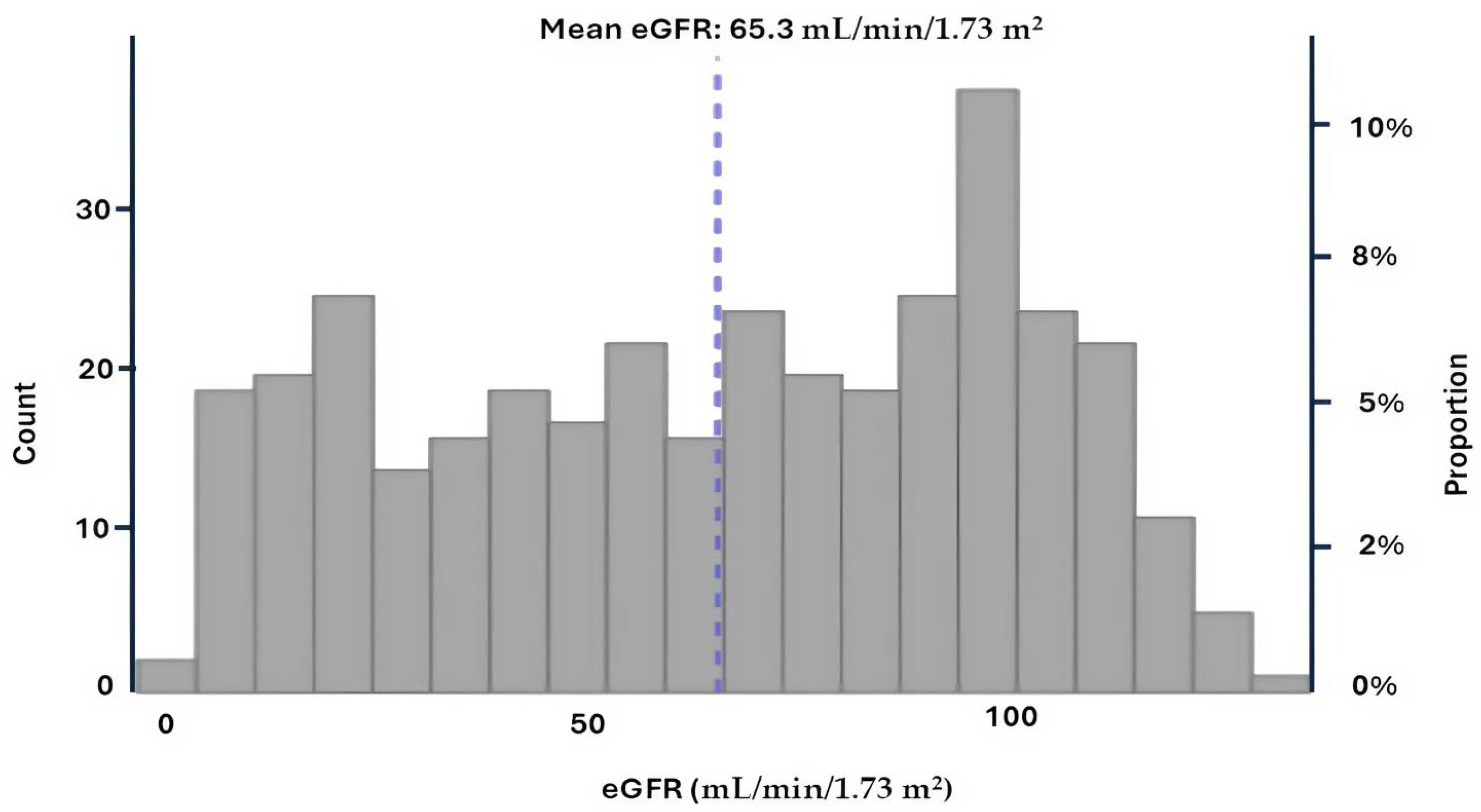
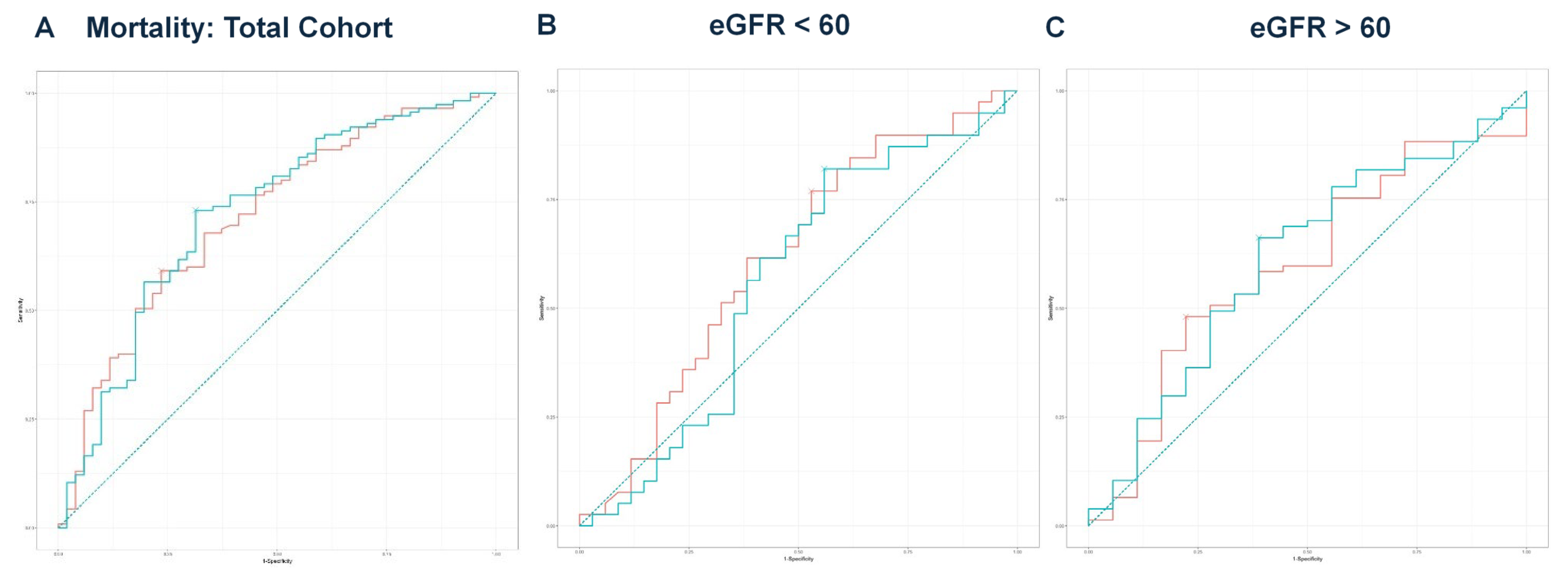
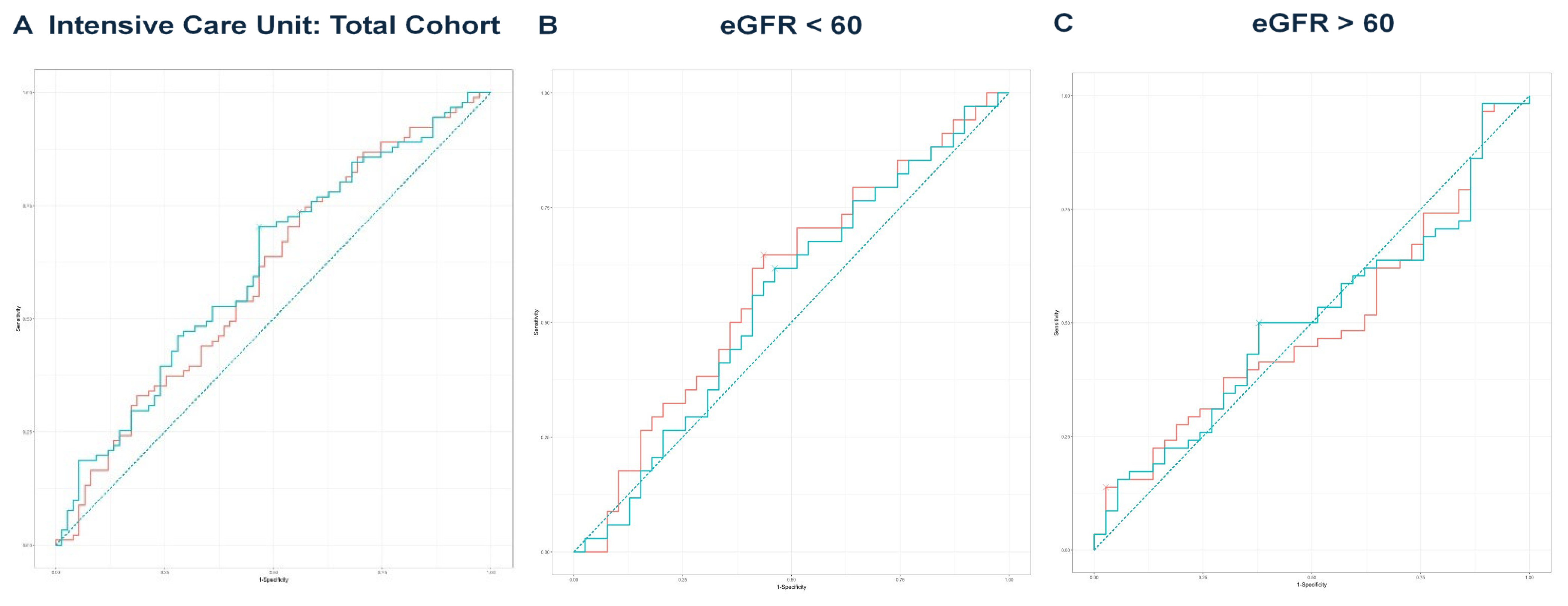
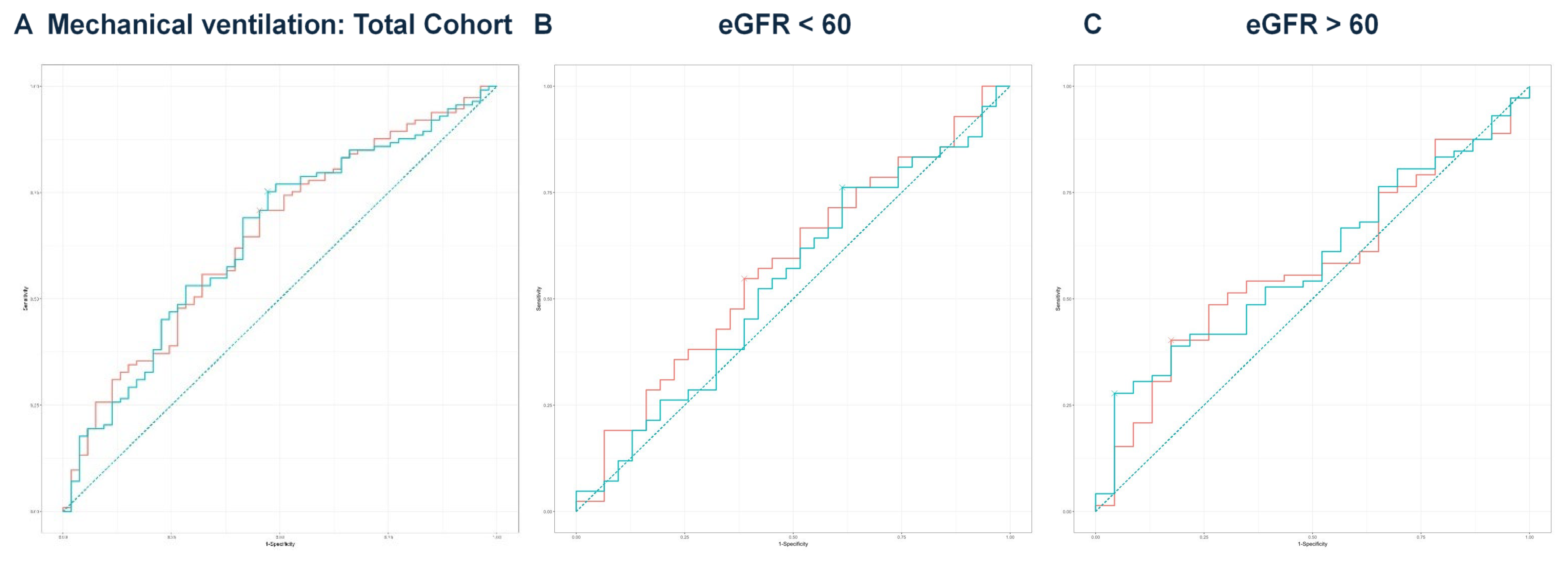
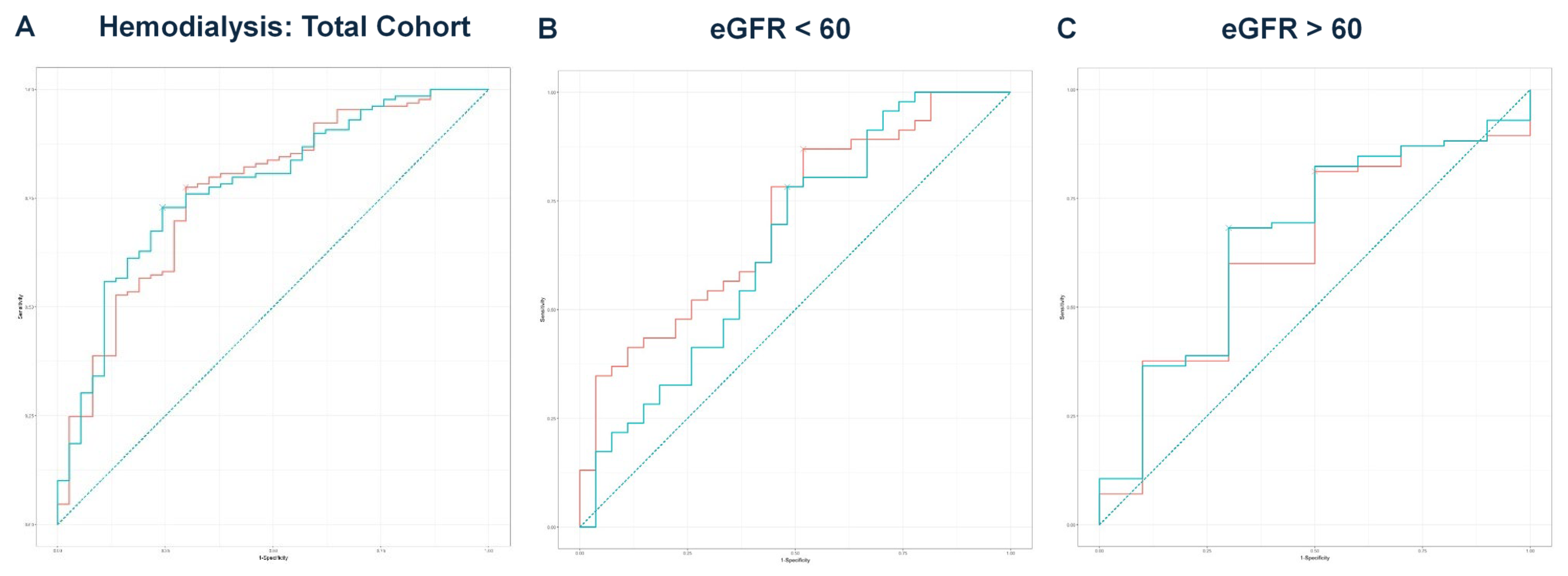
Background: Coronavirus disease 2019 (COVID-19) involves a complex interplay of dysregulated immune responses, a pro-inflammatory cytokine storm, endothelial injury, and thrombotic complications. This study aimed to evaluate the impact of kidney function on clinical, laboratory, and outcome parameters in patients hospitalized with COVID-19. Methods: We conducted a retrospective analysis of 359 patients admitted during the first wave of COVID-19, stratified by estimated glomerular filtration rate (eGFR < 60 vs. ≥60 mL/min/1.73 m2). Data on demographics, vital signs, laboratory values, and clinical outcomes—including mortality, hemodialysis requirement, intensive care unit (ICU) admission, and mechanical ventilation (MV)—were collected. Univariate and multivariate linear regression, as well as area under the receiver operating characteristic curve (AUC-ROC) analyses, were performed. A p-value < 0.05 was considered statistically significant. Results: Patients with an eGFR < 60 were older and more likely to have systemic hypertension, chronic kidney disease, a history of solid organ transplantation, and immunosuppressive therapy. This group showed higher rates of mortality (41.6% vs. 19.2%), hemodialysis requirement (32.3% vs. 9.6%), ICU admission (50.9% vs. 37.9%), and MV (39.8% vs. 21.2%). Laboratory results revealed acidosis, anemia, lymphopenia, elevated inflammatory markers, and hyperkalemia. Conclusions: An admission eGFR < 60 mL/min/1.73 m2 is associated with worse clinical outcomes in COVID-19 and may serve as a simple, early marker for risk stratification.
Keywords: COVID-19; eGFR; vital signs; laboratory parameters; outcomes COVID-19; eGFR; vital signs; laboratory parameters; outcomes