Article

Effectiveness of a Cognitive Stimulation Program in Older Adults with Mild Neurocognitive Disorder: Insights from fNIRS Analysis in a Randomized Controlled Trial


by
Susana I. Justo-Henriques
1,2,*,
Rosa C. G. Silva
3,
Janessa O. Carvalho
4,
João L. A. Apóstolo
2,
Débora Nogueira
5 and
Telmo A. S. Pereira
5,6
1
Department of Education, Social and Behavioral Sciences, Polytechnic University of Beja, 7800-295 Beja, Portugal
2
Health Sciences Research Unit: Nursing (UICISA: E), Nursing School of Coimbra, 3004-011 Coimbra, Portugal
3
RISE-Health, Nursing School of Porto (ESEP), 4200-319 Porto, Portugal
4
Department of Psychology, Bridgewater State University, Bridgewater, MA 02325, USA
5
Coimbra Health School, Polytechnic University of Coimbra, Rua da Misericórdia, Lagar dos Cortiços, S. Martinho do Bispo, 3045-093 Coimbra, Portugal
6
H&TRC—Health & Technology Research Center, Coimbra Health School, Polytechnic University of Coimbra, Rua 5 de Outubro, 3045-043 Coimbra, Portugal
*
Author to whom correspondence should be addressed.
Neurol. Int. 2025, 17(7), 108; https://doi.org/10.3390/neurolint17070108

Submission received: 26 May 2025 / Revised: 8 July 2025 / Accepted: 10 July 2025 / Published: 15 July 2025
(This article belongs to the Section Aging Neuroscience)

Abstract

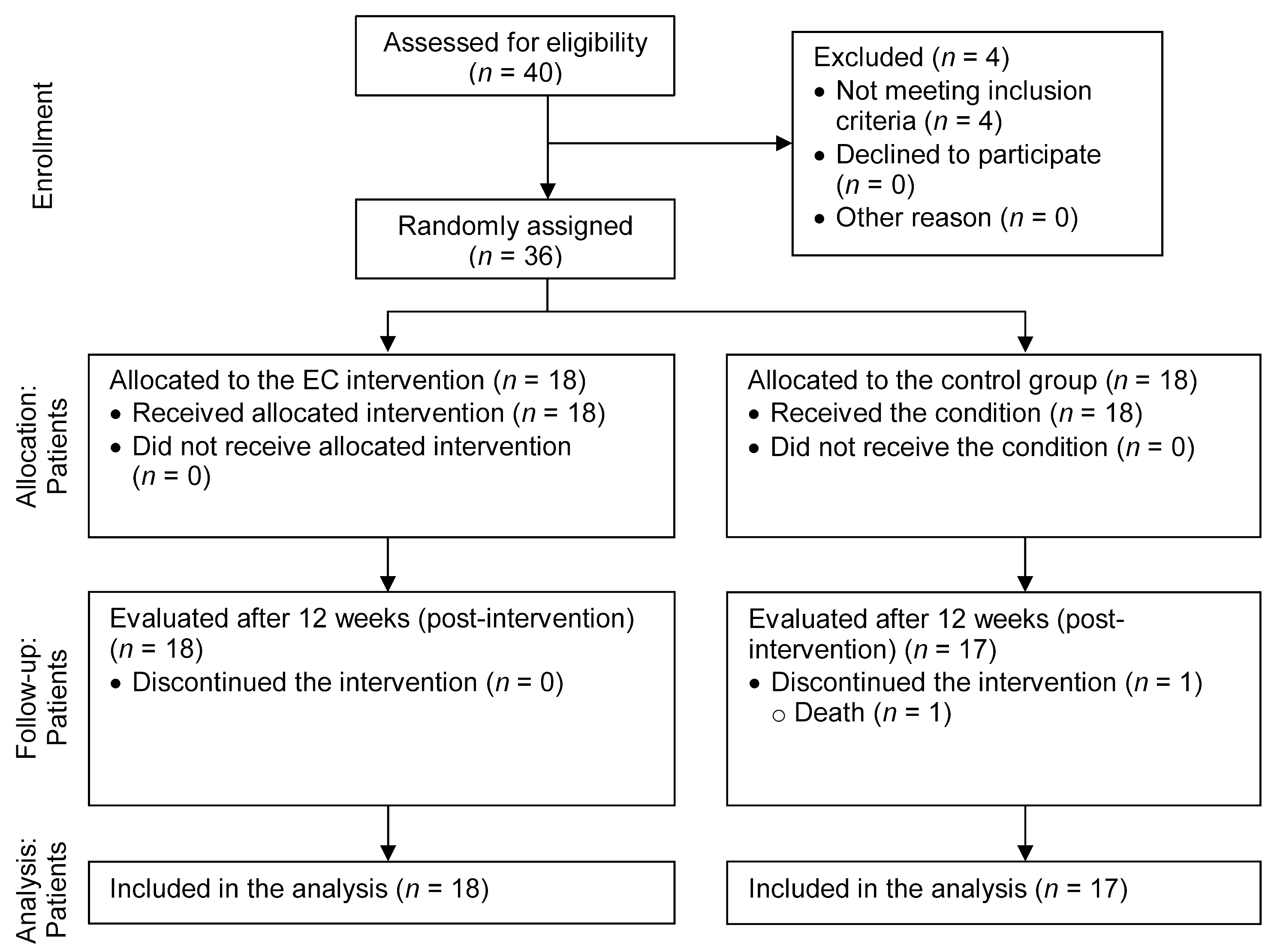
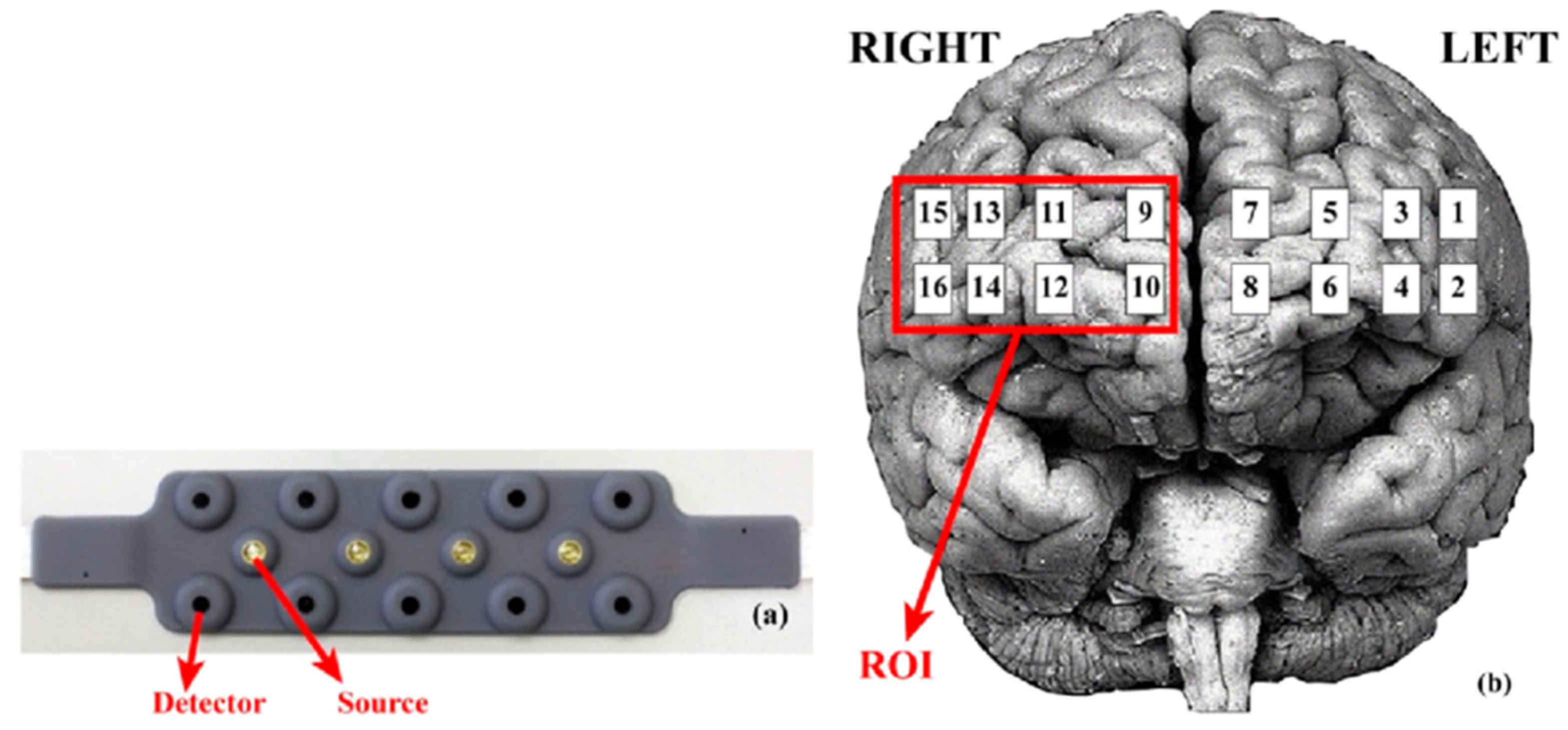
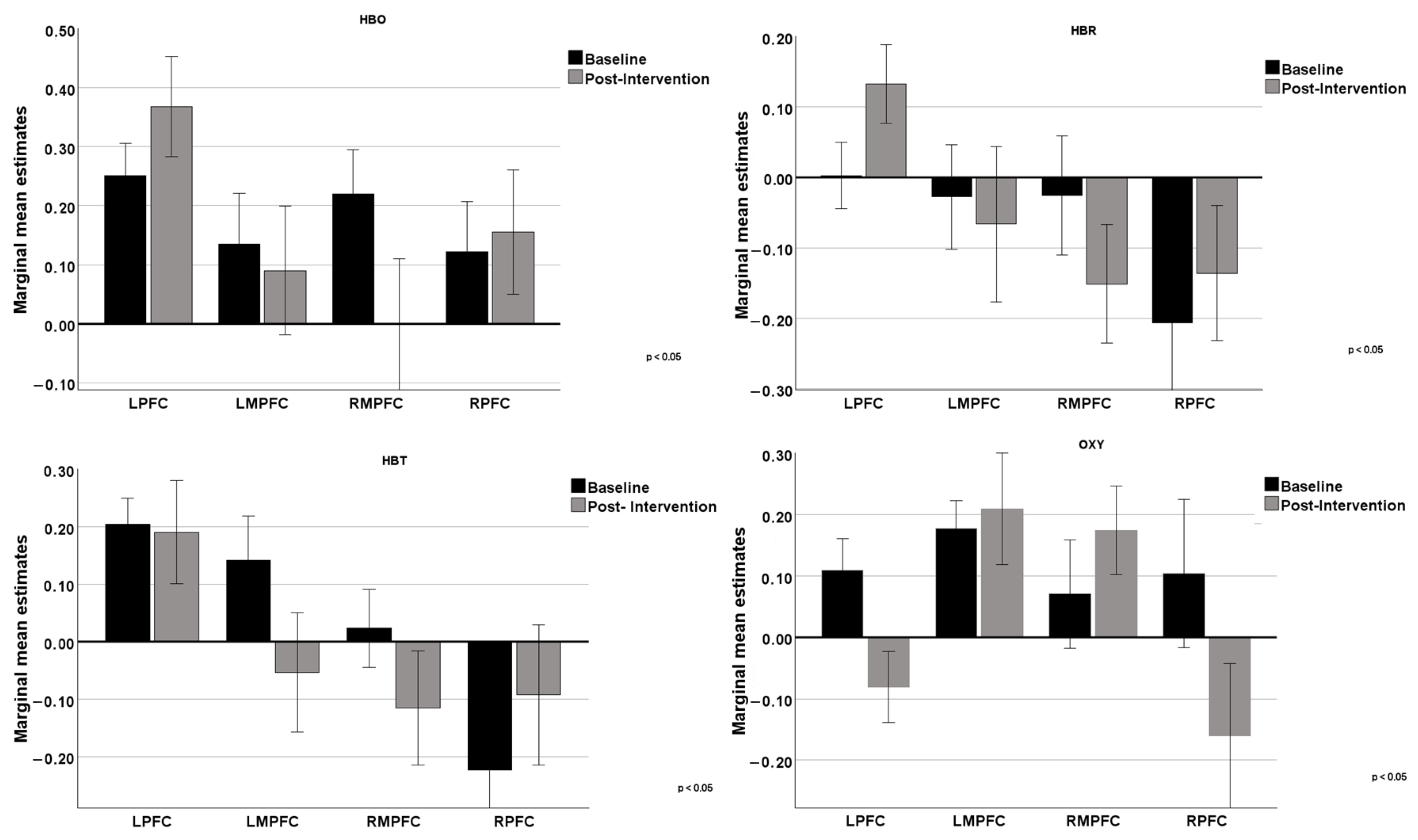
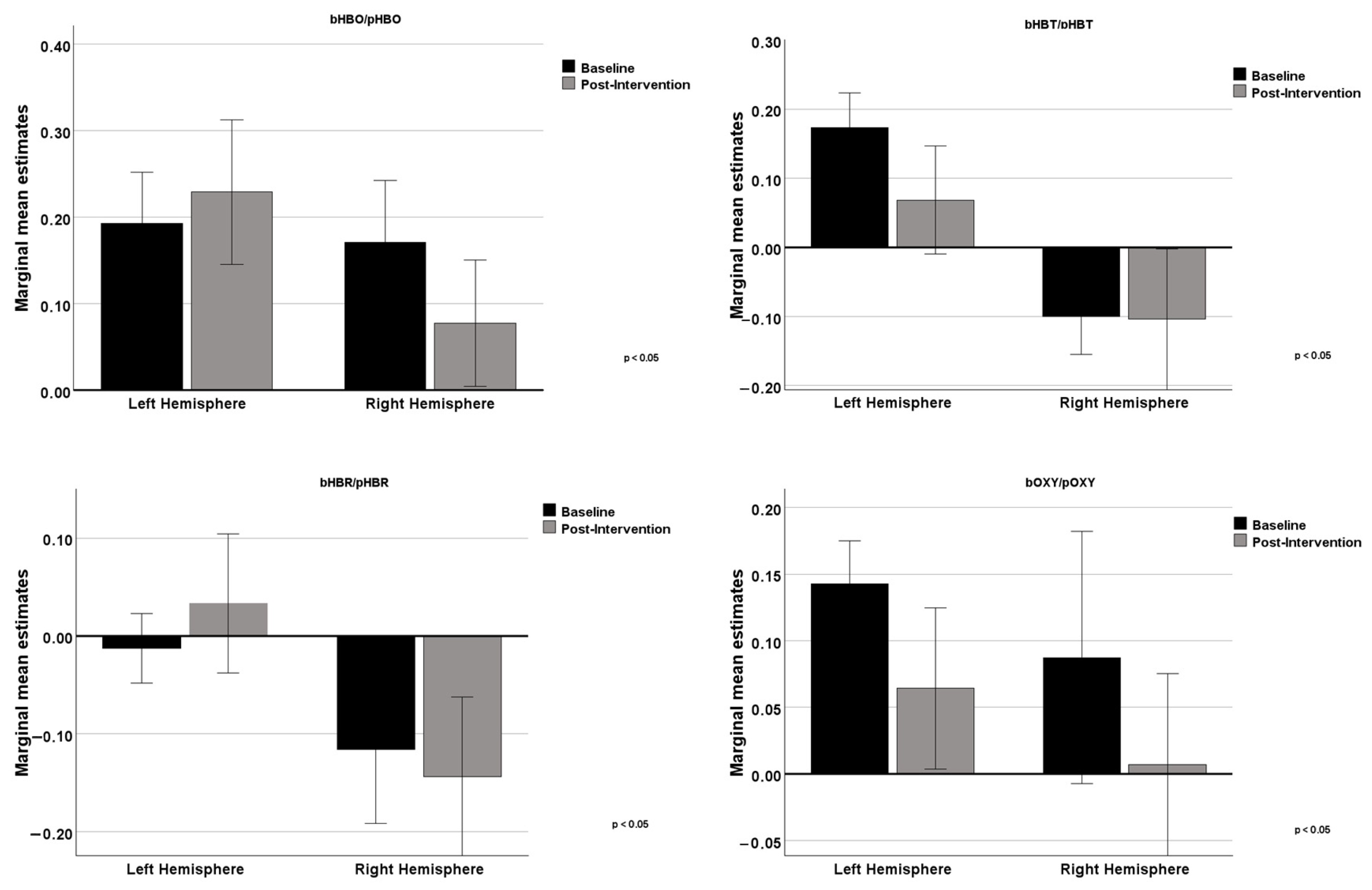
Background/Objectives: Neurocognitive disorders (NCDs) encompass a spectrum of conditions that significantly impact cognitive domains, including attention, memory, and language. Mild NCD, increasingly prevalent with aging, represents an early stage of these disorders, characterized by cognitive deficits that do not interfere with daily functioning. Non-pharmacological therapies, especially cognitive stimulation, are widely recommended to preserve cognitive function of older adults. This study aimed to evaluate the effectiveness of a 12-week individual cognitive stimulation (iCS) program on cognitive performance, mood, and prefrontal cortex activation in older adults with mild NCD using a single-blind, randomized, parallel two-arm RCT. Methods: A sample of 36 older adults were selected from a central region of Portugal. The intervention group (n = 18) received 24 iCS sessions, twice weekly for 12 weeks. The control group (n = 18) completed their regularly scheduled activities. Outcomes included global cognitive function, executive functioning, and mood. All participants were assessed at baseline and after the intervention. Functional near infra-red spectroscopy (fNIRS) was also collected to measure prefrontal cortex activity at both time points in the intervention group. Results: The intervention group showed a significant improvement in global cognition and executive functions, and reduced depressive symptomatology compared to the control group. fNIRS data revealed enhanced activation and functional efficiency in the lateral prefrontal cortex following the iCS program. Adherence and degree of collaboration to the intervention were very high. Conclusions: These findings suggest that iCS is an effective approach to improving cognitive function and mood in mildly cognitively impaired older adults.
Keywords: cognitive function; cognitive stimulation therapy; depressive symptoms; executive function; fNIRS; mild cognitive impairment; non-pharmacological interventions; prefrontal cortex; older adults cognitive function; cognitive stimulation therapy; depressive symptoms; executive function; fNIRS; mild cognitive impairment; non-pharmacological interventions; prefrontal cortex; older adults