Review

Influence of Chronobiology on the Nanoparticle-Mediated Drug Uptake into the Brain
Institut für Pharmazeutische Technologie, Goethe-Universität Frankfurt, Max-von-Laue-Str. 9, Frankfurt D-60439, Germany
Pharmaceutics 2015, 7(1), 3-9; https://doi.org/10.3390/pharmaceutics7010003

Submission received: 6 December 2014 / Revised: 8 January 2015 / Accepted: 21 January 2015 / Published: 3 February 2015
(This article belongs to the Special Issue Drug Delivery to Brain)

Abstract

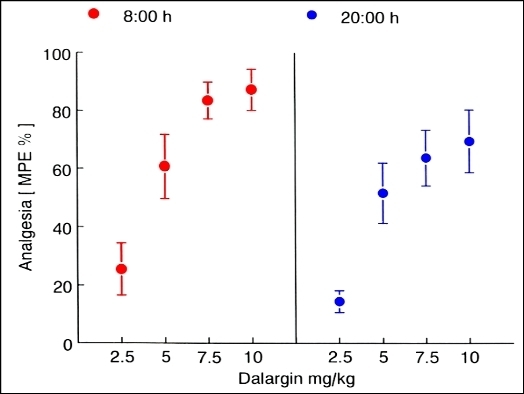
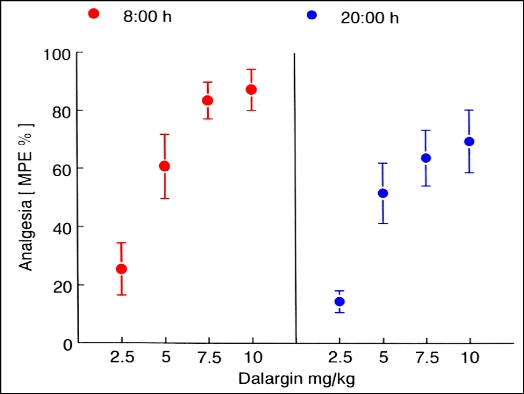
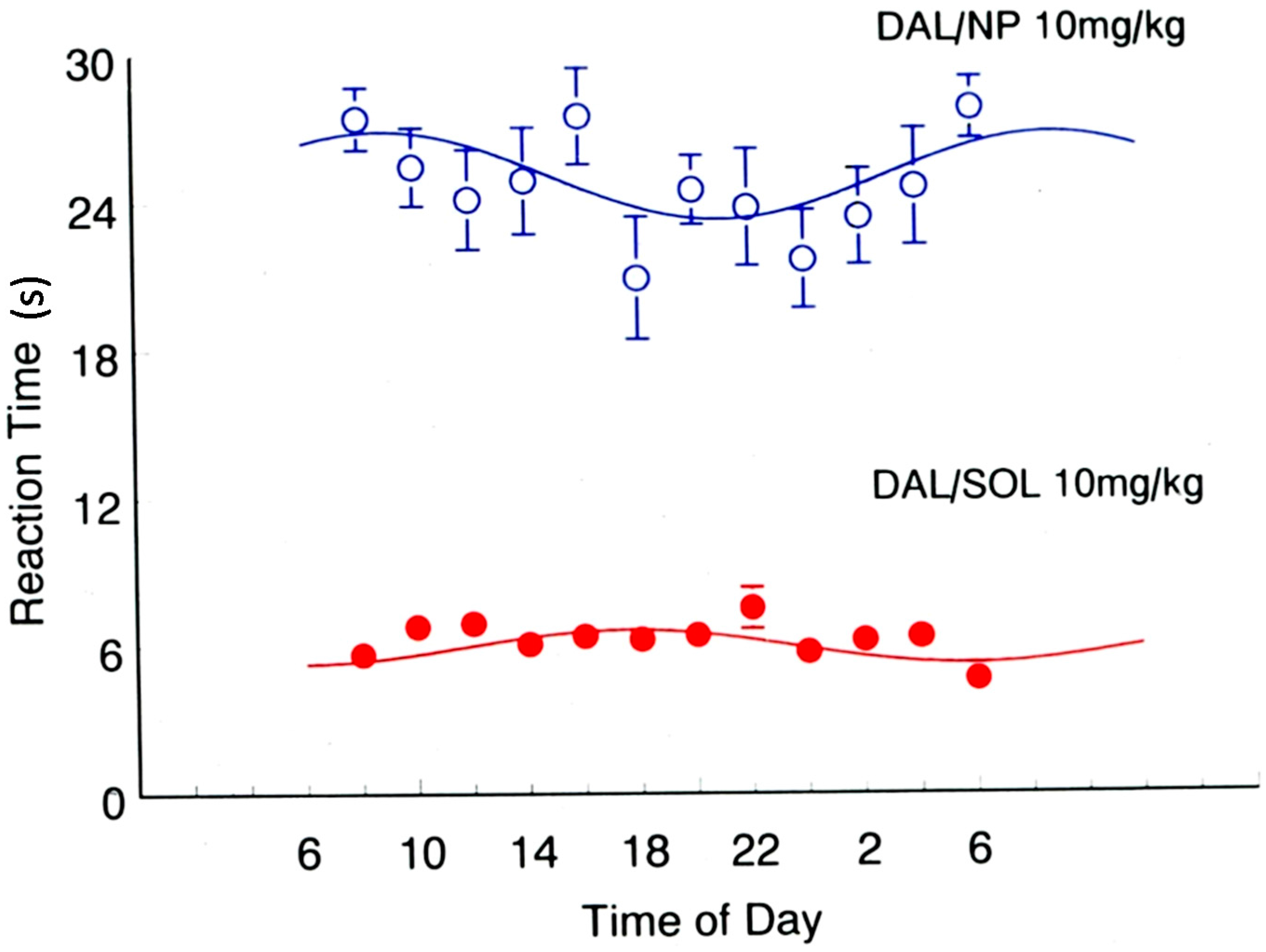
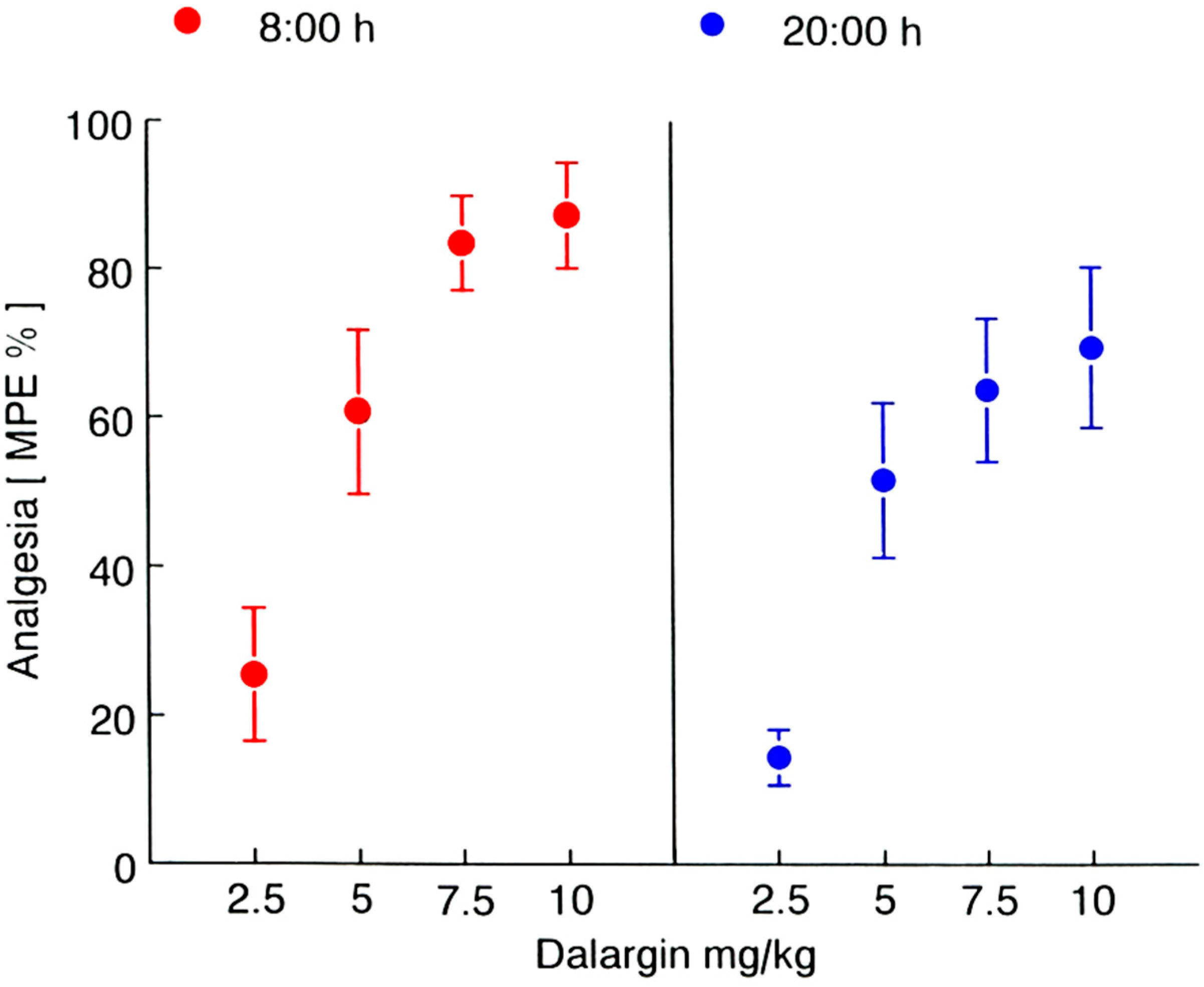
Little attention so-far has been paid to the influence of chronobiology on the processes of nanoparticle uptake and transport into the brain, even though this transport appears to be chronobiologically controlled to a significant degree. Nanoparticles with specific surface properties enable the transport across the blood–brain barrier of many drugs that normally cannot cross this barrier. A clear dependence of the central antinociceptive (analgesic) effects of a nanoparticle-bound model drug, i.e., the hexapeptide dalargin, on the time of day was observable after intravenous injection in mice. In addition to the strongly enhanced antinociceptive effect due to the binding to the nanoparticles, the minima and maxima of the pain reaction with the nanoparticle-bound drug were shifted by almost half a day compared to the normal circadian nociception: The maximum in the pain reaction after i.v. injection of the nanoparticle-bound dalargin occurred during the later rest phase of the animals whereas the normal pain reaction and that of a dalargin solution was highest during the active phase of the mice in the night. This important shift could be caused by an enhanced endo- and exocytotic particulates transport activity of the brain capillary endothelial cells or within the brain during the rest phase.
Keywords: nanoparticles; blood–brain barrier; chronobiology; dalargin; day time dependent transport; neurosciences nanoparticles; blood–brain barrier; chronobiology; dalargin; day time dependent transport; neurosciences
Graphical Abstract