Article

Liposomal Conjugates for Drug Delivery to the Central Nervous System
Department of Pharmaceutical Technology and Biopharmacy, Institute of Pharmacy and Molecular Biotechnology, University of Heidelberg, Im Neuenheimer Feld 329, 69120 Heidelberg, Germany
*
Author to whom correspondence should be addressed.
Pharmaceutics 2015, 7(2), 27-42; https://doi.org/10.3390/pharmaceutics7020027

Submission received: 18 December 2014 / Revised: 19 March 2015 / Accepted: 23 March 2015 / Published: 1 April 2015
(This article belongs to the Special Issue Drug Delivery to Brain)

Abstract

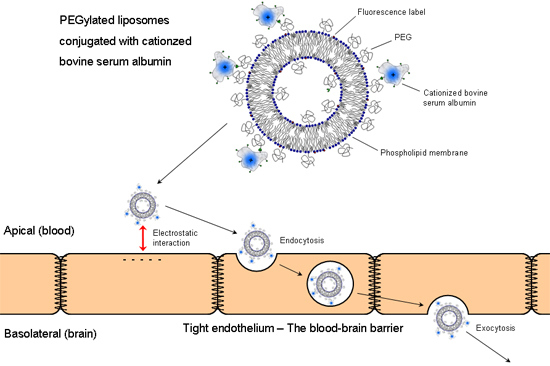
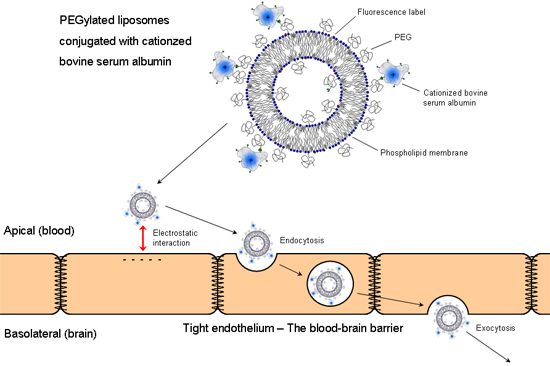
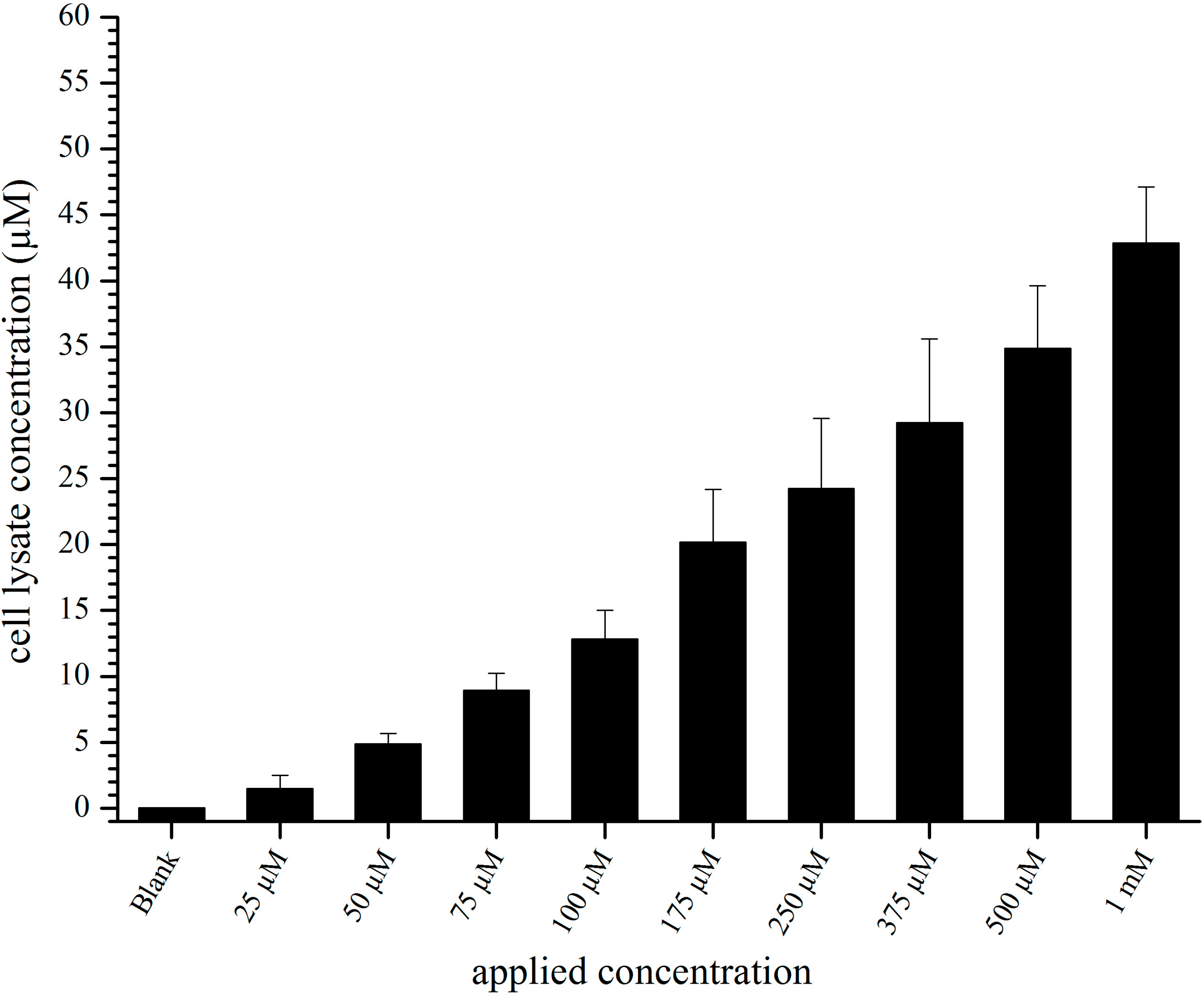
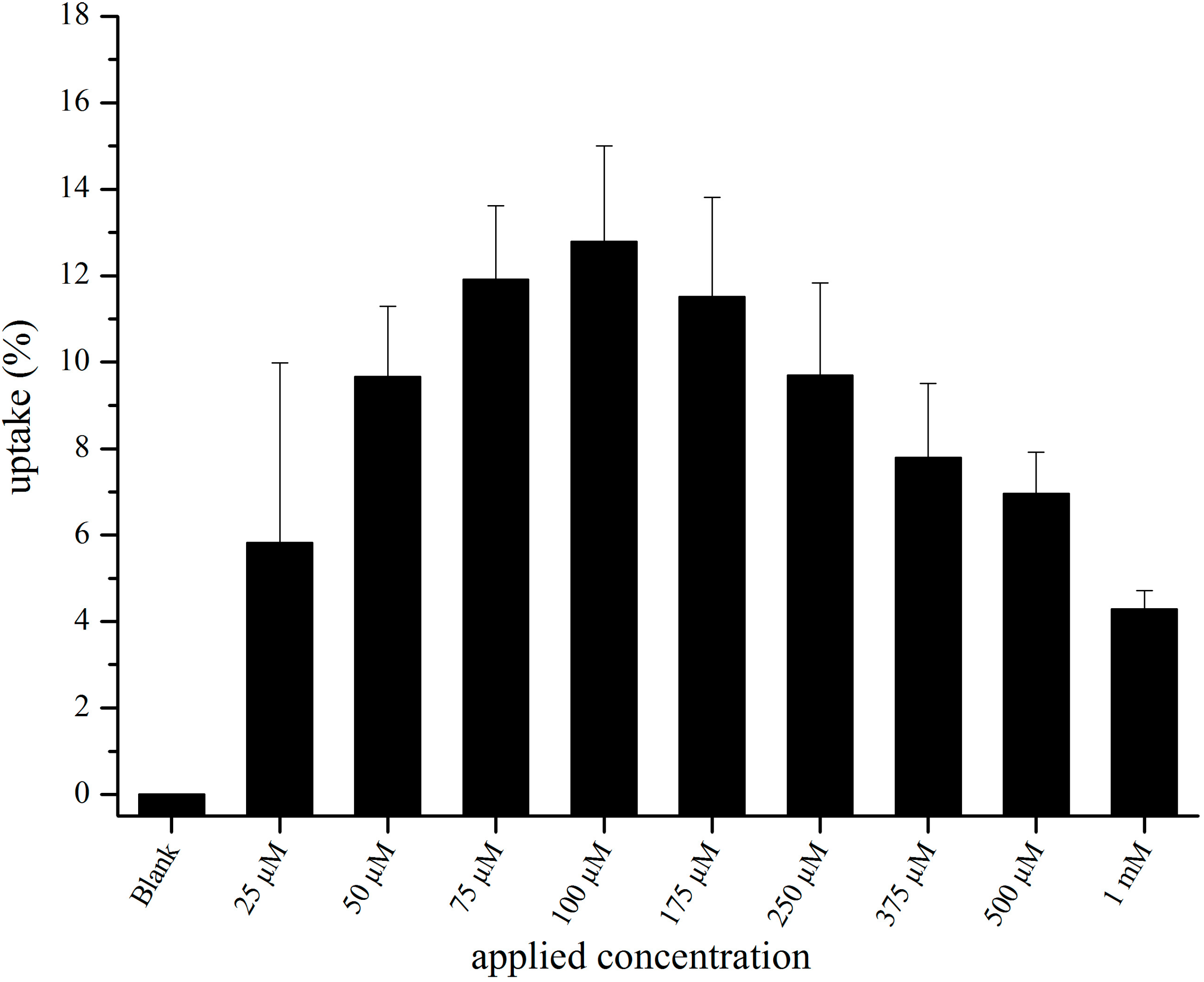
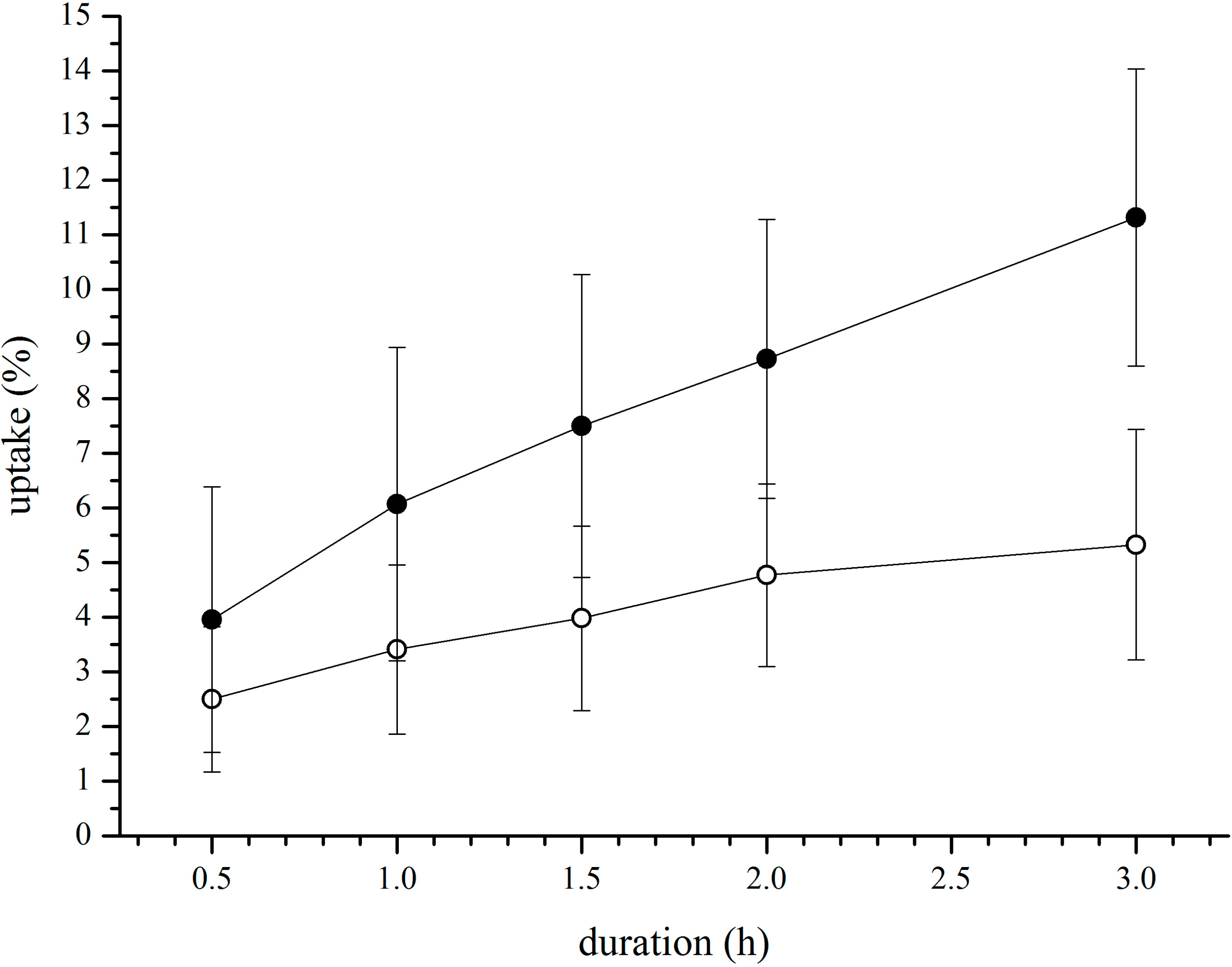
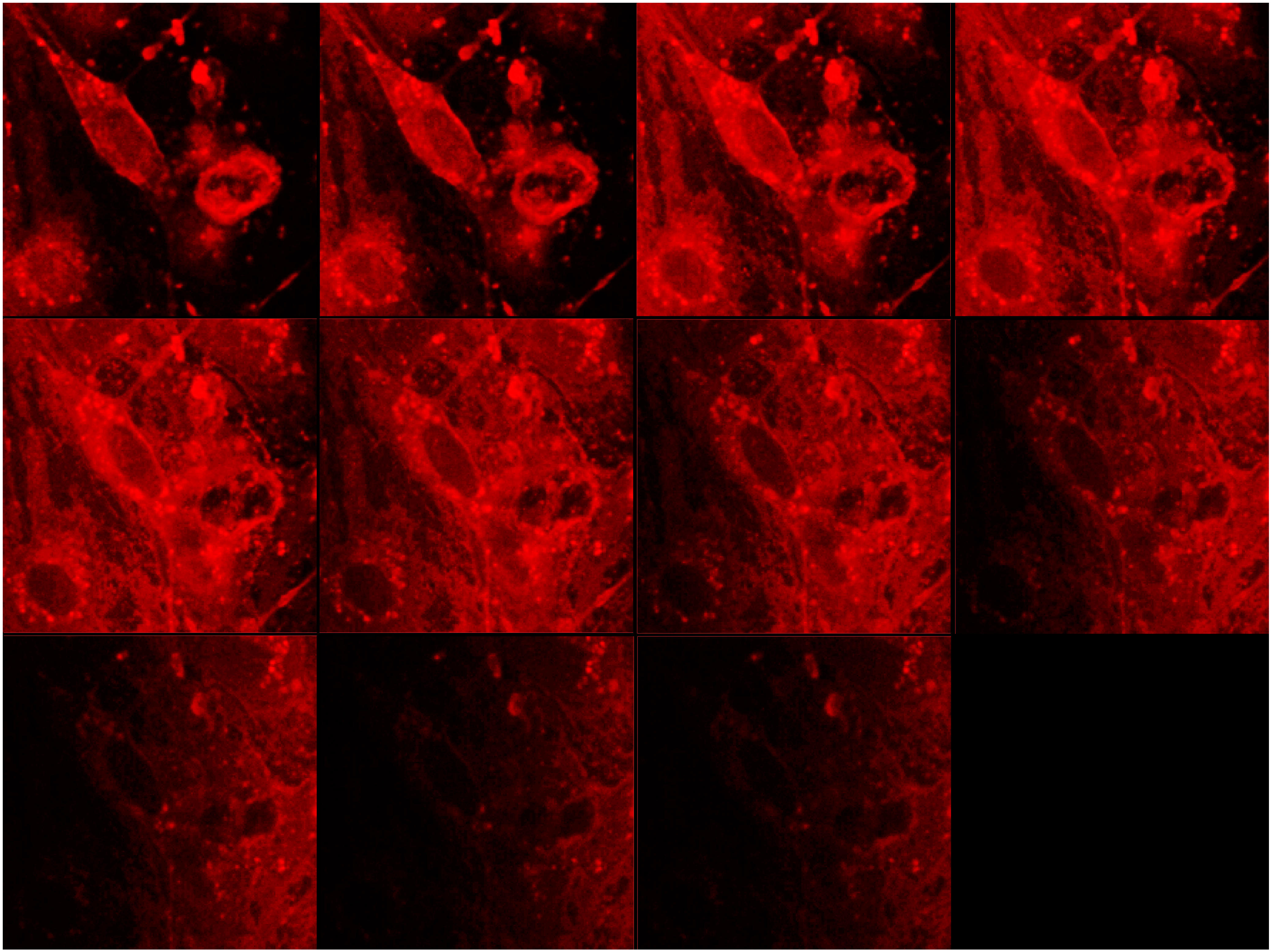
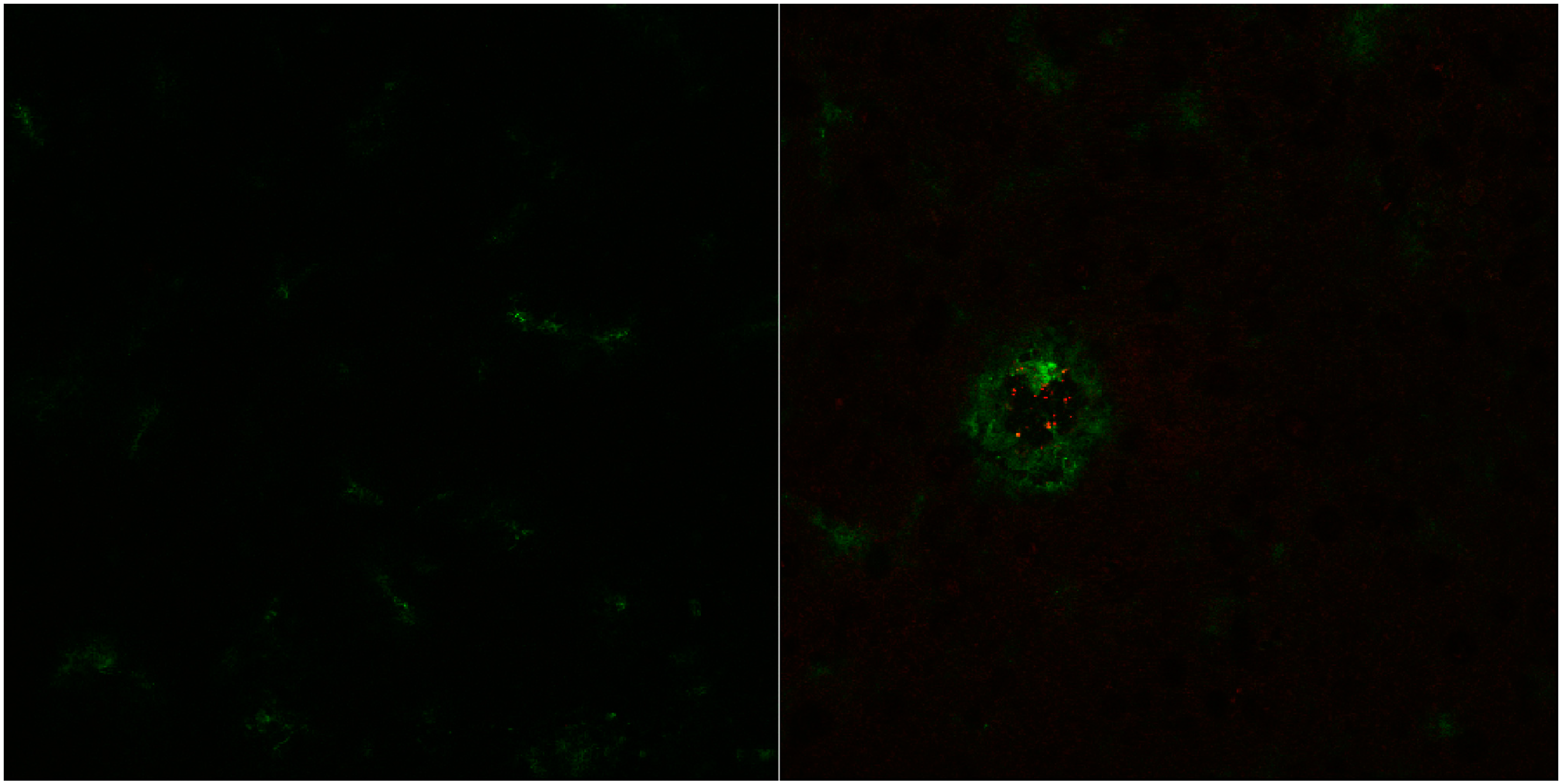
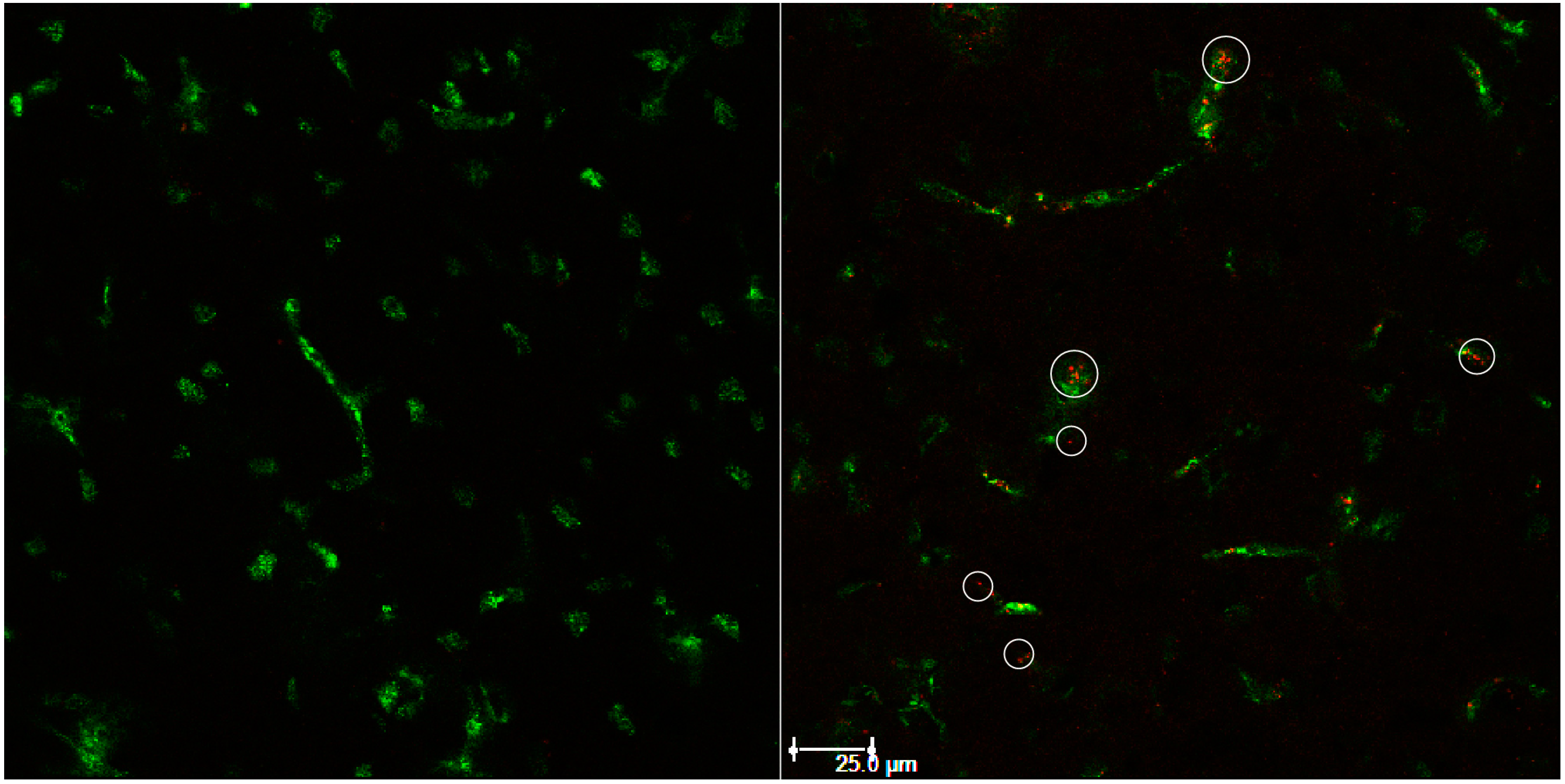
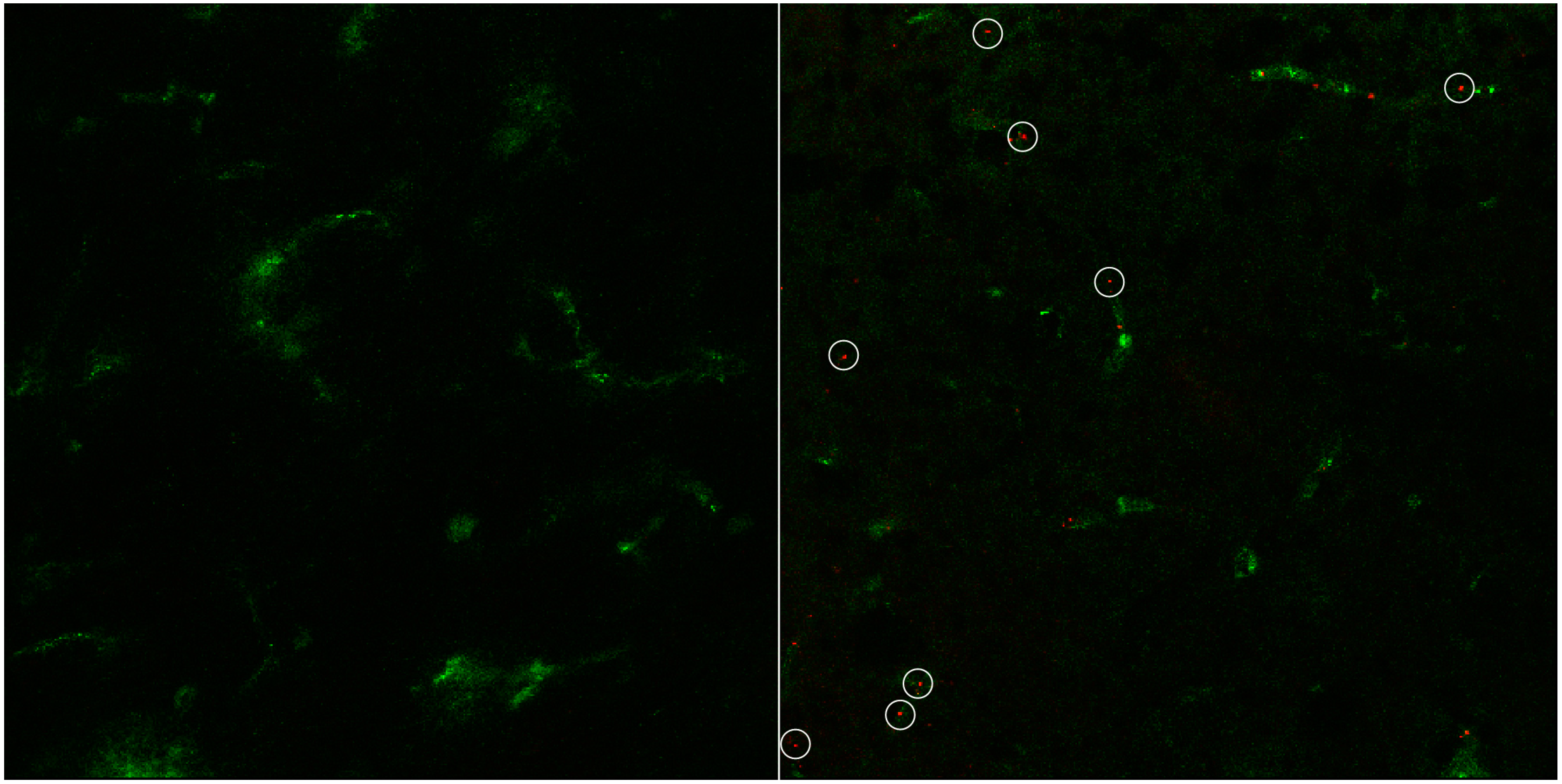
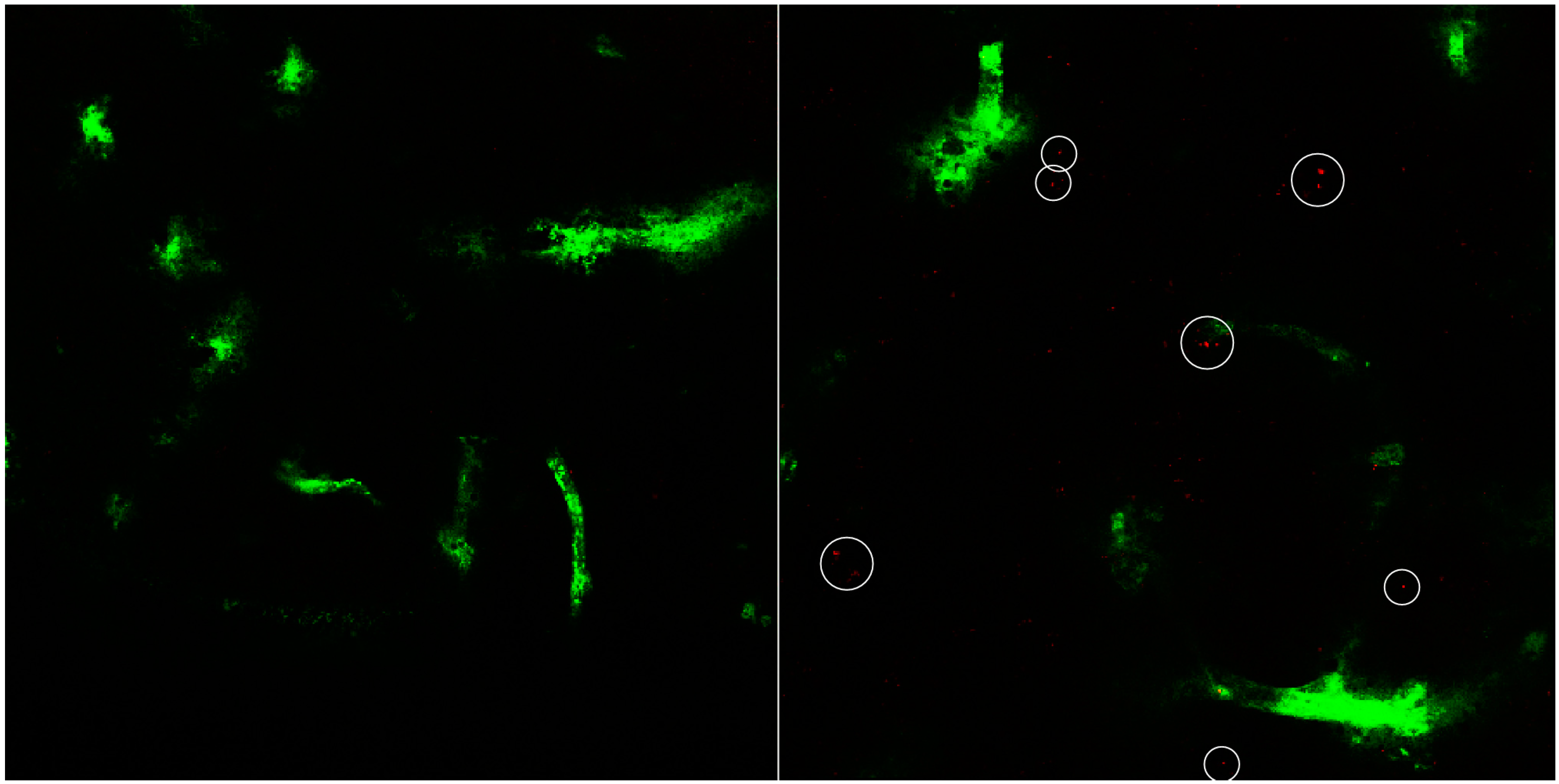
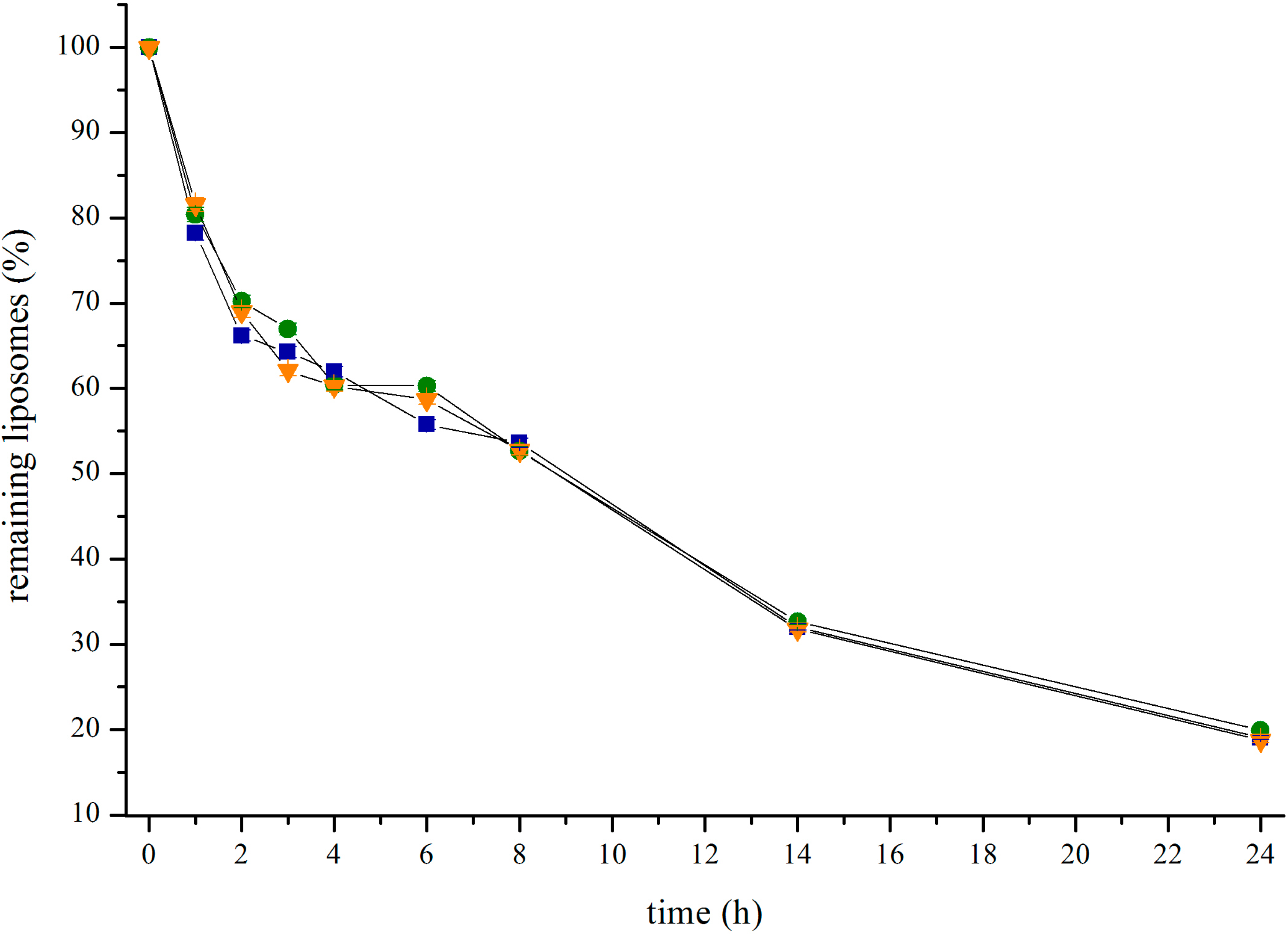
Treatments of central nervous system (CNS) diseases often fail due to the blood–brain barrier. Circumvention of this obstacle is crucial for any systemic treatment of such diseases to be effective. One approach to transfer drugs into the brain is the use of colloidal carrier systems—amongst others, liposomes. A prerequisite for successful drug delivery by colloidal carriers to the brain is the modification of their surface, making them invisible to the reticuloendothelial system (RES) and to target them to specific surface epitopes at the blood–brain barrier. This study characterizes liposomes conjugated with cationized bovine serum albumin (cBSA) as transport vectors in vitro in porcine brain capillary endothelial cells (PBCEC) and in vivo in rats using fluorescently labelled liposomes. Experiments with PBCEC showed that sterically stabilized (PEGylated) liposomes without protein as well as liposomes conjugated to native bovine serum albumin (BSA) were not taken up. In contrast, cBSA-liposomes were taken up and appeared to be concentrated in intracellular vesicles. Uptake occurred in a concentration and time dependent manner. Free BSA and free cBSA inhibited uptake. After intravenous application of cBSA-liposomes, confocal fluorescence microscopy of brain cryosections from male Wistar rats showed fluorescence associated with liposomes in brain capillary surrounding tissue after 3, 6 and 24 h, for liposomes with a diameter between 120 and 150 nm, suggesting successful brain delivery of cationized-albumin coupled liposomes.
Keywords: liposomes; blood–brain barrier; cationized bovine serum albumin; liposomal conjugates; brain capillary endothelial liposomes; blood–brain barrier; cationized bovine serum albumin; liposomal conjugates; brain capillary endothelial
Graphical Abstract