Cannabidiol for Mucosal Diseases: Therapeutic Potential and Advanced Delivery Strategies

 , and
, and
Abstract
1. Introduction
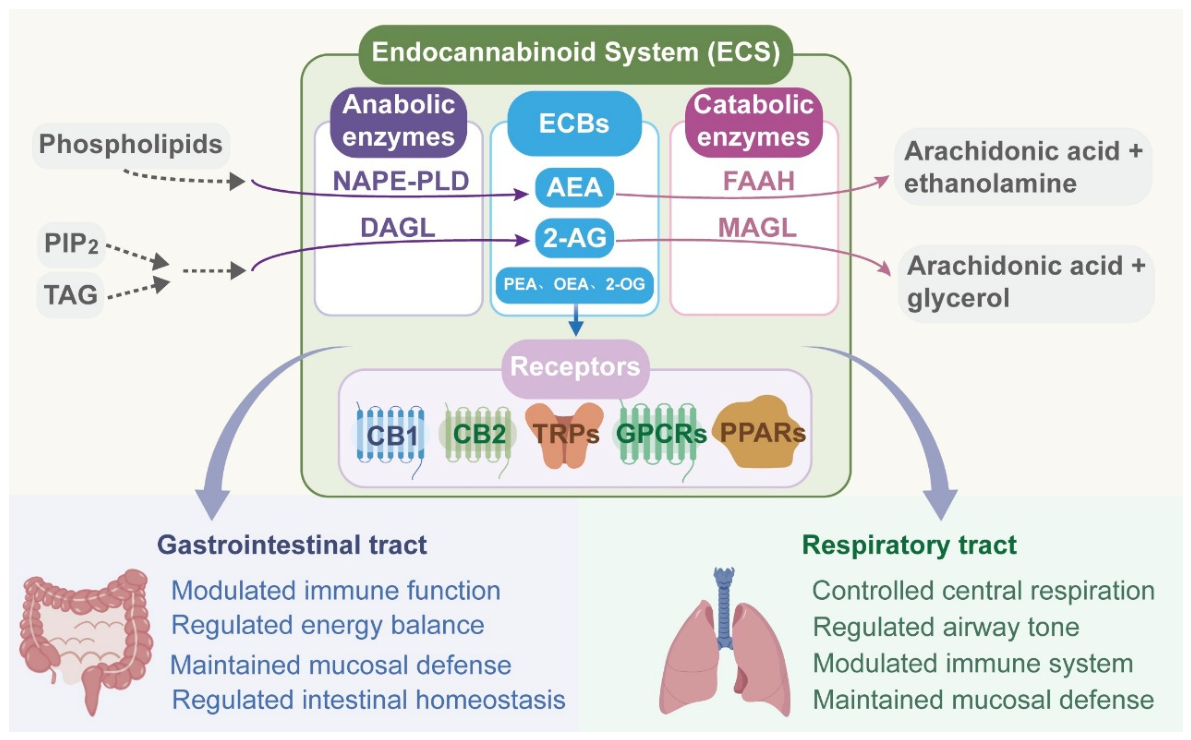
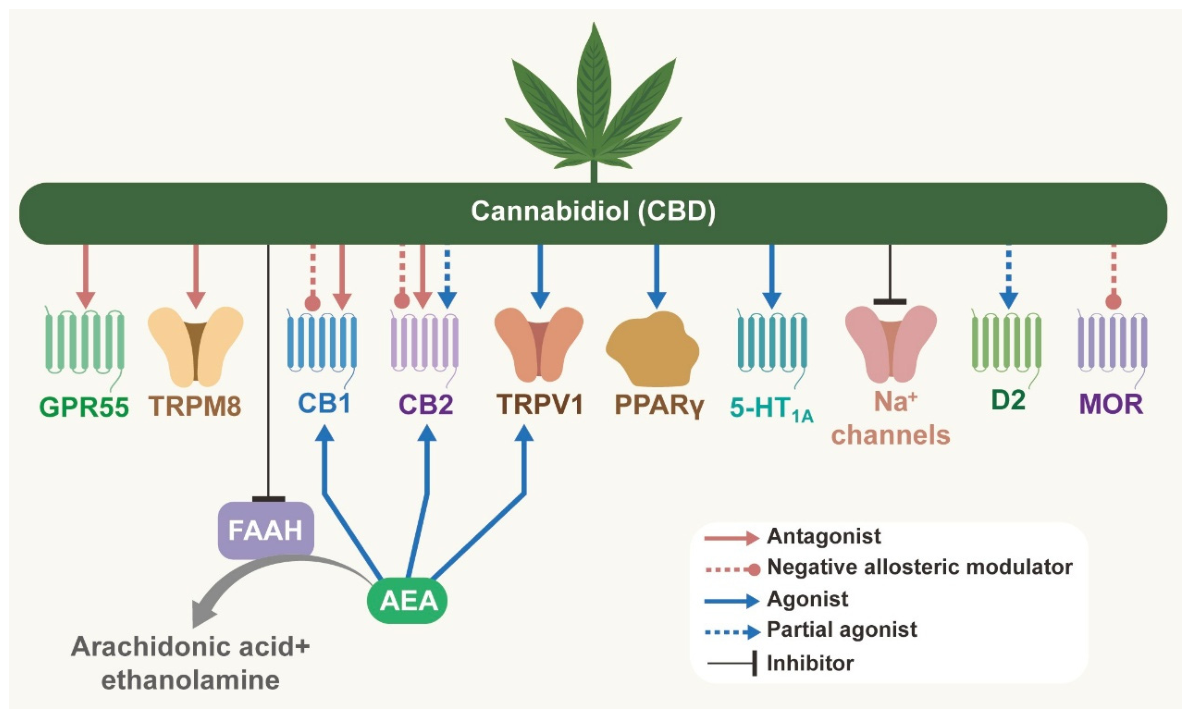
2. CBD and the Endocannabinoid System in the Mucosa
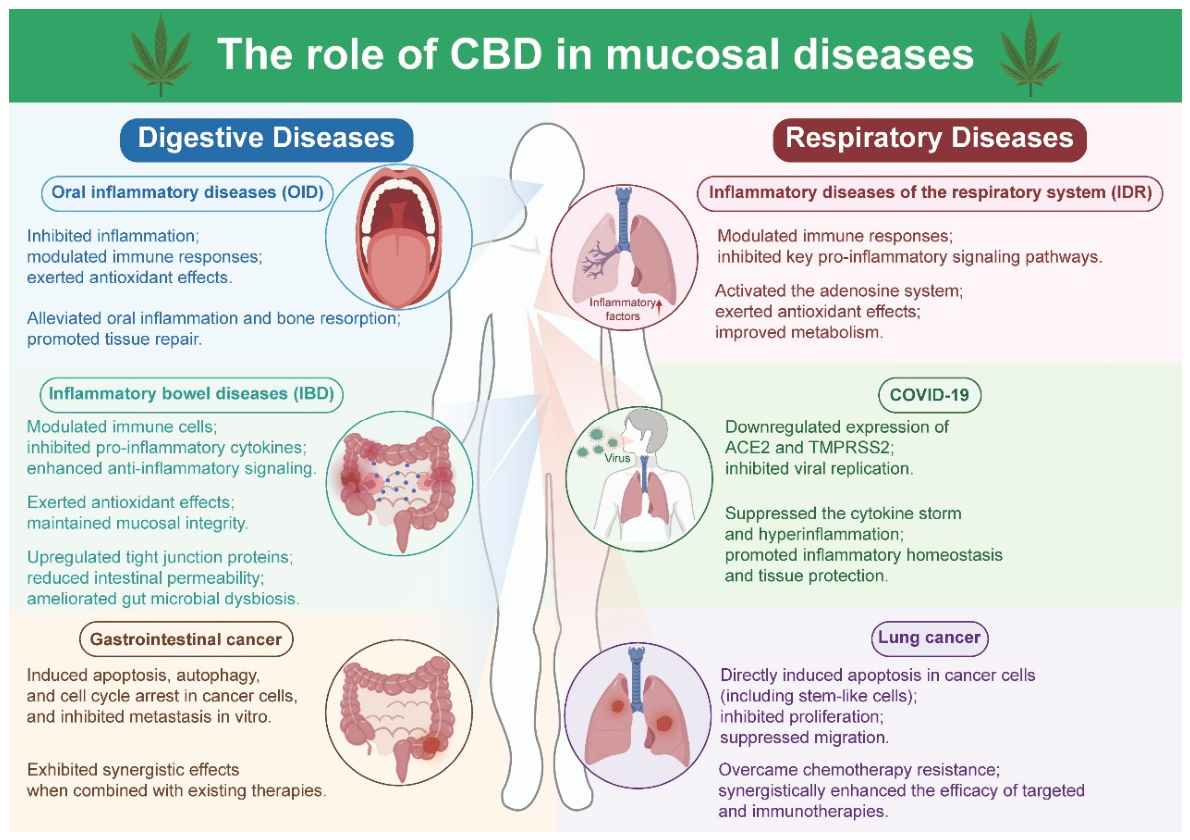
3. Therapeutic Potential of CBD for Mucosal Diseases
3.1. Therapeutic Potential of CBD for Digestive System Diseases
3.1.1. Oral Inflammatory Diseases
3.1.2. Inflammatory Bowel Diseases
3.1.3. Gastrointestinal Cancer
3.2. Therapeutic Potential of CBD for Respiratory Diseases
3.2.1. Inflammatory Diseases of the Respiratory System
3.2.2. Coronavirus Disease-19
3.2.3. Lung Cancer
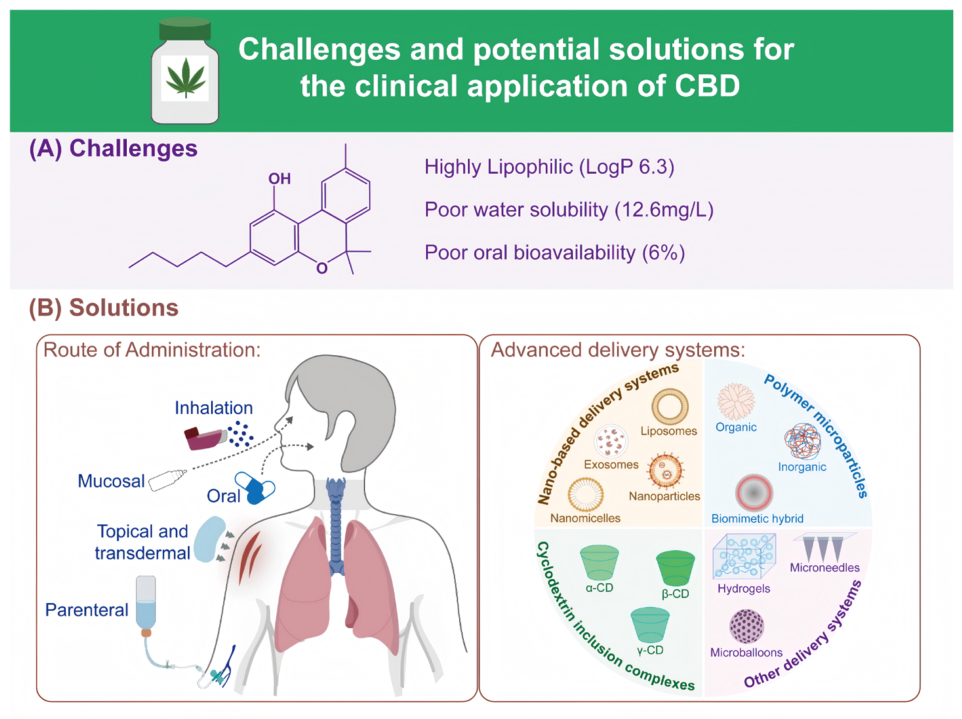
4. Strategies for Enhancing the Bioavailability and Effective Delivery of CBD
4.1. Route of Administration
4.1.1. Oral Administration
4.1.2. Mucosal Administration
4.1.3. Inhalation Administration
4.1.4. Parenteral Administration
4.1.5. Topical and Transdermal Administration
4.2. Advanced Delivery Systems
4.2.1. Nano-Based Delivery Systems
4.2.2. Polymer Microparticles
4.2.3. Cyclodextrin Inclusion Complexes
4.2.4. Other Delivery Systems
4.2.5. Comparative Perspective and Translational Prioritization
5. Challenges and Future Directions
5.1. Why Promising Preclinical Findings Have Not Consistently Translated into Clinical Benefit
5.2. Safety Pharmacology of CBD
5.3. Limitations in the Clinical Translatability of Advanced CBD Delivery Systems
5.4. Regulatory Status and Oversight Considerations
5.5. Emerging Technologies and Future Formulation Strategies
5.6. Future Directions
6. Conclusions
Author Contributions
Funding
Institutional Review Board Statement
Informed Consent Statement
Data Availability Statement
Conflicts of Interest
References
- Ren, G.; Zhang, X.; Li, Y.; Ridout, K.; Serrano-Serrano, M.L.; Yang, Y.; Liu, A.; Ravikanth, G.; Nawaz, M.A.; Mumtaz, A.S.; et al. Large-scale whole-genome resequencing unravels the domestication history of Cannabis sativa. Sci. Adv. 2021, 7, eabg2286. [Google Scholar] [CrossRef] [Scilit] [PubMed]
- Koren, A.; Sikora, V.; Kiprovski, B.; Brdar-Jokanović, M.; Aćimović, M.; Konstantinović, B.; Latković, D. Controversial taxonomy of hemp. Genetika 2020, 52, 1–13. [Google Scholar] [CrossRef] [Scilit]
- Madeo, G.; Kapoor, A.; Giorgetti, R.; Busardò, F.P.; Carlier, J. Update on Cannabidiol Clinical Toxicity and Adverse Effects: A Systematic Review. Curr. Neuropharmacol. 2023, 21, 2323–2342. [Google Scholar] [CrossRef] [Scilit] [PubMed]
- Kalsoom, I.; Shehzadi, K.; Li, H.S.; Wen, H.L.; Yu, M.J. Unraveling the Mechanisms of Cannabidiol’s Pharmacological Actions: A Comprehensive Research Overview. Top. Curr. Chem. 2024, 382, 20. [Google Scholar] [CrossRef] [Scilit]
- Yang, J.; Yan, H. Mucosal epithelial cells: The initial sentinels and responders controlling and regulating immune responses to viral infections. Cell. Mol. Immunol. 2021, 18, 1628–1630. [Google Scholar] [CrossRef] [Scilit] [PubMed]
- Gustafsson, J.K.; Hansson, G.C. Immune Regulation of Goblet Cell and Mucus Functions in Health and Disease. Annu. Rev. Immunol. 2025, 43, 169–189. [Google Scholar] [CrossRef] [Scilit] [PubMed]
- Zhou, X.; Wu, Y.; Zhu, Z.; Lu, C.; Zhang, C.; Zeng, L.; Xie, F.; Zhang, L.; Zhou, F. Mucosal immune response in biology, disease prevention and treatment. Signal Transduct. Target. Ther. 2025, 10, 7. [Google Scholar] [CrossRef] [Scilit]
- Bustos, N.A.; Ribbeck, K.; Wagner, C.E. The role of mucosal barriers in disease progression and transmission. Adv. Drug Deliv. Rev. 2023, 200, 115008. [Google Scholar] [CrossRef] [Scilit]
- Stasiulewicz, A.; Znajdek, K.; Grudzień, M.; Pawiński, T.; Sulkowska, A.J.I. A Guide to Targeting the Endocannabinoid System in Drug Design. Int. J. Mol. Sci. 2020, 21, 2778. [Google Scholar] [CrossRef] [Scilit] [PubMed]
- Lu, Y.; Anderson, H.D. Cannabinoid signaling in health and disease. Can. J. Physiol. Pharmacol. 2017, 95, 311–327. [Google Scholar] [CrossRef] [Scilit]
- Fezza, F.; Bari, M.; Florio, R.; Talamonti, E.; Feole, M.; Maccarrone, M. Endocannabinoids, related compounds and their metabolic routes. Molecules 2014, 19, 17078–17106. [Google Scholar] [CrossRef] [Scilit]
- Maccarrone, M. Metabolism of the Endocannabinoid Anandamide: Open Questions after 25 Years. Front. Mol. Neurosci. 2017, 10, 166. [Google Scholar] [CrossRef] [Scilit]
- Murataeva, N.; Straiker, A.; Mackie, K. Parsing the players: 2-arachidonoylglycerol synthesis and degradation in the CNS. Br. J. Pharmacol. 2014, 171, 1379–1391. [Google Scholar] [CrossRef] [Scilit] [PubMed]
- Sugiura, T.; Waku, K. 2-Arachidonoylglycerol and the cannabinoid receptors. Chem. Phys. Lipids 2000, 108, 89–106. [Google Scholar] [CrossRef] [Scilit] [PubMed]
- Matsuda, L.A.; Lolait, S.J.; Brownstein, M.J.; Young, A.C.; Bonner, T.I. Structure of a cannabinoid receptor and functional expression of the cloned cDNA. Nature 1990, 346, 561–564. [Google Scholar] [CrossRef] [Scilit] [PubMed]
- Casu, M.A.; Porcella, A.; Ruiu, S.; Saba, P.; Marchese, G.; Carai, M.A.; Reali, R.; Gessa, G.L.; Pani, L. Differential distribution of functional cannabinoid CB1 receptors in the mouse gastroenteric tract. Eur. J. Pharmacol. 2003, 459, 97–105. [Google Scholar] [CrossRef] [Scilit]
- Wright, K.L.; Duncan, M.; Sharkey, K.A. Cannabinoid CB2 receptors in the gastrointestinal tract: A regulatory system in states of inflammation. Br. J. Pharmacol. 2008, 153, 263–270. [Google Scholar] [CrossRef] [Scilit]
- Ward, S.M.; Bayguinov, J.; Won, K.J.; Grundy, D.; Berthoud, H.R. Distribution of the vanilloid receptor (VR1) in the gastrointestinal tract. J. Comp. Neurol. 2003, 465, 121–135. [Google Scholar] [CrossRef] [Scilit] [PubMed]
- Meng, M.Y.; Paine, L.W.; Sagnat, D.; Bello, I.; Oldroyd, S.; Javid, F.; Harper, M.T.; Hockley, J.R.F.; St John Smith, E.; Owens, R.M.; et al. TRPV4 stimulates colonic afferents through mucosal release of ATP and glutamate. Br. J. Pharmacol. 2025, 182, 1324–1340. [Google Scholar] [CrossRef] [Scilit] [PubMed]
- Cuddihey, H.; MacNaughton, W.K.; Sharkey, K.A. Role of the Endocannabinoid System in the Regulation of Intestinal Homeostasis. Cell. Mol. Gastroenterol. Hepatol. 2022, 14, 947–963. [Google Scholar] [CrossRef] [Scilit] [PubMed]
- Gyires, K.; Zádori, Z.S. Role of Cannabinoids in Gastrointestinal Mucosal Defense and Inflammation. Curr. Neuropharmacol. 2016, 14, 935–951. [Google Scholar] [CrossRef] [Scilit]
- Shang, V.C.; O’Sullivan, S.E.; Kendall, D.A.; Roberts, R.E. The endogenous cannabinoid anandamide increases human airway epithelial cell permeability through an arachidonic acid metabolite. Pharmacol. Res. 2016, 105, 152–163. [Google Scholar] [CrossRef] [Scilit]
- Aloisio Caruso, E.; De Nunzio, V.; Tutino, V.; Notarnicola, M. The Endocannabinoid System: Implications in Gastrointestinal Physiology and Pathology. Int. J. Mol. Sci. 2025, 26, 1306. [Google Scholar] [CrossRef] [Scilit]
- Laprairie, R.B.; Bagher, A.M.; Kelly, M.E.; Denovan-Wright, E.M. Cannabidiol is a negative allosteric modulator of the cannabinoid CB1 receptor. Br. J. Pharmacol. 2015, 172, 4790–4805. [Google Scholar] [CrossRef] [Scilit] [PubMed]
- Martínez-Pinilla, E.; Varani, K.; Reyes-Resina, I.; Angelats, E.; Vincenzi, F.; Ferreiro-Vera, C.; Oyarzabal, J.; Canela, E.I.; Lanciego, J.L.; Nadal, X.; et al. Binding and Signaling Studies Disclose a Potential Allosteric Site for Cannabidiol in Cannabinoid CB(2) Receptors. Front. Pharmacol. 2017, 8, 744. [Google Scholar] [CrossRef] [Scilit]
- Morales, P.; Goya, P.; Jagerovic, N.; Hernandez-Folgado, L. Allosteric Modulators of the CB(1) Cannabinoid Receptor: A Structural Update Review. Cannabis Cannabinoid Res. 2016, 1, 22–30. [Google Scholar] [CrossRef] [Scilit]
- Tham, M.; Yilmaz, O.; Alaverdashvili, M.; Kelly, M.E.M.; Denovan-Wright, E.M.; Laprairie, R.B. Allosteric and orthosteric pharmacology of cannabidiol and cannabidiol-dimethylheptyl at the type 1 and type 2 cannabinoid receptors. Br. J. Pharmacol. 2019, 176, 1455–1469. [Google Scholar] [CrossRef] [Scilit] [PubMed]
- Gonçalves, E.C.D.; Baldasso, G.M.; Bicca, M.A.; Paes, R.S.; Capasso, R.; Dutra, R.C. Terpenoids, Cannabimimetic Ligands, beyond the Cannabis Plant. Molecules 2020, 25, 1567. [Google Scholar] [CrossRef] [Scilit] [PubMed]
- Elmes, M.W.; Kaczocha, M.; Berger, W.T.; Leung, K.; Ralph, B.P.; Wang, L.; Sweeney, J.M.; Miyauchi, J.T.; Tsirka, S.E.; Ojima, I.; et al. Fatty acid-binding proteins (FABPs) are intracellular carriers for Δ9-tetrahydrocannabinol (THC) and cannabidiol (CBD). J. Biol. Chem. 2015, 290, 8711–8721. [Google Scholar] [CrossRef] [Scilit] [PubMed]
- Peng, J.; Fan, M.; An, C.; Ni, F.; Huang, W.; Luo, J. A narrative review of molecular mechanism and therapeutic effect of cannabidiol (CBD). Basic Clin. Pharmacol. Toxicol. 2022, 130, 439–456. [Google Scholar] [CrossRef] [Scilit]
- Yang, D.; Zeng, H.; Zhuang, Y.; Jiang, S.; Pan, W. Nanodrug delivery materials for digestive system diseases. APL Mater. 2024, 12, 060603. [Google Scholar] [CrossRef] [Scilit]
- Wang, Y.; Huang, Y.; Chase, R.C.; Li, T.; Ramai, D.; Li, S.; Huang, X.; Antwi, S.O.; Keaveny, A.P.; Pang, M. Global Burden of Digestive Diseases: A Systematic Analysis of the Global Burden of Diseases Study, 1990 to 2019. Gastroenterology 2023, 165, 773–783.e715. [Google Scholar] [CrossRef] [Scilit]
- Klein, M.; Gonçalves Salum, F.; Cherubini, K.; Zancanaro de Figueiredo, M.A. Cannabidiol As A Novel Therapeutic Strategy For Oral Inflammatory Diseases: A Review Of Current Knowledge And Future Perspectives. Altern. Ther. Health Med. 2020, 26, 12–16. [Google Scholar]
- Napimoga, M.H.; Benatti, B.B.; Lima, F.O.; Alves, P.M.; Campos, A.C.; Pena-Dos-Santos, D.R.; Severino, F.P.; Cunha, F.Q.; Guimarães, F.S. Cannabidiol decreases bone resorption by inhibiting RANK/RANKL expression and pro-inflammatory cytokines during experimental periodontitis in rats. Int. Immunopharmacol. 2009, 9, 216–222. [Google Scholar] [CrossRef] [Scilit] [PubMed]
- Cuba, L.F.; Salum, F.G.; Guimarães, F.S.; Cherubini, K.; Borghetti, R.L.; de Figueiredo, M.A.Z. Cannabidiol on 5-FU-induced oral mucositis in mice. Oral Dis. 2020, 26, 1483–1493. [Google Scholar] [CrossRef] [Scilit]
- Libro, R.; Scionti, D.; Diomede, F.; Marchisio, M.; Grassi, G.; Pollastro, F.; Piattelli, A.; Bramanti, P.; Mazzon, E.; Trubiani, O. Cannabidiol Modulates the Immunophenotype and Inhibits the Activation of the Inflammasome in Human Gingival Mesenchymal Stem Cells. Front. Physiol. 2016, 7, 559. [Google Scholar] [CrossRef] [Scilit] [PubMed]
- Klein, M.; de Quadros De Bortolli, J.; Guimarães, F.S.; Salum, F.G.; Cherubini, K.; de Figueiredo, M.A.Z. Effects of cannabidiol, a Cannabis sativa constituent, on oral wound healing process in rats: Clinical and histological evaluation. Phytother. Res. PTR 2018, 32, 2275–2281. [Google Scholar] [CrossRef] [Scilit]
- Carvalho, A.C.A.; Souza, G.A.; Marqui, S.V.; Guiguer, É.L.; Araújo, A.C.; Rubira, C.J.; Goulart, R.A.; Flato, U.A.P.; Bueno, P.; Buchaim, R.L.; et al. Cannabis and Canabidinoids on the Inflammatory Bowel Diseases: Going Beyond Misuse. Int. J. Mol. Sci. 2020, 21, 2940. [Google Scholar] [CrossRef] [Scilit] [PubMed]
- Le Berre, C.; Honap, S.; Peyrin-Biroulet, L. Ulcerative colitis. Lancet 2023, 402, 571–584. [Google Scholar] [CrossRef] [Scilit] [PubMed]
- Dolinger, M.; Torres, J.; Vermeire, S. Crohn’s disease. Lancet 2024, 403, 1177–1191. [Google Scholar] [CrossRef] [Scilit]
- Di Sabatino, A.; Battista, N.; Biancheri, P.; Rapino, C.; Rovedatti, L.; Astarita, G.; Vanoli, A.; Dainese, E.; Guerci, M.; Piomelli, D.; et al. The endogenous cannabinoid system in the gut of patients with inflammatory bowel disease. Mucosal Immunol. 2011, 4, 574–583. [Google Scholar] [CrossRef] [Scilit] [PubMed]
- Maselli, D.B.; Camilleri, M. Pharmacology, Clinical Effects, and Therapeutic Potential of Cannabinoids for Gastrointestinal and Liver Diseases. Clin. Gastroenterol. Hepatol. Off. Clin. Pract. J. Am. Gastroenterol. Assoc. 2021, 19, 1748–1758.e1742. [Google Scholar] [CrossRef] [Scilit]
- Esposito, G.; Filippis, D.D.; Cirillo, C.; Iuvone, T.; Capoccia, E.; Scuderi, C.; Steardo, A.; Cuomo, R.; Steardo, L. Cannabidiol in inflammatory bowel diseases: A brief overview. Phytother. Res. PTR 2013, 27, 633–636. [Google Scholar] [CrossRef] [Scilit] [PubMed]
- Borrelli, F.; Aviello, G.; Romano, B.; Orlando, P.; Capasso, R.; Maiello, F.; Guadagno, F.; Petrosino, S.; Capasso, F.; Di Marzo, V.; et al. Cannabidiol, a safe and non-psychotropic ingredient of the marijuana plant Cannabis sativa, is protective in a murine model of colitis. J. Mol. Med. 2009, 87, 1111–1121. [Google Scholar] [CrossRef] [Scilit] [PubMed]
- Cocetta, V.; Governa, P.; Borgonetti, V.; Tinazzi, M.; Peron, G.; Catanzaro, D.; Berretta, M.; Biagi, M.; Manetti, F.; Dall’Acqua, S.; et al. Cannabidiol Isolated From Cannabis sativa L. Protects Intestinal Barrier From In Vitro Inflammation and Oxidative Stress. Front. Pharmacol. 2021, 12, 641210. [Google Scholar] [CrossRef] [Scilit] [PubMed]
- Harvey, B.S.; Sia, T.C.; Wattchow, D.A.; Smid, S.D. Interleukin 17A evoked mucosal damage is attenuated by cannabidiol and anandamide in a human colonic explant model. Cytokine 2014, 65, 236–244. [Google Scholar] [CrossRef] [Scilit]
- Couch, D.G.; Tasker, C.; Theophilidou, E.; Lund, J.N.; O’Sullivan, S.E. Cannabidiol and palmitoylethanolamide are anti-inflammatory in the acutely inflamed human colon. Clin. Sci. 2017, 131, 2611–2626. [Google Scholar] [CrossRef] [Scilit]
- Becker, W.; Alrafas, H.R.; Busbee, P.B.; Walla, M.D.; Wilson, K.; Miranda, K.; Cai, G.; Putluri, V.; Putluri, N.; Nagarkatti, M.; et al. Cannabinoid Receptor Activation on Haematopoietic Cells and Enterocytes Protects against Colitis. J. Crohn’s Colitis 2021, 15, 1032–1048. [Google Scholar] [CrossRef] [Scilit] [PubMed]
- Thapa, D.; Patil, M.; Warne, L.N.; Carlessi, R.; Falasca, M. Enhancing Tetrahydrocannabinol’s Therapeutic Efficacy in Inflammatory Bowel Disease: The Roles of Cannabidiol and the Cannabinoid 1 Receptor Allosteric Modulator ZCZ011. Pharmaceuticals 2025, 18, 148. [Google Scholar] [CrossRef] [Scilit]
- Jamontt, J.M.; Molleman, A.; Pertwee, R.G.; Parsons, M.E. The effects of Delta-tetrahydrocannabinol and cannabidiol alone and in combination on damage, inflammation and in vitro motility disturbances in rat colitis. Br. J. Pharmacol. 2010, 160, 712–723. [Google Scholar] [CrossRef] [Scilit]
- Svendsen, K.; Bradaia, A.; Gandini, M.A.; Defaye, M.; Matisz, C.; Abdullah, N.S.; Gruber, A.; Zamponi, G.W.; Sharkey, K.A.; Altier, C. Entourage effects of nonpsychotropic cannabinoids on visceral sensitivity in experimental colitis. J. Pharmacol. Exp. Ther. 2025, 392, 103389. [Google Scholar] [CrossRef] [Scilit]
- Yekhtin, Z.; Khuja, I.; Meiri, D.; Or, R.; Almogi-Hazan, O. Differential Effects of D9 Tetrahydrocannabinol (THC)- and Cannabidiol (CBD)-Based Cannabinoid Treatments on Macrophage Immune Function In Vitro and on Gastrointestinal Inflammation in a Murine Model. Biomedicines 2022, 10, 1793. [Google Scholar] [CrossRef] [Scilit]
- Pagano, E.; Capasso, R.; Piscitelli, F.; Romano, B.; Parisi, O.A.; Finizio, S.; Lauritano, A.; Marzo, V.D.; Izzo, A.A.; Borrelli, F. An Orally Active Cannabis Extract with High Content in Cannabidiol attenuates Chemically-induced Intestinal Inflammation and Hypermotility in the Mouse. Front. Pharmacol. 2016, 7, 341. [Google Scholar] [CrossRef] [Scilit]
- Pagano, E.; Iannotti, F.A.; Piscitelli, F.; Romano, B.; Lucariello, G.; Venneri, T.; Di Marzo, V.; Izzo, A.A.; Borrelli, F. Efficacy of combined therapy with fish oil and phytocannabinoids in murine intestinal inflammation. Phytother. Res. PTR 2021, 35, 517–529. [Google Scholar] [CrossRef] [Scilit] [PubMed]
- Camilleri, M.; Zheng, T. Cannabinoids and the Gastrointestinal Tract. Clin. Gastroenterol. Hepatol. Off. Clin. Pract. J. Am. Gastroenterol. Assoc. 2023, 21, 3217–3229. [Google Scholar] [CrossRef] [Scilit] [PubMed]
- Alhamoruni, A.; Lee, A.C.; Wright, K.L.; Larvin, M.; O’Sullivan, S.E. Pharmacological effects of cannabinoids on the Caco-2 cell culture model of intestinal permeability. J. Pharmacol. Exp. Ther. 2010, 335, 92–102. [Google Scholar] [CrossRef] [Scilit] [PubMed]
- Alhamoruni, A.; Wright, K.L.; Larvin, M.; O’Sullivan, S.E. Cannabinoids mediate opposing effects on inflammation-induced intestinal permeability. Br. J. Pharmacol. 2012, 165, 2598–2610. [Google Scholar] [CrossRef] [Scilit] [PubMed]
- De Filippis, D.; Esposito, G.; Cirillo, C.; Cipriano, M.; De Winter, B.Y.; Scuderi, C.; Sarnelli, G.; Cuomo, R.; Steardo, L.; De Man, J.G.; et al. Cannabidiol reduces intestinal inflammation through the control of neuroimmune axis. PLoS ONE 2011, 6, e28159. [Google Scholar] [CrossRef] [Scilit]
- Pagano, E.; Romano, B.; Iannotti, F.A.; Parisi, O.A.; D’Armiento, M.; Pignatiello, S.; Coretti, L.; Lucafò, M.; Venneri, T.; Stocco, G.; et al. The non-euphoric phytocannabinoid cannabidivarin counteracts intestinal inflammation in mice and cytokine expression in biopsies from UC pediatric patients. Pharmacol. Res. 2019, 149, 104464. [Google Scholar] [CrossRef] [Scilit]
- Schicho, R.; Storr, M. Topical and systemic cannabidiol improves trinitrobenzene sulfonic acid colitis in mice. Pharmacology 2012, 89, 149–155. [Google Scholar] [CrossRef] [Scilit]
- Zgair, A.; Lee, J.B.; Wong, J.C.M.; Taha, D.A.; Aram, J.; Di Virgilio, D.; McArthur, J.W.; Cheng, Y.K.; Hennig, I.M.; Barrett, D.A.; et al. Oral administration of cannabis with lipids leads to high levels of cannabinoids in the intestinal lymphatic system and prominent immunomodulation. Sci. Rep. 2017, 7, 14542. [Google Scholar] [CrossRef] [Scilit] [PubMed]
- da Silva, A.C.A.; Magalhães, C.F.C.B.; Silva, G.C.S.; Nascimento, G.C.A.; Nunes, L.C.C.; Alves, P.; Rolim, H.M.L. Potential use of nanoencapsulated cannabinoids for the treatment of inflammatory bowel diseases: A systematic review. Res. Soc. Dev. 2022, 11, e464111033011. [Google Scholar] [CrossRef] [Scilit]
- Wang, Y.; Ji, X.; Wang, X.; Sun, M.; Li, C.; Wu, D. The injectable hydrogel loading cannabidiol to regulate macrophage polarization in vitro for the treatment of chronic enteritis. J. Appl. Biomater. Funct. Mater. 2024, 22, 22808000241289022. [Google Scholar] [CrossRef] [Scilit]
- Couch, D.G.; Cook, H.; Ortori, C.; Barrett, D.; Lund, J.N.; O’Sullivan, S.E. Palmitoylethanolamide and Cannabidiol Prevent Inflammation-induced Hyperpermeability of the Human Gut In Vitro and In Vivo-A Randomized, Placebo-controlled, Double-blind Controlled Trial. Inflamm. Bowel Dis. 2019, 25, 1006–1018. [Google Scholar] [CrossRef] [Scilit] [PubMed]
- Irving, P.M.; Iqbal, T.; Nwokolo, C.; Subramanian, S.; Bloom, S.; Prasad, N.; Hart, A.; Murray, C.; Lindsay, J.O.; Taylor, A.; et al. A Randomized, Double-blind, Placebo-controlled, Parallel-group, Pilot Study of Cannabidiol-rich Botanical Extract in the Symptomatic Treatment of Ulcerative Colitis. Inflamm. Bowel Dis. 2018, 24, 714–724. [Google Scholar] [CrossRef] [Scilit]
- Portman, A.; Bukovich, E.; Bissex, J.; Flanagan, M.; Pojednic, R. The Perceived Effectiveness of Cannabidiol on Adult Women with Inflammatory Bowel Disease. Medicine 2024, 60, 2059. [Google Scholar] [CrossRef] [Scilit]
- Naftali, T.; Bar-Lev Schleider, L.; Almog, S.; Meiri, D.; Konikoff, F.M. Oral CBD-rich Cannabis Induces Clinical but Not Endoscopic Response in Patients with Crohn’s Disease, a Randomised Controlled Trial. J. Crohn’s Colitis 2021, 15, 1799–1806. [Google Scholar] [CrossRef] [Scilit]
- Naftali, T.; Mechulam, R.; Marii, A.; Gabay, G.; Stein, A.; Bronshtain, M.; Laish, I.; Benjaminov, F.; Konikoff, F.M. Low-Dose Cannabidiol Is Safe but Not Effective in the Treatment for Crohn’s Disease, a Randomized Controlled Trial. Dig. Dis. Sci. 2017, 62, 1615–1620. [Google Scholar] [CrossRef] [Scilit] [PubMed]
- Siegel, R.L.; Wagle, N.S.; Cercek, A.; Smith, R.A.; Jemal, A. Colorectal cancer statistics, 2023. CA A Cancer J. Clin. 2023, 73, 233–254. [Google Scholar] [CrossRef] [Scilit] [PubMed]
- Zaiachuk, M.; Pryimak, N.; Kovalchuk, O.; Kovalchuk, I. Cannabinoids, Medical Cannabis, and Colorectal Cancer Immunotherapy. Front. Med. 2021, 8, 713153. [Google Scholar] [CrossRef] [Scilit] [PubMed]
- Macpherson, T.; Armstrong, J.A.; Criddle, D.N.; Wright, K.L. Physiological intestinal oxygen modulates the Caco-2 cell model and increases sensitivity to the phytocannabinoid cannabidiol. Vitr. Cell. Dev. Biol. Anim. 2014, 50, 417–426. [Google Scholar] [CrossRef] [Scilit]
- Sainz-Cort, A.; Müller-Sánchez, C.; Espel, E. Anti-proliferative and cytotoxic effect of cannabidiol on human cancer cell lines in presence of serum. BMC Res. Notes 2020, 13, 389. [Google Scholar] [CrossRef] [Scilit] [PubMed]
- Jeong, S.; Jo, M.J.; Yun, H.K.; Kim, D.Y.; Kim, B.R.; Kim, J.L.; Park, S.H.; Na, Y.J.; Jeong, Y.A.; Kim, B.G.; et al. Cannabidiol promotes apoptosis via regulation of XIAP/Smac in gastric cancer. Cell Death Dis. 2019, 10, 846. [Google Scholar] [CrossRef] [Scilit]
- Jeong, S.; Yun, H.K.; Jeong, Y.A.; Jo, M.J.; Kang, S.H.; Kim, J.L.; Kim, D.Y.; Park, S.H.; Kim, B.R.; Na, Y.J.; et al. Cannabidiol-induced apoptosis is mediated by activation of Noxa in human colorectal cancer cells. Cancer Lett. 2019, 447, 12–23. [Google Scholar] [CrossRef] [Scilit] [PubMed]
- Jeong, S.; Kim, B.G.; Kim, D.Y.; Kim, B.R.; Kim, J.L.; Park, S.H.; Na, Y.J.; Jo, M.J.; Yun, H.K.; Jeong, Y.A.; et al. Cannabidiol Overcomes Oxaliplatin Resistance by Enhancing NOS3- and SOD2-Induced Autophagy in Human Colorectal Cancer Cells. Cancers 2019, 11, 781. [Google Scholar] [CrossRef] [Scilit] [PubMed]
- Zhang, X.; Qin, Y.; Pan, Z.; Li, M.; Liu, X.; Chen, X.; Qu, G.; Zhou, L.; Xu, M.; Zheng, Q.; et al. Cannabidiol Induces Cell Cycle Arrest and Cell Apoptosis in Human Gastric Cancer SGC-7901 Cells. Biomolecules 2019, 9, 302. [Google Scholar] [CrossRef] [Scilit]
- Wang, F.; Dezfouli, A.B.; Khosravi, M.; Sievert, W.; Stangl, S.; Schwab, M.; Wu, Z.; Steiger, K.; Ma, H.; Multhoff, G. Cannabidiol-induced crosstalk of apoptosis and macroautophagy in colorectal cancer cells involves p53 and Hsp70. Cell Death Discov. 2023, 9, 286. [Google Scholar] [CrossRef] [Scilit] [PubMed]
- Honarmand, M.; Namazi, F.; Mohammadi, A.; Nazifi, S. Can cannabidiol inhibit angiogenesis in colon cancer? Comp. Clin. Pathol. 2019, 28, 165–172. [Google Scholar] [CrossRef] [Scilit]
- Feng, P.; Zhu, L.; Jie, J.; Yang, P.; Sheng, N.; Chen, X.; Chen, X. Cannabidiol inhibits invasion and metastasis in colorectal cancer cells by reversing epithelial-mesenchymal transition through the Wnt/β-catenin signaling pathway. J. Cancer Res. Clin. Oncol. 2023, 149, 3587–3598. [Google Scholar] [CrossRef] [Scilit]
- Aviello, G.; Romano, B.; Borrelli, F.; Capasso, R.; Gallo, L.; Piscitelli, F.; Di Marzo, V.; Izzo, A.A. Chemopreventive effect of the non-psychotropic phytocannabinoid cannabidiol on experimental colon cancer. J. Mol. Med. 2012, 90, 925–934. [Google Scholar] [CrossRef] [Scilit] [PubMed]
- Romano, B.; Borrelli, F.; Pagano, E.; Cascio, M.G.; Pertwee, R.G.; Izzo, A.A. Inhibition of colon carcinogenesis by a standardized Cannabis sativa extract with high content of cannabidiol. Phytomed. Int. J. Phytother. Phytopharm. 2014, 21, 631–639. [Google Scholar] [CrossRef] [Scilit]
- Kim, J.L.; Kim, B.R.; Kim, D.Y.; Jeong, Y.A.; Jeong, S.; Na, Y.J.; Park, S.H.; Yun, H.K.; Jo, M.J.; Kim, B.G.; et al. Cannabidiol Enhances the Therapeutic Effects of TRAIL by Upregulating DR5 in Colorectal Cancer. Cancers 2019, 11, 642. [Google Scholar] [CrossRef] [Scilit] [PubMed]
- Kwon, I.S.; Hwang, Y.N.; Park, J.H.; Na, H.H.; Kwon, T.H.; Park, J.S.; Kim, K.C. Metallothionein Family Proteins as Regulators of Zinc Ions Synergistically Enhance the Anticancer Effect of Cannabidiol in Human Colorectal Cancer Cells. Int. J. Mol. Sci. 2023, 24, 16621. [Google Scholar] [CrossRef] [Scilit]
- Cherkasova, V.; Ilnytskyy, Y.; Kovalchuk, O.; Kovalchuk, I. Transcriptome Analysis of Cisplatin, Cannabidiol, and Intermittent Serum Starvation Alone and in Various Combinations on Colorectal Cancer Cells. Int. J. Mol. Sci. 2023, 24, 14743. [Google Scholar] [CrossRef] [Scilit]
- Yüksel, B.; Hızlı Deniz, A.A.; Şahin, F.; Sahin, K.; Türkel, N. Cannabinoid compounds in combination with curcumin and piperine display an anti-tumorigenic effect against colon cancer cells. Front. Pharmacol. 2023, 14, 1145666. [Google Scholar] [CrossRef] [Scilit] [PubMed]
- Nkune, N.W.; Kruger, C.A.; Abrahamse, H. Possible Enhancement of Photodynamic Therapy (PDT) Colorectal Cancer Treatment when Combined with Cannabidiol. Anti-Cancer Agents Med. Chem. 2021, 21, 137–148. [Google Scholar] [CrossRef] [Scilit] [PubMed]
- Sun, X.; Zhou, L.; Wang, Y.; Deng, G.; Cao, X.; Ke, B.; Wu, X.; Gu, Y.; Cheng, H.; Xu, Q.; et al. Single-cell analyses reveal cannabidiol rewires tumor microenvironment via inhibiting alternative activation of macrophage and synergizes with anti-PD-1 in colon cancer. J. Pharm. Anal. 2023, 13, 726–744. [Google Scholar] [CrossRef] [Scilit] [PubMed]
- Esmaeli, M.; Dehghanpour Dehabadi, M. Targeting Gastrointestinal Cancers with Cannabidiol: Mechanisms, Challenges, and Therapeutic Implications. Med. Oncol. 2025, 42, 237. [Google Scholar] [CrossRef] [Scilit]
- Baines, D.K.; Wright, K.; Douglas, T.E.L. Preliminary In Vitro Assessment of Whey Protein Isolate Hydrogel with Cannabidiol as a Potential Hydrophobic Oral Drug Delivery System for Colorectal Cancer Therapy. Polymers 2024, 16, 3273. [Google Scholar] [CrossRef] [Scilit]
- Thamrin, C.; Frey, U.; Kaminsky, D.A.; Reddel, H.K.; Seely, A.J.; Suki, B.; Sterk, P.J. Systems Biology and Clinical Practice in Respiratory Medicine. The Twain Shall Meet. Am. J. Respir. Crit. Care Med. 2016, 194, 1053–1061. [Google Scholar] [CrossRef] [Scilit]
- Racanelli, A.C.; Kikkers, S.A.; Choi, A.M.K.; Cloonan, S.M. Autophagy and inflammation in chronic respiratory disease. Autophagy 2018, 14, 221–232. [Google Scholar] [CrossRef] [Scilit]
- Preteroti, M.W.; Traboulsi, H.; Greiss, P.; Lapohos, O.; Fonseca, G.J.; Eidelman, D.H.; Baglole, C.J. Receptor-mediated effects of Δ(9) -tetrahydrocannabinol and cannabidiol on the inflammatory response of alveolar macrophages. Immunol. Cell Biol. 2023, 101, 156–170. [Google Scholar] [CrossRef] [Scilit] [PubMed]
- Ribeiro, A.; Ferraz-de-Paula, V.; Pinheiro, M.L.; Vitoretti, L.B.; Mariano-Souza, D.P.; Quinteiro-Filho, W.M.; Akamine, A.T.; Almeida, V.I.; Quevedo, J.; Dal-Pizzol, F.; et al. Cannabidiol, a non-psychotropic plant-derived cannabinoid, decreases inflammation in a murine model of acute lung injury: Role for the adenosine A(2A) receptor. Eur. J. Pharmacol. 2012, 678, 78–85. [Google Scholar] [CrossRef] [Scilit]
- Robaina Cabrera, C.L.; Keir-Rudman, S.; Horniman, N.; Clarkson, N.; Page, C. The anti-inflammatory effects of cannabidiol and cannabigerol alone, and in combination. Pulm. Pharmacol. Ther. 2021, 69, 102047. [Google Scholar] [CrossRef] [Scilit] [PubMed]
- Sadowska, O.; Baranowska-Kuczko, M.; Gromotowicz-Popławska, A.; Biernacki, M.; Kicman, A.; Malinowska, B.; Kasacka, I.; Krzyżewska, A.; Kozłowska, H. Cannabidiol Ameliorates Monocrotaline-Induced Pulmonary Hypertension in Rats. Int. J. Mol. Sci. 2020, 21, 7077. [Google Scholar] [CrossRef] [Scilit] [PubMed]
- Vuolo, F.; Petronilho, F.; Sonai, B.; Ritter, C.; Hallak, J.E.; Zuardi, A.W.; Crippa, J.A.; Dal-Pizzol, F. Evaluation of Serum Cytokines Levels and the Role of Cannabidiol Treatment in Animal Model of Asthma. Mediat. Inflamm. 2015, 2015, 538670. [Google Scholar] [CrossRef] [Scilit]
- Shao, W.; Zhang, J.; Yao, Z.; Zhao, P.; Li, B.; Tang, W.; Zhang, J. Cannabidiol suppresses silica-induced pulmonary inflammation and fibrosis through regulating NLRP3/TGF-β1/Smad2/3 pathway. Int. Immunopharmacol. 2024, 142, 113088. [Google Scholar] [CrossRef] [Scilit]
- Muthumalage, T.; Rahman, I. Cannabidiol differentially regulates basal and LPS-induced inflammatory responses in macrophages, lung epithelial cells, and fibroblasts. Toxicol. Appl. Pharmacol. 2019, 382, 114713. [Google Scholar] [CrossRef] [Scilit] [PubMed]
- Nagarkatti, P.; Miranda, K.; Nagarkatti, M. Use of Cannabinoids to Treat Acute Respiratory Distress Syndrome and Cytokine Storm Associated with Coronavirus Disease-2019. Front. Pharmacol. 2020, 11, 589438. [Google Scholar] [CrossRef] [Scilit]
- Hoffmann, M.; Kleine-Weber, H.; Schroeder, S.; Krüger, N.; Herrler, T.; Erichsen, S.; Schiergens, T.S.; Herrler, G.; Wu, N.H.; Nitsche, A.; et al. SARS-CoV-2 Cell Entry Depends on ACE2 and TMPRSS2 and Is Blocked by a Clinically Proven Protease Inhibitor. Cell 2020, 181, 271–280.e278. [Google Scholar] [CrossRef] [Scilit] [PubMed]
- Wang, B.; Li, D.; Fiselier, A.; Kovalchuk, I.; Kovalchuk, O. New AKT-dependent mechanisms of anti-COVID-19 action of high-CBD Cannabis sativa extracts. Cell Death Discov. 2022, 8, 110. [Google Scholar] [CrossRef] [Scilit]
- Nguyen, L.C.; Yang, D.; Nicolaescu, V.; Best, T.J.; Gula, H.; Saxena, D.; Gabbard, J.D.; Chen, S.N.; Ohtsuki, T.; Friesen, J.B.; et al. Cannabidiol inhibits SARS-CoV-2 replication through induction of the host ER stress and innate immune responses. Sci. Adv. 2022, 8, eabi6110. [Google Scholar] [CrossRef] [Scilit]
- Anil, S.M.; Shalev, N.; Vinayaka, A.C.; Nadarajan, S.; Namdar, D.; Belausov, E.; Shoval, I.; Mani, K.A.; Mechrez, G.; Koltai, H. Cannabis compounds exhibit anti-inflammatory activity in vitro in COVID-19-related inflammation in lung epithelial cells and pro-inflammatory activity in macrophages. Sci. Rep. 2021, 11, 1462. [Google Scholar] [CrossRef] [Scilit]
- Chatow, L.; Nudel, A.; Nesher, I.; Hayo Hemo, D.; Rozenberg, P.; Voropaev, H.; Winkler, I.; Levy, R.; Kerem, Z.; Yaniv, Z.; et al. In Vitro Evaluation of the Activity of Terpenes and Cannabidiol against Human Coronavirus E229. Life 2021, 11, 290. [Google Scholar] [CrossRef] [Scilit]
- Corpetti, C.; Del Re, A.; Seguella, L.; Palenca, I.; Rurgo, S.; De Conno, B.; Pesce, M.; Sarnelli, G.; Esposito, G. Cannabidiol inhibits SARS-Cov-2 spike (S) protein-induced cytotoxicity and inflammation through a PPARγ-dependent TLR4/NLRP3/Caspase-1 signaling suppression in Caco-2 cell line. Phytother. Res. PTR 2021, 35, 6893–6903. [Google Scholar] [CrossRef] [Scilit]
- Aswad, M.; Hamza, H.; Pechkovsky, A.; Zikrach, A.; Popov, T.; Zohar, Y.; Shahar, E.; Louria-Hayon, I. High-CBD Extract (CBD-X) Downregulates Cytokine Storm Systemically and Locally in Inflamed Lungs. Front. Immunol. 2022, 13, 875546. [Google Scholar] [CrossRef] [Scilit]
- Khodadadi, H.; Salles, É.L.; Jarrahi, A.; Chibane, F.; Costigliola, V.; Yu, J.C.; Vaibhav, K.; Hess, D.C.; Dhandapani, K.M.; Baban, B. Cannabidiol Modulates Cytokine Storm in Acute Respiratory Distress Syndrome Induced by Simulated Viral Infection Using Synthetic RNA. Cannabis Cannabinoid Res. 2020, 5, 197–201. [Google Scholar] [CrossRef] [Scilit]
- Salles, É.L.; Khodadadi, H.; Jarrahi, A.; Ahluwalia, M.; Paffaro, V.A., Jr.; Costigliola, V.; Yu, J.C.; Hess, D.C.; Dhandapani, K.M.; Baban, B. Cannabidiol (CBD) modulation of apelin in acute respiratory distress syndrome. J. Cell. Mol. Med. 2020, 24, 12869–12872. [Google Scholar] [CrossRef] [Scilit]
- Kuntzman, Y.; Halpert, G.; Amital, H. Cannabidiol and Its Effects on Patients with COVID-19 Infection. Isr. Med. Assoc. J. IMAJ 2025, 27, 78–81. [Google Scholar]
- Crippa, J.A.S.; Pacheco, J.C.; Zuardi, A.W.; Guimarães, F.S.; Campos, A.C.; Osório, F.L.; Loureiro, S.R.; Dos Santos, R.G.; Souza, J.D.S.; Ushirohira, J.M.; et al. Cannabidiol for COVID-19 Patients with Mild to Moderate Symptoms (CANDIDATE Study): A Randomized, Double-Blind, Placebo-Controlled Clinical Trial. Cannabis Cannabinoid Res. 2022, 7, 658–669. [Google Scholar] [CrossRef] [Scilit]
- Holst, M.; Nowak, D.; Hoch, E. Cannabidiol As a Treatment for COVID-19 Symptoms? A Critical Review. Cannabis Cannabinoid Res. 2023, 8, 487–494. [Google Scholar] [CrossRef] [Scilit]
- Nasim, F.; Sabath, B.F.; Eapen, G.A. Lung Cancer. Med. Clin. North Am. 2019, 103, 463–473. [Google Scholar] [CrossRef] [Scilit]
- Howlader, N.; Forjaz, G.; Mooradian, M.J.; Meza, R.; Kong, C.Y.; Cronin, K.A.; Mariotto, A.B.; Lowy, D.R.; Feuer, E.J. The Effect of Advances in Lung-Cancer Treatment on Population Mortality. N. Engl. J. Med. 2020, 383, 640–649. [Google Scholar] [CrossRef] [Scilit]
- Issaris, V.; Milas, G.P.; Zareifopoulos, N. Antitumorigenic Effect of Cannabidiol in Lung Cancer: What Do We Know So Far?–A Mini Review. Iran. Biomed. J. 2022, 26, 406–413. [Google Scholar] [CrossRef] [Scilit]
- Todorova, J.; Lazarov, L.I.; Petrova, M.; Tzintzarov, A.; Ugrinova, I. The antitumor activity of cannabidiol on lung cancer cell lines A549 and H1299: The role of apoptosis. Biotechnol. Biotechnol. Equip. 2021, 35, 873–879. [Google Scholar] [CrossRef] [Scilit]
- Milian, L.; Mata, M.; Alcacer, J.; Oliver, M.; Sancho-Tello, M.; Martín de Llano, J.J.; Camps, C.; Galbis, J.; Carretero, J.; Carda, C. Cannabinoid receptor expression in non-small cell lung cancer. Effectiveness of tetrahydrocannabinol and cannabidiol inhibiting cell proliferation and epithelial-mesenchymal transition in vitro. PLoS ONE 2020, 15, e0228909. [Google Scholar] [CrossRef] [Scilit]
- Hamad, H.; Olsen, B.B. Cannabidiol Induces Cell Death in Human Lung Cancer Cells and Cancer Stem Cells. Pharmaceuticals 2021, 14, 1169. [Google Scholar] [CrossRef] [Scilit]
- Salles, É.L.; Naeini, S.E.; Khodadadi, H.; Bhandari, B.; Rezaee, S.; Threlkeld, E.; Rogers, H.M.; Costigliola, V.; Terry, A.V., Jr.; Hess, D.C.; et al. Inhalant cannabidiol impedes tumor growth through decreased tumor stemness and impaired angiogenic switch in NCI-H1437-induced human lung cancer model. Hum. Cell 2023, 36, 1204–1210. [Google Scholar] [CrossRef] [Scilit]
- Haustein, M.; Ramer, R.; Linnebacher, M.; Manda, K.; Hinz, B. Cannabinoids increase lung cancer cell lysis by lymphokine-activated killer cells via upregulation of ICAM-1. Biochem. Pharmacol. 2014, 92, 312–325. [Google Scholar] [CrossRef] [Scilit]
- Ramer, R.; Rohde, A.; Merkord, J.; Rohde, H.; Hinz, B. Decrease of plasminogen activator inhibitor-1 may contribute to the anti-invasive action of cannabidiol on human lung cancer cells. Pharm. Res. 2010, 27, 2162–2174. [Google Scholar] [CrossRef] [Scilit]
- Ramer, R.; Bublitz, K.; Freimuth, N.; Merkord, J.; Rohde, H.; Haustein, M.; Borchert, P.; Schmuhl, E.; Linnebacher, M.; Hinz, B. Cannabidiol inhibits lung cancer cell invasion and metastasis via intercellular adhesion molecule-1. FASEB J. Off. Publ. Fed. Am. Soc. Exp. Biol. 2012, 26, 1535–1548. [Google Scholar] [CrossRef] [Scilit]
- Ramer, R.; Heinemann, K.; Merkord, J.; Rohde, H.; Salamon, A.; Linnebacher, M.; Hinz, B. COX-2 and PPAR-γ confer cannabidiol-induced apoptosis of human lung cancer cells. Mol. Cancer Ther. 2013, 12, 69–82. [Google Scholar] [CrossRef] [Scilit] [PubMed]
- Ramer, R.; Fischer, S.; Haustein, M.; Manda, K.; Hinz, B. Cannabinoids inhibit angiogenic capacities of endothelial cells via release of tissue inhibitor of matrix metalloproteinases-1 from lung cancer cells. Biochem. Pharmacol. 2014, 91, 202–216. [Google Scholar] [CrossRef] [Scilit]
- Misri, S.; Kaul, K.; Mishra, S.; Charan, M.; Verma, A.K.; Barr, M.P.; Ahirwar, D.K.; Ganju, R.K. Cannabidiol Inhibits Tumorigenesis in Cisplatin-Resistant Non-Small Cell Lung Cancer via TRPV2. Cancers 2022, 14, 1181. [Google Scholar] [CrossRef] [Scilit] [PubMed]
- Ye, Q.; Gui, C.; Jin, D.; Zhang, J.; Zhang, J.; Ma, N.; Xu, L. Synergistic effect of cannabidiol with dasatinib on lung cancer by SRC/PI3K/AKT signal pathway. Biomed. Pharmacother. 2024, 173, 116445. [Google Scholar] [CrossRef] [Scilit] [PubMed]
- Li, Y.; Sharma, A.; Hoffmann, M.J.; Skowasch, D.; Essler, M.; Weiher, H.; Schmidt-Wolf, I.G.H. Discovering single cannabidiol or synergistic antitumor effects of cannabidiol and cytokine-induced killer cells on non-small cell lung cancer cells. Front. Immunol. 2024, 15, 1268652. [Google Scholar] [CrossRef] [Scilit] [PubMed]
- Franco, V.; Gershkovich, P.; Perucca, E.; Bialer, M. The Interplay Between Liver First-Pass Effect and Lymphatic Absorption of Cannabidiol and Its Implications for Cannabidiol Oral Formulations. Clin. Pharmacokinet. 2020, 59, 1493–1500. [Google Scholar] [CrossRef] [Scilit] [PubMed]
- Millar, S.A.; Maguire, R.F.; Yates, A.S.; O’Sullivan, S.E. Towards Better Delivery of Cannabidiol (CBD). Pharmaceuticals 2020, 13, 219. [Google Scholar] [CrossRef] [Scilit]
- Perucca, E.; Bialer, M. Critical Aspects Affecting Cannabidiol Oral Bioavailability and Metabolic Elimination, and Related Clinical Implications. CNS Drugs 2020, 34, 795–800. [Google Scholar] [CrossRef] [Scilit]
- Sholler, D.J.; Spindle, T.R.; Cone, E.J.; Goffi, E.; Kuntz, D.; Mitchell, J.M.; Winecker, R.E.; Bigelow, G.E.; Flegel, R.R.; Vandrey, R. Urinary Pharmacokinetic Profile of Cannabidiol (CBD), Δ9-Tetrahydrocannabinol (THC) and Their Metabolites following Oral and Vaporized CBD and Vaporized CBD-Dominant Cannabis Administration. J. Anal. Toxicol. 2022, 46, 494–503. [Google Scholar] [CrossRef] [Scilit] [PubMed]
- Qian, L.; Zhang, T.; Dinh, J.; Paine, M.F.; Zhou, Z. Physiologically Based Pharmacokinetic Modeling of Cannabidiol, Delta-9-Tetrahydrocannabinol, and Their Metabolites in Healthy Adults After Administration by Multiple Routes. Clin. Transl. Sci. 2025, 18, e70119. [Google Scholar] [CrossRef] [Scilit]
- Abdella, S.; Kim, S.; Afinjuomo, F.; Song, Y.; Upton, R.; Garg, S. Combining the potential of 3D printed buccal films and nanostructured lipid carriers for personalised cannabidiol delivery. Drug Deliv. Transl. Res. 2024, 14, 984–1004. [Google Scholar] [CrossRef] [Scilit]
- Taylor, L.; Gidal, B.; Blakey, G.; Tayo, B.; Morrison, G. A Phase I, Randomized, Double-Blind, Placebo-Controlled, Single Ascending Dose, Multiple Dose, and Food Effect Trial of the Safety, Tolerability and Pharmacokinetics of Highly Purified Cannabidiol in Healthy Subjects. CNS Drugs 2018, 32, 1053–1067. [Google Scholar] [CrossRef] [Scilit] [PubMed]
- Millar, S.A.; Stone, N.L.; Yates, A.S.; O’Sullivan, S.E. A Systematic Review on the Pharmacokinetics of Cannabidiol in Humans. Front. Pharmacol. 2018, 9, 1365. [Google Scholar] [CrossRef] [Scilit] [PubMed]
- Silmore, L.H.; Willmer, A.R.; Capparelli, E.V.; Rosania, G.R. Food effects on the formulation, dosing, and administration of cannabidiol (CBD) in humans: A systematic review of clinical studies. Pharmacotherapy 2021, 41, 405–420. [Google Scholar] [CrossRef] [Scilit] [PubMed]
- Chen, J.W.; Borgelt, L.M.; Blackmer, A.B. Cannabidiol: A New Hope for Patients with Dravet or Lennox-Gastaut Syndromes. Ann. Pharmacother. 2019, 53, 603–611. [Google Scholar] [CrossRef] [Scilit]
- Chesney, E.; Mazibuko, N.; Oliver, D.; Minichino, A.; Lamper, A.D.; Chester, L.; Reilly, T.J.; Lloyd, M.; Kråkström, M.; Dickens, A.M.; et al. Novel Lipid Formulation Increases Absorption of Oral Cannabidiol (CBD). Pharmaceutics 2024, 16, 1537. [Google Scholar] [CrossRef] [Scilit] [PubMed]
- Sitovs, A.; Logviss, K.; Lauberte, L.; Mohylyuk, V. Oral delivery of cannabidiol: Revealing the formulation and absorption challenges. J. Drug Deliv. Sci. Technol. 2024, 92, 105316. [Google Scholar] [CrossRef] [Scilit]
- Atsmon, J.; Heffetz, D.; Deutsch, L.; Deutsch, F.; Sacks, H. Single-Dose Pharmacokinetics of Oral Cannabidiol Following Administration of PTL101: A New Formulation Based on Gelatin Matrix Pellets Technology. Clin. Pharmacol. Drug Dev. 2018, 7, 751–758. [Google Scholar] [CrossRef] [Scilit] [PubMed]
- Patrician, A.; Versic-Bratincevic, M.; Mijacika, T.; Banic, I.; Marendic, M.; Sutlović, D.; Dujić, Ž.; Ainslie, P.N. Examination of a New Delivery Approach for Oral Cannabidiol in Healthy Subjects: A Randomized, Double-Blinded, Placebo-Controlled Pharmacokinetics Study. Adv. Ther. 2019, 36, 3196–3210. [Google Scholar] [CrossRef] [Scilit]
- Brako, F.; Boateng, J. Transmucosal drug delivery: Prospects, challenges, advances, and future directions. Expert Opin. Drug Deliv. 2025, 22, 525–553. [Google Scholar] [CrossRef] [Scilit]
- Ramalho, Í.M.M.; Pereira, D.T.; Galvão, G.B.L.; Freire, D.T.; Amaral-Machado, L.; Alencar, É.D.N.; Egito, E. Current trends on cannabidiol delivery systems: Where are we and where are we going? Expert Opin. Drug Deliv. 2021, 18, 1577–1587. [Google Scholar] [CrossRef] [Scilit]
- Haju, S.; Yadav, S.; Baig, R.; Sawant, G. Buccal Film: A Novel Approach for Oral Mucosal Drug Delivery System. Asian J. Pharm. Clin. Res. 2021, 14, 27–35. [Google Scholar] [CrossRef] [Scilit]
- Provenzano, R.; De Caro, C.; Vitiello, A.; Izzo, L.; Ritieni, A.; Ungaro, F.; Quaglia, F.; Russo, E.; Miro, A.; d’Angelo, I. Enhancing transmucosal delivery of CBD through nanoemulsion: In vitro and in vivo studies. Drug Deliv. Transl. Res. 2024, 14, 1648–1659. [Google Scholar] [CrossRef] [Scilit]
- Gościniak, A.; Kocaj, F.; Stasiłowicz-Krzemień, A.; Szymański, M.; Karpiński, T.M.; Cielecka-Piontek, J. 3D Printed Bigel: A Novel Delivery System for Cannabidiol-Rich Hemp Extract. Gels 2024, 10, 770. [Google Scholar] [CrossRef] [Scilit] [PubMed]
- Mannila, J.; Järvinen, T.; Järvinen, K.; Jarho, P. Precipitation complexation method produces cannabidiol/beta-cyclodextrin inclusion complex suitable for sublingual administration of cannabidiol. J. Pharm. Sci. 2007, 96, 312–319. [Google Scholar] [CrossRef] [Scilit] [PubMed]
- Emad, N.A.; Ahmed, B.; Alhalmi, A.; Alzobaidi, N.; Al-Kubati, S.S. Recent progress in nanocarriers for direct nose to brain drug delivery. J. Drug Deliv. Sci. Technol. 2021, 64, 102642. [Google Scholar] [CrossRef] [Scilit]
- Hameed, B.; Rizwanullah, M.; Mir, S.R.; Akhtar, M.S.; Amin, S. Development of cannabidiol nanoemulsion for direct nose to brain delivery: Statistical optimization, in vitro and in vivo evaluation. Biomed. Mater. 2022, 17, 065009. [Google Scholar] [CrossRef] [Scilit]
- Moqejwa, T.; Marimuthu, T.; Kondiah, P.P.D.; Choonara, Y.E. Development of Stable Nano-Sized Transfersomes as a Rectal Colloid for Enhanced Delivery of Cannabidiol. Pharmaceutics 2022, 14, 703. [Google Scholar] [CrossRef] [Scilit] [PubMed]
- Wei, M.; Liu, D.; Xie, H.; Sun, Y.; Fang, Y.; Du, L.; Jin, Y. 3D-printed cannabidiol hollow suppositories for treatment of epilepsy. Int. J. Pharm. 2025, 670, 125141. [Google Scholar] [CrossRef] [Scilit] [PubMed]
- Sionov, R.V.; Korem, M.; Polacheck, I.; Steinberg, D. Cannabidiol (CBD) Acts as an Antioxidant on Gardnerella vaginalis, Resulting in Reduced Metabolic Activity, Loss of Survivability, and Elimination of Biofilms. Antibiotics 2025, 14, 136. [Google Scholar] [CrossRef] [Scilit] [PubMed]
- Valh, J.V.; Perin, Z.; Vonina, B.; Vrezner, K.; Tuek, L.; Zemlji, L.F. Microencapsulation of Cannabidiol in Liposomes as Coating for Cellulose for Potential Advanced Sanitary Material. Coatings 2020, 11, 3. [Google Scholar] [CrossRef] [Scilit]
- Eugster, R.; Santschi, M.; Buttitta, G.; Olcay, B.; Reymond, J.L.; Aleandri, S.; Luciani, P. 3D-Printed cannabidiol stent for local treatment of urinary tract infections. Int. J. Pharm. 2025, 680, 125761. [Google Scholar] [CrossRef] [Scilit] [PubMed]
- Tai, W.; Kwok, P.C.L. Recent advances in drug delivery to the central nervous system by inhalation. Expert Opin. Drug Deliv. 2022, 19, 539–558. [Google Scholar] [CrossRef] [Scilit] [PubMed]
- Schwotzer, D.; Kulpa, J.; Gigliotti, A.; Dye, W.; Trexler, K.; Irshad, H.; Lefever, T.; Ware, M.; Bonn-Miller, M.; McDonald, J. Biological Response after 14-Day Cannabidiol and Propylene Glycol Inhalation in Sprague-Dawley Rats. Cannabis Cannabinoid Res. 2025, 10, 436–444. [Google Scholar] [CrossRef] [Scilit] [PubMed]
- Schwotzer, D.; Kulpa, J.; Trexler, K.; Dye, W.; Jantzi, J.; Irshad, H.; Ware, M.A.; Bonn-Miller, M.; McDonald, J.; Lefever, T. Pharmacokinetics of Cannabidiol in Sprague-Dawley Rats After Oral and Pulmonary Administration. Cannabis Cannabinoid Res. 2023, 8, 360–373. [Google Scholar] [CrossRef] [Scilit]
- Spindle, T.R.; Cone, E.J.; Goffi, E.; Weerts, E.M.; Mitchell, J.M.; Winecker, R.E.; Bigelow, G.E.; Flegel, R.R.; Vandrey, R. Pharmacodynamic effects of vaporized and oral cannabidiol (CBD) and vaporized CBD-dominant cannabis in infrequent cannabis users. Drug Alcohol Depend. 2020, 211, 107937. [Google Scholar] [CrossRef] [Scilit]
- Devinsky, O.; Kraft, K.; Rusch, L.; Fein, M.; Leone-Bay, A. Improved Bioavailability with Dry Powder Cannabidiol Inhalation: A Phase 1 Clinical Study. J. Pharm. Sci. 2021, 110, 3946–3952. [Google Scholar] [CrossRef] [Scilit]
- Tai, W.; Yau, G.T.Y.; Arnold, J.C.; Chan, H.K.; Kwok, P.C.L. High-loading cannabidiol powders for inhalation. Int. J. Pharm. 2024, 660, 124370. [Google Scholar] [CrossRef] [Scilit] [PubMed]
- Santos Gomes, B.F.; Bya, L.A.; Koch, N.; Cabral-Marques, H.; Evrard, B.; Lechanteur, A. Cannabidiol and Hydroxypropyl-β-Cyclodextrin for the Development of Deflated Spherical-Shaped Inhalable Powder. AAPS J. 2025, 27, 30. [Google Scholar] [CrossRef] [Scilit]
- Casula, L.; Schlich, M.; Cardia, M.C.; Lai, E.; Marceddu, S.; Pireddu, R.; Valenti, D.; Sinico, C.; Lai, F.; Pini, E. Design and Bottom-up Production of an Aerosolizable Cannabidiol Nanosuspension. Mol. Pharm. 2025, 22, 498–508. [Google Scholar] [CrossRef] [Scilit]
- Schwarzenberg, A.; Carpenter, H.; Wright, C.; Bayazeid, O.; Brokl, M. Characterizing the degradation of cannabidiol in an e-liquid formulation. Sci. Rep. 2022, 12, 20058. [Google Scholar] [CrossRef] [Scilit] [PubMed]
- Bhat, T.A.; Kalathil, S.G.; Goniewicz, M.L.; Hutson, A.; Thanavala, Y. Not all vaping is the same: Differential pulmonary effects of vaping cannabidiol versus nicotine. Thorax 2023, 78, 922–932. [Google Scholar] [CrossRef] [Scilit] [PubMed]
- Camacho Vieira, C.; Peltonen, L.; Karttunen, A.P.; Ribeiro, A.J. Is it advantageous to use quality by design (QbD) to develop nanoparticle-based dosage forms for parenteral drug administration? Int. J. Pharm. 2024, 657, 124163. [Google Scholar] [CrossRef] [Scilit]
- Sánchez de Medina, A.; Serrano-Rodríguez, J.M.; Díez de Castro, E.; García-Valverde, M.T.; Saitua, A.; Becero, M.; Muñoz, A.; Ferreiro-Vera, C.; Sánchez de Medina, V. Pharmacokinetics and oral bioavailability of cannabidiol in horses after intravenous and oral administration with oil and micellar formulations. Equine Vet. J. 2023, 55, 1094–1103. [Google Scholar] [CrossRef] [Scilit]
- Xu, C.; Chang, T.; Du, Y.; Yu, C.; Tan, X.; Li, X. Pharmacokinetics of oral and intravenous cannabidiol and its antidepressant-like effects in chronic mild stress mouse model. Environ. Toxicol. Pharmacol. 2019, 70, 103202. [Google Scholar] [CrossRef] [Scilit]
- Fu, X.; Xu, S.; Li, Z.; Chen, K.; Fan, H.; Wang, Y.; Xie, Z.; Kou, L.; Zhang, S. Enhanced Intramuscular Bioavailability of Cannabidiol Using Nanocrystals: Formulation, In Vitro Appraisal, and Pharmacokinetics. AAPS PharmSciTech 2022, 23, 85. [Google Scholar] [CrossRef] [Scilit] [PubMed]
- Shilo-Benjamini, Y.; Cern, A.; Zilbersheid, D.; Hod, A.; Lavy, E.; Barasch, D.; Barenholz, Y. A Case Report of Subcutaneously Injected Liposomal Cannabidiol Formulation Used as a Compassion Therapy for Pain Management in a Dog. Front. Vet. Sci. 2022, 9, 892306. [Google Scholar] [CrossRef] [Scilit] [PubMed]
- Islas-Espinoza, A.M.; Ramos, R., II; Escoto-Rosales, M.J.; Pizaña-Encarnación, J.M.; Morales-Galindo, D.K.; Caram-Salas, N.L.; Déciga-Campos, M.; Rodríguez-Palma, E.J.; Granados-Soto, V. Cannabidiol reduces neuropathic pain and cognitive impairments through activation of spinal PPARγ. J. Pain 2025, 30, 105378. [Google Scholar] [CrossRef] [Scilit] [PubMed]
- Patricio, F.; Morales Dávila, E.; Patricio-Martínez, A.; Arana Del Carmen, N.; Martínez, I.; Aguilera, J.; Perez-Aguilar, J.M.; Limón, I.D. Intrapallidal injection of cannabidiol or a selective GPR55 antagonist decreases motor asymmetry and improves fine motor skills in hemiparkinsonian rats. Front. Pharmacol. 2022, 13, 945836. [Google Scholar] [CrossRef] [Scilit] [PubMed]
- Murillo-Rodríguez, E.; Arankowsky-Sandoval, G.; Rocha, N.B.; Peniche-Amante, R.; Veras, A.B.; Machado, S.; Budde, H. Systemic Injections of Cannabidiol Enhance Acetylcholine Levels from Basal Forebrain in Rats. Neurochem. Res. 2018, 43, 1511–1518. [Google Scholar] [CrossRef] [Scilit]
- Sartim, A.G.; Guimarães, F.S.; Joca, S.R. Antidepressant-like effect of cannabidiol injection into the ventral medial prefrontal cortex-Possible involvement of 5-HT1A and CB1 receptors. Behav. Brain Res. 2016, 303, 218–227. [Google Scholar] [CrossRef] [Scilit]
- Fouad, A.A.; Jresat, I. Therapeutic potential of cannabidiol against ischemia/reperfusion liver injury in rats. Eur. J. Pharmacol. 2011, 670, 216–223. [Google Scholar] [CrossRef] [Scilit]
- Deiana, S.; Watanabe, A.; Yamasaki, Y.; Amada, N.; Arthur, M.; Fleming, S.; Woodcock, H.; Dorward, P.; Pigliacampo, B.; Close, S.; et al. Plasma and brain pharmacokinetic profile of cannabidiol (CBD), cannabidivarine (CBDV), Δ9-tetrahydrocannabivarin (THCV) and cannabigerol (CBG) in rats and mice following oral and intraperitoneal administration and CBD action on obsessive-compulsive behaviour. Psychopharmacology 2012, 219, 859–873. [Google Scholar] [CrossRef] [Scilit]
- Tijani, A.O.; Thakur, D.; Mishra, D.; Frempong, D.; Chukwunyere, U.I.; Puri, A. Delivering therapeutic cannabinoids via skin: Current state and future perspectives. J. Control. Release Off. J. Control. Release Soc. 2021, 334, 427–451. [Google Scholar] [CrossRef] [Scilit]
- Lefebvre, È.; Tawil, N.; Yahia, L. Transdermal Delivery of Cannabidiol for the Management of Acute Inflammatory Pain: A Comprehensive Review of the Literature. Int. J. Mol. Sci. 2024, 25, 5858. [Google Scholar] [CrossRef] [Scilit]
- Salau, O.; Bagde, A.; Kalvala, A.; Singh, M. Enhancement of transdermal permeation of cannabinoids and their pharmacodynamic evaluation in rats. Int. J. Pharm. 2022, 624, 122016. [Google Scholar] [CrossRef] [Scilit]
- Vanti, G.; Grifoni, L.; Bergonzi, M.C.; Antiga, E.; Montefusco, F.; Caproni, M.; Bilia, A.R. Development and optimisation of biopharmaceutical properties of a new microemulgel of cannabidiol for locally-acting dermatological delivery. Int. J. Pharm. 2021, 607, 121036. [Google Scholar] [CrossRef] [Scilit] [PubMed]
- Khabir, Z.; Partalis, C.; Panchal, J.V.; Deva, A.; Khatri, A.; Garcia-Bennett, A. Enhanced Skin Penetration of Cannabidiol Using Organosilane Particles as Transdermal Delivery Vehicles. Pharmaceutics 2023, 15, 798. [Google Scholar] [CrossRef] [Scilit] [PubMed]
- Chu, P.C.; Liao, M.H.; Liu, M.G.; Li, C.Z.; Lai, P.S. Key Transdermal Patch Using Cannabidiol-Loaded Nanocarriers with Better Pharmacokinetics in vivo. Int. J. Nanomed. 2024, 19, 4321–4337. [Google Scholar] [CrossRef] [Scilit] [PubMed]
- Bagde, A.; Mosley-Kellum, K.; Spencer, S.; Singh, M. 3D DLP-printed cannabinoid microneedles patch and its pharmacokinetic evaluation in rats. J. Pharm. Pharmacol. 2024, 76, 616–626. [Google Scholar] [CrossRef] [Scilit]
- Giacoppo, S.; Galuppo, M.; Pollastro, F.; Grassi, G.; Bramanti, P.; Mazzon, E. A new formulation of cannabidiol in cream shows therapeutic effects in a mouse model of experimental autoimmune encephalomyelitis. DARU J. Pharm. Sci. 2015, 23, 48. [Google Scholar] [CrossRef] [Scilit]
- Liput, D.J.; Hammell, D.C.; Stinchcomb, A.L.; Nixon, K. Transdermal delivery of cannabidiol attenuates binge alcohol-induced neurodegeneration in a rodent model of an alcohol use disorder. Pharmacol. Biochem. Behav. 2013, 111, 120–127. [Google Scholar] [CrossRef] [Scilit]
- Scheffer, I.E.; Hulihan, J.; Messenheimer, J.; Ali, S.; Keenan, N.; Griesser, J.; Gutterman, D.L.; Sebree, T.; Sadleir, L.G. Safety and Tolerability of Transdermal Cannabidiol Gel in Children With Developmental and Epileptic Encephalopathies: A Nonrandomized Controlled Trial. JAMA Netw. Open 2021, 4, e2123930. [Google Scholar] [CrossRef] [Scilit]
- Varadi, G.; Zhu, Z.; Crowley, H.D.; Moulin, M.; Dey, R.; Lewis, E.D.; Evans, M. Examining the Systemic Bioavailability of Cannabidiol and Tetrahydrocannabinol from a Novel Transdermal Delivery System in Healthy Adults: A Single-Arm, Open-Label, Exploratory Study. Adv. Ther. 2023, 40, 282–293. [Google Scholar] [CrossRef] [Scilit]
- Adepu, S.; Ramakrishna, S. Controlled Drug Delivery Systems: Current Status and Future Directions. Molecules 2021, 26, 5905. [Google Scholar] [CrossRef] [Scilit]
- Laffleur, F.; Keckeis, V. Advances in drug delivery systems: Work in progress still needed? Int. J. Pharm. 2020, 590, 119912. [Google Scholar] [CrossRef] [Scilit]
- Eydelman, I.; Zehavi, N.; Feinshtein, V.; Kumar, D.; Ben-Shabat, S.; Sintov, A.C. Cannabidiol-Loaded Nanoparticles Based on Crosslinked Starch: Anti-Inflammatory Activity and Improved Nose-to-Brain Delivery. Pharmaceutics 2023, 15, 1803. [Google Scholar] [CrossRef] [Scilit]
- Mahanta, A.K.; Chaulagain, B.; Gothwal, A.; Singh, J. Engineered PLGA Nanoparticles for Brain-Targeted Codelivery of Cannabidiol and pApoE2 through the Intranasal Route for the Treatment of Alzheimer’s Disease. ACS Biomater. Sci. Eng. 2025, 11, 3533–3546. [Google Scholar] [CrossRef] [Scilit]
- Zamansky, M.; Zehavi, N.; Sintov, A.C.; Ben-Shabat, S. The Fundamental Role of Lipids in Polymeric Nanoparticles: Dermal Delivery and Anti-Inflammatory Activity of Cannabidiol. Molecules 2023, 28, 1774. [Google Scholar] [CrossRef] [Scilit]
- Moholkar, D.N.; Kandimalla, R.; Jeyabalan, J.; Yan, J.; Song, Z.H.; Aqil, F.; Gupta, R.C. Targeted Oral Delivery of Exosomal Formulation of Cannabidiol against Lung Cancer. Adv. Ther. 2025, 8, 2400362. [Google Scholar] [CrossRef] [Scilit]
- Li, Y.; Chen, Z.; Guo, J.; Meng, D.; Pang, X.; Sun, Z.; Pu, L.; Yang, S.; Yang, M.; Peng, Y. Enhanced brain-targeting and efficacy of cannabidiol via RVG-Exo/CBD nanodelivery system. Biochem. Biophys. Res. Commun. 2024, 725, 150260. [Google Scholar] [CrossRef] [Scilit]
- Nakano, Y.; Tajima, M.; Sugiyama, E.; Sato, V.H.; Sato, H. Development of a Novel Nano-emulsion Formulation to Improve Intestinal Absorption of Cannabidiol. Med. Cannabis Cannabinoids 2019, 2, 35–42. [Google Scholar] [CrossRef] [Scilit]
- Zheng, Z.; Qi, J.; Hu, L.; Ouyang, D.; Wang, H.; Sun, Q.; Lin, L.; You, L.; Tang, B. A cannabidiol-containing alginate based hydrogel as novel multifunctional wound dressing for promoting wound healing. Biomater. Adv. 2022, 134, 112560. [Google Scholar] [CrossRef] [Scilit]
- Zhou, W.; Zhu, L.; Zu, X.; Ma, Y.; Shen, P.; Hu, Y.; Zhang, P.; Ni, Z.; Wang, N.; Sun, D.; et al. A novel antioxidant and anti-inflammatory carboxymethylcellulose/chitosan hydrogel loaded with cannabidiol promotes the healing of radiation-combined wound skin injury in the (60)Co γ-irradiated mice. Phytomed. Int. J. Phytother. Phytopharm. 2025, 142, 156790. [Google Scholar] [CrossRef] [Scilit]
- Zagórska-Dziok, M.; Nowak, A.; Zgadzaj, A.; Oledzka, E.; Kędra, K.; Wiącek, A.E.; Sobczak, M. New Polymeric Hydrogels with Cannabidiol and α-Terpineol as Potential Materials for Skin Regeneration-Synthesis and Physicochemical and Biological Characterization. Int. J. Mol. Sci. 2024, 25, 5934. [Google Scholar] [CrossRef] [Scilit] [PubMed]
- Qi, J.; Zheng, Z.; Hu, L.; Wang, H.; Tang, B.; Lin, L. Development and characterization of cannabidiol-loaded alginate copper hydrogel for repairing open bone defects in vitro. Colloids Surf. B Biointerfaces 2022, 212, 112339. [Google Scholar] [CrossRef] [Scilit]
- Lin, P.; Cai, Y.; Feng, N.; Yu, L.; Cao, S.; Yuan, Q. One-Pot Preparation of an Antioxidant, Anti-Inflammatory, and Analgesic Hydrogel for Oral Mucosal Lesions. ACS Appl. Mater. Interfaces 2025, 17, 37617–37630. [Google Scholar] [CrossRef] [Scilit] [PubMed]
- Laoasoke, W.; Choipang, C.; Chaiarwut, S.; Suwantong, O.; Chuysinuan, P.; Techasakul, S.; Sangsanoh, P.; Supaphol, P. Preparation and Characterization of Hydroxypropyl Methylcellulose/Polyvinyl Alcohol Mucoadhesive Buccal Film of Cannabidiol. J. Polym. Environ. 2024, 32, 3061–3070. [Google Scholar] [CrossRef] [Scilit]
- Qi, X.; Lin, W.; Wu, Y.; Li, Q.; Zhou, X.; Li, H.; Xiao, Q.; Wang, Y.; Shao, B.; Yuan, Q. CBD Promotes Oral Ulcer Healing via Inhibiting CMPK2-Mediated Inflammasome. J. Dent. Res. 2022, 101, 206–215. [Google Scholar] [CrossRef] [Scilit]
- Wang, L.; Yang, L.; Liang, K.; Liu, B.; Luo, Q.; Wang, W.; Zhang, D.; Wang, Q. Cannabidiol-Loaded Nanostructured Lipid Carriers for Nose to Brain Delivery: An Effective Therapeutic Approach against Epilepsy. Mol. Pharm. 2025, 22, 4804–4818. [Google Scholar] [CrossRef] [Scilit] [PubMed]
- Matarazzo, A.P.; Elisei, L.M.S.; Carvalho, F.C.; Bonfílio, R.; Ruela, A.L.M.; Galdino, G.; Pereira, G.R. Mucoadhesive nanostructured lipid carriers as a cannabidiol nasal delivery system for the treatment of neuropathic pain. Eur. J. Pharm. Sci. Off. J. Eur. Fed. Pharm. Sci. 2021, 159, 105698. [Google Scholar] [CrossRef] [Scilit] [PubMed]
- Morakul, B.; Junyaprasert, V.B.; Sakchaisri, K.; Teeranachaideekul, V. Cannabidiol-Loaded Nanostructured Lipid Carriers (NLCs) for Dermal Delivery: Enhancement of Photostability, Cell Viability, and Anti-Inflammatory Activity. Pharmaceutics 2023, 15, 537. [Google Scholar] [CrossRef] [Scilit] [PubMed]
- Prakash, S. Nano-based drug delivery system for therapeutics: A comprehensive review. Biomed. Phys. Eng. Express 2023, 9, 052002. [Google Scholar] [CrossRef] [Scilit]
- Liu, P.; Chen, G.; Zhang, J. A Review of Liposomes as a Drug Delivery System: Current Status of Approved Products, Regulatory Environments, and Future Perspectives. Molecules 2022, 27, 1372. [Google Scholar] [CrossRef] [Scilit]
- Gugleva, V.; Ahchiyska, K.; Georgieva, D.; Mihaylova, R.; Konstantinov, S.; Dimitrov, E.; Toncheva-Moncheva, N.; Rangelov, S.; Forys, A.; Trzebicka, B.; et al. Development, Characterization and Pharmacological Evaluation of Cannabidiol-Loaded Long Circulating Niosomes. Pharmaceutics 2023, 15, 2414. [Google Scholar] [CrossRef] [Scilit]
- Liang, Y.; Duan, L.; Lu, J.; Xia, J. Engineering exosomes for targeted drug delivery. Theranostics 2021, 11, 3183–3195. [Google Scholar] [CrossRef] [Scilit]
- Zhang, T.; Li, X.; Peng, Y.; Lin, C.; Wang, X. Intranasal delivery of cannabidiol-loaded hypoxic exosomes for targeted treatment of methamphetamine addiction via enhanced brain penetration and neuroinflammation modulation. Chin. Chem. Lett. 2025, 37, 111794. [Google Scholar] [CrossRef] [Scilit]
- Banerjee, S.; Saharan, V.A.; Banerjee, D.; Ram, V.; Kulhari, H.; Pooja, D.; Singh, A. A comprehensive update on cannabidiol, its formulations and drug delivery systems. Phytochem. Rev. 2025, 24, 2723–2757. [Google Scholar] [CrossRef] [Scilit]
- Wang, C.; Cui, B.; Sun, Y.; Wang, C.; Guo, M. Preparation, stability, antioxidative property and in vitro release of cannabidiol (CBD) in zein-whey protein composite nanoparticles. LWT 2022, 162, 113466. [Google Scholar] [CrossRef] [Scilit]
- Zhang, X.; Gao, X.; Yi, X.; Yu, H.; Shao, M.; Li, Y.; Shen, X. Multi-targeting inulin-based nanoparticles with cannabidiol for effective prevention of ulcerative colitis. Mater. Today Bio 2024, 25, 100965. [Google Scholar] [CrossRef] [Scilit] [PubMed]
- Chen, S.; Deng, C.; Zheng, W.; Li, S.; Liu, Y.; Zhang, T.; Zhang, C.; Fu, Y.; Miao, H.; Ren, F.; et al. Cannabidiol Effectively Promoted Cell Death in Bladder Cancer and the Improved Intravesical Adhesion Drugs Delivery Strategy Could Be Better Used for Treatment. Pharmaceutics 2021, 13, 1415. [Google Scholar] [CrossRef] [Scilit]
- Nishiyama, N.; Kataoka, K. Current state, achievements, and future prospects of polymeric micelles as nanocarriers for drug and gene delivery. Pharmacol. Ther. 2006, 112, 630–648. [Google Scholar] [CrossRef] [Scilit] [PubMed]
- Liu, Y.; Qi, X.; Wang, Y.; Li, M.; Yuan, Q.; Zhao, Z. Inflammation-targeted cannabidiol-loaded nanomicelles for enhanced oral mucositis treatment. Drug Deliv. 2022, 29, 1272–1281. [Google Scholar] [CrossRef] [Scilit] [PubMed]
- Sosnik, A.; Shabo, R.B.; Halamish, H.M. Cannabidiol-Loaded Mixed Polymeric Micelles of Chitosan/Poly(Vinyl Alcohol) and Poly(Methyl Methacrylate) for Trans-Corneal Delivery. Pharmaceutics 2021, 13, 2142. [Google Scholar] [CrossRef] [Scilit]
- Rehman, F.U.; Shah, K.U.; Shah, S.U.; Khan, I.U.; Khan, G.M.; Khan, A. From nanoemulsions to self-nanoemulsions, with recent advances in self-nanoemulsifying drug delivery systems (SNEDDS). Expert Opin. Drug Deliv. 2017, 14, 1325–1340. [Google Scholar] [CrossRef] [Scilit] [PubMed]
- Knaub, K.; Sartorius, T.; Dharsono, T.; Wacker, R.; Wilhelm, M.; Schön, C. A Novel Self-Emulsifying Drug Delivery System (SEDDS) Based on VESIsorb® Formulation Technology Improving the Oral Bioavailability of Cannabidiol in Healthy Subjects. Molecules 2019, 24, 2967. [Google Scholar] [CrossRef] [Scilit] [PubMed]
- Balenzano, G.; Racaniello, G.F.; Spennacchio, A.; Lopalco, A.; Iacobazzi, R.M.; Lopedota, A.A.; Laquintana, V.; Denora, N. Harnessing therapeutic deep eutectic solvents in self-emulsifying systems to improve CBD delivery. Int. J. Pharm. 2024, 659, 124267. [Google Scholar] [CrossRef] [Scilit] [PubMed]
- Kaur, H.; Kumar, V.; Kumar, K.; Rathor, S.; Kumari, P.; Singh, J. Polymer Particulates in Drug Delivery. Curr. Pharm. Des. 2016, 22, 2761–2787. [Google Scholar] [CrossRef] [Scilit]
- Fraguas-Sánchez, A.I.; Hernán, D.; Montejo, C.; Poklis, J.L.; Lichtman, A.H.; Torres-Suárez, A.I. Polycaprolactone microparticles for the subcutaneous administration of cannabidiol: In vitro and in vivo release. Drug Deliv. Transl. Res. 2024, 14, 959–969. [Google Scholar] [CrossRef] [Scilit]
- Hernán Pérez de la Ossa, D.; Lorente, M.; Gil-Alegre, M.E.; Torres, S.; García-Taboada, E.; Aberturas Mdel, R.; Molpeceres, J.; Velasco, G.; Torres-Suárez, A.I. Local delivery of cannabinoid-loaded microparticles inhibits tumor growth in a murine xenograft model of glioblastoma multiforme. PLoS ONE 2013, 8, e54795. [Google Scholar] [CrossRef] [Scilit]
- Hernán Pérez de la Ossa, D.; Ligresti, A.; Gil-Alegre, M.E.; Aberturas, M.R.; Molpeceres, J.; Di Marzo, V.; Torres Suárez, A.I. Poly-ε-caprolactone microspheres as a drug delivery system for cannabinoid administration: Development, characterization and in vitro evaluation of their antitumoral efficacy. J. Control. Release Off. J. Control. Release Soc. 2012, 161, 927–932. [Google Scholar] [CrossRef] [Scilit] [PubMed]
- Fraguas-Sánchez, A.I.; Fernández-Carballido, A.; Simancas-Herbada, R.; Martin-Sabroso, C.; Torres-Suárez, A.I. CBD loaded microparticles as a potential formulation to improve paclitaxel and doxorubicin-based chemotherapy in breast cancer. Int. J. Pharm. 2020, 574, 118916. [Google Scholar] [CrossRef] [Scilit]
- Fraguas-Sánchez, A.I.; Fernández-Carballido, A.; Delie, F.; Cohen, M.; Martin-Sabroso, C.; Mezzanzanica, D.; Figini, M.; Satta, A.; Torres-Suárez, A.I. Enhancing ovarian cancer conventional chemotherapy through the combination with cannabidiol loaded microparticles. Eur. J. Pharm. Biopharm. Off. J. Arbeitsgemeinschaft Fur Pharm. Verfahrenstechnik e.V 2020, 154, 246–258. [Google Scholar] [CrossRef] [Scilit]
- Davachi, S.M.; Vazquez, M.; Soleimani, M.; Hajmohammadi, Z.; Mohajer, M.; Jameie, S.B.; Khanmohammadi, M.; Najafi, R.; Bagher, Z.; Hassanzadeh, S. Effectiveness of the injectable hyaluronic acid-based microparticles loaded with cannabidiol on rat sciatic nerve injury model. Int. J. Biol. Macromol. 2024, 283, 137780. [Google Scholar] [CrossRef] [Scilit]
- Ding, D.; Zhu, Q. Recent advances of PLGA micro/nanoparticles for the delivery of biomacromolecular therapeutics. Mater. Sci. Eng. C Mater. Biol. Appl. 2018, 92, 1041–1060. [Google Scholar] [CrossRef] [Scilit] [PubMed]
- Bellmann, T.; Thamm, J.; Beekmann, U.; Kralisch, D.; Fischer, D. In situ Formation of Polymer Microparticles in Bacterial Nanocellulose Using Alternative and Sustainable Solvents to Incorporate Lipophilic Drugs. Pharmaceutics 2023, 15, 559. [Google Scholar] [CrossRef] [Scilit] [PubMed]
- Nicolaescu, O.E.; Belu, I.; Mocanu, A.G.; Manda, V.C.; Rău, G.; Pîrvu, A.S.; Ionescu, C.; Ciulu-Costinescu, F.; Popescu, M.; Ciocîlteu, M.V. Cyclodextrins: Enhancing Drug Delivery, Solubility and Bioavailability for Modern Therapeutics. Pharmaceutics 2025, 17, 288. [Google Scholar] [CrossRef] [Scilit]
- Hatziagapiou, K.; Bethanis, K.; Koniari, E.; Christoforides, E.; Nikola, O.; Andreou, A.; Mantzou, A.; Chrousos, G.P.; Kanaka-Gantenbein, C.; Lambrou, G.I. Biophysical Studies and In Vitro Effects of Tumor Cell Lines of Cannabidiol and Its Cyclodextrin Inclusion Complexes. Pharmaceutics 2022, 14, 706. [Google Scholar] [CrossRef] [Scilit] [PubMed]
- Lv, P.; Zhang, D.; Guo, M.; Liu, J.; Chen, X.; Guo, R.; Xu, Y.; Zhang, Q.; Liu, Y.; Guo, H.; et al. Structural analysis and cytotoxicity of host-guest inclusion complexes of cannabidiol with three native cyclodextrins. J. Drug Deliv. Sci. Technol. 2019, 51, 337–344. [Google Scholar] [CrossRef] [Scilit]
- Li, H.; Chang, S.L.; Chang, T.R.; You, Y.; Wang, X.-D.; Wang, L.-W.; Yuan, X.-F.; Tan, M.-H.; Wang, P.-D.; Xu, P.W.; et al. Inclusion complexes of cannabidiol with β-cyclodextrin and its derivative: Physicochemical properties, water solubility, and antioxidant activity. J. Mol. Liq. 2021, 334, 116070. [Google Scholar] [CrossRef] [Scilit]
- Chen, L.; Yang, W.; Gao, C.; Liao, X.; Yang, J.; Yang, B. The complexes of Cannabidiol mediated by bridged cyclodextrins dimers with high solubilization, in vitro antioxidant activity and cytotoxicity. J. Mol. Liq. 2021, 345, 117017. [Google Scholar] [CrossRef] [Scilit]
- Zhu, P.; Lv, P.; Zhang, Y.; Liao, R.; Liu, J.; Guo, R.; Chen, X.; Liao, X.; Gao, C.; Zhang, K.; et al. Self-Assembly System Based on Cyclodextrin for Targeted Delivery of Cannabidiol. Front. Chem. 2021, 9, 754832. [Google Scholar] [CrossRef] [Scilit]
- Changsan, N.; Sawatdee, S.; Suedee, R.; Chunhachaichana, C.; Srichana, T. Aqueous cannabidiol β-cyclodextrin complexed polymeric micelle nasal spray to attenuate in vitro and ex vivo SARS-CoV-2-induced cytokine storms. Int. J. Pharm. 2023, 640, 123035. [Google Scholar] [CrossRef] [Scilit]
- Zai, I.; Aqil, M.; Sultana, Y. Development of novel electrospun nanofibers loaded with Levosulpiride and Cannabidiol encapsulated in cyclodextrin-phospholipid inclusion complex for ameliorated treatment of anxiety and depression. Int. J. Pharm. 2025, 682, 125909. [Google Scholar] [CrossRef] [Scilit] [PubMed]
- Andriotis, E.G.; Monou, P.K.; Louka, A.; Papaefstathiou, E.; Eleftheriadis, G.K.; Fatouros, D.G. Development of food grade 3D printable ink based on pectin containing cannabidiol/cyclodextrin inclusion complexes. Drug Dev. Ind. Pharm. 2020, 46, 1569–1577. [Google Scholar] [CrossRef] [Scilit] [PubMed]
- Jambhekar, S.S.; Breen, P. Cyclodextrins in pharmaceutical formulations I: Structure and physicochemical properties, formation of complexes, and types of complex. Drug Discov. Today 2016, 21, 356–362. [Google Scholar] [CrossRef] [Scilit] [PubMed]
- Dreiss, C.A. Hydrogel design strategies for drug delivery. Curr. Opin. Colloid Interface Sci. 2020, 48, 1–17. [Google Scholar] [CrossRef] [Scilit]
- Baines, D.K.; Platania, V.; Tavernaraki, N.N.; Wright, K.; Chatzinikolaidou, M.; Douglas, T.E.L. Whey Protein Isolate Hydrogels Containing Cannabidiol Support the Proliferation of Pre-Osteoblasts. Gels 2025, 11, 418. [Google Scholar] [CrossRef] [Scilit] [PubMed]
- Li, M.; Li, D.; Zhang, Y.; Wang, J.; Wang, S.; Zhao, H.; Wang, H.; Zeng, X.; Xu, D.; Lyu, L. Cannabidiol-loaded hydrogel microneedle patches inhibit TRIM14/TRAF3/NF-κB axis for the treatment of psoriasis. Int. J. Biol. Macromol. 2025, 304, 140825. [Google Scholar] [CrossRef] [Scilit] [PubMed]
- Zhang, H.; Hu, T.; Xiong, M.; Li, S.; Li, W.X.; Liu, J.; Zhou, X.; Qi, J.; Jiang, G.B. Cannabidiol-loaded injectable chitosan-based hydrogels promote spinal cord injury repair by enhancing mitochondrial biogenesis. Int. J. Biol. Macromol. 2022, 221, 1259–1270. [Google Scholar] [CrossRef] [Scilit]
- Zhang, H.; Lan, L.M.; Hu, H.J.; Chen, Y.; Hu, T.; Cheng, H.; Hu, X.; Tang, S.; Liao, X.P.; Jiang, G.B. Cannabidiol-loaded hydrogel contact lenses for on-demand pH regulation and enhanced corneal alkali burn repair. J. Control. Release Off. J. Control. Release Soc. 2025, 383, 113859. [Google Scholar] [CrossRef] [Scilit]
- Demisli, S.; Galani, E.; Goulielmaki, M.; Kyrilis, F.L.; Ilić, T.; Hamdi, F.; Crevar, M.; Kastritis, P.L.; Pletsa, V.; Nallet, F.; et al. Encapsulation of cannabidiol in oil-in-water nanoemulsions and nanoemulsion-filled hydrogels: A structure and biological assessment study. J. Colloid Interface Sci. 2023, 634, 300–313. [Google Scholar] [CrossRef] [Scilit]
- Lapmanee, S.; Bhubhanil, S.; Charoenphon, N.; Inchan, A.; Bunwatcharaphansakun, P.; Khongkow, M.; Namdee, K. Cannabidiol-Loaded Lipid Nanoparticles Incorporated in Polyvinyl Alcohol and Sodium Alginate Hydrogel Scaffold for Enhancing Cell Migration and Accelerating Wound Healing. Gels 2024, 10, 843. [Google Scholar] [CrossRef] [Scilit]
- Cortés, F.B.; Zapata, K.; Rojano, B.A.; Carrasco-Marín, F.; Gallego, J.; Hernández, M.A.; Franco, C.A. Dual-Purpose Materials Based on Carbon Xerogel Microspheres (CXMs) for Delayed Release of Cannabidiol (CBD) and Subsequent Aflatoxin Removal. Molecules 2019, 24, 3398. [Google Scholar] [CrossRef] [Scilit]
- Sharkawy, A.; Silva, A.M.; Rodrigues, F.; Barreiro, F.; Rodrigues, A. Pickering emulsions stabilized with chitosan/collagen peptides nanoparticles as green topical delivery vehicles for cannabidiol (CBD). Colloids Surf. A Physicochem. Eng. Asp. 2021, 631, 127677. [Google Scholar] [CrossRef] [Scilit]
- Wang, Z.; Wang, X.; Xu, W.; Li, Y.; Lai, R.; Qiu, X.; Chen, X.; Chen, Z.; Mi, B.; Wu, M.; et al. Translational Challenges and Prospective Solutions in the Implementation of Biomimetic Delivery Systems. Pharmaceutics 2023, 15, 2623. [Google Scholar] [CrossRef] [Scilit]
- Liew, K.L.; Capuano, E.; Yung, B. Lung cancer patient who had declined conventional cancer treatment: Could the self-administration of ‘CBD oil’ be contributing to the observed tumour regression? BMJ Case Rep. 2021, 14, e244195. [Google Scholar] [CrossRef] [Scilit] [PubMed]
- Sulé-Suso, J.; Watson, N.A.; van Pittius, D.G.; Jegannathen, A. Striking lung cancer response to self-administration of cannabidiol: A case report and literature review. SAGE Open Med. Case Rep. 2019, 7, 2050313x19832160. [Google Scholar] [CrossRef] [Scilit] [PubMed]
- Huestis, M.A.; Solimini, R.; Pichini, S.; Pacifici, R.; Carlier, J.; Busardò, F.P. Cannabidiol Adverse Effects and Toxicity. Curr. Neuropharmacol. 2019, 17, 974–989. [Google Scholar] [CrossRef] [Scilit]
- Gingrich, J.; Choudhuri, S.; Cournoyer, P.; Downey, J.; Muldoon Jacobs, K. Review of the oral toxicity of cannabidiol (CBD). Food Chem. Toxicol. Int. J. Publ. Br. Ind. Biol. Res. Assoc. 2023, 176, 113799. [Google Scholar] [CrossRef] [Scilit] [PubMed]
- Serrano, D.R.; Luciano, F.C.; Anaya, B.J.; Ongoren, B.; Kara, A.; Molina, G.; Ramirez, B.I.; Sánchez-Guirales, S.A.; Simon, J.A.; Tomietto, G.; et al. Artificial Intelligence (AI) Applications in Drug Discovery and Drug Delivery: Revolutionizing Personalized Medicine. Pharmaceutics 2024, 16, 1328. [Google Scholar] [CrossRef] [Scilit]
- Peng, H.; Han, B.; Tong, T.; Jin, X.; Peng, Y.; Guo, M.; Li, B.; Ding, J.; Kong, Q.; Wang, Q. 3D printing processes in precise drug delivery for personalized medicine. Biofabrication 2024, 16, 032001. [Google Scholar] [CrossRef] [Scilit] [PubMed]
- Koltai, H.; Namdar, D. Cannabis Phytomolecule ‘Entourage’: From Domestication to Medical Use. Trends Plant Sci. 2020, 25, 976–984. [Google Scholar] [CrossRef] [Scilit]
- Santiago, M.; Sachdev, S.; Arnold, J.C.; McGregor, I.S.; Connor, M. Absence of Entourage: Terpenoids Commonly Found in Cannabis sativa Do Not Modulate the Functional Activity of Δ(9)-THC at Human CB(1) and CB(2) Receptors. Cannabis Cannabinoid Res. 2019, 4, 165–176. [Google Scholar] [CrossRef] [Scilit]
- Raup-Konsavage, W.M.; Carkaci-Salli, N.; Greenland, K.; Gearhart, R.; Vrana, K.E. Cannabidiol (CBD) Oil Does Not Display an Entourage Effect in Reducing Cancer Cell Viability in vitro. Med. Cannabis Cannabinoids 2020, 3, 95–102. [Google Scholar] [CrossRef] [Scilit]




| Delivery System/Formulation | API | Route of Administration | Performance | Application | Ref. |
|---|---|---|---|---|---|
| Nanoparticles | CBD | Mucosal | Anti-Inflammatory | Neurological | [188] |
| CBD and ApoE | Mucosal | Anti-Inflammatory and clear Aβ plaques | Alzheimer’s disease | [189] | |
| CBD | Transdermal | Anti-Inflammatory | Dermal diseases | [190] | |
| Exosomes | CBD | Oral | Antiproliferative and anti-Inflammatory | Lung Cancer | [191] |
| CBD | Oral | Enhance brain-targeting and efficacy | Neurological | [192] | |
| Nanoemulsion | CBD | Oral | Enhanced bioavail ability | - | [193] |
| Hydrogels | CBD | Transdermal | Antibacterial, antibacterial and anti-Inflammatory | Wound dressing | [194] |
| CBD | Topical | Antioxidant and anti-inflammatory | Combined radiation and wound skin injury | [195] | |
| CBD and TER | Transdermal | Antimicrobial, anti-inflammatory, antioxidant, and anti-aging | Dermal diseases | [196] | |
| CBD | Transdermal | Anti-bacterial, anti-inflammation, angiogenic and osteogenic | Repair open bone defects | [197] | |
| CBD | Transdermal | Antioxidant, anti-inflammatory, and analgesic | Oral mucosal lesions | [198] | |
| HPMC-PVA film | CBD | Mucosal | Enhanced bioavailability | Neurological | [199] |
| Oral spray | CBD | Mucosal | Anti-Inflammatory | Oral ulcer | [200] |
| Nanostructured lipid carriers | CBD | Mucosal | Brain targeting | Epilepsy | [201] |
| CBD | Mucosal | Antinociceptive | Neuropathic pain | [202] | |
| CBD | Topical and transdermal | Chemical stability and Anti-Inflammatory | Dermal diseases | [203] |
Disclaimer/Publisher’s Note: The statements, opinions and data contained in all publications are solely those of the individual author(s) and contributor(s) and not of MDPI and/or the editor(s). MDPI and/or the editor(s) disclaim responsibility for any injury to people or property resulting from any ideas, methods, instructions or products referred to in the content. |
© 2026 by the authors. Licensee MDPI, Basel, Switzerland. This article is an open access article distributed under the terms and conditions of the Creative Commons Attribution (CC BY) license.
Share and Cite
Han, B.; Zhang, Y.; Wang, Y.; Shen, Y.; Niu, J.; Li, S.; Li, Y.; Wang, J.; Ma, X.; Zheng, W. Cannabidiol for Mucosal Diseases: Therapeutic Potential and Advanced Delivery Strategies. Pharmaceutics 2026, 18, 638. https://doi.org/10.3390/pharmaceutics18060638
Han B, Zhang Y, Wang Y, Shen Y, Niu J, Li S, Li Y, Wang J, Ma X, Zheng W. Cannabidiol for Mucosal Diseases: Therapeutic Potential and Advanced Delivery Strategies. Pharmaceutics. 2026; 18(6):638. https://doi.org/10.3390/pharmaceutics18060638
Chicago/Turabian StyleHan, Bo, Yue Zhang, Yangmin Wang, Yue Shen, Jinping Niu, Shipo Li, Yuxi Li, Jingyu Wang, Xingyuan Ma, and Wenyun Zheng. 2026. "Cannabidiol for Mucosal Diseases: Therapeutic Potential and Advanced Delivery Strategies" Pharmaceutics 18, no. 6: 638. https://doi.org/10.3390/pharmaceutics18060638
APA StyleHan, B., Zhang, Y., Wang, Y., Shen, Y., Niu, J., Li, S., Li, Y., Wang, J., Ma, X., & Zheng, W. (2026). Cannabidiol for Mucosal Diseases: Therapeutic Potential and Advanced Delivery Strategies. Pharmaceutics, 18(6), 638. https://doi.org/10.3390/pharmaceutics18060638