Article

Penetratin an Old Player in the Field of Cell-Penetrating Peptides Is in New Custom—Effect of Aromatic Non-Natural Amino Acid Substitutions


1
Department of Organic Chemistry, Institute of Chemistry, Faculty of Science, ELTE Eötvös Loránd University, Pázmány Péter Sétány 1/A, 1117 Budapest, Hungary
2
Hevesy György PhD School of Chemistry, Institute of Chemistry, ELTE Eötvös Loránd University, Pázmány Péter Sétány 1/A, 1117 Budapest, Hungary
3
HUN-REN-ELTE Research Group of Peptide Chemistry, 1117 Budapest, Hungary
4
HUN-REN-ELTE Protein Modeling Research Group, 1117 Budapest, Hungary
5
Department of Genetics, Cell- and Immunobiology, Faculty of Medicine, Semmelweis University, Nagyvárad tér 4, 1089 Budapest, Hungary
6
Department of Plant Physiology and Molecular Plant Biology, ELTE Eötvös Loránd University, Pázmány Péter Sétány 1/c, 1117 Budapest, Hungary
*
Author to whom correspondence should be addressed.
Pharmaceutics 2026, 18(5), 555; https://doi.org/10.3390/pharmaceutics18050555

Submission received: 17 February 2026 / Revised: 8 April 2026 / Accepted: 27 April 2026 / Published: 30 April 2026
(This article belongs to the Special Issue Peptide-Based Drug Delivery Systems: From Design to Application)

Abstract

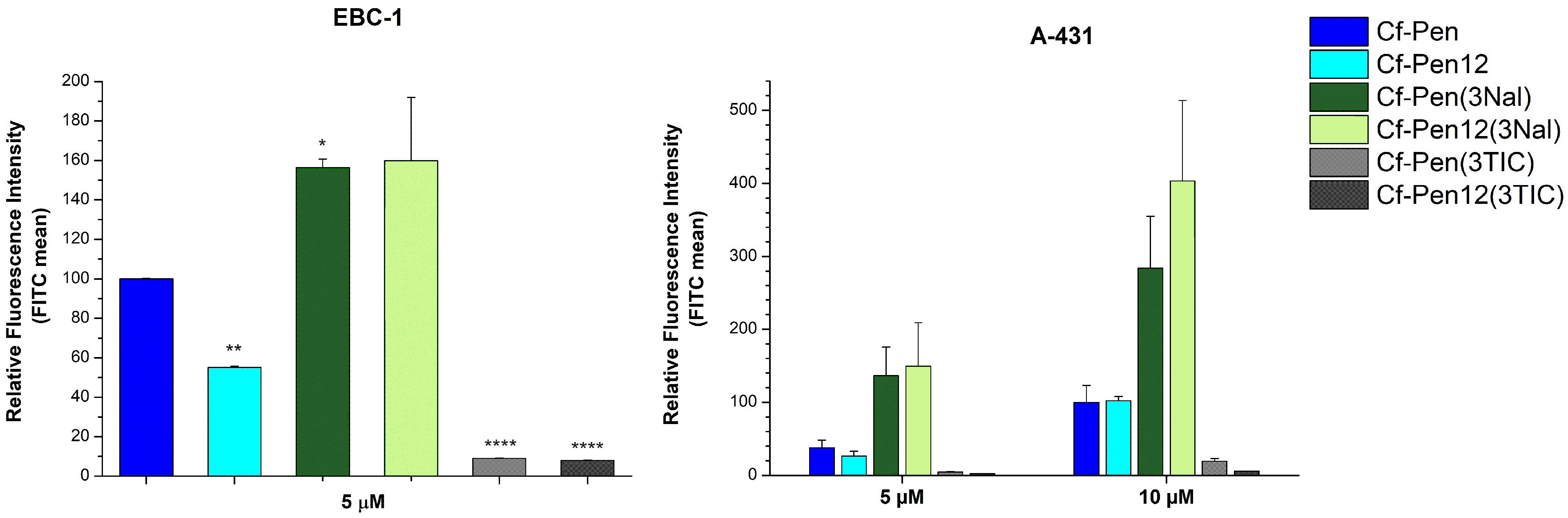
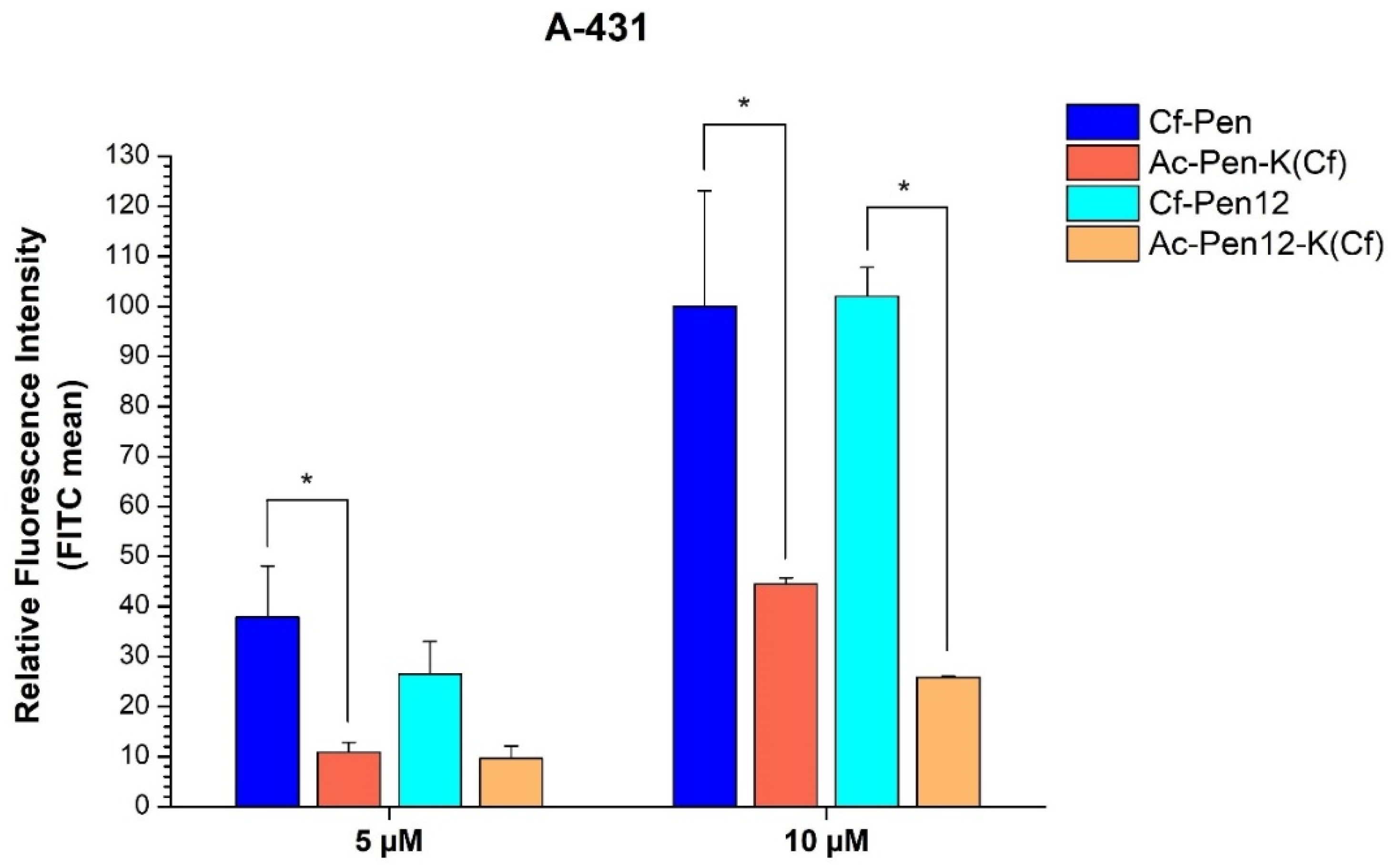
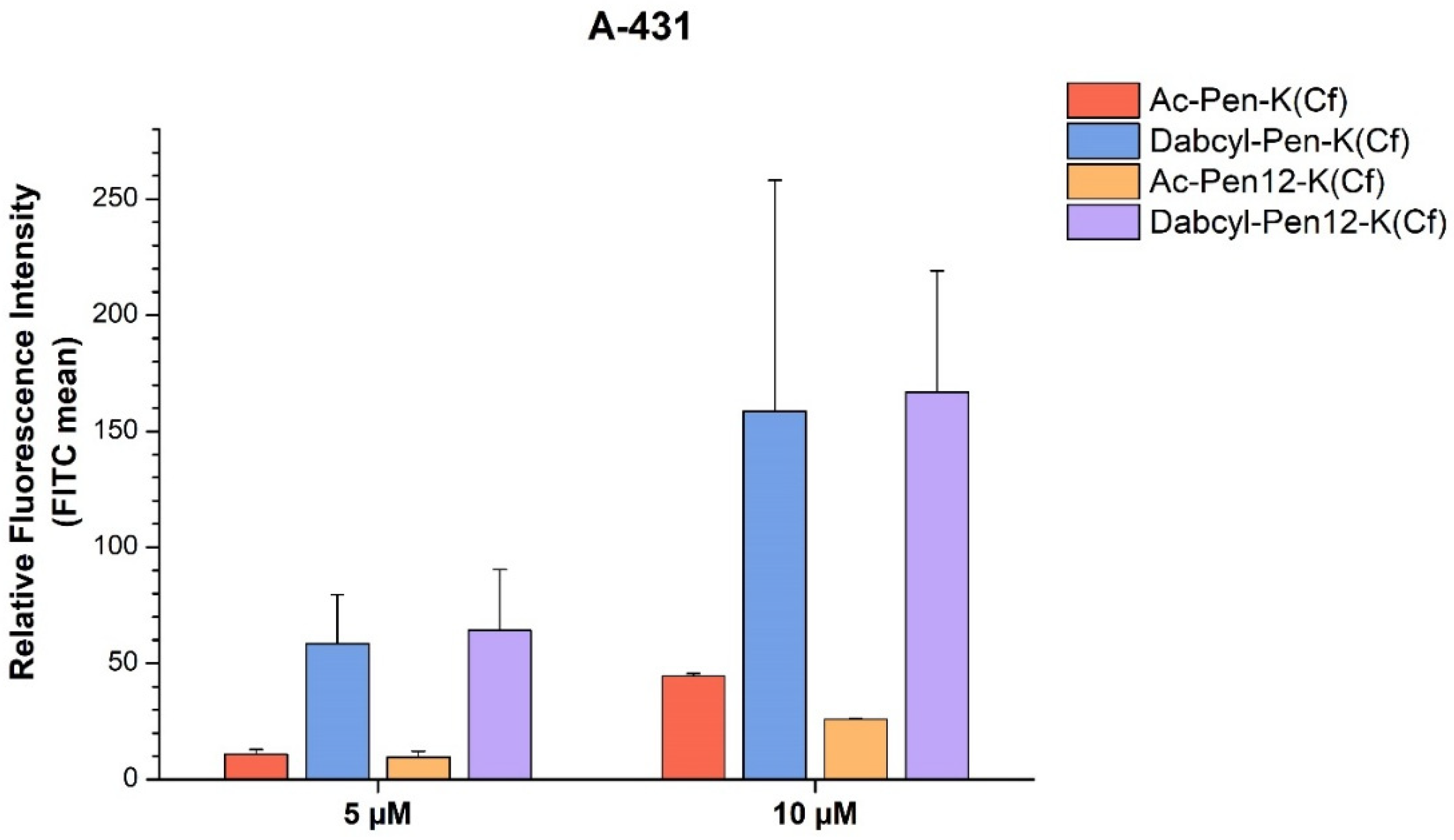
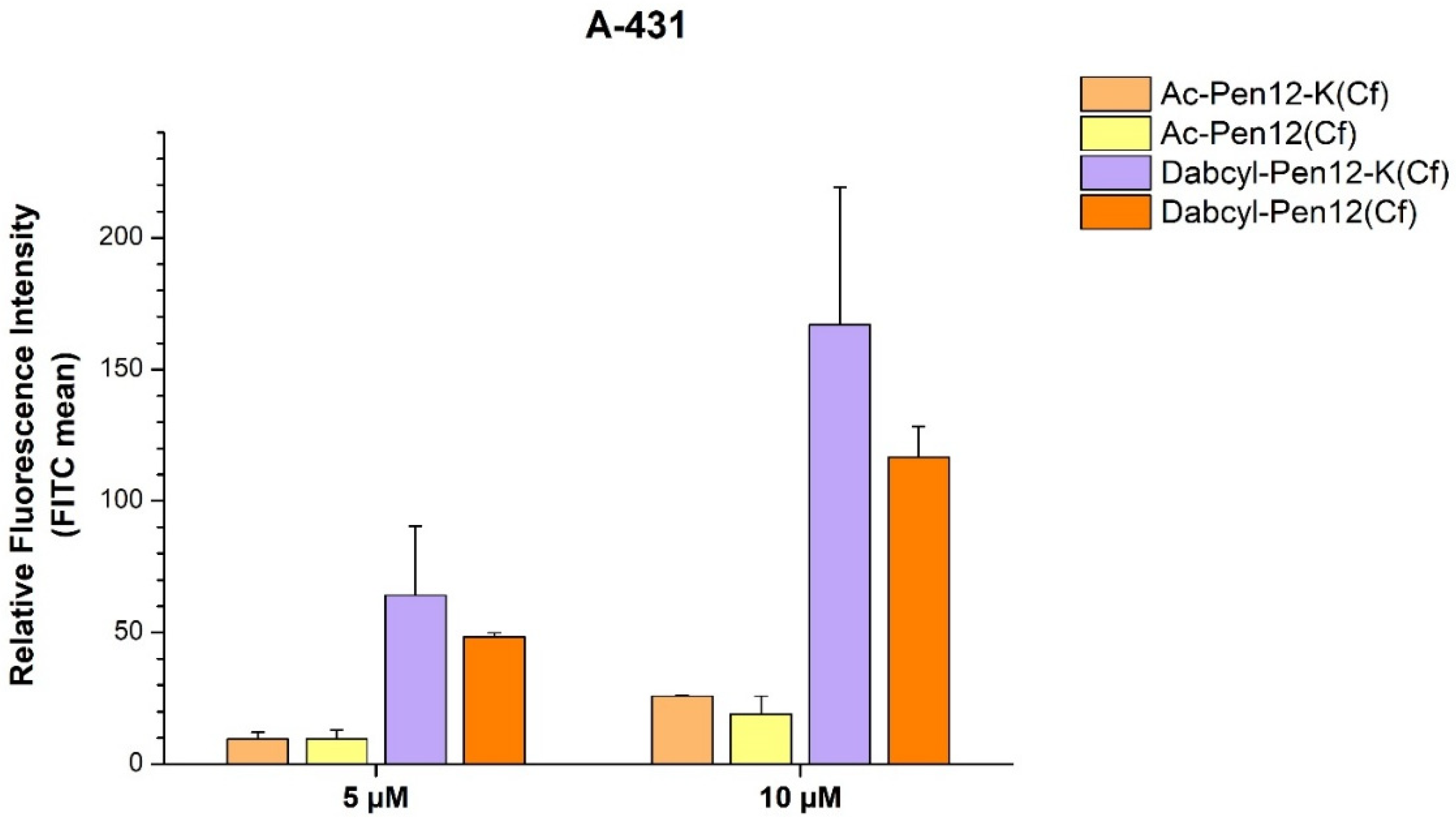
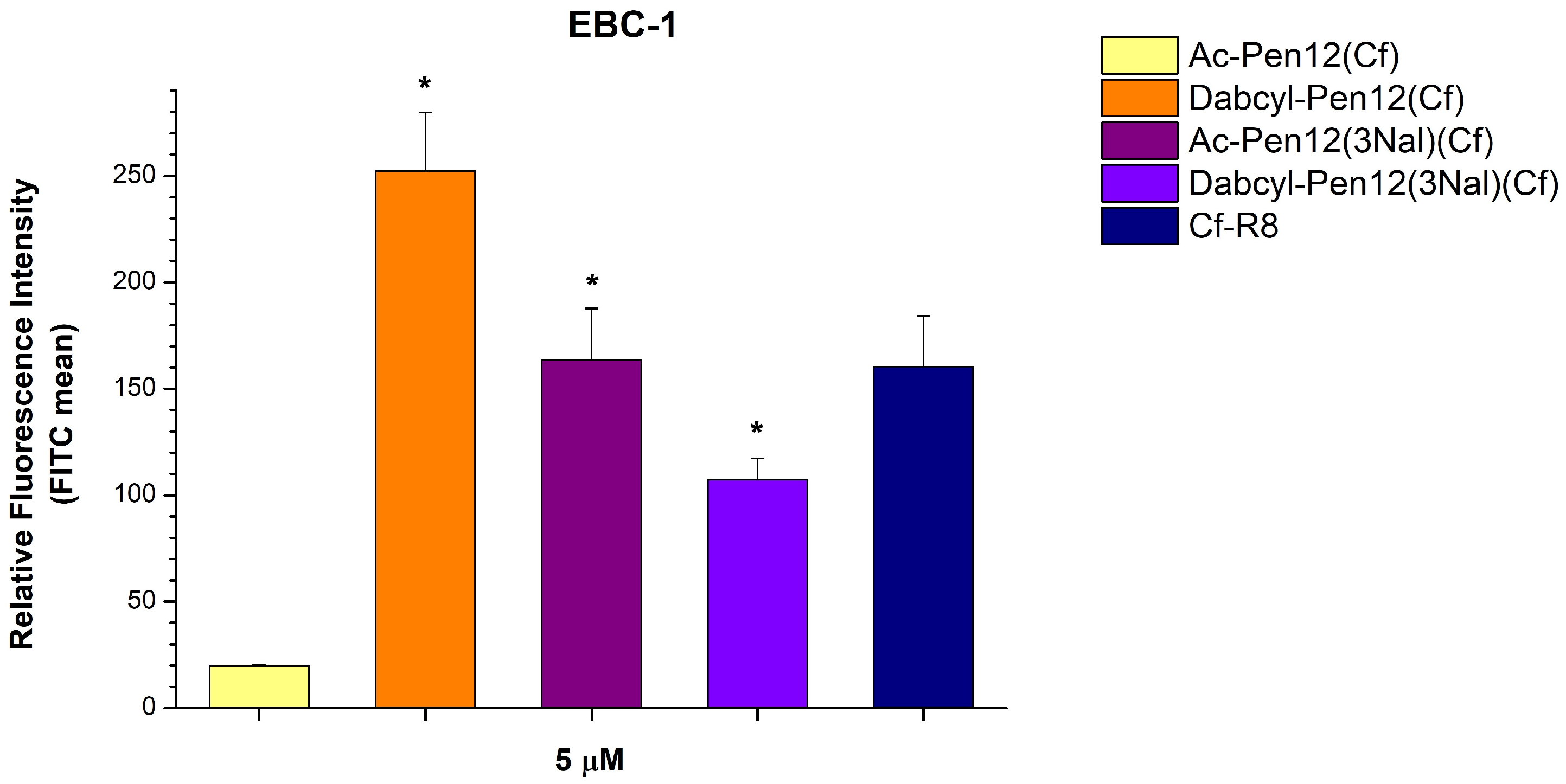
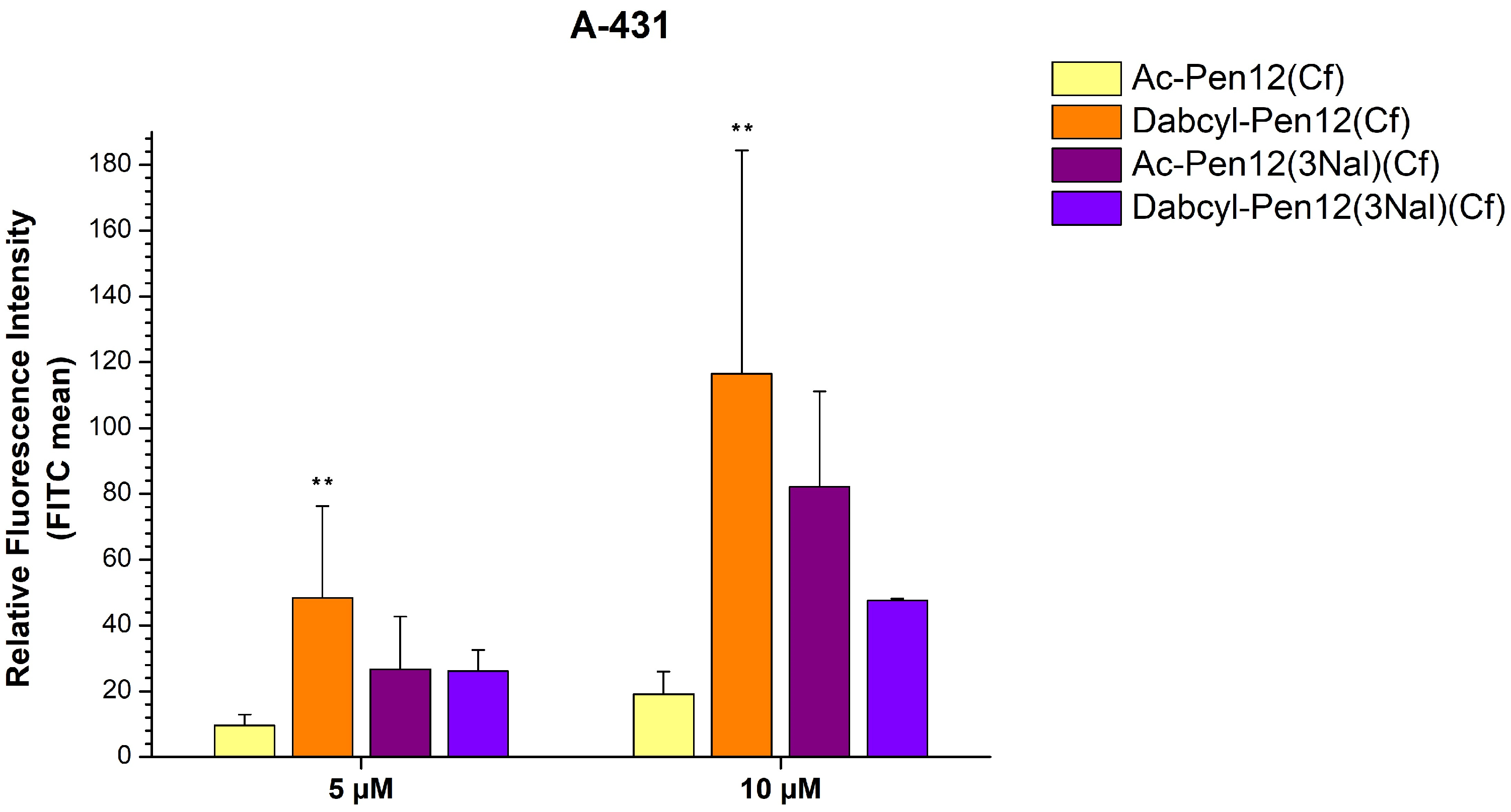
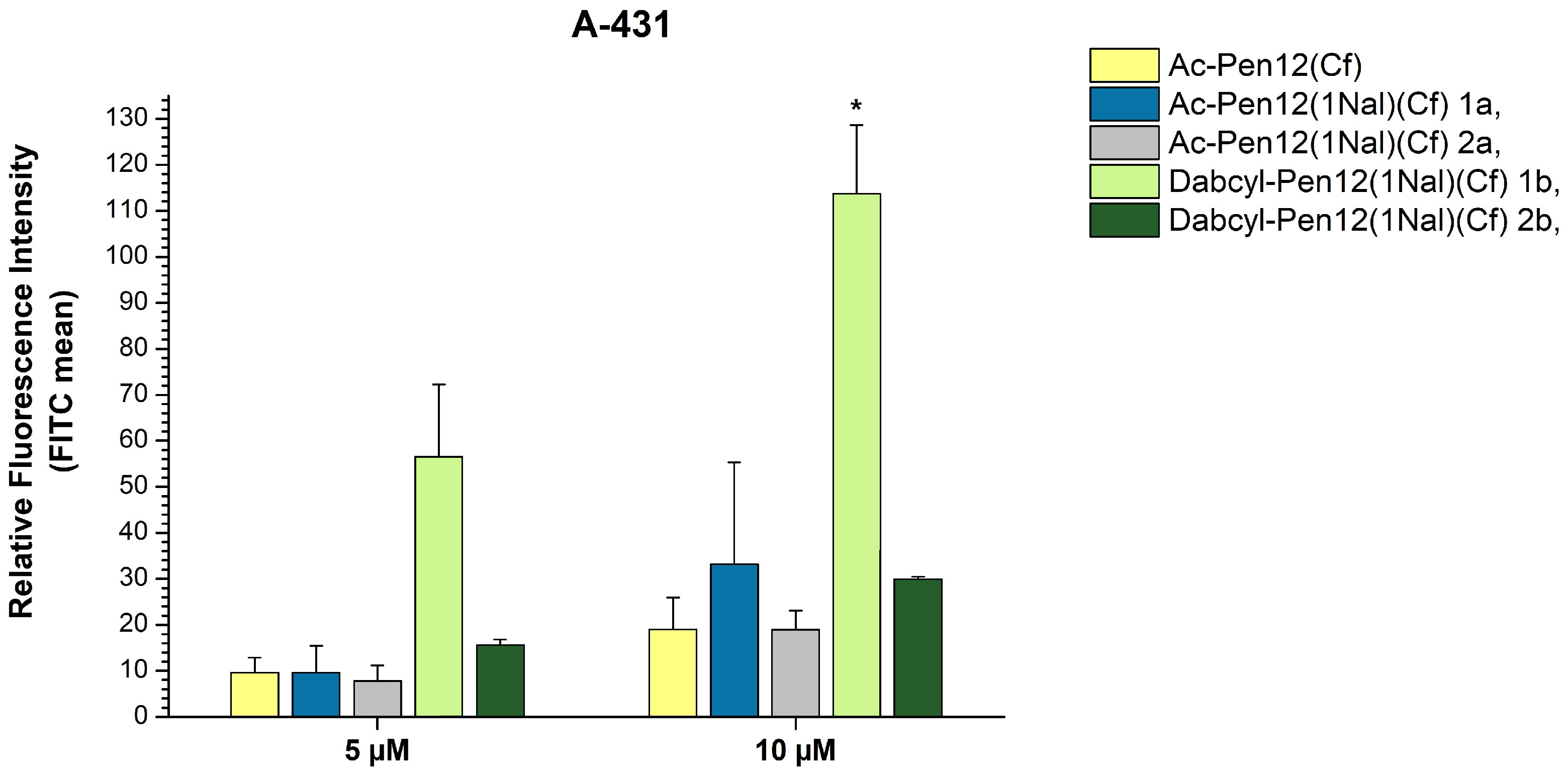
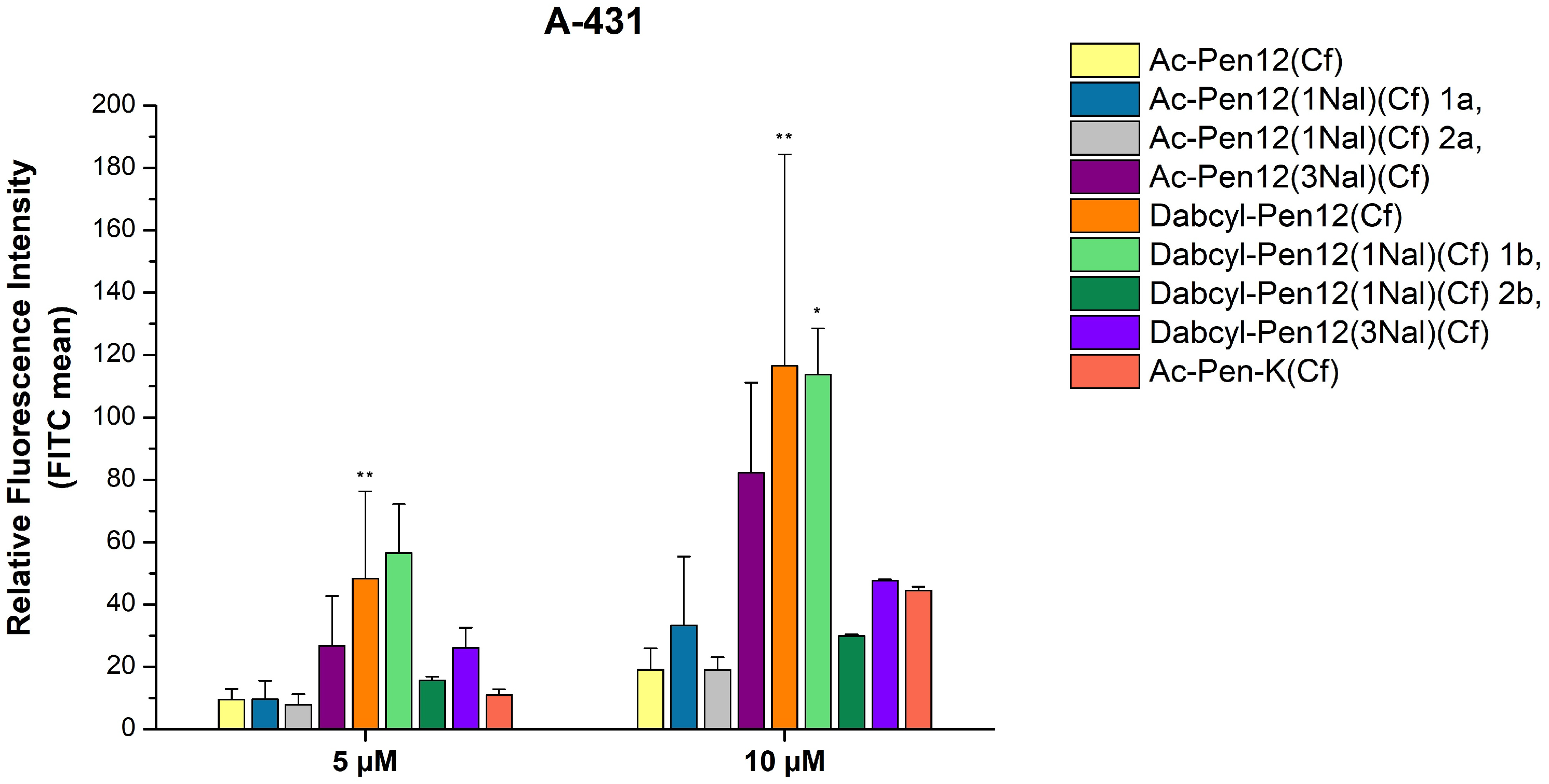
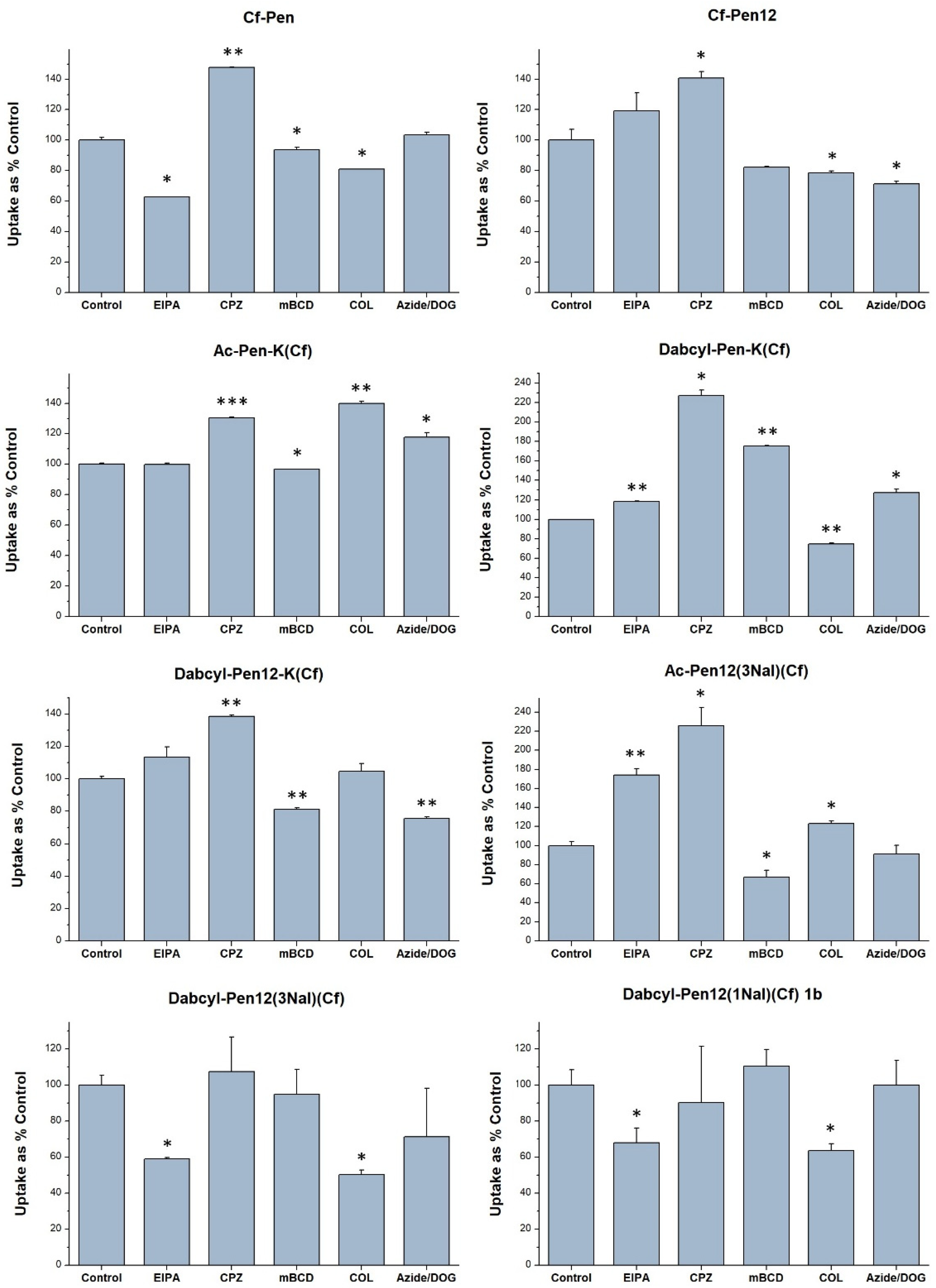
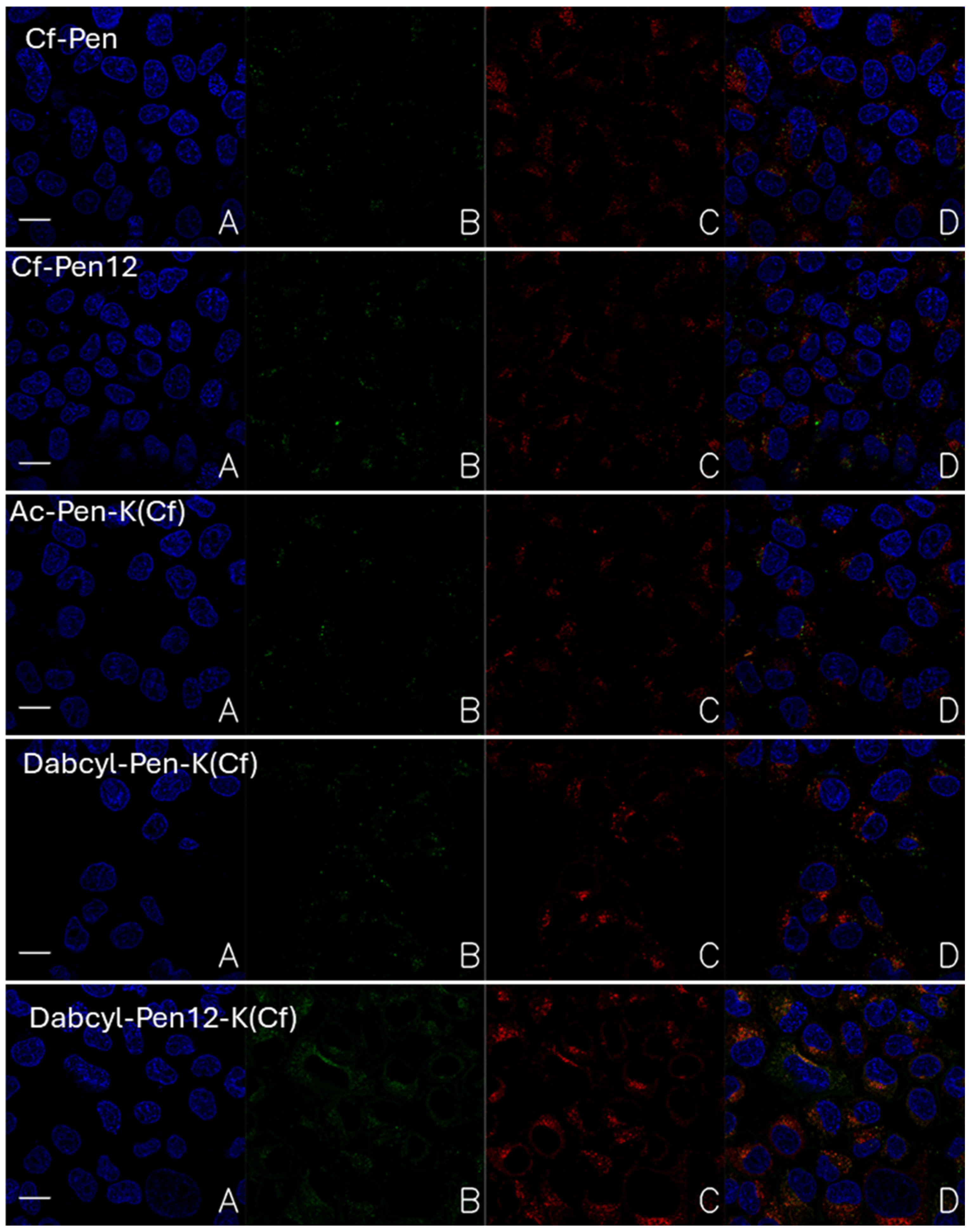
Background/Objectives: Investigating the modified derivatives of known cell-penetrating peptides can highlight the important residues in the peptide sequence and help understand the cellular uptake mechanism better. Moreover, comparing peptides with different fluorescent-dye positions can highlight the importance of the conjugation site. Earlier, it was demonstrated that the fluorescence quencher 4-((4-(dimethylamino)phenyl)azo)benzoyl (Dabcyl) group can enhance the internalization efficiency of highly cationic oligoarginine peptides. However, its effect in the case of arginine-rich penetratin, a secondary amphipathic cationic CPP, remains undiscovered. Methods: Here, several penetratin derivatives were studied in which the aromatic residues were substituted and the effect of Dabcyl modification was also studied on the cellular uptake of peptides by flow cytometry. Results: The triple Nal-substituted penetratin and dodeca-penetratin with N-terminally positioned carboxyfluoresein (Cf) dye demonstrated remarkable internalization efficiency compared to penetratin. Moreover, almost all the Dabcyl-modified peptides were superior to penetratin except two peptides with C-terminal Cf-labelling. This result highlights the importance of the structure of the conjugate. The position of the cargo molecule may have a high impact on internalization ability. The relatively low cellular uptake of the Trp48 residue-substituted Dabcyl-Pen12 points to the importance of this residue in the cellular uptake of dodeca-penetratin. The confocal microscopic studies revealed that, besides the greater penetration efficiency of Dabcyl penetratin derivatives, these peptides enter the cytoplasm of cells in an increased manner. Conclusions: We identified several intriguing derivatives and expanded the applicability of Dabcyl, while also highlighting its limitations. Additionally, the critical role of Trp48 in the penetratin sequence was reaffirmed, along with the importance of the fluorescent molecule’s position.
Keywords: penetratin; cell-penetrating peptide; CPP; cellular uptake penetratin; cell-penetrating peptide; CPP; cellular uptake