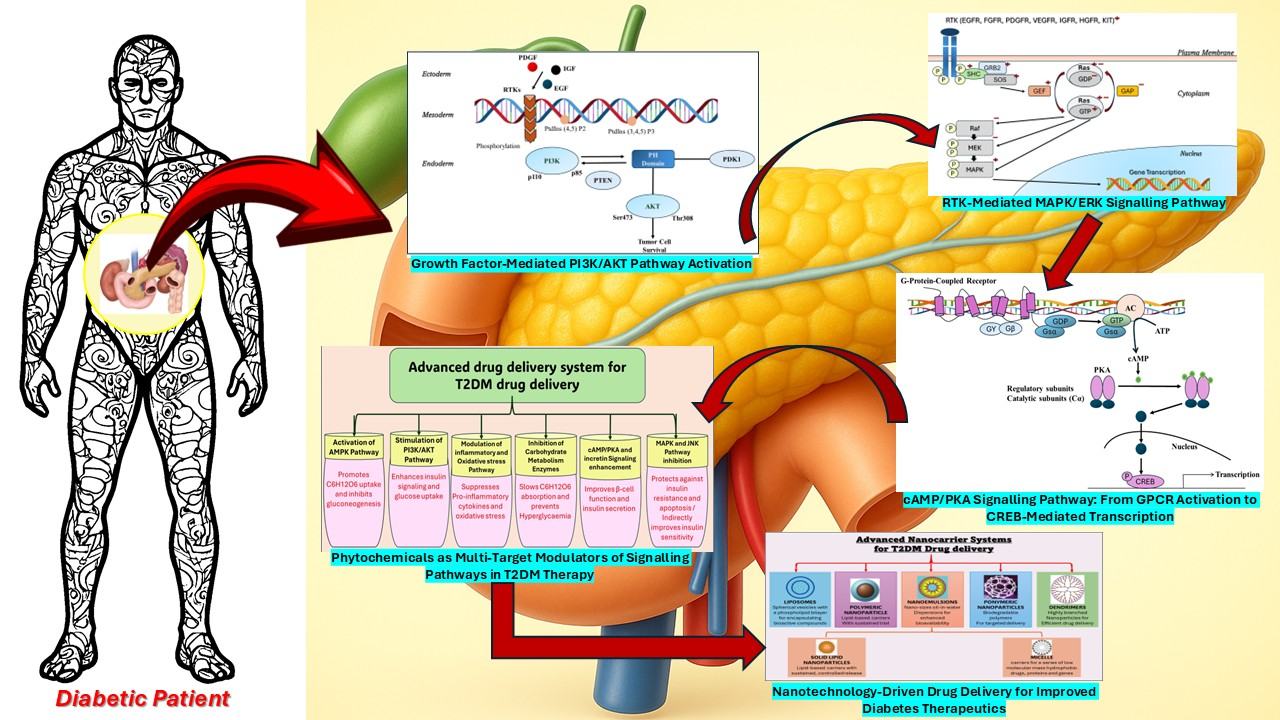
Harnessing Phytochemicals and Nanotechnology Synergy for Molecular, Epigenetic, and Microbiota-Driven Regulation in Type 2 Diabetes Mellitus

 , , , ,
  , , and
Abstract
1. Introduction
2. Type 2 Diabetes Mellitus
3. Insulin Secretion and Resistance
3.1. Insulin Resistance
3.2. Beta-Cell Dysfunction
4. Signalling Pathway and Therapeutic Interventions
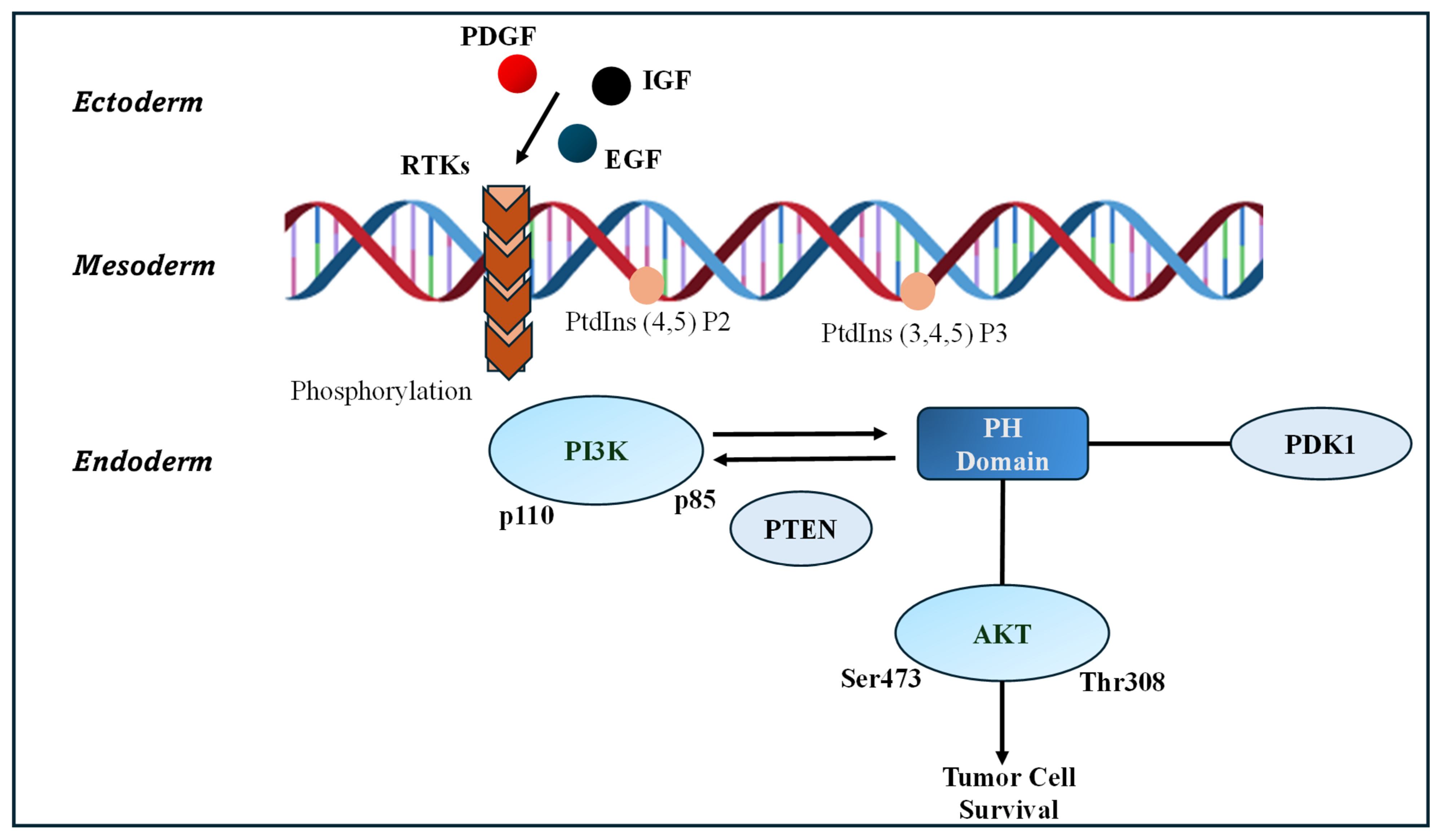
4.1. PI3K/AKT Pathway
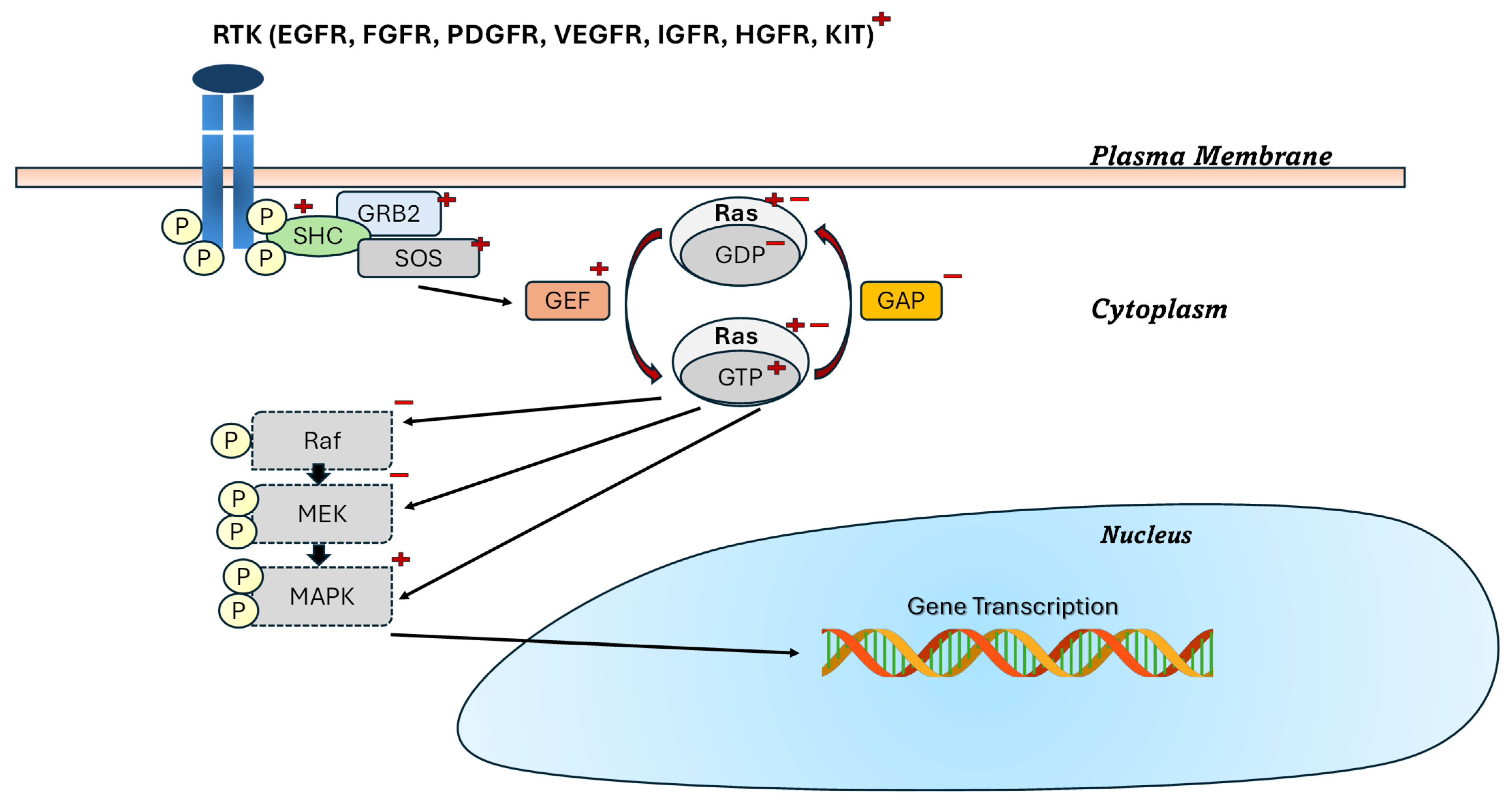
4.2. MAPK Pathway
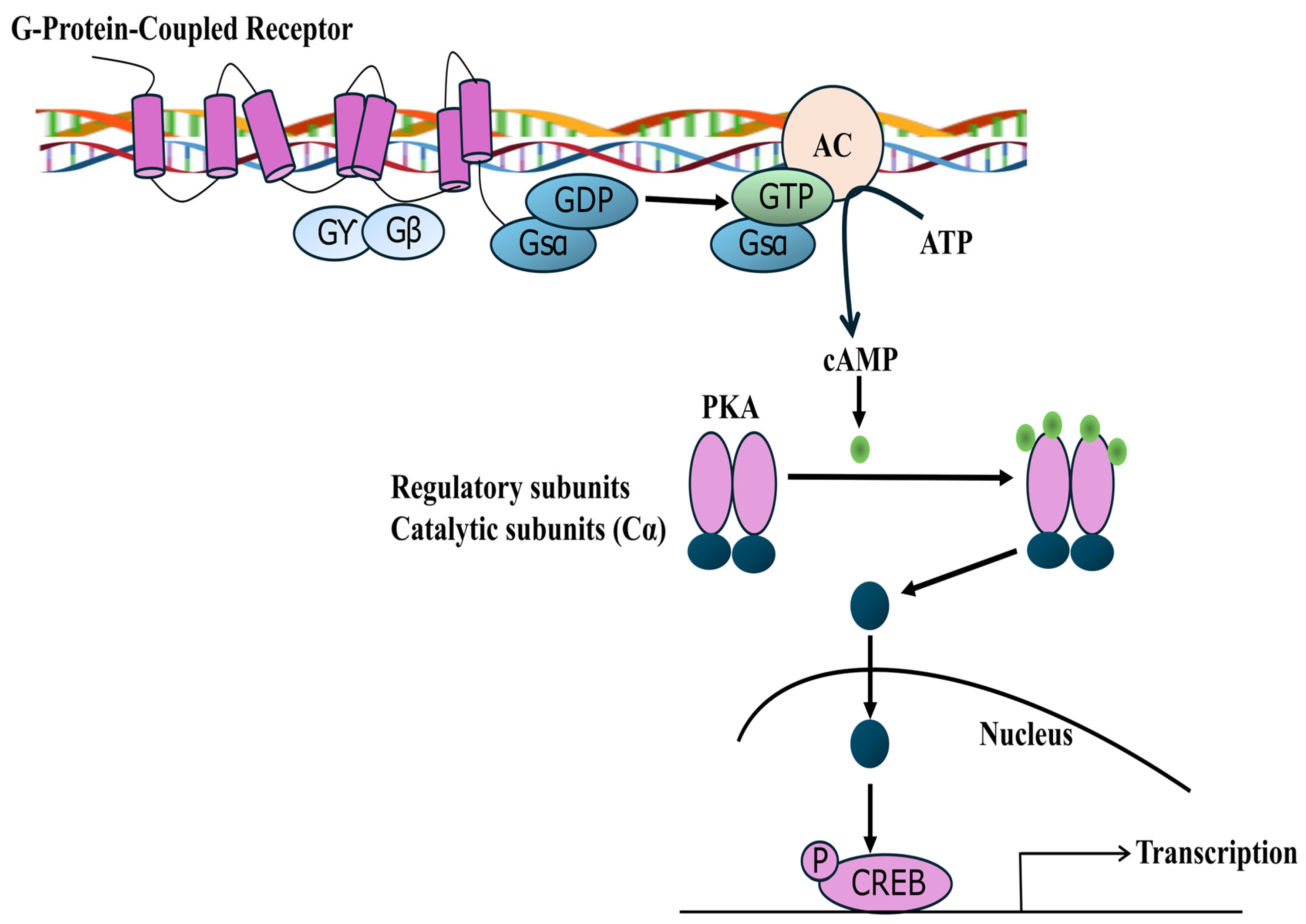
4.3. cAMP/PKa Pathway
5. Important Traditional Medicinal Herbs for Diabetes
6. DM-2 Regulating Mechanism of Natural Phytochemicals
6.1. Insulin Secretion and Sensitivity
6.2. Antioxidant and Anti-Inflammatory Effort
6.3. Epigenetic Regulation

| Compound/Class | Primary Epigenetic Target(s) | Key Effects | Evidence Level | References |
|---|---|---|---|---|
| Curcumin | DNA methylation (Nrf2 promoter) | Enhances antioxidant defence; reduces oxidative damage | Preclinical and clinical | [72,88] |
| Flavonoids (e.g., Quercetin, Kaempferol) | Histone acetylation, miRNA modulation | Improves insulin signalling and β-cell protection | Preclinical | [80,89] |
| Sulforaphane | HDAC inhibition | Enhances insulin sensitivity; reduces inflammation | Preclinical and early clinical | [72,79] |
| Soy Isoflavones | DNA methylation; histone acetylation | Improves glycemic control and lipid metabolism | Clinical | [80,89] |
| Lignans | DNA methylation | Improves glucose tolerance; reduces inflammation | Clinical | [89] |
| Berberine | miRNA regulation (e.g., miR-21, miR-29) | Enhances insulin sensitivity; reduces β-cell apoptosis | Preclinical | [79,88] |
6.4. Regulation of Signalling Pathway
6.5. Modulation of mRNA
6.6. Gut Microbiota Modulation
7. Functional Phytochemicals in the Natural Product for Managing of T2DM
| Phytochemical | Classification | Structure | Mechanism of Action | Effect on T2DM | Clinical Role | References |
|---|---|---|---|---|---|---|
| Curcumin | Polyphenol |  | Activates AMPK, anti-inflammatory | ↓ HbA1c 0.5–0.8%; ↓ FPG 12–18%; ↓ CRP/IL-6 (p < 0.05) | 300 mg/day × 12 weeks (n = 67) | [82,88,148] |
| Berberine | Alkaloid |  | Inhibits gluconeogenesis via AMPK | ↓ FPG 22–36%; ↓ HbA1c 0.9–1.2%; ↓ TG 18–25%; lipid improvement | Comparable to metformin; 500 mg × 3 months (n = 120) | [122,123,124,126] |
| Resveratrol | Stilbene |  | Enhances SIRT1/AMPK signalling | ↑ Insulin sensitivity 12–18%; ↓ Oxidative stress 25–35%; ↓ FPG 8–12% | 150 mg/day × 90 days (n = 45) (Reduces oxidative stress) | [106,121,149] |
| Quercetin | Flavonoid |  | Antioxidant, modulates GLUT4 | ↓ Oxidative stress 22–35%; ↑ GLUT4 1.8–2.4 fold; protects β-cells | 500 mg/day × 6–8 weeks (n = 40) (Protects β-cells) | [115,117,118,119] |
| Kaempferol | Flavonoid |  | Inhibits α-glucosidase | ↓ Postprandial glucose 10–18%; ↓ α-glucosidase 40–55% | Preclinical (Reduces postprandial glucose) | [115,116] |
| Chlorogenic acid | Phenolic acid |  | Inhibits G-6-Pase | ↓ Hepatic glucose output 20–30%; ↓ FPG 10–15% | Preclinical (Improves post-meal glucose) | [136,137] |
| Genistein | Isoflavone |  | Modulates estrogen receptors | ↑ β-cell survival 25–40%; ↑ insulin secretion 15–20% | Limited clinical (n = 32) (Improves insulin secretion) | [82,88] |
| Luteolin | Flavone |  | NF-κB inhibitor | ↓ Inflammation 28–35%; protects β-cells 20–30% | Preclinical (β-cell protection) | [88] |
| Apigenin | Flavone |  | Activates AMPK | ↓ Hyperglycemia 12–18%; ↑ AMPK 1.5–2-fold | Preclinical (Antioxidant) | [82,88] |
| Myricetin | Flavonol |  | Enhances GLUT4 translocation | ↑ Glucose uptake 20–30%; ↑ insulin response 15–20% | Preclinical (Improves insulin response) | [88] |
| Naringenin | Flavanone |  | Reduces TNF-α, ↑PPARγ | ↓ Insulin resistance 18–25%; liver protection | Preclinical (Liver protection) | [88] |
| Hesperidin | Flavanone |  | Antioxidant, lipid lowering | ↓ FPG 8–12%; ↓ LDL 12–20% | Limited clinical (n = 36) (Prevents diabetic complications) | [82,88] |
| Baicalin | Flavone glycoside |  | Anti-inflammatory, antioxidant | ↓ TNF-α 25–35%; ↑ β-cell viability 20–30% | Preclinical (Pancreatic preservation) | [88] |
| Rutin | Flavonol glycoside |  | Scavenges ROS | ↓ Microvascular damage 30–40%; prevents retinopathy | Preclinical (Retinopathy prevention) | [115,117] |
| Catechin (EGCG) | Flavanol |  | Inhibits lipid peroxidation | ↓ Insulin resistance 12–18%; ↓ weight 3–5%; ↓ FPG 8–12% | Clinical (n = 80; 300 mg/day) (Weight and glucose control) | [88,98] |
| Ginsenoside Rg1 | Saponin |  | Enhances insulin release | ↓ HbA1c 0.4–0.6%; ↑ β-cell function 20–25% | Preclinical (Promotes β-cell function) | [127,128,130] |
| Thymoquinone | Quinone |  | Antioxidant, NF-κB blocker | ↓ Inflammation 30–40%; β-cell protection 25% | Preclinical (Protects β-cells) | [68,150] |
| Mangiferin | Xanthone glycoside |  | Inhibits glucose transporters | ↓ PPG 12–20%; ↑ islet protection 20–25% | Preclinical (Protects islets) | [82,88] |
| Silymarin | Flavonolignan |  | Antioxidant, liver-protective | ↓ ALT/AST 20–30%; ↑ insulin sensitivity 15–22% | Clinical (n = 60; 140 mg/day) (Used in diabetic hepatopathy) | [82,88] |
| Diosgenin | Saponin |  | Promotes GLUT4 translocation | ↑ Insulin sensitivity 18–25%; ↓ weight 5–8% | Preclinical (Anti-obesity, anti-hyperglycemic) | [131,133,134] |
| Glycyrrhizin | Saponin |  | Modulates cortisol, anti-inflammatory | ↓ Glucose 10–14%; ↑ insulin secretion 12% | Preclinical (Improves insulin response) | [132,135] |
| Gallic acid | Phenolic acid |  | Inhibits α-amylase | ↓ Carb digestion 25–35% | Preclinical (Useful in obesity-linked T2DM) | [88,136] |
| Allicin | Organosulfur |  | ↑Insulin secretion | ↓ FPG 12–15%; ↓ lipids 10–18% | Preclinical (Reduces lipids) | [60,82] |
| Capsaicin | Alkaloid |  | Activates TRPV1 | ↓ Insulin resistance 12–18%; ↑ metabolism 10–15% | Preclinical (Reduces insulin resistance) | [88] |
| Betanin | Betalain pigment |  | Antioxidant | ↓ AGEs 25–40%; prevents retinopathy | Preclinical (Prevents retinopathy) | [88] |
| Punicalagin | Ellagitannin |  | Inhibits α-glucosidase | ↓ PPG 20–28%; ↓ lipids 10–20% | Preclinical (Improves lipid profile) | [82,88] |
| Ferulic acid | Phenolic acid |  | Antioxidant, modulates insulin | ↓ Glucose 12–18%; neuroprotective | Preclinical (Neuroprotection in T2DM) | [136,138] |
| Esculetin | Coumarin |  | Inhibits glucose transporters | ↓ Absorption 15–22% | Preclinical (Protects pancreatic islets) | [88] |
| Piperine | Alkaloid |  | Enhances bioavailability of others | ↑ Bioavailability of co-drugs 30–200% | Clinical adjunct (Boosts herbal efficacy) | [82,88] |
| Apocynin | Methoxy-catechol |  | NADPH oxidase inhibitor | ↓ ROS 30–45% | Preclinical (Antioxidant adjunct) | [88] |
| Anthocyanins | Flavonoid |  | AMPK activation, GLUT4 translocation, antioxidant and anti-inflammatory effects | ↓ PPG 28–35%; ↓ FPG 10–18%; ↓ HOMA-IR 12–15% | Dietary adjunct; 320 mg/day × 8–12 weeks (n = 58) (Dietary adjunct; improves glycemic response) | [151,152,153] |
8. Advancement in the of the Delivery of the Type 2 Diabetes Mellitus
| Phytochemical | Class | Nanocarrier | Target Site | Benefits in T2DM | Research Status | References |
|---|---|---|---|---|---|---|
| Curcumin | Polyphenol | Liposomes, SLNs, mucoadhesive NPs, phytosomes | Gut lumen, β-cells; AMPK activation | ↓ HbA1c 0.5–0.8%; ↓ FPG 12–18%; ↑ HOMA-IR 12–15%; ↓ CRP and IL-6 (p < 0.05); SLN ↑ oral bioavailability 6–8-fold | Clinical (n = 67; 300 mg/day; 12 weeks) + Preclinical | [76,168,171] |
| Berberine | Alkaloid | Nano emulsions, PLGA NPs, SLNs | Hepatic targeting; AMPK activation | ↓ FPG 22% more vs. normal berberine; ↓ HbA1c 0.9–1.2%; Nanoemulsion ↑ bioavailability 3.2-fold; ↓ TG by 18–25% | Clinical (n = 120; 500 mg/day; 3 months) + Preclinical | [76,155,168] |
| Resveratrol | Stilbene | Dendrimers, liposomes | Hepatocytes, β-cells; SIRT1/AMPK | ↑ SIRT1/AMPK 2–3-fold; ↓ oxidative stress markers 25–35%; ↓ FPG 8–12% | Clinical (n = 45; 150 mg/day; 90 days) + Preclinical | [76,155] |
| Quercetin | Flavonoid | PLGA NPs, micelles | Colon microbiota, GLUT4 modulation | ↓ PPG 15–22%; GLUT4 ↑ 1.8–2.4-fold; ↓ IL-1β 20–30% | Limited clinical (n = 40; 500 mg/day) + Preclinical | [76,139] |
| Kaempferol | Flavonoid | Micelles, polymeric NPs | Intestinal enzymes, α-glucosidase inhibition | ↓ α-glucosidase activity 40–55%; ↓ PPG 10–18% | Preclinical | [76] |
| Chlorogenic acid | Phenolic acid | Nano emulsions, SLNs | Liver, G-6-Pase inhibition | ↓ Hepatic glucose output 20–30%; ↓ FPG 10–15% | Preclinical | [76,139] |
| Genistein | Isoflavone | PLGA NPs, liposomes | β-cells, estrogen receptor modulation | ↑ β-cell survival 25–40%; ↑ insulin secretion 15–20% | Limited clinical (n = 32) + Preclinical | [76] |
| Luteolin | Flavone | Polymeric NPs, micelles | NF-κB inhibition | ↓ NF-κB 50–60%; ↓ oxidative stress 28–35% | Preclinical | [76] |
| Apigenin | Flavone | Liposomes, polymeric NPs | AMPK activation, anti-inflammatory | ↓ Hyperglycemia 15–20%; ↑ AMPK activity 1.5–2-fold | Preclinical | [76] |
| Myricetin | Flavonol | Micelles, nanocrystals | GLUT4 translocation | ↑ GLUT4 translocation 2–3-fold; ↑ glucose uptake 20–30% | Preclinical | [76] |
| Naringenin | Flavanone | SLNs, polymeric NPs | PPARγ modulation, ↓TNF-α | ↓ Insulin resistance 18–25%; ↓ TNF-α 30–40% | Preclinical | [168,171] |
| Hesperidin | Flavanone glycoside | Nano emulsions, SLNs | Gut antioxidant activity | ↓ FPG 10–12%; ↓ LDL 12–20% | Limited clinical (n = 36) | [76] |
| Baicalin | Flavone glycoside | Liposomes, polymeric NPs | Pancreatic β-cells, anti-inflammatory | ↑ β-cell viability 20–30%; ↓ inflammation 25% | Preclinical | [76] |
| Rutin | Flavonol glycoside | Nanocrystals, SLNs | Antioxidant, vascular | ↓ Microvascular damage 30–40%; ↓ retinopathy biomarkers 20–25% | Preclinical | [76,139] |
| Catechins (EGCG) | Flavanol | SLNs, nanocrystals, mucoadhesive NPs | Gut microbiota, AMPK activation | ↓ FPG 8–15%; ↓ weight 3–5%; AMPK ↑ 1.7–2.3-fold | Clinical (n = 80; 300 mg/day; 8 weeks) + Preclinical | [76,171] |
| Ginsenoside Rg1 | Saponin | Liposomes, polymeric NPs | β-cells, insulin release | ↓ HbA1c 0.4–0.6%; ↑ β-cell function 20–25% | Preclinical | [76] |
| Thymoquinone | Quinone | Liposomes, SLNs | NF-κB inhibition | ↓ NF-κB 35–45%; β-cell protection 30% | Preclinical | [168,171] |
| Mangiferin | Xanthone glycoside | Nano emulsions, polymeric NPs | Glucose transporter modulation | ↓ PPG 12–20%; ↑ islet protection 25% | Preclinical | [168,171] |
| Silymarin | Flavonolignan | Liposomes, hybrid carriers | Hepatic targeting | ↑ insulin sensitivity 15–22%; ↓ ALT/AST 20–30% | Clinical (n = 60; 140 mg/day; 90 days) | [76,171] |
| Diosgenin | Saponin | Polymeric NPs, micelles | Muscle/adipose GLUT4 | ↑ GLUT4 1.8–2-fold; anti-obesity ↓ weight 5–8% | Preclinical | [76,171] |
| Glycyrrhizin | Saponin | SLNs, liposomes | Systemic anti-inflammatory | ↓ FPG 10–14%; ↑ insulin secretion 12% | Preclinical | [76,171] |
| Gallic acid | Phenolic acid | Nanocrystals, polymeric NPs | α-amylase inhibition | ↓ Carb digestion 25–35% | Preclinical | [76] |
| Allicin | Organosulfur | Nano emulsions, liposomes | Insulin secretion, lipid modulation | ↑ insulin secretion 18–24%; ↓ FPG 12–15% | Preclinical/limited | [169,171] |
| Capsaicin | Alkaloid | Liposomes, polymeric NPs | TRPV1 activation | ↑ Metabolism 10–15%; ↓ insulin resistance 12–18% | Preclinical | [76] |
| Betanin | Betalain pigment | SLNs, nano emulsions | AGE inhibition | ↓ AGEs 25–40%; ↓ retinopathy markers 22% | Preclinical | [76] |
| Punicalagin | Ellagitannin | Polymeric NPs, micelles | α-glucosidase inhibition | ↓ PPG 20–28%; ↓ lipids 10–20% | Preclinical | [76] |
| Ferulic acid | Phenolic acid | Nanocrystals, SLNs | Antioxidant, insulin modulation | ↓ glucose 12–18%; neuroprotection 20% | Preclinical | [76,139] |
| Esculetin | Coumarin | Liposomes, polymeric NPs | Glucose transporter inhibition | ↓ absorption 15–22% | Preclinical | [76] |
| Piperine | Alkaloid (bioenhancer) | Co-encapsulation with others | Intestinal absorption enhancement | ↑ bioavailability of co-formulated drugs 30–200% | Clinical adjunct | [76,169] |
| Apocynin | Methoxy-catechol | Liposomes, polymeric NPs | NADPH oxidase inhibition | ↓ ROS 30–45% | Preclinical | [76] |
| Anthocyanins | Flavonoid pigments | Liposomes, polymeric NPs, nanoemulsions | Intestinal tissue; GLUT4 activation; antioxidant pathways | ↓ PPG 28–35%; ↓ FPG 10–18%; ↓ HOMA-IR 12–15%; ↑antioxidant markers 20–30% | Clinical (n = 58; 320 mg/day; 8–12 weeks) + Preclinical | [151,152,153,172] |
9. Structure–Activity Relationship (SAR) Analysis
| Structural Feature | Biological Impact | Nanocarrier Optimization | References |
|---|---|---|---|
| Highly hydroxylated flavonoids | Strong antioxidant activity and enzyme inhibition; low membrane permeability | Liposomes, Polymeric nanoparticles to enhance stability and absorption | [76,173,175] |
| Glycosides | Increased solubility and stability in the gastrointestinal tract | Mucoadhesive nanoparticles, nanoemulsions for targeted delivery and gut stability | [152,153,176] |
| Aromatic substituted polyphenols | Potent modulation of AMPK and NF-kB signalling pathways | Solid lipid nanoparticles (SLNs), dendrimers for efficient encapsulation and delivery | [177,178] |
| Quaternary alkaloids | High pharmacological potency but poor intestinal absorption | PLGA nanoparticles, nanoemulsions to improve bioavailability | [173,179] |
| Triterpenoid saponins | Membrane interaction, enhanced insulin secretion and β-cell protection | Liposomes, hybrid lipid-polymer nanocarriers for improved delivery | [152,176] |
9.1. Hydroxylation and Polyphenolic Density
9.2. Glycosylation and Conjugation
9.3. Aromatic Ring Systems and Conjugated Double Bonds
9.4. Heterocyclic Nitrogen and Alkaloid Chemistry
9.5. Triterpenoid and Saponin Frameworks
10. Clinical Progression of Phytochemical Type 2 Diabetes Mellitus
11. Future Directions
12. Conclusions
Author Contributions
Funding
Data Availability Statement
Acknowledgments
Conflicts of Interest
References
- Galicia-Garcia, U.; Benito-Vicente, A.; Jebari, S.; Larrea-Sebal, A.; Siddiqi, H.; Uribe, K.B.; Ostolaza, H.; Martín, C. Pathophysiology of Type 2 Diabetes Mellitus. Int. J. Mol. Sci. 2020, 21, 6275. [Google Scholar] [CrossRef] [PubMed]
- Vilas-Boas, E.A.; Almeida, D.C.; Roma, L.P.; Ortis, F.; Carpinelli, A.R. Lipotoxicity and β-Cell Failure in Type 2 Diabetes: Oxidative Stress Linked to NADPH Oxidase and ER Stress. Cells 2021, 10, 3328. [Google Scholar] [CrossRef]
- DeFronzo, R.A.; Ferrannini, E.; Groop, L.; Henry, R.R.; Herman, W.H.; Holst, J.J.; Hu, F.B.; Kahn, C.R.; Raz, I.; Shulman, G.I.; et al. Type 2 diabetes mellitus. Nat. Rev. Dis. Primers 2015, 1, 15019. [Google Scholar] [CrossRef]
- Strati, M.; Moustaki, M.; Psaltopoulou, T.; Vryonidou, A.; Paschou, S.A. Early onset type 2 diabetes mellitus: An update. Endocrine 2024, 85, 965–978. [Google Scholar] [CrossRef]
- Popoviciu, M.S.; Păduraru, L.; Yahya, G.; Metwally, K.; Cavalu, S. Emerging Role of GLP-1 Agonists in Obesity: A Comprehensive Review of Randomised Controlled Trials. Int. J. Mol. Sci. 2023, 24, 10449. [Google Scholar] [CrossRef]
- Ye, J.; Wu, Y.; Yang, S.; Zhu, D.; Chen, F.; Chen, J.; Ji, X.; Hou, K. The global, regional and national burden of type 2 diabetes mellitus in the past, present and future: A systematic analysis of the Global Burden of Disease Study 2019. Front. Endocrinol. 2023, 14, 1192629. [Google Scholar] [CrossRef] [PubMed]
- Huang, X.; Wu, Y.; Ni, Y.; Xu, H.; He, Y. Global, regional, and national burden of type 2 diabetes mellitus caused by high BMI from 1990 to 2021, and forecasts to 2045: Analysis from the global burden of disease study 2021. Front. Public Health 2025, 13, 1515797. [Google Scholar] [CrossRef]
- Lin, X.; Xu, Y.; Pan, X.; Xu, J.; Ding, Y.; Sun, X.; Song, X.; Ren, Y.; Shan, P.F. Global, regional, and national burden and trend of diabetes in 195 countries and territories: An analysis from 1990 to 2025. Sci. Rep. 2020, 10, 14790. [Google Scholar] [CrossRef]
- Janssen, L.M.M.; Hiligsmann, M.; Elissen, A.M.J.; Joore, M.A.; Schaper, N.C.; Bosma, J.H.A.; Stehouwer, C.D.A.; Sep, S.J.S.; Koster, A.; Schram, M.T.; et al. Burden of disease of type 2 diabetes mellitus: Cost of illness and quality of life estimated using the Maastricht Study. Diabet. Med. 2020, 37, 1759–1765. [Google Scholar] [CrossRef] [PubMed]
- Bailey, C.J. Metformin: Therapeutic profile in the treatment of type 2 diabetes. Diabetes Obes. Metab. 2024, 26, 3–19. [Google Scholar] [CrossRef]
- Nabrdalik, K.; Hendel, M.; Irlik, K.; Kwiendacz, H.; Łoniewski, I.; Bucci, T.; Alam, U.; Lip, G.Y.H.; Gumprecht, J.; Skonieczna-Żydecka, K. Gastrointestinal adverse events of metformin treatment in patients with type 2 diabetes mellitus: A systematic review and meta-analysis with meta-regression of observational studies. BMC Endocr. Disord. 2024, 24, 206. [Google Scholar] [CrossRef]
- Modak, M.; Dixit, P.; Londhe, J.; Ghaskadbi, S.; Devasagayam, T.P.A. Indian herbs and herbal drugs used for the treatment of diabetes. J. Clin. Biochem. Nutr. 2007, 40, 163–173. [Google Scholar] [CrossRef]
- Pandey, A.; Tripathi, P.; Pandey, R.; Srivatava, R.; Goswami, S. Alternative therapies useful in the management of diabetes: A systematic review. J. Pharm. Bioallied Sci. 2011, 3, 504–512. [Google Scholar] [CrossRef]
- McMacken, M.; Shah, S. A plant-based diet for the prevention and treatment of type 2 diabetes. J. Geriatr. Cardiol. 2017, 14, 342–354. [Google Scholar] [CrossRef] [PubMed]
- Umoru, G.U.; Atangwho, I.J.; David-Oku, E.; Uti, D.E.; Agwupuye, E.I.; Obeten, U.N.; Maitra, S.; Subramaniyan, V.; Wong, L.S.; Aljarba, N.H.; et al. Tetracarpidium conophorum nuts (African walnuts) up-regulated adiponectin and PPAR-γ expressions with reciprocal suppression of TNF-α gene in obesity. J. Cell. Mol. Med. 2024, 28, e70086. [Google Scholar] [CrossRef] [PubMed]
- Abeltino, A.; Hatem, D.; Serantoni, C.; Riente, A.; De Giulio, M.M.; De Spirito, M.; De Maio, F.; Maulucci, G. Unraveling the Gut Microbiota: Implications for Precision Nutrition and Personalized Medicine. Nutrients 2024, 16, 3806. [Google Scholar] [CrossRef]
- Galaviz, K.I.; Narayan, K.M.V.; Lobelo, F.; Weber, M.B. Lifestyle and the Prevention of Type 2 Diabetes: A Status Report. Am. J. Lifestyle Med. 2018, 12, 4–20. [Google Scholar] [CrossRef]
- Ciobârcă, D.; Cătoi, A.F.; Gavrilaș, L.; Banc, R.; Miere, D.; Filip, L. Natural Bioactive Compounds in the Management of Type 2 Diabetes and Metabolic (Dysfunction)-Associated Steatotic Liver Disease. Pharmaceuticals 2025, 18, 279. [Google Scholar] [CrossRef] [PubMed]
- Mattei, J.; Malik, V.; Wedick, N.M.; Hu, F.B.; Spiegelman, D.; Willett, W.C.; Campos, H.; Global Nutrition Epidemiologic Transition Initiative. Reducing the global burden of type 2 diabetes by improving the quality of staple foods: The Global Nutrition and Epidemiologic Transition Initiative. Glob. Health 2015, 11, 23. [Google Scholar] [CrossRef]
- Shi, J.; Fan, J.; Su, Q.; Yang, Z. Cytokines and Abnormal Glucose and Lipid Metabolism. Front. Endocrinol. 2019, 10, 481446. [Google Scholar] [CrossRef]
- Cerf, M.E. Beta cell dysfunction and insulin resistance. Front. Endocrinol. 2013, 4, 37. [Google Scholar] [CrossRef]
- Ahmed, S.A.H.; Ansari, S.A.; Mensah-Brown, E.P.K.; Emerald, B.S. The role of DNA methylation in the pathogenesis of type 2 diabetes mellitus. Clin. Epigenetics 2020, 12, 104. [Google Scholar] [CrossRef]
- Singh, S.; Shukla, A.K.; Usman, K.; Banerjee, M. Epigenetic Alterations and Type 2 Diabetes Mellitus. In Pharmacological and Molecular Perspectives on Diabetes; Bentham Science Publishers: Singapore, 2022; pp. 1–24. [Google Scholar] [CrossRef]
- Holter, M.M.; Saikia, M.; Cummings, B.P. Alpha-cell paracrine signaling in the regulation of beta-cell insulin secretion. Front. Endocrinol. 2022, 13, 934775. [Google Scholar] [CrossRef]
- Vybhavi, V.S.J.; Bhavsar, M.; Gusani, J.; Gohil, Y.; Paul, N.K.; Garlapati, H.R.; Shrivastava, K. New Insights into the Pathophysiology of Type 2 Diabetes: A Review Article. J. Pharm. Bioallied Sci. 2025, 17, S1070–S1072. [Google Scholar] [CrossRef]
- Ke, C.; Narayan, K.M.V.; Chan, J.C.N.; Jha, P.; Shah, B.R. Pathophysiology, phenotypes and management of type 2 diabetes mellitus in Indian and Chinese populations. Nat. Rev. Endocrinol. 2022, 18, 413–432. [Google Scholar] [CrossRef]
- Courtney, C.H.; Olefsky, J.M. Insulin Resistance. In Mechanisms of Insulin Action; Medical Intelligence Unit; Springer: New York, NY, USA, 2023; pp. 185–209. [Google Scholar] [CrossRef]
- Drabczyk, M.; Kosyra, K.; Magda, I.; Marczyńska, Z.; Zyśk, A. Insulin resistance and metabolic diseases—A review. J. Educ. Health Sport 2024, 61, 186–199. [Google Scholar] [CrossRef]
- Muniyappa, R.; Madan, R.; Varghese, R.T. Assessing Insulin Sensitivity and Resistance in Humans. Endotext. 2024. Available online: https://www.ncbi.nlm.nih.gov/books/NBK278954/ (accessed on 30 August 2025).
- Wang, Q.; Jokelainen, J.; Auvinen, J.; Puukka, K.; Keinänen-Kiukaanniemi, S.; Järvelin, M.R.; Kettunen, J.; Mäkinen, V.P.; Ala-Korpela, M. Insulin resistance and systemic metabolic changes in oral glucose tolerance test in 5340 individuals: An interventional study. BMC Med. 2019, 17, 217. [Google Scholar] [CrossRef]
- Saisho, Y. β-cell dysfunction: Its critical role in prevention and management of type 2 diabetes. World J. Diabetes 2015, 6, 109. [Google Scholar] [CrossRef]
- Dludla, P.V.; Mabhida, S.E.; Ziqubu, K.; Nkambule, B.B.; Mazibuko-Mbeje, S.E.; Hanser, S.; Basson, A.K.; Pheiffer, C.; Kengne, A.P. Pancreatic β-cell dysfunction in type 2 diabetes: Implications of inflammation and oxidative stress. World J. Diabetes 2023, 14, 130–146. [Google Scholar] [CrossRef] [PubMed]
- Lytrivi, M.; Castell, A.L.; Poitout, V.; Cnop, M. Recent insights into mechanisms of β-cell lipo- and glucolipotoxicity in type 2 diabetes. J. Mol. Biol. 2019, 432, 1514. [Google Scholar] [CrossRef] [PubMed]
- Dalle, S.; Abderrahmani, A.; Renard, E. Pharmacological inhibitors of β-cell dysfunction and death as therapeutics for diabetes. Front. Endocrinol. 2023, 14, 1076343. [Google Scholar] [CrossRef] [PubMed]
- Yau, B.; Ghislain, J.; Kebede, M.A.; Hughes, J.; Poitout, V. The role of the beta cell in type 2 diabetes: New findings from the last 5 years. Diabetologia 2025, 68, 2092–2103. [Google Scholar] [CrossRef]
- Patel, S.; Remedi, M.S. Loss of β-cell identity and dedifferentiation, not an irreversible process? Front. Endocrinol. 2024, 15, 1414447. [Google Scholar] [CrossRef]
- Barovic, M.; Hahn, J.J.; Heinrich, A.; Adhikari, T.; Schwarz, P.; Mirtschink, P.; Funk, A.; Kabisch, S.; Pfeiffer, A.F.H.; Blüher, M.; et al. Proteomic and Metabolomic Signatures in Prediabetes Progressing to Diabetes or Reversing to Normoglycemia Within 1 Year. Diabetes Care 2025, 48, 405–415. [Google Scholar] [CrossRef]
- Huang, X.; Liu, G.; Guo, J.; Su, Z.Q. The PI3K/AKT pathway in obesity and type 2 diabetes. Int. J. Biol. Sci. 2018, 14, 1483–1496. [Google Scholar] [CrossRef]
- Li, M.; Ding, L.; Cao, L.; Zhang, Z.; Li, X.; Li, Z.; Xia, Q.; Yin, K.; Song, S.; Wang, Z.; et al. Natural products targeting AMPK signaling pathway therapy, diabetes mellitus and its complications. Front. Pharmacol. 2025, 16, 1534634. [Google Scholar] [CrossRef]
- Shi, X.; Wang, J.; Lei, Y.; Cong, C.; Tan, D.; Zhou, X. Research progress on the PI3K/AKT signaling pathway in gynecological cancer (Review). Mol. Med. Rep. 2019, 19, 4529–4535. [Google Scholar] [CrossRef] [PubMed]
- Liu, P.; Cheng, H.; Roberts, T.M.; Zhao, J.J. Targeting the phosphoinositide 3-kinase pathway in cancer. Nat. Rev. Drug Discov. 2009, 8, 627–644. [Google Scholar] [CrossRef]
- Uthayakumar, C.; Sanjeev, R.; Uthayakumar, C.; Sanjeev, R. Role of Tyrosine Kinase Receptors in Growth Factor Mediated Signal Transduction, with Specific Reference to MAPK/Rasand p13k-Akt Containing Pathways in Oncogenesis: A Qualitative Database Review. Am. J. Mol. Biol. 2022, 12, 135–146. [Google Scholar] [CrossRef]
- Miao, R.; Fang, X.; Wei, J.; Wu, H.; Wang, X.; Tian, J. Akt: A Potential Drug Target for Metabolic Syndrome. Front. Physiol. 2022, 13, 822333. [Google Scholar] [CrossRef]
- Hommes, D.W.; Peppelenbosch, M.P.; Van Deventer, S.J.H. Mitogen activated protein (MAP) kinase signal transduction pathways and novel anti-inflammatory targets. Gut 2003, 52, 144–151. [Google Scholar] [CrossRef] [PubMed]
- Xu, H.; Liu, T.; Dai, Y.; Li, N.; Cao, Z. The role of ERK1/2 signaling in diabetes: Pathogenic and therapeutic implications. Front. Pharmacol. 2025, 16, 1600251. [Google Scholar] [CrossRef]
- Bahar, M.E.; Kim, H.J.; Kim, D.R. Targeting the RAS/RAF/MAPK pathway for cancer therapy: From mechanism to clinical studies. Signal Transduct. Target. Ther. 2023, 8, 455. [Google Scholar] [CrossRef] [PubMed]
- Zhang, H.; Liu, Y.; Liu, J.; Chen, J.; Wang, J.; Hua, H.; Jiang, Y. cAMP-PKA/EPAC signaling and cancer: The interplay in tumor microenvironment. J. Hematol. Oncol. 2024, 17, 5. [Google Scholar] [CrossRef] [PubMed]
- Bock, A.; Lobingier, B.T.; Stoeber, M.; Tsvetanova, N.G. Chemical biology approaches to resolve the subcellular GPCR signaling landscape. Nat. Chem. Biol. 2025, 21, 1148. [Google Scholar] [CrossRef]
- Ripoll, L.; von Zastrow, M.; Blythe, E.E. Intersection of GPCR trafficking and cAMP signaling at endomembranes. J. Cell Biol. 2025, 224, e202409027. [Google Scholar] [CrossRef] [PubMed]
- Ali, A.; Memon, Z.; Hameed, A.; Ul-Haq, Z.; Ali, M.; Hafizur, R.M. Myricetin Amplifies Glucose–Stimulated Insulin Secretion via the cAMP-PKA-Epac-2 Signaling Cascade. Biomedicines 2025, 13, 1447. [Google Scholar] [CrossRef]
- Baset, M.E.; Ali, T.I.; Elshamy, H.; El Sadek, A.M.; Sami, D.G.; Badawy, M.T.; Abou-Zekry, S.S.; Heiba, H.H.; Saadeldin, I.K.; Abdellatif, A. Anti-diabetic effects of fenugreek (Trigonella foenum-graecum): A comparison between oral and intraperitoneal administration—An animal study. Int. J. Funct. Nutr. 2020, 1, 2. [Google Scholar] [CrossRef]
- Gaddam, A.; Galla, C.; Thummisetti, S.; Marikanty, R.K.; Palanisamy, U.D.; Rao, P.V. Role of Fenugreek in the prevention of type 2 diabetes mellitus in prediabetes. J. Diabetes Metab. Disord. 2015, 14, 74. [Google Scholar] [CrossRef]
- Geberemeskel, G.A.; Debebe, Y.G.; Nguse, N.A. Antidiabetic Effect of Fenugreek Seed Powder Solution (Trigonella foenum-graecum L.) on Hyperlipidemia in Diabetic Patients. J. Diabetes Res. 2019, 2019, 8507453. [Google Scholar] [CrossRef]
- Joseph, B.; Jini, D. Antidiabetic effects of Momordica charantia (bitter melon) and its medicinal potency. Asian Pac. J. Trop. Dis. 2013, 3, 93. [Google Scholar] [CrossRef]
- Sahib, A.S. Anti-diabetic and antioxidant effect of cinnamon in poorly controlled type-2 diabetic Iraqi patients: A randomized, placebo-controlled clinical trial. J. Intercult. Ethnopharmacol. 2016, 5, 108. [Google Scholar] [CrossRef]
- Silva, M.L.; Bernardo, M.A.; Singh, J.; de Mesquita, M.F. Cinnamon as a Complementary Therapeutic Approach for Dysglycemia and Dyslipidemia Control in Type 2 Diabetes Mellitus and Its Molecular Mechanism of Action: A Review. Nutrients 2022, 14, 2773. [Google Scholar] [CrossRef] [PubMed]
- Maithili Karpaga Selvi, N.; Sridhar, M.G.; Swaminathan, R.P.; Sripradha, R. Efficacy of Turmeric as Adjuvant Therapy in Type 2 Diabetic Patients. Indian J. Clin. Biochem. 2014, 30, 180. [Google Scholar] [CrossRef]
- Khan, F.; Sarker, M.M.R.; Ming, L.C.; Mohamed, I.N.; Zhao, C.; Sheikh, B.Y.; Tsong, H.F.; Rashid, M.A. Comprehensive review on phytochemicals, pharmacological and clinical potentials of Gymnema sylvestre. Front. Pharmacol. 2019, 10, 474326. [Google Scholar] [CrossRef]
- Kashif, M.; Nasir, A.; Gulzaman Rafique, M.K.; Abbas, M.; Ur Rehman, A.; Riaz, M.; Rasool, G.; Mtewa, A.G. Unlocking the anti-diabetic potential of Gymnema sylvestre, Trigonella foenum-graecum, and their combination thereof: An in-vivo evaluation. Food. Sci. Nutr. 2023, 11, 7664–7672. [Google Scholar] [CrossRef]
- Alam, S.; Sarker, M.M.R.; Sultana, T.N.; Chowdhury, M.N.R.; Rashid, M.A.; Chaity, N.I.; Zhao, C.; Xiao, J.; Hafez, E.E.; Khan, S.A.; et al. Antidiabetic Phytochemicals from Medicinal Plants: Prospective Candidates for New Drug Discovery and Development. Front. Endocrinol. 2022, 13, 800714. [Google Scholar] [CrossRef] [PubMed]
- Velmurugan, S.; Seshai, S.; Ramachandiran, V.J.; Reshma, A.; Anbazhagan, S.; Vadivel, S.A. A Comprehensive Review on Phytochemicals with Anti-Diabetic Activity: Mechanisms and Applications. J. Popul. Ther. Clin. Pharmacol. 2025, 32, 1451–1471. [Google Scholar] [CrossRef]
- Gordon, A.; Buch, Z.; Baute, V.; Coeytaux, R. Use of Ayurveda in the Treatment of Type 2 Diabetes Mellitus. Glob. Adv. Health Med. 2019, 8, 2164956119861094. [Google Scholar] [CrossRef]
- Liu, Z.; Gong, J.; Huang, W.; Lu, F.; Dong, H. The Effect of Momordica charantia in the Treatment of Diabetes Mellitus: A Review. Evid.-Based Complement. Altern. Med. 2021, 2021, 3796265. [Google Scholar] [CrossRef]
- Biswas, V.; Dhuri, Y.; Singh, S.; Soni, D.; Rathore, S. A Review on Anti-Diabetic Effect of Neem (Azadirachta indica) Leaves. Int. J. Pharm. Sci. 2024, 2, 1224–1235. [Google Scholar] [CrossRef]
- Zhang, D.W.; Fu, M.; Gao, S.H.; Liu, J.L. Curcumin and Diabetes: A Systematic Review. Evid. Based Complement. Alternat. Med. 2013, 2013, 636053. [Google Scholar] [CrossRef]
- Kanetkar, P.; Singhal, R.; Kamat, M. Gymnema sylvestre: A Memoir. J. Clin. Biochem. Nutr. 2007, 41, 77. [Google Scholar] [CrossRef]
- Kumar, R.C.S.; Das, C.; Bhuvaneshwaran, M.; Ramkumar, K.M. Antidiabetic Activity of Ayurvedic Niruryadi Gulika in Experimental Diabetes. Biomed. Pharmacol. J. 2025, 18, 605–615. [Google Scholar] [CrossRef]
- Kong, M.; Xie, K.; Lv, M.; Li, J.; Yao, J.; Yan, K.; Wu, X.; Xu, Y.; Ye, D. Anti-inflammatory phytochemicals for the treatment of diabetes and its complications: Lessons learned and future promise. Biomed. Pharmacother. 2021, 133, 110975. [Google Scholar] [CrossRef]
- Usai, R.; Majoni, S.; Rwere, F. Natural products for the treatment and management of diabetes mellitus in Zimbabwe-a review. Front. Pharmacol. 2022, 13, 980819. [Google Scholar] [CrossRef]
- Sitobo, Z.; Navhaya, L.T.; Makhoba, X.H. Medicinal plants as a source of natural remedies in the management of diabetes. INNOSC Theranostics Pharmacol. Sci. 2024, 7, 1885. [Google Scholar] [CrossRef]
- Ansari, S.; Khoo, B.; Tan, T. Targeting the incretin system in obesity and type 2 diabetes mellitus. Nat. Rev. Endocrinol. 2024, 20, 447–459. [Google Scholar] [CrossRef]
- Kowluru, R.A. Cross Talks between Oxidative Stress, Inflammation and Epigenetics in Diabetic Retinopathy. Cells 2023, 12, 300. [Google Scholar] [CrossRef] [PubMed]
- Chen, X.; Xie, N.; Feng, L.; Huang, Y.; Wu, Y.; Zhu, H.; Tang, J.; Zhang, Y. Oxidative stress in diabetes mellitus and its complications: From pathophysiology to therapeutic strategies. Chin. Med. J. 2025, 138, 15–27. [Google Scholar] [CrossRef] [PubMed]
- Zhu, P.; Jin, Y.; Sun, J.; Zhou, X. The efficacy of resveratrol supplementation on inflammation and oxidative stress in type-2 diabetes mellitus patients: Randomized double-blind placebo meta-analysis. Front. Endocrinol. 2024, 15, 1463027. [Google Scholar] [CrossRef] [PubMed]
- Du, K.; Liu, Y.; Zhao, X.; Wang, H.; Wan, X.; Sun, X.; Luo, W. Global research trends and hotspots of oxidative stress in diabetic retinopathy (2000–2024). Front. Endocrinol. 2024, 15, 1428411. [Google Scholar] [CrossRef]
- Dewanjee, S.; Chakraborty, P.; Mukherjee, B.; De Feo, V. Plant-Based Antidiabetic Nanoformulations: The Emerging Paradigm for Effective Therapy. Int. J. Mol. Sci. 2020, 21, 2217. [Google Scholar] [CrossRef]
- Akpoveso, O.O.P.; Ubah, E.E.; Obasanmi, G. Antioxidant Phytochemicals as Potential Therapy for Diabetic Complications. Antioxidants 2023, 12, 123. [Google Scholar] [CrossRef] [PubMed]
- Arabshomali, A.; Bazzazzadehgan, S.; Mahdi, F.; Shariat-Madar, Z. Potential Benefits of Antioxidant Phytochemicals in Type 2 Diabetes. Molecules 2023, 28, 7209. [Google Scholar] [CrossRef]
- Jazieh, C.; Arabi, T.Z.; Asim, Z.; Sabbah, B.N.; Alsaud, A.W.; Alkattan, K.; Yaqinuddin, A. Unraveling the epigenetic fabric of type 2 diabetes mellitus: Pathogenic mechanisms and therapeutic implications. Front. Endocrinol. 2024, 15, 1295967. [Google Scholar] [CrossRef]
- Mannar, V.; Boro, H.; Patel, D.; Agstam, S.; Dalvi, M.; Bundela, V. Epigenetics of the Pathogenesis and Complications of Type 2 Diabetes Mellitus. touchREV. Endocrinol. 2023, 19, 46. [Google Scholar] [CrossRef]
- Nadiger, N.; Veed, J.K.; Nataraj, P.C.; Mukhopadhyay, A. DNA methylation and type 2 diabetes: A systematic review. Clin. Epigenetics 2024, 16, 67. [Google Scholar] [CrossRef]
- Sivri, D.; Gezmen-Karadağ, M. Effects of Phytochemicals on Type 2 Diabetes via MicroRNAs. Curr. Nutr. Rep. 2024, 13, 444–454. [Google Scholar] [CrossRef]
- Bhattacharjee, S.; Dashwood, R.H. Epigenetic Regulation of NRF2/KEAP1 by Phytochemicals. Antioxidants 2020, 9, 865. [Google Scholar] [CrossRef] [PubMed]
- Khor, T.O.; Huang, Y.; Wu, T.Y.; Shu, L.; Lee, J.; Kong, A.N.T. Pharmacodynamics of curcumin as DNA hypomethylation agent in restoring the expression of Nrf2 via promoter CpGs demethylation. Biochem. Pharmacol. 2011, 82, 1073–1078. [Google Scholar] [CrossRef] [PubMed]
- Divyajanani, S.; Harithpriya, K.; Ganesan, K.; Ramkumar, K.M. Dietary Polyphenols Remodel DNA Methylation Patterns of NRF2 in Chronic Disease. Nutrients 2023, 15, 3347. [Google Scholar] [CrossRef]
- He, H.-J.; Wang, G.-Y.; Gao, Y.; Ling, W.-H.; Yu, Z.-W.; Jin, T.-R. Curcumin attenuates Nrf2 signaling defect, oxidative stress in muscle and glucose intolerance in high fat diet-fed mice. World J. Diabetes 2012, 3, 94. [Google Scholar] [CrossRef] [PubMed]
- Liu, H.; Guan, H.; Tan, X.; Jiang, Y.; Li, F.; Sun-Waterhouse, D.; Li, D. Enhanced alleviation of insulin resistance via the IRS-1/Akt/FOXO1 pathway by combining quercetin and EGCG and involving miR-27a-3p and miR-96–5p. Free Radic. Biol. Med. 2022, 181, 105–117. [Google Scholar] [CrossRef]
- Ramírez-Alarcón, K.; Victoriano, M.; Mardones, L.; Villagran, M.; Al-Harrasi, A.; Al-Rawahi, A.; Cruz-Martins, N.; Sharifi-Rad, J.; Martorell, M. Phytochemicals as Potential Epidrugs in Type 2 Diabetes Mellitus. Front. Endocrinol. 2021, 12, 656978. [Google Scholar] [CrossRef]
- Barańska, A.; Błaszczuk, A.; Polz-Dacewicz, M.; Kanadys, W.; Malm, M.; Janiszewska, M.; Jędrych, M. Effects of soy isoflavones on glycemic control and lipid profile in patients with type 2 diabetes: A systematic review and meta-analysis of randomized controlled trials. Nutrients 2021, 13, 1886. [Google Scholar] [CrossRef] [PubMed]
- Sayem, A.S.M.; Arya, A.; Karimian, H.; Krishnasamy, N.; Hasamnis, A.A.; Hossain, C.F. Action of Phytochemicals on Insulin Signaling Pathways Accelerating Glucose Transporter (GLUT4) Protein Translocation. Mol. J. Synth. Chem. Nat. Prod. Chem. 2018, 23, 258. [Google Scholar] [CrossRef]
- Paul, J.K.; Azmal, M.; Haque, A.S.N.B.; Talukder, O.F.; Meem, M.; Ghosh, A. Phytochemical-mediated modulation of signaling pathways: A promising avenue for drug discovery. Adv. Redox Res. 2024, 13, 100113. [Google Scholar] [CrossRef]
- He, Y.; Yang, X.; He, X.; Wang, G.; Li, C.; Yuan, P.; Li, C. Mechanisms and therapeutics of insulin signaling transduction genes in diabetic cardiomyopathy: A comprehensive updated review. Front. Endocrinol. 2025, 16, 1589695. [Google Scholar] [CrossRef]
- Rosenzweig, T.; Sampson, S.R. Activation of Insulin Signaling by Botanical Products. Int. J. Mol. Sci. 2021, 22, 4193. [Google Scholar] [CrossRef] [PubMed]
- Egbert, M.D.; Barandiaran, X.E. Corrigendum: Modeling habits as self-sustaining patterns of sensorimotor behavior. Front. Hum. Neurosci. 2015, 9, 1. [Google Scholar] [CrossRef]
- Kour, S.; Singh, S. The commercial availability of plant-based phytochemical components used in GLP-1 inhibition for the treatment of type-2 diabetes. Phytomed. Plus 2025, 5, 100825. [Google Scholar] [CrossRef]
- Zhang, L.; Chu, J.; Hao, W.; Zhang, J.; Li, H.; Yang, C.; Yang, J.; Chen, X.; Wang, H. Gut Microbiota and Type 2 Diabetes Mellitus: Association, Mechanism, and Translational Applications. Mediat. Inflamm. 2021, 2021, 5110276. [Google Scholar] [CrossRef] [PubMed]
- Chong, S.; Lin, M.; Chong, D.; Jensen, S.; Lau, N.S. A systematic review on gut microbiota in type 2 diabetes mellitus. Front. Endocrinol. 2024, 15, 1486793. [Google Scholar] [CrossRef]
- Singh, A.; Kaur, P.; Kumar, M.; Shafi, S.; Upadhyay, P.K.; Tiwari, A.; Tiwari, V.; Rangara, N.K.; Thirunavukkarasu, V.; Kumari, S.; et al. The role of phytochemicals in modulating the gut microbiota: Implications for health and disease. Med. Microecol. 2025, 24, 100125. [Google Scholar] [CrossRef]
- Takeuchi, T.; Kubota, T.; Nakanishi, Y.; Tsugawa, H.; Suda, W.; Kwon, A.T.; Yazaki, J.; Ikeda, K.; Nemoto, S.; Mochizuki, Y.; et al. Gut microbial carbohydrate metabolism contributes to insulin resistance. Nature 2023, 621, 389–395. [Google Scholar] [CrossRef]
- Bastos, R.M.C.; Rangel, É.B. Gut microbiota-derived metabolites are novel targets for improving insulin resistance. World J. Diabetes 2022, 13, 65–69. [Google Scholar] [CrossRef]
- Wu, J.; Yang, K.; Fan, H.; Wei, M.; Xiong, Q. Targeting the gut microbiota and its metabolites for type 2 diabetes mellitus. Front. Endocrinol. 2023, 14, 1114424. [Google Scholar] [CrossRef] [PubMed]
- Jang, H.R.; Lee, H.-Y. Mechanisms linking gut microbial metabolites to insulin resistance. World J. Diabetes 2021, 12, 730. [Google Scholar] [CrossRef] [PubMed]
- Du, L.; Li, Q.; Yi, H.; Kuang, T.; Tang, Y.; Fan, G. Gut microbiota-derived metabolites as key actors in type 2 diabetes mellitus. Biomed. Pharmacother. 2022, 149, 112839. [Google Scholar] [CrossRef]
- Nkemzi, A.Q.; Okaiyeto, K.; Kerebba, N.; Rautenbach, F.; Oyenihi, O.; Ekpo, O.E.; Oguntibeju, O.O. In vitro hypoglycemic, antioxidant, anti-inflammatory activities and phytochemical profiling of aqueous and ethanol extracts of Helichrysum cymosum. Phytomed. Plus 2024, 4, 100639. [Google Scholar] [CrossRef]
- Ruderman, N.B.; Xu, X.J.; Nelson, L.; Cacicedo, J.M.; Saha, A.K.; Lan, F.; Ido, Y. AMPK and SIRT1: A long-standing partnership? Am. J. Physiol. Endocrinol. Metab. 2010, 298, 751–760. [Google Scholar] [CrossRef]
- Kemelo, M.; Moseki, P. The AMPK-SIRT1 Axis: Redefining type 2 diabetes mellitus management. Res. Chem. 2025, 14, 102139. [Google Scholar] [CrossRef]
- Coughlan, K.A.; Valentine, R.J.; Ruderman, N.B.; Saha, A.K. AMPK activation: A therapeutic target for type 2 diabetes? Diabetes Metab. Syndr. Obes. 2014, 7, 241. [Google Scholar] [CrossRef] [PubMed]
- Chauhan, S.; Singh, A.P.; Rana, A.C.; Kumar, S.; Kumar, R.; Singh, J.; Jangra, A.; Kumar, D. Natural activators of AMPK signaling: Potential role in the management of type-2 diabetes. J. Diabetes Metab. Disord. 2022, 22, 47. [Google Scholar] [CrossRef] [PubMed]
- Entezari, M.; Hashemi, D.; Taheriazam, A.; Zabolian, A.; Mohammadi, S.; Fakhri, F.; Hashemi, M.; Hushmandi, K.; Ashrafizadeh, M.; Zarrabi, A.; et al. AMPK signaling in diabetes mellitus, insulin resistance and diabetic complications: A pre-clinical and clinical investigation. Biomed. Pharmacother. 2022, 146, 112563. [Google Scholar] [CrossRef]
- Iside, C.; Scafuro, M.; Nebbioso, A.; Altucci, L. SIRT1 Activation by Natural Phytochemicals: An Overview. Front. Pharmacol. 2020, 11, 551744. [Google Scholar] [CrossRef]
- Joshi, T.; Singh, A.K.; Haratipour, P.; Sah, A.N.; Pandey, A.K.; Naseri, R.; Juyal, V.; Farzaei, M.H. Targeting AMPK signaling pathway by natural products for treatment of diabetes mellitus and its complications. J. Cell. Physiol. 2019, 234, 17212–17231. [Google Scholar] [CrossRef]
- Situmorang, P.C.; Zuhra, C.F.; Lutfia, A.; Pasaribu, K.M.; Hardiyanti, R.; Nugraha, A.P. Harnessing phytochemicals to combat diabetes: Insights into molecular pathways and therapeutic advances. J. Funct. Foods 2025, 128, 106799. [Google Scholar] [CrossRef]
- Luo, Y.; Zeng, Y.; Peng, J.; Zhang, K.; Wang, L.; Feng, T.; Nhamdriel, T.; Fan, G. Phytochemicals for the treatment of metabolic diseases: Evidence from clinical studies. Biomed. Pharmacother. 2023, 165, 115274. [Google Scholar] [CrossRef]
- Dahiru, M.M. Recent advances in the therapeutic potential phytochemicals in managing diabetes. J. Clin. Basic Res. 2023, 7, 13–20. [Google Scholar] [CrossRef]
- Ali, M.; Hassan, M.; Ansari, S.A.; Alkahtani, H.M.; Al-Rasheed, L.S.; Ansari, S.A. Quercetin and Kaempferol as Multi-Targeting Antidiabetic Agents against Mouse Model of Chemically Induced Type 2 Diabetes. Pharmaceuticals 2024, 17, 757. [Google Scholar] [CrossRef] [PubMed]
- Aodah, A.H.; Alkholifi, F.K.; Alharthy, K.M.; Devi, S.; Foudah, A.I.; Yusufoglu, H.S.; Alam, A. Effects of kaempherol-3-rhamnoside on metabolic enzymes and AMPK in the liver tissue of STZ-induced diabetes in mice. Sci. Rep. 2024, 14, 16167. [Google Scholar] [CrossRef]
- Al-Ishaq, R.K.; Abotaleb, M.; Kubatka, P.; Kajo, K.; Büsselberg, D. Flavonoids and Their Anti-Diabetic Effects: Cellular Mechanisms and Effects to Improve Blood Sugar Levels. Biomolecules 2019, 9, 430. [Google Scholar] [CrossRef] [PubMed]
- Varshney, R.; Mishra, R.; Das, N.; Sircar, D.; Roy, P. A comparative analysis of various flavonoids in the regulation of obesity and diabetes: An in vitro and in vivo study. J. Funct. Foods 2019, 59, 194–205. [Google Scholar] [CrossRef]
- Dhanya, R. Quercetin for managing type 2 diabetes and its complications, an insight into multitarget therapy. Biomed. Pharmacother. 2022, 146, 112560. [Google Scholar] [CrossRef]
- Günal-Köroğlu, D.; Catalkaya, G.; Yusufoğlu, B.; Kezer, G.; Esatbeyoglu, T.; Abd El-Aty, A.M.; Capanoglu, E. Quercetin: Potential antidiabetic effects through enzyme inhibition and starch digestibility. Food Saf. Health 2025, 3, 9–22. [Google Scholar] [CrossRef]
- Fullerton, M.D.; Steinberg, G.R. SIRT1 Takes a Backseat to AMPK in the Regulation of Insulin Sensitivity by Resveratrol. Diabetes 2010, 59, 551. [Google Scholar] [CrossRef]
- Yin, J.; Gao, Z.; Liu, D.; Liu, Z.; Ye, J. Berberine improves glucose metabolism through induction of glycolysis. Am. J. Physiol. Endocrinol. Metab. 2008, 294, 148–156. [Google Scholar] [CrossRef] [PubMed]
- Ren, G.; Ding, Y.W.; Wang, L.L.; Jiang, J.D. Berberine stimulates lysosomal AMPK independent of PEN2 and maintains cellular AMPK activity through inhibiting the dephosphorylation regulator UHRF1. Front. Pharmacol. 2023, 14, 1148611. [Google Scholar] [CrossRef]
- Jin, Y.; Liu, S.; Ma, Q.; Xiao, D.; Chen, L. Berberine enhances the AMPK activation and autophagy and mitigates high glucose-induced apoptosis of mouse podocytes. Eur. J. Pharmacol. 2017, 794, 106–114. [Google Scholar] [CrossRef]
- Li, W.; Hua, B.; Saud, S.M.; Lin, H.; Hou, W.; Matter, M.S.; Jia, L.; Colburn, N.H.; Young, M.R. Berberine regulates AMP-activated protein kinase signaling pathways and inhibits colon tumorigenesis in mice. Mol. Carcinog. 2014, 54, 1096. [Google Scholar] [CrossRef] [PubMed]
- Yin, J.; Ye, J.; Jia, W. Effects and mechanisms of berberine in diabetes treatment. Acta Pharm. Sin. B 2012, 2, 327–334. [Google Scholar] [CrossRef]
- Reeds, D.N.; Patterson, B.W.; Okunade, A.; Holloszy, J.O.; Polonsky, K.S.; Klein, S. Ginseng and ginsenoside re do not improve β-cell function or insulin sensitivity in overweight and obese subjects with impaired glucose tolerance or diabetes. Diabetes Care 2011, 34, 1071–1076. [Google Scholar] [CrossRef]
- Bai, L.; Gao, J.; Wei, F.; Zhao, J.; Wang, D.; Wei, J. Therapeutic potential of ginsenosides as an adjuvant treatment for diabetes. Front. Pharmacol. 2018, 9, 363147. [Google Scholar] [CrossRef]
- Liu, Z.; Qu, C.Y.; Li, J.X.; Wang, Y.F.; Li, W.; Wang, C.Z.; Wang, D.S.; Song, J.; Sun, G.Z.; Yuan, C.S. Hypoglycemic and Hypolipidemic Effects of Malonyl Ginsenosides from American Ginseng (Panax quinquefolius L.) on Type 2 Diabetic Mice. ACS Omega 2021, 6, 33652–33664. [Google Scholar] [CrossRef]
- Kim, T.H. Ginsenosides for the treatment of insulin resistance and diabetes: Therapeutic perspectives and mechanistic insights. J. Ginseng Res. 2024, 48, 276. [Google Scholar] [CrossRef]
- Tak, Y.; Kaur, M.; Chitranashi, A.; Samota, M.K.; Verma, P.; Bali, M.; Kumawat, C. Fenugreek derived diosgenin as an emerging source for diabetic therapy. Front. Nutr. 2024, 11, 1280100. [Google Scholar] [CrossRef] [PubMed]
- Sen, S.; Roy, M.; Chakraborti, A.S. Ameliorative effects of glycyrrhizin on streptozotocin-induced diabetes in rats. J. Pharm. Pharmacol. 2011, 63, 287–296. [Google Scholar] [CrossRef] [PubMed]
- Saravanan, G.; Ponmurugan, P.; Deepa, M.A.; Senthilkumar, B. Modulatory Effects of Diosgenin on Attenuating the Key Enzymes Activities of Carbohydrate Metabolism and Glycogen Content in Streptozotocin-Induced Diabetic Rats. Can. J. Diabetes 2014, 38, 409–414. [Google Scholar] [CrossRef]
- Semwal, P.; Painuli, S.; Abu-Izneid, T.; Rauf, A.; Sharma, A.; Daştan, S.D.; Kumar, M.; Alshehri, M.M.; Taheri, Y.; Das, R.; et al. Diosgenin: An Updated Pharmacological Review and Therapeutic Perspectives. Oxidative Med. Cell. Longev. 2022, 2022, 1035441. [Google Scholar] [CrossRef] [PubMed]
- Zhang, L.; He, S.; Liu, L.; Huang, J. Saponin monomers: Potential candidates for the treatment of type 2 diabetes mellitus and its complications. Phytother. Res. 2024, 38, 3564–3582. [Google Scholar] [CrossRef]
- Yan, Y.; Zhou, X.; Guo, K.; Zhou, F.; Yang, H. Use of Chlorogenic Acid against Diabetes Mellitus and Its Complications. J. Immunol. Res. 2020, 2020, 9680508. [Google Scholar] [CrossRef] [PubMed]
- Jiang, H.; Wang, Y.; Li, J.; Guo, H.; Wang, L.; Li, J.; Wang, X.; Zhang, Y. Inhibitory mechanism of chlorogenic acid on α-glucosidase and evaluation of its glucose consumption in HepG2 cells. J. Mol. Struct. 2025, 1331, 141607. [Google Scholar] [CrossRef]
- Li, L.; Huang, K.; Wang, D.; Yang, D.; Gao, K.; Tang, J.; Wei, X.; Pu, H.; Yu, J.; Zhang, D.; et al. Chlorogenic acid and ferulic acid in SMYAD alleviate diabetic cardiomyopathy by inhibiting cardiac lipotoxicity via GCGR/PPARα and GCGR/AMPK pathways. Phytomedicine 2025, 143, 156906. [Google Scholar] [CrossRef]
- Stoleru, O.A.; Burlec, A.F.; Mircea, C.; Felea, M.G.; Macovei, I.; Hăncianu, M.; Corciovă, A. Multiple nanotechnological approaches using natural compounds for diabetes management. J. Diabetes Metab. Disord. 2024, 23, 267. [Google Scholar] [CrossRef] [PubMed]
- Cao, Y.; Yan, Z.; Zhou, T.; Wang, G. SIRT1 Regulates Cognitive Performance and Ability of Learning and Memory in Diabetic and Nondiabetic Models. J. Diabetes Res. 2017, 2017, 7121827. [Google Scholar] [CrossRef]
- Isah, M.B.; Tajuddeen, N.; Yusuf, A.; Mohammed, A.; Ibrahim, M.A.; Melzig, M.; Zhang, X. The antidiabetic properties of lignans: A comprehensive review. Phytomedicine 2025, 141, 156717. [Google Scholar] [CrossRef] [PubMed]
- Deguchi-Horiuchi, H.; Suzuki, S.; Lee, E.Y.; Miki, T.; Yamanaka, N.; Manabe, I.; Tanaka, T.; Yokote, K. Pancreatic β-cell glutaminase 2 maintains glucose homeostasis under the condition of hyperglycaemia. Sci. Rep. 2023, 13, 7291. [Google Scholar] [CrossRef]
- Wang, Y.; Fofana, B.; Roy, M.; Ghose, K.; Yao, X.H.; Nixon, M.S.; Nyomba, B.L.G. Flaxseed lignan secoisolariciresinol diglucoside improves insulin sensitivity through upregulation of GLUT4 expression in diet-induced obese mice. J. Funct. Foods 2015, 18, 1–9. [Google Scholar] [CrossRef]
- Marcelino, G.; Machate, D.J.; Freitas, K.C.; Hiane, P.A.; Maldonade, I.R.; Pott, A.; Asato, M.A.; Candido, C.J.; Guimarães, R.C.A. β-Carotene: Preventive Role for Type 2 Diabetes Mellitus and Obesity: A Review. Molecules 2020, 25, 5803. [Google Scholar] [CrossRef]
- Caturano, A.; D’Angelo, M.; Mormone, A.; Russo, V.; Mollica, M.P.; Salvatore, T.; Galiero, R.; Rinaldi, L.; Vetrano, E.; Marfella, R.; et al. Oxidative Stress in Type 2 Diabetes: Impacts from Pathogenesis to Lifestyle Modifications. Curr. Issues Mol. Biol. 2023, 45, 6651–6666. [Google Scholar] [CrossRef]
- Roohbakhsh, A.; Karimi, G.; Iranshahi, M. Carotenoids in the treatment of diabetes mellitus and its complications: A mechanistic review. Biomed. Pharmacother. 2017, 91, 31–42. [Google Scholar] [CrossRef]
- Jin, Y.; Arroo, R. The protective effects of flavonoids and carotenoids against diabetic complications—A review of in vivo evidence. Front. Nutr. 2023, 10, 1020950. [Google Scholar] [CrossRef] [PubMed]
- Nurkolis, F.; Taslim, N.A.; Syahputra, R.A.; d’Arqom, A.; Tjandrawinata, R.R.; Purba, A.K.R.; Mustika, A. Food phytochemicals as epigenetic modulators in diabetes: A systematic review. J. Agric. Food Res. 2025, 21, 101873. [Google Scholar] [CrossRef]
- Zhou, S.; Tang, X.; Chen, H.Z. Sirtuins and Insulin Resistance. Front. Endocrinol. 2018, 9, 421838. [Google Scholar] [CrossRef]
- Nisar, A.; Jagtap, S.; Vyavahare, S.; Deshpande, M.; Harsulkar, A.; Ranjekar, P.; Prakash, O. Phytochemicals in the treatment of inflammation-associated diseases: The journey from preclinical trials to clinical practice. Front. Pharmacol. 2023, 14, 1177050. [Google Scholar] [CrossRef]
- Ye, X.; Chen, W.; Huang, X.F.; Yan, F.J.; Deng, S.G.; Zheng, X.D.; Shan, P.F. Anti-diabetic effect of anthocyanin cyanidin-3-O-glucoside: Data from insulin resistant hepatocyte and diabetic mouse. Nutr. Diabetes 2024, 14, 7. [Google Scholar] [CrossRef]
- Liu, Y.; Wang, Q.; Wu, K.; Sun, Z.; Tang, Z.; Li, X.; Zhang, B. Anthocyanins’ effects on diabetes mellitus and islet transplantation. Crit. Rev. Food. Sci. Nutr. 2023, 63, 12102–12125. [Google Scholar] [CrossRef]
- Kozłowska, A.; Nitsch-Osuch, A. Anthocyanins and Type 2 Diabetes: An Update of Human Study and Clinical Trial. Nutrients 2024, 16, 1674. [Google Scholar] [CrossRef] [PubMed]
- Yousaf, T.; Ahmad, I.; Younas, Z.; Hamdard, M.H.; Mashwani, Z.-R. Emerging Plant-Based Nanotechnological Advances and Molecular Insights for Type-2 Diabetes, Diagnosis and Treatments-Recent Trends and Future Prospects. ACS Omega 2025, 10, 35310. [Google Scholar] [CrossRef]
- Islam, M.T.; Maisuradze, G.; Afanwi, Q.C. Nanomedicine in The Treatment of Diabetes: Emerging Nanotherapeutic Strategies of Novel Drug Delivery Systems. EMJ Flagship J. 2025, 210, 83–92. [Google Scholar] [CrossRef]
- Simos, Y.V.; Spyrou, K.; Patila, M.; Karouta, N.; Stamatis, H.; Gournis, D.; Dounousi, E.; Peschos, D. Trends of nanotechnology in type 2 diabetes mellitus treatment. Asian J. Pharm. Sci. 2020, 16, 62. [Google Scholar] [CrossRef]
- Liu, M.; Wang, R.; Hoi, M.P.M.; Wang, Y.; Wang, S.; Li, G.; Vong, C.T.; Chong, C.M. Nano-Based Drug Delivery Systems for Managing Diabetes: Recent Advances and Future Prospects. Int. J. Nanomed. 2025, 20, 6221–6252. [Google Scholar] [CrossRef]
- Manral, K.; Singh, A.; Singh, Y. Nanotechnology as a potential treatment for diabetes and its complications: A review. Diabetes Metab. Syndr. Clin. Res. Rev. 2024, 18, 103159. [Google Scholar] [CrossRef]
- Balasubramaniyam, S.; Rathinam, T.; Srinivasan, M.; Jayarani, S. Nanocarrier-based insulin delivery: A leap towards a needle-free future. Nano TransMed 2025, 4, 100093. [Google Scholar] [CrossRef]
- Sabit, H.; Abdel-Hakeem, M.; Shoala, T.; Abdel-Ghany, S.; Abdel-Latif, M.M.; Almulhim, J.; Mansy, M. Nanocarriers: A Reliable Tool for the Delivery of Anticancer Drugs. Pharmaceutics 2022, 14, 1566. [Google Scholar] [CrossRef] [PubMed]
- Elumalai, K.; Srinivasan, S.; Shanmugam, A. Review of the efficacy of nanoparticle-based drug delivery systems for cancer treatment. Biomed. Technol. 2024, 5, 109–122. [Google Scholar] [CrossRef]
- Souto, E.B.; Souto, S.B.; Campos, J.R.; Severino, P.; Pashirova, T.N.; Zakharova, L.Y.; Silva, A.M.; Durazzo, A.; Lucarini, M.; Izzo, A.A.; et al. Nanoparticle Delivery Systems in the Treatment of Diabetes Complications. Molecules 2019, 24, 4209. [Google Scholar] [CrossRef] [PubMed]
- Zhao, R.; Lu, Z.; Yang, J.; Zhang, L.; Li, Y.; Zhang, X. Drug Delivery System in the Treatment of Diabetes Mellitus. Front. Bioeng. Biotechnol. 2020, 8, 561952. [Google Scholar] [CrossRef]
- De, S.; Kuo, Y.C. Nanocarriers to mediate the pathways from diabetes toward Parkinson’s disease. J. Taiwan Inst. Chem. Eng. 2024, 157, 105401. [Google Scholar] [CrossRef]
- Razavi, R.; Kenari, R.E.; Farmani, J.; Jahanshahi, M. Preparation of double-layer nanoemulsions with controlled release of glucose as prevention of hypoglycemia in diabetic patients. Biomed. Pharmacother. 2021, 138, 111464. [Google Scholar] [CrossRef]
- Bahloul, B.; Castillo-Henríquez, L.; Jenhani, L.; Aroua, N.; Ftouh, M.; Kalbouss, N.; Vega-Baudrit, J.; Mignet, N. Nanomedicine-based potential phyto-drug delivery systems for diabetes. J. Drug Deliv. Sci. Technol. 2023, 82, 104377. [Google Scholar] [CrossRef]
- Singh, L.S. Developing nanocarrier-based formulations of antidiabetic drugs derived from medicinal plants: A systemic review. Pharmacol. Res. Nat. Prod. 2024, 2, 100004. [Google Scholar] [CrossRef]
- Sarkhel, S.; Shuvo, S.M.; Ansari, M.A.; Mondal, S.; Kapat, P.; Ghosh, A.; Sarkar, T.; Biswas, R.; Atanase, L.I.; Carauleanu, A. Nanotechnology-Based Approaches for the Management of Diabetes Mellitus: An Innovative Solution to Long-Lasting Challenges in Antidiabetic Drug Delivery. Pharmaceutics 2024, 16, 1572. [Google Scholar] [CrossRef]
- Nie, X.; Chen, Z.; Pang, L.; Wang, L.; Jiang, H.; Chen, Y.; Zhang, Z.; Fu, C.; Ren, B.; Zhang, J. Oral Nano Drug Delivery Systems for the Treatment of Type 2 Diabetes Mellitus: An Available Administration Strategy for Antidiabetic Phytocompounds. Int. J. Nanomed. 2020, 15, 10215. [Google Scholar] [CrossRef] [PubMed]
- Natesan, V.; Kim, S.J. The Trend of Organic Based Nanoparticles in the Treatment of Diabetes and Its Perspectives. Biomol. Ther. 2023, 31, 16–26. [Google Scholar] [CrossRef]
- Hu, F.; Sun, D.S.; Wang, K.L.; Shang, D.Y. Nanomedicine of Plant Origin for the Treatment of Metabolic Disorders. Front. Bioeng. Biotechnol. 2022, 9, 811917. [Google Scholar] [CrossRef]
- Chen, K.; Kortesniemi, M.K.; Linderborg, K.M.; Yang, B. Anthocyanins as Promising Molecules Affecting Energy Homeostasis, Inflammation, and Gut Microbiota in Type 2 Diabetes with Special Reference to Impact of Acylation. J. Agric. Food Chem. 2022, 71, 1002–1017. [Google Scholar] [CrossRef]
- Sarian, M.N.; Ahmed, Q.U.; Mat So’ad, S.Z.; Alhassan, A.M.; Murugesu, S.; Perumal, V.; Syed Mohamad, S.N.A.; Khatib, A.; Latip, J. Antioxidant and Antidiabetic Effects of Flavonoids: A Structure-Activity Relationship Based Study. Biomed. Res. Int. 2017, 2017, 8386065. [Google Scholar] [CrossRef] [PubMed]
- Zhao, Y.; Wang, M.; Huang, G. Structure-activity relationship and interaction mechanism of nine structurally similar flavonoids and α-amylase. J. Funct. Foods 2021, 86, 104739. [Google Scholar] [CrossRef]
- Shamsudin, N.F.; Ahmed, Q.U.; Mahmood, S.; Shah, S.A.A.; Sarian, M.N.; Khattak, M.M.A.K.; Khatib, A.; Sabere, A.S.M.; Yusoff, Y.M.; Latip, J. Flavonoids as Antidiabetic and Anti-Inflammatory Agents: A Review on Structural Activity Relationship-Based Studies and Meta-Analysis. Int J Mol Sci. 2022, 23, 12605. [Google Scholar] [CrossRef]
- Venugopala, K.N.; Chaudhary, J.; Sharma, V.; Jain, A.; Kumar, M.; Sharma, D.; Shinu, P.; Aldhubiab, B.E.; Deb, P.; Alwassil, O.I.; et al. Exploring the potential of flavonoids as efflorescing antidiabetic: An updated SAR and mechanistic based approach. Pharmacogn. Mag. 2022, 18, 791–807. [Google Scholar] [CrossRef]
- Wang, T.Y.; Li, Q.; Bi, K.S. Bioactive flavonoids in medicinal plants: Structure, activity and biological fate. Asian J. Pharm. Sci. 2018, 13, 12–23. [Google Scholar] [CrossRef]
- Mehta, S.; Young, C.C.; Warren, M.R.; Akhtar, S.; Shefelbine, S.J.; Crane, J.D.; Bajpayee, A.G. Resveratrol and Curcumin Attenuate Ex Vivo Sugar-Induced Cartilage Glycation, Stiffening, Senescence, and Degeneration. Cartilage 2021, 13, 1214S–1228S. [Google Scholar] [CrossRef]
- Lee, Y.S.; Kim, W.S.; Kim, K.H.; Yoon, M.J.; Cho, H.J.; Shen, Y.; Ye, J.M.; Lee, C.H.; Oh, W.K.; Kim, C.T.; et al. Berberine, a Natural Plant Product, Activates AMP-Activated Protein Kinase with Beneficial Metabolic Effects in Diabetic and Insulin-Resistant States. Diabetes 2006, 55, 2256–2264. [Google Scholar] [CrossRef] [PubMed]
- Rahimi, H.R.; Mohammadpour, A.H.; Dastani, M.; Jaafari, M.R.; Abnous, K.; Ghayour Mobarhan, M.; Kazemi Oskuee, R. The effect of nano-curcumin on HbA1c, fasting blood glucose, and lipid profile in diabetic subjects: A randomized clinical trial. Avicenna J. Phytomed. 2016, 6, 567. Available online: https://pmc.ncbi.nlm.nih.gov/articles/PMC5052420/ (accessed on 3 December 2025). [PubMed]
- Marton, L.T.; Pescinini-E-Salzedas, L.M.; Camargo, M.E.C.; Barbalho, S.M.; Haber, J.F.D.S.; Sinatora, R.V.; Detregiachi, C.R.P.; Girio, R.J.S.; Buchaim, D.V.; Cincotto Dos Santos Bueno, P. The Effects of Curcumin on Diabetes Mellitus: A Systematic Review. Front. Endocrinol. 2021, 12, 669448. [Google Scholar] [CrossRef]
- Yin, J.; Xing, H.; Ye, J. Efficacy of Berberine in Patients with Type 2 Diabetes. Metabolism 2008, 57, 712. [Google Scholar] [CrossRef]
- Ansari, P.; Choudhury, S.T.; Seidel, V.; Rahman, A.B.; Aziz, M.A.; Richi, A.E.; Rahman, A.; Jafrin, U.H.; Hannan, J.M.A.; Abdel-Wahab, Y.H.A. Therapeutic Potential of Quercetin in the Management of Type-2 Diabetes Mellitus. Life 2022, 12, 1146. [Google Scholar] [CrossRef]
- Yu, J.; Song, P.; Perry, R.; Penfold, C.; Cooper, A.R. The Effectiveness of Green Tea or Green Tea Extract on Insulin Resistance and Glycemic Control in Type 2 Diabetes Mellitus: A Meta-Analysis. Diabetes Metab. J. 2017, 41, 251. [Google Scholar] [CrossRef] [PubMed]
- Xu, R.; Bai, Y.; Yang, K.; Chen, G. Effects of green tea consumption on glycemic control: A systematic review and meta-analysis of randomized controlled trials. Nutr. Metab. 2020, 17, 56. [Google Scholar] [CrossRef]
- Cortez-Navarrete, M.; Pérez-Rubio, K.G.; Escobedo-Gutiérrez, M.d.J. Role of Fenugreek, Cinnamon, Curcuma longa, Berberine and Momordica charantia in Type 2 Diabetes Mellitus Treatment: A Review. Pharmaceuticals 2023, 16, 515. [Google Scholar] [CrossRef]
- Miao, R.; Zhang, B.; Zhou, D.; Kang, M.; Tian, J.; Zhao, L.; Tong, X. Clinical Efficacy of Curcumin, Resveratrol, Silymarin, and Berberine on Cardio-Metabolic Risk Factors Among Patients with Type 2 Diabetes Mellitus: A Systemic Review and Bayesian Network Meta-Analysis. Phytother. Res. 2025, 39, 5617–5633. [Google Scholar] [CrossRef]
- Wang, J.; Bi, C.; Xi, H.; Wei, F. Effects of administering berberine alone or in combination on type 2 diabetes mellitus: A systematic review and meta-analysis. Front Pharmacol. 2024, 15, 1455534. [Google Scholar] [CrossRef] [PubMed]
- Tahmasebi, L.; Zakerkish, M.; Golfakhrabadi, F.; Namjoyan, F. Randomised clinical trial of Berberis vulgaris root extract on glycemic and lipid parameters in type 2 diabetes mellitus patients. Eur. J. Integr. Med. 2019, 32, 100998. [Google Scholar] [CrossRef]
- Gupta, T.; Singh, J.; Kaur, S.; Sandhu, S.; Singh, G.; Kaur, I.P. Enhancing Bioavailability and Stability of Curcumin Using Solid Lipid Nanoparticles (CLEN): A Covenant for Its Effectiveness. Front. Bioeng. Biotechnol. 2020, 8, 562883. [Google Scholar] [CrossRef]
- Ganesan, P.; Ramalingam, P.; Karthivashan, G.; Ko, Y.T.; Choi, D.K. Recent developments in solid lipid nanoparticle and surface-modified solid lipid nanoparticle delivery systems for oral delivery of phyto-bioactive compounds in various chronic diseases. Int. J. Nanomed. 2018, 13, 1569–1583. [Google Scholar] [CrossRef]
- Tiwari, P.; Malik, S.; Singhaniya, A.; Rejeeth, C. Plant-derived nanoparticles as anti-diabetic agents: Exploring mechanisms and therapeutic applications. Pharmacol. Res. Nat. Prod. 2025, 8, 100346. [Google Scholar] [CrossRef]
- Huda, M.N.; Kim, M.; Bennett, B.J. Modulating the Microbiota as a Therapeutic Intervention for Type 2 Diabetes. Front. Endocrinol. 2021, 12, 632335. [Google Scholar] [CrossRef] [PubMed]
- Jiang, P.; Di, Z.; Huang, W.; Xie, L. Modulating the Gut Microbiota and Metabolites with Traditional Chinese Medicines: An Emerging Therapy for Type 2 Diabetes Mellitus and Its Complications. Molecules 2024, 29, 2747. [Google Scholar] [CrossRef] [PubMed]
- Fernández-Villa, D.; Ramírez-Jiménez, R.A.; Aranaz, I.; Acosta, N.; Vázquez-Lasa, B.; Rojo, L. Development of Methotrexate Complexes Endowed with New Biological Properties Envisioned for Musculoskeletal Regeneration in Rheumatoid Arthritis Environments. Int. J. Mol. Sci. 2022, 23, 10054. [Google Scholar] [CrossRef]
- Volpatti, L.R.; Matranga, M.A.; Cortinas, A.B.; Delcassian, D.; Daniel, K.B.; Langer, R.; Anderson, D.G. Glucose-Responsive Nanoparticles for Rapid and Extended Self-Regulated Insulin Delivery. ACS Nano 2020, 14, 488–497. [Google Scholar] [CrossRef] [PubMed]
- Ma, Q.; Bian, L.; Zhao, X.; Tian, X.; Yin, H.; Wang, Y.; Shi, A.; Wu, J. Novel glucose-responsive nanoparticles based on p-hydroxyphenethyl anisate and 3-acrylamidophenylboronic acid reduce blood glucose and ameliorate diabetic nephropathy. Mater. Today Bio 2021, 13, 100181. [Google Scholar] [CrossRef] [PubMed]


Disclaimer/Publisher’s Note: The statements, opinions and data contained in all publications are solely those of the individual author(s) and contributor(s) and not of MDPI and/or the editor(s). MDPI and/or the editor(s) disclaim responsibility for any injury to people or property resulting from any ideas, methods, instructions or products referred to in the content. |
© 2026 by the authors. Licensee MDPI, Basel, Switzerland. This article is an open access article distributed under the terms and conditions of the Creative Commons Attribution (CC BY) license.
Share and Cite
Prakash, G.; Chaudhary, A.A.; Tanu, R.; Ali, M.A.M.; Boufahja, F.; Sharma, P.K.; Lakhawat, S.S.; Yadav, T.; Upadhyay, N.K.; Kumar, V. Harnessing Phytochemicals and Nanotechnology Synergy for Molecular, Epigenetic, and Microbiota-Driven Regulation in Type 2 Diabetes Mellitus. Pharmaceutics 2026, 18, 113. https://doi.org/10.3390/pharmaceutics18010113
Prakash G, Chaudhary AA, Tanu R, Ali MAM, Boufahja F, Sharma PK, Lakhawat SS, Yadav T, Upadhyay NK, Kumar V. Harnessing Phytochemicals and Nanotechnology Synergy for Molecular, Epigenetic, and Microbiota-Driven Regulation in Type 2 Diabetes Mellitus. Pharmaceutics. 2026; 18(1):113. https://doi.org/10.3390/pharmaceutics18010113
Chicago/Turabian StylePrakash, Gagan, Anis Ahmad Chaudhary, Ruchita Tanu, Mohamed A. M. Ali, Fehmi Boufahja, Pushpender K. Sharma, Sudarshan Singh Lakhawat, Tejpal Yadav, Navneet Kumar Upadhyay, and Vikram Kumar. 2026. "Harnessing Phytochemicals and Nanotechnology Synergy for Molecular, Epigenetic, and Microbiota-Driven Regulation in Type 2 Diabetes Mellitus" Pharmaceutics 18, no. 1: 113. https://doi.org/10.3390/pharmaceutics18010113
APA StylePrakash, G., Chaudhary, A. A., Tanu, R., Ali, M. A. M., Boufahja, F., Sharma, P. K., Lakhawat, S. S., Yadav, T., Upadhyay, N. K., & Kumar, V. (2026). Harnessing Phytochemicals and Nanotechnology Synergy for Molecular, Epigenetic, and Microbiota-Driven Regulation in Type 2 Diabetes Mellitus. Pharmaceutics, 18(1), 113. https://doi.org/10.3390/pharmaceutics18010113