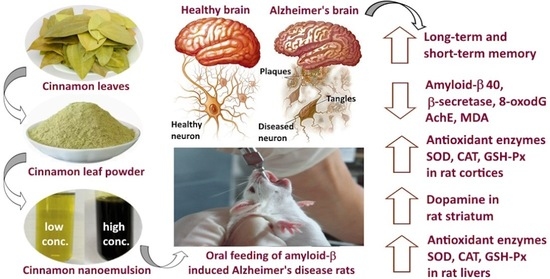
Abstract
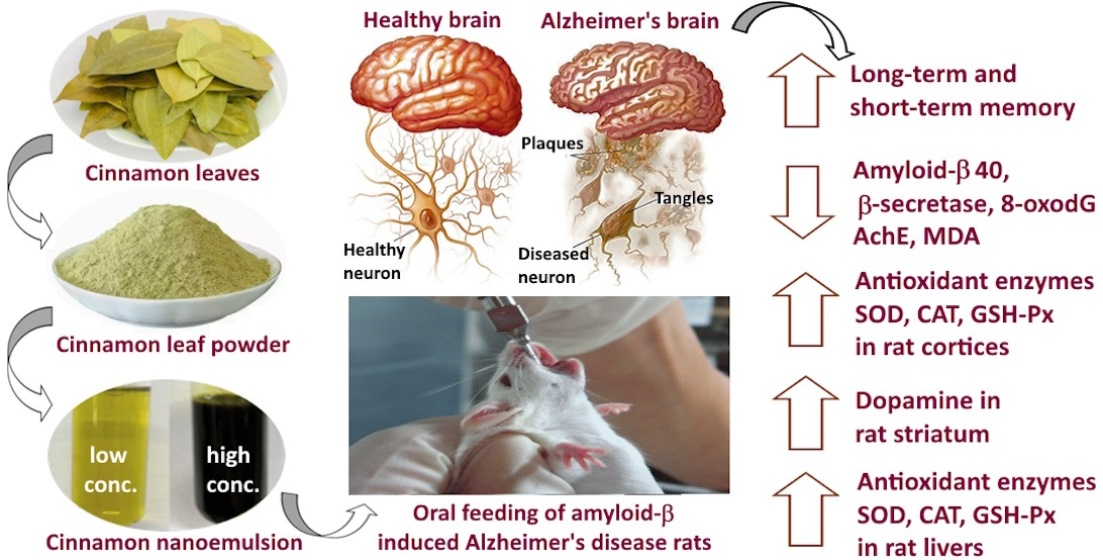
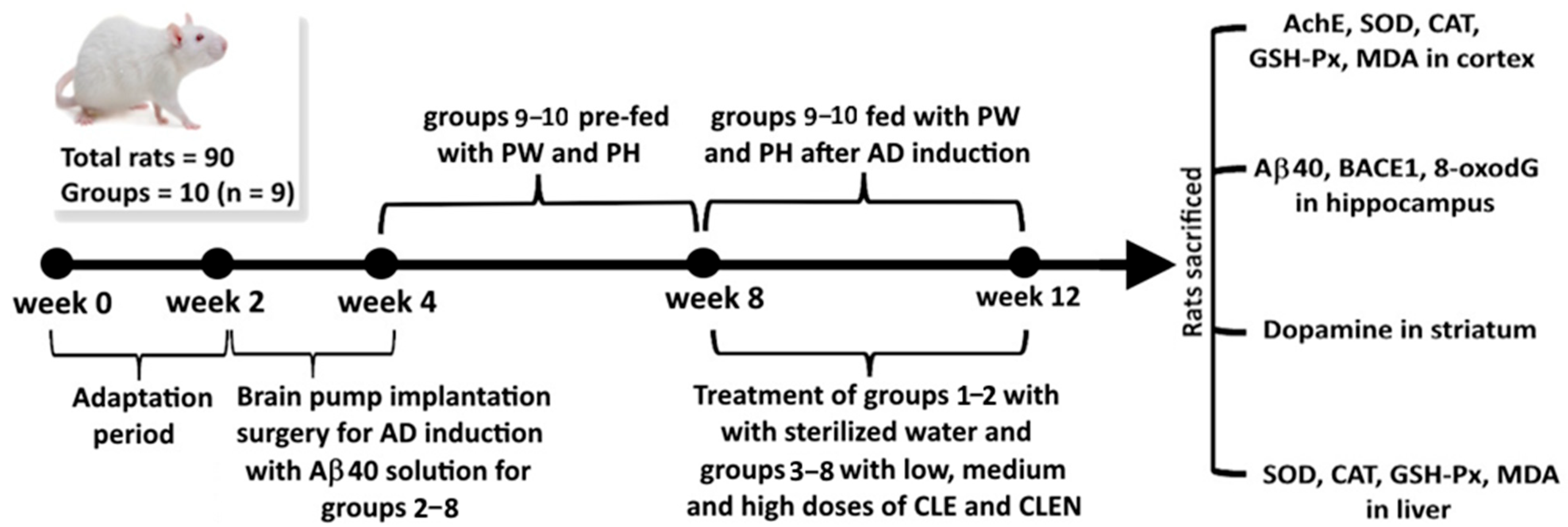
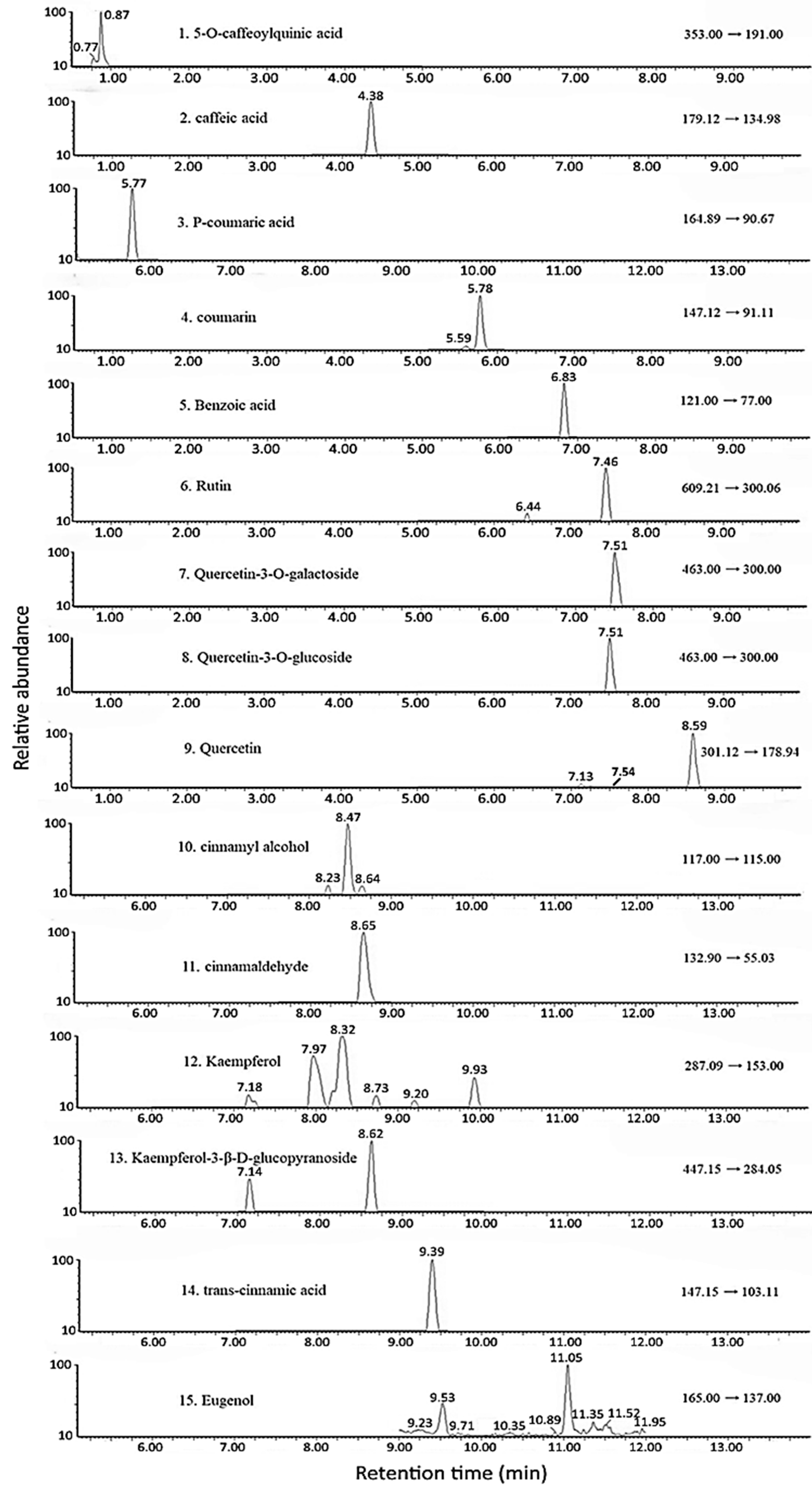
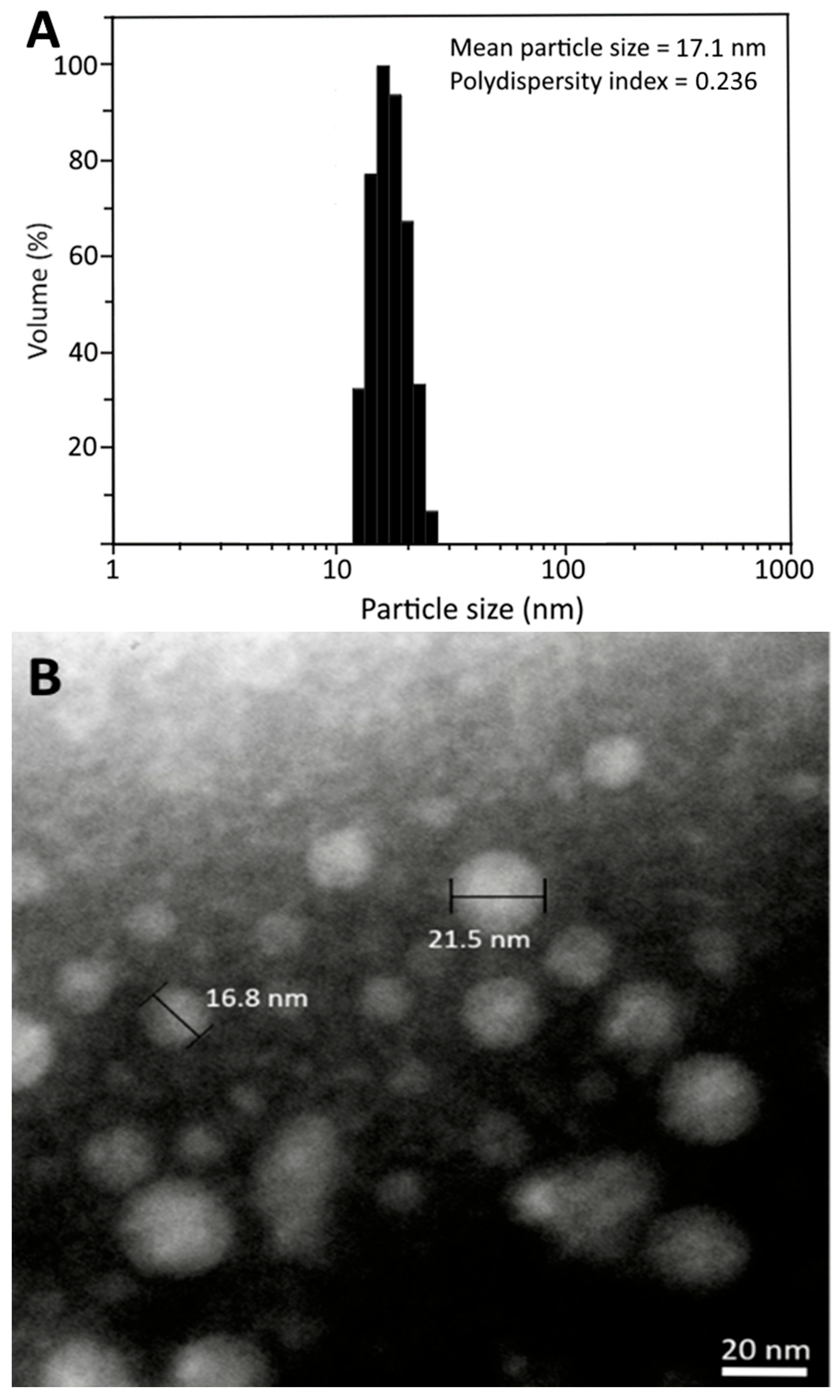
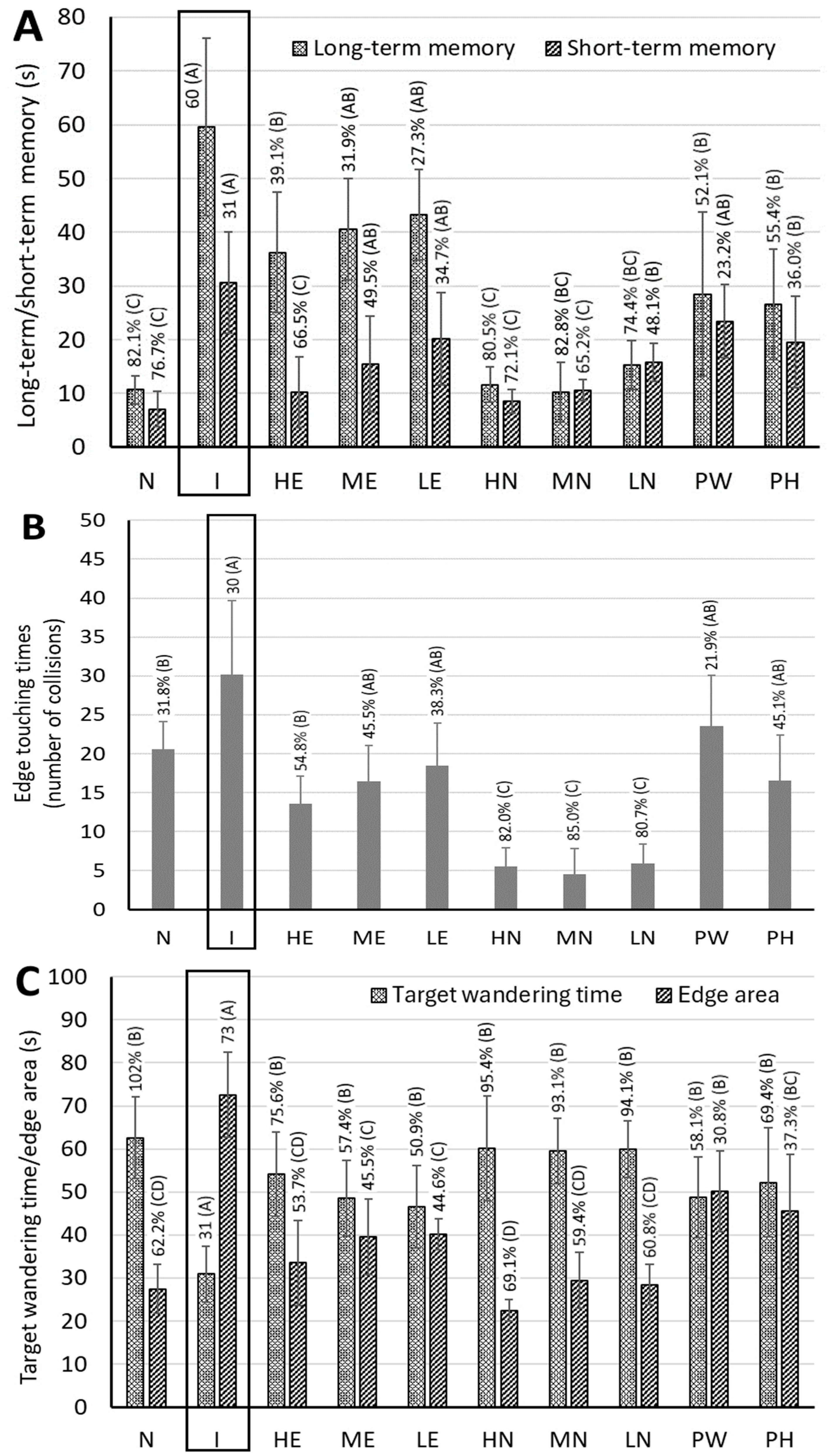
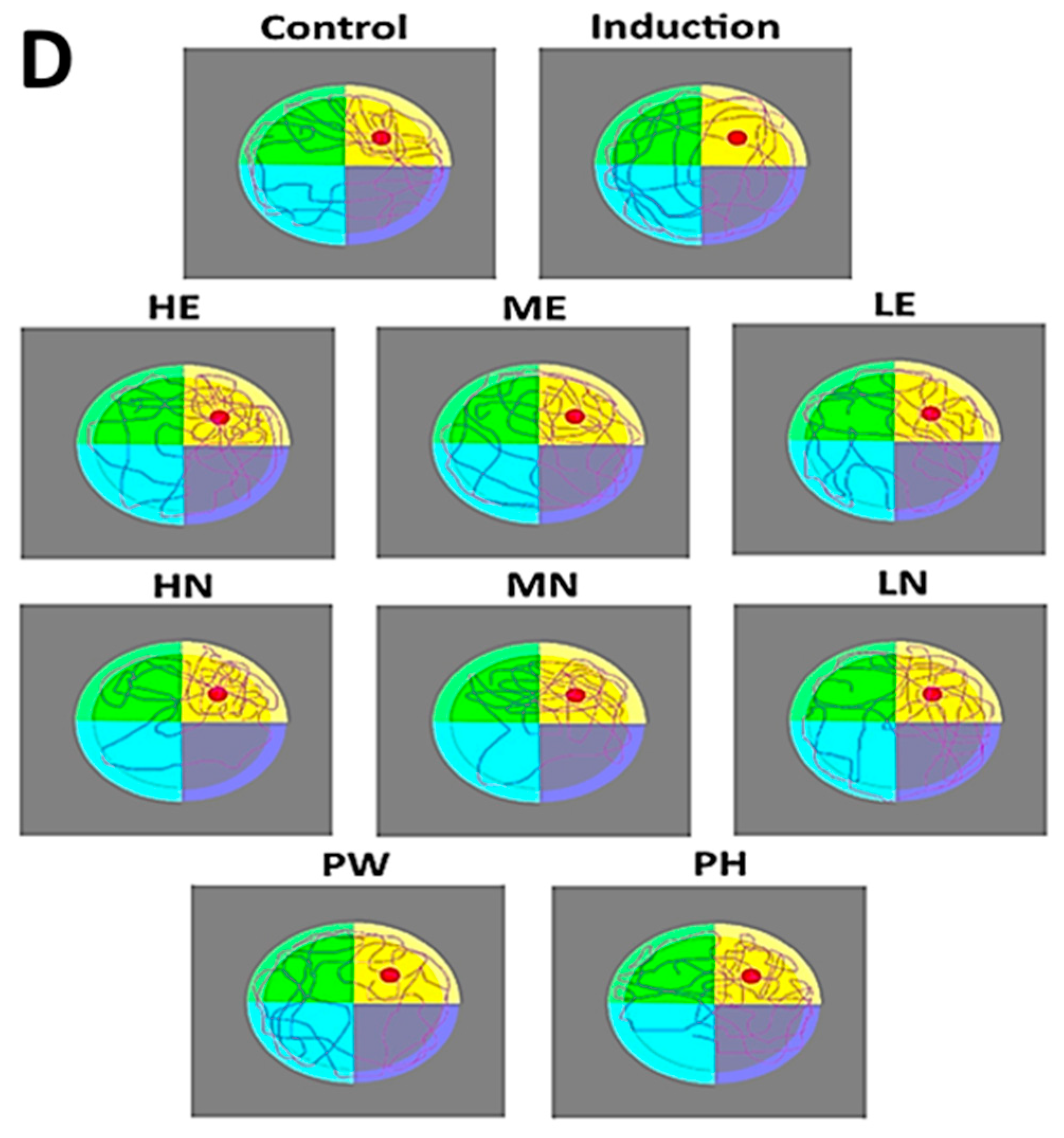
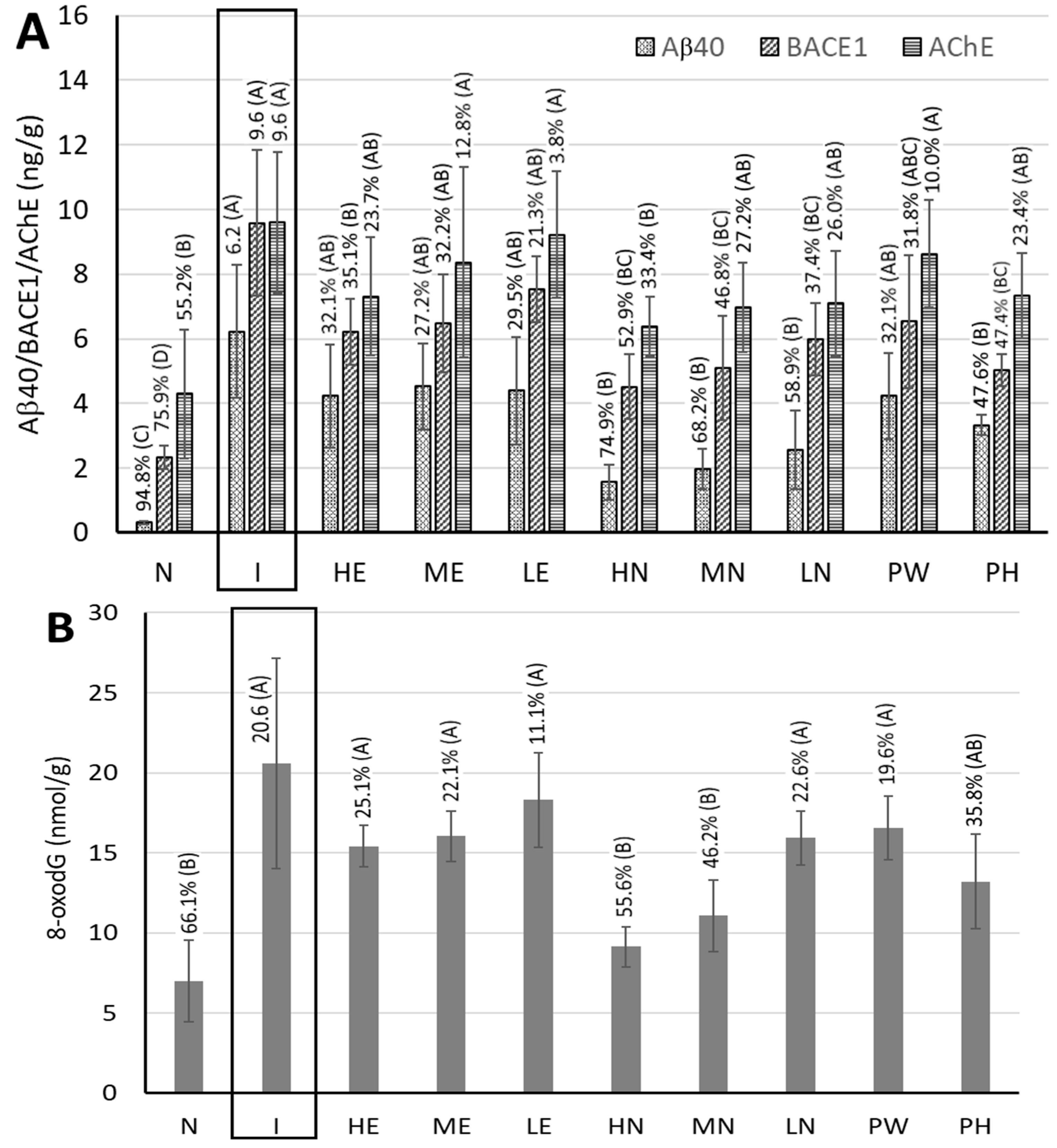
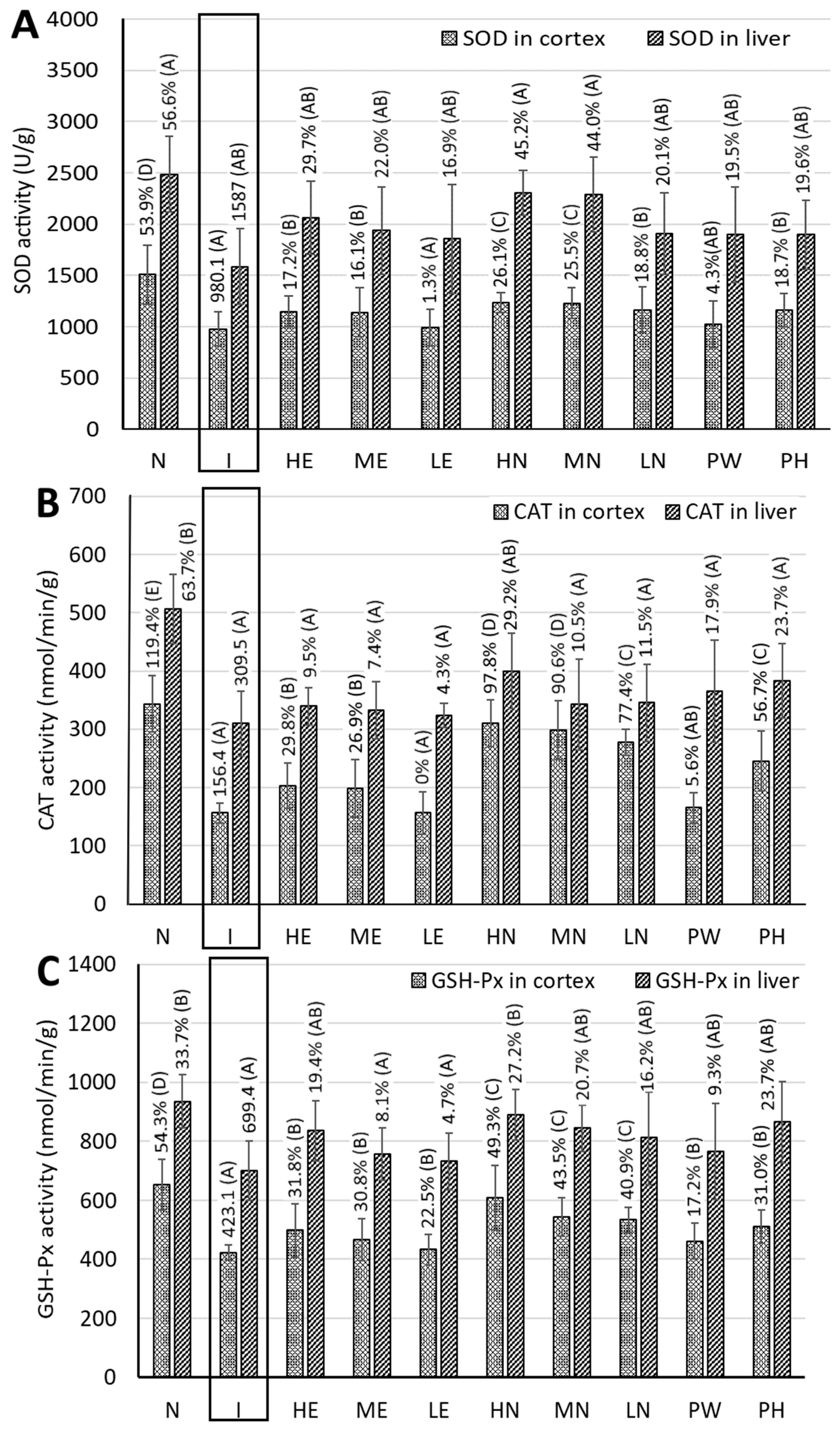
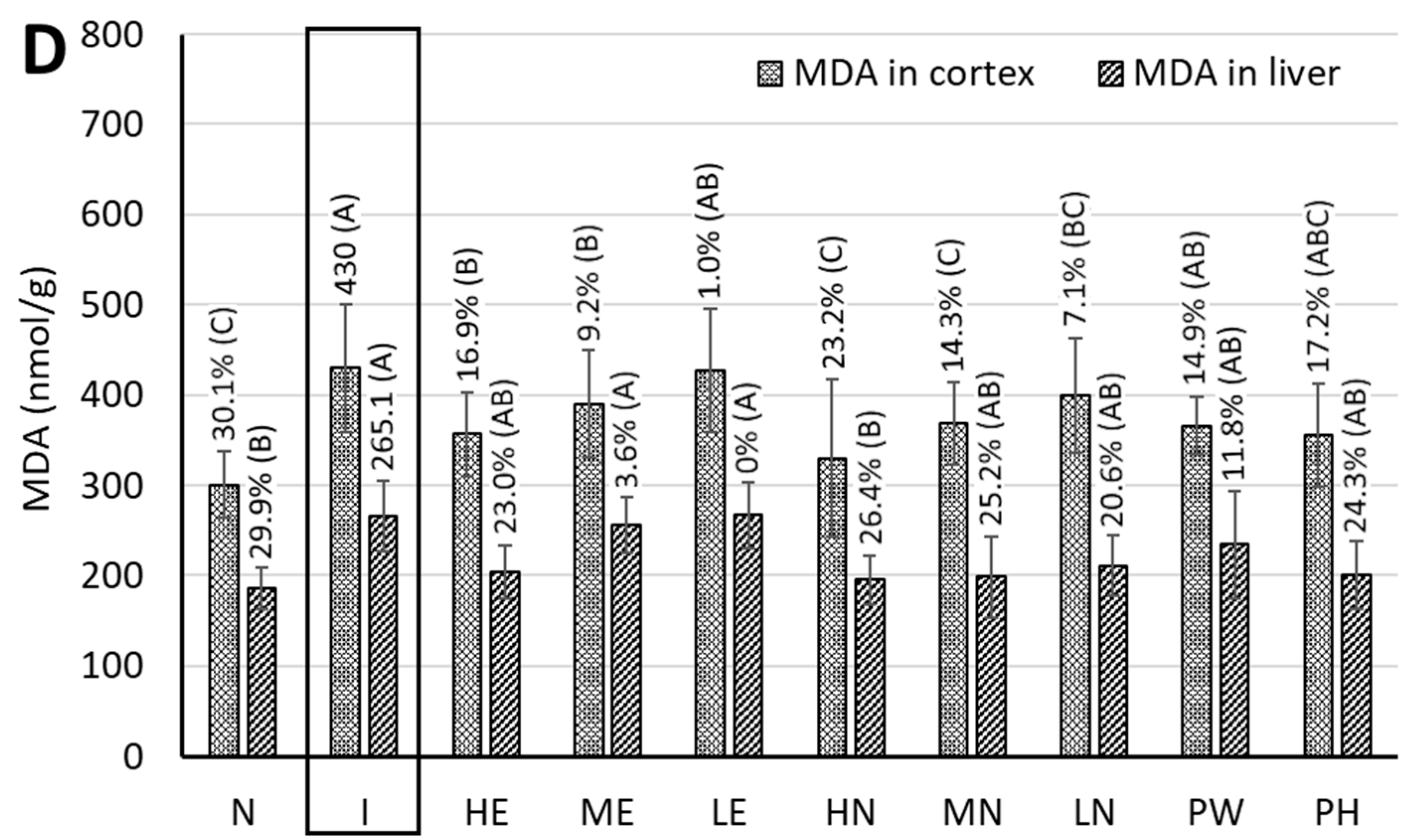
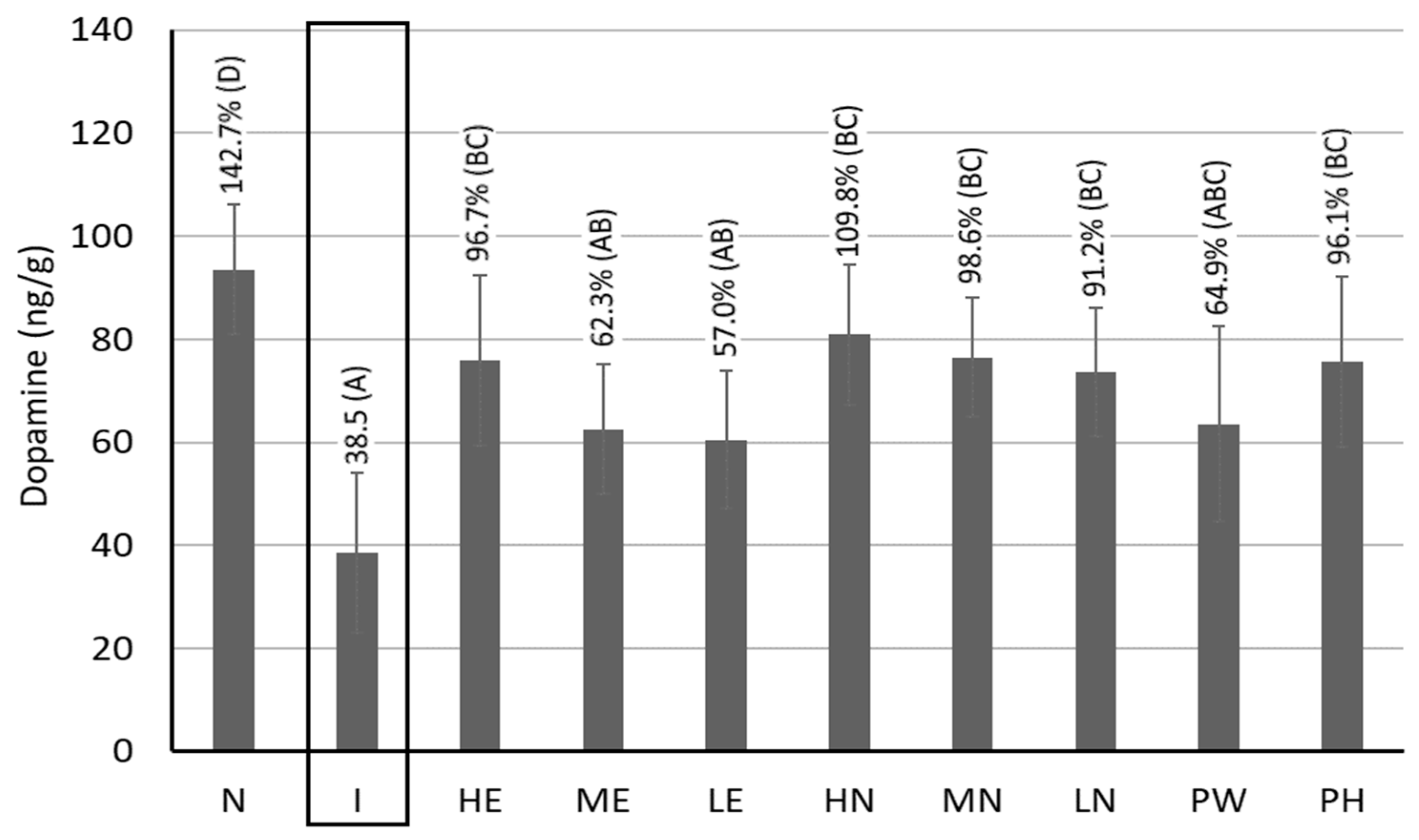
Background/Objectives: Cinnamon leaves, an important source of the functional compound cinnamaldehyde (CA), have been shown to be effective in improving type II diabetes and Parkinson’s disease (PD) in rats following the incorporation of cinnamon leaf extract into a nanoemulsion. However, the effect of a cinnamon leaf extract nanoemulsion (CLEN) on improving Alzheimer’s disease (AD), the most prevalent type of dementia, remains unexplored. The objectives of this study were to determine functional compounds in cinnamon leaves by UPLC-MS/MS, followed by the preparation of a nanoemulsion and its byproducts to study their effects on AD and PD in rats. Methods: Oven-dried (60 °C for 2 h) cinnamon leaf powder and hydrosol, obtained by steam distillation of cinnamon leaf powder, were stored at 4 °C. After determination of basic composition (crude protein, crude fat, carbohydrate, moisture and ash) of cinnamon leaf powder, it was extracted with 80% ethanol with sonication at 60 °C for 2 h and analyzed for bioactive compounds by UPLC-MS/MS. Then, the CLEN was prepared by mixing cinnamon leaf extract rich in CA with lecithin, soybean oil, tween 80 and ethanol in an optimal ratio, followed by evaporation to form thin-film and redissolving in deionized water. For characterization, mean particle size, polydispersity index (PDI), zeta potential, encapsulation efficiency, and surface morphology were determined. Animal experiments were done by dividing 90 male rats into 10 groups (n = 9), with groups 2–8 being subjected to mini-osmotic pump implantation surgery in brain to infuse Amyloid-beta 40 (Aβ40) solution in groups 2–8 for induction of AD, while groups 9 and 10 were pre-fed respectively with cinnamon powder in water (0.5 g/10 mL) and in hydrosol for 4 weeks, followed by induction of AD as shown above. Different treatments for a period of 4 weeks included groups 1–9, with group 1 (control) and group 2 feeding with sterilized water, while groups 3, 4 and 5 were fed respectively with high (90 mg/kg), medium (60 mg/kg) and low (30 mg/kg) doses of cinnamon leaf extracts, groups 6, 7 and 8 fed respectively with high (90 mg/kg), medium (60 mg/kg) and low (30 mg/kg) doses of nanoemulsions, groups 9 and 10 fed respectively with 10 mL/kg of cinnamon powder in water and hydrosol (0.5 g/10 mL). Morris water maze test was conducted to determine short-term memory, long-term memory and space probing of rats. After sacrificing of rats, brain and liver tissues were collected for determination of Aβ40, BACE1 and 8-oxodG in hippocampi, and AchE and malondialdehyde (MDA) in cortices, antioxidant enzymes (SOD, CAT, GSH-Px) and MDA in both cortices and livers, and dopamine in brain striata by using commercial kits. Results: The results showed that the highest level of CA (18,250.7 μg/g) was in the cinnamon leaf powder. The CLEN was prepared successfully, with an average particle size of 17.1 nm, a polydispersity index of 0.236, a zeta potential of −42.68 mV, and high stability over a 90-day storage period at 4 °C. The Morris water maze test revealed that the CLEN treatment was the most effective in improving short-term memory, long-term memory, and spatial probe test results in AD rats, followed by the cinnamon leaf extract (CLE), powder in hydrosol (PH), and powder in water (PW). Additionally, both CLEN and CLE treatments indicated a dose-dependent improvement in AD rats, while PH and PW were effective in preventing AD occurrence. Furthermore, AD occurrence accompanied by PD development was demonstrated in this study. With the exception of the induction group, declines in Aβ40, BACE1, and 8-oxodG in the hippocampi and AchE and MDA in the cortices of rats were observed for all the treatments, with the high-dose CLEN (90 mg/kg bw) exhibiting the highest efficiency. The antioxidant enzyme activity, including that of SOD, CAT, and GSH-Px, in the cortices of rats increased. In addition, dopamine content, a vital index of PD, was increased in the striata of rats, accompanied by elevations in SOD, CAT, and GSH-Px and decreased MDA in rat livers. Conclusions: These outcomes suggest that the CLEN possesses significant potential for formulation into a functional food or botanical drug for the prevention and treatment of AD and/or PD in the future.