Article

Using a Material Library to Understand the Change of Tabletability by High Shear Wet Granulation

1
Department of Chinese Medicine Informatics, Beijing University of Chinese Medicine, Beijing 100029, China
2
Beijing Key Laboratory of Chinese Medicine Manufacturing Process Control and Quality Evaluation, Beijing 100029, China
*
Author to whom correspondence should be addressed.
Current address: School of Chinese Materia Medica, Beijing University of Chinese Medicine, No. 11, North Third Ring East Road, Beijing 100029, China.
Pharmaceutics 2022, 14(12), 2631; https://doi.org/10.3390/pharmaceutics14122631

Submission received: 20 October 2022 / Revised: 16 November 2022 / Accepted: 23 November 2022 / Published: 28 November 2022
(This article belongs to the Special Issue Recent Advances in Solid Dosage Form)

Abstract

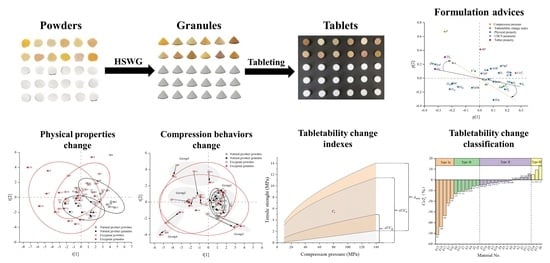
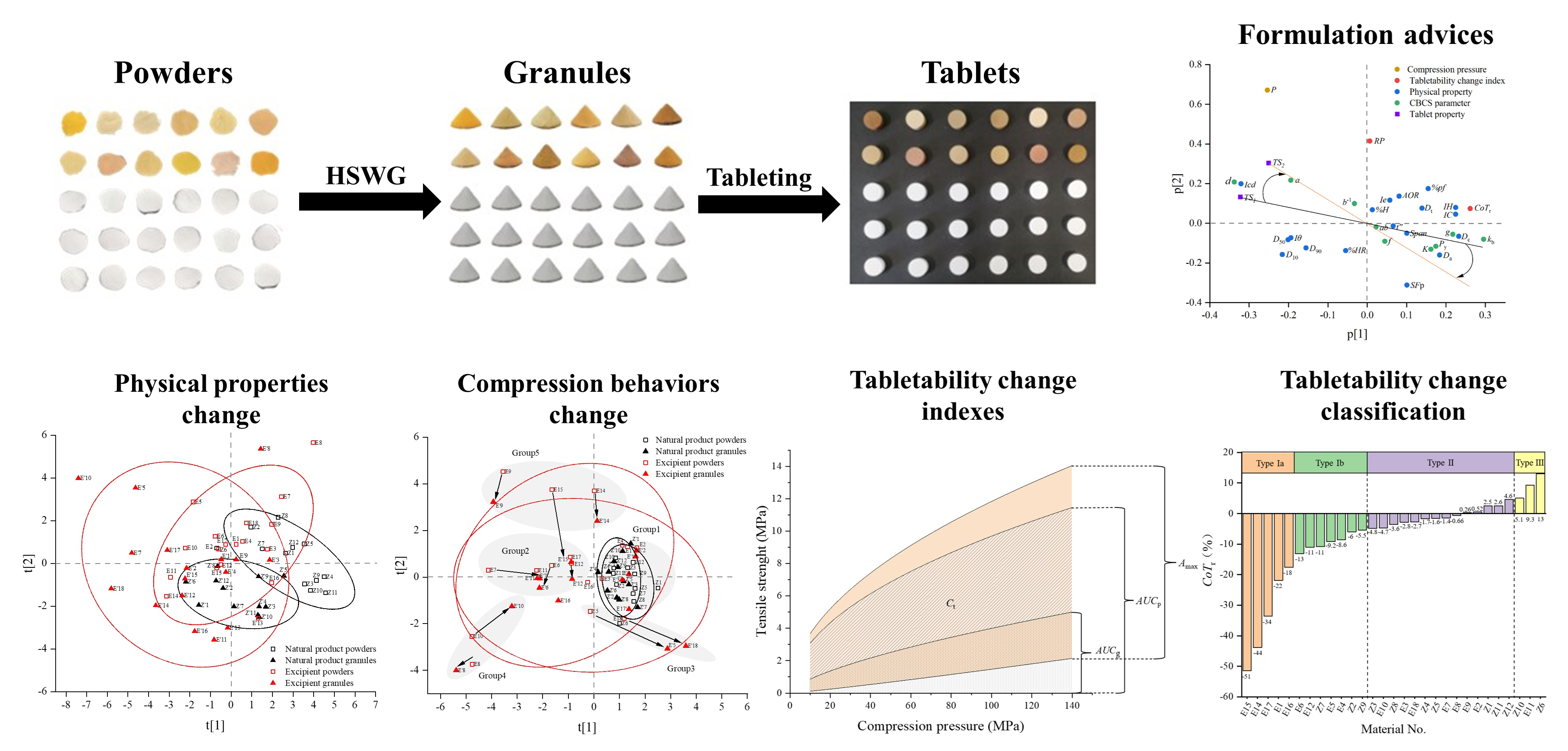
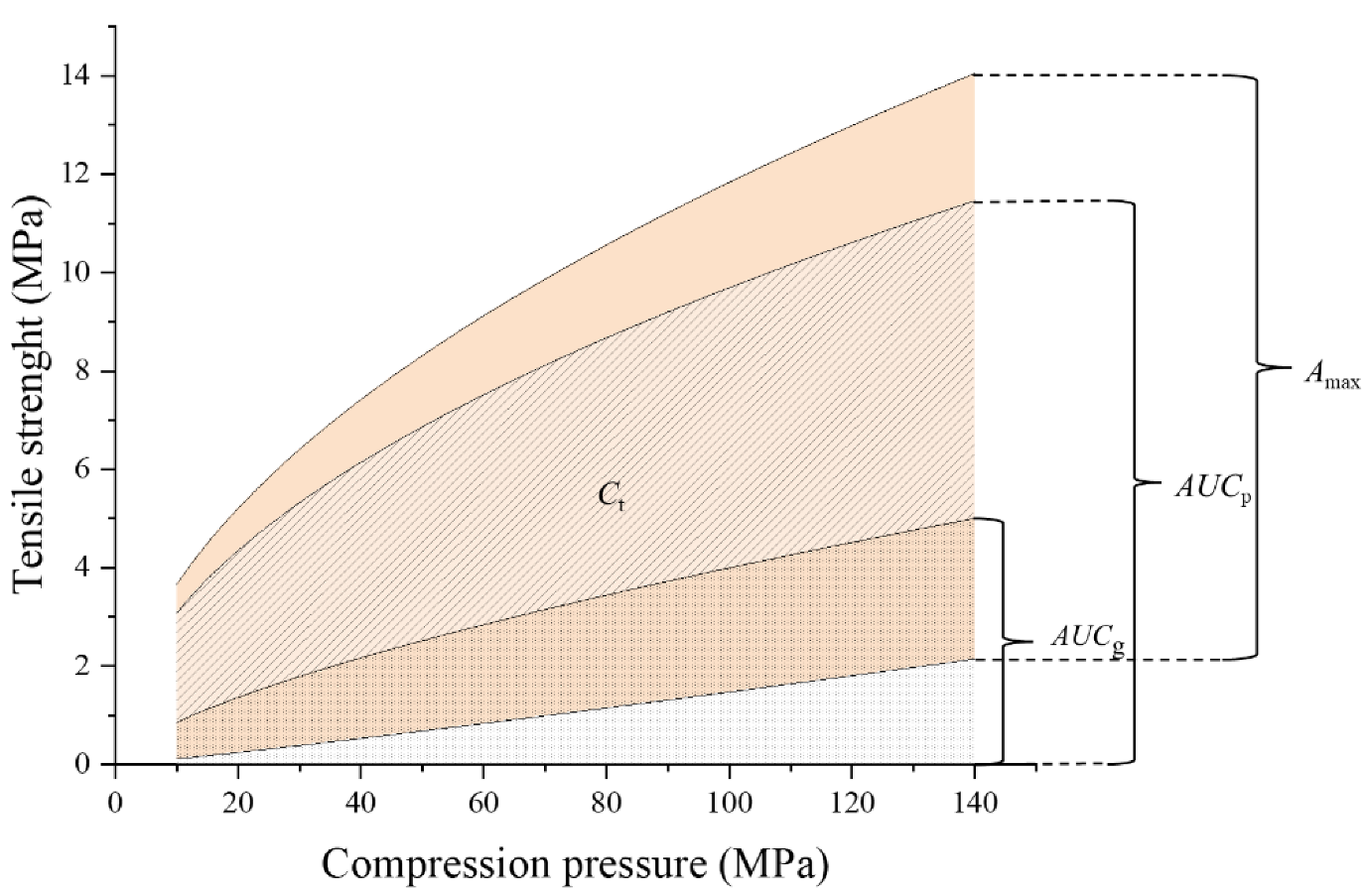
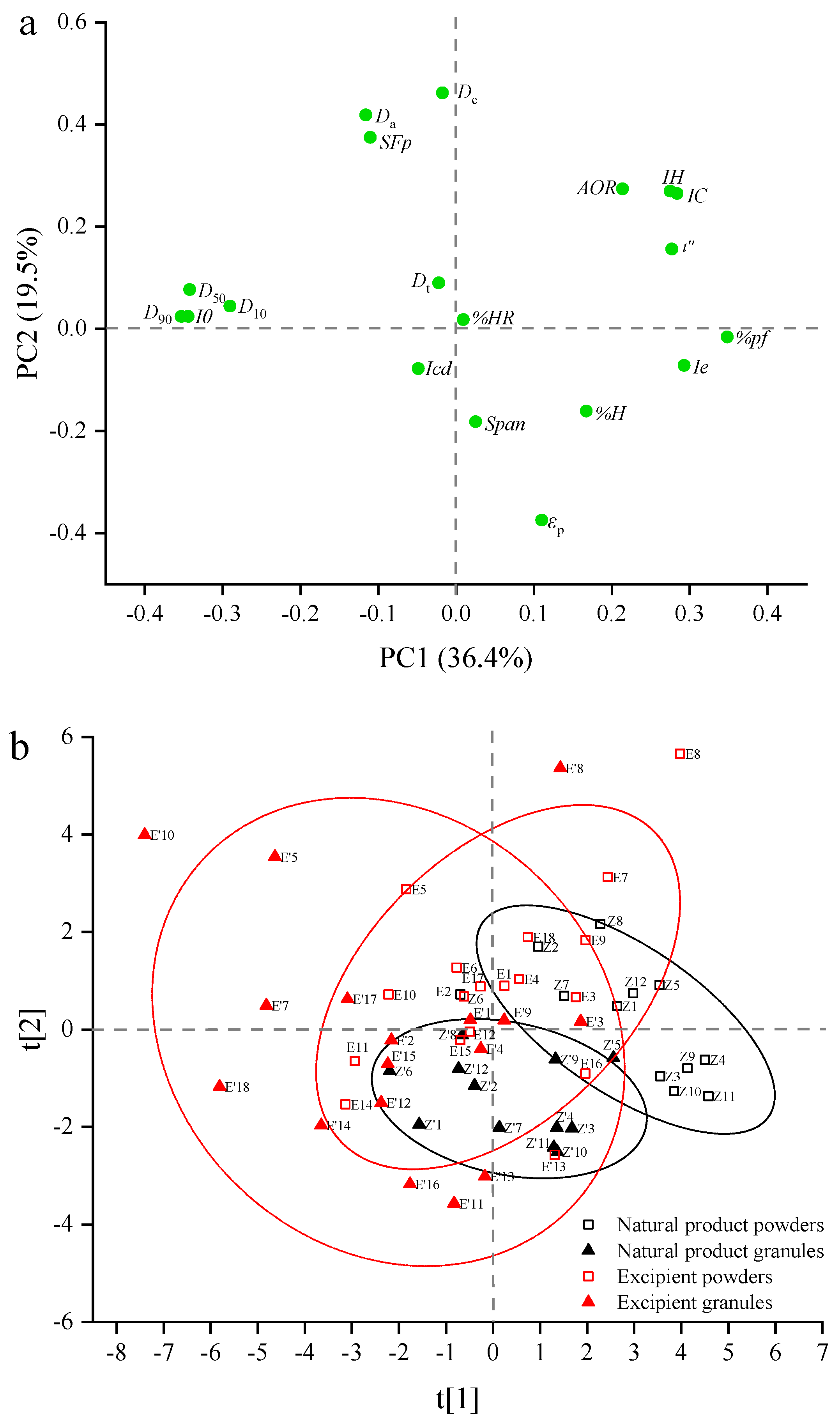
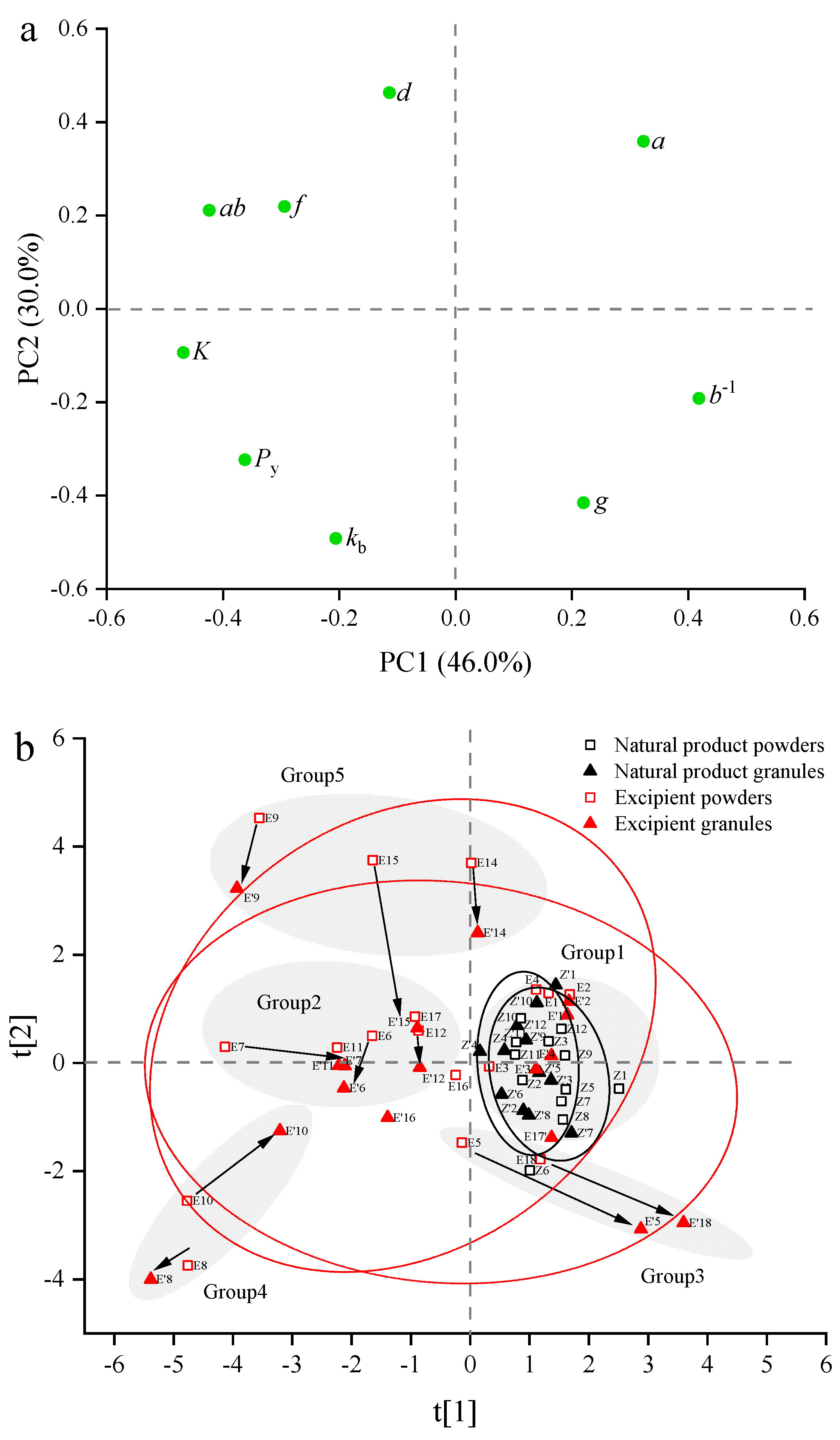
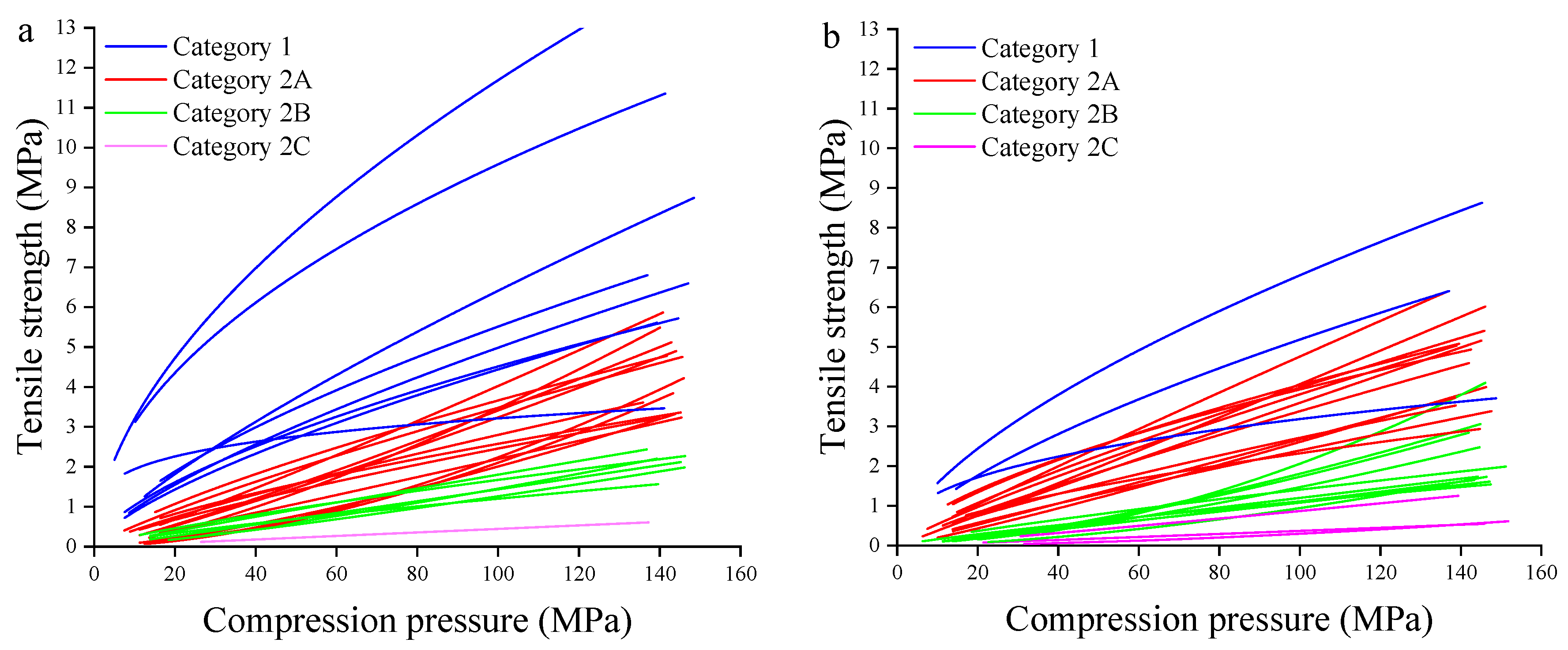
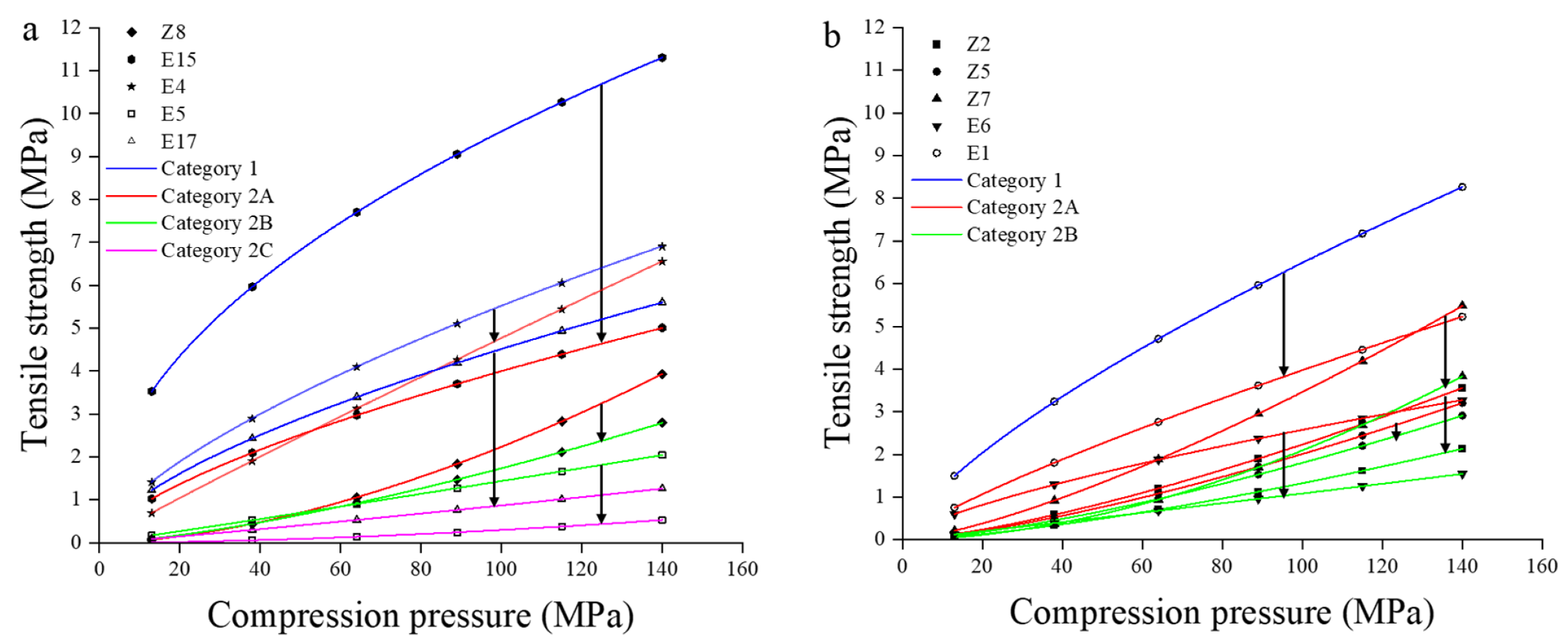
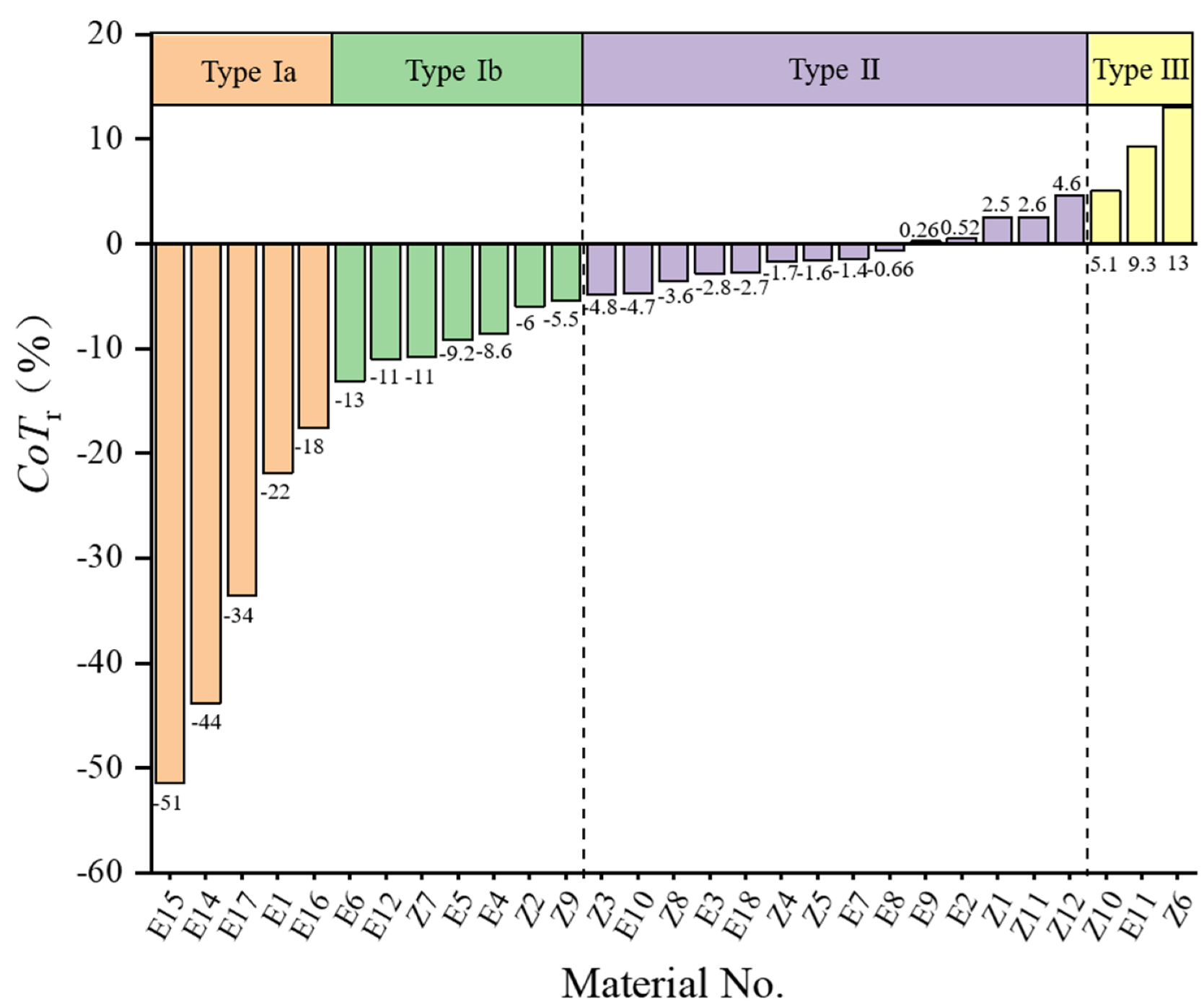
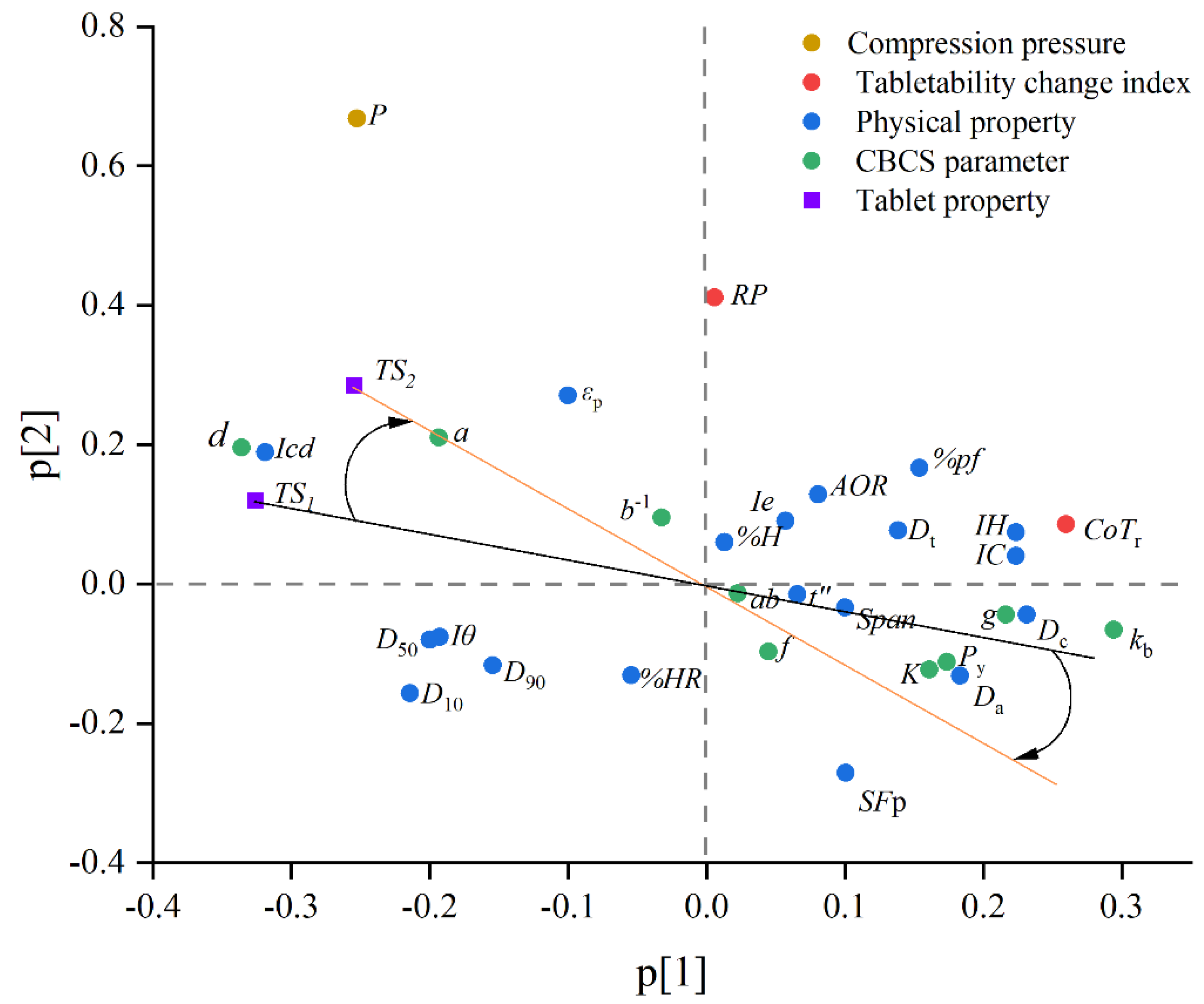
Understanding the tabletability change of materials after granulation is critical for the formulation and process design in tablet development. In this paper, a material library consisting of 30 pharmaceutical materials was used to summarize the pattern of change of tabletability during high shear wet granulation and tableting (HSWGT). Each powdered material and the corresponding granules were characterized by 19 physical properties and nine compression behavior classification system (CBCS) parameters. Principal component analysis (PCA) was used to compare the physical properties and compression behaviors of ungranulated powders and granules. A new index, namely the relative change of tabletability (CoTr), was proposed to quantify the tabletability change, and its advantages over the reworking potential were demonstrated. On the basis of CoTr values, the tabletability change classification system (TCCS) was established. It was found that approximately 40% of materials in the material library presented a loss of tabletability (i.e., Type I), 50% of materials had nearly unchanged tabletability (i.e., Type II), and 10% of materials suffered from increased tabletability (i.e., Type III). With the help of tensile strength (TS) vs. compression pressure curves implemented on both powders and granules, a data fusion method and the PLS2 algorithm were further applied to identify the differences in material properties requirements for direct compression (DC) and HSWGT. Results indicated that increasing the plasticity or porosity of the starting materials was beneficial to acquiring high TS of tablets made by HSWGT. In conclusion, the presented TCCS provided a means for the initial risk assessment of materials in tablet formulation design and the data modeling method helped to predict the impact of formulation ingredients on the strength of compacts.
Keywords: change of tabletability; high shear wet granulation; material library; tabletability change classification system; critical material attributes change of tabletability; high shear wet granulation; material library; tabletability change classification system; critical material attributes
Graphical Abstract