Clinical Presentation, Etiology, and Outcomes of HIV-Associated Cardiomyopathy: A Systematic Review of Published Case Reports

 ,
,  ,
,
Abstract
1. Introduction
2. Methods
2.1. Search Strategy and Selection Criteria
2.2. Data Collection Process
2.3. Data Items
2.4. Stratified Analyses
2.5. Statistical Analysis
2.6. Role of the Funding Source
3. Results
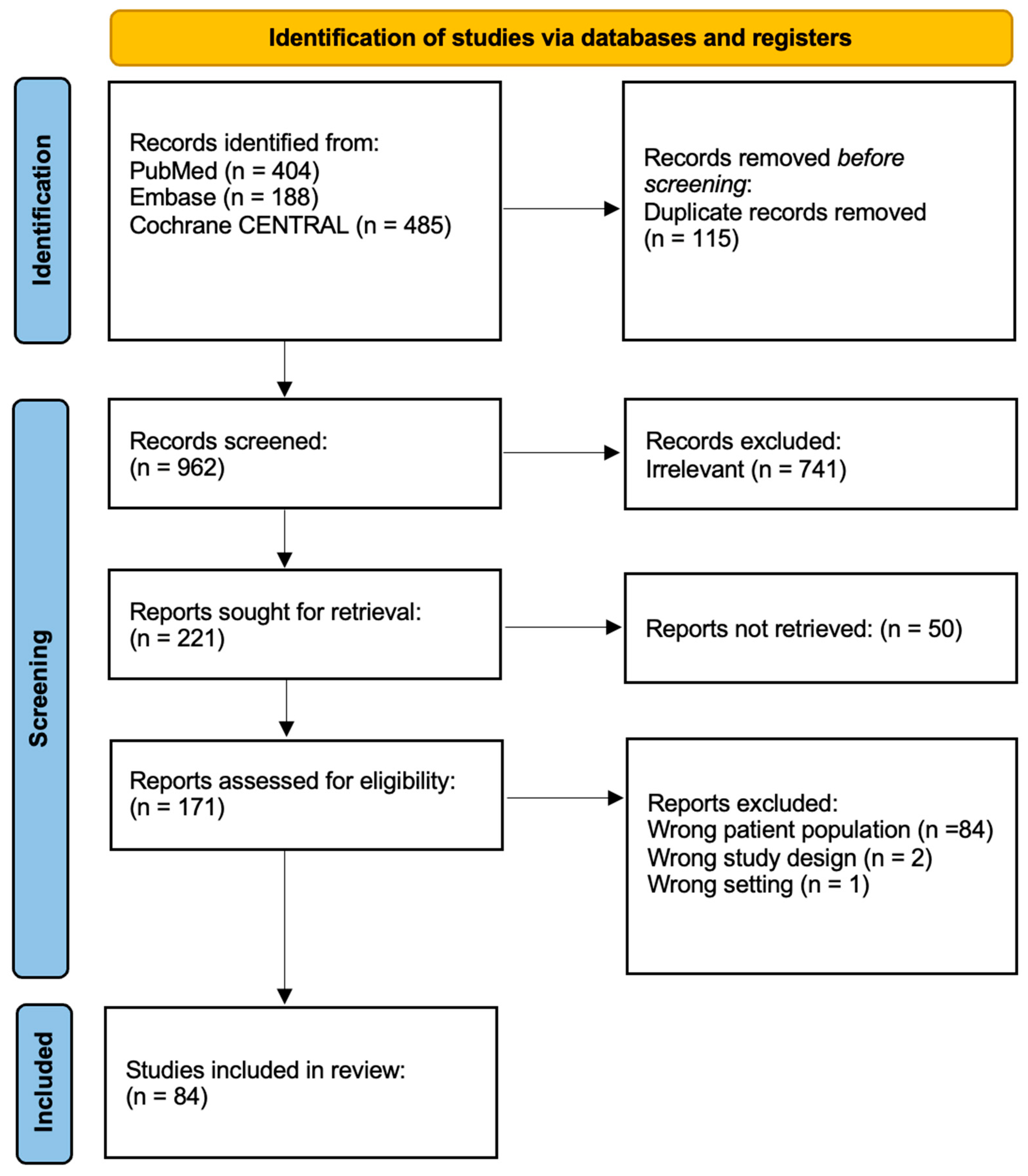
3.1. Study Selection
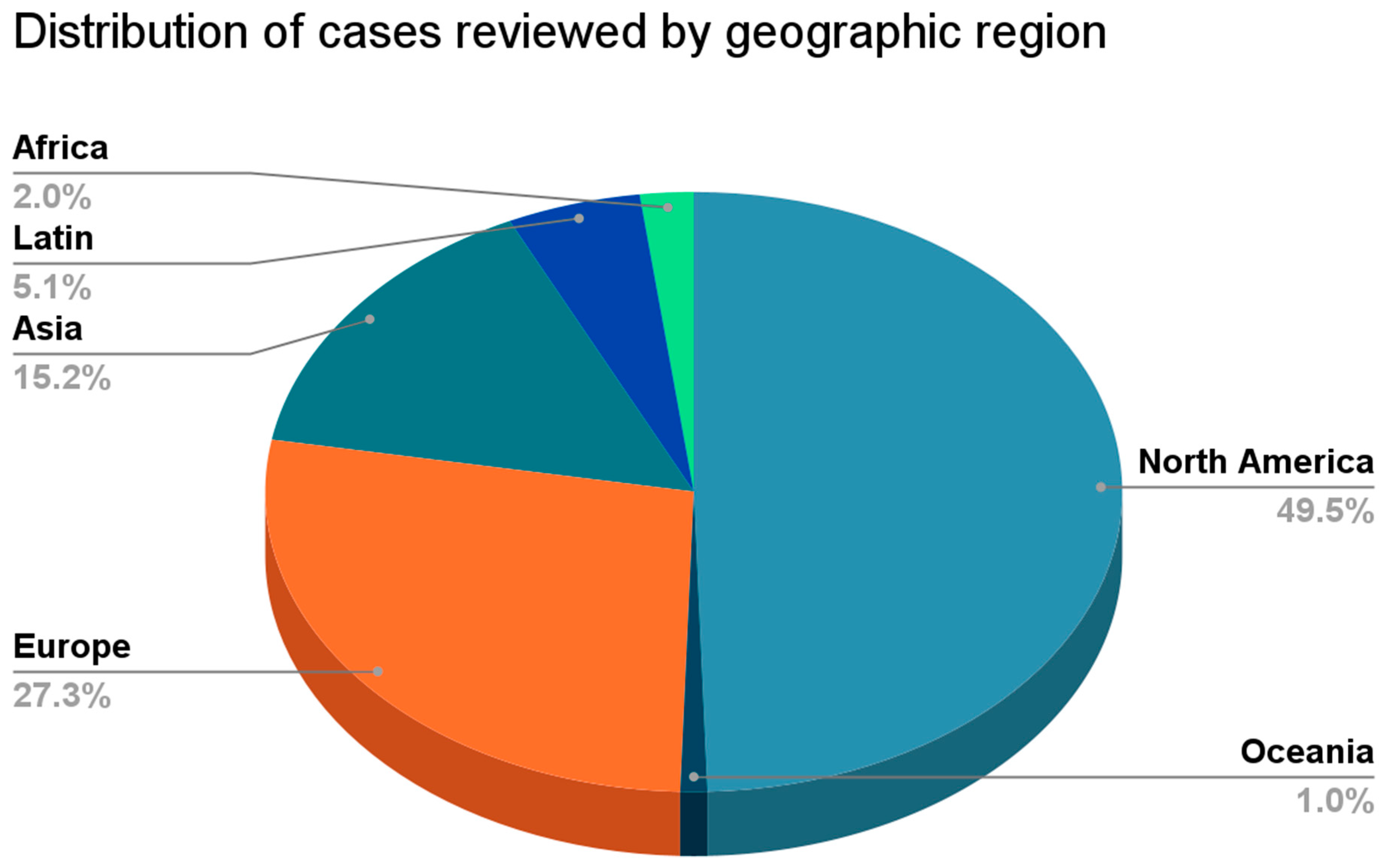
3.2. Patient Characteristics

3.3. Presenting Features
3.4. Imaging and Pathology

| Modality | Finding | n/N (%) |
|---|---|---|
| Echocardiography | Reduced LVEF | 60/64 (94%) |
| Preserved LVEF | 4/64 (6%) | |
| Cardiac MRI | Performed | 14/99 (14%) |
| Myocarditis pattern | 10/14 (71%) | |
| Normal MRI | 2/14 (14%) | |
| Other/nonspecific | 2/14 (14%) | |
| Endomyocardial biopsy | Performed | 22/99 (22%) |
| Myocarditis | 13/22 (59%) | |
| Fibrosis | 2/22 (9%) | |
| Normal | 1/22 (5%) | |
| Nonspecific or mixed non-inflammatory changes | 5/22 (23%) | |
| Autopsy pathology | Performed | 27/99 (27%) |
| Opportunistic infection myocarditis (pathogen-confirmed) | 14/27 (52%) | |
| Inflammatory infiltrates | 2/27 (7%) | |
| Myocarditis (explicit) | 5/27 (19%) | |
| Dilated cardiomyopathy | 2/27 (7%) | |
| Myocyte hypertrophy | 6/27 (22%) | |
| Fibrosis | 4/27 (15%) | |
| Normal/minimally abnormal | 4/27 (15%) | |
| Autolysis/non-diagnostic | 1/27 (4%) |
3.5. Etiologic Categories and Phenotypes
3.6. Treatment and Outcomes
| Therapy Category | Treatment | n/N (%) |
|---|---|---|
| Heart-failure therapy | Loop diuretics | 85/93 (91%) |
| ACE inhibitor or ARB | 72/90 (80%) | |
| Beta-blocker | 68/92 (74%) | |
| Aldosterone antagonist | 41/87 (47%) | |
| ARNI (sacubitril–valsartan) | 3/99 (3%) | |
| Ivabradine | 2/99 (2%) | |
| Digoxin | 7/92 (8%) | |
| Antiretroviral therapy (ART) | ART initiation (ART-naïve patients) | 48/56 (86%) |
| ART modification (patients already on ART) | 18/36 (50%) | |
| Etiology-specific therapy | Anti-toxoplasma therapy | 7/7 (100%) |
| Anti-TB therapy | 8/8 (100%) | |
| CMV-directed therapy | 2/2 (100%) | |
| Albendazole (parasitic) | 1/1 (100%) | |
| Immunomodulatory therapy | Corticosteroids | 15/99 (15%) |
| IVIG | 6/99 (6%) | |
| Other immunosuppression | 2/99 (2%) | |
| Advanced cardiac support | ECMO | 3/99 (3%) |
| Temporary mechanical circulatory support (IABP/Impella) | 5/99 (5%) | |
| Permanent device (ICD/CRT) | 2/99 (2%) | |
| Transplantation | Orthotopic heart transplantation | 1/99 (1%) |
4. Discussion
4.1. Principal Findings
4.2. Etiologic Phenotypes
4.3. Geographic and Temporal Patterns
5. Limitations
6. Clinical Implications
7. Conclusions
Author Contributions
Funding
Institutional Review Board Statement
Data Availability Statement
Conflicts of Interest
References
- Feinstein, M.J.; Bahiru, E.; Achenbach, C.; Longenecker, C.; Hsue, P.; So-Armah, K.; Freiberg, M.; Lloyd-Jones, D. Patterns of cardiovascular mortality for HIV-infected adults in the United States: 1999 to 2013. Am. J. Cardiol. 2016, 117, 214–220. [Google Scholar] [CrossRef]
- Croxford, S.; Kitching, A.; Desai, S.; Kall, M.; Edelstein, M.; Skingsley, A.; Burns, F.; Copas, A.; Brown, A.; Sullivan, K.; et al. Mortality and causes of death in people diagnosed with HIV in the era of highly active antiretroviral therapy compared with the general population. Lancet Public Health 2017, 2, e35–e46. [Google Scholar] [CrossRef]
- Shah, A.S.V.; Stelzle, D.; Lee, K.K.; Beck, E.; Shirjel, A.; Clifford, S.; Longenecker, C.; Strachan, F.; Bagchi, S.; Whiteley, W.; et al. Global burden of atherosclerotic cardiovascular disease in people living with HIV. Circulation 2018, 138, 1100–1112. [Google Scholar] [CrossRef]
- Freiberg, M.S.; Chang, C.C.; Kuller, L.H.; Skanderson, M.; Lowy, E.; Kraemer, K.L.; Butt, A.A.; Goetz, M.B.; Leaf, D.; Oursler, K.A.; et al. HIV infection and the risk of acute myocardial infarction. JAMA Intern. Med. 2013, 173, 614–622. [Google Scholar] [CrossRef] [PubMed]
- Freiberg, M.S.; Chang, C.H.; Skanderson, M.; Patterson , O.V.; DuVall, S.L.; Brandt, C.A.; So-Armah, K.A.; Vasan , R.S.; Oursler , K.A.; Gottdiener, J.; et al. Association between HIV infection and the risk of heart failure with reduced ejection fraction and preserved ejection fraction in the antiretroviral therapy era. JAMA Cardiol. 2017, 2, 536–546. [Google Scholar] [CrossRef] [PubMed]
- Sinha, A.; Feinstein, M.J. Epidemiology, pathophysiology, and prevention of heart failure in people with HIV. Prog. Cardiovasc. Dis. 2020, 63, 134–141. [Google Scholar] [CrossRef]
- Erqou, S.; Lodebo, B.T.; Masri, A.; Altibi, A.M.; Echouffo-Tcheugui, J.B.; Dzudie, A.; Ataklte, F.; Choudhary, G.; Bloomfield, G.S.; Wu, W.-C.; et al. Cardiac dysfunction among people living with HIV: A systematic review and meta-analysis. JACC Heart Fail. 2019, 7, 98–108. [Google Scholar] [CrossRef] [PubMed]
- El-Sadr, W.M.; Lundgren, J.D.; Neaton, J.D.; Gordin, F.; Abrams, D.; Arduino, R.C.; Babiker, A.; Burman, W.; Clumeck, N.; Cohen, C.J.; et al. CD4+ count-guided interruption of antiretroviral treatment. N. Engl. J. Med. 2006, 355, 2283–2296. [Google Scholar]
- Phillips, A.N.; Carr, A.; Neuhaus, J.; Visnegarwala, F.; Prineas, R.; Burman, W.J.; Williams, I.; Drummond, F.; Duprez, D.; Belloso, W.H.; et al. Interruption of antiretroviral therapy and risk of cardiovascular disease in persons with HIV-1 infection: Exploratory analyses from the SMART trial. Antivir. Ther. 2008, 13, 177–187. [Google Scholar] [CrossRef]
- Friis-Møller, N.; Sabin, C.A.; Weber, R.; d’Arminio Monforte, A.; El-Sadr, W.M.; Reiss, P.; Thiébaut, R.; Morfeldt, L.; De Wit, S.; Pradier, C.; et al. Combination antiretroviral therapy and the risk of myocardial infarction. N. Engl. J. Med. 2003, 349, 1993–2003. [Google Scholar] [PubMed]
- Friis-Møller, N.; Reiss, P.; Sabin, C.A.; Weber, R.; d’Arminio Monforte, A.; El-Sadr, W.M.; Thiébaut, R.; De Wit, S.; Kirk, O.; Fontas, E.; et al. Class of antiretroviral drugs and the risk of myocardial infarction. N. Engl. J. Med. 2007, 356, 1723–1735. [Google Scholar] [PubMed]
- Mondy, K.E.; Gottdiener, J.; Overton, E.T.; Henry, K.; Bush, T.; Conley, L.; Hammer, J.; Carpenter, C.C.; Kojic, E.; Patel, P.; et al. High prevalence of echocardiographic abnormalities among HIV-infected persons in the era of highly active antiretroviral therapy. Clin. Infect. Dis. 2011, 52, 378–386. [Google Scholar] [CrossRef]
- Lumsden, R.H.; Bloomfield, G.S. The causes of HIV-associated cardiomyopathy: A tale of two worlds. Biomed Res. Int. 2016, 2016, 8196560. [Google Scholar] [CrossRef]
- Elliott, P.; Andersson, B.; Arbustini, E.; Bilinska, Z.; Cecchi, F.; Charron, P.; Dubourg, O.; Kühl, U.; Maisch, B.; Mckenna, W.J.; et al. Classification of the cardiomyopathies: A position statement from the European Society of Cardiology Working Group on Myocardial and Pericardial Diseases. Eur. Heart J. 2008, 29, 270–276. [Google Scholar] [CrossRef]
- Page, M.J.; McKenzie, J.E.; Bossuyt, P.M.; Boutron, I.; Hoffmann, T.C.; Mulrow, C.D.; Shamseer, L.; Tetzlaff, J.M.; Akl, E.A.; Brennan, S.E.; et al. The PRISMA2020 statement: An updated guideline for reporting systematic reviews. BMJ 2021, 372, n71. [Google Scholar] [CrossRef] [PubMed]
- Steinherz, L.J.; Brochstein, J.A.; Robins, J. Cardiac involvement in congenital acquired immunodeficiency syndrome. Am. J. Dis. Child. 1986, 140, 1241–1244. [Google Scholar] [CrossRef]
- Calabrese, L.H.; Proffitt, M.R.; Yen-Lieberman, B.; Hobbs, R.E.; Ratliff, N.B. Congestive cardiomyopathy and illness related to the acquired immunodeficiency syndrome (AIDS) associated with isolation of retrovirus from myocardium. Ann. Intern. Med. 1987, 107, 691–692. [Google Scholar] [CrossRef]
- Lafont, A.; Wolff, M.; Marche, C.; Clair, B.; Regnier, B. Overwhelming myocarditis due to Cryptococcus neoformans in an AIDS patient. Lancet 1987, 2, 1145–1146. [Google Scholar] [CrossRef]
- Brady, M.T.; Reiner, C.B.; Singley, C.; Roberts, W.H., 3rd; Sneddon, J.M. Unexpected death in an infant with AIDS: Disseminated cytomegalovirus infection with pancarditis. Pediatr. Pathol. 1988, 8, 205–214. [Google Scholar] [CrossRef]
- Levy, W.S.; Varghese, P.J.; Anderson, D.W.; Leiboff, R.H.; Orenstein, J.M.; Virmani, R.; Bloom, S. Myocarditis diagnosed by endomyocardial biopsy in human immunodeficiency virus infection with cardiac dysfunction. Am. J. Cardiol. 1988, 62, 658–659. [Google Scholar] [CrossRef] [PubMed]
- Mullins, R.J.; Bastian, B.; Sutherland, D.C. AIDS and the heart. Aust. N. Z. J. Med. 1988, 18, 809–811. [Google Scholar] [CrossRef]
- Adair, O.V.; Randive, N.; Krasnow, N. Isolated toxoplasma myocarditis in acquired immune deficiency syndrome. Am. Heart J. 1989, 118, 856–857. [Google Scholar] [CrossRef]
- Cregler, L.L.; Sosa, I.; Ducey, S.; Abbey, L. Myopericarditis in acquired immunodeficiency syndrome diagnosed by gallium scintigraphy. J. Natl. Med. Assoc. 1990, 82, 511–513. [Google Scholar]
- Lipshultz, S.E.; Fox, C.H.; Perez-Atayde, A.R.; Sanders, S.P.; Colan, S.D.; McIntosh, K.; Winter, H.S. Identification of human immunodeficiency virus-1 RNA and DNA in the heart of a child with cardiovascular abnormalities and congenital acquired immune deficiency syndrome. Am. J. Cardiol. 1990, 66, 246–250. [Google Scholar] [CrossRef]
- Matturri, L.; Quattrone, P.; Varesi, C.; Rossi, L. Cardiac toxoplasmosis in pathology of acquired immunodeficiency syndrome. Panminerva Med. 1990, 32, 194–196. [Google Scholar]
- Schindler, J.M.; Neftel, K.A. Simultaneous primary infection with HIV and CMV leading to severe pancytopenia, hepatitis, nephritis, perimyocarditis, myositis, and alopecia totalis. Klin. Wochenschr. 1990, 68, 237–240. [Google Scholar] [CrossRef] [PubMed]
- Hakas, J.F., Jr.; Generalovich, T. Spontaneous regression of cardiomyopathy in a patient with the acquired immunodeficiency syndrome. Chest 1991, 99, 770–772. [Google Scholar] [CrossRef] [PubMed][Green Version]
- Leidig, G.A., Jr. Clinical, echocardiographic, and electrocardiographic resolution of HIV-related cardiomyopathy. Mil. Med. 1991, 156, 260–261. [Google Scholar] [CrossRef]
- Maserati, R.; Parisi, A.; Pan, A.; Lanzarini, L. Rapidly reversible cardiomyopathy in an AIDS patient. AIDS 1991, 5, 1145–1146. [Google Scholar] [CrossRef] [PubMed]
- Miller, R.F.; Gilson, R.; Hage, C.; Scaravilli, F.; Michaels, L. HIV-associated dilated cardiomyopathy. Genitourin. Med. 1991, 67, 453–459. [Google Scholar] [CrossRef][Green Version]
- Cappell, M.S.; Mikhail, N.; Ortega, A. Toxoplasma myocarditis in AIDS. Am. Heart J. 1992, 123, 1728–1729. [Google Scholar] [CrossRef]
- Herskowitz, A.; Willoughby, S.B.; Baughman, K.L.; Schulman, S.P.; Bartlett, J.D. Cardiomyopathy associated with antiretroviral therapy in patients with HIV infection: A report of six cases. Ann. Intern. Med. 1992, 116, 311–313. [Google Scholar] [CrossRef]
- Balaz, A. CMV myocarditis in a patient with HIV disease. AIDS Patient Care 1993, 7, 302–303. [Google Scholar] [CrossRef]
- Bruneel, F.; Gachot, B.; Lucet, J.C.; Bedos, J.P.; Wolff, M. Shoshin beriberi in a patient with human immunodeficiency virus infection. Intensive Care Med. 1993, 19, 481–482. [Google Scholar]
- Albrecht, H.; Stellbrink, H.J.; Fenske, S.; Schafer, H.; Greten, H. Successful treatment of Toxoplasma gondii myocarditis in an AIDS patient. Eur. J. Clin. Microbiol. Infect. Dis. 1994, 13, 500–504. [Google Scholar] [CrossRef]
- Kovacs, A.; Hinton, D.R.; Wright, D.; Xu, J.; Li, X.L.; Rasheed, S.; Hofman, F. Human immunodeficiency virus type 1 infection of the heart in three infants with acquired immunodeficiency syndrome and sudden death. Pediatr. Infect. Dis. J. 1996, 15, 819–824. [Google Scholar] [CrossRef] [PubMed]
- Monsuez, J.J.; Ferchal, F.; Evans, J.; Lachurie, M.L.; Passeron, J. Acute myocarditis mimicking myocardial infarction in an HIV infected patient. Eur. Heart J. 1996, 17, 1449. [Google Scholar] [CrossRef] [PubMed][Green Version]
- Steinherz, L.J. Cardiomyopathy related to acquired immunodeficiency syndrome in children. J. Pediatr. 1996, 128, 721. [Google Scholar] [CrossRef] [PubMed]
- Fath-Ordoubadi, F.; van der Watt, M.J.; Noble, M.I. Early presentation of dilated cardiomyopathy as a part of seroconversion illness in human immunodeficiency virus infection. Clin. Cardiol. 1997, 20, 738–739. [Google Scholar] [CrossRef]
- Suarez Fernandez, J.; Merino Arribas, J.M.; Rodrigo Palacios, J.; Gonzalez Vilchez, F. [Regressive dilated cardiac myopathy in a girl with HIV infection]. An. Esp. Pediatr. 1997, 47, 74–76. [Google Scholar]
- Tambini, R.; Fiocchi, R.; Gavazzeni, G.; Perani, V.; Mamprin, F.; Delvecchio, G.; Fracassetti, O. Human immunodeficiency virus infection after heart transplantation: Development of cardiomyopathy after long-term survival. Int. J. Infect. Dis. 1997, 2, 40–43. [Google Scholar] [CrossRef][Green Version]
- Kent, S.; Ferguson, M.; Trotta, R.; Jordan, L. T wave alternans associated with HIV cardiomyopathy, erythromycin therapy, and electrolyte disturbances. S. Med. J. 1998, 91, 755–758. [Google Scholar] [CrossRef]
- Eerens, F.; Van Cleemput, J.; Peetermans, W.E. A probable primary HIV infection associated with acute non-specific myocarditis causing severe dilated cardiomyopathy. Acta Clin. Belg. 1999, 54, 220–222. [Google Scholar] [CrossRef]
- Fuster, M.; Negredo, E.; Cadafalch, J.; Domingo, P.; Illa, I.; Clave, P. HIV-associated polymyositis with life-threatening myocardial and esophageal involvement. Arch. Intern. Med. 1999, 159, 1012. [Google Scholar] [CrossRef] [PubMed]
- Saulsbury, F. Resolution of organ-specific complications of human immunodeficiency virus infection in children with use of highly active antiretroviral therapy. Clin. Infect. Dis. 2001, 32, 464–468. [Google Scholar] [CrossRef] [PubMed]
- Frerichs, F.C.; Dingemans, K.P.; Brinkman, K. Cardiomyopathy with mitochondrial damage associated with nucleoside reverse-transcriptase inhibitors. N. Engl. J. Med. 2002, 347, 1895–1896. [Google Scholar] [CrossRef] [PubMed]
- Diogenes, M.S.; Carvalho, A.C.; Succi, R.C. Reversible cardiomyopathy subsequent to perinatal infection with the human immunodeficiency virus. Cardiol. Young 2003, 13, 373–376. [Google Scholar] [CrossRef] [PubMed]
- Brucato, A.; Colombo, T.; Bonacina, E.; Orcese, C.; Vago, L.; Oliva, F.; Distefano, G.; Frigerio, M.; Paino, R.; Violin, M.; et al. Fulminant myocarditis during HIV seroconversion: Recovery with temporary left ventricular mechanical assistance. Ital. Heart J. 2004, 5, 228–231. [Google Scholar]
- Srivastava, M.; Verghese, C.; Sepkowitz, D. Acute reversible heart failure with highly active antiretroviral therapy. Am. J. Ther. 2004, 11, 323–325. [Google Scholar] [CrossRef]
- Breuckmann, F.; Neumann, T.; Kondratieva, J.; Wieneke, H.; Ross, B.; Nassenstein, K.; Barkhausen, J.; Kreuter, A.; Brockmeyer, N.; Erbel, R. Dilated cardiomyopathy in two adult HIV-positive patients possibly related to highly active antiretroviral therapy. Eur. J. Med. Res. 2005, 10, 395–399. [Google Scholar]
- Peter, A.A.; Seecheran, S. Multiple ventricular thrombus in HIV cardiomyopathy. Heart 2005, 91, 1248. [Google Scholar] [CrossRef][Green Version]
- Eza, D.E.; Lucas, S.B. Fulminant toxoplasmosis causing fatal pneumonitis and myocarditis. HIV Med. 2006, 7, 415–420. [Google Scholar] [CrossRef]
- Lanjewar, D.N.; Agale, S.V.; Chitale, A.R.; Joshi, S.R. Sudden death due to cardiac toxoplasmosis. J. Assoc. Physicians India 2006, 54, 244–245. [Google Scholar]
- Sa, I.; Moco, R.; Cabral, S.; Reis, A.H.; Pereira, L.S.; Torres, S.; Gomes, J.L. Constrictive pericarditis of tuberculous etiology in the HIV-positive patient: Case report and review of the literature. Rev. Port. Cardiol. 2006, 25, 1029–1038. [Google Scholar] [PubMed]
- Chimenti, C.; Del Nonno, F.; Topino, S.; Abbate, I.; Licci, S.; Paglia, M.G.; Capobianchi, M.R.; Petrosillo, N.; Frustaci, A. Fatal myocardial co-infection by Toxoplasma gondii and Parvovirus B19 in an HIV patient. AIDS 2007, 21, 1386–1388. [Google Scholar] [CrossRef] [PubMed]
- Lopriore, E.; Rozendaal, L.; Gelinck, L.B.; Bokenkamp, R.; Boelen, C.C.; Walther, F.J. Twins with cardiomyopathy and complete heart block born to an HIV-infected mother treated with HAART. AIDS 2007, 21, 2564–2565. [Google Scholar] [CrossRef] [PubMed]
- Oberdorfer, P.; Sittiwangkul, R.; Puthanakit, T.; Pongprot, Y.; Sirisanthana, V. Dilated cardiomyopathy in three HIV-infected children after initiation of antiretroviral therapy. Pediatr. Int. 2008, 50, 251–254. [Google Scholar] [CrossRef] [PubMed]
- Rogers, J.S.; Zakaria, S.; Thom, K.A.; Flammer, K.M.; Kanno, M.; Mehra, M.R. Immune reconstitution inflammatory syndrome and human immunodeficiency virus-associated myocarditis. Mayo Clin. Proc. 2008, 83, 1275–1279. [Google Scholar] [CrossRef]
- Syed, F.F.; Aje, A.; Ntsekhe, M.; Mayosi, B.M.; Moosa, S.; Tshifularo, M.; Smedema, J.P. Resolution of nodular myocardial tuberculosis demonstrated by contrast-enhanced magnetic resonance imaging. Cardiovasc. J. Afr. 2008, 19, 198–199. [Google Scholar]
- McArthur, M.A.; Kalu, S.U.; Foulks, A.R.; Aly, A.M.; Jain, S.K.; Patel, J.A. Twin preterm neonates with cardiac toxicity related to lopinavir/ritonavir therapy. Pediatr. Infect. Dis. J. 2009, 28, 1127–1129. [Google Scholar] [CrossRef]
- Mehmood, S.; Blais, D.; Martin, S.; Sai-Sudhakar, C. Heartmate XVE destination therapy for end-stage heart failure in a patient with human immunodeficiency virus. Interact. Cardiovasc. Thorac. Surg. 2009, 9, 909–910. [Google Scholar] [CrossRef]
- Pano-Pardo, J.R.; Alcaide, M.L.; Abbo, L.; Dickinson, G. Primary HIV infection with multisystemic presentation. Int. J. Infect. Dis. 2009, 13, e177–e180. [Google Scholar] [CrossRef]
- Aziz, F.; Doddi, S.; Penupolu, S. Human immunodeficiency virus-associated myocarditis. Internet J. Intern. Med. 2010, 8, 1528–8382. [Google Scholar]
- Raj, V.; Joshi, S.; Pennell, D.J. Cardiac magnetic resonance of acute myocarditis in an HIV patient presenting with acute chest pain syndrome. Circulation 2010, 121, 2777–2779. [Google Scholar] [CrossRef] [PubMed][Green Version]
- Patane, S.; Marte, F.; Sturiale, M.; Dattilo, G.; Albanese, A. Myocarditis and cardiomyopathy HIV associated. Int. J. Cardiol. 2011, 146, e56–e57. [Google Scholar] [CrossRef] [PubMed]
- Bal, A.; Dhooria, S.; Agarwal, R.; Garg, M.; Das, A. Multiple and atypical opportunistic infections in a HIV patient with Toxoplasma myocarditis. Cardiovasc. Pathol. 2014, 23, 358–362. [Google Scholar] [CrossRef] [PubMed]
- Frustaci, A.; Petrosillo, N.; Francone, M.; Verardo, R.; Ippolito, G.; Chimenti, C. Biopsy-proven autoimmune myocarditis in HIV-associated dilated cardiomyopathy. BMC Infect. Dis. 2014, 14, 729. [Google Scholar] [CrossRef] [PubMed]
- Tabata, N.; Yamamuro, M.; Sugiyama, S.; Mizobe, M.; Takashio, S.; Tsujita, K.; Yamamoto, E.; Tanaka, T.; Kojima, S.; Kaikita, K.; et al. A case of human immunodeficiency virus-related heart failure resembling dilated cardiomyopathy but accompanied by high cardiac output. J. Cardiol. Cases 2014, 10, 167–170. [Google Scholar] [CrossRef] [PubMed]
- Thawabi, M.; Habib, M.; Shaaban, H.; Shamoon, F. Acute eosinophilic myocarditis and hyper IgE in HIV infection: A case report. N. Am. J. Med. Sci. 2014, 6, 338–341. [Google Scholar]
- Aliku, T.O.; Lubega, S.; Lwabi, P. Resolution of dilated cardiomyopathy in an adolescent with change of a failing highly active antiretroviral drug therapy. Afr. Health Sci. 2015, 15, 288–292. [Google Scholar] [CrossRef]
- Kiselnik, D.; Wolak, A.; Abu-Shakra, M.; Basok, A. Acute myocarditis and myopathy as presenting manifestations of human immunodeficiency virus infection. Isr. Med. Assoc. J. 2015, 17, 524–525. [Google Scholar] [PubMed]
- Nkoke, C.; Kuate, L.M.; Luchuo, E.B.; Edie, S.D.; Boombhi, J.; Menanga, A. Biventricular thrombi in dilated cardiomyopathy in a patient with human immunodeficiency virus infection: A case report. BMC Res. Notes 2015, 8, 168. [Google Scholar] [CrossRef] [PubMed][Green Version]
- Suwatcharangkoon, S.; Meads, D.B.; Tegeler, C.H.; Reynolds, P.S. Transcranial Doppler sonography: Atypical dicrotic pulse waveforms in a man with HIV infection and severe cardiomyopathy. J. Neuroimaging 2015, 25, 680–682. [Google Scholar] [CrossRef]
- Cuervo, G.; Simonetti, A.F.; Alegre, O.; Sanchez-Salado, J.C.; Podzamczer, D. Toxoplasma myocarditis: A rare but serious complication in an HIV-infected late presenter. AIDS 2016, 30, 2253–2254. [Google Scholar] [CrossRef]
- Mahlab-Guri, K.; Asher, I.; Rosenberg-Bezalel, S.; Elbirt, D.; Burke, M.; Sthoeger, Z.M. Two case reports of severe myocarditis associated with the initiation of dolutegravir treatment in HIV patients. Medicine 2016, 95, e5465. [Google Scholar] [CrossRef] [PubMed]
- Tariq, S.; Raza, A.; Narurkar, R.; Aronow, W.; Ahmed, A.; Panza, J.; Cooper, H.; Lanier, G.; Gass, A.; Aggarwal, C. Combined heart-kidney transplantation in a patient with human immunodeficiency virus. J. Am. Coll. Cardiol. 2017, 69, 2345. [Google Scholar] [CrossRef]
- Vandi, G.; Calza, L.; Girometti, N.; Manfredi, R.; Musumeci, G.; Bon, I.; Re, M.C. Acute onset myopericarditis as unusual presentation of primary HIV infection. Int. J. STD AIDS 2017, 28, 199–201. [Google Scholar] [CrossRef]
- Eyer-Silva, W.A.; Rosa da Silva, G.A.; da Cunha Pinto, J.F. Acute myocarditis after switch to dolutegravir: A reminder of potential toxicity of integrase inhibitor-including HAART. AIDS 2019, 33, 2105–2107. [Google Scholar] [CrossRef]
- DeFilippis, E.M.; Kumbhakar, R.; Pereira, M.R.; Marboe, C.C.; Maurer, M.S. Eosinophils, lymphocytes, and myocytes, oh my: HIV-associated myocarditis. Am. J. Med. 2020, 133, 52–55. [Google Scholar] [CrossRef]
- Kammari, C.B.; Rallabandi, S.; Rallabandi, H.; Daggubati, S.R.; Adapa, S.; Naramala, S.; Konala, V.M. Dilated cardiomyopathy with biventricular thrombus secondary to impaired coagulation in a patient with HIV. F1000Research 2020, 9, 610. [Google Scholar] [CrossRef]
- Kara, M.; Hancerli, S.; Bayramoglu, Z.; Kaba, O.; Aliyev, B.; Ozdemircioglu, F.; Haccacoglu, E.E.; Acunas, B.; Nisli, K.; Somer, A. The report of cardiomyopathy and mid aortic syndrome in a HIV infected child. Malawi Med. J. 2020, 32, 101–103. [Google Scholar] [CrossRef]
- Kutscher, E.; Kladney, M. A case of new HIV presenting with cardiomyopathy and nephropathy. J. Gen. Intern. Med. 2020, 35, S344–S345. [Google Scholar]
- Peters, L.L.; Ambardekar, A.V. Successful heart transplantation after giant cell myocarditis in a patient with HIV complicated by recurrent giant cell myocarditis and Kaposi sarcoma. J. Heart Lung Transplant. 2020, 39, 1506–1508. [Google Scholar] [CrossRef]
- Al-Maqbali, J.S.; Al-Sibani, M.; Al-Maqrashi, N.; Al Alawi, A.M.; Al Lawati, H. Rivaroxaban for treatment of left ventricular thrombus: A case report. Am. J. Case Rep. 2021, 22, e932140. [Google Scholar] [CrossRef] [PubMed]
- Chango Azanza, D.X.; Fernandez, B.; Vasquez Ortiz, Z.; Chapa, M.; Rosales Uvera, S. Cardiac multimodality imaging assessment of dystrophic myocardial calcification in a human immunodeficiency virus-infected patient with dilated cardiomyopathy. Cureus 2021, 13, e18707. [Google Scholar] [CrossRef] [PubMed]
- Mastroianni, A.; Guadagnino, G.; Greco, S.; Urso, F.; Mauro, M.V.; Vangeli, V. Efficacy of ivabradine in HIV-associated dilated cardiomyopathy. Recent. Prog. Med. 2021, 112, 311–314. [Google Scholar] [CrossRef] [PubMed]
- Stobe, S.; Tayal, B.; Tunnemann-Tarr, A.; Hagendorff, A. Dynamics in myocardial deformation as an indirect marker of myocardial involvement in acute myocarditis due to HIV infection: A case report. Eur. Heart J. Case Rep. 2021, 5, ytaa511. [Google Scholar] [CrossRef]
- Szakal-Toth, Z.; Szlavik, J.; Soltesz, A.; Berzsenyi, V.; Csikos, G.; Varga, T.; Racz, K.; Kiraly, A.; Sax, B.; Hartyanszky, I.; et al. Acute heart transplantation from mechanical circulatory support in a human immunodeficiency virus-positive patient with fulminant myocarditis. ESC Heart Fail. 2021, 8, 1643–1648. [Google Scholar] [CrossRef]
- Aquino-Bruno, H.; Andrade-Cuellar, E.N.; Morales-Portano, J.D.; Alcantara-Melendez, M.A. Percutaneous mitral and tricuspid edge-to-edge repair as a bridge therapy to heart transplantation in advanced heart failure secondary to human immunodeficiency virus: A case report. Eur. Heart J. Case Rep. 2023, 7, ytad488. [Google Scholar] [CrossRef]
- Mohan, A.; Reddy, S.; Mirza, N.; Suleiman, A. Toxoplasma cardiomyopathy in a 36 year HIV positive female. Circulation 2023, 148, 16403. [Google Scholar] [CrossRef]
- Togashi, D.; Harada, T.; Nakajima, I.; Kasagawa, A.; Nakayama, Y.; Sasaki, K.; Akashi, Y.J. Successful epicardial radiofrequency ablation of ventricular tachycardia in a patient with human immunodeficiency virus-associated cardiomyopathy. Int. Heart J. 2023, 64, 1157–1161. [Google Scholar] [CrossRef] [PubMed]
- Wicaksono, A.; Martini, H.; Rahimah, A.F.; Kurniawan, A. A young male patient with cardiomyopathy associated with human immunodeficiency virus (HIV) infection in the era of highly active antiretroviral therapy. Indones. J. Cardiol. 2023, 44, 182. [Google Scholar]
- Kharel, M.; Subedi, A.; Hossain, M.F. HIVAC (HIV-associated cardiomyopathy): An overlooked complication of HIV in developing countries. Clin. Case Rep. 2024, 12, e9483. [Google Scholar] [CrossRef]
- Sabri, M.; Janga, C.; Riaz, F.; Nugooru, S.; Haas, D. Human immunodeficiency virus associated cardiomyopathy: A rare cause of heart failure with reduced ejection fraction in era of highly active antiretroviral therapy. Circulation 2024, 150, 4144514. [Google Scholar] [CrossRef]
- Al-Nabolsi, A.; Faizee, F.; Smith, Z.; Dixit, A.; Kaplan, P.V.; Heal, K.; Shatila, M. A rare manifestation of human immunodeficiency virus masquerading as refractory cardiogenic shock. Am. J. Respir. Crit. Care Med. 2025, 211, A3927. [Google Scholar] [CrossRef]
- Ali, S.H.; Seghers, M.; Pham, H.; Khan, U.N.; Trivedi, L.; Sundaram, K.; Cauthen, C. Fulminant myocarditis in the setting of acute HIV and group A Streptococcus pharyngitis. J. Am. Coll. Cardiol. 2025, 85, 4333. [Google Scholar] [CrossRef]
- Andrews, T.Q.; McBride, P.; Abdelhai, O.S.; Toiv, A.; Zimmerman, A.; Cowger, J.A. Cardiogenic shock secondary to human immunodeficiency virus induced myocarditis. J. Am. Coll. Cardiol. 2025, 85, 3210. [Google Scholar] [CrossRef]
- Fatmi, O.; Anderson, J.; Bowler, M.; Patel, R. Pericardial effusion and renal failure as presenting symptoms of HIV. Crit. Care Med. 2025, 53. [Google Scholar] [CrossRef]
- Mittal, A.; Alalwan, Y.; Cowger, J. The ART of HAART: Rapid recovery of HIV associated cardiomyopathy. J. Heart Lung Transplant. 2025, 44, S246. [Google Scholar] [CrossRef]

| Disease State | Characteristic HIVAC Phenotype | Etiology of HIVAC |
|---|---|---|
| Uncontrolled HIV Disease (i) Immunosuppressed host (ii) High viral load (iii) Low CD4 count (<400 cells/mm3) | (i) Myocarditis (a) Direct HIV toxicity (b) Opportunistic Infections (1) Viral: Coxsackie B, CMV, EBV (2) Non-viral: Toxoplasmosis, Cryptococcus, MAC | (i) More commonly seen in LMIC (ii) Symptomatic, systolic dysfunction +/− dilated ventricles (iii) Poor prognosis |
| (ii) Tuberculous Myopericarditis | ||
| (iii) Micronutrient Deficiency (a) Selenium Deficiency | ||
| Controlled HIV Disease (i) Immunocompetent host (ii) Undetectable viral load | (i) Cardiac Autoimmunity | (i) More commonly seen in HIC (ii) Subclinical diastolic dysfunction with increased strain patterns |
| (ii) Cardiac inflammation | ||
| (iii) ART toxicity (a) AZT-induced cardiomyopathy |
| Characteristic | Value | |
|---|---|---|
| Age, median (IQR) in years | 35 (28–45) | |
| Sex | Male | 75 (75%) |
| Female | 20 (20%) | |
| Not specified | 4 (4%) | |
| Geographic region | North America | 49 (49%) |
| Europe | 27 (27%) | |
| Asia | 15 (15%) | |
| Latin America/Caribbean | 15 (15%) | |
| Africa | 2 (2%) | |
| Oceania | 1 (1%) | |
| Income setting | High-income country | 79 (80%) |
| Low-/middle-income country | 17 (17%) | |
| Publication era | Pre-ART (<1996) | 29 (29%) |
| Early ART (1996–2006) | 21 (21%) | |
| Modern ART (2007+) | 44 (44%) |
| Parameter | n/N (%) | |
|---|---|---|
| CD4 count (cells/µL), median (IQR) | 154 (IQR 84–391), n = 52 | |
| CD4 < 200 | 27/52 (52%) | |
| CD4 200–500 | 17/52 (36%) | |
| CD4 > 500 | 8/52 (15%) | |
| Viral load reported | 36/99 (36%) | |
| Detectable | 27/36 (75%) | |
| Undetectable/suppressed | 9/36 (25%) | |
| On ART at presentation | 39/99 (39%) | |
| Not on ART at presentation | 59/99 (60%) | |
| Primary HIV diagnosis at presentation | 26/99 (26%) |
| Variable | Reported n/99 (%) | Missing n/99 (%) |
|---|---|---|
| Age | 92 (93%) | 7 (7%) |
| Sex | 95 (96%) | 4 (4%) |
| CD4 count | 52 (53%) | 47 (47%) |
| Viral load | 36 (36%) | 63 (64%) |
| ART status | 98 (99%) | 1 (1%) |
| Echocardiographic LVEF | 64 (65%) | 35 (35%) |
| Troponin | 35 (35%) | 64 (65%) |
| BNP | 13 (13%) | 86 (87%) |
| Survival outcome | 94 (95%) | 5 (5%) |
| Cardiac function recovery | 96 (97%) | 3 (3%) |
| Symptom | n/99 (%) |
|---|---|
| Dyspnea | 70 (71) |
| Peripheral edema | 40 (40) |
| Fatigue | 37 (37) |
| Fever | 35 (35) |
| Cough | 23 (23) |
| Palpitations | 21 (21) |
| Chest pain | 20 (20) |
| Orthopnea | 8 (8) |
| Syncope | 6 (6) |
| Etiologic Category | Phenotypes | N (%) |
|---|---|---|
| Uncontrolled HIV phenotypes, 63 (64%) | Direct HIV myocarditis/uncontrolled HIV | 42 (42%) |
| Opportunistic infection myocarditis | 23 (23%) | |
| Tuberculous myopericarditis | 1 (1%) | |
| Micronutrient deficiency | 3 (3%) | |
| Controlled HIV phenotypes, 21 (21%) | Drug-induced cardiomyopathy | 19 (19%) |
| Autoimmune/inflammatory | 13 (13%) | |
| Unclassified, 15 (15%) | ||
| Total, 99 (100%) | ||
| Variable | Pre-ART (<1996) n = 29 | Early ART (1996–2006) n = 22 | Modern ART (2007+) n = 44 |
|---|---|---|---|
| Mortality | 17/26 (65%) | 7/22 (32%) | 9/43 (21%) |
| Recovery | 13/28 (46%) | 14/20 (70%) | 28/44 (64%) |
| Variable | HIC (n = 79) | LMIC (n = 17) |
|---|---|---|
| Era distribution | ||
| Pre-ART (<1996) | 29 (37%) | 0 (0%) |
| Early ART (1996–2006) | 18 (23%) | 4 (24%) |
| Modern ART (2007+) | 29 (37%) | 12 (71%) |
| Mortality (crude) | 31/74 (42%) | 4/17 (24%) |
| Mortality (modern era only) | 6/28 (21%) | 3/12 (25%) |
| Recovery | 43/76 (57%) | 12/17 (71%) |
| Biopsy performed | 22/79 (28%) | 0/17 (0%) |
Disclaimer/Publisher’s Note: The statements, opinions and data contained in all publications are solely those of the individual author(s) and contributor(s) and not of MDPI and/or the editor(s). MDPI and/or the editor(s) disclaim responsibility for any injury to people or property resulting from any ideas, methods, instructions or products referred to in the content. |
© 2026 by the authors. Licensee MDPI, Basel, Switzerland. This article is an open access article distributed under the terms and conditions of the Creative Commons Attribution (CC BY) license.
Share and Cite
Hozayen, O.; Hozayen, J.; Behers, B.J.; Abu Jad, A.; Roumia, B.; Miller, M.W.; Stephenson-Moe, C.A.; Riveros, N.; Rosario, M.; Hamad, K.M. Clinical Presentation, Etiology, and Outcomes of HIV-Associated Cardiomyopathy: A Systematic Review of Published Case Reports. Viruses 2026, 18, 510. https://doi.org/10.3390/v18050510
Hozayen O, Hozayen J, Behers BJ, Abu Jad A, Roumia B, Miller MW, Stephenson-Moe CA, Riveros N, Rosario M, Hamad KM. Clinical Presentation, Etiology, and Outcomes of HIV-Associated Cardiomyopathy: A Systematic Review of Published Case Reports. Viruses. 2026; 18(5):510. https://doi.org/10.3390/v18050510
Chicago/Turabian StyleHozayen, Omar, Joseph Hozayen, Benjamin J. Behers, Anas Abu Jad, Bashar Roumia, Matthew W. Miller, Christoph A. Stephenson-Moe, Nicolas Riveros, Manuel Rosario, and Karen M. Hamad. 2026. "Clinical Presentation, Etiology, and Outcomes of HIV-Associated Cardiomyopathy: A Systematic Review of Published Case Reports" Viruses 18, no. 5: 510. https://doi.org/10.3390/v18050510
APA StyleHozayen, O., Hozayen, J., Behers, B. J., Abu Jad, A., Roumia, B., Miller, M. W., Stephenson-Moe, C. A., Riveros, N., Rosario, M., & Hamad, K. M. (2026). Clinical Presentation, Etiology, and Outcomes of HIV-Associated Cardiomyopathy: A Systematic Review of Published Case Reports. Viruses, 18(5), 510. https://doi.org/10.3390/v18050510