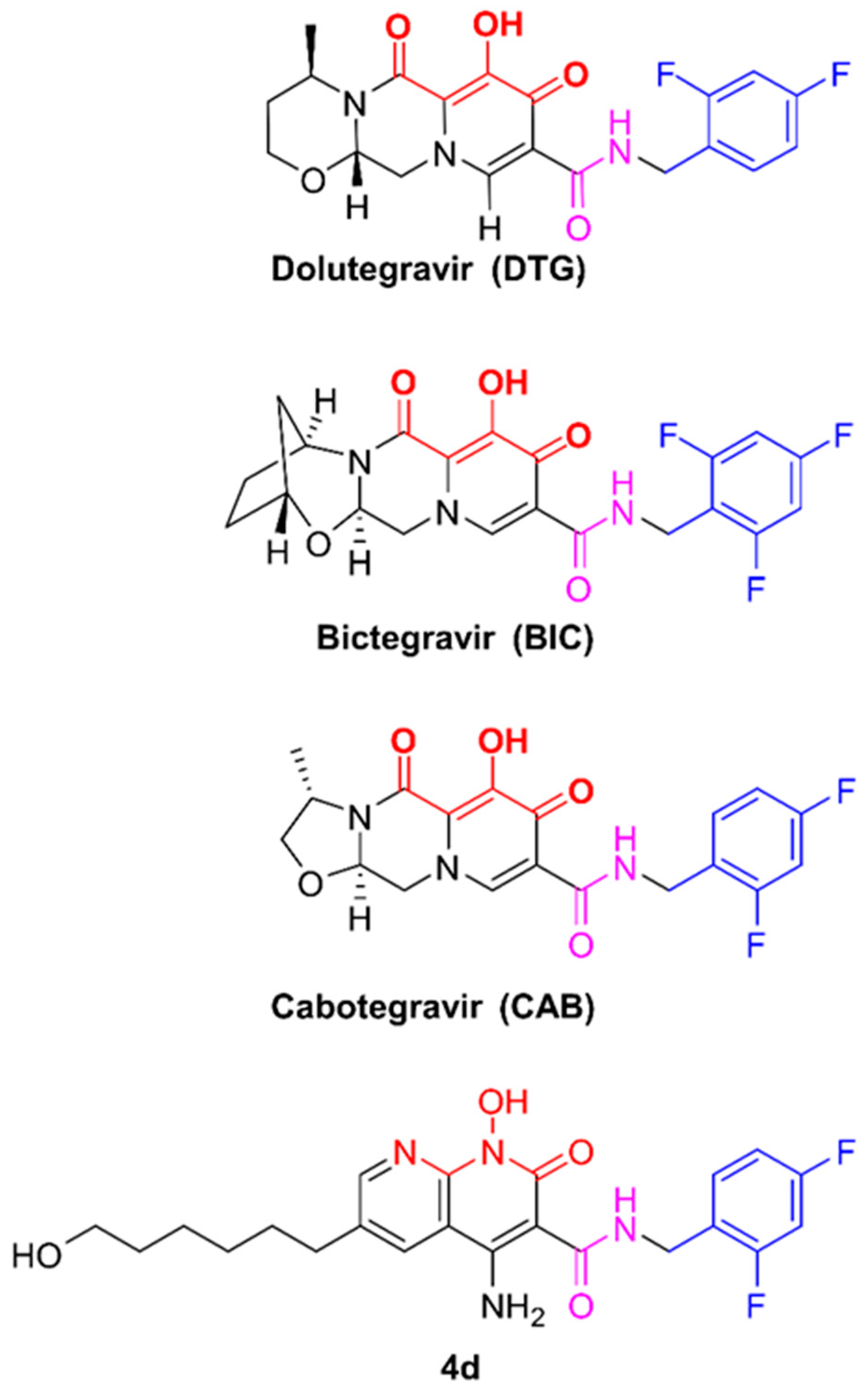
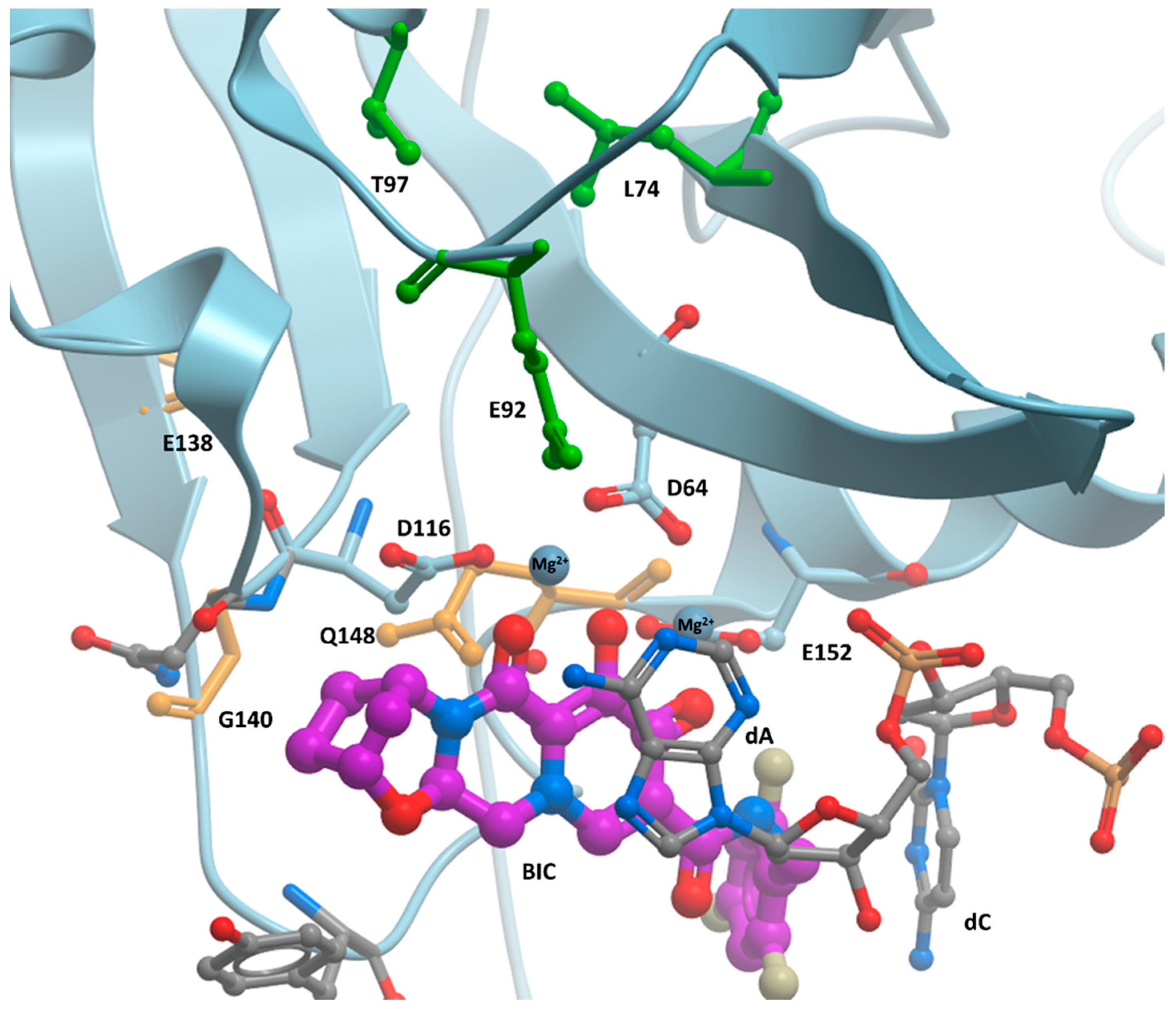
Comparative Analyses of Antiviral Potencies of Second-Generation Integrase Strand Transfer Inhibitors (INSTIs) and the Developmental Compound 4d Against a Panel of Integrase Quadruple Mutants



Abstract
Share and Cite
Smith, S.J.; Zhao, X.Z.; Hughes, S.H.; Burke, T.R., Jr. Comparative Analyses of Antiviral Potencies of Second-Generation Integrase Strand Transfer Inhibitors (INSTIs) and the Developmental Compound 4d Against a Panel of Integrase Quadruple Mutants. Viruses 2025, 17, 121. https://doi.org/10.3390/v17010121
Smith SJ, Zhao XZ, Hughes SH, Burke TR Jr. Comparative Analyses of Antiviral Potencies of Second-Generation Integrase Strand Transfer Inhibitors (INSTIs) and the Developmental Compound 4d Against a Panel of Integrase Quadruple Mutants. Viruses. 2025; 17(1):121. https://doi.org/10.3390/v17010121
Chicago/Turabian StyleSmith, Steven J., Xue Zhi Zhao, Stephen H. Hughes, and Terrence R. Burke, Jr. 2025. "Comparative Analyses of Antiviral Potencies of Second-Generation Integrase Strand Transfer Inhibitors (INSTIs) and the Developmental Compound 4d Against a Panel of Integrase Quadruple Mutants" Viruses 17, no. 1: 121. https://doi.org/10.3390/v17010121
APA StyleSmith, S. J., Zhao, X. Z., Hughes, S. H., & Burke, T. R., Jr. (2025). Comparative Analyses of Antiviral Potencies of Second-Generation Integrase Strand Transfer Inhibitors (INSTIs) and the Developmental Compound 4d Against a Panel of Integrase Quadruple Mutants. Viruses, 17(1), 121. https://doi.org/10.3390/v17010121