Article

Genomic Divergence Characterization and Quantitative Proteomics Exploration of Type 4 Porcine Astrovirus
1
Institute of Animal Husbandry and Veterinary Medicine, Shanghai Academy of Agricultural Sciences, Shanghai 201106, China
2
Shanghai Key Laboratory of Agricultural Genetic Breeding, Shanghai 201106, China
3
Shanghai Engineering Research Center of Pig Breeding, Shanghai 201302, China
*
Author to whom correspondence should be addressed.
Viruses 2022, 14(7), 1383; https://doi.org/10.3390/v14071383
Submission received: 25 May 2022 / Revised: 21 June 2022 / Accepted: 22 June 2022 / Published: 24 June 2022
(This article belongs to the Special Issue State-of-the-Art Veterinary Virology Research in China)

Abstract

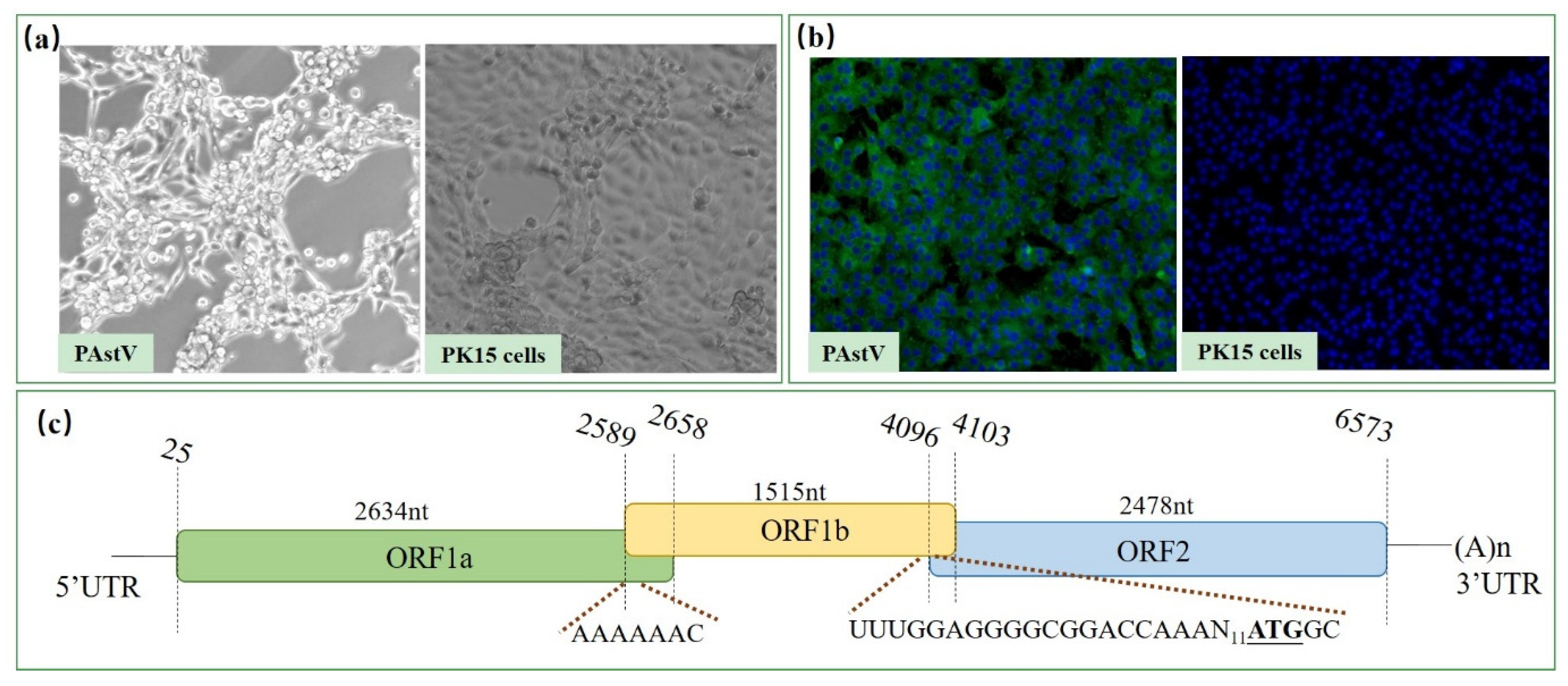
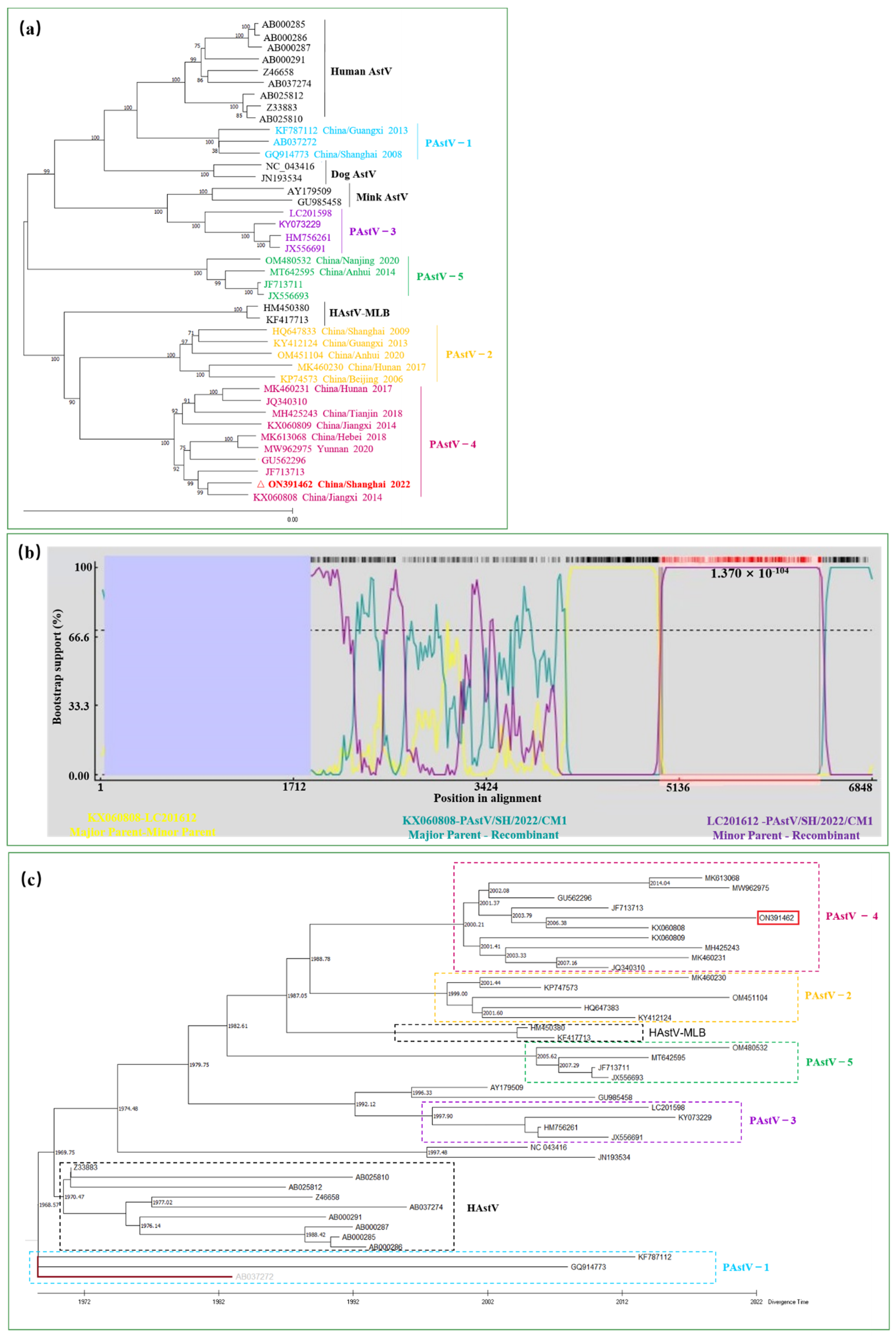
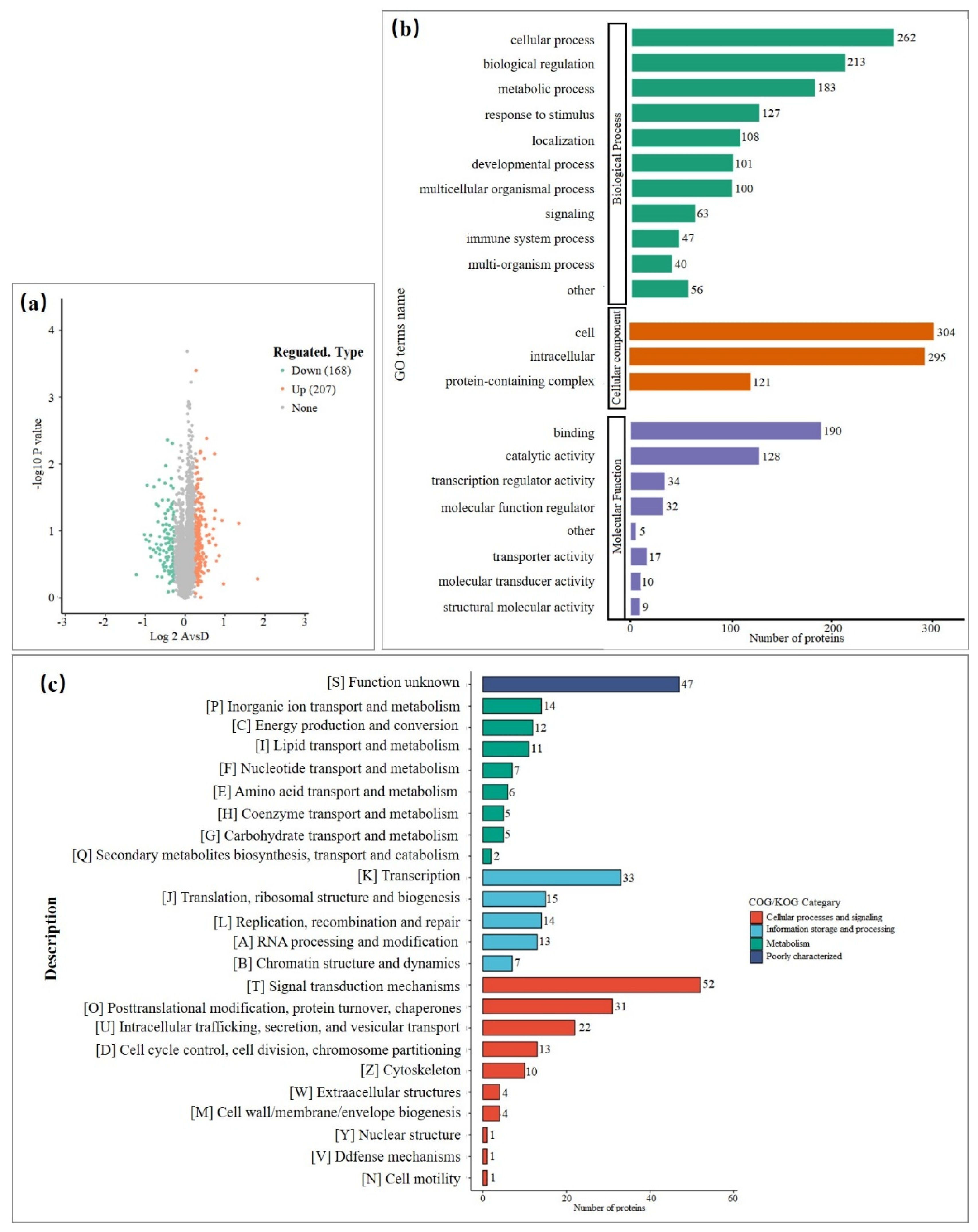
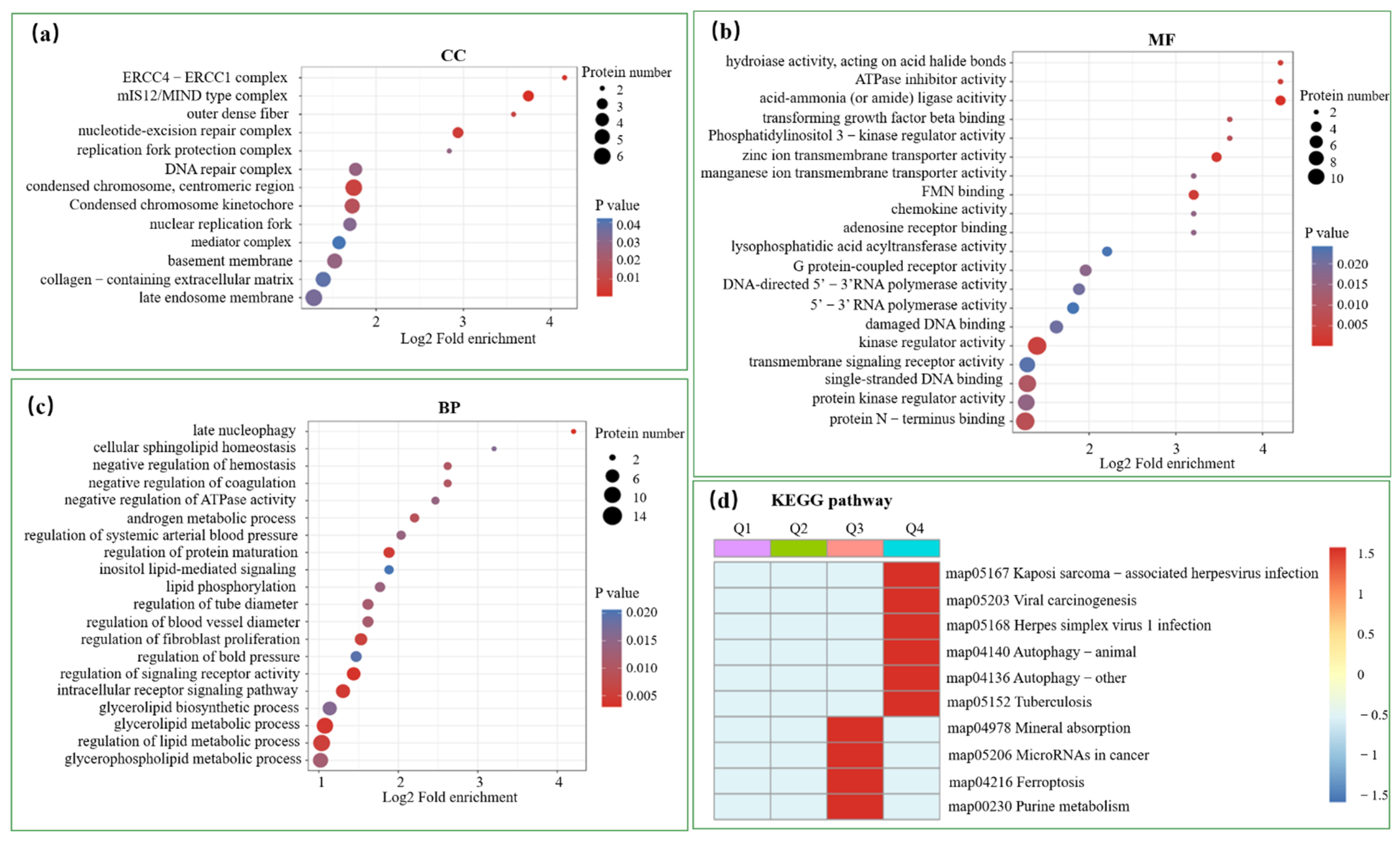
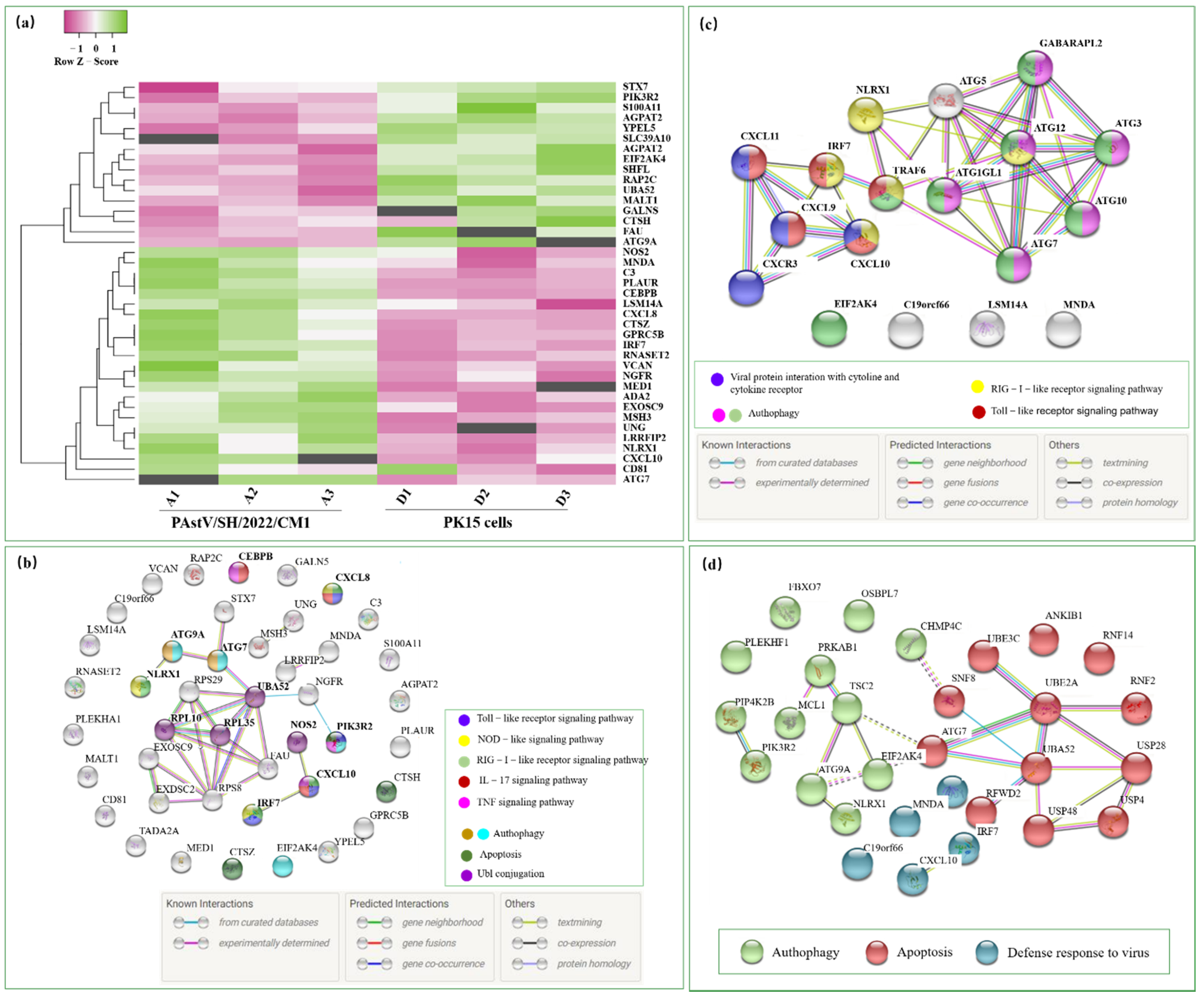
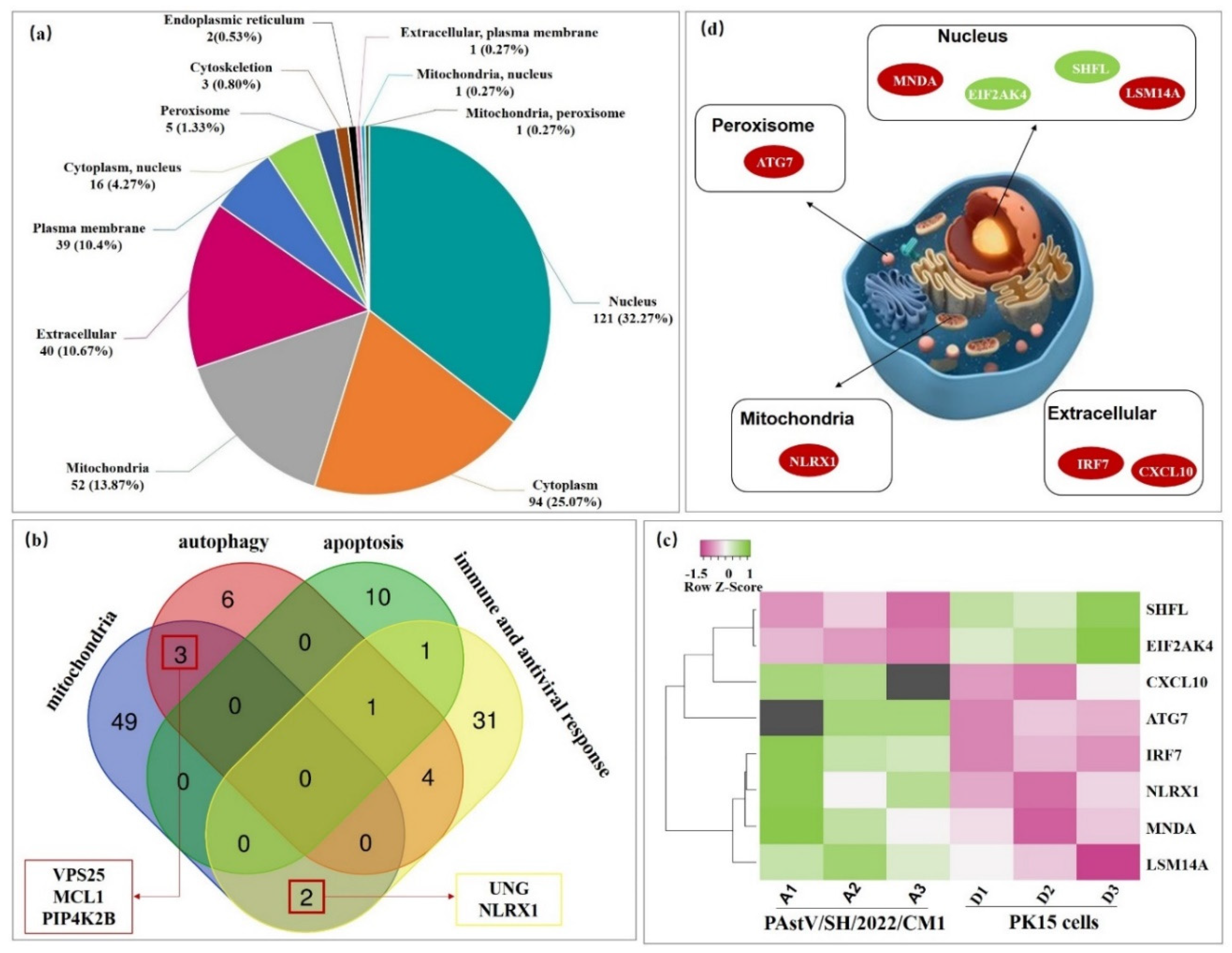
Porcine astrovirus (PAstV) has been identified as an important diarrheic pathogen with a broad global distribution. The PAstV is a potential pathogen to human beings and plays a role in public health. Until now, the divergence characteristics and pathogenesis of the PAstV are still not well known. In this study, the PAstV-4 strain PAstV/CH/2022/CM1 was isolated from the diarrheal feces of a piglet in Shanghai, which was identified to be a recombination of PAstV4/JPN (LC201612) and PAstV4/CHN (JX060808). A time tree based on the ORF2 protein of the astrovirus demonstrated that type 2–5 PAstV (PAstV-2 to 5) diverged from type 1 PAstV (PAstV-1) at a point from 1992 to 2000. To better understand the molecular basis of the virus, we sought to explore the host cell response to the PAstV/CH/2022/CM1 infection using proteomics. The results demonstrate that viral infection elicits global protein changes, and that the mitochondria seems to be a primary and an important target in viral infection. Importantly, there was crosstalk between autophagy and apoptosis, in which ATG7 might be the key mediator. In addition, the NOD-like receptor X1 (NLRX1) in the mitochondria was activated and participated in several important antiviral signaling pathways after the PAstV/CH/2022/CM1 infection, which was closely related to mitophagy. The NLRX1 may be a crucial protein for antagonizing a viral infection through autophagy, but this has yet to be validated. In conclusion, the data in this study provides more information for understanding the virus genomic characterization and the potential antiviral targets in a PAstV infection.
Keywords: porcine astrovirus; ORF2; genomic characterization; divergence time; proteomics porcine astrovirus; ORF2; genomic characterization; divergence time; proteomics