Next Article in Journal
An Improved αvβ6-Receptor-Expressing Suspension Cell Line for Foot-and-Mouth Disease Vaccine Production
Previous Article in Journal
Lack of Evidence of Chikungunya Virus Infection among Blood Donors during the Chikungunya Outbreak in Lazio Region, Italy, 2017
 
 
Correction published on 20 February 2024, see Viruses 2024, 16(3), 319.
Article

Efficacy Assessment of Phage Therapy in Treating Staphylococcus aureus-Induced Mastitis in Mice
1
Heilongjiang Key Laboratory for Animal Disease Control and Pharmaceutical Development, Department of Preventive, Veterinary Medicine, College of Veterinary Medicine, Northeast Agricultural University, Harbin 150038, China
2
Branch of Animal Husbandry and Veterinary of Heilongjiang Academy of Agricultural Sciences, Qiqihar 161000, China
3
Department for Radiological Protection, Heilongjiang Province Center for Disease Control and Prevention, Harbin 150030, China
4
Promotion Demonstration Department of Heilongjiang Fishery Technology Extension Station, Harbin 150030, China
*
Authors to whom correspondence should be addressed.
Viruses 2022, 14(3), 620; https://doi.org/10.3390/v14030620
Submission received: 11 February 2022 / Revised: 11 March 2022 / Accepted: 14 March 2022 / Published: 16 March 2022 / Corrected: 20 February 2024
(This article belongs to the Topic Veterinary Infectious Diseases)

Abstract

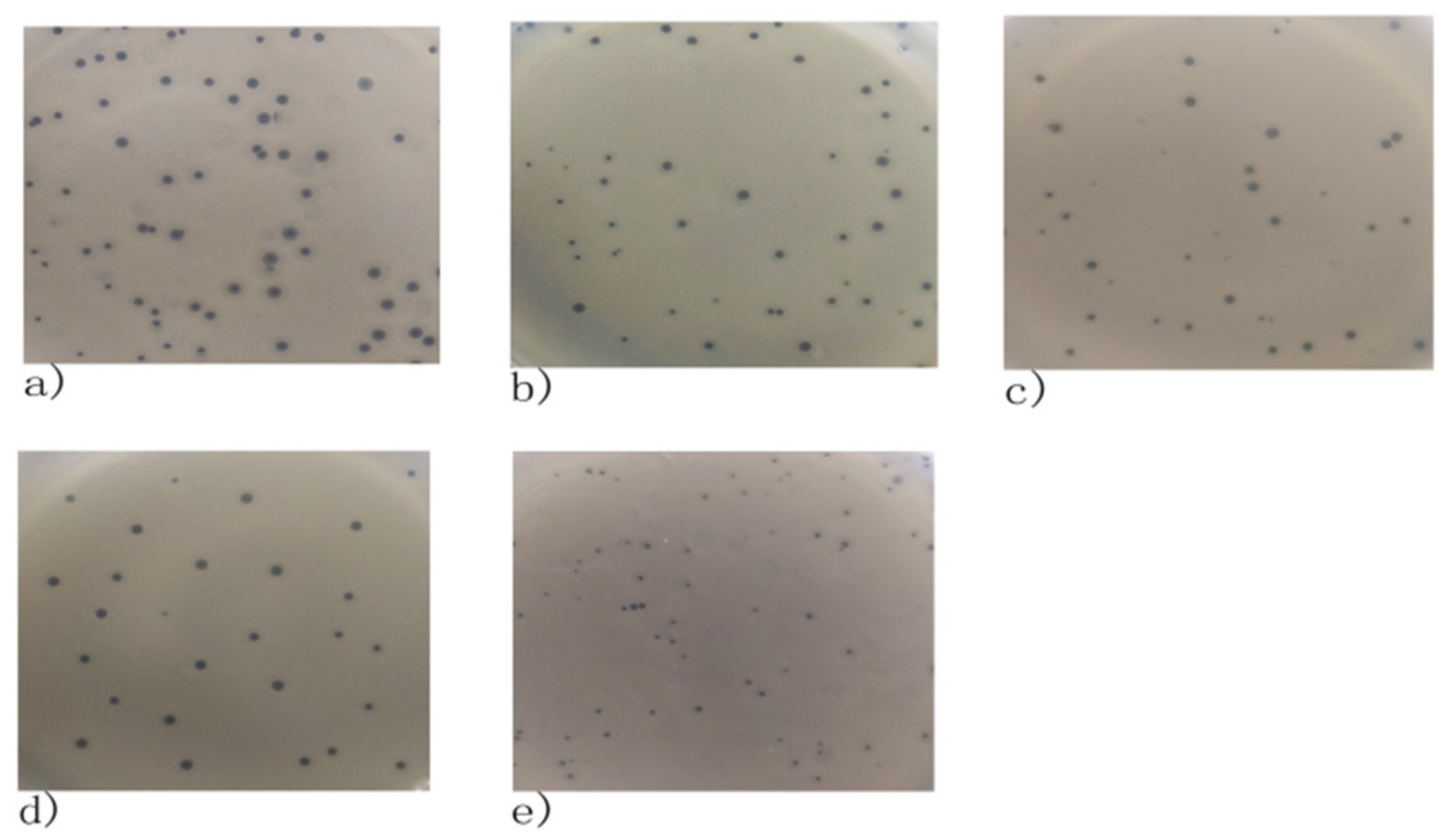
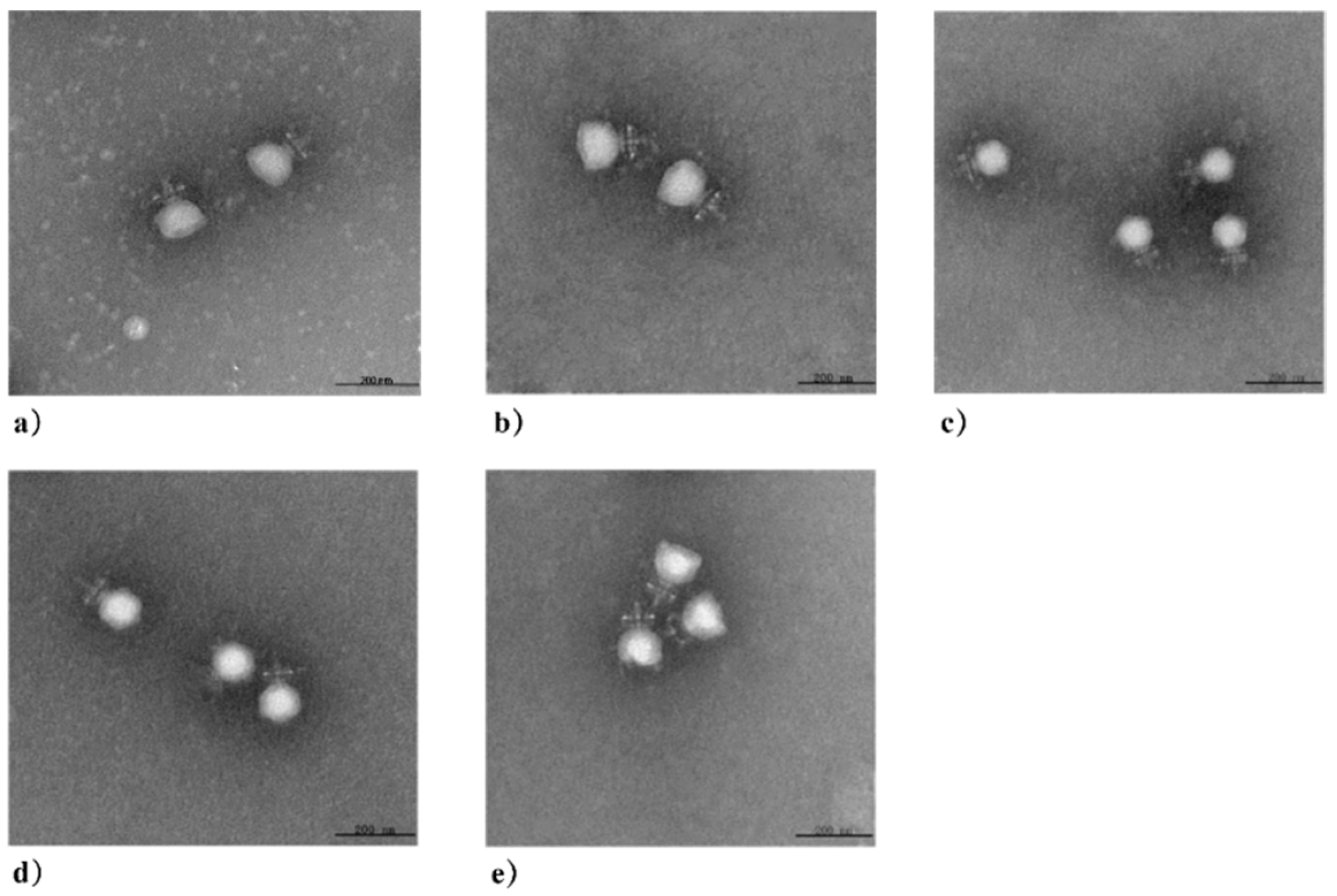
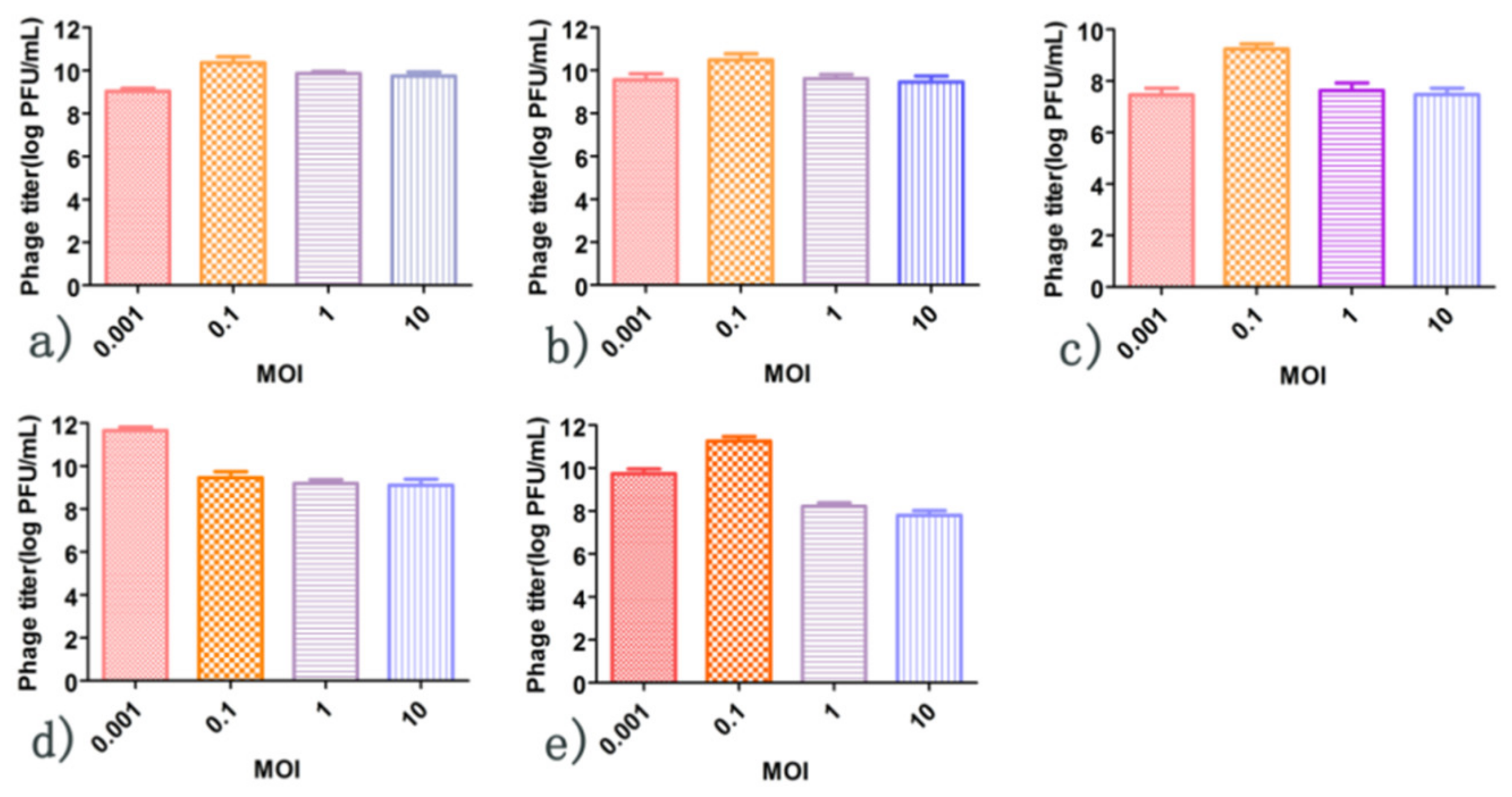
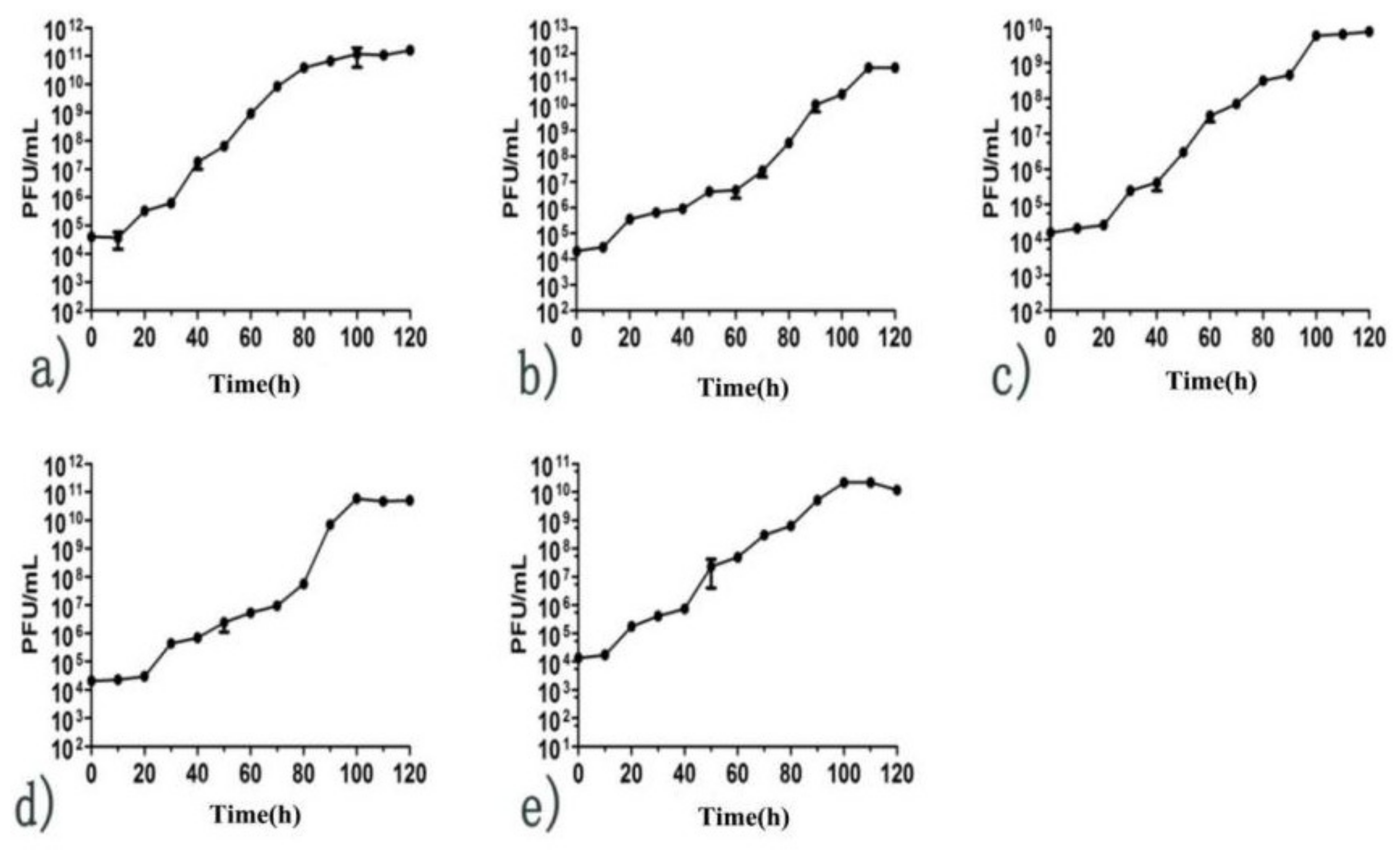
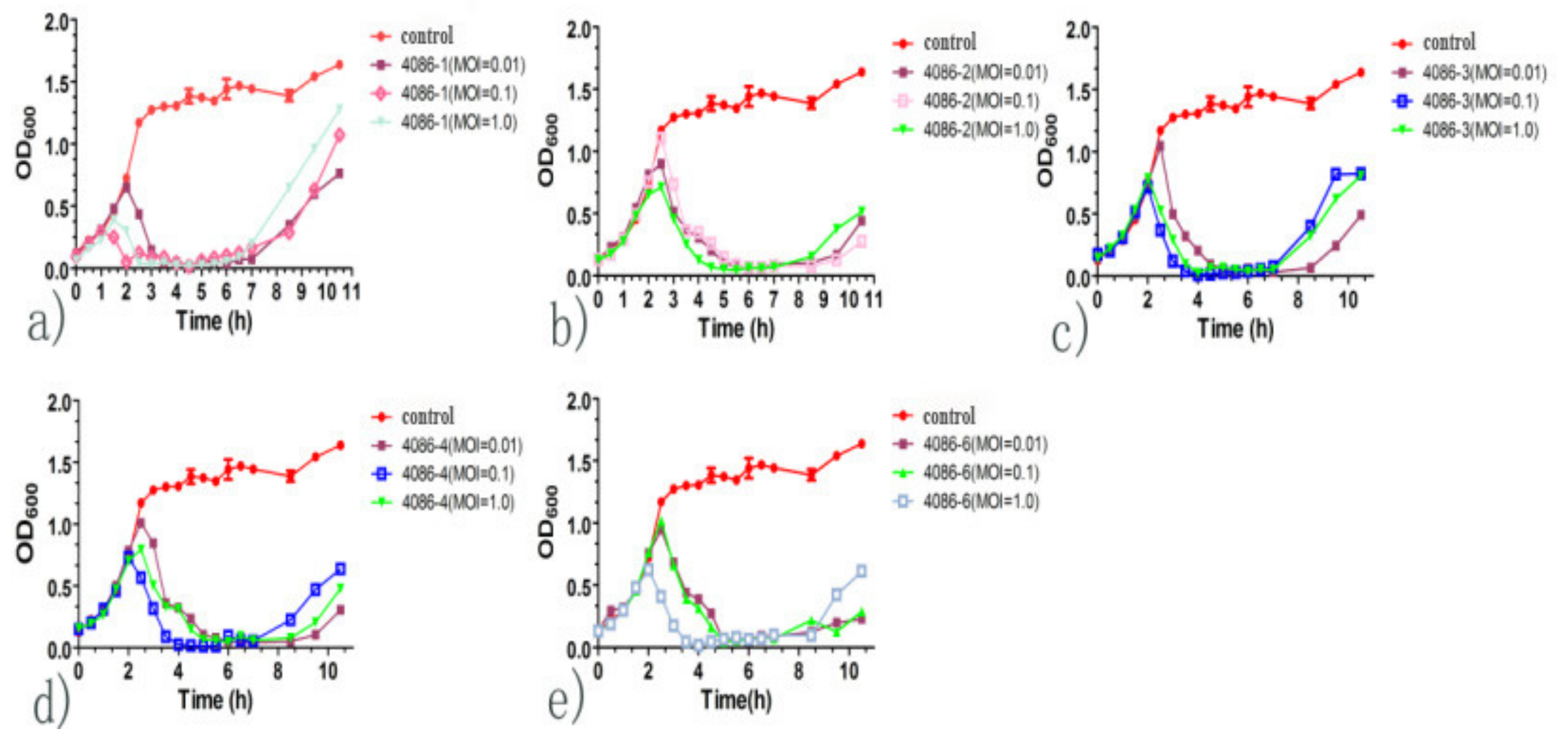
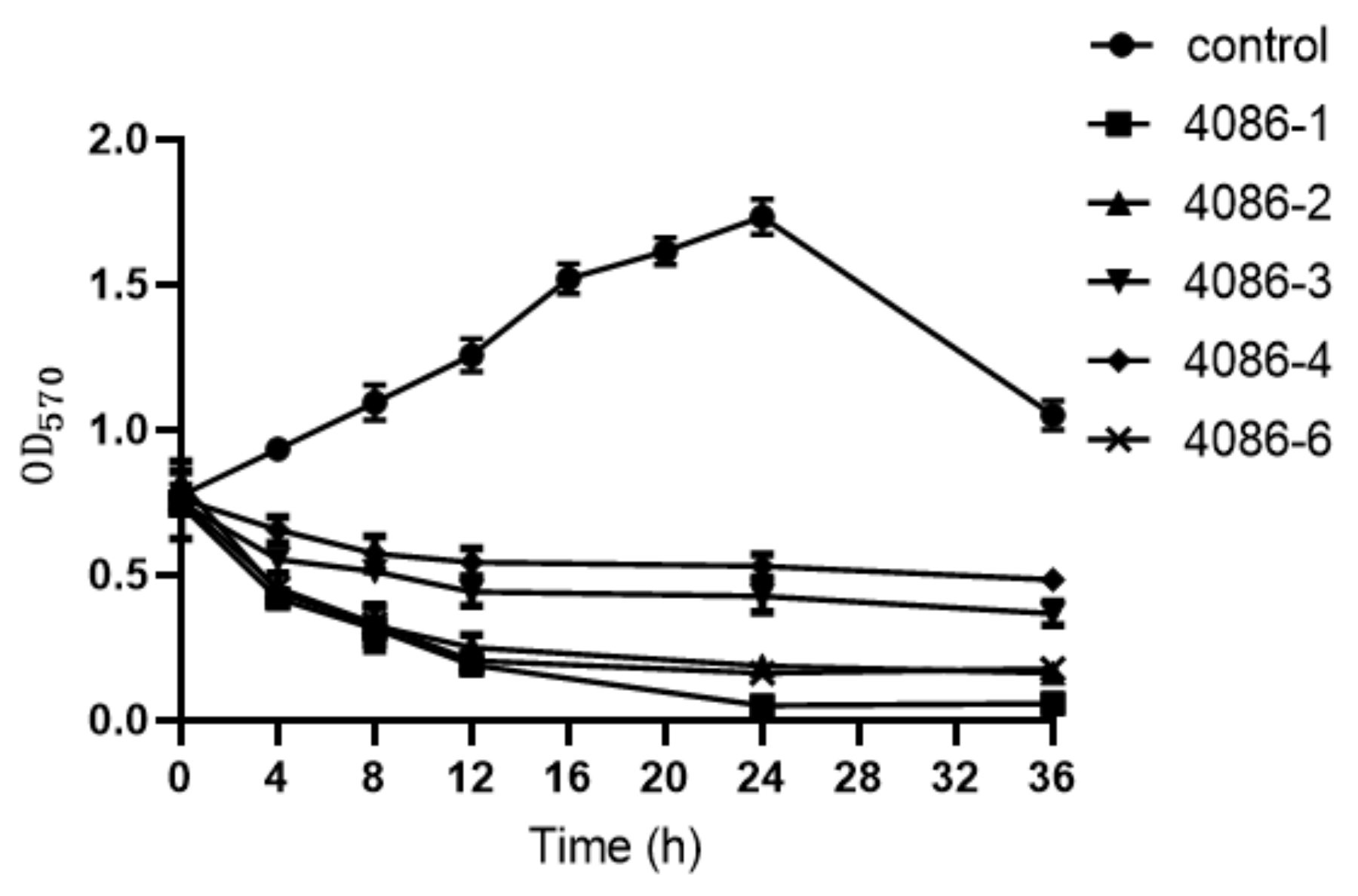
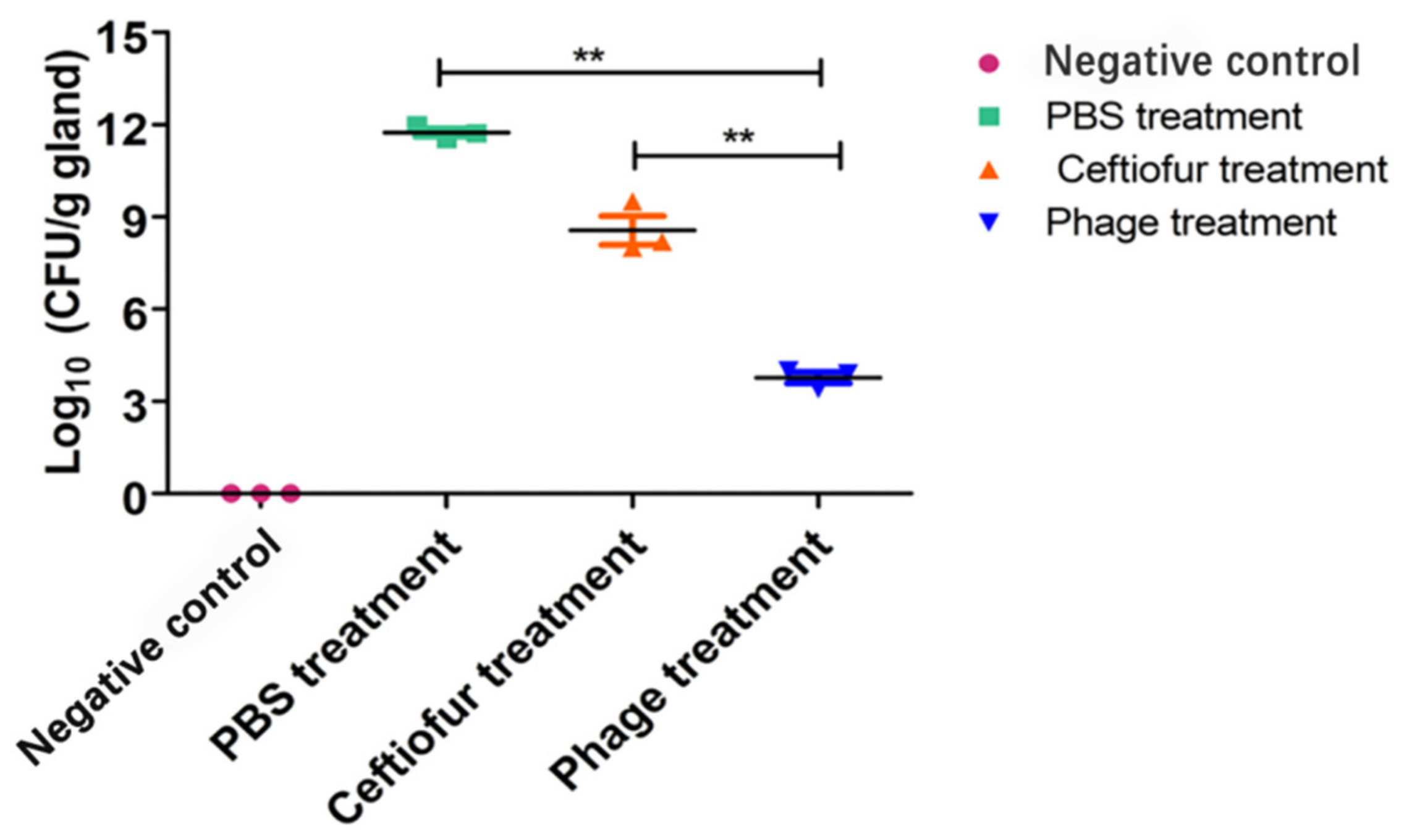
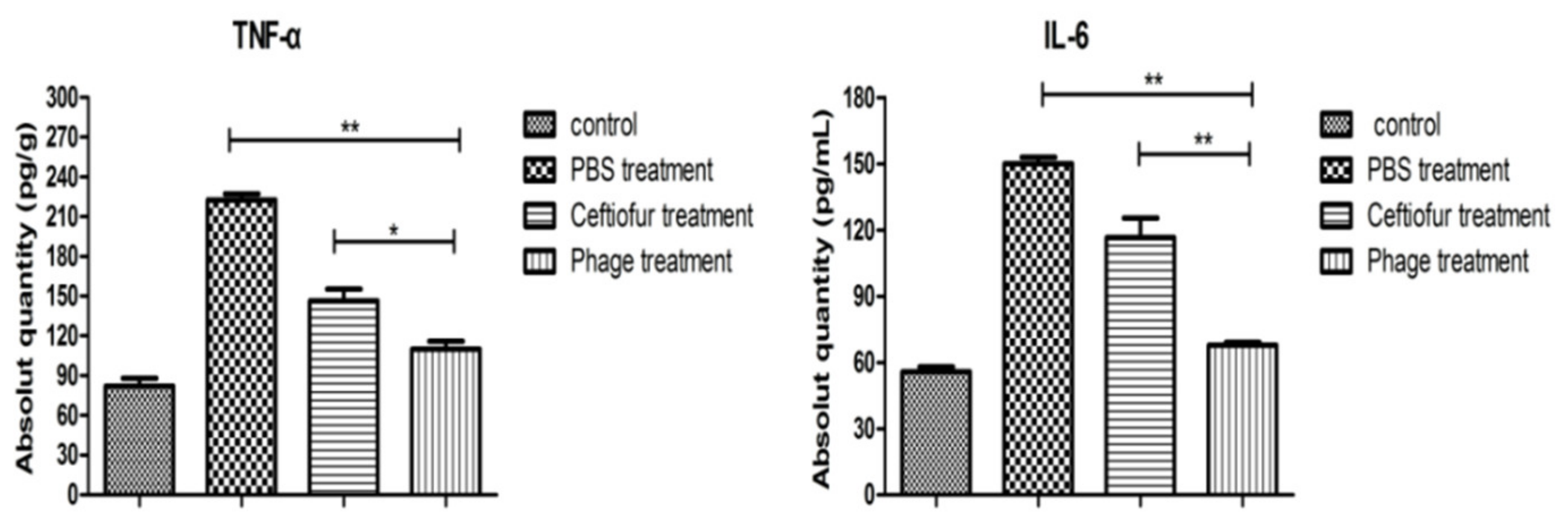
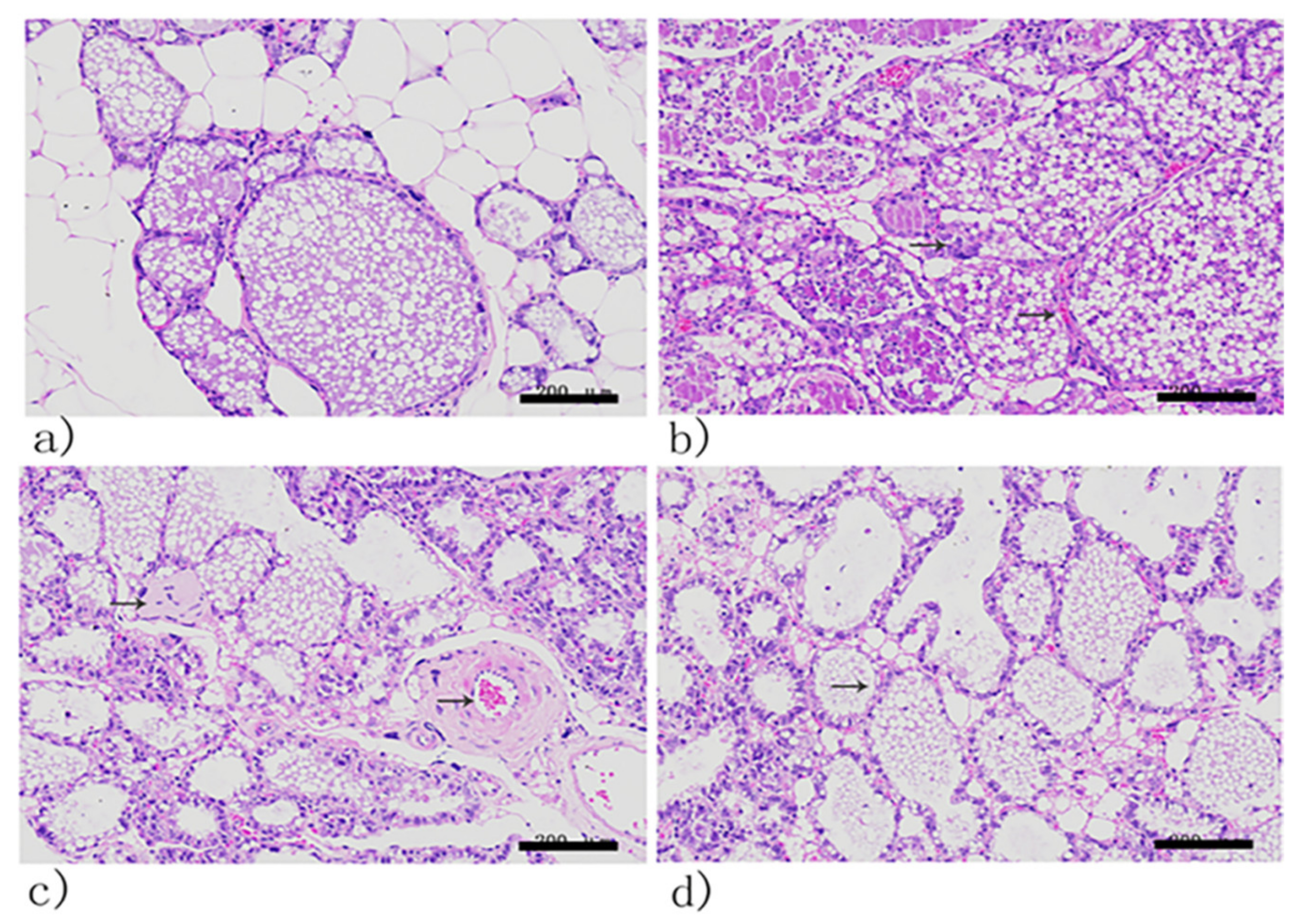
The primary aim of this study was to evaluate the efficacy of phage against mastitis induced by drug-resistant S. aureus in a mouse model. In this study, five S. aureus phages—4086-1, 4086-2, 4086-3, 4086-4, and 4086-6—were isolated from milk samples secreted by mastitis cows. Transmission electron microscopy showed that all the five phages had icosahedral heads and short non-contractile tails, which are typical characteristics of the family Podoviridae. All these phages were species-specific against S. aureus. The one-step growth curve showed a short latency period (10–20 min) and high burst size (up to 400 PFU/infected cell). To evaluate the effectiveness of the phage 4086-1 in the treatment against mastitis, a mouse model of mastitis was challenged with drug-resistant S. aureus. The results showed the proliferation of S. aureus in the mammary glands was significantly inhibited after treating by phage 4086-1. The concentrations of TNF-α and IL-6 decreased significantly, which demonstrated the phages could effectively alleviate the inflammatory responses. Furthermore, the histopathological analysis showed that inflammatory infiltration in the mammary glands was significantly reduced. These results demonstrate that phage may be a promising alternative therapy against mastitis caused by drug-resistant S. aureus.
Keywords: Staphylococcus aureus; mastitis; drug-resistant; phage Staphylococcus aureus; mastitis; drug-resistant; phage