Article

Ultimate Bearing Capacity of Engineered Bamboo Columns of Varying Lengths Under Eccentric Compression: Data-Driven Modeling


1
College of Landscape Architecture, Zhejiang A&F University, Hangzhou 311300, China
2
The Third Construction Co., Ltd. of China Construction Third Engineering Bureau, Hangzhou 310050, China
3
The Architecture Design & Research Institute of Zhejiang University Co., Ltd., Hangzhou 310058, China
4
Ningbo Sino-Canada Low-Carbon Technology Research Institute, Ningbo 315600, China
5
Zhejiang Provincial Forestry Survey, Planning, and Design Co., Ltd., Hangzhou 310000, China
6
College of Civil Engineering and Architecture, Zhejiang University, Hangzhou 310058, China
*
Author to whom correspondence should be addressed.
Forests 2026, 17(9), 1122; https://doi.org/10.3390/f17091122 (registering DOI)
Submission received: 24 August 2026 / Revised: 12 September 2026 / Accepted: 17 September 2026 / Published: 20 September 2026

Abstract

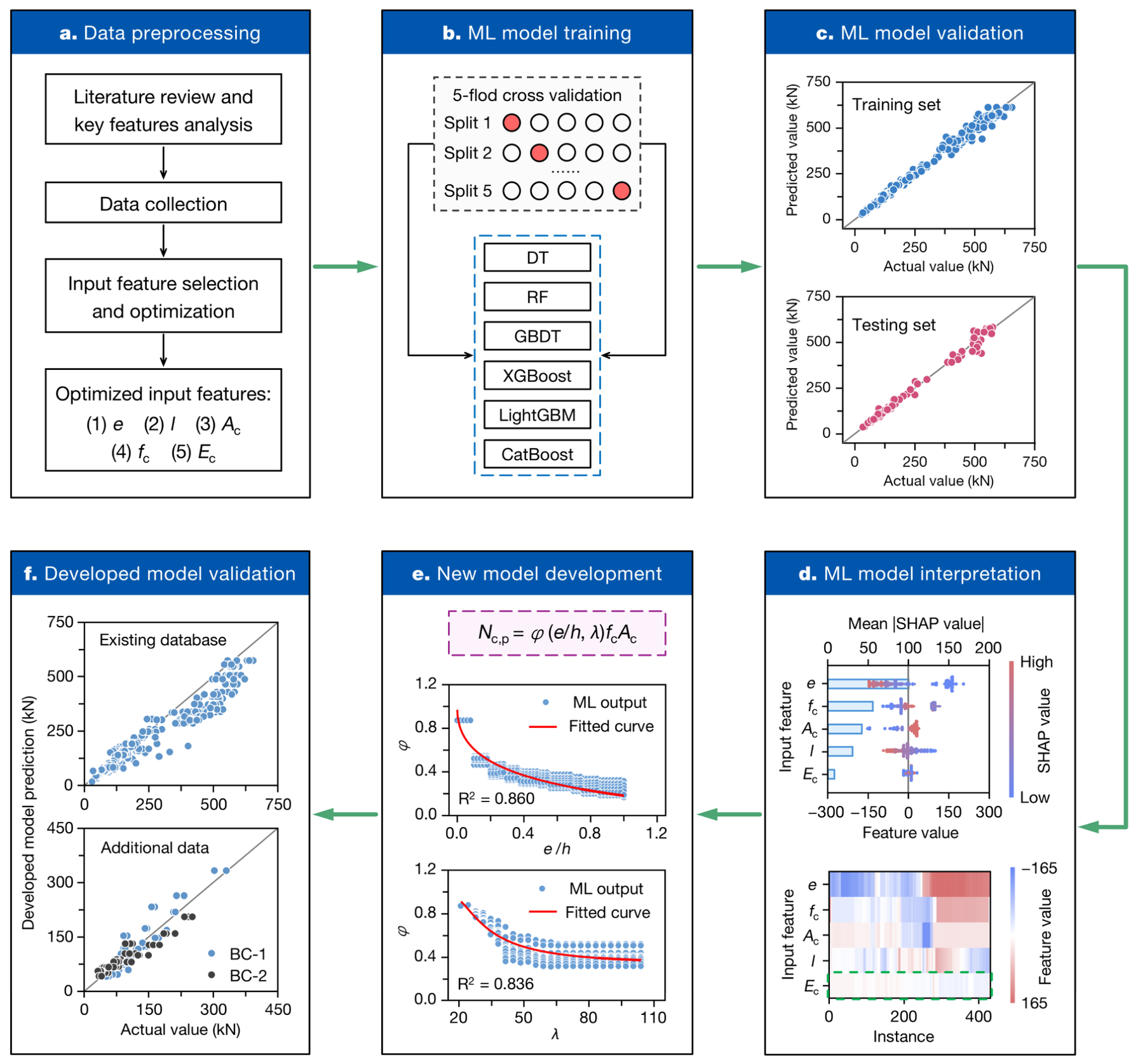
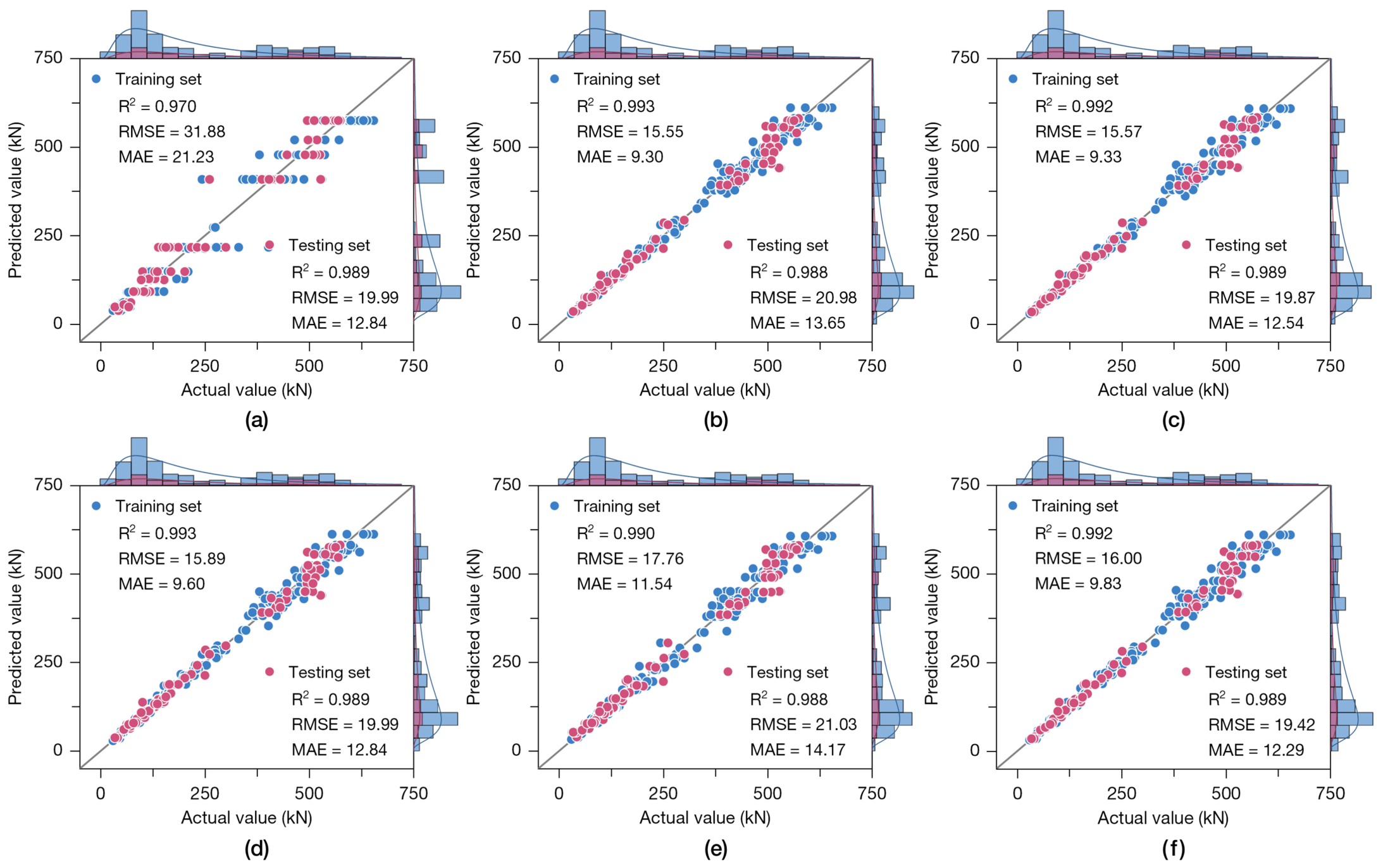
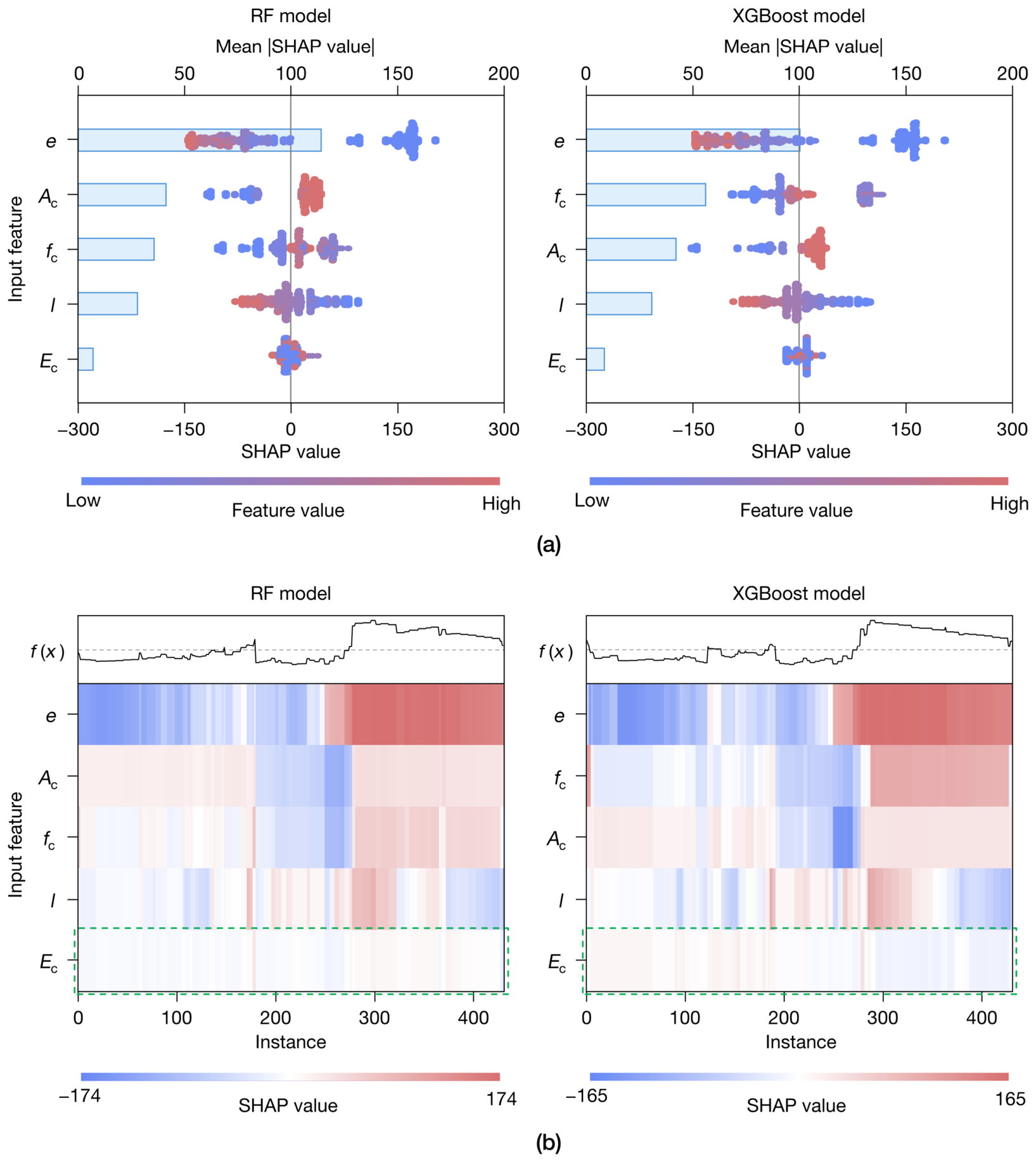
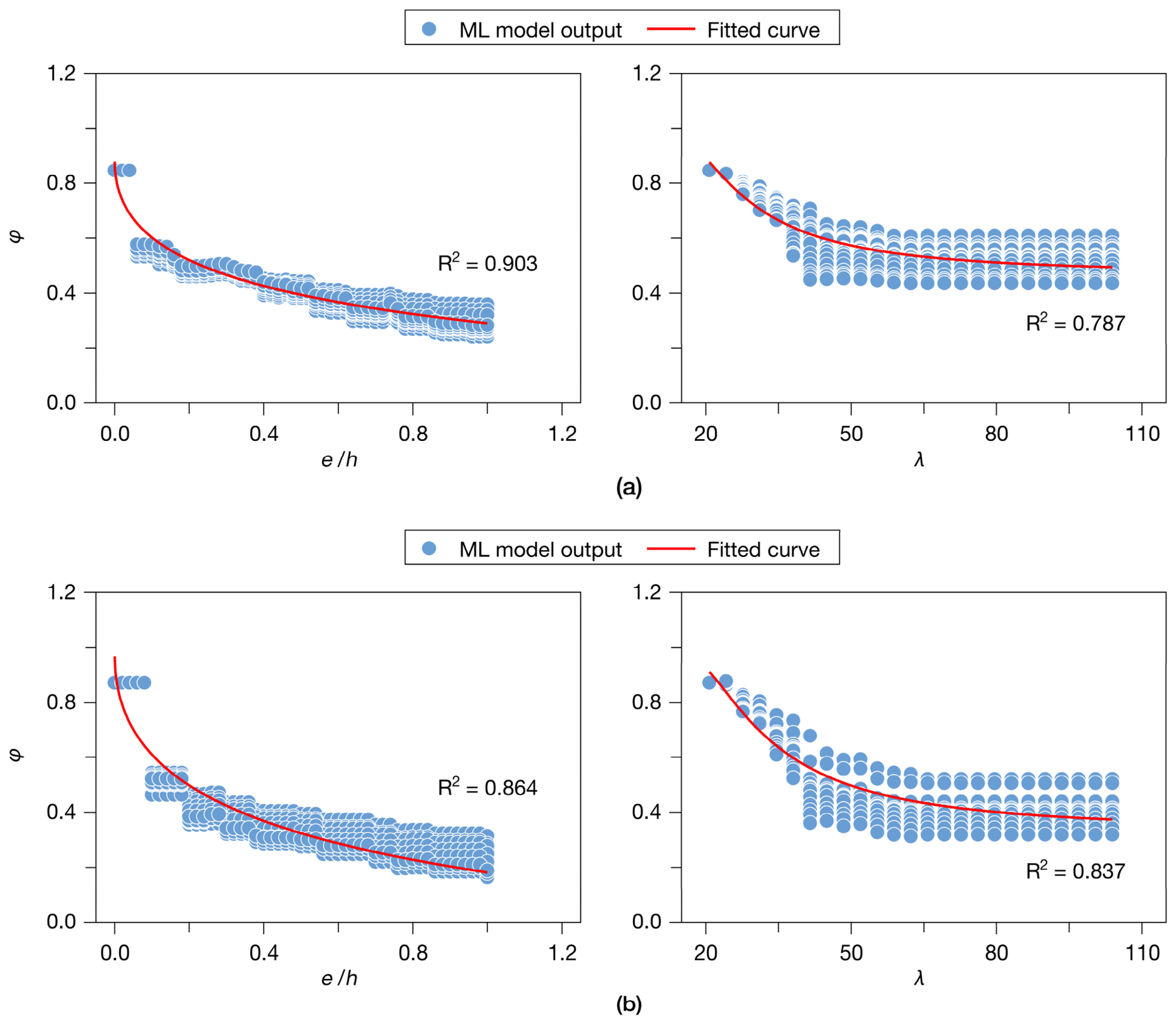
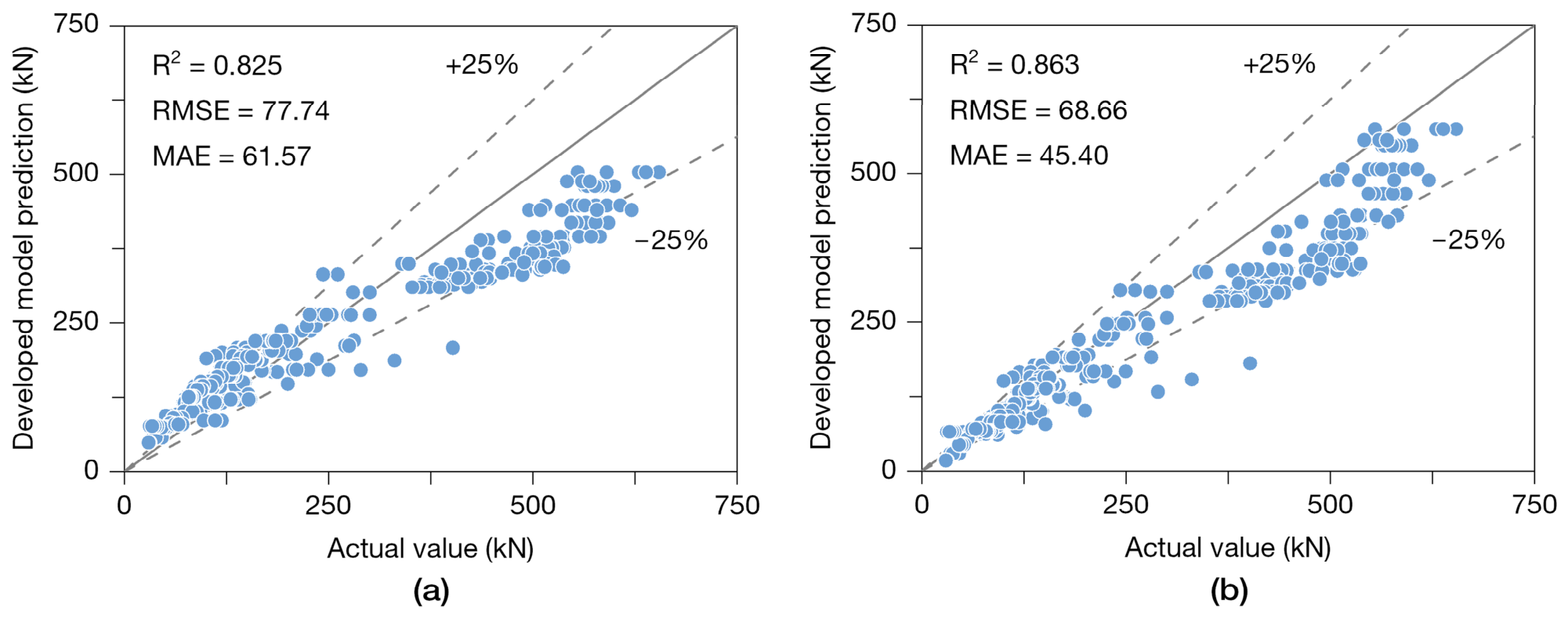
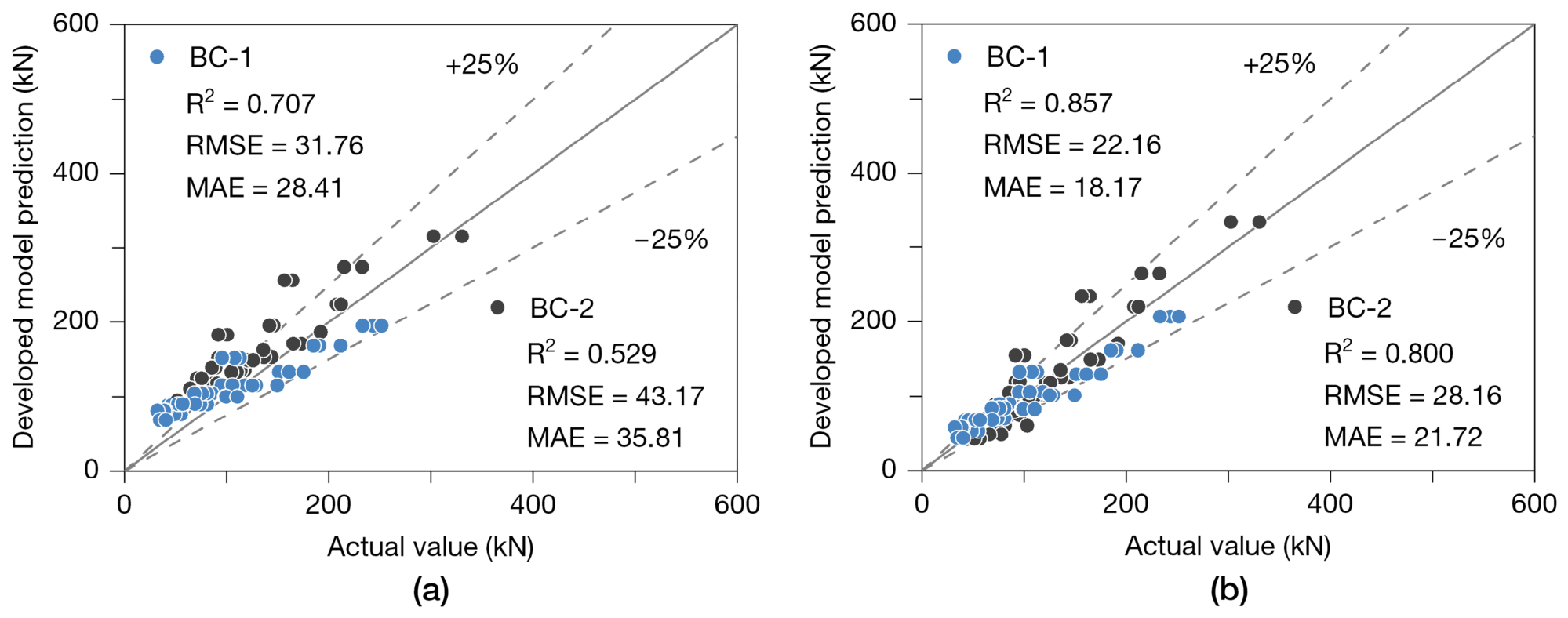
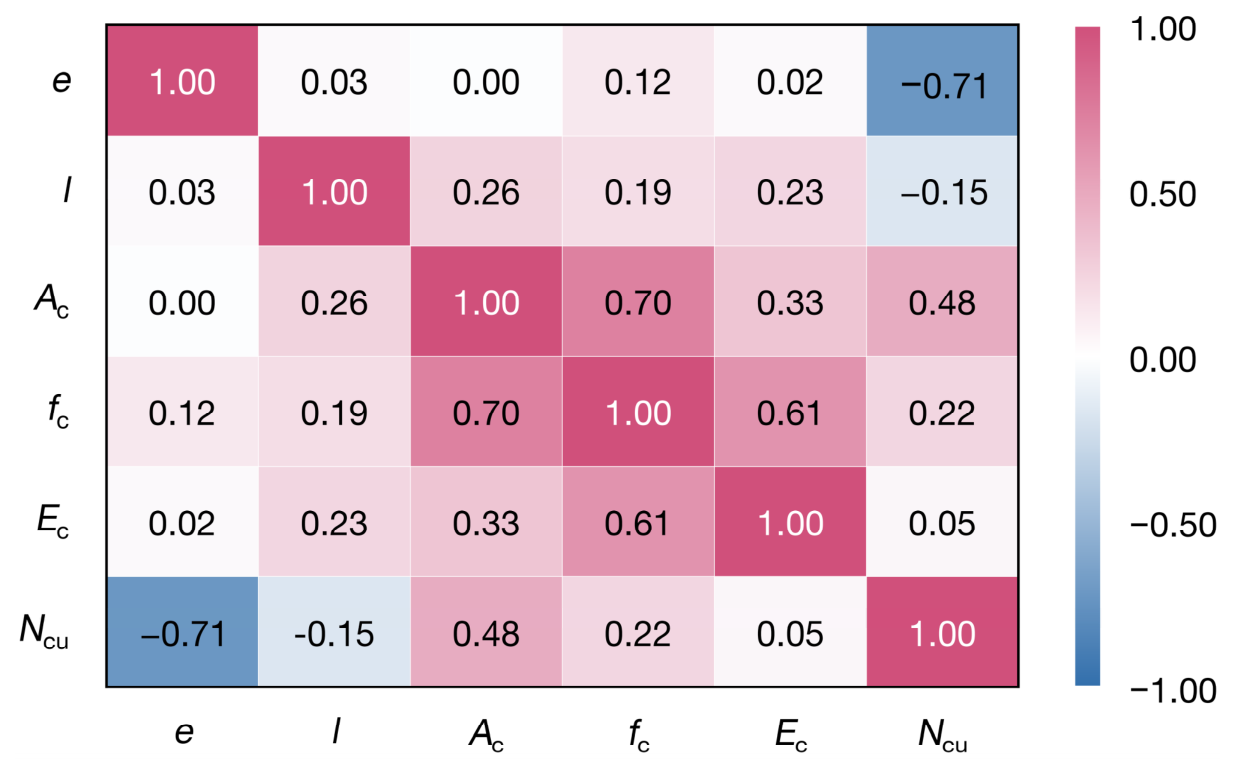
This study investigates the ultimate bearing capacity of engineered bamboo columns of varying lengths under eccentric loading using a data-driven machine learning (ML) approach. Although previous studies have investigated engineered bamboo columns under axial or eccentric compression, few have systematically examined the combined effects of load eccentricity and column length. A database containing 432 records was established, with eccentricity, column length, cross-sectional area, compressive strength, and elastic modulus used as input features. Six tree-based ML algorithms were used to develop predictive models, all of which achieved satisfactory predictive accuracy. Shapley additive explanations analysis indicated that the trained random forest (RF) and extreme gradient boosting (XGBoost) models relied most strongly on eccentricity, followed by compressive strength, cross-sectional area, and column length, whereas elastic modulus made the smallest contribution within the range covered by the database. A new functional form was proposed for predicting the ultimate bearing capacity based on the eccentricity ratio, slenderness ratio, stability factor, compressive strength, and cross-sectional area. Two ML-assisted explicit models were developed using predictions generated by the trained RF and XGBoost models. Validation against both the developed database and an independent dataset showed that the explicit model derived from the XGBoost predictions achieved higher predictive accuracy than the RF-based model.
Keywords: data-driven; engineered bamboo column; eccentric compression; slenderness ratio data-driven; engineered bamboo column; eccentric compression; slenderness ratio