


Abstract
Light availability in tropical forests varies spatially and temporally, strongly influencing plant acclimation. Understanding variation and covariation among functional traits associated with photoacclimation is essential for predicting plant responses to environmental change. Here, we investigated acclimatory responses of Schinus terebinthifolia Raddi (Anacardiaceae), a widespread Neotropical species adapted to heterogeneous light environments. We evaluated variation and covariation in morphological, anatomical, physiological, and nutritional traits under contrasting light conditions. Under high light, plants invested more resources in palisade parenchyma and subepidermal layers while maintaining water-use efficiency, indicated by higher δ13C values. Irregular adaxial cuticles and unstacked thylakoid membranes were also observed under high irradiance. The strongest covariation occurred among anatomical traits, especially spongy parenchyma and adaxial and abaxial cuticles. Overall, the relationship between trait variation and covariation was slightly negative but not significant, although patterns differed among functional groups. These findings demonstrate that photoacclimation in S. terebinthifolia involves coordinated functional strategies that optimize light modulation, water conservation, and photosystem II performance under variable tropical light environments.
1. Introduction
Variation in light quality and quantity is fundamental to the maintenance of several physiological processes in plants, such as photosynthesis, morphogenesis, phototropism, and flowering [1,2]. However, high visible light and/or UV radiation intensities can negatively affect plant performance [3]. Water availability is another crucial environmental factor that influences plant growth and survival. Water deficit can lead to stomatal closure, reduced Rubisco (ribulose-1,5-bisphosphate carboxylase/oxygenase) carboxylation efficiency, and increased production of reactive oxygen species (ROS), which compromise photosynthetic capacity and overall plant development [4,5].
Plants acclimate to temporal and spectral light variation and fluctuations in water availability by adjusting functional traits of different trait groups—morphological, anatomical, physiological, and nutritional [6,7]. Leaves are considered one of the best plant organ study models due to their rapid capacity to adjust to environmental variation, particularly in light and water availability [8].
Several leaf functional traits respond similarly to variation in light intensity and water availability, revealing integrated acclimation mechanisms to multiple stresses. Among these shared traits, the thickening of photosynthetic tissues, such as palisade parenchyma, stands out, as it contributes to both dissipating excess light and reducing water loss [9]. Increased deposition of cuticular waxes and the presence of trichomes are also common strategies that simultaneously enhance radiation reflection and limit transpiration [10]. An increase in the carbon isotopic ratio (δ13C) further indicates convergent responses, reflecting greater water-use efficiency under high irradiance and low relative humidity [7].
Additionally, an increase in leaf mass per area (LMA) is a typical response to both high light levels and water-restricted conditions. This reflects a conservative resource-use strategy that promotes greater structural robustness and leaf longevity in stressful environments [11]. On the other hand, responses more specific to light exposure include the reorganization of thylakoid membranes and an increase in the number of plastoglobules within chloroplasts—mechanisms that protect the photosystems, particularly PSII, from photooxidative damage [12].
Plants respond to environmental variation, such as changes in light intensity and water availability, by expressing new phenotypic traits. This process is termed phenotypic plasticity when it occurs within the same individual or clone [13], or intraspecific phenotypic variation when observed across multiple individuals of a species [14]. Although phenotypic variation depends partly on plasticity, as multiple phenotypes can arise from a single genotype [15], it is also shaped by long-term exposure to specific environmental pressures, such as persistent drought or light regimes, which may drive adaptive evolution [16].
Phenotypic covariation is another critical factor impacting the rate and manner in which species acclimate to environmental factors [17]. Covariation was initially understood to be a phenomenon that is negatively associated with phenotypic variation or plasticity [18]. However, recent studies have shown that such relationships may be positive, which can enhance the acclimation process of plants, particularly in stressful environments [7,19]. Most studies on covariation between functional traits have been conducted across multiple species or at the community level [20,21], whereas patterns of intraspecific covariation are a preliminary line of analysis regarding the combined expression of different traits [22].
An example of the importance of analyzing intraspecific covariation is that it gives insights into the functional relationships among traits involved in the leaf economic spectrum [23]. Within a leaf module, these relationships often reflect negative covariance due to resource allocation constraints. For instance, leaves with higher specific leaf area (SLA) tend to be thinner and less dense, which favors rapid resource acquisition at the cost of lower mechanical resistance and longevity [24]. Similarly, high photosynthetic capacity is typically associated with shorter leaf lifespan, as investment in rapid carbon gain trades off against tissue durability [25]. These trade-offs underpin the leaf economic spectrum, influencing plant responses to environmental gradients and resource availability [26].
Analyzing how plant functional traits vary or covary is crucial in the current context of climate change and rapidly evolving edaphoclimatic conditions [16]. Understanding these dynamics of phenotypic relationships and expression within vulnerable environments, such as dry tropical forests, is even more relevant, as it may help identify species that are tolerant or sensitive to climate change [27]. In this context, such studies must be applied to species that are widely present in tropical environments, such as Schinus terebinthifolia Raddi. (Anacardiaceae) [28]. S. terebinthifolia is considered an important stabilizer of pioneer environments in tropical habitats, as it creates suitable conditions for the later establishment of species in subsequent successional stages [29]. Although classified as heliophilic, S. terebinthifolia can also occur in shaded and water-limited environments, demonstrating a broad capacity to acclimate to both light and water availability—an ability that has yet to be thoroughly investigated in an integrated manner. It is important to note that in other regions of the world, this species is considered an aggressive invasive species with rapid growth, forming monodominant islands and causing severe ecological imbalances [30,31]. Thus, studies on how the functional traits of this species vary and/or covary have far-reaching relevance. It is important to acknowledge, however, that S. terebinthifolia exhibits significant genetic diversity, and distinct lineages may show variations in trait expression. While global studies often highlight its aggressive invasive potential, our research focuses on populations within their native range in Brazil. Therefore, we interpret our findings within this specific evolutionary context, acknowledging that trait-based patterns observed here may reflect site-specific adaptations and could differ from those found in non-native lineages.
The present study aimed to understand how S. terebinthifolia adjusts its leaf functional traits across different trait categories (cellular, morphological, anatomical, physiological, and nutritional) in tropical forest environments with contrasting light and water availability. The following specific research questions were established to address this central objective: Which functional traits exhibit variation and covariation? How do these functional traits contribute to acclimation to light and water availability? How can the linear relationship between variation and covariation help elucidate these processes? We hypothesize that despite the high degree of variation observed in certain functional traits in response to environmental heterogeneity, traits with broad functional roles may exhibit multiple covariations. Therefore, this study sought to contribute to a deeper understanding of the strategies that S. terebinthifolia uses to cope with environmental stress by clarifying how interactions between the variation and covariation in functional traits influence plant acclimation to light and water availability.
2. Materials and Methods
2.1. Study Site
This study was conducted in the Atlantic Forest biome. Although this biome is recognized for its humid forests, our research was conducted in a dry ecosystem, specifically in coastal sandbanks [32]. These environments extend along the Brazilian coastline and were formed by sea regression and/or the deposition of fluvio-marine sediments [33]. Coastal sandbanks are characterized by predominant aridity, with water availability limited to precipitation pulses [34], and soil with sandy and saline characteristics and a low capacity for water and nutrient retention [7].
This study was performed in the coastal sandbank area of “Reserva Particular do Patrimônio Natural Fazenda Caruara” (Private Natural Heritage Reserve Caruara Farm), which is considered the largest remaining coastal sandbank ecosystem in the northern region of Rio de Janeiro State, Brazil (21°43′42.18″ S, 41°1′34.25″ W), covering approximately 4800 hectares (Figure S1A,B). Although this region has a history of past land use, the specific sites where S. terebinthifolia individuals were sampled are characterized by an advanced successional stage (approximately 15–20 years of natural regeneration), indicating that the sampled individuals are well established within the successional dynamics of the reserve. The reserve includes diverse vegetation formations, such as beach grass, beach grass and shrub, Clusia shrub, and forest [34] (Figure S1C–F). This study was conducted in the beach grass and shrub and forest formations, where S. terebinthifolia occurs naturally under contrasting conditions of light and water availability (Figure S1C,F). The beach grass and shrub formation is a drier environment with higher light availability due to its sparse vegetation composed of scattered shrubs that do not form a continuous canopy (Figure S1D). In contrast, the forest formation is a more humid environment with lower light availability due to denser vegetation and tree species reaching up to five meters in height, which form a consolidated canopy (Figure S1E). Hereafter, the beach grass and shrub and forest formations will be referred to as dry–open and humid–shaded environments, respectively.
2.2. Climatic Conditions of the Study Site
The distance between the dry–open and humid–shaded environments is approximately 1 km (Figure S1C). Despite the proximity of the two study locations, their microclimatic conditions contrast markedly. Photosynthetically active radiation (PAR µmol·m−2·s−1), temperature (°C), and vapor pressure deficit (VPD KPa) were higher in the dry–open environment, while humidity (%) and canopy cover (%) were higher in the humid–shaded environment (Table 1). According to the Köppen classification, the climate of the region is tropical with dry season in the austral winter (Aw) [35]. However, the climate is being reclassified as sub-humid or semi-arid due to temperatures above 24 °C, reduced rainfall, and increased evapotranspiration [36]. Annual precipitation ranges from 500 to 1200 mm, and mean annual temperatures range from 20 to 30 °C, with the months between May and August being the driest and coolest [7,34].
Table 1.
Paired analysis of microclimatic and phytosociological aspects of S. terebinthifolia in dry–open and humid–shaded environments. Means (±standard deviation) for the two environments were compared by t-test, with significant differences (p < 0.05) indicated in bold.
2.3. Study Species
Schinus terebinthifolia Raddi. (Anacardiaceae) was chosen as a model species because of its significant ecological role in Brazilian coastal sandbank environments, where it acts as a nucleating species, creating suitable microclimates for the germination of seeds of other species. It also has high coverage and relative frequency in both dry–open and humid–shaded environments (Table 1). Individual plants of S. terebinthifolia exhibit a shrub growth form with a mean height of 0.5 m in the dry–open environment and a tree form with a mean height of 3 m in the humid–shaded environment (Table 1; Figure S2). Five fully expanded and healthy leaves located in the upper portion of the plant canopy were chosen and collected from each of five adult individuals in each environment. Botanical material was analyzed and collected during the dry season of 2012.
2.4. Morphological Traits
Morphological traits were measured on the five leaves collected from each of the five individuals of the dry–open environment and of the humid–shaded environment, totaling 25 samples per environment and 50 samples overall. Discs measuring 0.5 cm in diameter (d) were removed with a cork punch from the middle portion of the leaves, while avoiding vein regions. Disc area was determined as Areadisc = π·r2, where r = d/2. The disks were kept for 24 h in Petri dishes with distilled water until they reached maximum saturation. Saturated mass (Msaturated, g) was measured using a digital balance with 0.0001 g precision (AY220, Shimadzu Corporation, Kyoto, Japan), while thickness (Thic, mm) was measured immediately thereafter using an electronic digital caliper with ±0.02 mm precision (Stainless Hardened, Findmall, Walnut, CA, USA). The discs were then dried in an oven at 60 °C for 72 h (TE-393/1, Tecnal, Piracicaba, SP, Brazil) and weighed again to determine dry mass (Mdry, g). The following traits were calculated from these parameters: leaf mass per unit area (LMA, g·m−2) = Mdry/Areadisc [37]; leaf saturated water content (LWC, g·m−2) = (Msaturated − Mdry)/Areadisc [37]; leaf density (Den, mg·mm−3) = LMA/Thic [38]. Leaf area (LA, cm2) was measured on the same leaves by scanning them at 300 dpi resolution using an Epson Perfection V19 (Nagano, Japan) scanner, followed by analysis with ImageJ software (version 1.52a) [39].
2.5. Anatomical Traits
Anatomical traits were measured on sections taken from the middle third (central region between the base and tip) of the same leaves used in the morphological analysis. Sections were taken by freehand with a razor blade, mounted on slides with 50% glycerin, and covered with cover-slips. The slides were observed and images captured using an image capture system (Moticam Pro 282B, Hong Kong, China) coupled to a light microscope (Axioplan, ZEISS, Oberkochen, Germany). Five different fields were captured from each of the 50 prepared slides from which the thickness of adaxial (Adep) and abaxial (Abep) epidermis; adaxial (Adcut) and abaxial (Abcut) cuticles; subepidermal layer (Subep); and palisade (Pal) and spongy (Spon) parenchyma were measured using Image Pro Plus 4.5 software (Media Cybernetics, Silver Spring, MD, USA).
2.6. Chlorophyll a Fluorescence
Chlorophyll a fluorescence emission was analyzed to determine changes in quantum yield of photosystem II (PSII). Five completely expanded leaves, without signs of necrosis and from the same branches as those selected for morphological and anatomical analyses, were chosen, for a total of 25 samples per environment and 50 samples overall. The SPAD index (CCM-200 Plus, Opti-Sciences, Inc., Hudson, NH, USA) was previously determined to avoid leaves with heterogeneous chlorophyll content, thus avoiding the inclusion of physiologically atypical leaves. The leaves were adapted to the dark for 30 min with clips to dark-adapted samples so the quinone pool reached the oxidized state. Dark-adapted leaf regions were initially exposed to light (6 μmol·m−2·s−1 at 660 nm) to measure initial fluorescence (F0), followed by a saturating flash of light (3000 μmol·m−2·s−1) to measure maximum initial fluorescence (Fm). An actinic light was then applied to measure the steady-state value of fluorescence (Ft) before another saturating flash was used to measure final maximum fluorescence (Fm’). After turning off the actinic light, a new pulse of far-red light was applied to measure the final minimum fluorescence (F0’). These variables were used to estimate the following: maximum quantum yield of PSII: Fv/Fm = (Fm − F0)/Fm; photochemical quenching: qP = (Fm’ − Ft)/(Fm’ − F0’); and non-photochemical quenching: NPQ = (Fm − Fm’)/Fm’ [40]. These analyses were performed at midday with a portable fluorometer (OS5p+, Opti-Sciences, USA).
2.7. Photosynthetic Pigments
The content of total chlorophyll and carotenoids was determined using leaf discs (0.5 cm diameter) taken from the same regions of the leaves where the chlorophyll a fluorescence analyses were performed. The disks were kept in plastic tubes containing 5 mL of dimethylsulfoxide (DMSO) and protected from light to avoid oxidation of photosynthetic pigments. After four days, 1 mL of the supernatant was removed from the total extract and read using a spectrophotometer (Shimadzu 1240, Japan) at absorbances of 480, 649, and 665 nm. Total chlorophyll (Chlo) and carotenoid (Car) concentrations were determined using the formulas proposed in [41].
2.8. Nutritional Traits
Nutritional analyses were performed on the same five leaves as previous analyses. The isotopic compositions of δ13C (‰) and δ15N (‰), N14 (N) and P35 (P) elemental, and the C/N ratio were determined. The leaves were dried at 60 °C for 72 h in a drying oven (TE-393/1, Tecnal, Brazil), crushed in a Willey knife mill (SL-31, Solab, Piracicaba, SP, Brazil), and then macerated to avoid very granular samples. Isotypic concentrations of δ13C, δ15N, and N14 and the C/N ratio were determined by placing approximately 1.5 mg of each sample in its own tin capsule, followed by analysis using a mass spectrometer (Thermo Finnigan Delta V Advantage, Thermo Fisher Scientific, Waltham, MA, USA) coupled to Flash 2000 Organic Elemental Analyser (Thermo Fisher Scientific, Waltham, MA, USA). Pee Dee Belemnite (PDB) and atmospheric N were used as standard values for C and N, respectively. The analytical precision was ±0.1‰ for δ13C and ±0.2‰ for δ15N, and the certification standard (Protein OAS/IsotopeCert 114859; Elemental Microanalysis, Okehampton, UK) was used. The remaining portion of the samples was used to determine P35 concentration. The analyses were carried out through the Universidade Federal Rural do Rio de Janeiro, Brazil, using the methodology established in [42].
2.9. Microscopic Analysis
Microscopic analysis was carried out to observe qualitative variation in anatomical, micromorphological, and ultrastructural aspects of leaves between environments. Five leaves were randomly chosen from among the five individuals in the dry–open environment and the five individuals in the humid–shaded environment (Narea = 5 leaves, Ntotal = 10 leaves).
The leaves were fixed in a solution containing 2.5% glutaraldehyde, 4% formaldehyde, and 0.05 M sodium cacodylate buffer with pH = 7.2 [43]. The samples were then subjected to three washes of 45 min each in the same buffer before being subjected to post-fixation with 1% osmium tetroxide and 0.05 M sodium cacodylate buffer for one hour. The samples were rewashed in the same buffer to remove excess osmium and dehydrated in an increasing ketone series (10%, 30%, 50%, 70%, 90%, and 100% three times) for 1 h at each step. After dehydration, the samples destined for light and transmission electron microscopy were infiltrated and included in Epoxy resin (Epon®, Leica Microsystems, Wetzlar, Germany) and kept in a drying oven at 60 °C for 72 h to polymerize and obtain blocks. The blocks were subsequently sectioned by ultramicrotome (Reichert Ultracuts, Leica Instruments, Germany) using a diamond knife (Diatome® Ultra 45°, Biel/Bienne, Switzerland). For light microscopy, semi-thin sections of 0.70 µm were obtained and distributed on slides, stained with toluidine blue and 1% borax buffer for 1 min on a hot plate at 60 °C, and mounted on glass slides and covered with cover-slips using Entellan® (Merck KGaA, Darmstadt, Germany). Observations were made using a light microscope (Axioplan, ZEISS, Oberkochen, Germany) coupled to an image capture system (Moticam Pro 282B, Hong Kong, China). For transmission electron microscopy, ultrathin sections of 50 nm were obtained and collected on 300 mesh copper grids, which were subjected to post-contrast in 5% uranyl acetate for 40 min and 1% lead citrate for 5 min. The samples were analyzed using a transmission electron microscope (JEM 1600 Plus, Jeol Ltd., Akishima, Tokyo, Japan) with an accelerating voltage of 80 KV, and images were captured using a CCD digital camera (Gatan Bioscan Camera, Model 792, Gatan, Inc., Pleasanton, CA, USA).
For scanning electron microscopy, dehydrated samples were subjected to CO2 critical point drying (CPD 030, BAL-TEC AG, Balzers, Liechtenstein) before being mounted on stubs with double-sided carbon tape for metallization with palladium gold (SCD 050, Baltec, Switzerland), forming a layer approximately 20 nm thick. The samples were analyzed using a scanning electron microscope (EVO 40, Zeiss, Germany) at an accelerating voltage of 15 KV.
2.10. Statistical Analyses
Statistical analyses were conducted using the R version 4.5.1 programming language and the RStudio version 2025.05.0 code editor [44]. The constructed scripts are detailed in Figure S3.
Initially, the dataset was tested for normality by environments with the Shapiro–Wilk test, using the “byf.shapiro” function of the “RVAideMemoire” package [45]. Homogeneity of variances by groups was tested by Levene’s test, using the “leveneTest” function of the “car” package [46]. Leveraging outliers were identified by groups, with environment (dry–open and humid–shaded) as a grouping factor, using the “identify_outliers” function of the “rstatix” package [47]. Outliers considered to be leveraged were excluded from the dataset.
Traits that presented a non-parametric distribution and heteroscedasticity were transformed by a base 10 logarithmic function (Log10) to approximate a normal distribution, with correction through adjustments of degrees of freedom using the Welch test. Differences between mean values of functional traits for dry–open and humid–shaded environments were evaluated by the t-test (p < 0.05) for two independent samples, using the “t.test” function of the “stats” package [48].
The effect size of trait variation across functional groups was quantified by employing Hedges’ g, a standardized measure that corrects for small sample bias, using the “effectsize::hedges_g” and “effectsize::interpret_g” functions of the “effectsize” package [49]. Application of Hedges’ g in this context allows for a nuanced understanding of phenotypic variability, aligning with methodologies employed in previous studies.
Hedges’ g is calculated as follows:
where X1 and X2 are the means of the two groups being compared, and s* is the pooled standard deviation, which accounts for within-group variability, calculated as follows:
where and are the variances of each group, and and n2 are the sample sizes.
The correction factor adjusts g to prevent the overestimation of effect sizes for small samples, where N is the total number of observations (in this study, N = 50 with 25 per environment).
Principal Component Analysis (PCA) was employed to identify the main contributing traits and explore correlation patterns underlying plant acclimation to spatial heterogeneity in light and water availability. Initially, a covariance matrix was constructed, where n represents the number of traits analyzed per individual (n = 10 in the present study) and k the total number of trait observations included in the analysis (k = 23). From this matrix, eigenvalues were estimated using the “eig.val” function of the “factoextra” package [50] to obtain a set of independent vectors that best explain the variability in the PCA dimensions (Table S1). The explanatory power of each PCA dimension was visualized by creating a scree plot using the “fviz_eig” function of the “factoextra” package [50], taking variance and eigenvalues into account (Figure S4). Based on this analysis, the dimensions Dim1 and Dim2 were selected for further interpretation. A covariance matrix was then built using the “corrplot” function of the “corrplot” package [51] to assess how each functional trait relates to Dim 1 and Dim 2 (Figure S5). The five traits most correlated with Dim1 and Dim2 (total = 10 traits) were selected using the “fviz_contrib” function of the “factoextra” package [50], in line with the general rule established in [51], which requires at least five observations per independent variable [52] (Figure S6). Finally, a PCA biplot was constructed using the “fviz_pca_biplot” function of the “factoextra” package [50], with a confidence ellipse (confidence interval = 0.95) added using the “ellipse.level = 0.95” function of the same package to illustrate the formation or overlap of clustering groups.
Visualization of covariance among functional traits was made clearer by constructing an interaction network with Pearson correlation values (p < 0.05) using the “qgraph” function of the “qgraph” package [53], selecting a minimum cut-off point for correlations above 0.65 using the “minimum = 0.65” function of the same package. This specific threshold was implemented to exclude weak, potentially spurious correlations (noise) while retaining moderate-to-strong biological interactions that represent true functional coordination, thereby preventing network over-fragmentation. Pearson’s correlation coefficient was used because it standardizes the relationship between two covarying traits that differ in measurement scale, thus allowing direct comparisons across different traits.
Pearson’s correlation coefficient (p < 0.05) was also used to construct a correlation matrix using the “corrplot” function of the “corrplot” package [51] to illustrate the relationships between traits associated with the leaf economic spectrum and water-use efficiency (δ13C) during the formation of leaf tissues that most contributed to acclimation to light and dry (Thic, Pal, and Subep).
The relationship between variation and covariation was examined by first calculating Hedges’ g value for each functional trait, following the previously described formula, to quantify the magnitude of trait variation between environments. Trait covariation was then estimated by calculating the proportion of significant Pearson correlations (p < 0.05) that each trait had with all other traits in the dataset. This covariation index (Ci) was obtained using the following formula established in [54]:
With these two values, one for variation (Hedges’ g) and one for covariation (Ci), assigned to each trait, linear models were constructed using the “stats” package of R to evaluate the relationship between trait variation and covariation within and across functional trait groups (morphological, anatomical, physiological, and nutritional).
3. Results
3.1. Leaf Functional Traits
Variation in light and water availability between two coastal Atlantic Forest phytophysiognomies led to distinct acclimation responses in the leaf functional traits of Schinus terebinthifolia.
Morphological traits revealed that individuals established in the dry–open environment had significantly higher values for Thic, LWC, LMA, and Den than those in the humid–shaded environment (Table 2, Figure 1A,B). For anatomical traits, the thicknesses of Pal and Subep were significantly greater for individuals of the dry–open environment (Table 2, Figure 1A,B). Differences in physiological traits were noted only for Fv/Fm, which was significantly higher for the humid–shaded environment (Table 2). Among nutritional traits, only the isotopic signature of δ13C was significantly elevated in the dry–open environment (Table 2). Among trait groups, morphological traits exhibited the greatest intraspecific variability, with a large effect size (Hedges’ g = 2.61), followed by nutritional traits (Hedges’ g = 0.63) and physiological traits (Hedges’ g = −0.51), which showed a medium effect size; anatomical traits demonstrated a small effect size (Hedges’ g = 0.37) (Figure 2A–D).
Table 2.
Paired analysis of the functional traits of S. terebinthifolia leaves in dry–open and humid–shaded environments. Means (±standard deviation) for the two environments were compared by t-test, followed by Hedges’ g effect size test, with significant differences (p < 0.05) indicated in bold. The “Trend” column indicates the environment with the higher mean value for each trait (↑ Dry: higher in dry–open; ↑ Humid: higher in humid–shaded). Additionally, the Hedges’ g values include directional signs indicating the magnitude and direction of the difference: a positive sign (+) denotes a higher mean value in the dry–open environment, while a negative sign (−) denotes a higher mean value in the humid–shaded environment. These directional indicators are based on the comparison of mean values, regardless of statistical significance.
Figure 1.
Anatomical and micromorphological aspects of leaves of Schinus terebinthifolia from dry–open and humid–shaded environments. Cross-section of leaves from the dry–open environment (A) and humid–shaded environment (B). Deposition pattern of epicuticular wax on the adaxial leaf surface: crust form for the dry–open environment (C) and smooth for the humid–shaded environment (E). Ornamentation of the adaxial cuticle: wavy for the dry–open environment (D) and flat for the humid–shaded environment (F). Region of the abaxial surface covered by epicuticular wax for the dry–open environment (G) and for the humid–shaded environment (I). Region of the abaxial surface without epicuticular wax for the dry–open environment (H) and for the humid–shaded environment (J). Figures (A,B): light microscopy; Figures (C–J): scanning electron microscopy. Legends: Adep—adaxial epidermis; Subep—subepidermal underlayers; Pal—palisade parenchyma; Spon—spongy parenchyma; VS—vascular system; Abep—abaxial epidermis; Epw—epicuticular wax; arrow—cuticle; arrowhead—cuticle waves; asterisk—stoma. Scale bars shown in the figure.
Figure 2.
Variation in leaf functional traits by trait group for Schinus terebinthifolia in response to light and water heterogeneity between two environments, based on effect size estimates (Hedges’ g, p < 0.05): (A) morphological, (B) anatomical, (C) physiological, and (D) nutritional. Effect sizes were calculated by comparing the mean values of individual traits between dry–open (blue) and humid–shaded (red) environments. using five individuals per environment (n = 5). Dots represent individual means per trait in the two environments. Interpretation of Hedges’ g followed Cohen’s classification (1988). Differences between environments were assessed for significance by t-test (p < 0.05). Colored shading in the plots highlights the overall magnitude of variation among trait groups.
The patterns of epicuticular wax deposition exhibited high functional variation between environments (Figure 1C–J). Individuals of the dry–open environment displayed epicuticular waxes on the adaxial surface arranged in crust-like formations, while those of the humid–shaded environment exhibited waxes as a smooth layer (Figure 1C,E). Epicuticular waxes on the abaxial surface appeared as fissured layers in both environments (Figure 1G,I). The cuticle on the adaxial surface presented a rough surface in the dry–open environment and a smooth surface in the humid–shaded environment (Figure 1D,F). The cuticle on the abaxial surface exhibited localized roughness around the stomata in both environments (Figure 1H,J). Despite these topographical differences, the thicknesses of Adcut and Abcut did not differ between environments (Table 2).
Chloroplasts were distributed along the cell wall of the palisade parenchyma cells (Figure 3A). The chloroplasts displayed large oil drops and starch grains scattered throughout the stroma in both environments (Figure 3B–F); however, plastoglobules were only observed in individuals of the dry–open environment (Figure 3C). The primary disparity in chloroplasts between the two environments was in the organization of thylakoid membranes. Chloroplasts of the dry–open environment displayed uncompressed and unstacked thylakoid membranes, resulting in stromal gaps between them (Figure 3C,E), while chloroplasts of the humid–shaded environment exhibited thylakoid membranes organized in grana structures composed of 10 to 12 stacked thylakoids (Figure 3D,F).
Figure 3.
Ultrastructural aspects of Schinus terebinthifolia chloroplasts in the dry–open and humid–shaded environments. Detailed organization of chloroplasts distributed near the cell wall of palisade parenchyma cells through light microscopy (A) and transmission electron microscopy (B). Overview of chloroplasts demonstrating ultrastructural differences between the dry–open environment (C) and humid–shaded environment (D). Detail of chloroplasts demonstrating unstacked thylakoid membranes for the dry–open environment (E) and organization into grana for the humid–shaded environment (F). Legends: Pal—palisade parenchyma; od—oil droplets; S—starch grains; g—grana; arrow—plastoglobules; asterisk—stromal gaps. Scale bars shown in the figure.
3.2. Functional Trait Relationships
The relationships between the leaf functional traits of S. terebinthifolia were analyzed using Principal Component Analysis (PCA) and the interaction network of functional traits of the dry–open and humid–shaded environments (Figure 4A,B). The first two dimensions of the PCA explained 90.8% of the data variability, with 66.1% accounted for by Dimension 1 (Dim 1) and 24.7% by Dimension 2 (Dim 2) (Figure 4A). The traits Pal, Subep, Adep, Abcut, and LMA were more correlated with Dim 1, while traits like Abep, Adcut, Chlo, Fv/Fm, and Spon were more related to Dim 2 (Figure S6).
Figure 4.
Covariation analysis of leaf traits from the acclimation of Schinus terebinthifolia plants to conditions of different light and water availability. (A)—Principal Component Analysis (PCA) constructed with the ten functional traits that best explained Dim1 and Dim2. Ellipses indicate the significance (95% confidence level) of the clusters. (B)—Trait integration network based on Pearson correlation (p < 0.05). The significance of correlations between traits is represented by edge thickness; thicker edges indicate stronger relationships. Positive correlations are shown in brown and negative correlations in blue. The minimum threshold for Pearson correlation in the integration network was set at 0.65. Trait abbreviations: Thic—leaf thickness; LWC—leaf water content; LMA—leaf mass per area; Den—leaf density; LA—leaf area; Pal—palisade parenchyma; Subep—subepidermal layer; Spon—spongy parenchyma; Adep—adaxial epidermis; Abep—abaxial epidermis; Adcut—adaxial cuticle; Abcut—abaxial cuticle; Chlo—total chlorophyll content; Car—total carotenoid content; Fv/Fm—maximum quantum yield of photosystem II; qP—photochemical quenching; NPQ—non-photochemical quenching; C—carbon 12; C13—concentration of carbon-13 isotope; N—nitrogen 14; N15—nitrogen-15 isotope; P—phosphorus; C/N—carbon-to-nitrogen ratio.
The interactions between the functional traits separated individuals of the dry–open environment and those of the humid–shaded environment into two respective clusters. The traits Pal, Subep, and LMA were more influential in forming the dry–open cluster, while Fv/Fm and Chlo were determinants for the humid–shaded cluster. Strong significant correlations among Abcut, Adep, Spon, Adcut, and Abep, evidenced by the clustering and orientation of their respective vectors in the PCA, led to a slight overlap between the clusters, demonstrating the sharing of functional traits between dry–open and humid–shaded environments (Figure 4A).
The general interaction network, constructed between the functional traits of the two studied environments (Figure 4B) using Pearson correlation (coefficient > 0.65; p < 0.05), displayed 23 nodes with 185 identified correlations, including 149 positive and 36 negatives. Anatomical traits and δ13C showed strong significant correlations above 0.90. Furthermore, the analysis of functional covariations revealed that traits related to the leaf economic spectrum, such as LMA, Thic, Pal, Subep, and δ13C, exhibited significant correlations (Figure 5).
Figure 5.
Correlation matrix constructed from Pearson’s correlation coefficients (p < 0.05) demonstrating the relationships of traits of Schinus terebinthifolia related to the leaf economic spectrum during acclimation to different conditions of light and water availability. LMA—leaf mass per area, THIC—leaf thickness, Pal—palisade parenchyma thickness, Subep—subepidermal layer thickness, C13—concentration of carbon-13 isotope. The pie charts marked with an “X” indicate the absence of significant correlations.
3.3. Relationship Between Variation and Covariation
The variance and covariance of functional traits, as analyzed through the linear relationships established between Hedges’ g values and the covariance index (Figure 6), were significantly negatively related for the morphological trait group (R2adj = 0.81; slope = −0.08; p = 0.024). In contrast, the anatomical trait group (R2adj = 0.74; slope = 0.31; p = 0.008) and nutritional trait group (R2adj = 0.84; slope = 0.42; p = 0.006) exhibited positive correlations between the variance and covariance of functional traits, while the physiological trait group showed no significant correlation (R2adj < 0.01; slope = 0.05; p = 0.543). The differing directions of the slopes observed across the functional trait groups resulted in a non-significant linear relationship (R2adj < 0.01; slope = −0.03; p = 0.380) between variance and covariance for the overall set of functional traits.
Figure 6.
Linear relationships between variation (Hedges’ g; p < 0.05) and covariation (Pearson correlation; p < 0.05) of different functional trait groups (morphological, anatomical, physiological, and nutritional) during the acclimation of Schinus terebinthifolia to different conditions of light and water availability. The equations, significance levels, and regression coefficients are displayed within the graph.
4. Discussion
This study explored the acclimation of S. terebinthifolia to variation in light and water availability between contrasting environments. The findings demonstrate that S. terebinthifolia adjusts its leaf functional traits in response to environmental heterogeneity involving light and water availability. This acclimation includes investment in traits that enhance light distribution and dissipation and mechanisms that sustain photosynthetic performance. Acclimation to these environmental differences also involves coordinated variation among distinct groups of functional traits, particularly those associated with water-use efficiency. Finally, we emphasize the importance of analyzing patterns of variation and covariation separately for each trait group, as these patterns may provide insights into the mechanisms driving phenotypic variability under environmental stress.
4.1. Functional Variability of Leaf Traits in Response to Light and Water Availability
The amount and quality of light and availability of water in an environment can profoundly impact leaf functional traits, particularly leaf thickness [7,55,56]. Plants exposed to high light availability and limited water availability tend to adapt by investing in the development of more robust mesophyll tissues in leaves, with elongated cells organized into multiple layers [57,58]. The present study showed that S. terebinthifolia had significantly thicker leaves when in the dry–open environment than when in the humid–shaded environment, mainly due to the increased thickness of Pal and Subep. This thickening of Pal is associated with cell elongation, such that cells act like optical fibers, allowing greater light penetration into the mesophyll and more uniform light distribution [59]. Additionally, as light passes through these cells, some energy is dissipated as heat, preventing leaves from overheating internally [7]. Subep performs functions like the velamen found in the roots of species of Orchidaceae, such as water storage, prevention of moisture loss, and reflection of infrared and ultraviolet radiation [60].
The greater thickening of mesophyll tissues in dry and open environments correlates directly with higher leaf water content. According to the resource investment theory, our results suggest that increased water storage capacity is a fundamental acclimation strategy for S. terebinthifolia, aiming to mitigate water stress and high irradiance [61]. This is aligned with the broader consensus that maintaining a high leaf water content is essential for effective thermal regulation through evapotranspiration, without limiting CO2 uptake [61,62]. Furthermore, higher Den found in the dry–open environment also contributes to increased water content in leaves, as greater cell compaction reduces intercellular spaces, decreasing water loss by transpiration; however, this compaction may also reduce mesophyll conductance of CO2 [38,63,64]. Also, the increased thickening of leaf mesophyll increases chloroplast surface area exposure, facilitating CO2 uptake and compensating for the difficulty of CO2 diffusion within the leaves [6].
“The substantial variations observed in morphological traits indicate that these attributes exhibit a high degree of variation, consistent with Arnold’s paradigm regarding their influence on plant performance and fitness [65]. Although this variation does not directly confirm selection, it may contribute to fitness advantages in heterogeneous environments [66]. The pronounced variation in morphological traits found in the present study, compared to anatomical, physiological, and nutritional traits, suggests that these attributes may be particularly responsive to contrasting environmental conditions. While this high variation indicates a potentially relevant role in helping S. terebinthifolia cope with dry conditions and variable light regimes, we emphasize that such variation does not, by itself, confirm adaptive value. Additional evidence, such as fitness differentials or heritability estimates, would be required to explicitly infer selection or adaptive evolution.”
Although no significant differences were observed for the thicknesses of Adcut and Abcut, the topography of Adcut exhibited marked variation between the dry–open environment and the humid–shaded environment. The enhanced ornamentation of epicuticular waxes under high light conditions may result from the light-induced expression of genes such as CER1, WAX2, and LACS2, which coordinately regulate both cutin formation and wax biosynthesis and deposition [67,68]. Once deposited on the cuticle surface, the major components of epicuticular waxes—primarily very long-chain fatty acids (C20–C34)—can undergo partial melting followed by recrystallization. This temperature-sensitive process reorganizes these molecules into more ordered microstructures, enhancing the morphological complexity of the surface [69].
The primary functions of the cuticle and epicuticular waxes include light reflection and water loss restriction [10]. These protective roles are largely determined by surface topography and chemical composition. For instance, smooth adaxial surfaces reflect about 4.5% of incident light, while ornamented surfaces can reflect 20%–50%, which enhances light scattering [70]. In addition, the cuticle dissipates high levels of UV radiation, primarily due to phenolic compounds covalently bound to cutin [71]. Although not directly quantified in the present study, the leaf tissues of S. terebinthifolia are known to contain high levels of phenolic compounds, suggesting a potential role in UV protection [72,73]. Epicuticular waxes also hinder non-stomatal water loss, especially under drought conditions. Their removal increased transpiration in Brazilian semiarid species [74], and higher wax content has been linked to greater water retention [75]. Together, these findings reinforce the dual role of epicuticular waxes in photoprotection and water conservation, which are critical for acclimation in heterogeneous environments.
Using chlorophyll a fluorescence, we found that individuals in the humid–shaded environment exhibited higher Fv/Fm values, reflecting a greater efficiency in utilizing absorbed light for photochemistry [40]. Our results are consistent with the established paradigm that shade-acclimated leaves prioritize photosynthetic efficiency; however, it is notable that values in both environments (0.83 ± 0.03 in dry–open and 0.87 ± 0.01 in humid–shaded) remained above 0.75, which is the range considered optimal for PSII function even under stress [76]. This performance is further corroborated by our observation of high qP (close to 1) and low NPQ, a physiological pattern that aligns with [76], indicating that S. terebinthifolia effectively directs most absorbed energy toward photochemistry rather than dissipating it as heat, even when exposed to the more challenging dry–open conditions.
These physiological patterns are consistent with the anatomical and ultrastructural adjustments observed under a dry–open environment. The increased thickening of Pal in dry–open conditions likely promotes chloroplast repositioning within cells, reducing excessive light exposure and minimizing photoinhibitory damage [77]. Furthermore, palisade cell elongation allows chloroplast alignment along cell walls, increasing CO2 assimilation efficiency [9,78].
At the subcellular level, chloroplasts of S. terebinthifolia in the dry–open environment presented an unstacked arrangement of thylakoid membranes, a configuration often associated with photoprotective responses under stress conditions [57,79]. This organization is believed to facilitate the access of repair proteins to photodamaged PSII complexes, particularly for the turnover of protein D1, and to improve electron transport by increasing the connectivity between PSII-LHCII and PSI-LHCI [12,80]. Furthermore, the increased abundance of plastoglobules and starch grains observed in chloroplasts of plants in the dry–open environment suggests a reinforcement of antioxidant defenses and energy storage capacity. Plastoglobules have been implicated in mitigating oxidative damage and protecting thylakoid membranes against lipid peroxidation [81]. Altogether, these structural and biochemical adjustments likely contribute to maintaining PSII functional activity under high light and low water availability, as evidenced by Fv/Fm values sustained above the photoinhibition threshold.
4.2. Variation and Covariation in Functional Traits: A Complex Framework in the Acclimation to Light and Water Availability
Principal Component Analysis (PCA) and interaction network analysis revealed key traits involved in the acclimation of S. terebinthifolia to heterogeneous light and water conditions. The present study found Pal, Subep, and LMA to be the primary traits contributing to the cluster of individuals of the dry–open environment. This highlights the necessity of developing mechanisms that enable efficient photon distribution and thermal dissipation while limiting water loss [7,59,68]. The most influential traits for the cluster formed by individuals of the humid–shaded environment were Fv/Fm ratio and Chlo content, suggesting that these individuals invested in strategies to maximize light capture due to the lower light availability [82]. This acclimation is evident from the relatively higher performance of PSII in a humid–shaded environment compared to dry–open environments. However, it is important to note that under dry–open conditions, PSII becomes more vulnerable to photo-oxidative damage, which may impair its proper functioning [83]. One important finding was that the anatomical traits with the least variation between the two studied environments (e.g., thickness of Spon, Adep, Abep, Adcut, and Abcut) exhibited a broad network of functional interactions, slightly overlapping the two clusters. This result demonstrates that the coordination among traits reduces the need to express new phenotypic traits to tolerate light and water heterogeneity [7,18]. We understand that this functional covariation reflects mechanisms that are more directed toward imposing water restrictions, which are inherent to the dry ecosystem where the species is established.
The trait relationships of S. terebinthifolia indicate that a significant portion of carbon is allocated to the development of Pal and Subep, as evidenced by strong correlations between these traits and LMA. LMA is a widely used metric in leaf economic spectrum studies, representing dry mass investment per unit area for light interception [26]. The higher mean LMA values observed for the dry–open environment suggest substantial carbon allocation to thicker Pal and Subep.
Additionally, the leaf structure of S. terebinthifolia prioritizes water-use efficiency (WUE), as indicated by strong correlations of these traits with δ13C. δ13C was the only nutritional trait with statistical significance and high effect size in the dry–open environment. This characteristic suggests that individuals exhibit greater WUE under conditions of high light and low water availability than those in shaded and more humid environments. Previous studies indicate that high light levels and low water availability can increase the composition of δ13C in leaf tissues [84,85]. This phenomenon occurs because Rubisco (ribulose-1,5-bisphosphate carboxylase-oxygenase) has a higher affinity for 12C; however, when stomatal conductance is reduced to minimize water loss, the internal concentration of 12C in leaves tends to decrease [86]. In this situation, Rubisco begins incorporating 13C into carbon structures. This mechanism was likely adopted by S. terebinthifolia in leaf construction, especially in the dry–open environment.
The relationships between variation and covariation among functional traits have been widely discussed but remain a subject of many questions and controversies [87,88]. Initially, it was proposed that these relationships tend to be negative, aiming to minimize the costs associated with the expression of new phenotypic traits [18]. However, more recent studies suggest that, under stress conditions, these relationships may be positive [7,19]. In most of these studies, these relationships are analyzed by considering only a single group of functional traits, and when more than one group is included, the relationships are generally not investigated separately for each group, which may obscure important associations. Since the present analyses of the acclimation capacity of S. terebinthifolia involved different groups of functional traits, we considered this a valuable opportunity to clarify these relationships.
The results showed that the overall linear relationship between variation (Hedges’ g) and covariation (covariation index) had a slightly negative, but non-significant, slope. Examination of the slopes of the different functional trait groups (morphological, anatomical, physiological, and nutritional) separately revealed slopes that varied from negative to positive to null. We believe that the different directions of these slopes, along with their significance levels, resulted in an overall slope that was nearly null.
Functionally, these divergent slopes may reflect environmental pressures acting on specific trait groups. For example, the positive slope for the anatomical trait group was driven by an environmental pressure that required greater variability in the thicknesses of the palisade parenchyma and subepidermal layer. However, these traits maintained functional covariations with other anatomical traits, resulting in a positive slope. A similar phenomenon occurred with the nutritional trait group, whose relationship was driven by δ13C. In contrast, the negative slope of the morphological trait group was influenced by leaf area, which had limited involvement in acclimation to light and water availability, while the other traits actively participated. The null slopes of the physiological trait group indicate that environmental factors did not significantly impact these traits. We interpret this as a compensatory system, where changes or covariations among structural and nutritional traits were prioritized, ensuring that heterogeneities in light and water availability did not compromise photosynthetic processes.
We understand that this functional covariation reflects mechanisms that are more directed toward imposing water restrictions, which are inherent to the dry ecosystem where the species is established. Because these patterns were evaluated during the dry season, they likely represent species responses under conditions of greater water limitation. Seasonal fluctuations in water availability may influence the expression of some functional traits, particularly those associated with resource acquisition, photosynthetic performance, and water-use strategies, potentially modifying the strength of the trait associations observed here. Consequently, evaluating trait coordination under contrasting seasonal conditions may provide additional insights into the temporal dynamics of acclimation and the stability of these functional relationships in seasonally dry tropical forests.
5. Conclusions
The acclimation of S. terebinthifolia to light and water availability primarily involved variation in structural traits, such as LMA, thickness of Pal and Subep, topographic irregularities of Adcut, and thylakoid membrane arrangement in chloroplasts. These traits are associated with efficient mechanisms for distributing and dissipating thermal energy from light and for maintaining water balance, ensuring that the plants’ photosynthetic performance is not compromised under heterogeneous environmental conditions. In contrast, the traits that exhibited the greatest covariations were anatomical traits, such as the thickness of Spon, Adep, Abep, and Adcut—structures directly related to strategies that minimize water loss through the leaf surface and support drought tolerance.
The linear relationship between variation and covariation during acclimation proved quite complex, as it was insignificant when analyzing the total dataset. However, separate examinations for the different groups of functional traits (morphological, anatomical, physiological, and nutritional) revealed slopes with varying vector directions. These results suggest that the acclimation of S. terebinthifolia to heterogeneous light and water availability prioritized variations and covariations primarily between structural and nutritional traits to prevent compromising the photosynthetic processes. This highlights the importance of analyzing trait groups independently, rather than in aggregation, to avoid misleading or incomplete interpretations.
Future studies incorporating trait measurements across contrasting seasonal conditions may further improve our understanding of the temporal stability of trait coordination patterns and acclimation processes in seasonally dry tropical forests.
Supplementary Materials
The following supporting information can be downloaded at: https://www.mdpi.com/article/10.3390/f17060714/s1, Table S1. Eigenvalues between functional traits and PCA dimensions. Trait abbreviations: Thic—leaf thickness; LWC—leaf water content; LMA—leaf mass per area; Den—leaf density; LA—leaf area; Pal—palisade parenchyma; Subep—subepidermal layer; Spon—spongy parenchyma; Adep—adaxial epidermis; Abep—abaxial epidermis; Adcut—adaxial cuticle; Abcut—abaxial cuticle; Chlo—total chlorophyll content; Car—total carotenoid content; Fv/Fm—maximum quantum yield of photosystem II; qP—photochemical quenching; NPQ—non-photochemical quenching; C—carbon 12; C13—carbon-13 isotope; N—nitrogen 14; N15—nitrogen-15 isotope; P—phosphorus; C/N—carbon-to-nitrogen ratio. Figure S1. Location and vegetational characteristics of the study site. A—Map of Brazil highlighting the state of Rio de Janeiro, where RPPN Fazenda Caruara is located. B—Satellite image of the area of RPPN Fazenda Caruara, covering approximately 4800 hectares, marked in green (Source: Google Earth). C—Satellite image showing the approximate 1 km distance between the beach grass formation (dry–open) and the forest formation (humid–shaded), marked by black squares (Source: Google Earth). D—Image of the beach grass formation landscape (dry–open) (Source: Personal Archive). E—Image of the forest formation landscape (humid–shaded) (Source: Personal Archive). F—Diagram illustrating the three vegetational formations of the coastal sandbank present in the RPPN Caruara Farm (Source: Personal Archive). Scale bars: present in images. Figure S2. Characterization of growth habits of individuals of Schinus terebinthifolia in dry–open (A) and humid–shaded (B) environments (Source: Personal Archive). Figure S3. Explanatory codes for the R programming language used for statistical analysis. All packages and arguments are listed throughout the code. Figure S4. Scree plot showing the explanatory power of each dimension of the Principal Component Analysis (PCA), based on their variances and eigenvalues. Figure S5. Covariance matrix between functional traits and each dimension of the Principal Component Analysis (PCA). Note that the most significant covariations are found in Dim1 and Dim2. Covariation significance is represented by circle size, with reference to the adjacent color scale. Figure S6. Percentage contribution of Schinus terebinthifolia leaf traits to each dimension (Dim 1 and Dim 2) of the Principal Component Analysis (PCA). Pal—palisade parenchyma; Subep—subepidermal layer; Adep—adaxial epidermis; Abcut—abaxial cuticle; LMA—leaf mass per unit area; Abep—abaxial epidermis; Adcut—adaxial cuticle; Chlo—total chlorophyll content; Fv.Fm—maximum quantum yield of photosystem II; Spon—spongy parenchyma.
Author Contributions
S.P.: Conceptualization, Methodology, Investigation, Data Collection and processing, Writing Original draft. G.R.R.: Conceptualization, Methodology, Investigation, Review and Editing. E.C.M.: Methodology, Investigation, Review and Editing. A.P.V.: Conceptualization, Methodology, Investigation, Review and Editing. M.D.C.: Funding Acquisition, Conceptualization, Investigation, Review and Supervision. All authors have read and agreed to the published version of the manuscript.
Funding
This work was supported by Coordenação de Aperfeiçoamento de Pessoal de Nível Superior (CAPES Financial Code 001), Conselho Nacional de Desenvolvimento Científico e Tecnológico (CNPq 308267/2021), and Fundação de Amparo à Pesquisa do Rio de Janeiro (FAPERJ E-26/211.339/2021; E-26/200.909/2021).
Data Availability Statement
The datasets generated during and/or analyzed during the current study are available in the Pireda, Saulo (2024), “leaf functional traits of Schinus terebinthifolia”, Mendeley Data, V1, https://doi.org/10.17632/hc67dvh2n9.1.
Acknowledgments
Thanks go to B.F. Ribeiro for technical work in the laboratory of LBCT/CBB/UENF.
Conflicts of Interest
The authors declare no conflicts of interest. The funders had no role in the design of this study; in the collection, analyses, or interpretation of data; in the writing of the manuscript; or in the decision to publish the results.
Abbreviations
The following abbreviations are used in this manuscript:
| PAR | photosynthetically active radiation |
| VPD | vapor pressure deficit |
| Aw | tropical with dry season in the austral winter |
| Thic | leaf thickness |
| LMA | leaf mass per area |
| LWC | leaf saturated water content |
| Den | leaf density |
| LA | leaf area |
| Adep | adaxial epidermis thickness |
| Abep | abaxial epidermis thickness |
| Adcut | adaxial cuticles thickness |
| Abcut | abaxial cuticles thickness |
| Subep | subepidermal layer thickness |
| Pal | palisade thickness |
| Spon | spongy thickness |
| F0 | initial fluorescence |
| Fm | maximum initial fluorescence |
| Ft | steady-state value of fluorescence |
| Fm’ | final maximum fluorescence |
| F0’ | final minimum fluorescence |
| Fv/Fm | maximum quantum yield of PSII |
| qP | photochemical quenching |
| NPQ | non-photochemical quenching |
| Chlo | total chlorophyll concentrations |
| Car | total carotenoid concentrations |
| δ13C | carbon isotope composition |
| δ15N | nitrogen isotope composition |
| N | nitrogen N14 composition |
| P | phosphorus P35 composition |
| C/N | carbon/nitrogen ratio |
References
- Chen, S.; Marcelis, L.F.; Offringa, R.; Kohlen, W.; Heuvelink, E. Far-red light-enhanced apical dominance stimulates flower and fruit abortion in sweet pepper. Plant Physiol. 2024, 195, 924–939. [Google Scholar] [CrossRef] [Scilit] [PubMed]
- Huq, E.; Lin, C.; Quail, P.H. Light signaling in plants—A selective history. Plant Physiol. 2024, 195, 213–231. [Google Scholar] [CrossRef] [Scilit]
- Bernado, W.P.; Santos, A.R.; Vale, E.M.; Pireda, S.; Correia, L.Z.; Desouza, G.A.R.; Rodrigues, W.P. UV-B reduction and excess: Management strategies regarding Coffea sp. crop. Sci. Hortic. 2024, 323, 112499. [Google Scholar] [CrossRef] [Scilit]
- Schneider, J.R.; Caverzan, A.; Chavarria, G. Water deficit stress, ROS involvement, and plant performance. Arch. Agron. Soil Sci. 2019, 65, 1160–1181. [Google Scholar] [CrossRef] [Scilit]
- Abdalla, M.; Ahmed, M.A.; Cai, G.; Wankmüller, F.; Schwartz, N.; Litig, O.; Javaux, M.; Carminati, A. Stomatal closure during water deficit is controlled by below-ground hydraulics. Ann. Bot. 2022, 129, 161–170. [Google Scholar] [CrossRef] [Scilit]
- Valladares, F.; Wright, S.J.; Lasso, E.; Kitajima, K.; Pearcy, R.W. Plastic phenotypic response to light of 16 congeneric shrubs from a Panamanian rainforest. Ecology 2000, 81, 1925–1936. [Google Scholar] [CrossRef]
- Pireda, S.; da Silva Oliveira, D.; Borges, N.L.; do Amaral Ferreira, G.; Barroso, L.M.; Simioni, P.; Da Cunha, M. Acclimatization capacity of leaf traits of species co-occurring in restinga and seasonal semideciduous forest ecosystems. Environ. Exp. Bot. 2019, 164, 190–202. [Google Scholar] [CrossRef] [Scilit]
- Yano, S.; Terashima, I. Separate localization of light signal perception for sun or shade type chloroplast and palisade tissue differentiation in Chenopodium album. Plant Cell Physiol. 2001, 42, 1303–1310. [Google Scholar] [CrossRef] [Scilit] [PubMed]
- Terashima, I.; Miyazawa, S.I.; Hanba, Y.T. Why are sun leaves thicker than shade leaves?—Consideration based on analyses of CO2 diffusion in the leaf. J. Plant Res. 2001, 114, 93–105. [Google Scholar] [CrossRef] [Scilit]
- Heredia, A.; Benítez, J.J.; González Moreno, A.; Domínguez, E. Revisiting plant cuticle biophysics. New Phytol. 2024, 244, 65–73. [Google Scholar] [CrossRef] [Scilit] [PubMed]
- Yu, Y.; Kang, H.; Wang, H.; Wang, Y.; Tang, Y. The leaf-scale mass-based photosynthetic optimization model better predicts photosynthetic acclimation than the area-based. AoB Plants 2024, 16, plae044. [Google Scholar] [CrossRef] [Scilit]
- Pireda, S.; Da Cunha, M. Unraveling subcellular functional traits: Adaptive insights into chloroplast ultrastructure in nonmodel species. Am. J. Bot. 2024, e16415. [Google Scholar] [CrossRef] [Scilit]
- Callahan, H.S.; Maughan, H.; Steiner, U.K. Phenotypic plasticity, costs of phenotypes, and costs of plasticity: Toward an integrative view. Ann. N. Y. Acad. Sci. 2008, 1133, 44–66. [Google Scholar] [CrossRef] [Scilit] [PubMed]
- Wellstein, C.; Chelli, S.; Campetella, G.; Bartha, S.; Galiè, M.; Spada, F.; Canullo, R. Intraspecific phenotypic variability of plant functional traits in contrasting mountain grassland habitats. Biodivers. Conserv. 2013, 22, 2353–2374. [Google Scholar] [CrossRef] [Scilit]
- Badyaev, A.V. Evolutionary significance of phenotypic accommodation in novel environments: An empirical test of the Baldwin effect. Philos. Trans. R. Soc. B Biol. Sci. 2009, 364, 1125–1141. [Google Scholar] [CrossRef] [Scilit] [PubMed]
- Nicotra, A.B.; Atkin, O.K.; Bonser, S.P.; Davidson, A.M.; Finnegan, E.J.; Mathesius, U.; van Kleunen, M. Plant phenotypic plasticity in a changing climate. Trends Plant Sci. 2010, 15, 684–692. [Google Scholar] [CrossRef] [Scilit] [PubMed]
- Damián, X.; Ochoa-López, S.; Gaxiola, A.; Fornoni, J.; Domínguez, C.A.; Boege, K. Natural selection acting on integrated phenotypes: Covariance among functional leaf traits increases plant fitness. New Phytol. 2020, 225, 546–557. [Google Scholar] [CrossRef] [Scilit]
- Gianoli, E.; Palacio-López, K. Phenotypic integration may constrain phenotypic plasticity in plants. Oikos 2009, 118, 1924–1928. [Google Scholar] [CrossRef] [Scilit]
- Matesanz, S.; Blanco-Sánchez, M.; Ramos-Muñoz, M.; de la Cruz, M.; Benavides, R.; Escudero, A. Phenotypic integration does not constrain phenotypic plasticity: Differential plasticity of traits is associated to their integration across environments. New Phytol. 2021, 231, 2359–2370. [Google Scholar] [CrossRef] [Scilit]
- Sánchez-Bermejo, P.C.; Davrinche, A.; Matesanz, S.; Harpole, W.S.; Haider, S. Within-individual leaf trait variation increases with phenotypic integration in a subtropical tree diversity experiment. New Phytol. 2023, 240, 1390–1404. [Google Scholar] [CrossRef] [Scilit]
- de Freitas, G.V.; Silva, J.L.; Ribeiro, D.R.; Simioni, P.; Campbell, G.; Pireda, S.; Souza, A.F.; Nascimento, M.T.; Da Cunha, M.; Vitória, A.P. Functional trait patterns: Investigating variation-covariation relationships and the importance of intraspecific variability along distinct vegetation types. Community Ecol. 2024, 25, 221–236. [Google Scholar] [CrossRef] [Scilit]
- Díaz, S.; Kattge, J.; Cornelissen, J.H.; Wright, I.J.; Lavorel, S.; Dray, S.; Reu, B.; Kleyer, M.; Wirth, C.; Prentice, I.C.; et al. The global spectrum of plant form and function. Nature 2016, 529, 167–171. [Google Scholar] [CrossRef] [Scilit] [PubMed]
- Wang, L.; Dang, Q.L. Using leaf economic spectrum and photosynthetic acclimation to evaluate the potential performance of wintersweet under future climate conditions. Physiol. Plant. 2024, 176, e14318. [Google Scholar] [CrossRef] [Scilit]
- Shipley, B.; Lechowicz, M.J.; Wright, I.; Reich, P.B. Fundamental trade-offs generating the worldwide leaf economics spectrum. Ecology 2006, 87, 535–541. [Google Scholar] [CrossRef] [Scilit] [PubMed]
- Reich, P.B.; Walters, M.B.; Ellsworth, D.S. Leaf life-span in relation to leaf, plant, and stand characteristics among diverse ecosystems. Ecol. Monogr. 1992, 62, 365–392. [Google Scholar] [CrossRef] [Scilit]
- Wright, I.J.; Reich, P.B.; Westoby, M.; Ackerly, D.D.; Baruch, Z.; Bongers, F.; Cavender-Bares, J.; Chapin, T.; Cornelissen, J.H.; Diemer, M.; et al. The worldwide leaf economics spectrum. Nature 2004, 428, 821–827. [Google Scholar] [CrossRef] [Scilit]
- Stan, K.; Sanchez-Azofeifa, A. Tropical dry forest diversity, climatic response, and resilience in a changing climate. Forest 2019, 10, 443. [Google Scholar] [CrossRef] [Scilit]
- Mitchell, J.D.; Pell, S.K.; Bachelier, J.B.; Warschefsky, E.J.; Joyce, E.M.; Canadell, L.C.; da Silva-Luz, C.L.; Coiffard, C. Neotropical Anacardiaceae (cashew family). Braz. J. Bot. 2022, 45, 139–180. [Google Scholar] [CrossRef] [Scilit]
- Carvalho, P.E.R. Espécies Arbóreas Brasileiras; Embrapa Informação Tecnológica: Brasília, Brazil, 2003; p. 1044. [Google Scholar]
- Cuda, J.P.; Gillmore, J.L.; Conant, P.; Medal, J.C.; Pedrosa-Macedo, J.H. Risk assessment of Episimus unguiculus (Lepidoptera: Tortricidae), a biological control agent of Schinus terebinthifolia (Sapindales: Anacardiaceae) in Hawaii, USA. Biocontrol Sci. Technol. 2019, 29, 365–387. [Google Scholar] [CrossRef] [Scilit]
- Freitas, T.C.; Guarino, E.D.; Gomes, G.C.; Molina, A.R.; da Luz Real, I.M.; Beltrame, R. The effect of seed ingestion by a native, generalist bird on the germination of worldwide potentially invasive tree species Pittosporum undulatum and Schinus terebinthifolia. Acta Oecol. 2020, 108, 103639. [Google Scholar] [CrossRef] [Scilit]
- Marques, M.C.; Grelle, C.E.V. The Atlantic Forest: History, Biodiversity, Threats and Opportunities of the Mega-Diverse Forest; Springer Nature: Cham, Switzerland, 2021; p. 403. [Google Scholar]
- Pereira, E.S.; Araújo, J.; Mansur, K.; Macario, K.; Alves, E.Q.; Dias, F.F. Variations in relative sea level in South America, Brazil: A comprehensive analysis. Quat. Sci. Adv. 2023, 12, 100116. [Google Scholar] [CrossRef] [Scilit]
- Assumpção, J.; Nascimento, M.T. Estrutura e composição florística de quatro formações vegetais de restinga no complexo lagunar Grussaí/Iquipari, São João da Barra, RJ, Brasil. Acta Bot. Bras. 2000, 14, 301–315. [Google Scholar] [CrossRef] [Scilit]
- Alvares, C.A.; Stape, J.L.; Sentelhas, P.C.; Gonçalves, J.D.M.; Sparovek, G. Köppen’s climate classification map for Brazil. Meteorol. Z. 2013, 22, 711–728. [Google Scholar] [CrossRef] [Scilit]
- Bohn, L.; Lyra, G.B.; Oliveira-Júnior, J.F.; Zeri, M.; Cunha-Zeri, G. Desertification susceptibility over Rio de Janeiro, Brazil, based on aridity indices and geoprocessing. Int. J. Climatol. 2021, 41, E2600–E2614. [Google Scholar] [CrossRef] [Scilit]
- Kluge, M.; Ting, I.P. Crassulacean Acid Metabolism: Analysis of an Ecological Adaptation; Springer: Berlin/Heidelberg, Germany, 1978. [Google Scholar]
- Witkowski, E.T.F.; Lamont, B.B. Leaf specific mass confounds leaf density and thickness. Oecologia 1991, 88, 486–493. [Google Scholar] [CrossRef] [Scilit]
- Schneider, C.A.; Rasband, W.S.; Eliceiri, K.W. NIH Image to ImageJ: 25 years of image analysis. Nat. Methods 2012, 9, 671–675. [Google Scholar] [CrossRef] [Scilit]
- Maxwell, K.; Johnson, G.N. Chlorophyll fluorescence—A practical guide. J. Exp. Bot. 2000, 51, 659–668. [Google Scholar] [CrossRef]
- Wellburn, A.R. The spectral determination of chlorophylls a and b, as well as total carotenoids, using various solvents with spectrophotometers of different resolution. J. Plant Physiol. 1994, 144, 307–313. [Google Scholar] [CrossRef] [Scilit]
- Embrapa. Métodos de Análise de Tecidos Vegetais Utilizados na Embrapa Solos; Embrapa Solos: Rio de Janeiro, Brazil, 2000. [Google Scholar]
- Karnovsky, M.J. A formaldehyde-glutaraldehyde fixative of high osmolality for use in electron-microscopy. J. Cell Biol. 1965, 27, 137–138. [Google Scholar]
- Posit Team. RStudio: Integrated Development Environment for R; Posit Software, PBC: Boston, MA, USA, 2025; Available online: https://www.posit.co/ (accessed on 11 May 2026).
- Hervé, M. RVAideMemoire: Testing and Plotting Procedures for Biostatistics. R Package Version 0.9-83-7. Available online: https://CRAN.R-project.org/package=RVAideMemoire (accessed on 11 May 2026).
- Fox, J.; Weisberg, S. An R Companion to Applied Regression, 3rd ed.; Sage: Thousand Oaks, CA, USA, 2019; Available online: https://www.john-fox.ca/Companion/ (accessed on 11 May 2026).
- Kassambara, A. rstatix: Pipe-Friendly Framework for Basic Statistical Tests. R Package Version 0.7.2. Available online: https://CRAN.R-project.org/package=rstatix (accessed on 11 May 2026).
- R Core Team. R: A Language and Environment for Statistical Computing; R Foundation for Statistical Computing: Vienna, Austria, 2023; Available online: https://www.R-project.org/ (accessed on 11 May 2026).
- Ben-Shachar, M.; Lüdecke, D.; Makowski, D. effectsize: Estimation of effect size indices and standardized parameters. J. Open Source Softw. 2020, 5, 2815. [Google Scholar] [CrossRef] [Scilit]
- Kassambara, A.; Mundt, F. factoextra: Extract and Visualize the Results of Multivariate Data Analyses. R Package Version 1.0.7. Available online: https://CRAN.R-project.org/package=factoextra (accessed on 11 May 2026).
- Wei, T.; Simko, V. corrplot: Visualization of a Correlation Matrix. Version 0.92. Available online: https://github.com/taiyun/corrplot (accessed on 11 May 2026).
- Hair, J.F., Jr.; Anderson, R.E.; Black, W.C.; Tatham, R.L. Multivariate Data Analysis, 4th ed.; Prentice Hall: London, UK, 1998. [Google Scholar]
- Epskamp, S.; Cramer, A.O.J.; Waldorp, L.J.; Schmittmann, V.D.; Borsboom, D. qgraph: Network visualizations of relationships in psychometric data. J. Stat. Softw. 2012, 48, 1–18. Available online: http://www.jstatsoft.org/v48/i04/ (accessed on 11 May 2026). [CrossRef] [Scilit]
- Schlichting, C.D.; Pigliucci, M. Phenotypic Evolution: A Reaction Norm Perspective; Sinauer Associates Incorporated: Sunderland, MA, USA, 1998. [Google Scholar]
- Oliveira, D.S.; Simioni, P.F.; Araújo, I.; Pireda, S.; Pessoa, M.J.G.; Feitoza, R.B.B.; Oliveira, G.S.; Amaral, G.F.; Da Cunha, M. Effects of microclimatic variation on plant leaf traits at the community level along a tropical forest gradient. Trees 2023, 37, 1499–1513. [Google Scholar] [CrossRef] [Scilit]
- Xavier, V.; Pireda, S.; da Silva Oliveira, D.; Vitória, A.P.; Da Cunha, M. Leaf and wood functional traits explain the strategies developed by Byrsonima sericea (Malpighiaceae) to survive in Atlantic Forest ecosystems under water and light variations. Flora 2023, 308, 152386. [Google Scholar] [CrossRef] [Scilit]
- Rabelo, G.R.; Vitória, Â.; da Silva, M.V.; Cruz, R.A.; Pinho, E.I.; Ribeiro, D.R.; Freitas, A.V.; Cunha, M.D. Structural and ecophysiological adaptations to forest gaps. Trees 2013, 27, 259–272. [Google Scholar] [CrossRef] [Scilit]
- Hoshino, R.; Yoshida, Y.; Tsukaya, H. Multiple steps of leaf thickening during sun-leaf formation in Arabidopsis. Plant J. 2019, 100, 738–753. [Google Scholar] [CrossRef] [Scilit]
- Vogelmann, T.C.; Nishio, J.N.; Smith, W.K. Leaves and light capture: Light propagation and gradients of carbon fixation within leaves. Trends Plant Sci. 1996, 1, 65–70. [Google Scholar] [CrossRef] [Scilit]
- Roth-Nebelsick, A.; Hauber, F.; Konrad, W. The velamen radicum of orchids: A special porous structure for water absorption and gas exchange. In Functional Surfaces in Biology III: Diversity of the Physical Phenomena; Springer: Cham, Switzerland, 2017; pp. 107–120. [Google Scholar] [CrossRef] [Scilit]
- Zhou, H.; Zhou, G.; He, Q.; Zhou, L.; Ji, Y.; Lv, X. Capability of leaf water content and its threshold values in reflection of soil–plant water status in maize during prolonged drought. Ecol. Indic. 2021, 124, 107395. [Google Scholar] [CrossRef] [Scilit]
- Taiz, L.; Zeiger, E.; Møller, I.M.; Murphy, A. Plant Physiology and Development; Oxford University Press: New York, NY, USA, 2015. [Google Scholar]
- Ye, M.; Zhang, Z.; Huang, G.; Xiong, Z.; Peng, S.; Li, Y. High leaf mass per area Oryza genotypes invest more leaf mass to cell wall and show a low mesophyll conductance. AoB Plants 2020, 12, plaa028. [Google Scholar] [CrossRef] [Scilit] [PubMed]
- Evans, J.R. Mesophyll conductance: Walls, membranes and spatial complexity. New Phytol. 2021, 229, 1864–1876. [Google Scholar] [CrossRef] [Scilit]
- Arnold, S.J. Morphology, performance and fitness. Am. Zool. 1983, 23, 347–361. [Google Scholar] [CrossRef] [Scilit]
- Pigliucci, M. Evolution of phenotypic plasticity: Where are we going now? Trends Ecol. Evol. 2005, 20, 481–486. [Google Scholar] [CrossRef] [Scilit] [PubMed]
- Joubès, J.; Raffaele, S.; Bourdenx, B.; Garcia, C.; Laroche-Traineau, J.; Moreau, P.; Lessire, R. The VLCFA elongase gene family in Arabidopsis thaliana: Phylogenetic analysis, 3D modelling and expression profiling. Plant Mol. Biol. 2008, 67, 547–566. [Google Scholar] [CrossRef] [Scilit] [PubMed]
- Qiao, P.; Bourgault, R.; Mohammadi, M.; Matschi, S.; Philippe, G.; Smith, L.G.; Scanlon, M.J. Transcriptomic network analyses shed light on the regulation of cuticle development in maize leaves. Proc. Natl. Acad. Sci. USA 2020, 117, 12464–12471. [Google Scholar] [CrossRef] [Scilit] [PubMed]
- Jetter, R.; Kunst, L.; Samuels, A.L. Composition of plant cuticular waxes. In Annual Plant Reviews, Biology of the Plant Cuticle; John Wiley & Sons: Hoboken, NJ, USA, 2006; Volume 23, pp. 145–181. [Google Scholar]
- Ustin, S.L.; Jacquemoud, S. How the optical properties of leaves modify the absorption and scattering of energy and enhance leaf functionality. In Remote Sensing of Plant Biodiversity; Cavender-Bares, J., Gamon, J.A., Townsend, P.A., Eds.; Springer International Publishing: Cham, Switzerland, 2020; pp. 349–384. [Google Scholar]
- Moreno, A.G.; de Cózar, A.; Prieto, P.; Domínguez, E.; Heredia, A. Radiationless mechanism of UV deactivation by cuticle phenolics in plants. Nat. Commun. 2022, 13, 1786. [Google Scholar] [CrossRef] [Scilit]
- Pireda, S.; Marques, J.D.B.C.; Rabelo, G.R.; Da Cunha, M. Structural analysis and developmental stages of domatia of Schinus terebinthifolius Raddi (Anacardiaceae). Braz. J. Bot. 2017, 40, 1041–1048. [Google Scholar] [CrossRef] [Scilit]
- Oliveira, K.C.; Franciscato, L.M.; Mendes, S.S.; Barizon, F.M.; Gonçalves, D.D.; Barbosa, L.N.; Ruiz, S.P. Essential oil from the leaves, fruits and twigs of Schinus terebinthifolius: Chemical composition, antioxidant and antibacterial potential. Molecules 2024, 29, 469. [Google Scholar] [CrossRef] [Scilit]
- Figueiredo, K.V.; Oliveira, M.T.; Oliveira, A.F.M.; Silva, G.C.; Santos, M.G. Epicuticular-wax removal influences gas exchange and water relations in the leaves of an exotic and native species from a Brazilian semiarid region under induced drought stress. Aust. J. Bot. 2012, 60, 685–692. [Google Scholar] [CrossRef] [Scilit]
- Sampangi-Ramaiah, M.H.; Ravishankar, K.V.; Seetharamaiah, S.K.; Roy, T.K.; Hunashikatti, L.R.; Rekha, A.; Shilpa, P. Barrier against water loss: Relationship between epicuticular wax composition, gene expression and leaf water retention capacity in banana. Funct. Plant Biol. 2016, 43, 492–501. [Google Scholar] [CrossRef] [Scilit]
- Bolhàr-Nordenkampf, H.R.; Long, S.P.; Baker, N.R. Chlorophyll fluorescence as probe of the photosynthetic competence of leaves in the field: A review of current instrument. Funct. Ecol. 1989, 3, 497–514. [Google Scholar] [CrossRef] [Scilit]
- Gotoh, E.; Suetsugu, N.; Higa, T.; Matsushita, T.; Tsukaya, H.; Wada, M. Palisade cell shape affects the light-induced chloroplast movements and leaf photosynthesis. Sci. Rep. 2018, 8, 1472. [Google Scholar] [CrossRef] [Scilit]
- Oguchi, R.; Hikosaka, K.; Hirose, T. Does the photosynthetic light-acclimation need change in leaf anatomy? Plant Cell Environ. 2003, 26, 505–512. [Google Scholar] [CrossRef] [Scilit]
- Teixeira, M.C.; Trindade, F.G.; Da Cunha, M.; Rezende, C.E.; Vitória, A.P. Ultrastructural and functional chloroplast changes promoting photoacclimation after forest management in a tropical secondary forest. For. Ecol. Manag. 2018, 428, 27–34. [Google Scholar] [CrossRef] [Scilit]
- Kirchhoff, H. Structural changes of the thylakoid membrane network induced by high light stress in plant chloroplasts. Philos. Trans. R. Soc. Lond. B Biol. Sci. 2014, 369, 20130225. [Google Scholar] [CrossRef] [Scilit] [PubMed]
- Buchanan, B.B.; Gruissem, W.; Jones, R.L. Biochemistry and Molecular Biology of Plants; Wiley: West Sussex, UK, 2015; p. 1283. [Google Scholar]
- Simkin, A.J.; Kapoor, L.; Doss, C.G.P.; Hofmann, T.A.; Lawson, T.; Ramamoorthy, S. The role of photosynthesis related pigments in light harvesting, photoprotection and enhancement of photosynthetic yield in planta. Photosynth. Res. 2022, 152, 23–42. [Google Scholar] [CrossRef] [Scilit]
- Lima, C.S.; Ferreira-Silva, S.L.; Carvalho, F.E.L.; Neto, M.C.L.; Aragão, R.M.; Silva, E.N.; Silveira, J.A.G. Antioxidant protection and PSII regulation mitigate photo-oxidative stress induced by drought followed by high light in cashew plants. Environ. Exp. Bot. 2018, 149, 59–69. [Google Scholar] [CrossRef] [Scilit]
- Retta, M.A.; Van Doorselaer, L.; Driever, S.M.; Yin, X.; de Ruijter, N.C.; Verboven, P.; Struik, P.C. High photosynthesis rates in Brassiceae species are mediated by leaf anatomy enabling high biochemical capacity, rapid CO2 diffusion and efficient light use. New Phytol. 2024, 244, 1824–1836. [Google Scholar] [CrossRef] [Scilit]
- Tarakanov, I.G.; Tovstyko, D.A.; Lomakin, M.P.; Shmakov, A.S.; Sleptsov, N.N.; Shmarev, A.N.; Ivlev, A.A. Effects of light spectral quality on photosynthetic activity, biomass production, and carbon isotope fractionation in lettuce, Lactuca sativa L., plants. Plants 2022, 11, 441. [Google Scholar] [CrossRef] [Scilit]
- Farquhar, G.D.; Ehleringer, J.R.; Hubick, K.T. Carbon isotope discrimination and photosynthesis. Annu. Rev. Plant Physiol. Plant Mol. Biol. 1989, 40, 503–537. [Google Scholar] [CrossRef]
- Wagner, H.H. Spatial covariance in plant communities: Integrating ordination, geostatistics, and variance testing. Ecology 2003, 84, 1045–1057. [Google Scholar] [CrossRef] [Scilit]
- Walker, A.P.; McCormack, M.L.; Messier, J.; Myers-Smith, I.H.; Wullschleger, S.D. Trait covariance: The functional warp of plant diversity? New Phytol. 2017, 216, 976–980. [Google Scholar] [CrossRef] [Scilit] [PubMed]
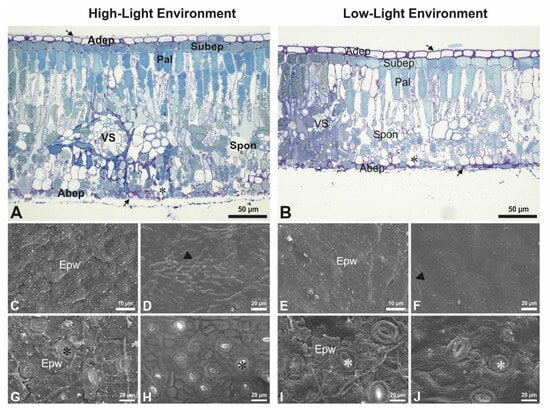
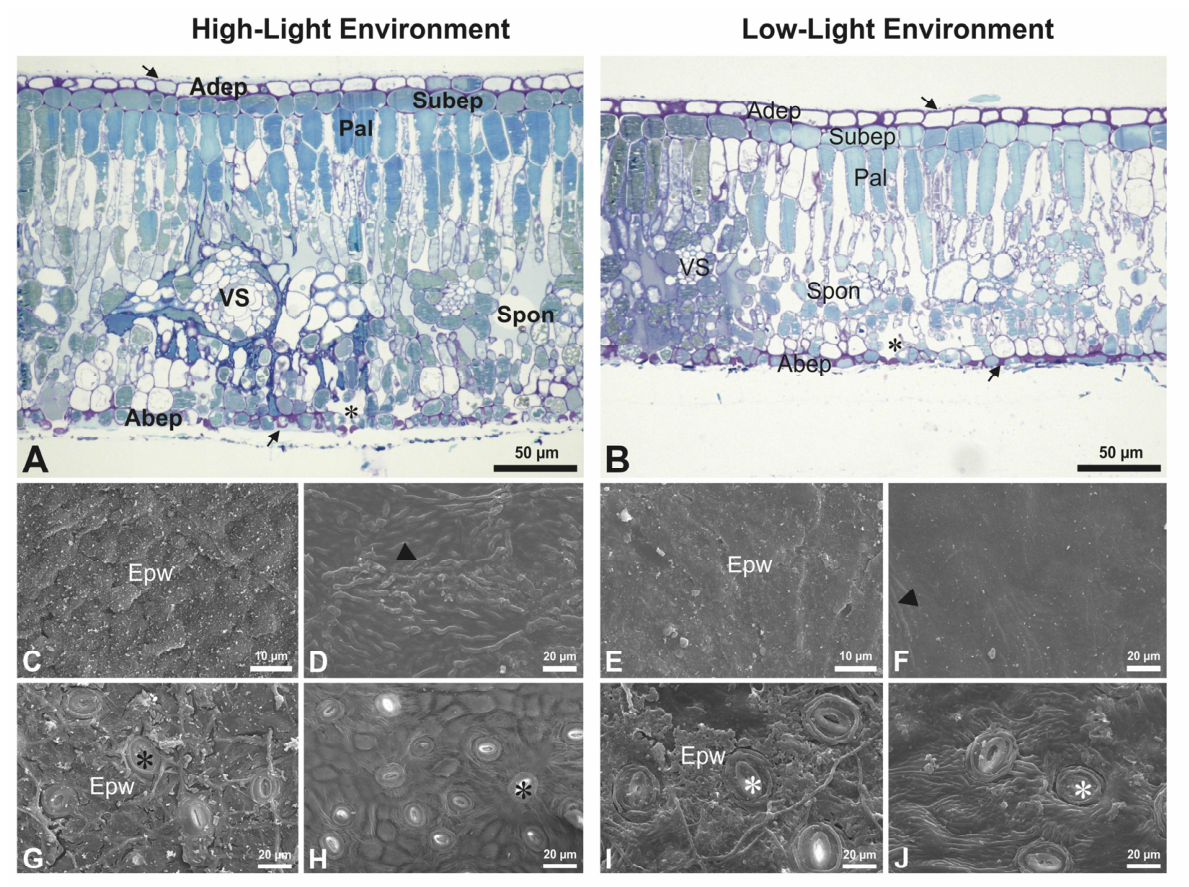
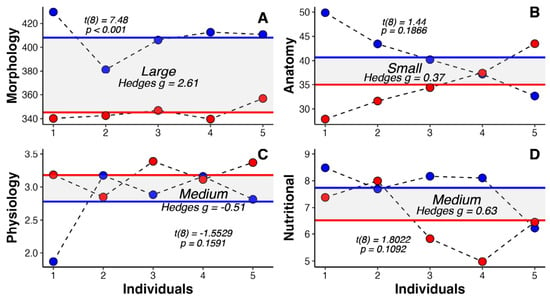
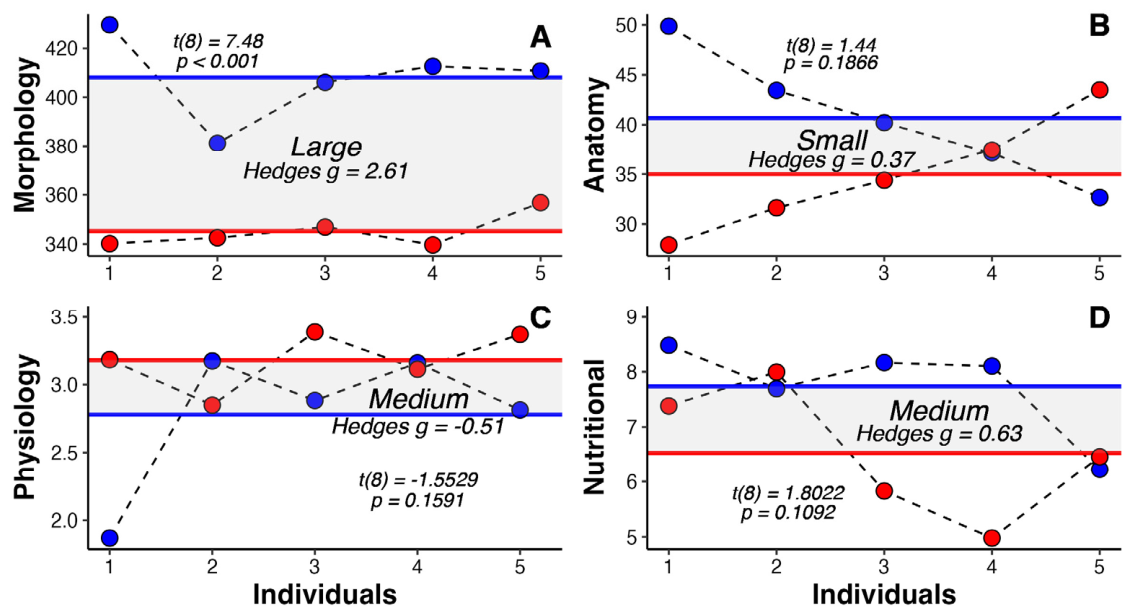
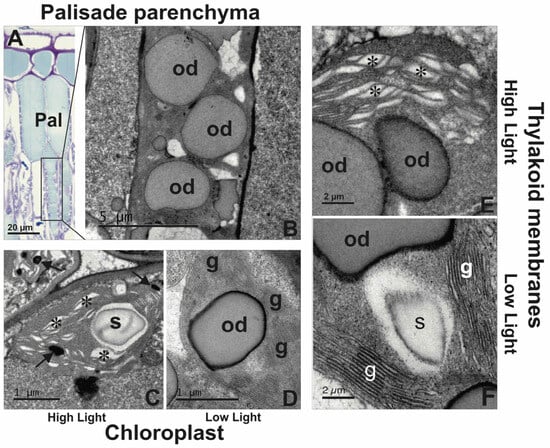
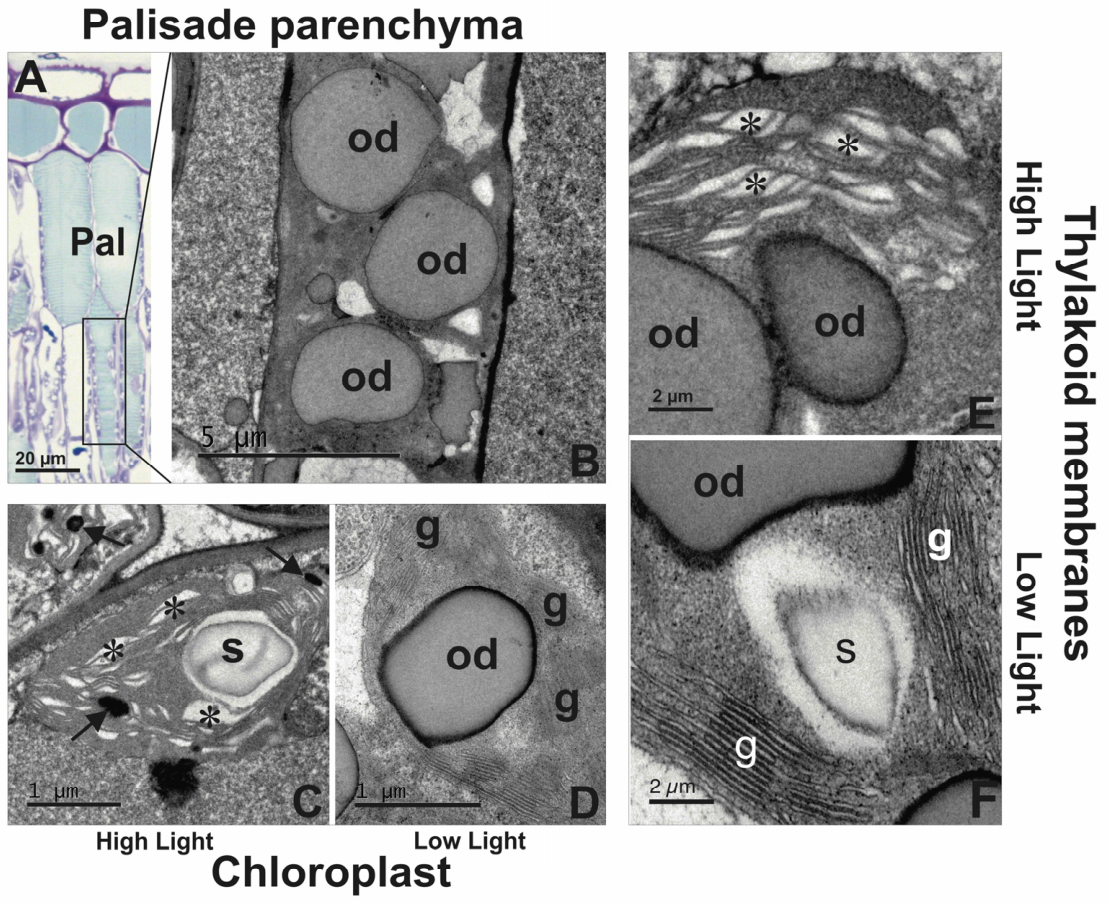
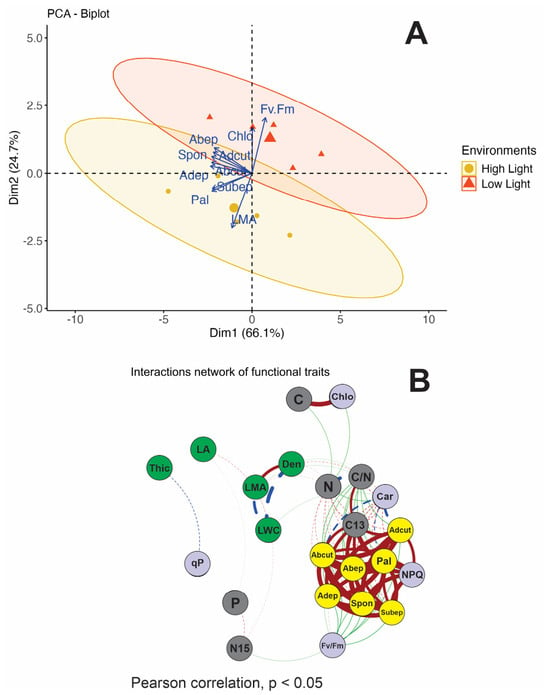
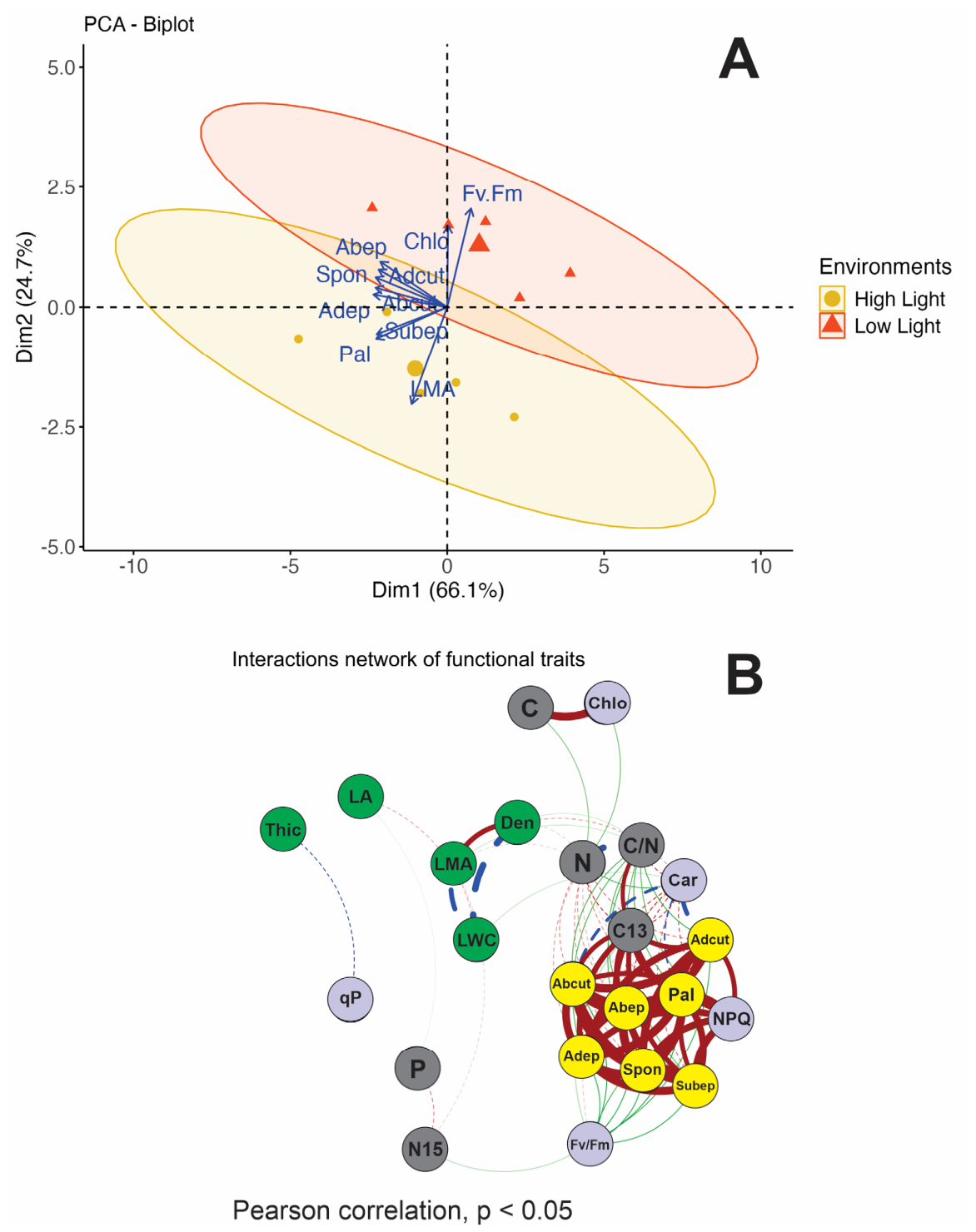
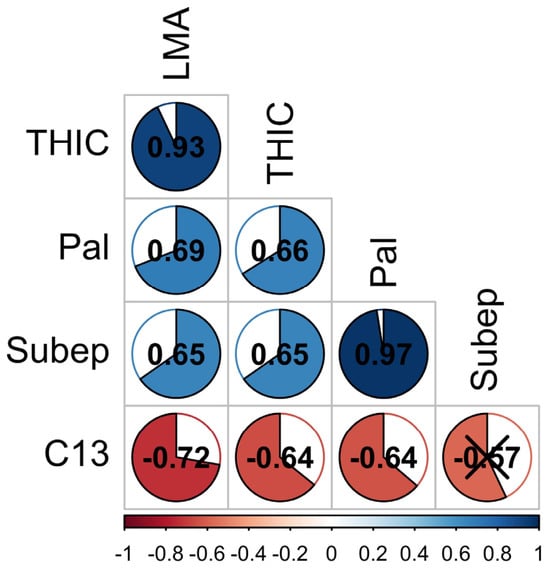
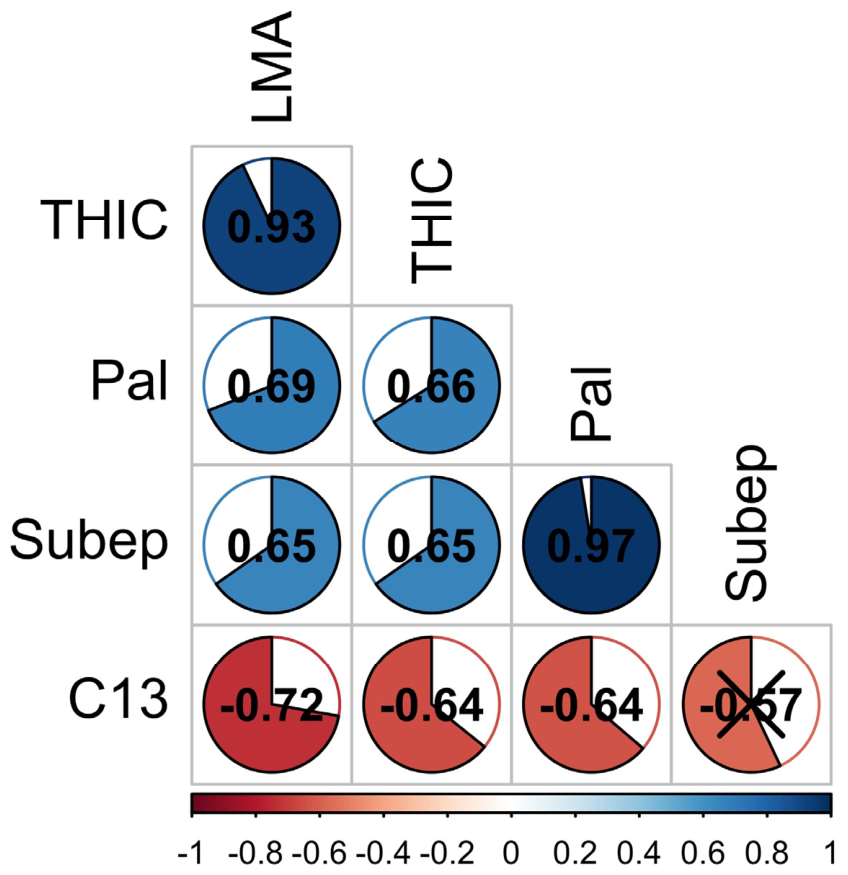
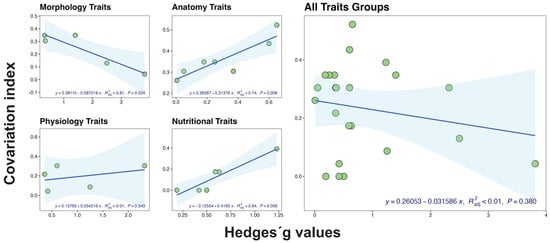
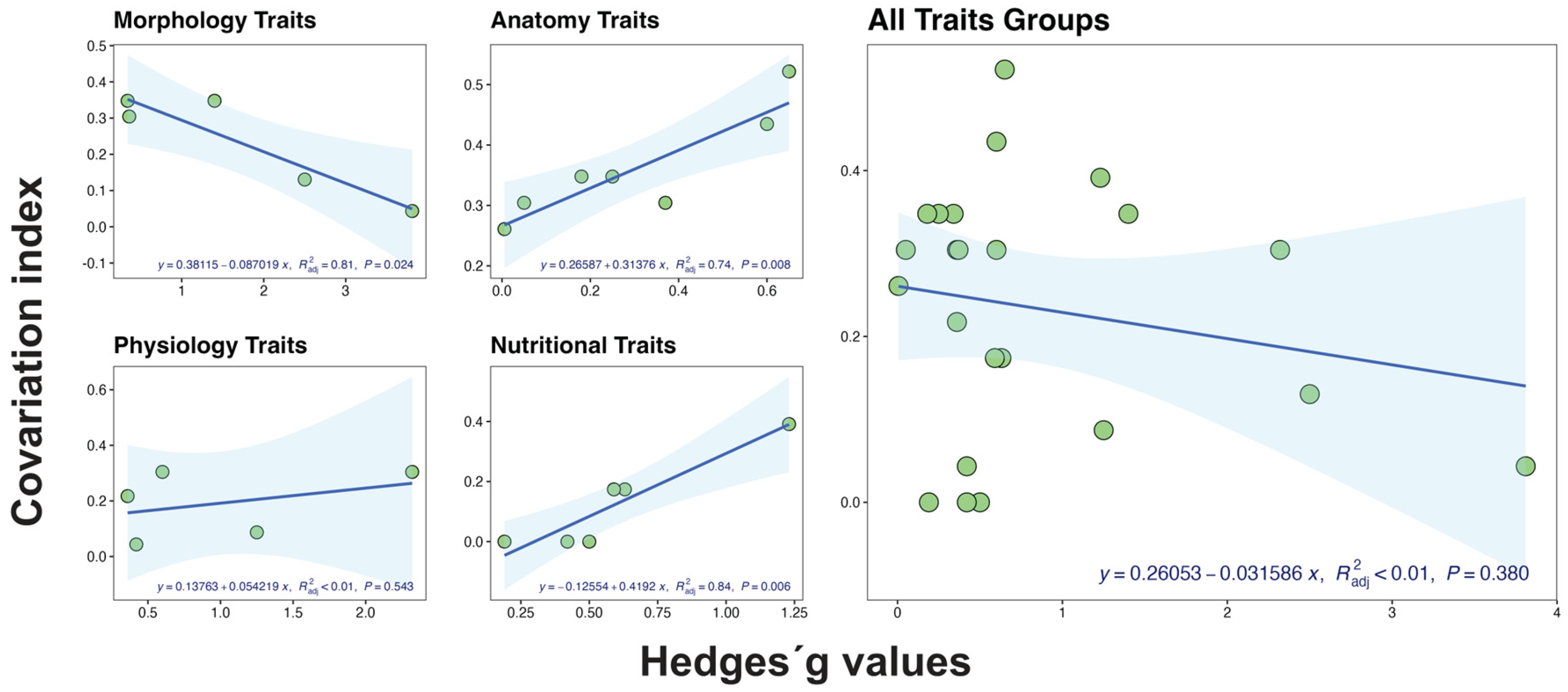

Disclaimer/Publisher’s Note: The statements, opinions and data contained in all publications are solely those of the individual author(s) and contributor(s) and not of MDPI and/or the editor(s). MDPI and/or the editor(s) disclaim responsibility for any injury to people or property resulting from any ideas, methods, instructions or products referred to in the content. |
© 2026 by the authors. Licensee MDPI, Basel, Switzerland. This article is an open access article distributed under the terms and conditions of the Creative Commons Attribution (CC BY) license.