Article

Prediction of Potential Forest Risk Areas for Phytopythium helicoides in China Under Climate Change Based on Maximum Entropy Modeling


1
Co-Innovation Center for the Sustainable Forestry in Southern China, Nanjing Forestry University, Nanjing 210037, China
2
Department of Customs Inspection and Quarantine, Shanghai Customs University, Shanghai 200120, China
3
College of Information Science and Technology & College of Artificial Intelligence, Nanjing Forestry University, Nanjing 210037, China
4
College of Mechanical and Electronic Engineering, Nanjing Forestry University, Nanjing 210037, China
*
Author to whom correspondence should be addressed.
These authors contributed equally to this work.
Forests 2026, 17(5), 626; https://doi.org/10.3390/f17050626
Submission received: 17 April 2026 / Revised: 15 May 2026 / Accepted: 19 May 2026 / Published: 21 May 2026
(This article belongs to the Special Issue Pathogenic Fungi in Forests: 2nd Edition)

Abstract

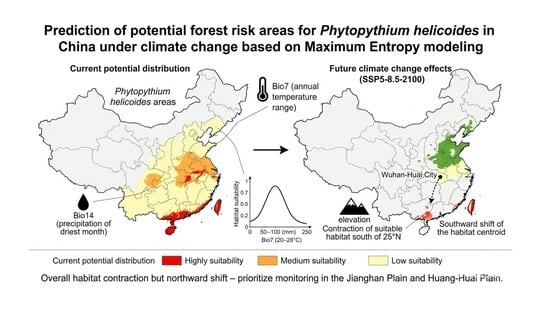
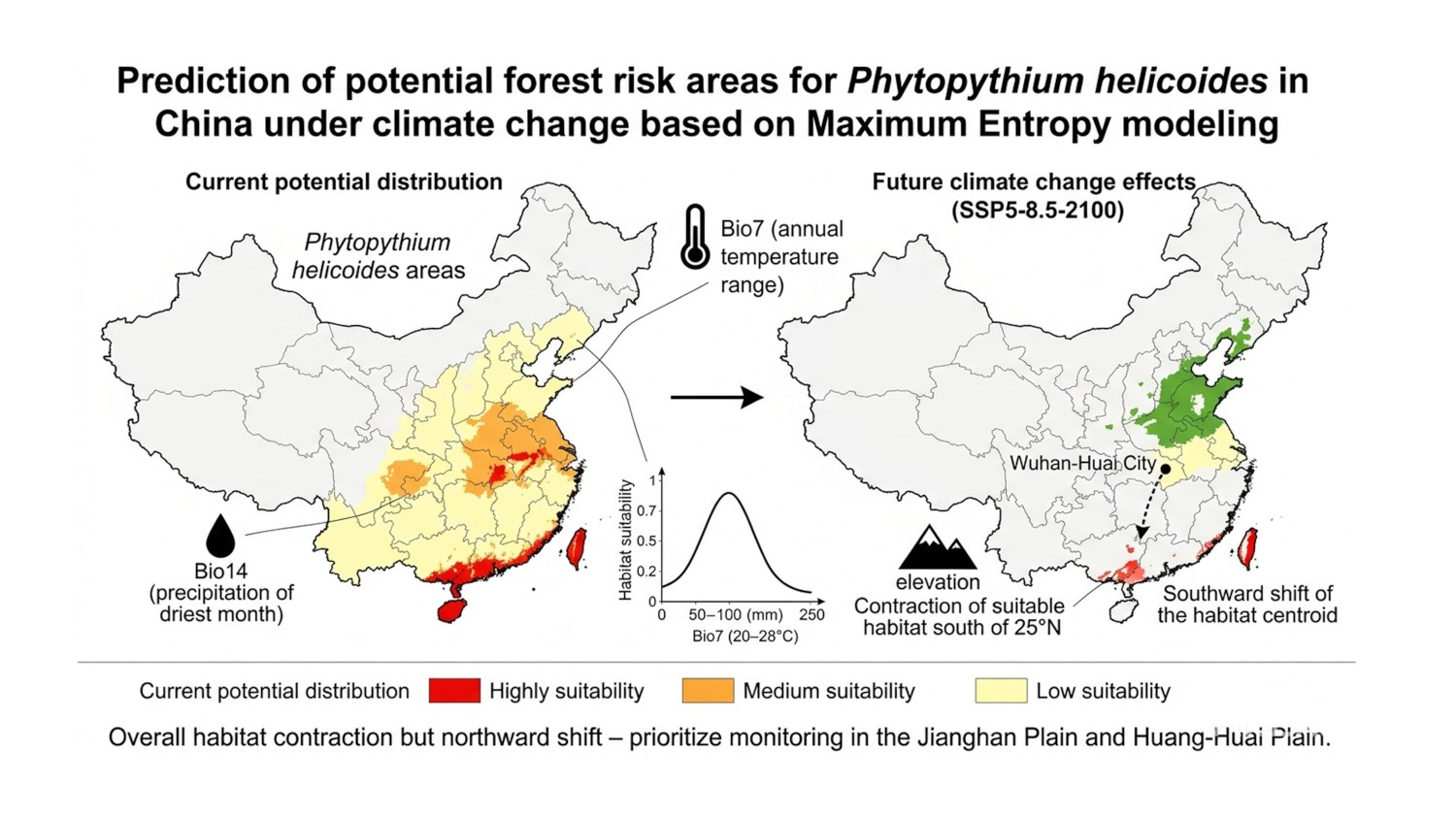
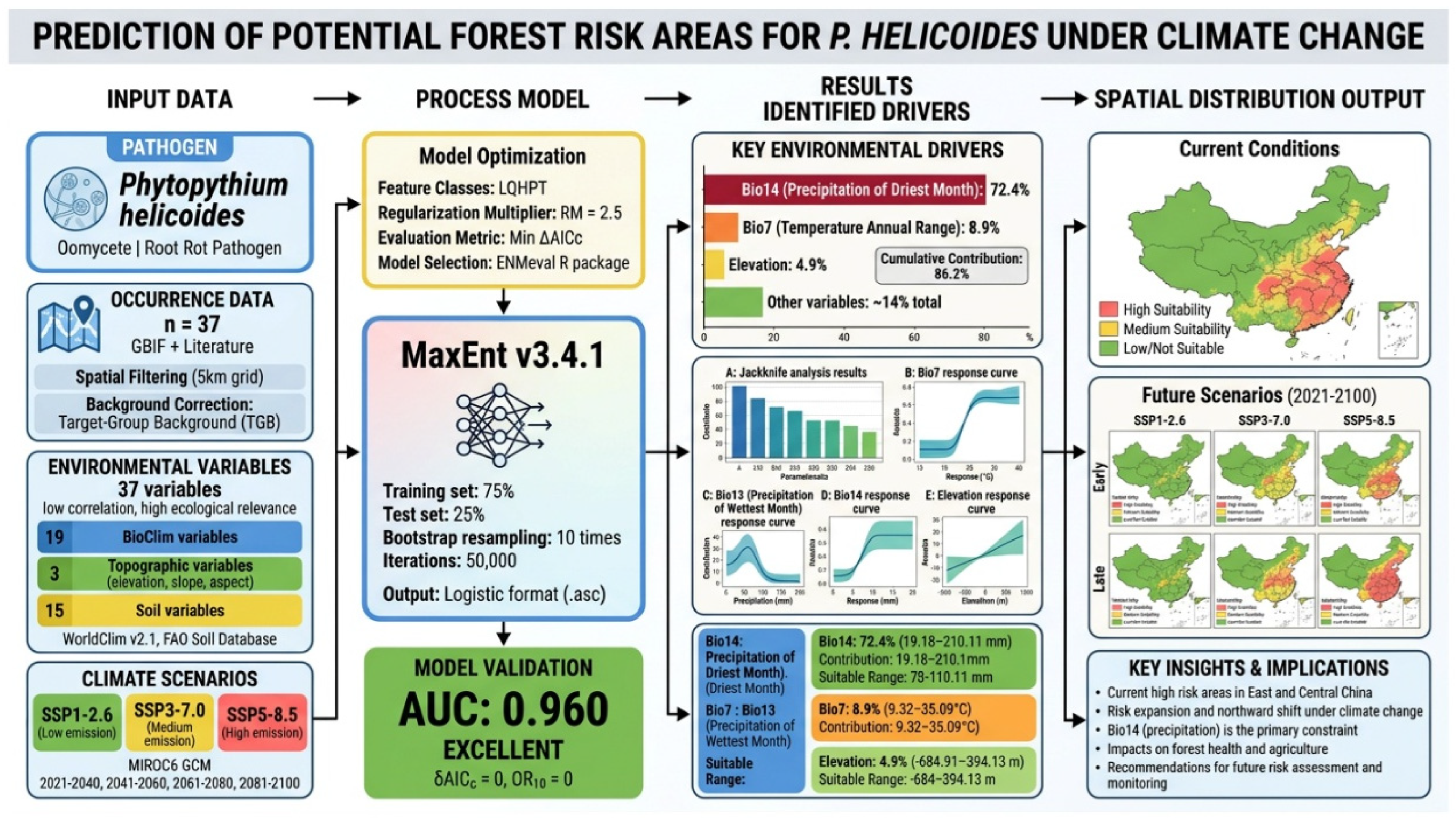
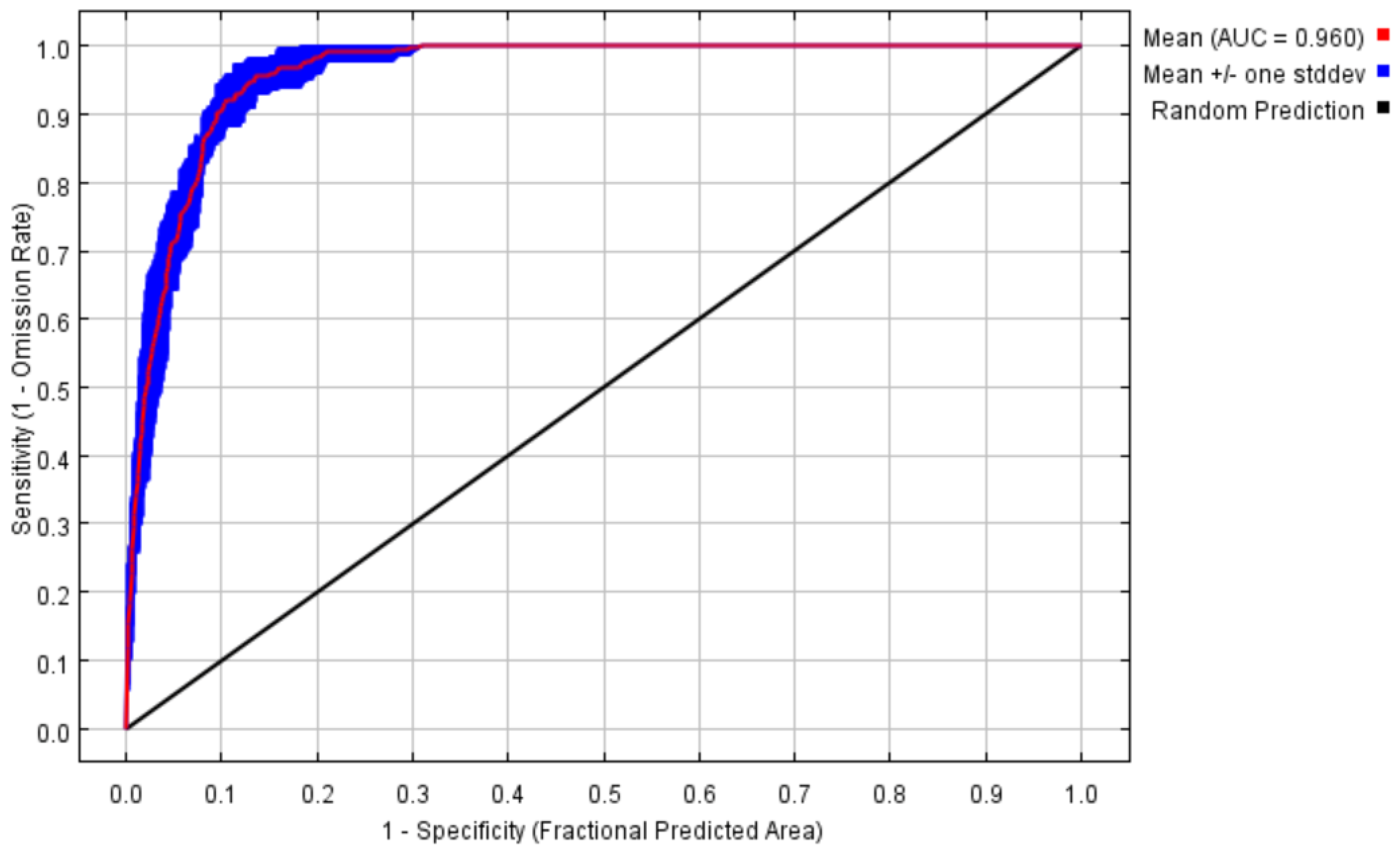
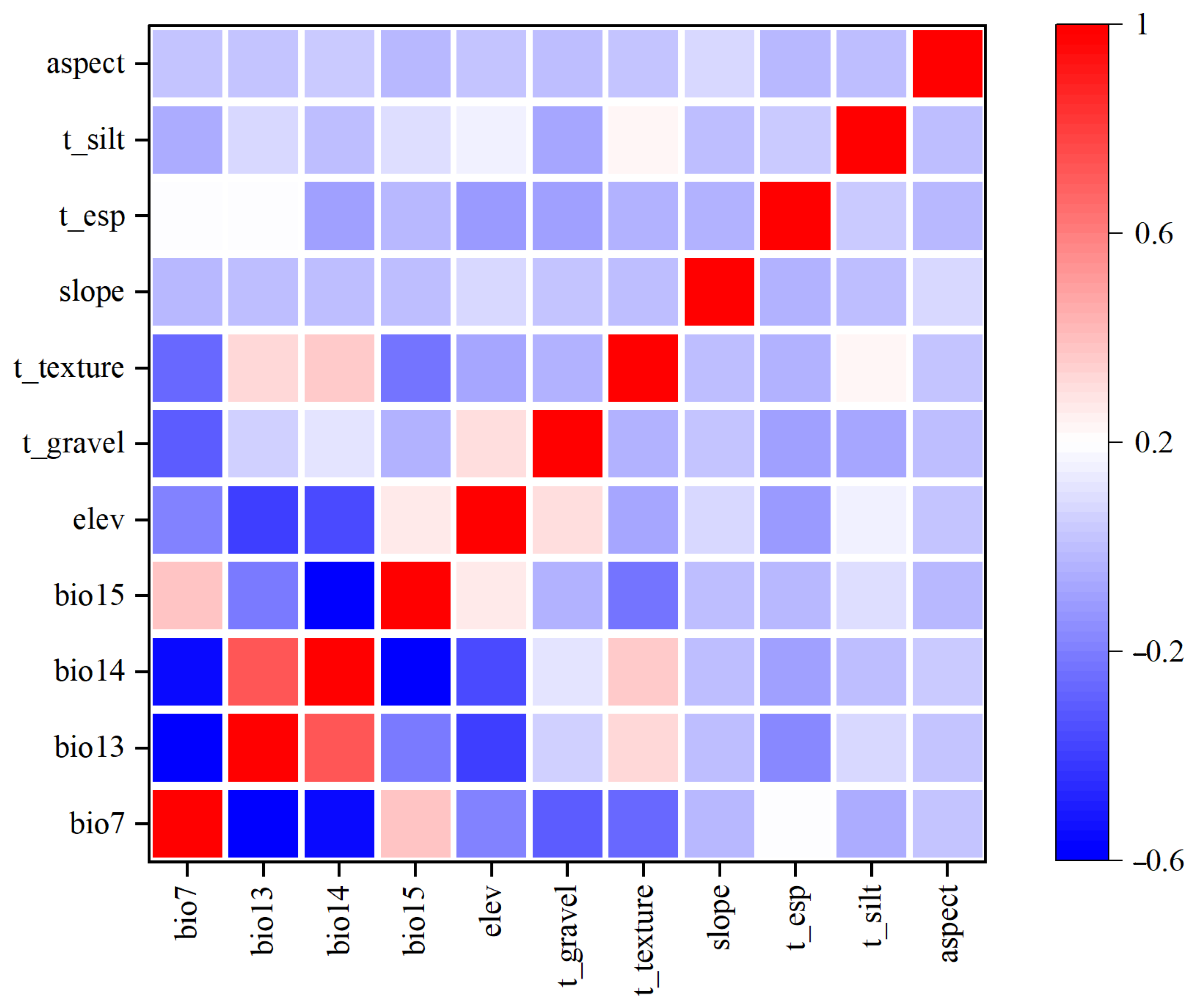
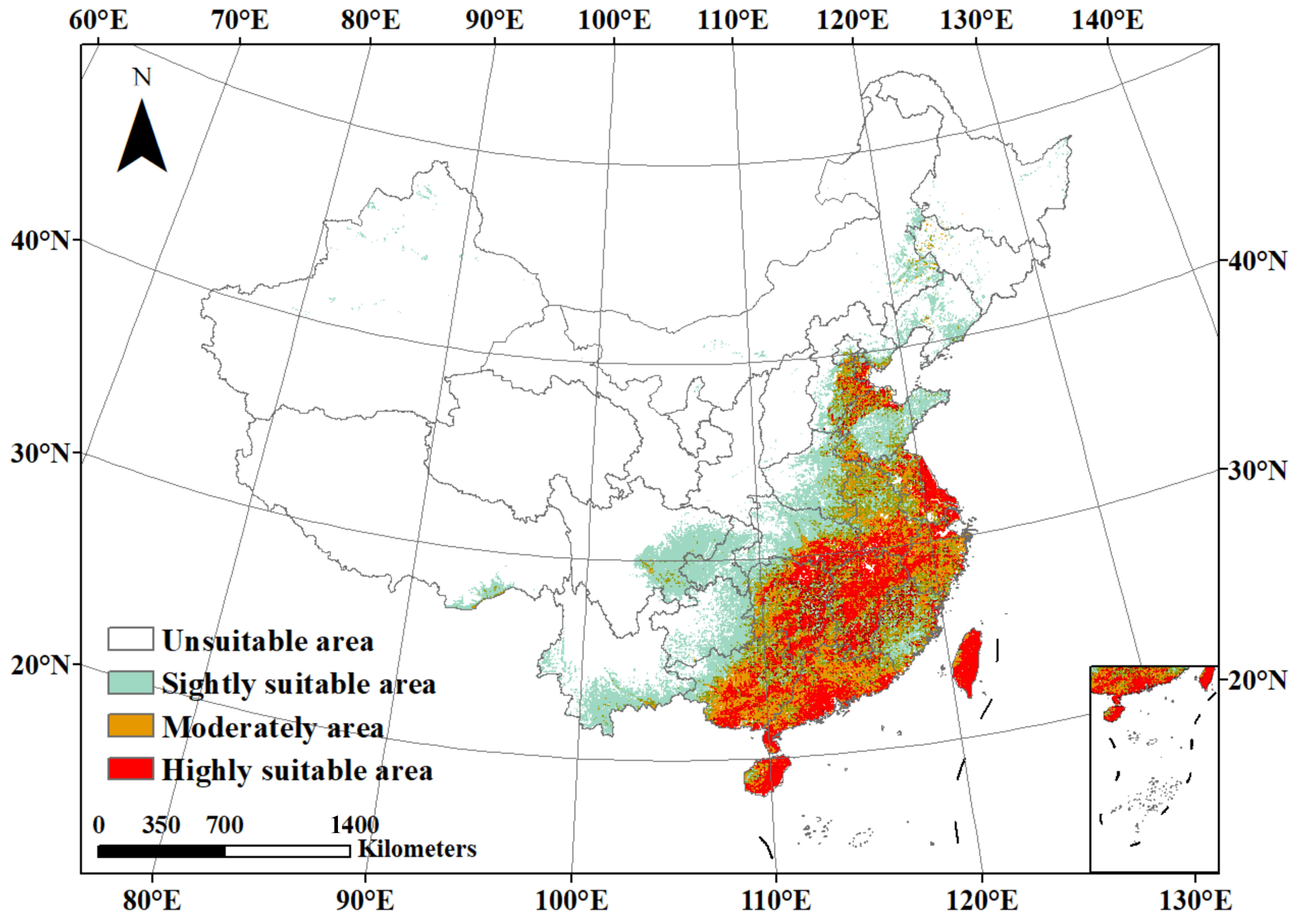
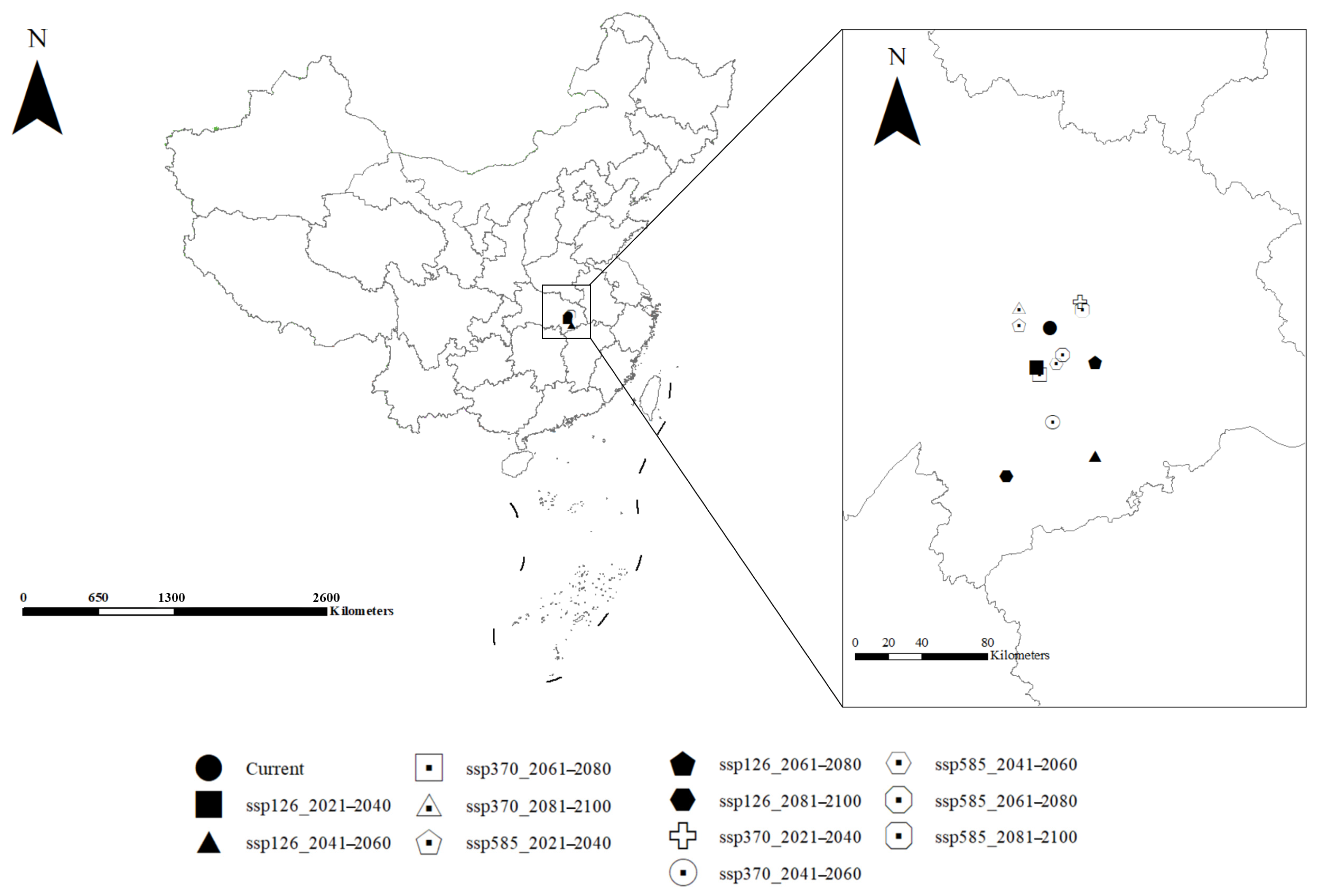
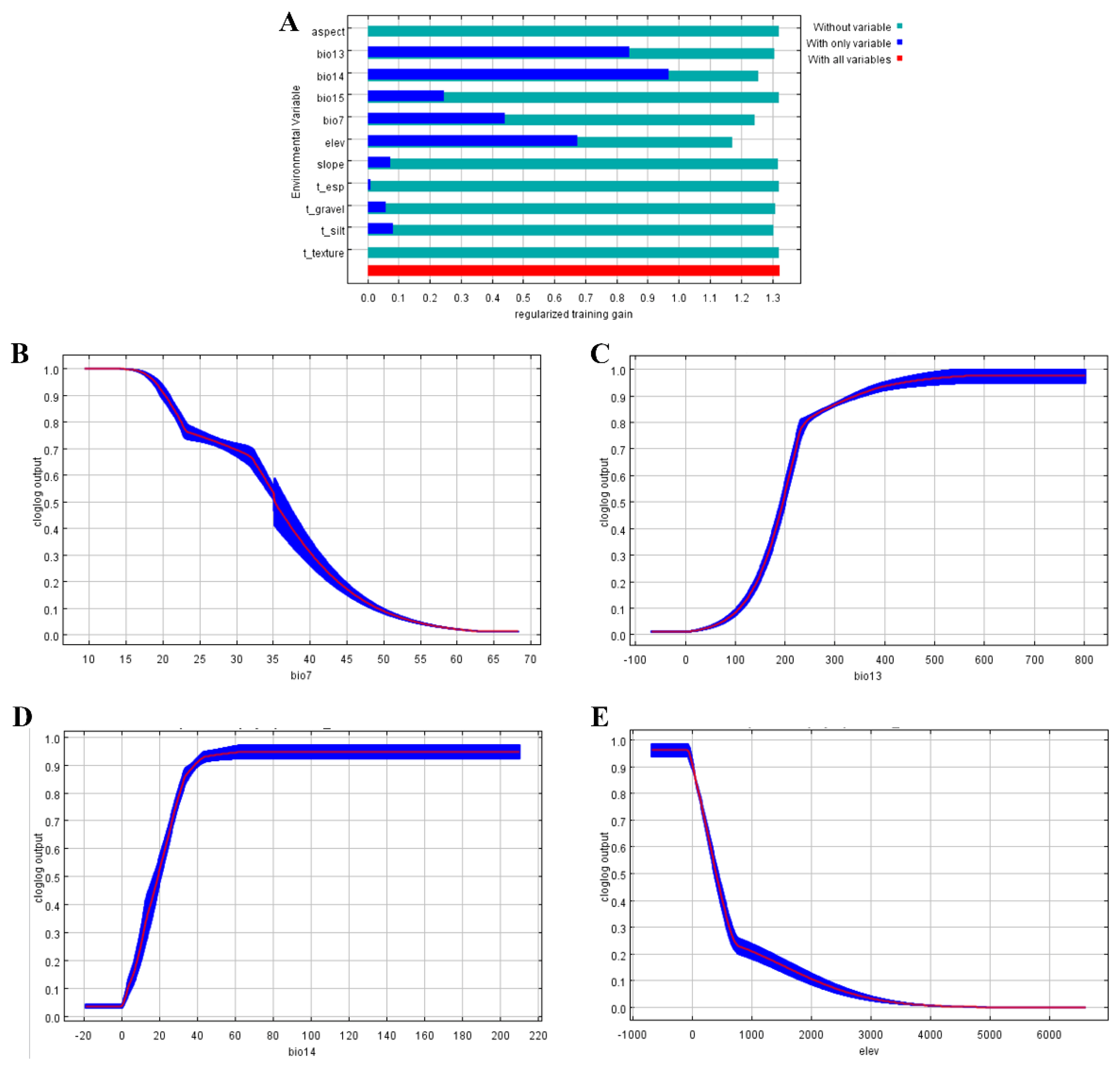
Despite the growing threat of Pythium helicoides to forest plantations in China, a nationwide assessment of climatic suitability remains unavailable, limiting the development of preventive strategies. This study applied the Maximum Entropy model combined with geographic information system analysis to predict the potential distribution and suitable habitats of the pathogen across China. The model was constructed using occurrence records from the Global Biodiversity Information Facility and published literature, together with bioclimatic, topographic, and soil variables. Simulations were performed under current and future climate conditions throughout the twenty-first century across low, medium, and high emission scenarios. The model performed reliably, with Area Under the Curve values indicating favorable predictive accuracy across all periods. Habitat suitability was governed primarily by precipitation of the driest month, temperature annual range, and elevation. Under current conditions, highly suitable areas are concentrated in tropical and subtropical monsoon regions, particularly eastern Hainan and Taiwan. Under future scenarios, suitable habitats are projected to shift toward warm temperate regions while contracting overall, with plains, basin floors, and valleys retaining high suitability due to favorable moisture retention. Windward mountain slopes are generally unsuitable, although scattered medium-suitable habitats may form in lower-lying depressions with gentler slopes.
Keywords: MaxEnt; Phytopythium helicoides; forest disease risk; habitat suitability; climate change; forest quarantine MaxEnt; Phytopythium helicoides; forest disease risk; habitat suitability; climate change; forest quarantine
Graphical Abstract