Review

Afforestation of Degraded Lands: A Global Review of Practices, Species, and Ecological Outcomes

1
Department of Soils Sciences, Faculty of Agriculture, University of Agronomic Sciences and Veterinary Medicine of Bucharest, 59 Mărăști Boulevard, 1st District, 011464 Bucharest, Romania
2
National Institute for Research and Development in Forestry “Marin Drăcea”, 128 Eroilor Boulevard, 077190 Voluntari, Romania
3
Faculty of Environmental Protection, University of Oradea, 26 Gen. Magheru Street, 410048 Oradea, Romania
4
Department of Chemistry, Physics and Environment, Faculty of Sciences and Environmental, Dunărea de Jos University Galați, 47 Domnească Street, 800008 Galati, Romania
*
Author to whom correspondence should be addressed.
Forests 2025, 16(11), 1743; https://doi.org/10.3390/f16111743
Submission received: 15 October 2025 / Revised: 15 November 2025 / Accepted: 18 November 2025 / Published: 19 November 2025
(This article belongs to the Special Issue Afforestation of Degraded Lands)

Abstract

Land degradation is a critical global issue threatening environmental health, food security, and sustainable development. Afforestation has emerged as a vital nature-based solution to combat land degradation by restoring soil structure, enhancing water regulation, sequestering carbon, and supporting biodiversity. Despite extensive research on degraded lands and forestry, there remains a notable gap specifically addressing afforestation of degraded lands, which this study aims to fill through a comprehensive bibliometric and qualitative review of global trends, species use, ecological impacts, and restoration techniques. This study was conducted in two main phases: a bibliometric analysis followed by a traditional literature review. A total of 631 publications published between 1993 and 2024 on the afforestation of degraded lands were analyzed, with the majority consisting of research articles (87%), followed by review papers (5%), book chapters (4%), and conference proceedings (4%). In conclusion, afforestation of degraded lands is a well-established and actively studied field, supported by a substantial body of empirical research and expanding interdisciplinary engagement. The literature encompasses a wide variety of publication types, enabling both the production and dissemination of knowledge across ecological, technical, and socio-economic areas.

1. Introduction

Land degradation is widely recognized as a pressing global issue, posing not only an environmental challenge but also a significant threat to human well-being, food security, and sustainable development [1,2]. With nearly one-quarter of the Earth’s land surface considered degraded and more than 1.5 billion people affected worldwide, the scale and severity of its impact are substantial [3]. Degraded lands often suffer from diminished soil fertility, reduced water retention, loss of vegetation cover, and increased vulnerability to climate extremes, all of which undermine agricultural productivity and rural livelihoods.
In this context, afforestation has emerged as a crucial strategy for combating land degradation and restoring ecological balance. By establishing forests on degraded or barren lands, afforestation helps to restore ecosystem functions, improve soil health, regulate hydrological cycles, and enhance overall land productivity [4,5]. One of the most significant contributions of afforestation lies in soil restoration. It improves soil structure through increased organic matter, reduces erosion by providing physical protection against wind and water, and stimulates nutrient cycling through the decomposition of leaf litter and the activity of soil microbes [6,7,8,9,10,11].
Afforestation also plays a vital role in water regulation. It has been shown to enhance water infiltration and retention, thereby reducing surface runoff and the risk of soil erosion [12]. This is particularly important in areas prone to drought or desertification, where improved water management is essential for ecological recovery. Furthermore, afforestation is recognized as a key nature-based solution for mitigating climate change. Forests act as carbon sinks, absorbing and storing significant amounts of atmospheric carbon dioxide, both in biomass and in soil organic carbon pools [13,14,15].
Overall, afforestation of degraded lands offers a multifaceted approach to ecosystem restoration. It not only rehabilitates soil and improves water and carbon dynamics but also strengthens biodiversity and supports long-term sustainability. When properly planned and implemented, afforestation can play a transformative role in reversing land degradation and building resilience against environmental and socio-economic challenges.
Although numerous reviews have explored degraded lands in general [16,17,18] and topics related to forestry [19,20,21,22], there remains a significant gap in the literature specifically examining the afforestation of degraded lands. Therefore, the main objective of our research was to deliver a comprehensive and integrative overview of the current scientific understanding related to the afforestation of degraded lands on a global scale. By combining bibliometric analysis with a traditional qualitative literature review, we sought to identify key challenges associated with afforestation efforts, examine the most used tree and shrub species, explore global trends and perspectives, assess the ecological and environmental impacts of afforestation, and present the techniques and approaches employed in restoring degraded lands through afforestation.

2. Materials and Methods

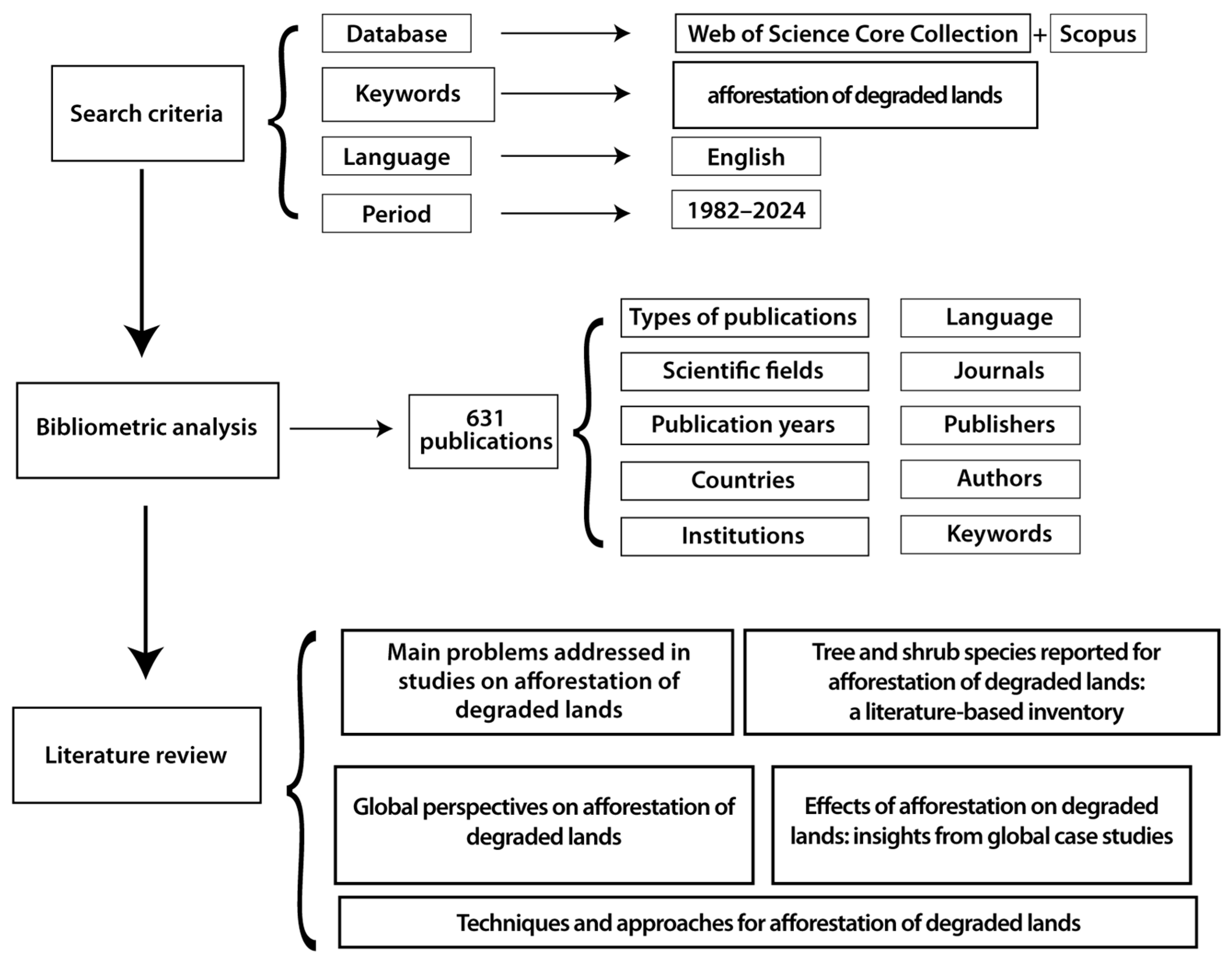
This study was undertaken in two primary phases: a bibliometric analysis and a traditional literature review. Collectively, these methodological approaches aimed to deliver a thorough and systematic review of the scientific literature on afforestation of degraded lands spanning the period from 1982 to 2024.

2.1. Bibliometric Analysis

The first phase of the study comprised a bibliometric analysis aimed at evaluating global research on the afforestation of degraded lands. Literature research was conducted using two leading scientific databases: the Science Citation Index Expanded (SCI-Expanded) accessed via the Web of Science (WoS) platform, and Scopus. The Web of Science is a multidisciplinary research database that indexes over 7100 core journals spanning more than 150 scientific disciplines, with archival coverage extending back to 1900. Similarly, Scopus offers extensive access to peer-reviewed literature, encompassing over 16,000 journals as well as conference proceedings, and book series. Both databases are widely acknowledged for their reliability, broad disciplinary coverage, and robust citation-tracking capabilities [23].
Following the evaluation of multiple keyword combinations and search strategies, we initially tested several alternative sets of search terms to capture the broadest possible range of relevant literature. These included combinations of the core concepts afforestation, reforestation, forest restoration, reclamation, recultivation, rehabilitation, and degraded, barren, eroded, disturbed, or post-mining lands. After pilot searches and result screening, the phrase “afforestation of degraded lands” was ultimately selected as the principal search term because it yielded the most targeted results specifically relevant to the objectives of this review—namely, studies explicitly addressing the afforestation of lands recognized as degraded.
However, to ensure comprehensiveness, the final search strategy incorporated Boolean operators and truncation, combining synonymous and related expressions. The complete search string used for the bibliometric analysis was as follows:
For Web of Science (WoS):
TS = ((“afforestation” OR “reforestation” OR “forest restoration” OR “forest rehabilitation” OR “forest reclamation” OR “recultivation”) AND (“degraded land*” OR “barren land*” OR “eroded land*” OR “disturbed land*” OR “post-mining site*” OR “mine spoil*” OR “wasteland*” OR “degrad* soil*” OR “degrad* ecosystem*”))
For Scopus:
TITLE-ABS-KEY ((“afforestation” OR “reforestation” OR “forest restoration” OR “forest rehabilitation” OR “forest reclamation” OR “recultivation”) AND (“degraded land*” OR “barren land*” OR “eroded land*” OR “disturbed land*” OR “post-mining site*” OR “mine spoil*” OR “wasteland*” OR “degrad* soil*” OR “degrad* ecosystem*”))
Searches were limited to the period 1982–2024 and to publications in English. We conducted iterative tests of alternative keyword combinations and observed that while broader strings increased the total number of hits, they also introduced a large proportion of articles unrelated to afforestation or ecological restoration. The selected combination thus provided a balanced compromise between specificity and coverage, consistent with PRISMA recommendations for transparent and reproducible search strategies.
To further minimize omission bias, the bibliographic database was manually inspected to ensure inclusion of key thematic clusters such as post-mining reclamation, forest recultivation, and forest rehabilitation within the broader framework of afforestation of degraded lands.
The analysis was structured around ten core bibliometric indicators: (1) publication types; (2) research areas; (3) year of publication; (4) country of origin; (5) authorship; (6) institutional affiliations; (7) language of publication; (8) journals; (9) publishers; and (10) keywords.
Data extraction and organization were performed utilizing tools and databases including the Web of Science Core Collection [24], Scopus [25], Microsoft Excel 2021 [26], and Google Geochart (Google Developers, 2024) [27], respectively. For cluster visualization and co-occurrence network mapping VOSviewer (version 1.6.20, Centre for Science and Technology Studies, Leiden University, The Netherlands) [28] was used.
To enhance reproducibility, the following analytical parameters and procedures were applied in VOSviewer: Data source format: Full records and cited references exported in .csv and .txt formats from both Scopus and Web of Science. Type of analysis: Co-occurrence analysis based on author keywords. Counting method: Full counting. Minimum number of occurrences of a term: Five (5), following preliminary tests that balanced network density and interpretability. Data cleaning: Before generating the final bibliometric maps, irrelevant or redundant terms (e.g., measurement units, country names, and specific plant or animal species names) were manually excluded. Synonymous terms (e.g., “reforestation” and “forest restoration”) were merged where appropriate. Visualization: Keyword co-occurrence maps and network clusters were produced in VOSviewer and subsequently refined in Adobe Illustrator CC 2023 for publication-quality formatting.
All figures and charts illustrating trends (e.g., publication trends by year, country contribution) were generated in Microsoft Excel 2021, and final layout adjustments were performed in Adobe Illustrator CC 2023.
The selection process adhered to the Preferred Reporting Items for Systematic Reviews and Meta-Analyses (PRISMA) guidelines [29], ensuring a transparent and replicable approach to literature screening. A summary of the screening procedure is illustrated in Figure 1.
A total of 570 publications were retrieved from Scopus and 565 from the Web of Science, resulting in an initial dataset of 1135 records. After removing 386 duplicates, the titles and abstracts of the remaining 749 publications were screened to identify studies meeting the following inclusion criteria: publications in English and articles with titles and/or abstracts explicitly addressing the specific topic. Exclusion criteria included non-scientific articles, unpublished materials, and letters to the editor. Following this manual screening, 12 bibliographic sources were excluded, and 8 full-text articles could not be obtained. The remaining 729 full-text articles were subjected to a detailed evaluation, leading to the exclusion of 93 articles due to irrelevance and 5 articles due to the absence of abstracts. Ultimately, 631 articles were included in the systematic review (see Figure 1).

2.2. Traditional Literature Review

In the second phase, a traditional literature review was conducted using the refined dataset of 631 selected articles. This in-depth qualitative assessment allowed for thematic categorization of the research into five major areas: (1) Main problems addressed in studies on afforestation of degraded lands; (2) Tree and shrub species reported for afforestation of degraded lands: a literature-based inventory; (3) Global perspectives on afforestation of degraded lands; (4) Effects of afforestation on degraded lands: insights from global case studies; and (5) Techniques and approaches for afforestation of degraded lands, respectively.
An overview of the complete methodological framework is illustrated in Figure 2.

3. Results

3.1. A Bibliometric Review

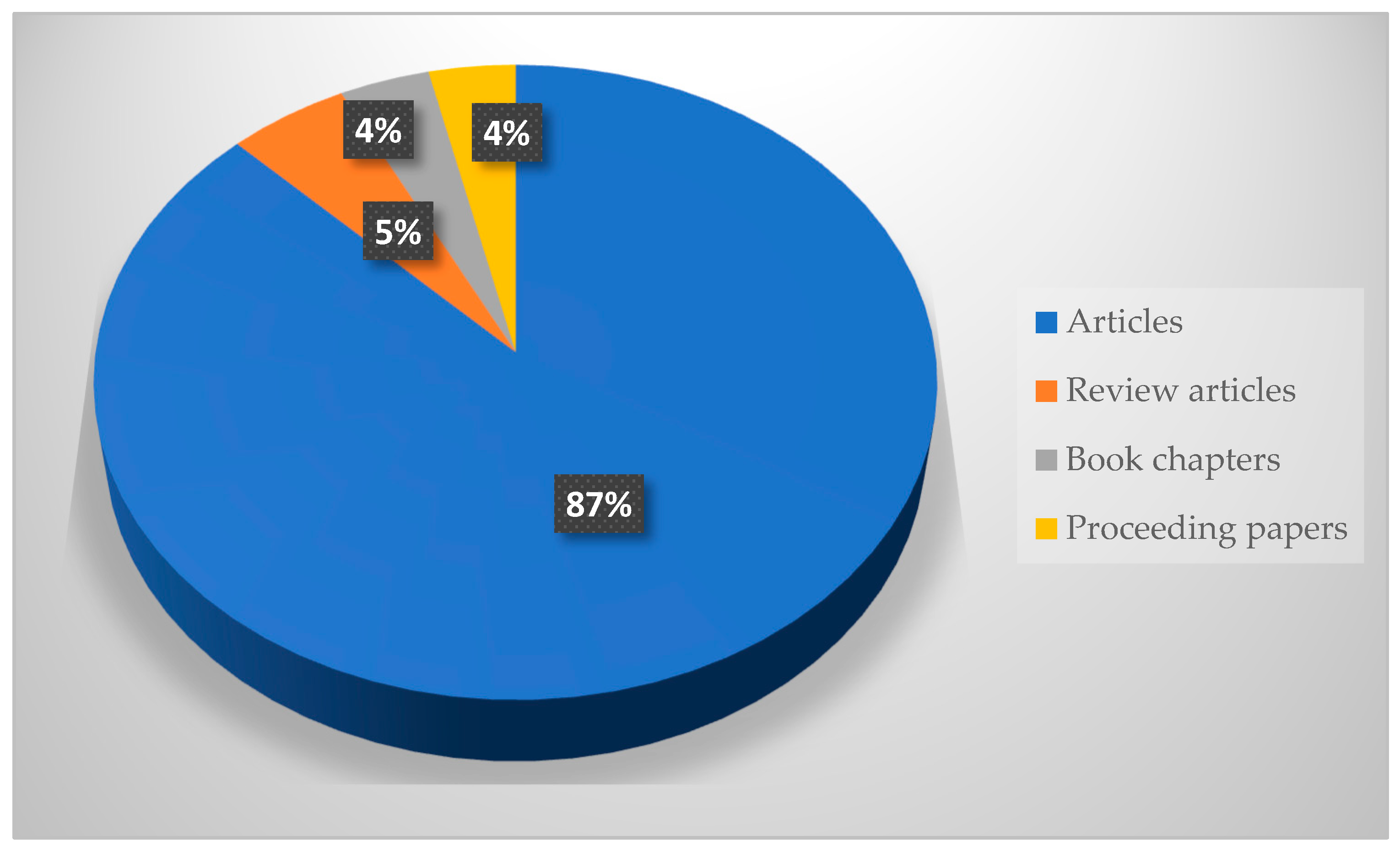
A total of 631 publications related to the afforestation of degraded lands were compiled. The dataset was predominantly composed of research articles (552; 87%), followed by review papers (32; 5%), book chapters (24; 4%), and conference proceedings (23; 4%) (Figure 3).
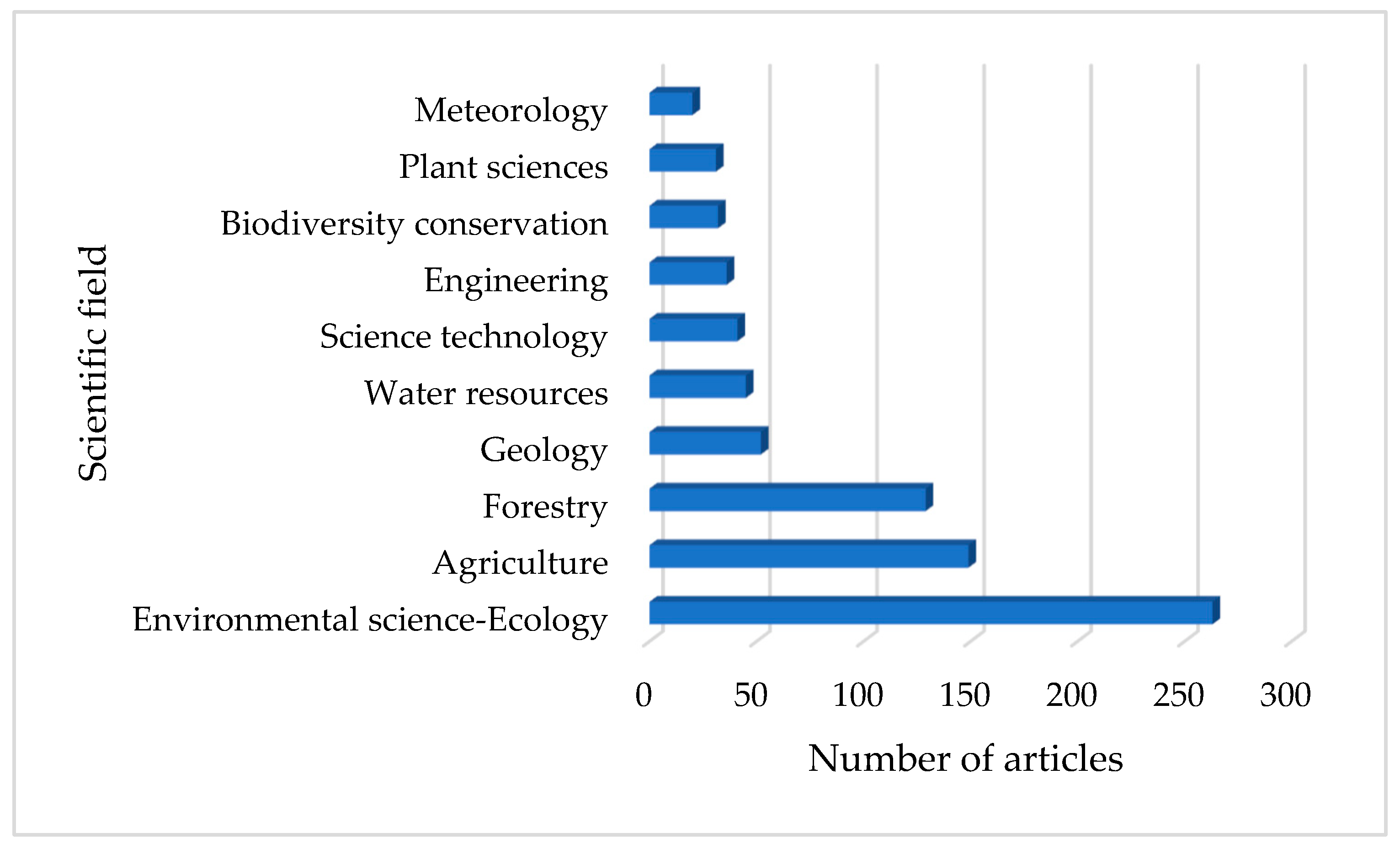
The published articles spanned a diverse range of research areas. Among the 36 identified categories, the most represented were Environmental Sciences and Ecology (263 articles), Agriculture (149 articles), and Forestry (129 articles), respectively (Figure 4).
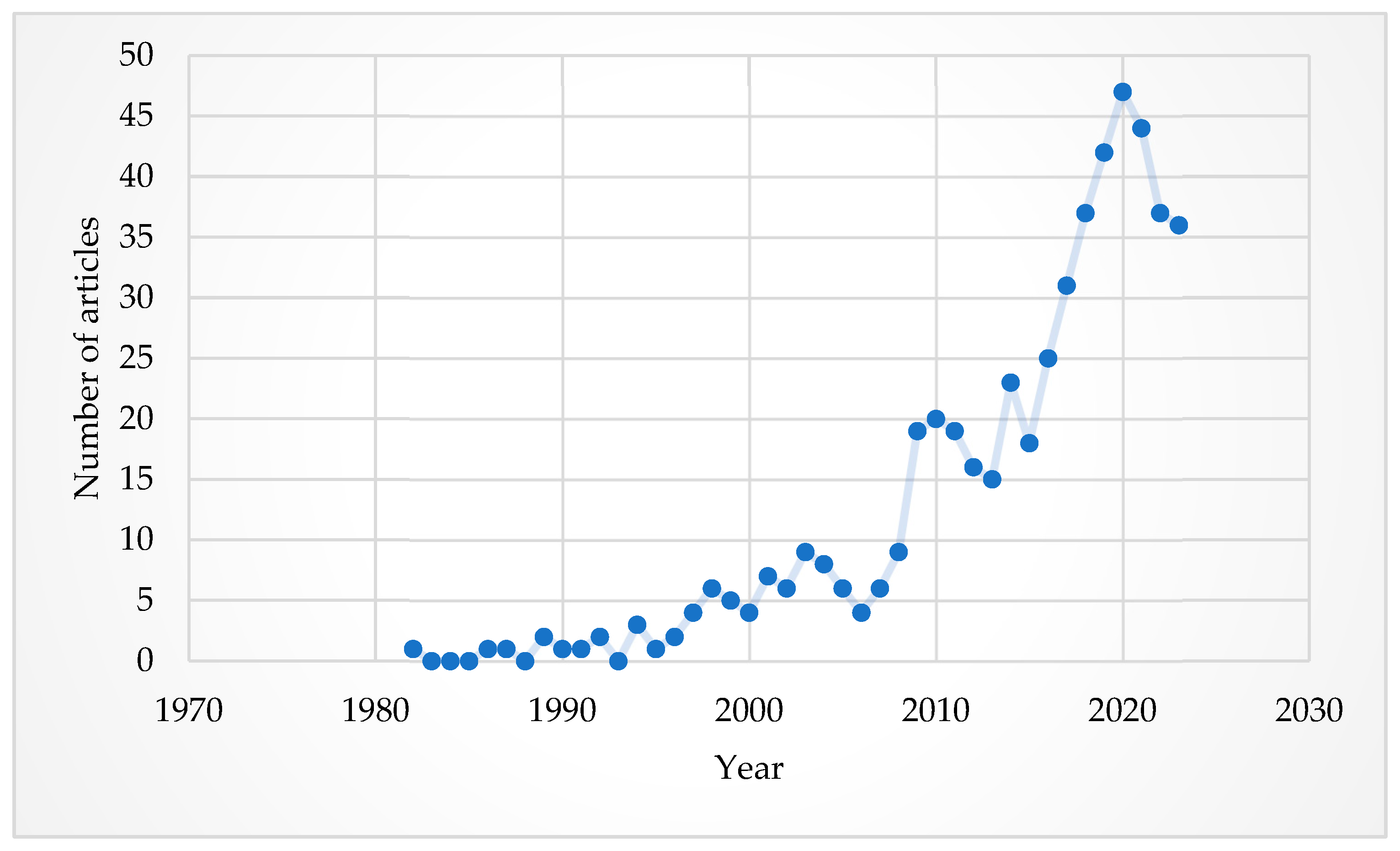
The number of published articles has increased over time, with the highest number recorded in 2020 (47 articles) (Figure 5).
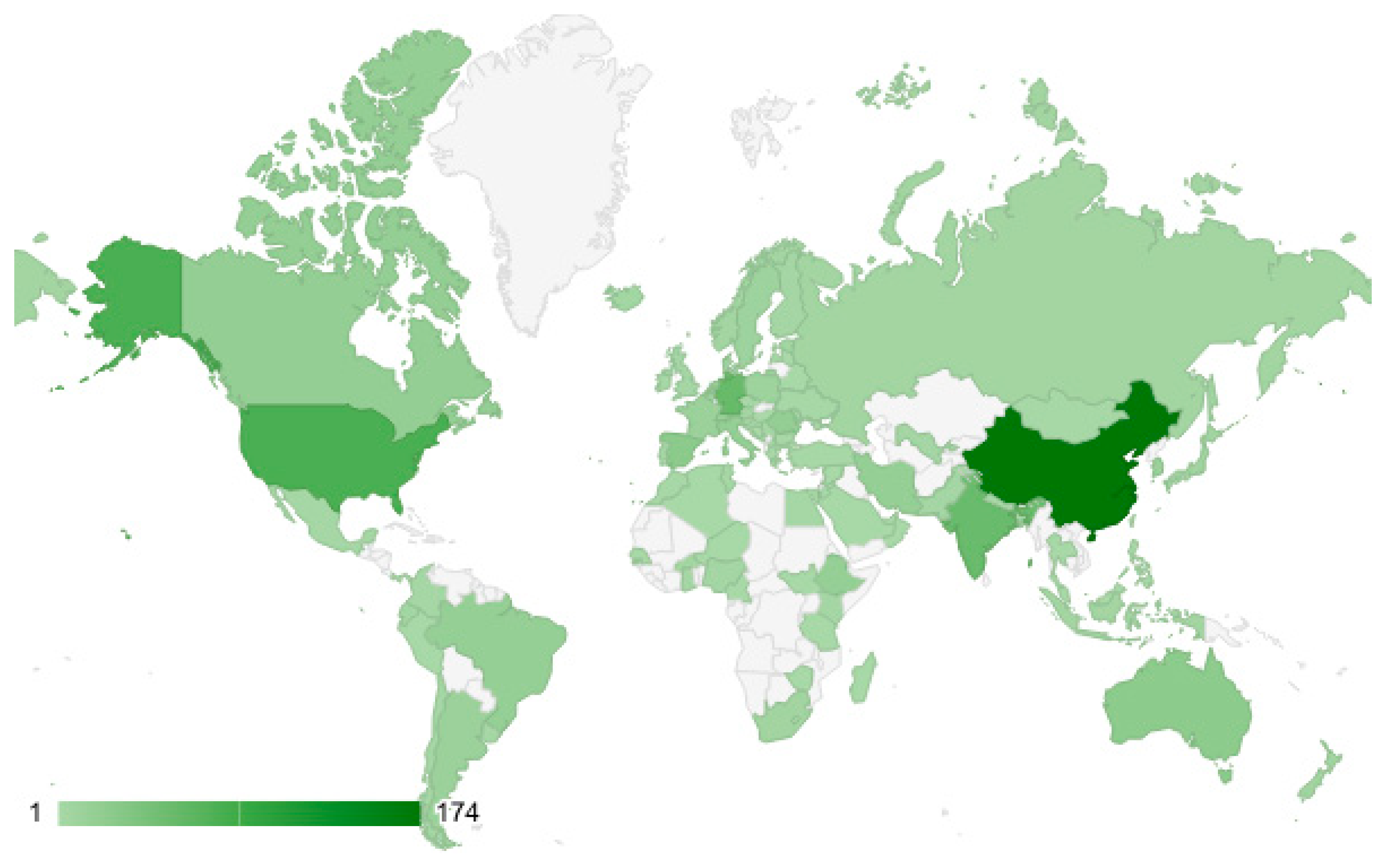
A substantial number of authors from a broad geographical range have contributed to the literature on the afforestation of degraded lands. Relevant publications were identified from 93 countries spanning all continents (Figure 6). The most prominently represented countries in terms of publication output were China (174 articles), the United States of America (78 articles), Germany (57 articles), and India (54 articles), respectively.
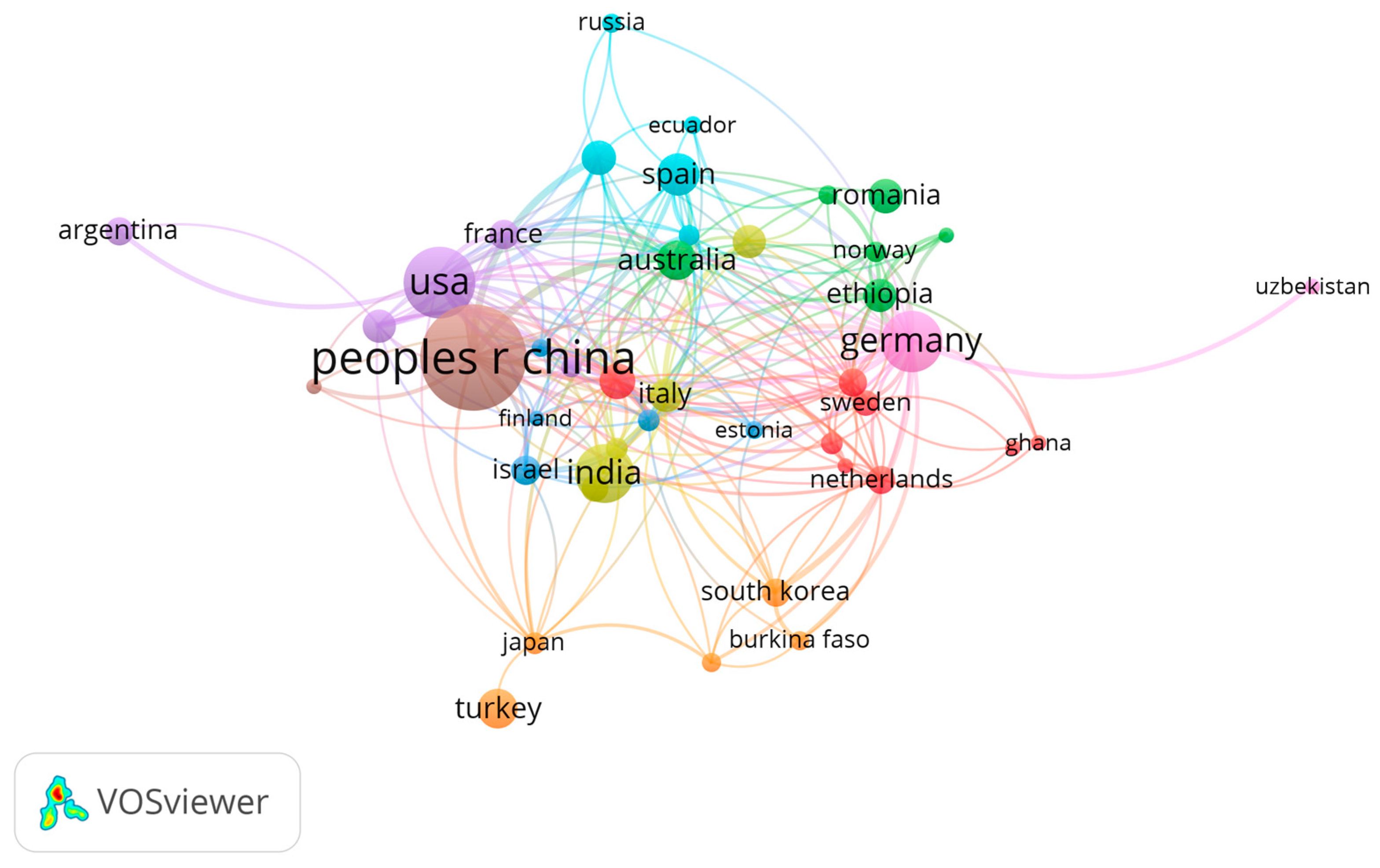
Based on the analysis performed using VOSviewer software, the countries of origin of authors contributing to this research topic were grouped into three distinct clusters. The first cluster comprises England, Ghana, the Netherlands, New Zealand, Nigeria, Sweden, and Switzerland. The second cluster includes Australia, Austria, Ethiopia, Kenya, Norway, and Romania. The third cluster consists of Denmark, Estonia, Finland, Iceland, and Israel (Figure 7). Based on the analysis performed using VOSviewer software, the countries of origin of authors contributing to this research topic were grouped into several clusters, reflecting patterns of international collaboration. Among these, three major clusters with the highest link strengths were identified and visualized (Figure 7). The first major cluster comprises England, Ghana, the Netherlands, New Zealand, Nigeria, Sweden, and Switzerland, suggesting strong research linkages between European institutions and collaborative ties with research groups in Africa and Oceania. The second cluster includes Australia, Austria, Ethiopia, Kenya, Norway, and Romania, indicating partnerships that may stem from joint research programs on ecosystem restoration and land rehabilitation in semi-arid regions. The third cluster consists of Denmark, Estonia, Finland, Iceland, and Israel, representing a network of countries with shared interests in cold-climate forestry and afforestation technologies adapted to marginal lands. While smaller clusters also exist, their connection strengths and publication counts were relatively low compared to these main clusters. The overall clustering pattern reflects both geographic proximity and thematic collaboration, where countries tend to cooperate based on shared ecological challenges, historical research networks, and funding frameworks (e.g., EU Horizon programs, Commonwealth research initiatives).
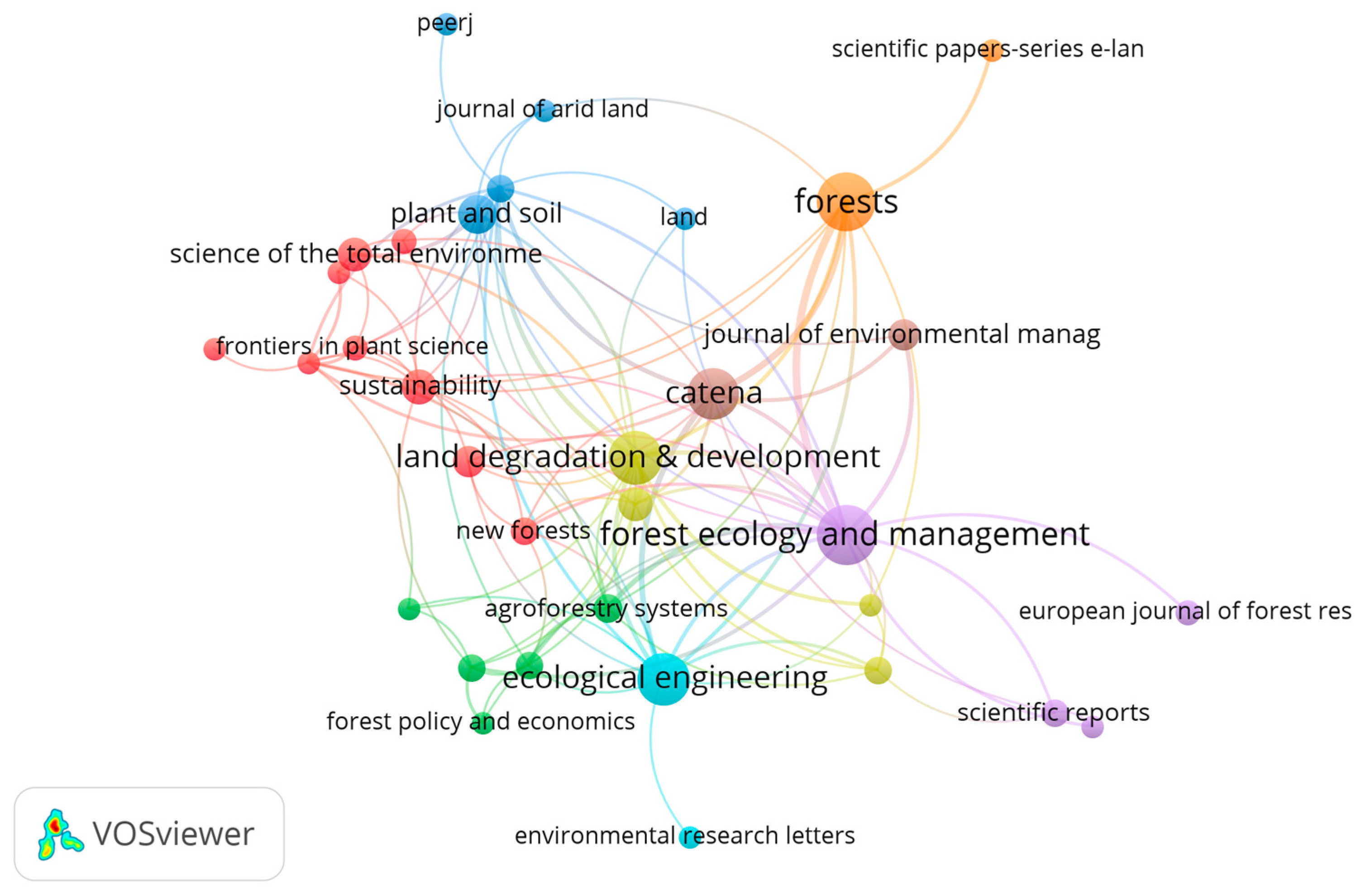
The articles were published across 251 different journals. The most prominently represented journals were Forest Ecology and Management, Forests, Land Degradation and Development, Ecological Engineering, and Catena, respectively (Table 1 and Figure 8).
The diversity of journals indicates that the topic of afforestation on degraded lands attracts attention from a wide range of disciplines, including forestry, ecology, land management, environmental engineering, and soil science. This breadth reflects the inherently interdisciplinary nature of afforestation research, which intersects with ecological restoration, climate mitigation, and sustainable land-use practices. Furthermore, the concentration of publications in certain high-impact journals highlights where scholarly discourse and methodological development in this field are most actively taking place. Understanding the distribution of research outlets helps identify disciplinary focal points, potential gaps in knowledge dissemination, and journals that shape the scientific agenda on afforestation of degraded lands.
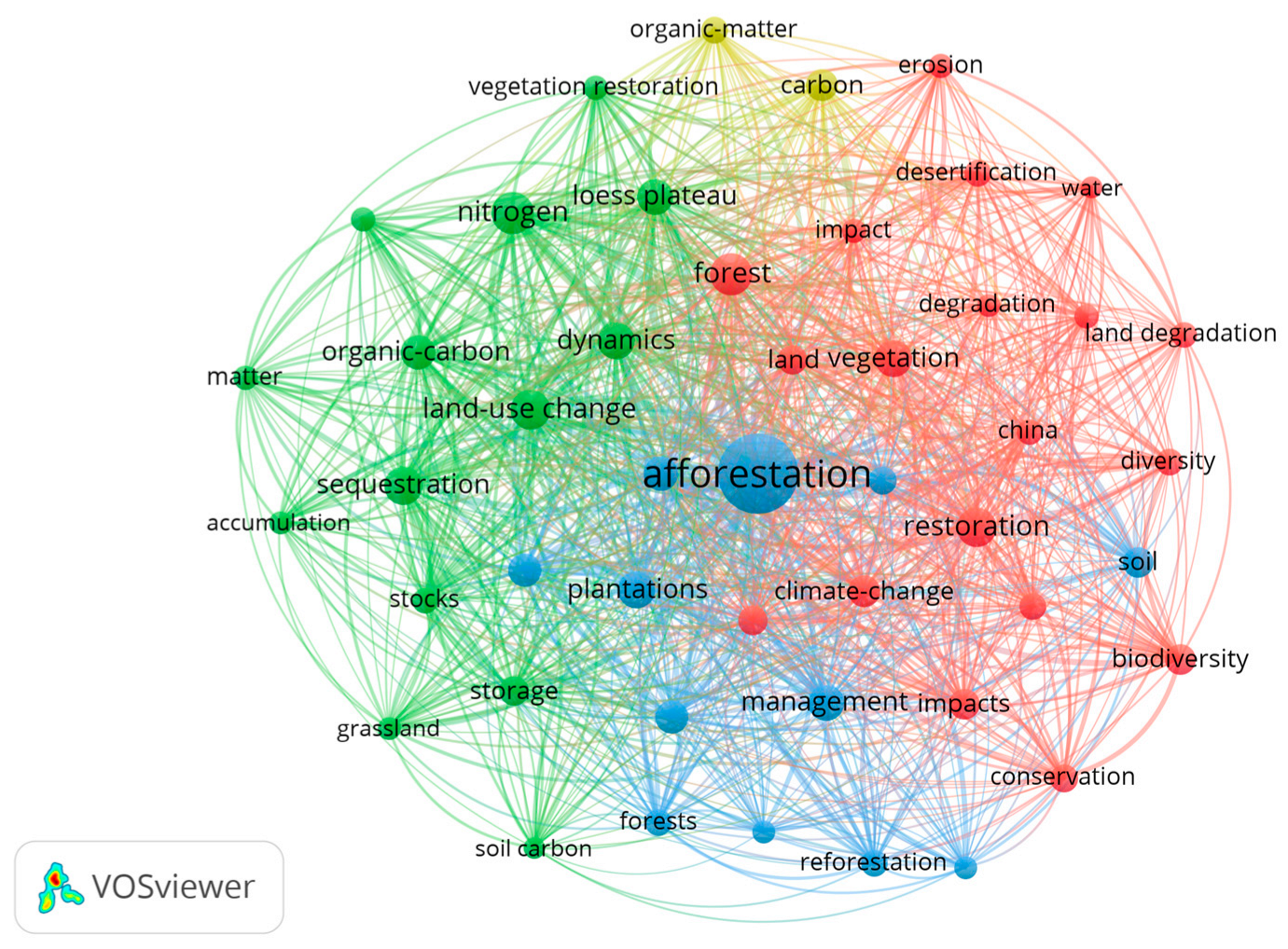
Among the keywords analyzed in these articles, the most frequently occurring were afforestation, nitrogen, forest, and land-use change, respectively (Table 2).
Based on their interconnections, the keywords can be grouped into several thematic clusters that reflect the major research themes within the field (Figure 9). While three dominant clusters were identified for clarity in this summary, additional smaller clusters also emerged, representing more specialized subtopics such as remote sensing and monitoring, policy and land management, restoration techniques, and carbon dynamics.
The first and largest cluster includes terms such as biodiversity, climate change, conservation, degradation, desertification, diversity, ecosystem services, erosion, impact, land, vegetation, and water, which collectively represent the broad ecological and environmental dimensions of afforestation research. The second cluster—comprising accumulation, grassland, loess plateau, nitrogen, sequestration, soil carbon, and storage—reflects studies emphasizing soil processes, nutrient cycling, and carbon sequestration mechanisms. The third cluster—formed by afforestation, biomass, climate, desertification, growth, management, plantations, and soil—is centered on afforestation practices, vegetation growth, and management strategies for degraded landscapes.
The presence of multiple smaller clusters indicates the interdisciplinary nature of afforestation research. These additional groupings suggest that studies are not only focused on ecological outcomes but also integrate technological, policy, and socio-economic dimensions. Overall, the clustering pattern highlights how afforestation of degraded lands serves as a convergence point for diverse research interests spanning ecology, climate mitigation, and sustainable land restoration.
The leading institutions affiliated with the authors of these articles, ranked by publication volume, include the Chinese Academy of Sciences (80 articles), North West A&F University, China (32 articles), University of Chinese Academy of Sciences (29 articles), and University of Bonn (22 articles). The publication landscape is predominantly dominated by four major publishers: Elsevier (181 articles), Springer Nature (88 articles), Wiley (59 articles), and MDPI (51 articles).

Temporal Evolution of Research Hotspots (1993–2024)

To better understand how research on afforestation of degraded lands has evolved over time, a temporal analysis of keyword co-occurrence was performed. We revealed three major chronological phases:
Phase I (1993–2005): Early studies focused primarily on reclamation, soil erosion, and reforestation in post-mining and arid landscapes. Keywords such as “rehabilitation,” “barren land,” and “soil fertility” dominated this period, reflecting the initial emphasis on restoring physical and chemical soil properties.
Phase II (2006–2015): A diversification of research themes emerged, characterized by growing attention to carbon sequestration, ecosystem services, and land-use change. Frequent terms included “carbon storage,” “biodiversity,” and “climate change,” indicating a conceptual transition toward ecological and climate-oriented restoration frameworks.
Phase III (2016–2024): The most recent decade has seen a surge in integrative approaches combining remote sensing, ecosystem resilience, functional diversity, and soil microbial dynamics. Keywords such as “microbial community,” “functional traits,” and “resilience” display strong interconnections, highlighting the shift from purely biophysical restoration to holistic ecosystem recovery.
Burst keyword detection further identified several terms with strong temporal bursts: carbon sequestration (2010–2016), ecosystem services (2015–2019), climate change (2016–2022), and microbial diversity (2020–2024). These bursts mark critical turning points in the field, reflecting a progressive movement from engineering-based restoration toward ecosystem- and climate-oriented paradigms.
This dynamic analysis underscores that research on afforestation of degraded lands has evolved from restoration of soil and vegetation structure to multifunctional ecosystem restoration and climate mitigation, aligning with the global sustainability agenda and the UN Decade on Ecosystem Restoration.

3.2. Literature Review

3.2.1. Main Problems Addressed in Studies on Afforestation of Degraded Lands

Table 3 provides a summary of the primary challenges and research topics investigated in the literature on afforestation of degraded lands, emphasizing the geographic distribution of studies as well as the varied ecological and socio-economic dimensions examined.
Analysis of the reviewed articles (Table 3) shows that the research on afforestation of degraded lands has been geographically diverse, with a strong representation from China, India, Turkey, and Uzbekistan, alongside contributions from Russia, Israel, Colombia, and Greece. The topics investigated span a wide range of environmental and socio-economic aspects.
Most of the studies focus on soil-related impacts of afforestation, such as soil organic carbon dynamics [30,33,40], soil quality improvements in sand dunes and grasslands [31,37], and changes in soil microbial communities [36]. Other studies emphasize hydrological functions, including infiltration processes [34] and salinity reduction [41].
Beyond soil processes, afforestation has also been analyzed in terms of land rehabilitation and ecosystem restoration, such as village common lands [34], degraded karst areas [33], and mine-impacted areas [43]. Additionally, some studies highlight socio-economic perspectives, including rural development [44], ecological restoration economics [35], and adoption constraints in agroforestry [38].

3.2.2. Tree and Shrub Species Reported for Afforestation of Degraded Lands: A Literature-Based Inventory

A compilation of tree and shrub species reported in the literature as being utilized for the afforestation of degraded lands across different ecological zones and countries is given in Table 4. To enhance interpretability, the species were further categorized by their origin (native or exotic to the respective country of use) and ecological function (nitrogen-fixing, pioneer, or fast-growing species). This allowed a better understanding of how species selection aligns with ecological restoration goals.
A total of 70 tree and shrub species were reported in the reviewed literature as being employed for afforestation and ecological restoration of degraded lands (Table 4). These species belong to diverse genera and are distributed across tropical, subtropical, temperate, and arid environments.
Of the listed species, around 68% are native to the regions where they were applied, while 32% are exotic or introduced species (notably Acacia mangium, Eucalyptus sp., and Prosopis juliflora). The predominance of native taxa supports the use of locally adapted species that enhance ecosystem resilience, although the continued use of a few well-performing exotic taxa indicates their recognized ecological or economic value in degraded settings.
In terms of ecological function, approximately 40% of the species are nitrogen-fixing legumes (e.g., Acacia, Albizia, Prosopis), playing a crucial role in soil fertility restoration. Another 35% represent pioneer or fast-growing species (e.g., Pinus, Populus, Schima), used to stabilize soil and facilitate succession. The remaining species serve as multipurpose trees for soil–water conservation, shade, or fuelwood.
The most frequently cited genera include Acacia, Pinus, Prosopis, Prunus, and Schima, each with multiple species used across different continents. Species were recorded from a wide range of land degradation categories, including salinized soils, sodic lands, deforested savannas, abandoned agricultural fields, mined areas, and desertified steppe ecosystems.
The reviewed studies covered a broad geographic range, including regions in Asia (China, India, Iran, Mongolia, Uzbekistan, Turkmenistan), Africa (Burkina Faso, Ethiopia, Nigeria, Morocco), Europe (Romania, Spain, Italy, Iceland), and the Americas (Brazil, Argentina, USA). Among these, India, China, and Uzbekistan accounted for the highest number of case studies.
Some species were consistently associated with specific degradation types. For instance: Acacia species dominated afforestation initiatives in semi-arid and Sahelian ecosystems; Populus, Elaeagnus, and Gleditsia species were employed in saline or sodic soils; Pinus and Picea species were favored for degraded grasslands and fire-affected landscapes and Prosopis species were widely used in arid and mine-degraded lands, respectively. The analysis indicates that species selection for degraded land afforestation combines ecological functionality, adaptability, and availability, with a clear preference for native, stress-tolerant, and soil-improving taxa that accelerate ecosystem recovery.

3.2.3. Global Perspectives on Afforestation of Degraded Lands

The literature review highlighted a variety of national strategies for afforestation and land restoration. In India, large-scale initiatives—including the Social Forestry program (1980s), the Joint Forest Management Programme (1990), and the National Afforestation and Eco-development Board (1992)—have contributed to stabilizing forest cover, despite persistent challenges related to fragmentation and degradation. More recently, India launched the National Mission for Greening India and the Compensatory Afforestation Fund Management and Planning Authority (CAMPA), aiming to regenerate 6 million hectares of degraded forest land [98].
In Nepal, ecological restoration remains the dominant focus, with tree planting as the primary direct response and financial incentives as indirect measures. Environmental desirability outweighs economic feasibility, while cultural acceptability receives little emphasis. Improved vegetative structure is the most widely prioritized restoration outcome [99].
Vietnam has emphasized integrated approaches that combine ecological and livelihood concerns. Rehabilitation strategies include intercropping with leguminous plants, tea plantations with shade trees, afforestation, home garden systems, valley paddy fields with fishponds, and hill slope agroforestry, with particular attention to erosion and water conservation [100].
In Mongolia, rapid desertification of the semi-arid steppe has driven projects such as the “Green Belt” joint initiative between Mongolia and South Korea, which promotes forest shelterbelts and agroforestry [87]. Turkey, which historically had 60%–70% forest and 10%–15% steppe cover, has lost about 26% of its forests due to overgrazing, clearcuttings, and overharvesting. Afforestation programs have covered 2.3 million ha, with an additional 1.2 million ha of erosion control, but semiarid conditions and population pressures limit success [101,102].
In Romania, over two million hectares of degraded terrain have been identified for afforestation, with projects executed by specialized forestry units under technical norms and supervision of Forest Guards [103]. In the last two decades significant afforestation projects took place in the southern part of Romania, in the sandy soil of so-called “Sahara of Romania”, in the southern part of Dolj County, where more than 250,000 hectares of sandy soils exist [97,104].
Ukraine has set a strategic objective of increasing forest cover to 20% by converting about 3 million hectares of degraded agricultural land into forests and grasslands [105].
Iceland has a century-long history of soil conservation since the establishment of the Icelandic Soil Conservation Service in 1907. Success has depended on education and participatory methods. Current goals focus on mitigating degradation, revegetation, and sustainable land use, with carbon sequestration seen as a co-benefit rather than a primary goal [106].
In Sudan, population growth, overgrazing, shifting agriculture, and deforestation have caused widespread land degradation, leading to integrated village development programs, rangeland rehabilitation, and afforestation initiatives [107]. In Tanzania, about 49% of land is affected by erosion at varying intensities, offering large opportunities for rehabilitation and afforestation to restore ecosystems and sequester carbon [108].
Ethiopia has pledged to restore 15 million ha of degraded lands under the Bonn Challenge through Forest Landscape Restoration (FLR), aiming to address land degradation, climate change, and food insecurity [109].
In Ecuador, where high biodiversity coexists with severe deforestation, natural regeneration has proved insufficient. Plantations of native species adapted to site conditions are seen as necessary for effective restoration [110].

3.2.4. Effects of Afforestation on Degraded Lands: Insights from Global Case Studies

Afforestation of degraded landscapes has been widely studied as a means to restore ecosystem functions and mitigate climate change. The recovery of carbon stocks is one of the main benefits, with vegetation establishment enhancing topsoil properties and enzyme activities, as reported in the dry Aral Sea Bed, Kazakhstan [111]. Similarly, soil organic carbon accumulation was observed in a Japanese coniferous plantation established on degraded land [112].
In Mediterranean environments, afforestation has been applied to combat desertification. In southeastern Spain, Pinus halepensis plantations on terraced marl limestone slopes unexpectedly increased surface runoff and erosion after heavy rainfall events, largely due to the modification of land structure during planting [113].
Positive impacts on soil quality are widely documented. In sodic soils of India, Prosopis plantations reduced soil pH, electrical conductivity, and exchangeable sodium levels, while enhancing infiltration, organic carbon, nitrogen, phosphorus, and essential cations. After 30 years, soil under plantations supported higher wheat yields than nearby non-sodic farm soils, demonstrating restored fertility and productivity [90]. Similarly, on the Central Loess Plateau of China, afforestation proved more effective in enhancing soil carbon and nitrogen sequestration than natural succession [114].
Recent studies further highlight the influence of afforestation on soil microbial communities. Work by Chen (2024) [115] shows that afforestation improves soil fertility and enzyme activity across different soil aggregates, but also that bacterial and fungal community assembly responds differently at the aggregate level.
Hydrological impacts remain complex. Bruijneel’s pan-tropical analysis revealed that in certain degraded landscapes with deep soils and seasonal rainfall, afforestation increased infiltration and dry-season flows in about 10% of cases, with another 8% showing neutral outcomes. These results emphasize that afforestation can sometimes enhance groundwater recharge and water availability rather than reduce it.
Not all outcomes were positive. China’s Grain for Green Project, though successful in restoring ground cover at large scales, has also been linked to increased water shortages, reduced vegetation cover, and lower species diversity in arid and semi-arid regions. Tree planting in such contexts was found to be less effective than livestock exclusion and reduced cultivation [116]. Similar concerns apply to the use of exotic fast-growing species. For instance, invasive acacias were found to inhibit the growth of native trees such as Quercus suber and Faidherbia albida, underlining the ecological risks of poorly adapted introductions [117].
Finally, economic and social aspects complicate the practice. Case studies from New Zealand and India highlight that afforestation of degraded lands can be economically unfeasible compared to planting on better-quality land, and in some cases, degraded land may hold significant livelihood value for local populations. Failure to recognize these social dimensions may undermine political and community support for afforestation [118].

3.2.5. Techniques and Approaches for Afforestation of Degraded Lands

Afforestation practices not only contribute to reversing land degradation but also serve as a cornerstone for long-term ecological restoration and climate change mitigation. The integration of afforestation with sustainable forest management (SFM) enhances ecological stability and supports sustainability in the era of climate change. These practices are especially crucial for rehabilitating problematic soils such as saline, waterlogged, marshy, coastal, and sandy lands, where scientific afforestation methods can restore productivity. In addition, strong governance and effective policy frameworks act as catalysts, enabling afforestation projects to meet the growing global demand for timber, fuelwood, fodder, and food while simultaneously increasing forest cover worldwide [119].
Among different manifestations of land degradation, ravines represent one of the most severe forms, particularly across alluvial river systems. Agroforestry, a traditional adaptive land-use practice, can play a significant role in improving livelihoods by providing food, fruit, fodder, and firewood, while simultaneously mitigating ravine degradation. Rehabilitation of ravine ecosystems requires integrated strategies that combine land capability classification, soil and water conservation, and permanent vegetation cover. This involves afforestation, agroforestry, horticulture, pastures, and energy plantations, with careful species selection being critical to success [120].
In Sahelian Africa, degraded soils characterized by instability, crusting, and low water-holding capacity present significant challenges for vegetation establishment. A study in Burkina Faso tested soil restoration techniques—half-moon, zaï, and standard plantation—on the survival and growth of Acacia nilotica, Acacia tortilis, and Jatropha curcas seedlings. Results demonstrated that the half-moon technique provided the highest survival and growth rates, underscoring its effectiveness in semi-arid restoration [121].
Agroforestry technologies developed across diverse agroclimatic zones further highlight the potential of integrated systems. Dominant agroforestry models include agro-horticulture, silvopasture, and agro-silviculture. These systems have demonstrated significant benefits: enhancing carbon sequestration (ranging from 1.80 Mg C ha−1 yr−1 in the Western Himalayas to 3.50 Mg C ha−1 yr−1 in the island regions) and drastically reducing soil loss (94%) and runoff (78%) in Northeast India. Such evidence emphasizes agroforestry as a crucial tool for degraded land rehabilitation, while simultaneously addressing food, environmental, and livelihood security [122].
Complementary soil amendments can enhance afforestation outcomes. Application of composted urban residues improved the growth performance of shrub species in degraded semiarid lands, demonstrating the role of organic inputs in supporting vegetation establishment [121].
Wastelands—commonly defined as degraded, unused, and uncultivated lands—require systematic rehabilitation strategies. These include site surveys, appropriate species selection, and scientifically tested planting techniques. For ravine lands, rehabilitation involves watershed-based treatment of table and marginal lands, soil conservation measures, and the establishment of permanent vegetation through afforestation, agroforestry, horticulture, pastures, and energy plantations [123].
Biotechnological advancements also offer innovative tools for afforestation. Clonal propagation enables large-scale production of genetically superior plants, facilitating commercial plantation establishment. Moreover, molecular markers and advanced breeding programs have proven valuable in developing improved clones for afforestation and land rehabilitation [124].
In the Loess Plateau of China, seven revegetation techniques were evaluated for their impact on deep soil moisture deficit and soil organic carbon (SOC) sequestration. The mixed plantation of Platycladus orientalis and Hippophae rhamnoides with terracing emerged as the most promising option, combining near-zero deep soil moisture deficit with significant SOC sequestration. By contrast, single-species plantations either maximize SOC at the expense of soil water or minimize water loss with little SOC gain. These findings highlight the advantage of mixed plantations combined with land engineering measures for effective restoration [85].
Runoff-harvesting afforestation systems, which involve extensive earthworks, have also been implemented in semi-arid and degraded landscapes. Among these, contour bench terraces—embankments constructed along hillslope contours—are particularly effective. This technique has been applied successfully in the semi-arid Negev region of Israel [125] and in Romania [82], underscoring its adaptability across geographies.

3.2.6. Afforestation of Land Disturbed by Mining

Mining activities represent one of the most extreme forms of anthropogenic land degradation, producing landscapes characterized by removed topsoil, altered hydrology, toxic substrates, and unstable geomorphology. Afforestation of post-mining lands has therefore become an essential component of ecological reclamation, combining technical stabilization with long-term ecosystem restoration [126]. Depending on the depth of disturbance and spoil composition, reclamation may include both engineered measures (grading, topsoiling, amelioration) and biological restoration through the establishment of tree and shrub vegetation capable of re-creating soil structure and ecological functions [127].
Global Perspectives
Worldwide, large-scale forest reclamation has been implemented on mining and quarry spoils in Asia, Europe, and the Americas. In India, numerous open-cast coal and metal mines have been rehabilitated using fast-growing nitrogen-fixing species such as Acacia auriculiformis, Dalbergia sissoo, and Prosopis juliflora, which significantly improved soil fertility, organic carbon, and microbial activity [43,89]. In Brazil, Valente et al. [53] demonstrated that leguminous trees (Anadenanthera peregrina, Inga edulis) accelerated nutrient cycling and substrate stabilization on bauxite tailings. Similar approaches have been tested in China’s mineral provinces, where mixed plantations of Robinia pseudoacacia, Pinus tabulaeformis, and Populus spp. reduced heavy-metal mobility and improved soil enzyme activity within a decade [128,129].
Central European Experience: The “Black Triangle”
Some of the most intensively studied post-mining landscapes are located in Central Europe—at the tri-border region of the Czech Republic, Poland, and Germany—known as the “Black Triangle.” Long-term ecological research here provides invaluable insights into secondary succession, soil development, and vegetation dynamics on mine spoils.
In the Czech Republic, pioneering work by Frouz et al. and Vindušková et al. [130,131] documented how spontaneous and assisted afforestation processes create novel but functionally resilient ecosystems on brown-coal dumps near Most and Sokolov. Studies revealed that tree species such as Betula pendula, Populus tremula, and Pinus sylvestris act as primary colonizers, promoting organic matter accumulation and invertebrate community recovery. Over time, soil microbial biomass and enzyme activities converge toward reference forest soils.
In Poland, Pietrzykowski, Dulias and Heldak [132,133,134] conducted extensive reclamation research in the Upper Silesian and Bełchatów mining areas. Their studies emphasized the importance of soil substrate preparation and tree species selection for long-term nutrient cycling. Pinus sylvestris, Quercus robur, Larix decidua, and Betula pendula proved effective for the re-creation of forest-like soils, while amendments such as fly ash and compost accelerated organic-matter accumulation. Functional soil horizons comparable to natural forest soils were observed after 30–40 years.
German experience, synthesized by Hüttl, and Bensa [135,136], stems largely from lignite mining districts of Lusatia. Early reclamation efforts focused on conifer monocultures (Pinus nigra, P. sylvestris), which ensured rapid stabilization but low biodiversity. Recent strategies favor mixed, site-adapted forests integrating Betula pendula, Quercus petraea, Robinia pseudoacacia, and Populus tremula to promote soil development and ecological resilience. Comparative trials revealed that birch-oak mixtures produced higher litter quality and faster humus formation than pine monocultures.
Soil Processes and Ecological Outcomes
Across mining landscapes, afforestation initiates pedogenesis by increasing litter inputs, root penetration, and microbial activity. Studies from Central Europe [137] and Asia [43] consistently report increases in soil organic carbon, cation-exchange capacity, and biological nitrogen fixation. The re-established vegetation reduces erosion and metal leaching while enhancing infiltration and water-holding capacity [133]. However, soil recovery remains slow: in many cases, 30–60 years are required for humus development and nutrient equilibrium comparable to natural forest stands.
Socio-Esthetic and Policy Dimensions
Beyond ecological functions, post-mining forests deliver social and cultural benefits. Braun Kohlová [138] emphasized the esthetic and recreational appeal of reclaimed forest landscapes in North Bohemia, demonstrating positive public perception and increased tourism. Similar conclusions were drawn by Spasić et al. [13] for the Czech–German borderlands, where forested spoil heaps contribute to regional identity and ecosystem-service provision. Integrating social valuation into reclamation planning enhances long-term acceptance and multifunctionality.
Synthesis
Afforestation of post-mining lands exemplifies a successful merger of technical reclamation and ecological restoration. Evidence from the “Black Triangle” and comparable regions demonstrates that forest ecosystems can develop new soil profiles, support diverse biota, and deliver social amenities within decades of mine closure. Nevertheless, outcomes depend strongly on substrate properties, hydrology, and species composition. Best practice now favors mixed, native-dominated stands designed for both ecological function and landscape esthetics [137,138]. As global mining expands, these experiences provide a valuable framework for sustainable reclamation and carbon-positive land restoration.

4. Discussion

4.1. Bibliometric Review

The compilation of 631 publications on the afforestation of degraded lands reflects a substantial body of research dedicated to this critical environmental issue. The predominance of research articles, accounting for 87% of the dataset, highlights the emphasis on generating original empirical findings and advancing knowledge through primary studies. This overwhelming majority suggests a strong focus within the scientific community on investigating afforestation processes, outcomes, and methodologies through rigorous experimental and observational research.
In contrast, review papers, though comprising a smaller proportion (5%), play a crucial role in synthesizing existing knowledge, identifying research gaps, and providing comprehensive overviews of the field. Their presence indicates a growing recognition of the complexity of afforestation as a multidisciplinary topic requiring integrative analyses. Meanwhile, book chapters (4%) and conference proceedings (4%) contribute to the dissemination of research in diverse formats, facilitating broader academic discussion and knowledge exchange.

4.2. Critical Reflections on the Literature of Afforestation in Degraded Environments

The literature review underscores that afforestation of degraded lands is a multifaceted research field, integrating biophysical, ecological, and socio-economic perspectives. The predominance of soil-related studies, particularly in China, reflects both the severity of land degradation in this region and the strong national investment in restoration programs. This suggests a geographic bias on the evidence base, with less representation from Africa or South America, despite their extensive degraded areas.
A key insight is the consistent positive role of afforestation in restoring soil functions—from carbon sequestration and aggregate stability to microbial activity and reduced salinity. However, the studies also show that outcomes are strongly context-dependent: for example, successes in sandy soils (Turkey, China) may not be directly comparable to karst or mining environments (China, India).
The review also highlights the intersection of ecological restoration with rural livelihoods and economic benefits, yet socio-economic evaluations remain underrepresented compared to biophysical studies. Only a handful of works [35,38,44] explicitly address the human dimensions of afforestation, suggesting a research gap in linking ecological restoration to sustainable development outcomes.
Finally, several recent studies [39,40] expand the scope to microbial communities and natural regeneration, pointing toward an emerging focus on ecosystem resilience rather than solely on tree planting. This shift may guide future research toward more integrated approaches that combine afforestation with natural succession and landscape-level restoration.

4.3. Tree and Shrub Species Utilized for the Afforestation of Degraded Lands

The reviewed literature highlights clear trends in species choice for afforestation of degraded lands, reflecting both ecological suitability and socio-economic considerations.

4.3.1. Regional Specificity of Species Uses

Species selection was strongly region-dependent. In Asia, particularly China and India, afforestation efforts emphasized fast-growing and multipurpose species such as Acacia mangium, Eucalyptus spp., Schima spp., and Dalbergia sissoo. In contrast, Africa showed a preference for drought-tolerant trees (Acacia tortilis, Balanites aegyptiaca, Anacardium occidentale), reflecting adaptation to semi-arid Sahelian and savanna ecosystems. European initiatives (Romania, Iceland, Spain, Italy) often relied on native or naturalized temperate species (Betula pendula, Pinus halepensis, Robinia pseudoacacia), indicating a tendency toward ecological restoration with native elements.

4.3.2. Convergence on Certain Genera

The repeated use of certain genera (Acacia, Pinus, Prosopis) across different regions suggests their ecological plasticity and proven success in degraded environments. However, this also raises concerns of potential invasiveness in non-native ranges (e.g., Prosopis juliflora, Ailanthus altissima, Robinia pseudoacacia).

4.3.3. Functional Traits and Tolerance to Stress

Species were commonly selected for their tolerance to abiotic stresses, including salinity (Elaeagnus angustifolia, Populus euphratica), sodicity (Azadirachta indica, Prosopis juliflora), or drought (Acacia nilotica, Juniperus phoenicea). This indicates that restoration strategies are guided primarily by resilience traits rather than timber or commercial value alone.

4.3.4. Multipurpose and Socio-Economic Roles

Several species (Jatropha curcas, Leucaena leucocephala, Moringa peregrina) were chosen not only for ecological rehabilitation but also for economic benefits such as fodder, biofuel, or non-timber forest products. This aligns afforestation goals with local livelihood improvement, a crucial factor for project sustainability.

4.4. Patterns, Challenges, and Opportunities in Afforestation of Degraded Lands Across Regions

The review highlights both common trends and regional specificities in afforestation efforts. Countries with severe land degradation pressures, such as Mongolia [87], Sudan [107], Tanzania [108], and Ethiopia [109], tend to view afforestation primarily as a tool for ecological stabilization—particularly erosion control, desertification mitigation, and climate resilience. In contrast, countries with more established institutional frameworks, such as India [98], Romania [103], and Ukraine [105], emphasize large-scale policy-driven afforestation programs, with clear targets for increasing forest cover.
The role of socioeconomic integration is evident in countries like Nepal [99] and Vietnam [100], where afforestation is linked to rural livelihoods through agroforestry and multipurpose land use. By comparison, Iceland [106] demonstrates the effectiveness of participatory approaches, where education and community engagement have sustained conservation efforts for over a century.
Challenges are also consistent across regions. Harsh ecological conditions, such as Turkey’s semiarid landscapes [101,102], Mongolia’s advancing desertification [87], and Ethiopia’s climate-related pressures [109], often reduce plantation survival and restoration effectiveness. Meanwhile, anthropogenic pressures—including overgrazing, agricultural expansion, and population growth—continue to degrade landscapes even in countries with ambitious programs, such as India [98], Sudan [107], and Ecuador [110].
Taken together, these cases show that afforestation is not only a technical intervention but a multi-dimensional process requiring ecological, social, and institutional alignment. Successful models, such as Iceland’s participatory conservation system [106] and Ethiopia’s large-scale FLR commitment [109], demonstrate that combining biodiversity-based approaches, community involvement, and strong governance can provide sustainable pathways for restoring degraded lands.

4.5. Balancing Benefits and Trade-Offs of Afforestation on Degraded Lands

The reviewed studies illustrate both the restorative potential and the context-dependent limitations of afforestation on degraded lands.

4.5.1. Soil Fertility and Carbon Sequestration

Evidence from multiple regions demonstrates the strong potential of afforestation to restore soil fertility and increase carbon storage. The improvements in sodic soils under Prosopis plantations in India [90] and enhanced carbon and nitrogen sequestration in China [114] highlight the role of long-term tree establishment in reversing soil degradation. These benefits extend to microbial communities, where afforestation influences both soil enzyme activities and the assembly of microbial populations, even at the soil aggregate scale [40]. Such findings confirm afforestation as a key strategy for biogeochemical recovery in degraded systems.

4.5.2. Hydrological Outcomes: Gains and Risks

Hydrological responses to afforestation are less consistent. Positive cases exist where infiltration gains offset vegetation water demand, leading to enhanced groundwater recharge and dry season flows [139]. Yet, other evidence suggests risks of increased runoff and erosion (Spain [113]) or water shortages (China [116]) when afforestation is poorly matched to local conditions. These contrasting outcomes stress that afforestation is not universally beneficial for water regulation, and site-specific assessments are essential.

4.5.3. Biodiversity and Species Selection

The choice of species emerges as a decisive factor. While plantations can restore vegetation cover, reliance on exotic or invasive trees risks suppressing native biodiversity, as seen with acacias inhibiting native tree growth [117]. Moreover, afforestation projects that destroy existing vegetation, even if degraded, may exacerbate erosion and reduce species diversity [116]. Restoration approaches should therefore prioritize native and drought-adapted species, and, in severely degraded arid lands, even non-tree options such as shrub or lichen communities may be more sustainable.

4.5.4. Socio-Economic Considerations

Beyond ecological impacts, afforestation on degraded lands presents significant economic and social challenges. As Hunter’s cases from New Zealand and India demonstrate, planting on degraded land can be costlier than afforesting fertile land and may undermine livelihoods when land use conflicts arise. These insights underline the need to integrate socio-economic realities into afforestation policies, ensuring that restoration does not displace local communities or impose unsustainable financial burdens.

4.5.5. Balancing the Trade-Offs

Taken together, these findings reveal that afforestation is neither a universal remedy nor an inherently harmful practice. Its success depends on context: soil type, water availability, species selection, local socio-economic conditions, and management practices. While afforestation can restore soil fertility, enhance carbon stocks, and sometimes improve hydrology, it can also trigger unintended consequences such as erosion, water scarcity, and biodiversity loss. Effective restoration thus requires a case-by-case approach, combining ecological knowledge with local socio-economic priorities. Beyond afforestation efforts, prioritizing soil health is essential, as healthy soils are foundational to human well-being and require a rethinking of current soil resource exploitation practices [140]. In light of the ongoing food crisis—exacerbated by climate change and the degradation of agricultural lands due to both natural and human-induced factors—it is crucial to develop and implement viable strategies for maintaining and improving soil quality [141].

4.6. Ecological, Technical, and Policy Perspectives on Afforestation of Degraded Lands

The reviewed literature underscores that afforestation of degraded lands is not a uniform process but rather a context-specific intervention shaped by ecological, technical, and policy considerations. Collectively, the results reveal a diverse portfolio of techniques adapted to site conditions, ranging from ravine ecosystems to semiarid Sahelian soils and alluvial or mountainous landscapes.
From an ecological perspective, afforestation demonstrates significant potential for restoring degraded ecosystems. For example, mixed plantations in the Loess Plateau of China not only enhanced soil organic carbon but also minimized water depletion when combined with terracing [85]. Similarly, agroforestry systems in India delivered both carbon sequestration and erosion control [122]. These cases illustrate that restoration strategies can provide co-benefits: climate regulation, soil stabilization, and biodiversity support.
At the technical level, the choice of restoration practice is crucial for ensuring plant establishment and ecosystem recovery. In semi-arid regions like the Sahel, survival of tree seedlings depended strongly on soil preparation techniques, with the half-moon method outperforming alternatives [121]. Likewise, earthwork-based runoff-harvesting approaches (e.g., contour bench terraces) have proven adaptable across varied semi-arid contexts [82,125]. Advances in biotechnology, including clonal propagation and molecular breeding, further extend technical options for large-scale afforestation [124]. Together, these examples emphasize that tailored interventions, grounded in both traditional and modern techniques, are required for successful rehabilitation.
From a policy and governance standpoint, institutional support plays a catalytic role in scaling up afforestation. Effective frameworks enable the integration of afforestation into broader sustainable forest management strategies, thereby addressing global resource needs for timber, fodder, and fuel while combating climate change [119]. This highlights that scientific approaches alone are insufficient without enabling governance mechanisms.
Finally, the reviewed studies collectively reveal a strong integration trend: afforestation is rarely successful in isolation. Instead, it requires a multidisciplinary strategy that combines soil and water conservation, organic amendments, agroforestry, biotechnology, and land engineering. Whether in ravine rehabilitation [120,123] or semi-arid afforestation [121,125], the best outcomes emerge from approaches that link ecological processes with technical innovations and supportive policy environments.
Despite significant progress in understanding the ecological and socio-economic roles of afforestation on degraded lands, important gaps remain that constrain the development of robust, globally applicable strategies, such as:
Underrepresentation of socio-economic dimensions: Most of the research has focused on biophysical outcomes such as soil fertility and carbon sequestration, whereas social and economic aspects—including livelihood impacts, cost–benefit analyses, and land-use conflicts—have received comparatively little attention.
Species selection and biodiversity risks: Fast-growing or exotic species (e.g., Acacia, Eucalyptus, Prosopis) are widely used, but comparative studies evaluating their long-term ecological suitability against native species are scarce. Risks of invasiveness and biodiversity suppression are insufficiently addressed.
Hydrological uncertainty: Findings on the hydrological impacts of afforestation remain mixed. While some studies report increased infiltration and groundwater recharge, others highlight water shortages and erosion risks, particularly in arid and semi-arid regions.
Limited integration of restoration approaches: Research continues to emphasize large-scale tree planting, while integrated approaches that combine afforestation with natural regeneration, agroforestry, or landscape-level restoration remain underexplored.
Technical and biotechnological gaps: Advances such as clonal propagation, molecular breeding, and stress-resilient genotypes show promise but are rarely tested at scale in degraded landscapes.
Future research directions: Integrate socio-ecological perspectives: Future work should explicitly link ecological restoration with livelihood security, land tenure, and economic feasibility to ensure socially sustainable afforestation programs.
Prioritize native and stress-tolerant species: Greater emphasis should be placed on native, drought-adapted, and multipurpose species to enhance biodiversity, ecosystem resilience, and community benefits.
Clarify hydrological outcomes: Developing region-specific hydrological models and long-term watershed studies is essential to predict and manage water-related trade-offs of afforestation.
Promote mixed and multifunctional systems: Research should advance afforestation models that integrate agroforestry, natural succession, and mixed plantations to maximize co-benefits across ecological and socio-economic domains.
Harness biotechnological innovations: Future studies should assess the applicability of biotechnology (e.g., molecular breeding, genetic improvement, clonal propagation) for scaling up afforestation in degraded ecosystems.

5. Conclusions

In conclusion, afforestation of degraded lands is a well-established and actively researched field, underpinned by a robust body of empirical studies and growing interdisciplinary interest. The literature reflects a diverse array of publication formats that facilitate both the generation and dissemination of knowledge across ecological, technical, and socio-economic domains.
As a complex and multidimensional endeavor, afforestation is shaped by regional ecological conditions, institutional frameworks, and levels of socio-economic integration. Species selection practices vary significantly across regions, reflecting local environmental stressors and livelihood needs, with a preference for stress-tolerant, multipurpose species. However, the repeated use of certain non-native genera raises concerns regarding potential invasiveness and long-term ecological risks.
Despite clear evidence of positive impacts—particularly on soil restoration—current research remains geographically and thematically imbalanced, with a concentration of biophysical studies in countries like China and limited attention to socio-economic dimensions and underrepresented regions such as Africa and South America.
Emerging trends signal a transition from conventional, tree-planting-focused approaches to more holistic strategies that emphasize ecosystem resilience, including microbial dynamics, natural regeneration, and landscape-level integration. Successful models from countries such as Ethiopia and Iceland demonstrate that sustainable restoration requires not only sound ecological practices but also strong governance, active community participation, and alignment with local development goals.

Author Contributions

Conceptualization, L.D., G.M. and C.M.E.; methodology, L.D.; software, G.M.; validation, L.D., G.M. and C.M.E.; formal analysis, L.D. and M.M.; investigation, L.D. and L.I.; resources, L.I., M.M. and A.I.T.; data curation, G.M. and A.I.T.; writing—original draft preparation, L.D. and C.M.E.; writing—review and editing, G.M., L.I., M.M. and A.I.T.; visualization, G.M.; supervision, G.M. and L.D.; project administration, L.D. All authors have read and agreed to the published version of the manuscript.

Funding

This study was supported by the University of Agronomic Sciences and Veterinary Medicine of Bucharest. The work of Gabriel Murariu was supported by “Internal research grant in the field of Environmental Engineering regarding the study of the distribution of polluting factors in the South–Eastern area of Europe”—Financing contract no. 14886/11.05.2022 Dunărea de Jos University of Galati.

Data Availability Statement

No new data were created or analyzed in this study. Data sharing is not applicable to this article.

Conflicts of Interest

The authors declare no conflicts of interest.

References

  1. Asnake, B. Land degradation and possible mitigation measures in Ethiopia: A review. J. Agric. Ext. Rural. Dev. 2024, 16, 23–29. [Google Scholar] [CrossRef]
  2. Temerdek-Ivan, K.; Benedek, J.; Török, I.; Holbâcă, I.H.; Alexe, M. Determination of Land Degradation in Romania at a Local Scale Using Advanced Analytical Techniques. Land Degrad. Dev. 2025, 36, 1614–1627. [Google Scholar] [CrossRef]
  3. Bai, Z.G.; Dent, D.L.; Olsson, L.; Schaepman, M.E. Proxy global assessment of land degradation. Soil Use Manag. 2008, 24, 223–234. [Google Scholar] [CrossRef]
  4. Yao, W.; Nan, F.; Li, Y.; Li, Y.; Liang, P.; Zhao, C. Effects of Different Afforestation Years on Soil Properties and Quality. Forests 2023, 14, 329. [Google Scholar] [CrossRef]
  5. Liu, Y.; Qin, F.; Li, L.; Dong, X.; Liu, L.; Yang, L. The Long-Term Effects of Barren Land Afforestation on Plant Productivity, Soil Fertility, and Soil Moisture in China: A Meta-Analysis. Plants 2024, 13, 1614. [Google Scholar] [CrossRef]
  6. Zhu, D.; Yang, Q.; Zhao, Y.; Cao, Z.; Han, Y.; Li, R.; Ni, J.; Wu, Z. Afforestation Influences Soil Aggregate Stability by Regulating Aggregate Transformation in Karst Rocky Desertification Areas. Forests 2023, 14, 1356. [Google Scholar] [CrossRef]
  7. Liu, L.; He, T.; Zhu, N.; Peng, Y.; Gao, X.; Liu, Z.; Dang, P. Effects of Afforestation Patterns on Soil Nutrient and Microbial Community Diversity in Rocky Desertification Areas. Forests 2023, 14, 2370. [Google Scholar] [CrossRef]
  8. Mongil-Manso, J.; Navarro-Hevia, J.; San Martin, R. Impact of Land Use Change and Afforestation on Soil Properties in a Mediterranean Mountain Area of Central Spain. Land 2022, 11, 1043. [Google Scholar] [CrossRef]
  9. Li, Y.; Jiang, L.; Yuan, H.; Li, E.; Yang, X. The Impact of Artificial Afforestation on the Soil Microbial Community and Function in Desertified Areas of NW China. Forests 2024, 15, 1140. [Google Scholar] [CrossRef]
  10. Qian, J.; Ji, C.; Yang, J.; Zhao, H.; Wang, Y.; Fu, L.; Liu, Q. The advantage of afforestation using native tree species to enhance soil quality in degraded forest ecosystems. Sci. Rep. 2024, 14, 20022. [Google Scholar] [CrossRef]
  11. Du, S.; Xie, H.; Zhang, G.; Qiao, F.; Geng, G.; Chongyi, E. Improvement Effects of Different Afforestation Measures on the Surface Soil of Alpine Sandy Land. Biology 2025, 14, 144. [Google Scholar] [CrossRef] [PubMed]
  12. Zhang, Y.; Wei, L.; Wei, X.; Liu, X.; Shao, M. Long-term afforestation significantly improves the fertility of abandoned farmland along a soil clay gradient on the Chinese Loess Plateau. Land Degrad. Dev. 2018, 29, 3521–3534. [Google Scholar] [CrossRef]
  13. Psistaki, K.; Tsantopoulos, G.; Paschalidou, A.K. An Overview of the Role of Forests in Climate Change Mitigation. Sustainability 2024, 16, 6089. [Google Scholar] [CrossRef]
  14. Du, S.; Liu, E.; Li, H.; Wei, Y.; Jiang, C.; Wu, X.; Zhang, Q. Afforestation inhibits aromatic ring cleavage and promotes soil organic carbon sequestration in seasonally flooded marshland soils at 1-m depth in China. Appl. Soil Ecol. 2025, 211, 106135. [Google Scholar] [CrossRef]
  15. Hasegawa, T.; Fujimori, S.; Ito, A.; Takahashi, K. Careful selection of forest types in afforestation can increase carbon sequestration by 25% without compromising sustainability. Commun. Earth Environ. 2024, 5, 171. [Google Scholar] [CrossRef]
  16. Saturday, A. Restoration of degraded agricultural land: A review. J. Environ. Health Sci. 2018, 4, 44–51. [Google Scholar]
  17. Sivakumar, M.V.; Stefanski, R. Climate and land degradation—An overview. In Climate and Land Degradation; Springer: Berlin/Heidelberg, Germany, 2007; pp. 105–135. [Google Scholar] [CrossRef]
  18. Xie, H.; Zhang, Y.; Wu, Z.; Lv, T. A bibliometric analysis on land degradation: Current status, development, and future directions. Land 2020, 9, 28. [Google Scholar] [CrossRef]
  19. Dincă, L.; Murariu, G.; Lupoae, M. Understanding the ecosystem services of riparian forests: Patterns, gaps, and global trends. Forests 2025, 16, 947. [Google Scholar] [CrossRef]
  20. Bratu, I.; Dincă, L.; Constandache, C.; Murariu, G. Resilience and decline: The impact of climatic variability on temperate oak forests. Climate 2025, 13, 119. [Google Scholar] [CrossRef]
  21. Dincă, L.; Crisan, V.; Ienășoiu, G.; Murariu, G.; Drăşovean, R. Environmental Indicator Plants in Mountain Forests: A Review. Plants 2024, 13, 3358. [Google Scholar] [CrossRef] [PubMed]
  22. Murariu, G.; Dincă, L.; Munteanu, D. Trends and Applications of Principal Component Analysis in Forestry Research: A Literature and Bibliometric Review. Forests 2025, 16, 1155. [Google Scholar] [CrossRef]
  23. Salisbury, L. Web of Science and Scopus: A Comparative Review of Content and Searching Capabilities. Charlest. Advis. 2009, 11, 5–18. [Google Scholar]
  24. Clarivate.com. Web of Science Core Collection. Available online: https://clarivate.com/products/scientific-and-academic-research/research-discovery-and-workflow-solutions/webofscience-platform/web-of-science-core-collection/ (accessed on 20 May 2025).
  25. Elsevier. Scopus. Available online: https://www.elsevier.com/products/scopus (accessed on 20 May 2025).
  26. Microsoft Corporation. Microsoft Excel. Available online: https://www.microsoft.com/en-us/microsoft-365/excel?legRedir=true&CorrelationId=3bb60ab0-fe13-41a4-812b-2627667cf346 (accessed on 26 May 2025).
  27. Geochart. Available online: https://developers.google.com/chart/interactive/docs/gallery/geochart (accessed on 23 May 2025).
  28. VOSviewer. Available online: https://www.vosviewer.com/ (accessed on 22 May 2025).
  29. Page, M.J.; McKenzie, J.E.; Bossuyt, P.M.; Boutron, I.; Hoffmann, T.C.; Mulrow, C.D.; Shamseer, L.; Tetzlaff, J.M.; Akl, E.A.; Brennan, S.E.; et al. The PRISMA 2020 Statement: An Updated Guideline for Reporting Systematic Reviews. BMJ 2021, 71, 372. [Google Scholar]
  30. Hou, G.; Delang, C.O.; Lu, X. Afforestation changes soil organic carbon stocks on sloping land: The role of previous land cover and tree type. Ecol. Eng. 2020, 152, 105860. [Google Scholar] [CrossRef]
  31. Akça, E.; Kapur, S.; Tanaka, Y.; Kaya, Z.; Bedestenci, H.C.; Yakti, S. Afforestation effect on soil quality of sand dunes. Pol. J. Environ. Stud. 2010, 19, 1109–1116. [Google Scholar]
  32. Pal, R.C.; Sharma, A. Afforestation for reclaiming degraded village common land: A case study. Biomass Bioenergy 2001, 21, 35–42. [Google Scholar] [CrossRef]
  33. Lan, J.; Long, Q.; Huang, M.; Jiang, Y.; Hu, N. Afforestation-induced large macroaggregate formation promotes soil organic carbon accumulation in degraded karst area. For. Ecol. Manag. 2022, 505, 119884. [Google Scholar] [CrossRef]
  34. Lozano-Baez, S.E.; Domínguez-Haydar, Y.; Zwartendijk, B.W.; Cooper, M.; Tobón, C.; Di Prima, S. Contrasts in top soil infiltration processes for degraded vs. restored lands. A case study at the Perijá range in Colombia. Forests 2021, 12, 1716. [Google Scholar] [CrossRef]
  35. Korneeva, E.A. Economic evaluation of ecological restoration of degraded lands through protective afforestation in the south of the Russian plain. Forests 2021, 12, 1317. [Google Scholar] [CrossRef]
  36. Kara, O.; Babur, E.; Altun, L.; Seyis, M. Effects of afforestation on microbial biomass C and respiration in eroded soils of Turkey. J. Sustain. For. 2016, 35, 385–396. [Google Scholar] [CrossRef]
  37. Hu, Y.L.; Zeng, D.H.; Fan, Z.P.; Ai, G.Y. Effects of degraded sandy grassland afforestation on soil quality in semi-arid area of Northern China. Ying Yong Sheng Tai Xue Bao J. Appl. Ecol. 2007, 18, 2391–2397. [Google Scholar]
  38. Djalilov, B.M.; Khamzina, A.; Hornidge, A.K.; Lamers, J.P. Exploring constraints and incentives for the adoption of agroforestry practices on degraded cropland in Uzbekistan. J. Environ. Plan. Manag. 2016, 59, 142–162. [Google Scholar] [CrossRef]
  39. Li, T.; Liu, Y.; Zhang, C.; Wang, S.; Duan, C. An evaluation of the sufficiency of natural soil seed banks to support vegetation restoration following severe soil degradation and heavy metal contamination. Plant Soil 2025, 513, 2745–2755. [Google Scholar] [CrossRef]
  40. Cheng, H.; Zhou, X.; Dong, R.; Wang, X.; Liu, G.; Li, Q. Natural vegetation regeneration facilitated soil organic carbon sequestration and microbial community stability in the degraded karst ecosystem. Catena 2023, 222, 106856. [Google Scholar] [CrossRef]
  41. Hbirkou, C.; Martius, C.; Khamzina, A.; Lamers, J.P.A.; Welp, G.; Amelung, W. Reducing topsoil salinity and raising carbon stocks through afforestation in Khorezm, Uzbekistan. J. Arid. Environ. 2011, 75, 146–155. [Google Scholar] [CrossRef]
  42. Helman, D.; Lensky, I.M.; Mussery, A.; Leu, S. Rehabilitating degraded drylands by creating woodland islets: Assessing long-term effects on aboveground productivity and soil fertility. Agric. For. Meteorol. 2014, 195, 52–60. [Google Scholar] [CrossRef]
  43. Ahirwal, J.; Pandey, V.C. Restoration of mine degraded land for sustainable environmental development. Restor. Ecol. 2021, 29, e13268. [Google Scholar] [CrossRef]
  44. Kassioumis, K.; Papageorgiou, K.; Christodoulou, A.; Blioumis, V.; Stamou, N.; Karameris, A. Rural development by afforestation in predominantly agricultural areas: Issues and challenges from two areas in Greece. For. Policy Econ. 2004, 6, 483–496. [Google Scholar] [CrossRef]
  45. Jiang, C.; Zhang, H.; Zhao, L.; Yang, Z.; Wang, X.; Yang, L.; Wen, M.; Geng, S.; Zeng, Q.; Wang, J. Unfolding the effectiveness of ecological restoration programs in combating land degradation: Achievements, causes, and implications. Sci. Total Environ. 2020, 748, 141552. [Google Scholar] [CrossRef]
  46. Wang, Q.; Lintunen, A.; Zhao, P.; Shen, W.; Salmon, Y.; Chen, X.; Ouyang, L.; Zhu, L.; Ni, G.; Sun, D.; et al. Assessing environmental control of sap flux of three tree species plantations in degraded hilly lands in South China. Forests 2020, 11, 206. [Google Scholar] [CrossRef]
  47. Bayen, P.; Lykke, A.M.; Thiombiano, A. Success of three soil restoration techniques on seedling survival and growth of three plant species in the Sahel of Burkina Faso (West Africa). J. For. Res. 2016, 27, 313–320. [Google Scholar] [CrossRef]
  48. Haghverdi, K.; Kooch, Y. Long-term afforestation effect and help to optimize degraded forest lands and reducing climate changes. Ecol. Eng. 2020, 142, 105656. [Google Scholar] [CrossRef]
  49. Kumar, R.; Bhatnagar, P.R.; Kakade, V.; Dobhal, S. Tree plantation and soil water conservation enhances climate resilience and carbon sequestration of agro ecosystem in semi-arid degraded ravine lands. Agric. For. Meteorol. 2020, 282, 107857. [Google Scholar] [CrossRef]
  50. Enescu, C.M. Which woody species should be used for afforestation of household dumps consisting of demolition materials mixed with organic materials? Sci. Pap. Ser. A Agron. 2022, LXV, 375–380. [Google Scholar]
  51. Semwal, R.L.; Nautiyal, S.; Maikhuri, R.K.; Rao, K.S.; Saxena, K.G. Growth and carbon stocks of multipurpose tree species plantations in degraded lands in Central Himalaya, India. For. Ecol. Manag. 2013, 310, 450–459. [Google Scholar] [CrossRef]
  52. Noulèkoun, F.; Khamzina, A.; Naab, J.B.; Lamers, J.P. Biomass allocation in five semi-arid afforestation species is driven mainly by ontogeny rather than resource availability. Ann. For. Sci. 2017, 74, 78. [Google Scholar] [CrossRef]
  53. Valente, F.D.; Gomes, L.C.; Castro, M.F.; Neves, J.C.L.; Silva, I.R.; de Oliveira, T.S. Influence of different tree species on autotrophic and heterotrophic soil respiration in a mined area under reclamation. Land Degrad. Dev. 2021, 32, 4288–4299. [Google Scholar] [CrossRef]
  54. Singh, S.P.; Garg, V.K.; Katiyar, R.S. Tree species diversity and dominance in a man-made forest on sodic wasteland of North India. J. For. Res. 2004, 9, 15–21. [Google Scholar] [CrossRef]
  55. Gebrekirstos, A.; Teketay, D.; Fetene, M.; Mitlöhner, R. Adaptation of five co-occurring tree and shrub species to water stress and its implication in restoration of degraded lands. For. Ecol. Manag. 2006, 229, 259–267. [Google Scholar] [CrossRef]
  56. Hunziker, M.; Arnalds, O.; Kuhn, N.J. Evaluating the carbon sequestration potential of volcanic soils in southern Iceland after birch afforestation. Soil 2019, 5, 223–238. [Google Scholar] [CrossRef]
  57. Oddsdóttir, E.S.; Nielsen, C.; Sen, R.; Harding, S.; Eilenberg, J.; Halldórsson, G. Distribution patterns of soil entomopathogenic and birch symbiotic ectomycorrhizal fungi across native woodland and degraded habitats in Iceland. Icel. Agric. Sci. 2010, 23, 37–49. [Google Scholar]
  58. Chai, Q.; Ma, Z.; An, Q.; Wu, G.L.; Chang, X.; Zheng, J.; Wang, G. Does Caragana korshinskii plantation increase soil carbon continuously in a water-limited landscape on the Loess Plateau, China? Land Degrad. Dev. 2019, 30, 1691–1698. [Google Scholar] [CrossRef]
  59. Gu, X.; He, Z.; Liu, L.; Zhang, Z.; Wu, J.; Mo, Q. Divergent Effects of Monoculture and Mixed Plantation on the Trade-Off Between Soil Carbon and Phosphorus Contents in a Degraded Hilly Land. Forests 2024, 15, 2255. [Google Scholar] [CrossRef]
  60. Colișar, A.; Dîrja, M.; Simonca, V.; Sîngeorzan, S.M.; Sfeclă, V.; Vlasin, H.D.; Negrusier, C.; Truta, A.M.; Rebrean, F.A.; Ceuca, V. Sustainability of some forest species associations established on degraded lands from the Transylvania Plain, in the context of climate change. Sci. Pap. Ser. E Land Reclam. Earth Obs. Surv. Environ. Eng. 2024, 13, 937–950. [Google Scholar]
  61. Lemenih, M.; Olsson, M.; Karltun, E. Comparison of soil attributes under Cupressus lusitanica and Eucalyptus saligna established on abandoned farmlands with continuously cropped farmlands and natural forest in Ethiopia. For. Ecol. Manag. 2004, 195, 57–67. [Google Scholar] [CrossRef]
  62. Djumaeva, D.; Lamers, J.P.A.; Khamzina, A.; Vlek, P.L.G. The benefits of phosphorus fertilization of trees grown on salinized croplands in the lower reaches of Amu Darya, Uzbekistan. Agrofor. Syst. 2013, 87, 555–569. [Google Scholar] [CrossRef]
  63. Dubovyk, O.; Menz, G.; Khamzina, A. Land suitability assessment for afforestation with Elaeagnus angustifolia L. In degraded agricultural areas of the lower Amurdarya river basin. Land Degrad. Dev. 2016, 27, 1831–1839. [Google Scholar] [CrossRef]
  64. Boulmane, M.; Oubrahim, H.; Halim, M.; Bakker, M.R.; Augusto, L. The potential of Eucalyptus plantations to restore degraded soils in semi-arid Morocco (NW Africa). Ann. For. Sci. 2017, 74, 57. [Google Scholar] [CrossRef]
  65. Ferrari, A.E.; Esparrach, C.A.; Galetti, M.A.; Wall, L.G. Afforestation of a desurfaced field with Robinia pseudoacacia inoculated with Rhizobium spp. and Glomus deserticola. Cienc. Suelo 2010, 28, 105–114. [Google Scholar]
  66. Constandache, C.; Peticilă, A.; Dincă, L.; Vasile, D. The usage of Sea Buckthorn (Hippophae rhamnoides L.) for improving Romania’s degraded lands. AgroLife Sci. J. 2016, 5, 50–58. [Google Scholar]
  67. Kagambèga, F.W.; Thiombiano, A.; Traoré, S.; Zougmoré, R.; Boussim, J.I. Survival and growth responses of Jatropha curcas L. to three restoration techniques on degraded soils in Burkina Faso. Ann. For. Res. 2011, 54, 171–184. [Google Scholar] [CrossRef]
  68. De Dato, G.D.; Loperfido, L.; De Angelis, P.; Valentini, R. Establishment of a planted field with Mediterranean shrubs in Sardinia and its evaluation for climate mitigation and to combat desertification in semi-arid regions. iForest-Biogeosci. For. 2009, 2, 77. [Google Scholar] [CrossRef]
  69. Mahdavi, A.; Ghasemi, M.; Jafarzadeh, A. Determination of suitable areas for reforestation and afforestation with indigenous species. Casp. J. Environ. Sci. 2017, 15, 29–46. [Google Scholar]
  70. Kalpana Mishra, K.M. Calcium deficiency effects in Leucaena leucocephala Lam. de Wit. seedlings suitable for afforestation in degraded lands of Uttar Pradesh. Indian For. 2001, 127, 547–551. [Google Scholar]
  71. Li, P.; Liu, X.; Wang, C.; Lu, Y.; Luo, L.; Tao, L.; Xiao, T.; Liu, Y. The Carbon Storage of Reforestation Plantings on Degraded Lands of the Red Soil Region, Jiangxi Province, China. Forests 2024, 15, 320. [Google Scholar] [CrossRef]
  72. Ma, Q.; Wang, Y.; Li, Y.; Sun, T.; Milne, E. Carbon storage in a wolfberry plantation chronosequence established on a secondary saline land in an arid irrigated area of Gansu Province, China. J. Arid Land 2018, 10, 202–216. [Google Scholar] [CrossRef]
  73. Ghoohestani, G.; Salehi Mourkani, M.; Zare, S.; Rafie, H.; Farahat, E.A.; Sardari, F.; Asadi, A. Improving the livelihoods of local communities in degraded desert regions through afforestation with Moringa peregrina trees to combat desertification. J. Arid Land 2025, 17, 664–679. [Google Scholar] [CrossRef]
  74. Schachtsiek, T.; Lamers, J.P.; Khamzina, A. Early survival and growth of six afforestation species on abandoned cropping sites in irrigated drylands of the Aral Sea Basin. Arid Land Res. Manag. 2014, 28, 410–427. [Google Scholar] [CrossRef]
  75. Meglioli, P.A.; Alvarez, J.A.; Lana, N.B.; Cony, M.A.; Villagra, P.E. Salt tolerance of native trees relevant to the restoration of degraded landscapes in the Monte region, Argentina. Restor. Ecol. 2025, 33, e14246. [Google Scholar] [CrossRef]
  76. Fataei, E.; Varamesh, S.; Safavian, S.T.S. Microbiological pools of soil carbon, nitrogen and phosphorus under exotic tree plantations in the degraded grasslands of Iran. J. Pure Appl. Microbiol. 2015, 9, 2153–2164. [Google Scholar]
  77. Omary, A.A. Effects of aspect and slope position on growth and nutritional status of planted Aleppo pine (Pinus halepensis Mill.) in a degraded land semi-arid area of Jordan. New For. 2011, 42, 285–300. [Google Scholar] [CrossRef]
  78. Chirino, E.; Bonet, A.; Bellot, J.; Sánchez, J.R. Effects of 30-year-old Aleppo pine plantations on runoff, soil erosion, and plant diversity in a semi-arid landscape in southeastern Spain. Catena 2006, 65, 19–29. [Google Scholar] [CrossRef]
  79. Bai, Y.; Zhou, Y.; He, H. Effects of rehabilitation through afforestation on soil aggregate stability and aggregate-associated carbon after forest fires in subtropical China. Geoderma 2020, 376, 114548. [Google Scholar] [CrossRef]
  80. Jaiyeoba, I.A. Soil rehabilitation through afforestation: Evaluation of the performance of Eucalyptus and pine plantations in a Nigerian Savanna environment. Land Degrad. Dev. 2001, 12, 183–194. [Google Scholar] [CrossRef]
  81. La Manna, L.; Tarabini, M.; Gomez, F.; Rostagno, C.M. Changes in soil organic matter associated with afforestation affect erosion processes: The case of erodible volcanic soils from Patagonia. Geoderma 2021, 403, 115265. [Google Scholar] [CrossRef]
  82. Constandache, C.; Tudor, C.; Vlad, R.; Dincă, L.; Popovici, L. The productivity of pine stands on degraded lands. Sci. Pap. Ser. E Land Reclam. Earth Obs. Surv. Environ. Eng. 2021, 10, 76–84. [Google Scholar]
  83. Silvestru-Grigore, C.V.; Dinulică, F.; Spârchez, G.; Hălălișan, A.F.; Dincă, L.C.; Enescu, R.E.; Crișan, V.E. Radial growth behavior of pines on Romanian degraded lands. Forests 2018, 9, 213. [Google Scholar] [CrossRef]
  84. Vlad, R.; Constandache, C.; Dinca, L.; Tudose, N.C.; Sidor, C.G.; Popovici, L.; Ispravnic, A. Influence of climatic, site and stand characteristics on some structural parameters of Scots pine (Pinus sylvestris) forests situated on degraded lands from east Romania. Range Manag. Agrofor. 2019, 40, 40–48. [Google Scholar]
  85. Gao, X.; Li, H.; Zhao, X.; Ma, W.; Wu, P. Identifying a suitable revegetation technique for soil restoration on water-limited and degraded land: Considering both deep soil moisture deficit and soil organic carbon sequestration. Geoderma 2018, 319, 61–69. [Google Scholar] [CrossRef]
  86. Lamers, J.P.A.; Martius, C.; Khamzina, A.; Matkarimova, M.; Djumaeva, D.; Eshchanov, R. Green foliage decomposition in tree plantations on degraded, irrigated croplands in Uzbekistan, Central Asia. Nutr. Cycl. Agroecosys. 2010, 87, 249–260. [Google Scholar] [CrossRef]
  87. Nyam-Osor, B.; Byambadorj, S.O.; Park, B.B.; Terzaghi, M.; Scippa, G.S.; Stanturf, J.A.; Chiatante, D.; Montagnoli, A. Root biomass distribution of Populus sibirica and Ulmus pumila afforestation stands is affected by watering regimes and fertilization in the Mongolian semi-arid steppe. Front. Plant Sci. 2021, 12, 638828. [Google Scholar] [CrossRef] [PubMed]
  88. Barchuk, A.H.; Díaz, M.P.; Casanoves, F.; Balzarini, M.G.; Karlin, U.O. Experimental study on survival rates in two arboreal species from the Argentinean Dry Chaco. For. Ecol. Manag. 1998, 103, 203–210. [Google Scholar] [CrossRef]
  89. Ahirwal, J.; Maiti, S.K.; Reddy, M.S. Development of carbon, nitrogen and phosphate stocks of reclaimed coal mine soil within 8 years after forestation with Prosopis juliflora (Sw.) Dc. Catena 2017, 156, 42–50. [Google Scholar] [CrossRef]
  90. Bhojvaid, P.P.; Timmer, V.R.; Singh, G. Reclaiming sodic soils for wheat production by Prosopis juliflora (Swartz) DC afforestation in India. Agrofor. Syst. 1996, 34, 139–150. [Google Scholar] [CrossRef]
  91. Aljasmi, M.; El-Keblawy, A.; Mosa, K.A. Abiotic factors controlling germination of the multipurpose invasive Prosopis pallida: Towards afforestation of salt-affected lands in the subtropical arid Arabian desert. Trop. Ecol. 2021, 62, 116–125. [Google Scholar] [CrossRef]
  92. Khamzina, A.; Lamers, J.P.A.; Worbes, M.; Botman, E.; Vlek, P.L. Assessing the potential of trees for afforestation of degraded landscapes in the Aral Sea Basin of Uzbekistan. Agrofor. Syst. 2006, 66, 129–141. [Google Scholar] [CrossRef]
  93. Erdogan, V. Almond plantations in bare-degraded forest and treasure lands: Achievements and failures. VI Int. Symp. Almonds Pist. 2013, 1028, 367–370. [Google Scholar] [CrossRef]
  94. Manetti, M.C.; Mazza, G.; Papini, L.; Pelleri, F. Effects of mixture and management on growth dynamics and responses to climate of Quercus robur L. in a restored opencast lignite mine. iForest-Biogeosci. For. 2022, 15, 391. [Google Scholar] [CrossRef]
  95. Constandache, C.; Dincă, L.; Tudor, C. The bioproductive potential of fast-growing forest species on degraded lands. Sci. Pap. Ser. E Land Reclam. Earth Obs. Surv. Environ. Eng. 2020, 9, 87–93. [Google Scholar]
  96. Ciuvăț, A.L.; Abrudan, I.V.; Ciuvăț, C.G.; Marcu, C.; Lorent, A.; Dincă, L.; Szilard, B. Black Locust (Robinia pseudoacacia L.) in Romanian Forestry. Diversity 2022, 14, 780. [Google Scholar] [CrossRef]
  97. Enescu, C.M. Sandy soils from Oltenia and Carei Plains: A problem or an opportunity to increase the forest fund in Romania? Sci. Pap. Ser. Manag. Econ. Eng. Agric. Rural Dev. 2019, 19, 203–206. [Google Scholar]
  98. Afreen, S.; Sharma, N.; Chaturvedi, R.K.; Gopalakrishnan, R.; Ravindranath, N.H. Forest policies and programs affecting vulnerability and adaptation to climate change. Mitig. Adapt. Strateg. Glob. Change 2011, 16, 177–197. [Google Scholar] [CrossRef]
  99. Pandit, R.; Parrotta, J.A.; Chaudhary, A.K.; Karlen, D.L.; Vieira, D.L.M.; Anker, Y.; Chen, R.; Morris, J.; Harris, J.; Ntshotsho, P. A framework to evaluate land degradation and restoration responses for improved planning and decision-making. Ecosyst. People 2020, 16, 1–18. [Google Scholar] [CrossRef]
  100. VanLanh, L. Establishment of ecological models for rehabilitation of degraded barren midland land in northern Vietnam. J. Trop. For. Sci. 1994, 7, 143–156. [Google Scholar]
  101. Çaliskan, S.; Boydak, M. Afforestation of arid and semiarid ecosystems in Turkey. Turk. J. Agric. For. 2017, 41, 317–330. [Google Scholar] [CrossRef]
  102. Gökbulak, F.; Erdoğan, B.U.; Yıldırım, H.T.; Özçelik, M.S. Causes of land degradation and rehabilitation efforts of rangelands in Turkey. Forestist 2018, 68, 106–113. [Google Scholar]
  103. Enescu, C.M. Allochthonous tree species used for afforestation of salt-affected soils in Romania. Sci. Pap. Ser. A Agron. 2020, 63, 74–79. [Google Scholar]
  104. Enescu, C.M.; Caradaică, M. Which woody species are preferred in the composition pf agroforestry systems in sandy soils of Dolj County? Ann. Univ. Craiova—Agric. Mont. Cadastre Ser. 2023, 53, 78–83. [Google Scholar]
  105. Raspopina, S.P.; Vedmid, M.M.; Bila, Y.M.; Horoshko, V.V. The state and main problems of afforestation in Ukraine. Ukr. J. For. Wood Sci. 2019, 10, 64–72. [Google Scholar] [CrossRef]
  106. Runólfsson, S.; Ágústsdóttir, A.M. Restoration of degraded and desertified lands: Experience from Iceland. In Climate Change and Food Security in South Asia; Springer: Dordrecht, The Netherlands, 2010; pp. 153–161. [Google Scholar]
  107. El Mangouri, H. Dryland management in the Kordofan and Darfur Provinces of Sudan. In Dryland Management: Economic Case Studies; Routledge: Abingdon, UK, 2013; pp. 86–96. [Google Scholar]
  108. Nyamoga, G.Z.; Sjølie, H.K.; Malimbwi, R.; Ngaga, Y.M.; Solberg, B. Potentials for rehabilitating degraded land in Tanzania. In Climate Change and Multi-Dimensional Sustainability in African Agriculture: Climate Change and Sustainability in Agriculture; Springer International Publishing: Cham, Switzerland, 2016; pp. 149–170. [Google Scholar]
  109. Pistorius, T.; Carodenuto, S.; Wathum, G. Implementing forest landscape restoration in Ethiopia. Forests 2017, 8, 61. [Google Scholar] [CrossRef]
  110. Aguirre, N.; Palomeque, X.; Weber, M.; Stimm, B.; Günter, S. Reforestation and natural succession as tools for restoration on abandoned pastures in the Andes of South Ecuador. In Silviculture in the Tropics; Springer: Berlin/Heidelberg, Germany, 2011; pp. 513–524. [Google Scholar]
  111. An, J.; Kim, S.; Chang, H.; Khamzina, A.; Son, Y. Vegetation establishment improves topsoil properties and enzyme activities in the dry Aral Sea Bed, Kazakhstan. J. Fac. For. Istanb. Univ. 2018, 68, 1–6. [Google Scholar] [CrossRef]
  112. Arai, H.; Tokuchi, N. Soil organic carbon accumulation following afforestation in a Japanese coniferous plantation based on particle-size fractionation and stable isotope analysis. Geoderma 2010, 159, 425–430. [Google Scholar] [CrossRef]
  113. de Wit, A.M.; Brouwer, L.C. The effect of afforestation as a restoration measure in a degraded area in a Mediterranean environment near Lorca (Spain). WIT Trans. Ecol. Environ. 2025, 22. [Google Scholar]
  114. Dong, L.; Li, J.; Liu, Y.; Hai, X.; Li, M.; Wu, J.; Wang, X.; Shangguan, Z.; Zhou, Z.; Deng, L. Forestation delivers significantly more effective results in soil C and N sequestrations than natural succession on badly degraded areas: Evidence from the Central Loess Plateau case. Catena 2022, 208, 105734. [Google Scholar] [CrossRef]
  115. Chen, P.; Wang, L.; Li, J.Y.; Wan, W.; Zhang, R.Q.; Liu, Y.; Li, Z.G. Response of soil aggregate-associated fertility and microbial communities to afforestation in the degraded ecosystem of the Danjiangkou Reservoir, China. Plant Soil 2024, 501, 171–189. [Google Scholar] [CrossRef]
  116. Cao, S.; Chen, L.; Yu, X. Impact of China’s Grain for Green Project on the landscape of vulnerable arid and semi-arid agricultural regions: A case study in northern Shaanxi Province. J. Appl. Ecol. 2009, 46, 536–543. [Google Scholar] [CrossRef]
  117. Duponnois, R.; Baudoin, E.; Sanguin, H.; Thioulouse, J.; Roux, C.L.; Tournier, E.; Galiana, Y.; Prin, Y.; Dreyfus, B. Australian acacia introduction to rehabilitate degraded ecosystems is it free of environmental risks? Bois Forêt Trop. 2013, 318, 59–65. [Google Scholar] [CrossRef]
  118. Hunter, I.R.; Hobley, M.; Smale, P. Afforestation of degraded land—Pyrrhic victory over economic, social and ecological reality? Ecol. Eng. 1998, 10, 97–106. [Google Scholar] [CrossRef]
  119. Oraon, P.R.; Sagar, V.; Beauty, K. Ecological restoration of degraded land through afforestation activities. In Land and Environmental Management Through Forestry; Wiley: Hoboken, NJ, USA, 2023; pp. 201–216. [Google Scholar] [CrossRef]
  120. Parandiyal, A.K.; Kaushal, R.; Chaturvedi, O.P. Forest and fruit trees-based agroforestry systems for productive utilization of ravine lands. In Ravine Lands: Greening for Livelihood and Environmental Security; Springer: Singapore, 2018; pp. 361–383. [Google Scholar]
  121. Caravaca, F.; Figueroa, D.; Alguacil, M.M.; Roldán, A. Application of composted urban residue enhanced the performance of afforested shrub species in a degraded semiarid land. Bioresour. Technol. 2003, 90, 65–70. [Google Scholar] [CrossRef]
  122. Jinger, D.; Kaushal, R.; Kumar, R.; Paramesh, V.; Verma, A.; Shukla, M.; Chavan, S.B.; Kakade, V.; Dobhal, S.; Uthappa, A.R.; et al. Degraded land rehabilitation through agroforestry in India: Achievements, current understanding, and future prospectives. Front. Ecol. Evol. 2023, 11, 1088796. [Google Scholar] [CrossRef]
  123. Chaturvedi, O.P.; Kaushal, R.; Tomar, J.M.S.; Prandiyal, A.K.; Panwar, P. Agroforestry for wasteland rehabilitation: Mined, ravine, and degraded watershed areas. In Agroforestry Systems in India: Livelihood Security & Ecosystem Services; Springer: New Delhi, India, 2013; pp. 233–271. [Google Scholar]
  124. Dhir, B.; Tiwari, R. Role of Biotechnology in Afforestation and Land. Technol. A Sustain. Environ. 2023, 3, 35. [Google Scholar]
  125. Stavi, I.; Fizik, E.; Argaman, E. Contour bench terrace (shich/shikim) forestry systems in the semi-arid Israeli Negev: Effects on soil quality, geodiversity, and herbaceous vegetation. Geomorphology 2015, 231, 376–382. [Google Scholar] [CrossRef]
  126. Islam, M.M.; Pranto, M.A.; Shabab, M.R.; Rone, M.R.I.; Al Miraj, M.A.; Hossen, M.M.; Shoumi, S. Revitalizing the Land: Ecosystem Restoration in Post-Mining Areas. N. Am. Acad. Res. 2024, 7, 11–19. [Google Scholar] [CrossRef]
  127. Rana, K.K.; Pachu, A.V.; Jeeva, V.; Rao, N.R.; Sekhar, A.; Singh, A.N.; Kumar, S. Enhancing Sustainability: Reclamation and Rehabilitation Strategies for Restoring Mined-Out Lands in India to Mitigate Climate Change Impacts. In Forests and Climate Change: Biological Perspectives on Impact, Adaptation, and Mitigation Strategies; Springer Nature: Singapore, 2024; pp. 573–603. [Google Scholar]
  128. Li, H.; Wang, T.; Du, H.; Guo, P.; Wang, S.; Ma, M. Research progress in the joint remediation of plants–microbes–soil for heavy metal-contaminated soil in mining areas: A review. Sustainability 2024, 16, 8464. [Google Scholar] [CrossRef]
  129. Suo, Y.; Tang, N.; Li, H.; Corti, G.; Jiang, L.; Huang, Z.; Zhang, Z.; Huang, J.; Wu, Z.; Feng, C.; et al. Long-term effects of phytoextraction by a poplar clone on the concentration, fractionation, and transportation of heavy metals in mine tailings. Environ. Sci. Pollut. Res. 2021, 28, 47528–47539. [Google Scholar] [CrossRef]
  130. Frouz, J.; Pižl, V.; Tajovský, K.; Starý, J.; Holec, M.; Materna, J. Soil macro-and mesofauna succession in post-mining sites and other disturbed areas. In Soil Biota and Ecosystem Development in Post Mining Sites; CRC Press: Boca Raton, FL, USA, 2013; pp. 217–235. [Google Scholar]
  131. Vindušková, O.; Frouz, J. Soil carbon accumulation after open-cast coal and oil shale mining in Northern Hemisphere: A quantitative review. Environ. Earth Sci. 2013, 69, 1685–1698. [Google Scholar] [CrossRef]
  132. Pietrzykowski, M. Tree species selection and reaction to mine soil reconstructed at reforested post-mine sites: Central and eastern European experiences. Ecol. Eng. 2019, 142, 100012. [Google Scholar] [CrossRef]
  133. Dulias, R. Upper Silesian Region—An example of large-scale transformation of relief by mining. In Landscapes and Landforms of Poland; Springer International Publishing: Cham, Switzerland, 2024; pp. 371–383. [Google Scholar]
  134. Hełdak, M.; Lipsa, J.; Pokładek, R. Environmental effects of coal mine closures in the Lower Silesian Coal Basin, Poland. J. Ecol. Eng. 2025, 26, 329–341. [Google Scholar] [CrossRef]
  135. Hüttl, R.F.; Weber, E. Forest ecosystem development in post-mining landscapes: A case study of the Lusatian lignite district. Naturwissenschaften 2001, 88, 322–329. [Google Scholar] [CrossRef]
  136. Bensa, O.; Hüttlb, R.F. Soil Properties and Development of Humus Forms in Pine and Oak Stands of Reclaimed Post-mining Sites in Lusatia. Soil Biota Ecosyst. Dev. Post Min. Sites 2013, 5, 66. [Google Scholar]
  137. Spasić, M.; Vacek, O.; Vejvodová, K.; Borůvka, L.; Tejnecký, V.; Drábek, O. Profile development and soil properties of three forest reclamations of different ages in Sokolov mining basin, Czech Republic. Forests 2024, 15, 650. [Google Scholar] [CrossRef]
  138. Braun Kohlová, M.; Nepožitková, P.; Melichar, J. How do observable characteristics of post-mining forests affect their attractiveness for recreation? Land 2021, 10, 910. [Google Scholar] [CrossRef]
  139. Bruijnzeel, L.A.; Peña-Arancibia, J.L.; Sheil, D.; Ziegler, A.D.; Zhang, J.; Zwartendijk, B.W.; Birkel, C.; Sun, G.; Wang, Y.; Zhang, X. Potential for improved groundwater recharge and dry-season flows through Forest Landscape Restoration on degraded lands in the tropics. For. Ecosyst. 2025, 14, 100376. [Google Scholar] [CrossRef]
  140. Mihalache, M.; Ilie, L.; Marin, D.I. Romanian soil resources—“Healthy soils for a healthy life”. AgroLife Sci. J. 2015, 4, 101–110. [Google Scholar]
  141. Vasile, V.M.; Mihalache, M.; Ilie, L. The effect of applying some materials from the metallurgical industry on agricultural crops. AgroLife Sci. J. 2023, 12, 236–246. [Google Scholar] [CrossRef]
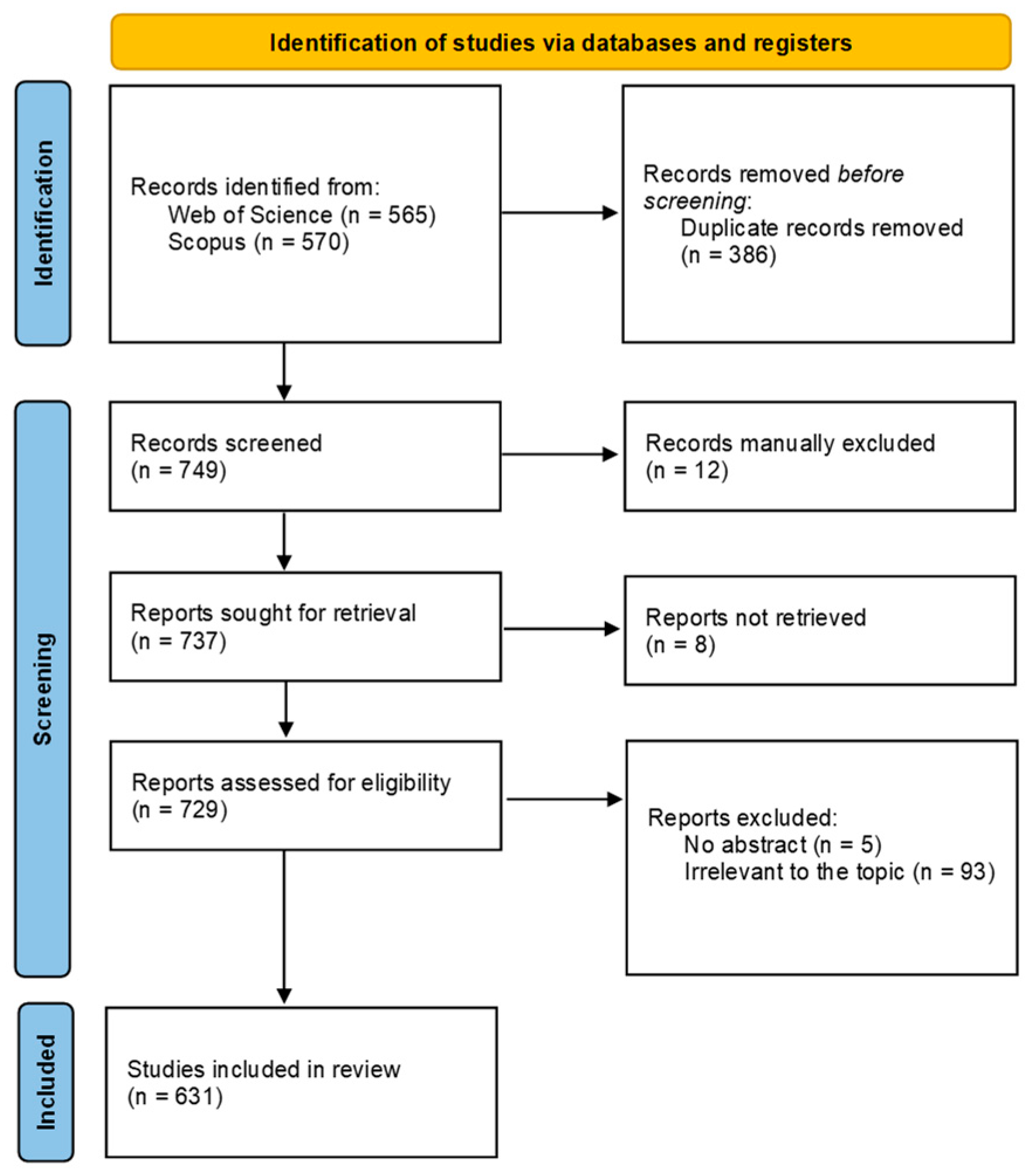
Figure 1. Selection process of the eligible reports based on the PRISMA 2020 flow diagram.
Forests 16 01743 g001
Figure 2. Schematic presentation of the workflow used in this research.
Forests 16 01743 g002
Figure 3. Distribution of the main publication types related to afforestation of degraded lands.
Forests 16 01743 g003
Figure 4. The main 10 scientific areas with publication related to afforestation of degraded lands.
Forests 16 01743 g004
Figure 5. Annual distribution of articles on afforestation of degraded lands.
Forests 16 01743 g005
Figure 6. Countries with contributing authors of articles on afforestation of degraded lands.
Forests 16 01743 g006
Figure 7. Country clusters of authors publishing on afforestation of degraded lands.
Forests 16 01743 g007
Figure 8. Key journals featuring articles on afforestation of degraded lands.
Forests 16 01743 g008
Figure 9. Authors’ keywords related to afforestation of degraded lands.
Forests 16 01743 g009
Table 1. Leading journals publishing articles on afforestation of degraded lands.
Crt. No.JournalDocumentsCitationsTotal Link Strength
1Forest Ecology and Management29200654
2Land Degradation and Development2348237
3Catena2197934
4Forests2844233
5Ecological Engineering2284327
6Geoderma937814
7Agroforestry systems717313
8Plant and Soil1245610
9Sustainability1016710
10Journal of Environmental Management8618
11New Forests62138
12Science of the Total Environment92877
13Restoration Ecology88846
14Scientific Reports61725
Table 2. Most frequently used keywords in articles on afforestation of degraded lands.
Crt. No.KeywordOccurrencesTotal Link Strength
1afforestation258930
2nitrogen72343
3sequestration59299
4forest72286
5land-use change63265
6loess plateau54263
7dynamics55249
8plantations56244
9restoration64238
10organic carbon50231
11vegetation55223
12biomass47202
Table 3. Some of the analyzed issues in articles about afforestation of degraded lands (extract from the literature).
Cur. No.Analyzed IssueCountryCiting Article
1Afforestation changes soil organic carbon stocks on sloping landChinaHou et al., 2020 [30]
2Afforestation effect on soil quality of sand dunesTurkeyAkca et al., 2010 [31]
3Afforestation for reclaiming degraded village common landIndiaPal and Sharma, 2001 [32]
4Afforestation-induced large macroaggregate formation promotes soil organic carbon accumulation in degraded karst areaChinaLan et al., 2022 [33]
5Contrasts in topsoil infiltration processes for degraded vs. restored landsColombiaLozano-Baez et al., 2021 [34]
6Economic evaluation of ecological restoration of degraded lands through protective afforestationRussiaKorneeva, 2021 [35]
7Effects of afforestation on microbial biomass C and respiration in eroded soils TurkeyKara et al., 2016 [36]
8Effects of degraded sandy grassland afforestation on soil qualityChinaHu et al., 2007 [37]
9Exploring constraints and incentives for the adoption of agroforestry practices on degraded landsUzbekistanDjalilov et al., 2014 [38]
10Natural soil seed banks support vegetation restoration following severe soil degradation and heavy metal contaminationChinaLi et al., 2025 [39]
11Natural vegetation regeneration facilitated soil organic carbon sequestration and microbial community stability in the degraded karst ecosystemChinaCheng et al., 2023 [40]
12Reducing topsoil salinity and raising carbon stocks through afforestationUzbekistanHbirkou et al., 2011 [41]
13Rehabilitating degraded drylands by creating woodland isletsIsraelHelman et al., 2014 [42]
14Restoration of mine degraded landIndiaAhirwal et al., 2021 [43]
15Rural development by afforestation in predominantly agricultural degraded areasGreeceKassioumis et al., 2004 [44]
16Unfolding the effectiveness of ecological restoration programs in combating land degradation: Achievements, causes, and implicationsChinaJiang et al., 2020 [45]
Table 4. Some species of trees and shrubs used to afforestation of degraded lands (extract from the literature).
Cur. No.Tree SpeciesLand CategoryCountryCiting ArticleOrigin (Relative to Country)Functional/Ecological Role
1Acacia mangium Willd.Degraded hilly landChinaWang et al., 2020 [46]Exotic (native to Australia/New Guinea)Nitrogen-fixing legume; fast-growing pioneer; soil fertility restoration
2Acacia nilotica (L.) P.J.H.Hurter & Mabbdegraded land in a Sahelian ecosystemBurkina FasoBayen et al., 2016 [47]Native (Sahel/Africa & S Asia)Nitrogen-fixing; drought-tolerant; soil stabilizer; multipurpose (fodder, fuel)
3Acacia tortilis (Forssk.) Galasso & Banfidegraded land in a Sahelian ecosystemBurkina FasoBayen et al., 2016 [47]Native (Sahel/NE Africa)Drought-tolerant pioneer; soil stabilizer; browse/fodder
4Acer velutinum Bioss.Degraded landIranHaghverdi and Kooch, 2020 [48]Native (Caucasus/N Iran)Native broadleaf; mid-successional timber/biodiversity facilitator
5Achras zapota (L.) P.Royenagro ecosystem in semi-arid degraded ravine landsIndiaKumar et al., 2020 [49]Exotic (native to Mesoamerica)Fruit tree/multipurpose; drought-tolerant when established; soil cover and livelihood value
6Ailanthus altissima (Mill.) SwingleHousehold dumpsRomaniaEnescu et al., 2022 [50]Exotic (native to China)Pioneer, fast-growing colonizer; tolerant of disturbed sites (often invasive)
7Albizia lebeck (L.) Benth.Degraded landIndiaSemwal et al., 2013 [51]Native (South & SE Asia)Nitrogen-fixing legume; fast-growing, soil amelioration; shade/fodder
8Alnus nepalensis D. DonDegraded landIndiaSemwal et al., 2013 [51]Native (Himalayan region)Nitrogen-fixing; pioneer on degraded, moist slopes; stabilizer
9Alnus subcordata C.A.MeyDegraded landIranHaghverdi and Kooch, 2020 [48]Native (Caucasus/N Iran)Nitrogen-fixing; riparian/upland stabilizer; pioneer
10Anacardium occidentale L. Degraded semi-arid landBurkina FasoNoulekoun et al., 2017 [52]Exotic (native to NE Brazil)Fruit/multipurpose; agroforestry species that provides income and canopy cover
11Anadenanthera peregrina L.Mined area under reclamationBrazilValente et al., 2021 [53]Native (Neotropics; Brazil)Nitrogen-fixing legume; pioneer; soil improvement in reclamation
12Azadirachta indica A.Juss.Degraded formerly barren sodic landIndiaSingh et al., 2004 [54]Native (Indian subcontinent/Myanmar)Multipurpose (soil amelioration, pest-resistant, medicinal); tolerant to poor soils
13Balanites aegyptiaca (L.) DelileDeforested savannaEthiopiaGebrekirstos et al., 2006 [55]Native (Sahel/Africa)Drought-tolerant; soil stabilizer; multipurpose (fruit, fuel)
14Betula pendula Roth.Degraded landsIcelandHunziker et al., 2019 [56]Native (Europe) Early successional broadleaf; soil stabilization and biodiversity support
15Betula pubescens Ehrh.Degraded habitatsIcelandOddsdottir et al., 2010 [57]Native (Northern Europe)Pioneer tree for degraded northern sites; soil stabilizer
16Caragana korshinskii Kom.semiarid areasChinaChai et al., 2019 [58]Native (north-west China/Mongolia)Nitrogen-fixing shrubs; windbreak; erosion control; drought-tolerant
17Castanopsis hystrix A.DC.degraded hilly landChinaGu et al., 2024 [59]Native (S & SE Asia; parts of China)Mid-successional timber species; biodiversity/canopy restoration
18Celtis australis L.Degraded landIndiaSemwal et al., 2013 [51]Generally native to Mediterranean/SW Asia Multipurpose shade/soil stabilizer; wildlife food tree
19Crataegus monogyna Jacq.Degraded landsRomaniaColișar et al., 2024 [60]Native (Europe)Shrub/tree pioneer; supports biodiversity; stabilizer on marginal land
20Cupressus lusitanica (Mill.) Bartelabandoned farmlandsEthiopiaLemenih et al., 2004 [61]Exotic (native to Mexico/Central America)Fast-growing timber/shelterbelt; erosion control (but can alter local hydrology)
21Cupressus sempervirens L.Degraded landIranHaghverdi and Kooch, 2020 [48]Native to eastern MediterraneanTimber/windbreak; drought-tolerant; ornamental/fast cover
22Dalbergia sissoo Roxb.Degraded landIndiaSemwal et al., 2013 [51]Native (Indian subcontinent)Nitrogen-fixing; valuable timber; riverbank stabilizer; agroforestry
23Derris indica (L.) PierreDegraded formerly barren sodic landIndiaSingh et al., 2004 [54]Native (S & SE Asia)Nitrogen-fixing/climber shrub species; soil cover; multipurpose
24Dichrostachys cinerea Wight. and Arn.Deforestated savannaEthiopiaGebrekirstos et al., 2016 [55]Native (Africa)Nitrogen-fixing shrub/tree; soil stabilizer; pioneer in degraded savanna
25Elaeagnus angustifolia L.Degraded salinized landsUzbekistanDjumaeva et al., 2013 [62]; Dubovyk et al., 2016 [63]Exotic/introduced in Central AsiaNitrogen-fixing shrub/tree; salt/tolerance; stabilizer in saline soils
26Eucalyptus sp. L’Her.degraded soils in semi-arid areaMaroccoBoulmane et al., 2017 [64]Exotic (native to Australia)Fast-growing pioneer; soil cover; timber/fuelwood (but may affect water table and biodiversity)
27Ficus glomerata L.Degraded formerly barren sodic landIndiaSingh et al., 2004 [54]Native (S & SE Asia)Multipurpose fruit tree; soil stabilization, wildlife food; riparian indicator
28Fraxinus pennsylvanica Marsh.desurfaced fieldArgentinaFerrari et al., 2010 [65]Exotic (native to North America)Fast-growing pioneer; windbreak/rehabilitation; timber potential
29Gleditsia triacanthos L.Degraded salinized landsUzbekistanDjumaeva et al., 2013 [62]Exotic (native to N America)Nitrogen-economy facilitator (not a legume fixer but tolerant of poor soils); shade and forage tree
30Grewia optiva J.R.Drumm. ex BurretDegraded landIndiaSemwal et al., 2013 [51]Native (Himalayan foothills/India)Multipurpose fodder/fuel; soil stabilizer; pioneer in degraded agroforestry
31Hippophaë rhamnoides L.degraded agricultural landsRomaniaConstandache et al., 2016 [66]Native (Eurasia)Nitrogen-fixing (via root symbioses), sand/dune stabilizer; salt/drought tolerant
32Jatropha curcas L.Degraded landBurkina FasoKagambega et al., 2011 [67]Exotic (native to Central America)Pioneer shrub for degraded land; biodiesel/energy crop; soil cover (but limited nitrogen benefit)
33Juniperus phoenicea L.Arid and semi-arid regionSardiniaDe Dato et al., 2009 [68]Native (Mediterranean)Drought-tolerant shrub/tree; soil stabilizer on dry slopes; biodiversity support
34Larix principis-rupprechtii (Mayr) Pilg.forest–grassland–desert transition zoneChinaQian et al., 2024 [69]Native (China)Pioneer/tolerant of cold; soil stabilization; reforestation at treeline
35Leucaena leucocephala (Lam.) de WitDegraded landIndiaKalpana Mishra, 2001 [70]Exotic (native to Mexico/Central America)Nitrogen-fixing; fast-growing pioneer; agroforestry/fodder (can be invasive)
36Liquidambar formosana HanceDegraded landChinaLi et al., 2024 [71]Native (China/E Asia)Mid-successional timber; biodiversity/canopy restoration
37Lycium barbarum L.secondary saline land in an arid irrigated areaChinaMa et al., 2018 [72]Native (Eurasia/China)Salt/drought tolerant shrub; fruit (goji); soil stabilization in saline areas
38Moringa peregrina (Forssk.) Fioridegraded desert regionsIranGhoohestani et al., 2025 [73]Native (Arabian/Horn of Africa/Red Sea region)Drought-tolerant, multipurpose (food/medicinal/soil stabilizer)
39Morus alba L.sites long-term abandoned from croppingTurkmenistanSchachtsiek et al., 2014 [74]Exotic (native to China)Fast-growing, fruit/agroforestry; soil cover and livelihoods
40Neltuma chilensis
(Molina) C.E. Hughes & G.P.Lewis
degraded saline landsArgentinaMeglioli et al., 2025 [75]Native (South America/Chile/Argentina)Nitrogen-fixing (formerly Prosopis chilensis); drought/salinity tolerant; pioneer in arid degraded lands
41Neltuma flexuosa (DC.)C.E.Hughes & G.P.Lewisdegraded saline landsArgentinaMeglioli et al., 2025 [75]Native (S America)Nitrogen-fixing; drought tolerant; soil stabilizer in saline/arid zones
42Parkia biglobosa JacqDegraded semi-arid landBurkina FasoNoulekoun et al., 2017 [52]Native (West Africa)Nitrogen-fixing (legume); agroforestry; food/soil improvement
43Picea abies (L.) H. Karst.Degraded grasslandIranFataei et al., 2015 [76]Exotic in Iran (native to Europe)Fast-growing plantation species for stabilization; timber; mid- to late-successional in cool climates
44Pinus elliottii Engelm.Degraded landChinaLi et al., 2024 [71]Exotic (native to southeastern USA)Fast-growing plantation pine; soil stabilization; fuel/timber
45Pinus halepensis Mill.degraded land semi-arid; semi-arid landscape Jordan; SpainOmary, 2011 [77]; Chirino et al., 2006 [78]Native (Mediterranean)Drought-tolerant pioneer pine; soil stabilization and reforestation in semi-arid Mediterranean
46Pinus massoniana Lamb.Land affected by forest firesChinaBai et al., 2020 [79]Native (China)Pioneer/fire-resilient plantation species; erosion control, fast cover
47Pinus nigra J.F.ArnoldDegraded grasslandIranFataei et al., 2015 [76]Exotic in Iran (native to Mediterranean/Europe)Timber/stabilizer; mid-successional pine used in reclamation
48Pinus oocarpa Schiede ex Schltdl Degraded landNigeriaJaiyeoba, 2021 [80]Exotic (native to Central America)Plantation pine for stabilization and timber; fast-growing pioneer
49Pinus ponderosa
Douglas ex C.Lawson
erodible volcanic soilsArgentinaLa Manna et al., 2021 [81]Exotic (native to western North America)Pioneer/fast-growing timber pine; soil stabilization
50Pinus sylvestris L.degraded agricultural landsRomaniaConstadache et al., 2021 [82]; Silvestru-Grigore et al., 2018 [83]; Vlad et al., 2019 [84]Native to Europe (including Romania)Fast-growing reforestation pine; soil stabilization and timber
51Platycladus orientalis (L.) Franco water-limited and degraded landChinaGao et al., 2018 [85]Native to East Asia (China)Drought-tolerant, windbreak/shelterbelt; urban and rural stabilization
52Populus euphratica Oliv.Slat-affected croplandUzbekistanLamers et al., 2010 [86]Native (Central Asia/Middle East)Salt-tolerant riparian/poplar; pioneer for saline sites; groundwater and biodiversity benefits
53Populus sibirica (Horth ex Tausch) Desertification of the semi-arid steppeMongoliaNyam-Osor et al., 2021 [87]Native (Siberia/Mongolia)Cold/drought tolerant pioneer; soil stabilization and shelterbelt species
54Prosopis chilensis (Mol.)areas characterized by a high degree of resource degradationArgentinaBarchuk et al., 1998 [88]Native (South America)Nitrogen-fixing legume; drought/salinity tolerant; pioneer in degraded arid lands
55Prosopis juliflora (Sw.) Dc.mine degraded land; degraded sodic soilsIndiaAhirwal et al., 2017 [89]; Bhojvaid et al., 1996 [90]Exotic in India (native to Americas)Nitrogen-fixing, highly drought/salt tolerant; fast colonizer used for reclamation (but invasive risks)
56Prosopis pallida
(Humb. & Bonpl. ex Wild.) C.E.Hughes & G.P.Lewis
degraded arid landsUAEAljasmi et al., 2021 [91]Exotic (native to S America/Pacific coast)Nitrogen-fixing colonizer; drought tolerant; used for restoration (invasive concerns in some regions)
57Prunus armeniaca L.Degraded landUzbekistanKhamzina et al., 2006 [92]Native to Central Asia (Armenia/Uzbekistan region)Fruit tree; agroforestry multipurpose; soil stabilization in degraded orchards
58Prunus amygdalus BatschBare-degraded landTurkeyErdogan, 2013 [93]Native to Middle East/Central AsiaDrought-tolerant fruit tree; agroforestry/land use rehabilitation
59Prunus cerasoides D. DonDegraded landIndiaSemwal et al., 2013 [51]Native (Himalayan region/India)Mid-successional fruit/timber tree; biodiversity support in montane restoration
60Pyrus pashia LinnaeusDegraded landIndiaSemwal et al., 2013 [51]Native (Himalayan foothills/S Asia)Native fruit tree; soil stabilizer; multipurpose
61Quercus robur L.terrestrial ecosystems degraded by miningItalyManetti et al., 2022 [94]Native (Europe)Late-successional keystone tree; long-term canopy and biodiversity restoration; soil stabilization long term
62Robinia pseudacacia L.Degraded landsRomaniaConstandache et al., 2020 [95]; Ciuvǎț et al., 2022 [96]; Enescu, 2019 [97]Exotic (native to eastern North America)Nitrogen-fixing pioneer; fast colonizer of degraded sites (can be invasive in some EU contexts)
63Salix nigra Marshallsites long-term abandoned from croppingTurkmenistanSchachtsiek et al., 2014 [74]Exotic (native to North America)Riparian/wet site pioneer; soil stabilization along waterways; fast cover
64Schima superba
Gardner & Champ.
Degraded landChinaLi et al., 2024 [71]Native (SE China)Timber/mid-successional; shade/canopy restoration in degraded forests
65Schima wallichii ChoisyDegraded hilly landChinaWang et al., 2020 [46]Native (Himalayan/SE Asia)Mid-successional timber/canopy species; biodiversity restoration
66Syzygium cumini (L.) Skeels.Degraded formerly barren sodic landIndiaSingh et al., 2004 [54]Native to India/S AsiaFruit/multipurpose; tolerant to marginal soils; soil cover and livelihood value
67Tamarix androssowii L.Degraded landUzbekistanKhamzina et al., 2006 [92]Native/regionally native to Central AsiaSalt/drought tolerant shrub/tree; stabilizes saline soils; riparian/saline land reclamation
68Tectona grandis L.Degraded formerly barren sodic landIndiaSingh et al., 2004 [54]Native to south & SE Asia (India/Myanmar)Valuable timber species; mid-to-late successional plantation; soil stabilization long term
69Terminalia arjuna
(Roxb.) Wight & Arn.
Degraded formerly barren sodic landIndiaSingh et al., 2004 [54]Native (Indian subcontinent)Riparian/soil stabilizer; multipurpose tree (timber, medicinal); tolerant of wet/saline soils in riverine settings
70Ulmus pumila L.Desertification of the semi-arid steppeMongoliaNyam-Osor et al., 2021 [87]Native (Central Asia/Mongolia/Siberia)Drought/cold tolerant pioneer; wind/shelterbelt; soil stabilization in steppe restoration
Disclaimer/Publisher’s Note: The statements, opinions and data contained in all publications are solely those of the individual author(s) and contributor(s) and not of MDPI and/or the editor(s). MDPI and/or the editor(s) disclaim responsibility for any injury to people or property resulting from any ideas, methods, instructions or products referred to in the content.