Article

Crosslinking Mechanism of Tannin-Based Adhesives Based on Model Compounds: Copolycondensation of Resorcinol with Dimethylol Urea

1
College of Forestry, Guizhou University, Guiyang 550025, China
2
College of Civil Engineering, Kaili University, Qiandongnan 556011, China
3
International Joint Research Center for Biomass Materials, Southwest Forestry University, Kunming 650224, China
4
The Yunnan Province Key Lab of Wood Adhesives and Glued Products, Southwest Forestry University, Kunming 650224, China
*
Authors to whom correspondence should be addressed.
These authors contributed equally to this work.
Forests 2024, 15(1), 98; https://doi.org/10.3390/f15010098
Submission received: 30 November 2023 / Revised: 25 December 2023 / Accepted: 2 January 2024 / Published: 4 January 2024

Abstract

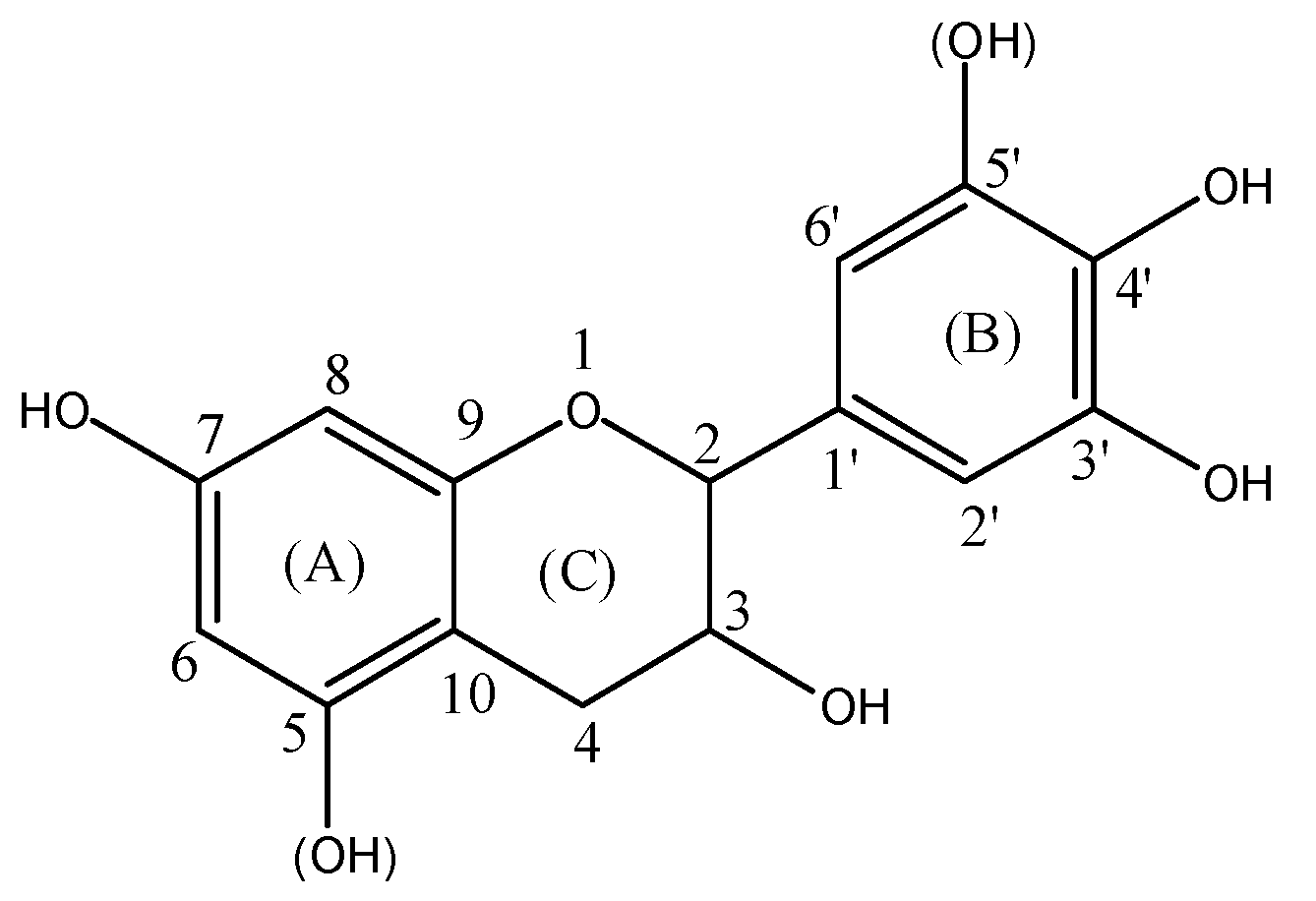
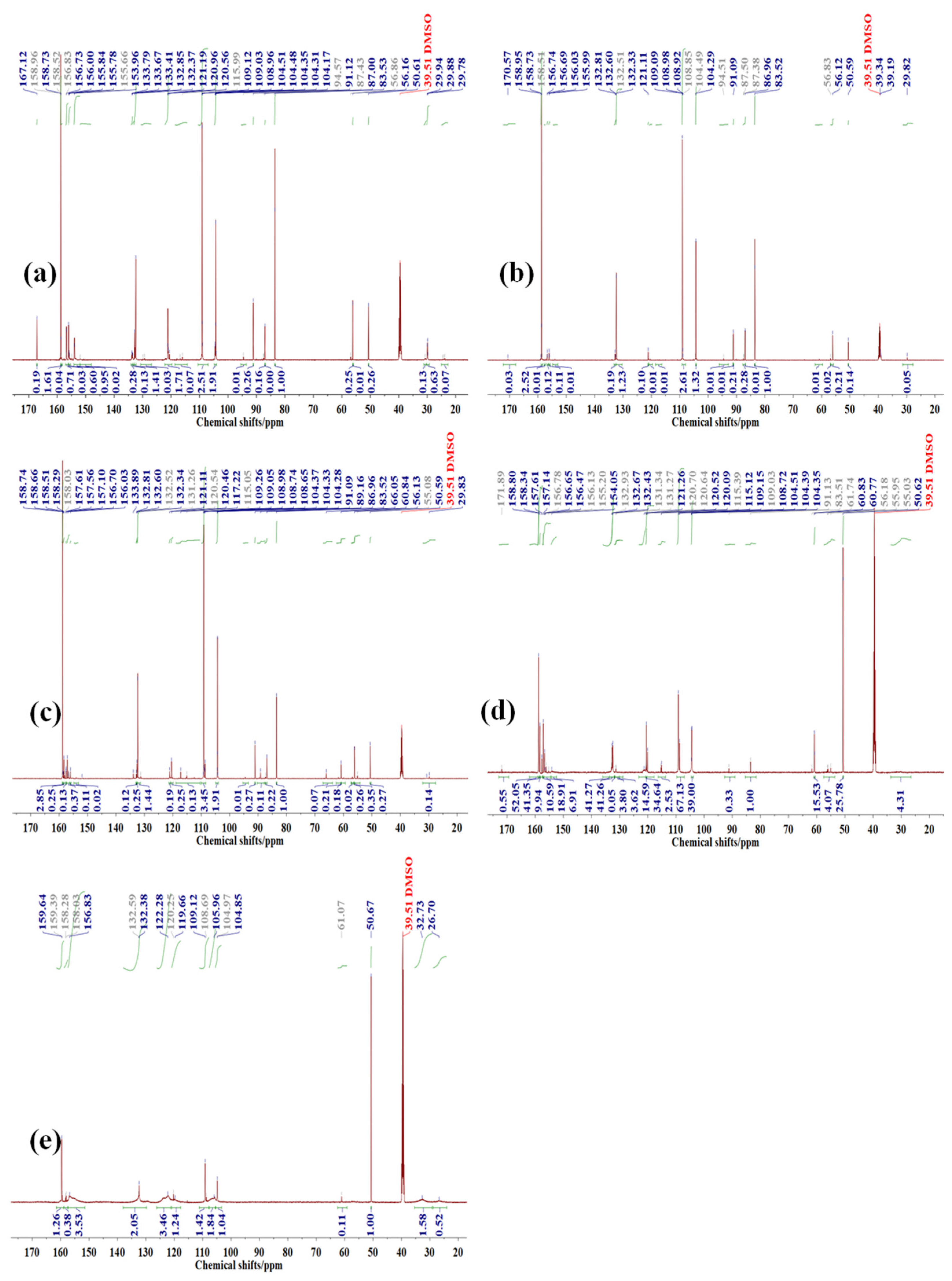
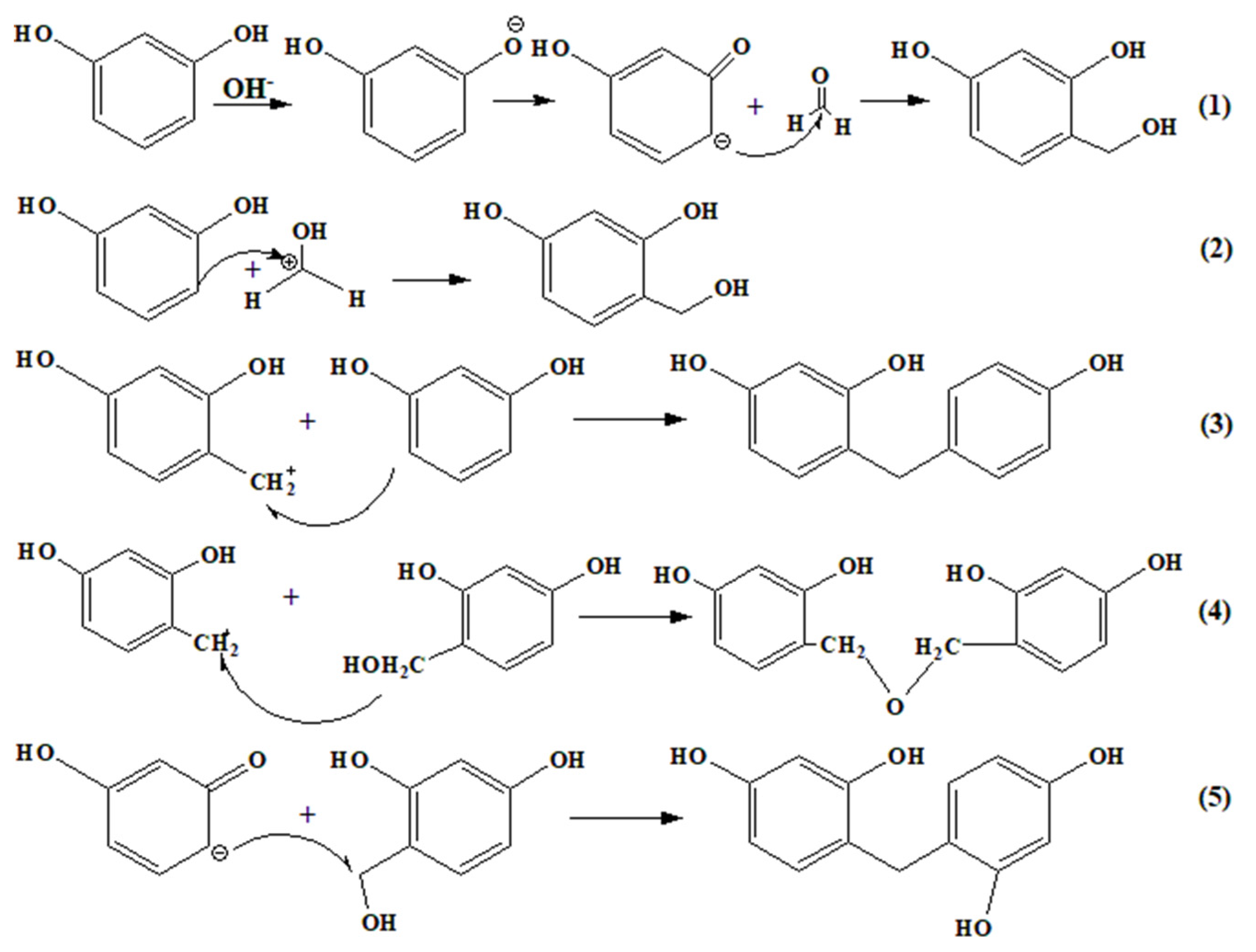
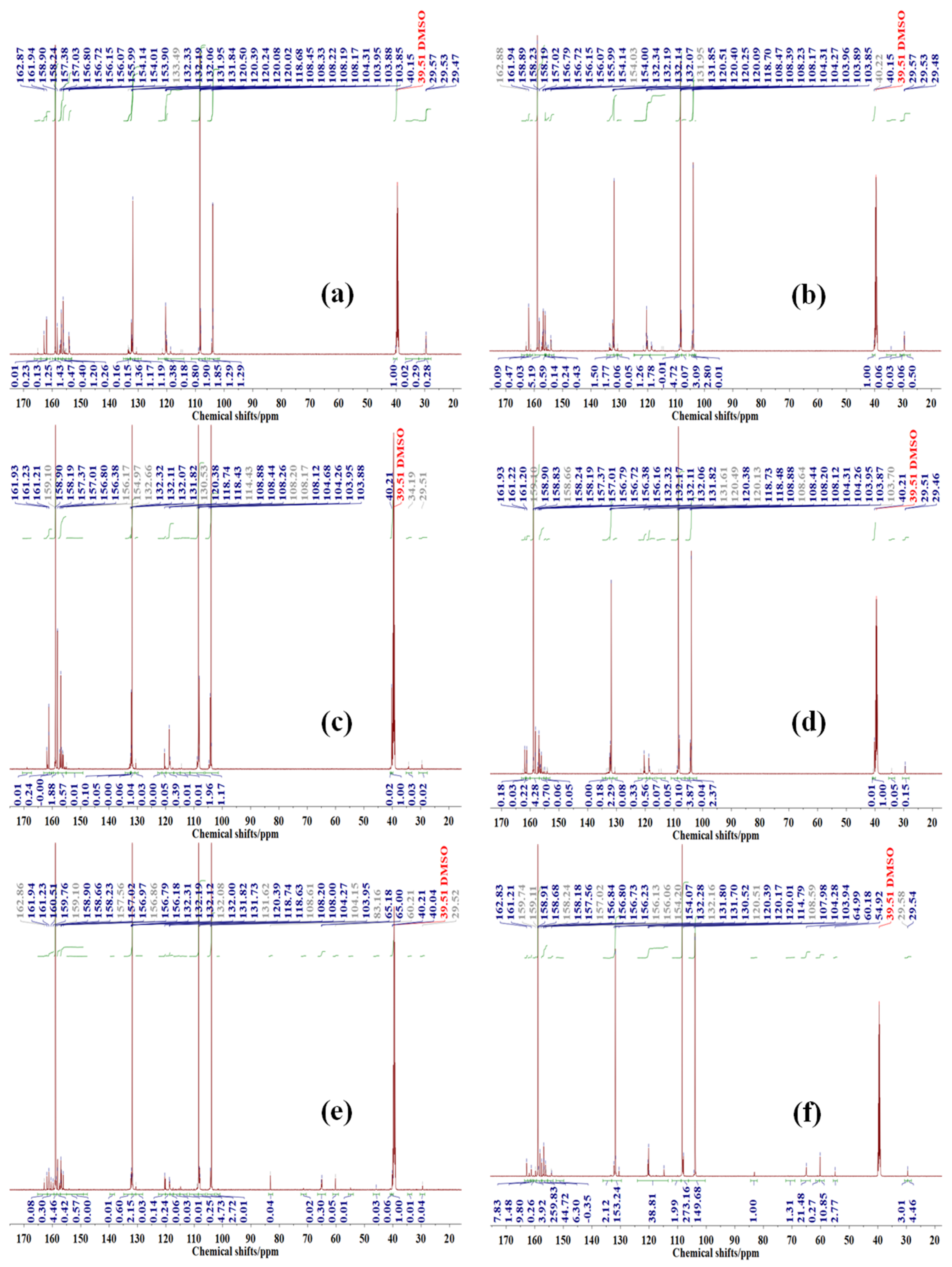
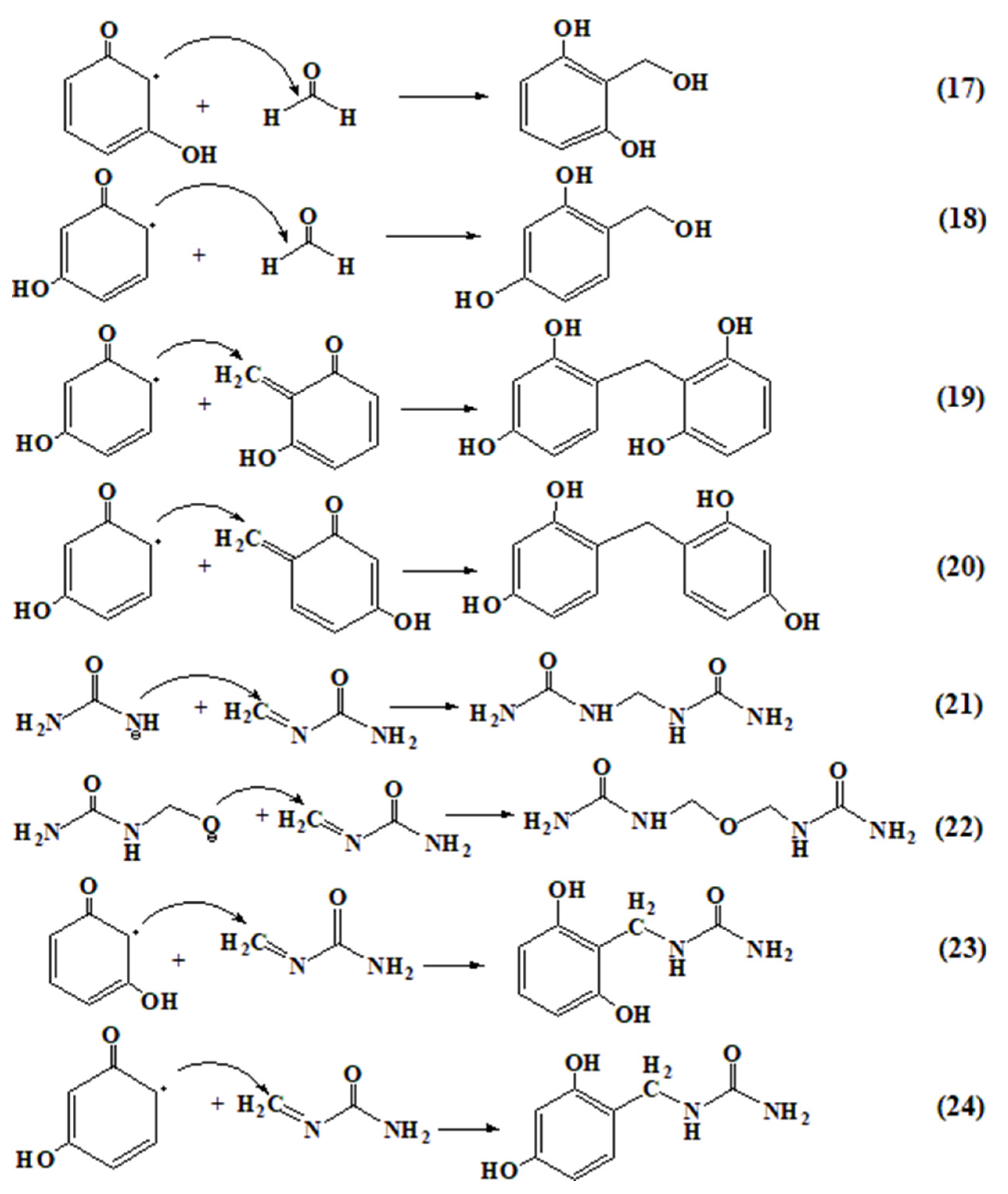
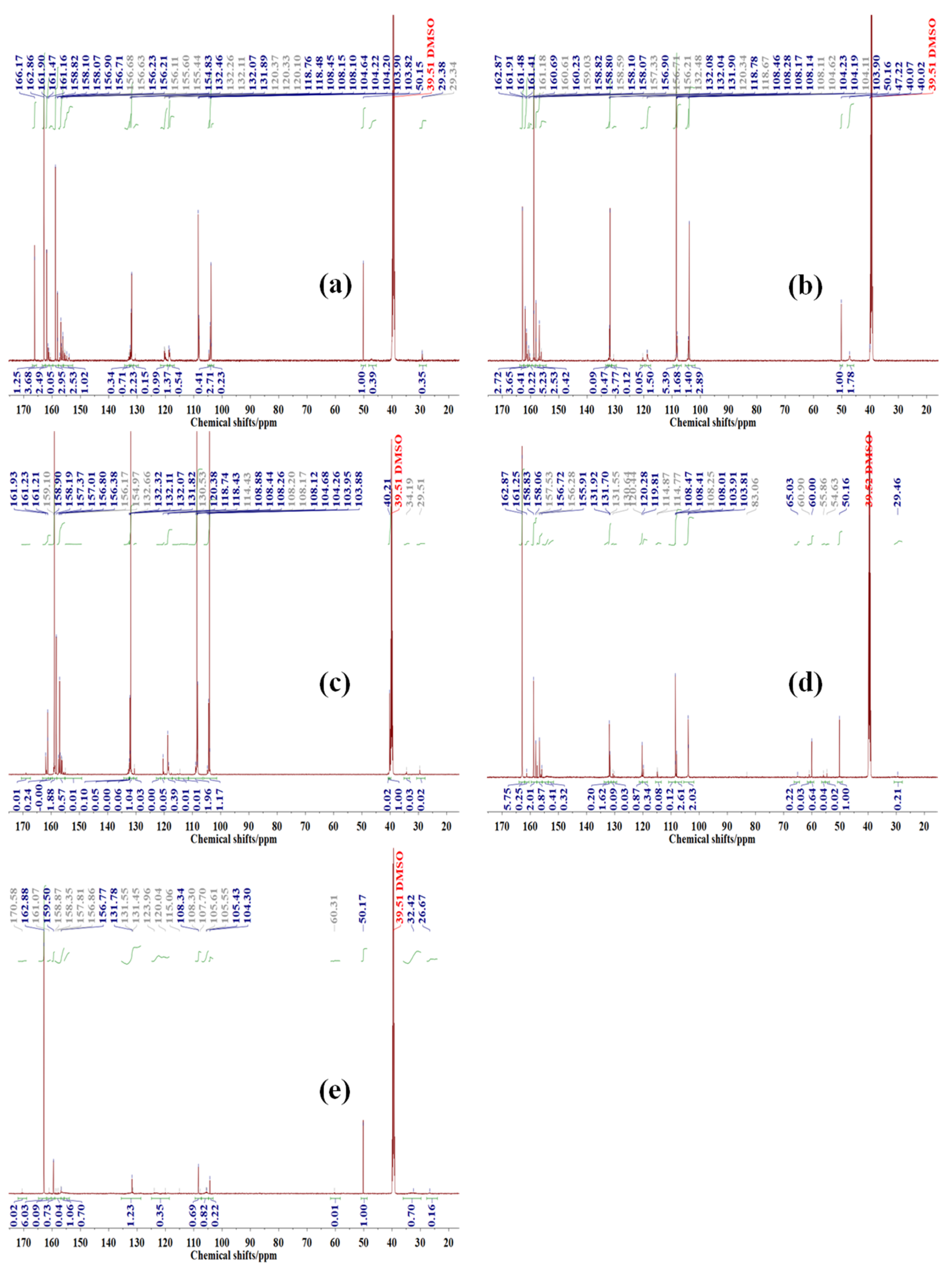
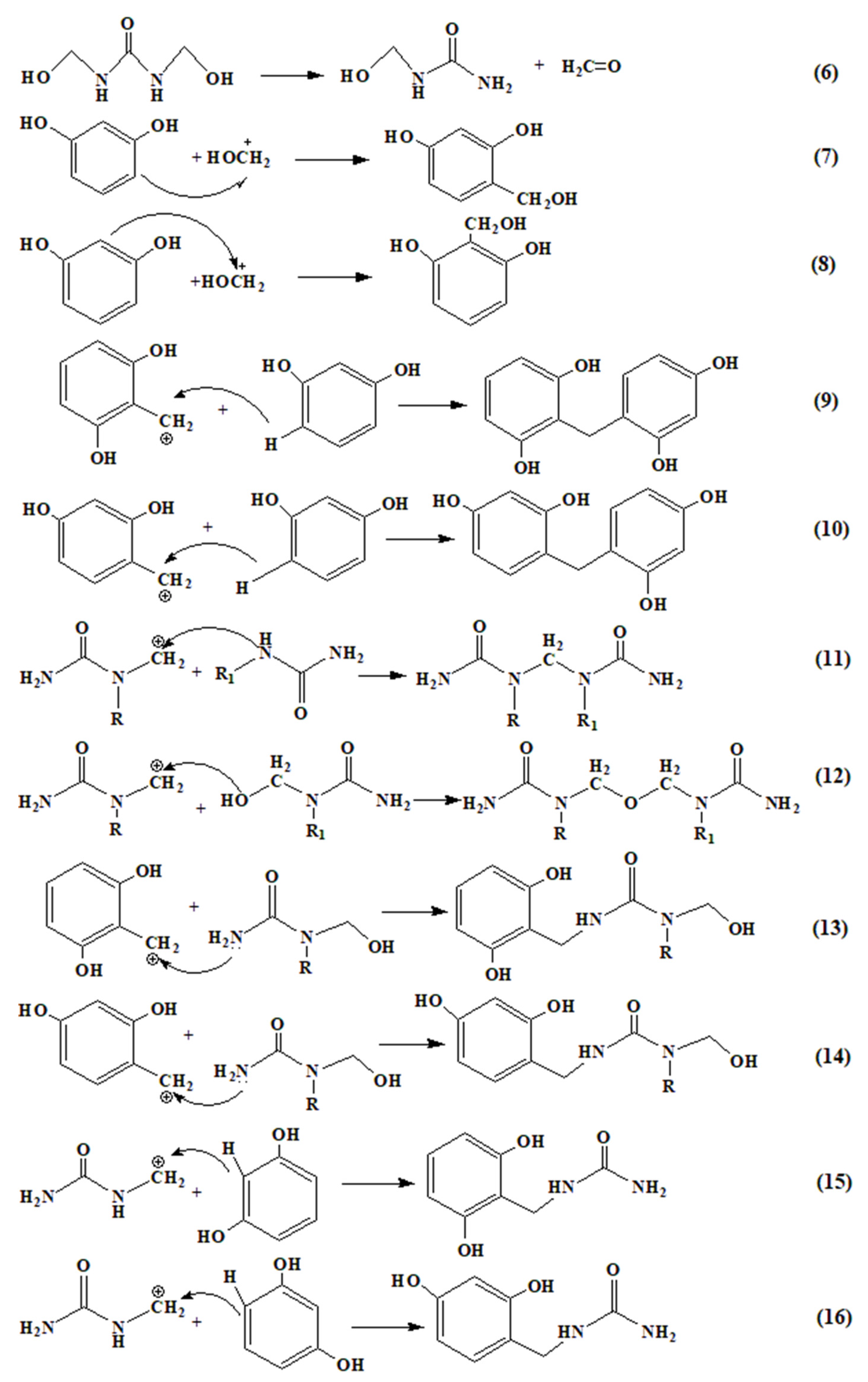
This study focuses on the competition reaction rules of a system containing resorcinol (as a tannin model compound) and dimethylol urea (as a urea–formaldehyde resin model compound) under various alkaline and acidic environments. The aim is to investigate the crosslinked modification mechanism of urea–formaldehyde resin with tannin adhesive. The study delves into the competitive relationship between self-condensation polymerization reactions and co-condensation polymerization reactions. It specifically highlights the conditions for the copolycondensation reaction of dimethylolurea and resorcinol and validates its rationality through an examination of the resorcinol–urea–formaldehyde system’s reaction rules. The results show that (1) under strongly acidic conditions, the activity of carbocation intermediates produced by hydroxymethyl resorcinol for the resorcinol phenol ring is higher than the electrophilic reactivity of nitrogen atoms on hydroxymethyl urea, which is more beneficial for the resorcinol–formaldehyde self-polycondensation reaction, and the co-polycondensation structures do not play a dominant role. (2) Under weakly acidic conditions, the co-polycondensation structures are evidently advantageous over self-polycondensation structures, and the degree of the co-polycondensation reaction is positively correlated with pH below the neutral point of resorcinol. (3) Under alkaline conditions, the self-polycondensation between resorcinol and formaldehyde is dominant in the system. (4) The concentration of hydroxymethyl urea carbocation is the key factor to determine the degree of the co-polycondensation reaction.
Keywords: tannin-based adhesive; crosslinking reaction mechanism; model compound; resorcinol; dihydroxymethylurea tannin-based adhesive; crosslinking reaction mechanism; model compound; resorcinol; dihydroxymethylurea