Article

Evaluation of Fine Root Morphology and Rhizosphere Environmental Characteristics of the Dioecious Idesia polycarpa Maxim


1
Henan Province Engineering Technology Research Center for Idesia, Zhengzhou 450046, China
2
National Forestry and Grassland Administration Key Laboratory for Central Plains Forest Resources Cultivation, Zhengzhou 450046, China
3
College of Forestry, Henan Agricultural University, Zhengzhou 450046, China
4
Department of Chemical Engineering, Tsinghua University, Beijing 100084, China
5
College of New Materials and Chemical Engineering, Beijing Institute of Petrochemical Technology, Beijing 102617, China
*
Authors to whom correspondence should be addressed.
Forests 2024, 15(2), 234; https://doi.org/10.3390/f15020234
Submission received: 19 December 2023 / Revised: 23 January 2024 / Accepted: 24 January 2024 / Published: 25 January 2024

Abstract

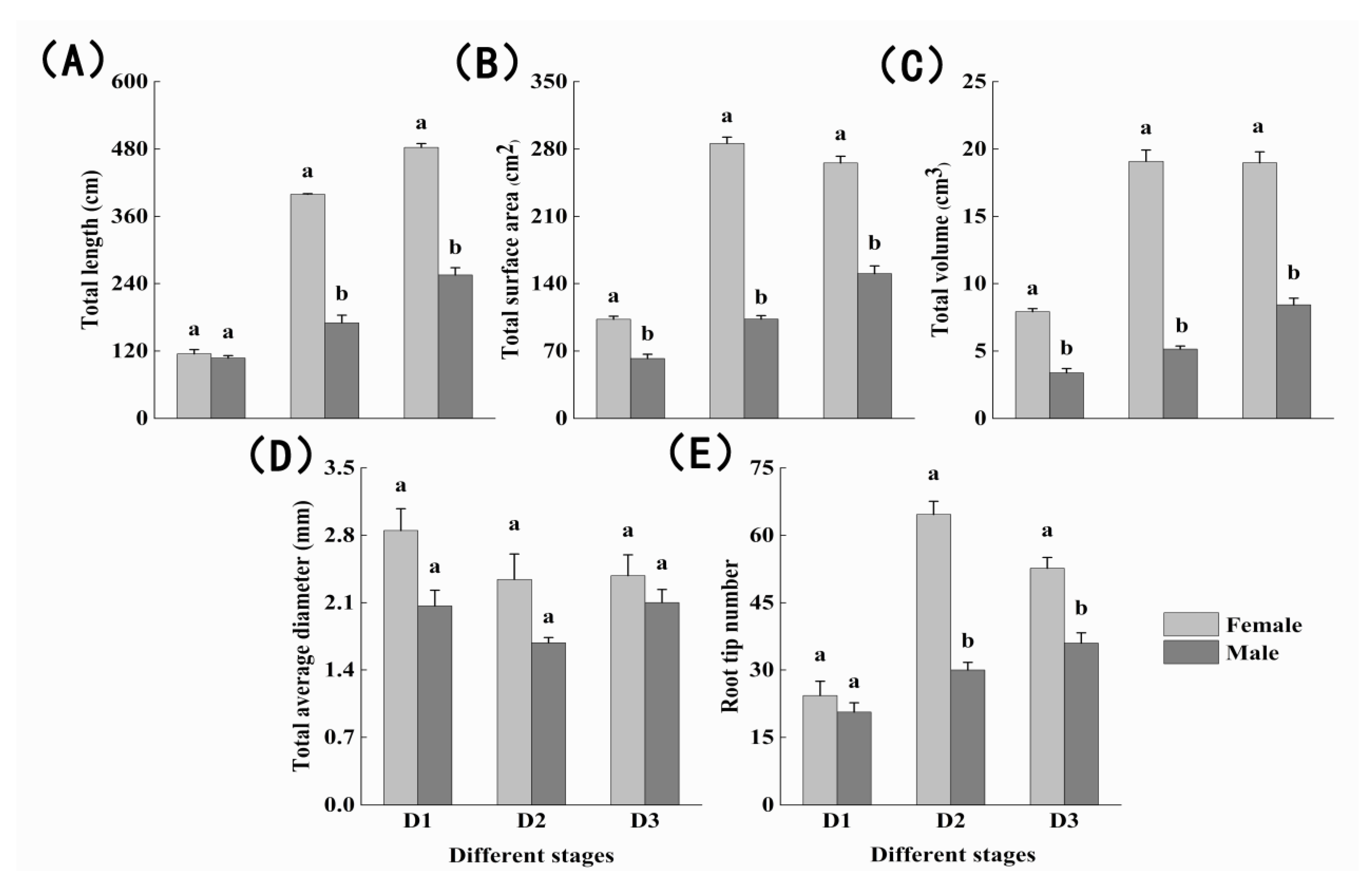
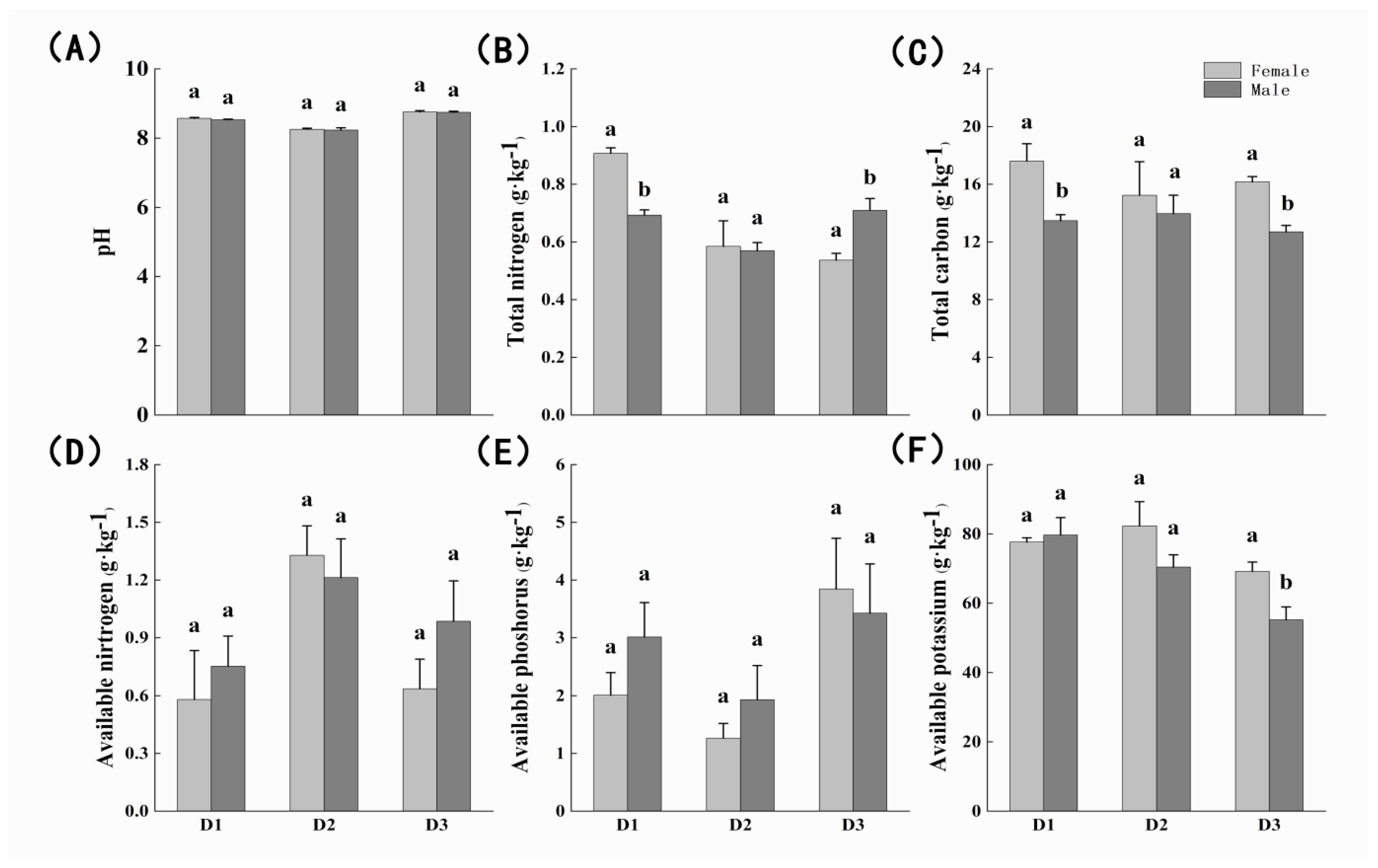
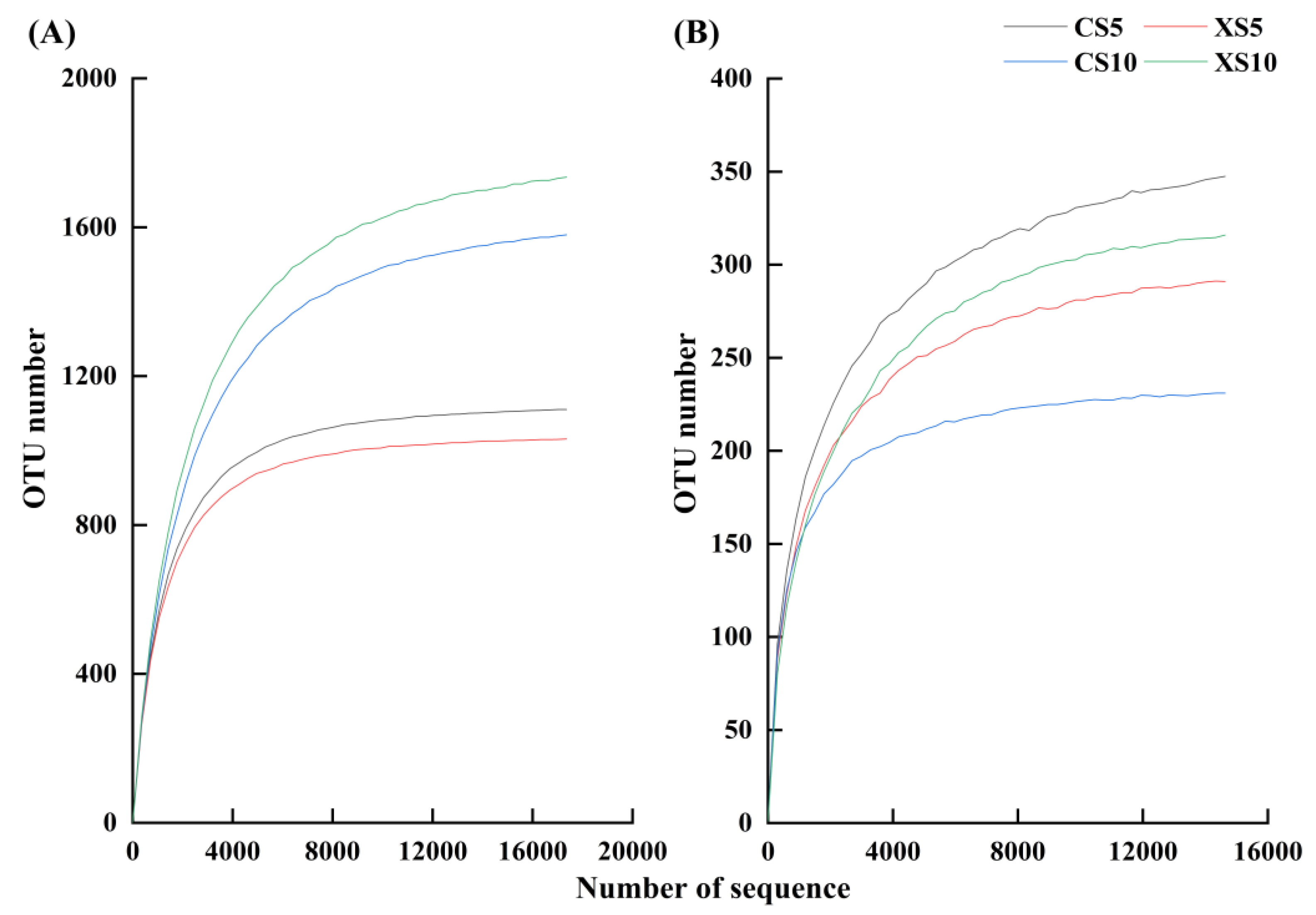
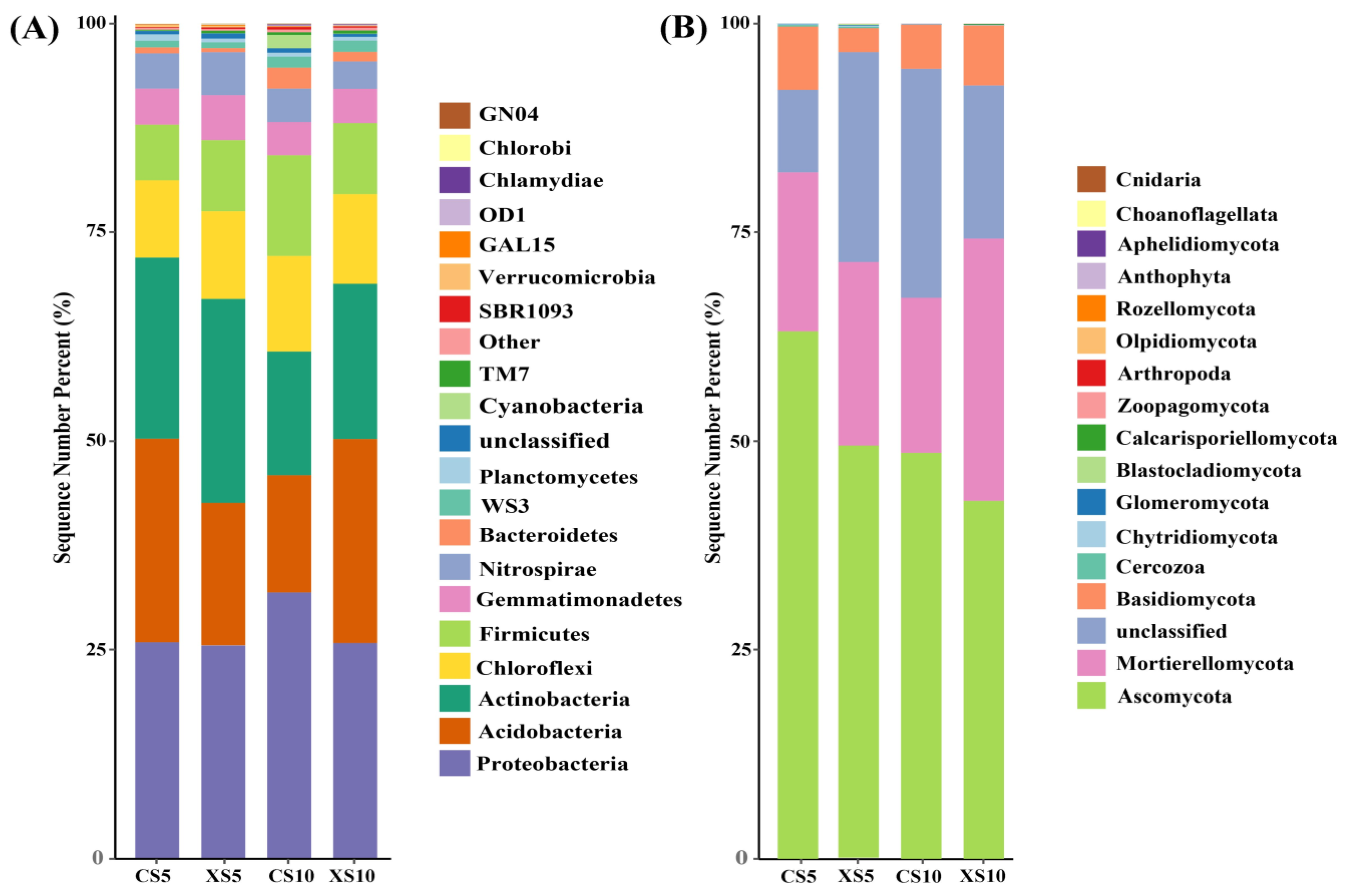
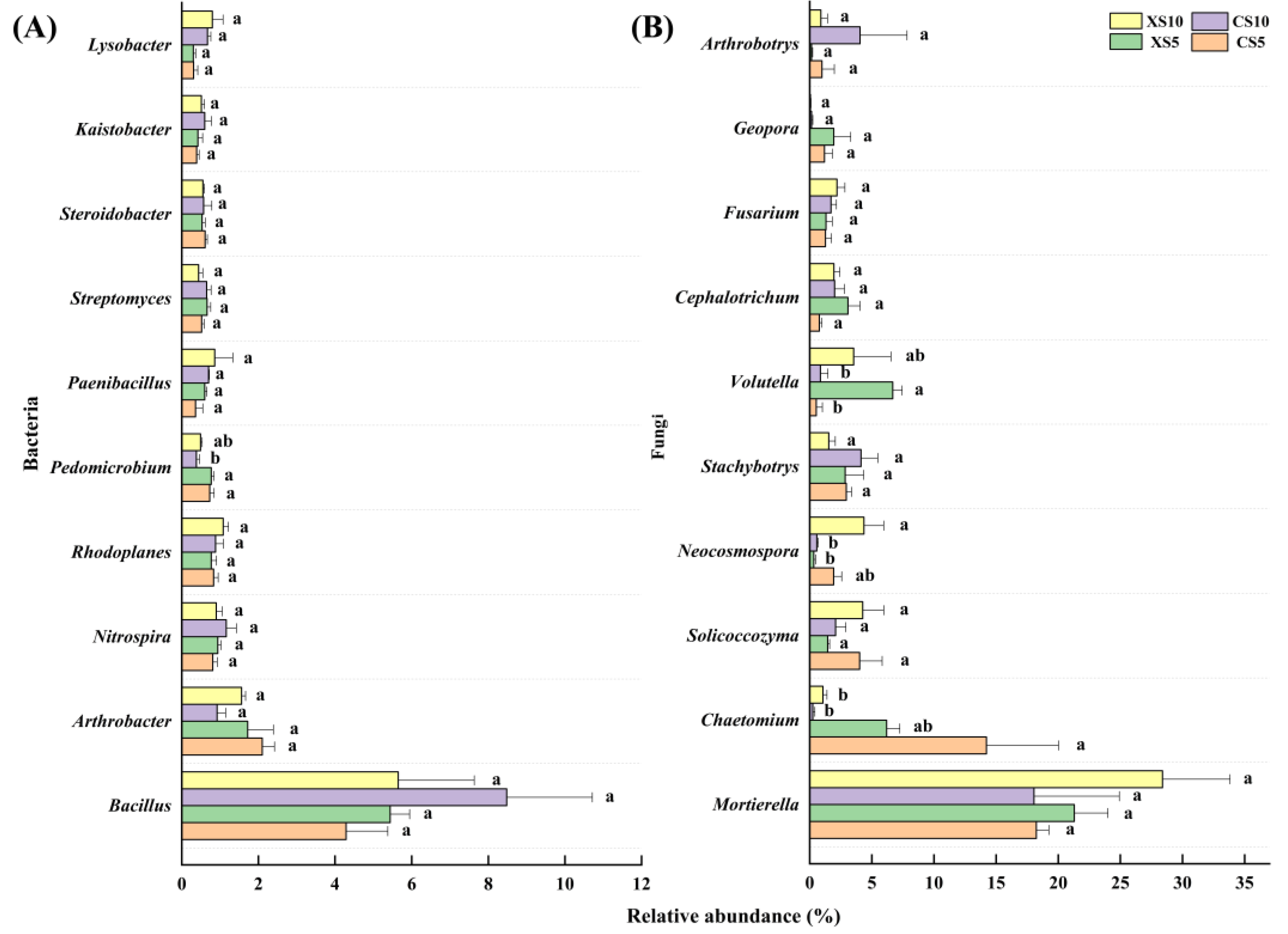
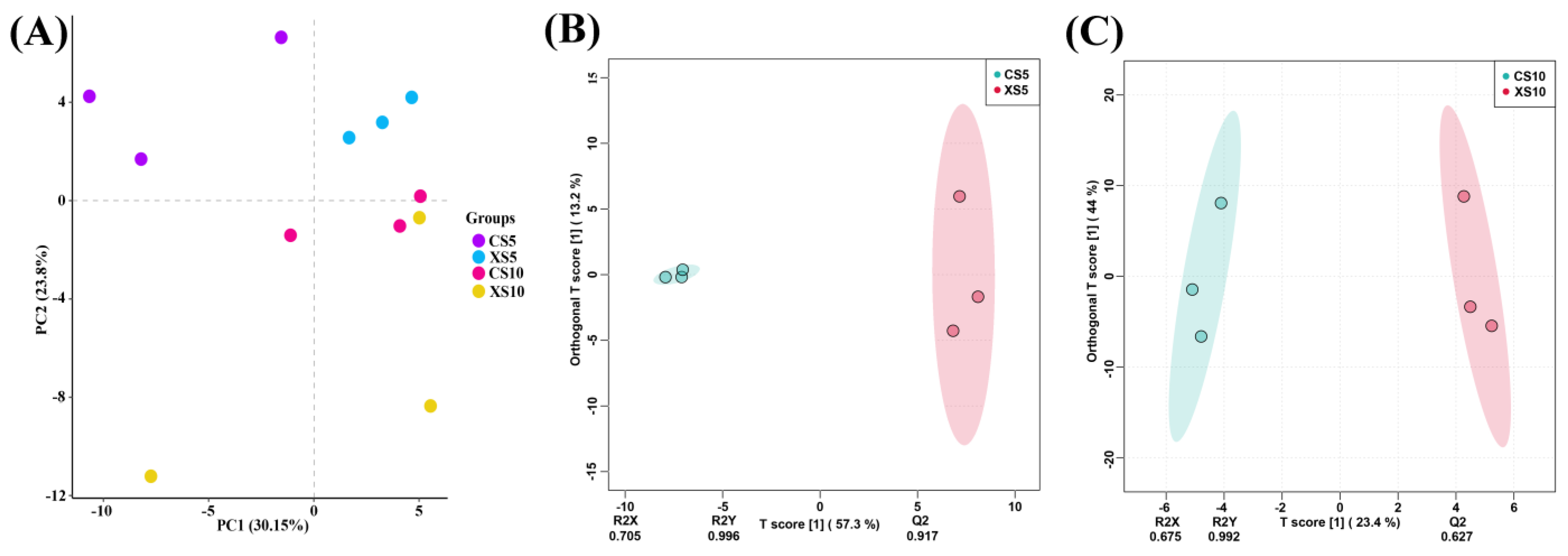
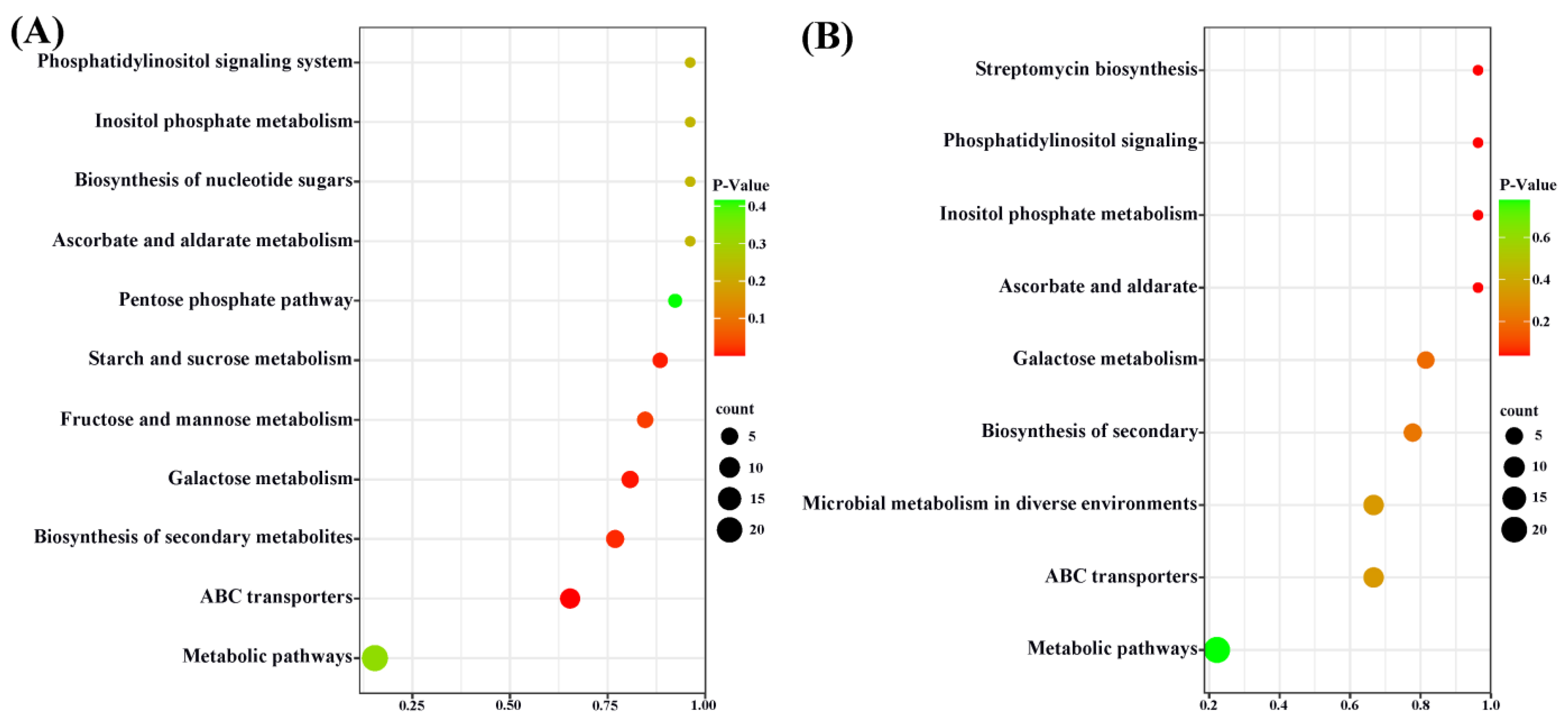
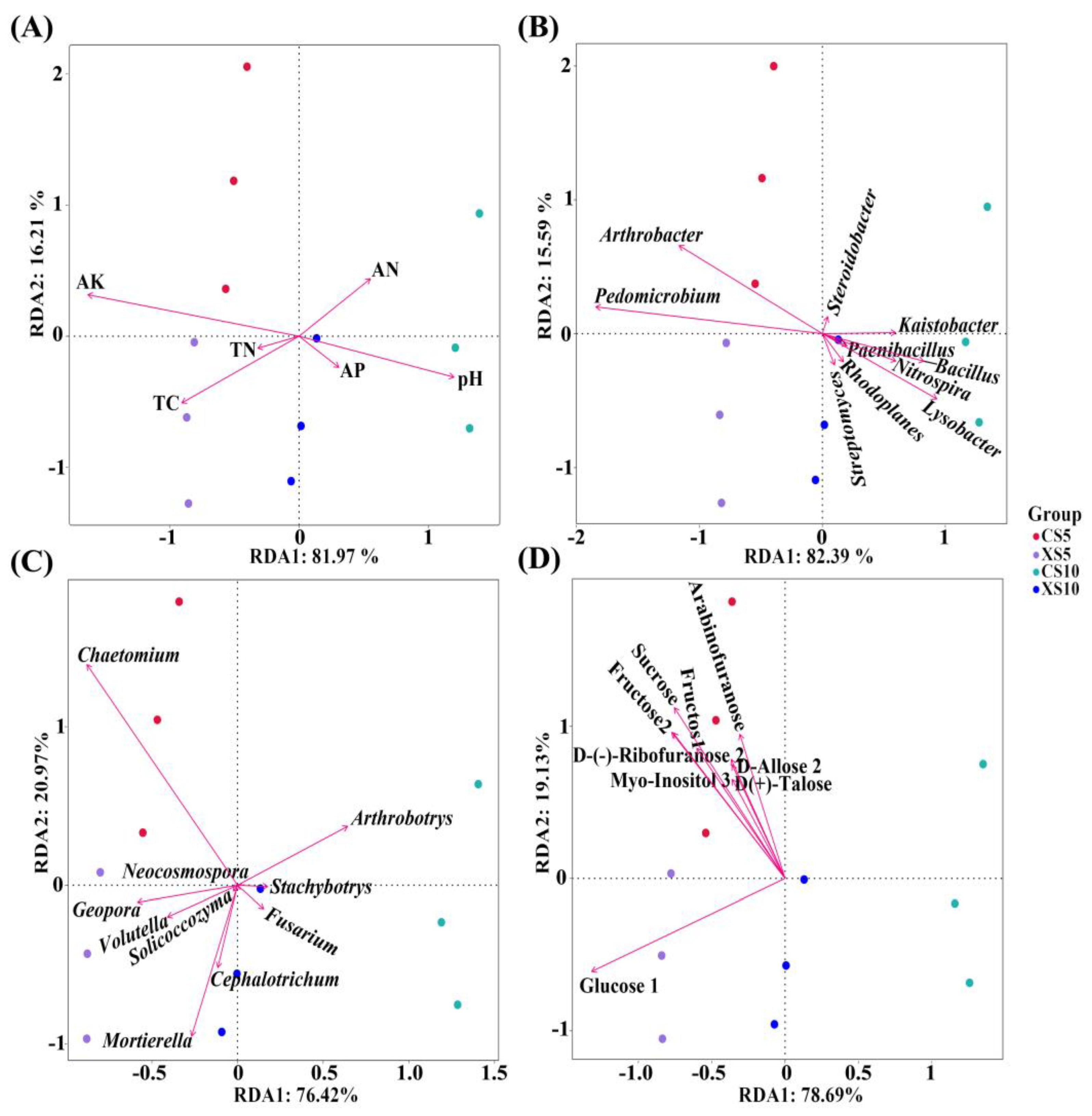
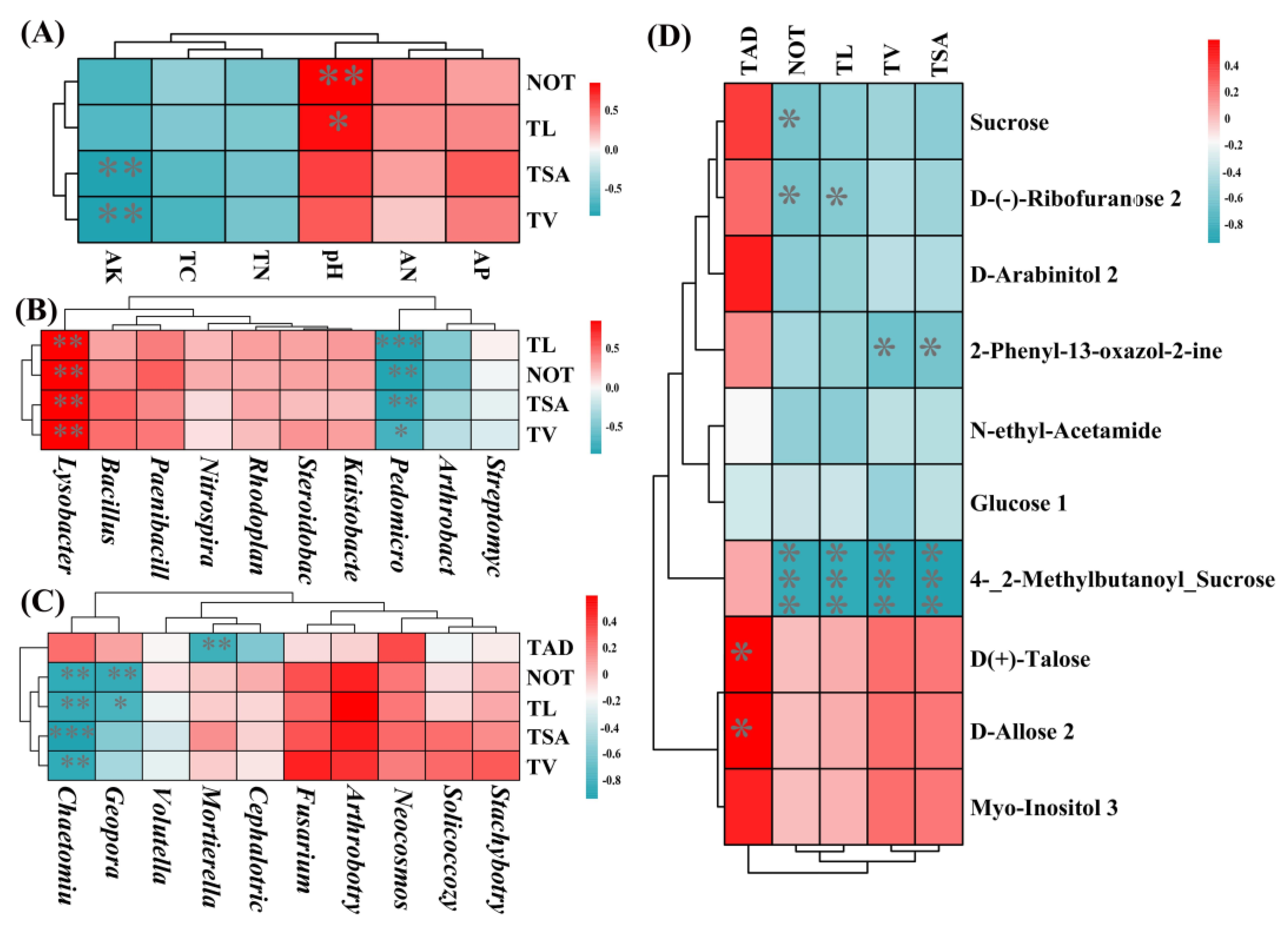
To explore the differences in the fine root characteristics and rhizosphere environment of male and female Idesia polycarpa Maxim at different stages, 7-year-old male and female I. polycarpa were used as plant materials. The fine root characteristics were measured with a root scanner, and rhizosphere soil was collected at the flowering stage (May), fruit accumulation stage (July), and fruit maturity stage (October). In addition, this study analyzed the soil nutrient characteristics of these conditions at different stages. At the same time, Illumine high-throughput sequencing technology and gas chromatography–tandem mass spectrometry (GC–MS) technology were used to analyze the rhizosphere microbes and metabolites of male and female plants at different stages. The results showed that the total root length, surface area, total volume, root tip number, and total average diameter of the fine root of female plants were larger than those of male plants, and the difference reached its maximum in the fruit material accumulation stage. Total carbon (TC) and total nitrogen (TN) content in the rhizosphere soil of male and female plants significantly differed over multiple stages, while available soil nitrogen and potassium content significantly differed during fruit ripening. The rhizosphere microbial composition of male and female plants was similar, and the dominant bacteria in the rhizosphere soil of each stage were Proteobacteria, Acidobacteria, Ascomycota, and Mortierellomycota. The relative abundance of Bacillus, Arthrobacter, Volutella, and Neocosmospora in rhizosphere soil at different stages differed between male and female plants. Combined with the OPLS-DA model and database retrieval, 29 significantly different metabolites, most of which were carbohydrates, were detected in the rhizosphere soil of male and female plants. Moreover, there were more significant metabolites in the rhizosphere soil at the flowering stage than in the fruit ripening stage. Through RDA analysis, available potassium (AK), Pedomicrobium, Chaetomium, and Glucose 1 had the greatest influence on fine root traits of I. polycarpa. The results indicated that the fine root traits were negatively correlated with AK and rhizosphere metabolites. Moreover, positive correlations were found with rhizosphere microorganism traits. The above results laid a foundation for the field management of I. polycarpa and the screening and application of rhizosphere growth-promoting bacteria resources.
Keywords: Idesia polycarpa; male and female plants; fine root morphology; rhizosphere Idesia polycarpa; male and female plants; fine root morphology; rhizosphere