Article

Optimizing China’s Afforestation Strategy: Biophysical Impacts of Afforestation with Five Locally Adapted Forest Types

1
Beijing Meteorological Data Center, Beijing Meteorological Bureau, Beijing 100097, China
2
School of Information, Central University of Finance and Economics, Beijing 100081, China
*
Author to whom correspondence should be addressed.
Forests 2024, 15(1), 182; https://doi.org/10.3390/f15010182
Submission received: 8 December 2023 / Revised: 11 January 2024 / Accepted: 11 January 2024 / Published: 17 January 2024
(This article belongs to the Special Issue Forest Microclimate: Predictions, Drivers and Impacts)

Abstract

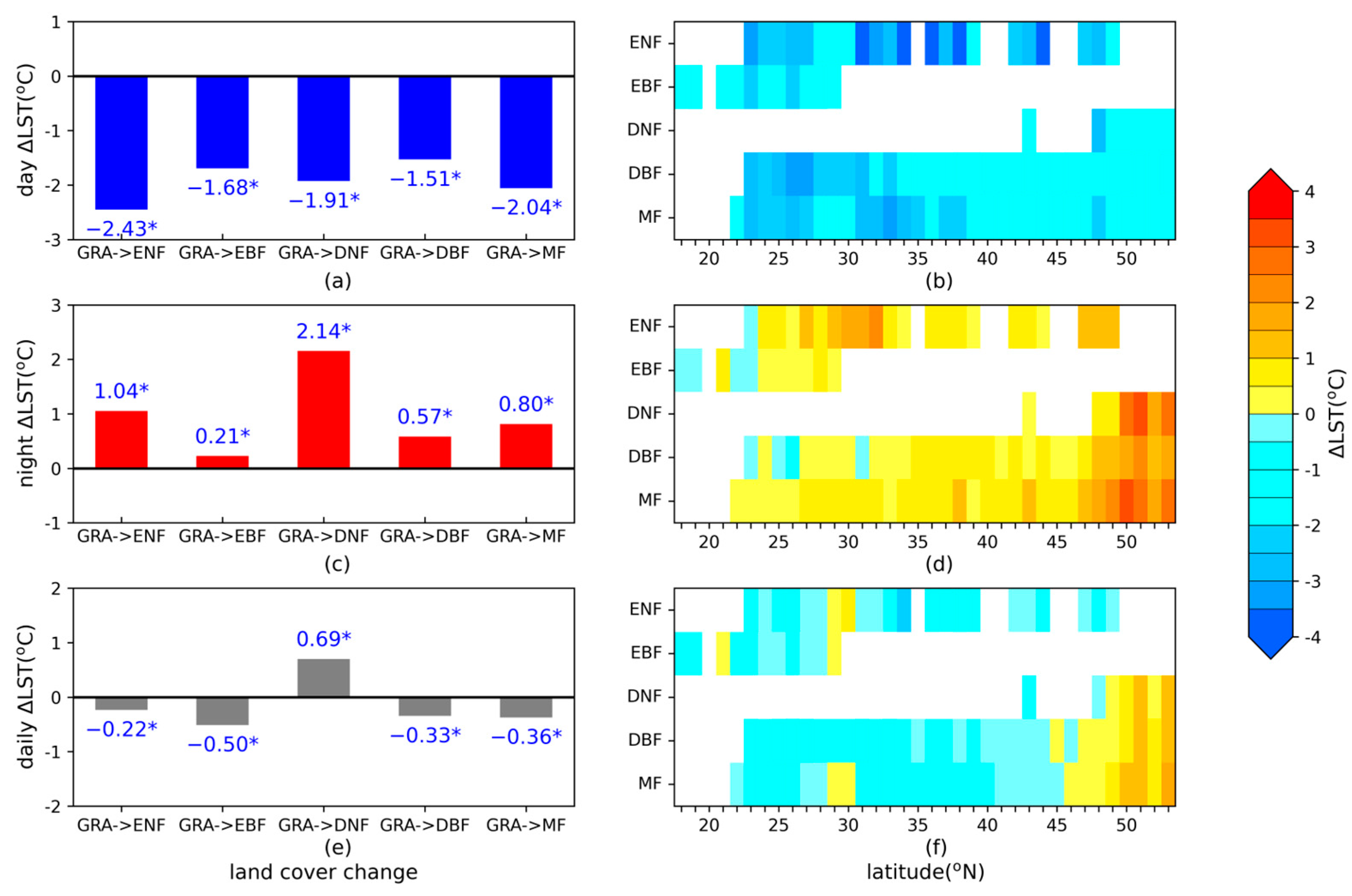
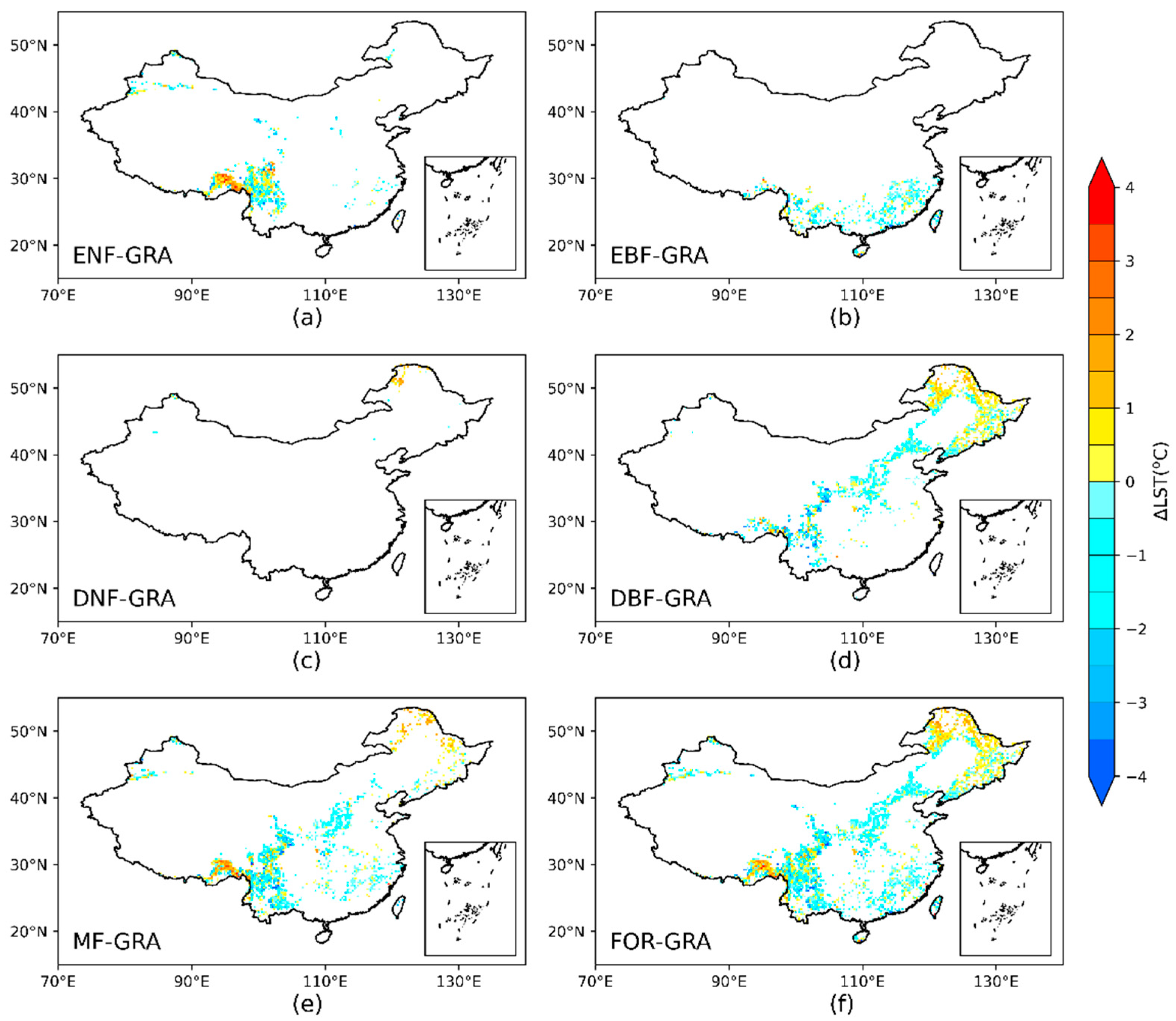
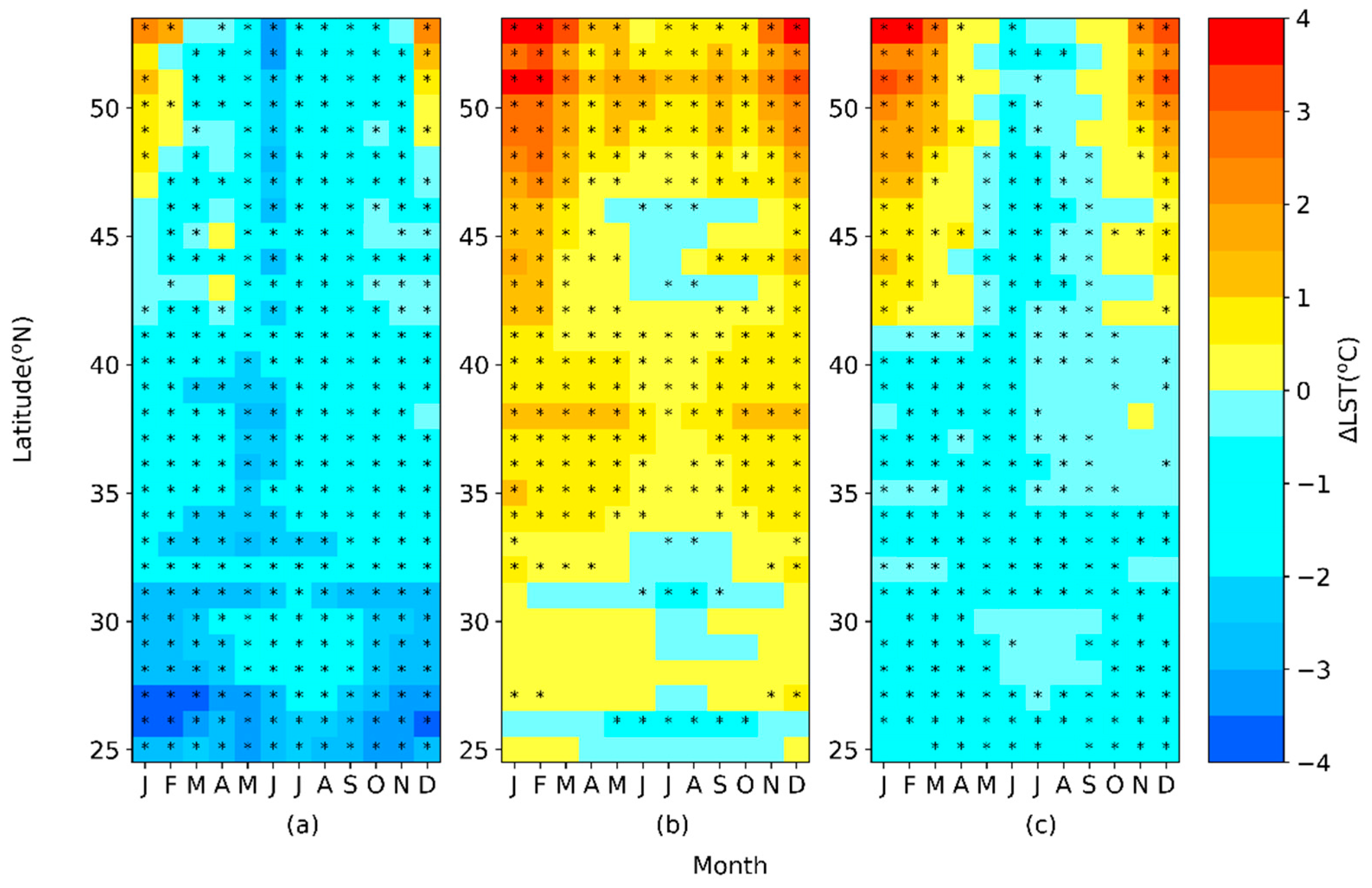
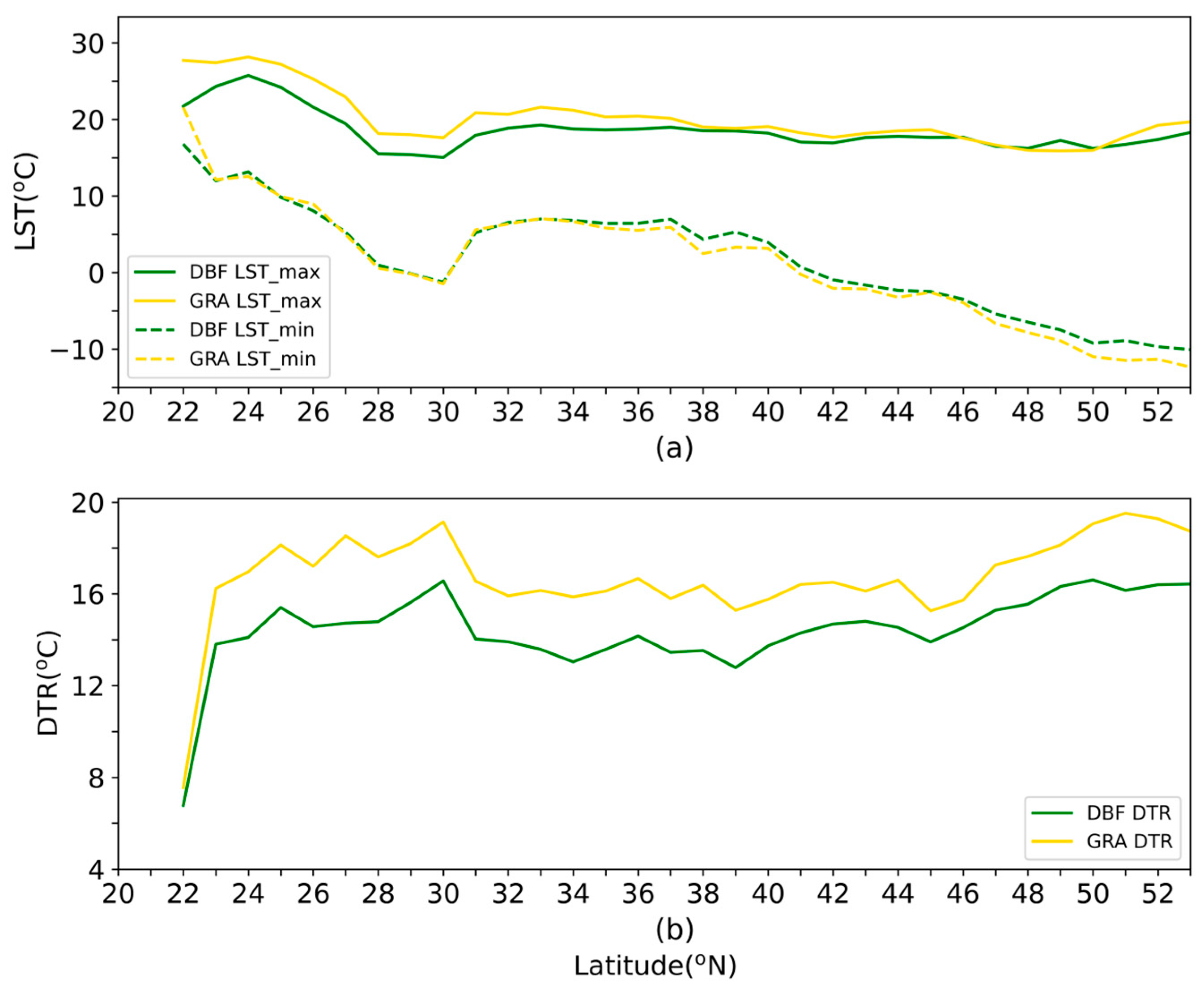
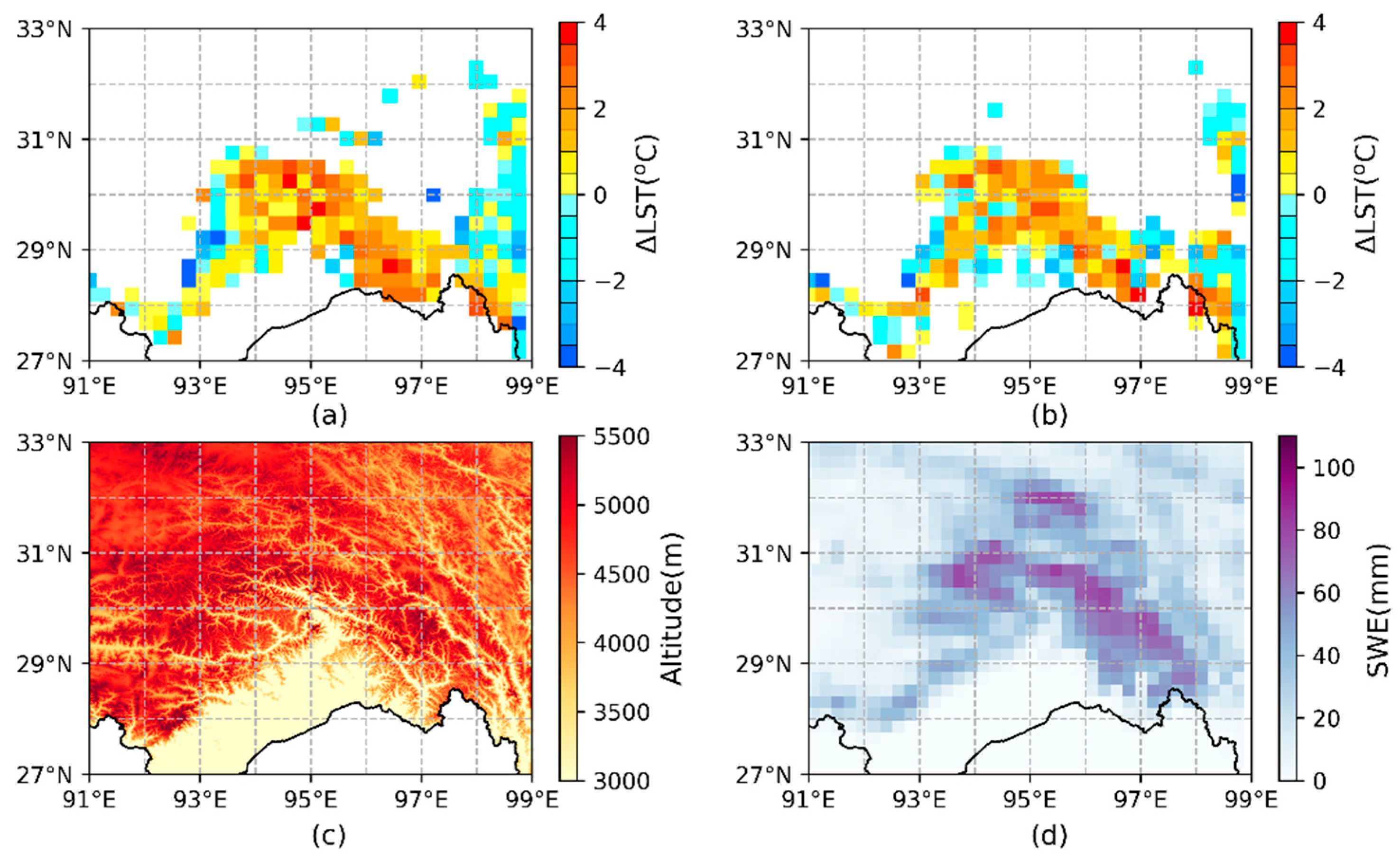
Recent research has mapped potential afforestation land to support China’s goal of achieving “carbon neutrality” and has proposed tree species selection to maximize carbon uptake. However, it overlooked biophysical climatic effects, which have a more significant impact on local temperature than CO2 reduction. This study aims to present a comprehensive understanding of how afforestation in China affects local and regional climates through biophysical processes. It focuses on the latitudinal patterns of land surface temperature differences (ΔLST) between five locally adapted forest types and adjacent grasslands using satellite-based observations. Our key findings are as follows: Firstly, broadleaf forests and mixed forests exhibit a stronger cooling effect than coniferous forests due to differences in canopy structure and distribution. Specifically, the net cooling effects of evergreen broadleaf forests (EBFs), deciduous broadleaf forests (DBFs), and mixed forests (MFs) compared to grasslands are −0.50 ± 0.10 °C (mean ± 95% confidence interval), −0.33 ± 0.05 °C, and −0.36 ± 0.06 °C, respectively, while evergreen needleleaf forests (ENFs) compared to grasslands are −0.22 ± 0.11 °C. Deciduous needleleaf forests (DNFs) exhibit warming effects, with a value of 0.69 ± 0.24 °C. In regions suitable for diverse forest types planting, the selection of broadleaf and mixed forests is advisable due to their enhanced local cooling impact. Secondly, temperate forests have a net cooling effect to the south of 43° N, but they have a net warming effect to the north of 48° N compared to grasslands. We recommend caution when planting DNFs, DBFs, and MFs in northeastern China, due to the potential for local warming. Thirdly, in the mountainous areas of southwestern China, especially when planting ENFs and MFs, tree planting may lead to local warming. Overall, our study provides valuable supplementary insights to China’s existing afforestation roadmap, offering policy support for the country’s climate adaptation and mitigation efforts.
Keywords: afforestation; broadleaf forests; needleleaf forests; mixed forests; biophysical properties; latitudinal; satellite-based observations; China afforestation; broadleaf forests; needleleaf forests; mixed forests; biophysical properties; latitudinal; satellite-based observations; China