Article

Thermal Characteristics and Simulation of Enzymatic Lignin Isolated from Chinese Fir and Birch
MOE Key Laboratory of Wood Material Science and Utilization, Beijing Forestry University, Beijing 100083, China
*
Author to whom correspondence should be addressed.
Forests 2022, 13(6), 914; https://doi.org/10.3390/f13060914
Submission received: 21 May 2022 / Revised: 8 June 2022 / Accepted: 9 June 2022 / Published: 11 June 2022
(This article belongs to the Section Wood Science and Forest Products)

Abstract

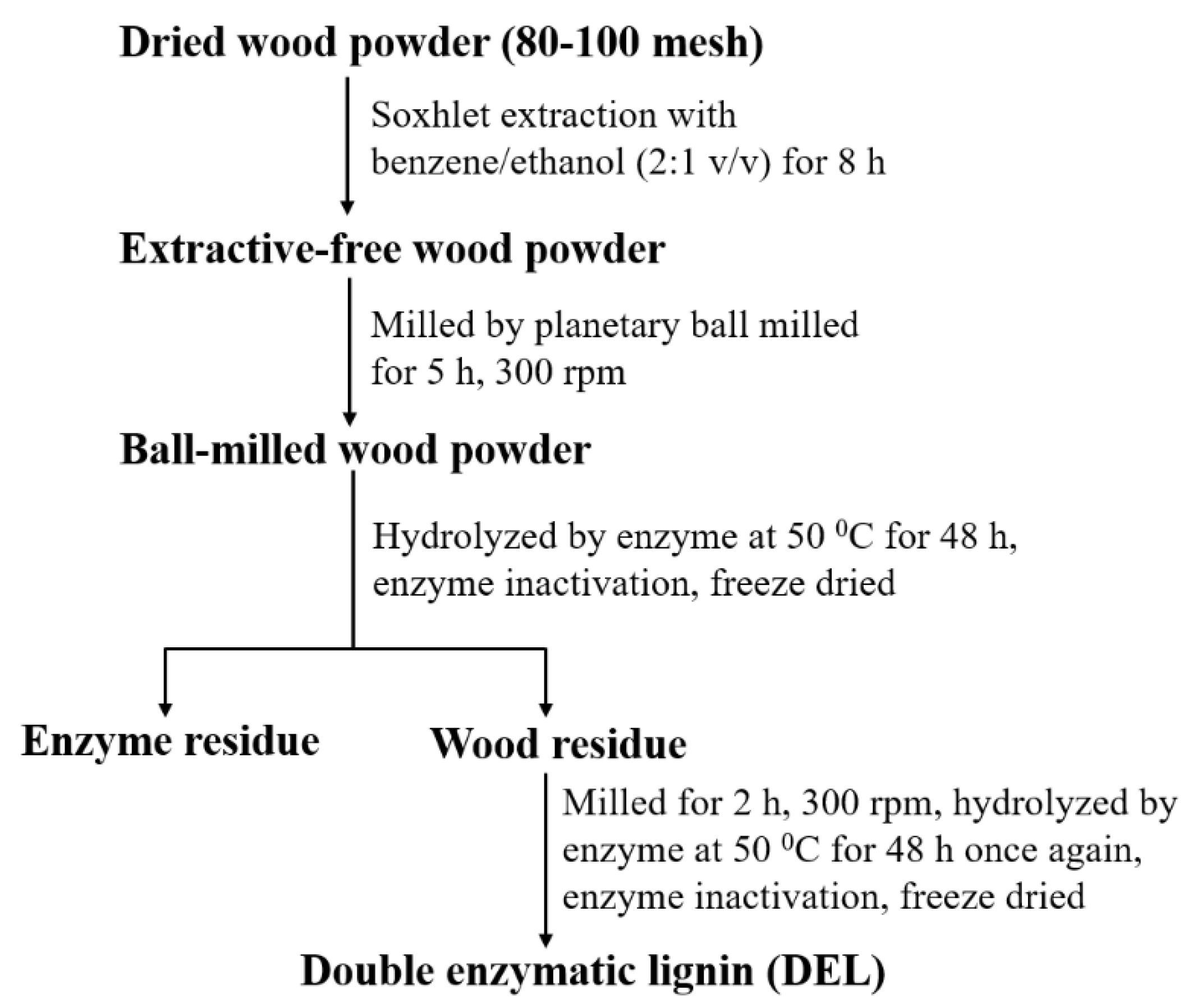
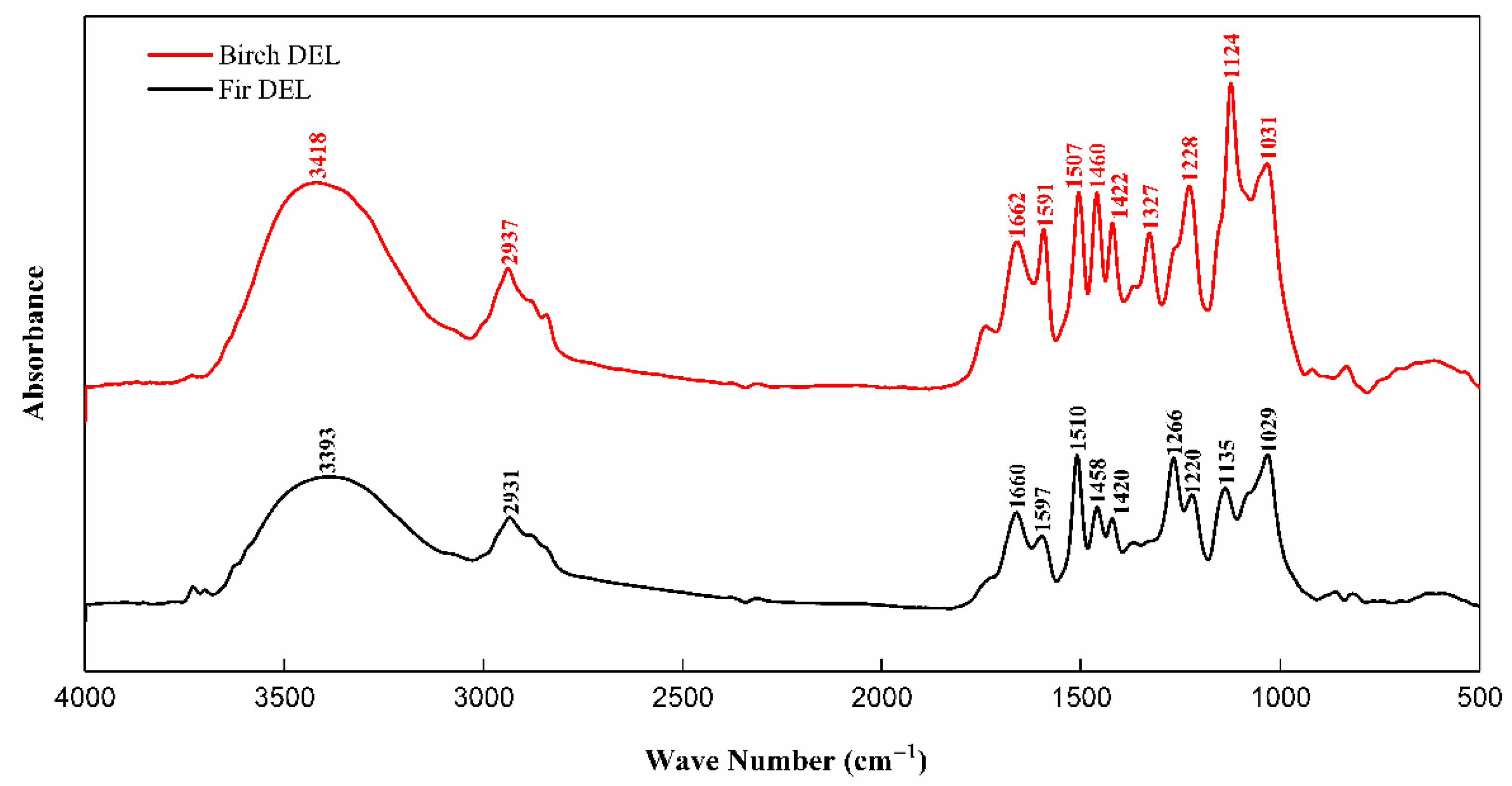
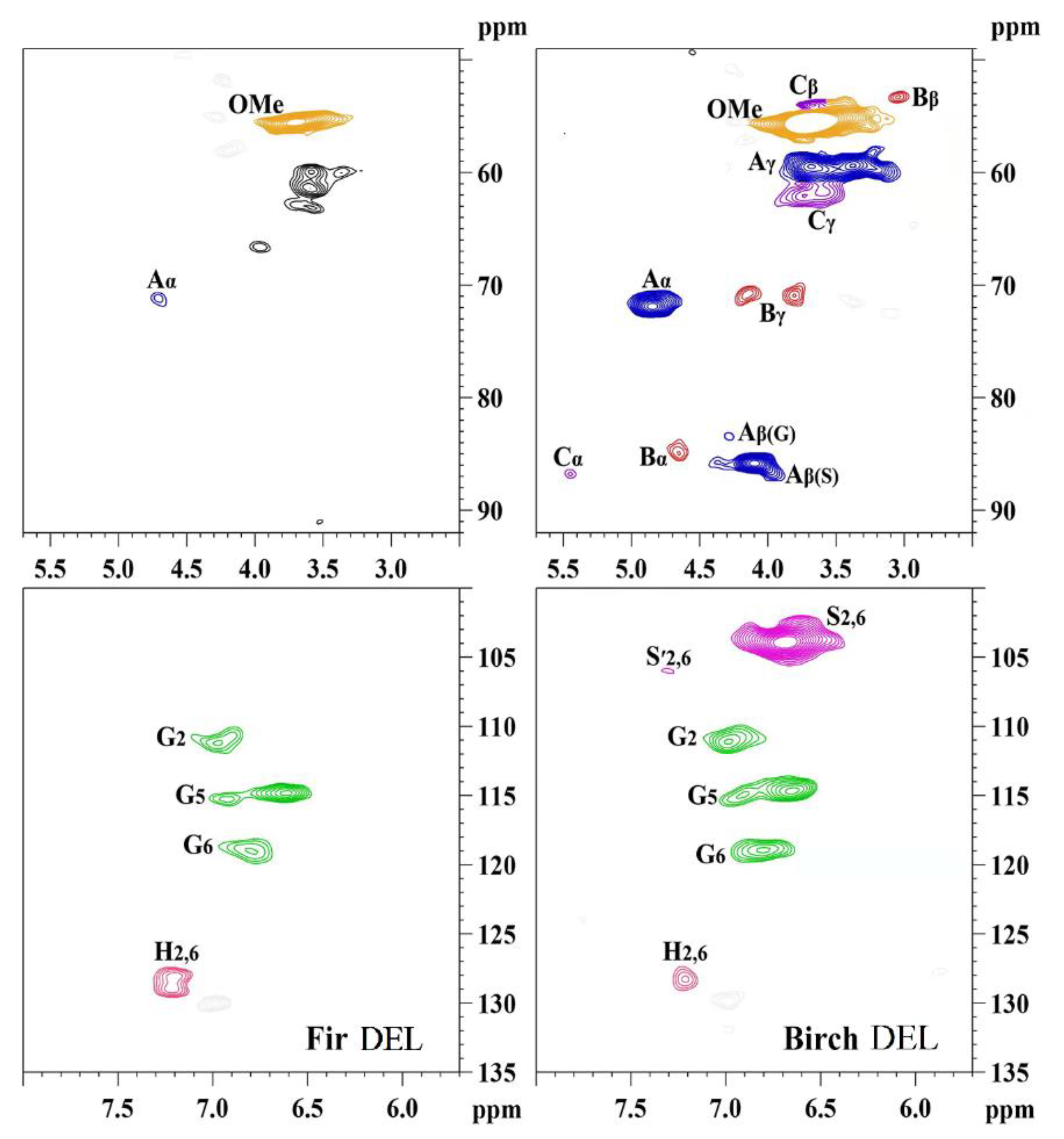
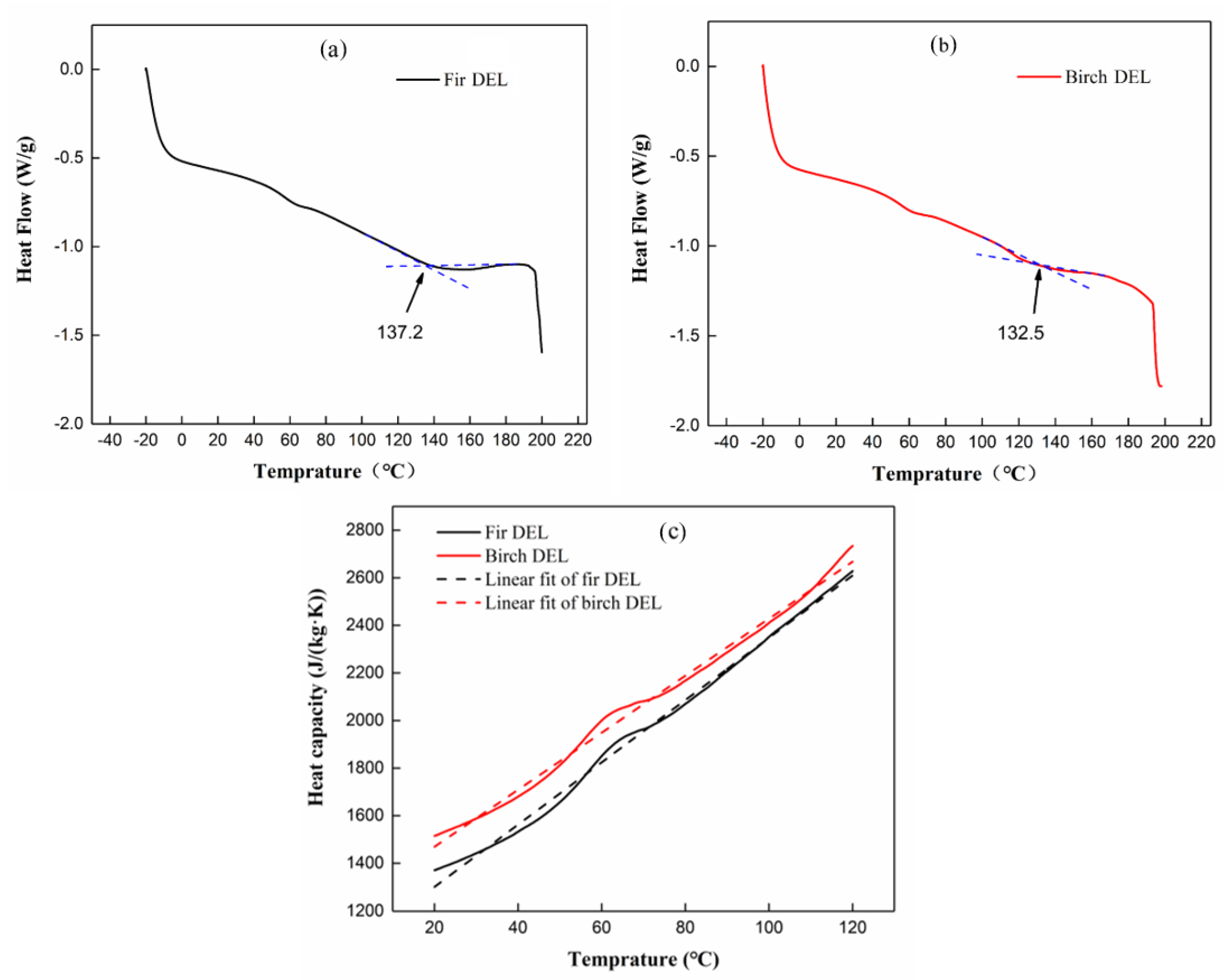
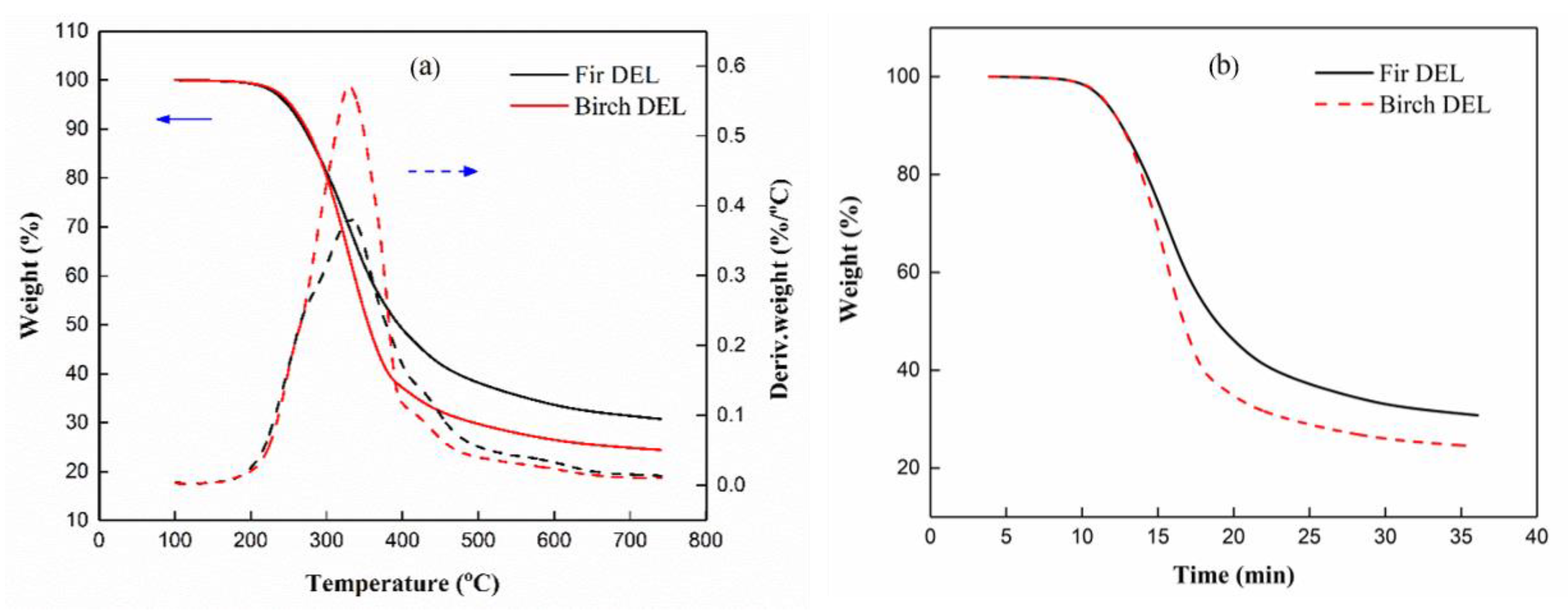
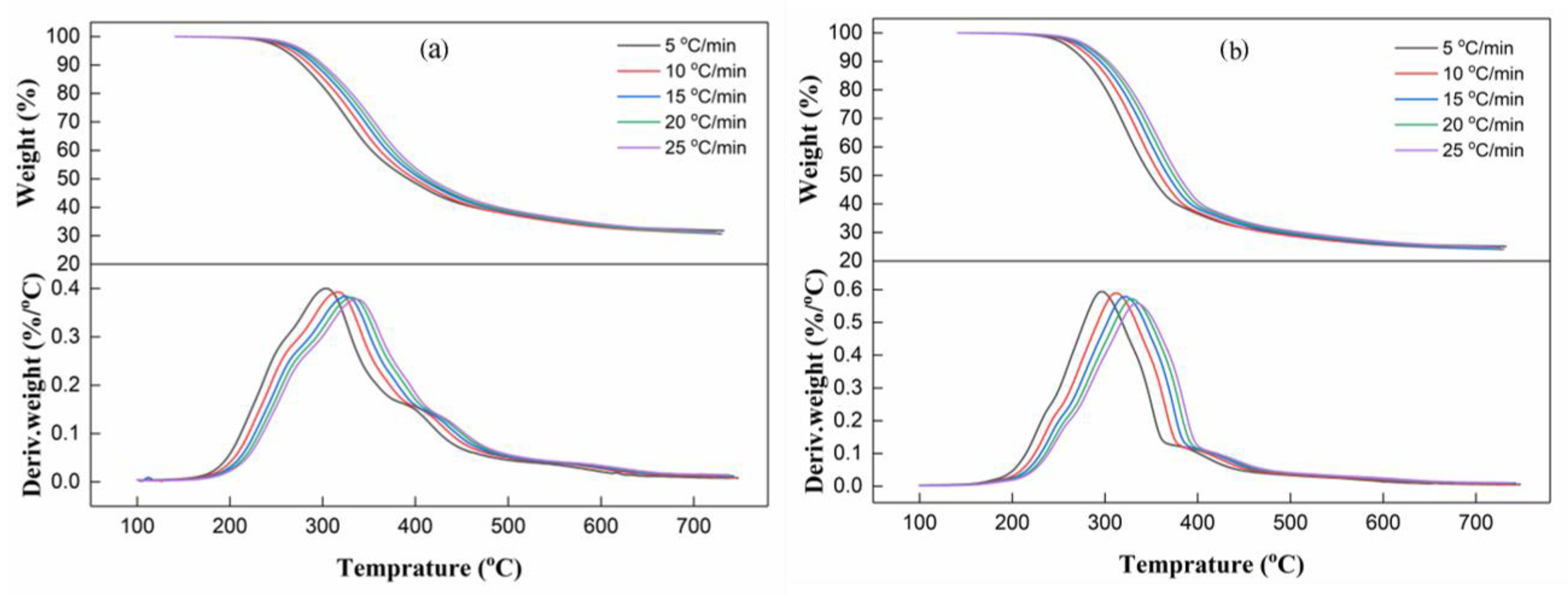
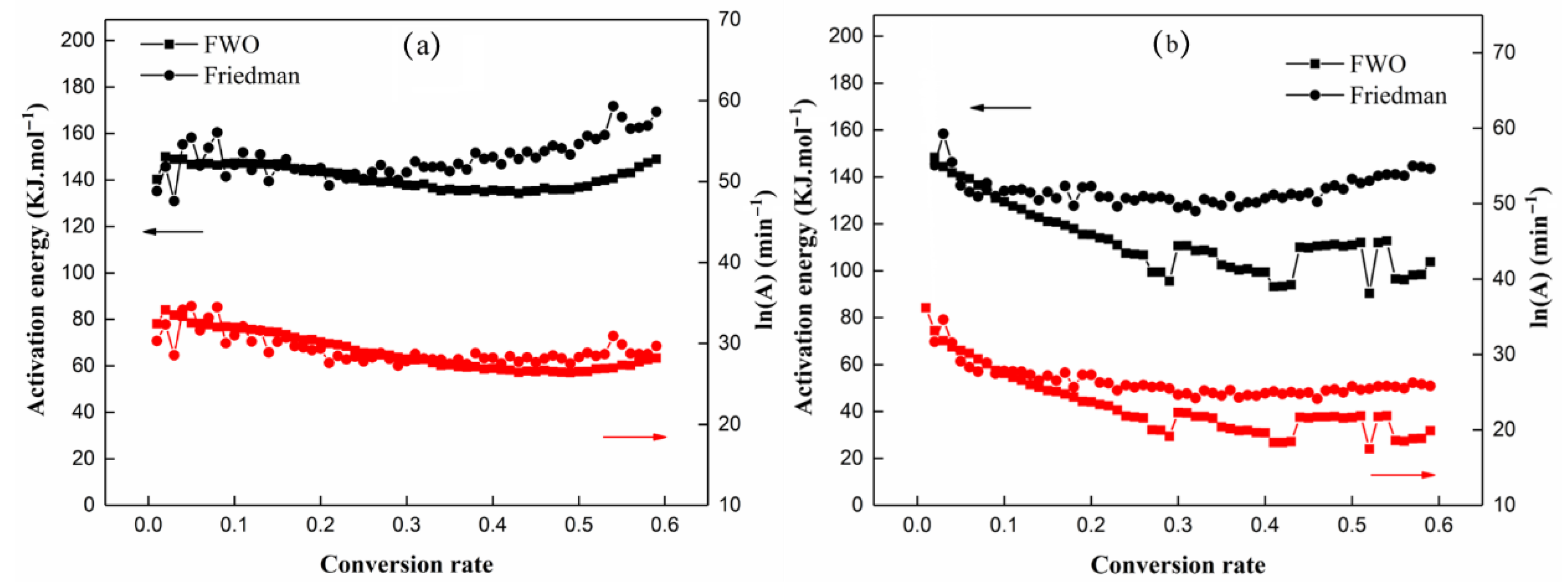
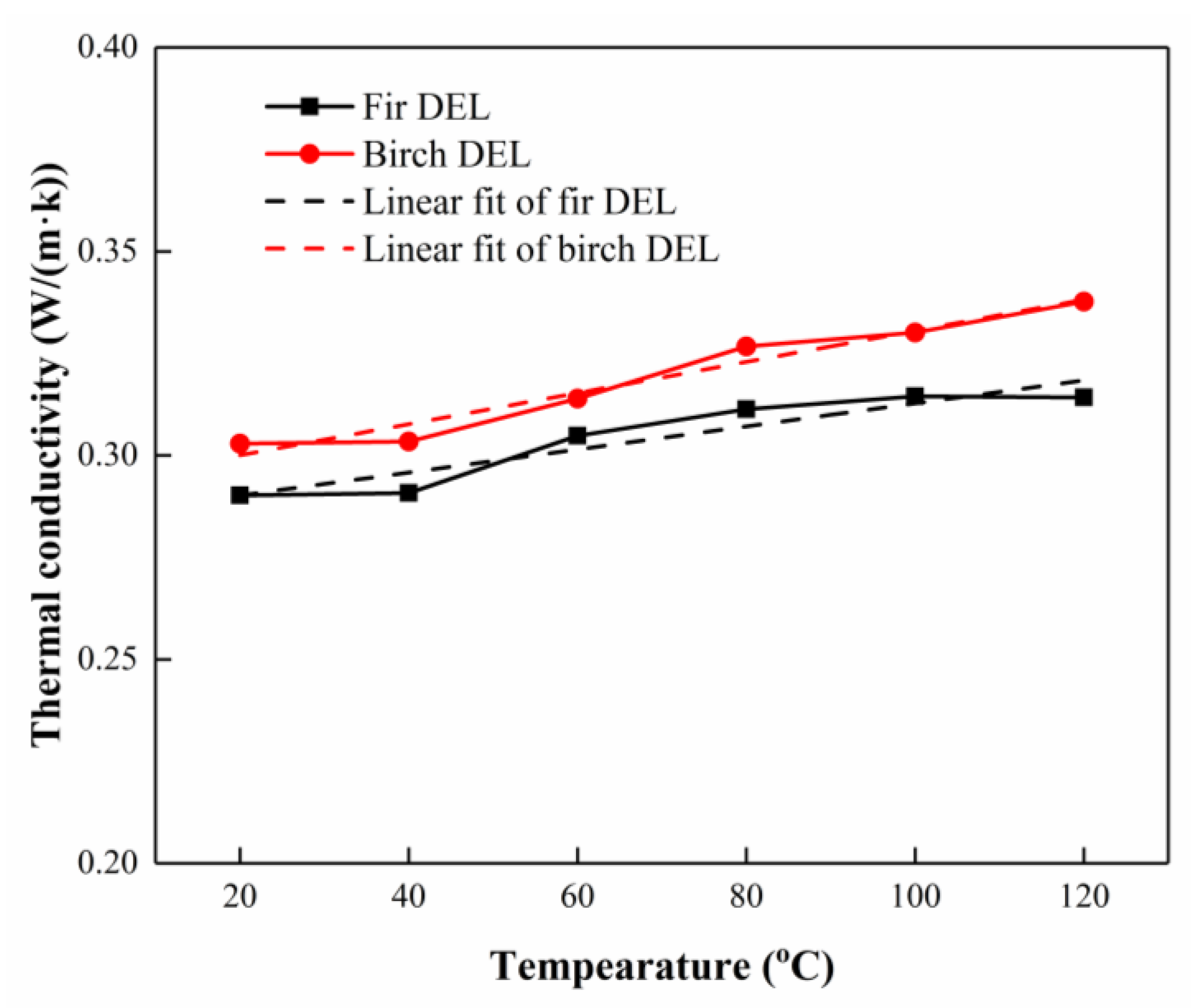
Lignin is one of the main components of the plant cell wall, and the thermal properties of in situ biomass lignin are crucial for the multi-scale modeling of biomass properties and the thermodynamic modeling of lignin. In this study, high yields of double enzymatic lignin (DEL) were successfully isolated from softwood Chinese fir (Cunninghamia lanceolate (Lamb.) Hook.) and hardwood white birch (Betula platyphylla Suk.) to represent the in situ wood lignin. Their thermal properties, including specific heat capacity, thermal conductivity, thermal stability, and thermal degradation kinetic parameters, were tested and simulated. The results showed that Chinese fir DEL has different chemical structural units and thermal properties than birch DEL. The specific heat capacities of Chinese fir DEL and birch DEL at 20 °C were 1301 and 1468 J/(kg·K), respectively, and their thermal conductivities were 0.30 and 0.32 W/(m·K). Their specific heat capacity and thermal conductivity showed a positive linear relationship over a temperature range of 20–120 °C. Chinese fir DEL had a better thermal stability and a higher carbon residue than birch DEL. The average activation energy and pre-exponential factor changed with the conversion rate, and their relationships were simulated using linear or quadratic equations in the conversion rate range of 0.02–0.60. A second-order reaction function was found to be the best mechanism function for DEL thermal degradation.
Keywords: enzymatic lignin; thermal properties; simulation; wood enzymatic lignin; thermal properties; simulation; wood