Article

Spatial Pattern of Climate Change Effects on Lithuanian Forestry


by
Gintautas Mozgeris
1,*,
Vilis Brukas
2,
Nerijus Pivoriūnas
1,
Gintautas Činga
1,
Ekaterina Makrickienė
1,
Steigvilė Byčenkienė
3,
Vitas Marozas
1,
Marius Mikalajūnas
1,
Vadimas Dudoitis
3,
Vidmantas Ulevičius
3 and
Algirdas Augustaitis
1
1
Agriculture Academy, Vytautas Magnus University, Studentų Str. 11, Akademija LT-53361, Kaunas dstr., Lithuania
2
Southern Swedish Forest Research Centre, Swedish University of Agricultural Sciences, Sundsvägen 3, Alnarp SE-23053, Sweden
3
Center for Physical Sciences and Technology, Saulėtekio ave. 3, Vilnius LT-10297, Lithuania
*
Author to whom correspondence should be addressed.
Forests 2019, 10(9), 809; https://doi.org/10.3390/f10090809
Submission received: 16 July 2019 / Accepted: 15 September 2019 / Published: 17 September 2019

Abstract

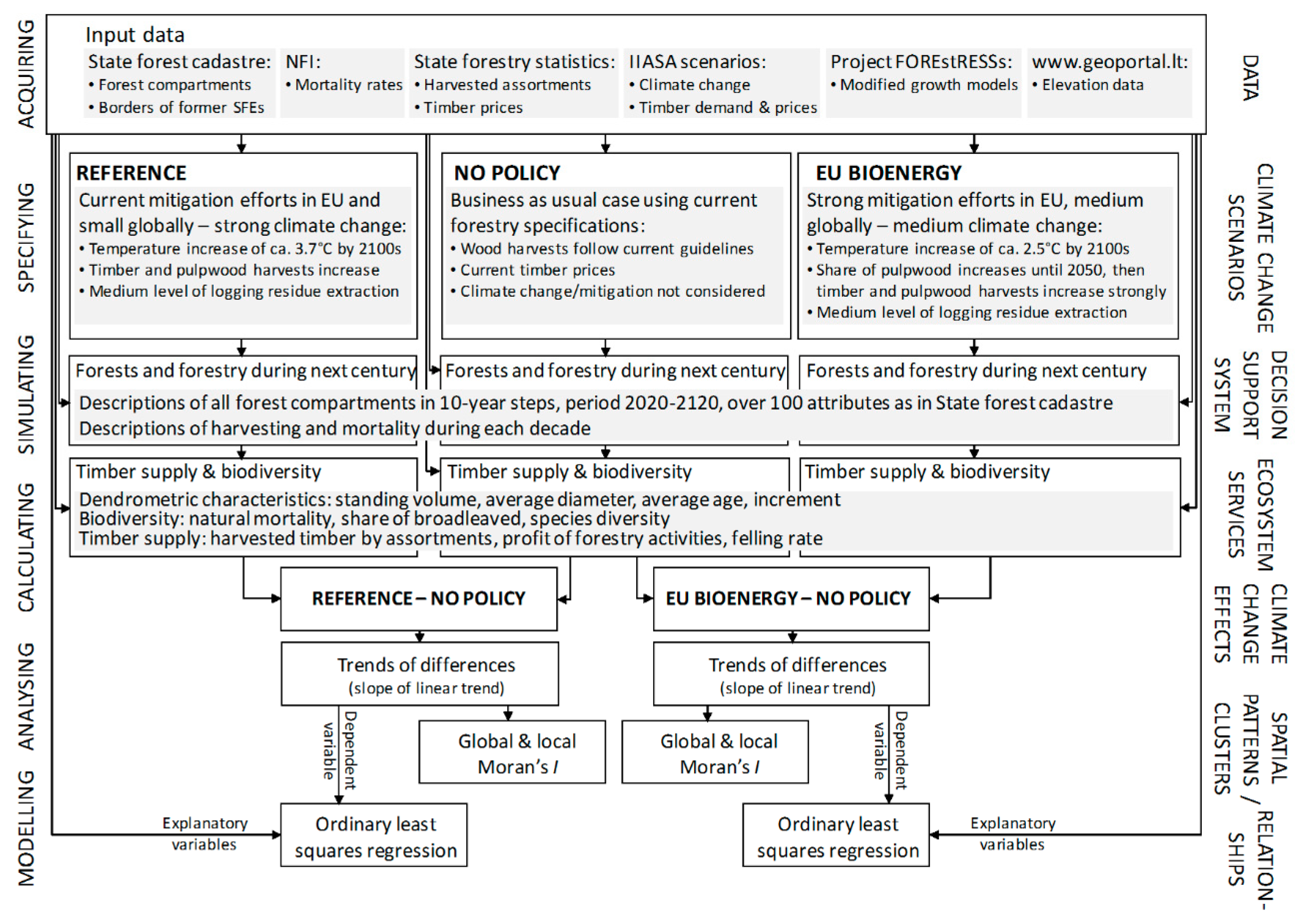
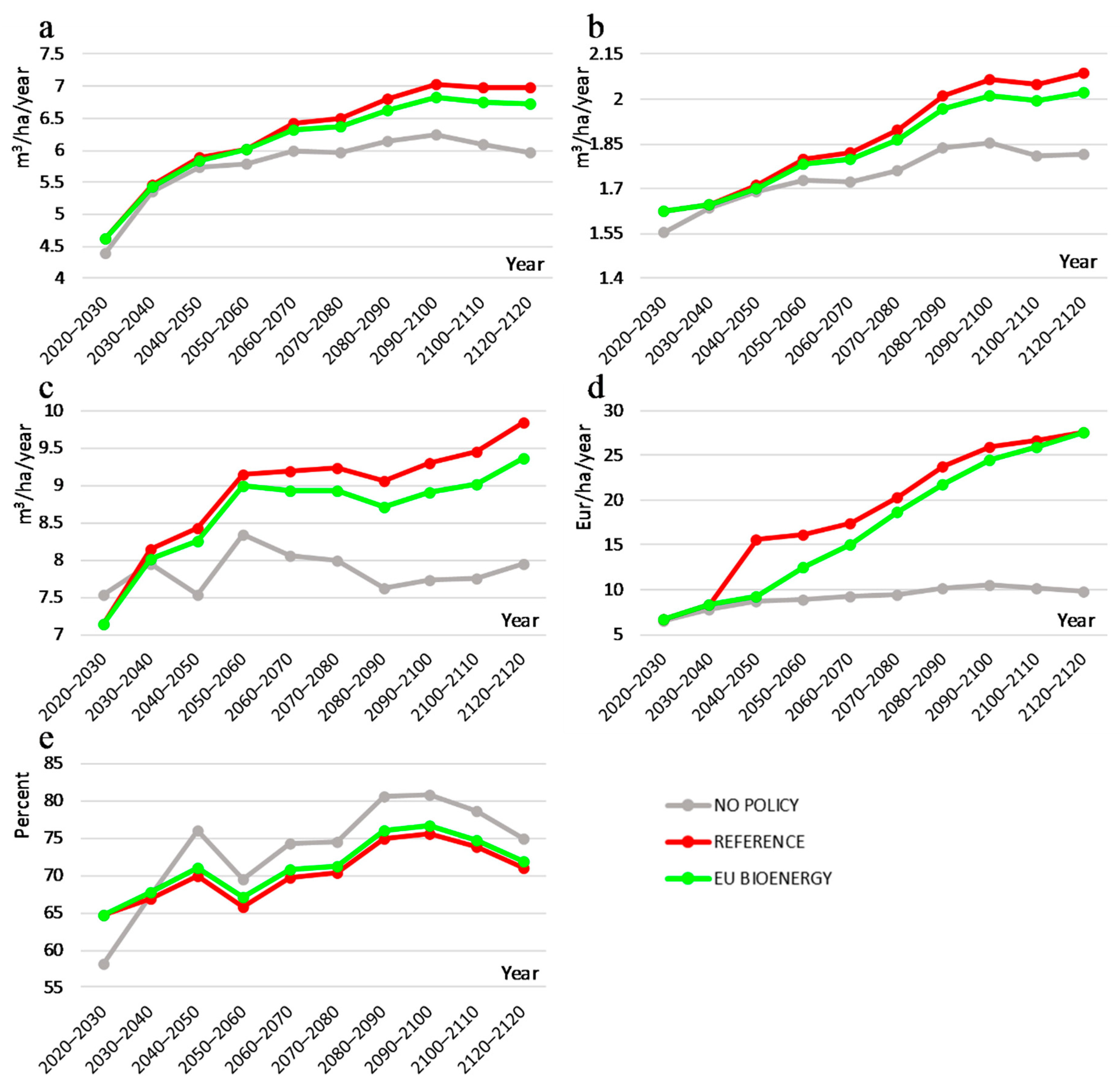
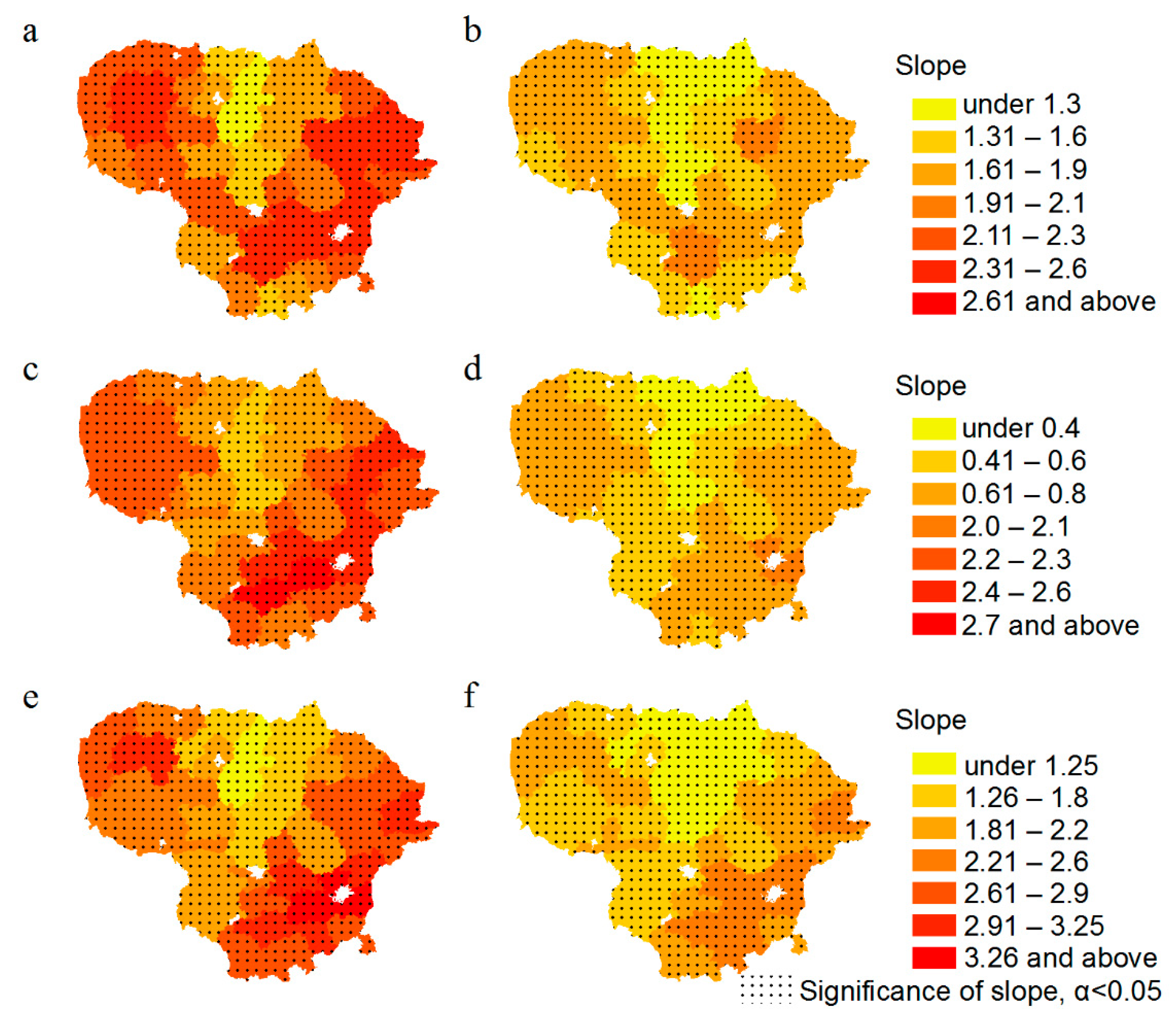
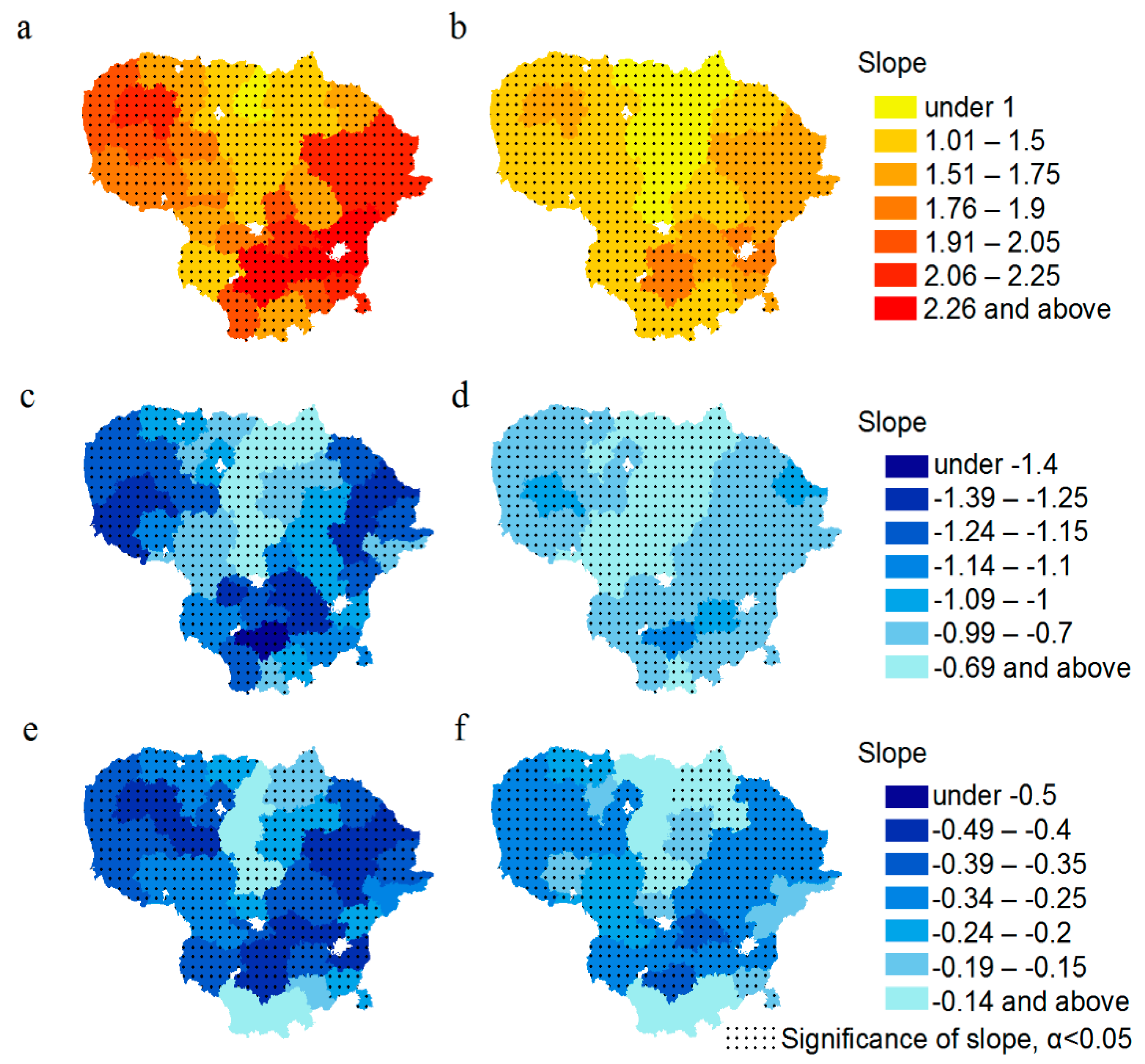
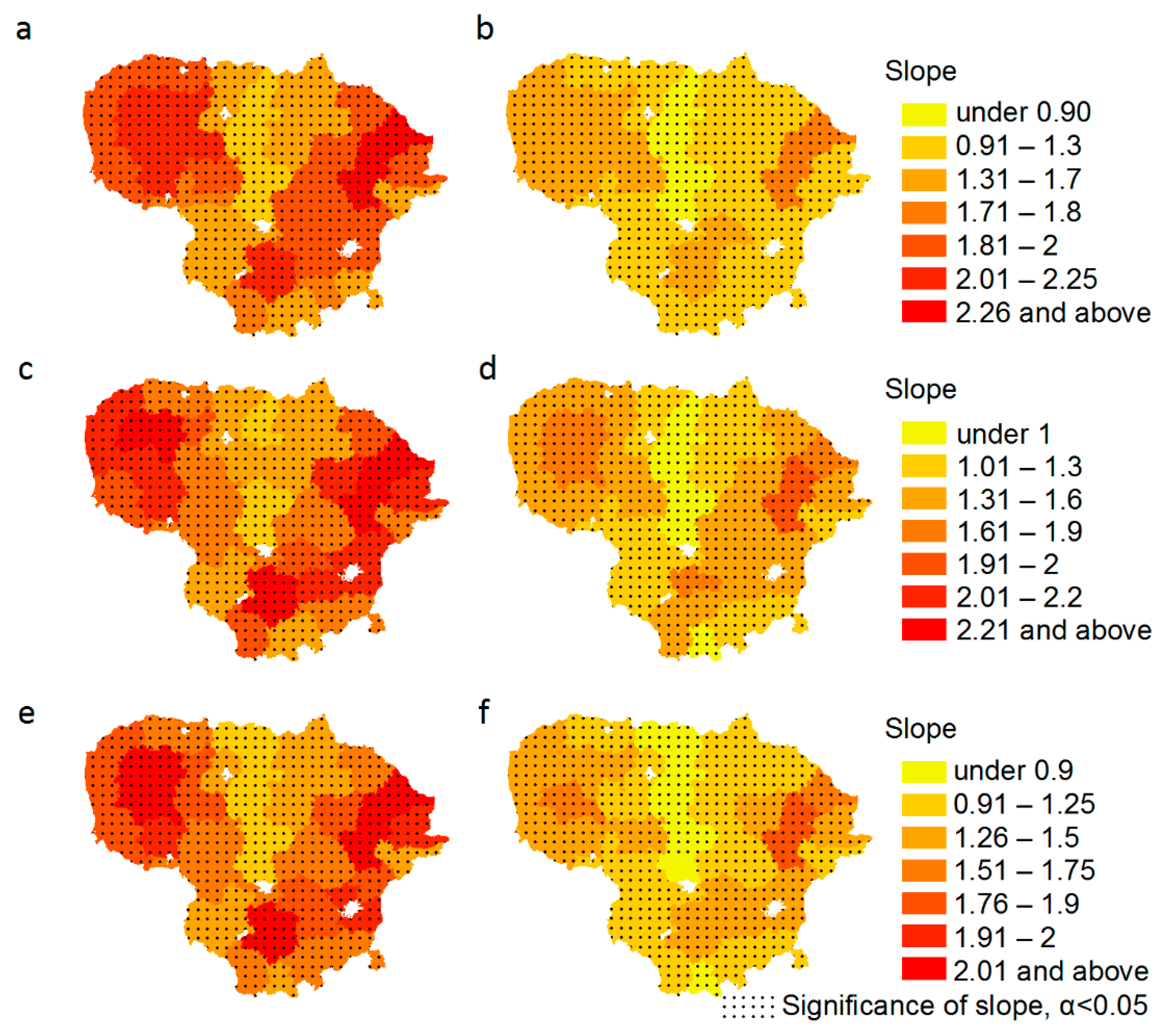
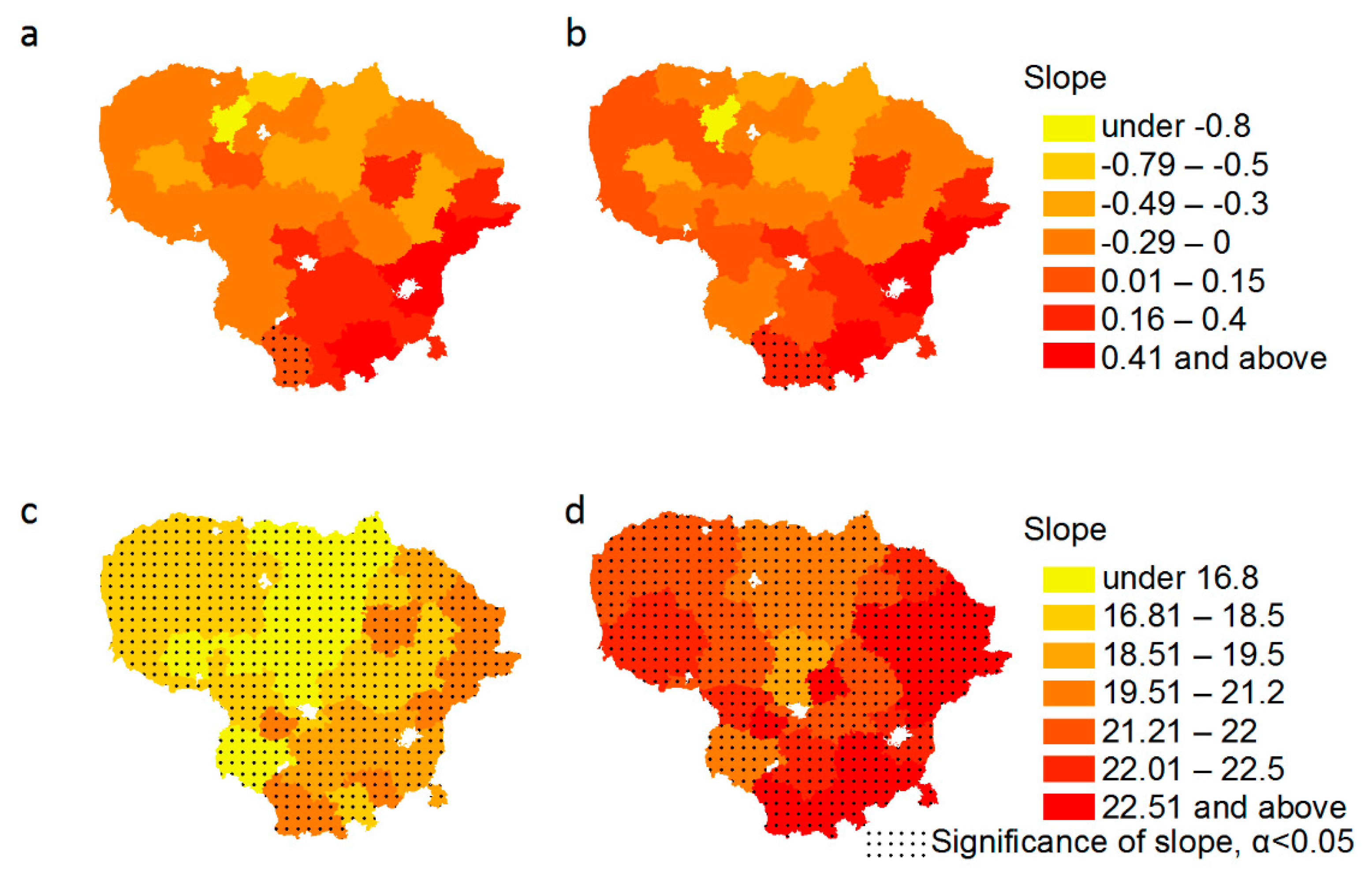
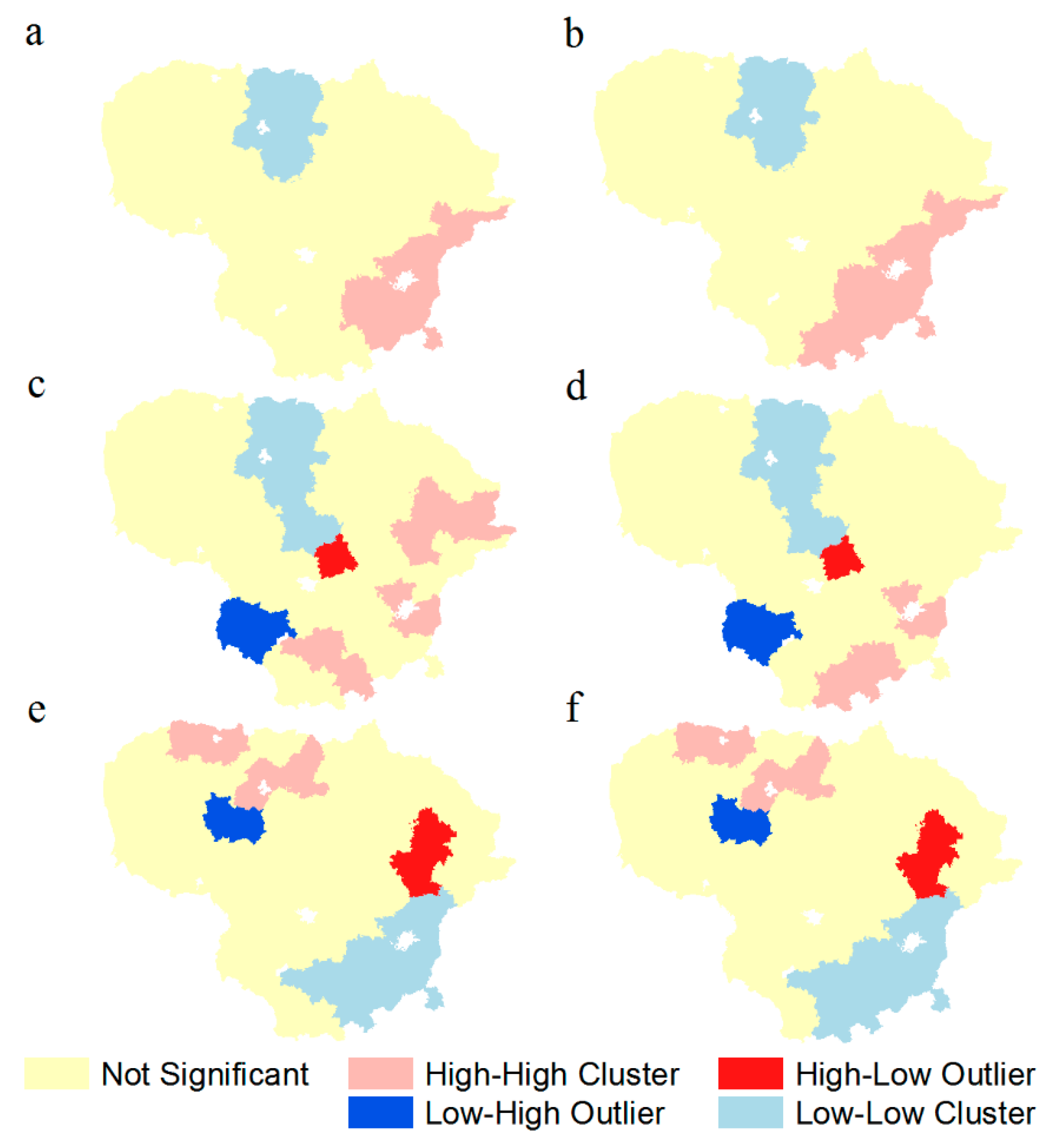
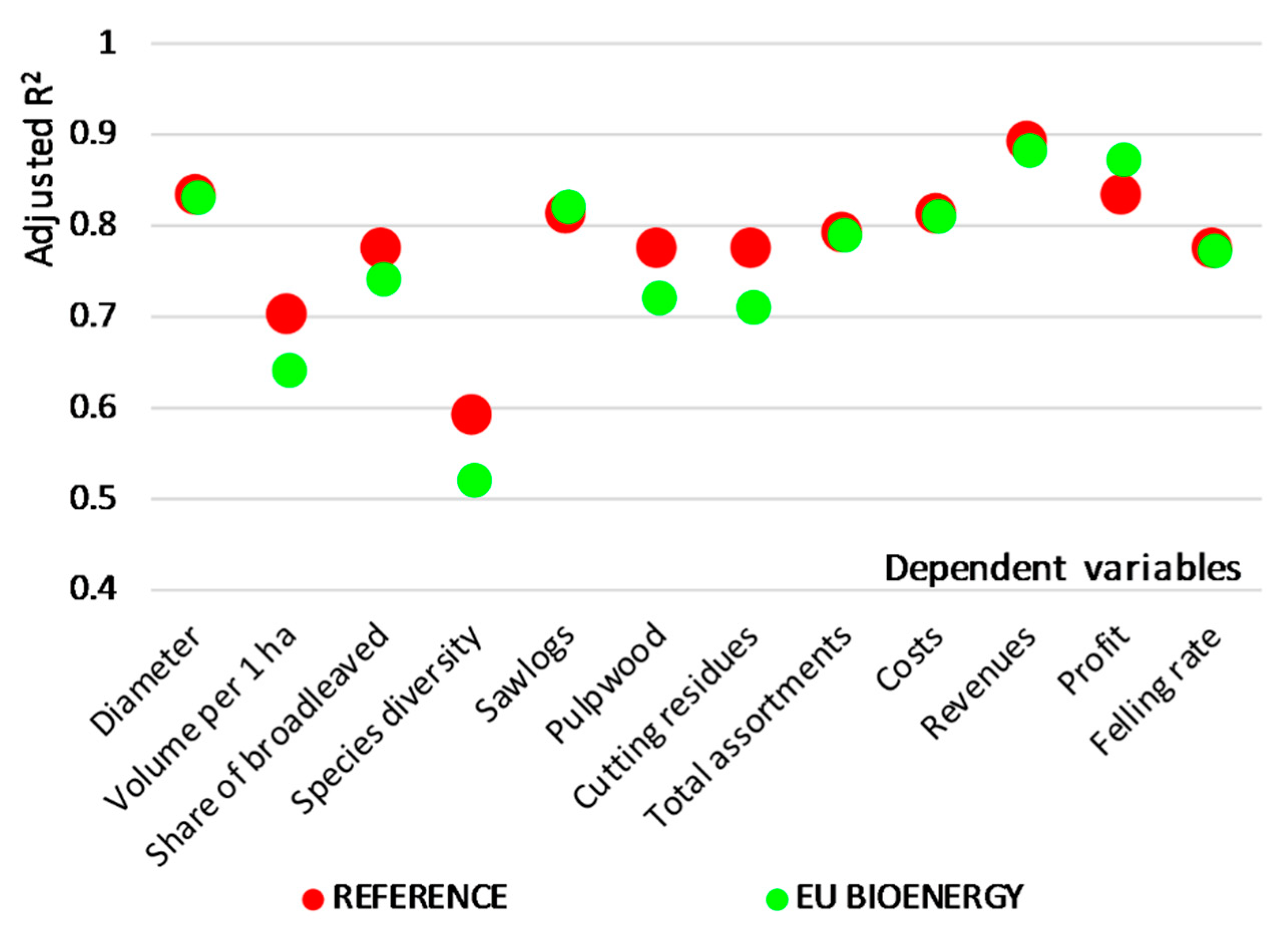
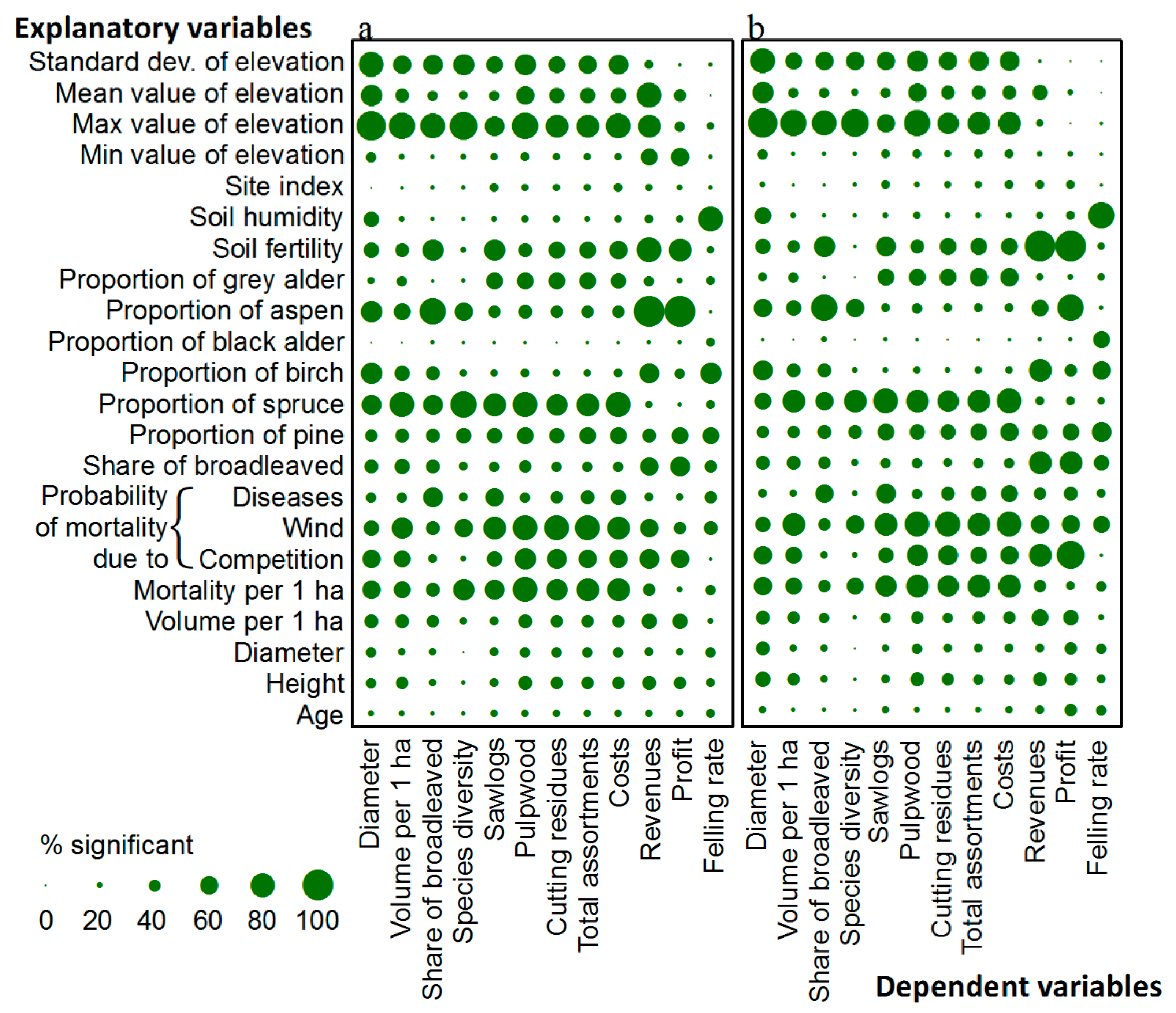
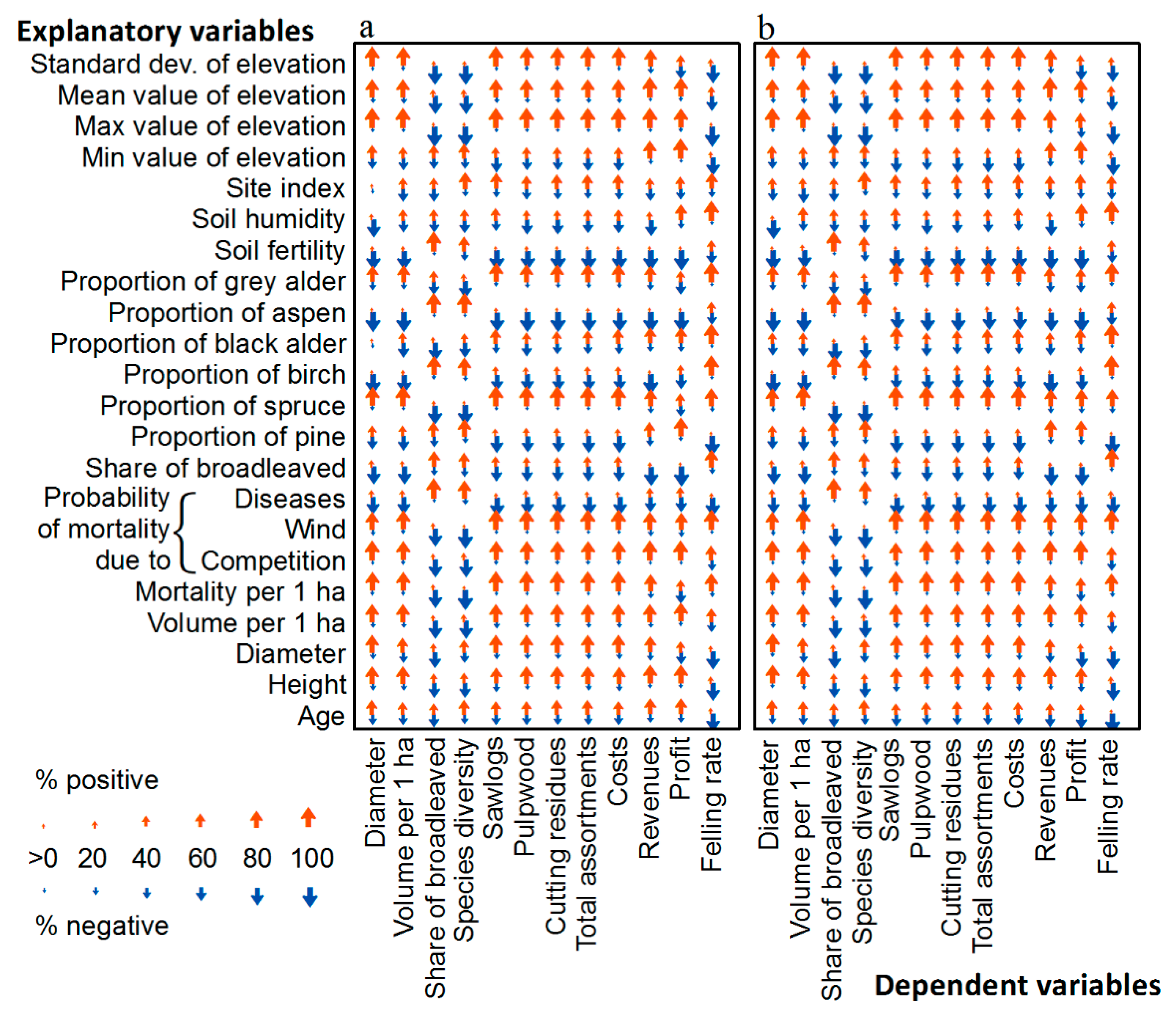
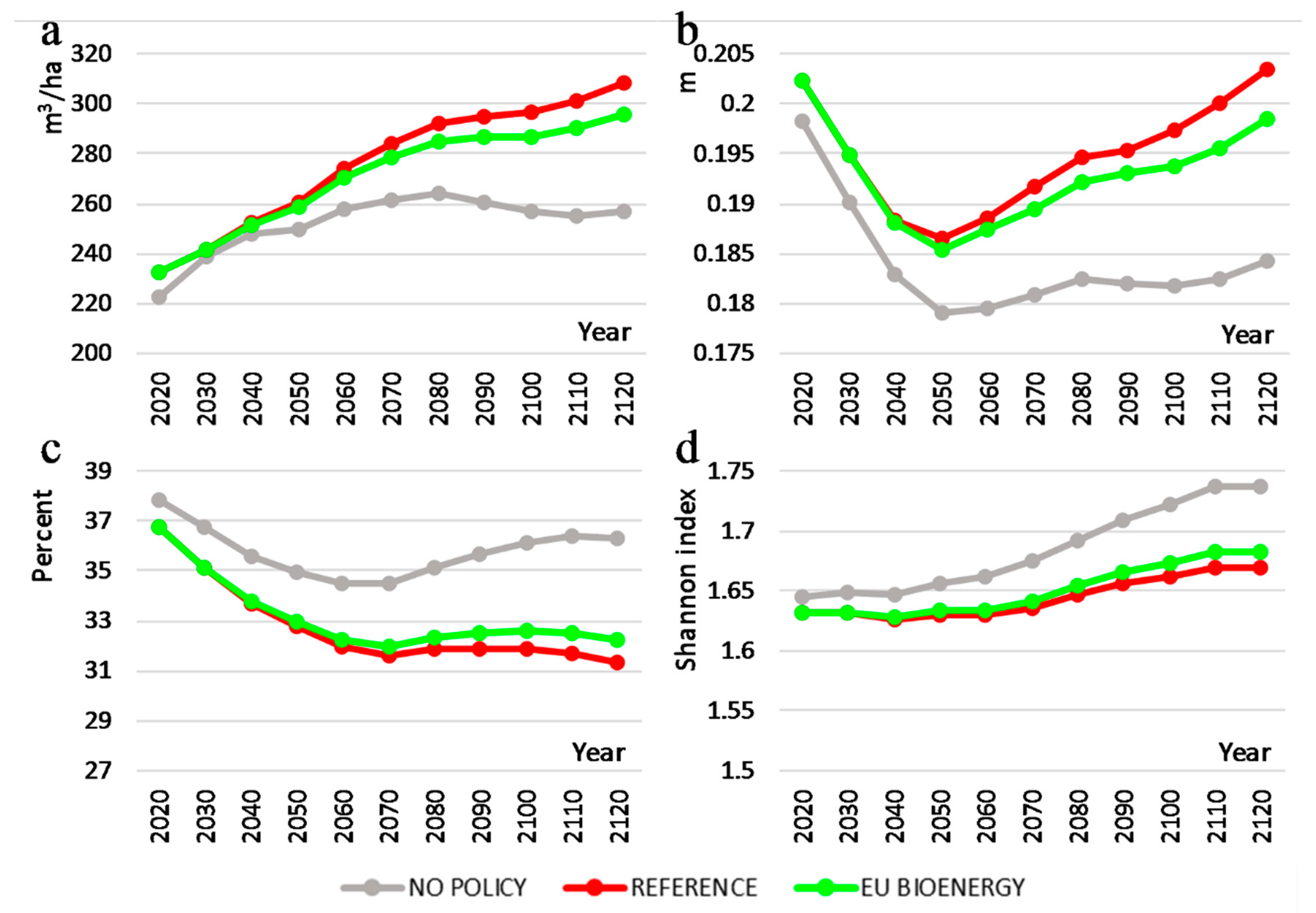
Research Highlights: Validating modelling approach which combines global framework conditions in the form of climate and policy scenarios with the use of forest decision support system to assess climate change impacts on the sustainability of forest management. Background and Objectives: Forests and forestry have been confirmed to be sensitive to climate. On the other hand, human efforts to mitigate climate change influence forests and forest management. To facilitate the evaluation of future sustainability of forest management, decision support systems are applied. Our aims are to: (1) Adopt and validate decision support tool to incorporate climate change and its mitigation impacts on forest growth, global timber demands and prices for simulating future trends of forest ecosystem services in Lithuania, (2) determine the magnitude and spatial patterns of climate change effects on Lithuanian forests and forest management in the future, supposing that current forestry practices are continued. Materials and Methods: Upgraded version of Lithuanian forestry simulator Kupolis was used to model the development of all forests in the country until 2120 under management conditions of three climate change scenarios. Selected stand-level forest and forest management characteristics were aggregated to the level of regional branches of the State Forest Enterprise and analyzed for the spatial and temporal patterns of climate change effects. Results: Increased forest growth under a warmer future climate resulted in larger tree dimensions, volumes of growing stock, naturally dying trees, harvested assortments, and also higher profits from forestry activities. Negative impacts were detected for the share of broadleaved tree species in the standing volume and the tree species diversity. Climate change effects resulted in spatially clustered patterns—increasing stand productivity, and amounts of harvested timber were concentrated in the regions with dominating coniferous species, while the same areas were exposed to negative dynamics of biodiversity-related forest attributes. Current forest characteristics explained 70% or more of the variance of climate change effects on key forest and forest management attributes. Conclusions: Using forest decision support systems, climate change scenarios and considering the balance of delivered ecosystem services is suggested as a methodological framework for validating forest management alternatives aiming for more adaptiveness in Lithuanian forestry.
Keywords: climate change; mitigation efforts; forestry; ecosystem services; simulation; spatial statistics climate change; mitigation efforts; forestry; ecosystem services; simulation; spatial statistics
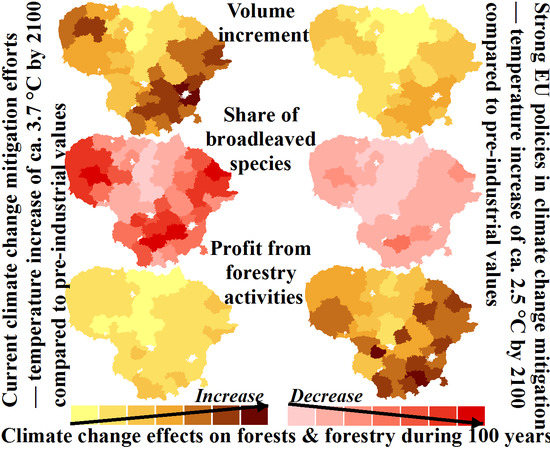
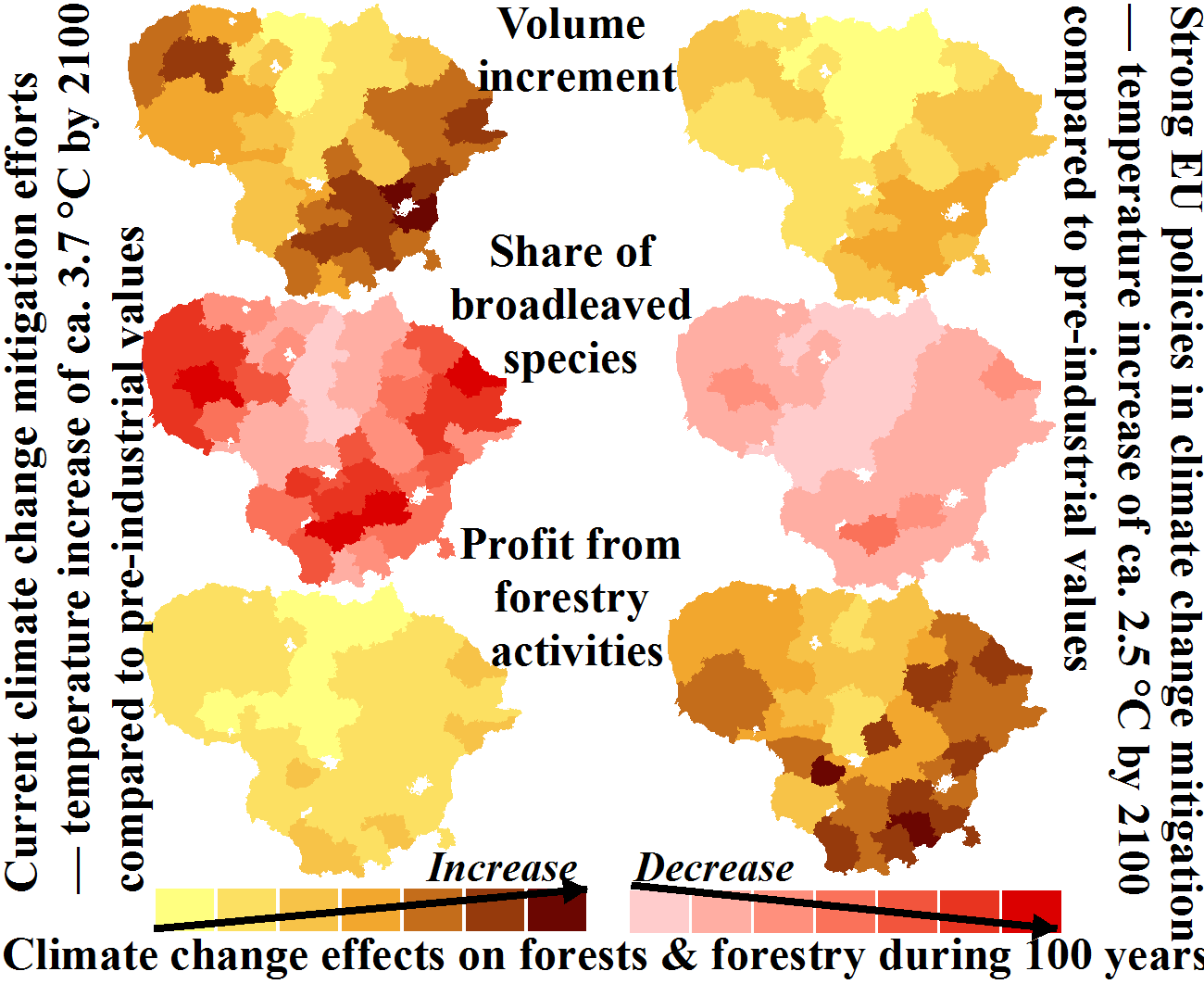
Graphical Abstract