Article

Managing Mixed Stands: Reassessing a Forgotten Stand Type in the Southeastern United States


1
Southern Research Station, USDA Forest Service, 521 Devall Drive, Auburn, AL 36849, USA
2
Warnell School of Forest Resources, University of Georgia, 180 E. Green St., Athens, GA 30602, USA
3
Department of Agricultural Economics, Louisiana State University, 101 Martin D. Woodin Hall, Baton Rouge, LA 70803, USA
4
Department of Forestry, Thompson Hall, Mississippi State University, 775 Stone Blvd., Starkville, MS 39762, USA
5
Alabama Cooperative Extension System, Auburn University, 21541 County Road 8 Coastal Gateway Boulevard, Gulf Shores, AL 36542, USA
*
Author to whom correspondence should be addressed.
Forests 2019, 10(9), 751; https://doi.org/10.3390/f10090751
Submission received: 1 July 2019 / Revised: 10 August 2019 / Accepted: 27 August 2019 / Published: 1 September 2019
(This article belongs to the Special Issue Natural Regeneration in Mixed Hardwood Forests)

Abstract

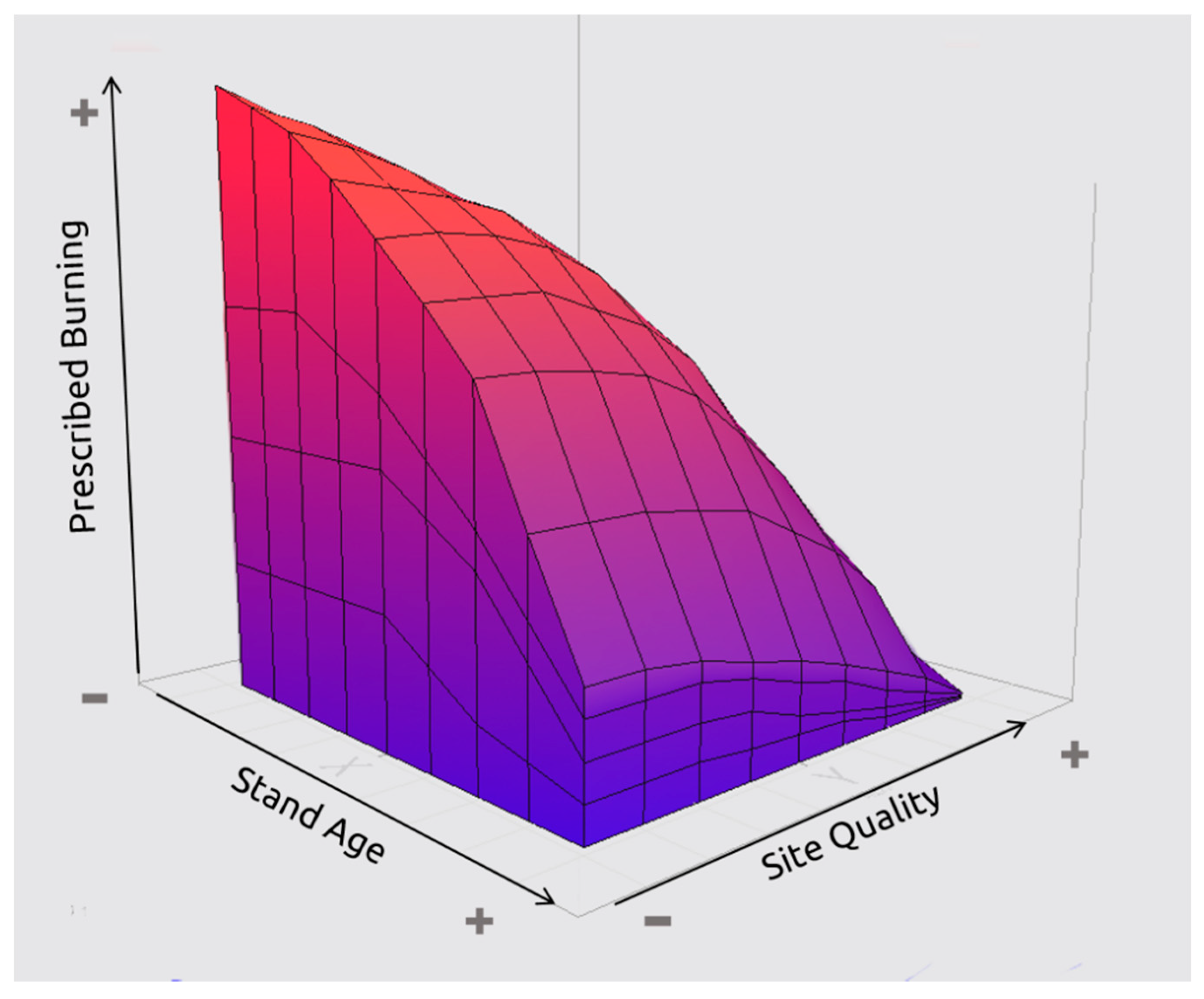
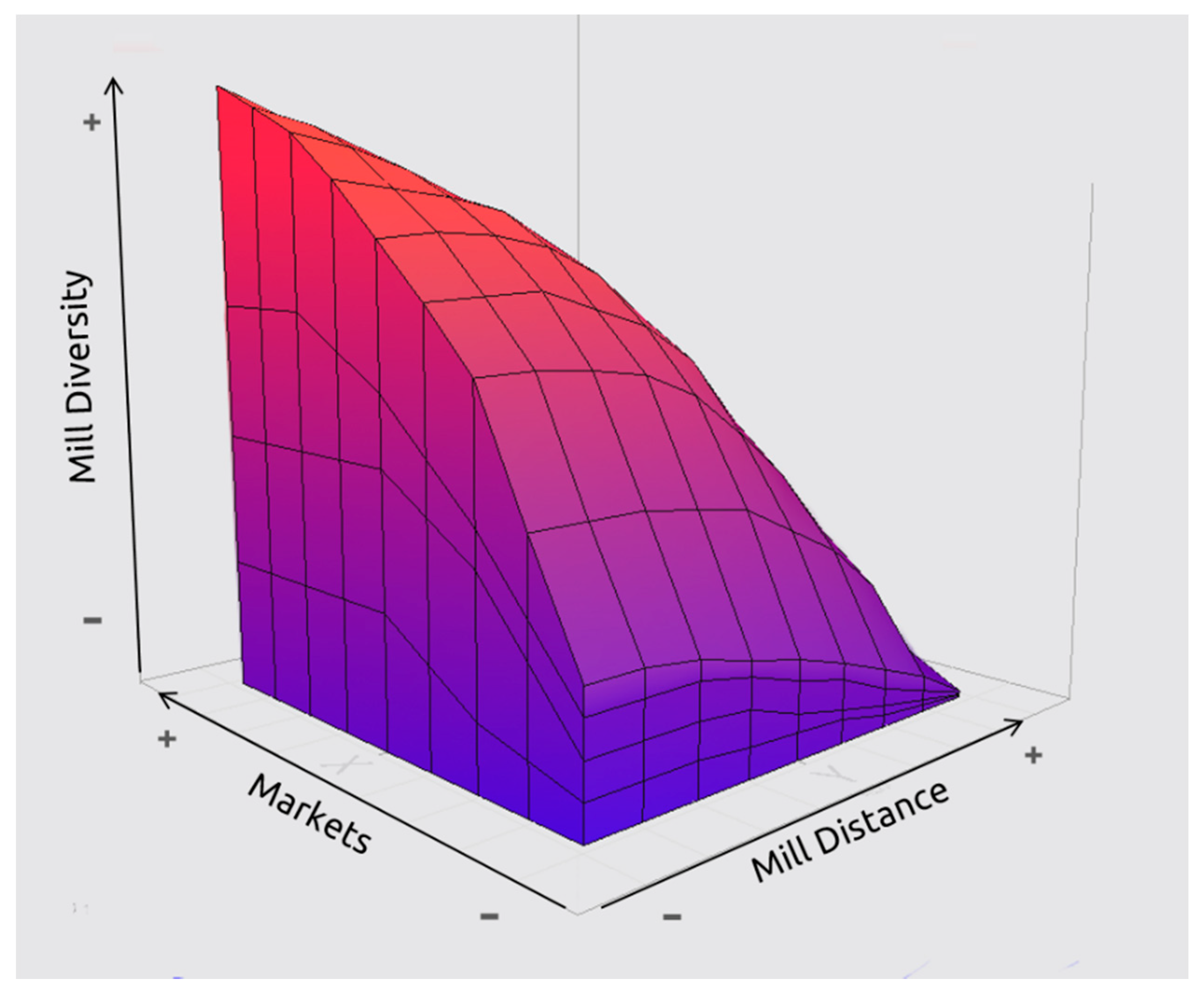
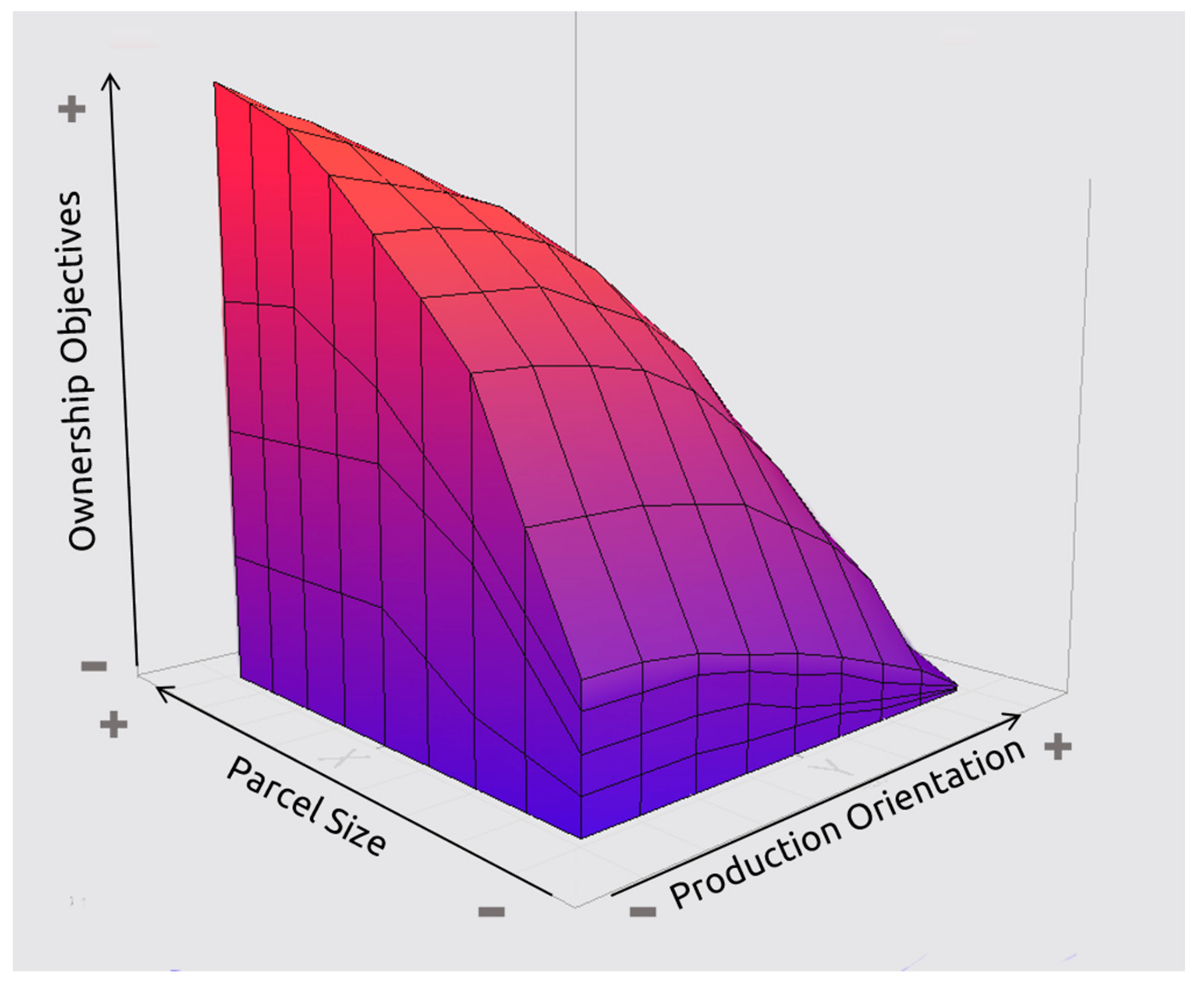
Forestry in the Southeastern United States has long focused on converting natural stands into pine plantations or managing exclusively for hardwoods. Little consideration has been given to managing stands containing pine and hardwood mixtures, as these stands were considered inferior in terms of productivity and/or quality. Recent declines in small-diameter softwood markets and logging workforce have, however, begun to stress the traditional pine production model in some locations, raising interest in management alternatives. Here, we provide biological, economic, and sociocultural rationale for pine-hardwood mixtures as an alternative strategy for landowners with multiple management objectives. To support this idea, an illustration compares a mixed-species plantation to pine and hardwood monocultures under a variety of simulated scenarios to demonstrate growth potential and economic and biological resilience. Moreover, to identify scenarios where managing pine-hardwood mixtures would be most appropriate, and to help conceptualize landowner interest in mixed stands, we present a guide combining biological, economic, and sociocultural factors that we anticipate influencing the adoption of mixed-stand management. The aim of this conceptual paper is not to suggest that mixed-species stand management should become the dominant management paradigm; rather, we seek to encourage researchers and land managers to consider it as part of the broader silvicultural toolbox.
Keywords: pine–hardwood mixtures; mixed-stand management; economic risk; pine silviculture; forest management pine–hardwood mixtures; mixed-stand management; economic risk; pine silviculture; forest management