Article

Synergistic Effects of Bioactive Glass on the Physicochemical Properties and In Vitro Bioactivity of 3D-Printed PCL Scaffolds

1
School of Health Science and Engineering, University of Shanghai for Science and Technology, Shanghai 200093, China
2
School of Materials and Chemistry, University of Shanghai for Science and Technology, Shanghai 200093, China
*
Author to whom correspondence should be addressed.
Materials 2026, 19(9), 1740; https://doi.org/10.3390/ma19091740
Submission received: 16 March 2026 / Revised: 19 April 2026 / Accepted: 21 April 2026 / Published: 24 April 2026
(This article belongs to the Section Advanced Composites)

Abstract

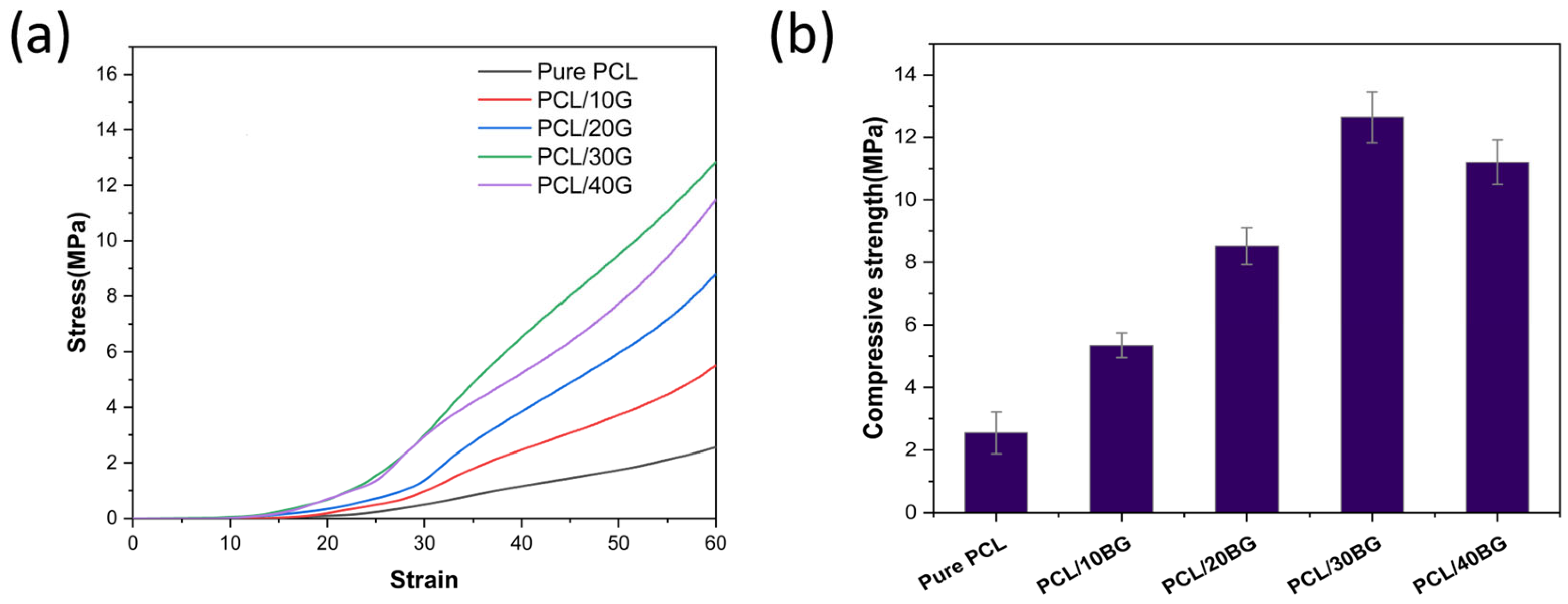
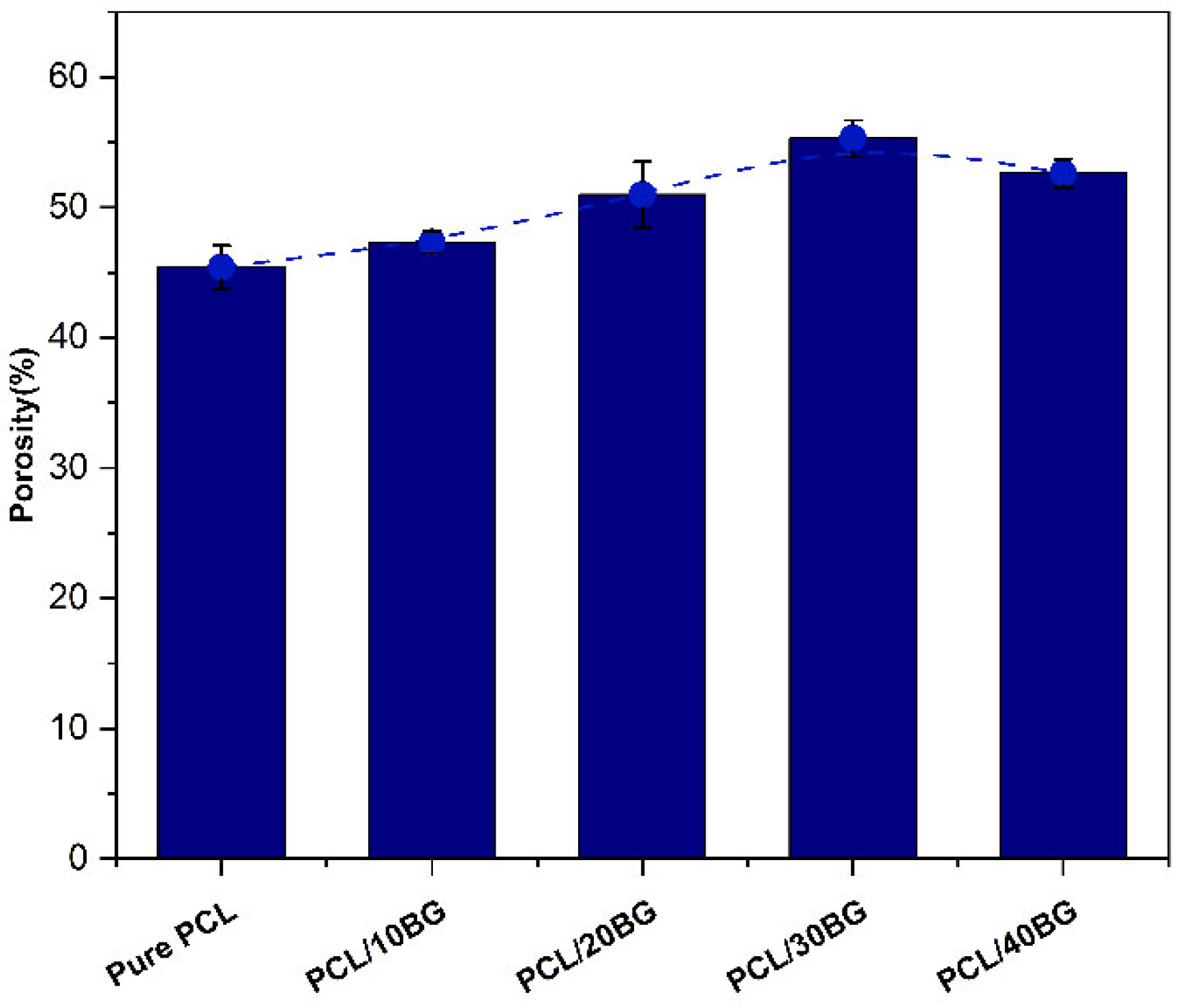
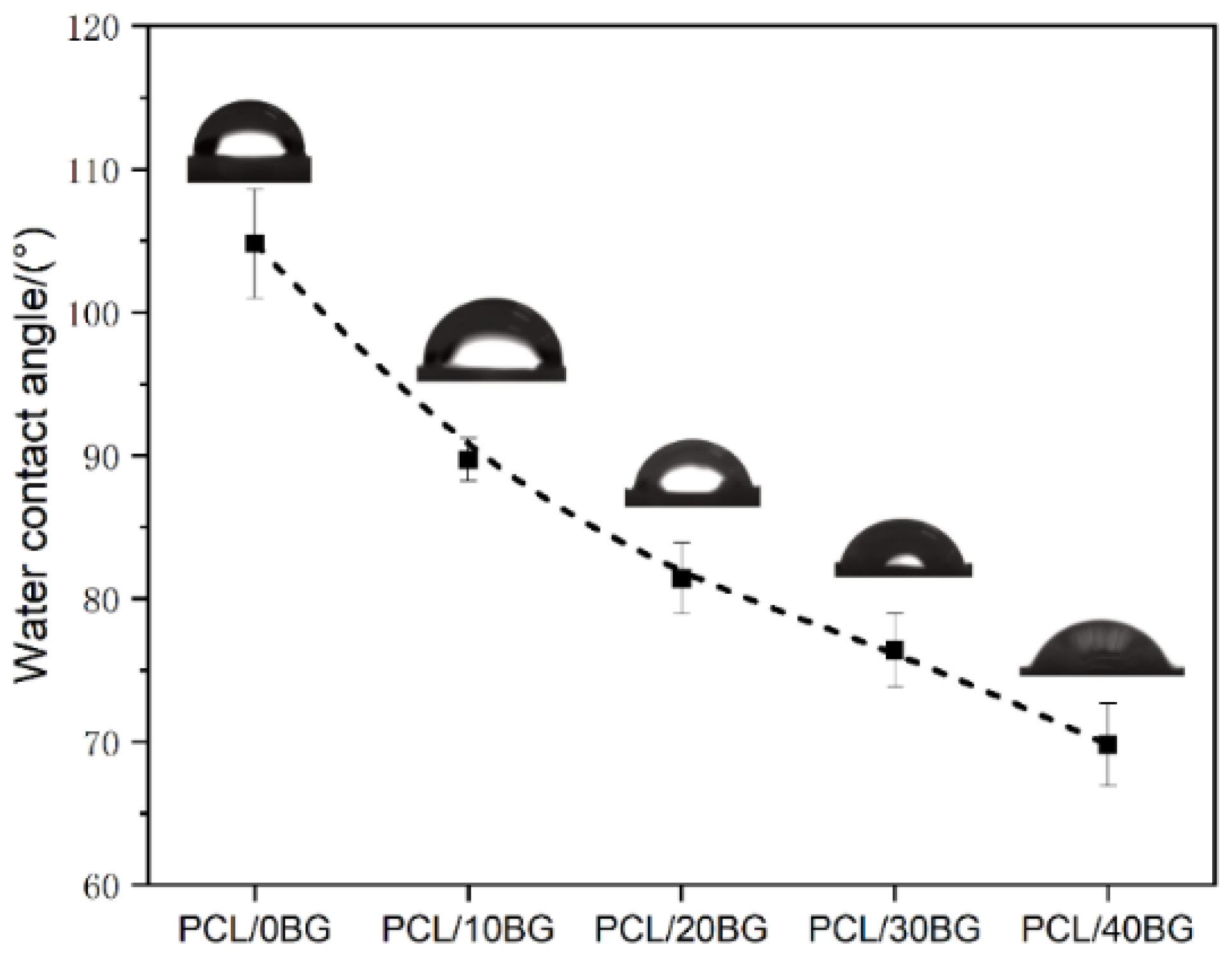
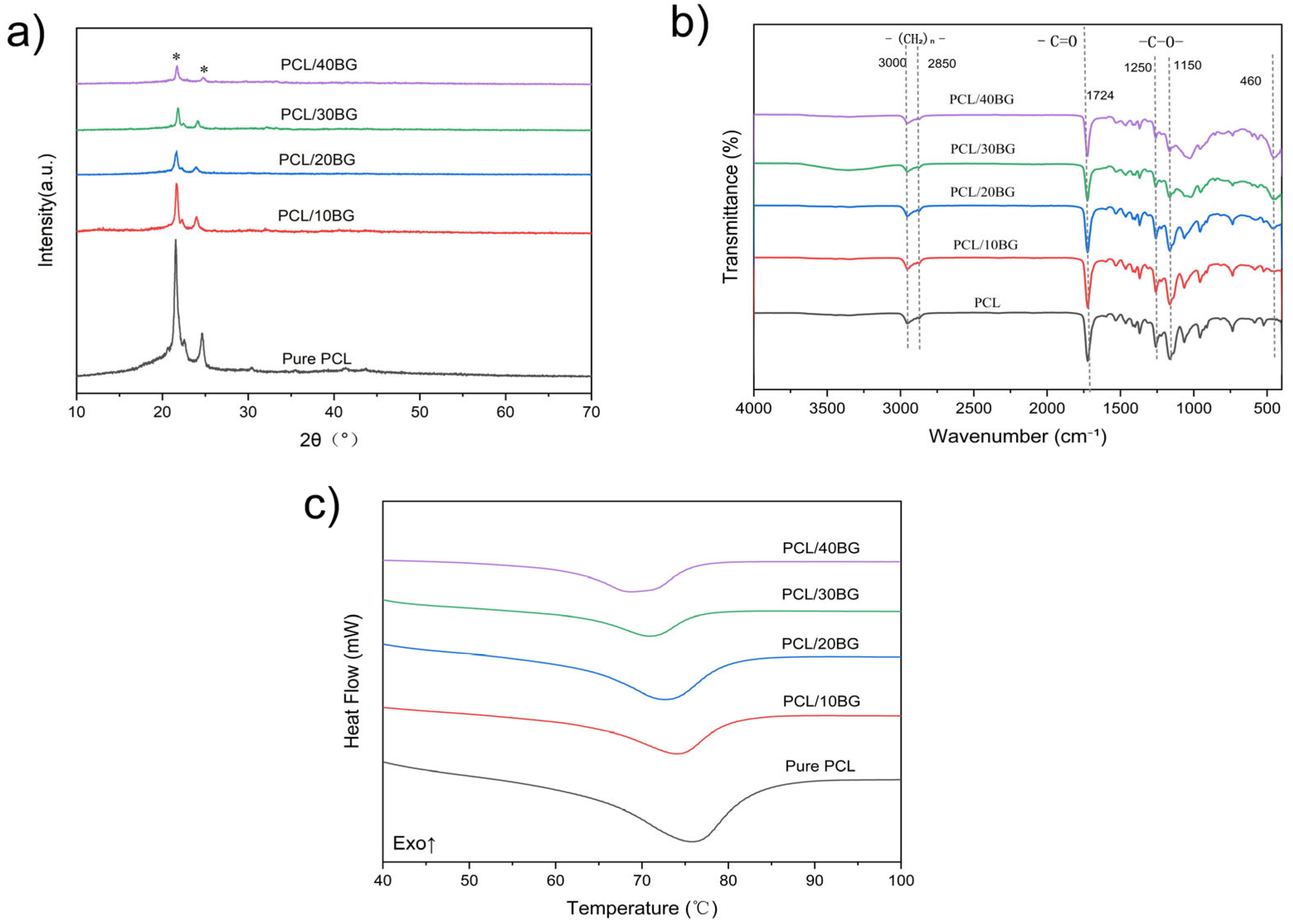
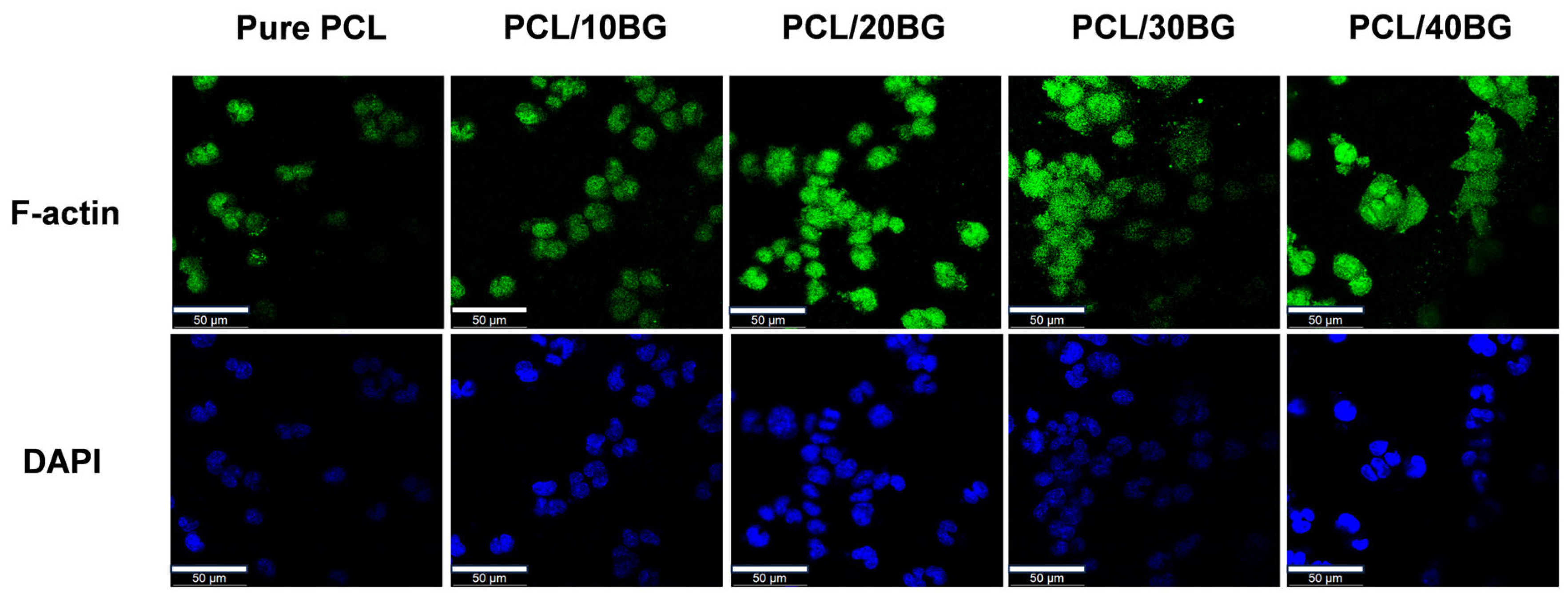
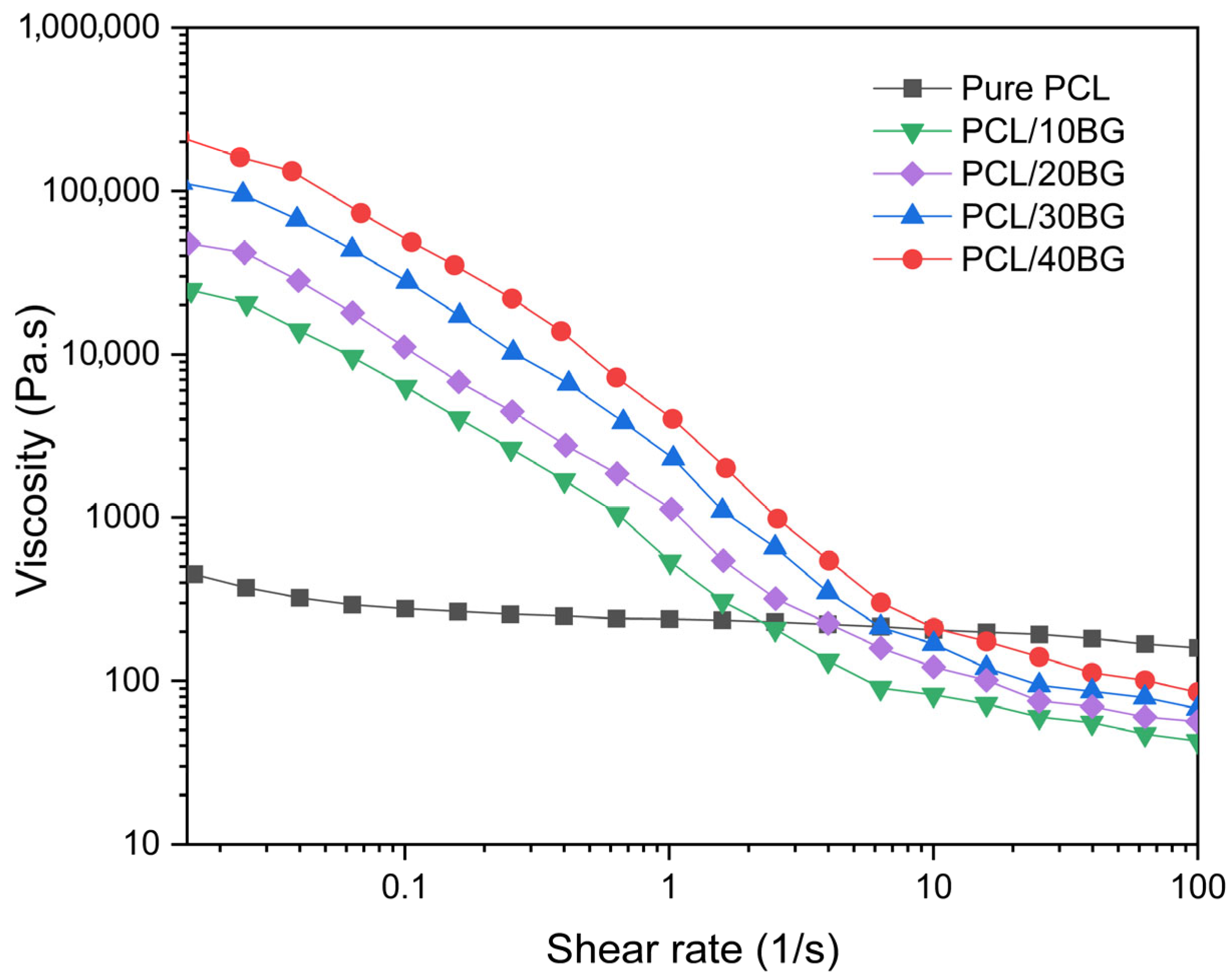
Polycaprolactone (PCL) is widely utilized in bone tissue engineering due to its excellent biocompatibility and processability; however, its inherent bioinertness and hydrophobicity significantly restrict its clinical osteogenic efficacy. To overcome these limitations, we incorporated sol–gel synthesized silicate-based bioactive glass (BG) into a PCL matrix and fabricated a series of composite scaffolds with varying BG contents via direct ink writing (DIW) 3D printing. Rheological characterization confirmed that all ink formulations exhibited shear-thinning behavior, with viscosity increasing monotonically with BG content. DSC analysis revealed that BG incorporation progressively reduced the crystallinity of PCL from 51.47% to 36.23%. We systematically evaluated the physicochemical properties, mechanical resilience, and in vitro degradation behavior of these scaffolds. The results indicated that BG incorporation significantly improved the surface hydrophilicity, with the contact angle decreasing from 104.8 ± 2.81° to 69.8 ± 2.91°. Furthermore, as the BG content increased, the porosity and mechanical strength exhibited an initial increase followed by a subsequent decrease, yet all values remained within the range of human cancellous bone. Notably, cellular assays revealed that the introduction of 58SBG enhanced cell–matrix interactions; the PCL/BG scaffolds promoted superior cell attachment and more extensive morphological spreading compared to pure PCL. Among all groups, the PCL/30BG composite scaffold demonstrated the most optimal balance of mechanical integrity and biological response. Consequently, the PCL/30BG scaffold developed in this study exhibits immense potential as a bone graft substitute, providing a promising approach for clinical bone defect repair strategies.
Keywords: 3D printing; bioactive glass; polymeric materials; bone scaffold 3D printing; bioactive glass; polymeric materials; bone scaffold