Microstructure Evolution and Solute Segregation of Inconel 718 in Laser Additive Manufacturing: A Numerical and Experimental Investigation


Abstract
1. Introduction
2. Experimental Design
2.1. Simulation Scheme
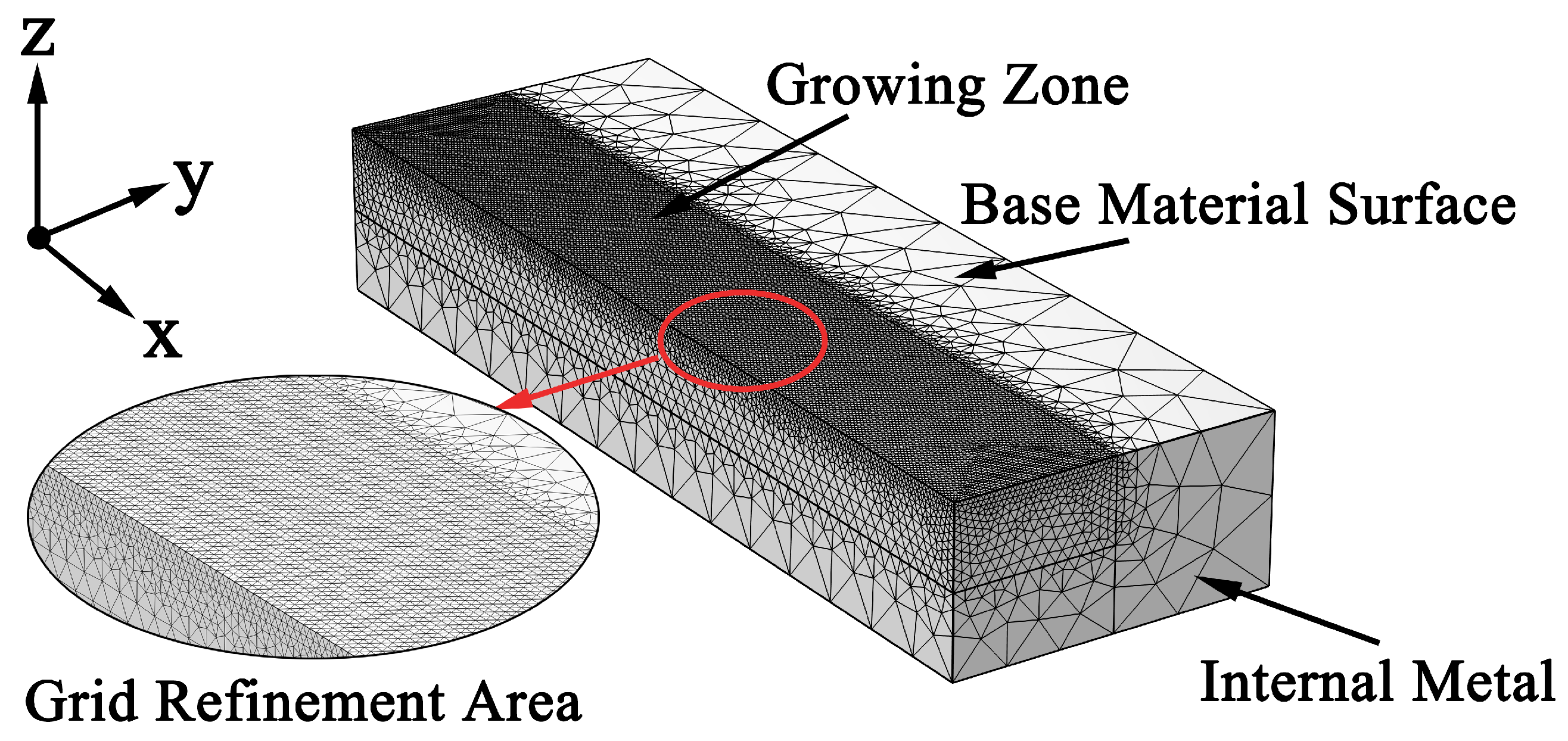
2.2. Geometrical Model and Mesh Generation
2.3. Laser Heat Source and Powder Layer Motion Model
2.4. Physical Field Parameters
2.5. Initial and Boundary Conditions
3. Results
3.1. Microstructural Evolution Under Different Scanning Speeds
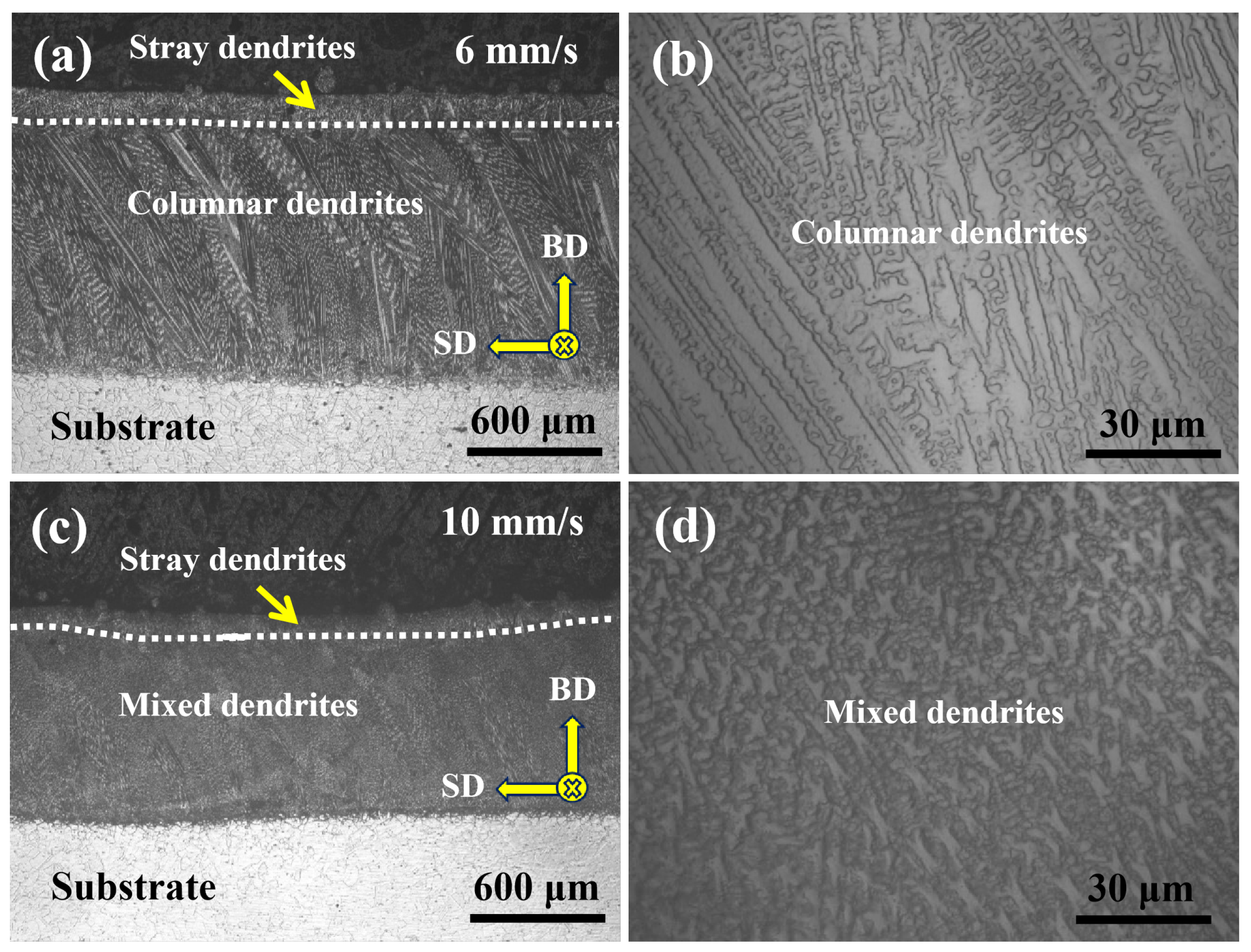
3.1.1. Dendritic Structure Analysis
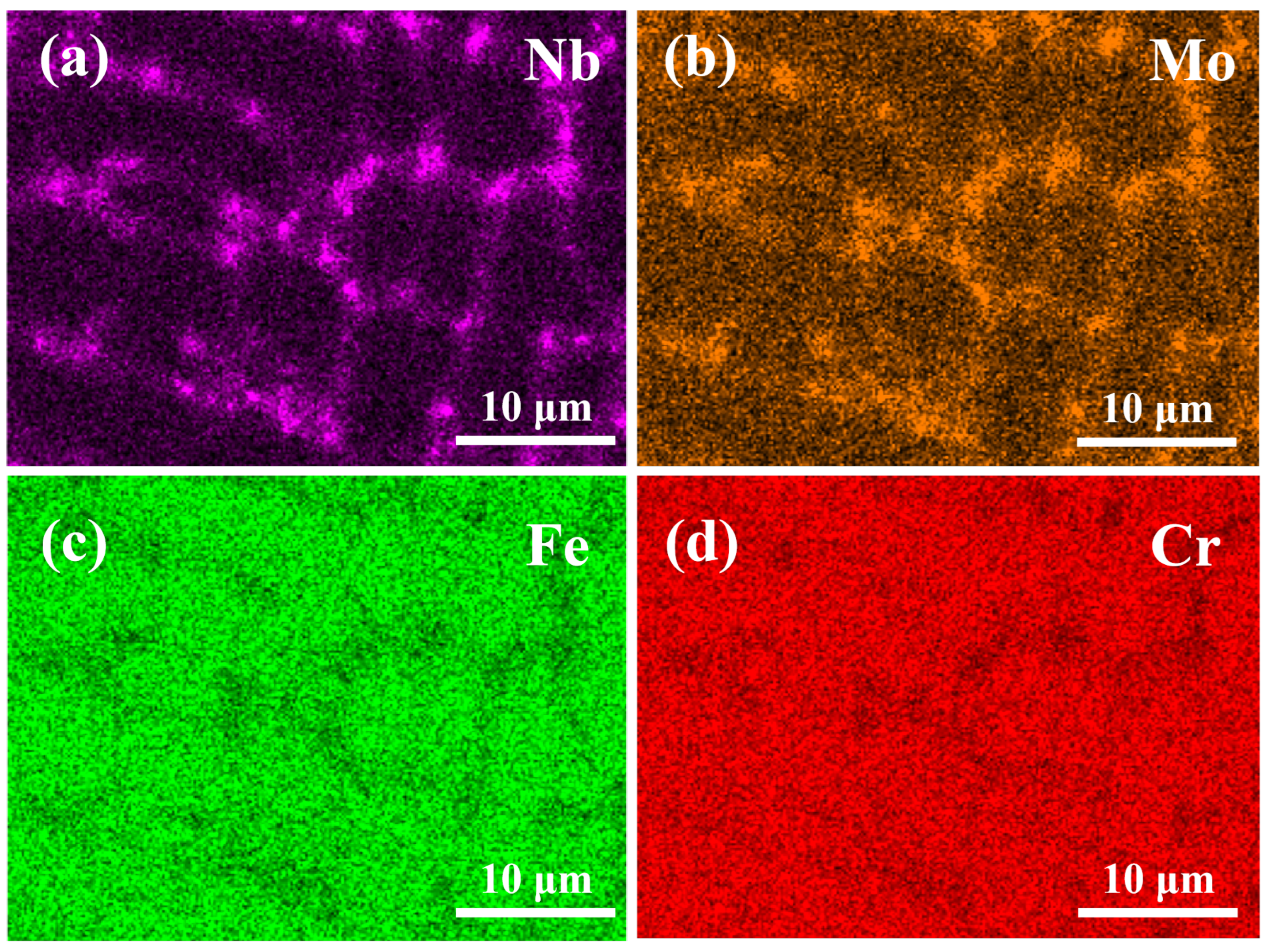
3.1.2. Elemental Analysis of Specimens
3.2. Numerical Simulation of Melt Pool Temperature Field in Continuous-Wave Laser Additive Manufacturing
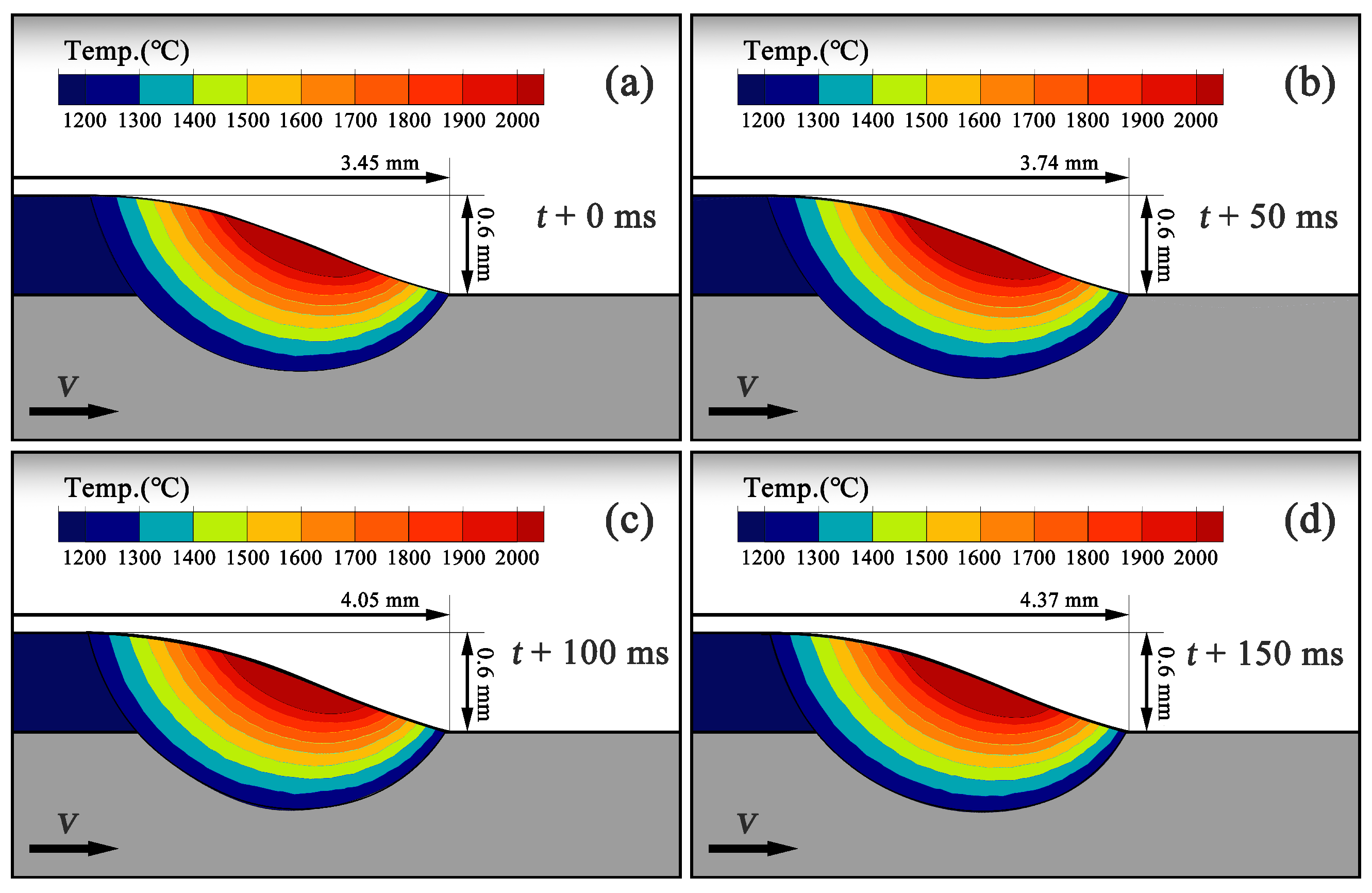
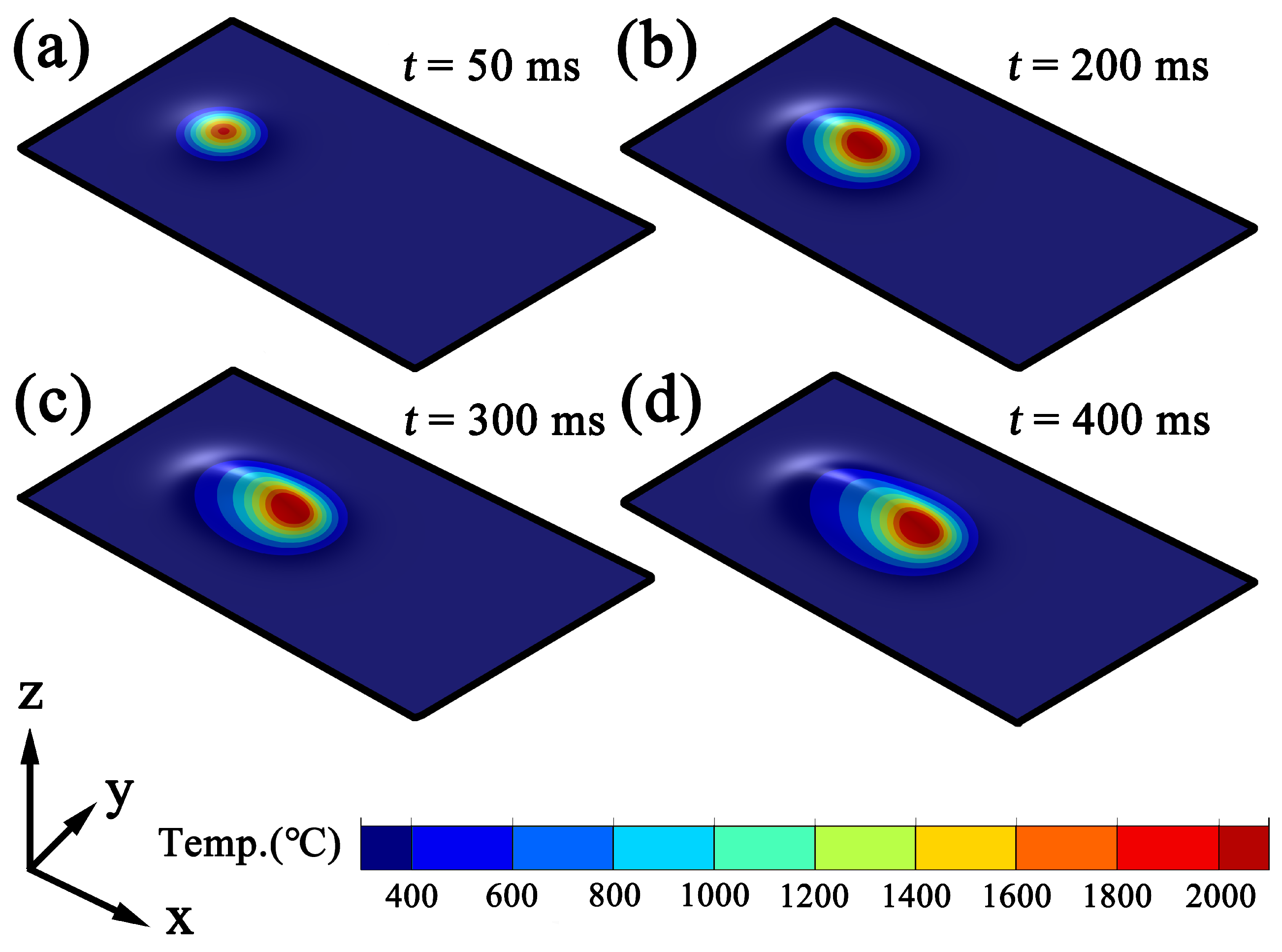
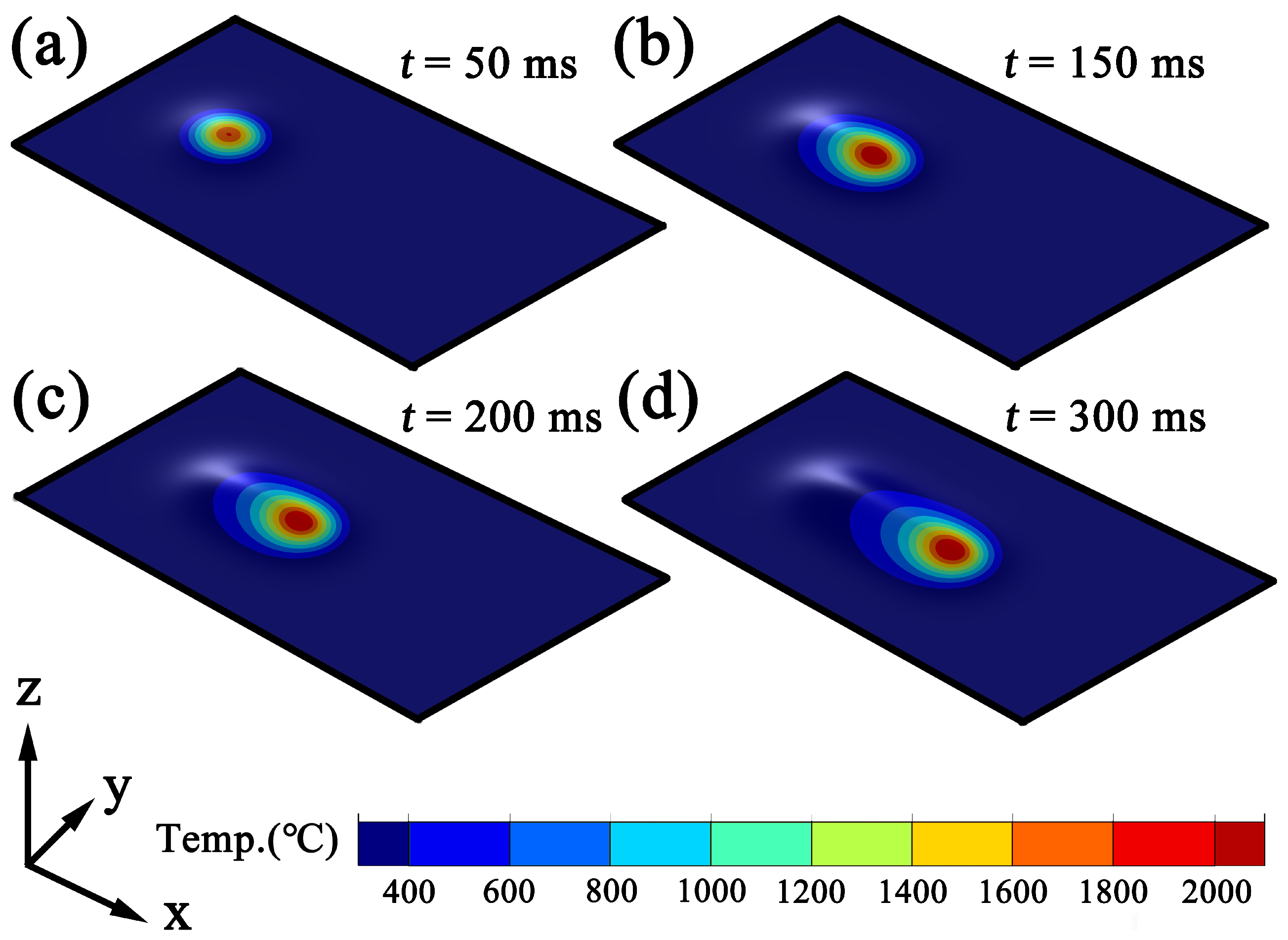
3.2.1. Evolution Characteristics of the Melt Pool Temperature Field Under Continuous-Wave Laser Irradiation
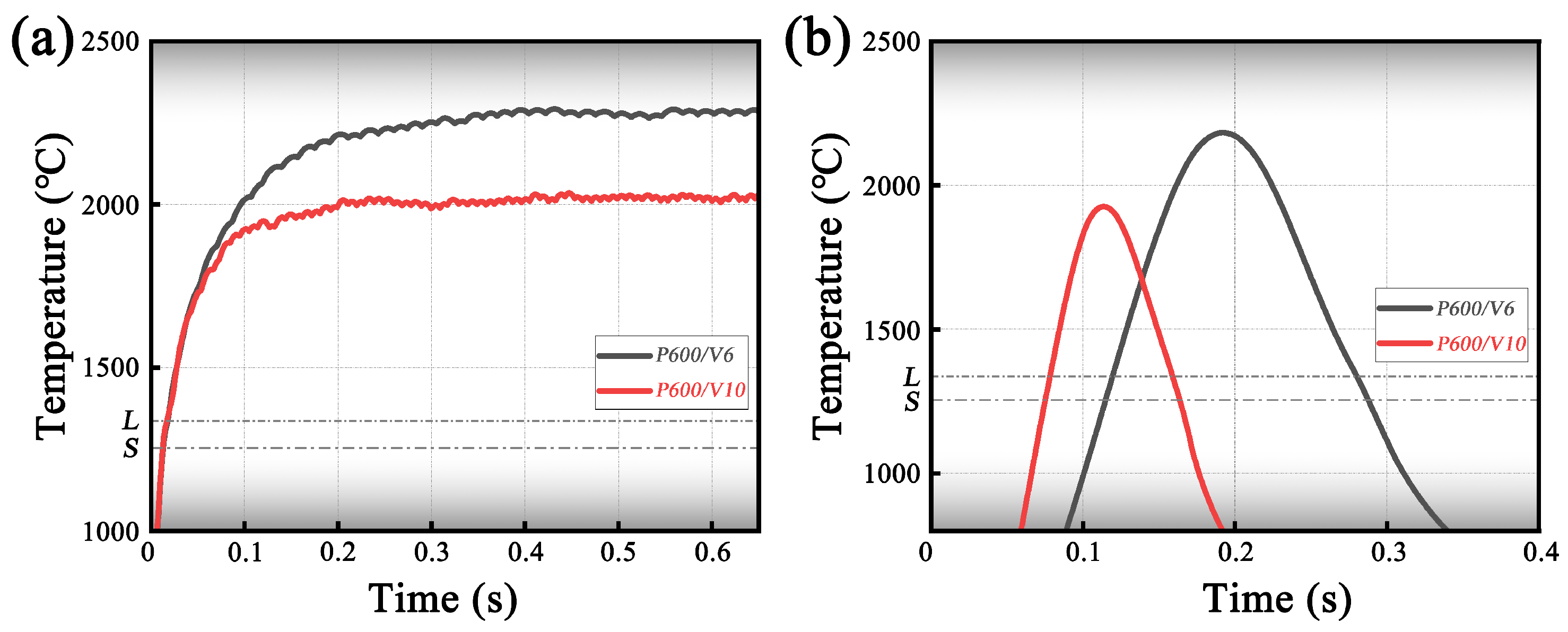
3.2.2. Melt Pool Thermal Behavior Under Typical CW-LAM Processing
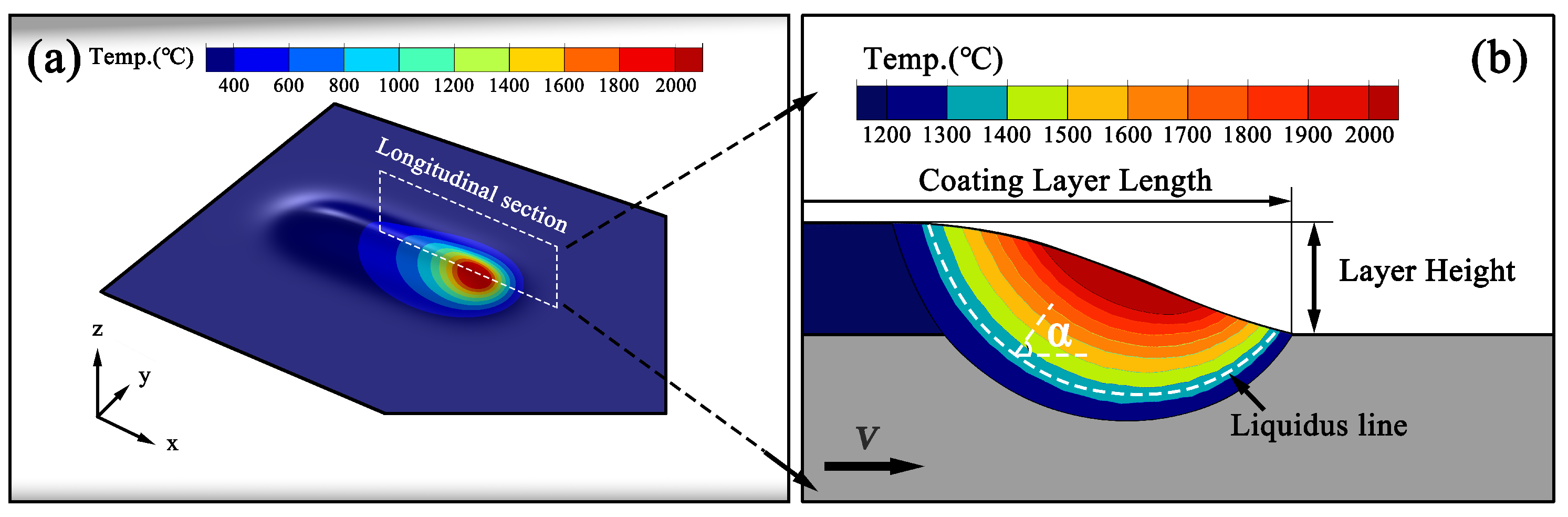
3.2.3. Temperature Field Sampling and Morphological Validation
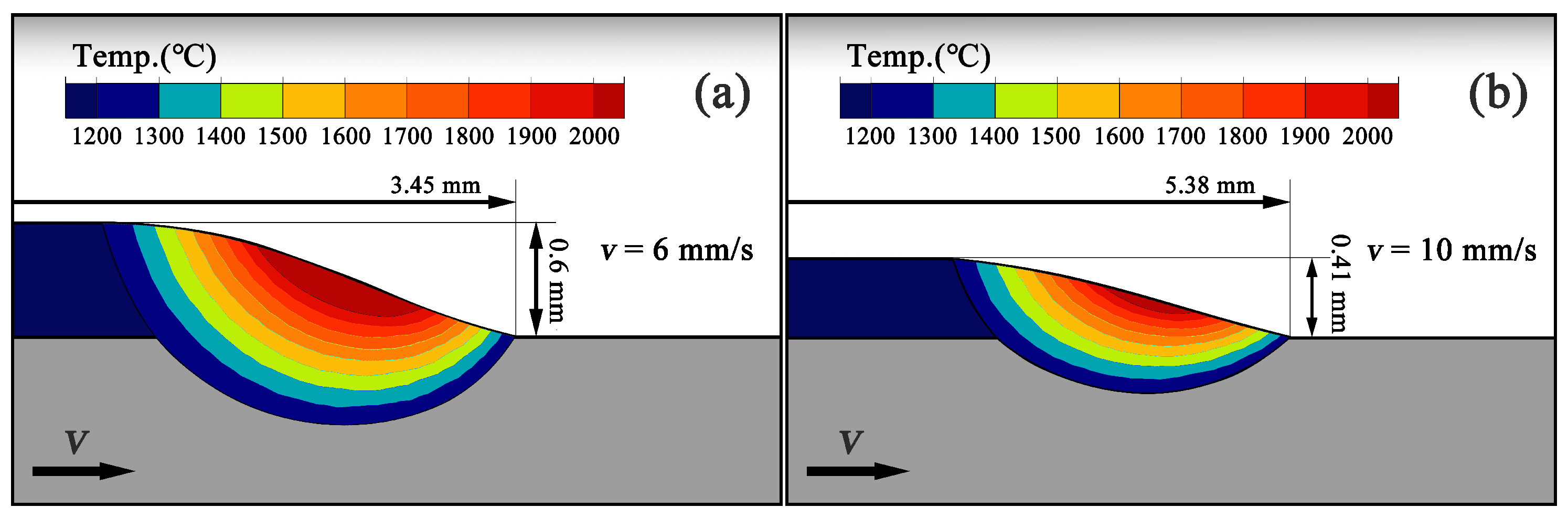
3.2.4. Melt Pool Morphology Under Different Scanning Speeds at the Same Time
4. Discussion
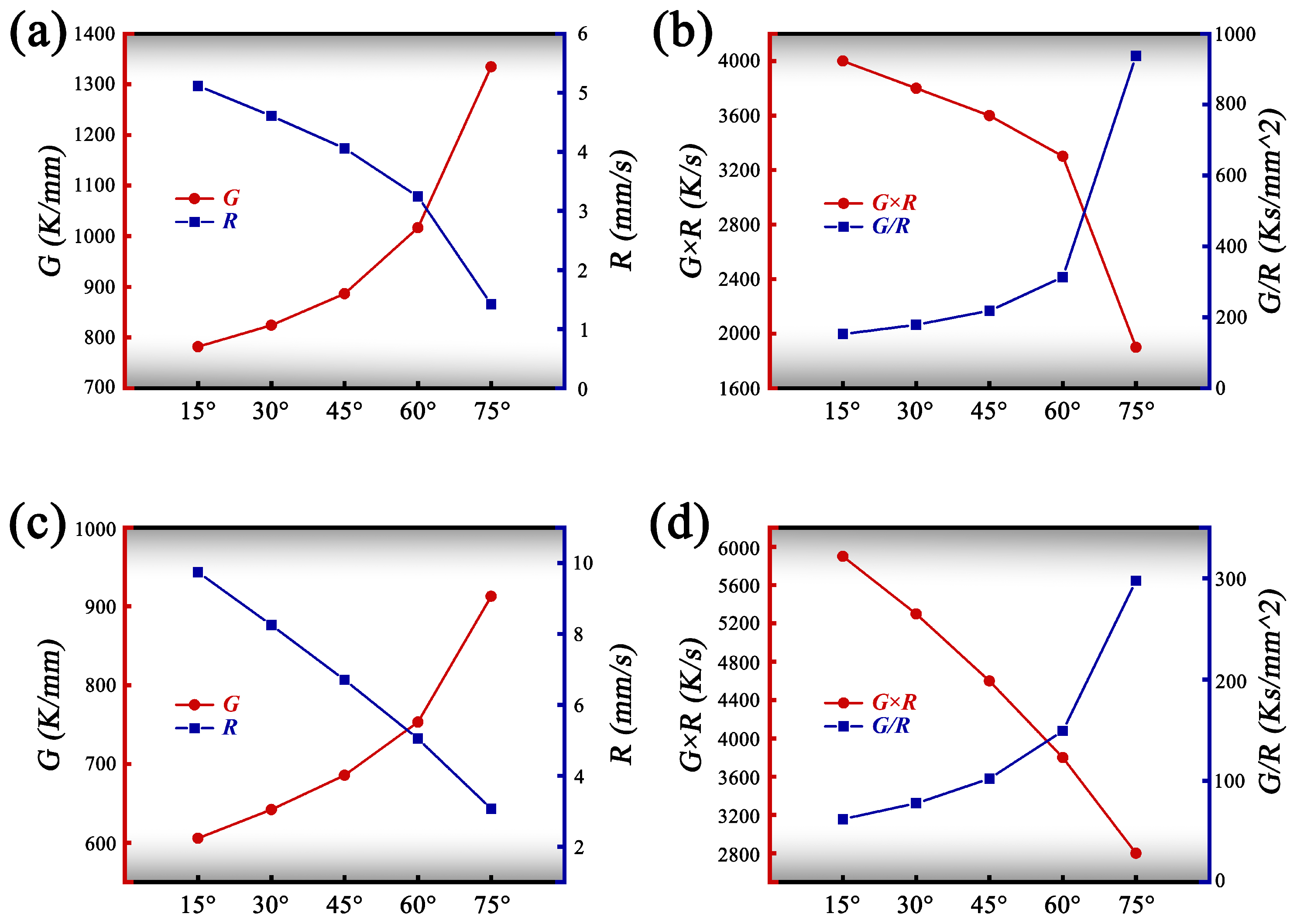
4.1. Characteristics of Solidification Parameters at the Melt Pool Boundary
4.2. Integrated Mechanism of Scanning Speed on Solidification Kinetics and Laves Phase Evolution
5. Conclusions
- (1)
- Scanning speed significantly influences the thermal behavior and solidification environment of the melt pool. With increasing scanning speed, both the peak temperature of the melt pool and the extent of the high-temperature region decrease markedly, resulting in reduced heat accumulation. Meanwhile, the cooling rate of the melt pool increases substantially, thereby accelerating the non-equilibrium solidification process and altering the local solidification environment.
- (2)
- A unified solidification control mechanism based on G and R is revealed. Increasing the scanning speed leads to an increase in the solidification rate R and a relative decrease in the temperature gradient G, resulting in an elevated cooling rate () and a reduced morphological stability parameter (). This synergistic variation governs both dendrite scale and growth mode, where higher promotes dendrite refinement, while lower reduces interfacial stability and facilitates the transition from stable columnar dendrites to a mixed columnar–equiaxed structure.
- (3)
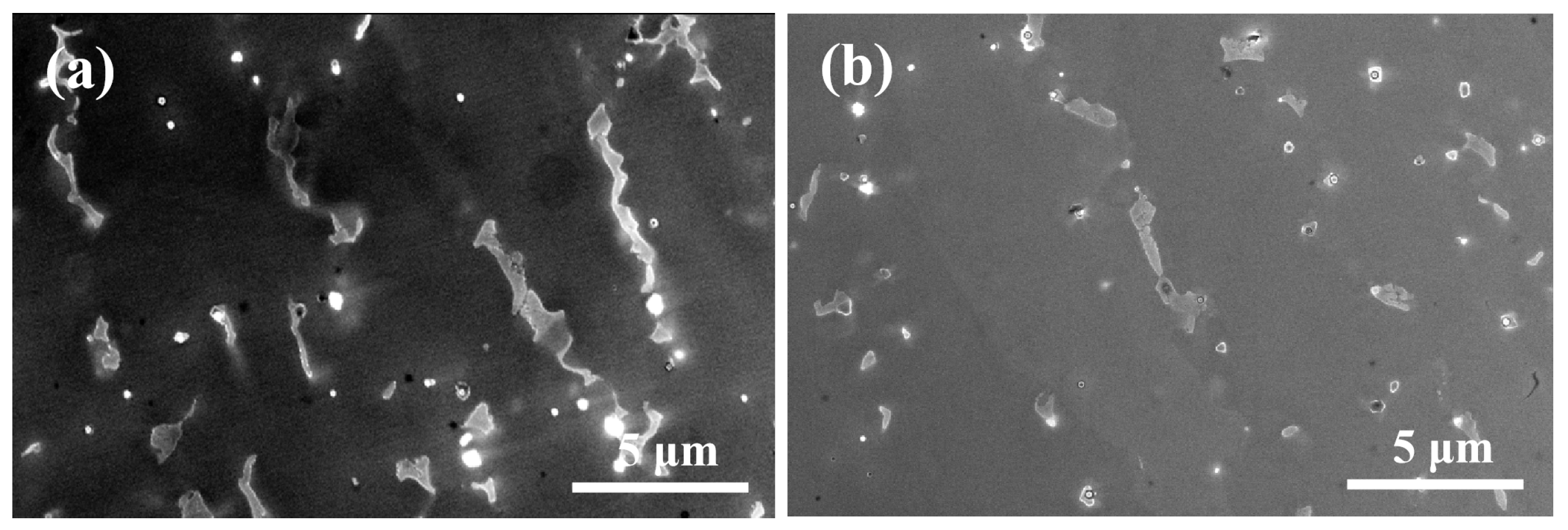
- The formation mechanism of Laves phases is interpreted from a kinetic perspective through the combined use of high-fidelity numerical simulation and experimental characterization, which provide complementary validation of both thermal behavior and microstructural evolution. Under low scanning speed conditions, the relatively low cooling rate and prolonged solidification time create a relatively wide kinetic time window for solute redistribution, enabling sufficient diffusion and accumulation of solute elements in interdendritic regions, and thus leading to the formation of continuous chain-like Laves phases. In contrast, increasing the scanning speed enhances the cooling rate and significantly compresses this kinetic time window, thereby limiting the time available for solute redistribution, suppressing elemental segregation, and transforming the Laves phase morphology into fine and dispersed particles. This result highlights that the evolution of deleterious phases in laser additive manufacturing can be effectively controlled by regulating the kinetic time window associated with non-equilibrium solidification.
Author Contributions
Funding
Institutional Review Board Statement
Informed Consent Statement
Data Availability Statement
Acknowledgments
Conflicts of Interest
Abbreviations
| PDAS | Primary Dendrite Arm Spacing |
| OM | Optical Microscopy |
| CET | Columnar-to-equiaxed Transition |
| SEM | Scanning Electron Microscopy |
| EDS | Energy Dispersive X-ray Spectroscopy |
References
- Gibson, I.; Rosen, D.W.; Stucker, B.; Khorasani, M. Additive Manufacturing Technologies: 3D Printing, Rapid Prototyping, and Direct Digital Manufacturing, 3rd ed.; Springer: Cham, Switzerland, 2021; pp. 215–293. [Google Scholar]
- Horn, T.J.; Harrysson, O.L.A. Overview of Current Additive Manufacturing Technologies and Selected Applications. Sci. Prog. 2012, 95, 255–282. [Google Scholar] [CrossRef] [PubMed]
- Fera, M.; Fruggiero, F.; Lambiase, A.; Macchiaroli, R. State of the Art of Additive Manufacturing: Review for Tolerances, Mechanical Resistance and Production Costs. Cogent Eng. 2016, 3, 1261503. [Google Scholar] [CrossRef]
- Hosseini, E.; Popovich, V.A. A Review of Mechanical Properties of Additively Manufactured Inconel 718. Addit. Manuf. 2019, 30, 100877. [Google Scholar] [CrossRef]
- Chen, M.; Du, Q.; Shi, R.; Fu, H.; Liu, Z.; Xie, J. Phase-Field Simulation of Microstructure Evolution and Properties of Inconel 718 Alloy. Front. Mater. 2022, 9, 1043249. [Google Scholar] [CrossRef]
- Reed, R.C. The Superalloys: Fundamentals and Applications; Cambridge University Press: Cambridge, UK, 2006; pp. 224–302. [Google Scholar]
- Tucho, W.M.; Cuvillier, P.; Sjolyst-Kverneland, A.; Hansen, V. Microstructure and hardness studies of Inconel 718 manufactured by selective laser melting before and after solution heat treatment. Mater. Sci. Eng. A 2017, 689, 220–232. [Google Scholar] [CrossRef]
- Zhang, S.; Wang, L.; Lin, X.; Yang, H.; Huang, W. The formation and dissolution mechanisms of Laves phase in Inconel 718 fabricated by selective laser melting compared to directed energy deposition and cast. Compos. Part B Eng. 2022, 239, 109994. [Google Scholar] [CrossRef]
- Zhou, S.; Zhao, C.; Wang, S.; Xie, H.; Wang, Y.; Li, X.; Xing, F.; Sun, Z.; Yang, G. Achieving uniform microstructure and excellent mechanical properties of laser directed energy deposited IN718 via friction stir processing and heat treatment. Intermetallics 2026, 189, 109121. [Google Scholar] [CrossRef]
- Yong, C.-K.; Gibbons, G.J.; Wong, C.C.; West, G. A critical review of the material characteristics of additive manufactured IN718 for high-temperature application. Metals 2020, 10, 1576. [Google Scholar] [CrossRef]
- Zhang, C.; Zhang, Z.; Zheng, B.; Zhong, Q.; Zhou, F.; Xie, H.; Liu, Z. Probing melt pool dynamics in laser-directed energy deposition via optical metrology: Simultaneous mapping of 3D morphology and surface flow. Addit. Manuf. 2026, 115, 105053. [Google Scholar] [CrossRef]
- Bassini, E.; Marchese, G.; Aversa, A. Tailoring of the Microstructure of Laser Powder Bed Fused Inconel 718 Using Solution Annealing and Aging Treatments. Metals 2021, 11, 921. [Google Scholar] [CrossRef]
- Kong, Y.; Peng, K.; Huang, H. Additive manufacturing of high-strength Inconel 718 alloy through the addition of Ti2AlC MAX particles. J. Mater. Sci. Technol. 2023, 158, 180–193. [Google Scholar] [CrossRef]
- Heo, S.; Lim, Y.; Kwak, N.; Jeon, C.; Choi, M.; Jo, I. Impact of Heat Treatment and Building Direction on Tensile Properties and Fracture Mechanism of Inconel 718 Produced by SLM Process. Metals 2024, 14, 440. [Google Scholar] [CrossRef]
- Ghorbanpour, S.; Deshmukh, K.; Sahu, S.; Riemslag, T.; Reinton, E.; Borisov, E.; Popovich, A.; Bertolo, V.; Jiang, Q.; Terol Sanchez, M.; et al. Additive manufacturing of functionally graded Inconel 718: Effect of heat treatment and building orientation on microstructure and fatigue behaviour. J. Mater. Process. Technol. 2022, 306, 117573. [Google Scholar] [CrossRef]
- Schneider, J.; Farris, L.; Nolze, G.; Reinsch, S.; Cios, G.; Tokarski, T.; Thompson, S. Microstructure evolution in Inconel 718 produced by powder bed fusion additive manufacturing. J. Manuf. Mater. Process. 2022, 6, 20. [Google Scholar] [CrossRef]
- Wang, X.; Liu, P.W.; Liu, Y.J.; Liu, Y.; Horstemeyer, M.H.; Chen, L. Investigation on microsegregation of IN718 alloy during additive manufacturing via integrated phase-field and finite-element modeling. J. Mater. Eng. Perform. 2019, 28, 657–665. [Google Scholar] [CrossRef]
- Liu, X.; Xiao, H.; Xiao, W.; Yan, B. Microstructure and crystallographic texture of laser additive manufactured nickel-based superalloys with different scanning strategies. Crystals 2021, 11, 591. [Google Scholar] [CrossRef]
- Xiao, H.; Cheng, M.; Song, L. Direct fabrication of single-crystal-like structure using quasi-continuous-wave laser additive manufacturing. J. Mater. Sci. Technol. 2021, 60, 216–221. [Google Scholar] [CrossRef]
- Shi, X.; Duan, S.; Yang, W.; Guo, H.; Guo, J. Solidification and segregation behaviors of superalloy IN718 at a slow cooling rate. Materials 2018, 11, 2398. [Google Scholar] [CrossRef] [PubMed]




| Cr | Fe | Nb | Mo | Ti | Al | Ni |
|---|---|---|---|---|---|---|
| 19.00 | 18.50 | 5.20 | 2.90 | 0.75 | 0.60 | Bal. |
Disclaimer/Publisher’s Note: The statements, opinions and data contained in all publications are solely those of the individual author(s) and contributor(s) and not of MDPI and/or the editor(s). MDPI and/or the editor(s) disclaim responsibility for any injury to people or property resulting from any ideas, methods, instructions or products referred to in the content. |
© 2026 by the authors. Licensee MDPI, Basel, Switzerland. This article is an open access article distributed under the terms and conditions of the Creative Commons Attribution (CC BY) license.
Share and Cite
Liu, H.; Xiao, W.; Yan, B.; Xiao, H. Microstructure Evolution and Solute Segregation of Inconel 718 in Laser Additive Manufacturing: A Numerical and Experimental Investigation. Materials 2026, 19, 1642. https://doi.org/10.3390/ma19081642
Liu H, Xiao W, Yan B, Xiao H. Microstructure Evolution and Solute Segregation of Inconel 718 in Laser Additive Manufacturing: A Numerical and Experimental Investigation. Materials. 2026; 19(8):1642. https://doi.org/10.3390/ma19081642
Chicago/Turabian StyleLiu, Hang, Wenjia Xiao, Baolin Yan, and Hui Xiao. 2026. "Microstructure Evolution and Solute Segregation of Inconel 718 in Laser Additive Manufacturing: A Numerical and Experimental Investigation" Materials 19, no. 8: 1642. https://doi.org/10.3390/ma19081642
APA StyleLiu, H., Xiao, W., Yan, B., & Xiao, H. (2026). Microstructure Evolution and Solute Segregation of Inconel 718 in Laser Additive Manufacturing: A Numerical and Experimental Investigation. Materials, 19(8), 1642. https://doi.org/10.3390/ma19081642