PVA-KH792-Enhanced Composite Cementitious Material from Lead–Zinc Slag and Electroplating Sludge: Mechanical Performance and Heavy-Metal Immobilization

Highlights
- LZSS and electroplating sludge were used to prepare an alkali-activated cementitious material.
- PVA-KH792 co-modification improved compressive strength and reduced heavy-metal leaching.
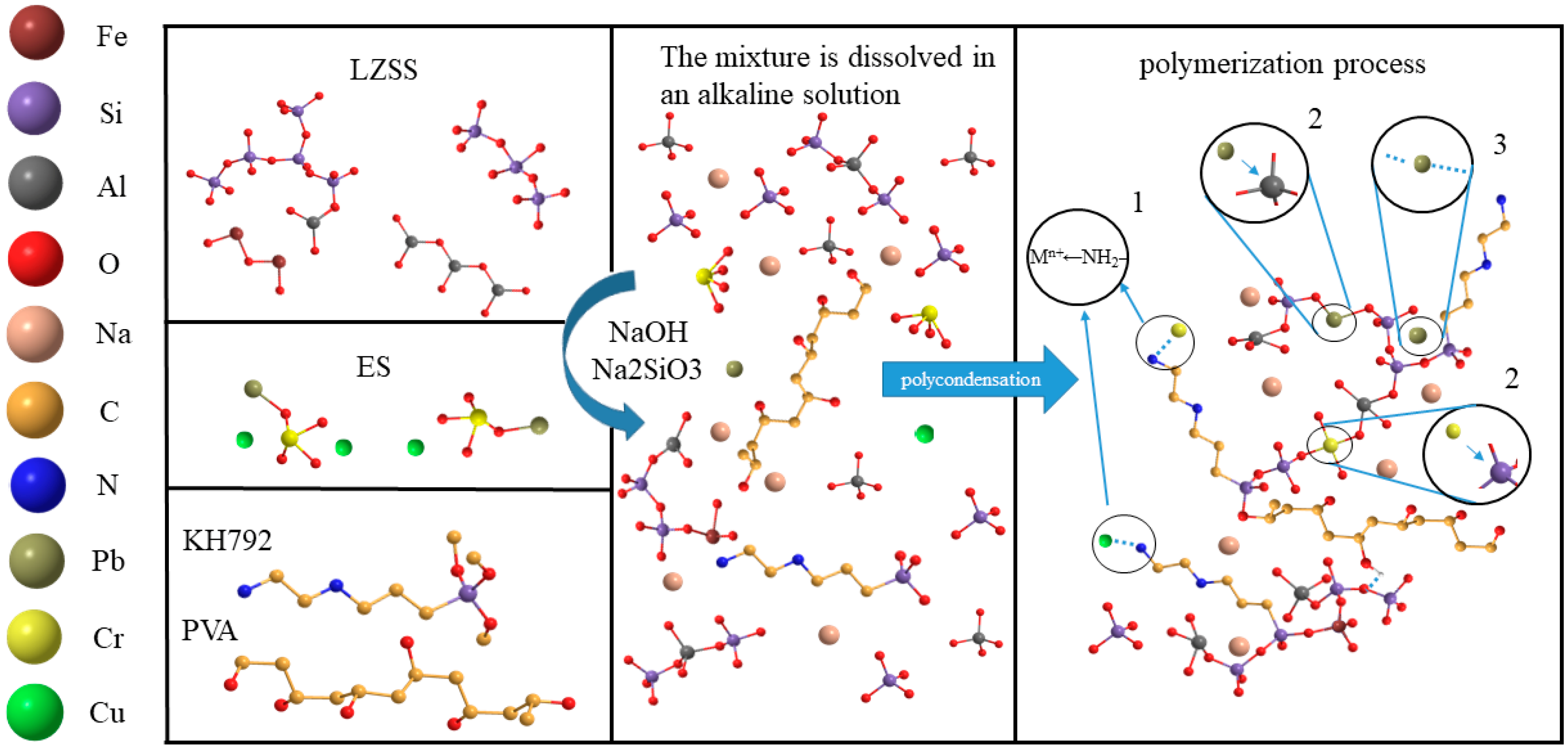
- Heavy metals are immobilized via redox, chemical bonding/chelation, and physical encapsulation.
- This work offers a potential approach to transform electroplating sludges and LZSS into non-structural building materials.
Abstract
1. Introduction
2. Materials and Methods
2.1. Materials
2.2. Experimental Method
2.2.1. Preparation of LZSS Samples
2.2.2. ES Dosage
2.2.3. PVA/KH792 Reinforcement
2.2.4. Leaching Test
2.3. Characterization Methods
3. Results
3.1. Compressive Strength
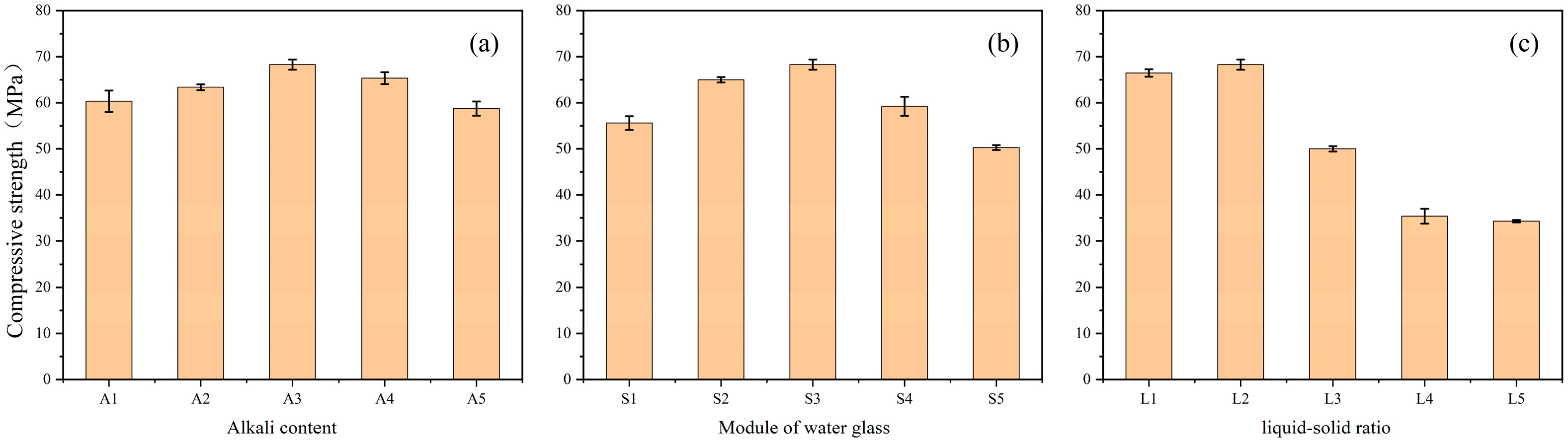
3.1.1. Single Factor Experiment of LZSS
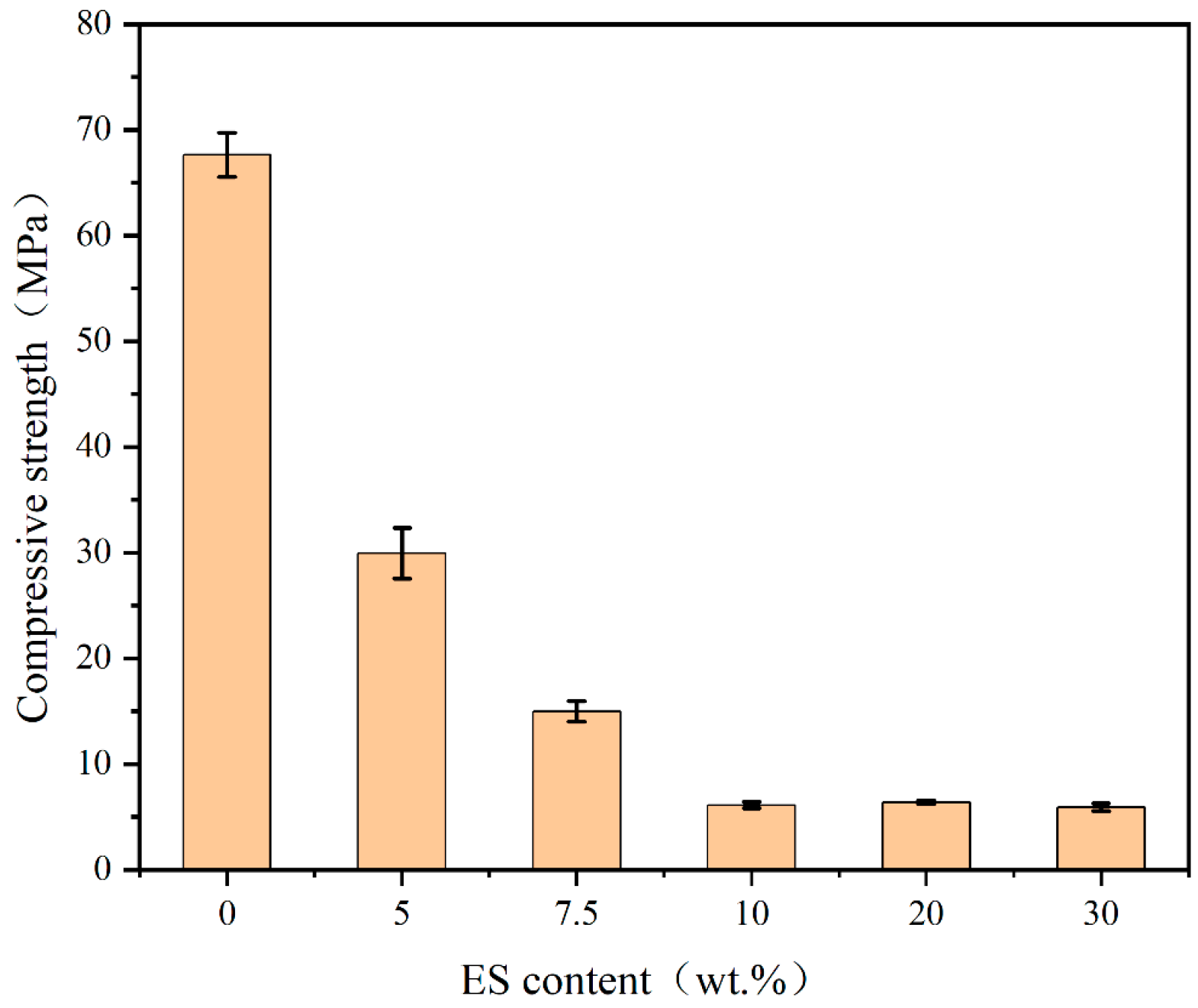
3.1.2. Experiment of ES Dosage
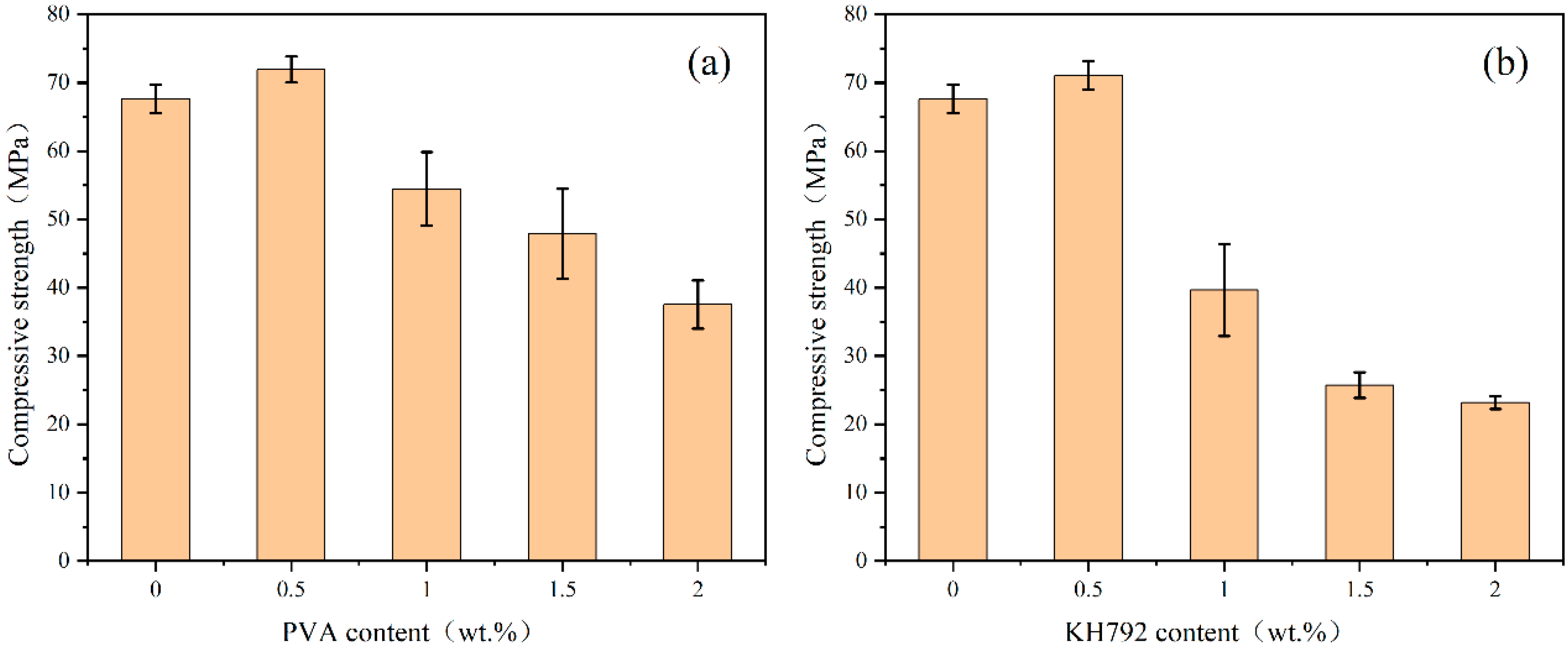
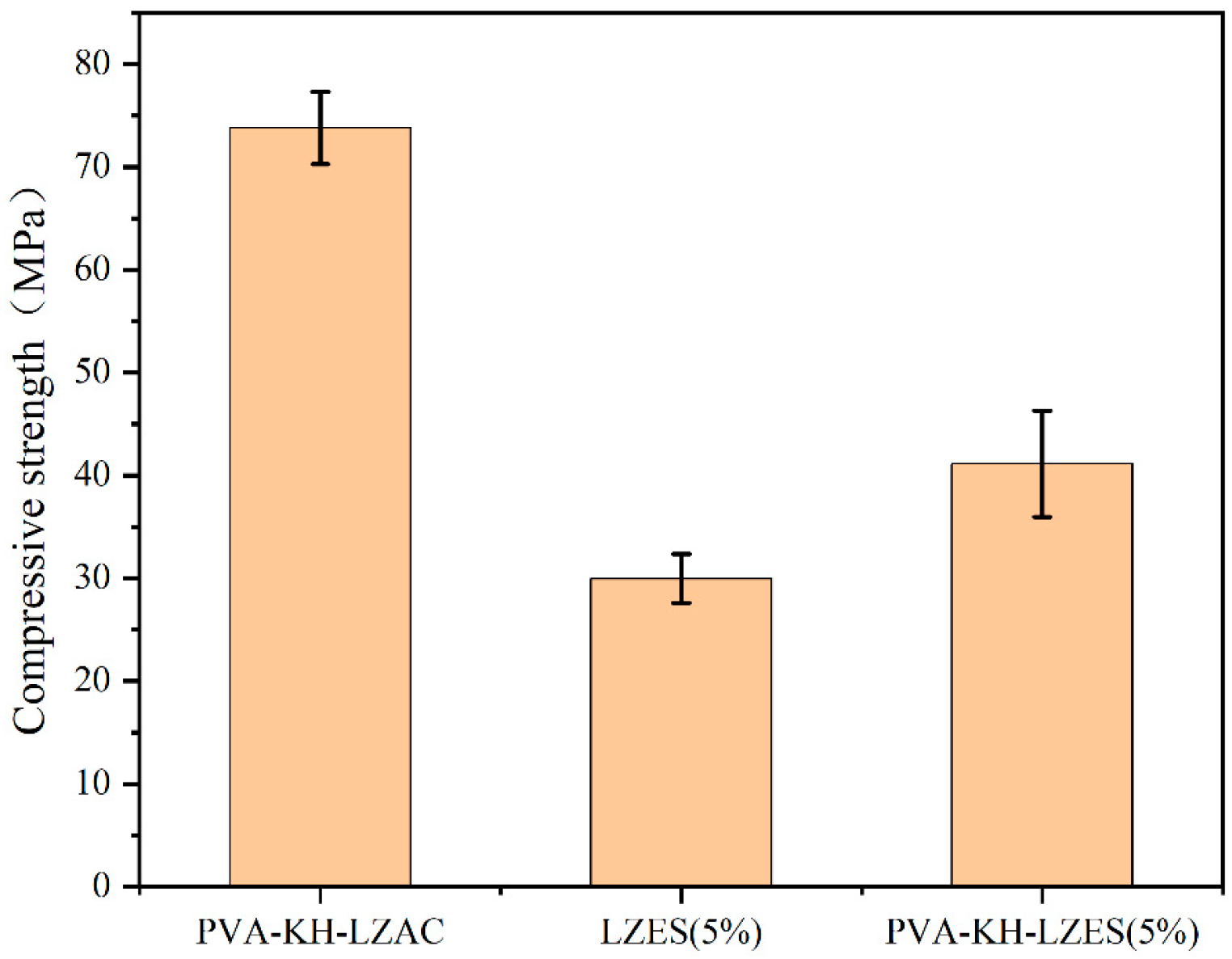
3.1.3. Organic Matter Enhanced LZAC/LZES
3.2. Leaching Experiment
3.2.1. The Leaching of Zn
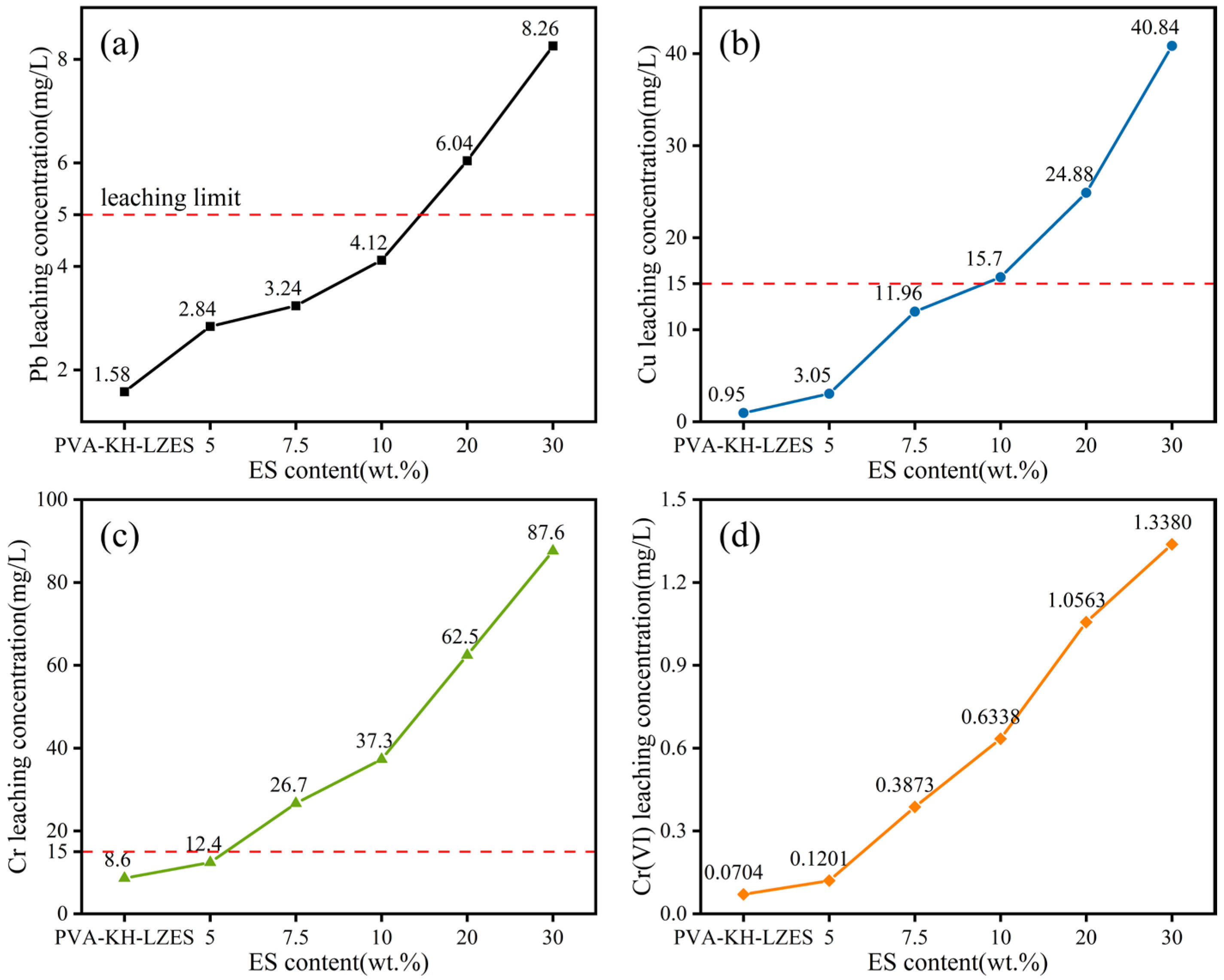
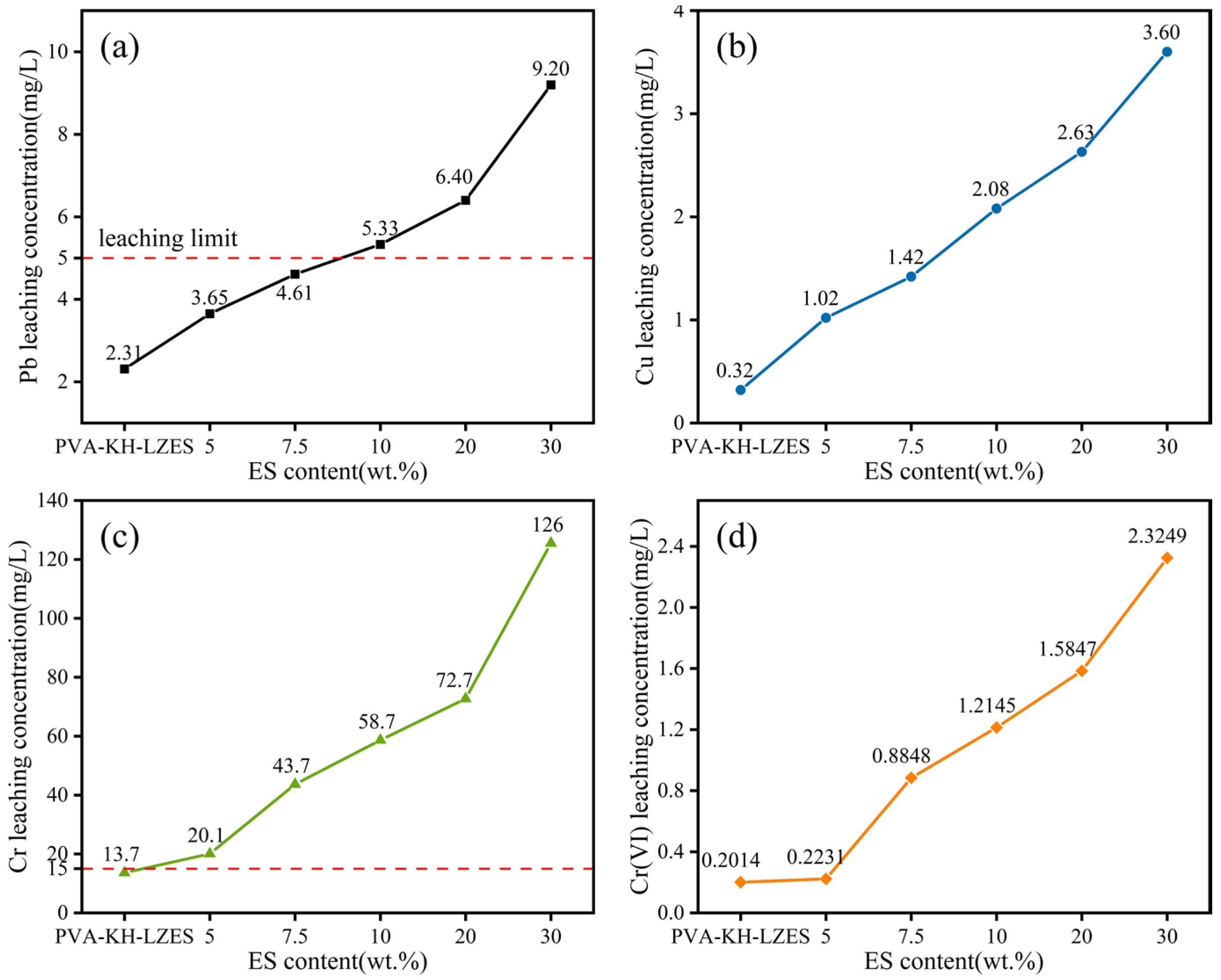
3.2.2. The Leaching of Pb, Cr, Cu
4. Discussion
4.1. Characterization Analysis
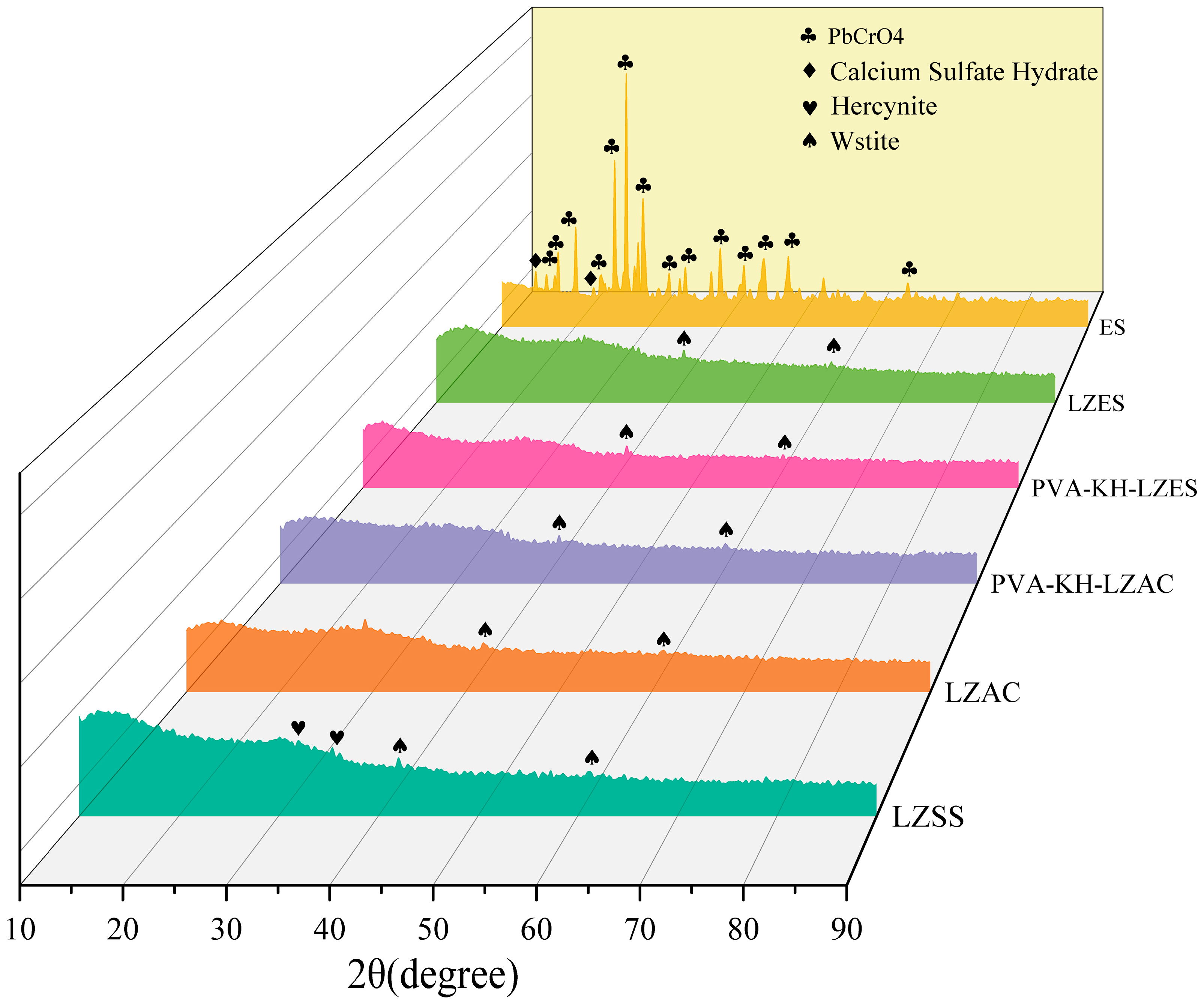
4.1.1. XRD Analysis
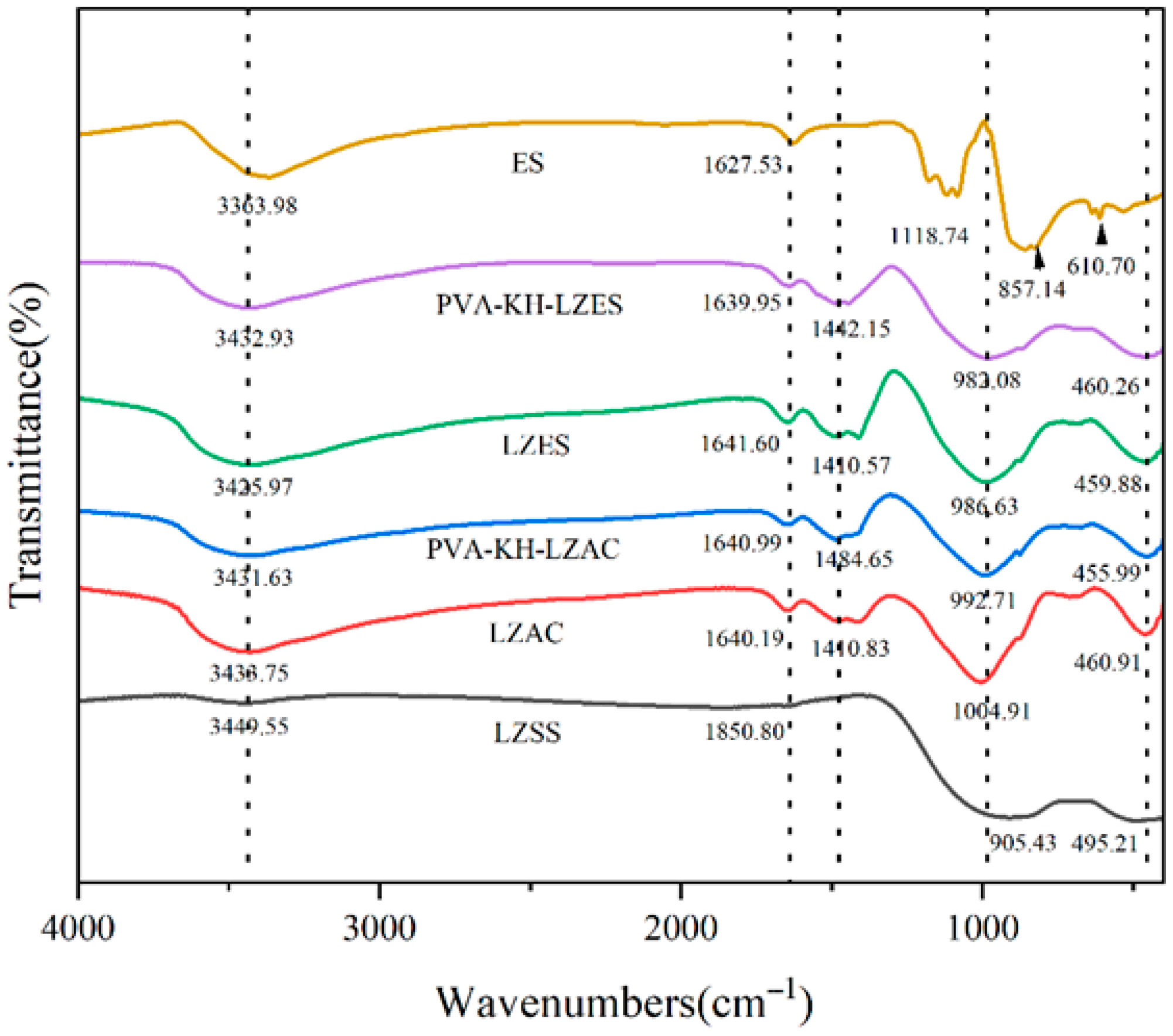
4.1.2. FTIR Analysis
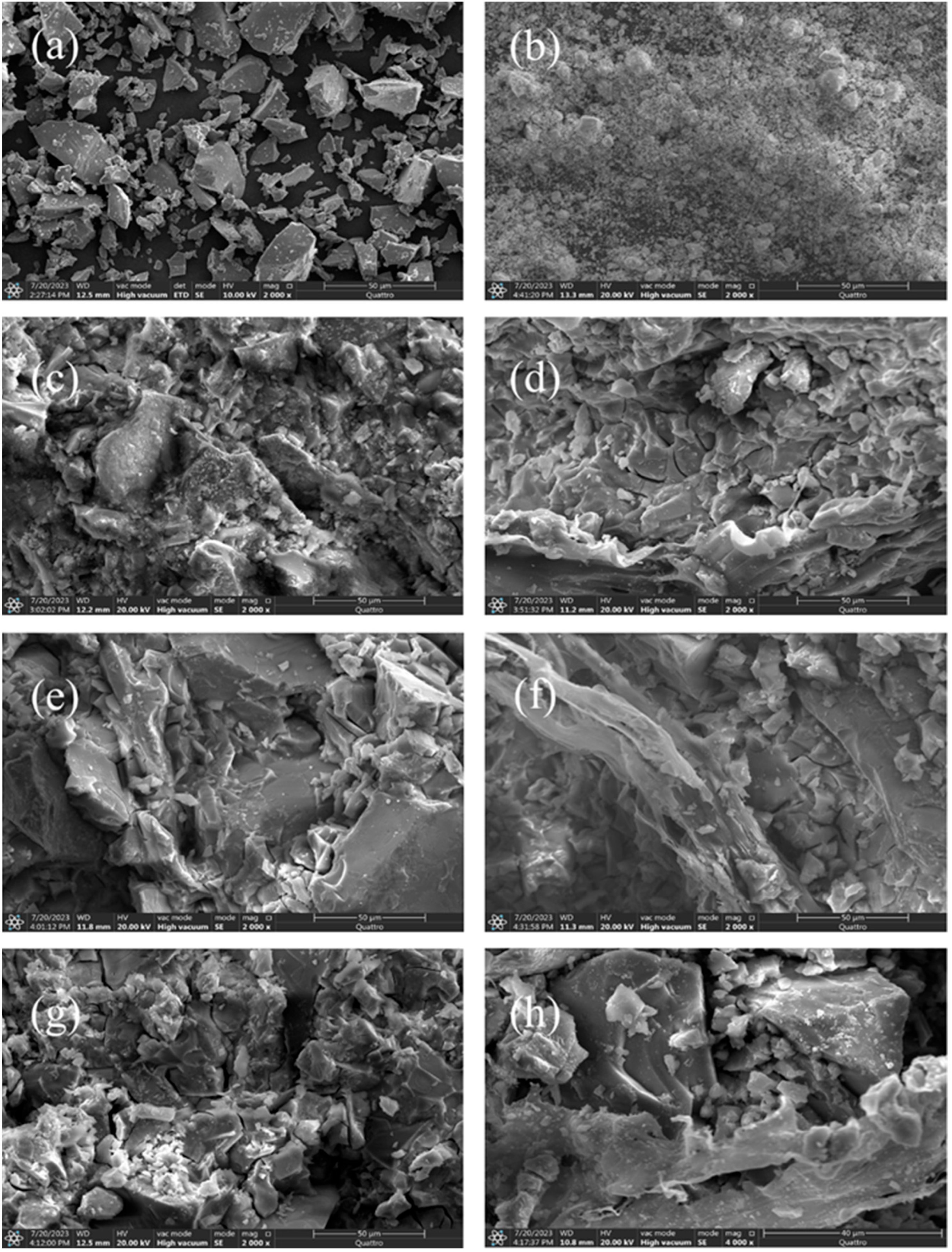
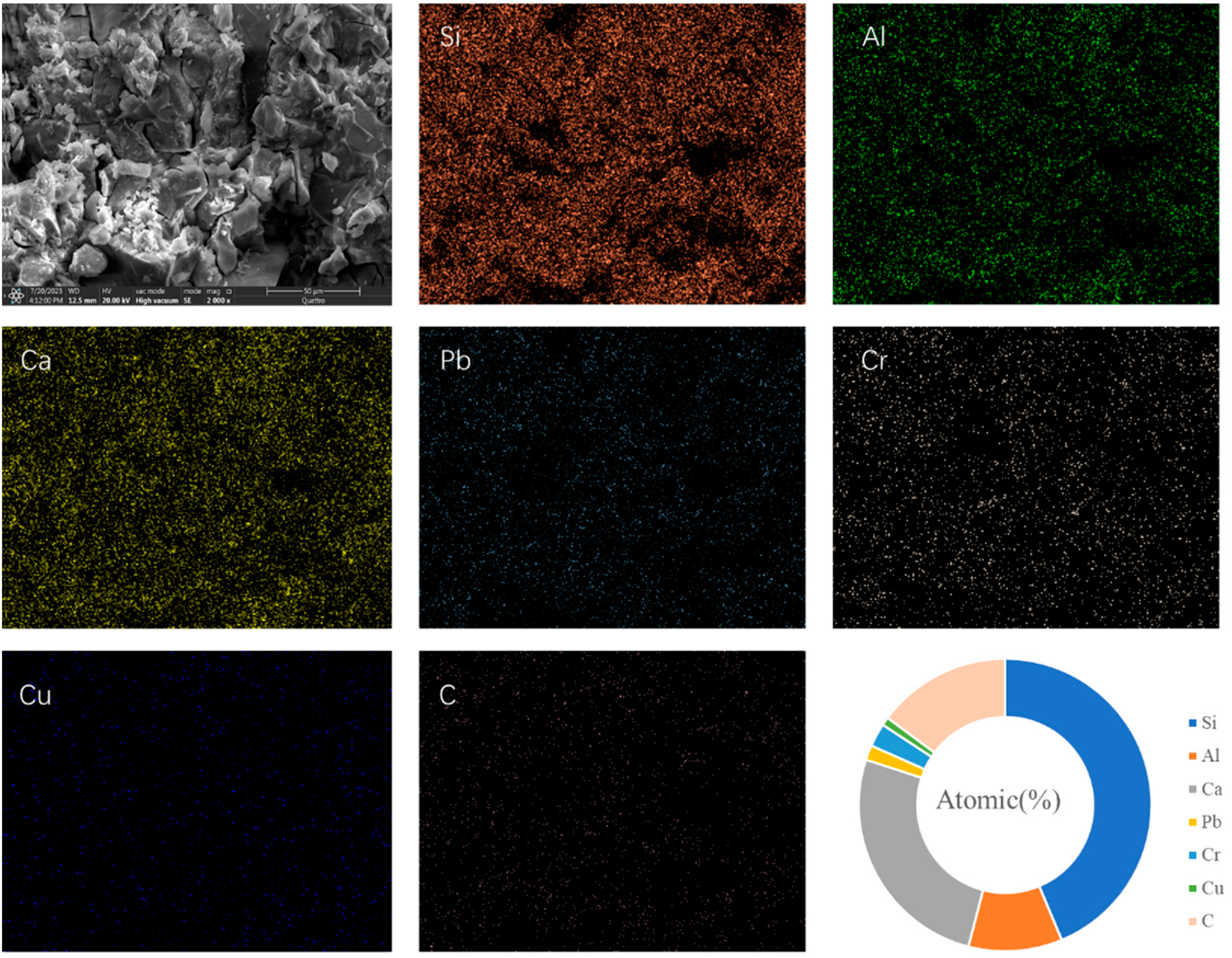
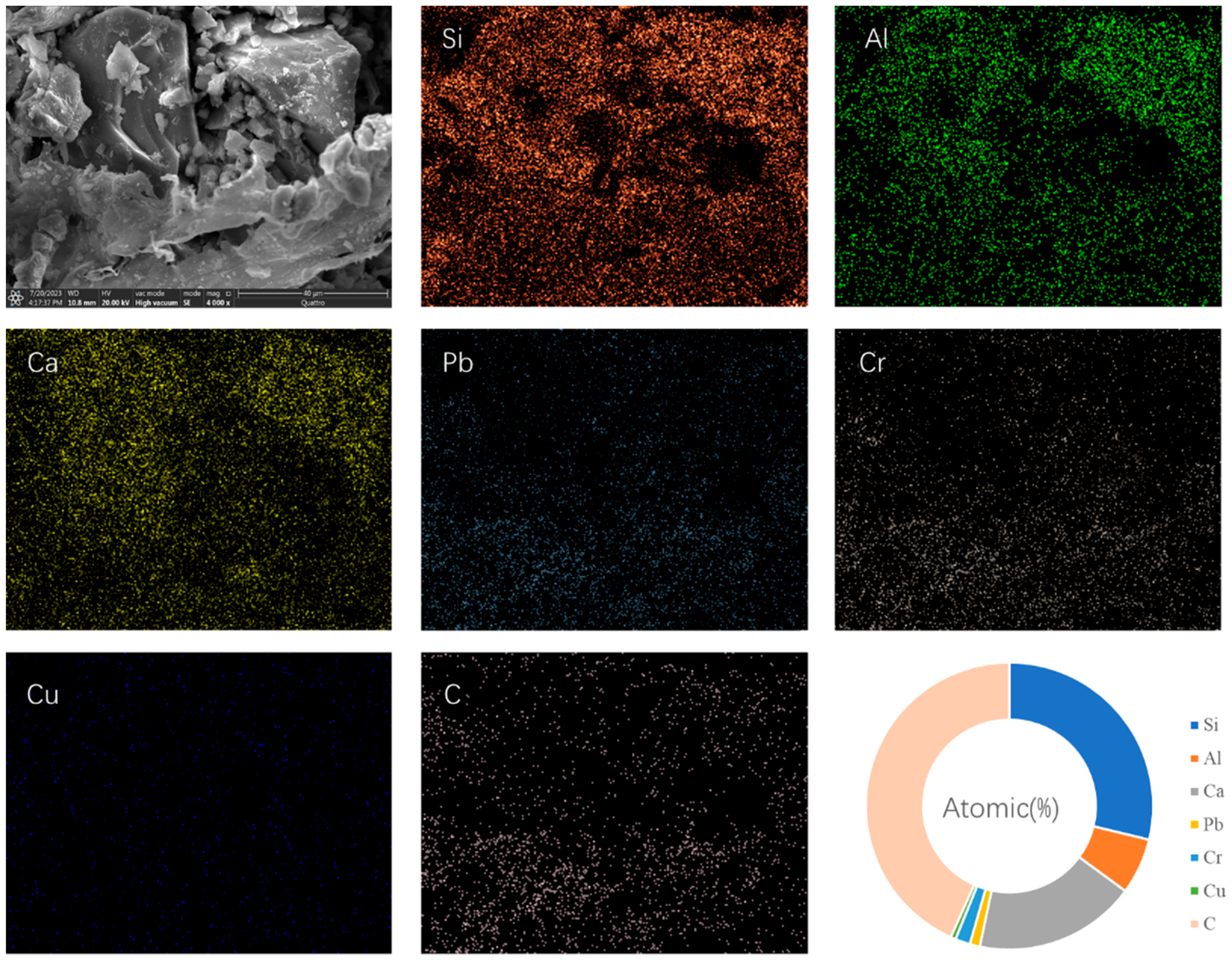
4.1.3. SEM-EDS Analysis
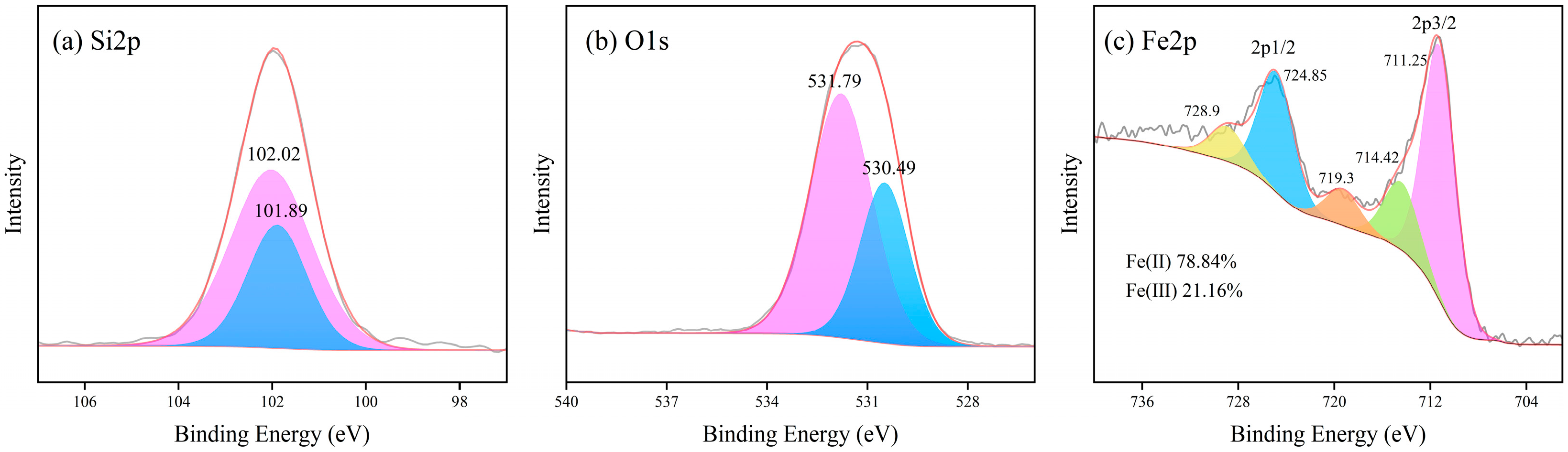
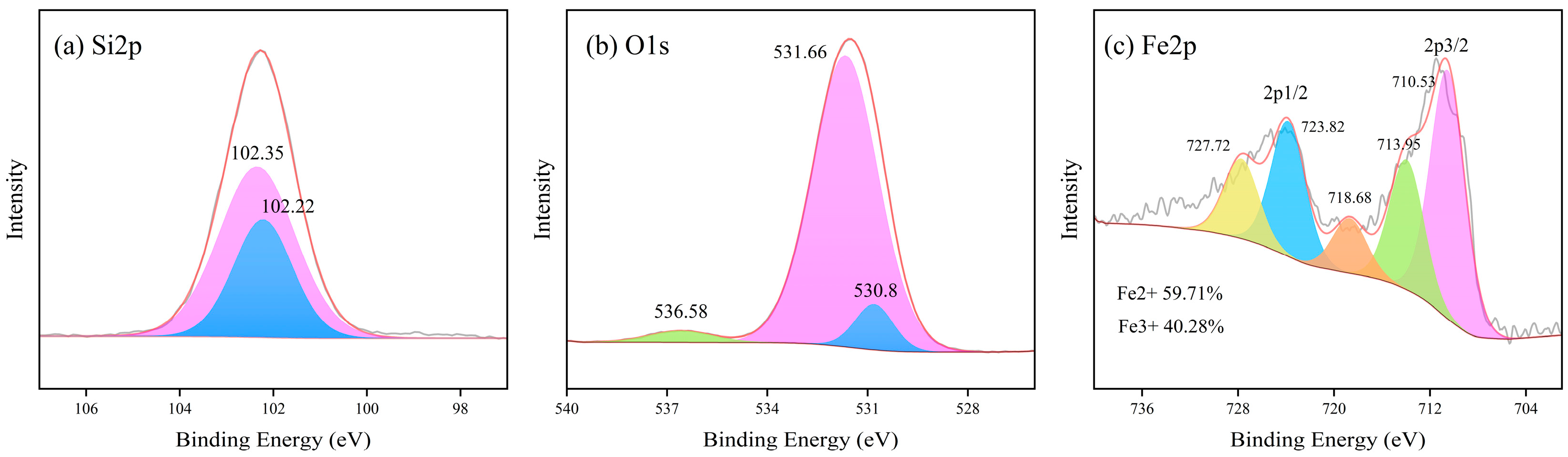
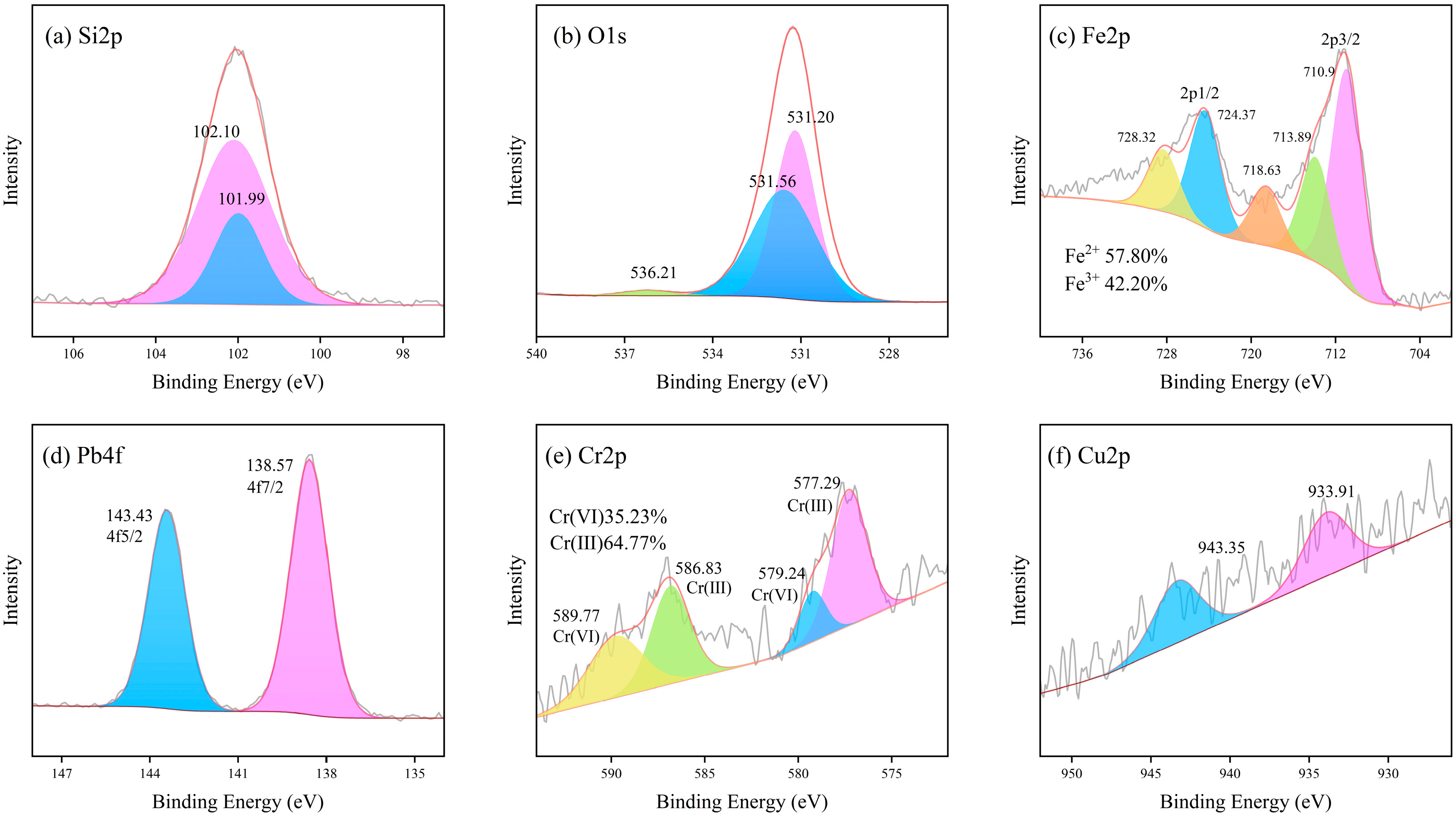
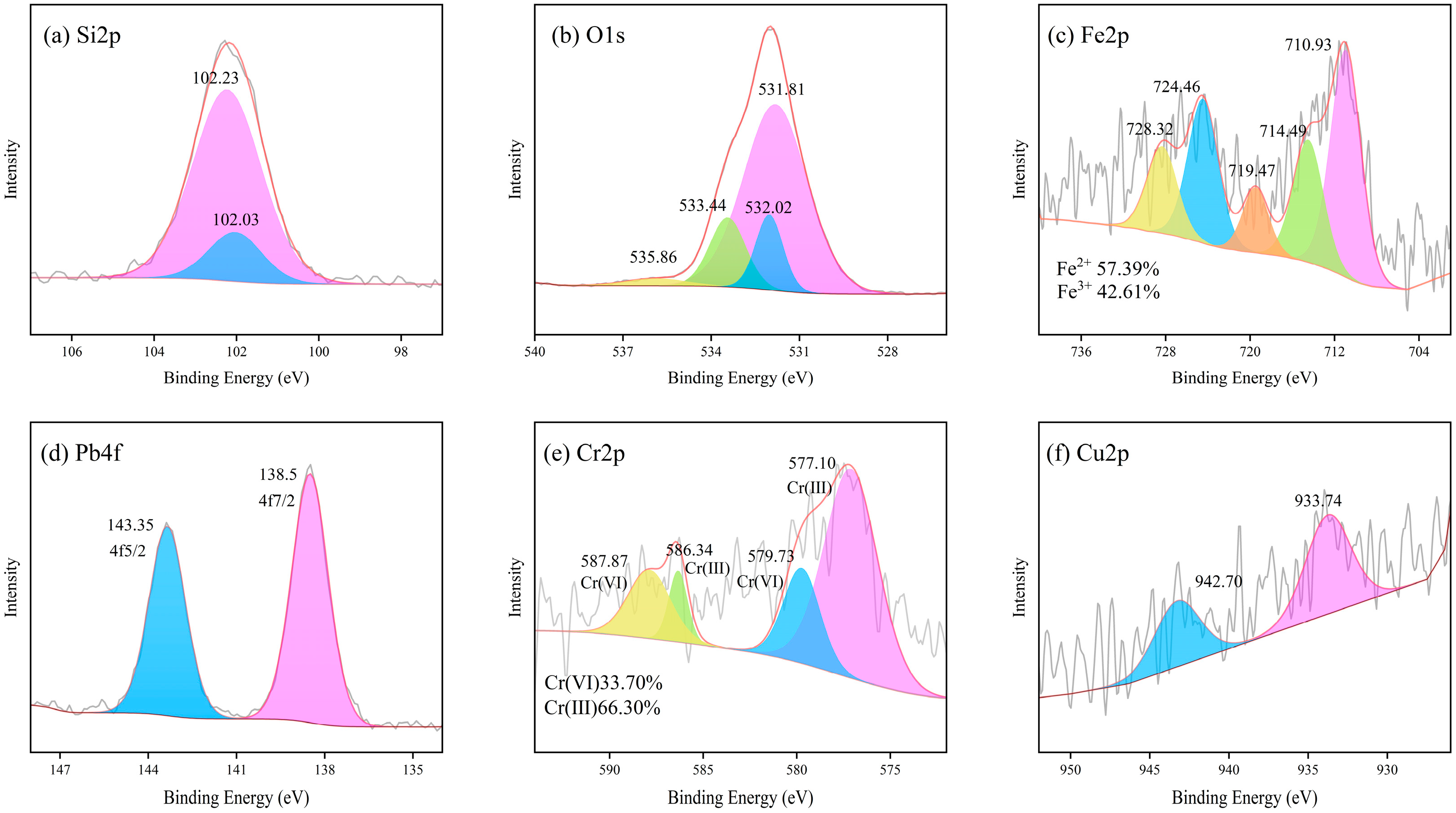
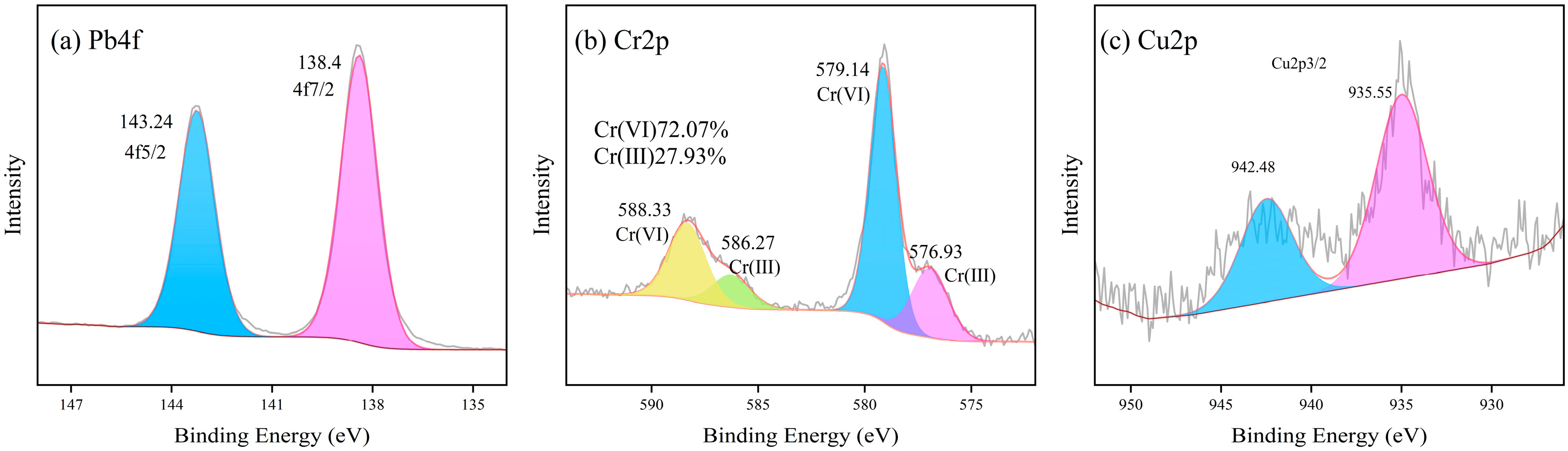
4.1.4. XPS Analysis
4.2. Alkaline Activation Geopolymerization Process and the Potential Mechanism of Heavy-Metal Immobilization
5. Conclusions
Author Contributions
Funding
Data Availability Statement
Conflicts of Interest
Abbreviations
| LZSS | Lead–zinc smelting slag |
| ES | Electroplating sludge |
| PVA | Polyvinyl alcohol |
| KH792 | [3-(2-Aminoethyl)aminopropyl] trimethoxysilane |
References
- Kanneboina, Y.Y.; Kabeer, K.S.A.; Bisht, K. Valorization of lead and zinc slags for the production of construction materials—A review for future research direction. Constr. Build. Mater. 2023, 367, 130314. [Google Scholar] [CrossRef]
- Xu, D.-M.; Fu, R.-B. The mechanistic insights into the leaching behaviors of potentially toxic elements from the indigenous zinc smelting slags under the slag dumping site scenario. J. Hazard. Mater. 2022, 437, 129368. [Google Scholar] [CrossRef]
- Xia, M.; Muhammad, F.; Zeng, L.; Li, S.; Huang, X.; Jiao, B.; Shiau, Y.; Li, D. Solidification/stabilization of lead-zinc smelting slag in composite based geopolymer. J. Clean. Prod. 2019, 209, 1206–1215. [Google Scholar] [CrossRef]
- Guo, B.; Liu, B.; Yang, J.; Zhang, S. The mechanisms of heavy metal immobilization by cementitious material treatments and thermal treatments: A review. J. Environ. Manag. 2017, 193, 410–422. [Google Scholar] [CrossRef]
- Giergiczny, Z.; Król, A. Immobilization of heavy metals (Pb, Cu, Cr, Zn, Cd, Mn) in the mineral additions containing concrete composites. J. Hazard. Mater. 2008, 160, 247–255. [Google Scholar] [CrossRef]
- Huntzinger, D.N.; Eatmon, T.D. A life-cycle assessment of portland cement manufacturing: Comparing the traditional process with alternative technologies. J. Clean. Prod. 2009, 17, 668–675. [Google Scholar] [CrossRef]
- Sanito, R.C.; Bernuy-Zumaeta, M.; You, S.-J.; Wang, Y.-F. A review on vitrification technologies of hazardous waste. J. Environ. Manag. 2022, 316, 115243. [Google Scholar] [CrossRef]
- Wong, L.S. Durability performance of geopolymer concrete: A review. Polymers 2022, 14, 868. [Google Scholar] [CrossRef]
- Zhang, Z.; Provis, J.L.; Reid, A.; Wang, H. Geopolymer foam concrete: An emerging material for sustainable construction. Constr. Build. Mater. 2014, 56, 113–127. [Google Scholar] [CrossRef]
- Ahmed, H.U.; Mohammed, A.A.; Rafiq, S.; Mohammed, A.S.; Mosavi, A.; Sor, N.H.; Qaidi, S.M.A. Compressive strength of sustainable geopolymer concrete composites: A state-of-the-art review. Sustainability 2021, 13, 13502. [Google Scholar] [CrossRef]
- Singh, B.; Ishwarya, G.; Gupta, M.; Bhattacharyya, S.K. Geopolymer concrete: A review of some recent developments. Constr. Build. Mater. 2015, 85, 78–90. [Google Scholar] [CrossRef]
- Singh, N.B.; Middendorf, B. Geopolymers as an alternative to Portland cement: An overview. Constr. Build. Mater. 2020, 237, 117455. [Google Scholar] [CrossRef]
- Luo, S.; Zhao, S.; Zhang, P.; Li, J.; Huang, X.; Jiao, B.; Li, D. Co-disposal of MSWI fly ash and lead–zinc smelting slag through alkali-activation technology. Constr. Build. Mater. 2022, 327, 127006. [Google Scholar] [CrossRef]
- Zhang, P.; Muhammad, F.; Yu, L.; Xia, M.; Lin, H.; Huang, X.; Jiao, B.; Shiau, Y.; Li, D. Self-cementation solidification of heavy metals in lead-zinc smelting slag through alkali-activated materials. Constr. Build. Mater. 2020, 249, 118756. [Google Scholar] [CrossRef]
- Li, J.; Liu, Y.; Ke, X.; Jiao, X.; Li, R.; Shi, C. Geopolymer synthesized from electrolytic manganese residue and lead-zinc smelting slag: Compressive strength and heavy metal immobilization. Cem. Concr. Compos. 2022, 134, 104806. [Google Scholar] [CrossRef]
- Mao, Y.; Muhammad, F.; Yu, L.; Xia, M.; Huang, X.; Jiao, B.; Shiau, Y.; Li, D. The solidification of lead-zinc smelting slag through bentonite supported alkali-activated slag cementitious material. Int. J. Environ. Res. Public Health 2019, 16, 1121. [Google Scholar] [CrossRef]
- Zhang, D.; Shi, S.; Wang, C.; Yang, X.; Guo, L.; Xue, S. Preparation of cementitious material using smelting slag and tailings and the solidification and leaching of Pb2+. Adv. Mater. Sci. Eng. 2015, 2015, 352567. [Google Scholar] [CrossRef]
- Hu, Y.; Liang, S.; Yang, J.; Chen, Y.; Ye, N.; Ke, Y.; Tao, S.; Xiao, K.; Hu, J.; Hou, H.; et al. Role of Fe species in geopolymer synthesized from alkali-thermal pretreated Fe-rich bayer red mud. Constr. Build. Mater. 2019, 200, 398–407. [Google Scholar] [CrossRef]
- Ke, Y.; Liang, S.; Hou, H.; Hu, Y.; Li, X.; Chen, Y.; Li, X.; Cao, L.; Yuan, S.; Xiao, K.; et al. A zero-waste strategy to synthesize geopolymer from iron-recovered bayer red mud combined with fly ash: Roles of Fe, Al and Si. Constr. Build. Mater. 2022, 322, 126176. [Google Scholar] [CrossRef]
- Yao, L.; Liu, D.; Ke, Y.; Li, Y.; Wang, Z.; Fei, J.; Xu, H.; Min, X. Synthesis and Hydration Characteristic of Geopolymer Based on Lead Smelting Slag. Int. J. Environ. Res. Public Health 2020, 17, 2762. [Google Scholar] [CrossRef]
- Idrees, M.; Akbar, A.; Saeed, F.; Saleem, H.; Hussian, T.; Vatin, N.I. Improvement in durability and mechanical performance of concrete exposed to aggressive environments by using polymer. Materials 2022, 15, 3751. [Google Scholar] [CrossRef]
- Łukowski, P.; Dębska, D. Effect of polymer addition on performance of portland cement mortar exposed to sulphate attack. Materials 2020, 13, 71. [Google Scholar] [CrossRef]
- Mansur, A.A.P.; Mansur, H.S. Surface interactions of chemically active ceramic tiles with polymer-modified mortars. Cem. Concr. Compos. 2011, 33, 742–748. [Google Scholar] [CrossRef]
- Zhang, X.; Du, M.; Fang, H.; Shi, M.; Zhang, C.; Wang, F. Polymer-modified cement mortars: Their enhanced properties, applications, prospects, and challenges. Constr. Build. Mater. 2021, 299, 124290. [Google Scholar] [CrossRef]
- Mirković, M.; Kljajević, L.; Dolenec, S.; Nenadović, M.; Pavlović, V.; Rajačić, M.; Nenadović, S. Potential usage of hybrid polymers cementitious based on fly ash with the addition of PVA with satisfying mechanical and radiological properties. Gels 2021, 7, 270. [Google Scholar] [CrossRef]
- Sun, J.; Sun, G.; Zhao, X.; Liu, X.; Zhao, H.; Xu, C.; Yan, L.; Jiang, X.; Cui, Y. Ultrafast and efficient removal of Pb(II) from acidic aqueous solution using a novel polyvinyl alcohol superabsorbent. Chemosphere 2021, 282, 131032. [Google Scholar] [CrossRef]
- Wang, L.-Y.; Wang, M.-J. Removal of heavy metal ions by poly(vinyl alcohol) and carboxymethyl cellulose composite hydrogels prepared by a freeze–thaw method. ACS Sustain. Chem. Eng. 2016, 4, 2830–2837. [Google Scholar] [CrossRef]
- Chen, Z.; Su, G.; Ju, J.W.; Jiang, J. Experimental study on energy dissipation of fragments during rockburst. Bull. Eng. Geol. Environ. 2019, 78, 5369–5386. [Google Scholar] [CrossRef]
- Deng, Z.; Yang, Z.; Bian, J.; Lin, J.; Long, Z.; Hong, G.; Yang, Z.; Ye, Y. Advantages and disadvantages of PVA-fibre-reinforced slag- and fly ash-blended geopolymer composites: Engineering properties and microstructure. Constr. Build. Mater. 2022, 349, 128690. [Google Scholar] [CrossRef]
- Xu, F.; Deng, X.; Peng, C.; Zhu, J.; Chen, J. Mix design and flexural toughness of PVA fiber reinforced fly ash-geopolymer composites. Constr. Build. Mater. 2017, 150, 179–189. [Google Scholar] [CrossRef]
- Xu, S.; Malik, M.A.; Qi, Z.; Huang, B.; Li, Q.; Sarkar, M. Influence of the PVA fibers and SiO2 NPs on the structural properties of fly ash based sustainable geopolymer. Constr. Build. Mater. 2018, 164, 238–245. [Google Scholar] [CrossRef]
- Zhang, P.; Wang, K.; Wang, J.; Guo, J.; Ling, Y. Macroscopic and microscopic analyses on mechanical performance of metakaolin/fly ash based geopolymer mortar. J. Clean. Prod. 2021, 294, 126193. [Google Scholar] [CrossRef]
- Pereira, A.P.V.; Vasconcelos, W.L.; Oréfice, R.L. Novel multicomponent silicate–poly(vinyl alcohol) hybrids with controlled reactivity. J. Non-Cryst. Solids 2000, 273, 180–185. [Google Scholar] [CrossRef]
- Aziz, T.; Ullah, A.; Fan, H.; Jamil, M.I.; Khan, F.U.; Ullah, R.; Iqbal, M.; Ali, A.; Ullah, B. Recent progress in silane coupling agent with its emerging applications. J. Polym. Environ. 2021, 29, 3427–3443. [Google Scholar] [CrossRef]
- Zhu, K.; Duan, Y.; Wang, F.; Gao, P.; Jia, H.; Ma, C.; Wang, C. Silane-modified halloysite/Fe3O4 nanocomposites: Simultaneous removal of Cr(VI) and Sb(V) and positive effects of Cr(VI) on Sb(V) adsorption. Chem. Eng. J. 2017, 311, 236–246. [Google Scholar] [CrossRef]
- HJ/T 299-2007; Solid Waste—Extraction Procedure for Leaching Toxicity—Sulphuric acid & Nitric Acid Method. Ministry of Environmental Protection: Beijing, China, 2007.
- EPA Method 1311; Toxicity Characteristic Leaching Procedure. U.S. Environmental Protection Agency: Washington, DC, USA, 1992.
- GB 5085.3-2007; Identification Standards for Hazardous Wastes—Identification for Extraction Toxicity. Standardization Administration of China: Beijing, China, 2007.
- GB/T 17671-1999; Method of Testing Cements—Determination of Strength. Standardization Administration of China: Beijing, China, 1999.
- ASTM C1948/C1948M-24; Standard Specification for Alkali-Activated Cementitious Materials. ASTM International: West Conshohocken, PA, USA, 2024.
- Puertas, F.; Martínez-Ramírez, S.; Alonso, S.; Vázquez, T. Alkali-activated fly ash/slag cements: Strength behaviour and hydration products. Cem. Concr. Res. 2000, 30, 1625–1632. [Google Scholar] [CrossRef]
- Lee, B.; Kim, G.; Kim, R.; Cho, B.; Lee, S.; Chon, C.-M. Strength development properties of geopolymer paste and mortar with respect to amorphous Si/Al ratio of fly ash. Constr. Build. Mater. 2017, 151, 512–519. [Google Scholar] [CrossRef]
- Panias, D.; Giannopoulou, I.P.; Perraki, T. Effect of synthesis parameters on the mechanical properties of fly ash-based geopolymers. Colloids Surf. Physicochem. Eng. Asp. 2007, 301, 246–254. [Google Scholar] [CrossRef]
- Somna, K.; Jaturapitakkul, C.; Kajitvichyanukul, P.; Chindaprasirt, P. NaOH-activated ground fly ash geopolymer cured at ambient temperature. Fuel 2011, 90, 2118–2124. [Google Scholar] [CrossRef]
- Cui, Y.; Wang, D.; Wang, Y.; Sun, R.; Rui, Y. Effects of the n(H2O: Na2Oeq) ratio on the geopolymerization process and microstructures of fly ash-based geopolymers. J. Non-Cryst. Solids 2019, 511, 19–28. [Google Scholar] [CrossRef]
- Nikolić, V.; Komljenović, M.; Džunuzović, N.; Miladinović, Z. The influence of Pb addition on the properties of fly ash-based geopolymers. J. Hazard. Mater. 2018, 350, 98–107. [Google Scholar] [CrossRef]
- Cai, J.; Jiang, J.; Gao, X.; Ding, M. Improving the mechanical properties of fly ash-based geopolymer composites with PVA fiber and powder. Materials 2022, 15, 2363. [Google Scholar] [CrossRef]
- Chen-Tan, N.W.; Van Riessen, A.; Ly, C.V.; Southam, D.C. Determining the reactivity of a fly ash for production of geopolymer. J. Am. Ceram. Soc. 2009, 92, 881–887. [Google Scholar] [CrossRef]
- Williams, R.P.; van Riessen, A. Determination of the reactive component of fly ashes for geopolymer production using XRF and XRD. Fuel 2010, 89, 3683–3692. [Google Scholar] [CrossRef]
- Zhang, S.; Zhu, N.; Mao, F.; Zhang, J.; Huang, X.; Li, F.; Li, X.; Wu, P.; Dang, Z. A novel strategy for harmlessness and reduction of copper smelting slags by alkali disaggregation of fayalite (Fe2SiO4) coupling with acid leaching. J. Hazard. Mater. 2021, 402, 123791. [Google Scholar] [CrossRef]
- Guzmán-Aponte, L.; Mejía De Gutiérrez, R.; Maury-Ramírez, A. Metakaolin-based geopolymer with added TiO2 particles: Physicomechanical characteristics. Coatings 2017, 7, 233. [Google Scholar] [CrossRef]
- Jena, S.; Panigrahi, R. Performance assessment of geopolymer concrete with partial replacement of ferrochrome slag as coarse aggregate. Constr. Build. Mater. 2019, 220, 525–537. [Google Scholar] [CrossRef]
- Lemougna, P.N.; MacKenzie, K.J.D.; Jameson, G.N.L.; Rahier, H.; Chinje Melo, U.F. The role of iron in the formation of inorganic polymers (geopolymers) from volcanic ash: A 57Fe Mössbauer spectroscopy study. J. Mater. Sci. 2013, 48, 5280–5286. [Google Scholar] [CrossRef]
- Ji, Z.; Pei, Y. Immobilization efficiency and mechanism of metal cations (Cd2+, Pb2+ and Zn2+) and anions (AsO43− and Cr2O72−) in wastes-based geopolymer. J. Hazard. Mater. 2020, 384, 121290. [Google Scholar] [CrossRef]
- Hu, S.; Zhong, L.; Yang, X.; Bai, H.; Ren, B.; Zhao, Y.; Zhang, W.; Ju, X.; Wen, H.; Mao, S.; et al. Synthesis of rare earth tailing-based geopolymer for efficiently immobilizing heavy metals. Constr. Build. Mater. 2020, 254, 119273. [Google Scholar] [CrossRef]
- Gao, K.; Lin, K.-L.; Wang, D.; Hwang, C.-L.; Shiu, H.-S.; Chang, Y.-M.; Cheng, T.-W. Effects SiO2/Na2O molar ratio on mechanical properties and the microstructure of nano-SiO2 metakaolin-based geopolymers. Constr. Build. Mater. 2014, 53, 503–510. [Google Scholar] [CrossRef]
- Christiansen, M.B.; Sørensen, M.A.; Sanyova, J.; Bendix, J.; Simonsen, K.P. Characterisation of the rare cadmium chromate pigment in a 19th century tube colour by Raman, FTIR, X-ray and EPR. Spectrochim. Acta A Mol. Biomol. Spectrosc. 2017, 175, 208–214. [Google Scholar] [CrossRef]
- O’Hare, L.-A.; Hynes, A.; Alexander, M.R. A methodology for curve-fitting of the XPS Si 2p core level from thin siloxane coatings. Surf. Interface Anal. 2007, 39, 926–936. [Google Scholar] [CrossRef]
- Kanuchova, M.; Kozakova, L.; Drabova, M.; Sisol, M.; Estokova, A.; Kanuch, J.; Skvarla, J. Monitoring and characterization of creation of geopolymers prepared from fly ash and metakaolin by X-ray photoelectron spectroscopy method. Environ. Prog. Sustain. Energy 2015, 34, 841–849. [Google Scholar] [CrossRef]
- Ji, Z.; Pei, Y. Geopolymers produced from drinking water treatment residue and bottom ash for the immobilization of heavy metals. Chemosphere 2019, 225, 579–587. [Google Scholar] [CrossRef]
- Simonsen, M.E.; Sønderby, C.; Li, Z.; Søgaard, E.G. XPS and FT-IR investigation of silicate polymers. J. Mater. Sci. 2009, 44, 2079–2088. [Google Scholar] [CrossRef]
- Zhang, S.; Zhu, N.; Shen, W.; Wei, X.; Li, F.; Ma, W.; Mao, F.; Wu, P. Relationship between mineralogical phase and bound heavy metals in copper smelting slags. Resour. Conserv. Recycl. 2022, 178, 106098. [Google Scholar] [CrossRef]
- Nenadović, S.S.S.; Kljajević, L.M.; Ivanović, M.M.; Mirković, M.M.; Radmilović, N.; Rakočević, L.Z.; Nenadović, M.T. Structural and chemical properties of geopolymer gels incorporated with neodymium and samarium. Gels 2021, 7, 195. [Google Scholar] [CrossRef]
- Ding, C.; Zeng, Y.; Cao, L.; Zhao, L.; Zhang, Y. Hierarchically porous Fe3O4/C nanocomposite microspheres via a CO2 bubble-templated hydrothermal approach as high-rate and high-capacity anode materials for lithium-ion batteries. J. Mater. Chem. A 2016, 4, 5898–5908. [Google Scholar] [CrossRef]
- Li, W.; Wu, X.; Li, S.; Tang, W.; Chen, Y. Magnetic porous Fe3O4/carbon octahedra derived from iron-based metal-organic framework as heterogeneous Fenton-like catalyst. Appl. Surf. Sci. 2018, 436, 252–262. [Google Scholar] [CrossRef]
- Bagus, P.S.; Nelin, C.J.; Brundle, C.R.; Crist, B.V.; Lahiri, N.; Rosso, K.M. Combined multiplet theory and experiment for the Fe 2p and 3p XPS of FeO and Fe2O3. J. Chem. Phys. 2021, 154, 94709. [Google Scholar] [CrossRef]
- Zhang, T.; Wei, S.; Waterhouse, G.I.N.; Fu, L.; Liu, L.; Shi, W.; Sun, J.; Ai, S. Chromium (VI) adsorption and reduction by humic acid coated nitrogen-doped magnetic porous carbon. Powder Technol. 2020, 360, 55–64. [Google Scholar] [CrossRef]
- Upadhyay, J.; Misra, S.P.; Irusta, S.; Sharma, S.; Deshpande, P.A. Oxidation of aldehydes to carboxylic acids over geopolymer supported CuO. Mol. Catal. 2023, 536, 112911. [Google Scholar] [CrossRef]



| Fe2O3 | SiO2 | CaO | Al2O3 | MgO | MnO | TiO2 | K2O | ZnO | Others |
|---|---|---|---|---|---|---|---|---|---|
| 38.53 | 27.31 | 16.22 | 7.88 | 5.21 | 1.16 | 0.649 | 0.6 | 0.378 | 2.06 |
| PbO | Cr2O3 | BaO | Fe2O3 | SnO2 | SO3 | CuO | Na2O | Cl | Others |
|---|---|---|---|---|---|---|---|---|---|
| 52.7 | 16.9 | 7.51 | 4.93 | 4.91 | 4.35 | 2.43 | 2.22 | 1.68 | 2.37 |
| The Leaching Method and Standard | Heavy-Metal Elements | ||||
|---|---|---|---|---|---|
| Zn (mg/L) | Cu (mg/L) | Pb (mg/L) | Cr (mg/L) | Cr(VI) (mg/L) | |
| LZSS (TCLP) | 57.2 | 4.61 | 0.34 | / | / |
| LZSS (HJ/T299-2007) | 0.82 | 17.51 | 0.15 | / | / |
| ES (TCLP) | / | 181.28 | 4.24 | 353.4 | 172.68 |
| ES (HJ/T299-2007) | / | 53.62 | 2.92 | 440.1 | 248.84 |
| EPA limits | / | 15 | 5 | 15 | 2.5 |
| GB5085.3-2007 limits | 100 | 100 | 5 | 15 | 5 |
| Degree of Polymerization | Molecular Weight | Alcoholysis Degree (mol%) | Viscosity (mPa·s) | Volatile (%) | Ash (%) | pH | Purity (%) |
|---|---|---|---|---|---|---|---|
| 1700 | 22,000 | 87.0–89.0 | 20.5–24.5 | ≤5 | ≤0.5 | 5–7 | 93.5 |
| Samples | Alkali Content | The Module of Water Glass | Liquid–Solid Ratio |
|---|---|---|---|
| A1 | 2.5 | 1.4 | 0.22 |
| A2 | 3.0 | ||
| A3 | 3.5 | ||
| A4 | 4.0 | ||
| A5 | 4.5 | ||
| S1 | 3.5 | 1.2 | 0.22 |
| S2 | 1.3 | ||
| S3 | 1.4 | ||
| S4 | 1.5 | ||
| S5 | 1.6 | ||
| L1 | 1.4 | 0.20 | |
| L2 | 0.22 | ||
| L3 | 0.24 | ||
| L4 | 0.26 | ||
| L5 | 0.28 |
| Samples | TCLP (mg/L) | Sulfuric–Nitric Acid Method (mg/L) |
|---|---|---|
| 0%PVA | 46.31 | 0.43 |
| 0.5%PVA | 42.43 | 0.19 |
| 1%PVA | 43.92 | 0.34 |
| 1.5%PVA | 44.63 | 0.38 |
| 2%PVA | 47.58 | 0.56 |
| 0%KH792 | 46.31 | 0.43 |
| 0.5 KH792 | 46.21 | 0.42 |
| 1%KH792 | 45.37 | 0.35 |
| 1.5%KH792 | 41.76 | 0.29 |
| 2%KH792 | 41.15 | 0.21 |
| 0.5% PVA + 0.5% KH792 | 31.03 | 0.27 |
Disclaimer/Publisher’s Note: The statements, opinions and data contained in all publications are solely those of the individual author(s) and contributor(s) and not of MDPI and/or the editor(s). MDPI and/or the editor(s) disclaim responsibility for any injury to people or property resulting from any ideas, methods, instructions or products referred to in the content. |
© 2026 by the authors. Licensee MDPI, Basel, Switzerland. This article is an open access article distributed under the terms and conditions of the Creative Commons Attribution (CC BY) license.
Share and Cite
Zhang, P.; Li, D. PVA-KH792-Enhanced Composite Cementitious Material from Lead–Zinc Slag and Electroplating Sludge: Mechanical Performance and Heavy-Metal Immobilization. Materials 2026, 19, 1420. https://doi.org/10.3390/ma19071420
Zhang P, Li D. PVA-KH792-Enhanced Composite Cementitious Material from Lead–Zinc Slag and Electroplating Sludge: Mechanical Performance and Heavy-Metal Immobilization. Materials. 2026; 19(7):1420. https://doi.org/10.3390/ma19071420
Chicago/Turabian StyleZhang, Pengpeng, and Dongwei Li. 2026. "PVA-KH792-Enhanced Composite Cementitious Material from Lead–Zinc Slag and Electroplating Sludge: Mechanical Performance and Heavy-Metal Immobilization" Materials 19, no. 7: 1420. https://doi.org/10.3390/ma19071420
APA StyleZhang, P., & Li, D. (2026). PVA-KH792-Enhanced Composite Cementitious Material from Lead–Zinc Slag and Electroplating Sludge: Mechanical Performance and Heavy-Metal Immobilization. Materials, 19(7), 1420. https://doi.org/10.3390/ma19071420