Article

A Prediction Model of Interlayer Bond Strength for 3D-Printed Concrete Considering Printing Interval and Environmental Effects


1
College of Water Resources and Civil Engineering, Hunan Agricultural University, Changsha 410128, China
2
State Key Laboratory of Hydroscience and Engineering, Tsinghua University, Beijing 100084, China
3
Hunan Port Shipping and Water Resources Group Co., Ltd., Changsha 410029, China
4
College of Civil Engineering and Architecture, Zhejiang University, Hangzhou 310058, China
*
Authors to whom correspondence should be addressed.
Materials 2026, 19(7), 1377; https://doi.org/10.3390/ma19071377
Submission received: 30 January 2026 / Revised: 17 March 2026 / Accepted: 22 March 2026 / Published: 30 March 2026
(This article belongs to the Special Issue Additive Manufacturing of Structural Materials and Their Composites)

Abstract

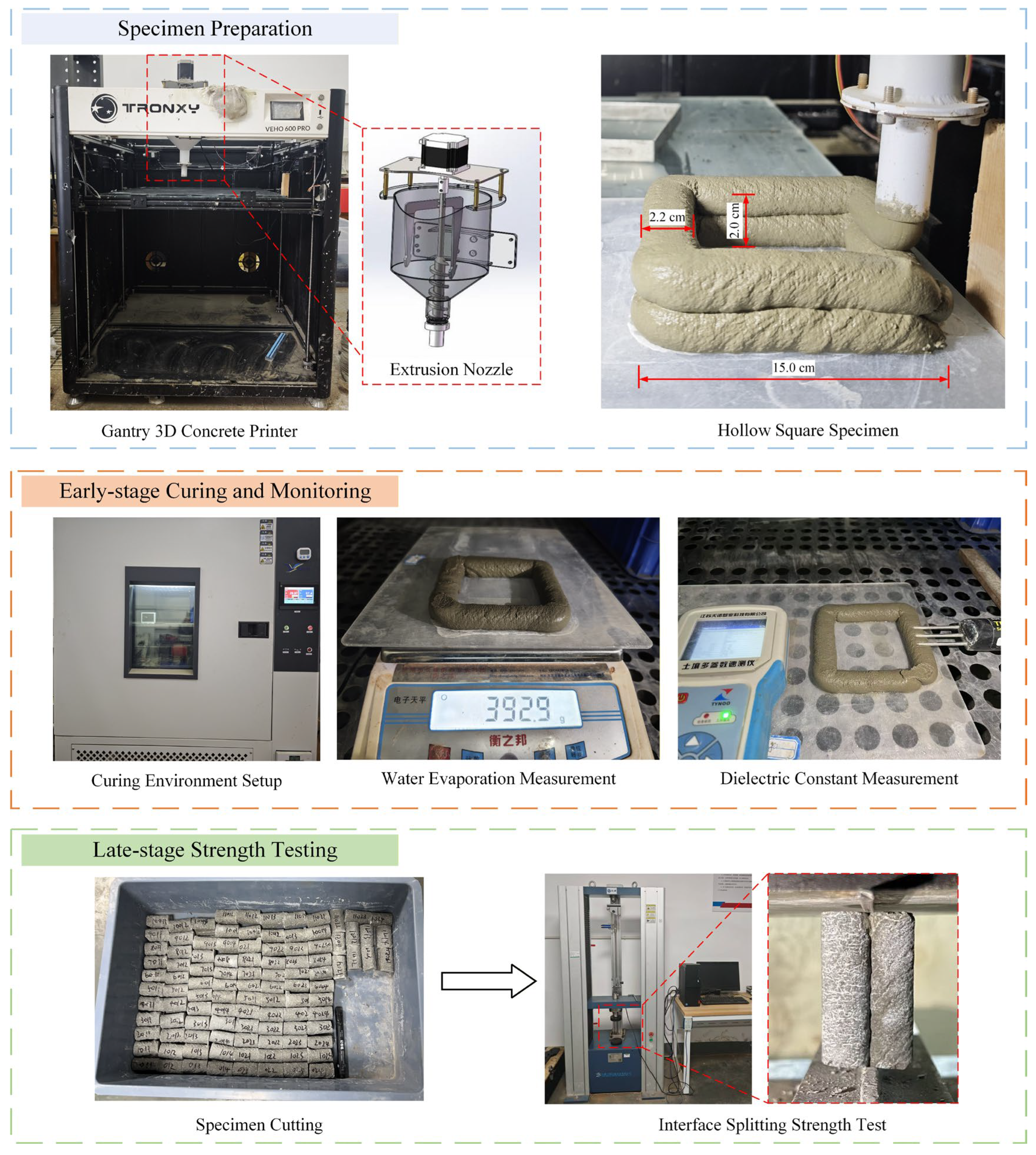
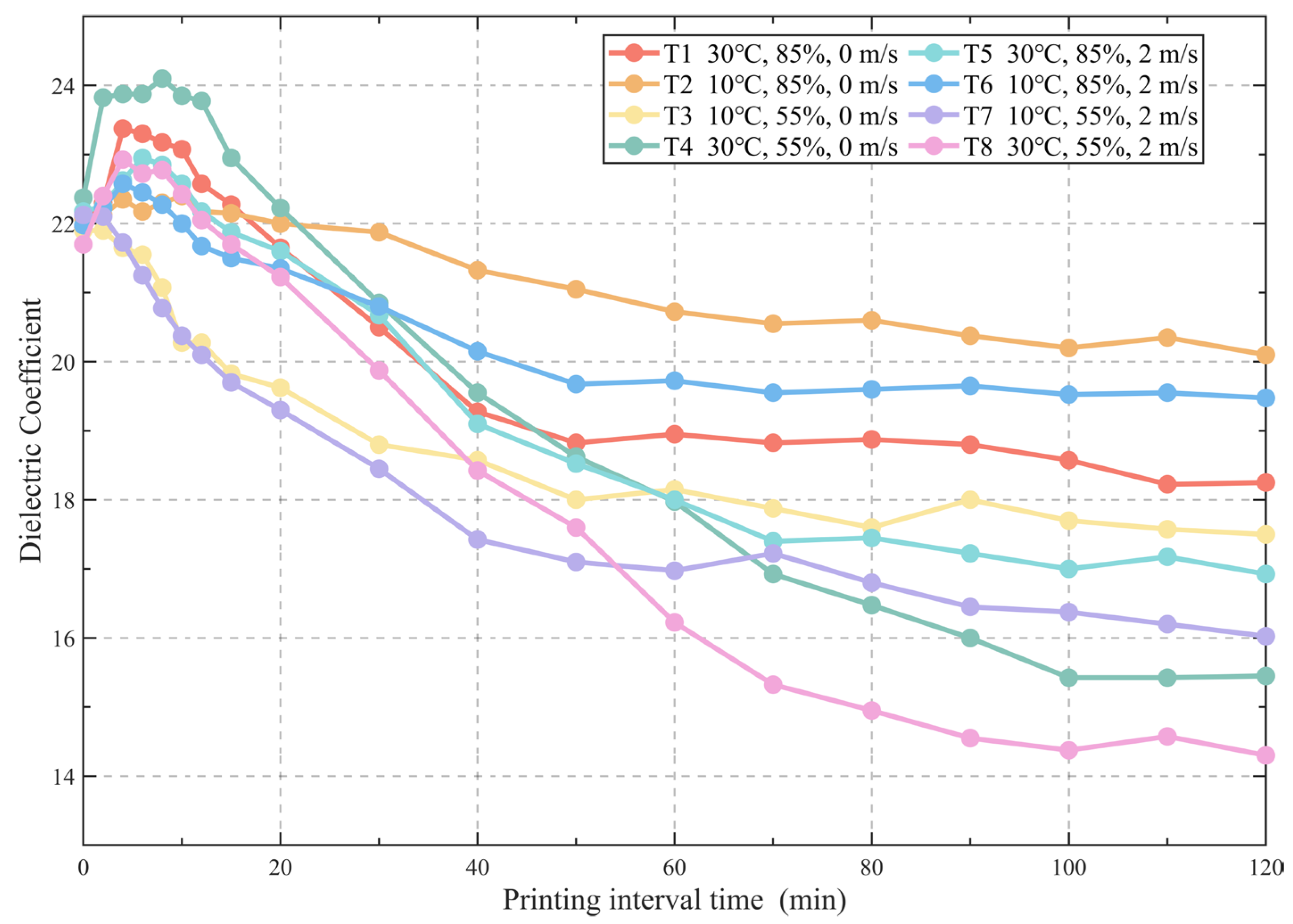
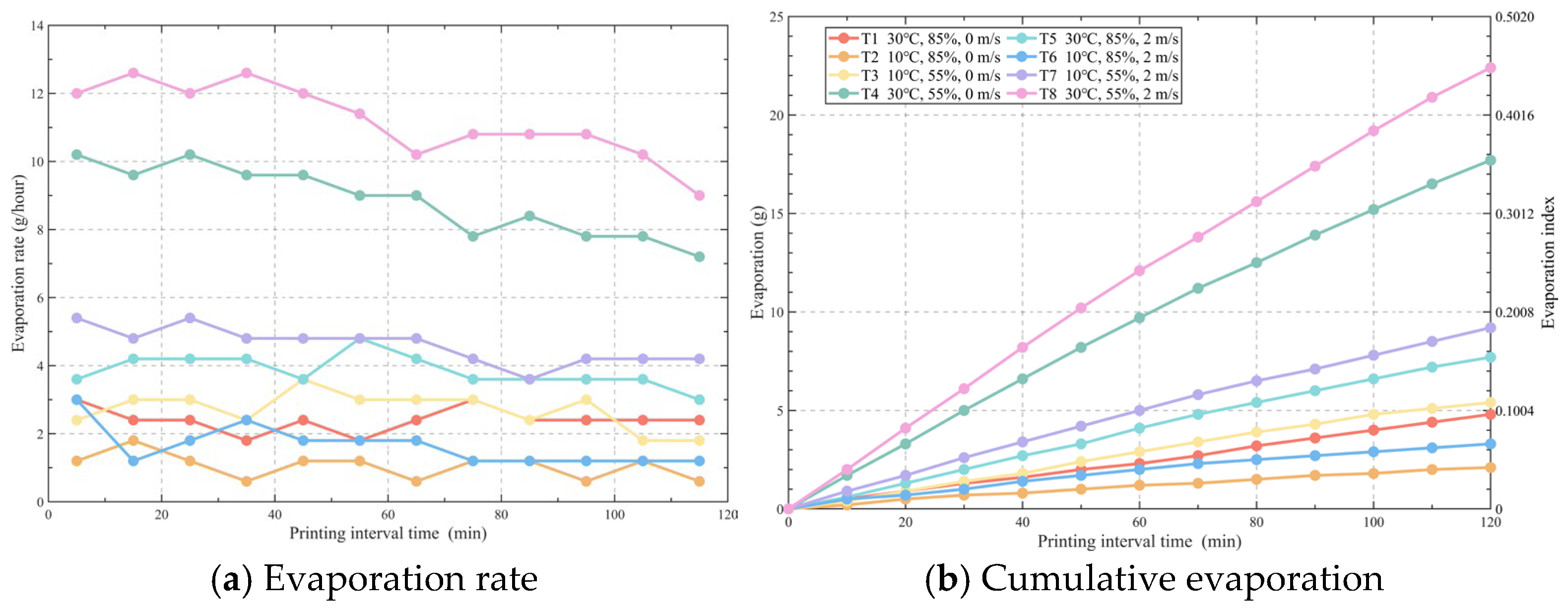
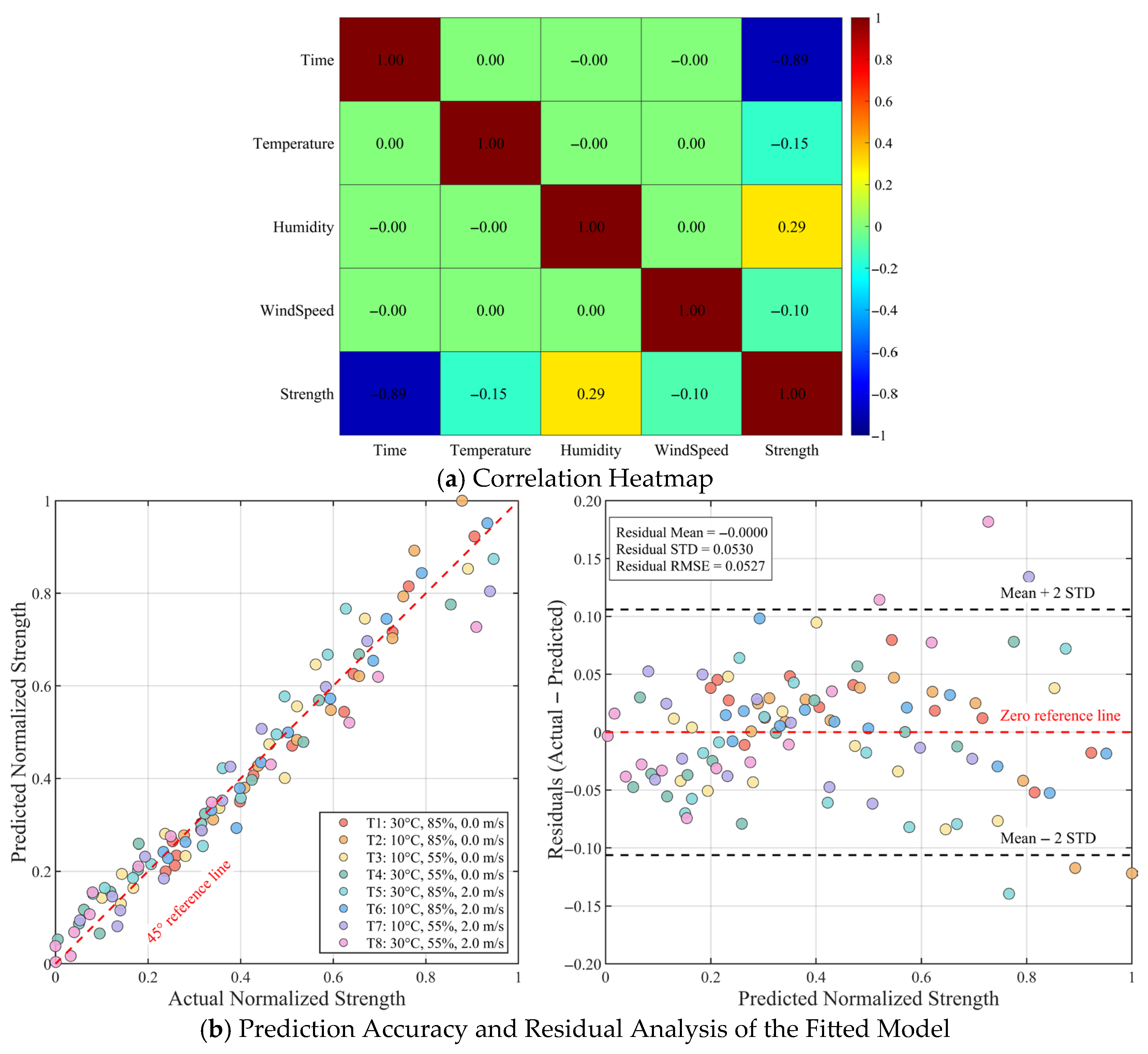
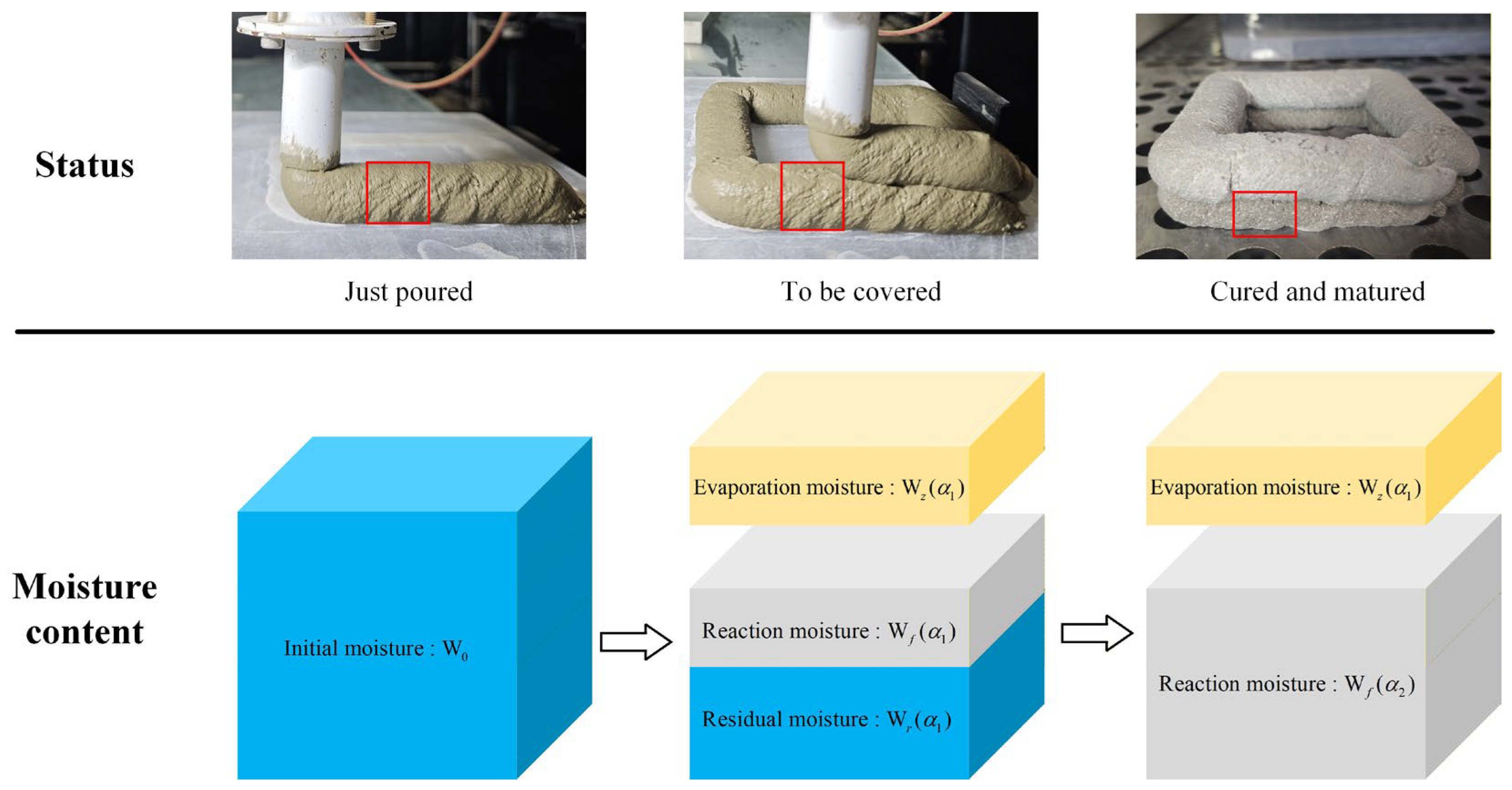
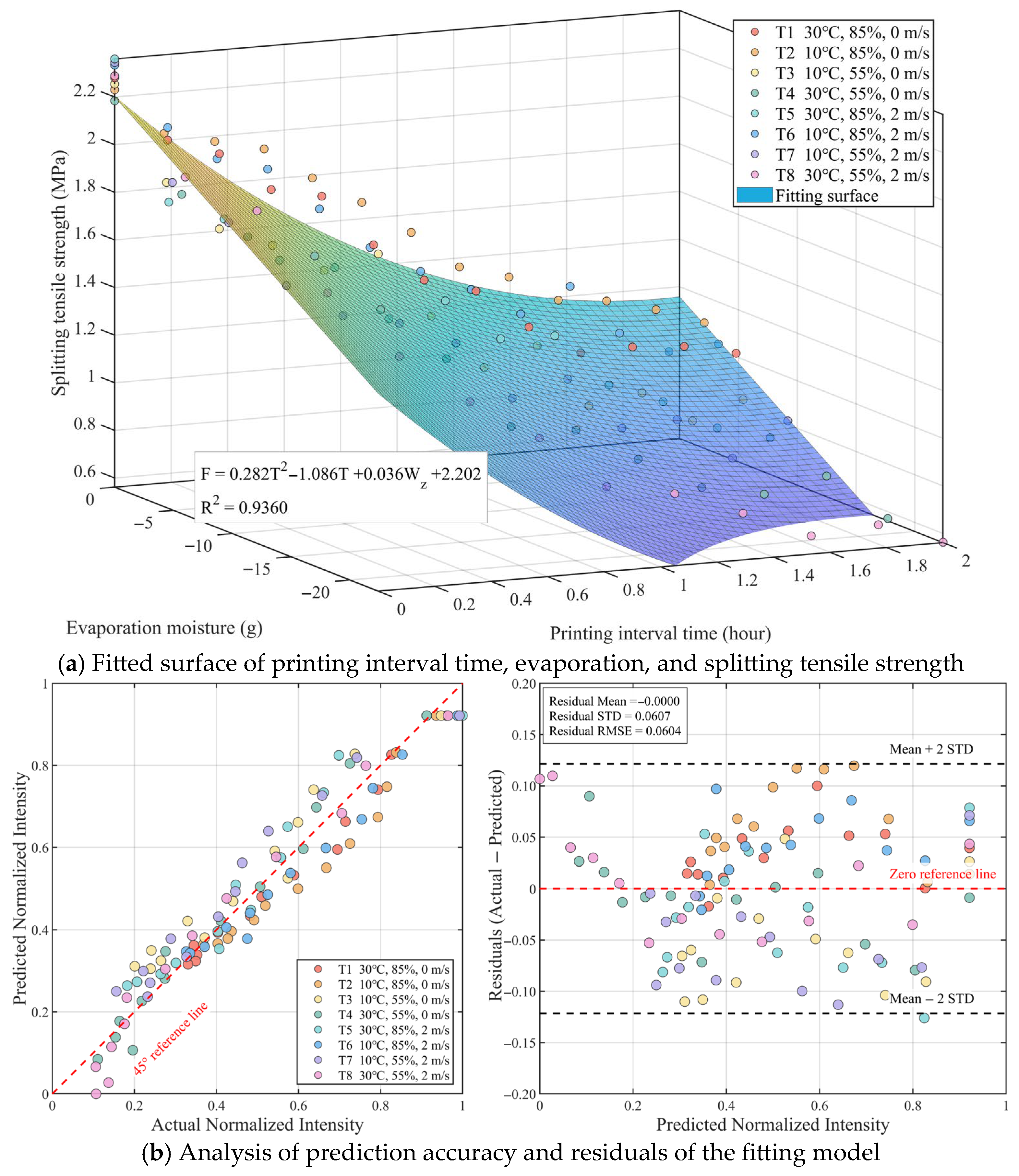
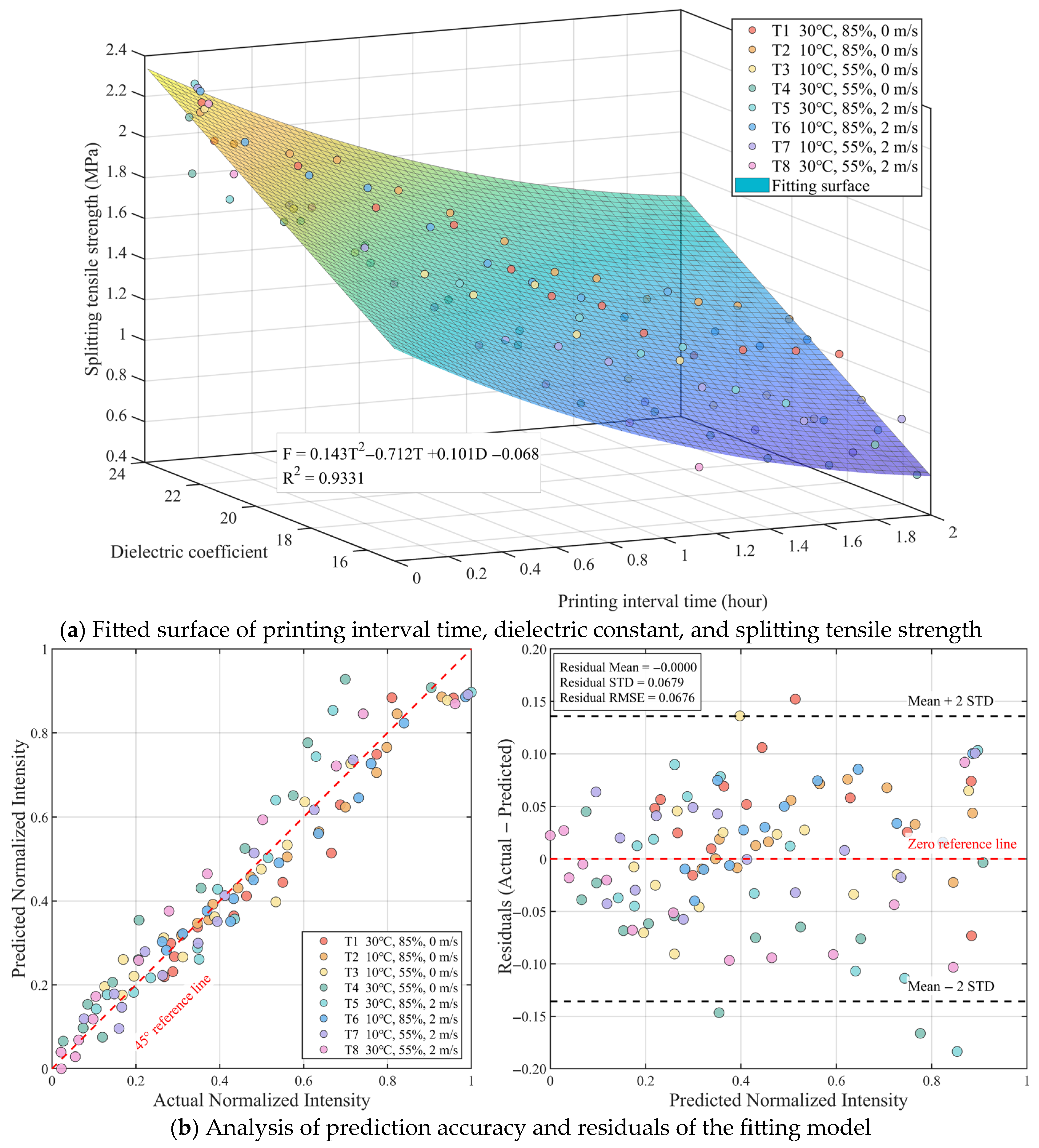
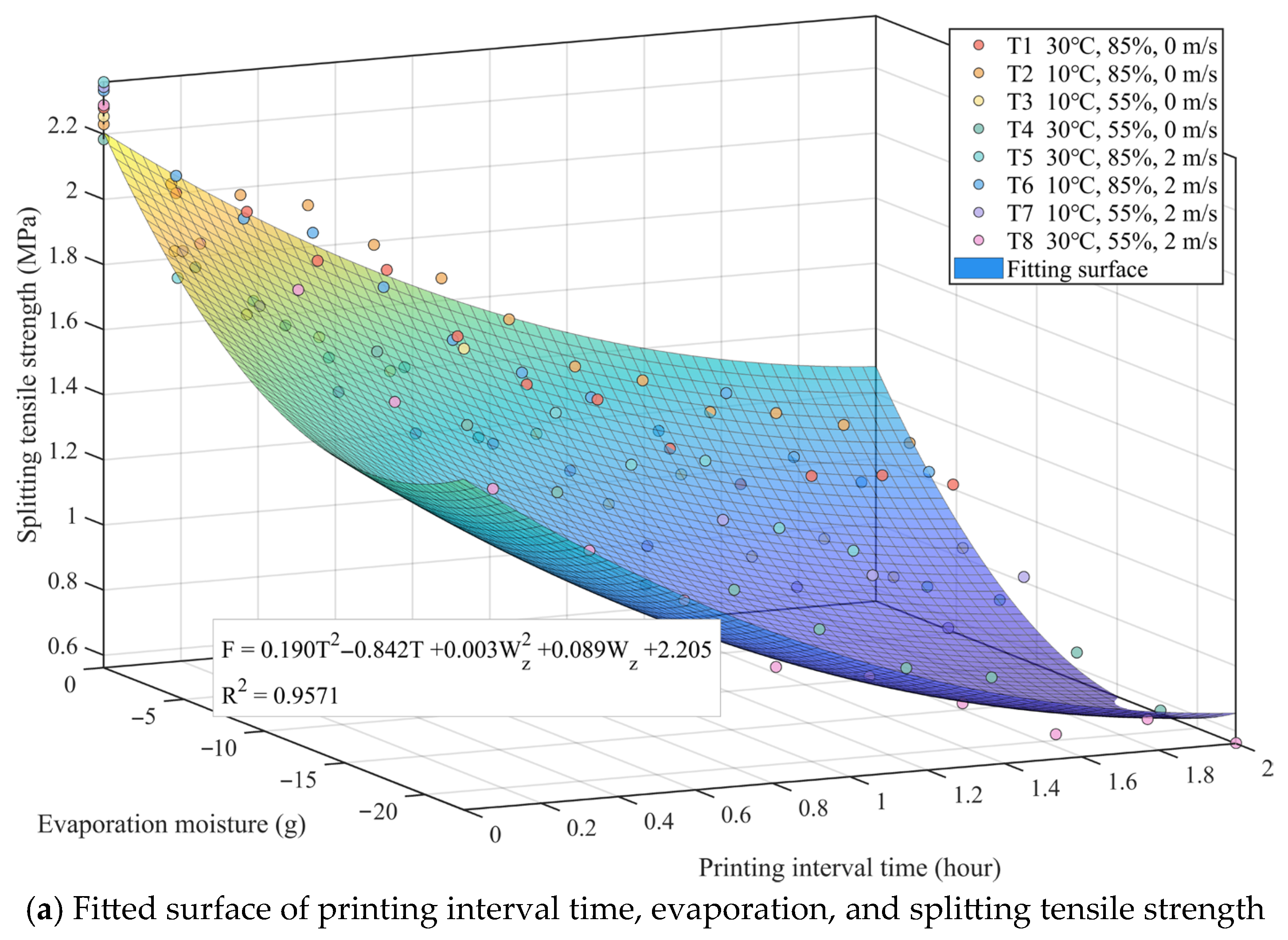
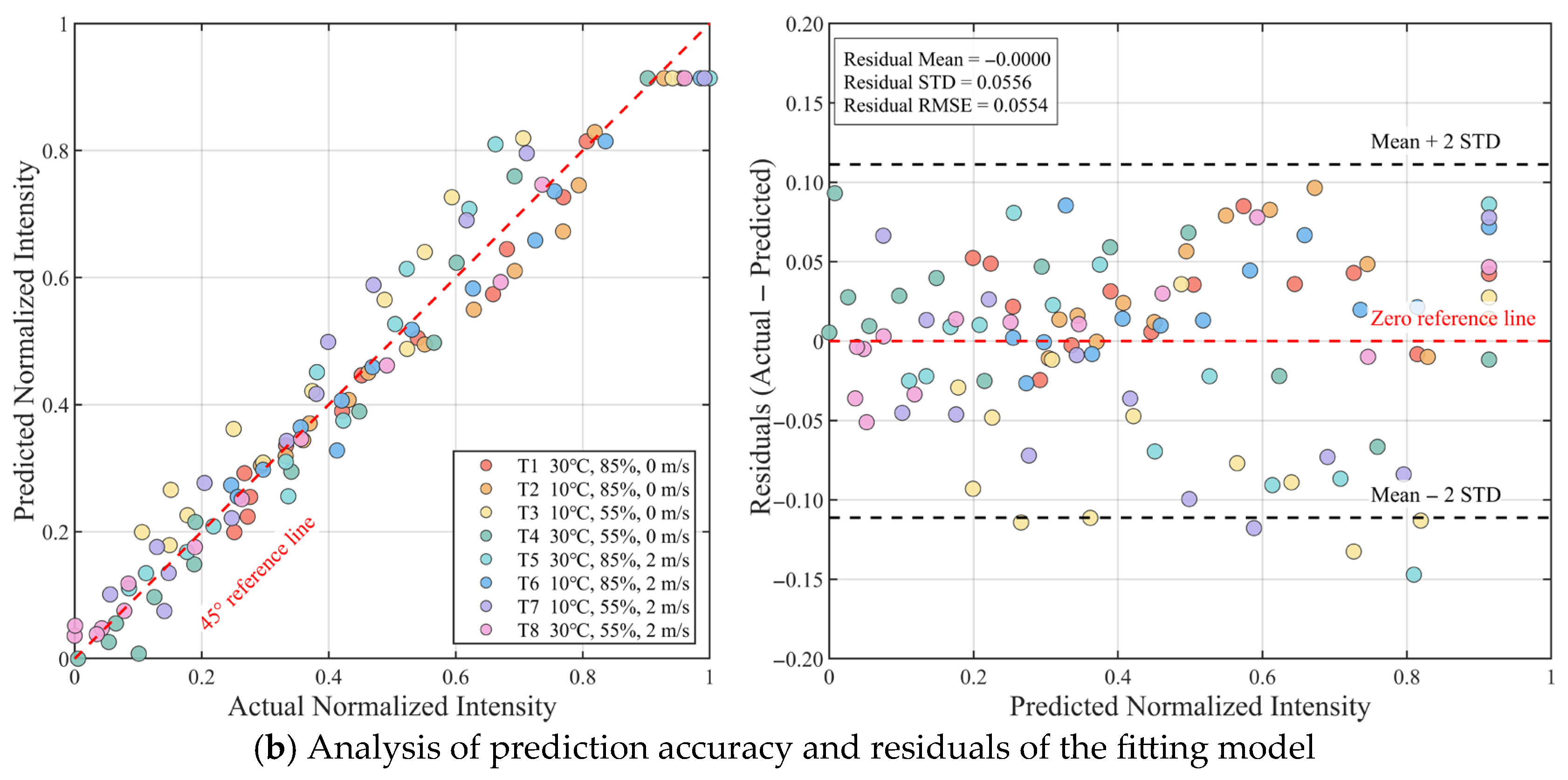
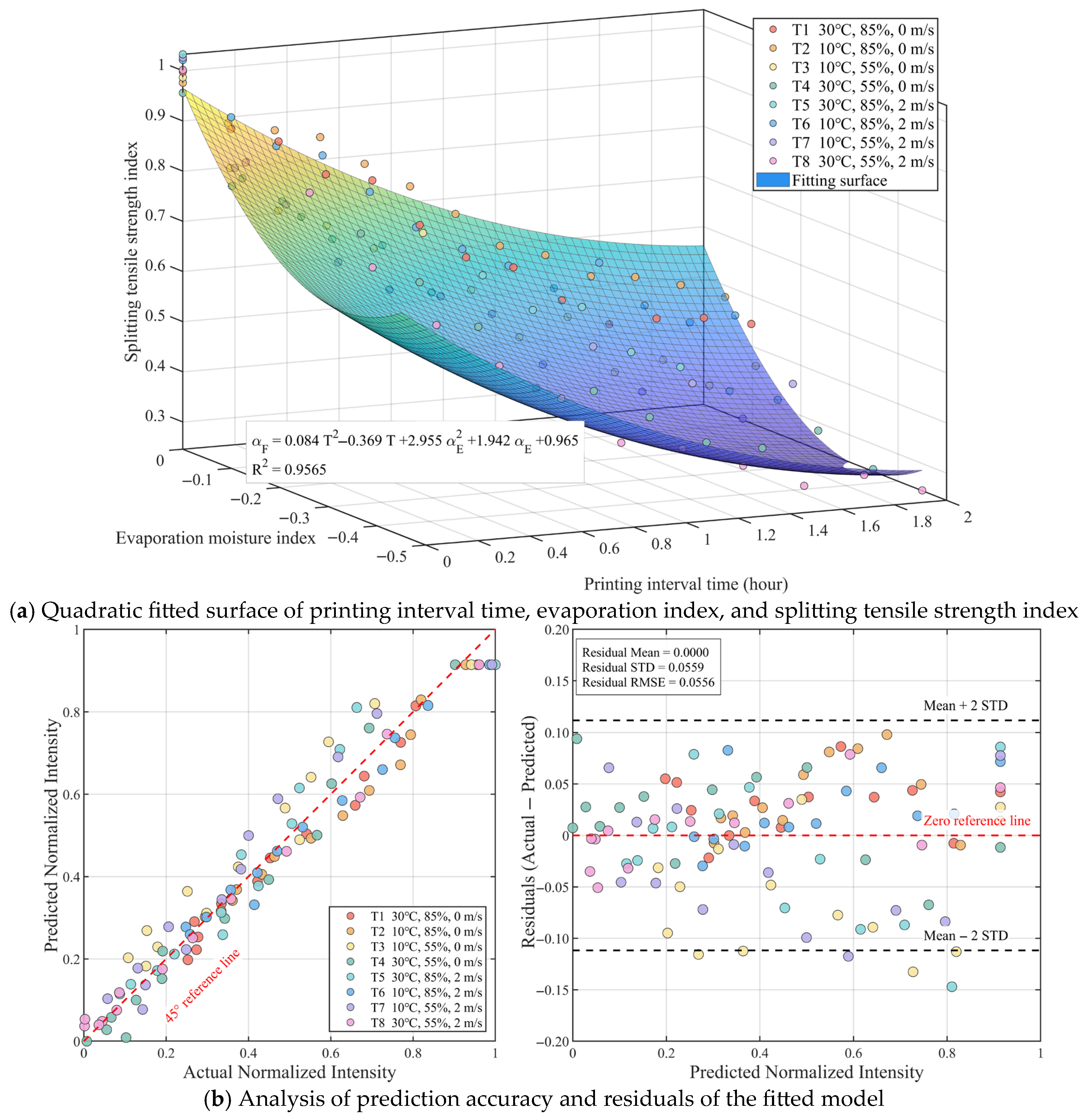
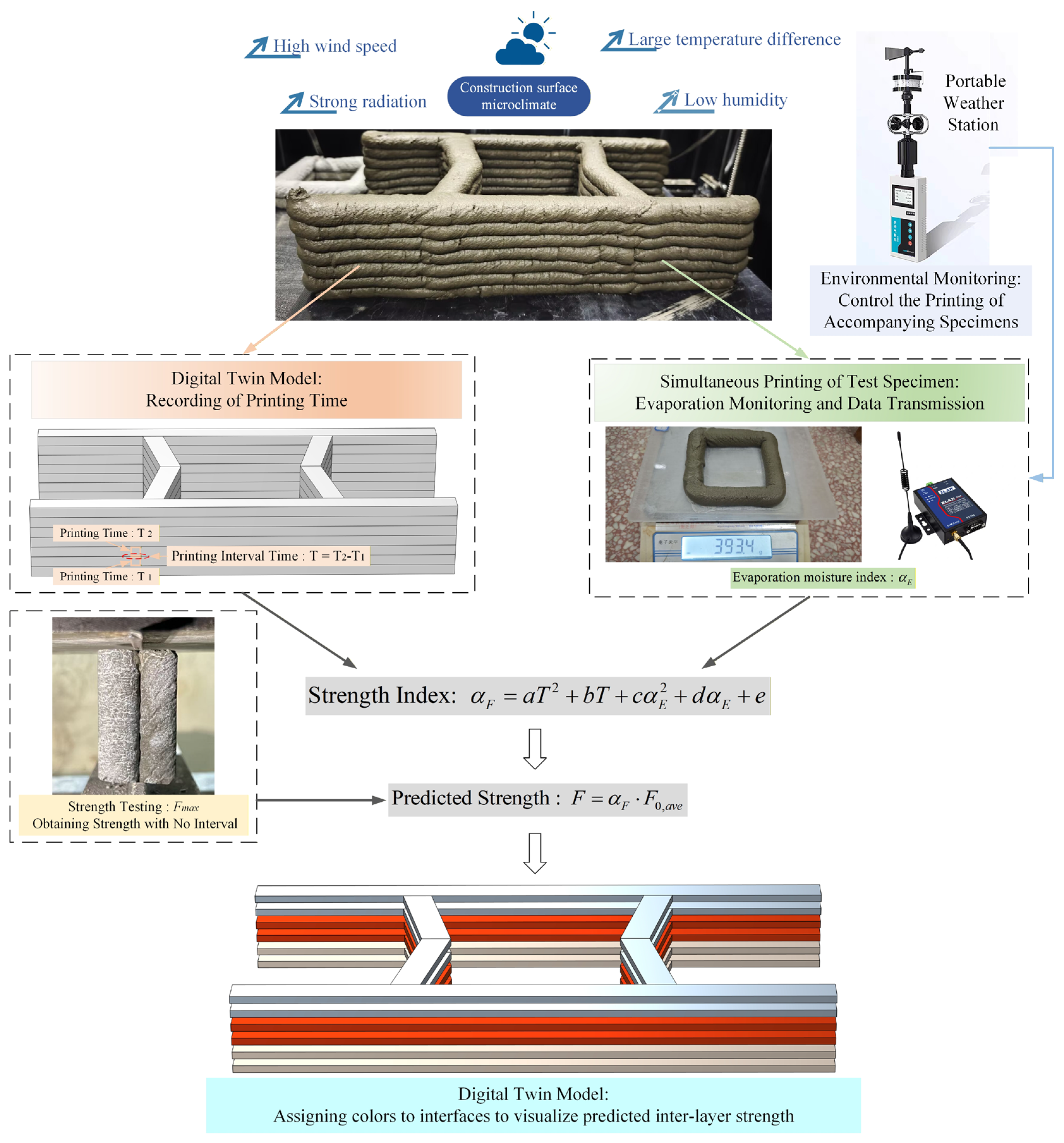
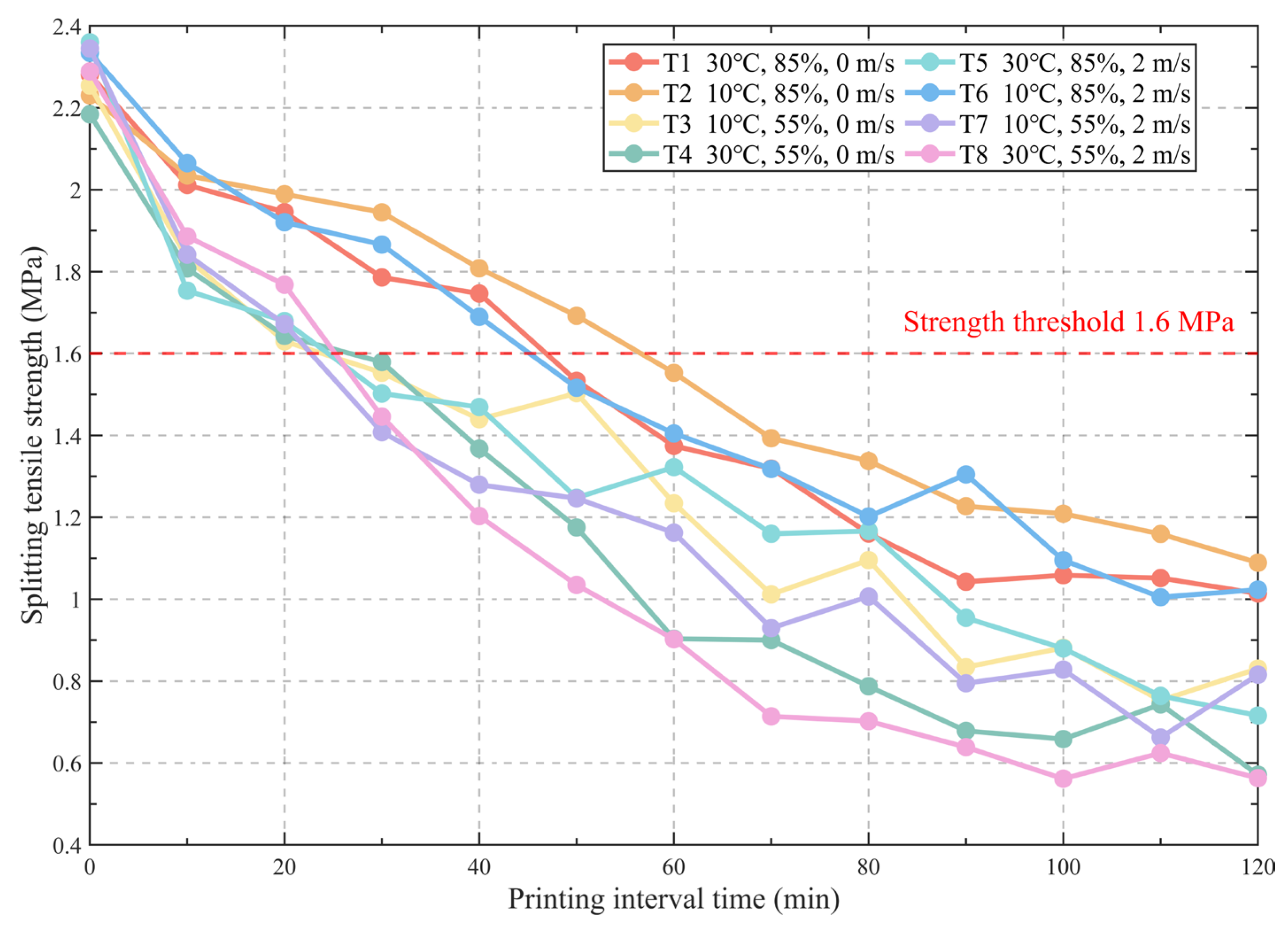
Interlayer bond strength is critical for ensuring the safety and durability of 3D-printed concrete (3DPC) structures. However, there remains a lack of real-time prediction methods addressing interlayer performance under the combined effects of interval time and environmental factors during the in situ printing process. To address this issue, this study conducted experiments considering various printing interval times and environmental conditions, incorporating monitoring of dielectric constant and water evaporation, alongside interlayer splitting tensile tests. By integrating the SHAP interpretability algorithm with nonlinear regression analysis, the results indicate that the printing interval time is the dominant factor inducing interlayer strength decay (with a contribution rate of 68.6%), while relative humidity emerges as the primary environmental variable (with a contribution rate of 21.3%). Mechanism analysis reveals that prolonged printing intervals intensify the hydration of the lower deposited layer, leading to reduced interfacial moisture content and loss of plasticity. Furthermore, environmental evaporation significantly regulates this process, with high-humidity environments notably mitigating the moisture loss and strength reduction caused by time delays. Based on the correlation mechanism between moisture and strength, a dimensionless general prediction model for 3DPC interlayer strength was established, incorporating printing interval time and an evaporation index (goodness of fit, R2 = 0.96). Consequently, a digital twin quality inversion scheme based on companion specimen monitoring and printing timestamps was proposed. This study quantifies the intrinsic relationships among printing interval time, environmental conditions, and interlayer strength, offering a novel approach for determining the construction window and achieving non-destructive quality prediction for 3DPC in complex environments.
Keywords: 3D-printed concrete; interlayer bond strength; printing interval time; environmental factors; moisture variation 3D-printed concrete; interlayer bond strength; printing interval time; environmental factors; moisture variation