Structural Design of a Nanogel Reaction Device with Emphasis on Temperature-Field Uniformity

 , and
, and
Abstract
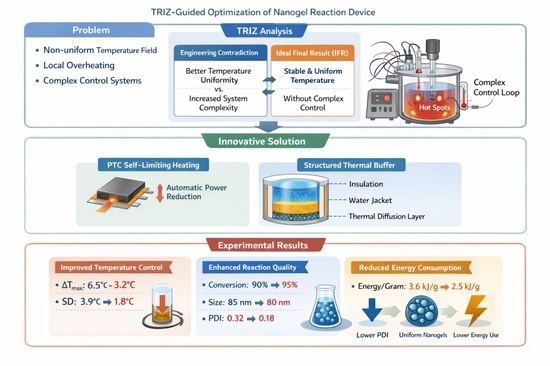
1. Introduction
2. Materials and Methods
2.1. Materials and Thermosensitive Performance
2.2. Nanoparticle Testing
2.3. TRIZ Method
3. Results and Discussion
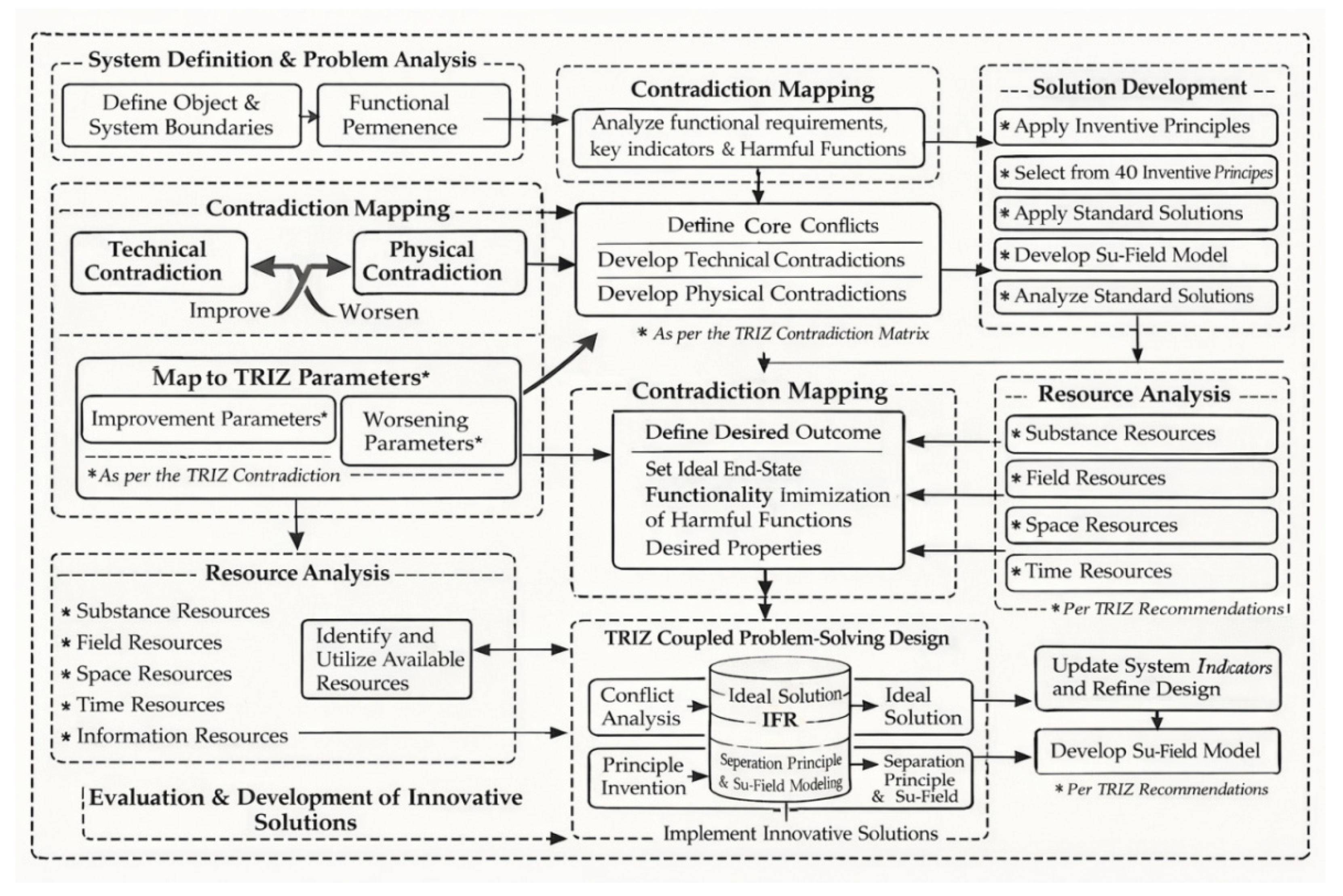
3.1. TRIZ Solution
3.1.1. Function Analysis
3.1.2. Contradiction Analysis
3.1.3. IFR and Resource Analysis
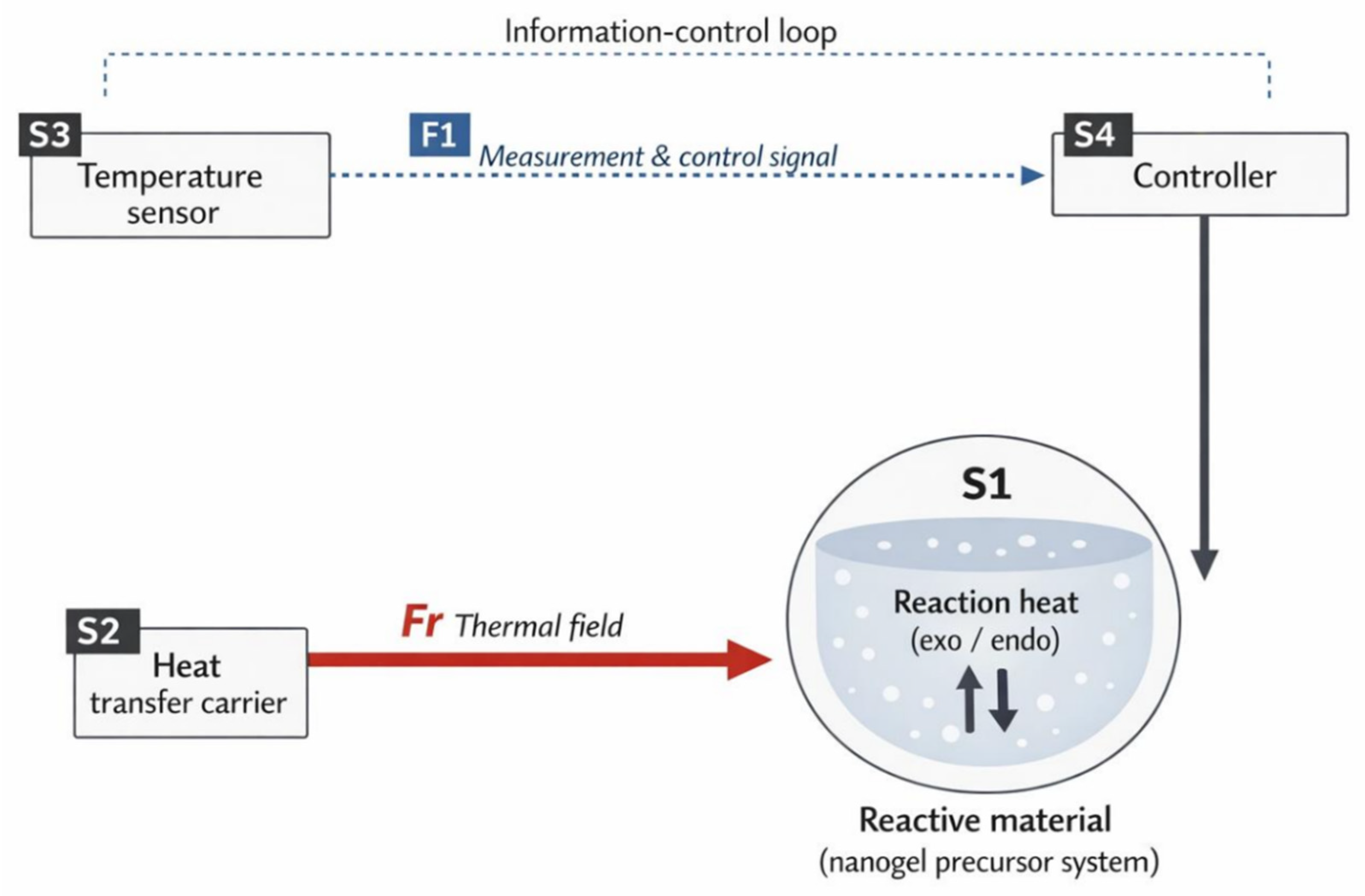
3.1.4. Su-Field Modeling and Standard Solution 76
3.1.5. Mapping of the Invention Principle
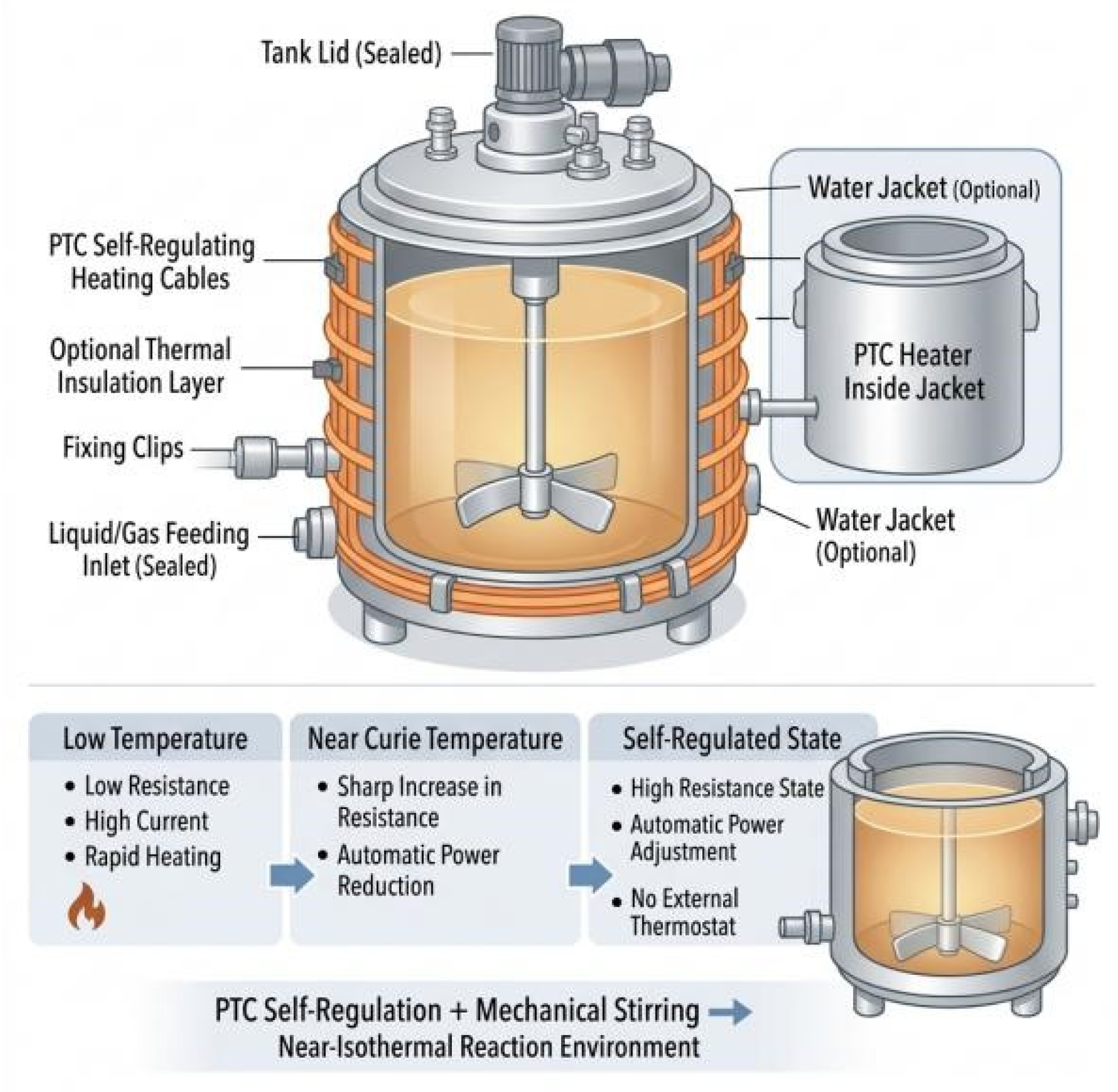
3.2. Optimal Solution Selection and Working Principle
3.3. Key Structural Parameters and Manufacturability
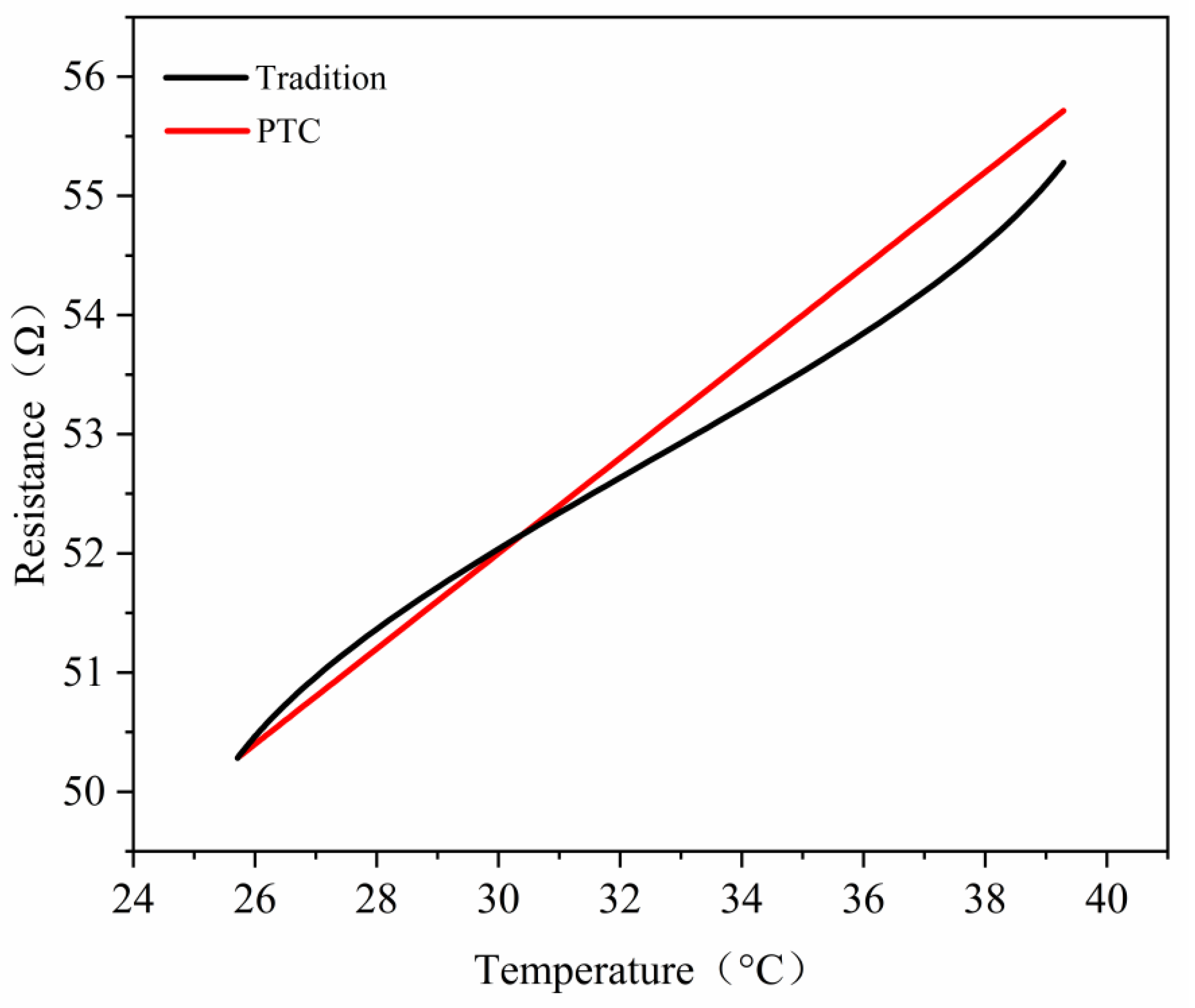
3.4. Comparison of Temperature Control in Gel Devices
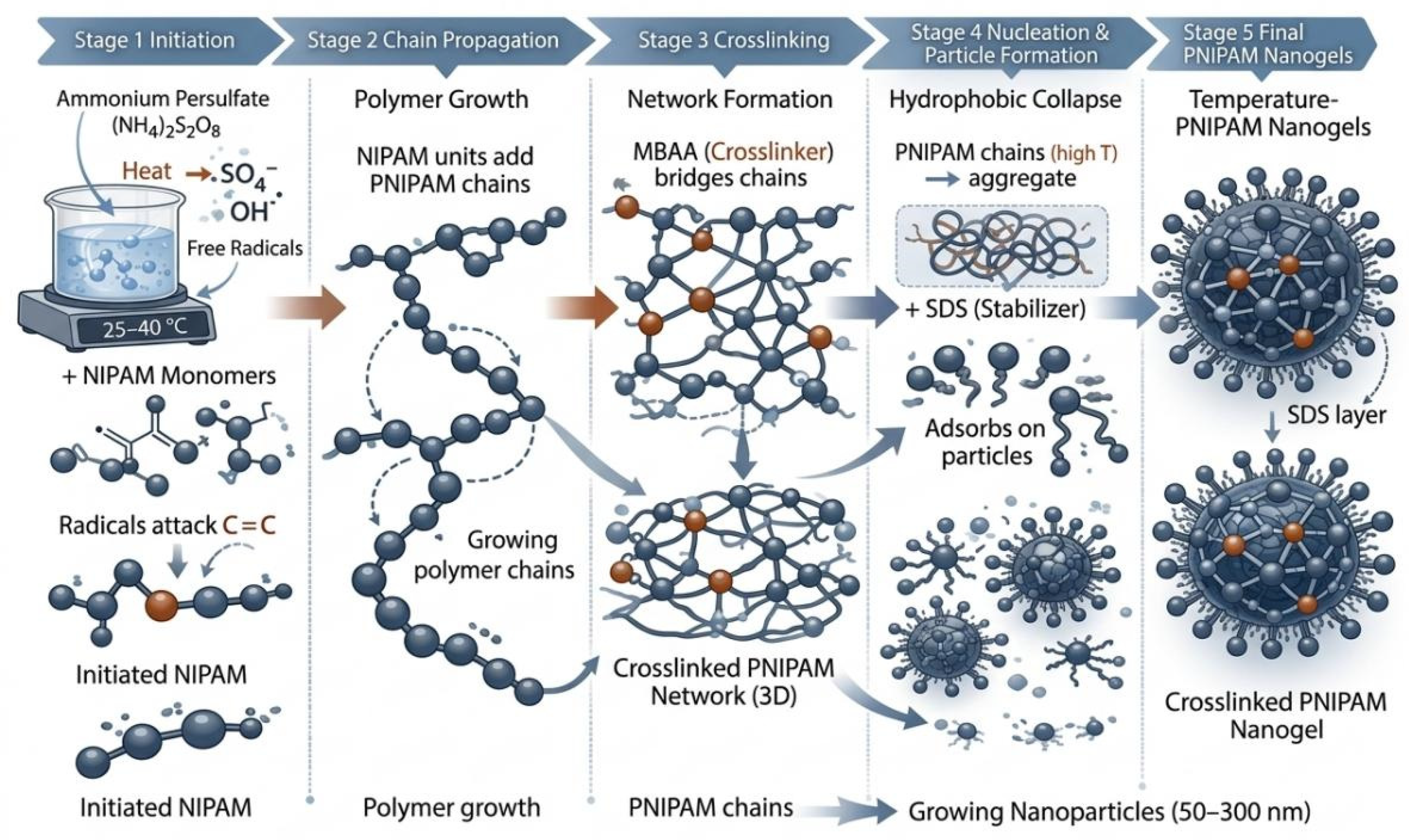
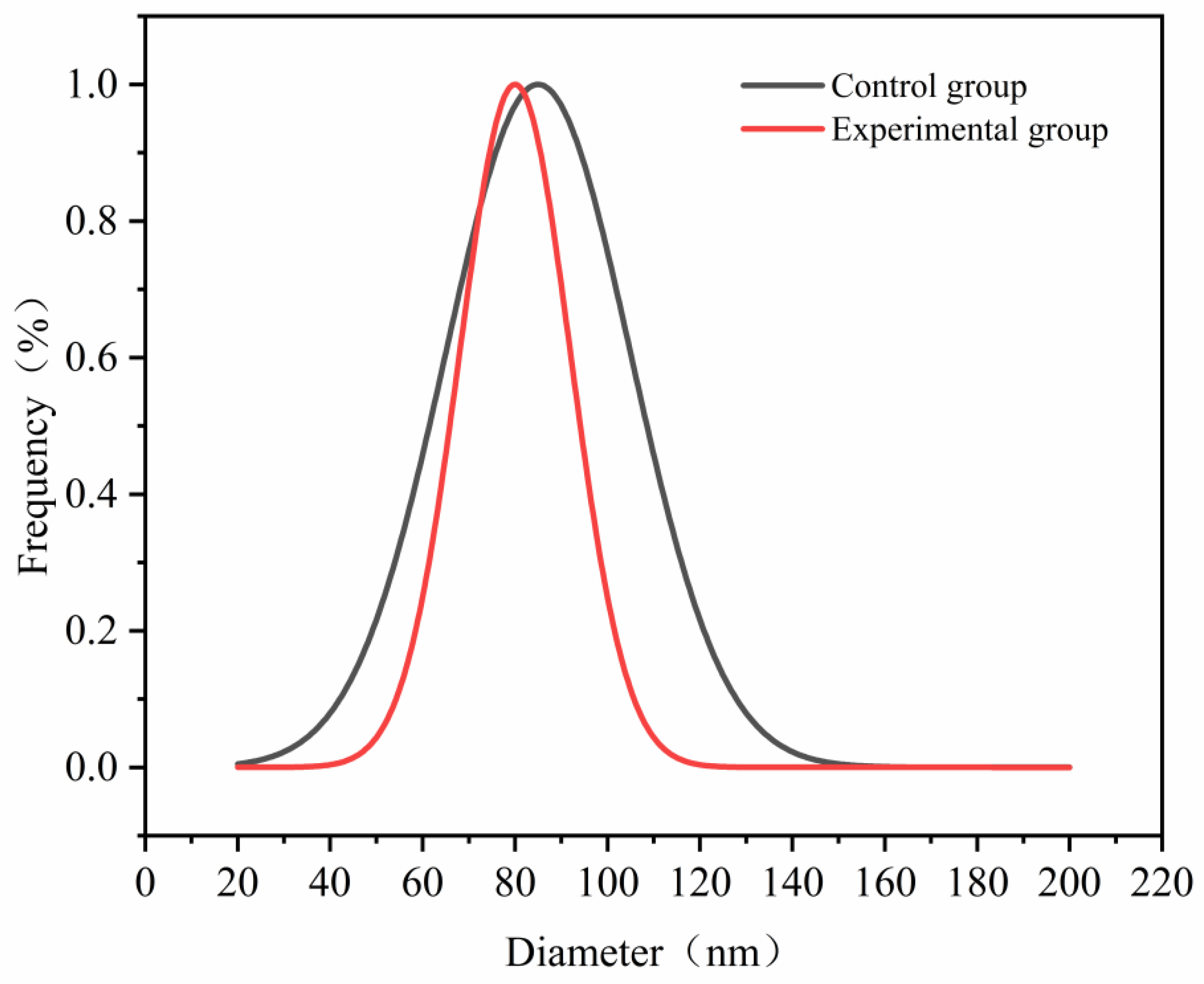
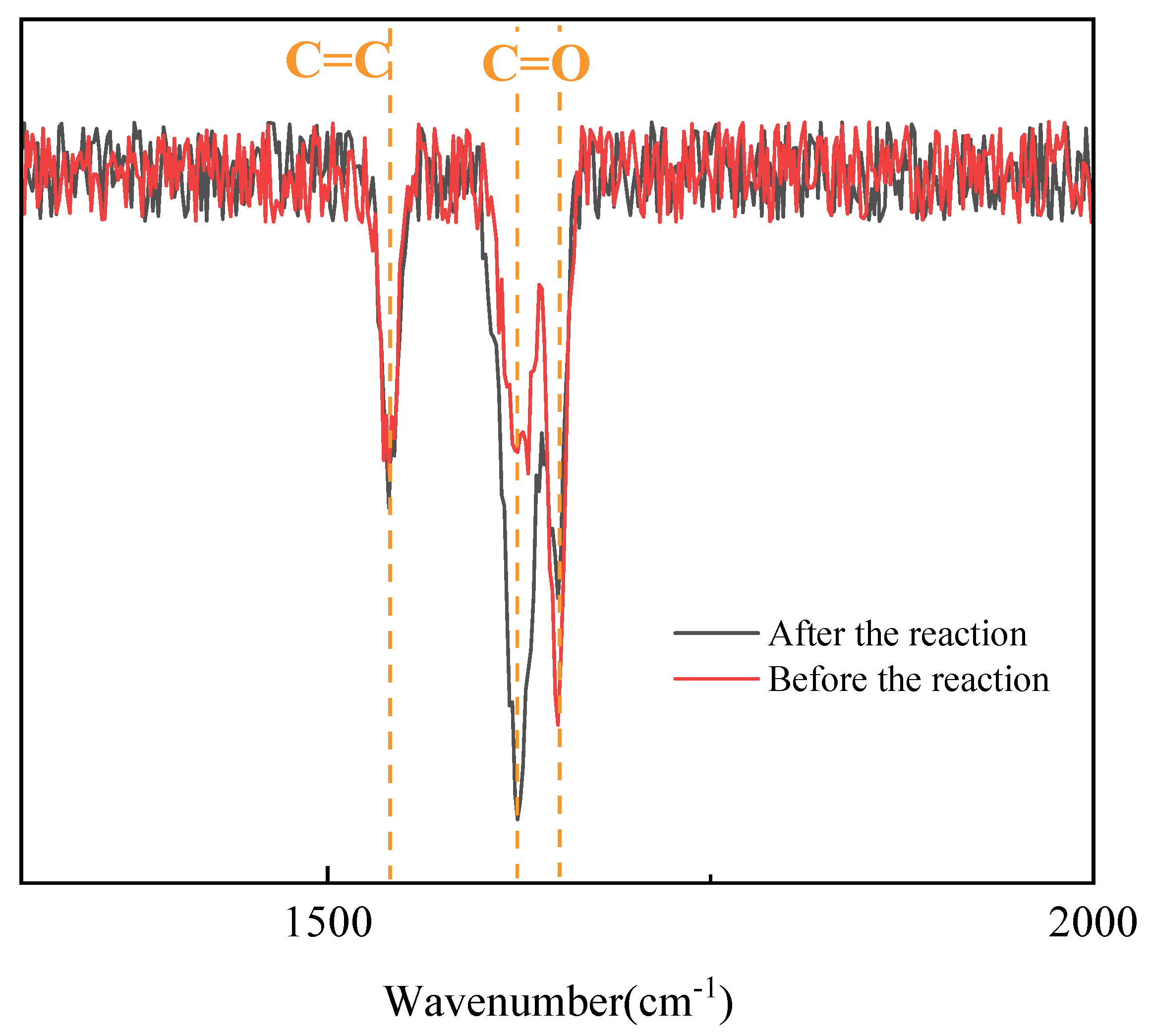
3.5. Reaction Mechanism and Experimental Verification
4. Conclusions
5. Patents
Author Contributions
Funding
Data Availability Statement
Conflicts of Interest
References
- Blagojevic, L.; Kamaly, N. Nanogels: A chemically versatile drug delivery platform. Nano Today 2025, 61, 102645. [Google Scholar] [CrossRef]
- Bhaladhare, S.; Bhattacharjee, S. Chemical, physical, and biological stimuli-responsive nanogels for biomedical applications (mechanisms, concepts, and advancements): A review. Int. J. Biol. Macromol. 2022, 226, 535–553. [Google Scholar] [CrossRef]
- Martinez, O.N.; Kharlampieva, E. Stimulus-responsive polymeric nanogels as smart drug delivery systems. Acta Biomater. 2020, 101, 53–71. [Google Scholar] [CrossRef]
- Massi, L.; Najer, A.; Chapman, R.; Spicer, C.D.; Nele, V.; Che, J.; Booth, M.A.; Doutch, J.J.; Stevens, M.M. Tuneable peptide cross-linked nanogels for enzyme-triggered protein delivery. J. Mater. Chem. B 2020, 8, 8894–8907. [Google Scholar] [CrossRef]
- Wolfel, A.; Wang, H.; Osorio-Blanco, E.R.; Bergueiro, J.; Romero, M.R.; Igarzabal, C.I.A.; Calderón, M. Structural control and functionalization of thermoresponsive nanogels: Turning cross-linking points into anchoring groups. Polym. Chem. 2023, 14, 2998–3007. [Google Scholar] [CrossRef]
- Lee, E.; Kim, D. Stimuli-responsive nanogel/microgel hybrids as targeted drug delivery systems: Recent advances and future perspectives. J. Microbiol. Biotechnol. 2024, 14, 3496–3521. [Google Scholar]
- Navarro, L.; Theune, L.E.; Calderón, M. Effect of crosslinking density on thermoresponsive nanogels: A study on the size control and the kinetics release of biomacromolecules. Eur. Polym. J. 2020, 124, 109478. [Google Scholar] [CrossRef]
- Augustine, R.; Hasan, A.; Primavera, R.; Wilson, R.J.; Thakor, A.S.; Kevadiya, B.D. Cellular uptake and retention of nanoparticles: Insights on particle properties and interaction with cellular components. Mater. Today Commun. 2020, 25, 101692. [Google Scholar] [CrossRef]
- Kumar, N.; Singh, S.; Sharma, P.; Kumar, B.; Kumar, A. Single-, Dual-, and Multi-Stimuli-Responsive Nanogels for Biomedical Applications. Gels 2024, 10, 61. [Google Scholar] [CrossRef] [PubMed]
- Qi, X.; Hu, G. Harnessing Microfluidics for the Effective and Precise Synthesis of Advanced Materials. Micromachines 2025, 16, 1106. [Google Scholar] [CrossRef]
- Yao, F.; Zhu, P.; Chen, J.; Li, S.; Sun, B.; Li, Y.; Zou, M.; Qi, X.; Liang, P.; Chen, Q. Synthesis of nanoparticles via microfluidic devices and integrated microfluidic systems: A review. Microchim. Acta 2023, 190, 371. [Google Scholar] [CrossRef] [PubMed]
- Johnson, M.; Al-Dirawi, K.H.; Bentham, E.; Mahmud, T.; Heggs, P.J. A non-adiabatic model for jacketed agitated batch reactors experiencing thermal losses. Ind. Eng. Chem. Res. 2021, 60, 1316–1325. [Google Scholar] [CrossRef]
- Yang, Y.N.; Jin, J.; Zhu, L.T.; Zhou, Y.N.; Luo, Z.H. Runaway criteria for predicting the thermal behavior of chemical reactors. Curr. Opin. Chem. Eng. 2024, 43, 100986. [Google Scholar] [CrossRef]
- Yoder, E.; Strasser, W.; Kacinski, R.; Jones, B. Hot Spot Induced Thermal Runaway Map for Polymerization Reactors. Macromol. React. Eng. 2024, 18, e202400026. [Google Scholar] [CrossRef]
- Dong, C.; Liu, H.H.; Li, T.; Yang, L.; Song, G.-L.; Xu, H.-K.; Lei, J.; Li, J.; Yan, D.-X.; Li, Z.-M. Dynamic percolation networks engineered low Curie temperature PTC composites for self-adaptive thermal management. Sci. China Mater. 2025, 68, 4460–4470. [Google Scholar] [CrossRef]
- Huang, Y.; Yang, Y.; Shen, Y.; Zhou, R.; Zhang, W.; Chen, H.; Cheng, W.-L. Positive temperature coefficient material based on silicone rubber/paraffin/graphite/carbon nanotubes for wearable thermal management devices. Chem. Eng. J. 2024, 493, 152427. [Google Scholar] [CrossRef]
- Yao, X.; Wang, Y.; Thorn, T.D.S.; Huo, S.; Papageorgiou, D.G.; Liu, Y.; Bilotti, E.; Zhang, H. Tailored out-of-oven energy efficient manufacturing of high-performance composites with two-stage self-regulating heating via a double positive temperature coefficient effect. ACS Appl. Mater. Interfaces 2023, 15, 56265–56274. [Google Scholar] [CrossRef]
- Montalbo, R.C.K.; Wu, M.J.; Tu, H.L. One-step flow synthesis of size-controlled polymer nanogels in a fluorocarbon microfluidic chip. RSC Advances 2024. [Google Scholar] [CrossRef] [PubMed]
- ASTM E230/E230M 23a; Standard Specification for Temperature Electromotive Force (emf) Tables for Standardized Thermocouples. ASTM International: West Conshohocken, PA, USA, 2023.
- Beuermann, S.; Harrisson, S.; Hutchinson, R.A.; Junkers, T.; Russell, G.T. Update and critical reanalysis of IUPAC benchmark propagation rate coefficient data. Polym. Chem. 2022, 13, 1891–1900. [Google Scholar] [CrossRef]
- Rabah, B.; Younes, R.; Djeddi, C.; Laouar, L. Optimization of safety instrumented system performance and maintenance costs in Algerian oil and gas facilities. Process Saf. Environ. Prot. 2024, 193, 371–386. [Google Scholar] [CrossRef]
- Li, S.; Yang, S.-H.; Cao, Y.; Jiang, X.; Zhou, C. A benchmark of industrial polymerization process for thermal runaway process monitoring. Process Saf. Environ. Prot. 2025, 193, 353–363. [Google Scholar] [CrossRef]
- Brad, S. Reinventing TRIZ through emergent insight and the power of cognitive negation. In World Conference of AI-Powered Innovation and TRIZ Methodology (TFC 2025); Cavallucci, D., Brad, S., Livotov, P., Houssin, R., Eds.; Springer: Cham, Switzerland, 2026; pp. 109–133. [Google Scholar] [CrossRef]
- Lux, S. Application of the TRIZ contradictory matrix to foster innovation for sustainable chemical engineering. Chem. Ing. Tech. 2022, 94, 1071–1079. [Google Scholar] [CrossRef]
- Du, R.; Sun, J.; Miao, R.; Zhang, D. AI-Aided Resource Mining Method for Idealization-Driven Product Innovation. In World Conference of AI-Powered Innovation and Inventive Design (TFC 2024); Springer: Cham, Switzerland, 2024; pp. 147–164. [Google Scholar] [CrossRef]
- Sheu, D.D.; Yen, M.Z. Systematic analysis and usage of harmful resources. Comput. Ind. Eng. 2020, 145, 106459. [Google Scholar] [CrossRef]
- Zhu, Y.; Hou, J.; Gray, D.M.; McDonald, T.O.; Dumanli, A.G. Cation-induced morphological transitions and aggregation of thermoresponsive PNIPAM nanogels. Heliyon 2024, 10, e32184. [Google Scholar] [CrossRef] [PubMed]
- Chen, H.; Xu, J.; Sun, J.; Jiang, Y.; Zheng, W.; Hu, W.; Qian, H. Recent advances on thermosensitive hydrogels-mediated precision therapy. Asian J. Pharm. Sci. 2024, 19, 100911. [Google Scholar] [CrossRef]
- Chen, Y.; Gu, B.; Hao, X.; Lu, Z.; Wang, D. Nanofibrous membrane/thermoresponsive hydrogel composites with temperature-controlled capability for enhancing infected wounds healing. J. Colloid Interface Sci. 2025, 680, 172–180. [Google Scholar] [CrossRef]
- Li, Z.; Yang, X.; Li, Z. Nanogels with volume phase transition for biomedical applications. Nat. Commun. 2025, 16, 11237. [Google Scholar] [CrossRef] [PubMed]







| Category | Chemicals | Purity (%) | Manufacturer | Concentration (Per 100 mL) |
|---|---|---|---|---|
| monomer | N-isopropylacrylamide (NIPAM) | ≥99 | Aladdin Industrial Corporation (Shanghai, China) | 10 mg·mL−1 |
| crosslinker | N,N′-methylenebisacrylamide (MBAA) | ≥99 | Macklin Biochemical Co., Ltd. (Shanghai, China) | 5 wt% |
| radical initiator | ammonium persulfate (APS) | ≥98 | Sinopharm Chemical Reagent Co., Ltd. (Shanghai, China) | 0.5 mg·mL−1 (Relative to the monomer mass) |
| stabilizer | sodium dodecyl sulfate (SDS) | ≥99 | Xilong Scientific Co., Ltd. (Guangzhou, China) | 0.2 mg·mL−1 |
| solvent | deionized water | 18.2 MΩ·cm | laboratory ultrapure water system | make up the volume to (100 mL) |
| Function Type | Actor (Component) | Action | Object | Engineering Implication |
|---|---|---|---|---|
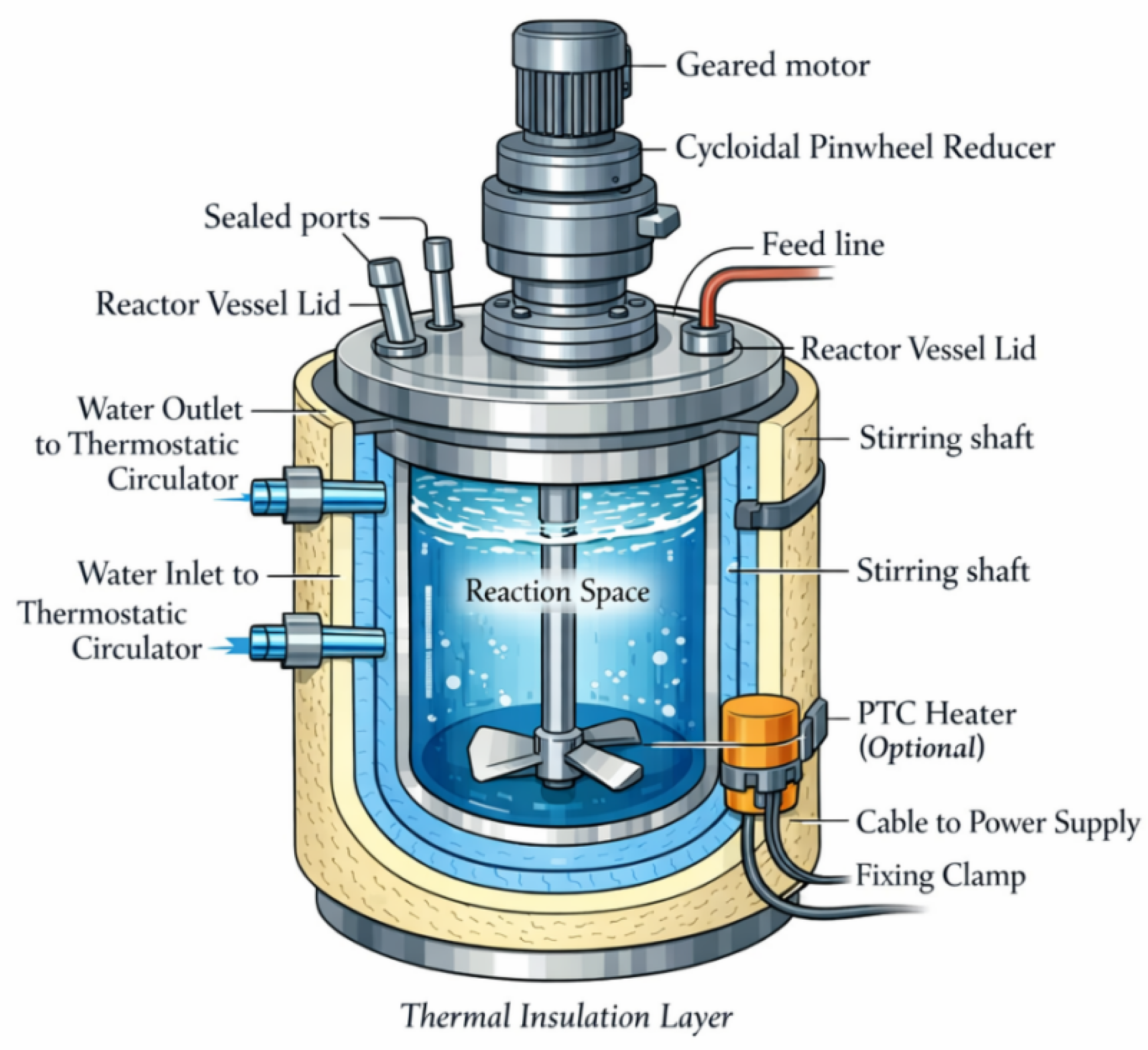
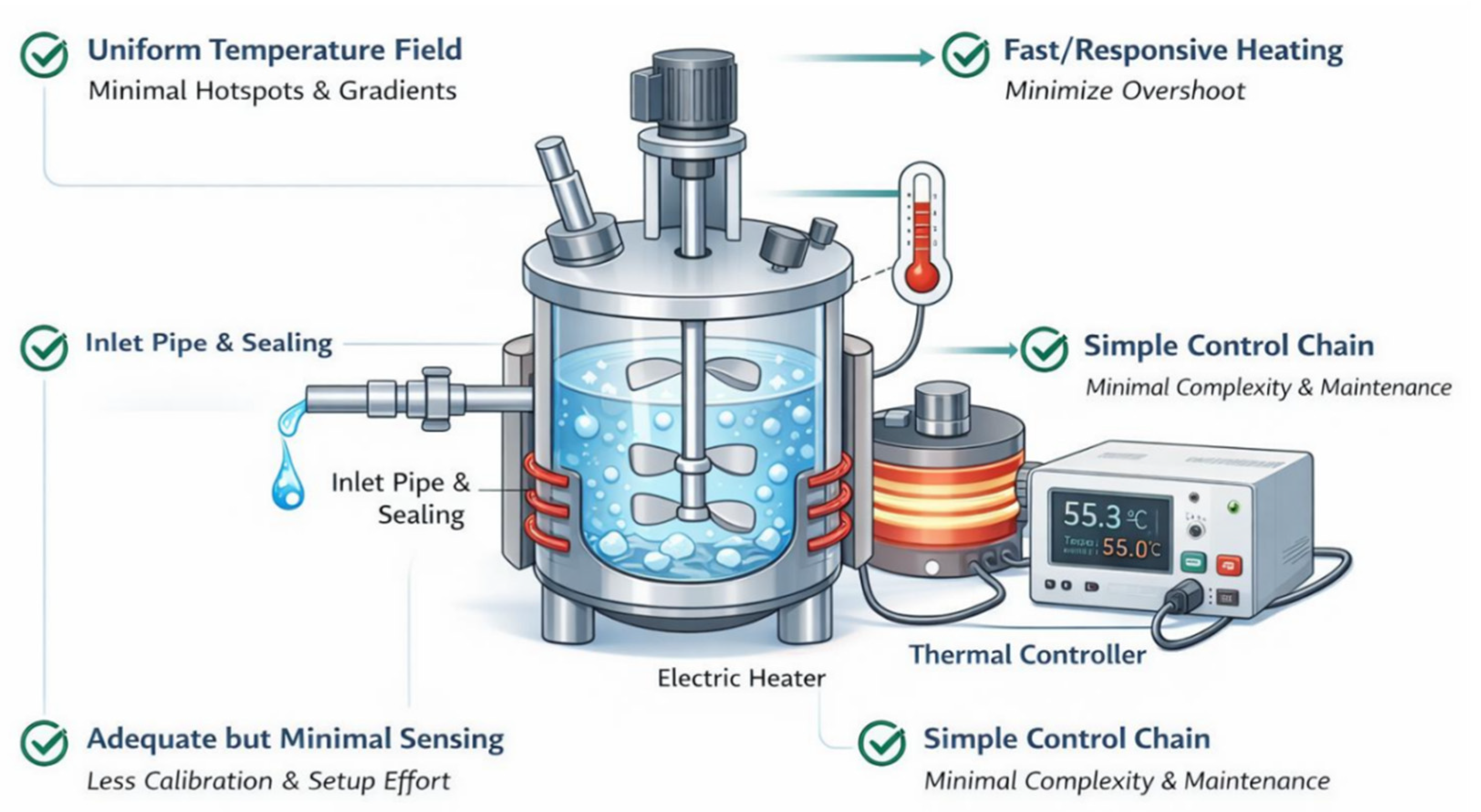
| Beneficial | Agitation system (motor–stirring shaft–impeller) | Agitation/convection | Reaction medium | Enhances mixing and convective heat transfer, thereby reducing macroscopic concentration and temperature gradients. |
| Beneficial | External heating unit (electric heater) | Heat supply | Vessel/reaction medium | Brings the system to, and maintains it within, the target reaction temperature zone. |
| Beneficial | Feed line/sealed inlet | Delivery/sealing | Feedstock(s) | Enables multiphase feeding while ensuring sealing integrity and operational safety. |
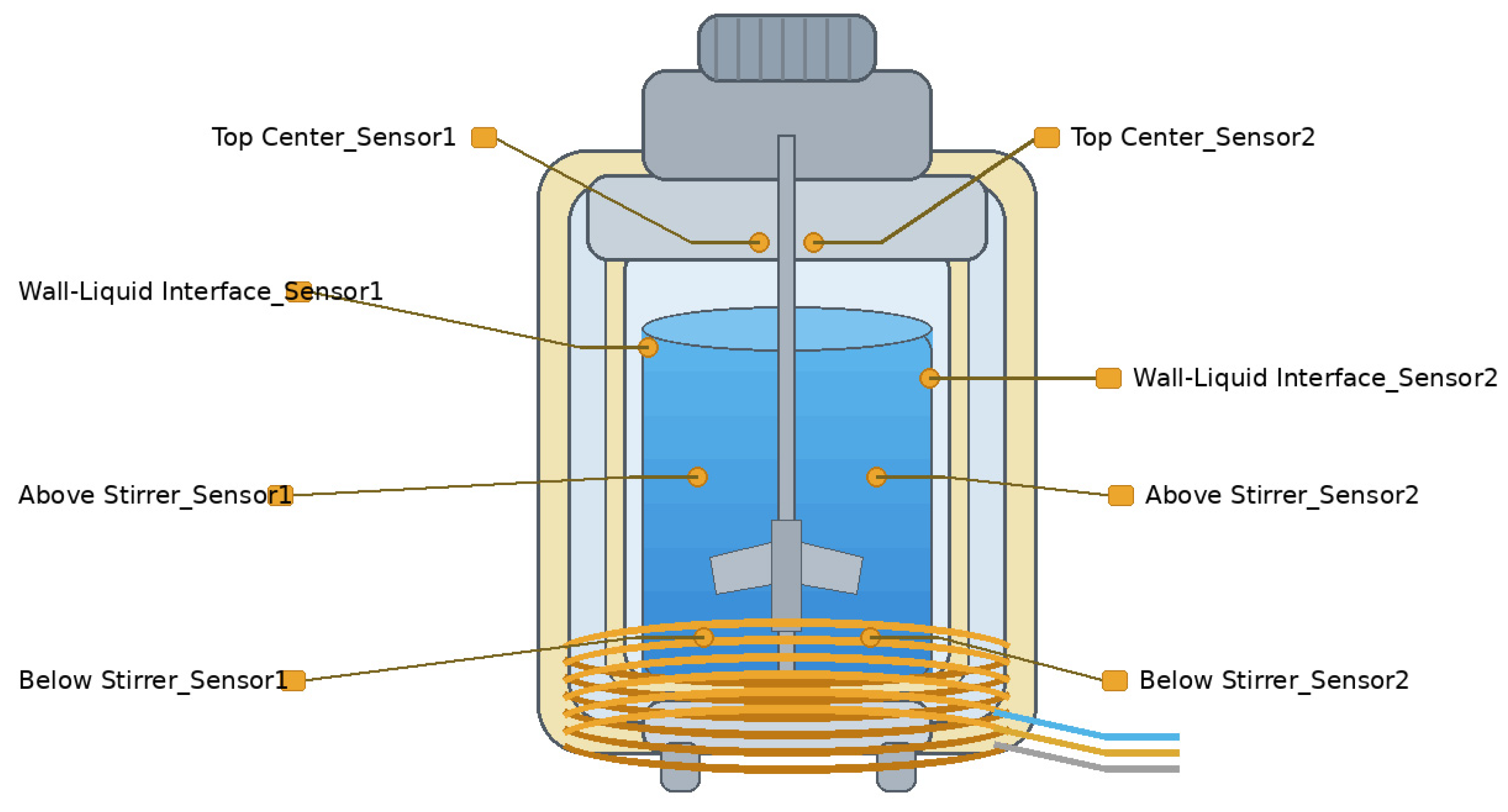
| Harmful | Temperature sensor (measurement point) | Measurement/characterization | Temperature field | Limited representativeness of the measurement point may lead to temperature-control bias. |
| Harmful | Temperature-control bias | Triggers | System | Induces localized overheating/temperature gradients, affecting polymerization and causing quality fluctuations. |
| Side effect/limitation | Closed-loop chain (measurement–control–actuation) | Adds links | System | Increases complexity due to sensor placement, calibration, and response lag. |
| Category | Improving Parameter (Need Higher) | Worsening Parameter (Need Lower) | Potential Risks |
|---|---|---|---|
| Engineering contradiction | 17: Temperature; 13: Stability of the object; 28: Measurement accuracy | 36: Device complexity; 34: Maintainability (ease of repair); 27: Reliability | Increased dependence on measurement points; higher workload for sensor placement and calibration. |
| 9: Speed; 25: Time loss | 31: Harmful factors acting on the object; 17: Temperature | Fluctuations in thermosensitive polymerization, leading to reduced product consistency. | |
| 28: Measurement accuracy; 24: Information loss | 36: Device complexity; 26: Amount of substance; 34: Maintainability (ease of repair) | More complex equipment, more potential failure points, and increased downtime for maintenance. | |
| 13: Stability of the object; 27: Reliability | 33: Ease of operation; 34: Maintainability (ease of repair); 36: Device complexity | Production takt/throughput may be affected; operating and maintenance costs increase. | |
| Physical contradiction | 21: Power | 31: Harmful factors/overtemperature | Hotspots/thermal gradients and amplified fluctuations in thermosensitive reactions. |
| 28: Measurement accuracy | 36: Device complexity; 26: Amount of substance | Measurements may be unrepresentative of the bulk, leading to temperature-control bias. | |
| 17: Temperature; 13: Stability | 22: Energy loss | Reduced energy efficiency and increased operating cost. |
| TRIZ Resource | Subsystem (In-Device) | System (Reactor) | Supersystem |
|---|---|---|---|
| Material | agitator; vessel/walls; feed–seal parts; valves/tubing; reaction medium; jacket/interlayer fluid; insulation/seals | reactor body/assemblies | feed supply; utilities (cooling water/steam); consumables/spares |
| Field | mixing/shear flow; local heat-transfer; electric-to-heat conversion | global thermal + flow fields; reaction heat | power supply; ambient heat loss; ventilation/external temperature; external heat/cold sources |
| Space | in-vessel zones; impeller mixing volume; wall/lid mounting areas; jacket/insulation placement; sensor/actuator locations | reactor layout interfaces | surrounding installation space; cabinet/control location; heat-dissipation paths; utility ports |
| Time | start-up heating; steady reaction; exotherm peak window; cooling/termination; batch changeover; idle/maintenance | batch-cycle timing | production scheduling; utility-availability windows; diurnal/seasonal temperature windows |
| Information | temperature signals; stirring state; valve/feed status; power/current signals | setpoints/profiles; energy data; batch QC data | SOP/formulation & specs; SCADA/logs; environmental data; historical batches/heuristics |
| Mapped TRIZ Inventive Principle | Application (TRIZ-Based Rationale) | Structural Design Implementation (Reactor) |
|---|---|---|
| 1: Segmentation | Divide heating into independent thermal units for localized regulation. | Partition the reactor wall into multiple heating zones, each with an electric heater and a corresponding temperature sensor for zoned heating. |
| 4: Asymmetry | Redistribute heat input spatially to compensate for nonuniform heat loss/heating demand. | Arrange adjustable heaters nonuniformly on the wall/jacket and tune zone-wise power based on local temperature feedback to balance the temperature field. |
| 10: Preliminary action | Precondition heat transfer to suppress transients and reduce reliance on complex closed-loop control. | Introduce a high-thermal-conductivity jacket/thermal buffer to stabilize heat flow and temperature distribution during heating. |
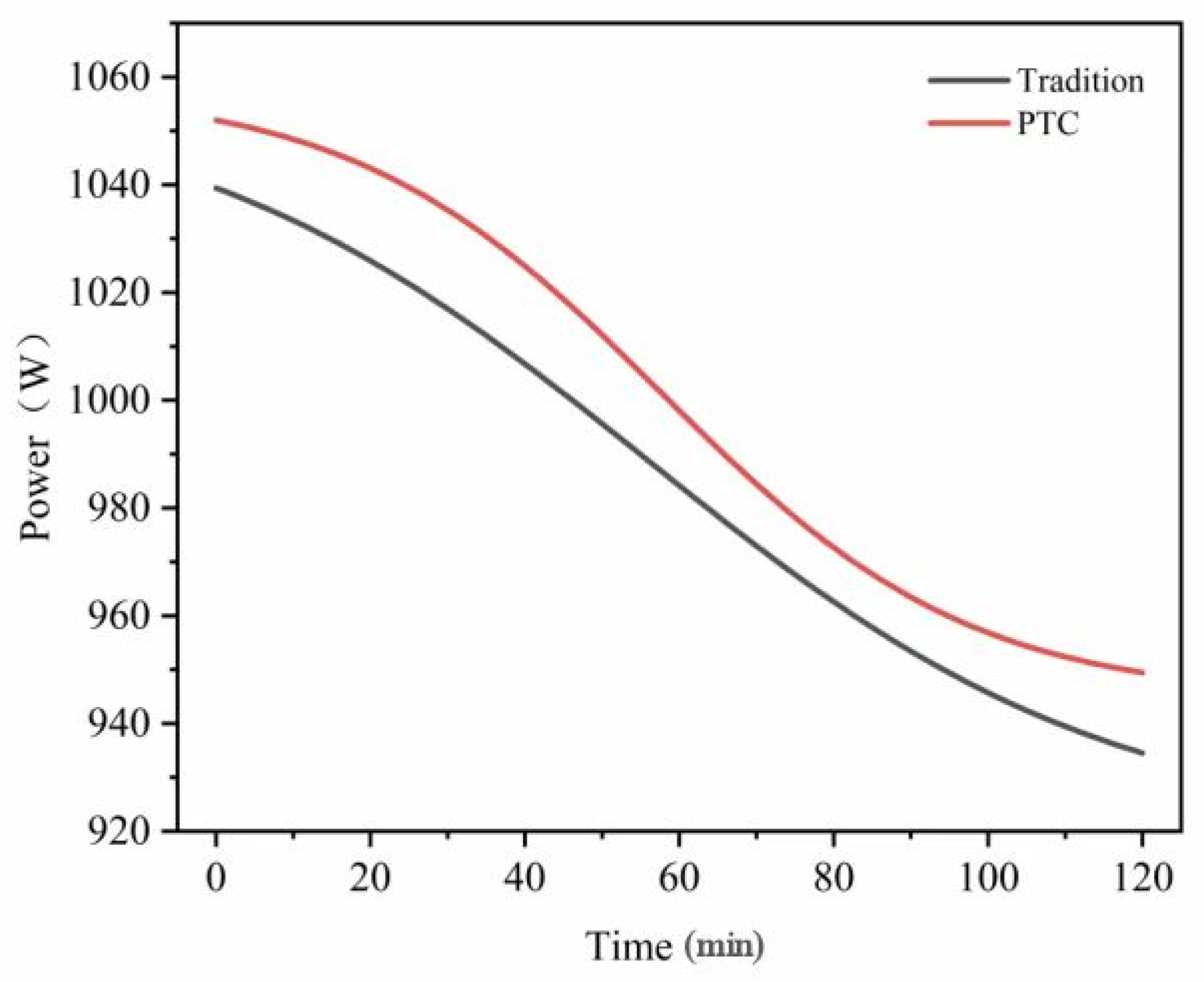
| 35: Parameter changes (physical-property transformation) | Use temperature-dependent properties to achieve adaptive (self-regulating) heat input. | Integrate PTC heaters into/on the reactor wall so power decreases automatically near the target temperature range, mitigating overshoot/hotspots and reducing dependence on external sensing. |
| 39: Intermediate medium | Add a buffer medium to decouple external disturbances and smooth thermal fluctuations. | Add an interlayer filled with inert gas or heat-transfer oil to provide insulation/thermal buffering, improving uniformity and reducing sensitivity to ambient fluctuations. |
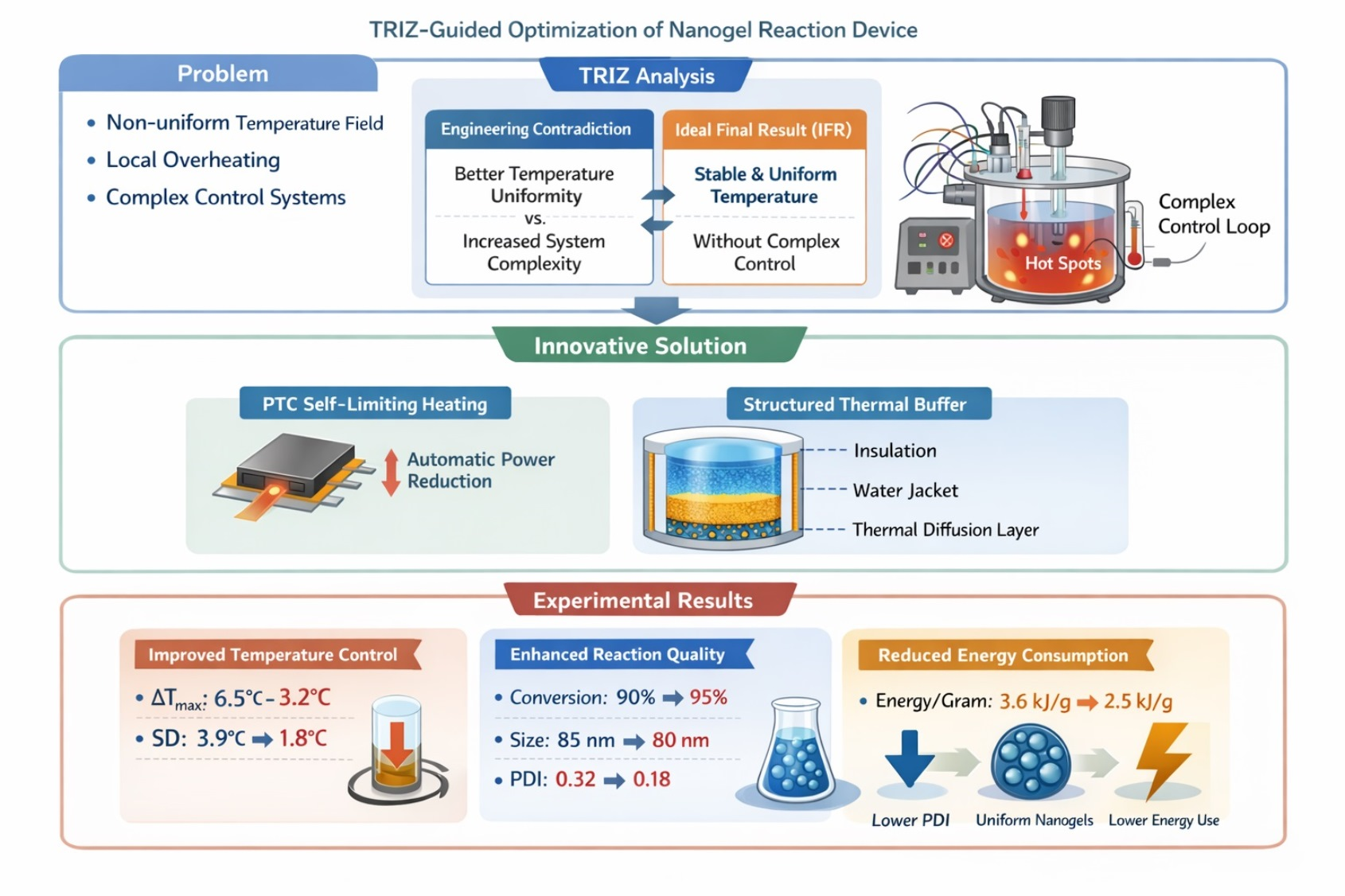
| Indicator | Conventional System | PTC System |
|---|---|---|
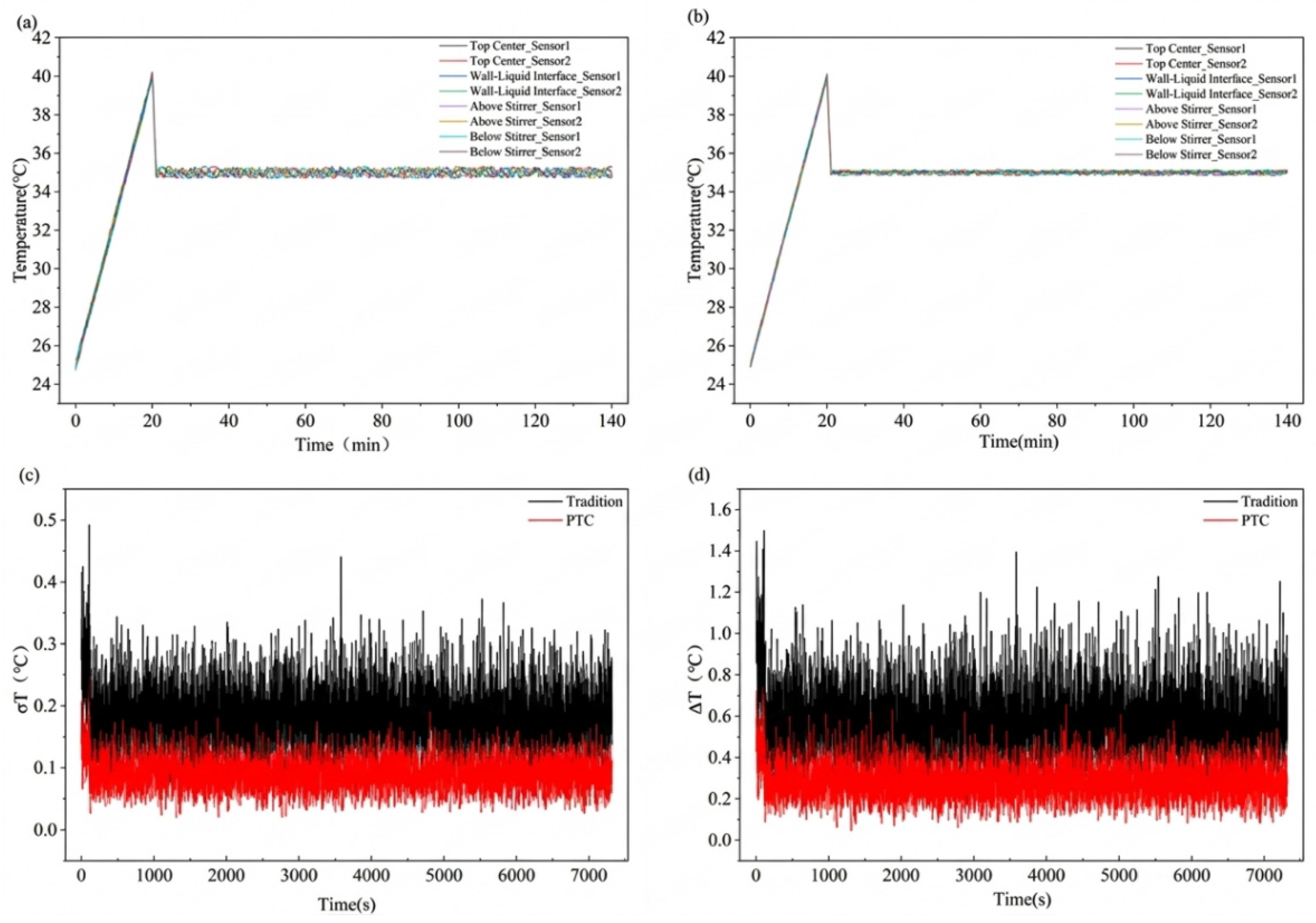
| (°C) | 3.9 ± 0.2 | 1.8 ± 0.2 |
| (°C) | 6.5 ± 0.4 | 3.2 ± 0.4 |
| 0.1114 ± 0.0057 | 0.0514 ± 0.0057 |
| Measurement | Instrumentation | Experimental Group | Control Group |
|---|---|---|---|
| Maximum temperature difference () | K-type thermocouple + data acquisition module (NI USB-9211A, National Instruments, National Instruments Corporation, Austin, TX, USA, ±0.1 °C) | 3.2 ± 0.4 °C | 6.5 ± 0.4 °C |
| Temperature standard deviation () | 1.8 ± 0.2 °C | 3.9 ± 0.2 °C | |
| Reaction conversion (%) | FT-IR spectrometer (Thermo Scientific Nicolet iS5) | 95 ± 1.2% | 90 ± 1.2% |
| Z-average particle size (Dz-avg) | Dynamic light scattering (DLS; Malvern Zetasizer Nano ZS, , ±2%) | 80 ± 4.0 nm | 85 ± 4.0 nm |
| Polydispersity index (PDI) | 0.18 ± 0.02 | 0.32 ± 0.02 | |
| Energy consumption per unit mass of reactant (kJ·g−1) | Power analyzer (Chauvin Arnoux PEL 103, Chauvin Arnoux, Paris, France, ±0.2%) | 2.5 ± 0.4 | 3.6 ± 0.4 |
Disclaimer/Publisher’s Note: The statements, opinions and data contained in all publications are solely those of the individual author(s) and contributor(s) and not of MDPI and/or the editor(s). MDPI and/or the editor(s) disclaim responsibility for any injury to people or property resulting from any ideas, methods, instructions or products referred to in the content. |
© 2026 by the authors. Licensee MDPI, Basel, Switzerland. This article is an open access article distributed under the terms and conditions of the Creative Commons Attribution (CC BY) license.
Share and Cite
Tang, Z.; Wang, M.; Liu, J.; Zeng, Z.; Guo, J.; Yu, X.; Li, L. Structural Design of a Nanogel Reaction Device with Emphasis on Temperature-Field Uniformity. Materials 2026, 19, 1298. https://doi.org/10.3390/ma19071298
Tang Z, Wang M, Liu J, Zeng Z, Guo J, Yu X, Li L. Structural Design of a Nanogel Reaction Device with Emphasis on Temperature-Field Uniformity. Materials. 2026; 19(7):1298. https://doi.org/10.3390/ma19071298
Chicago/Turabian StyleTang, Zihao, Mingzhe Wang, Jialong Liu, Zijia Zeng, Jing Guo, Xiaoming Yu, and Lili Li. 2026. "Structural Design of a Nanogel Reaction Device with Emphasis on Temperature-Field Uniformity" Materials 19, no. 7: 1298. https://doi.org/10.3390/ma19071298
APA StyleTang, Z., Wang, M., Liu, J., Zeng, Z., Guo, J., Yu, X., & Li, L. (2026). Structural Design of a Nanogel Reaction Device with Emphasis on Temperature-Field Uniformity. Materials, 19(7), 1298. https://doi.org/10.3390/ma19071298