Article

Multi-Type Weld Defect Detection in Galvanized Sheet MIG Welding Using an Improved YOLOv10 Model


1
School of Advanced Manufacturing, Nanchang University, Nanchang 330031, China
2
Key Laboratory of Light Alloy of Jiangxi Province, Nanchang University, Nanchang 330031, China
3
School of Resources Environmental and Chemical Engineering, Nanchang University, 999 Xuefu Avenue, Nanchang 330031, China
*
Author to whom correspondence should be addressed.
Materials 2026, 19(6), 1178; https://doi.org/10.3390/ma19061178
Submission received: 24 February 2026 / Revised: 13 March 2026 / Accepted: 15 March 2026 / Published: 17 March 2026
(This article belongs to the Section Manufacturing Processes and Systems)

Abstract

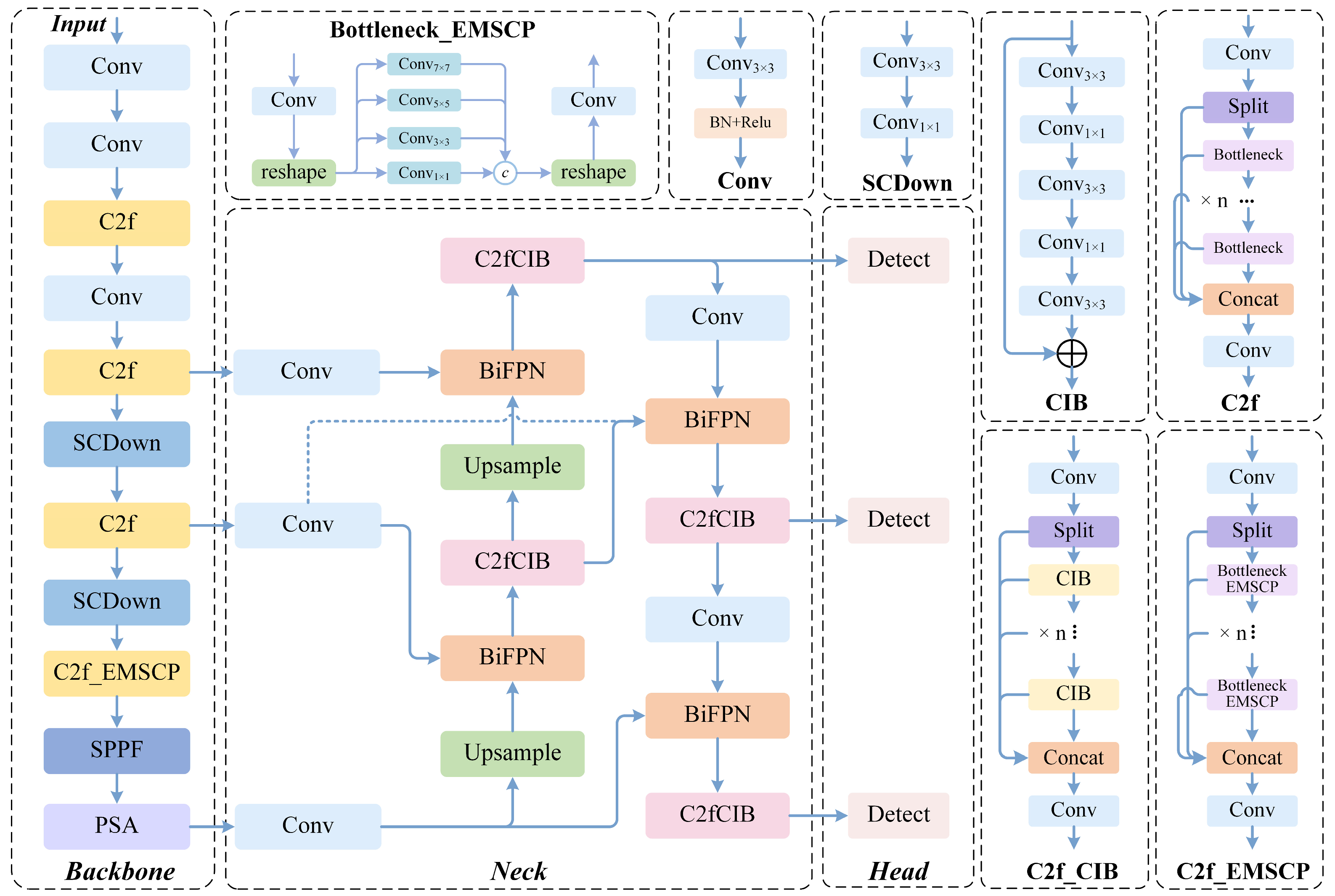
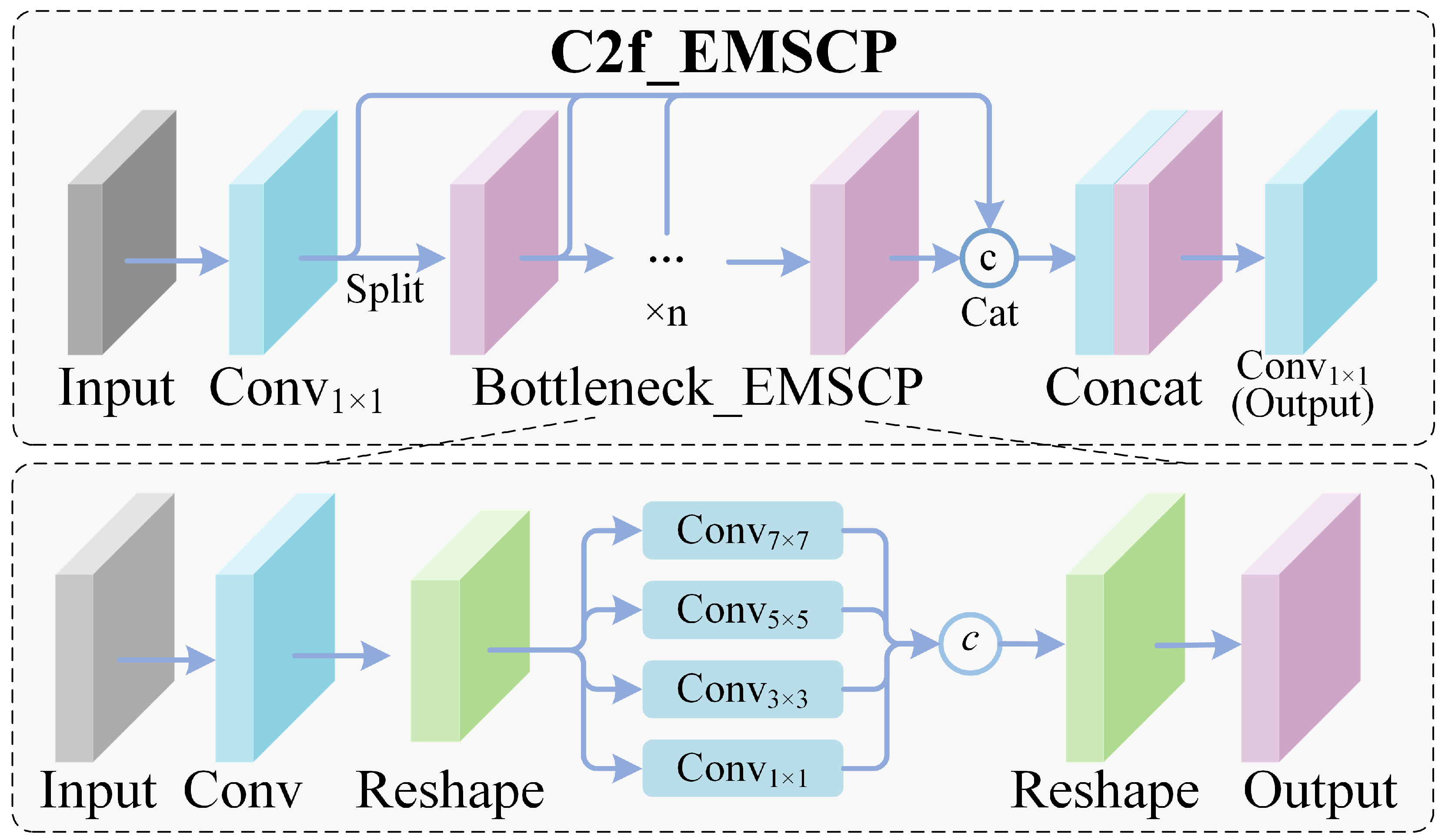
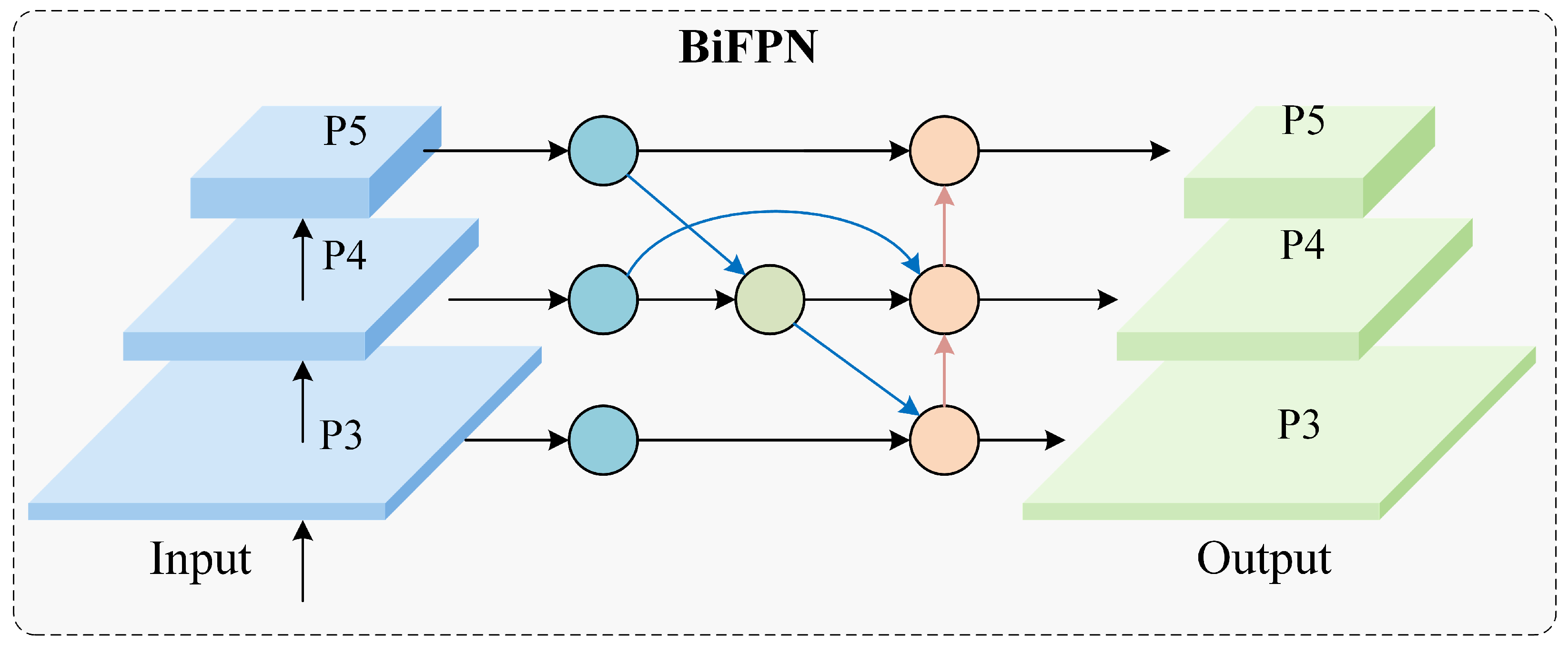
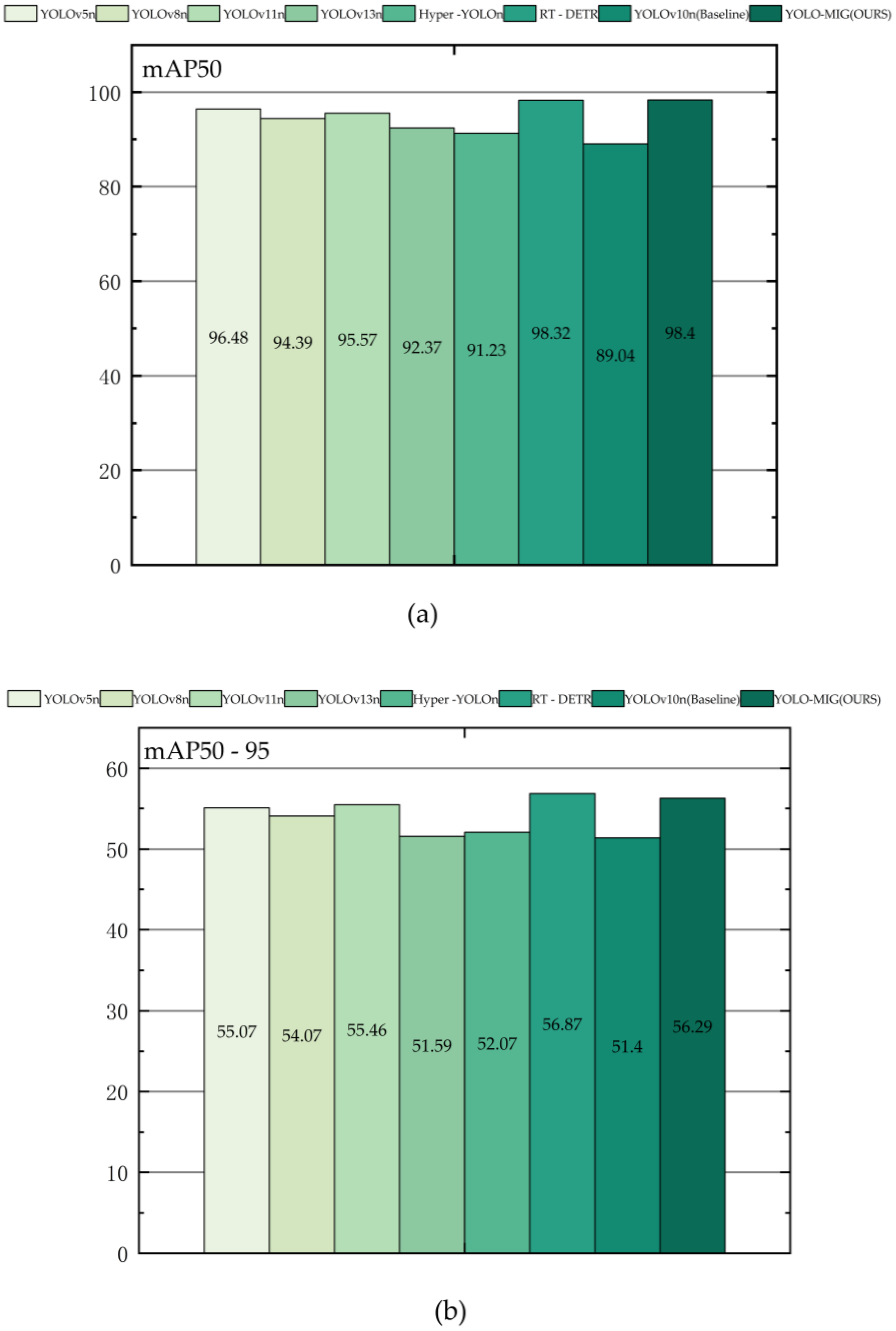
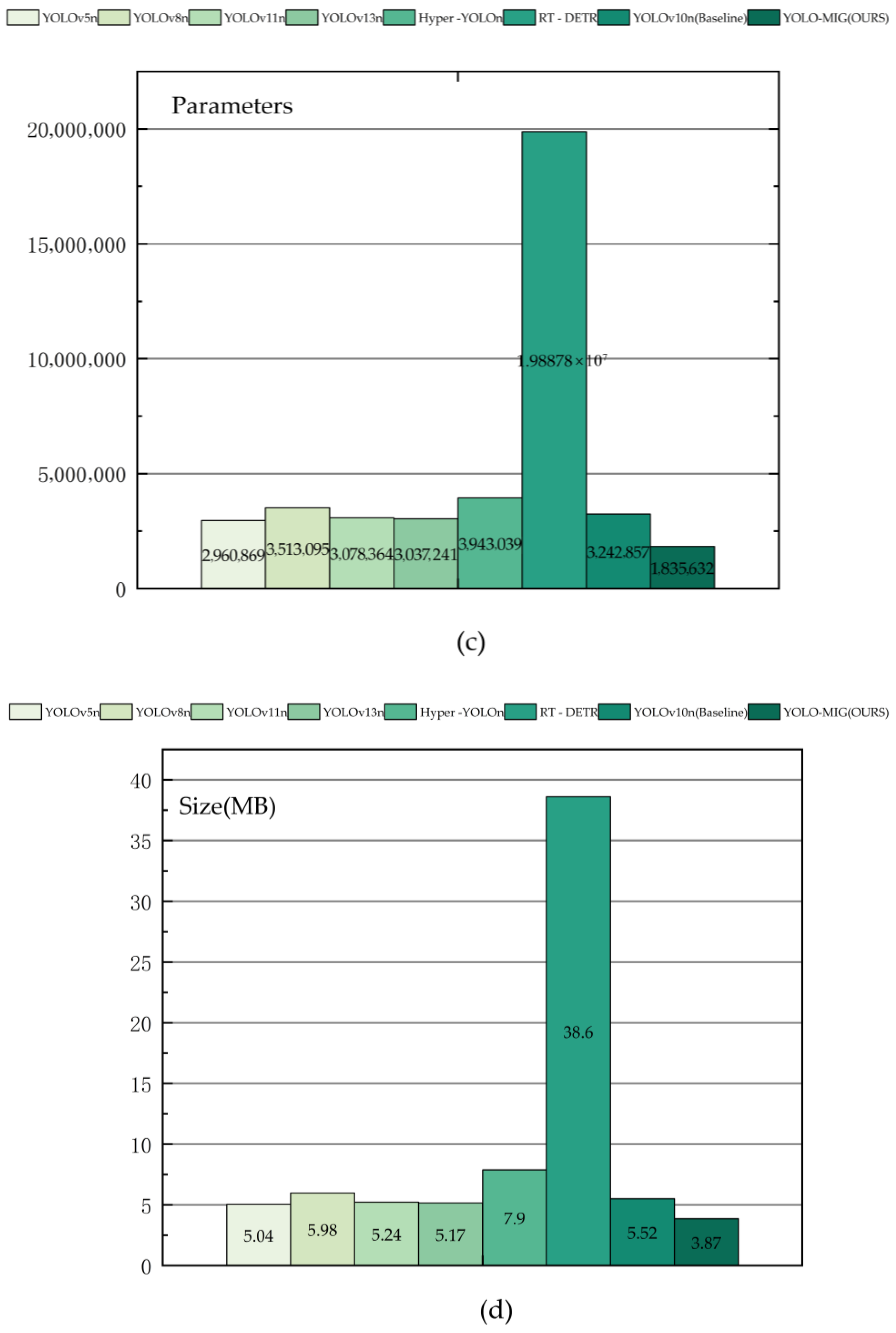
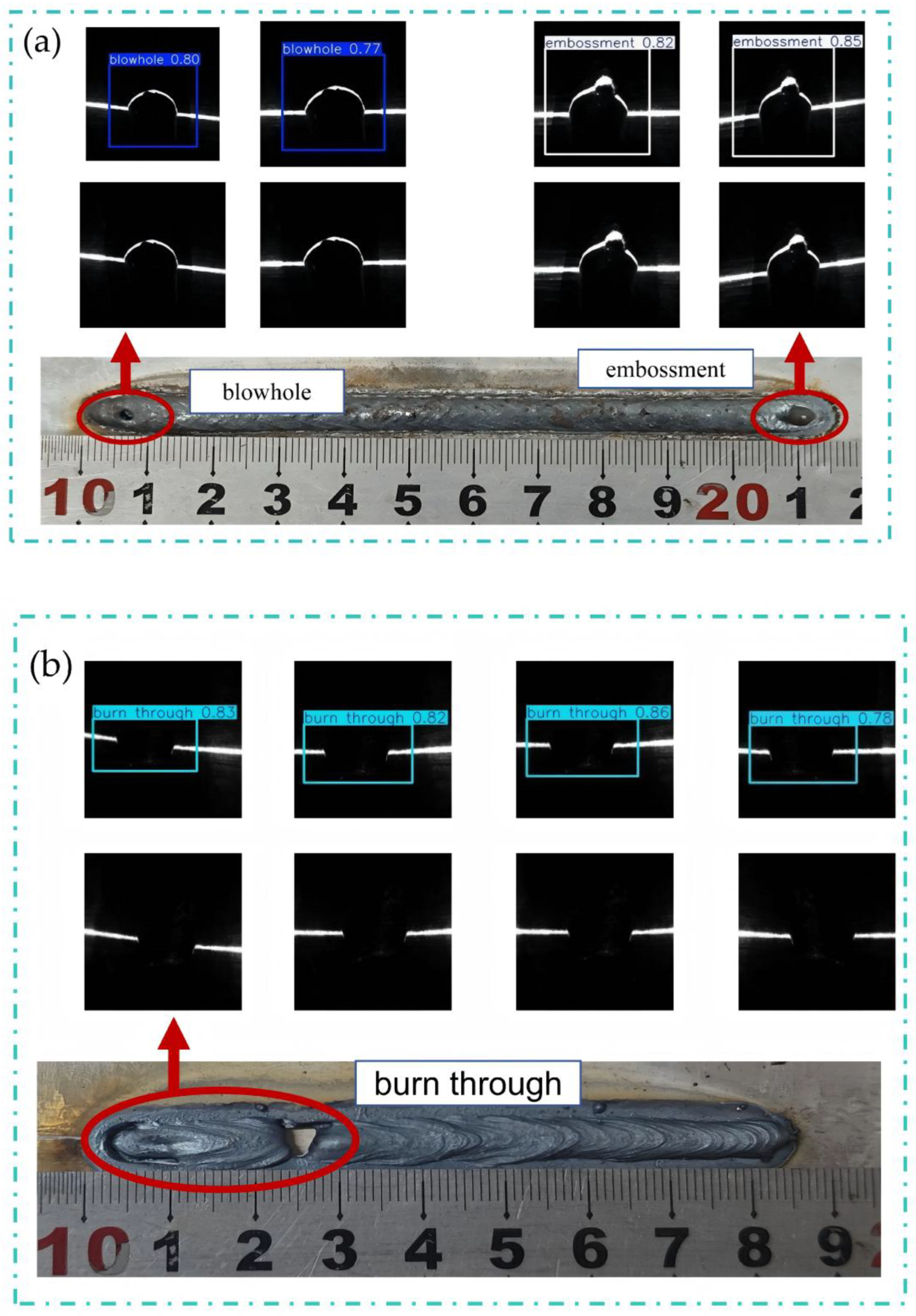
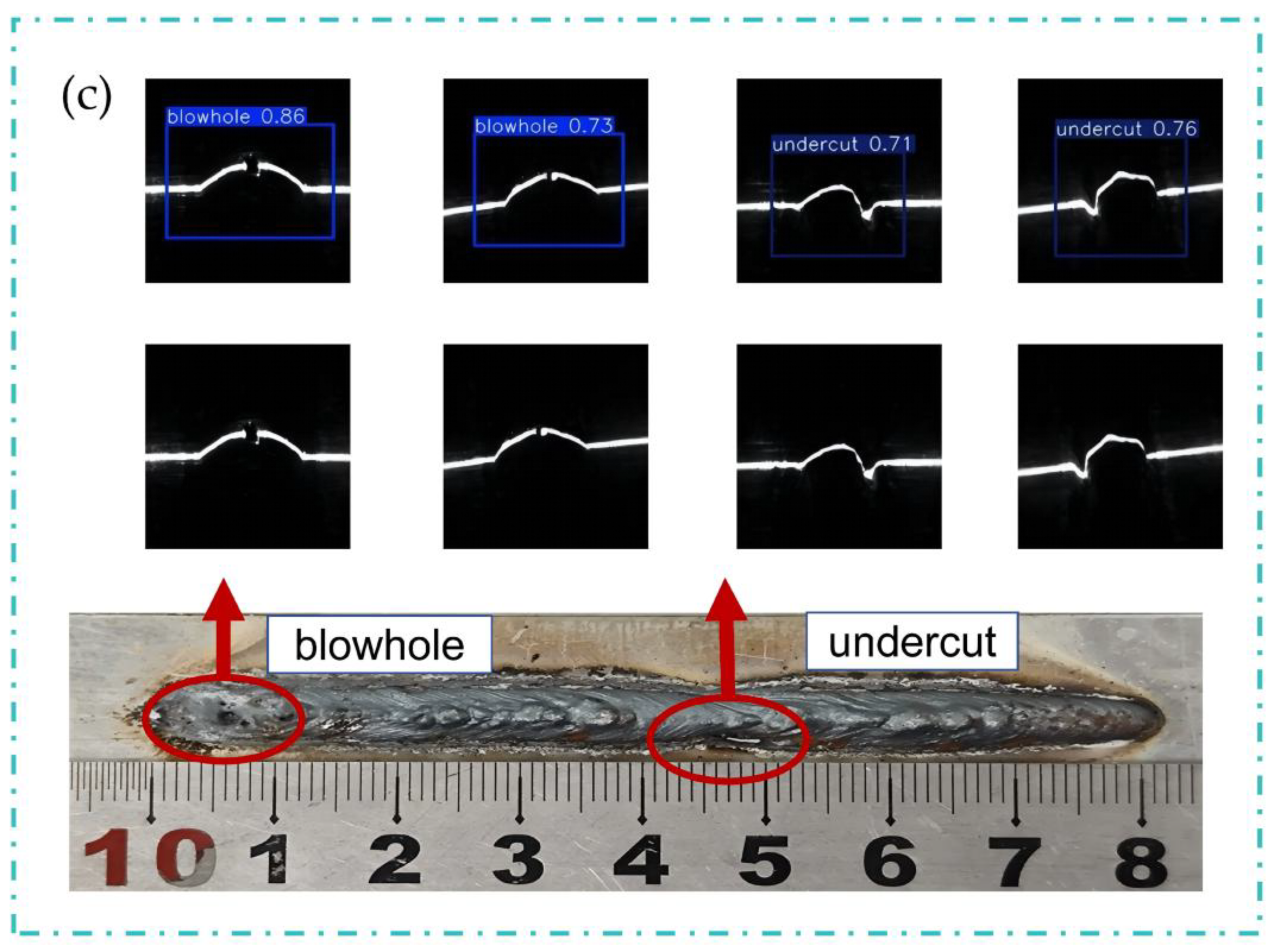
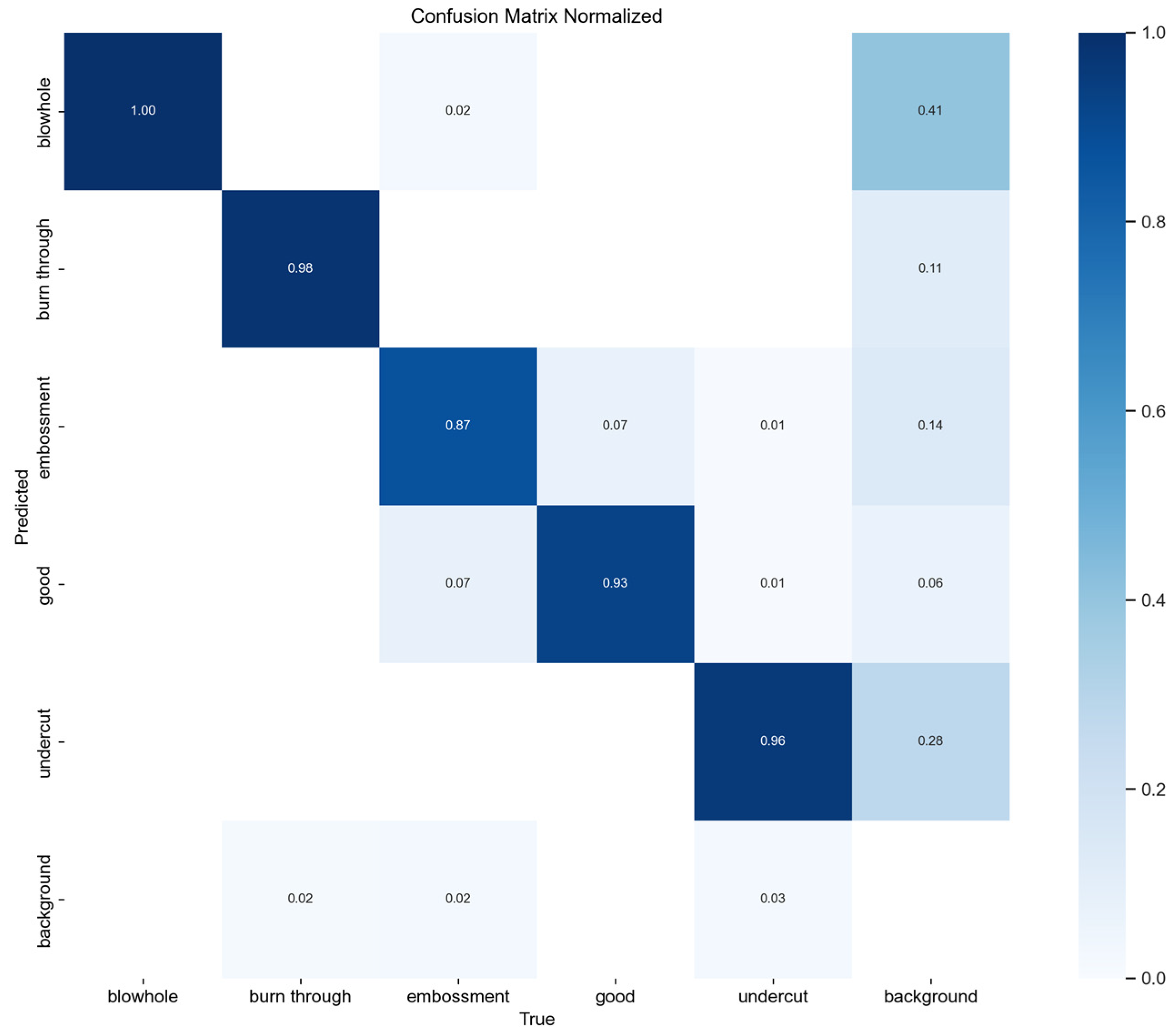
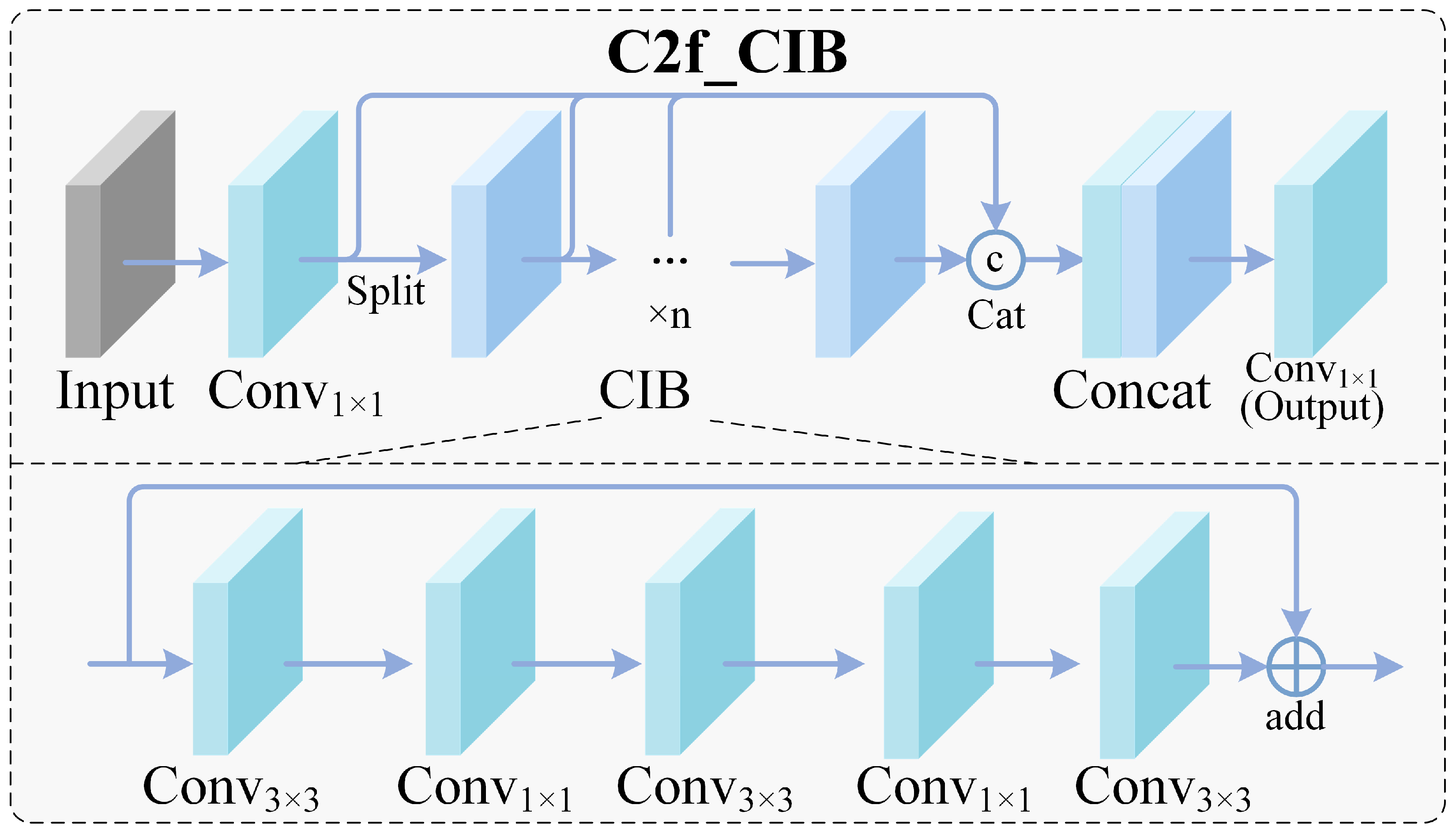
Shop-floor weld inspection may appear to be a solved problem until a camera is deployed near a galvanized-sheet MIG welding line. The seam reflects light, the texture changes from frame to frame, and the defects of interest are often small and visually subtle. Additionally, the hardware near the line is rarely a data-center GPU. With those constraints in mind, this paper presents YOLO-MIG, a compact detector built on YOLOv10n for weld-seam inspection in practical production conditions. We make three focused changes to the baseline: a C2f-EMSCP backbone block to better preserve weak defect cues with modest parameter growth, a BiFPN neck to keep small-target information alive during feature fusion, and a C2fCIB head to clean up predictions that otherwise get distracted by seam edges and illumination artifacts. On a workshop-collected dataset containing 326 original images, with the training subset expanded through augmentation to 2608 labeled samples in total, YOLO-MIG achieves 98.4% mAP@0.5 and 56.29% mAP@0.5:0.95 on the test set while remaining lightweight (1.83 M parameters, 3.87 MB FP16 weights). Compared with YOLOv10n, the proposed model improves mAP@0.5 by 9.36 points and mAP@0.5:0.95 by 4.89 points, while reducing parameters, GFLOPs, and model size by 43.4%, 19.9%, and 29.9%, respectively. The results suggest that YOLO-MIG is not only accurate but also realistic to deploy at the edge for intelligent weld quality control.
Keywords: weld porosity detection; YOLOv10; lightweight neural network weld porosity detection; YOLOv10; lightweight neural network