1. Introduction
Traditionally, wind turbines were built to a convenient height below 100 m; however, this has been exceeded recently with the rapid development of the global economy. Higher wind turbine towers are being built to increase the sweeping area of the turbine blades and to reach high-speed wind at higher altitudes [
1,
2]. As a result, greater demands are placed on the bearing capacity and performance of tower structures. However, increased tower height significantly increases self-weight and structural flexibility, thus amplifying dynamic responses and increasing fatigue load under wind excitation [
3].
There are a variety of wind turbine towers, including steel, concrete, and hybrid steel–concrete towers; among these, the latter are the most widely used in practice due to their economical cost, strong stiffness, and high strength. Currently, for hybrid towers to possess sufficient strength, concrete of grade C80 [
4] or higher is necessary. While significant progress has been made in understanding the chemical phases of cementitious materials to achieve its sustainable synthesis [
5,
6], the long-term macroscopic fatigue response of C80 concrete under millions of cycles remains a critical challenge in engineering design. Wind turbine towers must have a service life of at least 20 years, during which time they are anticipated to experience approximately 10
8 to 10
9 cycles of periodic loading [
7], far exceeding the fatigue demands on conventional building structures.
Given the increase in tower heights and the corresponding high-cycle fatigue demands on high-strength concrete, understanding this material’s fatigue performance has become crucial. In early studies, Aas-Jakobsen, Tepfers, and others [
8,
9,
10] conducted extensive experiments to investigate the fatigue life of normal-strength concrete (C20–C40), establishing empirical
S–N curve models that gained widespread acceptance and laid the foundation for subsequent research. Subsequently, Holmen [
11] conducted in-depth studies on the deformation and fatigue performance of C40 concrete under constant- and variable-amplitude compressive cyclic stresses. Bennett [
12] and Lemaitre [
13] investigated the stiffness degradation behavior of concrete under fatigue load and derived corresponding empirical formulas. Furthermore, Buyukozturk et al. [
14] and Yin et al. [
15] explored the multiaxial fatigue performance of concrete. These findings provided critical insights for improving the fatigue strength of normal-strength concrete.
With increasing engineering demands, fatigue performance studies have progressively extended to high-strength concrete (C60 and above). Oneschkow [
16] investigated the fatigue life of C80 concrete by varying the maximum stress level, achieving up to 2 × 10
6 cycles. Chen [
17] investigated the variations in peak stress, peak strain, and elastic modulus of C60 and C45 specimens with diameters ranging from 150 to 460 mm under fatigue loading, and based on the experimental results, a peak stress–strain model considering size effects was proposed. Basaldella [
18] studied the fatigue performance of high-strength (C80) and ultra-high-strength concrete (C130), revealing the influence of increased material strength on fatigue damage development, though the study was primarily limited to fatigue lives below 1 × 10
5 cycles. While these studies established the initial framework for high-strength concrete (HSC), a significant gap in the literature remains, with existing experimental data often limited to the “low-cycle” or “medium-cycle” stage.
Analyses of concrete fatigue are costly and time-consuming, and many scholars have conducted numerical simulations in an effort to predict the damage evolution and fatigue life of concrete. Over the past two decades, with rapid advances in computational capability and modeling algorithms, finite element methods (FEMs) have increasingly been used in research work.
Hordijk [
19] proposed a comprehensive cohesive crack model and integrated it with finite element analysis, thereby enabling the numerical simulation of concrete fatigue behavior and opening a new avenue for research in this field. Dobromil et al. [
20] proposed a material model for FEM-based simulation of fatigue crack propagation in concrete using
S–N curves. By converting
S–N data into material damage parameters, their model effectively simulates damage and crack growth under high-cycle fatigue conditions. Zou et al. [
21] develop a three-dimensional finite element model in ABAQUS to simulate the fatigue behavior of side-bonded CFRP-strengthened reinforced concrete (RC) beams. The model is experimentally validated and accurately predicts fatigue life, failure modes, and interfacial damage evolution. In addition, a simplified fatigue life prediction formula is proposed to support practical engineering applications. However, the efficacy of these numerical models heavily relies on the accuracy of materials’ constitutive parameters. Without high-cycle experimental data specifically for C80, researchers are often forced to extrapolate parameters from normal-strength concrete (NSC), which may lead to significant inaccuracies in predictions of the long-term structural integrity of hybrid towers.
To bridge this gap and provide more reliable data for engineering design, this study extends the experimental boundary for C80 concrete to 10
7 cycles, significantly surpassing the cycle counts in previous research, such as that of Basaldella [
18]. This study assesses the high-cycle fatigue behaviors of C80 concrete under cyclic compressive loading by investigating fatigue life up to 10
7 cycles. While the total design life of wind turbine towers extends to the gigacycle regime, experimental data in the 10
6–10
7 range is a critical prerequisite for establishing the fatigue strength of high-strength concrete and calibrating
S-N curves used for longer-life extrapolations. Furthermore, the regressive formulas developed in this study serve as a direct extension and refinement of the classical
S-N models proposed by Aas-Jakobsen [
8] and Holmen [
11], specifically tailored for C80 high-strength applications. The results are intended to support the design and safety assessment of concrete wind turbine towers and to provide the necessary empirical foundation for further numerical simulations using finite element methods, as proposed by Hordijk [
19] and Zou [
21].
4. Conclusions
Based on the experimental results and corresponding analysis, the following main conclusions can be drawn.
- (1)
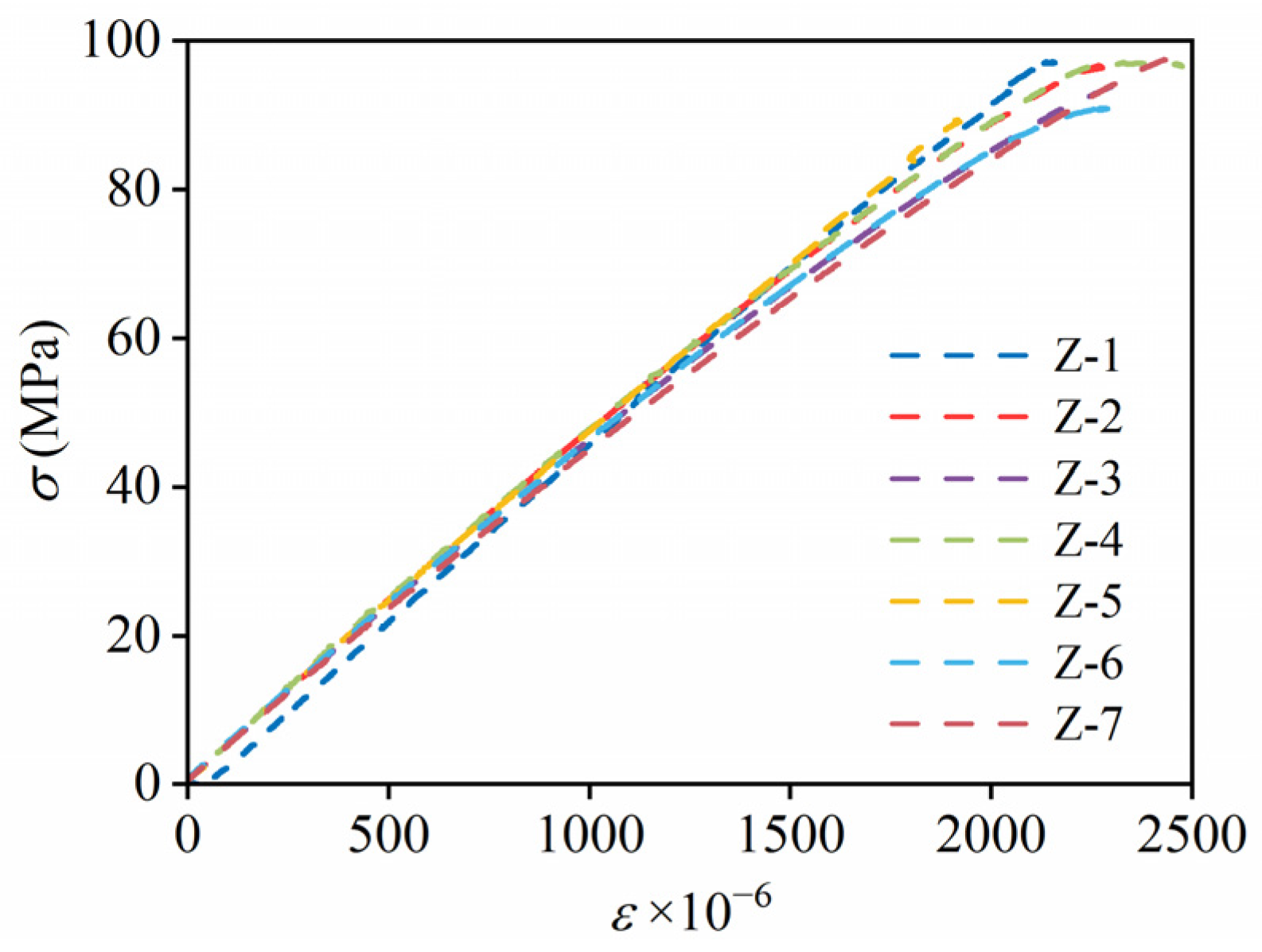
C80 concrete exhibits high static strength and stiffness, confirming its excellent material stability and suitability for applications in high-stress, high-fatigue environments such as ultra-high wind turbine towers.
- (2)
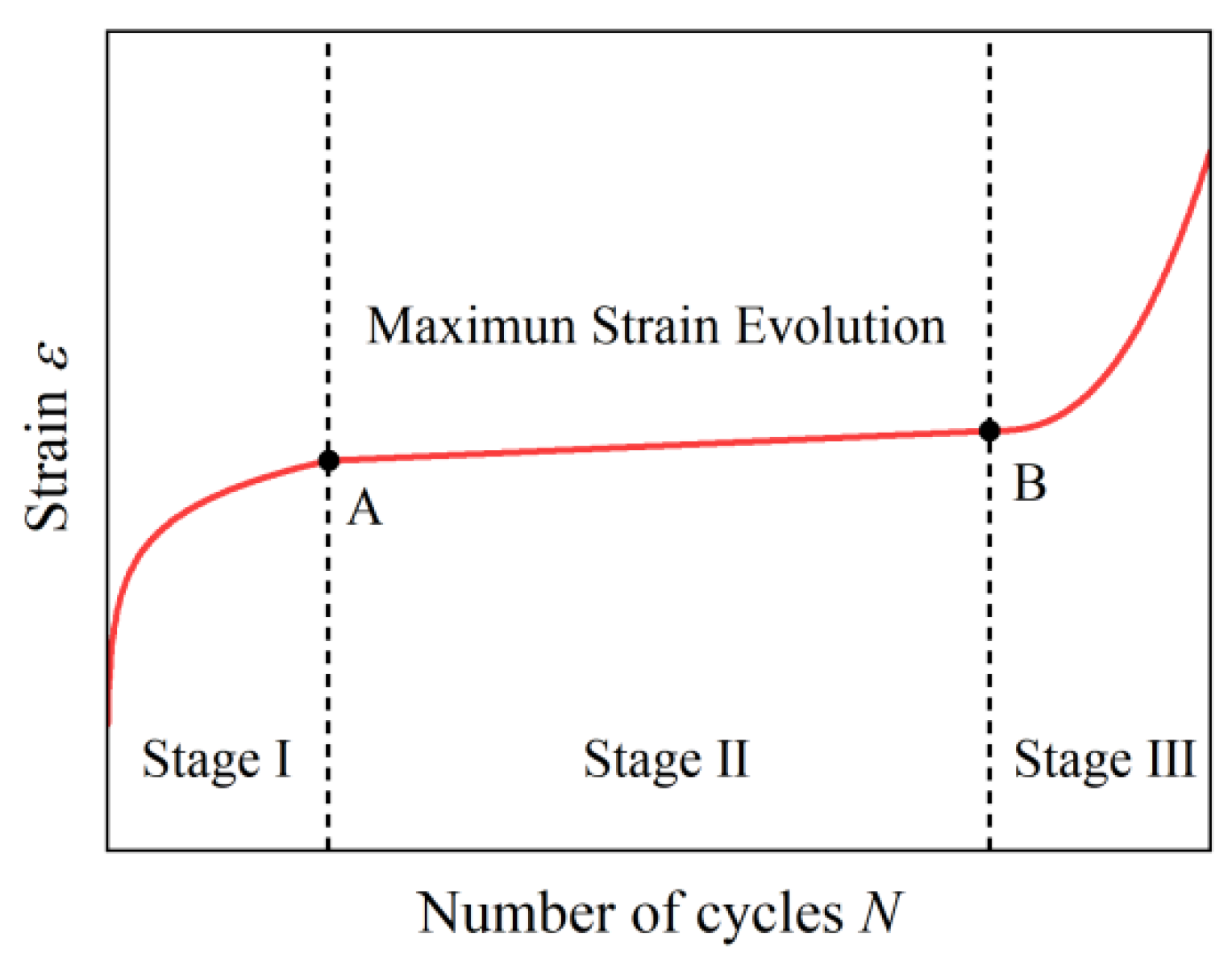
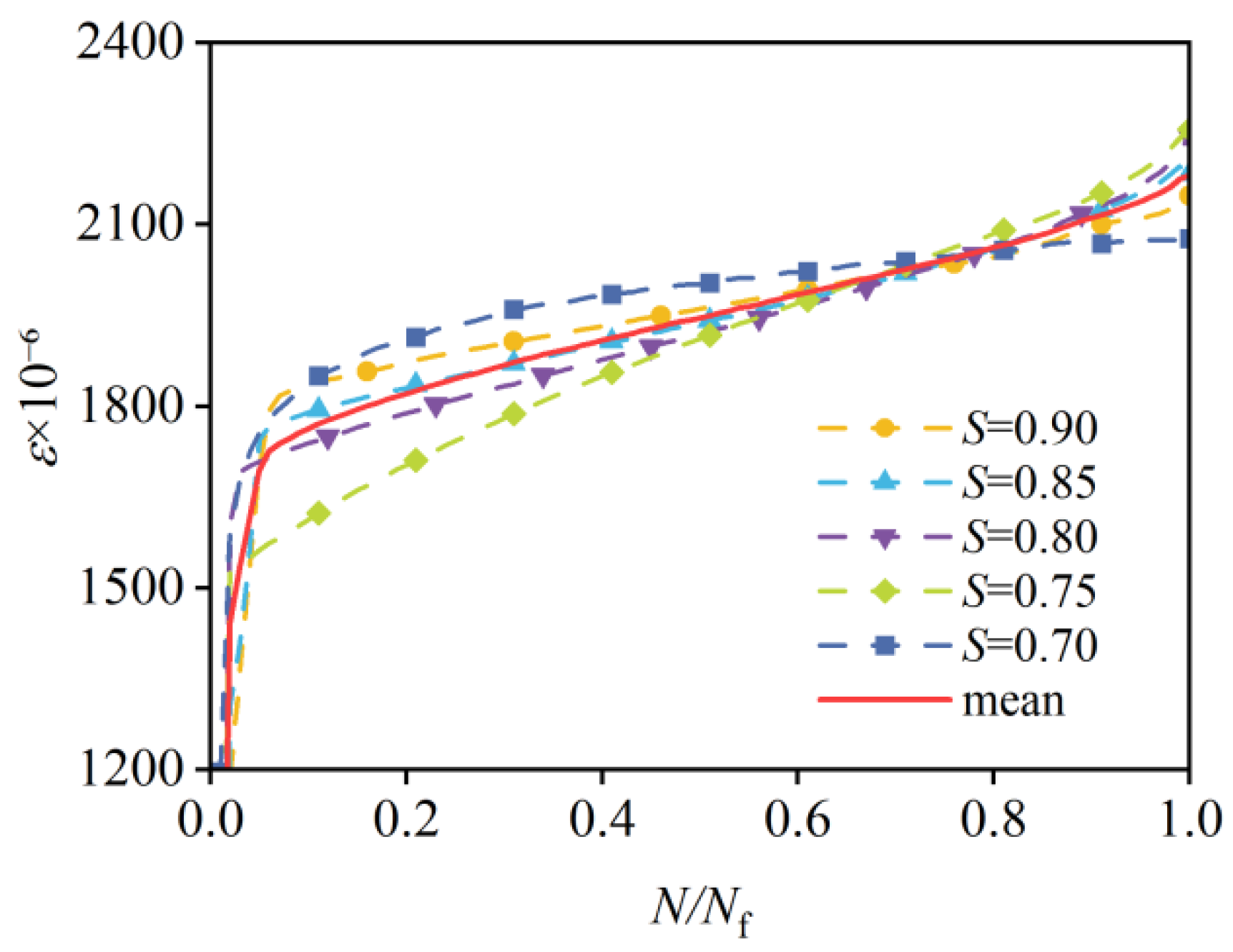
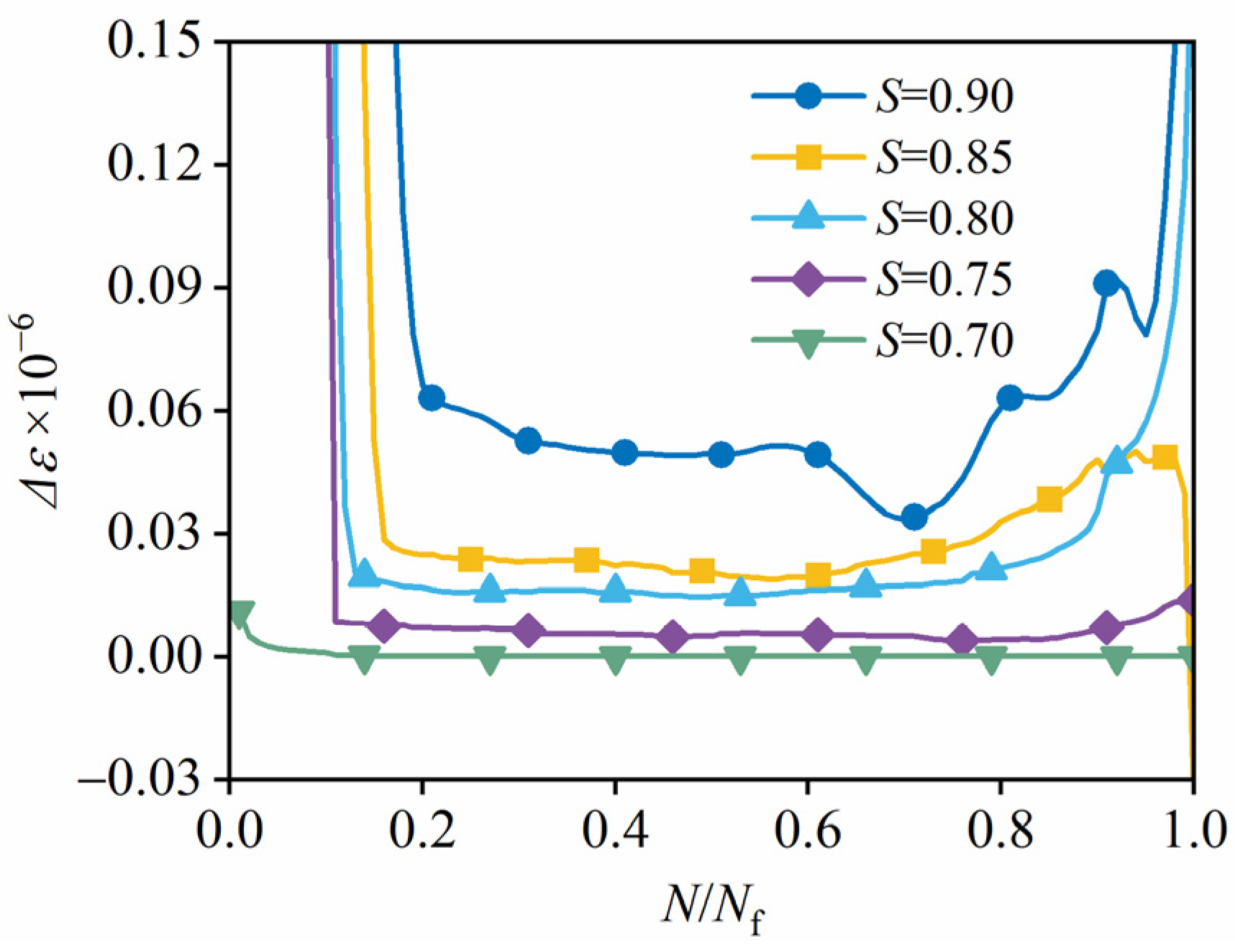
The strain evolution follows a distinct three-stage pattern, where the second stage, which has a long duration, reflects a steady accumulation of internal microcracks. This stage dominates fatigue life and controls failure evolution, indicating that fatigue failure is essentially governed by progressive microcrack coalescence rather than sudden instability. Therefore, the second-stage evolution law can be used to predict the fatigue life and cumulative damage of C80 concrete.
- (3)
The maximum strain at the end of the second fatigue stage under different maximum stress levels approaches the ultimate static strain, which indicates that once the critical strain is reached, the concrete undergoes rapid fatigue failure regardless of the rate of fatigue accumulation, revealing a deformation-controlled failure mechanism.
- (4)
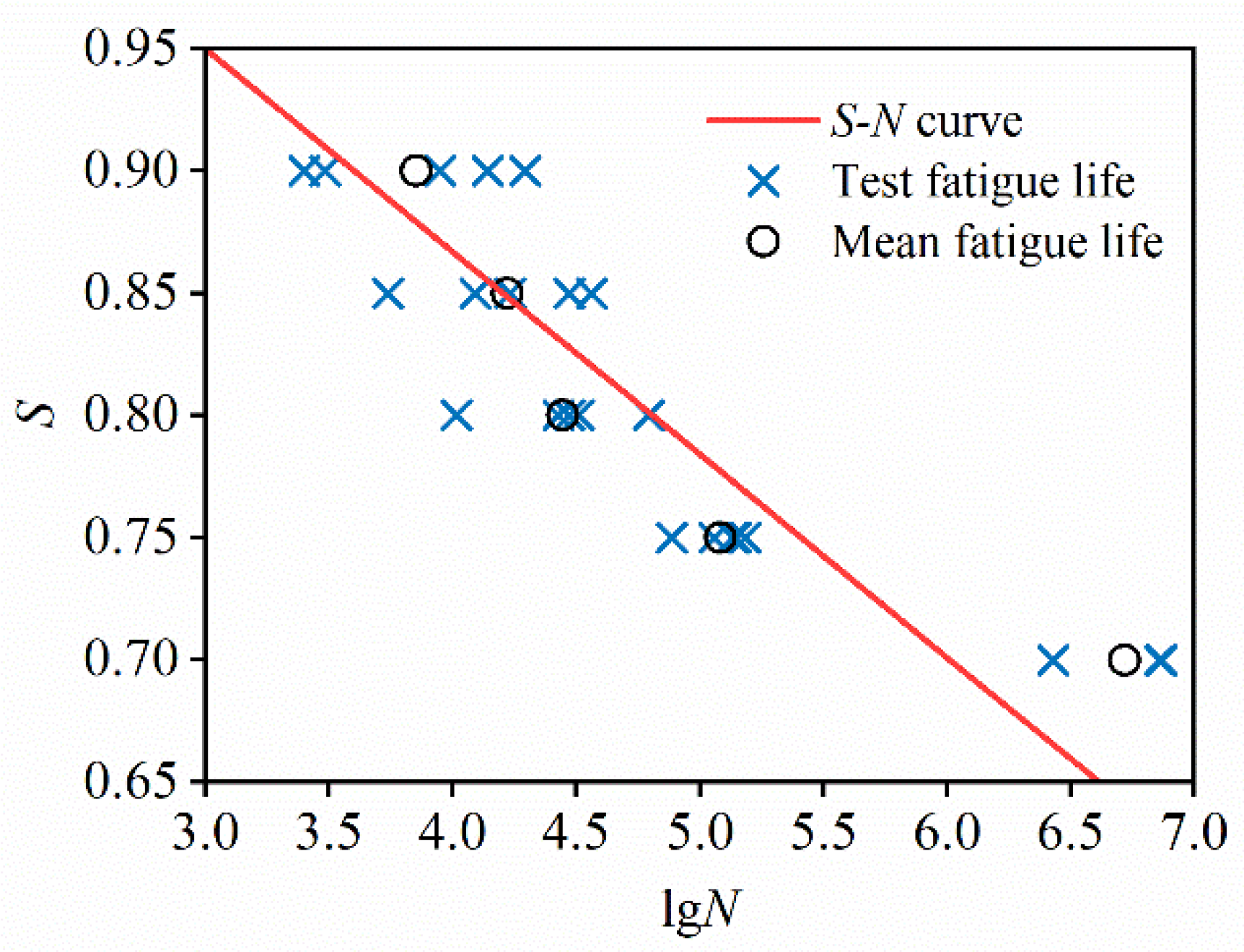
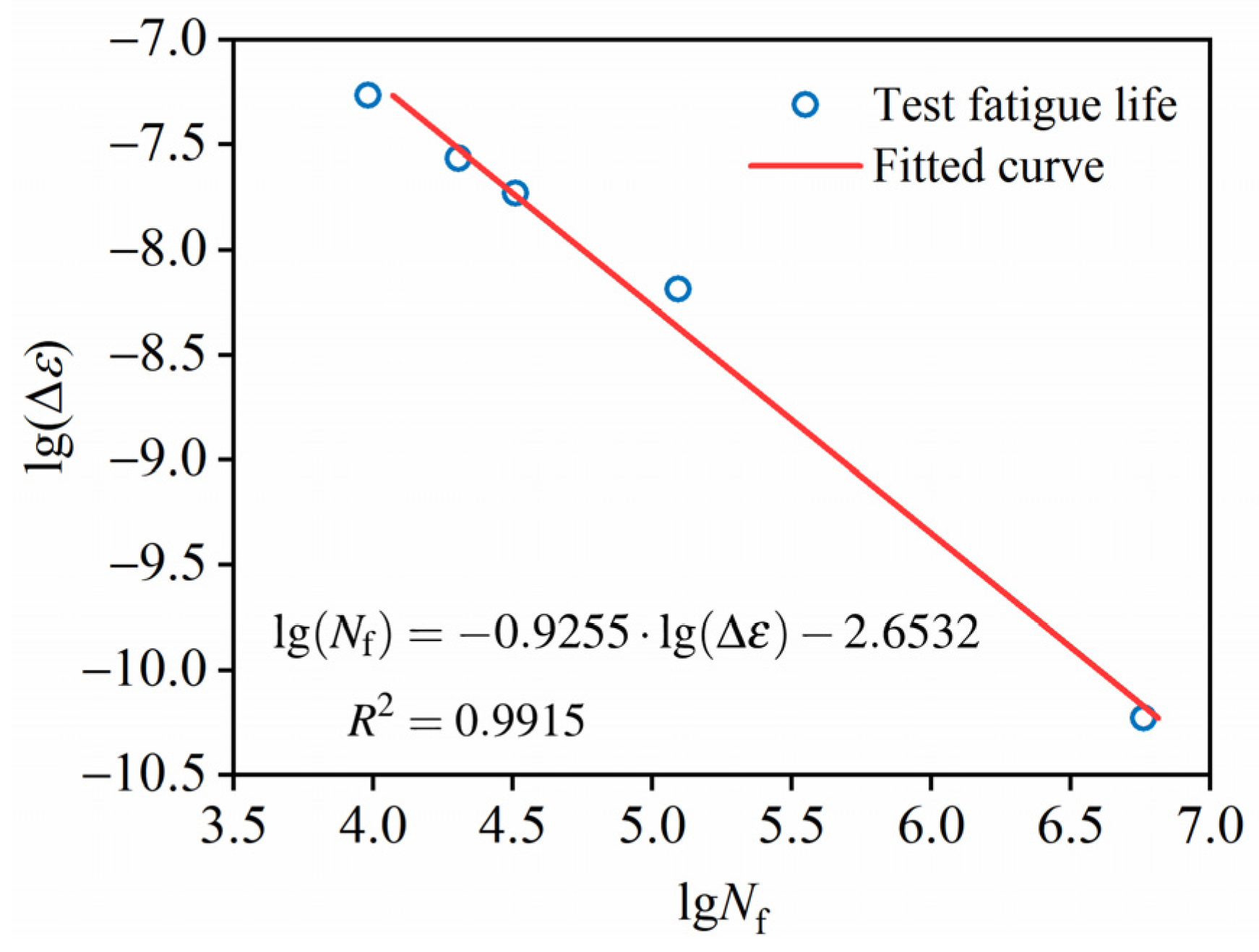
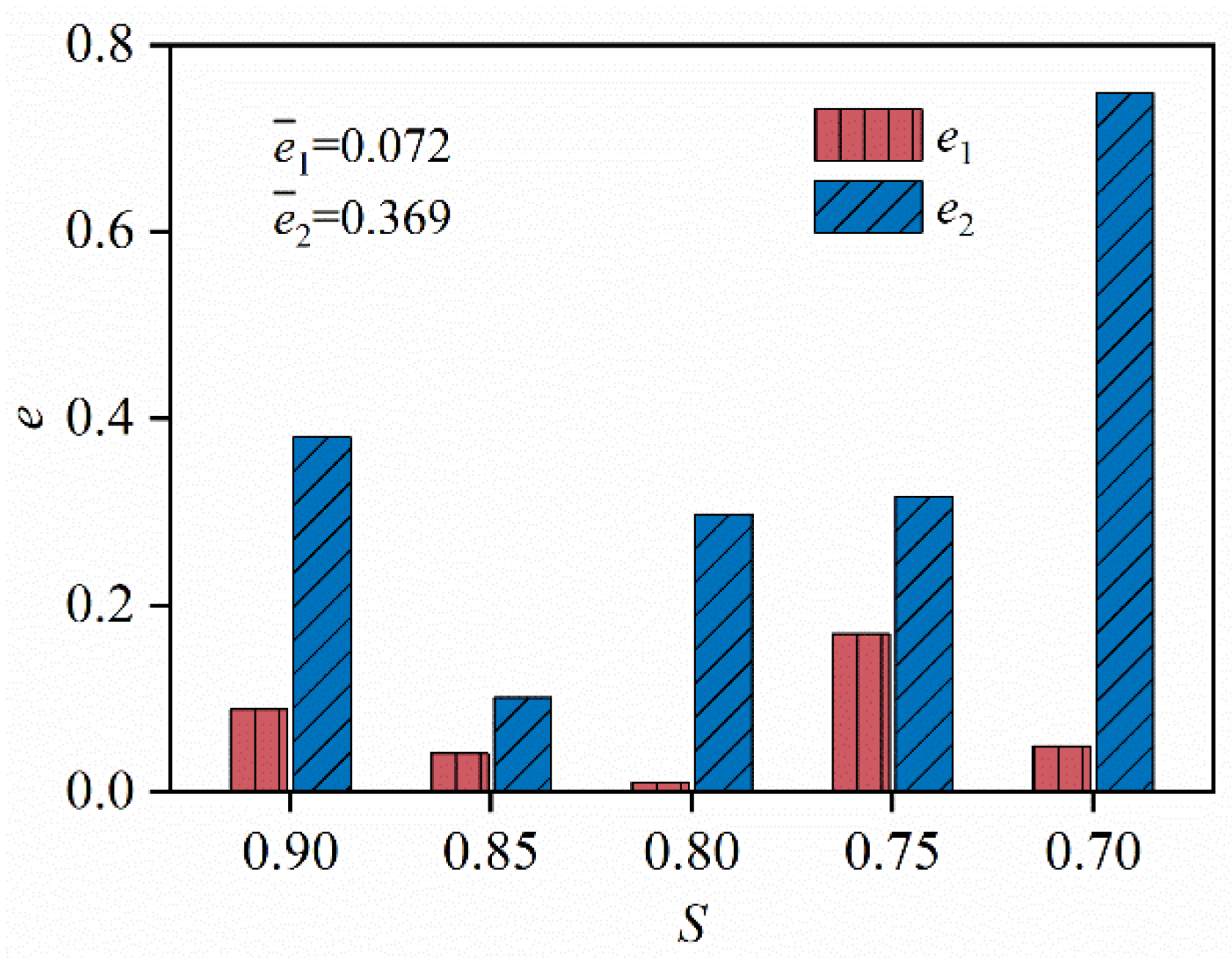
Based on the linear increase in strain during the second fatigue stage, a fatigue life prediction model is developed using cyclic strain increments. The model produces an average error of 0.072, which is significantly lower than the average error of 0.369 produced by the traditional S–N curve, demonstrating superior prediction accuracy. This model enables fatigue life prediction based on real-time strain measurements from engineering monitoring, providing a theoretical approach for the real-time assessment of fatigue performance in wind turbine towers.
- (5)
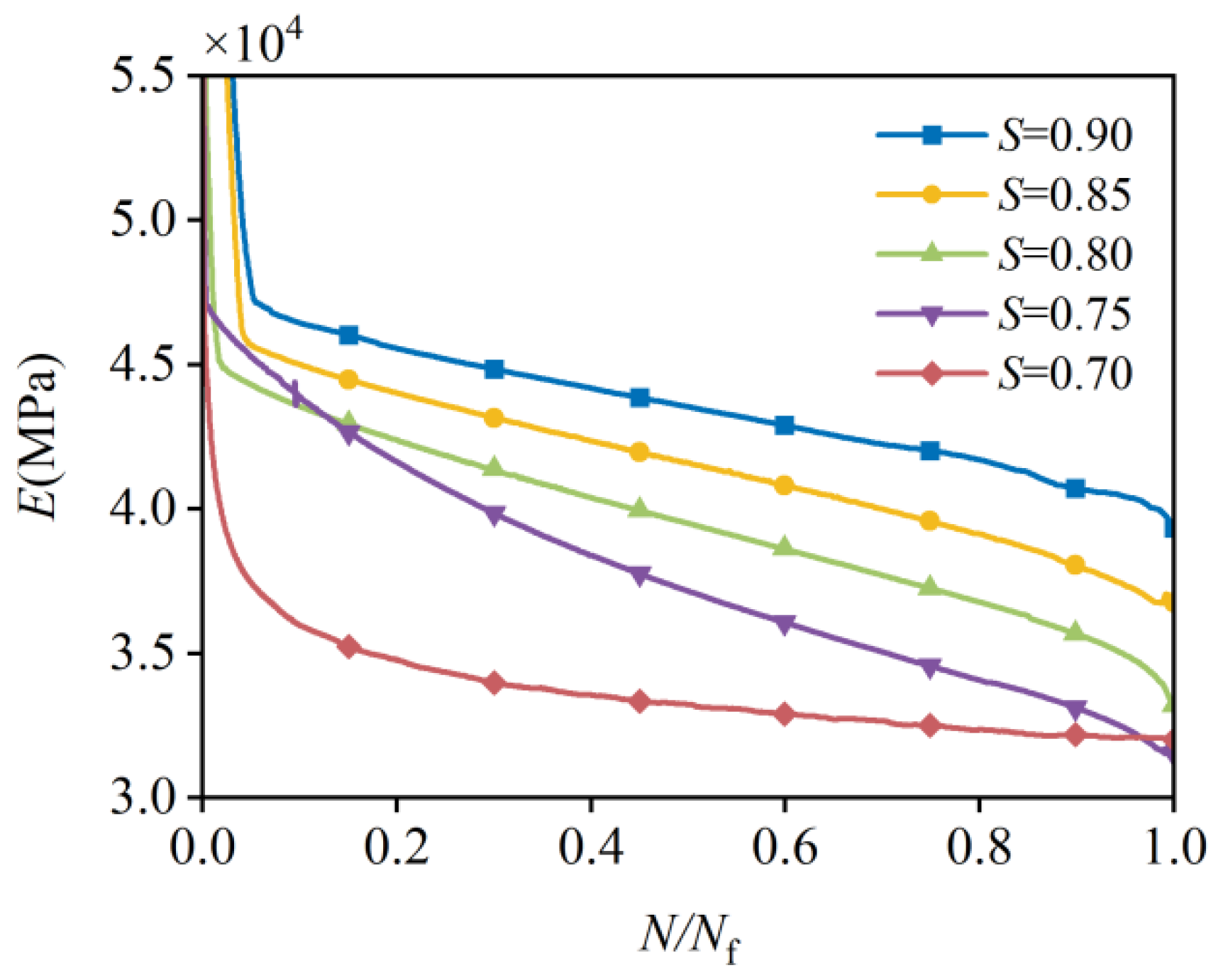
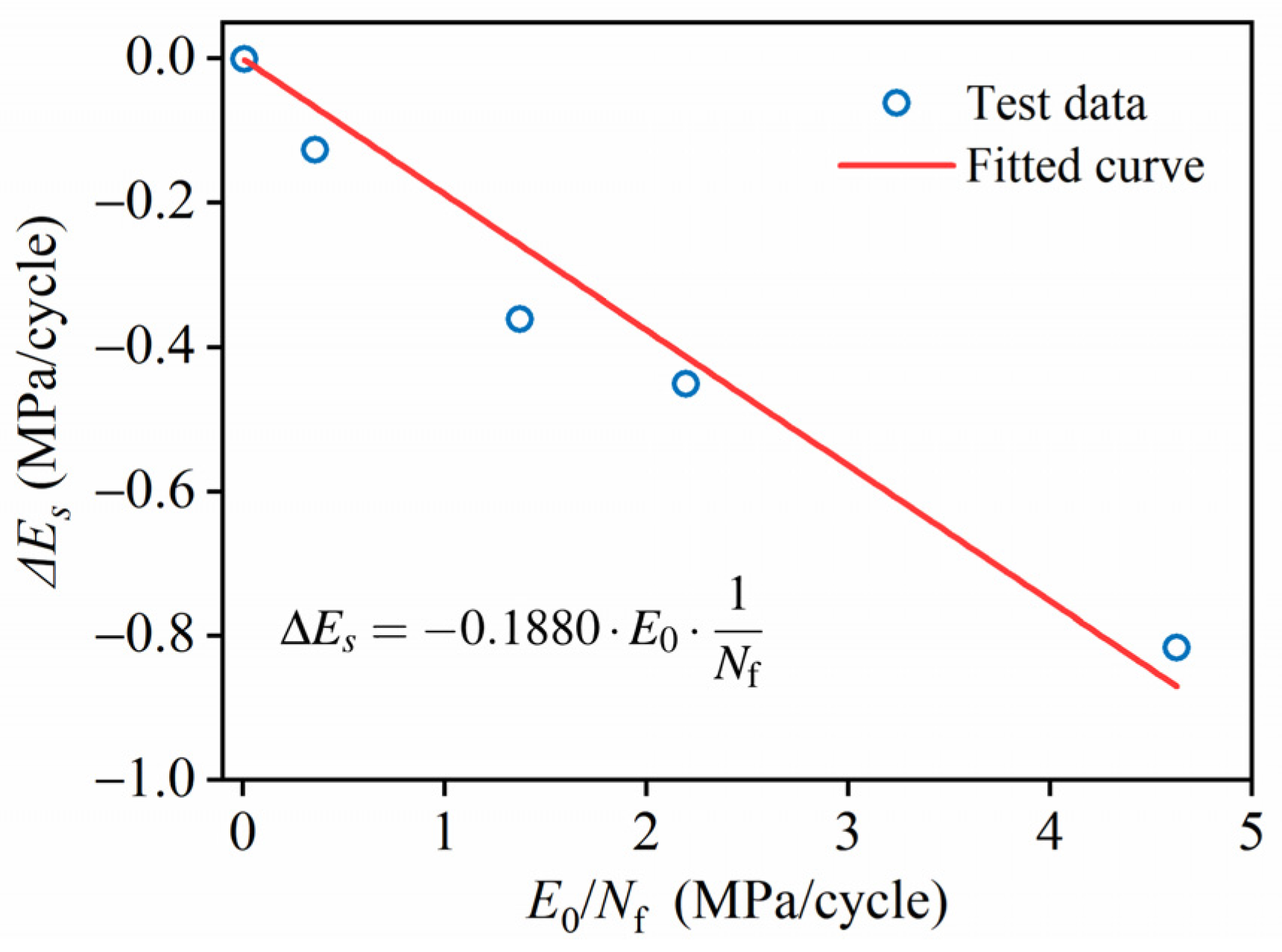
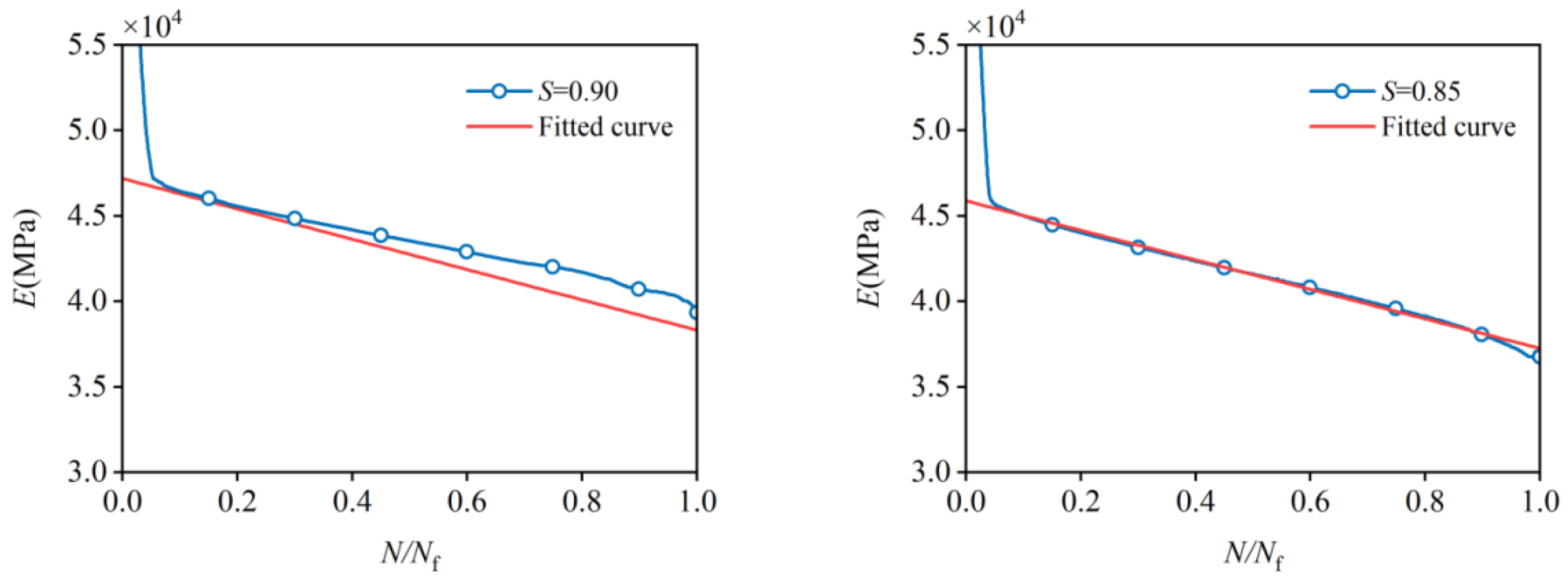
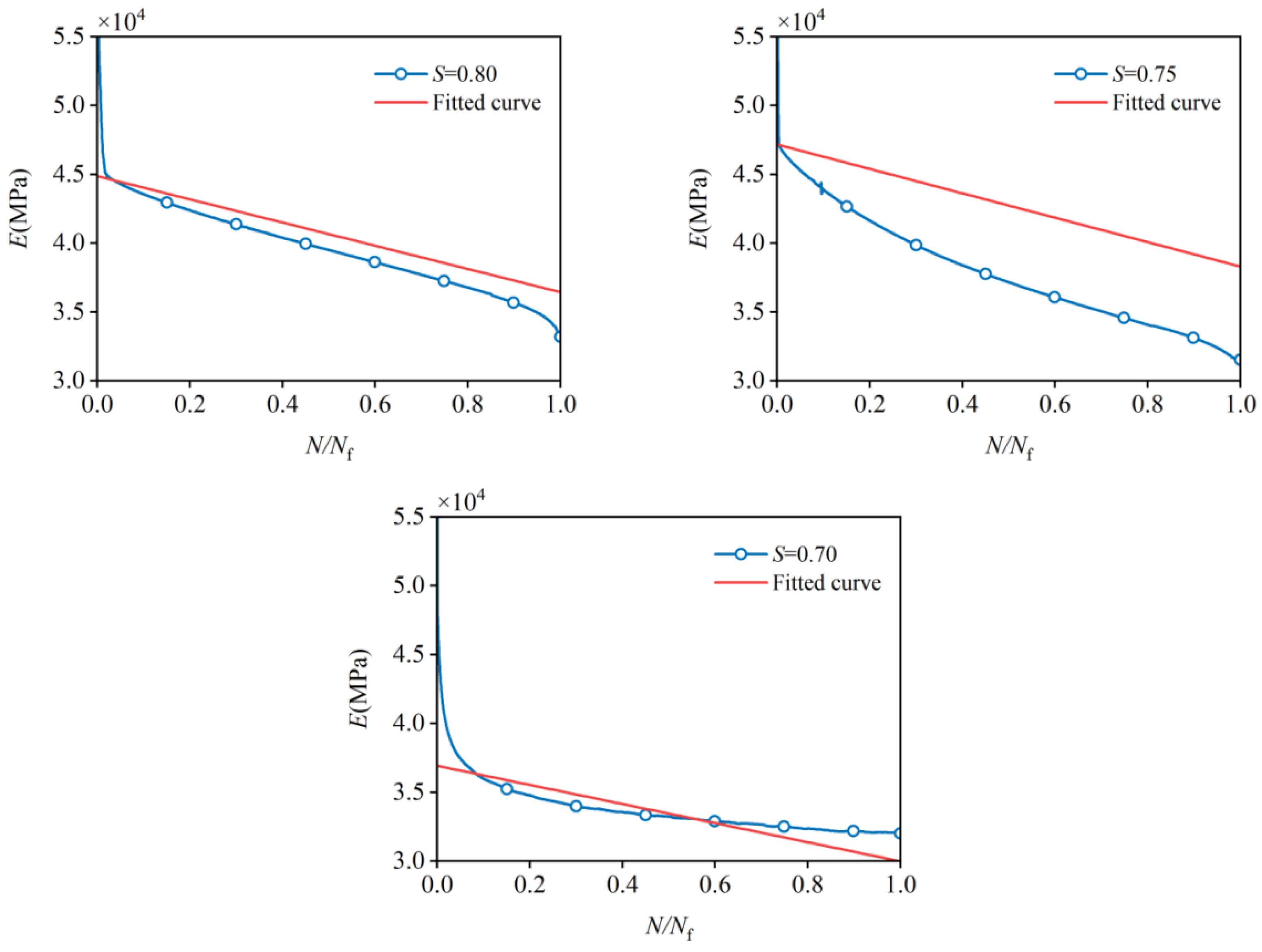
At the end of the second fatigue stage, C80 concrete retains relatively high stiffness, exhibiting the characteristic stiffness degradation behavior of high-strength concrete under fatigue loading. By integrating the experimental data with the Palmgren–Miner damage accumulation rule, a stiffness degradation model for C80 concrete is established, which accurately reproduces the stiffness evolution under fatigue loading and provides a reliable basis for finite element-based fatigue damage simulations, thereby supporting the optimization of structural design under high-cycle fatigue conditions.
Several limitations of this study should be acknowledged. First, this study primarily focuses on the macroscopic phenomenological response of C80 concrete. Due to the absence of microstructural characterization (e.g., SEM, XRD, or porosity analysis), the specific influence of mineral phases (such as C3S and C3A) and of the interfacial transition zone (ITZ) on the fatigue degradation process needs to be further elucidated. Second, the proposed fatigue life and stiffness degradation models are empirically calibrated based on the specific concrete mix design used in this study (P-II 52.5 cement and crushed aggregate). Therefore, the generalizability of these model parameters to other C80 compositions requires further validation with broader material databases. Furthermore, the present study focuses on uniaxial constant-amplitude fatigue loading, without considering the effects of variable-amplitude or multiaxial stress states that commonly occur in practical wind turbine tower structures. The proposed strain- and stiffness-based models describe the linear degradation stage effectively, but the nonlinear behavior near failure and the influence of cyclic plasticity need to be further examined. Future research should bridge the gap between micro-mechanisms and macro-performance by integrating experimental monitoring techniques such as acoustic emission or X-ray CT scanning, and extend the developed models to multiaxial and structural-scale simulations, to improve fatigue assessment of large-scale concrete wind turbine towers.





 and
and