Experimental Study on Damage Evolution Characteristics of Granite Under Short-Term Freeze–Thaw Cycles

Abstract
1. Introduction
2. Materials and Methods
2.1. Specimen Preparation
2.2. Parameters Related to Freeze–Thaw Tests
2.2.1. Target Freeze–Thaw Temperatures
2.2.2. Number of Freeze–Thaw Cycles
2.2.3. Freeze–Thaw Cycle Duration
2.3. Freeze–Thaw Cycle Tests
3. Results
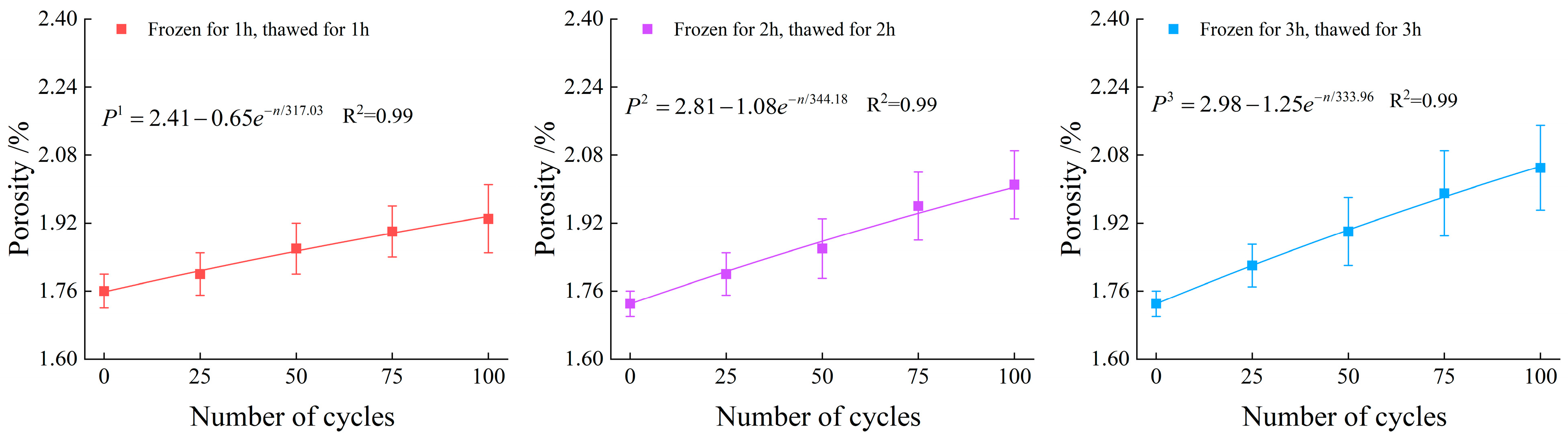
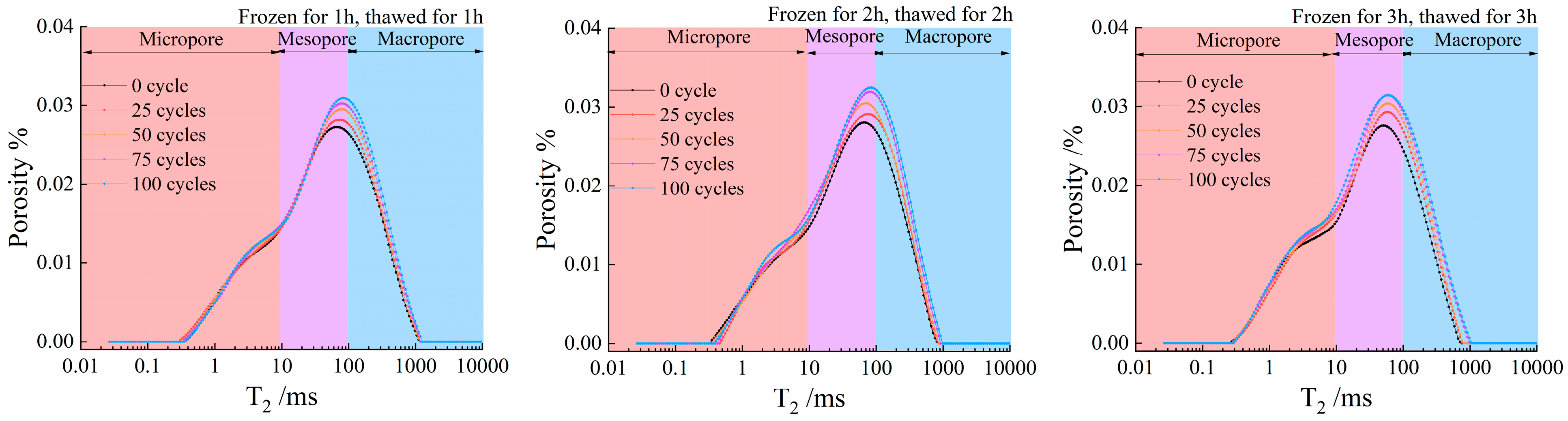
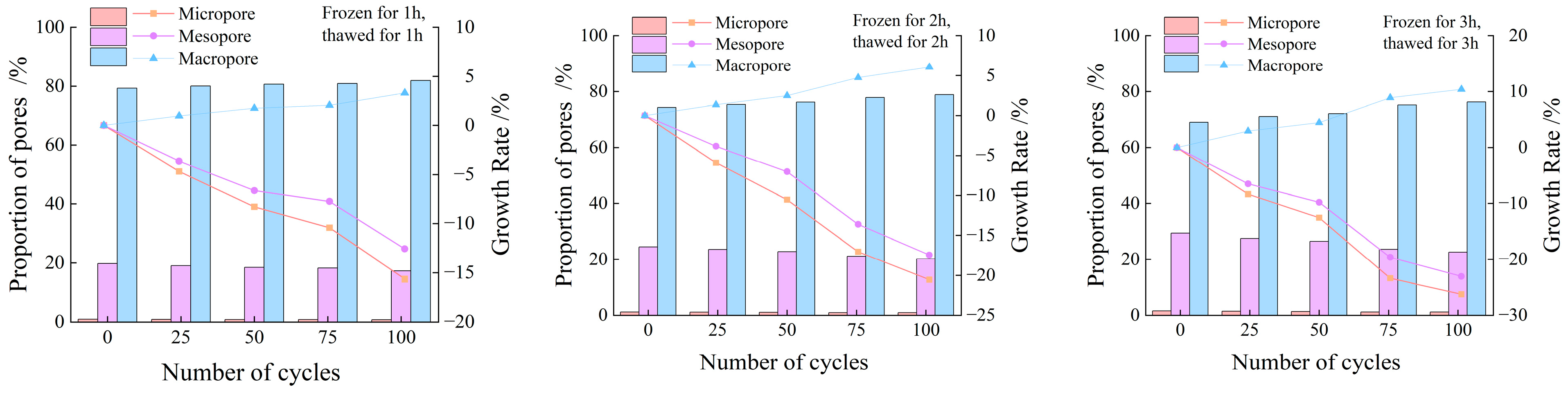
3.1. Variation Law of Porosity
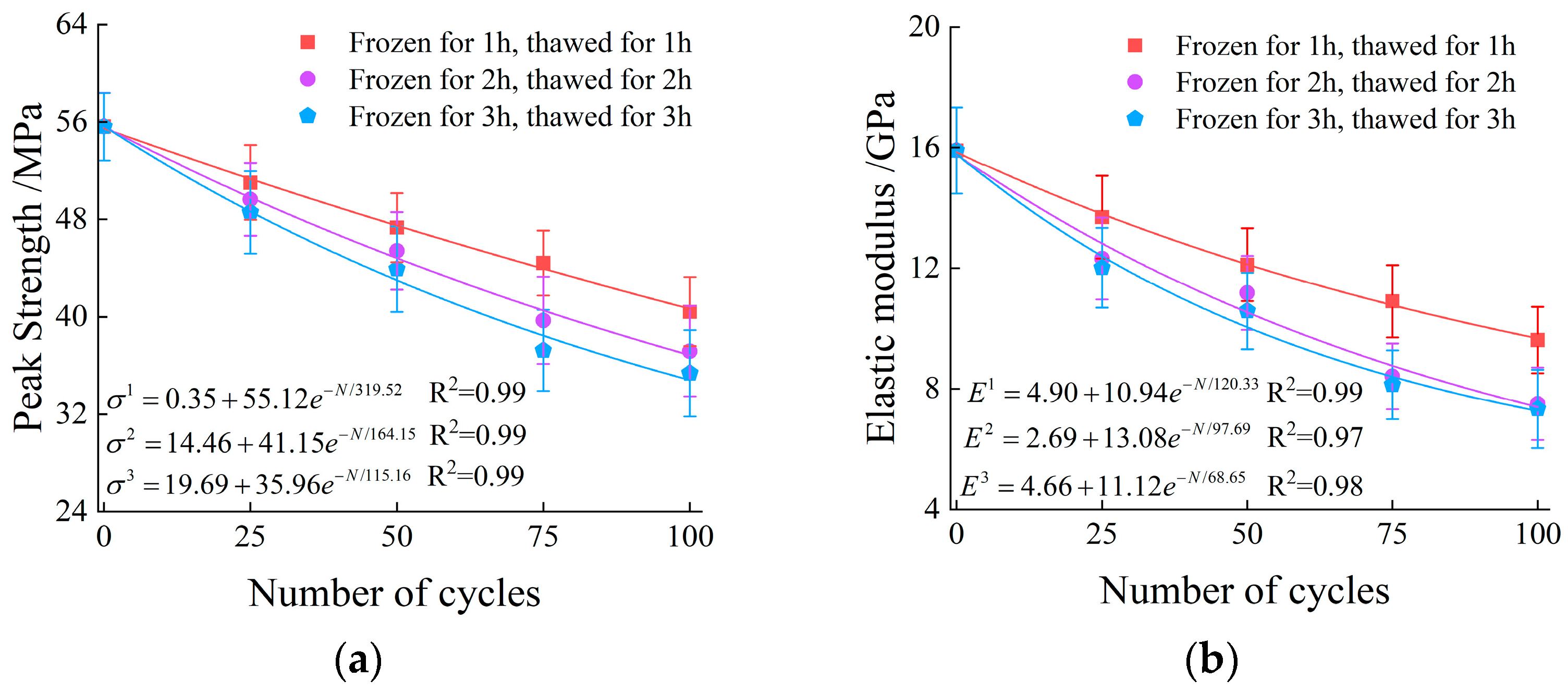
3.2. Variation Laws of Peak Strength and Elastic Modulus
3.3. AE Response Characteristics
3.3.1. Ringing Count Rate and Cumulative Ringing Count Rate
3.3.2. Energy Rate and Cumulative Energy Rate
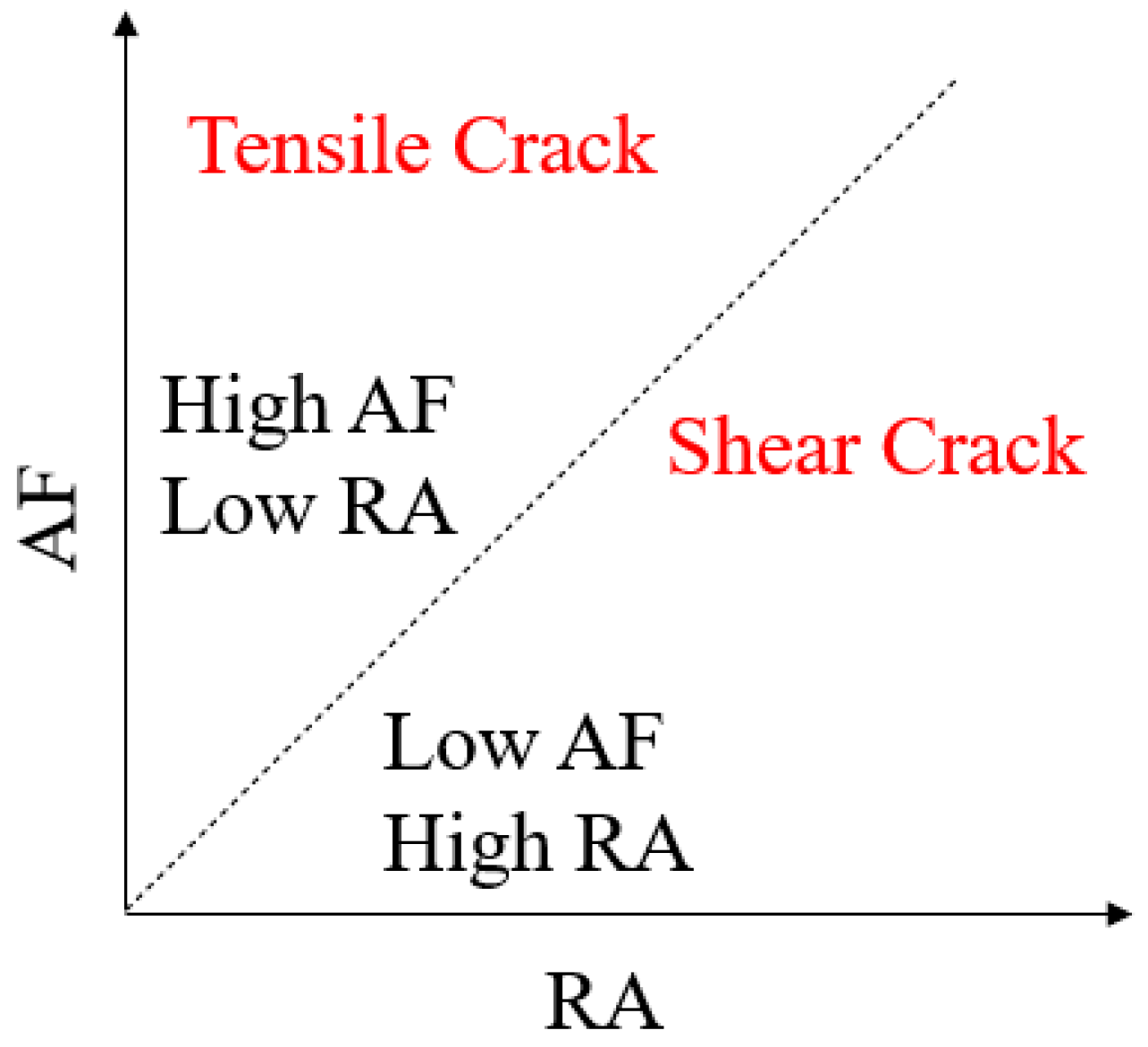
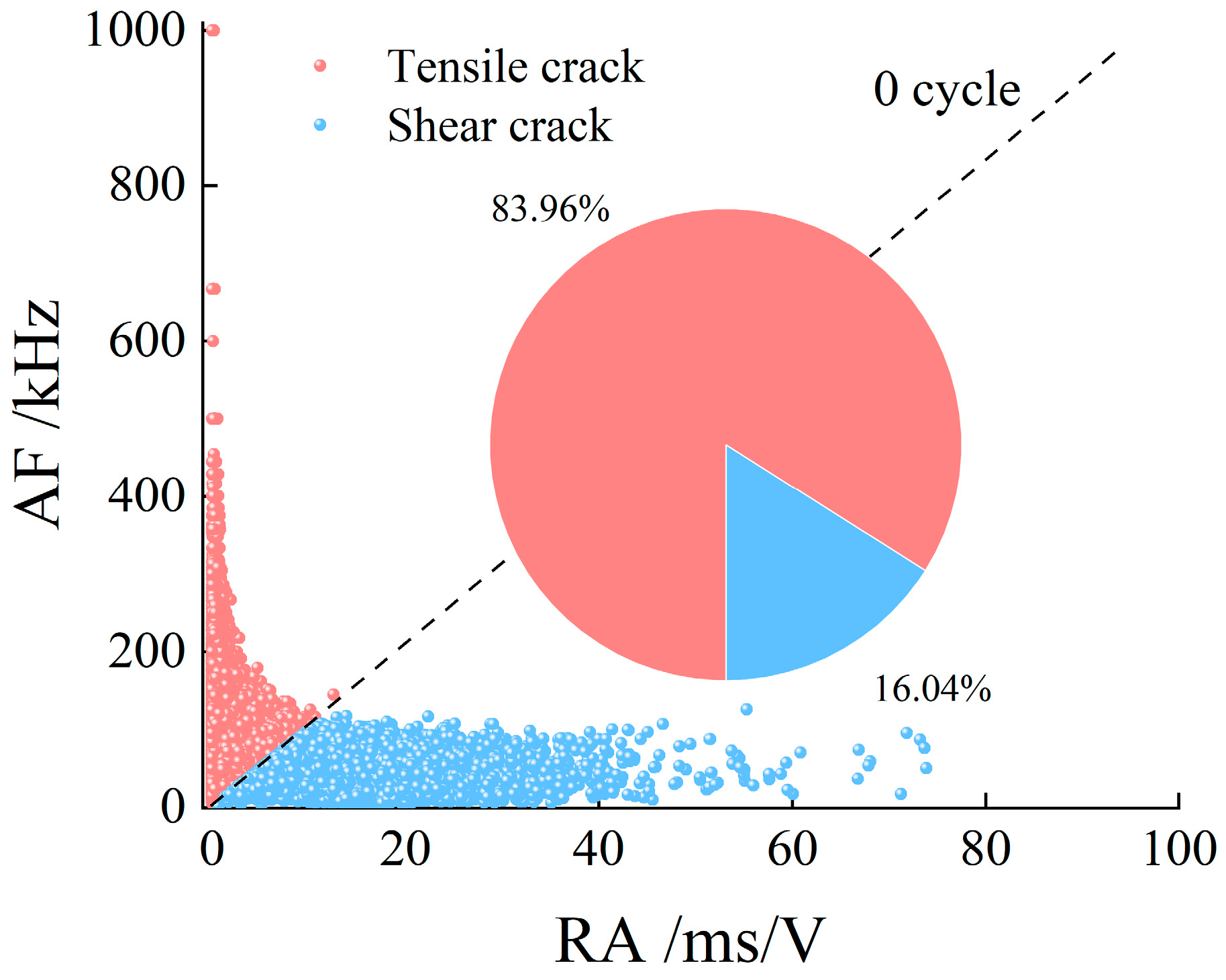
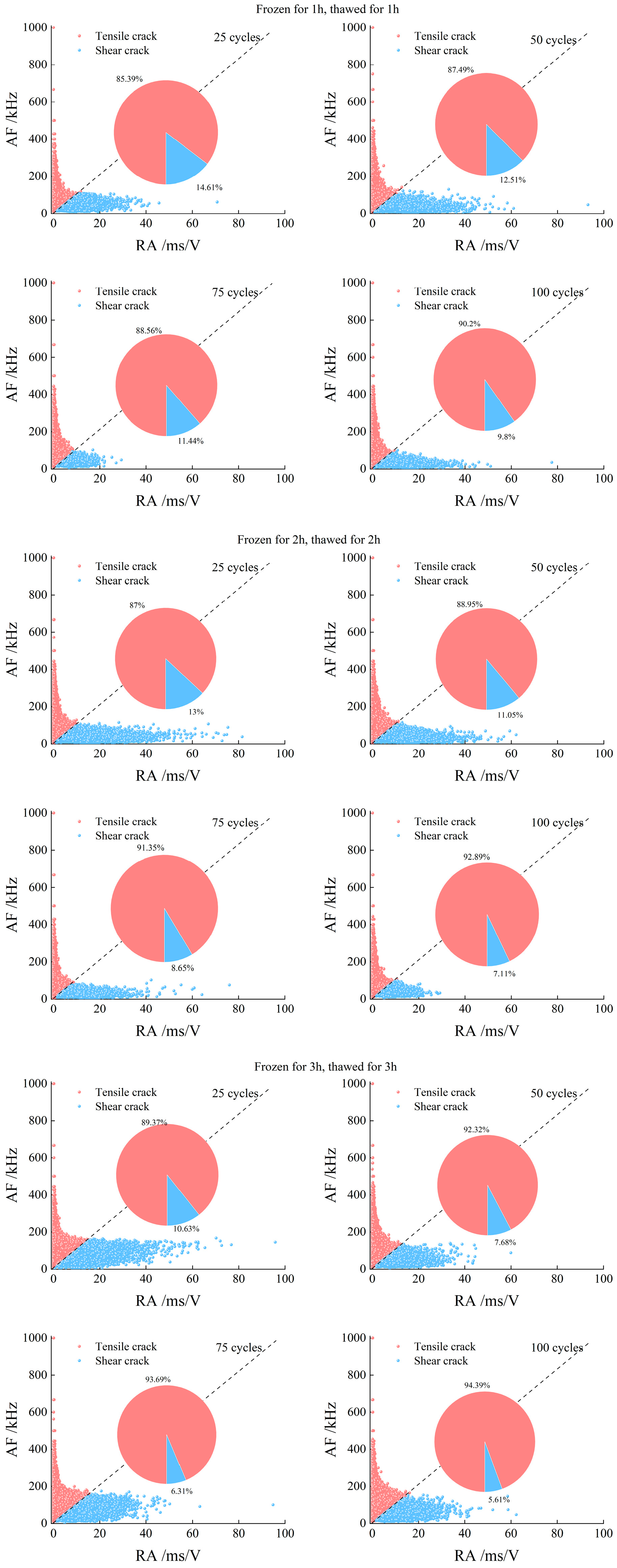
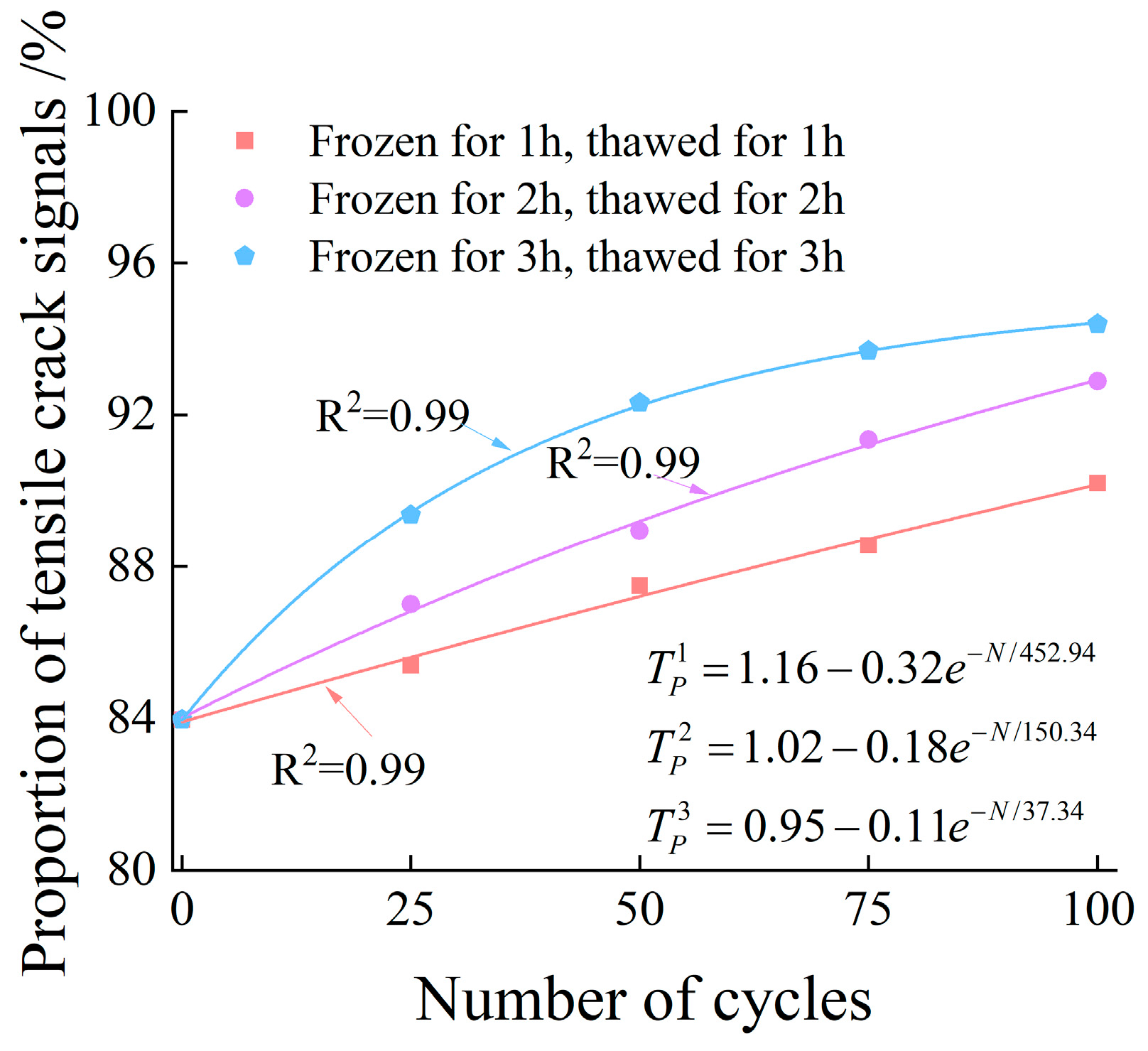
3.3.3. RA-AF Distribution Characteristics
3.4. Rock Damage Evolution Characteristics
3.4.1. Damage Characteristics Based on Peak Strength
3.4.2. Damage Characteristics Based on Elastic Modulus
3.4.3. Damage Characteristics Based on Porosity
3.4.4. Damage Characteristics Based on Cumulative Ringing Count Rate
3.4.5. Damage Characteristics Based on Cumulative Energy Rate
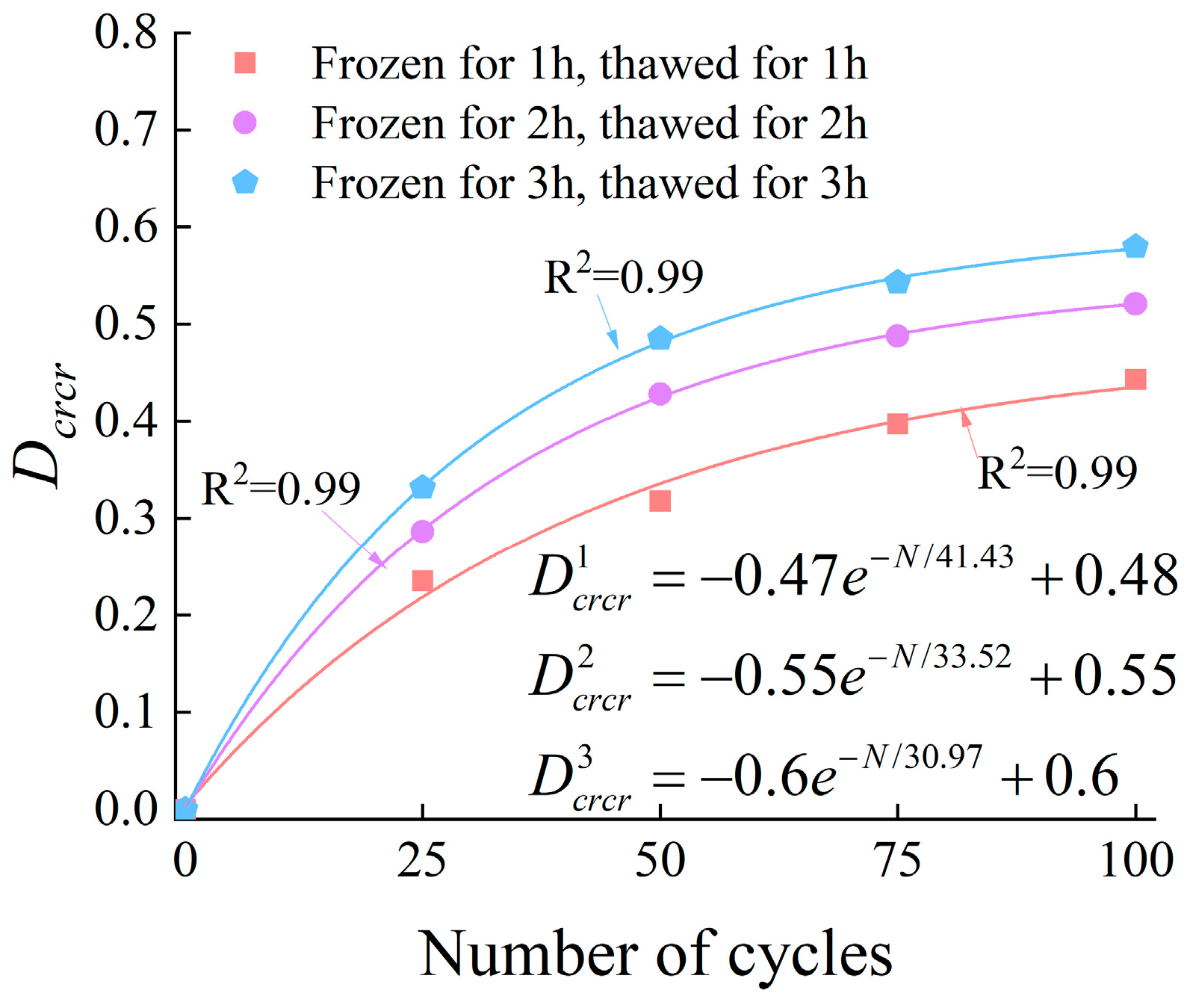
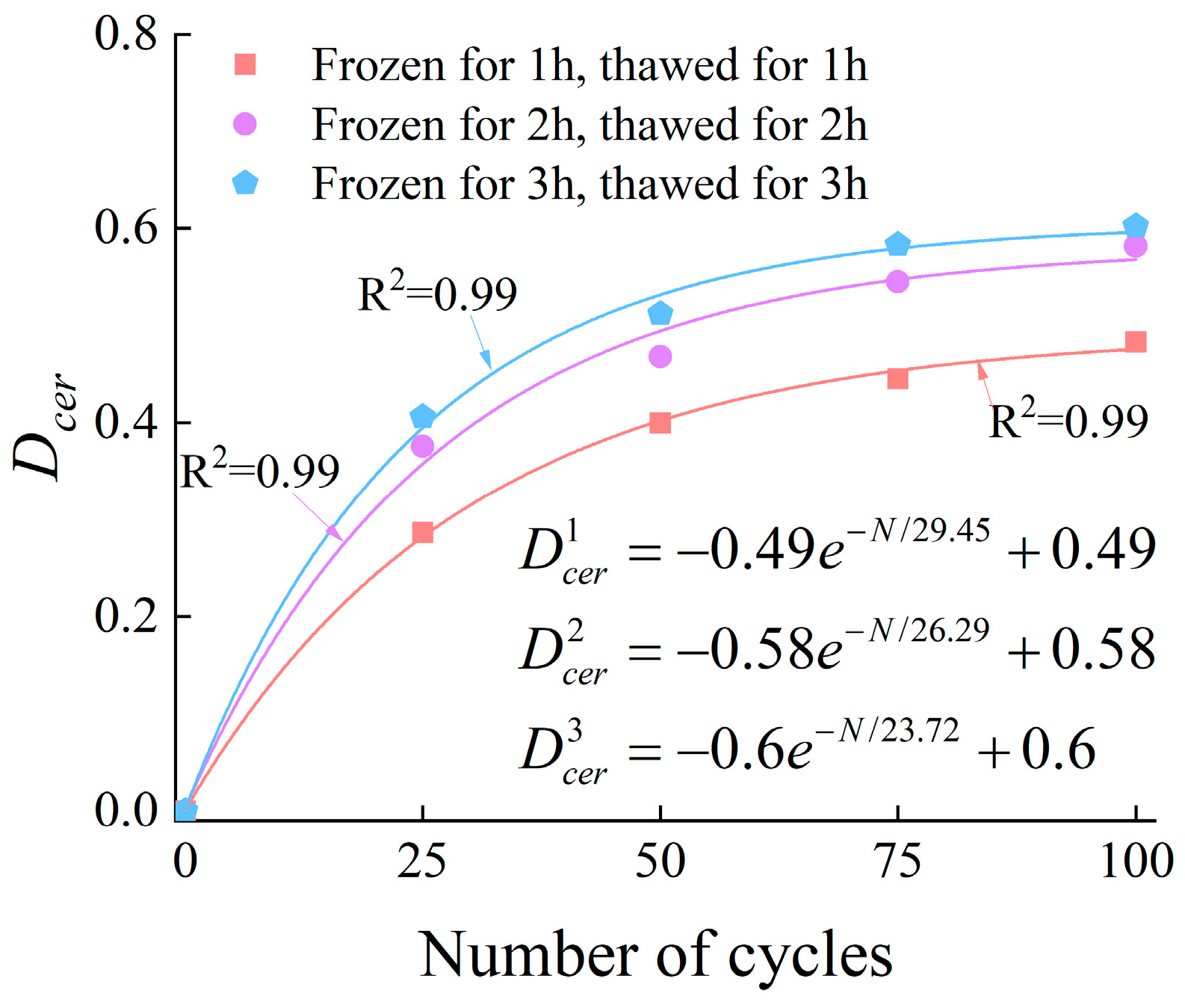
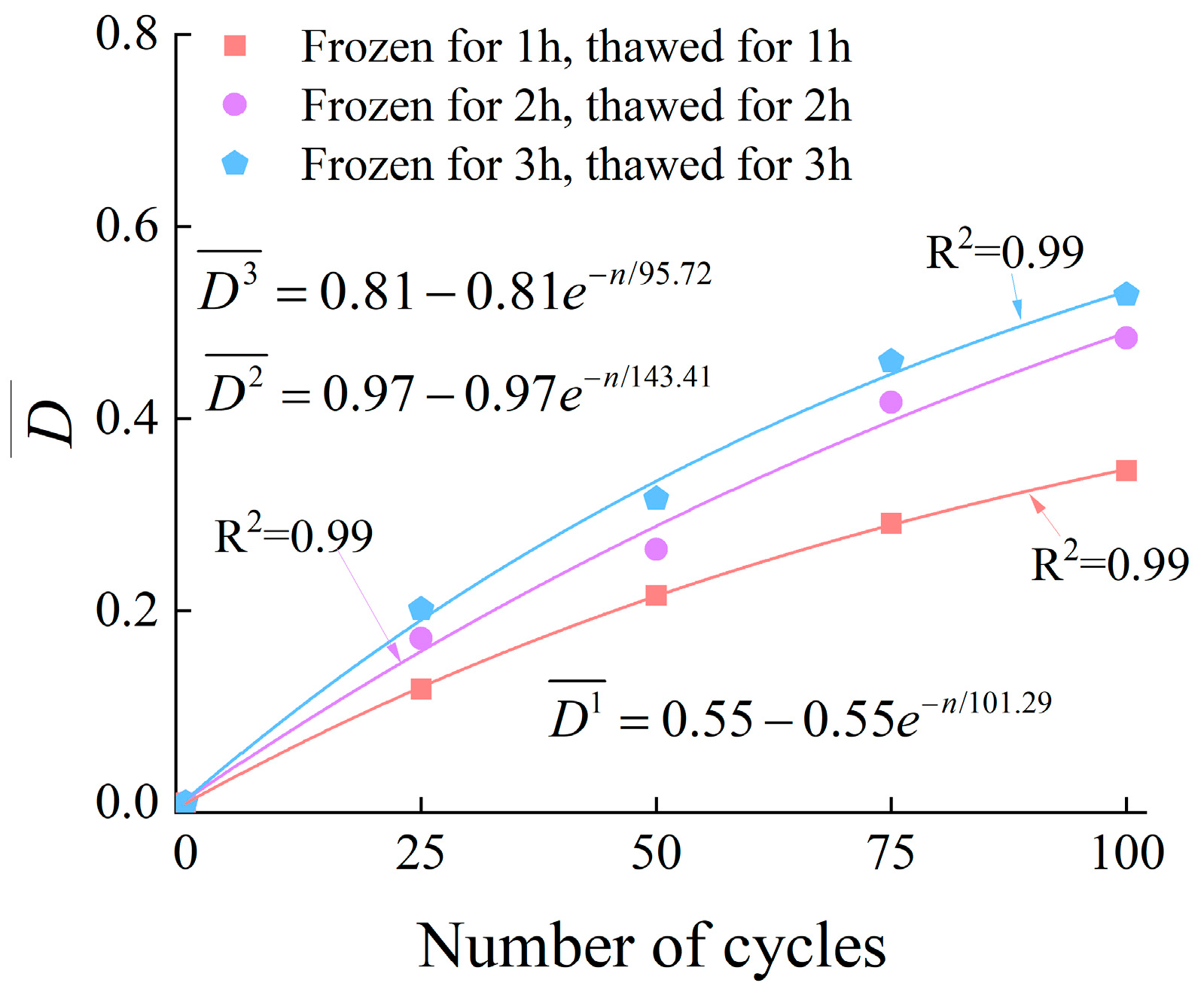
3.4.6. Multi-Index Coupling Damage Variable
4. Conclusions
- (1)
- The increase in freeze–thaw duration and number of freeze–thaw cycles both aggravate the deterioration of peak strength and elastic modulus of granite, and the attenuation amplitude of strength and modulus decreases with the extension of freeze–thaw duration under the same number of freeze–thaw cycles. Compared with unfrozen-thawed specimens, after 100 freeze–thaw cycles, the normalized values of peak strength in the 1 h, 2 h, and 3 h freeze–thaw groups are 0.72, 0.66, and 0.63, respectively, and the normalized values of elastic modulus were 0.60, 0.47, and 0.46, respectively. This phenomenon is attributed to the fact that only the surface layer of the rock in the 1 h freeze–thaw group is fully frozen, and more freeze–thaw cycles are required for the accumulation of internal damage, whereas the 2 h and 3 h groups undergo more sufficient freezing, and the main damage evolution is completed in the early cycles.
- (2)
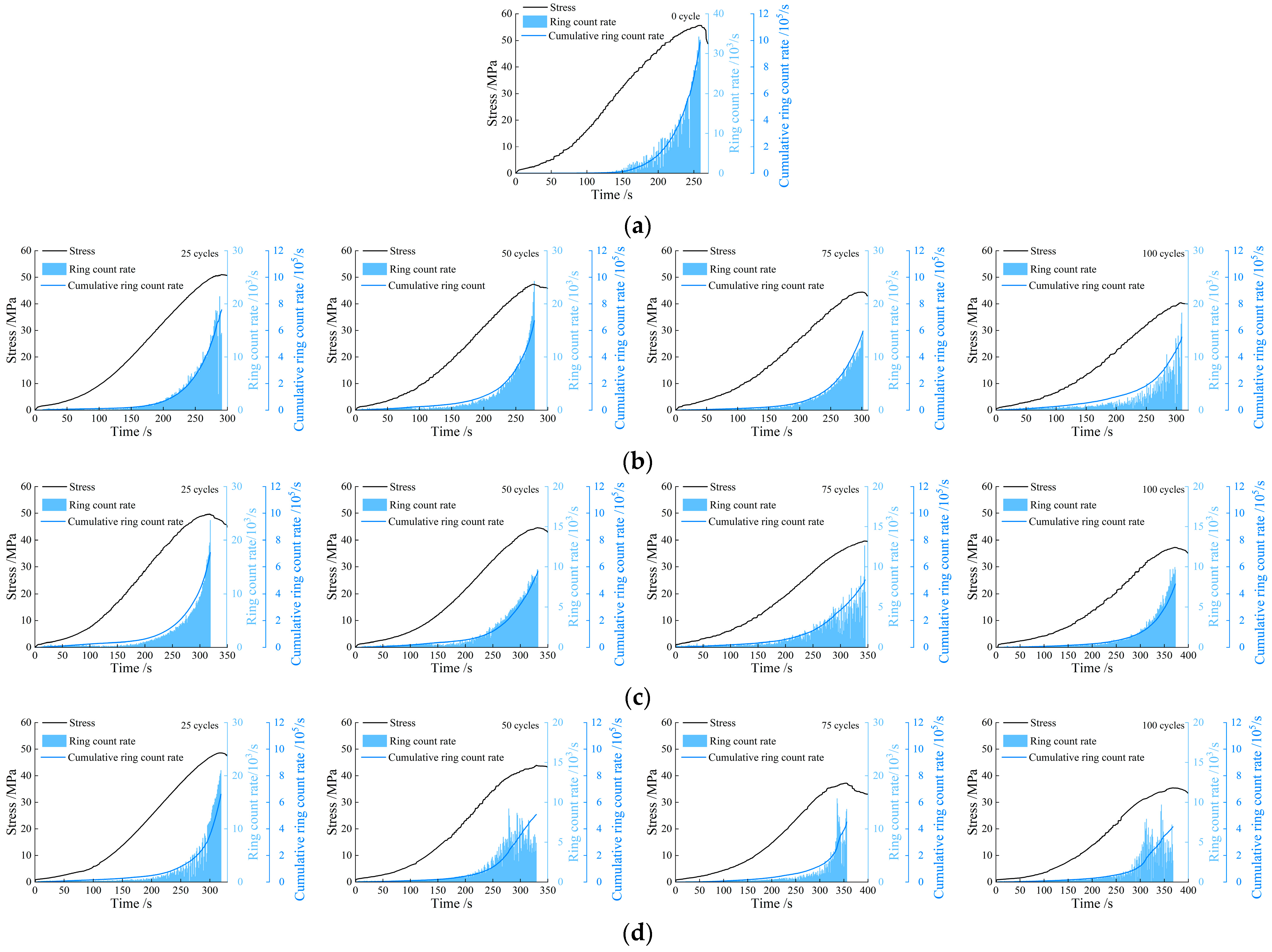
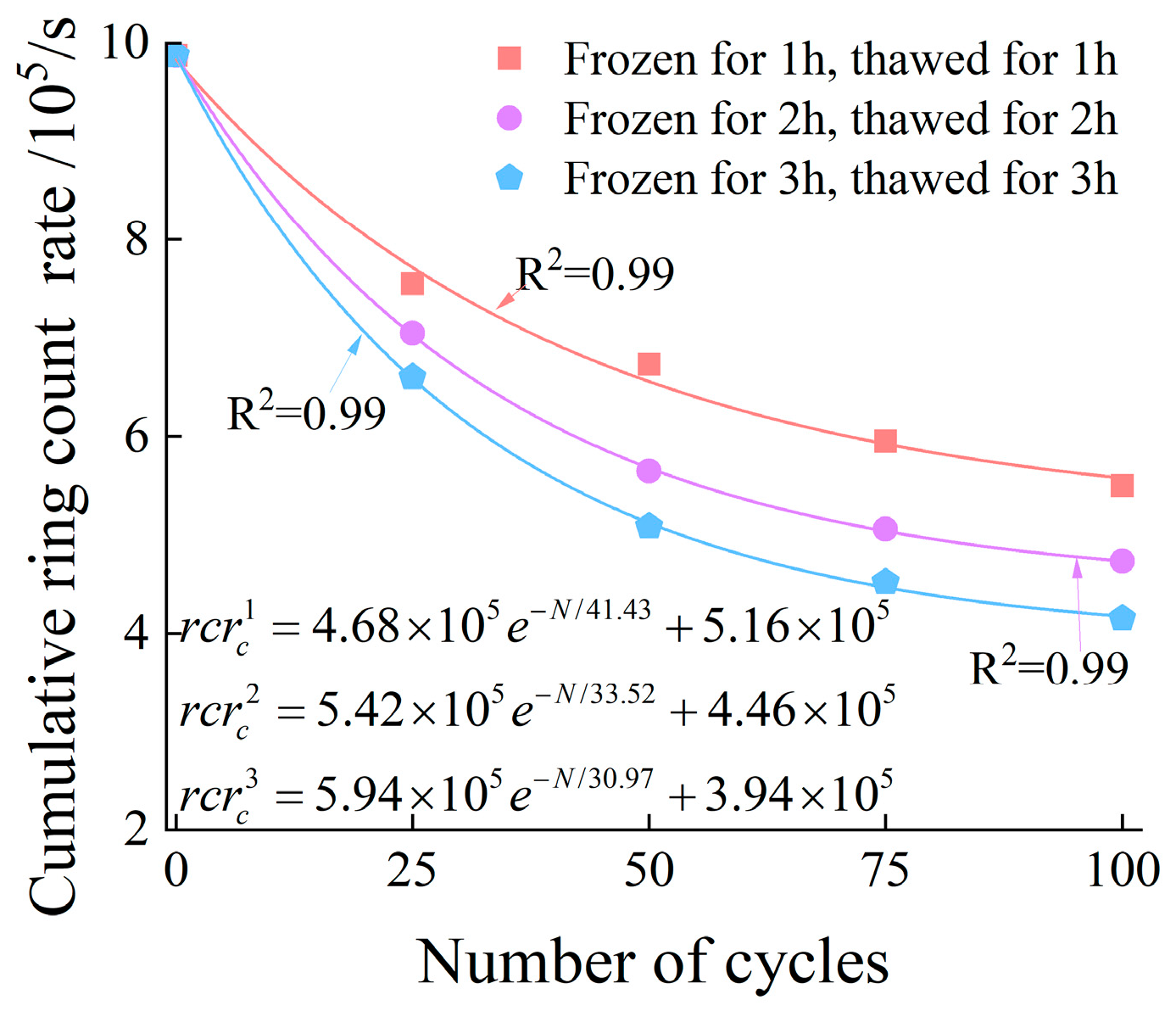
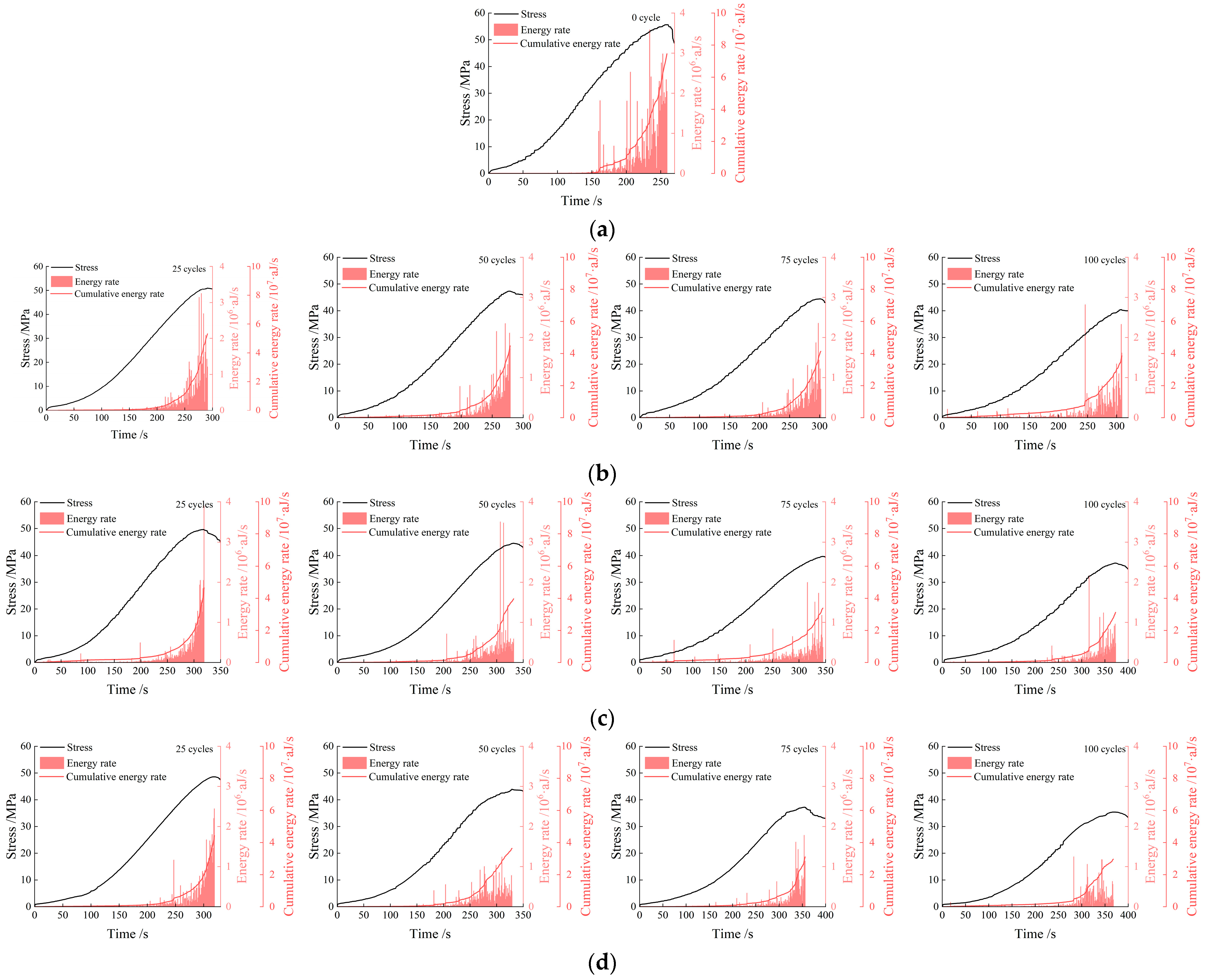
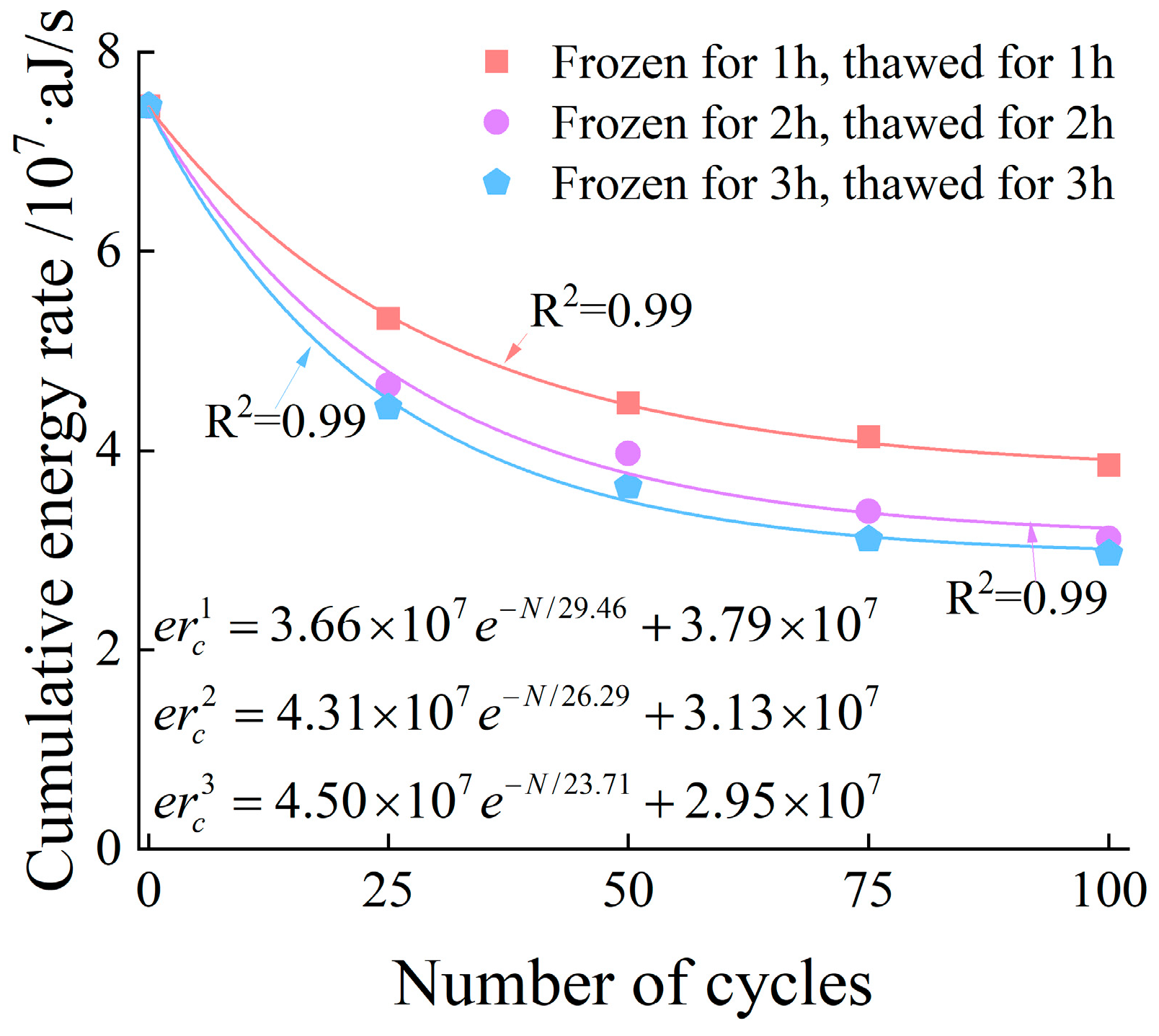
- During the loading and failure process of granite, the AE cumulative ringing count rate and cumulative energy rate exhibit exponential attenuation with the increase in freeze–thaw duration and number of freeze–thaw cycles, and the attenuation amplitude decreases with the extension of freeze–thaw duration. Compared with unfrozen-thawed specimens, after 100 freeze–thaw cycles, the normalized values of the AE cumulative ringing count rate of specimens in the 1 h, 2 h, and 3 h freeze–thaw groups are 0.55, 0.47, and 0.42, respectively, and the normalized values of the cumulative energy rate are 0.51, 0.41, and 0.39, respectively.
- (3)
- The failure process of all specimens is dominated by tensile cracks, and the proportion of tensile cracks shows an increasing trend with the extension of freeze–thaw duration and the accumulation of freeze–thaw cycles.
- (4)
- A single damage parameter is insufficient to comprehensively characterize the extent of freeze–thaw damage. In this study, the Entropy Weight Method (EWM) was employed to determine the weight of each parameter, integrating peak strength, elastic modulus, porosity, cumulative AE ringing count, and cumulative energy to construct a multi-indicator coupled damage variable. Compared with traditional single-indicator methods, this approach effectively accounts for structural damage sensitivity, macroscopic characterization precision, and dynamic evolution features. Consequently, it enhances the objectivity and reliability of freeze–thaw damage assessment in granite.
- (5)
- Despite the insightful findings, several limitations of this study should be acknowledged. First, the experiments were conducted on a single lithology (granite) from a specific site; thus, the generalizability to other rock types requires further validation. Second, this study focused on fully saturated specimens under uniaxial compression, which may not fully represent the complex triaxial stress states and partially saturated conditions found in deep-seated engineering projects. Additionally, only a single pair of freezing and thawing temperatures was tested. Future research will aim to incorporate triaxial loading, varying degrees of saturation, and different thermal amplitudes to enhance the broader applicability of the proposed damage model.
Author Contributions
Funding
Institutional Review Board Statement
Informed Consent Statement
Data Availability Statement
Acknowledgments
Conflicts of Interest
References
- Wang, Y.Z.; Liu, X.J.; Ai, C.J.; Peng, Y. Experimental investigation on shear strength parameters C and φ for a temporarily frozen soil in South China. Eng. J. Wuhan Univ. 2010, 43, 198–202. [Google Scholar]
- Zhang, Y.; Zhang, Y.; Jiang, X. Study of the degradation and microstructural characteristics of granite porphyry with freeze–thaw cycles. Sci. Rep. 2025, 15, 5091. [Google Scholar] [CrossRef]
- Gong, Y.F.; Wu, S.Z.; Song, J.X. Pore characteristics and constitutive model of constrained granite under freeze-thaw cycles. Constr. Build. Mater. 2025, 491, 142706. [Google Scholar] [CrossRef]
- Jia, S.; Yu, Q.; Yin, H.; Dai, Z.; Yin, S.; Kong, Y.; Thanh, H.V.; Soltanian, M.R. Analysis of damage evolution and study on mesoscopic damage constitutive model of granite under freeze–thaw cycling. Bull. Eng. Geol. Environ. 2024, 83, 236. [Google Scholar] [CrossRef]
- Cao, J.; Hu, J.; Wang, X.; Yang, B.; Xia, Z.; Wang, H.; Zhang, L. Mechanical properties and acoustic emission characteristics of mixed granite after different numbers of freeze–thaw cycles. Sci. Rep. 2024, 14, 14074. [Google Scholar] [CrossRef] [PubMed]
- Song, J.X.; Gong, Y.F.; Wu, S.Z.; Zhang, Y. Damage deterioration behavior of granite subjected to freeze-thaw cycles: Experiments and theories. Constr. Build. Mater. 2024, 450, 138540. [Google Scholar] [CrossRef]
- Gong, Y.F.; Song, J.X.; Wu, S.Z.; Zhang, Y. Evolution of pore structure and analysis of freeze damage in granite during cyclic freeze-thaw using NMR technique. Eng. Geol. 2024, 335, 107545. [Google Scholar] [CrossRef]
- Qi, L.; Wang, J.; Zhang, D.; Zhang, Y.; Ma, J. Evaluation of the influence of freeze–thaw cycles on the joint strength of granite in the Eastern Tibetan Plateau, China. Sci. Rep. 2024, 14, 24085. [Google Scholar] [CrossRef]
- Liu, J.X.; Guo, C.B.; Deng, T.Y.; Ren, S. Investigation of the deterioration of Basu granite mechanical properties caused by freeze–thaw cycles in high-altitude mountains in the eastern part of the Tibetan plateau China. Sustainability 2024, 16, 319. [Google Scholar] [CrossRef]
- Chen, D.; Li, G.; Li, J.; Du, Q.; Zhou, Y.; Mao, Y.; Qi, S.; Tang, L.; Jia, H.; Peng, W. Mechanical characteristics and damage evolution of granite under freeze–thaw cycles. Front. Energy Res. 2023, 10, 983705. [Google Scholar] [CrossRef]
- Ullah, B.; Zhou, Z.; Cai, X.; Lu, J.; Zhao, C.C. Failure prediction and microcracks development based on acoustic emission and energy evolution for different rocks treated with freeze–thaw weathering. Bull. Eng. Geol. Environ. 2023, 82, 471. [Google Scholar] [CrossRef]
- Zhang, C.Y.; Tan, T.; Ke, B.; Ma, B.; Dai, B.; Fang, Z.; Zhao, E. CT measurement of damage characteristics of meso-structure of freeze-thawed granite in cold regions and preliminary exploration of its mechanical behavior during a single freeze-thaw process. Appl. Rheol. 2023, 33, 20230106. [Google Scholar] [CrossRef]
- Zhao, Y.; Liu, B.; Wang, C.L.; Bi, J.; Yang, Z. Study on deterioration mechanism of granite with a natural single weak surface after freeze-thaw treatment. Cold Reg. Sci. Technol. 2024, 218, 104079. [Google Scholar] [CrossRef]
- Lian, S.; Zhao, Y.; Wan, W.; Wu, Q.; Gao, R.; Wang, M. Study on the freezing-thawing damage mechanism and evolution model of saturated gray sandstone based on NMR and AE technology. Bull. Eng. Geol. Environ. 2025, 84, 560. [Google Scholar] [CrossRef]
- Wang, C.Y.; You, R.; Lv, W.Y.; Sui, Q.; Yan, Y.; Zhu, H. Damage Evolution and Acoustic Emission Characteristics of Sandstone under Freeze–Thaw Cycles. ACS Omega 2024, 9, 4892–4904. [Google Scholar] [CrossRef]
- Chen, G.Q.; Guo, T.Y.; Serati, M.; Pei, B. Microcracking mechanisms of cyclic freeze–thaw treated red sandstone: Insights from acoustic emission and thin-section analysis. Constr. Build. Mater. 2022, 329, 127097. [Google Scholar] [CrossRef]
- Wang, Y.; Feng, W.K.; Wang, H.J.; Li, C.; Hou, Z. Rock bridge fracturing characteristics in granite induced by freeze-thaw and uniaxial deformation revealed by AE monitoring and post-test CT scanning. Cold Reg. Sci. Technol. 2020, 177, 103115. [Google Scholar] [CrossRef]
- Wang, Y.; Feng, W.K.; Wang, H.J.; Han, J.; Li, C. Geomechanical and Acoustic Properties of Intact Granite Subjected to Freeze-Thaw Cycles during Water-Ice Phase Transformation in Beizhan’s Open Pit Mine Slope, Xinjiang, China. Water 2019, 11, 2309. [Google Scholar] [CrossRef]
- Yang, H.M.; Song, Y.J.; Ren, J.X.; Xie, L.; Chen, Y. Study of the evolution of characteristic parameters and damage mechanism of sandstone under the synergistic effects of F-T and stepped cyclic loading-unloading via real-time CT scanning and AE monitoring. Measurement 2025, 256, 118078. [Google Scholar] [CrossRef]
- Yu, C.Y.; Huang, S.H.; Li, J.K.; Wu, X.; Tian, Y.; Bao, X. Study on the Failure Process and Acoustic Emission Characteristics of Freeze–Thawed Sandstone under Cyclic Loading and Unloading. Buildings 2024, 14, 1264. [Google Scholar] [CrossRef]
- Zhang, S.W.; Hang, L.; Chen, Y.F.; Wang, Y.; Zhao, Y. Acoustic emission and failure characteristics of cracked rock under freezing-thawing and shearing. Theor. Appl. Fract. Mech. 2022, 121, 103537. [Google Scholar] [CrossRef]
- Lian, S.L.; Zheng, K.; Zhao, Y.; Bi, J.; Wang, C.; Huang, Y.S. Investigation the effect of freeze–thaw cycle on fracture mode classification in concrete based on acoustic emission parameter analysis. Constr. Build. Mater. 2023, 362, 129789. [Google Scholar] [CrossRef]
- Li, H.R.; Xu, Z.; Wang, P.; Gong, X.; Jiang, S.; Tian, Y.; Qian, K.; Liu, Q. Study on the failure characteristics and acoustic emission precursor parameters of concrete under uniaxial compression after freeze–thaw damage. Eng. Fail. Anal. 2025, 181, 109981. [Google Scholar] [CrossRef]
- Moca, V.V.; Bârzan, H.; Nagy, D.A.; Mureșan, R.C. Time-frequency super-resolution with superlets. Nat. Commun. 2021, 12, 337. [Google Scholar] [CrossRef] [PubMed]
- Shi, C.D.; Nie, W.; Ma, G.W.; He, M.; Chen, Y. Effects of freeze-thaw cycles on granite failure using acoustic emission test. J. Rock Mech. Geotech. Eng. 2025, 17, 4512–4526. [Google Scholar] [CrossRef]
- Zhang, X.; Liu, X.; Jin, J.; Wang, H.; Lv, Z.; Xiao, Y. Investigation of damage characteristics in freeze-thawed grey-white sandstone using AE multifractal analysis. Geomech. Geophys. Geo-Energ. Geo-Resour. 2025, 11, 93. [Google Scholar] [CrossRef]
- Nan, Z.T. China 1:10 Million Permafrost Zoning and Type Map; National Glacier, Frozen Soil and Desert; Science Data Center, Chinese Academy of Sciences: Beijing, China, 2019. [Google Scholar]
- Shen, Y.J.; Yang, G.S.; Rong, T.L.; Liu, H.; Lv, W.Y. Proposed scheme for freeze-thaw cycle tests on rock. Chin. J. Geotech. Eng. 2016, 38, 1775–1782. [Google Scholar]
- JCMS-III B5706; Monitoring Method for Active Cracks in Concrete by Acoustic Emission. Federation of Construction Materials Industries: Tokyo, Japan, 2003.
- Bi, J.; Zhao, Y.; Wu, Z.; Li, J.; Wang, C. Research on crack classification method and failure precursor index based on RA-AF value of brittle rock. Theor. Appl. Fract. Mech. 2024, 129, 104179. [Google Scholar] [CrossRef]


| Researcher | Lithology | Freeze–Thaw Time | Number of Cycles | Region | Time |
|---|---|---|---|---|---|
| Zhang | Granite | 4 h, 4 h | 0, 9, 18, 27 | Permafrost | 2025 [2] |
| Gong | Granite | 4 h, 4 h | 0, 25, 50, 100, 150, 200 | Seasonally frozen ground | 2025 [3] |
| Jia | Granite | 4 h, 4 h | 0, 5, 10, 20, 40, 80 | Seasonally frozen ground | 2024 [4] |
| Cao | Granite | 4 h, 4 h | 0, 10, 20, 30, 40 | Seasonally frozen ground | 2024 [5] |
| Song | Granite | 4 h, 4 h | 0, 25, 50, 100, 150, 200 | Seasonally frozen ground | 2024 [6] |
| Gong | Granite | 4 h, 4 h | 0, 50, 100, 200 | Seasonally frozen ground | 2024 [7] |
| Qi | Granite | 4 h, 4 h | 0, 20, 40, 60, 80, 100, 120 | Seasonally frozen ground | 2024 [8] |
| Liu | Granite | 4 h, 4 h | 0, 10, 20, 30, 40 | Seasonally frozen ground | 2024 [9] |
| Dun | Granite | 3 h, 3 h | 0, 20, 40, 70, 100 | Permafrost | 2023 [10] |
| Ullah | Granite | 4 h, 4 h | 0, 25 | Short-term frozen ground | 2023 [11] |
| Zhang | Granite | 4 h, 4 h | 0, 15, 30, 45, 60, 80 | Seasonally frozen ground | 2023 [12] |
| Yu | Granite | 6 h, 6 h | 0, 20, 40, 60 | Seasonally frozen ground | 2024 [13] |
| Freeze–Thaw Cycles | |||||
|---|---|---|---|---|---|
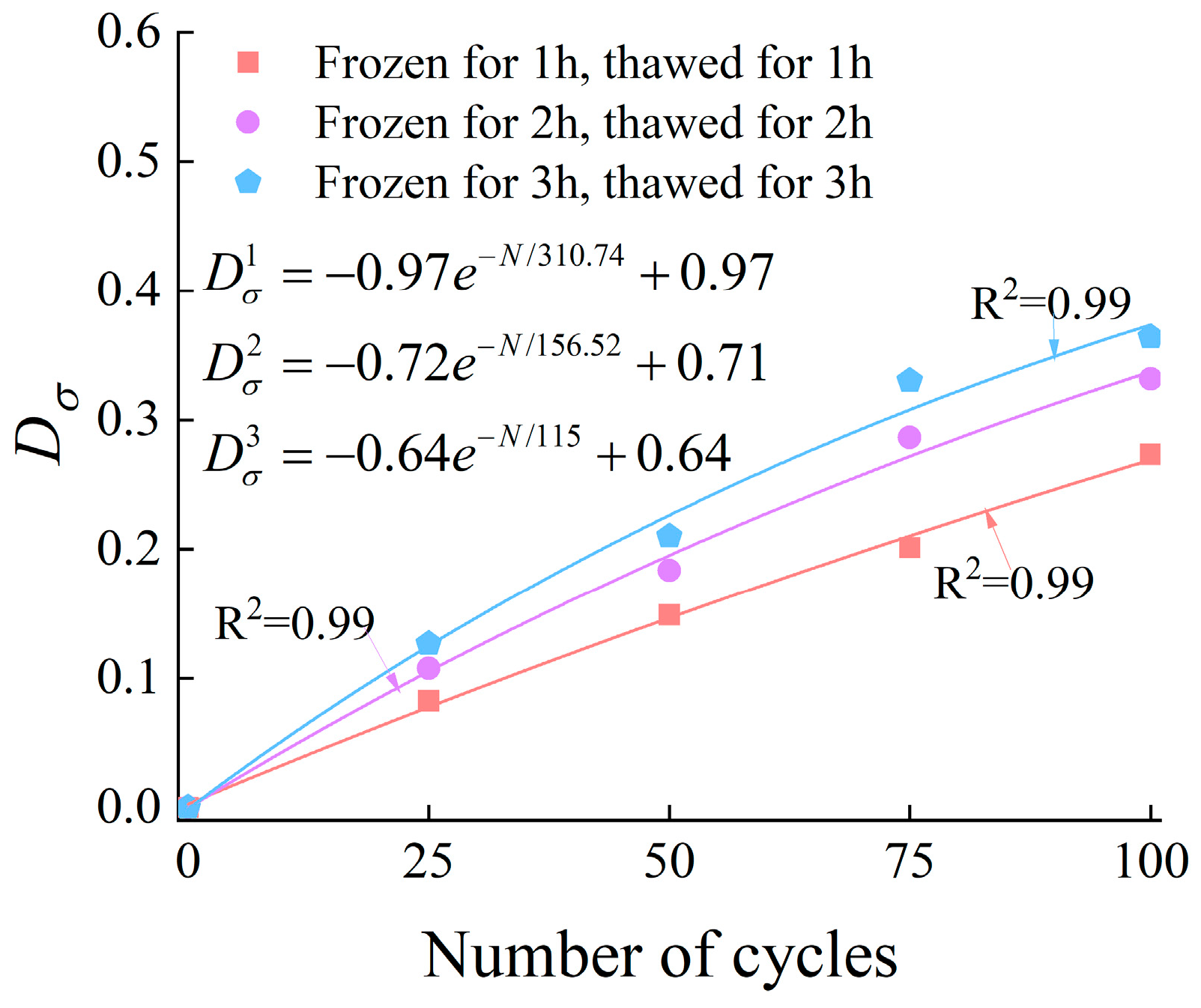
| 25 | 0.08 | 0.14 | 0.08 | 0.24 | 0.29 |
| 50 | 0.15 | 0.24 | 0.2 | 0.32 | 0.40 |
| 75 | 0.20 | 0.31 | 0.3 | 0.40 | 0.45 |
| 100 | 0.27 | 0.40 | 0.33 | 0.44 | 0.48 |
| Freeze–Thaw Cycles | |||||
|---|---|---|---|---|---|
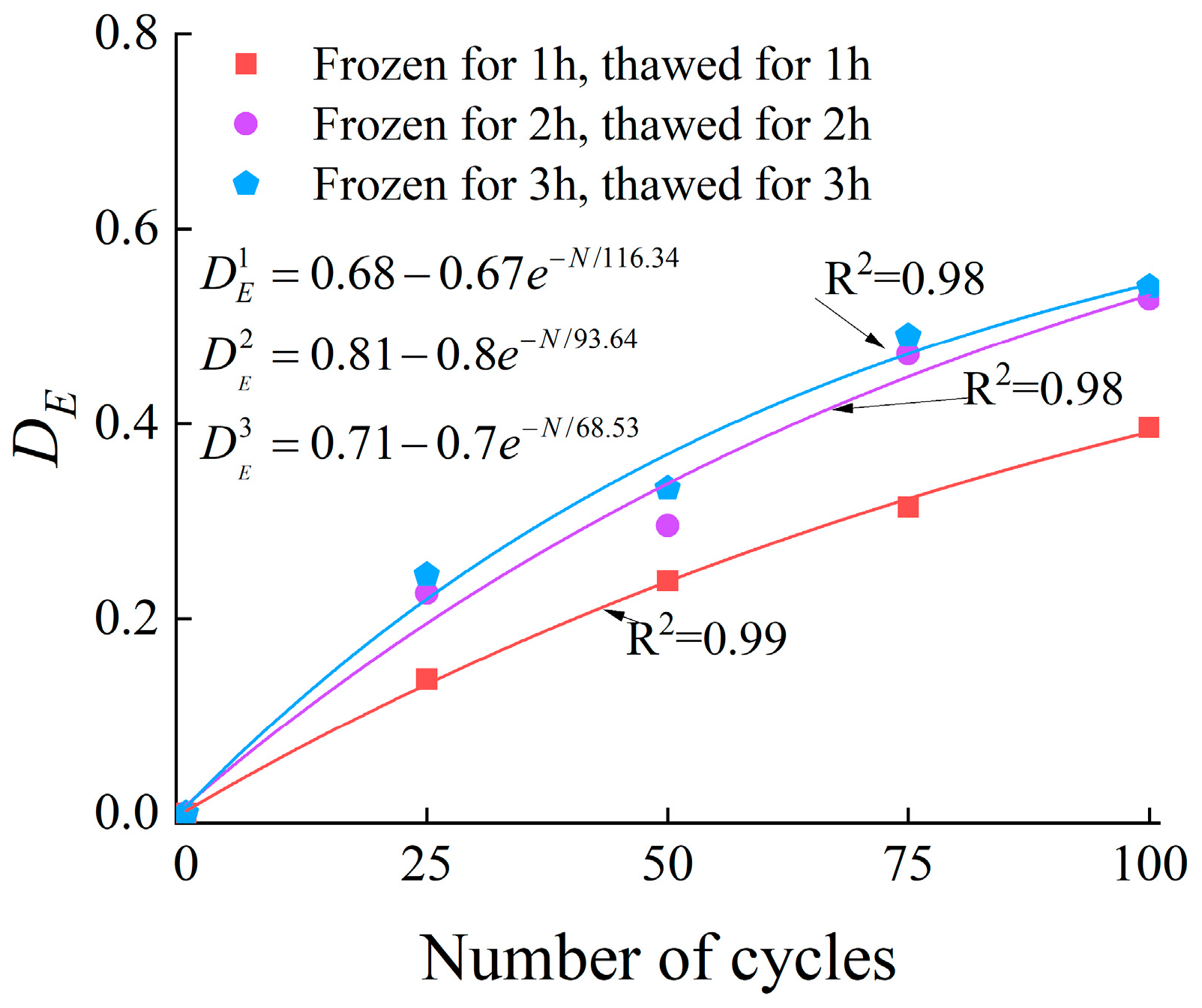
| 25 | 0.11 | 0.23 | 0.14 | 0.29 | 0.38 |
| 50 | 0.18 | 0.30 | 0.25 | 0.43 | 0.47 |
| 75 | 0.29 | 0.47 | 0.45 | 0.49 | 0.55 |
| 100 | 0.33 | 0.53 | 0.55 | 0.52 | 0.58 |
| Freeze–Thaw Cycles | |||||
|---|---|---|---|---|---|
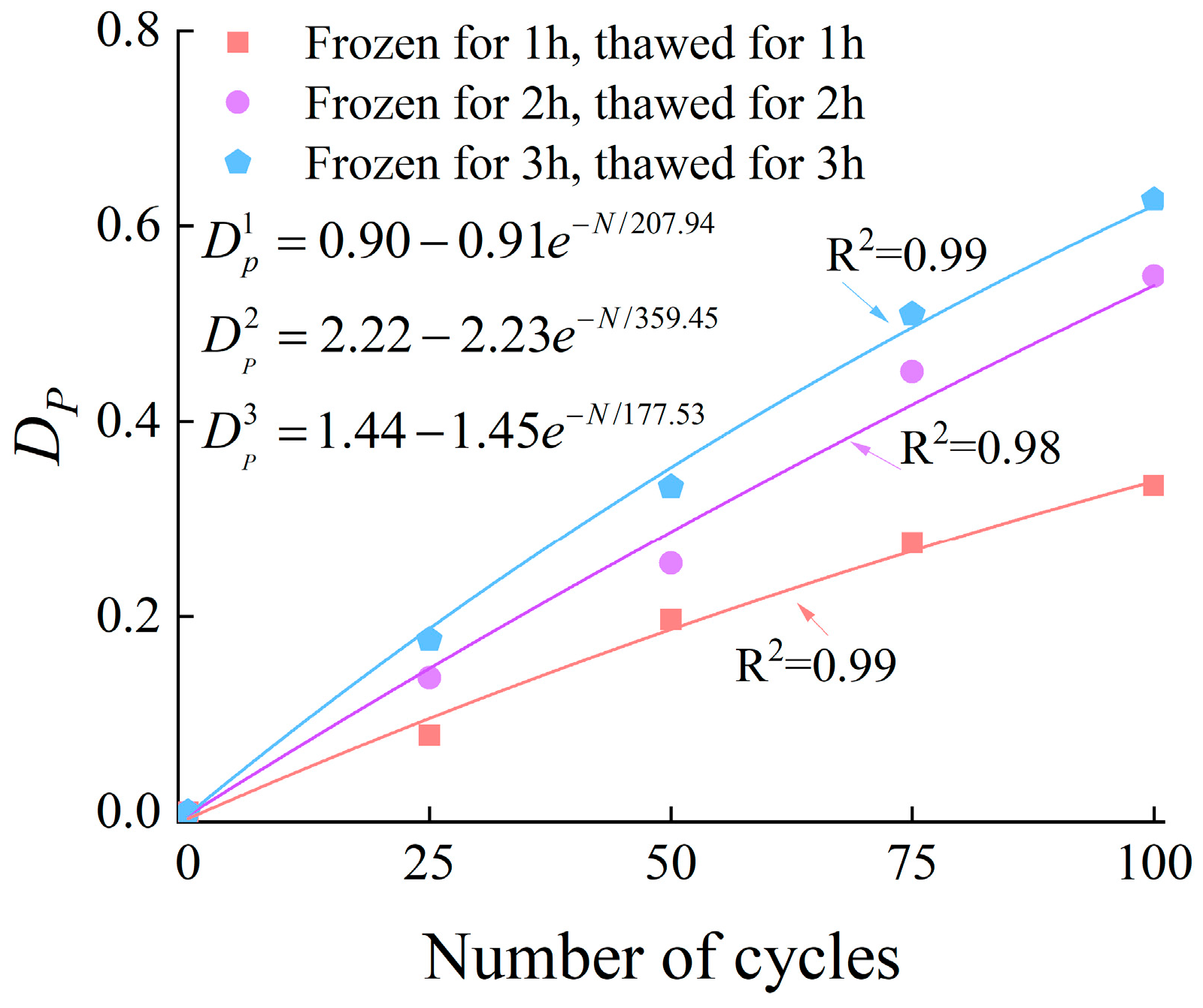
| 25 | 0.13 | 0.25 | 0.18 | 0.33 | 0.41 |
| 50 | 0.21 | 0.33 | 0.33 | 0.49 | 0.51 |
| 75 | 0.33 | 0.49 | 0.51 | 0.54 | 0.58 |
| 100 | 0.36 | 0.54 | 0.63 | 0.58 | 0.60 |
| Freeze–Thaw Time | |||||
|---|---|---|---|---|---|
| Frozen for 1 h, thawed for 1 h | 0.282 | 0.217 | 0.360 | 0.085 | 0.057 |
| Frozen for 2 h, thawed for 2 h | 0.279 | 0.186 | 0.410 | 0.080 | 0.045 |
| Frozen for 3 h, thawed for 3 h | 0.292 | 0.186 | 0.391 | 0.087 | 0.044 |
Disclaimer/Publisher’s Note: The statements, opinions and data contained in all publications are solely those of the individual author(s) and contributor(s) and not of MDPI and/or the editor(s). MDPI and/or the editor(s) disclaim responsibility for any injury to people or property resulting from any ideas, methods, instructions or products referred to in the content. |
© 2026 by the authors. Licensee MDPI, Basel, Switzerland. This article is an open access article distributed under the terms and conditions of the Creative Commons Attribution (CC BY) license.
Share and Cite
Yang, X.; Zeng, P.; Zhao, K.; Zhang, D.; Zhang, H.; Liang, N.; Sun, L. Experimental Study on Damage Evolution Characteristics of Granite Under Short-Term Freeze–Thaw Cycles. Materials 2026, 19, 853. https://doi.org/10.3390/ma19050853
Yang X, Zeng P, Zhao K, Zhang D, Zhang H, Liang N, Sun L. Experimental Study on Damage Evolution Characteristics of Granite Under Short-Term Freeze–Thaw Cycles. Materials. 2026; 19(5):853. https://doi.org/10.3390/ma19050853
Chicago/Turabian StyleYang, Xianda, Peng Zeng, Kui Zhao, Dong Zhang, Hepeng Zhang, Nan Liang, and Lihui Sun. 2026. "Experimental Study on Damage Evolution Characteristics of Granite Under Short-Term Freeze–Thaw Cycles" Materials 19, no. 5: 853. https://doi.org/10.3390/ma19050853
APA StyleYang, X., Zeng, P., Zhao, K., Zhang, D., Zhang, H., Liang, N., & Sun, L. (2026). Experimental Study on Damage Evolution Characteristics of Granite Under Short-Term Freeze–Thaw Cycles. Materials, 19(5), 853. https://doi.org/10.3390/ma19050853