Article

The Effect of Cu-Rich Nano-Precipitation on Hydrogen Embrittlement Performance in a Cu-Bearing Ultra-Low Carbon Steel


1
School of Materials Science and Engineering, Shenyang Ligong University, Shenyang 110159, China
2
State Key Laboratory of Digital Steel, Northeastern University, Shenyang 110819, China
3
Shenyang National Laboratory for Materials Science, Institute of Metal Research, Chinese Academy of Sciences, Shenyang 110016, China
*
Authors to whom correspondence should be addressed.
Materials 2026, 19(18), 3971; https://doi.org/10.3390/ma19183971 (registering DOI)
Submission received: 30 July 2026 / Revised: 1 September 2026 / Accepted: 4 September 2026 / Published: 18 September 2026

Abstract

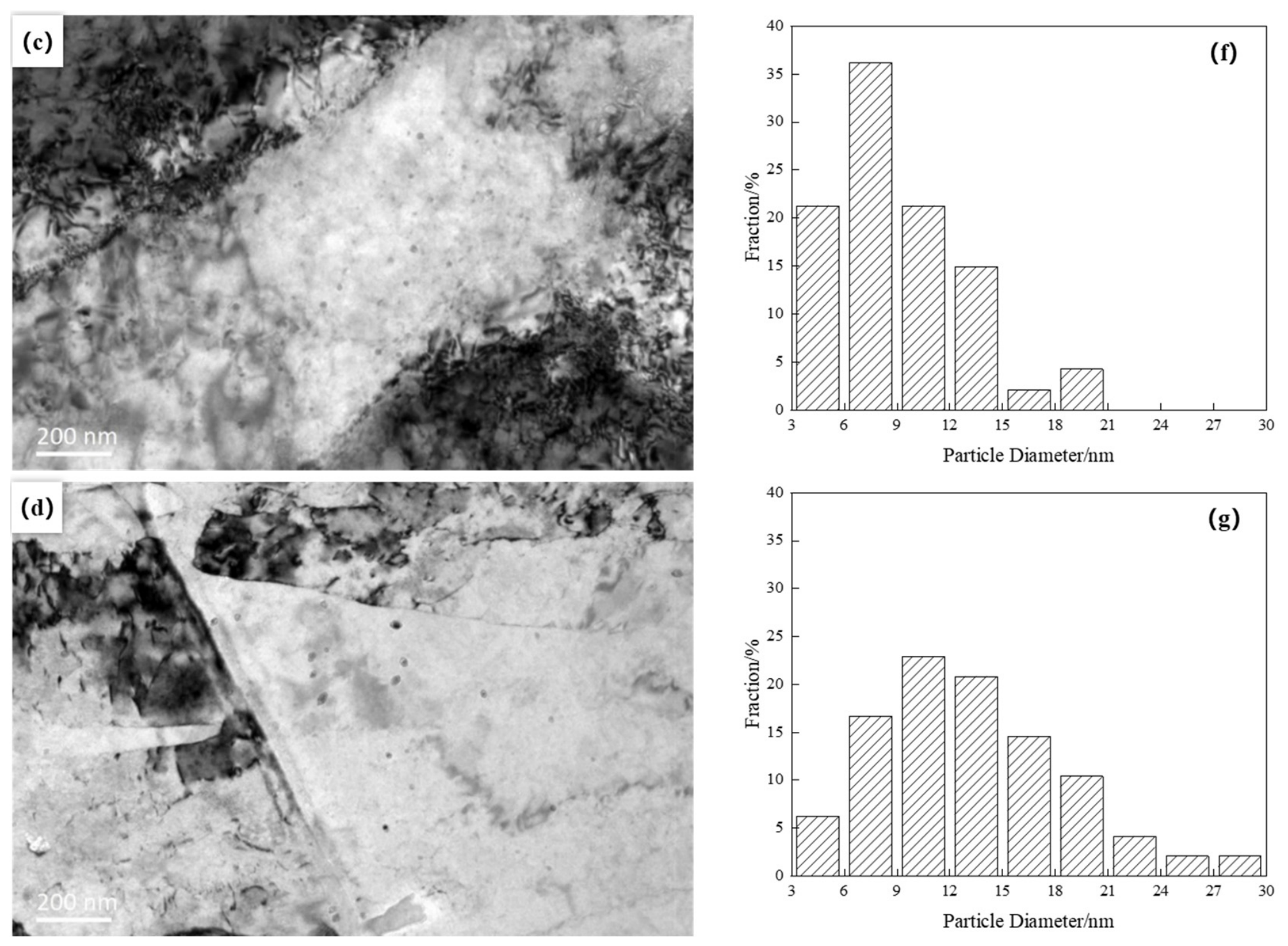
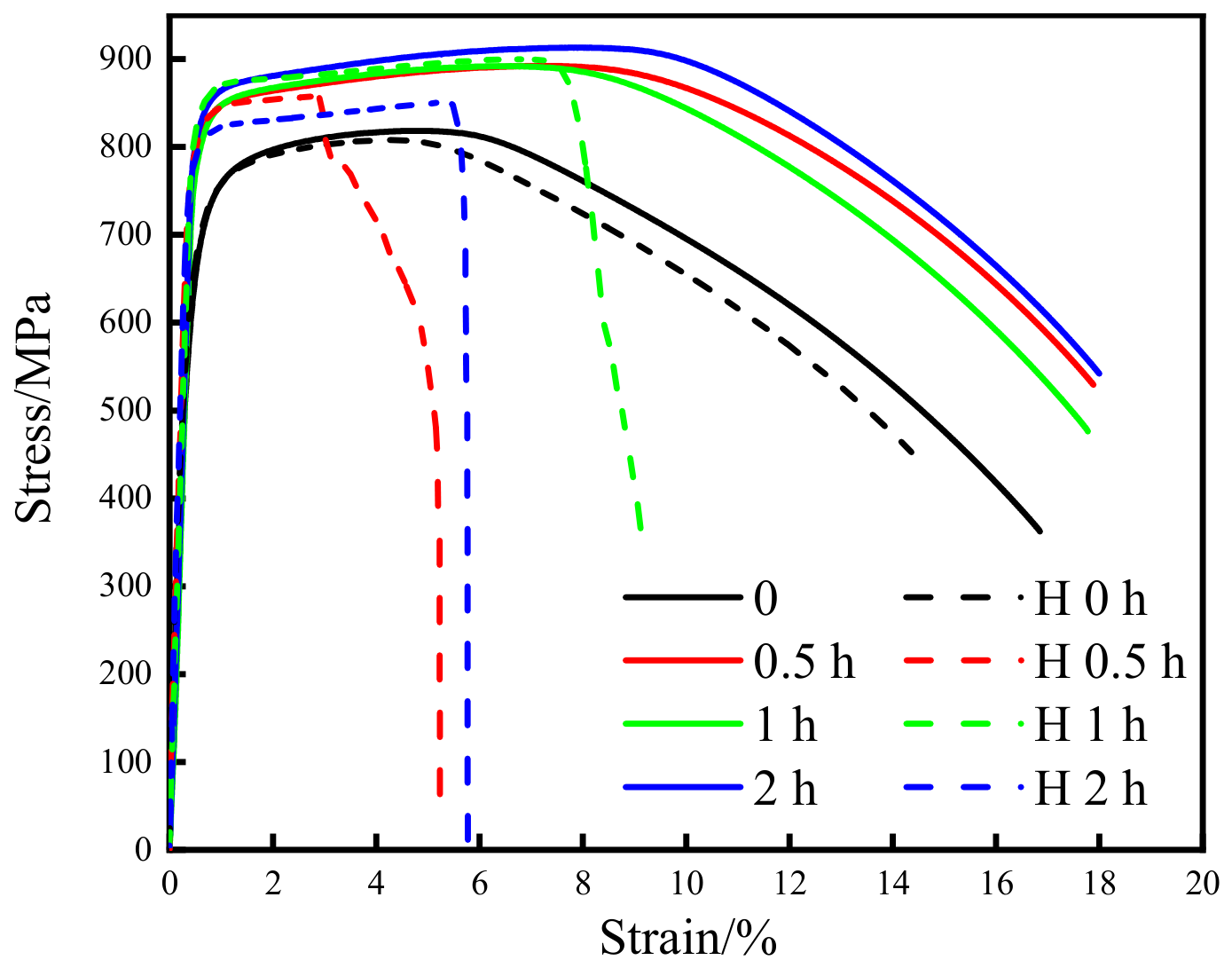
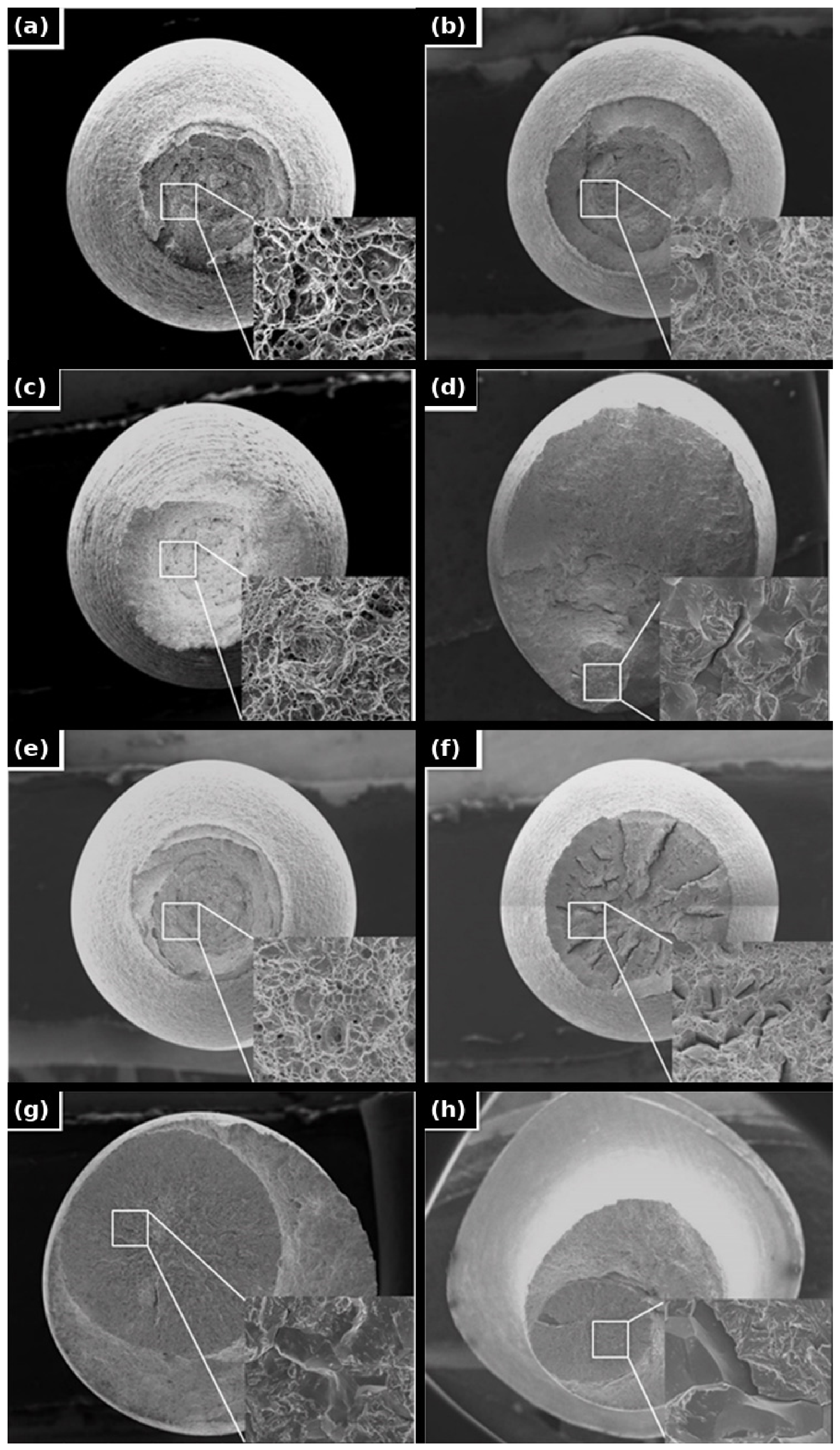
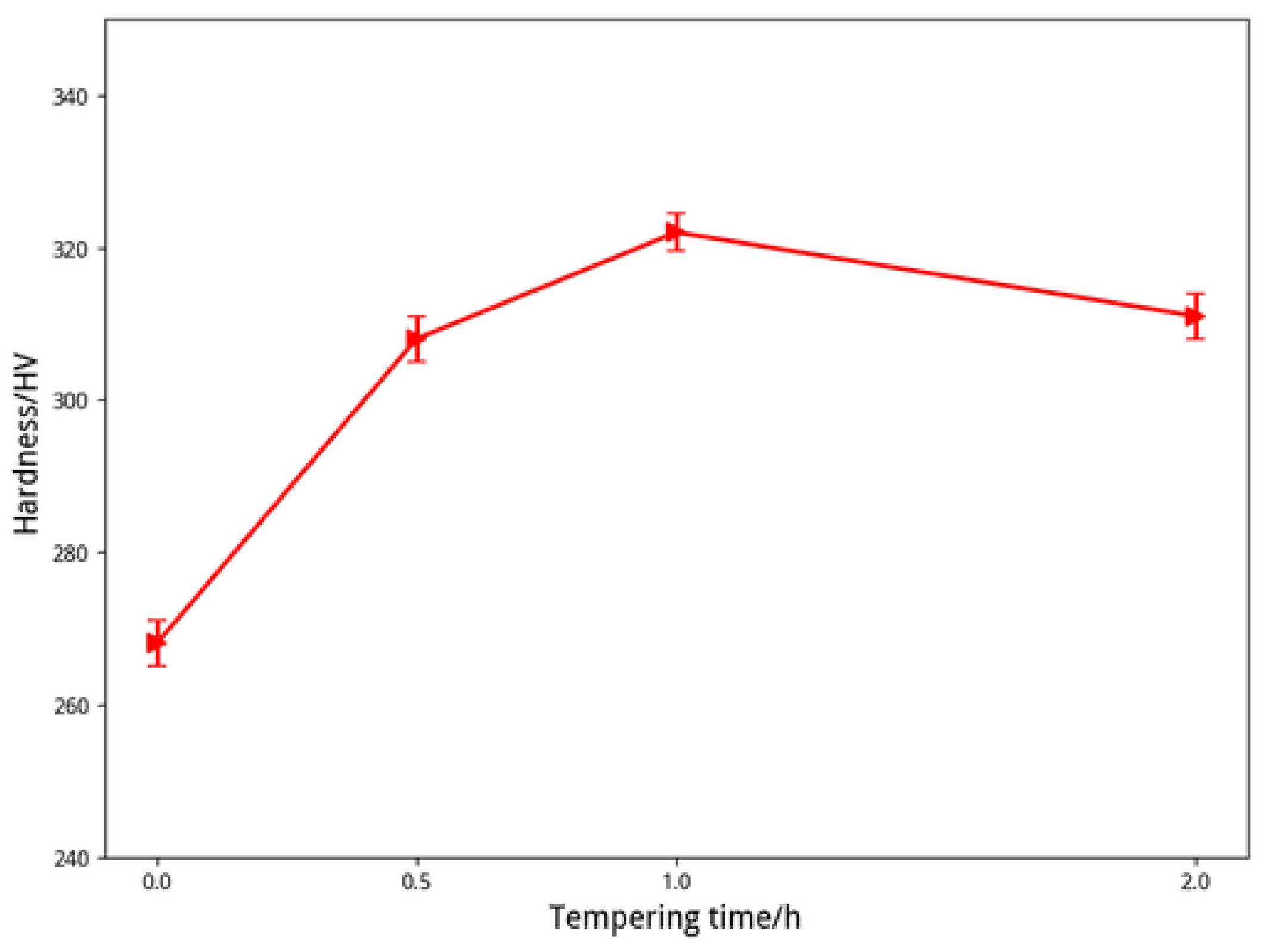
A low-carbon Cu-bearing marine structural steel was fabricated based on the chemical composition of HSLA-100 steel. The microstructural evolution, variation in nanoscale Cu-rich precipitates, and their synergistic effects on the mechanical properties and hydrogen embrittlement (HE) behavior under different tempering durations were systematically investigated. The results showed that the original lath bainite gradually transformed into tempered bainite and equiaxed ferrite with a prolonged tempering time. The Vickers hardness exhibited a typical upward-then-downward trend and reached a peak value of 322 HV at the tempering time of 1 h. The average size of Cu-rich precipitates increased from 7.2 nm to 13.2 nm, while the number density rose rapidly and finally stabilized. The as-rolled sample exhibited the minimum plastic loss after hydrogen charging owing to the hydrogen-trapping effect of high-density tangled dislocations. Short-time tempering (0.5 h) generated fine Cu-rich precipitates with a weak hydrogen-trapping capacity and abundant mobile dislocations, resulting in severe HE deterioration. The optimal HE susceptibility was achieved after 1 h of tempering. Combined with our experimental microstructure-property results and previous published literature, this improvement is inferred to originate from the hydrogen-trapping effect of adequately grown Cu-rich precipitates, together with a substantial decrease in mobile dislocation density. Excessively long tempering (2 h) induced irreversible temper brittleness and grain boundary deterioration, which aggravated the hydrogen-induced plastic degradation. This work clarified the coupled regulation mechanism of the Cu precipitate morphology, dislocation configuration, and temper brittleness on the HE performance of low-carbon marine steel, providing a reliable theoretical basis for the process optimization and anti-hydrogen damage performance improvement of high-strength marine steels.
Keywords: Cu-rich nano-precipitates; hydrogen embrittlement; microstructure; dislocation; Cu-bearing ultra-low carbon steel Cu-rich nano-precipitates; hydrogen embrittlement; microstructure; dislocation; Cu-bearing ultra-low carbon steel