Article

Hydrogen-Induced Cracking Susceptibility of API 5L X100 Steel Welded Joint

1
College of Materials Science and Engineering, Hohai University, Changzhou 213022, China
2
School of Materials Science and Engineering, Zhejiang University, Hangzhou 310013, China
*
Author to whom correspondence should be addressed.
Materials 2026, 19(14), 3114; https://doi.org/10.3390/ma19143114
Submission received: 25 May 2026 / Revised: 10 July 2026 / Accepted: 13 July 2026 / Published: 20 July 2026
(This article belongs to the Section Metals and Alloys)

Abstract

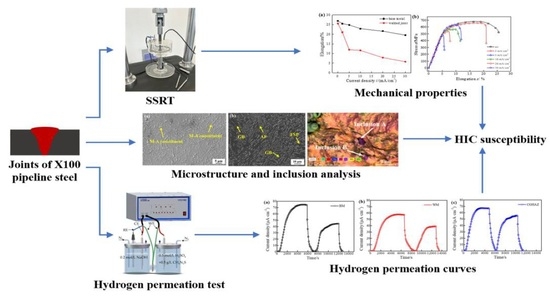
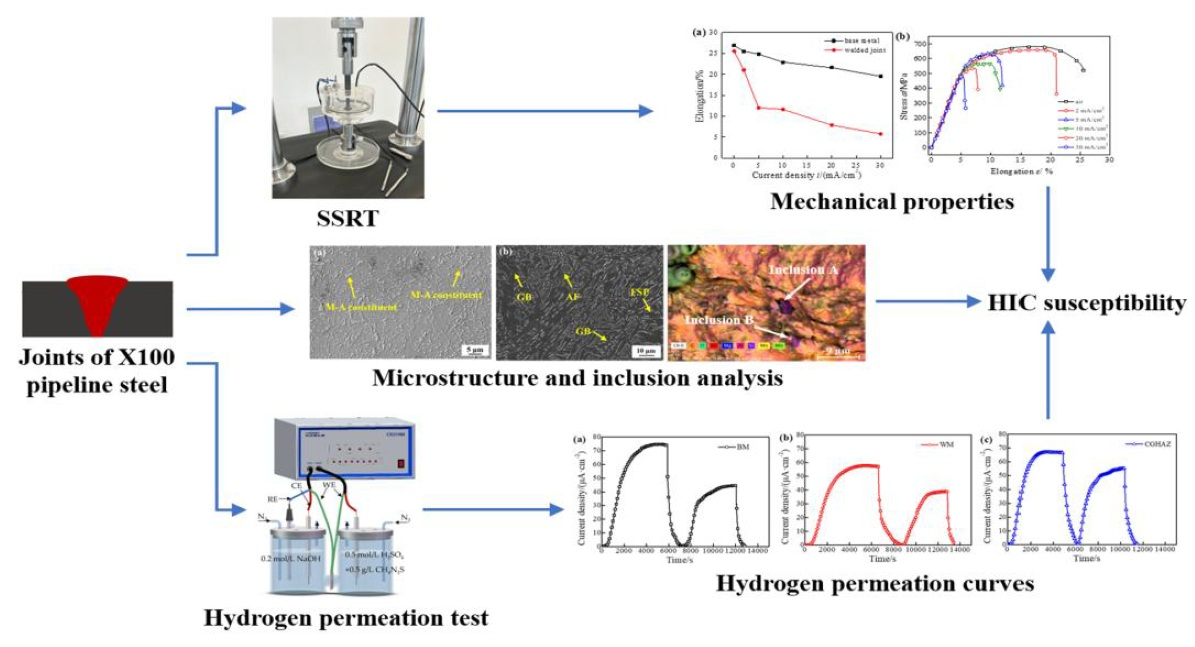
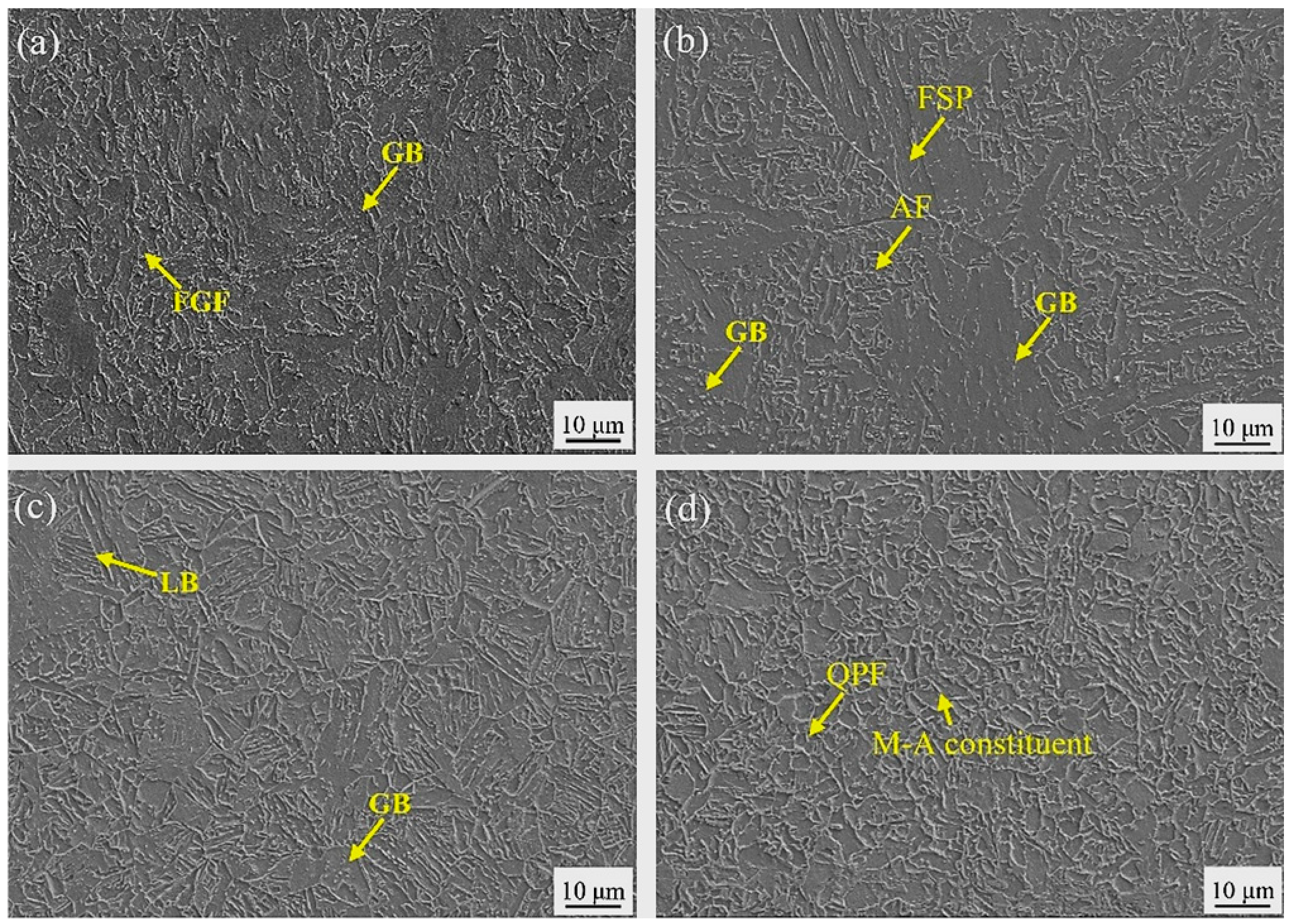
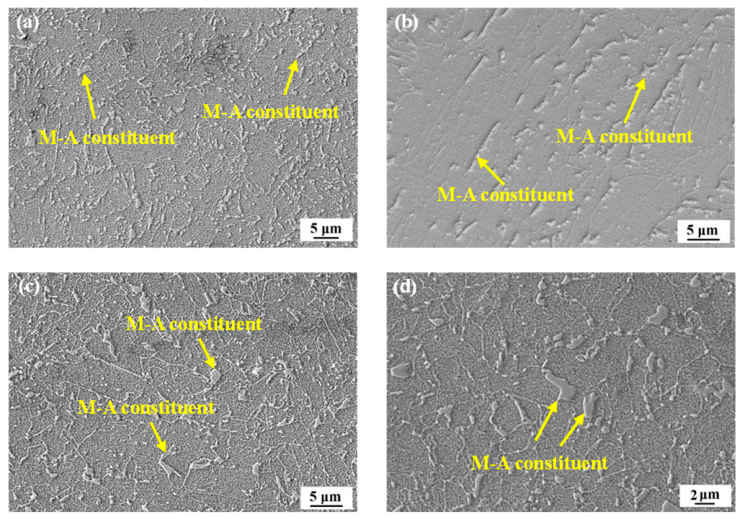
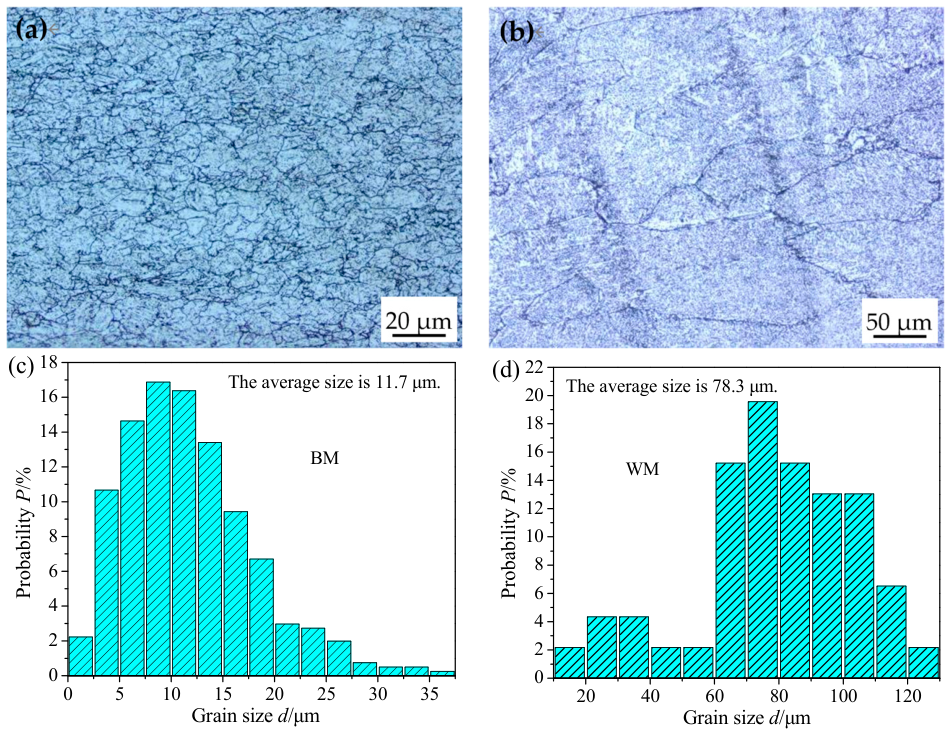
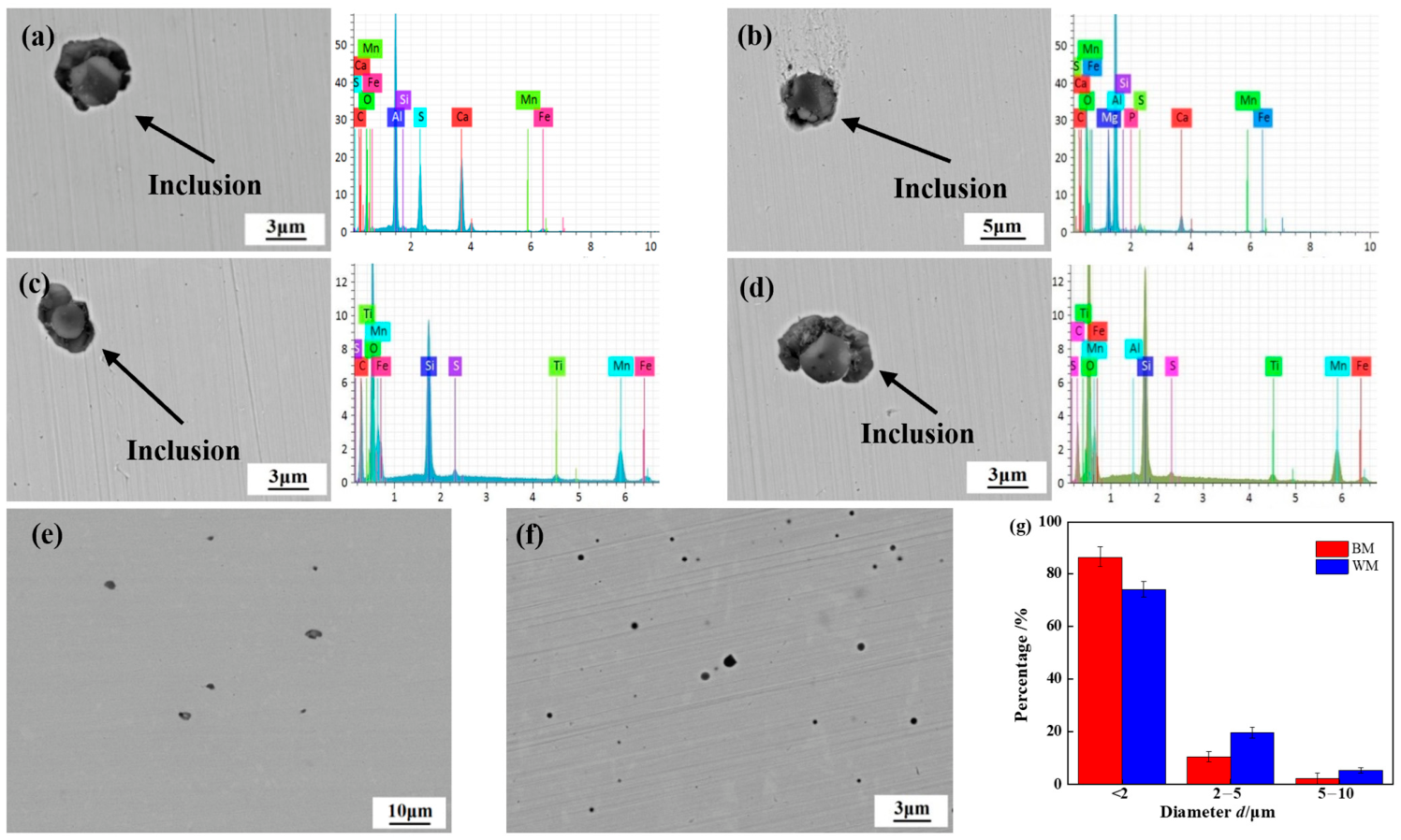
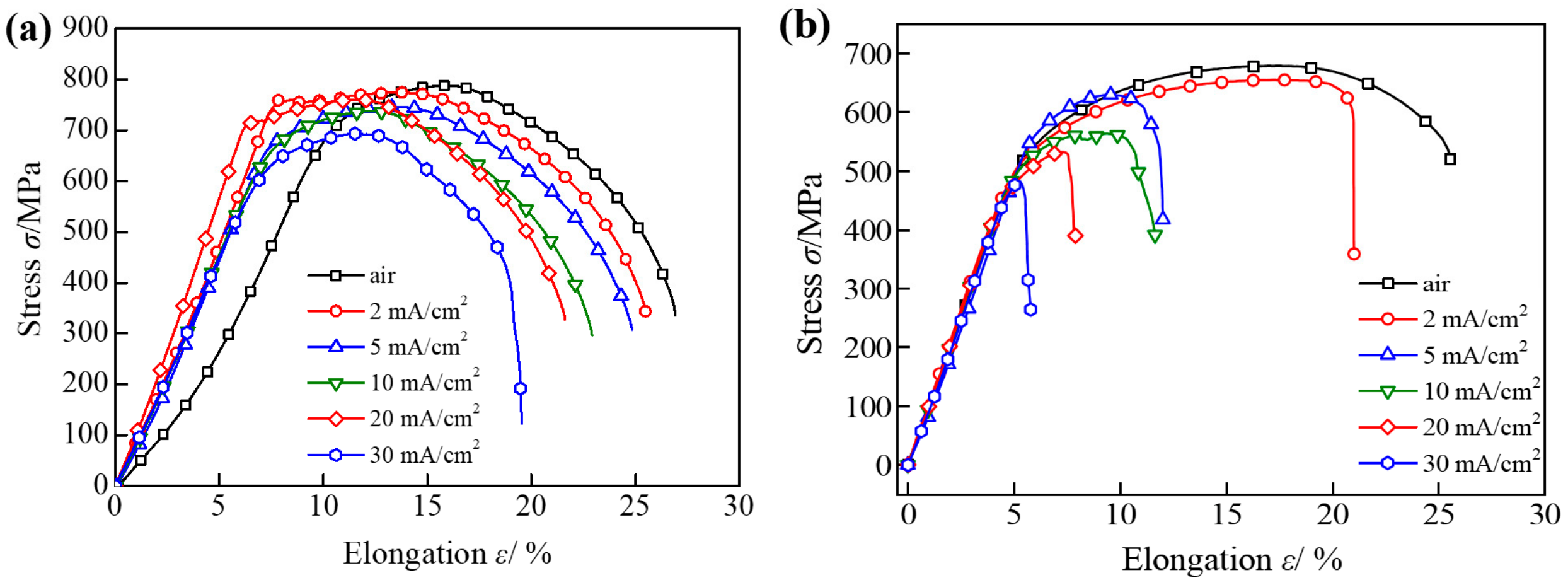
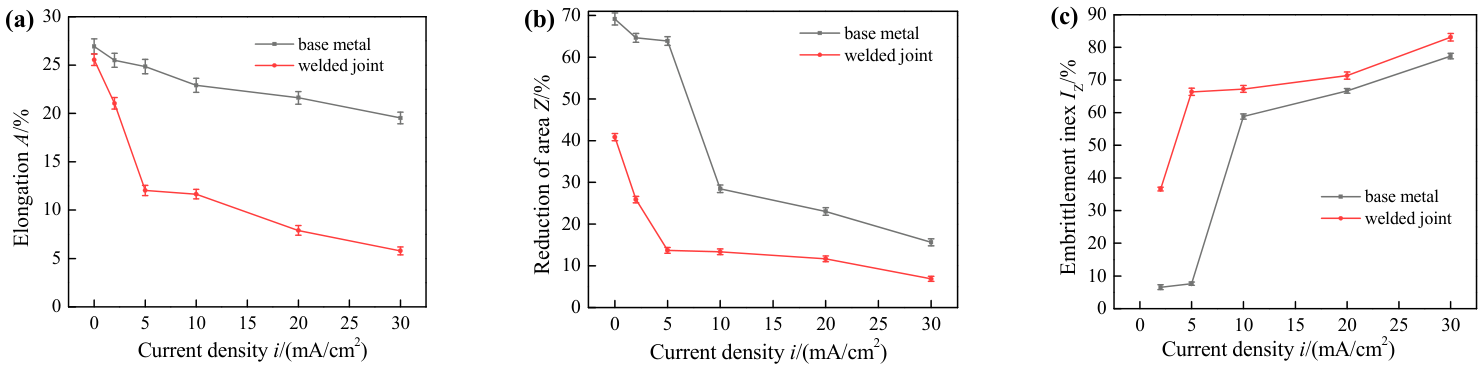
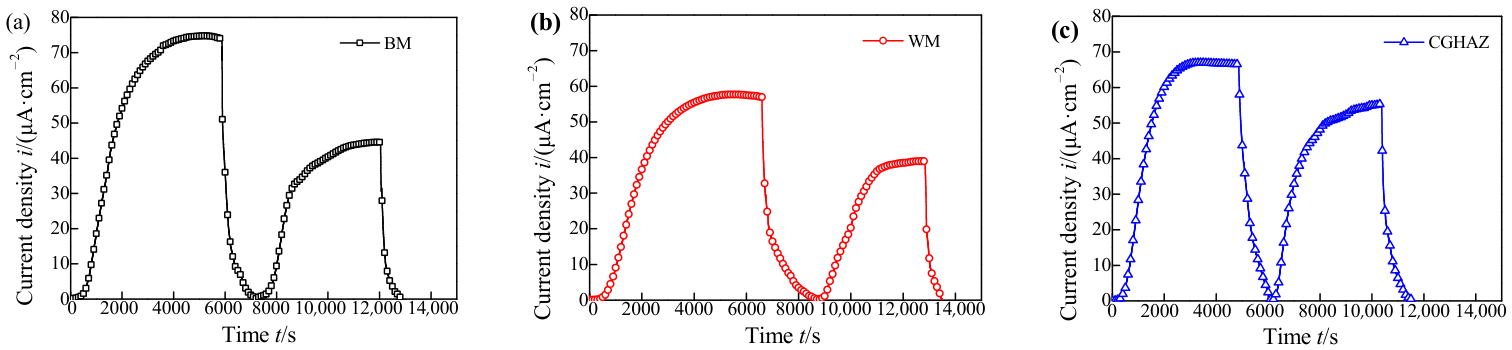
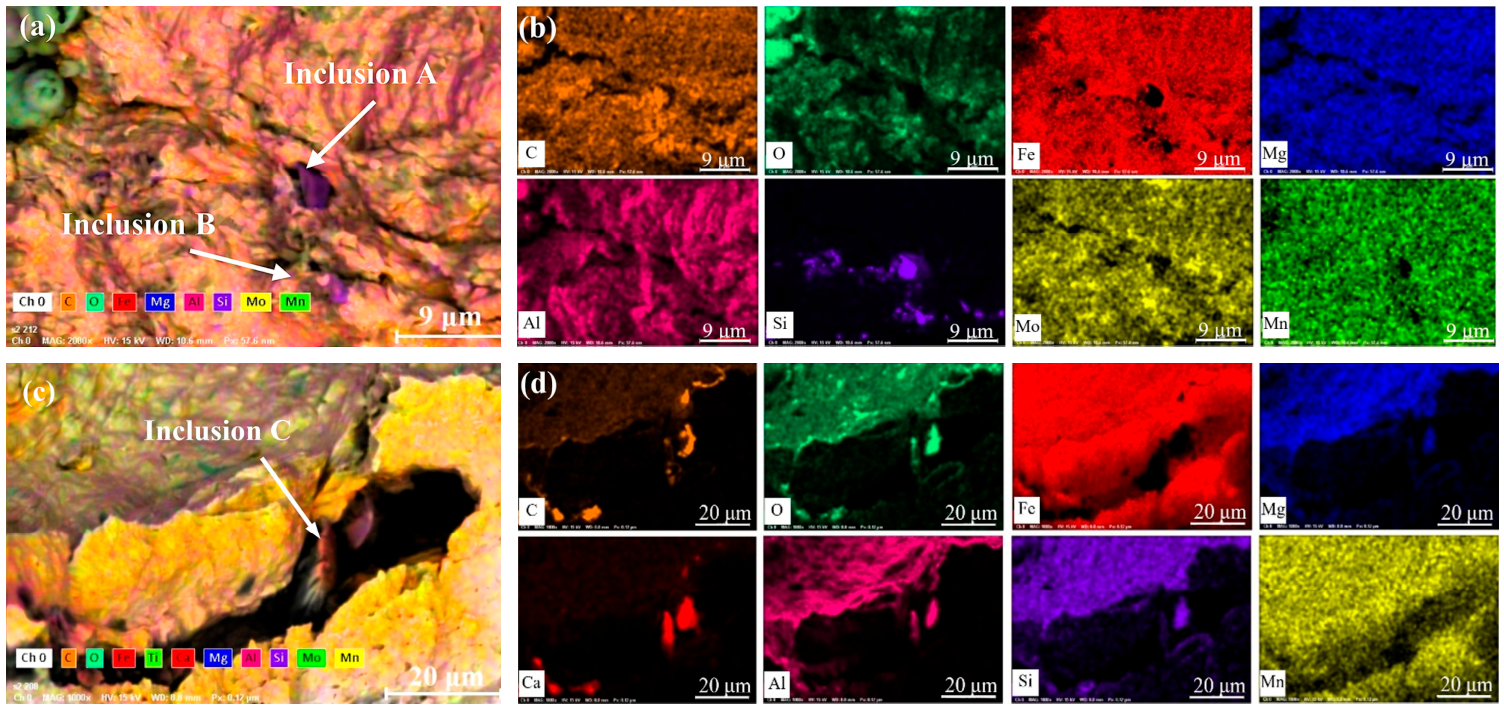
Hydrogen-induced cracking (HIC) is a possible failure mode of high-strength pipeline steel welded joints. The HIC susceptibility of shielded metal arc-welded joint of X100 pipeline steel was investigated using the slow strain rate tensile test (SSRT) under current densities of 2 mA/cm2, 5 mA/cm2, 10 mA/cm2, 20 mA/cm2, and 30 mA/cm2. Hydrogen diffusion behavior, distribution of microstructures, and inclusions in the welded joint were also surveyed and characterized. The SSRT results indicated that the welded joint exhibited a higher hydrogen embrittlement index than the base metal (BM) under the same current density, showing a higher HIC sensitivity than the BM. The weld metal (WM) showed a lower hydrogen diffusivity (5.38 × 10⁻⁵ cm2·s−1) than the BM (6.23 × 10⁻⁵ cm2·s−1). The martensite–austenite (M-A) constituent area fraction in the WM was higher than that in the coarse-grained heat-affected zone (CGHAZ), fine-grained HAZ (FGHAZ), and BM. The inclusion amount in the WM was larger than that in the BM. In addition, the high HIC vulnerability of the X100 steel welded joint was also associated with a coarse grain size in the WM.
Keywords: steel; hydrogen-induced cracking; hydrogen permeation; slow strain rate tensile test; welding steel; hydrogen-induced cracking; hydrogen permeation; slow strain rate tensile test; welding
Graphical Abstract