Optimization of Bacterial-to-Cementation Solution Ratio for MICP-Treated Sand: Effects on Compressibility and Slope Erosion Resistance


Highlights
- Optimal bacterial-to-cementation ratio (3:2) yields lowest compression index (0.044).
- Too high or low ratio causes sparse or agglomerated CaCO3, raising Cc ≥ 0.064.
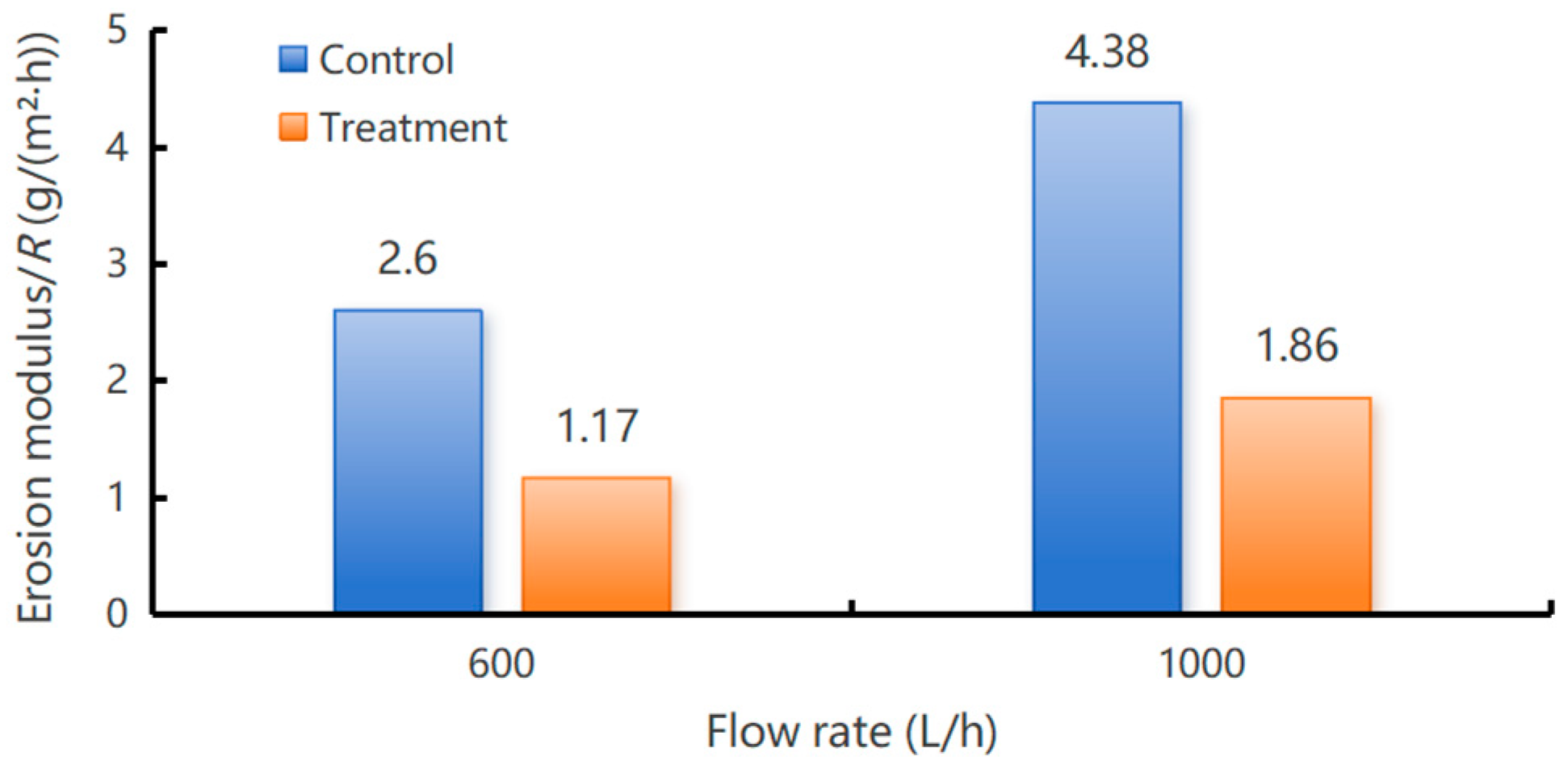
- Optimal ratio reduces erosion modulus by 55.0–57.5% vs. untreated slope.
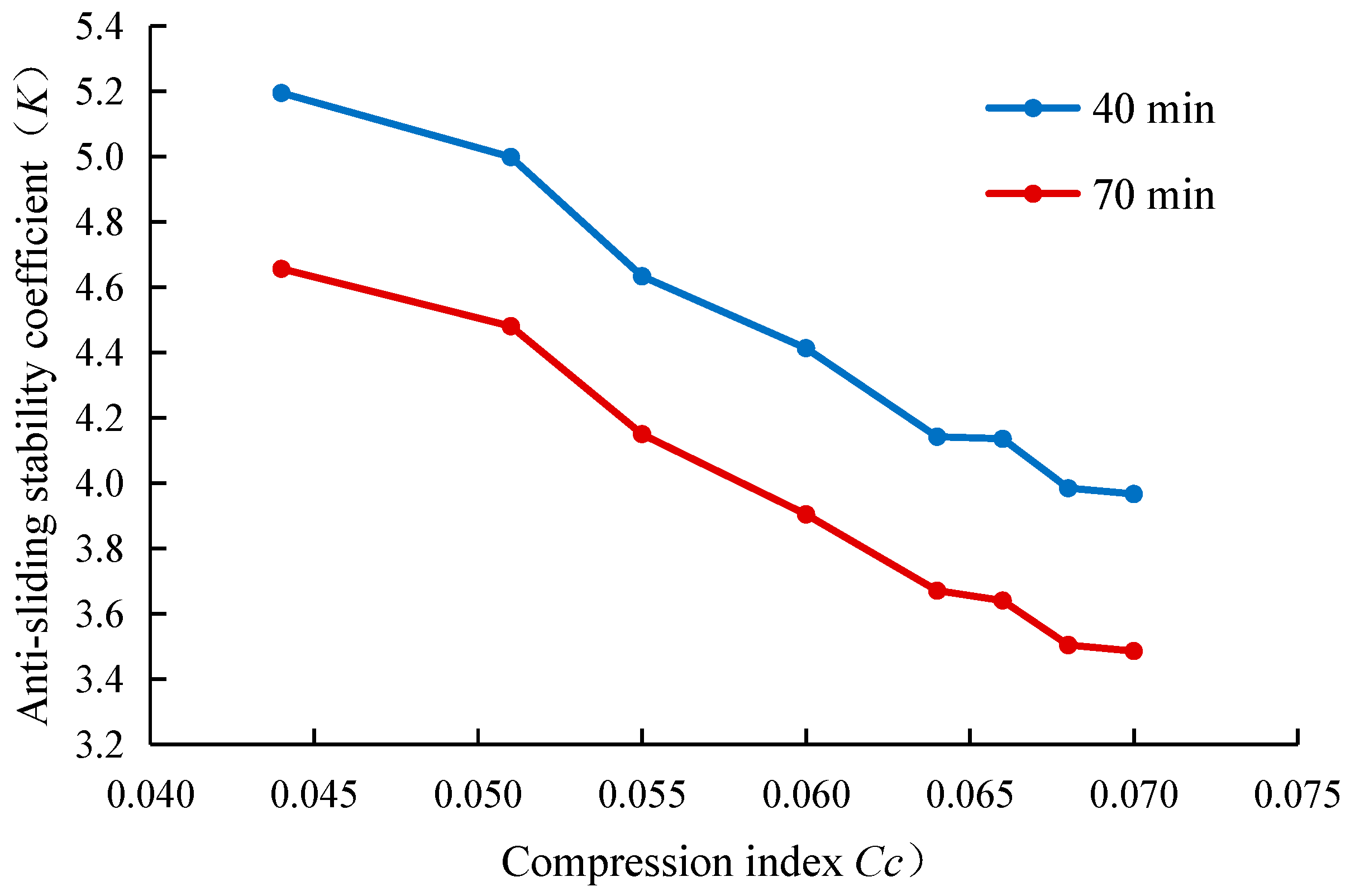
- Safety factor K increases from 3.97 to 5.19 as solidification improves.
- Soil pH after treatment (5.59–6.32) is within vegetation tolerance range.
Abstract
1. Introduction
2. Materials and Methods
2.1. Materials
2.2. Ratio Design
2.3. Specimen Preparation and MICP Treatment Procedure
2.4. Consolidation Test
2.5. Slope Erosion Test
3. Results
3.1. Effect of on
3.2. Microstructural Observation
3.3. Erosion Resistance
3.4. Effect of on Slope Anti-Sliding Stability
3.5. Ecological Performance: pH Variation
4. Discussion
4.1. Mechanism of Ratio-Dependent Solidification Performance
4.2. Enhancement of Erosion Resistance
4.3. Positive Correlation Between Anti-Sliding Stability and Solidification Efficiency
4.4. Engineering Implications and Limitations
5. Conclusions
- (1)
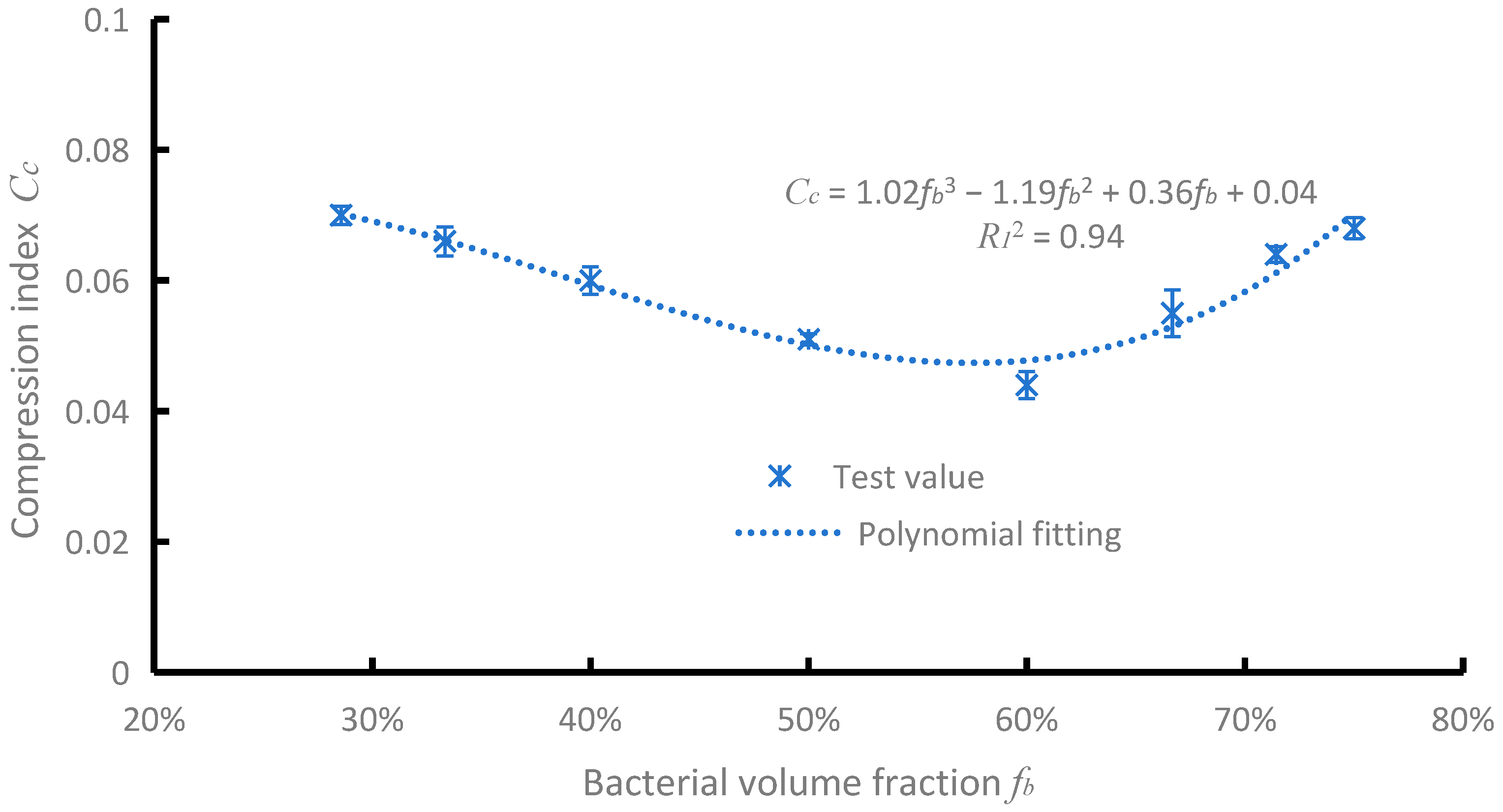
- The volumetric ratio exhibits a non-linear “U-shaped” influence on the compression index of solidified sand. The optimal ratio is 3:2 (bacterial solution:cementation solution), corresponding to a bacterial volume fraction of 60%, which yields the lowest compression index ( = 0.044). Ratios with > 70% or < 40% lead to significantly higher values (≥0.064), indicating deteriorated solidification performance.
- (2)
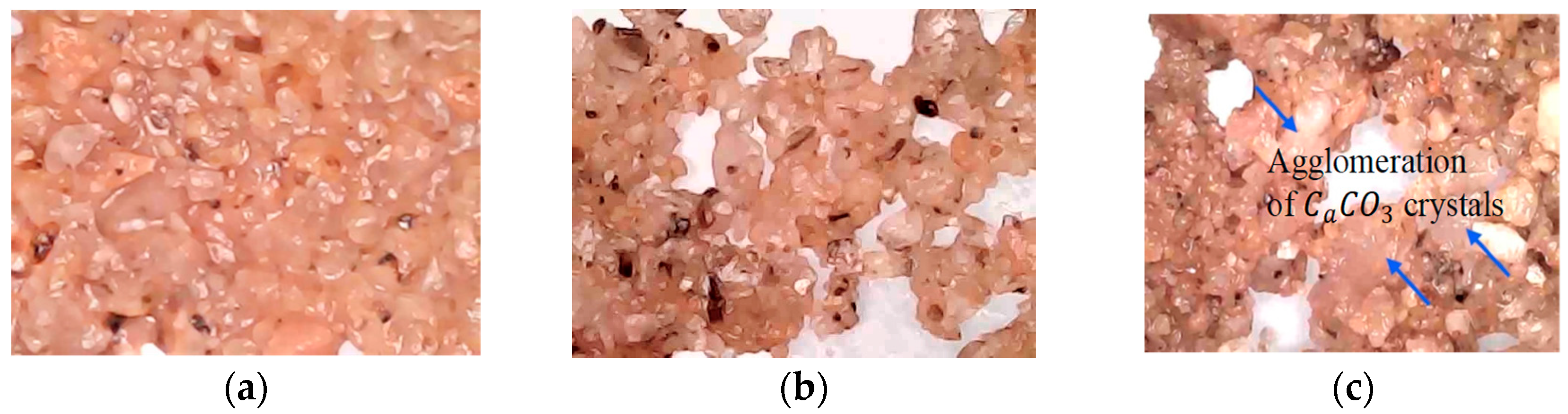
- Microstructural observations reveal that at the optimal ratio, a continuous and dense calcium carbonate cementation network forms on sand particle surfaces, uniformly filling the pore spaces. Excess bacterial solution results in sparse cementation, whereas insufficient bacterial solution leads to local agglomeration. The spatial distribution of calcium carbonate is a key factor determining solidification efficiency.
- (3)
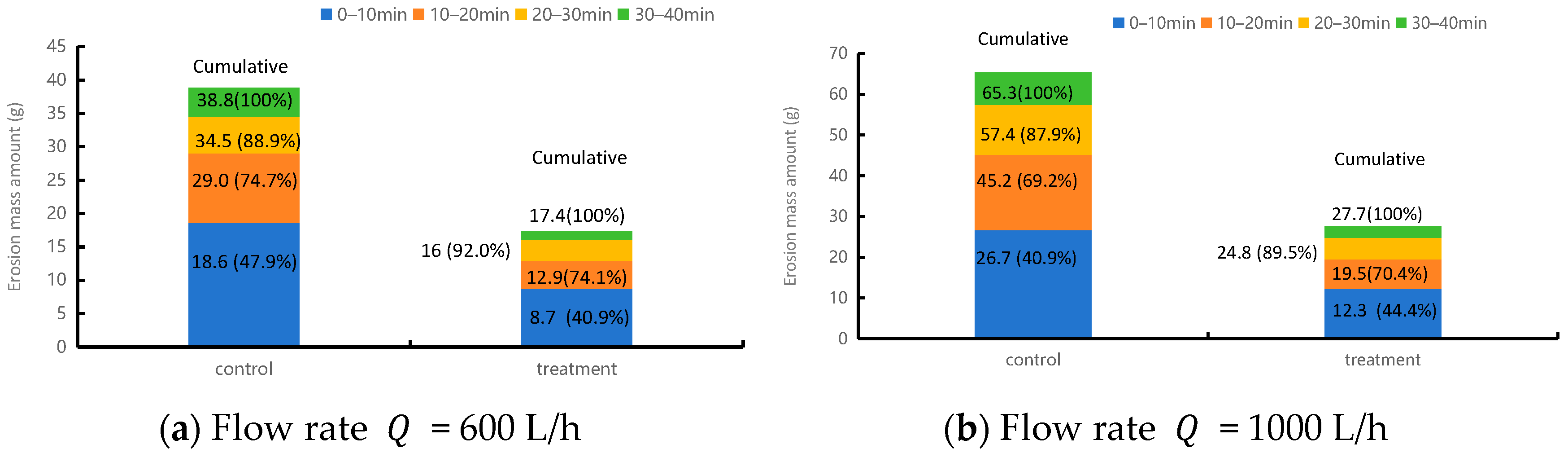
- The slope treated with the optimal ratio (3:2) exhibits a 55.0–57.5% reduction in erosion modulus () compared to the untreated control. The erosion mass decays more rapidly over time, and the scouring system reaches equilibrium faster. MICP enhances erosion resistance through dual mechanisms: strengthening the surface layer against detachment and inhibiting internal seepage erosion.
- (4)
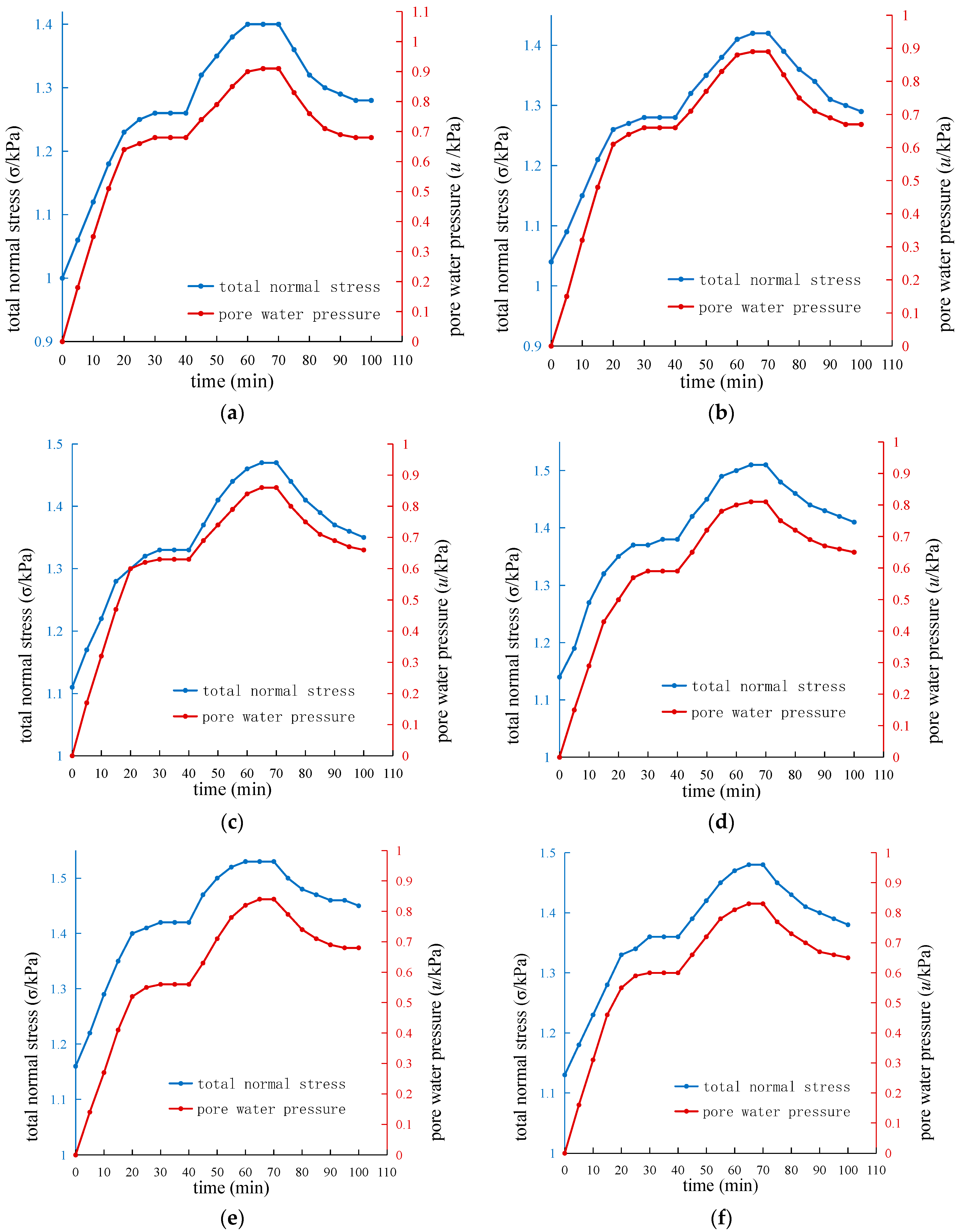
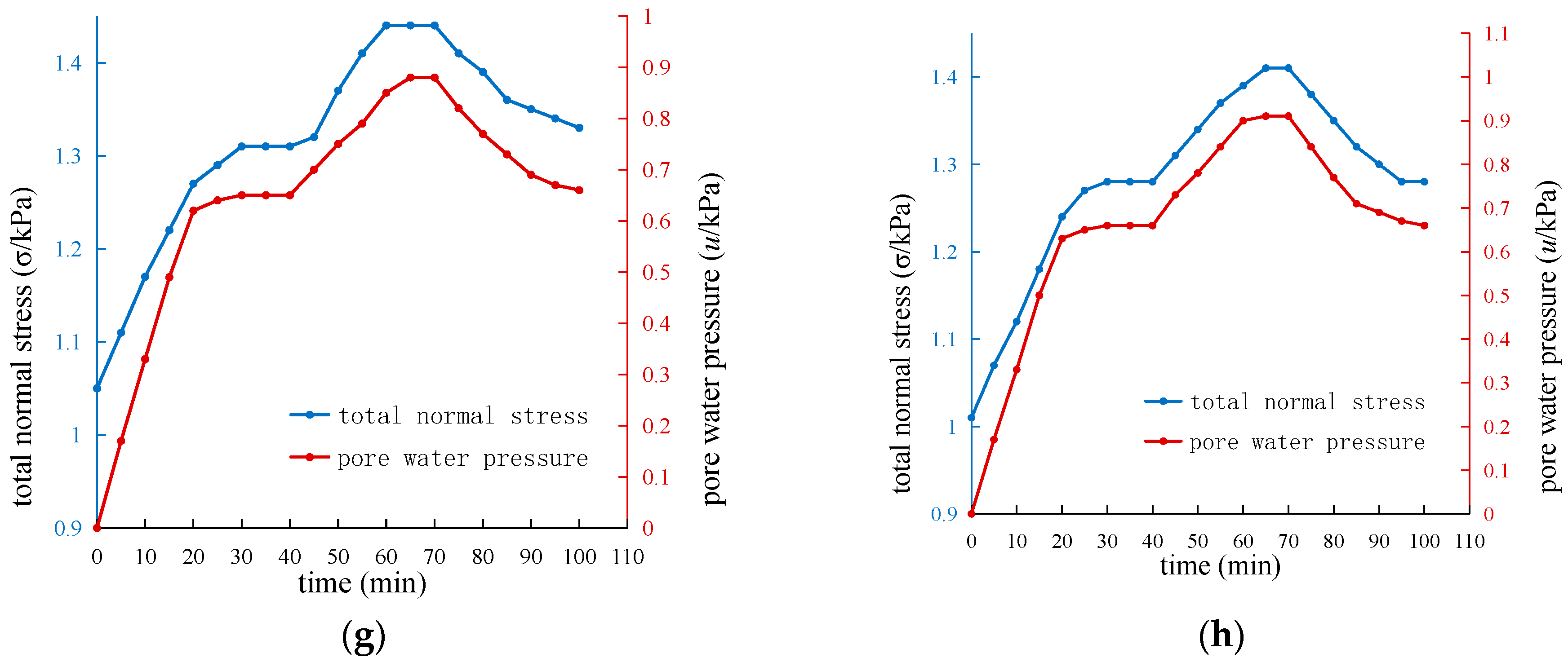
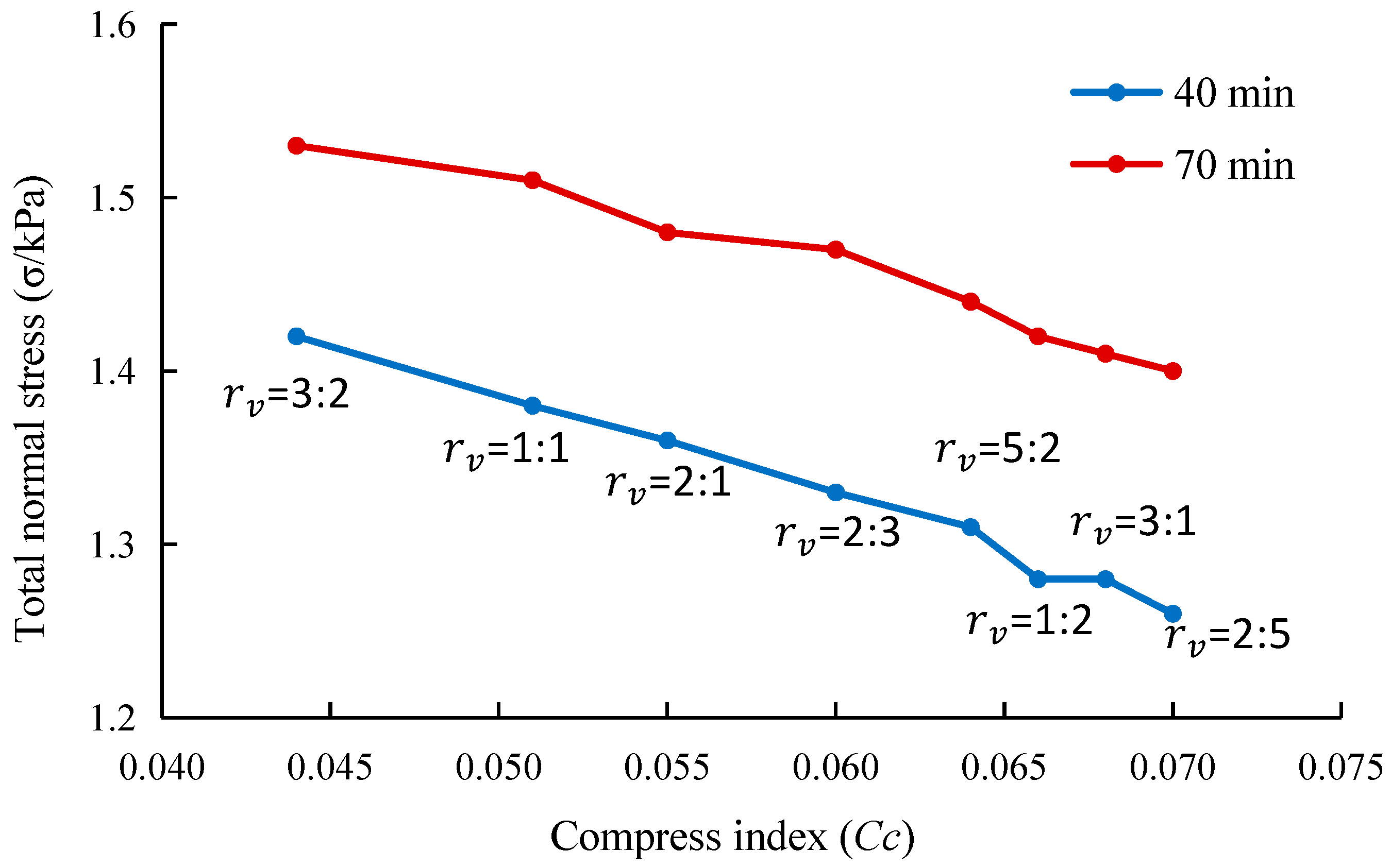
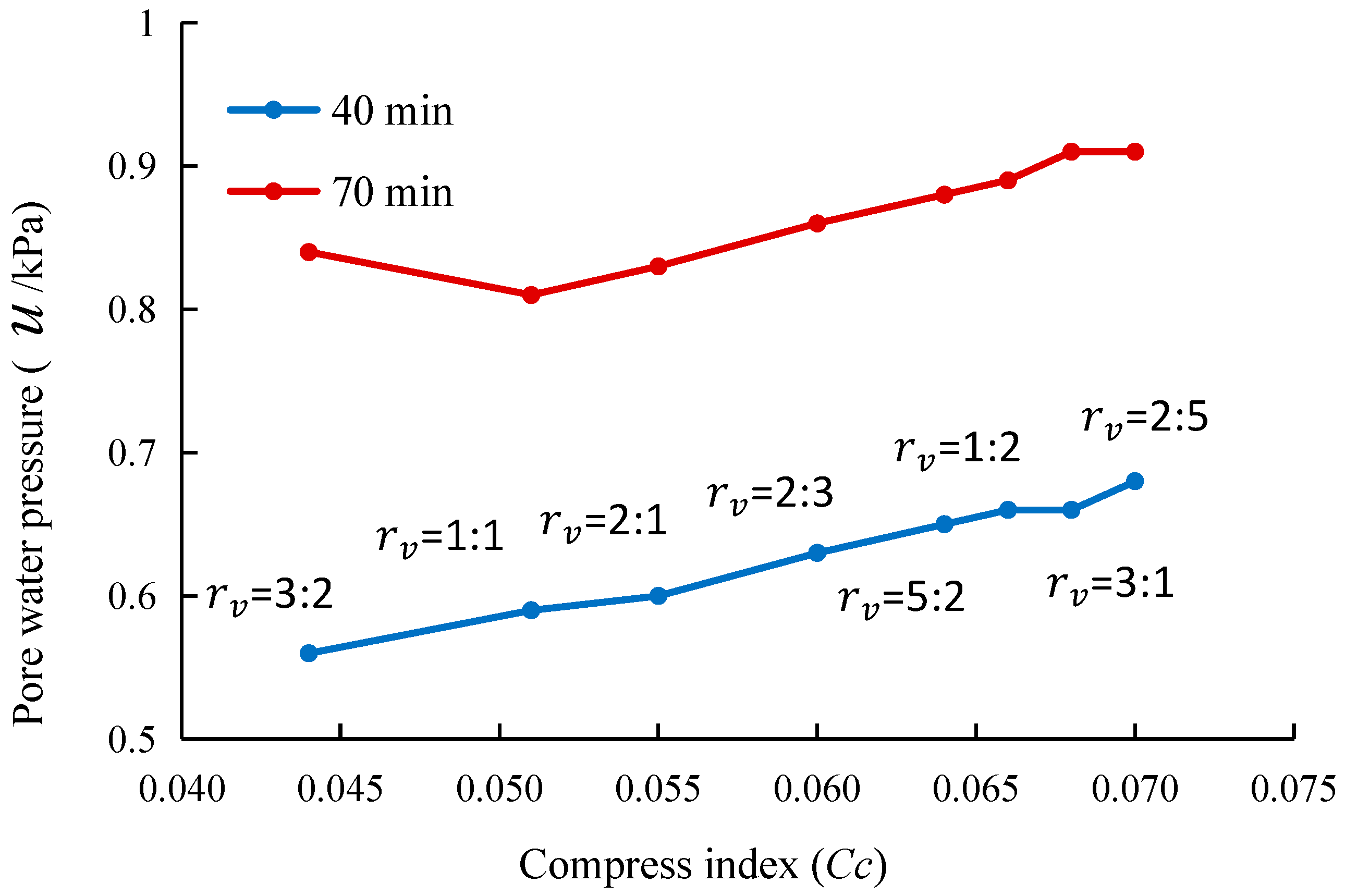
- The factor of safety against sliding () shows a strong positive correlation with solidification efficiency. As decreases from 0.070 to 0.044, at the steady scouring stage (40 min) increases from 3.97 to 5.19, and at the peak rainfall stage (70 min) increases from 3.49 to 4.66. MICP enhances slope stability through two pathways: increasing effective stress () and improving shear strength parameters (, ). However, excessive solidification may reduce permeability and impair drainage efficiency.
- (5)
- The value of 3:2 is recommended for MICP solidification of natural river sand in engineering practice. This ratio significantly improves compressibility and erosion resistance, with measured soil pH ranging from 5.59 to 6.32, which falls within the tolerance range of most slope vegetation. In practical applications, auxiliary drainage measures are advisable to balance mechanical performance and ecological adaptability.
Author Contributions
Funding
Data Availability Statement
Conflicts of Interest
References
- Anand, A.; Beg, M.; Kumar, N. Experimental studies and analysis on mobilization of the cohesionless sediments through alluvial channel: A review. Civ. Eng. J. 2021, 7, 915–936. [Google Scholar] [CrossRef]
- Sytsma, C.; Villegas, O.; Kalaidjian, E.; Jackson, C.R.; Bilskie, M.V.; Risse, M.; Alexander, C.; Kurth, M. Recommended data collection to optimize beneficial reuse of dredged material: A sediment budget for the Savannah River Harbor. J. Waterw. Port Coast. Ocean Eng. 2025, 151, 04025030. [Google Scholar] [CrossRef]
- Gao, L.; Xu, X.; Zhao, Y.; Li, Y.; Tarolli, P.; Siyal, A.A.; Xia, J.; Li, Z. Assessing riverbank collapse with lateral displacement of shoreline for ecologically friendly erosion-resistant solutions. Environ. Earth Sci. 2024, 83, 279. [Google Scholar] [CrossRef]
- Mitchell, J.K.; Santamarina, J.C. Biological considerations in geotechnical engineering. J. Geotech. Geoenviron. Eng. 2005, 131, 1222–1233. [Google Scholar] [CrossRef]
- DeJong, J.T.; Soga, K.; Kavazanjian, E.; Burns, S.; Van Paassen, L.A.; Al Qabany, A.; Aydilek, A.; Bang, S.S.; Burbank, M.; Caslake, L.F.; et al. Biogeochemical processes and geotechnical applications: Progress, opportunities and challenges. Géotechnique 2013, 63, 287–301. [Google Scholar] [CrossRef]
- Konstantinou, C.; Wang, Y. Unlocking the potential of microbially induced calcium carbonate precipitation (MICP) for hydrological applications: A review of opportunities, challenges, and environmental considerations. Hydrology 2023, 10, 178. [Google Scholar] [CrossRef]
- Zhang, K.; Tang, C.S.; Jiang, N.J.; Pan, X.H.; Liu, B.; Wang, Y.J.; Shi, B. Microbial-induced carbonate precipitation (MICP) technology: A review on the fundamentals and engineering applications. Environ. Earth Sci. 2023, 82, 229. [Google Scholar] [CrossRef] [PubMed]
- Shukla, A.K.; Sharma, A.K. Recent developments and future prospects of micro-organisms in enhancement of soil for geotechnical engineering applications: A review. Bioresour. Technol. Rep. 2024, 28, 101979. [Google Scholar] [CrossRef]
- Jiang, N.J.; Wang, Y.J.; Chu, J.; Kawasaki, S.; Tang, C.S.; Cheng, L.; Du, Y.J.; Shashank, B.S.; Singh, D.N.; Han, X.L.; et al. Bio-mediated soil improvement: An introspection into processes, materials, characterization and applications. Soil Use Manag. 2022, 38, 68–93. [Google Scholar] [CrossRef]
- Harran, R.; Terzis, D.; Laloui, L. Mechanics, modeling, and upscaling of biocemented soils: A review of breakthroughs and challenges. Int. J. Geomech. 2023, 23, 03123004. [Google Scholar] [CrossRef]
- Payan, M.; Khoshdel Sangdeh, M.; Salimi, M.; Zanganeh Ranjbar, P.; Arabani, M.; Hosseinpour, I. A comprehensive review on the application of microbially induced calcite precipitation (MICP) technique in soil erosion mitigation as a sustainable and environmentally friendly approach. Results Eng. 2024, 24, 103235. [Google Scholar] [CrossRef]
- Salifu, E.; MacLachlan, E.; Iyer, K.R.; Knapp, C.W.; Tarantino, A. Application of microbially induced calcite precipitation in erosion mitigation and stabilisation of sandy soil foreshore slopes: A preliminary investigation. Eng. Geol. 2016, 201, 96–105. [Google Scholar] [CrossRef]
- Yang, D.; Wang, Y.; Xu, G.; Huang, D.; Shao, N.; Zhou, L. Effectiveness of microbial-induced carbonate precipitation for mitigating the hydraulic erosion of the riverbank. J. Environ. Manag. 2025, 376, 124320. [Google Scholar] [CrossRef] [PubMed]
- Li, L.; Zhang, L.; Shi, C.; Ding, X. Deformation characteristics and stability analysis of ecological geobag revetment in an inland arid river. Can. Geotech. J. 2026, 63, 1–17. [Google Scholar] [CrossRef]
- Clarà Saracho, A.; Haigh, S.K.; Jorat, M.E. Flume study on the effects of microbial induced calcium carbonate precipitation (MICP) on the erosional behaviour of fine sand. Géotechnique 2021, 71, 1135–1149. [Google Scholar] [CrossRef]
- Cui, M.; Liu, H.; Wang, J.; Bao, B.; Han, Z.; Zheng, J. Microbially induced calcium carbonate precipitation (MICP) reduces sandbank dust emission during flood recession process. J. Soils Sediments 2025, 25, 3844–3856. [Google Scholar] [CrossRef]
- Jiang, N.J.; Tang, C.S.; Yin, L.Y.; Xie, Y.H.; Shi, B. Applicability of microbial calcification method for sandy-slope surface erosion control. J. Mater. Civ. Eng. 2019, 31, 04019250. [Google Scholar] [CrossRef]
- Xiao, Y.; Zhao, C.; Sun, Y.; Wang, S.; Wu, H.; Chen, H.; Liu, H. Compression behavior of MICP-treated sand with various gradations. Acta Geotech. 2021, 16, 1391–1400. [Google Scholar] [CrossRef]
- Cui, M.J.; Zheng, J.J.; Zhang, R.J.; Lai, H.J.; Zhang, J. Influence of cementation level on the strength behaviour of bio-cemented sand. Acta Geotech. 2017, 12, 971–986. [Google Scholar] [CrossRef]
- Zeitouny, J.; Lieske, W.; Alimardani Lavasan, A.; Heinz, E.; Wichern, M.; Wichtmann, T. Impact of new combined treatment method on the mechanical properties and microstructure of MICP-improved sand. Geotechnics 2023, 3, 661–685. [Google Scholar] [CrossRef]
- Rawat, V.; Satyam, N. Assessing the effectiveness of microbial-induced calcite precipitation (MICP) on sand-silt mixtures with varying silt content, cementation solution and treatment cycles. Int. J. Geotech. Eng. 2025, 19, 457–471. [Google Scholar] [CrossRef]
- Khaleghi, M.; Sheikhhosseini Lori, I.; Rowshanzamir, M.A.; Çağlar, H. Bio-improvement of dune sand by bacterial medium cultures using Sporosarcina urea and Bacillus subtilis. Bull. Eng. Geol. Environ. 2026, 85, 116. [Google Scholar] [CrossRef]
- Reed, M. Elucidating the Role of Granular Characteristics on the Behavior of Microbiologically Induced Carbonate Precipitated (MICP) Sands. Ph.D. Thesis, North Carolina State University, Raleigh, NC, USA, 2025. [Google Scholar]
- Kang, B.; Wang, H.; Zha, F.; Liu, C.; Zhou, A.; Ban, R. Exploring the uniformity of MICP solidified fine particle silt with different sample preparation methods. Biogeotechnics 2026, 4, 100163. [Google Scholar] [CrossRef]
- Alam, M.K.; Motamed, R. Role of MICP treatment area in mitigating liquefaction-induced settlements for shallow foundation. Biogeotechnics 2026, 4, 100187. [Google Scholar] [CrossRef]
- Zhou, G.; Fang, X.; Shen, C.; Chen, Z.; Bao, T.; Yao, Z. Shaking table test for microbial coral sand pile composite foundations and coral sand foundations. Earthq. Eng. Eng. Vib. 2026, 25, 379–391. [Google Scholar] [CrossRef]
- He, J.; Chu, J. Undrained responses of microbially desaturated sand under monotonic loading. J. Geotech. Geoenviron. Eng. 2014, 140, 04014003. [Google Scholar] [CrossRef]
- Wu, C.; Chu, J.; Wu, S.; Guo, W. Quantifying the permeability reduction of biogrouted rock fracture. Rock Mech. Rock Eng. 2019, 52, 947–954. [Google Scholar] [CrossRef]
- Zhang, A.; Collin, F.; Wautier, A.; Dieudonné, A.C. Insights into the residual strength of bio-cemented sands. Int. J. Numer. Anal. Methods Geomech. 2026, 50, 2711–2726. [Google Scholar] [CrossRef]
- Maroof, A.; Mostafaei, P.; Mahboubi, A. Internal erosion on coarse alluvial sediments: A case study of bar dam. Bull. Eng. Geol. Environ. 2026, 85, 134. [Google Scholar] [CrossRef]
- Jiang, N.J.; Soga, K.; Kuo, M. Microbially induced carbonate precipitation for seepage-induced internal erosion control in sand-clay mixtures. J. Geotech. Geoenviron. Eng. 2017, 143, 04016100. [Google Scholar] [CrossRef]
- Mengistu, D.M.; Hordofa, D.G. Isolation and characterization of ureolytic bacteria driving microbially induced calcite precipitation in cement contaminated soil. Int. Microbiol. 2026. Epub ahead of printing. [Google Scholar] [CrossRef] [PubMed]
- Fukue, M.; Lechowicz, Z.; Mulligan, C.N.; Takeuchi, S.; Fujimori, Y.; Emori, K. Properties and Behavior of Sandy Soils by a New Interpretation of MICP. Materials 2025, 18, 809. [Google Scholar] [CrossRef] [PubMed]
- Song, Y.; Jiang, J.; Chen, Y.; Yang, C.; Chen, K.; Liu, F. Study on mechanical properties and microscopic mechanism of MICP-modified expansive soil. Environ. Geotech. 2026, 13, 81–92. [Google Scholar] [CrossRef]
- Hussain, A.; Ali, D.; Koner, S.; Hseu, Z.Y.; Hsu, B.M. Microbial induce carbonate precipitation derive bio-concrete formation: A sustainable solution for carbon sequestration and eco-friendly construction. Environ. Res. 2025, 270, 121006. [Google Scholar] [CrossRef] [PubMed]
- Joshi, S.; Mavroulidou, M.; Gunn, M.J. Advances in microbial and enzymatic phosphate precipitation for sustainable bioconcentration in civil and geoenvironmental engineering applications. Sustain. Chem. Pharm. 2026, 49, 102290. [Google Scholar] [CrossRef]
- Firoozi, A.A.; Firoozi, A.A.; Maghami, M.R. Sustainable practices in geotechnical engineering: Forging pathways for resilient infrastructure. Results Eng. 2025, 26, 105577. [Google Scholar] [CrossRef]
- Li, Y.; Xu, Q.; Li, Y.; Li, Y.; Liu, C. Application of microbial-induced calcium carbonate precipitation in wave erosion protection of the sandy slope: An experimental study. Sustainability 2022, 14, 12965. [Google Scholar] [CrossRef]
- Chen, Z.; Huang, W.; Mi, Z.; Li, G.; Wei, K.; Zhou, C. A new creep model for coarse-grained soil and its application in landslide dam. Nat. Hazards 2025, 121, 18163–18185. [Google Scholar] [CrossRef]
- Martinez, B.C.; DeJong, J.T.; Ginn, T.R.; Montoya, B.M.; Barkouki, T.H.; Hunt, C.; Tanyu, B.; Major, D. Experimental optimization of microbial-induced carbonate precipitation for soil improvement. J. Geotech. Geoenviron. Eng. 2013, 139, 587–598. [Google Scholar] [CrossRef]
- Whiffin, V.S.; van Paassen, L.A.; Harkes, M.P. Microbial carbonate precipitation as a soil improvement technique. Geomicrobiol. J. 2007, 24, 417–423. [Google Scholar] [CrossRef]
- Terzaghi, K.; Peck, R.B.; Mesri, G. Soil Mechanics in Engineering Practice, 3rd ed.; John Wiley & Sons: New York, NY, USA, 1996. [Google Scholar]
- ASTM D2435/D2435M-11; Standard Test Methods for One-Dimensional Consolidation Properties of Soils. ASTM International: West Conshohocken, PA, USA, 2011.
- DeJong, J.T.; Mortensen, B.M.; Martinez, B.C.; Nelson, D.C. Bio-mediated soil improvement. Ecol. Eng. 2010, 36, 197–210. [Google Scholar] [CrossRef]
- Al Qabany, A.; Soga, K. Effect of chemical treatment on MICP induced calcite precipitation. In Proceedings of the 18th International Conference on Soil Mechanics and Geotechnical Engineering, Paris, France, 2–6 September 2013; pp. 2199–2202. [Google Scholar]
- GB/T 50123-2019; Standard for Geotechnical Testing Method. China Planning Press: Beijing, China, 2019.
- Cheng, L.; Cord-Ruwisch, R.; Shahin, M.A. Cementation of sand soil by microbially induced calcite precipitation at various degrees of saturation. Can. Geotech. J. 2013, 50, 81–90. [Google Scholar] [CrossRef]




| Bacterial: Cementation | Bacterial Volume Fraction (%) | Injection Volume for Consolidation Test (mL) | Injection Volume for Slope Model (mL) |
|---|---|---|---|
| 2:5 | 28.6 | 15 | 625 |
| 1:2 | 33.3 | ||
| 2:3 | 40.0 | ||
| 1:1 | 50.0 | ||
| 3:2 | 60.0 | ||
| 2:1 | 66.7 | ||
| 5:2 | 71.4 | ||
| 3:1 | 75.0 |
| Bacterial:Cementation | Bacterial Volume Fraction (%) | Compression Index | SD | 95% CI |
|---|---|---|---|---|
| 2:5 | 28.6 | 0.070 | 0.0014 | [0.06656, 0.07344] |
| 1:2 | 33.3 | 0.066 | 0.0022 | [0.06054, 0.07146] |
| 2:3 | 40.0 | 0.060 | 0.0021 | [0.05479, 0.06521] |
| 1:1 | 50.0 | 0.051 | 0.0009 | [0.04877, 0.05323] |
| 3:2 | 60.0 | 0.044 | 0.0021 | [0.03917, 0.04949] |
| 2:1 | 66.7 | 0.055 | 0.0036 | [0.04604, 0.06396] |
| 5:2 | 71.4 | 0.064 | 0.0012 | [0.06099, 0.06701] |
| 3:1 | 75.0 | 0.068 | 0.0016 | [0.06413, 0.07187] |
| Treatment | Flow Rate (L/h) | Total Erosion Mass (g) | Erosion Modulus (g/(m2·h)) |
|---|---|---|---|
| Control | 600 | 38.8 | 2.60 × 10³ |
| Control | 1000 | 65.3 | 4.38 × 10³ |
| Experimental | 600 | 17.4 | 1.17 × 10³ |
| Experimental | 1000 | 27.7 | 1.86 × 10³ |
| Porosity (%) | c (kPa) | φ (°) | |
|---|---|---|---|
| 2:5 | 0.243 | 2.12 | 33.17 |
| 1:2 | 0.238 | 2.22 | 34.55 |
| 2:3 | 0.231 | 2.43 | 35.80 |
| 1:1 | 0.222 | 2.87 | 36.23 |
| 3:2 | 0.216 | 3.05 | 36.58 |
| 2:1 | 0.228 | 2.60 | 35.93 |
| 5:2 | 0.236 | 2.25 | 35.06 |
| 3:1 | 0.242 | 2.14 | 33.48 |
Disclaimer/Publisher’s Note: The statements, opinions and data contained in all publications are solely those of the individual author(s) and contributor(s) and not of MDPI and/or the editor(s). MDPI and/or the editor(s) disclaim responsibility for any injury to people or property resulting from any ideas, methods, instructions or products referred to in the content. |
© 2026 by the authors. Licensee MDPI, Basel, Switzerland. This article is an open access article distributed under the terms and conditions of the Creative Commons Attribution (CC BY) license.
Share and Cite
Li, Y.; Zhang, Q.; Huang, Y.; Zhang, Y.; Xie, L. Optimization of Bacterial-to-Cementation Solution Ratio for MICP-Treated Sand: Effects on Compressibility and Slope Erosion Resistance. Materials 2026, 19, 2860. https://doi.org/10.3390/ma19132860
Li Y, Zhang Q, Huang Y, Zhang Y, Xie L. Optimization of Bacterial-to-Cementation Solution Ratio for MICP-Treated Sand: Effects on Compressibility and Slope Erosion Resistance. Materials. 2026; 19(13):2860. https://doi.org/10.3390/ma19132860
Chicago/Turabian StyleLi, Yanhong, Qian Zhang, Yunfei Huang, Yuxiang Zhang, and Liquan Xie. 2026. "Optimization of Bacterial-to-Cementation Solution Ratio for MICP-Treated Sand: Effects on Compressibility and Slope Erosion Resistance" Materials 19, no. 13: 2860. https://doi.org/10.3390/ma19132860
APA StyleLi, Y., Zhang, Q., Huang, Y., Zhang, Y., & Xie, L. (2026). Optimization of Bacterial-to-Cementation Solution Ratio for MICP-Treated Sand: Effects on Compressibility and Slope Erosion Resistance. Materials, 19(13), 2860. https://doi.org/10.3390/ma19132860