1. Introduction
Road traffic collisions have emerged as a significant concern in the domain of global public health. The World Health Organization’s
Global Status Report on Road Safety 2023 reveals that almost 1.19 million individuals died in road traffic accidents globally in 2021, with operators of two- and three-wheeled vehicles representing 21% of these fatalities [
1]. Head injuries constitute the predominant cause of mortality and disability in road traffic collisions, with systematic reviews affirming their status as the most prevalent and lethal injury type in motorcycle accidents [
2]. The shell and liner of a helmet work together to spread out impact forces and soak up energy. This reduces the acceleration that is passed on to the head and lowers the risk of brain tissue damage [
3]. The design of the energy-absorbing liner and the impact location significantly influence the protective effectiveness of helmets. Epidemiological studies indicate that the forehead is a common site for helmet impacts, with empirical analyses showing that forehead impacts account for approximately 19% of all incidents [
4]. A meta-analysis of 1809 head impacts further confirmed that the forehead and lateral regions are the predominant impact areas [
5]. More importantly, frontal impact is closely associated with the development of subdural hematomas, and the resulting brain injury is often more severe [
6]. Consequently, reinforcing solutions targeting the forehead area warrant investigation as a practical approach to improving helmet protective efficacy.
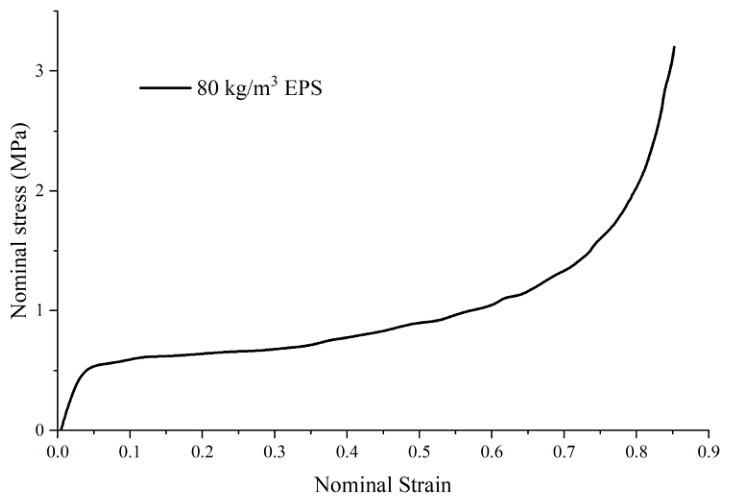
A conventional motorcycle helmet comprises a rigid outer shell—commonly fabricated from polycarbonate, fiberglass composites, carbon fiber, or occasionally aluminum, selected for their ability to distribute impact forces and resist fracture—and an energy-absorbing inner liner extensively utilizing EPS foam due to its lightweight nature, affordability, and effective energy absorption characteristics. The helmet investigated in this study employs an acrylonitrile butadiene styrene (ABS) resin shell, which is widely adopted in mid-range motorcycle helmets for its balanced impact resistance and manufacturing practicality. During an impact event, the outer shell and inner liner function synergistically: the shell distributes the localized impact force over a larger area through elastic flexure and, in severe cases, controlled cracking, thereby reducing the force concentration transmitted to the liner; simultaneously, the EPS foam liner undergoes controlled plastic deformation and progressive compression, converting kinetic energy into permanent structural deformation and dissipating it through cell-wall buckling and collapse. The stress–strain curve of EPS foam demonstrates a conventional three-stage pattern: linear elasticity, a yield plateau, and densification. During high-energy impacts, the plateau stress stage is notably short, causing the material to swiftly transition into the densification stage, resulting in a rapid increase in stress and a sudden surge in acceleration, referred to as "bottoming-out." This immediate densification mechanism, dictated by the material’s constitutive properties, establishes a physical limit on the energy absorption capacity of EPS that is challenging to surpass [
7]. Consequently, the development of novel liner constructions incorporating sophisticated energy dissipation mechanisms has become the principal strategy for rectifying existing protective inadequacies [
8]. Moreover, conventional EPS liners demonstrate considerable deficiencies in mitigating the risk of traumatic brain injury (TBI), particularly in high-impact scenarios where energy absorption is critical for protecting the brain from trauma [
9].
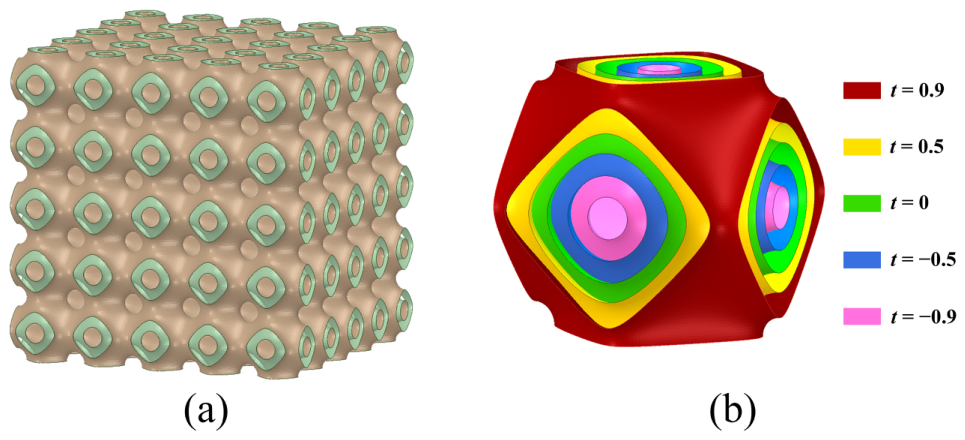
Recently, TPMS designs have provided novel insights into helmet liner design owing to their distinctive geometric qualities and superior mechanical attributes [
10]. TPMS refers to a category of periodic surface structures characterized by zero mean curvature, commonly observed in natural systems like biological membranes and butterfly wing scales [
11]. Their statistically manageable geometric configurations and superior physical and mechanical characteristics indicate significant potential in metamaterials and meta-composites [
12]. A systematic evaluation reveals that TPMS structures have a gradual, layer-by-layer buckling deformation under compression, showcasing markedly enhanced energy absorption relative to traditional foam materials [
13]. The Schwarz Primitive (P-type) structure, among the different TPMS types, has garnered significant attention for its distinctive mechanical response attributes. Maskery et al. [
14] utilized a hybrid experimental and numerical simulation methodology to thoroughly examine the mechanical properties of diverse TPMS lattice configurations. The relative elastic modulus of the P-type lattice exceeds double that of the Gyroid and Diamond types. The deformation process demonstrates a clear tensile-buckling-dominated mode; in contrast to bending-dominated structures, this mode sustains a prolonged plateau stress area, resulting in enhanced energy dissipation at high-strain-rate impact scenarios. Subsequent study reveals that gradient P-type structures display a layer-by-layer progressive collapse tendency under compression, achieving a total energy absorption of 2.47 MJ/m
3, hence exhibiting superior energy absorption capabilities [
15].
Thus far, the implementation of TPMS structures in protective equipment has achieved preliminary advancements. Liu et al. [
16] created four types of biomimetic TPMS heterogeneous structures, inspired by the architecture of femoral trabeculae, and applied them to bicycle helmets, revealing that stress-adaptive porous components exhibit exceptional modeling flexibility and mechanical strength. The incorporation of heterogeneous components augmented the strength of the original structure by over 25% and improved the total energy absorption properties by more than 23.5%. Moreover, evaluation studies utilizing high-fidelity finite element models of the head have shown that the optimized design of helmet liners necessitates thorough consideration of microstructural characteristics, including strain distribution in brain tissue [
17] and the orientation of white matter fiber bundles [
18]; dependence solely on kinematic indicators complicates a comprehensive assessment of the risk of TBI.
It is worth noting that TPMS geometrical features can be exploited in multiple ways beyond complete lattice replacement. Recent studies have demonstrated that TPMS-based geometrical modifications can be strategically integrated into conventional cellular structures to enhance their mechanical performance. For instance, Iandiorio et al. [
19] showed that introducing TPMS-inspired fillet shapes into simple cubic lattices significantly improved the strength-to-weight ratio under both static and dynamic compression. The TPMS-type fillet shapes induced a triaxial stress state that enhanced mechanical strength compared to fillet-free lattices. This finding is conceptually important because it demonstrates that TPMS geometries do not necessarily need to replace an entire lattice topology; rather, they can be deployed locally to improve stress transfer and delay failure initiation. This perspective supports the engineering rationale of the present study, which focuses TPMS reinforcement on the high-impact forehead region rather than replacing the entire helmet liner. Such a localized approach targets structural functionality where it is statistically most needed while reducing manufacturing complexity compared to full-liner replacement strategies.
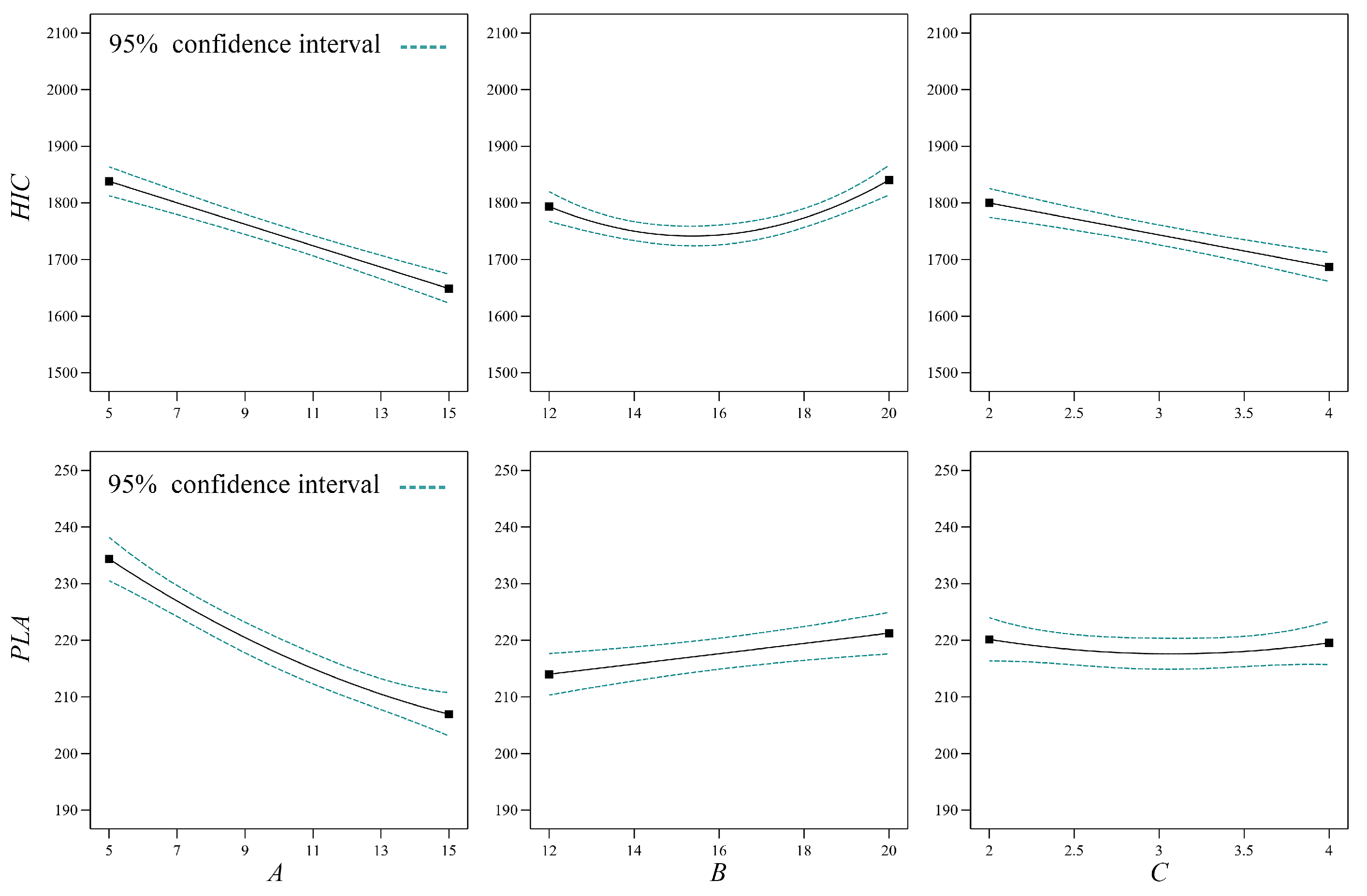
Nevertheless, current research exhibits several gaps: firstly, the majority of investigations into TPMS helmet liners utilize a complete liner replacement approach, which neglects localized heterogeneous reinforcement designs for the high-impact forehead area, thereby complicating the attainment of an optimal equilibrium between protective efficacy and manufacturing efficiency; secondly, the mechanisms through which TPMS structural parameters (outer protective layer thickness, TPMS unit cell size, and wall thickness) affect helmet protective performance are not well understood, and there is an absence of systematic multi-parameter coupled optimization studies. Thirdly, current research primarily employs a singular dynamic metric (e.g., HIC) for performance evaluation, failing to provide a thorough assessment of biomechanical indicators such as intracranial pressure and brain tissue strain, thereby complicating the elucidation of the protective mechanisms of TPMS liners against TBI.
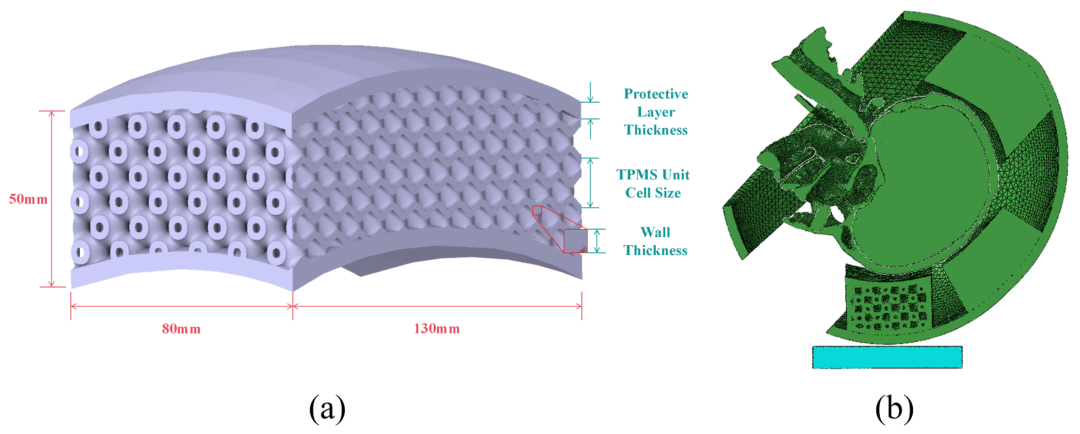
This study proposes a forehead-localized reinforced helmet liner utilizing a P-TPMS structure and systematically investigates its impact protection performance through finite element simulation and response surface optimization. The contributions of this work are threefold: (1) proposing a localized reinforcement strategy that balances protective efficacy with manufacturing practicality, addressing a gap in existing TPMS helmet design approaches that predominantly focus on full-liner replacement; (2) systematically integrating finite element analysis with Box–Behnken response surface methodology for multi-parameter optimization of TPMS-based protective structures; and (3) establishing a comprehensive evaluation framework encompassing both kinematic metrics (HIC, PLA, skull fracture correlate (SFC)) and biomechanical metrics (peak intracranial pressure (ICP), maximum principal strain (MPS)), Abbreviated Injury Scale score of 2 or greater (AIS2+) for helmet liner assessment. This work provides a reference for the design of spatially heterogeneous liners in protective equipment.
4. Analysis of the Protective Efficacy of TPMS Helmets
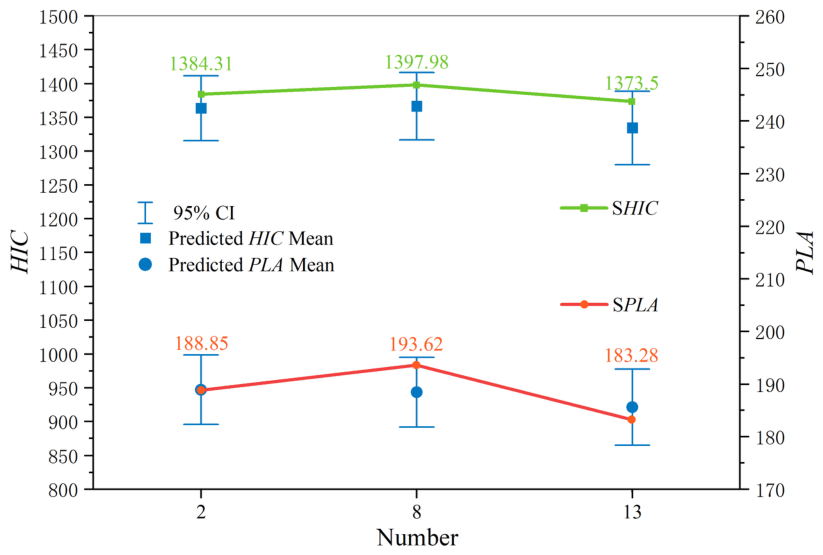
This section selects three optimized parameter combinations (numbers 2, 8, and 13) for systematic comparison with the original EPS liner, based on the results of the BBD optimization validation, to evaluate the impact protection performance of the TPMS forehead liner from the dual perspectives of head kinematic response and head biomechanical response. The assessment measures comprise HIC, PLA, SFC, ICP, MPS, and AIS2+.
4.1. Kinematic Response of the Head
The head kinematic response is the principal criterion for assessing helmet protective efficacy.
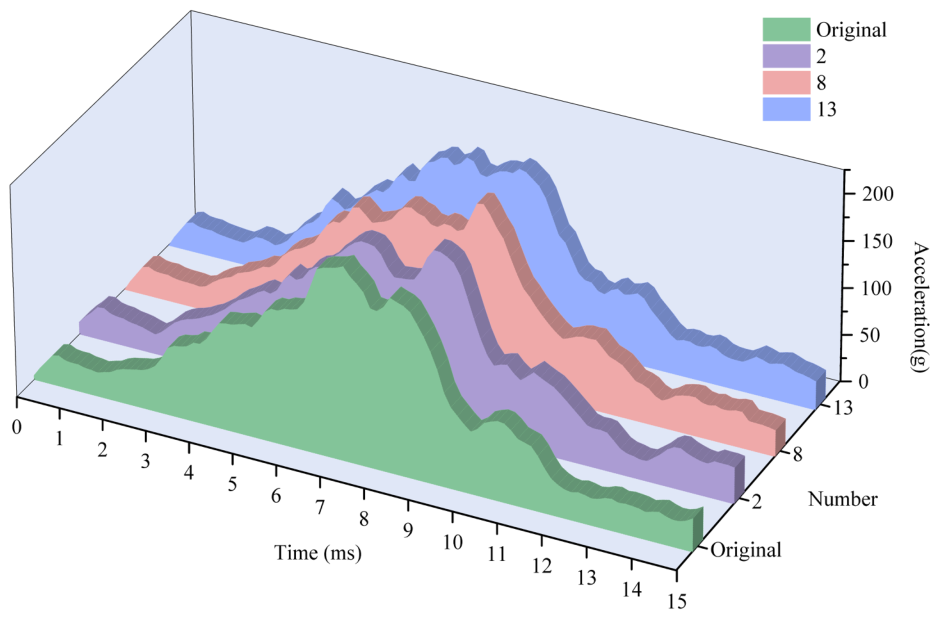
Figure 16 illustrates the time-history curves of the head center-of-mass acceleration for the original helmet and the three optimized designs, while
Table 12 provides a comparison of essential kinematic characteristics.
To assess whether the performance improvement is attributable to structural advantages rather than increased mass, a mass comparison was conducted between the original EPS forehead liner and the optimized TPMS liner. The original EPS forehead liner has a mass of 41.6 g, while the optimal TPMS liner (Scheme 13) has a mass of 39.4 g, representing a mass reduction of approximately 5.3%. This indicates that the superior protective performance of the TPMS liner is achieved with a lighter structure, demonstrating improved mass efficiency rather than simply increasing material volume.
The HIC values for all three optimized designs were markedly lower than that of the original helmet (1634.62), with reductions between 14.43% and 15.98%. Scheme 13 exhibited the lowest HIC value (1373.50), reflecting a 15.98% decrease relative to the original helmet, signifying that this parameter combination is the most efficacious in mitigating the risk of cumulative head injury. The notable decrease in HIC is ascribed to the distinctive progressive energy absorption mechanism of the P-TPMS structure: under impact loads, the TPMS lattice persistently dissipates energy via layer-by-layer buckling deformation, thereby averting the abrupt increase in acceleration resulting from the swift compaction of the EPS liner.
The PLA values for all three optimized systems were inferior to that of the original helmet (213.63), with reductions between 9.36% and 14.21%. The peak time was postponed from 7.05 ms for the original helmet to 8.25–8.40 ms, resulting in a delay of 1.20–1.35 ms. The postponement in the PLA timing signifies that the TPMS configuration successfully extends the impact duration, facilitating gradual energy absorption over an extended timeframe, which corresponds with the core protective principle of “lengthening the impact duration to diminish peak load”. Scheme 13 demonstrated the lowest PLA (183.28 g) and a deferred peak time of 8.40 ms, attaining the ideal equilibrium between energy absorption efficacy and impact attenuation performance.
Evaluation of cranial fracture susceptibility. The
SFC was established to estimate the risk of skull fracture. According to the research findings of Vorst et al. [
49] about the correlation between skull fracture risk and fracture-related markers, the method for calculating the
SFC is as follows:
Here,
signifies the acceleration of the head’s center of mass over time (in g), while
and
indicate the upper and lower bounds of the time integration, with
ms.
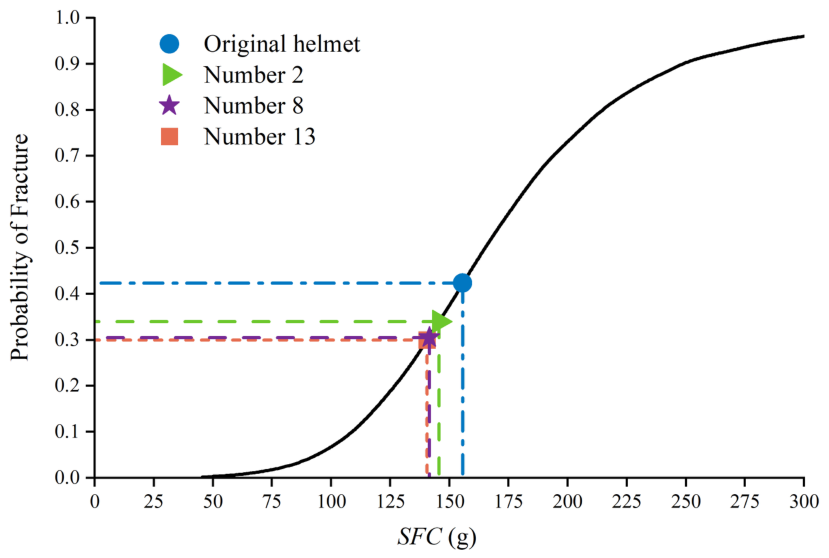
Table 13 and
Figure 17 illustrate that the
SFC of the original helmet is 155.74, which correlates to an approximate skull fracture risk of 42%. The
SFC values for the three improved methods were decreased to 145.73 (34%), 141.69 (30.5%), and 140.69 (30%), respectively. Scheme 13 exhibited the most significant reduction in skull fracture risk, with a fall of 12 percentage points, demonstrating that the P-type cushioning system with TPMS for the forehead can effectively mitigate the risk of skull fracture.
In conclusion, all three optimization strategies exhibited outstanding performance across the three dynamic metrics: HIC, PLA, and SFC. Scheme 13 demonstrated the most superior performance, decreasing HIC by 15.98% and PLA by 14.21% while reducing the probability of a skull fracture from 42% to 30%, thereby significantly improving the helmet’s impact protection efficacy.
4.2. Biomechanical Response of the Head
The biomechanical response of the head is essential for elucidating the risk of deep cranial injury. This section analyzes the response from the viewpoints of ICP and MPS and further assesses the risk of AIS2+ based on MPS.
ICP analysis.
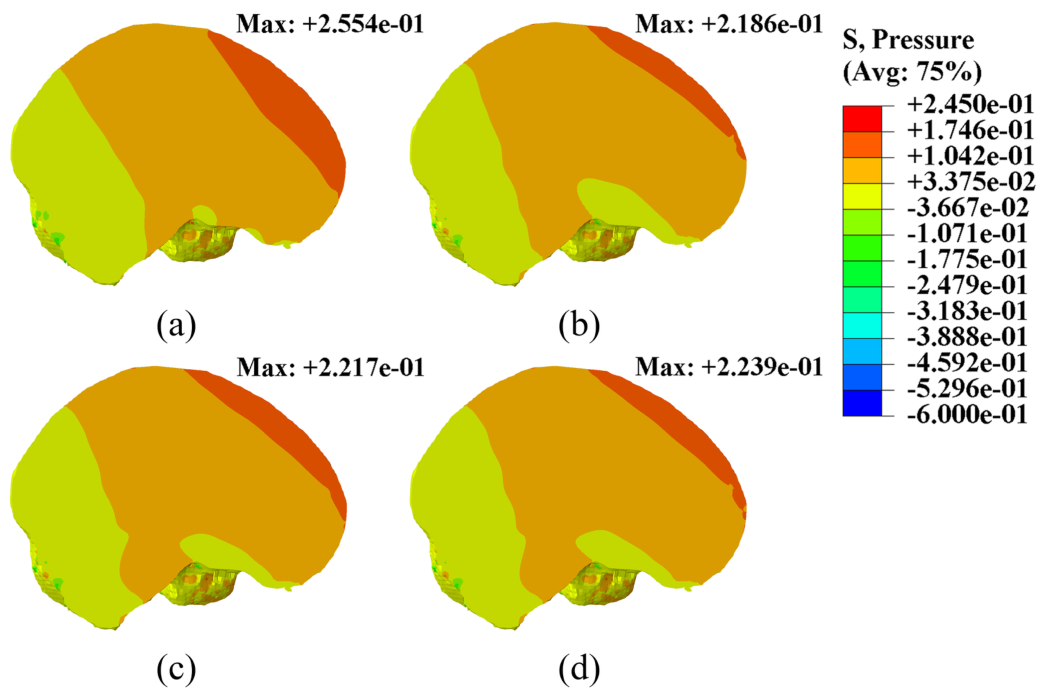
Figure 18 illustrates the pressure distribution contour map of the
ICP subjected to a flat-anvil impact scenario.
Figure 18a illustrates that the peak
ICP of the original helmet is 255.4 kPa, with high-pressure zones (red regions) centered at the anterior region of the brain, arranged in a narrow, elongated strip exhibiting a pronounced pressure gradient. Tse et al. [
50] claim that
ICP over 250 kPa signifies a danger of cerebral injury, indicating that the original helmet is at the injury threshold under these circumstances.
All three optimization approaches significantly lowered the
ICP (
Figure 18b–d). The maximum intracranial pressures for designs 2, 8, and 13 were 218.6 kPa, 221.7 kPa, and 223.9 kPa, respectively, indicating decreases of 14.4%, 13.2%, and 12.2%, all remaining below the damage threshold of 250 kPa. The optimized helmets exhibited a notable reduction in the dimensions of high-pressure zones; the area of the red high-pressure regions diminished, while the yellow low-pressure regions expanded towards the front, signifying that the TPMS structure effectively enhanced the spatial uniformity of pressure distribution. Sample 2 displayed the most significant decrease in
ICP and the most notable shrinking of the high-pressure zone, indicating superior pressure cushioning ability.
Analysis of
MPS.
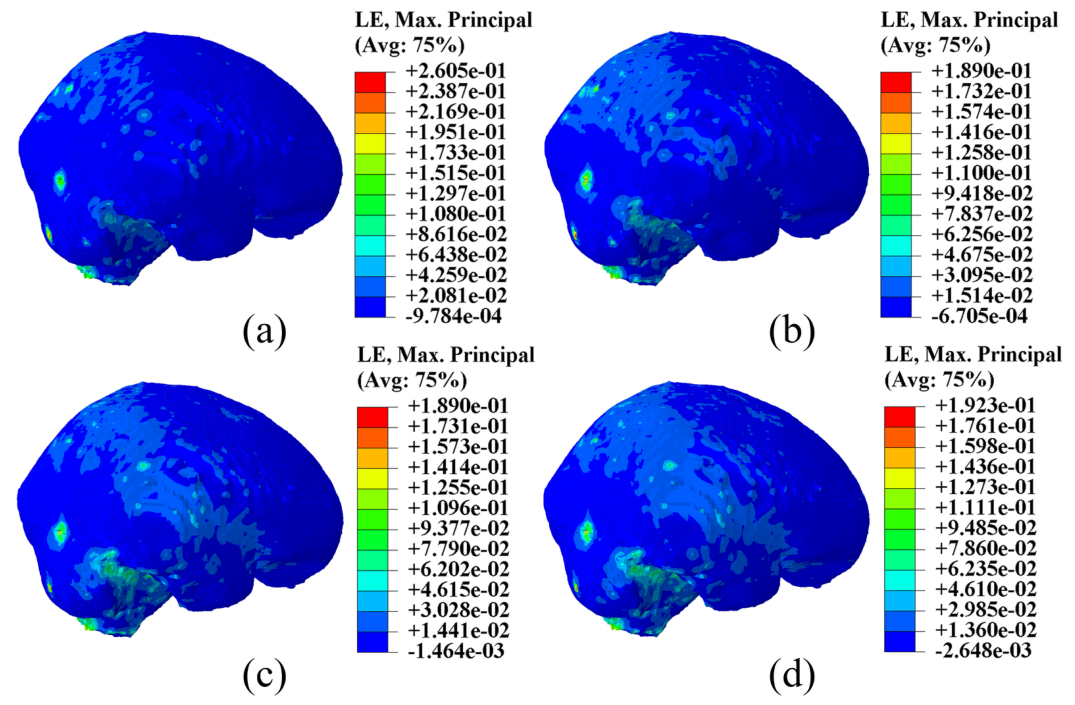
Figure 19 illustrates the cranial strain cloud maps across several parameter settings.
Figure 19a illustrates that the peak
MPS of the original helmet is 0.261, with the area of maximal strain situated at the interface of white and grey matter at the posterior region of the brain. Research conducted by Galbraith et al. [
51] and Shreiber et al. [
52] indicates that an
MPS above 0.25 may result in significant structural damage to the central nervous system, suggesting that the original helmet presents a considerable danger of TBI.
Each of the three sets of improved settings markedly diminished the
MPS (
Figure 19b–d). The maximum
MPS values for sets 2, 8, and 13 were 0.189, 0.189, and 0.192, respectively, indicating decreases of 27.6%, 27.6%, and 26.4%, all of which fall below the functional injury threshold of 0.20. The improved helmet exhibited a large reduction in the area of high strain, concomitantly leading to a substantial increase in the proportion of the blue low-strain region, thus achieving a more uniform strain distribution. This suggests that the P-TPMS liner for the forehead can efficiently diminish brain tissue deformation and substantially lower the risk of TBI.
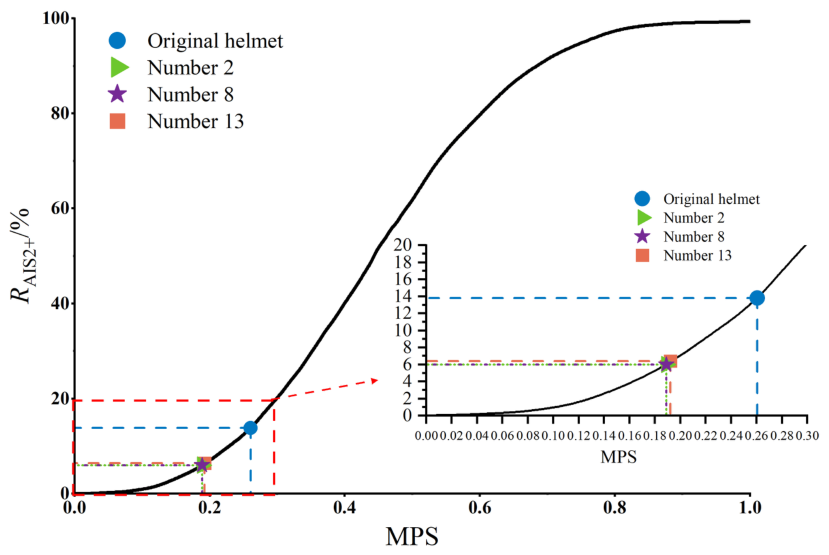
To easily quantify the risk of TBI, the likelihood of AIS2+ (
RAIS2+%) for each configuration was computed based on the
MPS values obtained from the simulation, utilizing the correlation curve between
MPS and AIS2+ probability [
53].
Figure 20 illustrates the findings: the
RAIS2+% for the original helmet was roughly 14%, signifying a substantial risk of mTBI; the
RAIS2+% for the three improved designs decreased to 6.0%, 6.0%, and 6.4%, respectively, reflecting a reduction of 7.6 to 8.0 percentage points. Among them, schemes 2 and 8 displayed the lowest
RAIS2+% (6.0%), signifying a reduction of roughly 57% relative to the original helmet, demonstrating that the P-TPMS forehead liner exhibits superior efficacy in safeguarding against brain tissue injury.
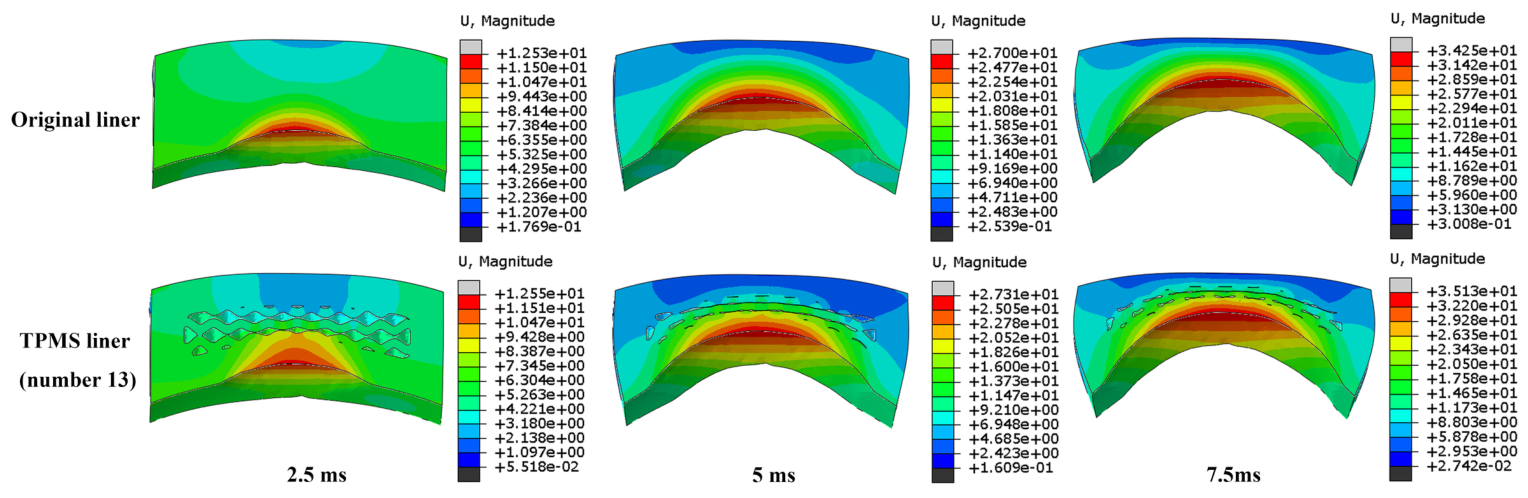
To provide direct evidence of the deformation mechanism underlying the improved protective performance,
Figure 21 compares the displacement evolution of the original EPS liner and the optimal P-TPMS liner (Scheme 13) at three time points during impact. For the original EPS liner, deformation is highly localized beneath the impact region, with the high-displacement zone rapidly expanding from the center and forming a concentrated collapse pattern. By 7.5 ms, the central region approaches full compression, exhibiting a global collapse mode typical of foam materials under high-energy impact. In contrast, the P-TPMS liner exhibits a sequential buckling process characterized by the progressive collapse of multiple P-TPMS cells. At 2.5 ms, localized buckling is already observable in the P-TPMS layer, indicating early engagement of the energy-absorbing structure. As the impact progresses, the deformation gradually spreads along the liner rather than remaining confined to the impact center, demonstrating a distributed deformation mechanism. This progressive layer-by-layer buckling behavior promotes more effective energy dissipation and delays localized densification, thereby explaining the reduced peak acceleration and extended impact duration observed in the kinematic response analysis.
In conclusion, the three sets of optimized parameters exhibited outstanding performance across the three biomechanical indicators—ICP, MPS, and AIS2+. ICP diminished by 12.2% to 14.4%, all remaining below the injury threshold of 250 kPa; MPS reduced by 26.4% to 27.6%, all below the functional injury threshold of 0.20; and RAIS2+% decreased from 14% to 6.0–6.4%, indicating a reduction exceeding 50%. Set 13 exhibited the most superior performance, significantly diminishing the risk of TBI.
5. Discussion
The locally reinforced P-TPMS forehead helmet liner presented in this work exhibits considerable benefits regarding impact protection performance. The enhancement in its protective efficacy can be elucidated through its structural topological features and energy dissipation mechanisms.
From the standpoint of structural topological attributes, the P-TPMS exhibits a seamless, continuous curved surface geometry, hence mitigating the stress concentration problems typically associated with conventional porous materials. During impact stress, the TPMS lattice experiences gradual, layer-by-layer buckling deformation, in contrast to the abrupt failure seen in EPS foam. This progressive collapse behavior is directly evidenced by the displacement evolution analysis (
Figure 21), which shows that the TPMS liner exhibits sequential buckling with deformation spreading along the structure, whereas the original EPS liner displays localized concentration and rapid collapse. The disparity in deformation behavior directly influences the shape of the acceleration response curve: the TPMS structure produces a more gradual increase in acceleration and a markedly postponed peak, thus effectively diminishing the
HIC value. The described mechanism aligns with the tensile-buckling-dominated deformation mode of P-type lattices identified by Maskery et al. [
14], elucidating the fundamental cause of its superior energy absorption efficiency relative to bending-dominated structures (such as Gyroid and Diamond).
The elevated pore connectivity of the TPMS structure facilitates homogeneous stress distribution during compression, enhancing energy dissipation mechanisms. Traditional EPS liners are susceptible to localized densification during high-velocity impacts, leading to a “bottom-out” effect that disrupts energy absorption. Conversely, the TPMS structure can perpetually dissipate impact energy via the gradual buckling and collapse of lattice walls, thus postponing the densification process. This attribute markedly postpones the PLA peak period, validating the established premise in impact protection that “prolonging the impact length diminishes peak load”.
This study presents a localized heterogeneous reinforcement design paradigm specifically for the forehead region, in contrast to the monolithic TPMS liner replacement technique employed by Liu et al. [
16]. This strategy is predicated on two factors: firstly, since the forehead is the most commonly affected region of the helmet (constituting approximately 19% of all impacts), focused reinforcement can provide optimal protective advantages at minimal mass expense, thus enhancing the cost–effectiveness ratio; secondly, localized replacement markedly diminishes the complexity and material expenses associated with additive manufacturing, thereby streamlining engineering execution. Notably, the optimal TPMS design achieves a 5.3% mass reduction compared to the original EPS liner while simultaneously improving protective performance across all evaluated metrics, demonstrating that the improvement is attributable to structural efficiency rather than increased material volume. This study’s results confirm the viability of this method, showing that local optimization of the forehead liner has led to a synergistic decrease in various damage measures, including
HIC,
PLA,
ICP,
MPS, and AIS2+.
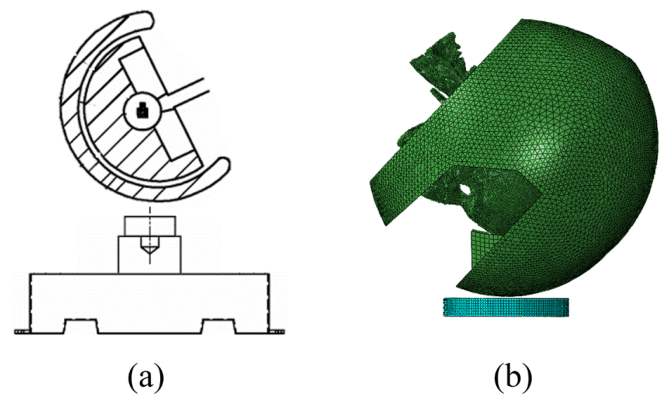
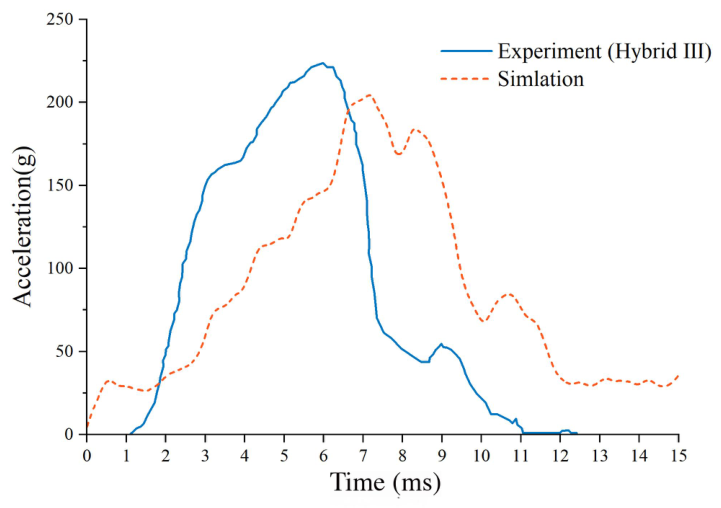
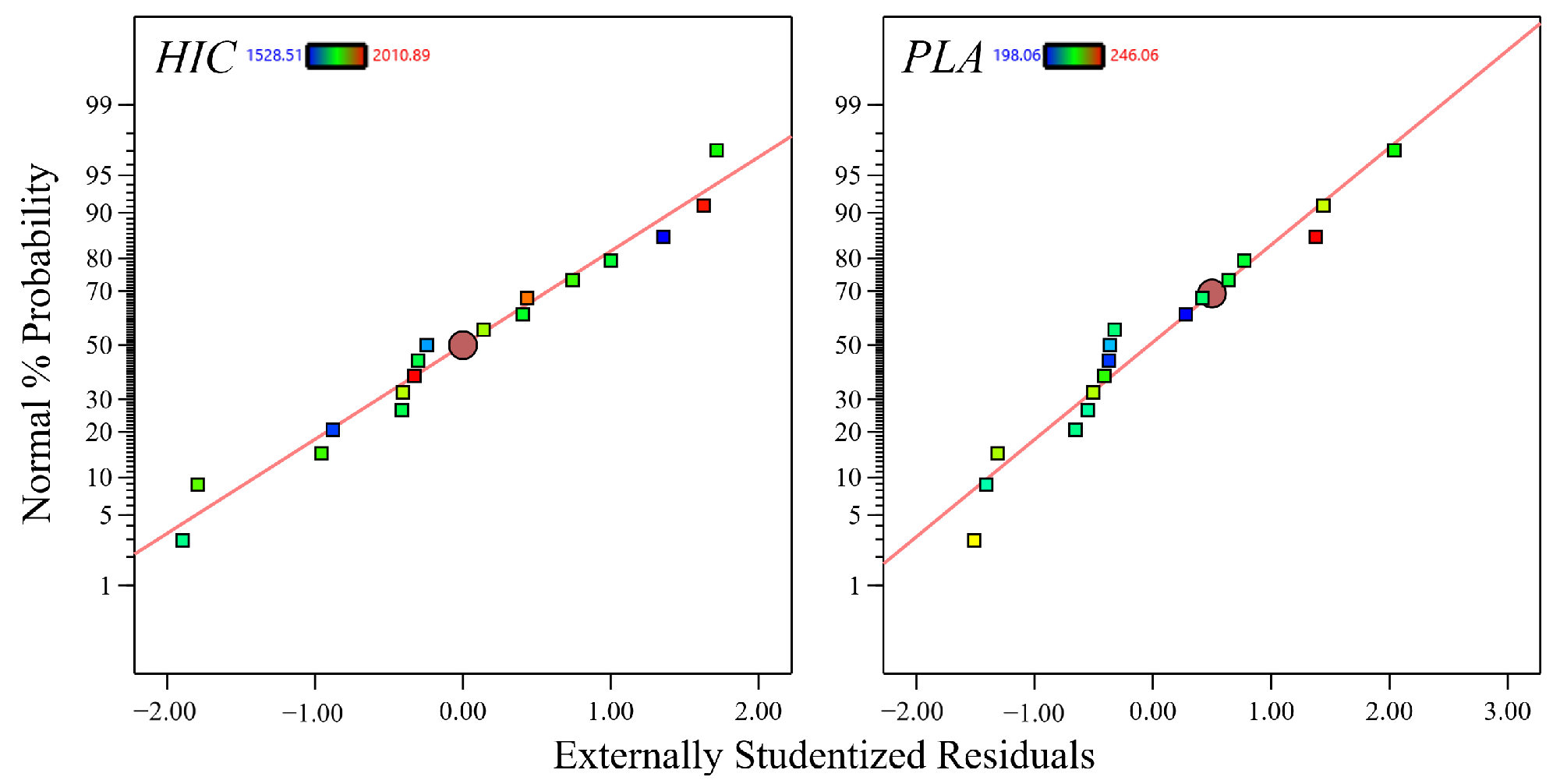
Several limitations of this study should be acknowledged. First, the BBD response surface optimization is based entirely on deterministic numerical simulations without physical experimental random error; the pure error term in the ANOVA tables solely reflects the solver’s inherent computational variability and should not be interpreted as an estimate of experimental reproducibility. Second, the selection of the P-TPMS topology was based on existing literature evidence rather than a systematic comparative analysis under identical helmet-impact boundary conditions; therefore, it cannot be concluded that P-TPMS is the optimal TPMS architecture for helmet liner applications. Third, the TPMS structure was simulated using the same EPS crushable foam material model as the original liner. While this enables isolation of geometric effects, the actual constitutive response of additively manufactured polymers may differ in strain-rate sensitivity, failure modes, and scale effects. Fourth, the model validation was conducted only for the helmet–head coupled model with the original EPS liner (peak acceleration error 8.4%,
HIC error 11.6%), and the predictive accuracy for the TPMS liner remains to be verified through physical impact tests. Furthermore, this validation error is comparable in magnitude to the performance differences between some optimized designs (e.g., the
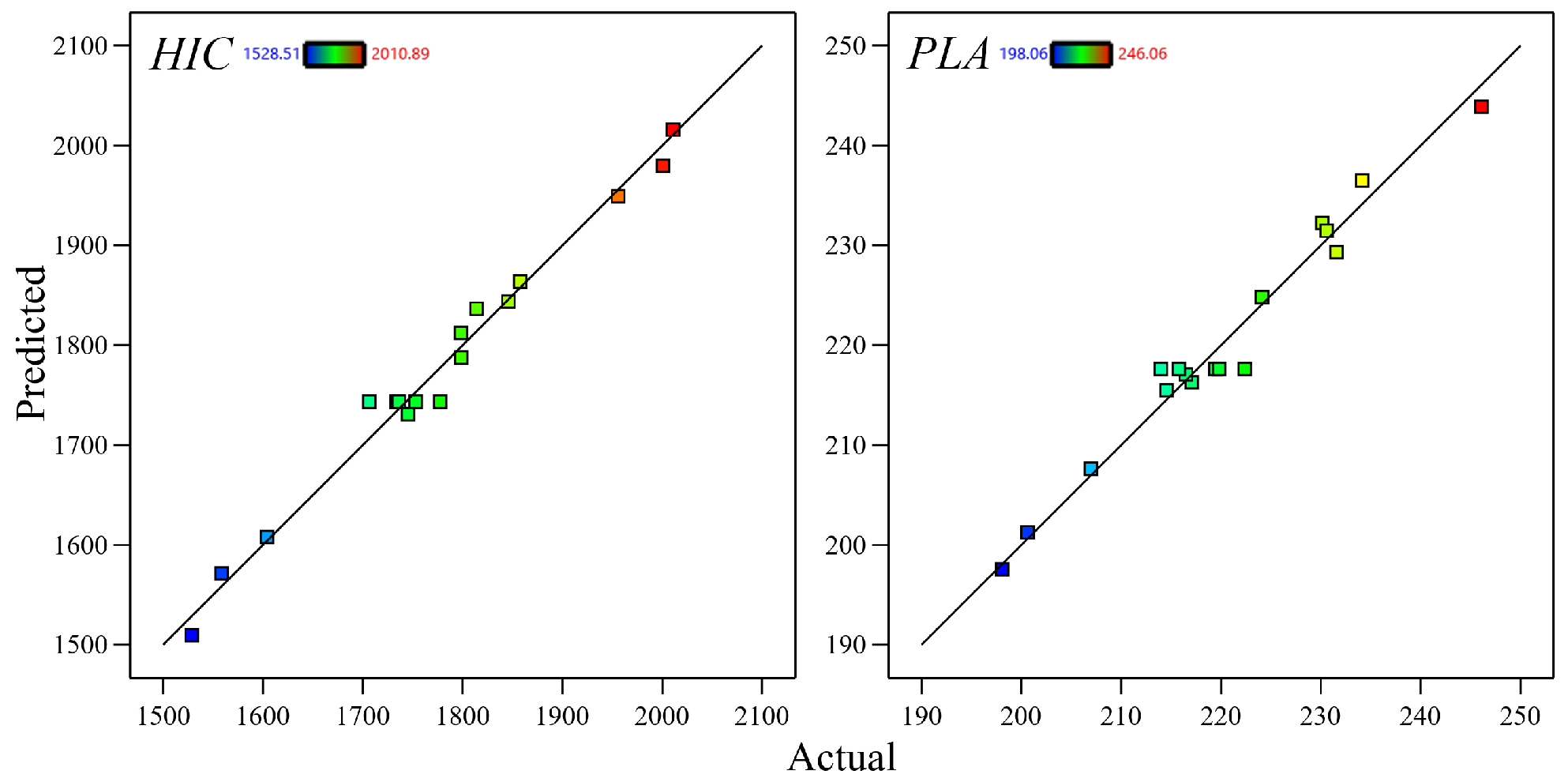
PLA difference between cases 7 and 8 in
Table 6 is approximately 6.2%). This implies that while relative optimization trends are reliable, the absolute predictive accuracy for individual designs should be interpreted with caution, and the precise magnitude of improvement requires physical validation. Fifth, the present study is confined to frontal flat-anvil impact scenarios; findings from this single configuration are insufficient to evaluate the overall protective efficacy under diverse impact locations and oblique loading conditions. Sixth, this study focuses on geometric design and simulation, omitting additive manufacturing considerations such as process-induced defects, geometric tolerances, anisotropic mechanical behavior from layer-by-layer deposition, and stress concentrations at the TPMS–EPS interface, all of which may influence the actual energy absorption performance. Seventh, a comprehensive multi-criteria evaluation including manufacturing cost, production time, and user comfort factors has not been conducted; the additive manufacturing cost of TPMS liners is considerably higher than that of EPS compression molding, which may limit commercial viability to premium helmet products. Eighth, the multi-objective optimization employed equal weighting for
HIC and
PLA without sensitivity analysis on the weighting coefficients, and the optimal parameter combination lies close to the upper boundary of the design space (outer protective layer thickness of 14.95 mm versus the 15 mm upper limit), which warrants caution regarding optimization stability and robustness to weighting variations.
Future research may focus on the following domains: (1) conducting systematic comparative analyses among different TPMS topologies (e.g., Gyroid, Diamond, IWP, Neovius) under identical helmet-impact boundary conditions to identify the most suitable architecture for helmet liner applications; (2) developing and validating material models for additively manufactured polymers (e.g., TPU, PA12, Polylactic acid) through experimental characterization at various strain rates, and examining the effects of manufacturing precision on energy absorption; (3) performing impact assessments at multiple locations and angles, with particular emphasis on oblique impacts, to evaluate rotational kinematic responses and rotational injury criteria alongside translational metrics; (4) fabricating physical prototypes of the optimal TPMS liner design and conducting drop-tower impact tests following ECE 22.06 standard procedures to validate the computational predictions; and (5) conducting sensitivity analysis on the weighting coefficients in the multi-objective optimization and developing a multi-objective trade-off model that incorporates manufacturing costs, protective efficacy, and weight-saving advantages to evaluate commercial feasibility.



 ,
,