Bio-Based Hydroxypropyl Methylcellulose Reinforced Water Glass/Silica Sol Hybrid Gel Foam with Synergistic Flame-Retardant and Enhanced Fireproof Performance Under Laboratory Screening Conditions for Forest Fire Barriers



Highlights
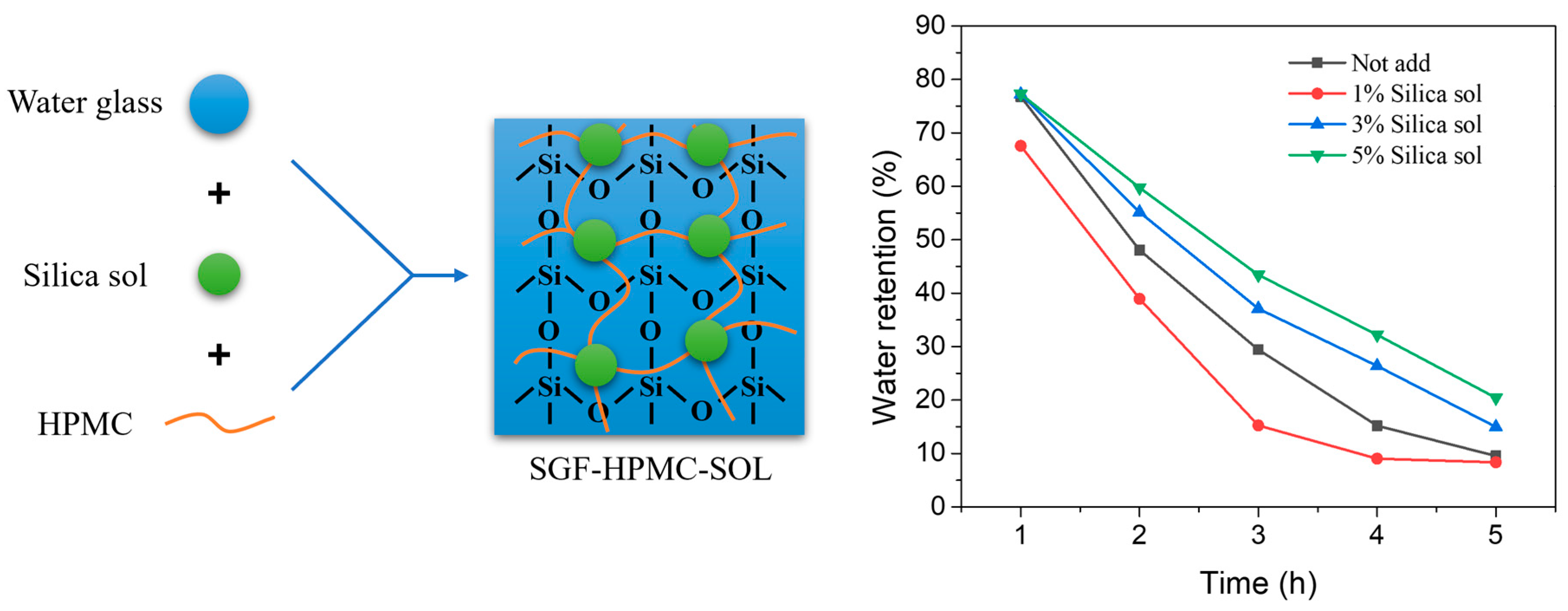
- A composite of water glass/HPMC/silica sol (SGF-HPMC-SOL) was constructed.
- A stable organic–inorganic hybrid network enhances the material’s properties.
- Its flame-retardant performance is superior to that of traditional gels.
Abstract
1. Introduction
2. Materials and Methods
2.1. Materials
2.2. Preparation of Composite Gels
- (1)
- Water glass gel (labeled as SG)
- (2)
- Water glass/HPMC composite gel (labeled as SG-HPMC)
- (3)
- Water glass/HPMC/silica sol composite gel (labeled as SG-HPMC-SOL)
2.3. Preparation of Composite Gel Foam
- (1)
- Water glass gel foam (labeled as SGF)
- (2)
- Water glass/HPMC gel foam (labeled as SGF-HPMC)
- (3)
- Water glass/HPMC/silica sol gel foam (labeled as SGF-HPMC-SOL)
2.4. Performance Tests of Composite Gels
- (1)
- Determination of gelation time
- (2)
- Water retention test
- (3)
- Foaming performance test
- (4)
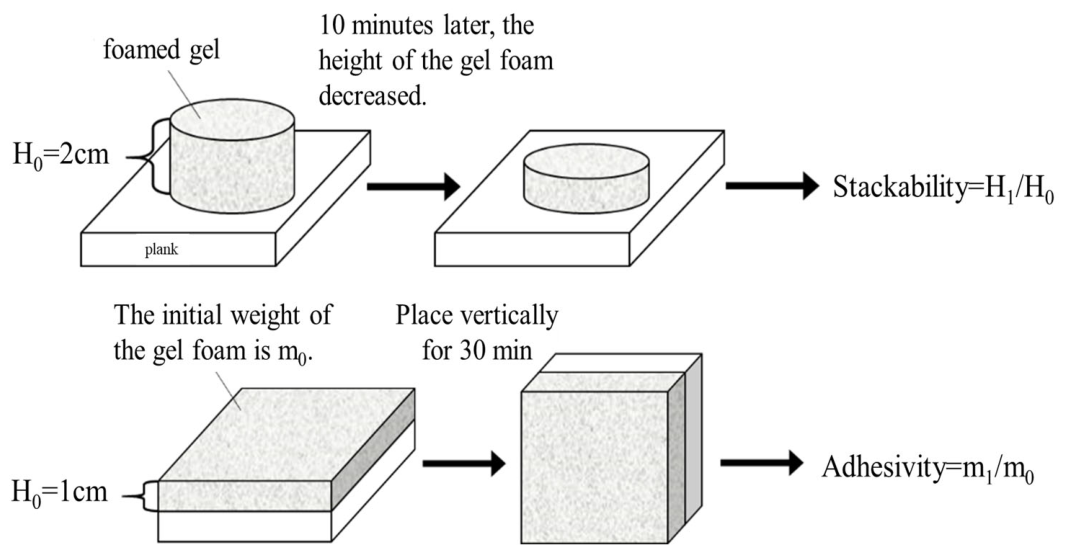
- Stackability test
- (5)
- Adhesion test
- (6)
- Combustion test
- (7)
- Viscosity test
- (8)
- Microstructural morphology analysis
- (9)
- Thermogravimetric analysis
- (10)
- Fourier transform infrared (FTIR) spectroscopy analysis
- (11)
- Scanning electron microscopy (SEM) analysis
- (12)
- X-ray diffraction (XRD) analysis
- (13)
- Forest fire barrier test
3. Results and Discussion
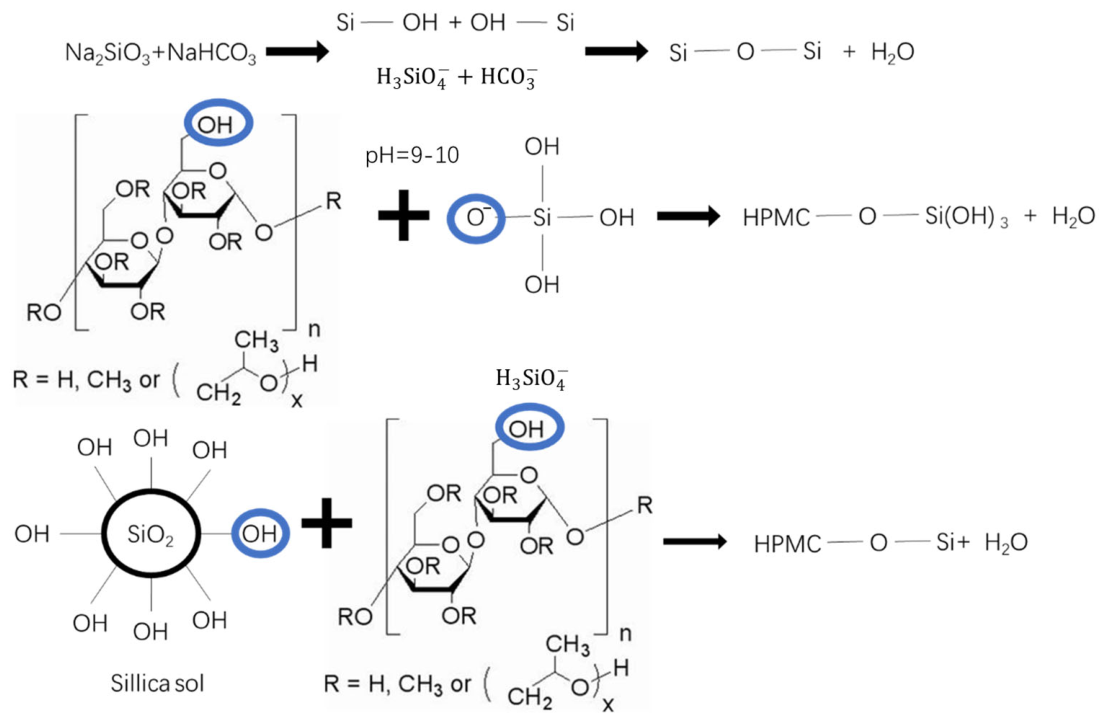
3.1. Analysis of the Gelation Mechanism of Composite Gels
3.2. Determination of Composite Gel Formulations
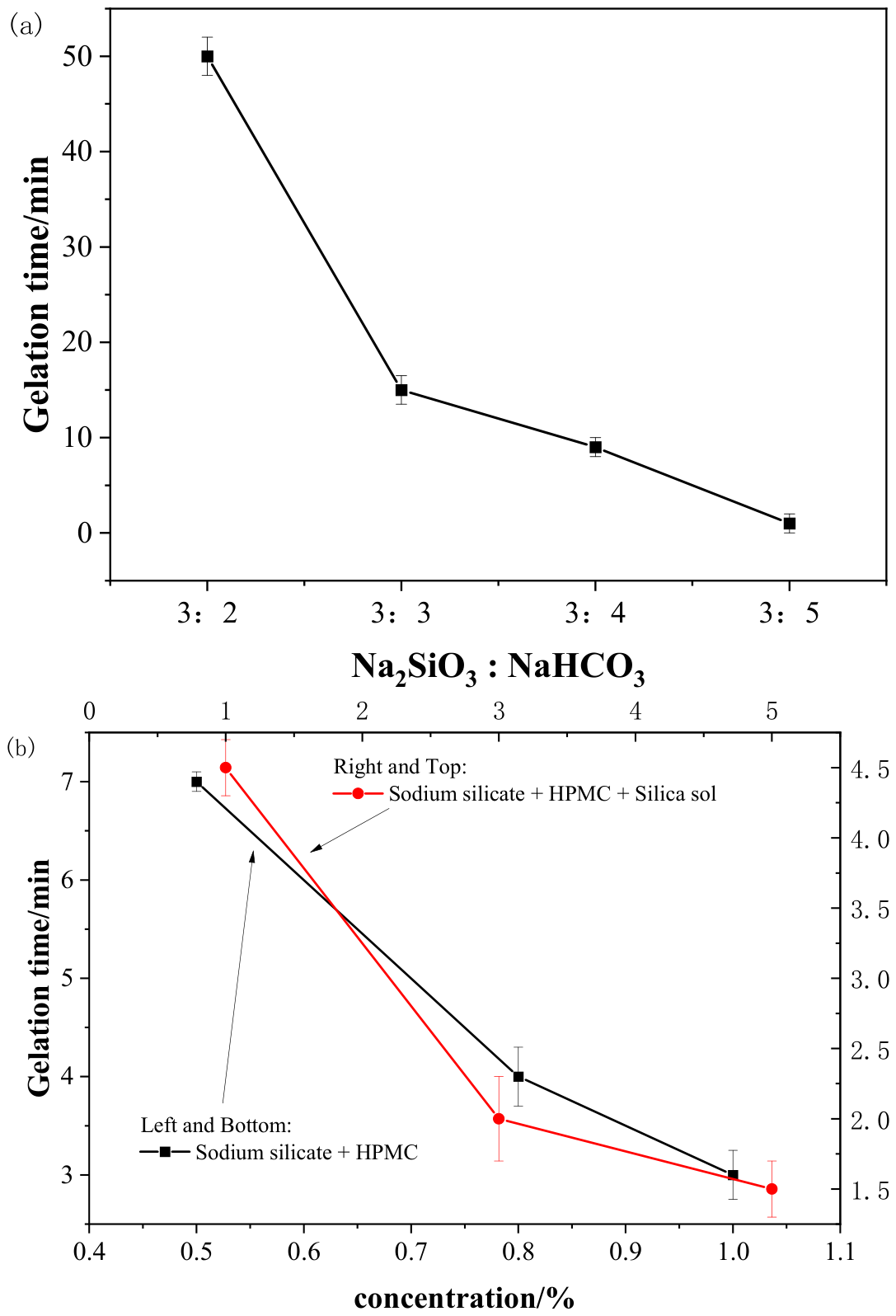
3.2.1. The Influence of the Concentration of Each Component on the Gelation Time
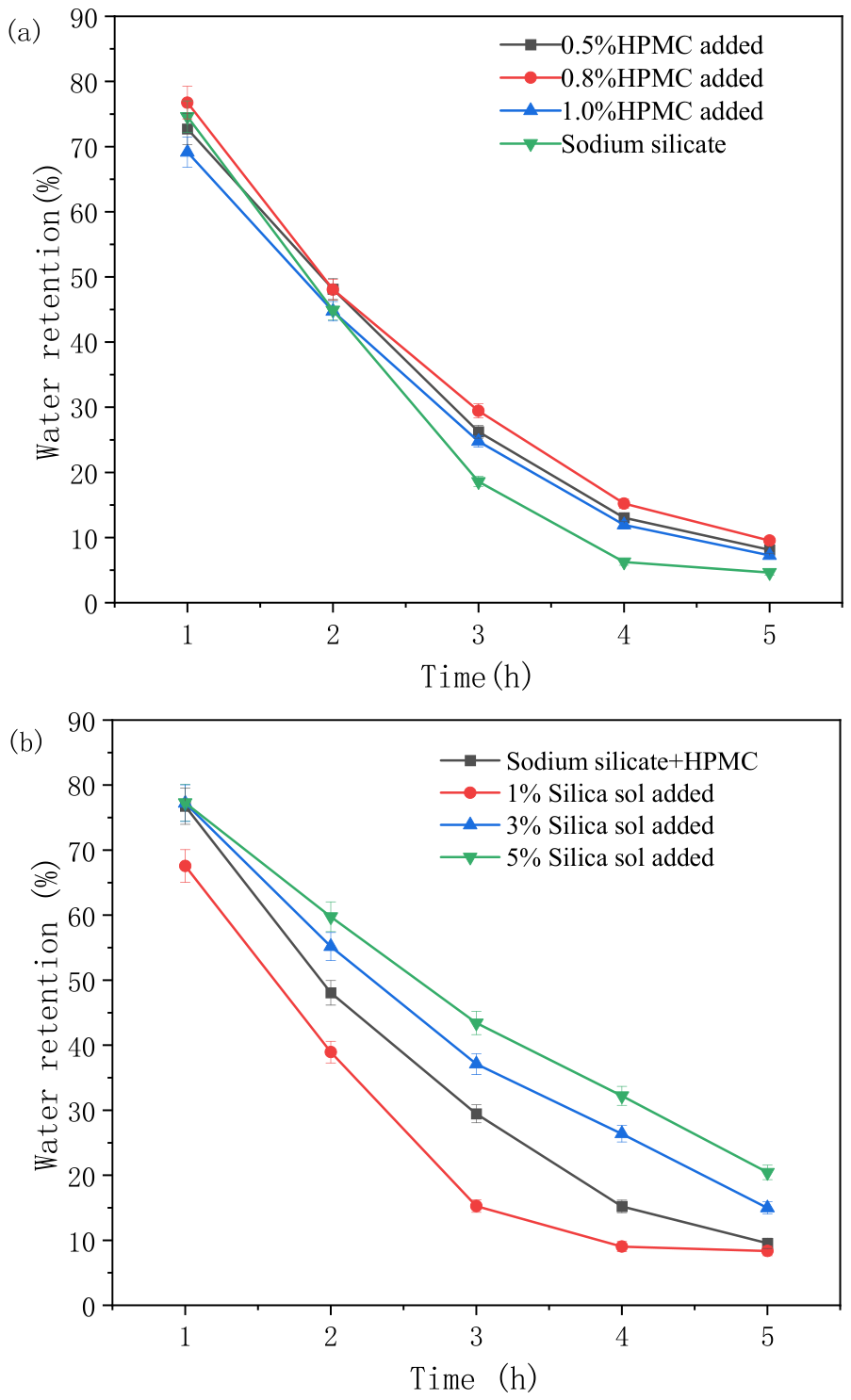
3.2.2. The Influence of Hydroxypropyl Methylcellulose and Silica Sol on Water Retention Capacity
- (1)
- Impact of HPMC incorporation on water retention
- (2)
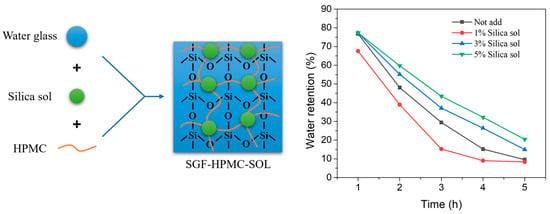
- Enhancement of water retention by the incorporation of silica sol
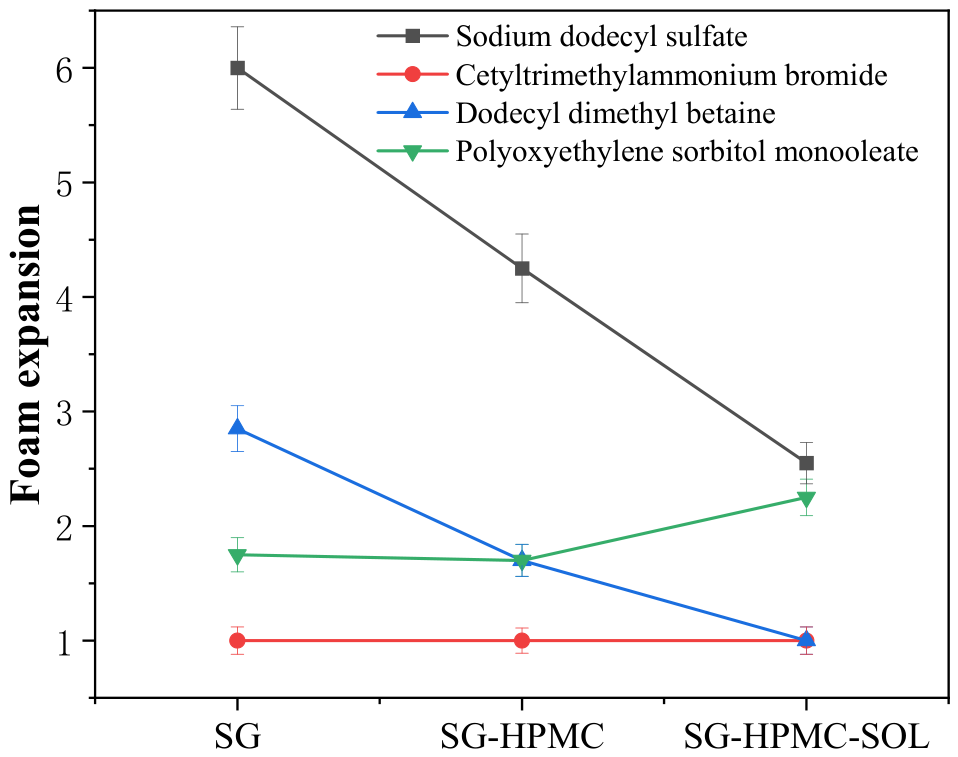
3.2.3. Preferred Foaming Agent
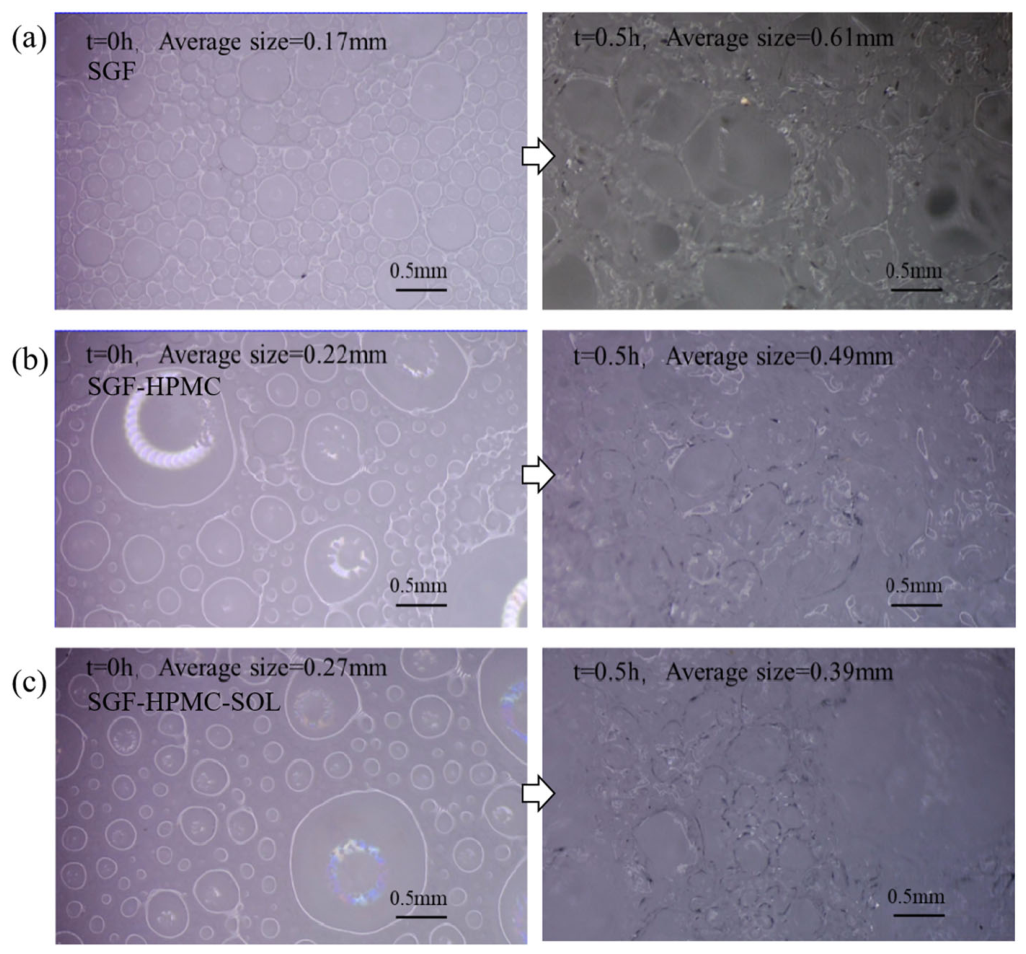
3.3. Microscopic Morphology Analysis of Silicon-Based Curing Foam
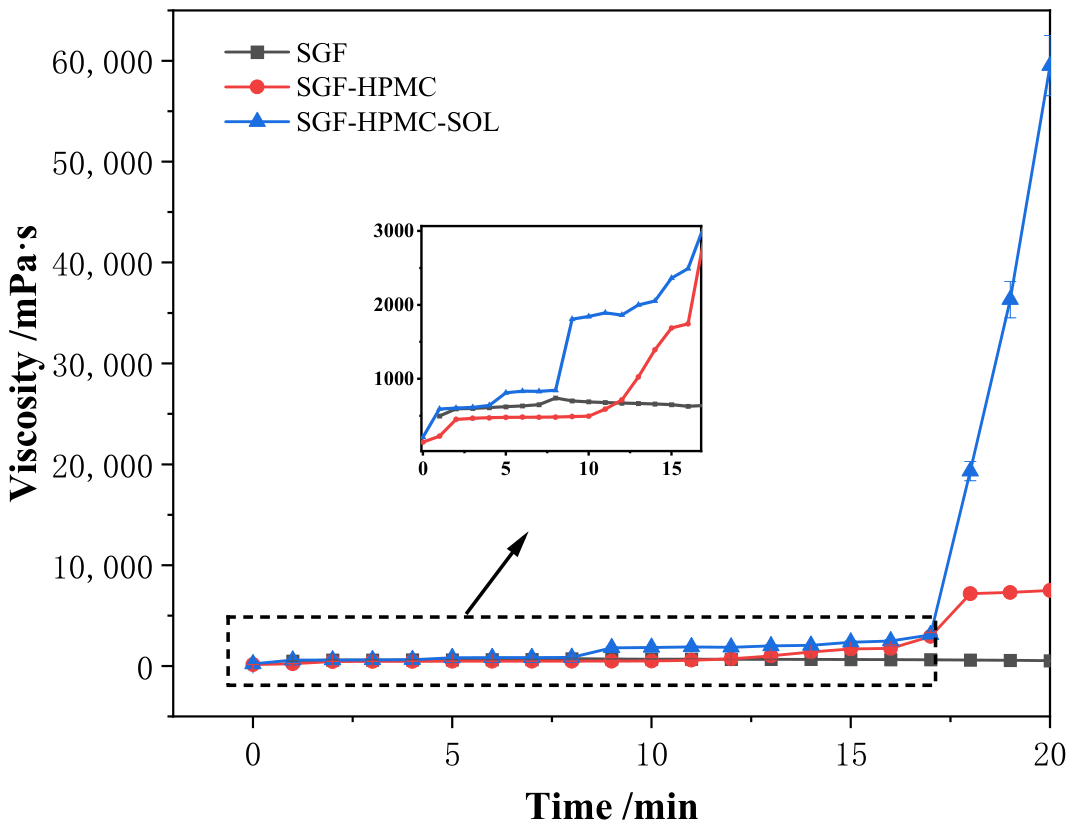
3.4. Viscosity Analysis of Silicon-Based Curing Foam
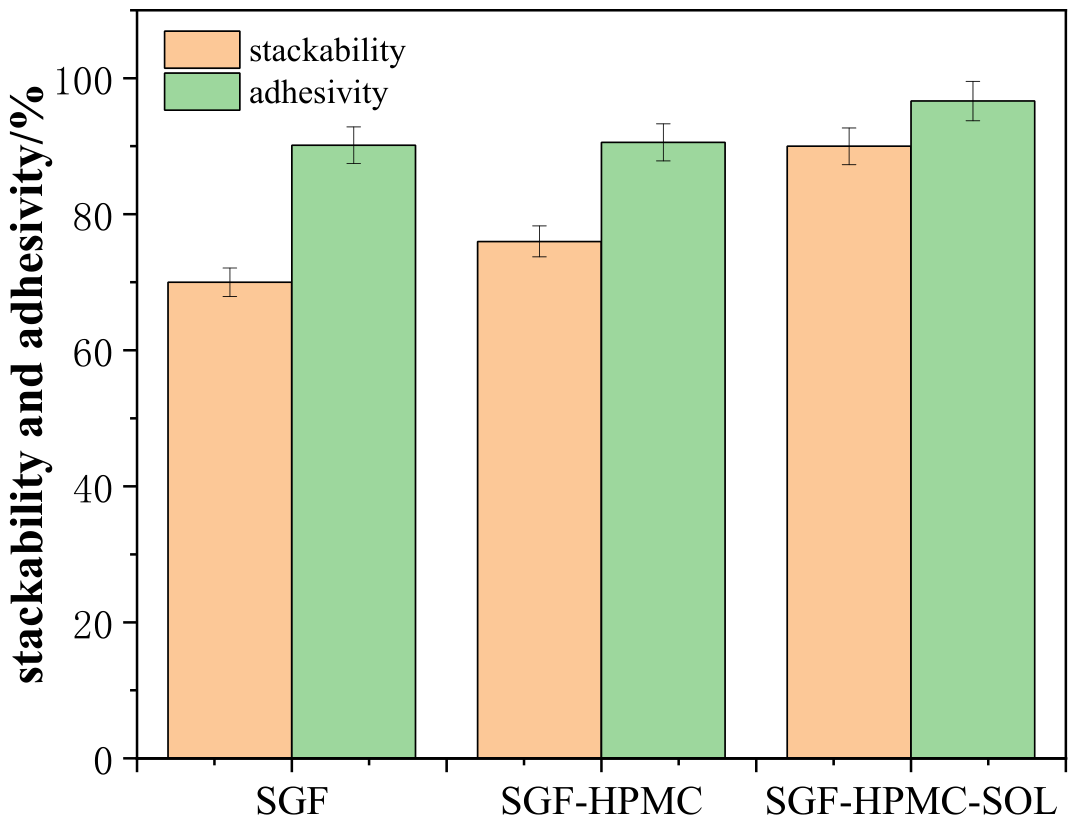
3.5. Analysis of Stackability and Adhesion of Silicon-Based Curing Foams
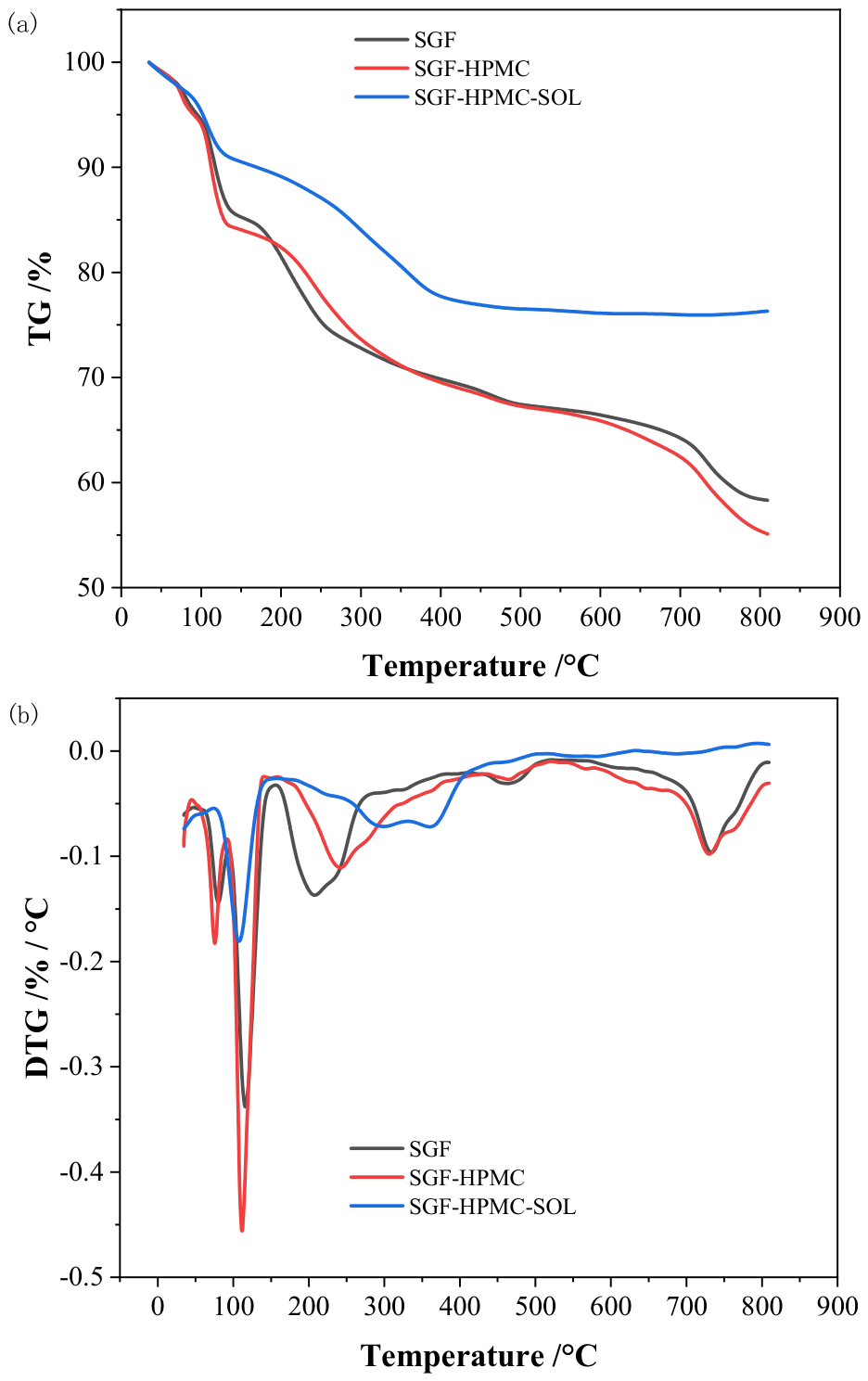
3.6. Thermogravimetric Analysis of Silicon-Based Curing Foams
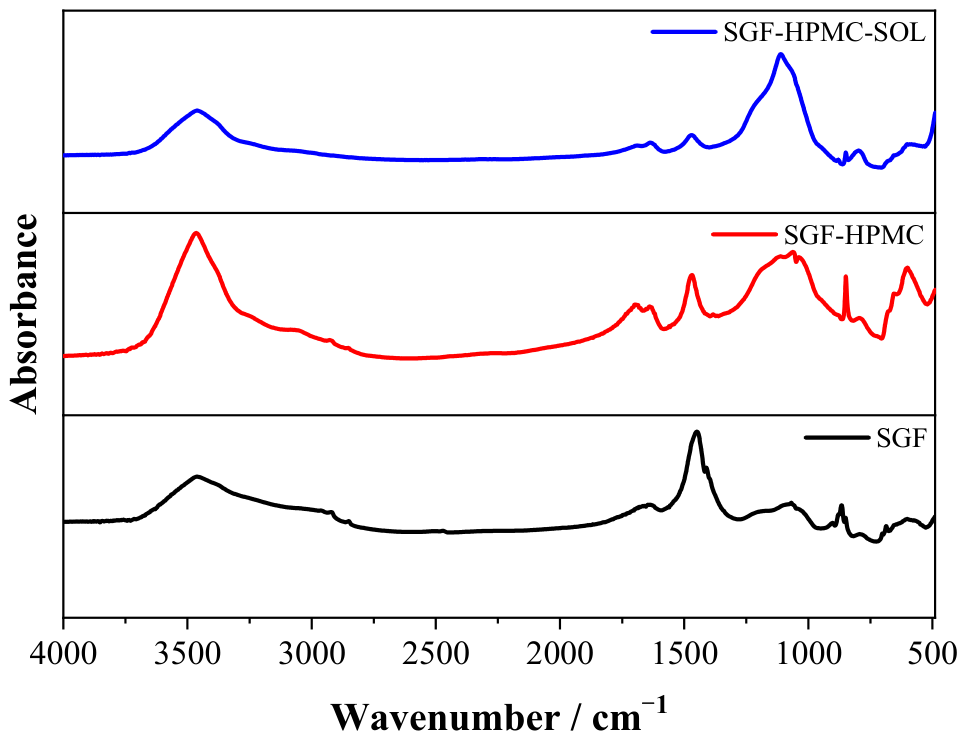
3.7. Fourier Transform Infrared Spectroscopy Analysis of the Dried Silicon-Based Curing Gel
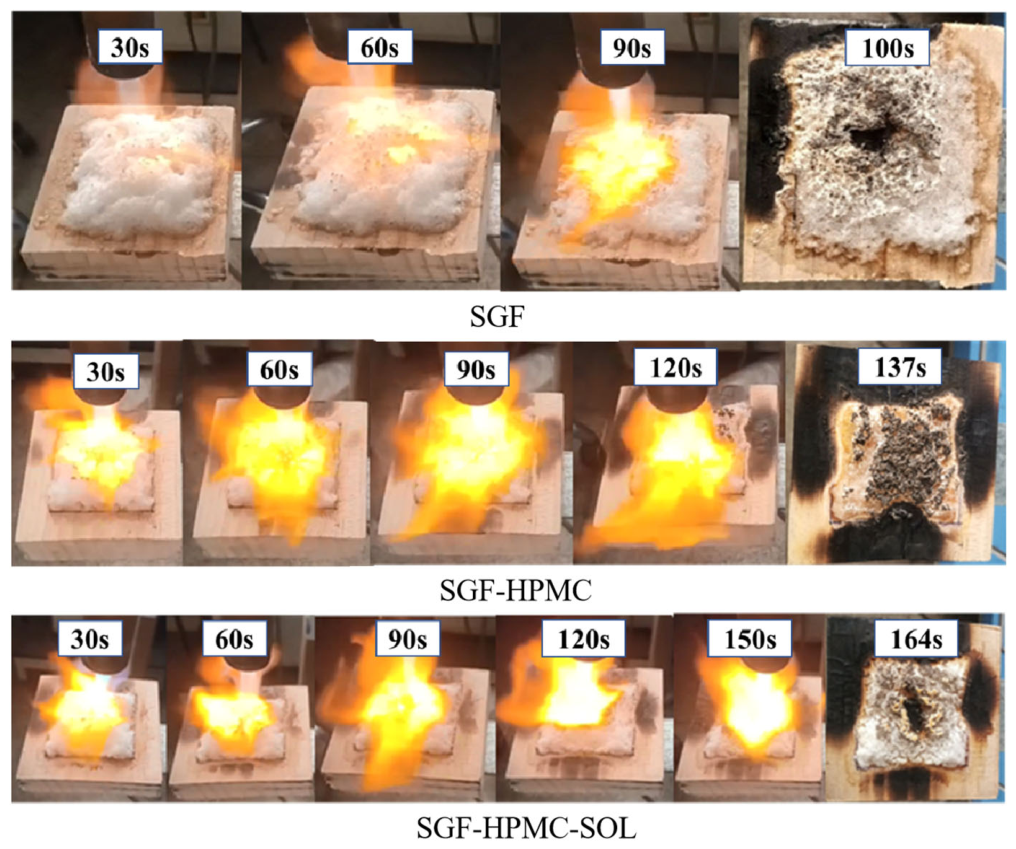
3.8. Analysis of Silicon-Based Curing Foam in Combustion Experiments
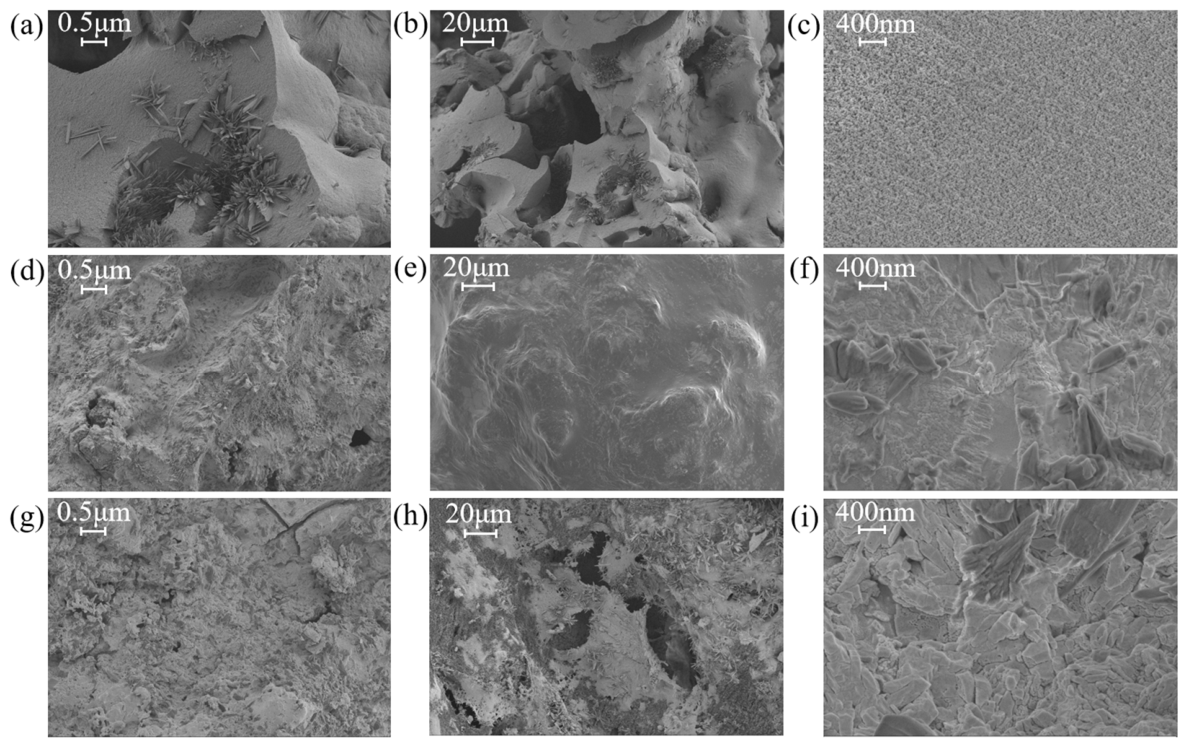
3.9. Morphology Analysis of Silicon-Based Curing Foam After Combustion
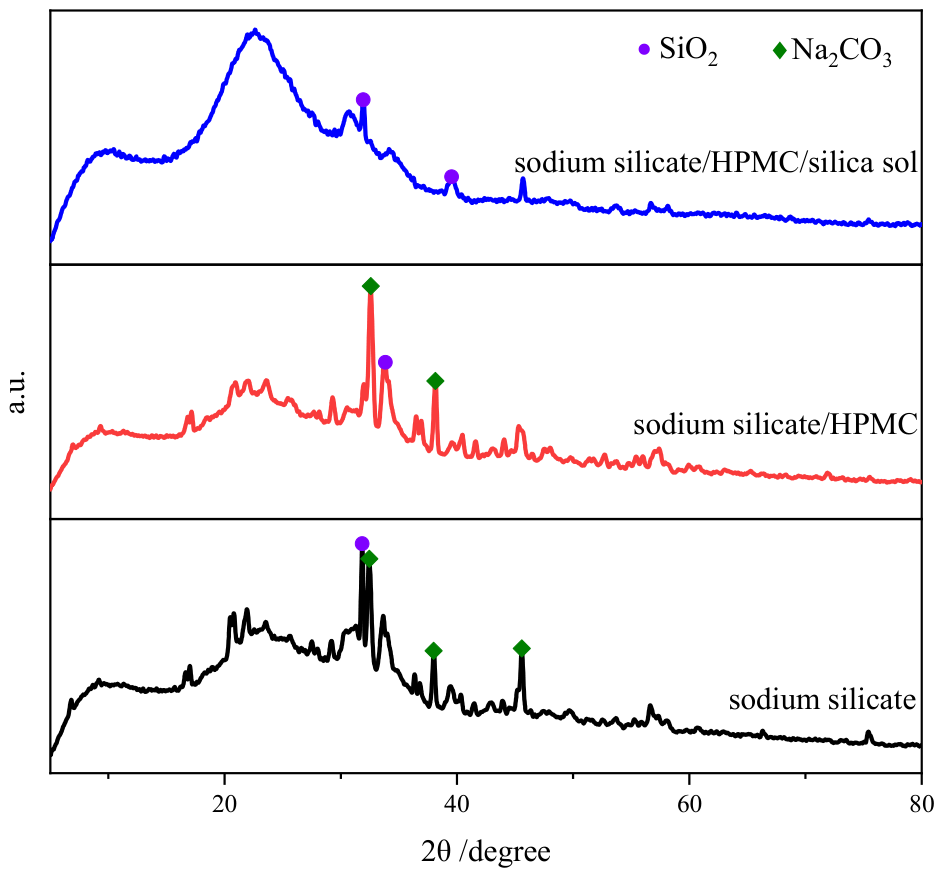
3.10. XRD Analysis of Silicon-Based Curing Foam After Combustion
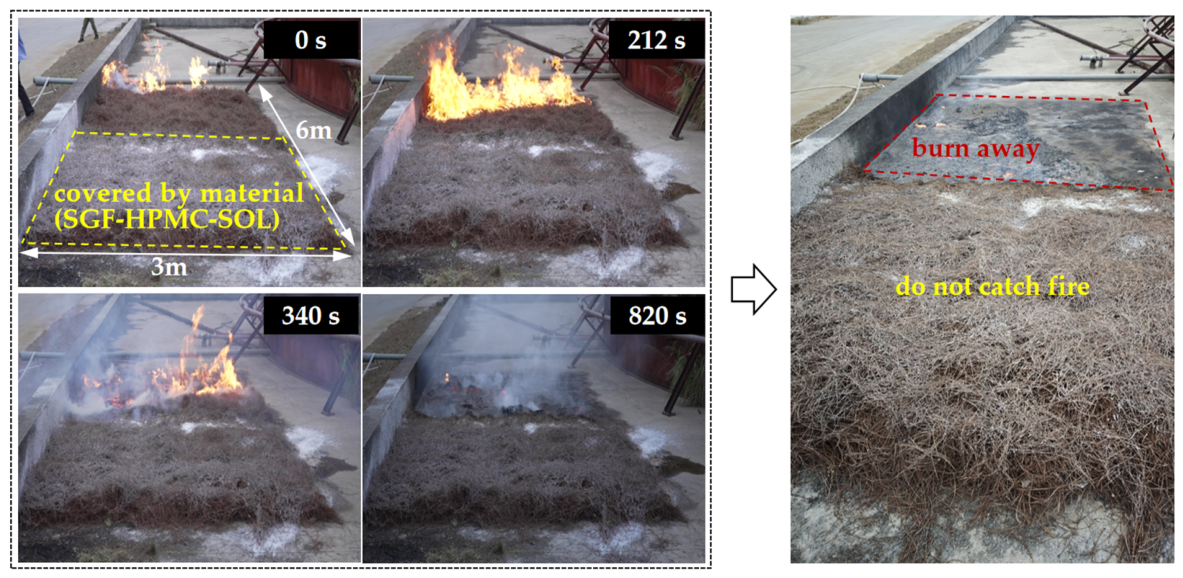
3.11. Analysis of Forest Fire Barrier Test
4. Conclusions
Author Contributions
Funding
Data Availability Statement
Conflicts of Interest
References
- An, H.; Gan, J.; Cho, S.J. Assessing climate change impacts on wildfire risk in the United States. Forests 2015, 6, 3197–3211. [Google Scholar] [CrossRef]
- Aparício, B.A.; Santos, J.A.; Freitas, T.R.; Sá, A.C.L.; Pereira, J.M.C.; Fernandes, P.M. Unravelling the effect of climate change on fire danger and fire behaviour in the Transboundary Biosphere Reserve of Meseta Ibérica (Portugal-Spain). Clim. Change 2022, 173, 5. [Google Scholar] [CrossRef]
- Baker, S.J. Fossil evidence that increased wildfire activity occurs in tandem with periods of global warming in Earth’s past. Earth-Sci. Rev. 2021, 224, 103871. [Google Scholar] [CrossRef]
- Hurteau, M.D.; Bradford, J.B.; Fulé, P.Z.; Taylor, A.H.; Martin, K.L. Climate change, fire management, and ecological services in the southwestern US. For. Ecol. Manag. 2013, 327, 280–289. [Google Scholar] [CrossRef]
- Dong, C.; d’Aquino, A.I.; Sen, S.; Hall, I.A.; Yu, A.C.; Crane, G.B.; Acosta, J.D.; Appel, E.A. Water-enhancing gels exhibiting heat-activated formation of silica aerogels for protection of critical infrastructure during catastrophic wildfire. Adv. Mater. 2024, 36, e2407375. [Google Scholar] [CrossRef] [PubMed]
- Lee, J.H.; Ahn, J.; Masuda, M.; Jaworski, J.; Jung, J.H. Reinforcement of a sugar-based bolaamphiphile/functionalized graphene oxide composite gel: Rheological and electrochemical properties. Langmuir 2013, 29, 13535–13541. [Google Scholar] [CrossRef] [PubMed]
- Li, J.; Zhou, W.; Qi, Z.; Luo, T.; Yan, W.; Xu, H.; Cheng, K.; Li, H. Morphology and rheological properties of polyacrylamide/bentonite organic crosslinking composite gel. Energies 2019, 12, 3648. [Google Scholar] [CrossRef]
- Sun, Z. Preparation of graphene-silicone polymer composite gels for coal seam fire prevention and extinguishment. Mater. Rio De Jan. 2024, 29, e20240459. [Google Scholar] [CrossRef]
- Zhou, Z.; Zhang, Y.; Tang, C.; Cong, R.; Zhang, Q.; Bai, Z.; Yuan, W.; Sang, J.; Tian, W. Inorganic-organic antioxidant gel for preventing the spread of forest fires. Combust. Sci. Technol. 2024, 196, 927–942. [Google Scholar] [CrossRef]
- Ma, W.; Ma, Q.; Zhao, Y.; Hu, X.; He, Z.; Chi, L.; Zhao, X.; Zhao, Y.; Sun, F.; Chu, C. Preparation and resource utilization of sludge-based fire-preventive and extinguishing composite gel for coal mine. J. Environ. Chem. Eng. 2023, 11, 109465. [Google Scholar] [CrossRef]
- Zhang, Y.; Zhou, P.; Huang, Z.; Gao, Y.; Jiang, L. Yellow mud/gel composites for preventing coal spontaneous combustion. In Proceedings of the 2015 International Conference on Materials, Environmental and Biological Engineering, Guilin, China, 28–30 March 2015; pp. 752–758. [Google Scholar] [CrossRef]
- Yu, M.; Yang, N.; Liu, Z.; Li, H.; Wang, L.; Wu, M.; Li, J.; Yu, Y. Experimental preparation and mechanism analysis of a neotype composite gel for coal spontaneous combustion prevention and coal-fire extinguishment. Fuel 2023, 339, 127448. [Google Scholar] [CrossRef]
- Yu, A.C.; Chen, H.; Chan, D.; Agmon, G.; Stapleton, L.M.; Sevit, A.M.; Tibbitt, M.W.; Acosta, J.D.; Zhang, T.; Franzia, P.W.; et al. Wildfire prevention through prophylactic treatment of high-risk landscapes using viscoelastic retardant fluids. Proc. Natl. Acad. Sci. USA 2019, 116, 20820–20827. [Google Scholar] [CrossRef] [PubMed]
- Xu, M.; Wei, Y.; Qin, A.; Xu, Y.; Xu, M.; Li, B.; Liu, L. Novel silica hydrogel-based forest fire extinguishing agent: Construction, fire extinguishing performance and mechanism study. J. Clean. Prod. 2025, 486, 144490. [Google Scholar] [CrossRef]
- Yue, J.; Wang, W.; Zhao, L.; Han, B. Experimental study on the permeability of modified loose silty sand in the Yellow River flooding area. Sci. Technol. Eng. 2024, 24, 15607–15618. [Google Scholar] [CrossRef]
- Lin, Y.T.; Naghashnejad, M.; Zoba, A.N.; Ogrinc, A.L.; Wilkinson, C.J.; Link, M.M.; Guo, Y.; Mauro, J.C.; Kim, S.H. Glass–water interactions: From surface into the bulk. J. Am. Ceram. Soc. 2025, 108, e70137. [Google Scholar] [CrossRef]
- Hao, J.; Zhang, L.; Hao, R.; Li, L.; Wang, X.; Han, Y.; Xiao, Q.; Shi, Z.; Sun, J. Catechol-bonded universal flash coating toward liquid-like surfaces. Adv. Funct. Mater. 2025, 36, e19210. [Google Scholar] [CrossRef]
- Li, T.R. Study on the Solidification Performance and Mechanism of Heavy Metals in Alkali-Activated Fly Ash Solidified Body by Nanomaterials. Ph.D. Thesis, Dalian University of Technology, Dalian, China, 2024. [Google Scholar] [CrossRef]
- Chang, M.; Yun, H.; Dong, S.; Zhang, L.; Zhen, M.; Jiao, Y.; Yu, H. Infrared spectrum study of sodium carbonate. Infrared Technol. 2016, 38, 803–810. [Google Scholar]
- Chang, M.; Wu, Y.; Zhang, H.; Cheng, Y.; Wang, J.; Zhang, N.; Yu, H. Study on the stretching vibration mode of Si-O bond in silicone resin by ATR infrared spectroscopy. Mater. Rev. 2015, 29, 67–71. [Google Scholar] [CrossRef]
- Xu, H.; Zhou, F.; Li, Y.; Su, H.; Yang, S.; Yao, E.; Zhu, Y. Preparation and properties evaluation of novel silica gel-based fracturing fluid with temperature tolerance and salt resistance for geoenergy development. Arab. J. Chem. 2023, 16, 105324. [Google Scholar] [CrossRef]




Disclaimer/Publisher’s Note: The statements, opinions and data contained in all publications are solely those of the individual author(s) and contributor(s) and not of MDPI and/or the editor(s). MDPI and/or the editor(s) disclaim responsibility for any injury to people or property resulting from any ideas, methods, instructions or products referred to in the content. |
© 2026 by the authors. Licensee MDPI, Basel, Switzerland. This article is an open access article distributed under the terms and conditions of the Creative Commons Attribution (CC BY) license.
Share and Cite
Wang, P.; Bai, Z.; Cong, R.; Yang, H. Bio-Based Hydroxypropyl Methylcellulose Reinforced Water Glass/Silica Sol Hybrid Gel Foam with Synergistic Flame-Retardant and Enhanced Fireproof Performance Under Laboratory Screening Conditions for Forest Fire Barriers. Materials 2026, 19, 2434. https://doi.org/10.3390/ma19122434
Wang P, Bai Z, Cong R, Yang H. Bio-Based Hydroxypropyl Methylcellulose Reinforced Water Glass/Silica Sol Hybrid Gel Foam with Synergistic Flame-Retardant and Enhanced Fireproof Performance Under Laboratory Screening Conditions for Forest Fire Barriers. Materials. 2026; 19(12):2434. https://doi.org/10.3390/ma19122434
Chicago/Turabian StyleWang, Pengfei, Zhiming Bai, Ruoxin Cong, and Hongyu Yang. 2026. "Bio-Based Hydroxypropyl Methylcellulose Reinforced Water Glass/Silica Sol Hybrid Gel Foam with Synergistic Flame-Retardant and Enhanced Fireproof Performance Under Laboratory Screening Conditions for Forest Fire Barriers" Materials 19, no. 12: 2434. https://doi.org/10.3390/ma19122434
APA StyleWang, P., Bai, Z., Cong, R., & Yang, H. (2026). Bio-Based Hydroxypropyl Methylcellulose Reinforced Water Glass/Silica Sol Hybrid Gel Foam with Synergistic Flame-Retardant and Enhanced Fireproof Performance Under Laboratory Screening Conditions for Forest Fire Barriers. Materials, 19(12), 2434. https://doi.org/10.3390/ma19122434