Article

Influence of Pozzolanic Additives on the Structure and Properties of Ultra-High-Performance Concrete


by
Jurgita Malaiškienė
1,* and
Ronaldas Jakubovskis
2
1
Laboratory of Composite Materials, Institute of Building Materials, Faculty of Civil Engineering, Vilnius Gediminas Technical University, Sauletekio av. 11, 10223 Vilnius, Lithuania
2
Laboratory of Innovative Building Structures, Faculty of Civil Engineering, Vilnius Gediminas Technical University, Sauletekio av. 11, 10223 Vilnius, Lithuania
*
Author to whom correspondence should be addressed.
Materials 2025, 18(6), 1304; https://doi.org/10.3390/ma18061304
Submission received: 3 January 2025 / Revised: 12 March 2025 / Accepted: 14 March 2025 / Published: 16 March 2025

Abstract

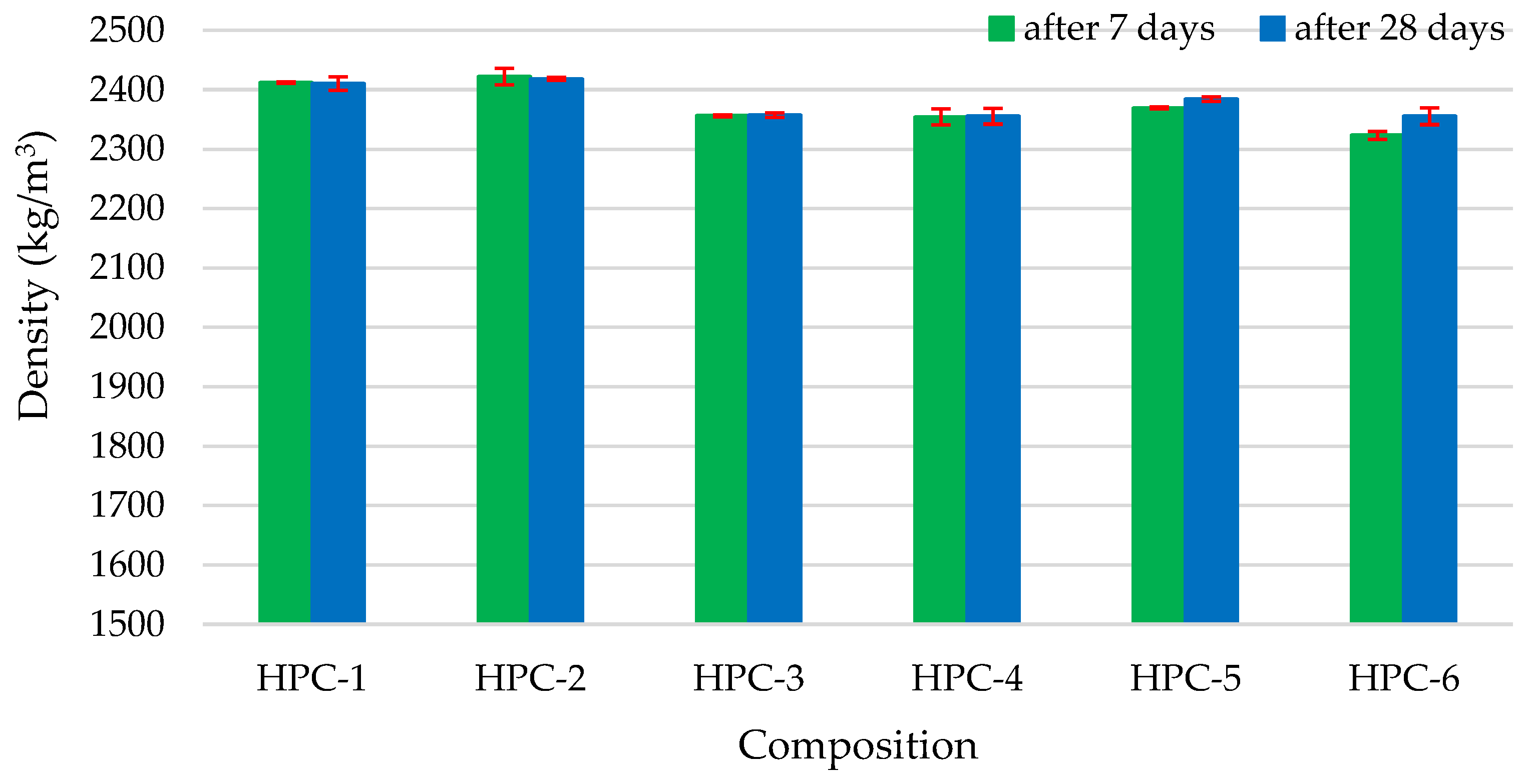
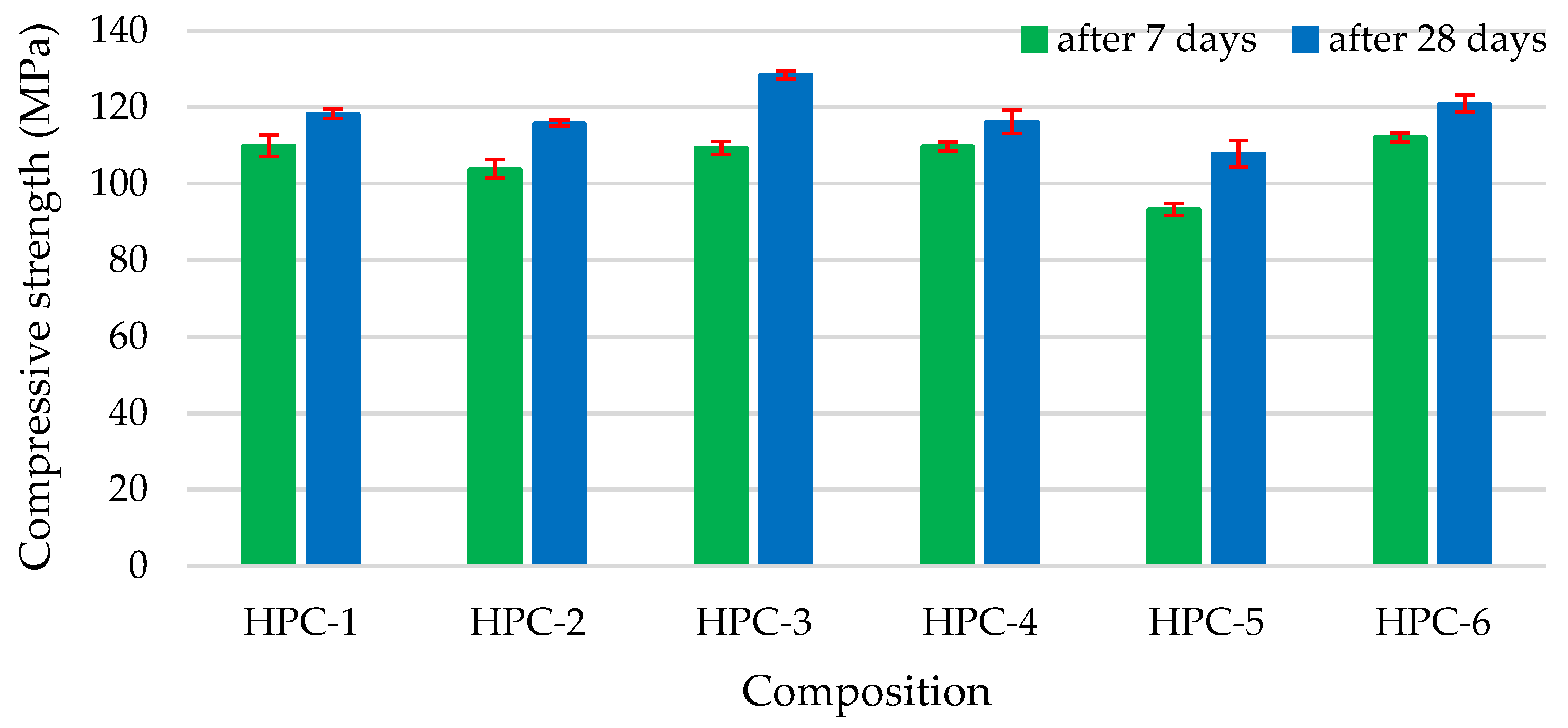
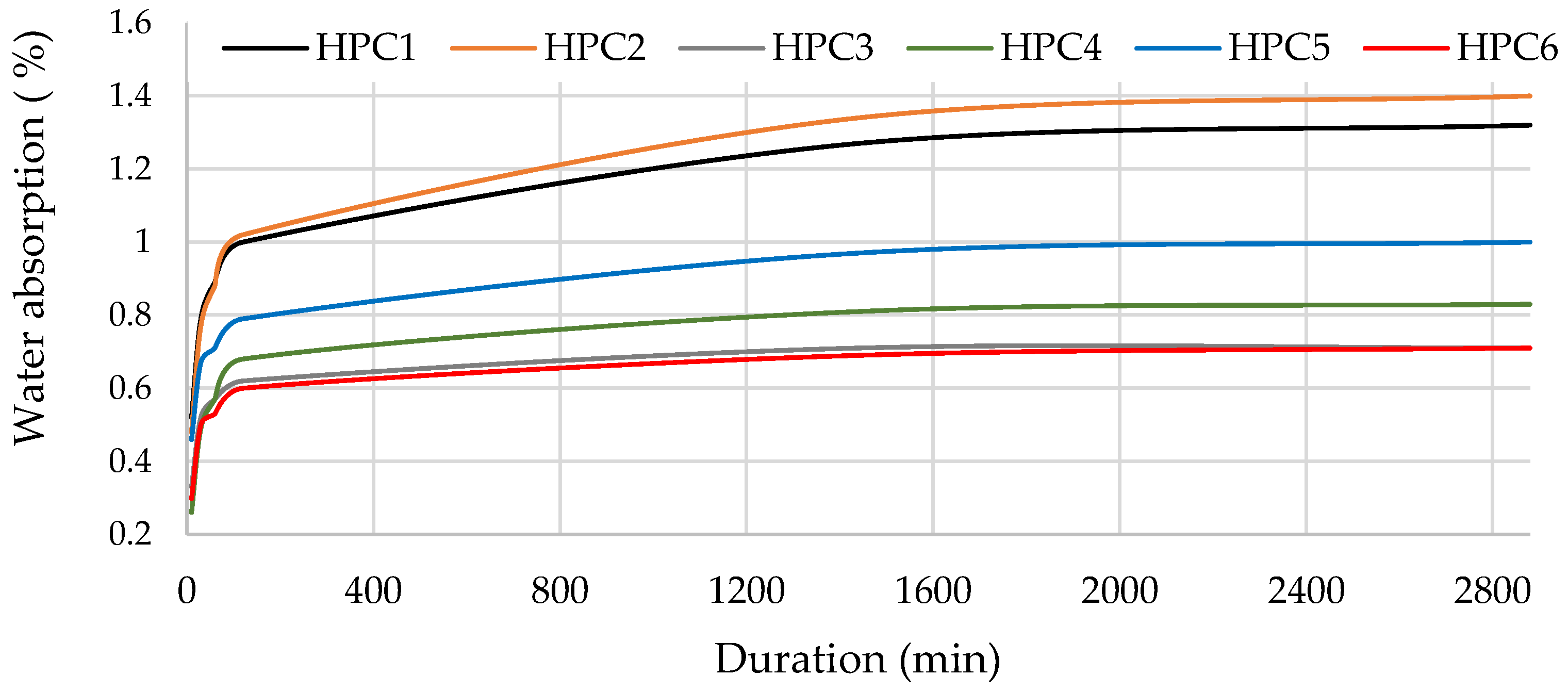
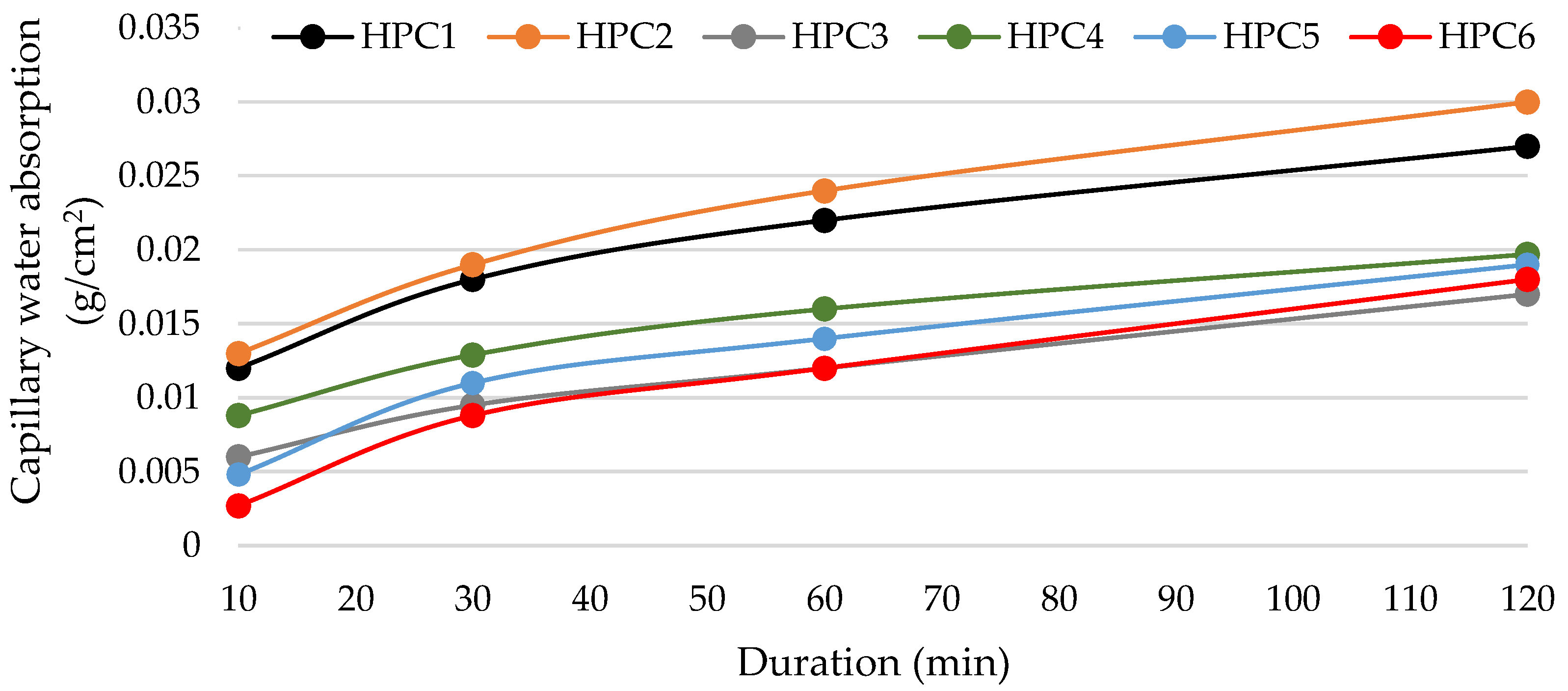
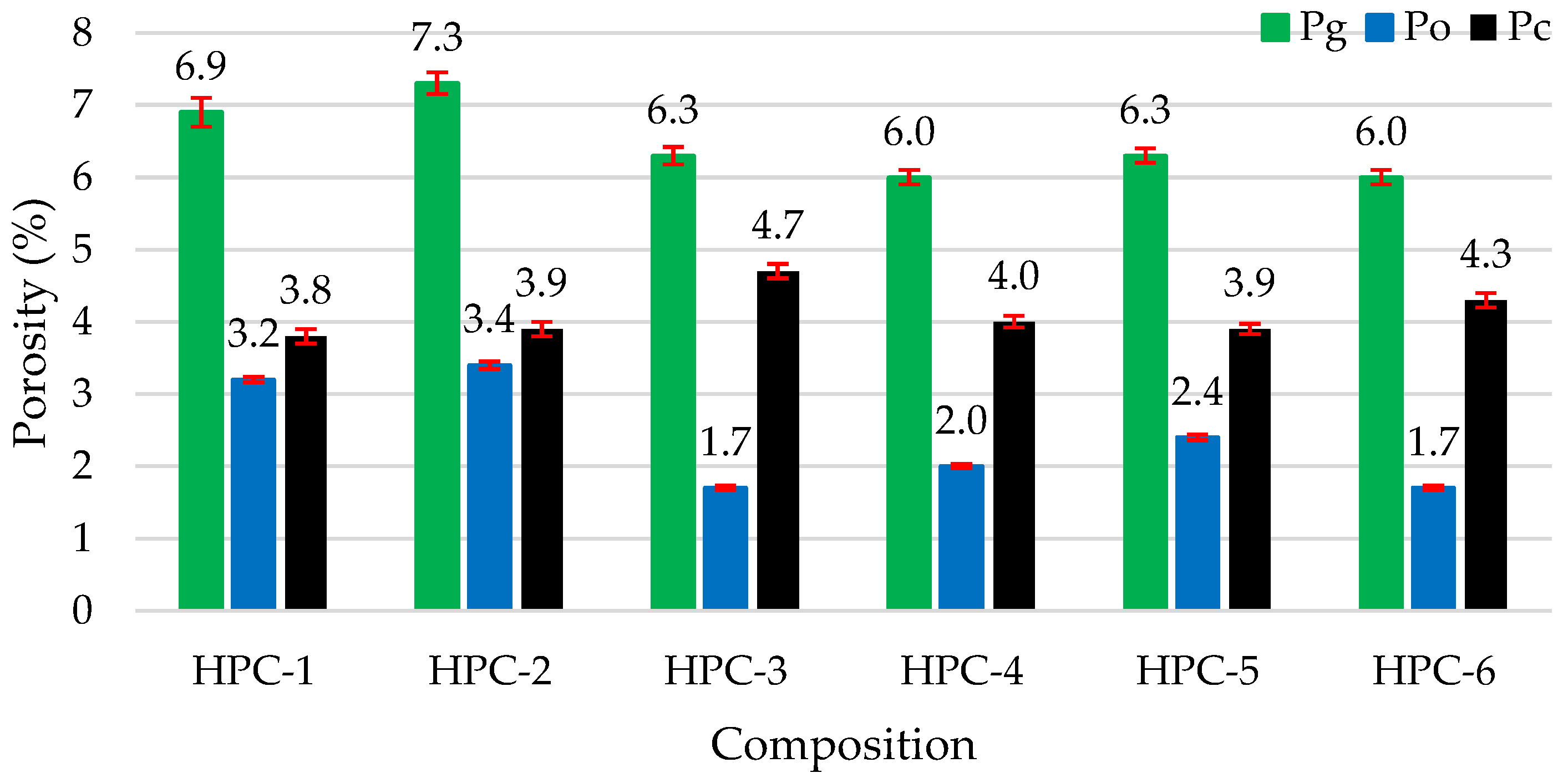
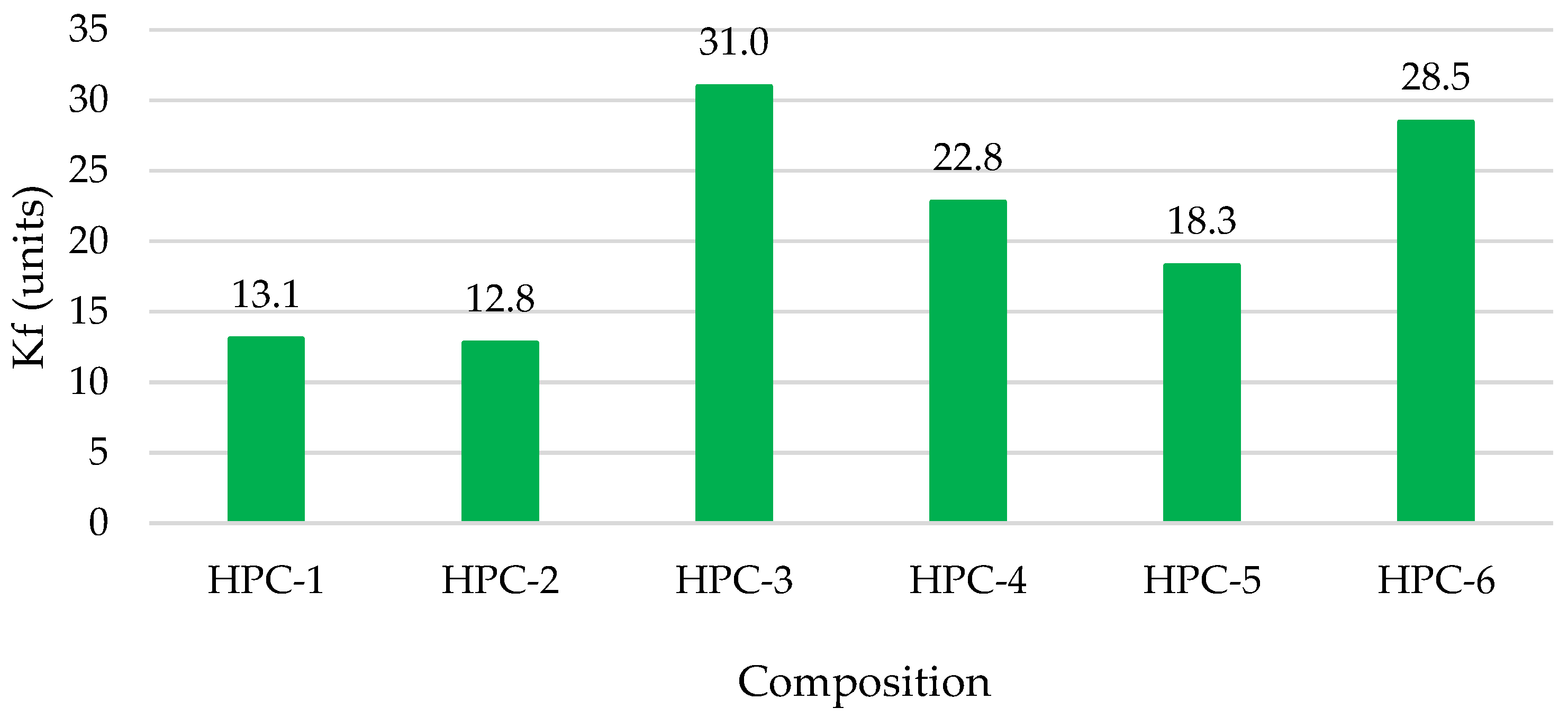
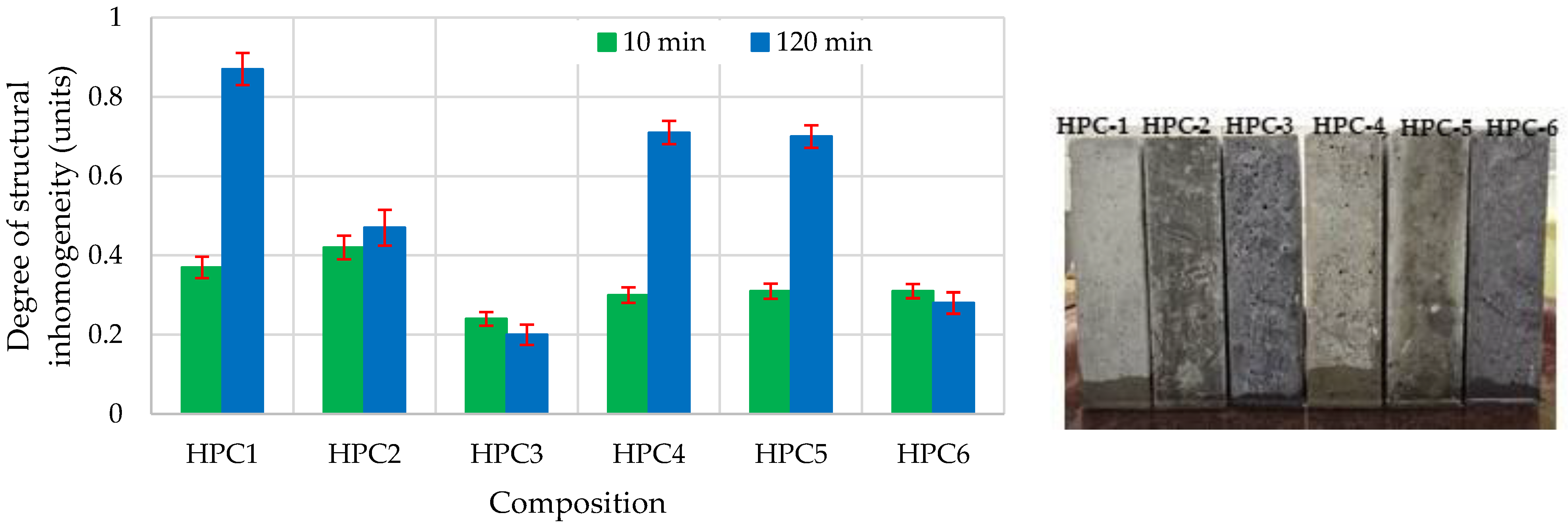
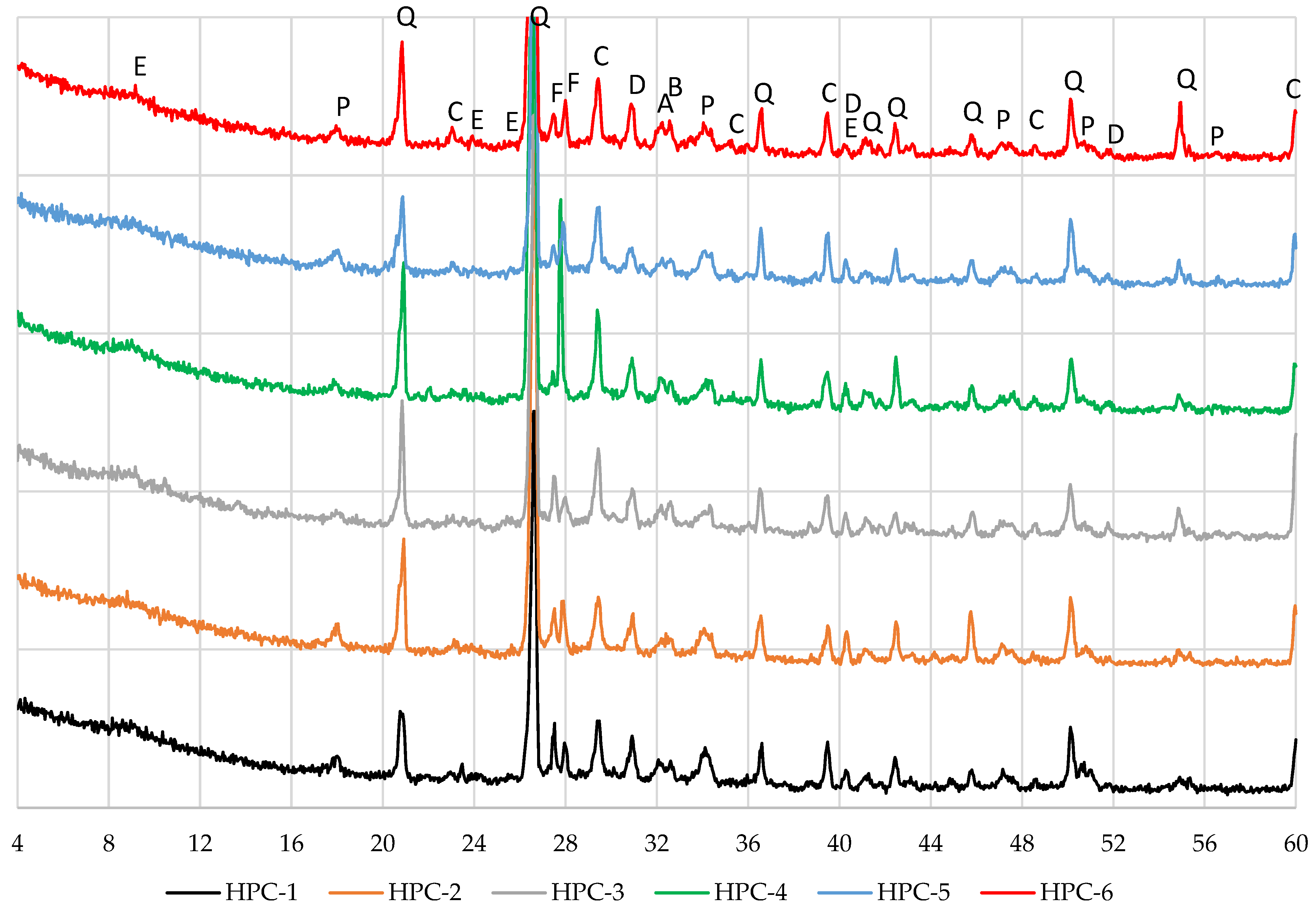
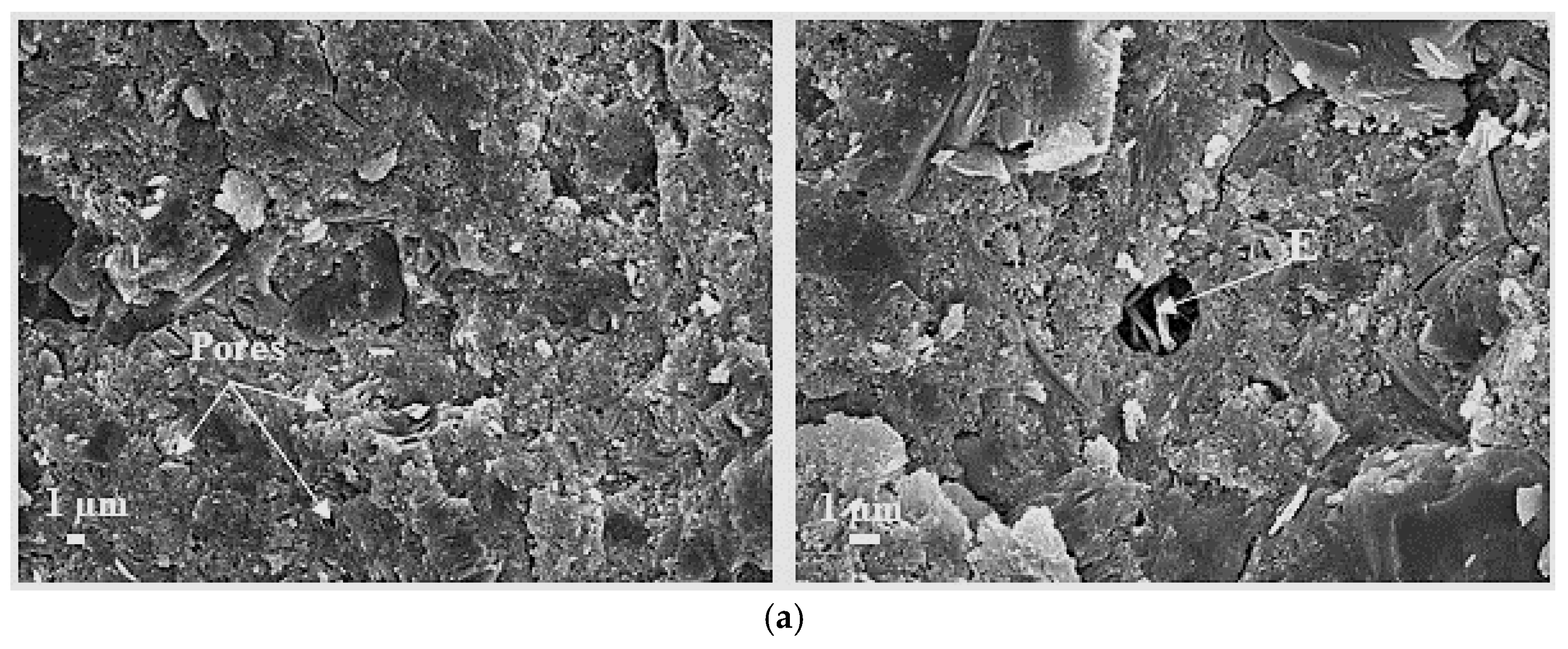
The aim of this paper is to analyse the influence of the following different supplementary cementitious materials (SCMs): milled quartz sand, microsilica, waste metakaolin, milled window glass, and a binary additive made of one part waste metakaolin and one part microsilica, on the properties of ultra-high-performance concrete, and choose the best additive according to the physical, mechanical, and structural properties of concrete. In all mixes except the control mix, 10% of the cement was replaced with pozzolanic additives, and the changes in the physical, mechanical, and structural properties of the concrete were analysed (density, compressive strength, water absorption, capillary water absorption, degree of structural inhomogeneity, porosity, freeze–thaw resistance prediction coefficient Kf values); X-ray diffraction analysis (XRD) and scanning electron microscopy analysis (SEM) results were then interpreted. Concrete with microsilica and the binary additive (microsilica + metakaolin) was found to have the highest compressive strength, density, closed porosity, and structural homogeneity. Compared to the control sample, these compositions have 50% lower open porosity and 24% higher closed porosity, resulting from the effect of pozzolanic additives, with which the highest density and structural homogeneity was achieved due to the different particle sizes of the additives used.
Keywords: high-performance concrete; pozzolanic additives; mechanical and durability properties; cement hydration high-performance concrete; pozzolanic additives; mechanical and durability properties; cement hydration