
Article

CO2-Responsive Worm-like Micelle Based on Double-Tailed Surfactant

1
Sinopec Key Laboratory of Drilling Completion and Fracturing of Shale Oil and Gas, Beijing 102206, China
2
CNOOC Institute of Chemicals & Advanced Materials (Beijing) Co., Ltd., Beijing 102209, China
3
Zhejiang Research Institute of Tianjin University, Shaoxing 312369, China
4
Shengli Oilfield Company, SINOPEC, Dongying 257092, China
5
State Key Laboratory of Polymer Materials Engineering, Polymer Research Institute, Sichuan University, Chengdu 610065, China
*
Authors to whom correspondence should be addressed.
Materials 2025, 18(4), 902; https://doi.org/10.3390/ma18040902
Submission received: 1 February 2025 / Revised: 13 February 2025 / Accepted: 15 February 2025 / Published: 19 February 2025

Abstract

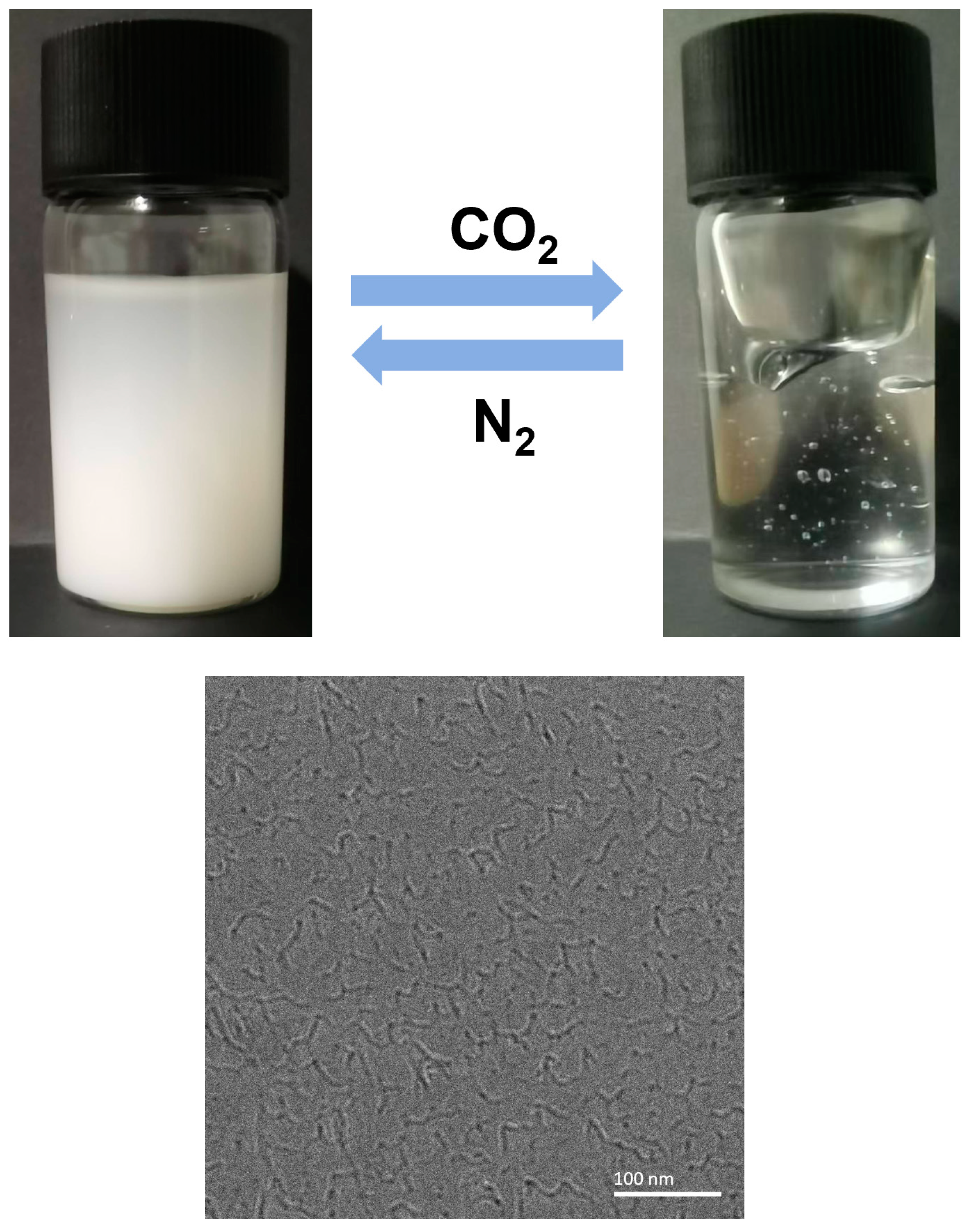
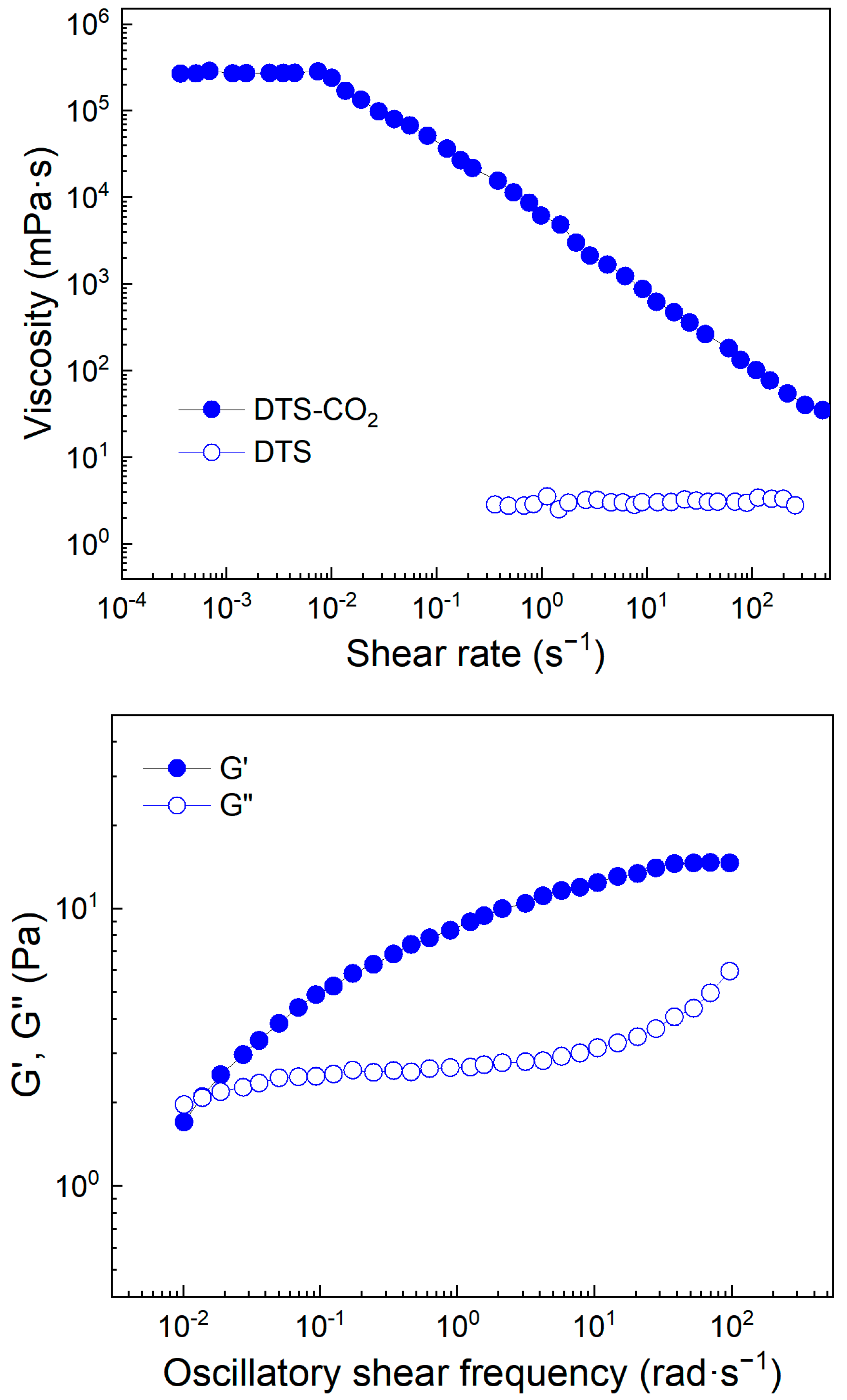
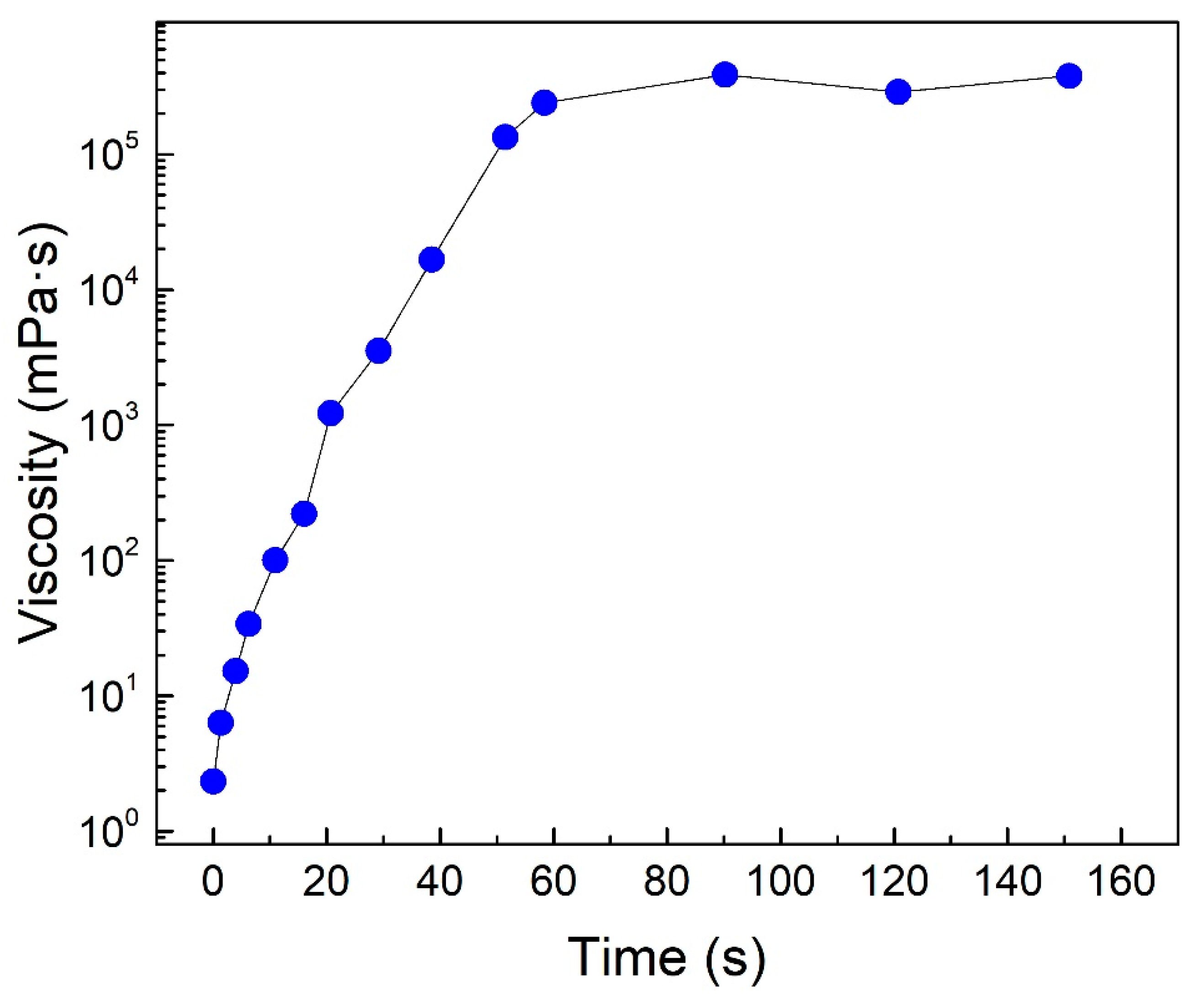
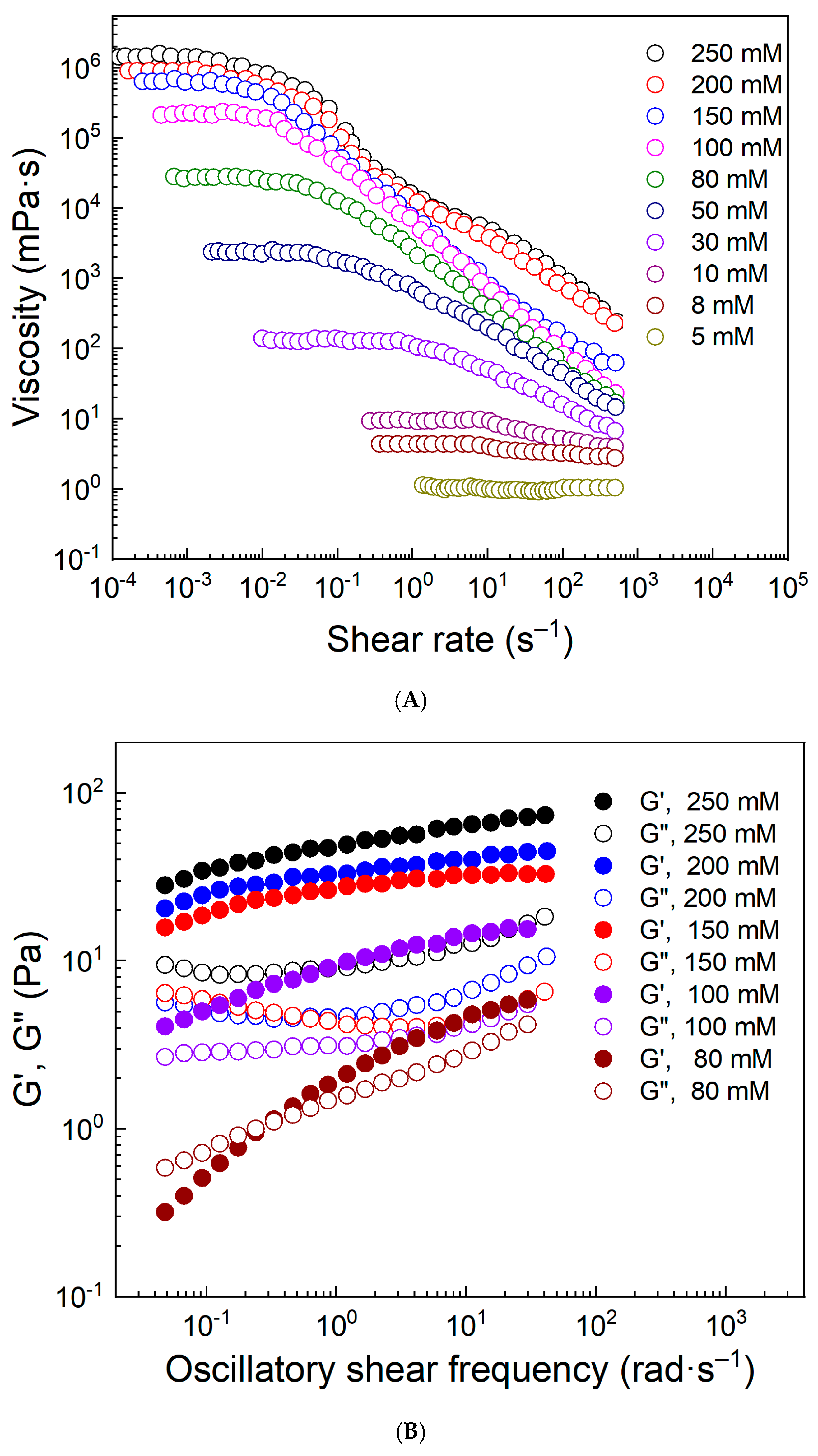
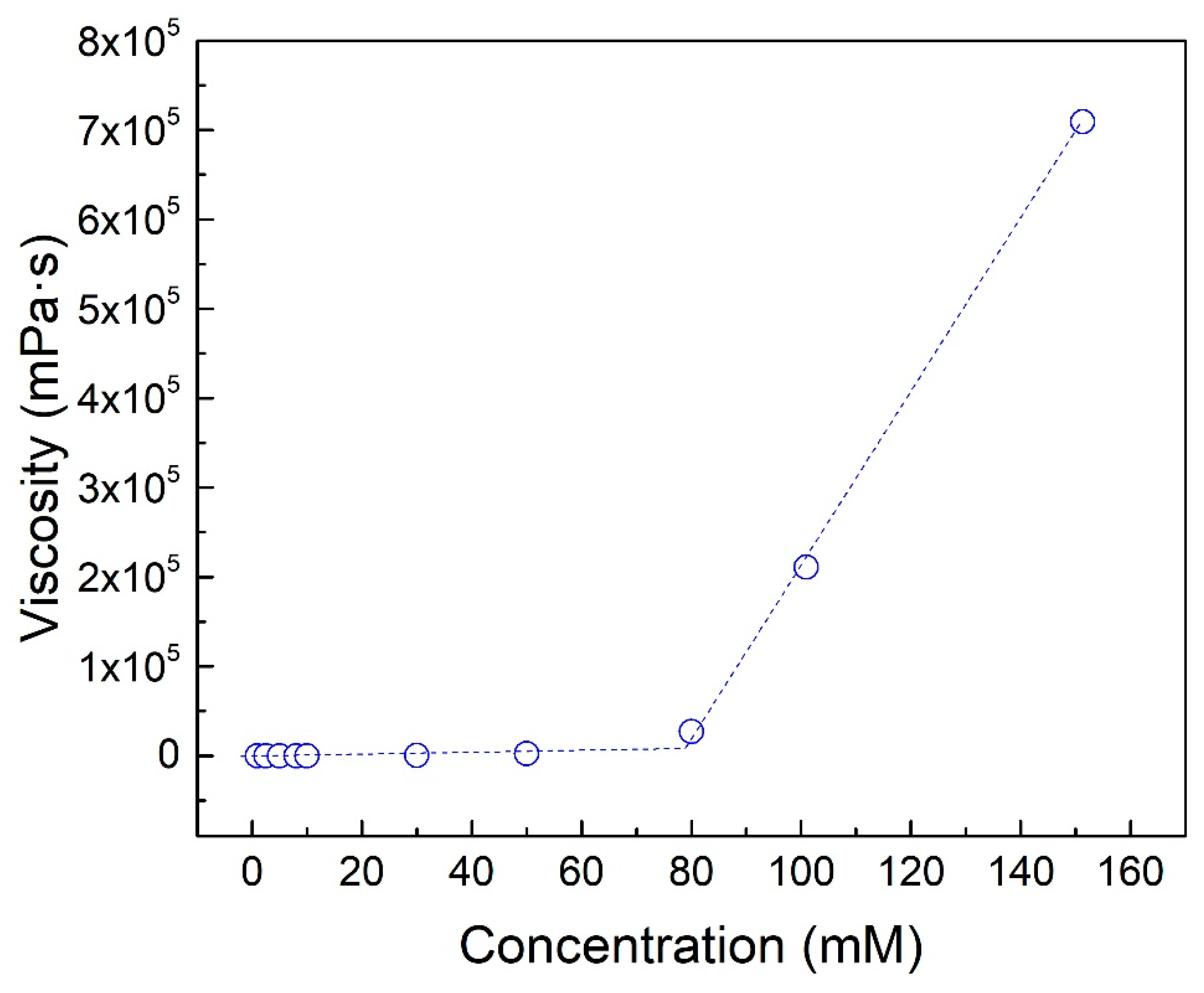
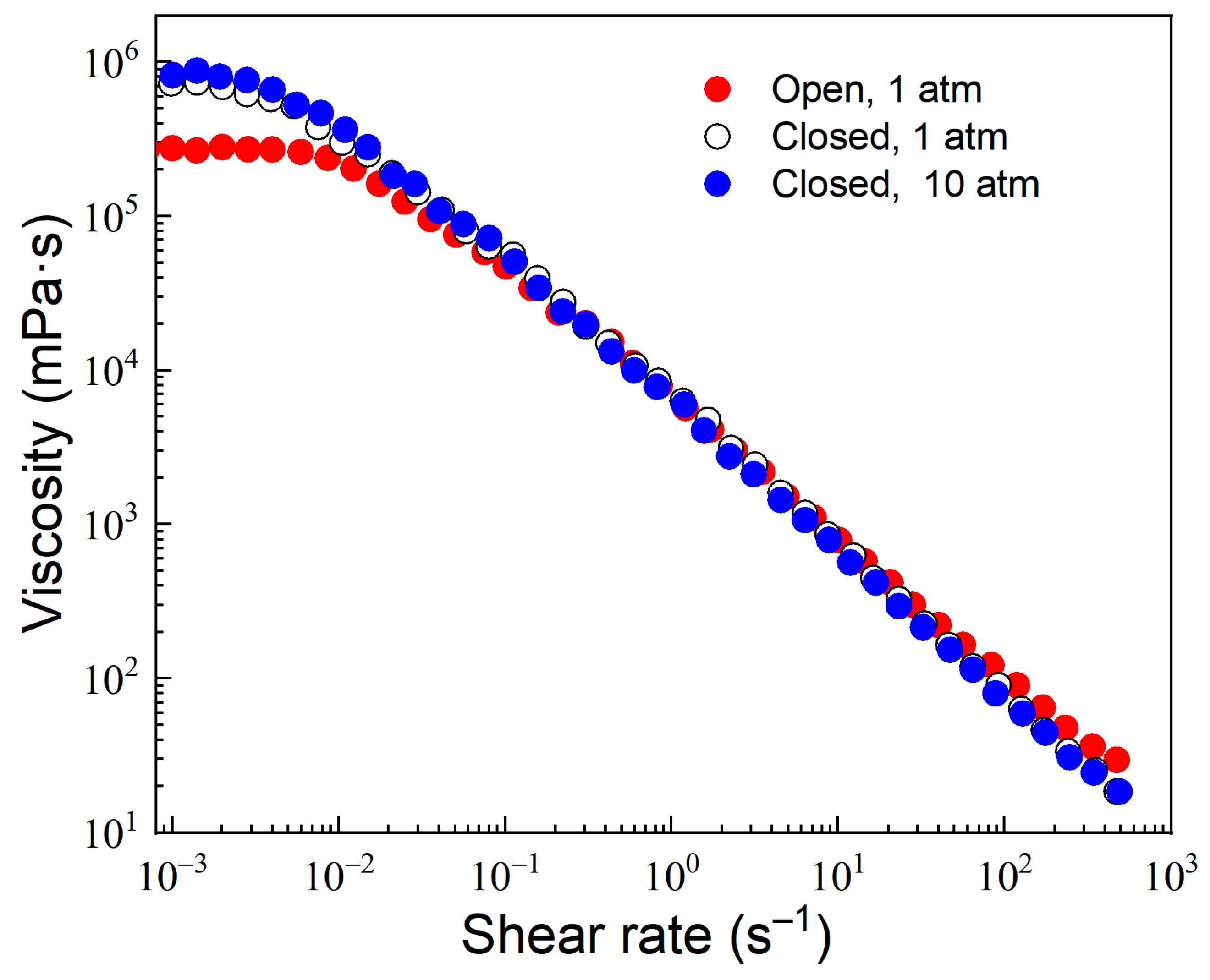
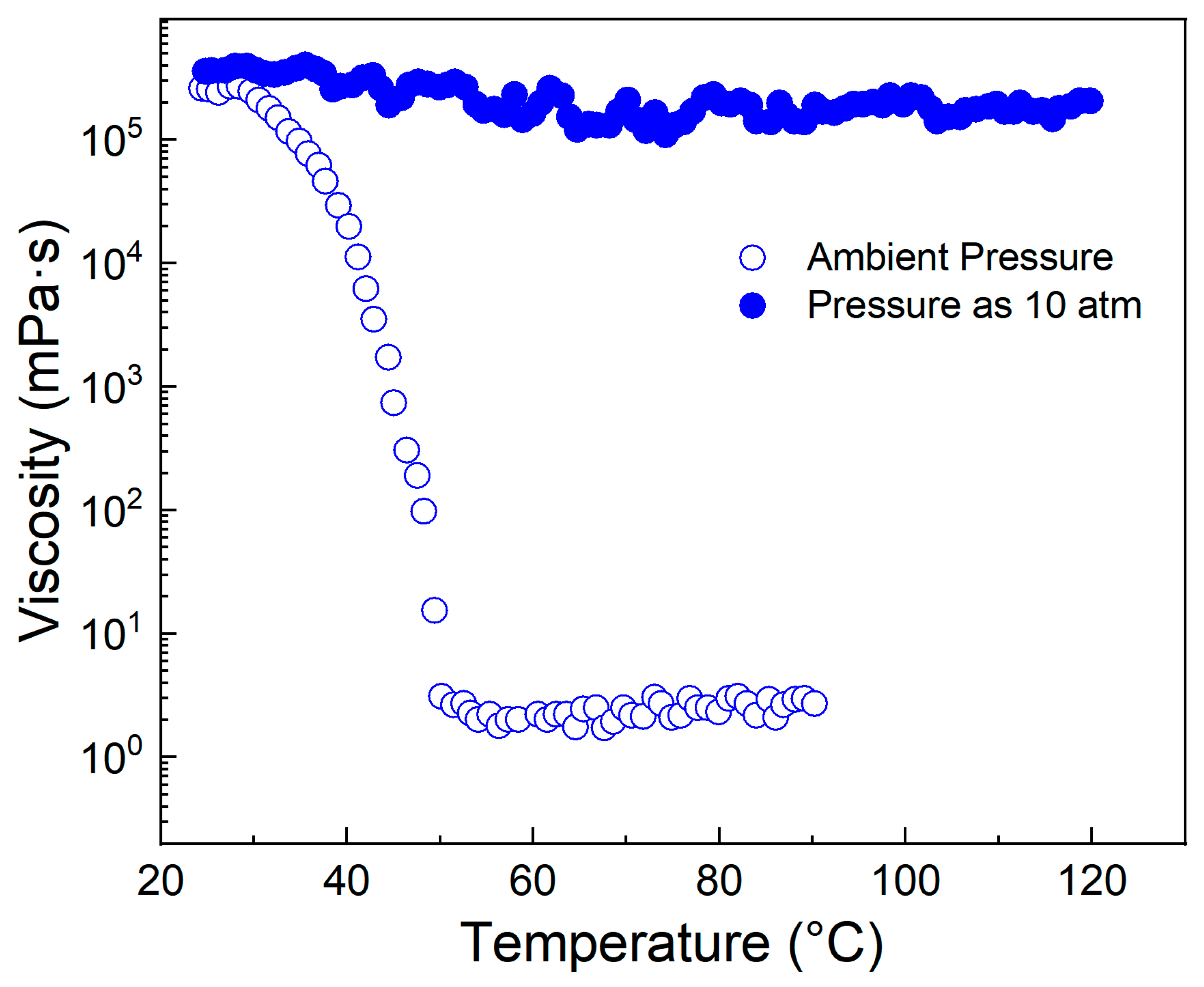
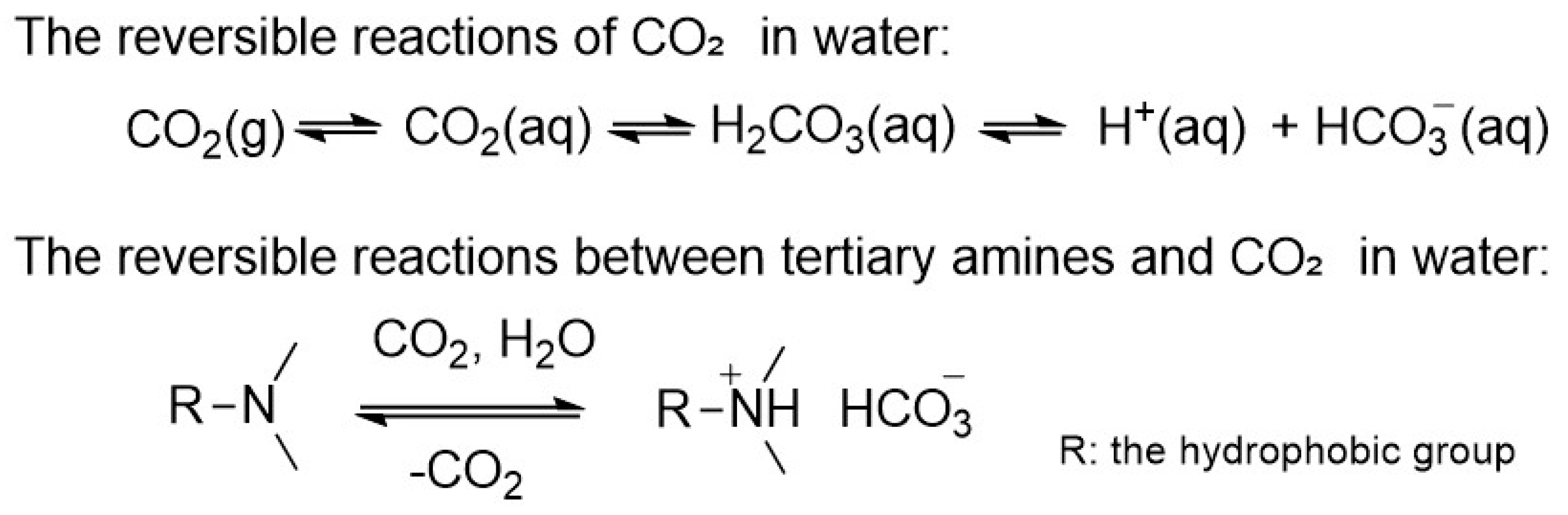
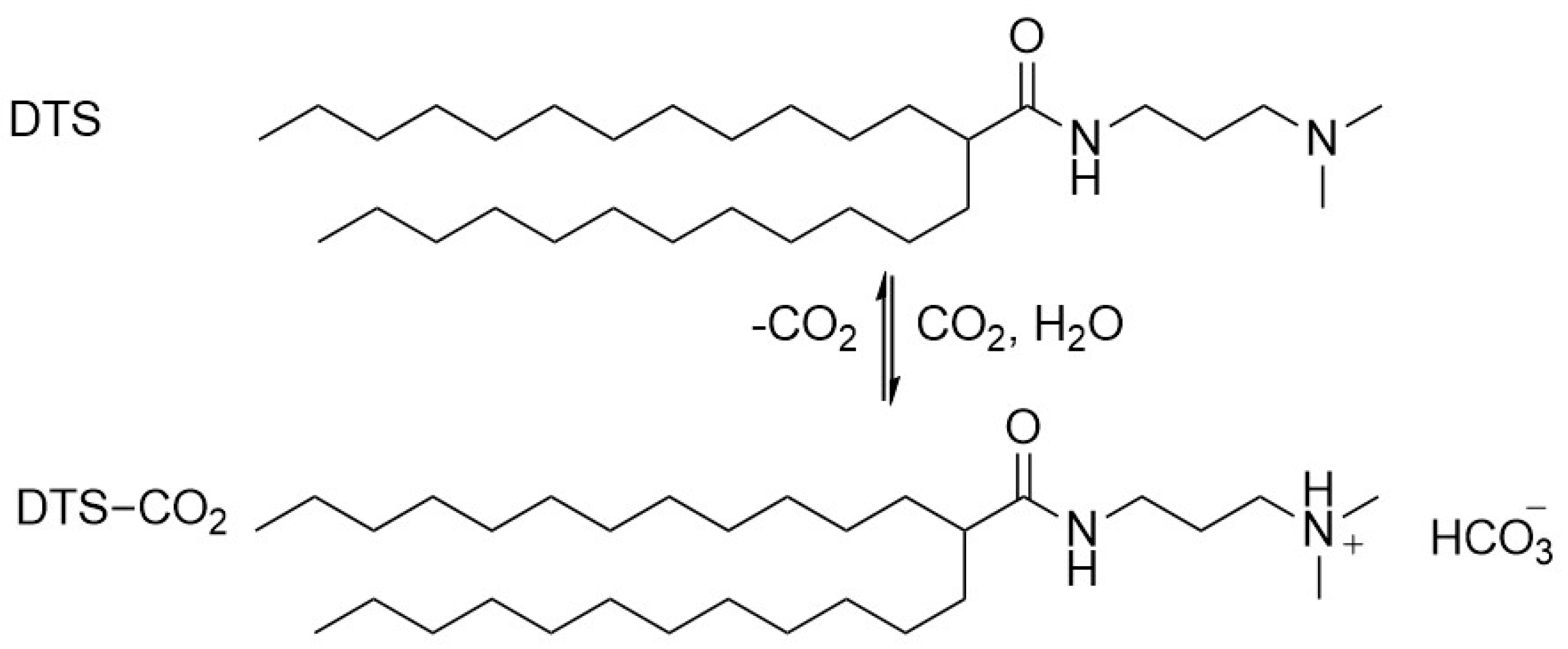
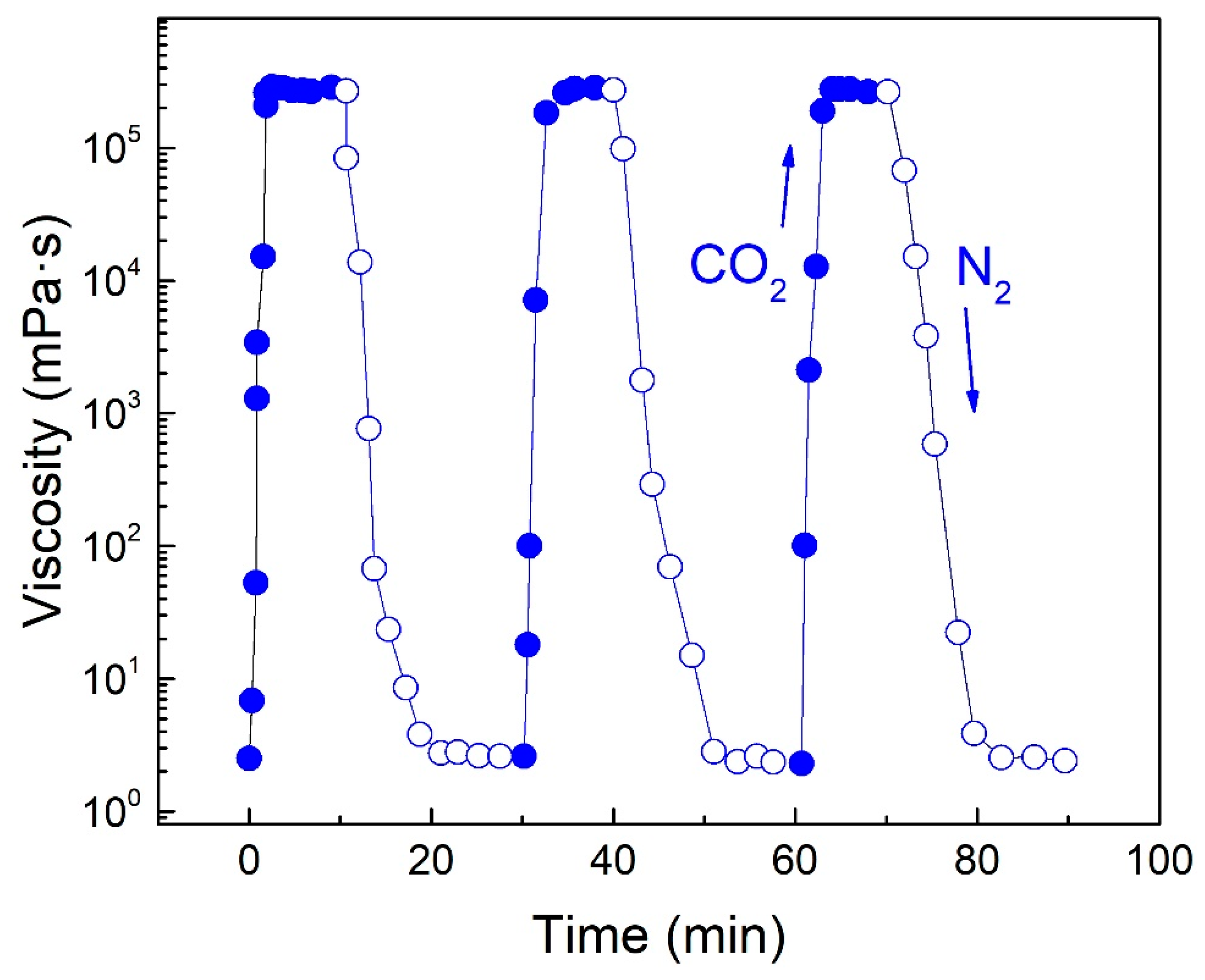
CO2-responsive worm-like micelles (WLMs) are considered promising for applications in smart materials, enhanced oil recovery, and drug delivery because of their reversible and tunable properties. This study presents a novel system of CO2-responsive WLMs, which is constructed using a double-tailed surfactant (DTS). When exposed to CO2, the DTS molecules undergo protonation, resulting in the formation of ultra-long-chain cationic surfactants that self-assemble into worm-like micelles. The zero-shear viscosity of the DTS–CO2 solution achieves approximately 300,000 mPa·s, which is 300,000 times higher than that of pure water. In contrast, the DTS–air solution exhibits a viscosity of only 2 mPa·s. The system retains a viscosity above 100,000 mPa·s across a temperature range of 25–120 °C under a CO2 atmosphere. Moreover, it demonstrates reversible transitions between high- and low-viscosity states without any loss of responsiveness, even after multiple cycles. The critical overlap concentration of the DTS–CO2 micellar system is determined to be 80 mM. This research offers valuable insights into the development of CO2-responsive surfactants, highlighting their potential for designing advanced functional materials.
Keywords: worm-like micelle; CO2-responsiveness; double-tailed surfactant; viscosity worm-like micelle; CO2-responsiveness; double-tailed surfactant; viscosity