1. Introduction
Fatigue is a main failure mode for metallic components and parts. The factors influencing fatigue behavior are various, e.g., the microstructure [
1,
2], stress ratio [
3,
4], temperature [
5,
6], loading history [
7], etc. In particular, the VHCF behavior of metallic materials has been widely investigated in recent years [
8,
9,
10]. However, different from low cycle and high cycle fatigue, VHCF tests consume much more time. For example, testing 10
9 cycles requires about 386 d at a frequency of 30 Hz and 116 d at a frequency of 100 Hz, respectively. Thus, the ultrasonic frequency (20 kHz) fatigue test is widely used for the study of VHCF behavior in order to promote testing efficiency [
11,
12]. However, VHCF strength testing, especially at 10
9 cycles, is still rarely reported in the literature.
Fatigue life or fatigue strength can be greatly scattered, even for the same specimens tested under the same conditions. Therefore, statistical analysis is an effective method for evaluating fatigue life or fatigue strength in order to obtain more reliable results. Many studies have been carried out based on probabilistic and statistical theories [
13,
14,
15,
16,
17]. For example, the up-and-down method (UDM) is one of the most popular methods for testing and evaluating the fatigue strength of metallic materials [
18,
19]. In this method, the mean and standard deviation of fatigue strength are first estimated at a given fatigue life, and then the first stress level and stress step are chosen. After that, the first sample is tested at the first stress level. If it fails before the given fatigue life, the tested stress level is decreased by a stress step for the next sample, or else the tested stress level is increased by a stress step for the next sample. The experiment is stopped until all the target samples are tested.
More recently, Wu et al. [
20] proposed a continuous testing method (CTM) for evaluating the high cycle and VHCF strength based on probability and statistics theory. In this method, the first stress level and stress step
d are selected, as in the UDM. Then, tests are conducted at lower or higher stress levels until three samples (the highest level,
S1, fails, and the adjacent two lower stress levels,
S1−
d and
S1−2
d, run out) are obtained. The specimens are tested at
S1−2
d or/and
S1−3
d until all the target samples are finished. Different from the UDM, the samples can be tested simultaneously at different stress levels, i.e., the CTM is irrespective of the testing order of samples. Thus, it can greatly improve the testing efficiency, especially for the fatigue strength at a long fatigue life, e.g., it could reduce the testing period by over 66.7% for 16 samples compared to the UDM when the testing condition is sufficient. The feasibility, reliability and robustness of the CTM are validated not only through simulations and experiments on steels, aluminum alloys and titanium alloys, but also through a comparison with the UDM for evaluating the lower limits of fatigue strength at different SPs and confidence levels.
The LLFS is a key indicator for evaluating the fatigue performance in metallic materials, which is closely related to the sample size. Although some methods (e.g., UDM and CTM) have been established for the evaluation of LLFS in previous studies, few results are reported for the evaluation of the LLFS using the UDM and CTM based on numerous experimental data. In particular, there are no results available for the influence of the sample size on the LLFS using the UDM and CTM in the VHCF regime. This paper aims to investigate the effect of sample size on the evaluation of LLFS and provide a more reasonable and reliable way for evaluating the lower limit of high cycle and VHCF strength using the UDM or CTM. First, ultrasonic frequency fatigue tests are conducted on specimens from the TC17 titanium alloy and the welding joint of 6005A-T6 aluminum alloy, and the lower limits of the VHCF strength at 109 cycles are obtained using the UDM and CTM. Then, the influence of the sample size on the lower limit of high cycle and VHCF strength, evaluated using the UDM and CTM, is studied based on the present results and the previous ones for aluminum alloys, steels and titanium alloys in the literature. The lower limits of fatigue strength evaluated using the UDM and CTM are also compared and discussed, and are compared with the minimum stress that the failure occurs at for the tested specimens during the UDM and CTM.
4. Effect of Sample Size on the Lower Limit of Fatigue Strength
As is well known, the estimated LLFS is closely related to the sample size. Here, the influence of the sample size on the lower limit is analyzed for high cycle strength at 10
7 cycles and VHCF strength at 10
8 and 10
9 cycles based on the testing results of the welding joint of the 6005A-T6 aluminum alloy and the TC17 titanium alloy, along with the previous results for steels, aluminum alloys and titanium alloys in Refs. [
17,
20,
21]. The fatigue strengths evaluated using the UDM and CTM at 90% and 95% SPs and 95% confidence are considered and compared. The experimental material, estimated stress level (i.e., the first stress level), step size, number of samples for analysis and the given fatigue life at which the associated fatigue strength is focused are shown in
Table 6.
From the perspective of statistical analysis, more samples generally lead to a fatigue strength closer to the overall fatigue strength. To quantitatively analyze the difference between the lower limits of the fatigue strength from different sample sizes, the lower limits of fatigue strength are calculated for the first 5~14 samples in each test of the UDM or CTM, and the ones evaluated with the common size of 15 samples in the UDM are taken as reference values, i.e., the relative difference value is introduced by , in which Ln denotes the LLFS evaluated using the first n samples (n is integer, and 5 ≤ n ≤ 15), and L15 denotes the LLFS evaluated using 15 samples.
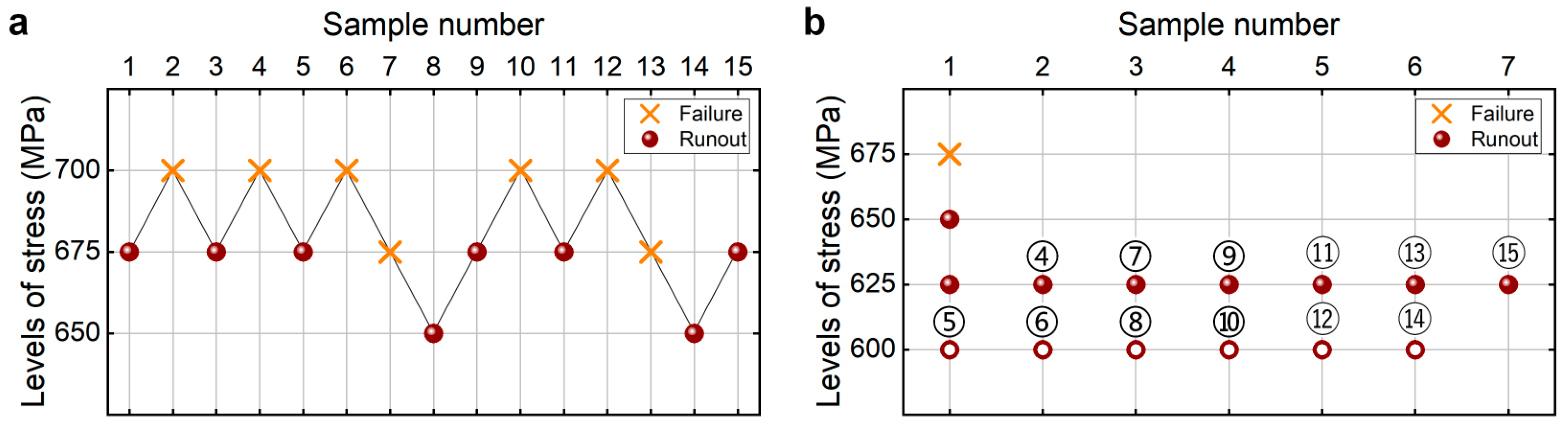
For the UDM, the LLFS is calculated directly for the first 5~15 samples according to the actual testing sequence. For the CTM, it is necessary to specify the order of samples because fatigue testing under different stress levels can be conducted simultaneously in actual tests. According to the rule of the CTM [
20], the samples are sorted according to the labels ④, ⑤, ⑥, …, ⑮, and they are sorted according to the actual testing sequence at the same stress level, as shown in
Figure 2b. Then, the LLFS is calculated for the first 5~14 samples using the CTM. It is noted that the testing samples from the CTM at the same stress level are not always placed in the actual testing sequence in Refs. [
20,
21], in which the failed samples are placed at the end for the same stress level.
4.1. VHCF Strength of Aluminum Alloys and Welding Joints
4.1.1. 6005A-T6 Aluminum Alloy at 109 Cycles
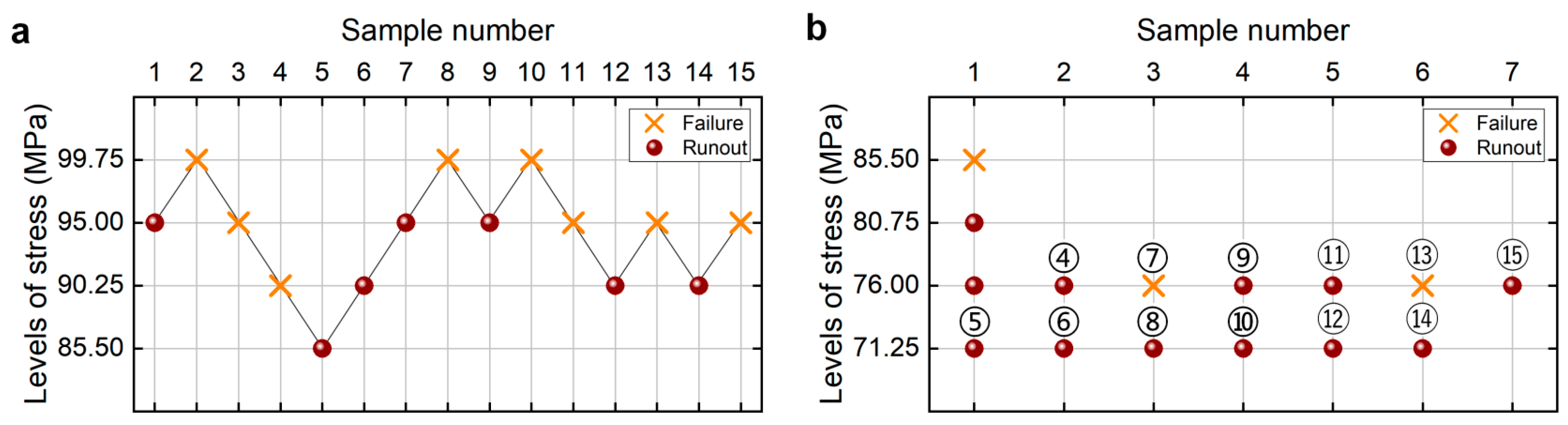
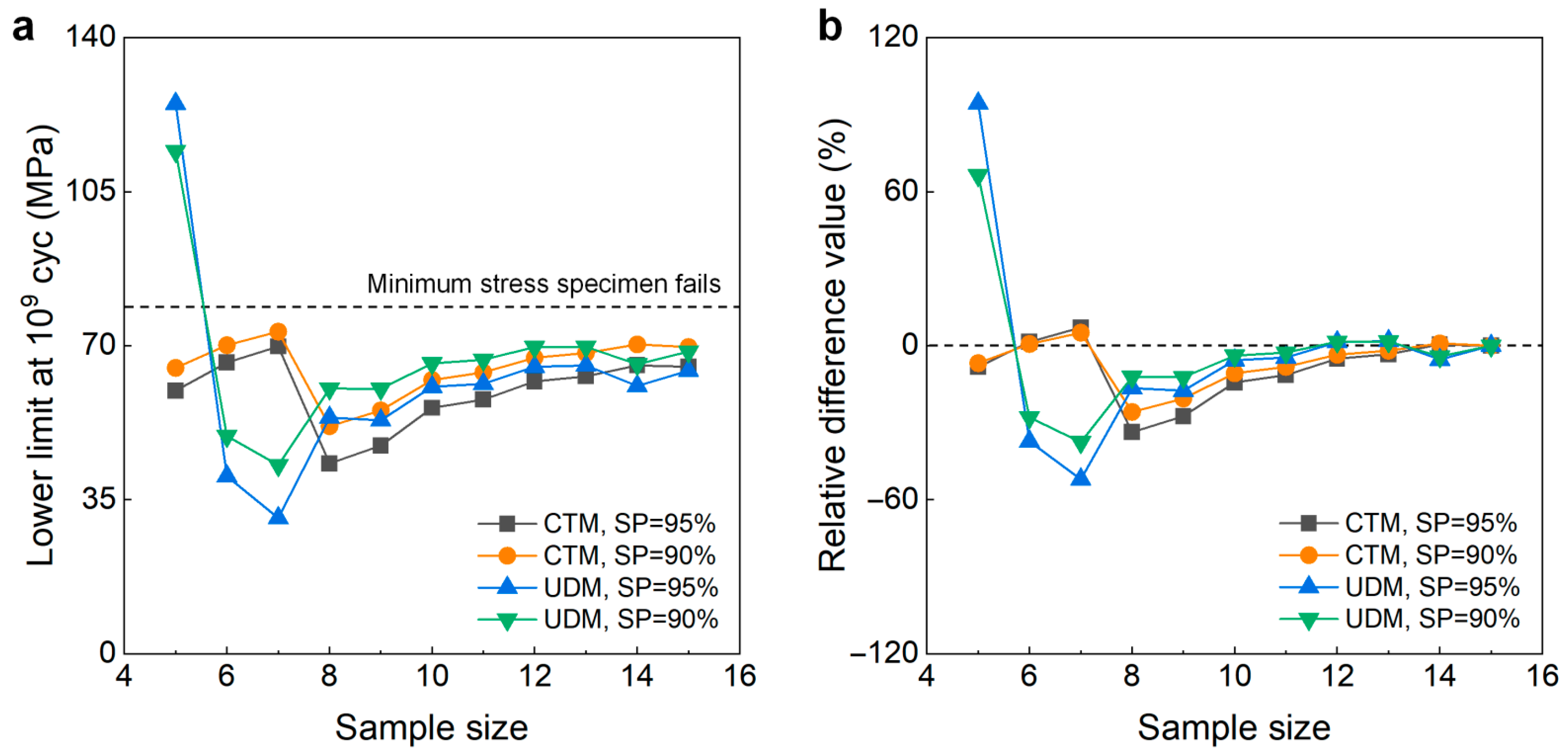
Figure 5 shows the testing results of the fatigue strength at 10
9 cycles for the 6005A-T6 aluminum alloy from the UDM and CTM. The influence of sample size (5 ≤
n ≤ 15) on the LLFS is shown in
Figure 6. It is seen from
Figure 6 that the sample size plays an important role in evaluating the LLFS at 90% and 95% SPs and 95% confidence. For the UDM, the evaluated LLFS generally has an increasing trend with an increasing sample size. At the sample size of 5, the evaluated LLFS is lower than the minimum stress of 76 MPa that the failure occurs at for the specimens tested using the UDM and CTM. Meanwhile, when the sample size is bigger than 7, the evaluated LLFS is higher than the minimum stress of 76 MPa at both 90% and 95% SPs and 95% confidence, indicating that the UDM gives a dangerous evaluation of the LLFS at 10
9 cycles for the 6005A-T6 aluminum alloy. With the increase in sample size
n (5 ≤
n ≤ 14), the absolute value of the relative difference value is decreased. When the sample size ranges from 10 to 14, it is within 2%.
For the CTM, the evaluated LLFS generally has an increasing trend with an increase in sample size. For the sample size ranging from 5 to 15, the evaluated LLFS is lower than the minimum stress of 76 MPa that the failure occurs at for the samples tested using the UDM and CTM. At a smaller sample size
n (e.g.,
n < 9), the evaluated LLFS at 90% and 95% SPs and 95% confidence is obviously lower than the minimum stress of 76 MPa that the failure occurs at for the samples tested using the UDM and CTM, indicating that the CTM might underestimate the LLFS at 10
9 cycles for the 6005A-T6 aluminum alloy. Meanwhile, when the sample size
n is bigger (e.g.,
n ≥ 10), the difference becomes small between the evaluated LLFS and the minimum stress of 76 MPa that the failure occurs at for the samples tested using the UDM and CTM, indicating that the CTM could give a reasonable evaluation of the LLFS at 10
9 cycles for the 6005A-T6 aluminum alloy. The absolute value of the relative difference value is usually decreased with an increase in sample size
n (5 ≤
n ≤ 15), as indicated in
Figure 6b. When the sample size ranges from 10 to 14, the absolute value of the relative difference value is within 6%. A comparison of the results in
Figure 6 implies that, for the sample size ranging from 10 to 15, the CTM is better than the UDM for evaluating the LLFS at 10
9 cycles for the 6005A-T6 aluminum alloy.
4.1.2. Welding Joint of 6005A-T6 Aluminum Alloy at 109 Cycles
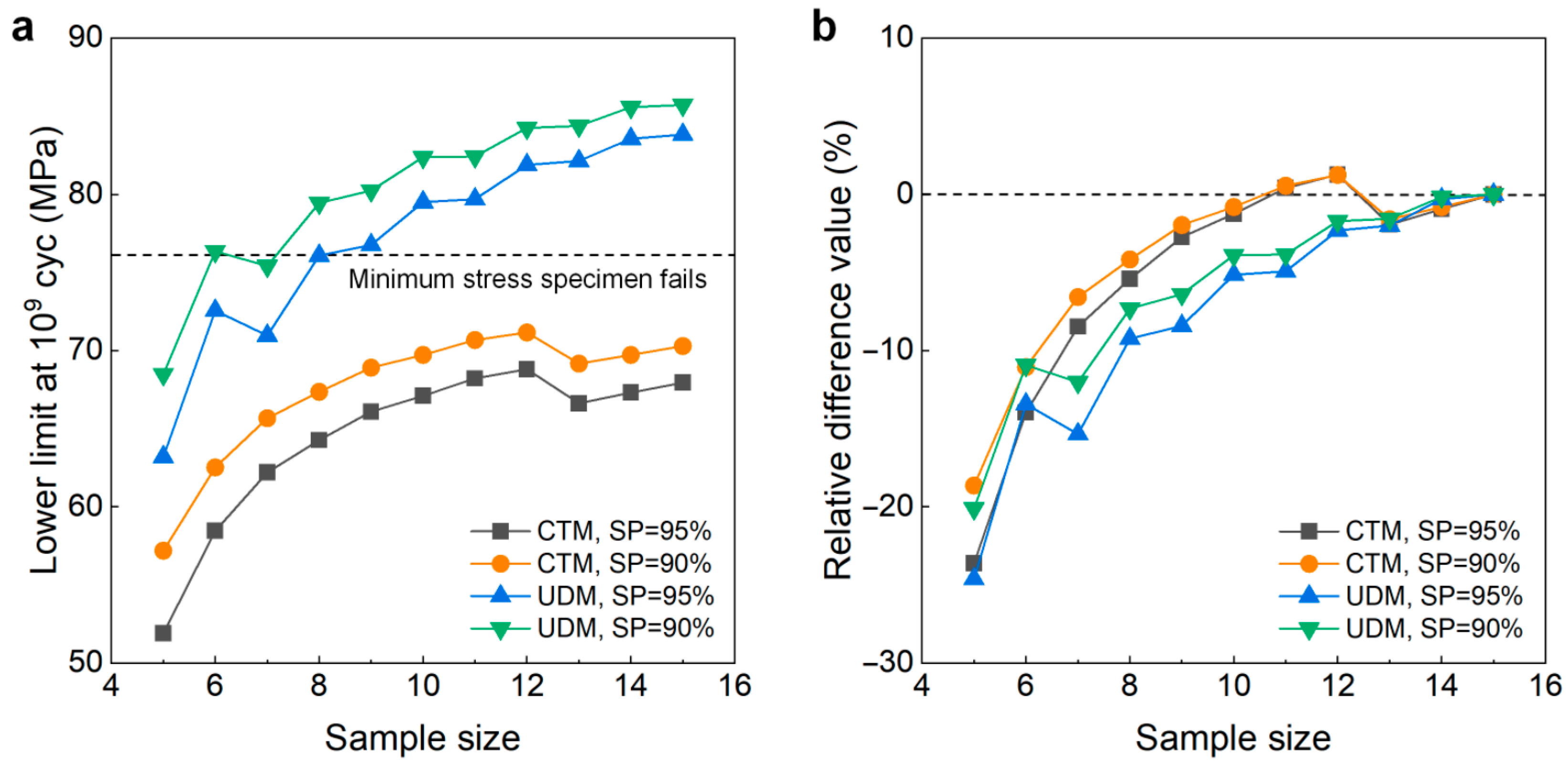
Figure 7 gives the influence of sample size
n (5 ≤
n ≤ 15) on the LLFS at 10
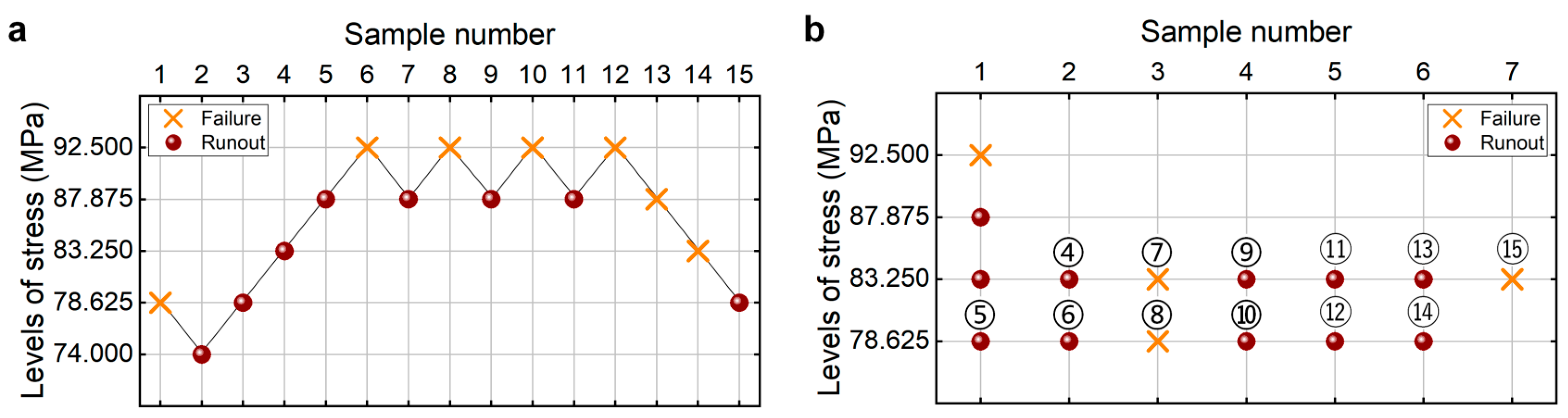
9 cycles for the welding joint of the 6005A-T6 aluminum alloy. Similarly to the 6005A-T6 aluminum alloy, the sample size plays an important role in the evaluation of the LLFS at 90% and 95% SPs and 95% confidence. For the UDM, the evaluated LLFS of five samples is much higher than the minimum stress of 78.625 MPa that the failure occurs at for the samples tested using the UDM and CTM, indicating that the UDM gives a dangerous evaluation of the LLFS at 10
9 cycles for the welding joint of the 6005A-T6 aluminum alloy. When the sample size is bigger than 6, the evaluated LLFS generally has an increasing trend with an increasing sample size, but the evaluated lower limits of the fatigue strengths are all lower than the minimum stress of 78.625 MPa. For a sample size bigger than 9, the difference is small between the evaluated LLFS and the minimum stress of 78.625 MPa that the failure occurs at for the specimens tested using the UDM and CTM, and the absolute value of the relative difference value is less than 6%. This indicates that the UDM should give a reasonable evaluation of the LLFS at 10
9 cycles for the welding joint of 6005A-T6 aluminum alloy when the sample size ranges from 10 to 15.
For the CTM, the evaluated lower limits of fatigue strength at 90% and 95% SPs and 95% confidence are all lower than the minimum stress of 78.625 MPa that the failure occurs at for the specimens tested using the UDM and CTM. When the sample size is bigger (e.g.,
n ≥ 10), the difference becomes small between the evaluated LLFS and the minimum stress of 78.625 MPa, and the absolute value of the relative difference value is within 15%. This indicates that, similar to the UDM, the CTM should also give a reasonable evaluation of the LLFS at 10
9 cycles for the welding joint of the 6005A-T6 aluminum alloy for 10~15 samples. A comparison of the results in
Figure 7 implies that, when the sample size ranges from 10 to 15, the evaluated lower limits of the fatigue strength at 10
9 cycles from the UDM are mostly a little higher than those from the CTM for the welding joint of the 6005A-T6 aluminum alloy.
4.1.3. 2024-T351 Aluminum Alloy at 107 Cycles
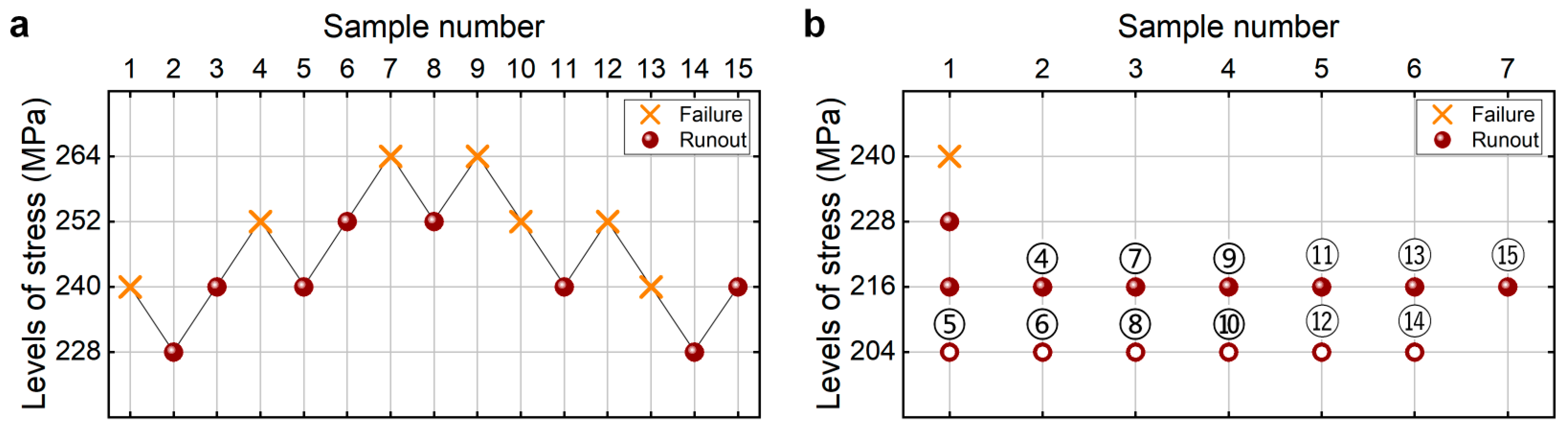
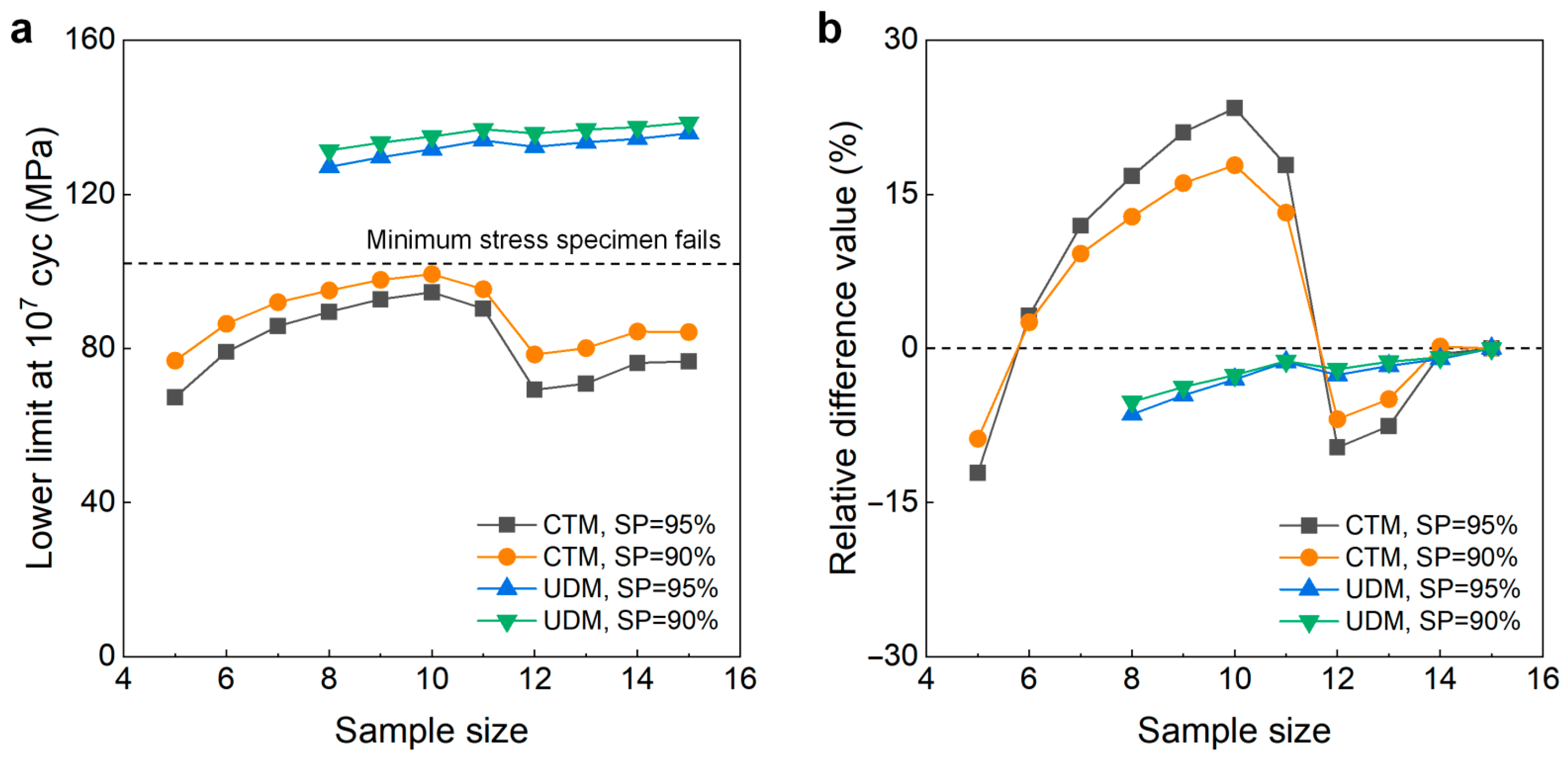
Figure 8 shows the testing results of fatigue strength at 10
7 cycles for the 2024-T351 aluminum alloy from the UDM and CTM. The influence of the sample size
n (5 ≤
n ≤ 15) on the LLFS at 10
7 cycles is shown in
Figure 9. For the UDM, the case of the results for 5~7 samples cannot be used to evaluate the LLFS through the maximum likelihood method. The evaluated lower limits of the fatigue strength using 8~15 samples are all much higher than the minimum stress of 102 MPa that the failure occurs at for the specimens tested using the UDM and CTM, which is 33.1% higher than the minimum stress of 102 MPa at 90% SP and 95% confidence and 35.9% higher than the minimum stress of 102 MPa at 95% SP and 95% confidence. This indicates that the UDM gives a very dangerous evaluation of the lower limits of the fatigue strength at 10
7 cycles for the 2024-T351 aluminum alloy. The evaluated LLFS generally has an increasing trend with an increasing sample size. The absolute value of the relative difference value is less than 4%, indicating that the sample size of 8~15 has a small influence on the evaluated LLFS at 10
7 cycles for the 2024-T351 aluminum alloy.
For the CTM, the evaluated lower limits of the fatigue strength at 90% and 95% SPs and 95% confidence are all lower than the minimum stress of 102 MPa that the failure occurs at for the specimens tested using the UDM and CTM. In particular, when the sample size is 12 and 13, the evaluated lower limits of the fatigue strength are relatively lower than the minimum stress of 102 MPa due to the occurrence of the failure of specimen 12 at the low stress level. Correspondingly, the variation in the absolute value of the relative difference value is bigger for the sample size of 10~14 at both 90% and 95% SPs and 95% confidence. But, overall, the CTM could give a reasonable evaluation of the LLFS at 107 cycles for the 2024-T351 aluminum alloy when the sample size ranges from 10 to 15.
4.2. High Cycle and VHCF Strength of Steels
4.2.1. G20Mn5QT Steel at 107 Cycles
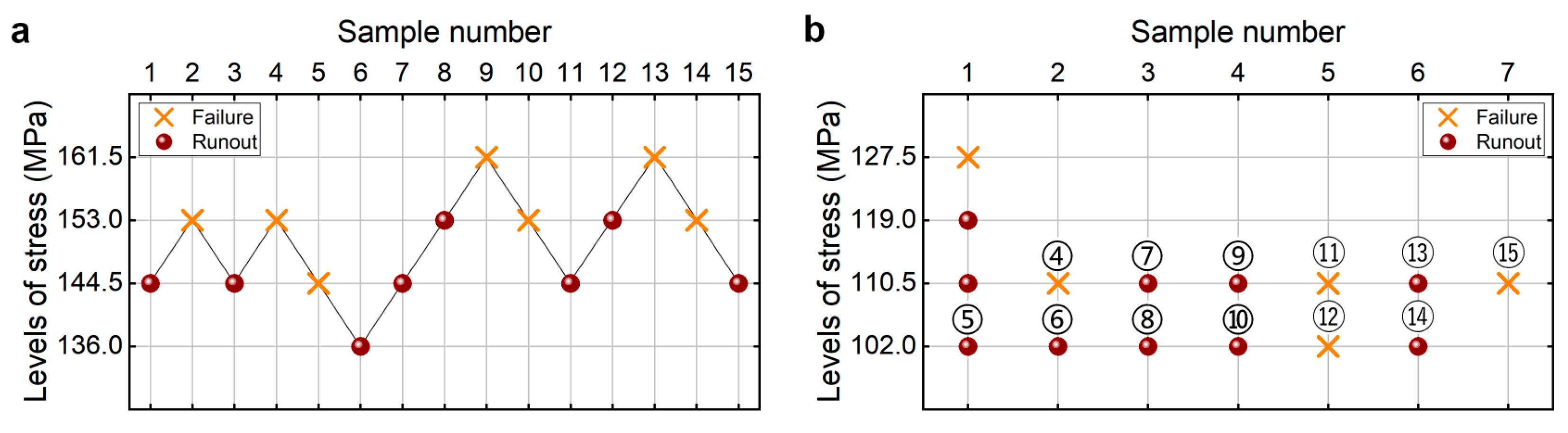
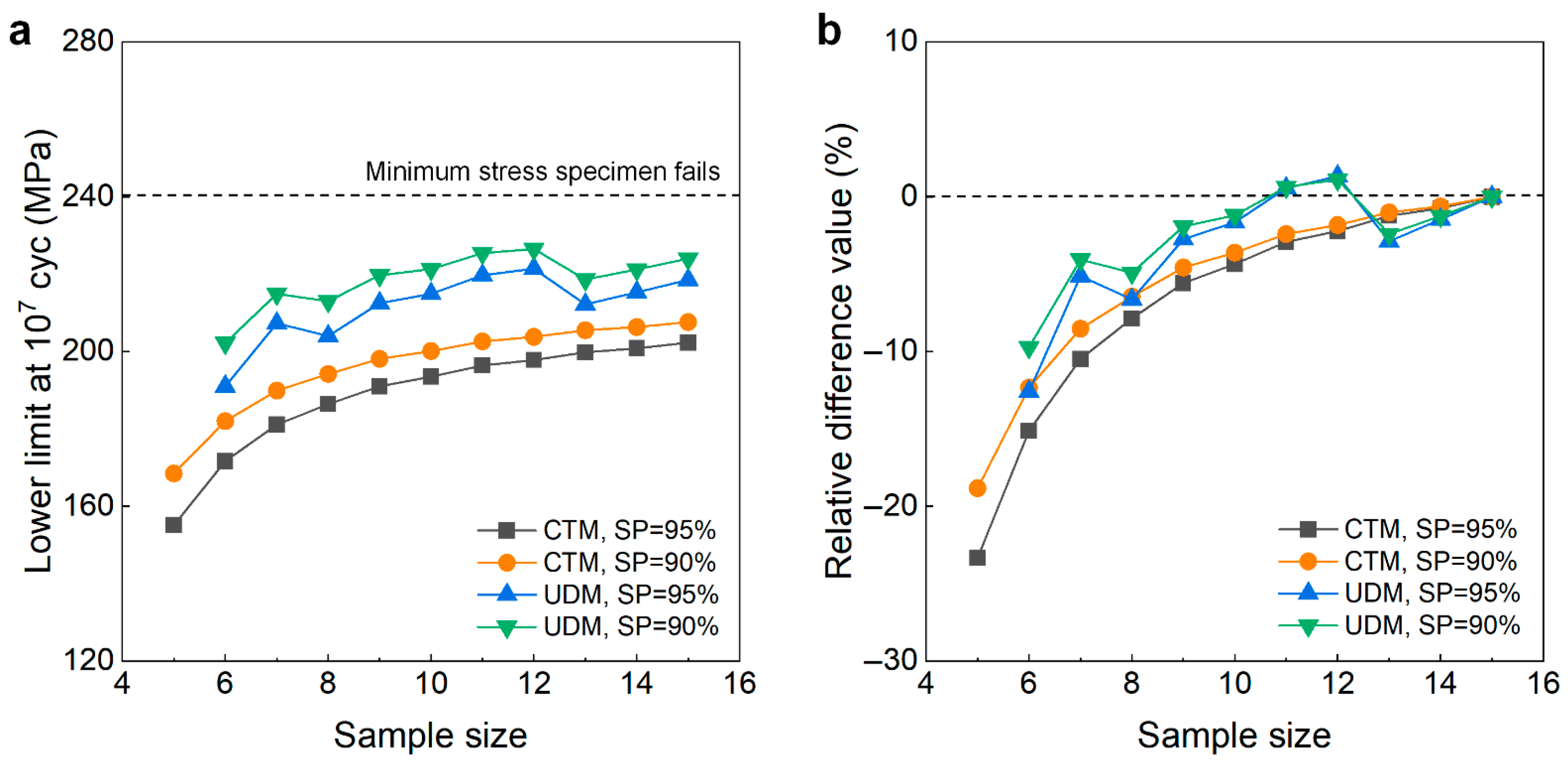
Figure 10 shows the testing results of the fatigue strength at 10
7 cycles for the G20Mn5QT steel from the UDM and CTM. The influence of the sample size
n (5 ≤
n ≤ 15) on the LLFS is shown in
Figure 11. For the UDM, the case of the results for five samples cannot be used to evaluate the LLFS through the maximum likelihood method. For the CTM, the lower limits of fatigue strength are evaluated through the transformed four-stress-level cases due to the non-failure of the specimens tested at the stress level of
S3 = 216 MPa [
20].
It is seen in
Figure 11 that the evaluated LLFS generally increases for the UDM but monotonically increases for the CTM with an increasing sample size. The evaluated lower limits of the fatigue strength at 90% and 95% SPs and 95% confidence are all lower than the minimum stress of 240 MPa that the failure occurs at for the specimens tested using the UDM and CTM. When the sample size ranges from 10 to 15, the difference often becomes small between the evaluated lower limits of the fatigue strength and the minimum stress of 240 MPa that the failure occurs at, and the absolute value of the relative difference value is also small and within 5%. This indicates that both the UDM and CTM could give a reasonable evaluation of the LLFS at 10
7 cycles for the G20Mn5QT steel. A comparison of the results in
Figure 11 implies that the evaluated LLFS at 10
7 cycles from the UDM is higher than that from the CTM for the G20Mn5QT steel.
4.2.2. As-Received 40Cr Steel at 107 Cycles
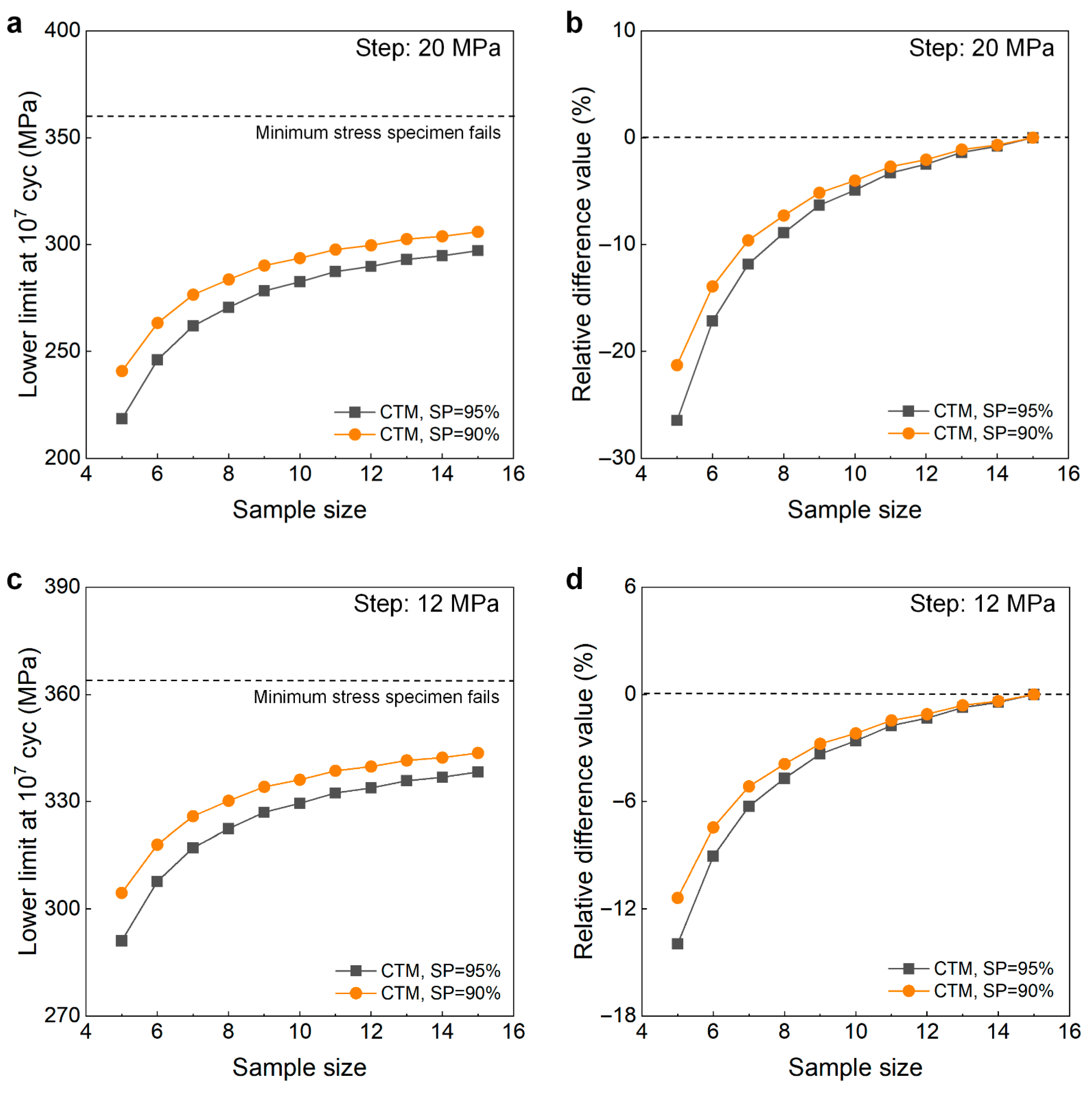
Figure 12 shows the testing results of fatigue strength at 10
7 cycles for the as-received 40Cr steel from the UDM and CTM. The influence of the sample size
n (5 ≤
n ≤ 15) on the LLFS is shown in
Figure 13. In
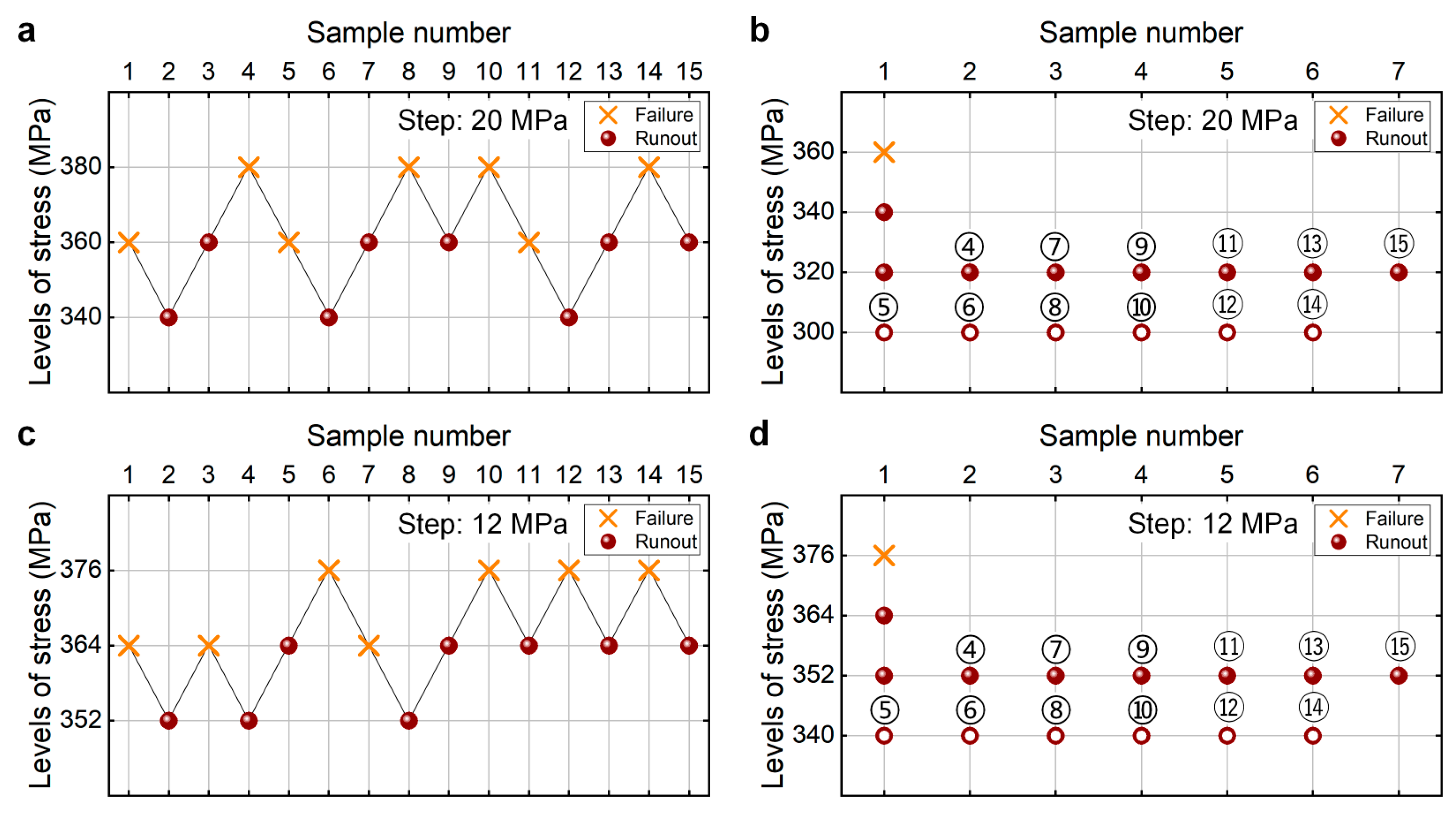
Figure 12 and
Figure 13, two different stress steps are considered. One is 5% (i.e., 20 MPa) of the estimated fatigue strength, and the other is 3% (i.e., 12 MPa) of the estimated fatigue strength. For the UDM, both of the results at different stress steps cannot be used to evaluate the LLFS at 10
7 cycles through the maximum likelihood method. For the CTM, the LLFS is evaluated using the transformed four-stress-level cases due to the non-failure of the specimens tested at stress levels of
S3 = 320 MPa and
S3 = 352 MPa [
20].
The results in
Figure 13 indicate that, for both stress steps of 20 MPa and 12 MPa, the evaluated LLFS monotonically increases with an increasing sample size for the CTM, and it is lower than the minimum stress that the failure occurs at for the specimens tested using the UDM and CTM. When the sample size ranges from 10 to 15, the difference becomes small between the evaluated lower limits of the fatigue strength and the minimum stress that the failure occurs at, and the absolute value of the relative difference value is within 5%. This indicates that the CTM could give a reasonable evaluation of the LLFS at 10
7 cycles for the as-received 40Cr steel. The results in
Figure 13 also imply that the UDM is invalid for evaluating the LLFS at 10
7 cycles for the as-received 40Cr steel due to its limitation for dealing with the testing results of three stress levels in
Figure 12a,c.
4.2.3. Heat-Treated 40Cr Steel at 108 Cycles
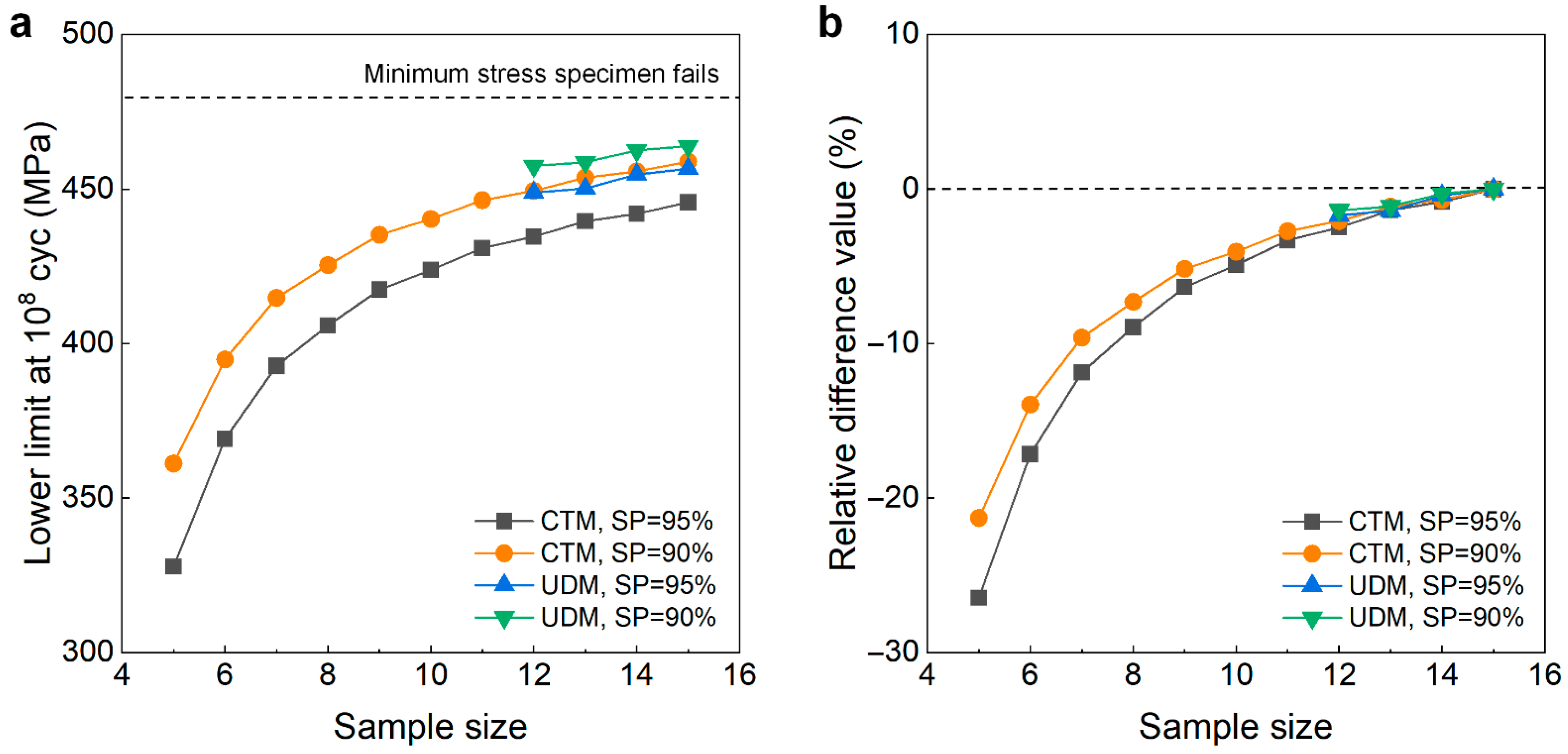
Figure 14 shows the testing results of fatigue strength at 10
8 cycles for the heat-treated 40Cr steel from the UDM and CTM. The influence of the sample size
n (5 ≤
n ≤ 15) on the LLFS at 10
8 cycles is shown in
Figure 15. For the UDM, the case of the results for 5~11 samples cannot be used to evaluate the LLFS through the maximum likelihood method. For the CTM, the LLFS is evaluated using the transformed four-stress-level cases due to the non-failure of specimens tested at the stress level of
S3 = 480 MPa [
20].
It is seen from
Figure 14 and
Figure 15 that the evaluated lower limits of the fatigue strength from the UDM and CTM monotonically increase with an increasing sample size, and they are both lower than the minimum stress of 480 MPa that the failure occurs at for the specimens tested using the UDM and CTM. When the sample size ranges from 10 to 15, the difference is small between the evaluated lower limits of the fatigue strength and the minimum stress of 480 MPa that the failure occurs at, and the absolute value of the relative difference value is within 5%. This indicates that both the UDM and CTM can give a reasonable evaluation of the LLFS at 10
8 cycles for the heat-treated 40Cr steel. A comparison of the results in
Figure 15 shows that the evaluated LLFS at 10
8 cycles from the UDM is a little higher than that of the CTM for the heat-treated 40Cr steel.
4.3. High Cycle and VHCF Strength of Titanium Alloys
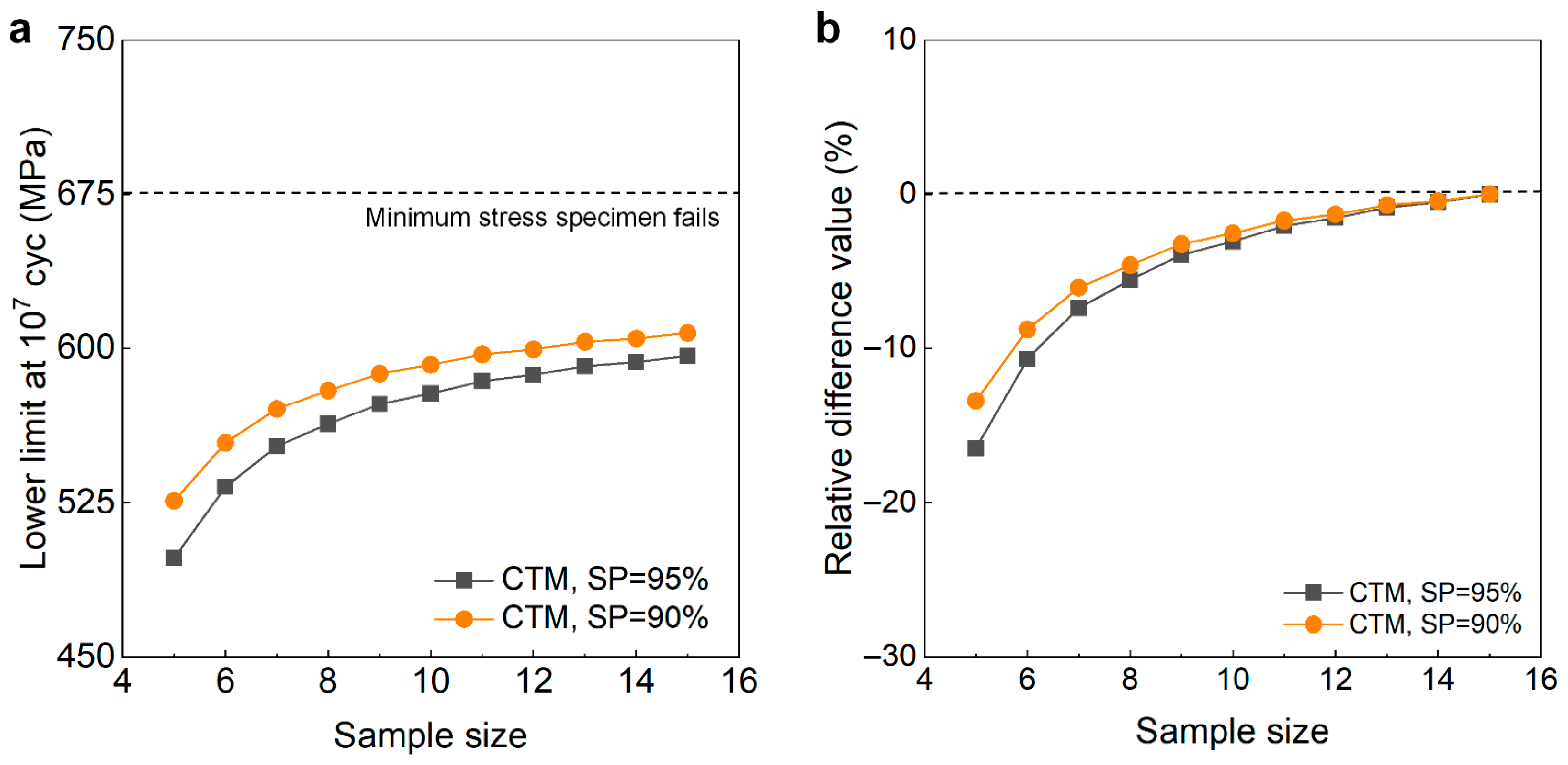
4.3.1. Ti-6Al-4V Titanium Alloy at 107 Cycles
Figure 16 shows the testing results of the fatigue strength at 10
7 cycles for the Ti-6Al-4V titanium alloy from the UDM and CTM. The influence of the sample size
n (5 ≤
n ≤ 15) on the LLFS is shown in
Figure 17. For the UDM, the tested results cannot be used to evaluate the LLFS at 10
7 cycles for the Ti-6Al-4V titanium alloy. For the CTM, the LLFS is evaluated using the transformed four-stress-level cases due to the non-failure of specimens tested at the stress level of
S3 = 625 MPa [
20].
Figure 17 shows that the evaluated LLFS monotonically increases with an increasing sample size for the CTM. The evaluated lower limits of the fatigue strength are all lower than the minimum stress of 675 MPa that the failure occurs at for the specimens tested using the UDM and CTM. When the sample size ranges from 10 to 15, the difference becomes small between the evaluated lower limits of the fatigue strength and the minimum stress that the failure occurs at, and the absolute value of the relative difference value is within 4%. This indicates that the CTM could give a reasonable evaluation of the LLFS at 10
7 cycles for the Ti-6Al-4V titanium alloy.
4.3.2. TC17 Titanium Alloy at 109 Cycles
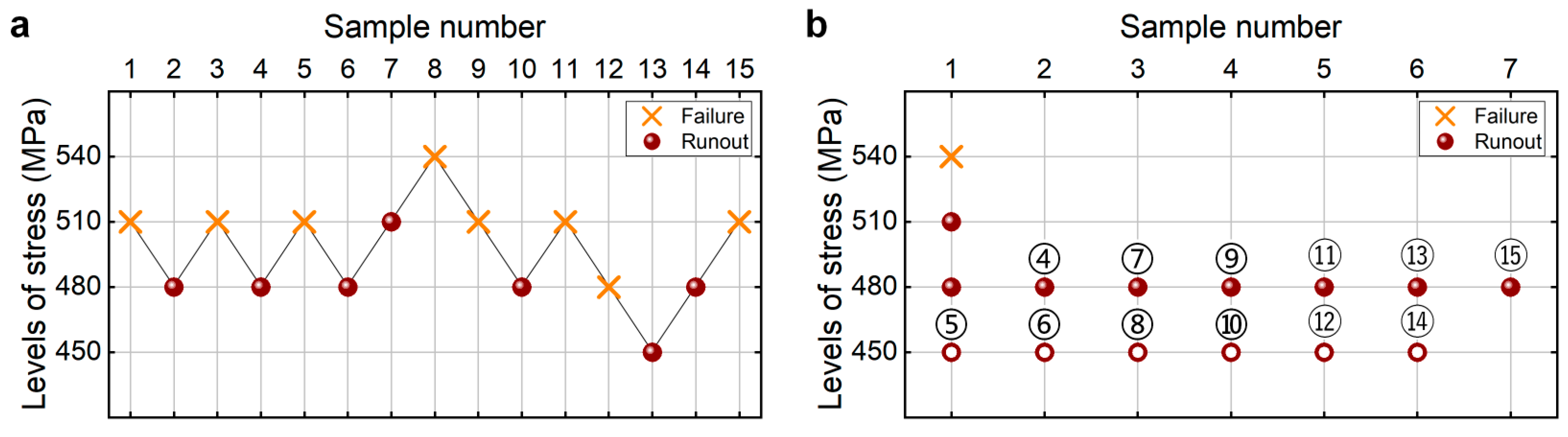
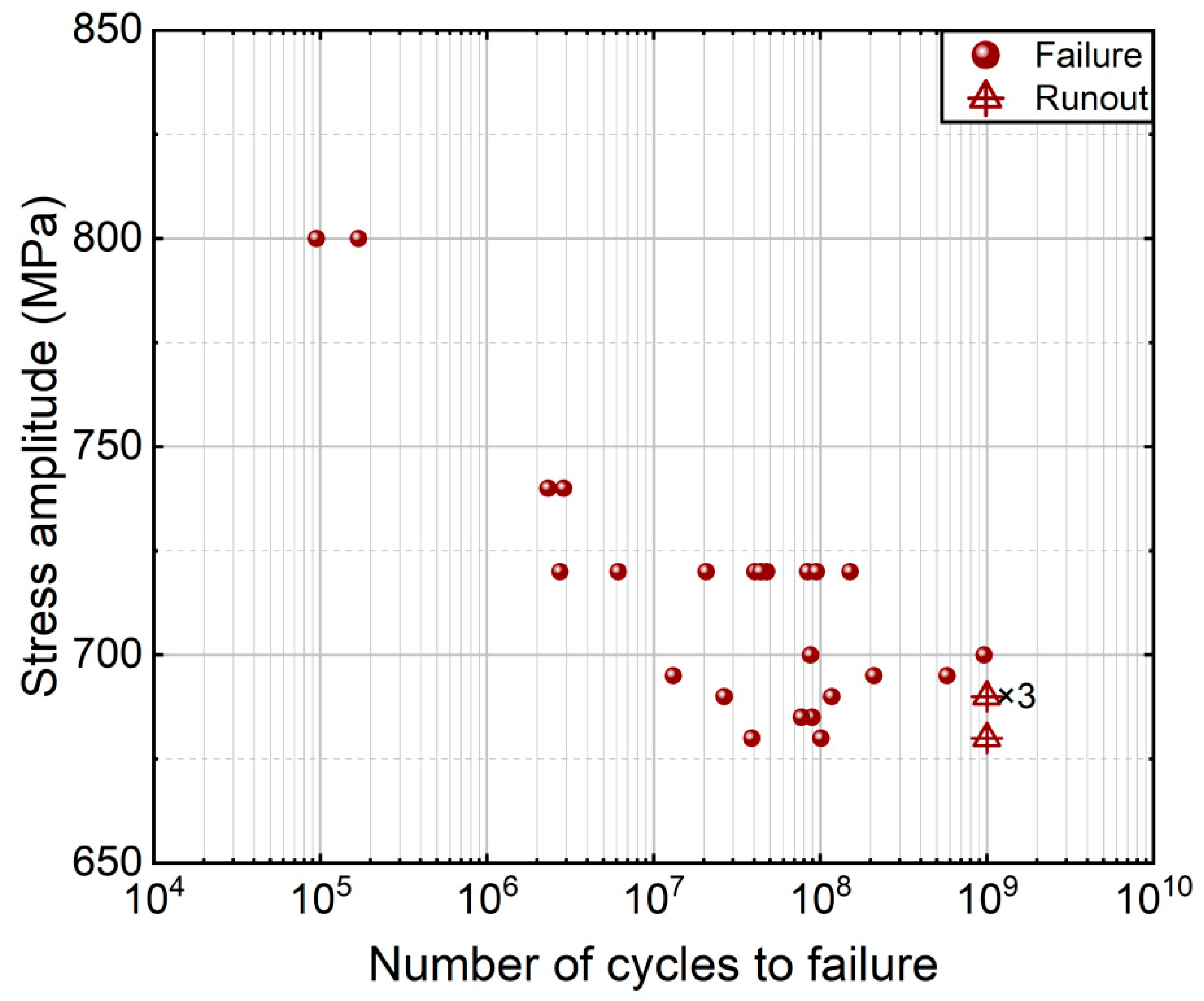
The testing results of the fatigue strength at 10
9 cycles for the TC17 titanium alloy from the UDM and CTM are shown in
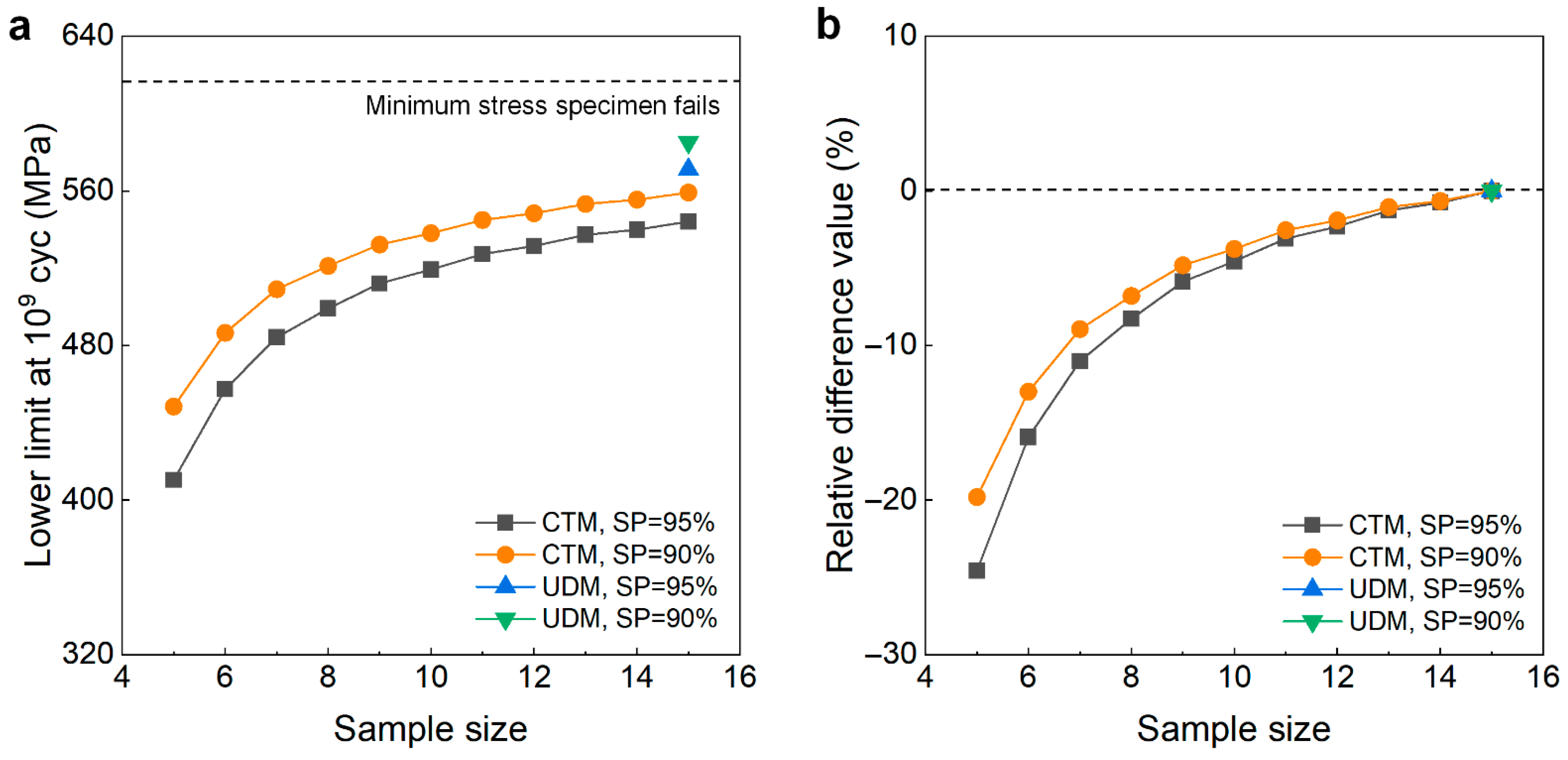
Figure 4. The influence of the sample size
n (5 ≤
n ≤ 15) on the LLFS is shown in
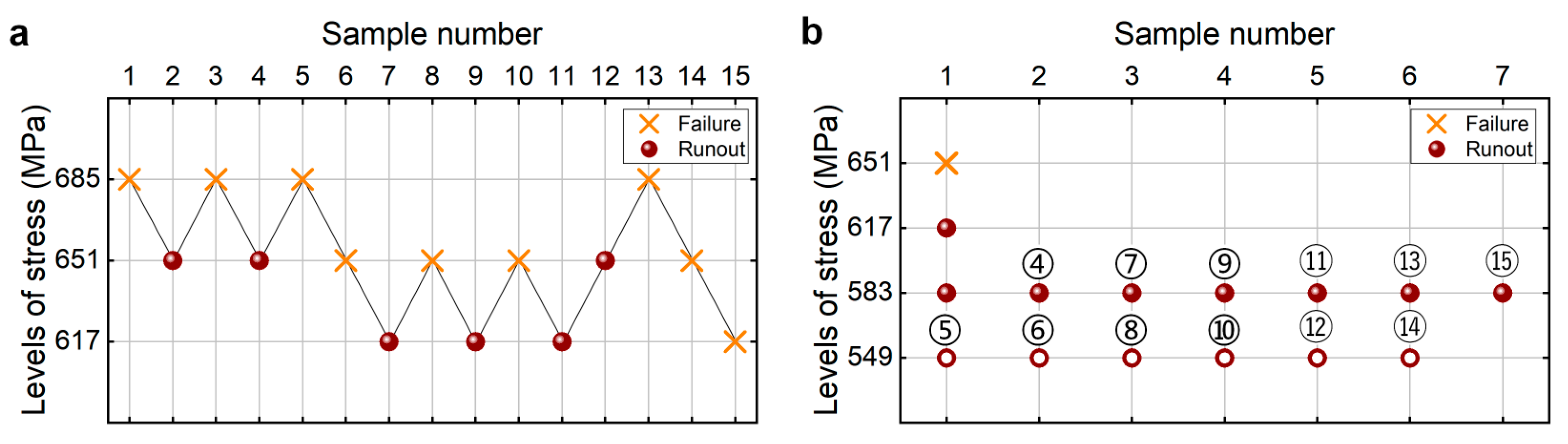
Figure 18. For the UDM, only the case of results for 15 samples can evaluate the LLFS through the maximum likelihood method. For the CTM, the LLFS is evaluated using the transformed four-stress-level cases due to the non-failure of the specimens tested at the stress level of
S3 = 583 MPa [
20].
It is seen from
Figure 18 that the evaluated lower limits of the fatigue strength from the UDM with 15 samples are lower and close to the minimum stress of 617 MPa that the failure occurs at for the specimens tested using the UDM and CTM, indicating that the UDM could give a reasonable evaluation of the LLFS at 10
9 cycles for the TC17 titanium alloy. Meanwhile, for the CTM, the evaluated LLFS monotonically increases with an increasing sample size, and it is lower than the minimum stress of 617 MPa that the failure occurs at. When the sample size ranges from 10 to 15, the difference becomes small between the evaluated lower limits of the fatigue strength and the minimum stress that the failure occurs at, and the absolute value of the relative difference value is within 5%. This indicates that the CTM could give a reasonable evaluation of the LLFS at 10
9 cycles for the TC17 titanium alloy.
The results of the aluminum alloys, steels and titanium alloys show that, in some cases of testing results with three stress levels, the UDM cannot be used to evaluate the LLFS in metallic materials, while the CTM can give an evaluation of the LLFS for all the testing results. The evaluated lower limits of the fatigue strength from the UDM are generally bigger than those from the CTM at 90% and 95% SPs and 95% confidence. In some cases, the results from the UDM are very dangerous, but the ones from the CTM are all conservative.
Compared to the common size of 15 samples used in the UDM, the sample size of 10~15 can also give acceptable results for both the UDM and CTM at 90% and 95% SPs and 95% confidence. The absolute value of the relative difference value of the results of 10~14 samples compared to those of 15 samples is generally within 5%. Considering that the evaluated LLFS from the CTM is lower than the minimum stress that the failure occurs at for the specimens tested using the UDM and CTM, the LLFS at 90% SP and 95% confidence can be preferred for the fatigue strength evaluation in high cycle and VHCF regimes.