1. Introduction
Sandwich structures have garnered significant attention in engineering fields that require components to be both lightweight and mechanically robust, particularly in aerospace [
1], automotive [
2], and defense industries [
3]. The mechanical efficiency of sandwich panels is primarily influenced by the geometry of the core, the properties of the constituent materials, and the quality of the manufacturing process. Traditionally, honeycomb cores were made using metallic or polymer sheets that were bonded through conventional methods. However, the advent of additive manufacturing (AM) technologies has enabled the design and fabrication of complex cellular architectures, resulting in customized mechanical properties and enhanced structural functionality [
4,
5].
Among various core designs, the hexagonal honeycomb structure is renowned for its exceptional stiffness-to-weight ratio, high compressive strength, and effective energy absorption characteristics [
6]. In contrast, the re-entrant honeycomb structure features an auxetic topology, exhibiting a negative Poisson’s ratio. This unique property grants it superior shear resistance, indentation toughness, and recoverability under compressive deformation [
7]. The re-entrant honeycomb core demonstrates improved shear properties due to a snap-through instability, significantly enhancing its energy absorption capability compared to conventional materials. The comparison between conventional and auxetic honeycomb cores remains a prominent area of research [
8,
9,
10,
11], especially when these structures are fabricated using polymer-based composite materials through AM technologies. Continuous fiber can be used to reinforce the faces [
8], while lightweight customized lattice structures could be selected for the core, all built integrally in one single process. Unfortunately, additive manufacturing of continuous fiber-reinforced polymer composites faces reliability challenges in achieving consistent flexural strength and stiffness. If the production replicated real-world conditions, including filament spool changes, fiber aging, and time gaps between batches, it was found that the mechanical properties were consistent in early batches [
12], but variability in flexural strength and stiffness increased from one batch to the next, reaching deviations up to 70% for carbon fiber in later batches. A further development led to bio-inspired fractal structures through three fundamental shape units (curve, circle, and hexagon), which were constructed and investigated as having distinct structure ratios related to cell sizes at different geometry levels [
13].
Reference [
14] provides a thorough review of recent advancements in additively manufactured materials and lightweight structures, focusing on their mechanical properties, particularly in energy absorption applications. The review covers a variety of design optimization techniques, including parametric optimization, topology optimization, and stochastic optimization, all while considering uncertainties introduced during fabrication. Moreover, it highlights the significant potential of data-driven and machine learning approaches in additive manufacturing for managing process–property relationships and for in situ monitoring. Other review examinations of the advancements and state-of-the-art developments in continuous carbon fiber (CCF)-reinforced thermoplastic composite materials, focusing on their processing and fabrication through the material extrusion method, were presented recently in [
15,
16]. These studies explore how varying printing process parameters can influence the overall mechanical performance of the produced composites. The development of innovative cellular structures incorporating continuous fiber, alongside an analysis of fracture mechanics within these materials, is also presented.
Two very recent reviews [
17,
18] examine recent advancements in 3D printing of short fiber-reinforced polymer composites and continuous fiber-reinforced polymer composites, emphasizing their potential to transform industrial applications. The evolution of additive manufacturing methods; material innovations (including bio-based polymers, recycled fibers, and nanofiber-reinforced systems); and their impact on tensile, shear, flexural, toughness, and energy absorption behavior is presented. Insights into the current state of continuous fiber cellular structures, focusing on the structural design methodologies and optimizations that underpin their development, applications across different industries, and the technological challenges that must be addressed, are comprehensively detailed.
However, the influence of printing parameters, especially the position of the carbon fiber layer on such material, has focused on optimizing different printing and testing parameters such as carbon fiber layer position, infill density, fiber angle, and strain rate in 3D-printed carbon fiber-reinforced nylon composite [
19]. The optimal combination of these parameters is also recommended for maximizing the mechanical strength and energy absorption of related 3D-printed parts.
As shown in [
20], optimization cases for the deposition of long carbon fiber-reinforced composites have been developed by enlarging raster height and adjusting nozzle feeding angles to mitigate substantial mechanical forces on fibers. Not to be neglected is the understanding of the dynamic temperature field and warpage generation during the printing of continuous carbon fiber thermoplastic composites. The mechanism of warpage deformation was uncovered to guide the optimization of AM process for the warpage mitigation in the as-built components by obtaining simulated data and experimental results [
21]. Special efforts are dedicated to weight reduction and enhanced performance by using combined materials [
22]. The Airbus H-160 helicopter utilizes carbon fiber-reinforced PEEK (polyetheretherketone) thermoplastic composites to replace titanium alloy in the rotor hub central part, leading to cost savings in manufacturing, improved structural damage tolerance, and enhanced maintainability. Very recently, a novel fiber-reinforced composite was constructed for the first time via a continuous printing procedure with flexible yet robust carbon nanotube (CNT) fibers as host [
23]. In contrast to traditional carbon fiber, CNT fiber features a remarkable superiority in curvature radius at corners during continuous 3D printing, thereby endowing printed CNT fiber composites with a low porosity of only 8.11% and a high axial tensile strength of 674 MPa. Thus, new insights for developing a lightweight but high-strength printable filament are opened.
Onyx, a nylon-based composite filled with short carbon fibers, offers improved stiffness and surface finish. Additionally, the inclusion of CCF further increases the load-bearing capacity and stiffness of the printed parts. The influence of carbon fiber reinforcement orientation on the mechanical performance of Onyx FR-A composites, manufactured using the Markforged FX20 printer [
24], is studied through mechanical tests, including tensile, compressive, open-hole tension, and interlaminar shear stress. The findings demonstrate that fiber orientation plays a crucial role in determining material behavior. The flexural performance of 3D-printed continuous fiber-reinforced composites focuses on the influence of fiber types, orientation, and temperature [
25]. Using carbon, glass, kevlar fiber, and Onyx matrix filaments, three-point bending tests were conducted under different temperatures. The results reveal a significant influence of fiber type and orientation. Clearly, the printing process is susceptible to a variety of defects that are derived from the fabrication process parameters, such as porosity, insufficient fiber impregnation with the polymer, and fiber disorientation. The accurate detection and quantification of them is a crucial part of it, as studied experimentally by implementing an X-ray computed tomography testing campaign [
26]. All properties depend on specific printing parameters and environmental conditions. The influence of two printing parameters, namely, the orientation and positioning of the parts on the printing platform and the influence of humidity on the mechanical properties of the parts, is studied on samples which were fabricated with onyx using a Markforged X7 printer [
27]. The results showed that onyx could be considered an isotropic material to a certain extent because its mechanical properties do not vary sufficiently according to the orientation angle on the printing platform. The study of the sensitivity to humidity revealed that a specimen absorbs approximately 2% of the humidity and loses up to 65% of its Young’s modulus after 165 days of exposure, significantly influencing the mechanical properties of the parts. Consideration should be given to the aging of onyx when using printed parts as structural components.
For specific drone applications, the composite part is supposed to have high specific strength and rigidity. High-temperature Polyamide 6, continuous glass fiber-reinforced Onyx, and carbon fiber-reinforced Onyx composites are characterized for their mechanical and fracture behavior [
28]. Their study provides a direction for the next generation of drone manufacturers.
Despite the growing body of research on polymeric sandwich cores, the combined effects of core geometry—such as hexagonal versus re-entrant—and material composition, specifically Onyx versus Onyx reinforced with continuous carbon fibers (Onyx + CCF), on the compressive behavior of additively manufactured sandwich panels have not been thoroughly investigated. This study assesses the benefits of using a re-entrant topology versus traditional honeycomb in terms of strength, flexibility, and energy absorption.
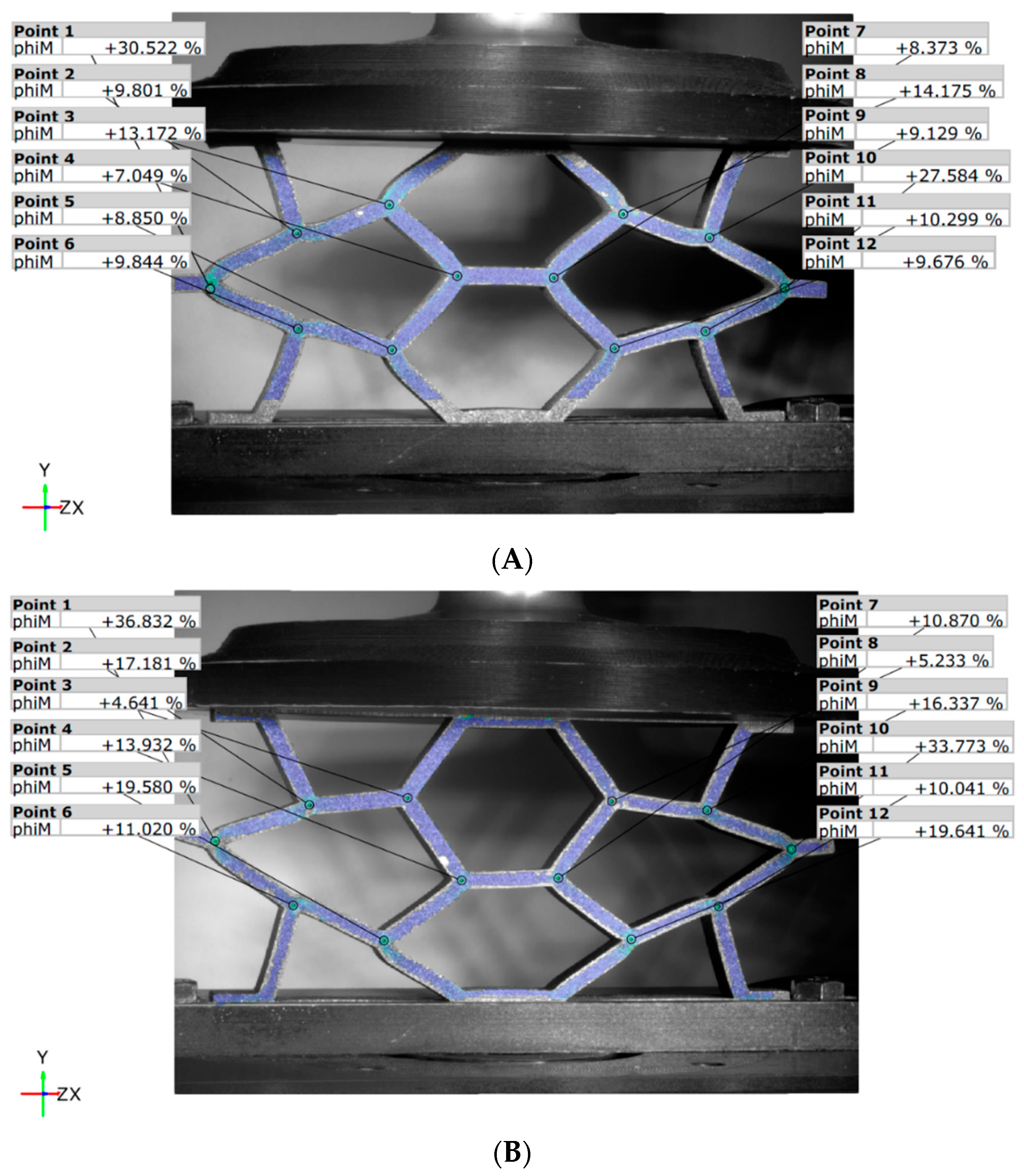
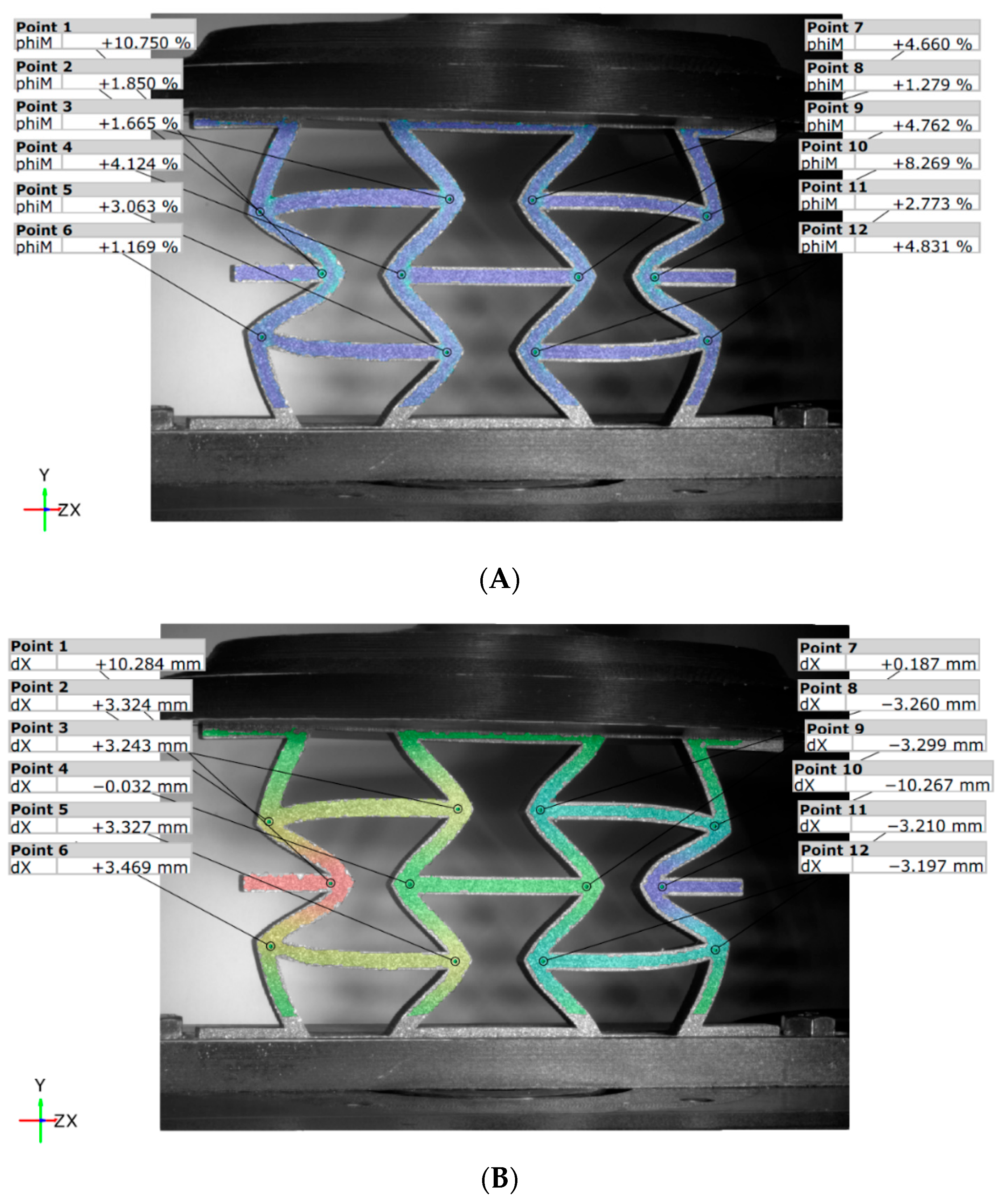
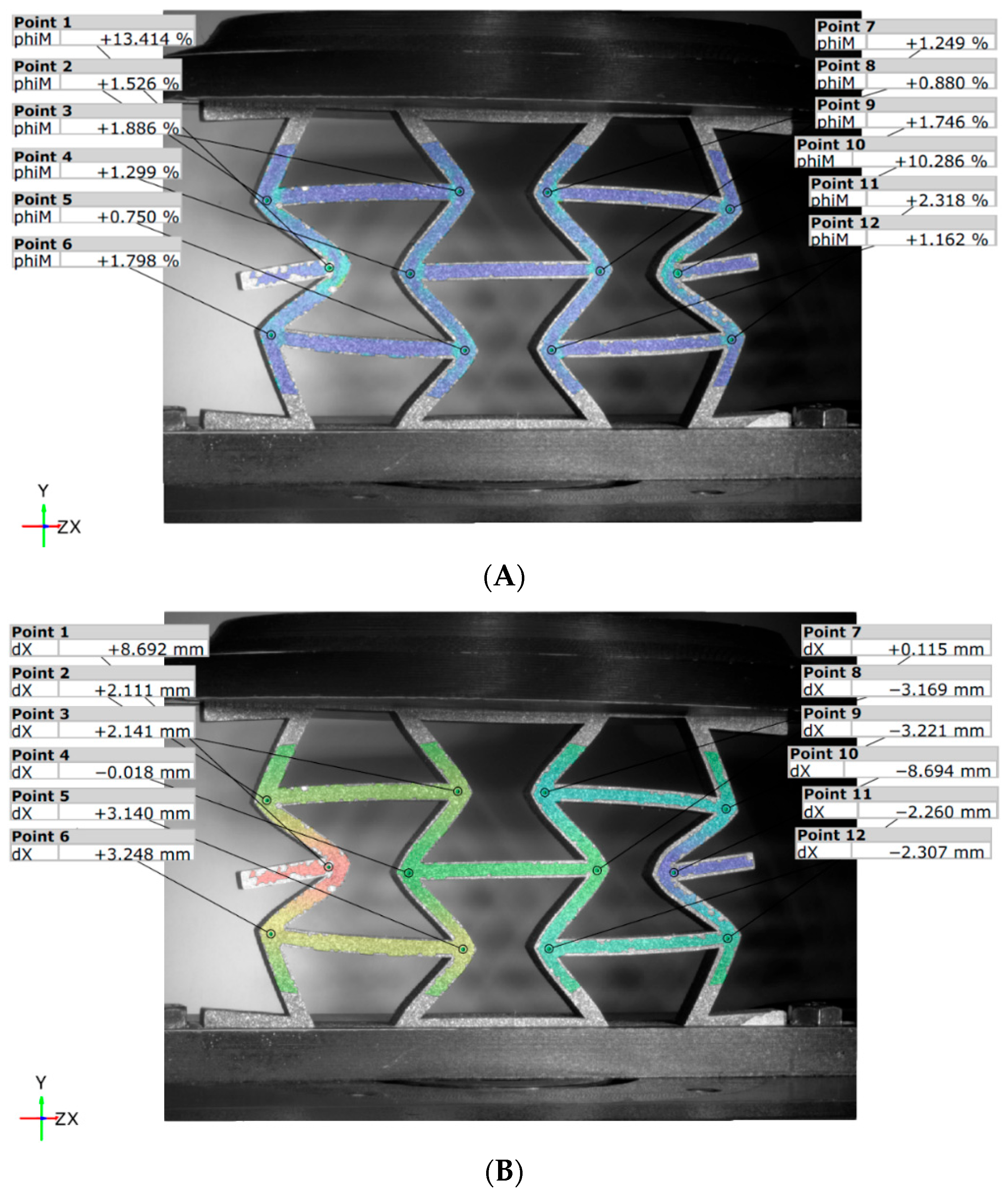
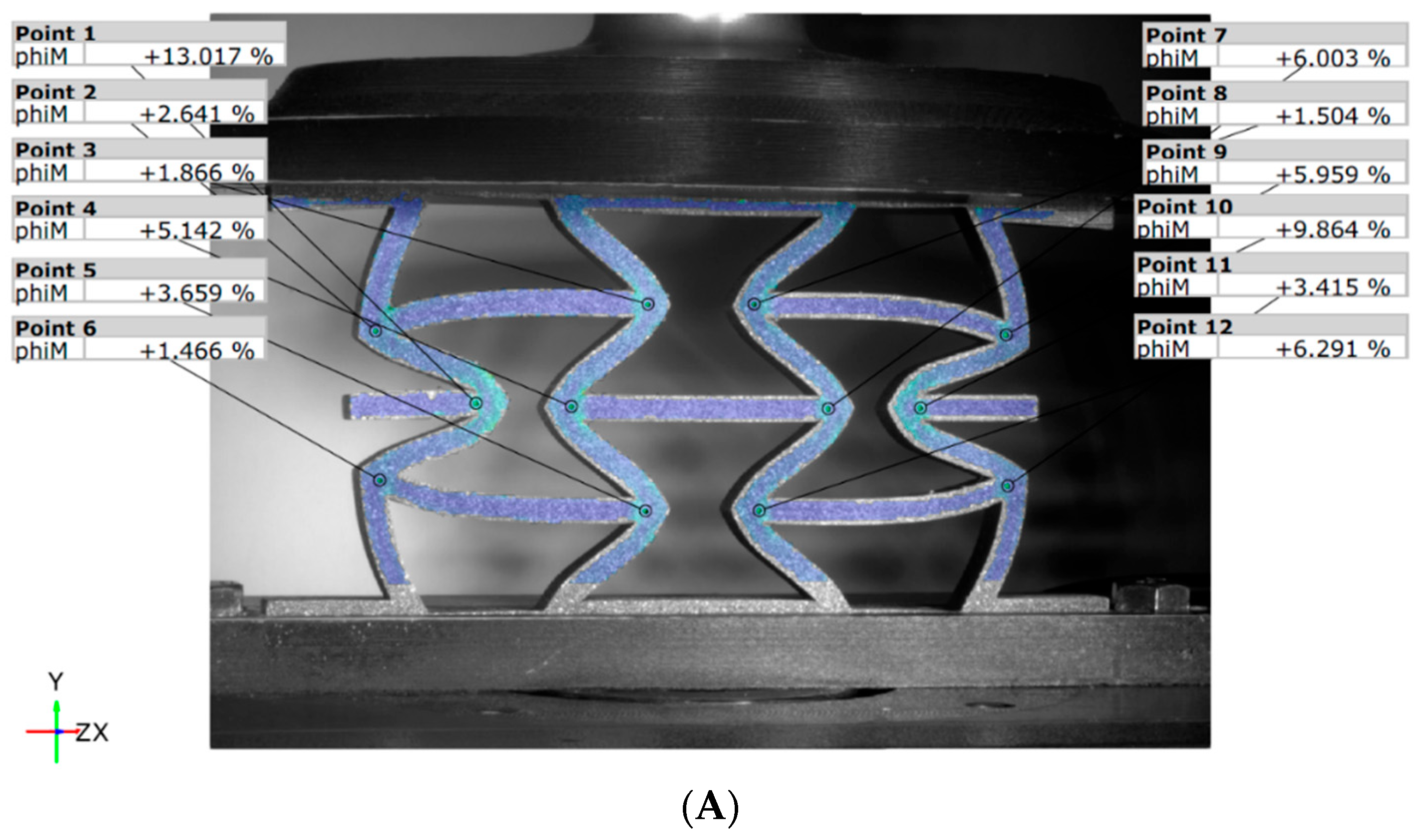
Quasi-static compression tests were conducted to evaluate the effect of core topology and reinforcement on the mechanical performance of the panel structures. Digital image correlation (DIC) was used to illustrate the distinct mechanical behaviors of the two configurations by analyzing the strain fields. Notably, the re-entrant structure exhibited auxetic behavior and improved energy absorption characteristics. Introducing CCF reinforcement enhanced the load-bearing capacity and reduced localized strain concentration due to its stiffness. Ultimately, the reinforced re-entrant topology demonstrated superior energy absorption capabilities.
2. Materials and Methods
2.1. Topology of Hexagonal Geometries
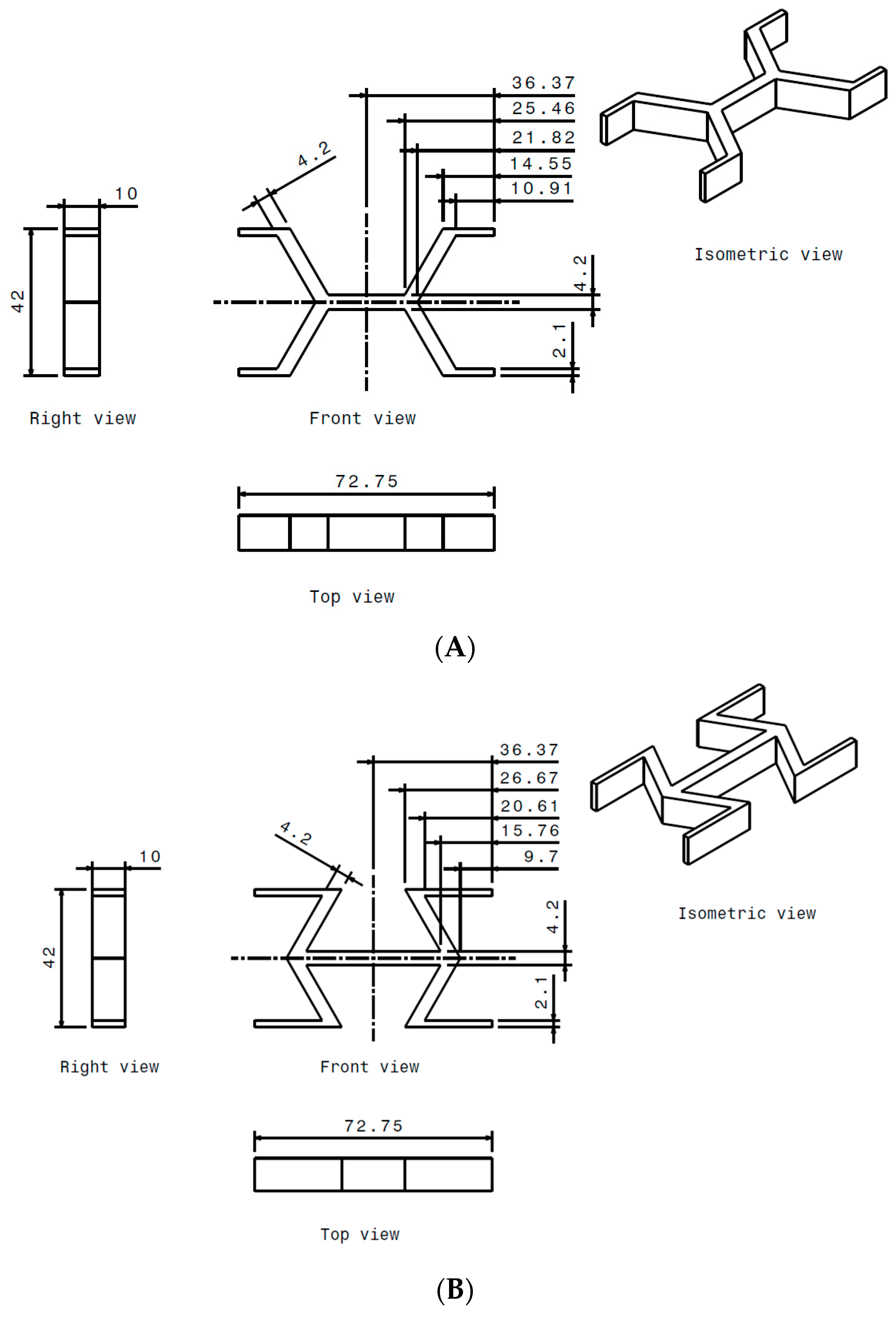
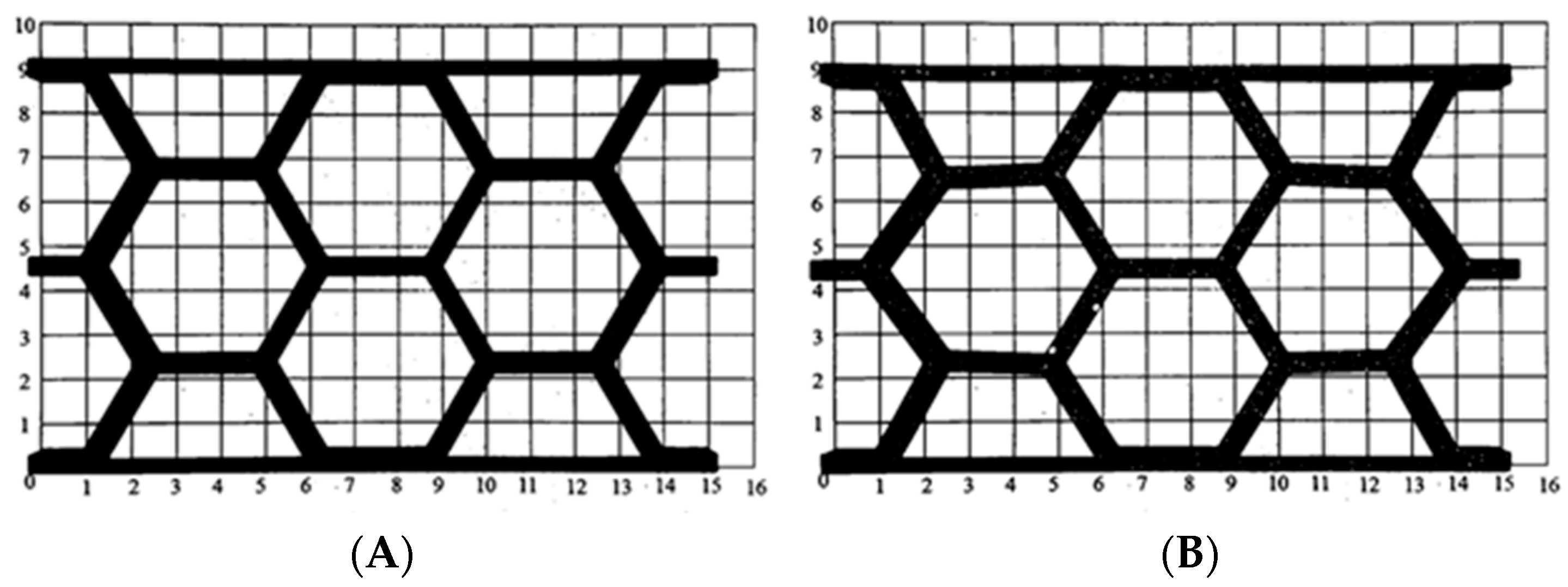
Figure 1 illustrates the geometric characteristics of the two selected cell designs: the hexagonal cell (HCB) and the re-entrant cell (REN). To simplify the design process for the representative volumes, these cell geometries were created using a different symmetry plane than is typically found in the specialized literature. This method ultimately resulted in the well-known cells commonly used in panel design. The representative volume is the same for both topologies: 72.75 mm length, 42 mm height, and 10 mm thickness.
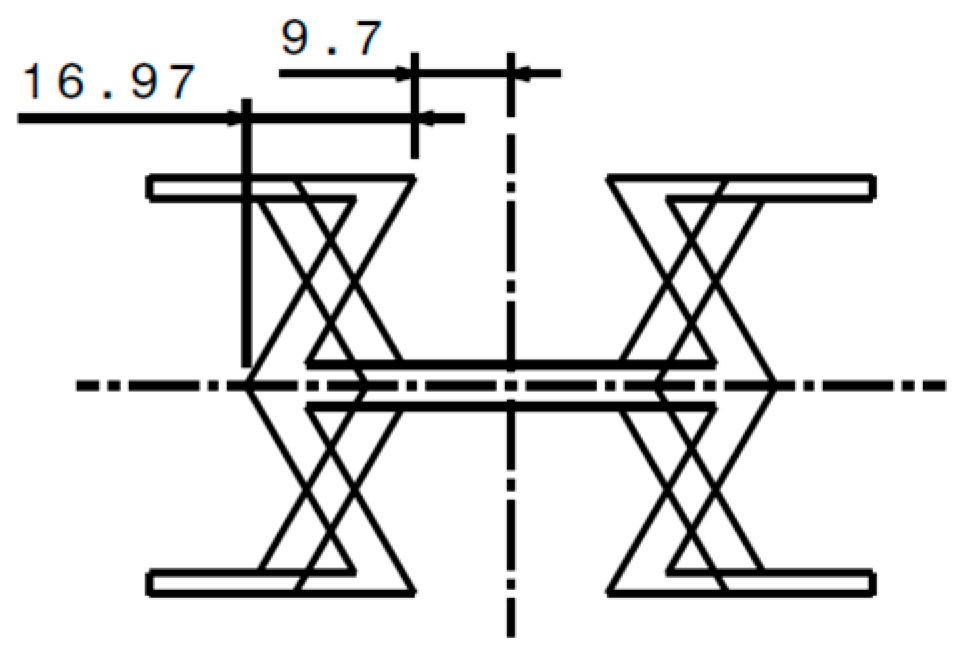
To maintain the geometric characteristics of the HCB and REN cells, the REN cell was designed by mirroring the 16.97 mm section shown in
Figure 2. This approach ensures that the geometry of the REN cell preserves all the specific features of the HCB cell, including angles, thicknesses, and wall positions.
Table 1 presents the properties of the representative volumes used in the tested sandwich panels, including mass, cell surface area, and relative density. The surface areas of the cells vary depending on their geometries. The HCB cell has a surface area of 580 mm
2, while the REN cell has a larger surface area of 760 mm
2, indicating a 31% increase. The relative density of the cells represents the degree of overlap between the cell structure surface area and the total area in which they are inscribed. The hexagonal cell (HCB) has a relative density of 0.189, while the re-entrant cell (REN) has a relative density of 0.248, making it 31.2% denser than the hexagonal cell. The mass to cell surface ratio, measured in grams per square millimeter (g/mm
2), is a critical indicator of the performance of these representative volumes. Both the hexagonal honeycomb cells and the re-entrant cells exhibit the same efficiency, which is valued at 0.012 g/mm
2, making them equivalent in this regard.
2.2. Materials
The first batch of additively manufactured panels is made from unreinforced material known as Onyx (Markforged, Waltham, MA, USA). This premium 3D printing material combines strength, stiffness, and stability, thanks to the carbon microfibers integrated into the nylon matrix. According to the manufacturer, Onyx is 1.4 times stiffer than ABS, making it an ideal choice for creating lightweight yet strong components. Furthermore, Onyx properties can be enhanced with continuous fiber filament to improve its strength even more. Detailed properties of Onyx are listed in
Table 2, while the characteristics of the continuous fiber (CCF) material, as provided by the manufacturer, are shown in
Table 3.
2.3. Printing of Sandwich Panels
The sandwich panels were produced using a Markforged X7 3D printer (Markforged, Waltham, MA, USA) through the continuous filament fabrication (CFF) process. The core material utilized was Onyx, a nylon-based composite reinforced with short carbon fibers, supplied as a 1.75 mm diameter filament. In the reinforced configuration, continuous carbon fiber was added during the printing process using a second printing head, which utilized a 0.35 mm diameter filament to strengthen selected layers within the structure. Print speed and temperature settings were automatically determined by the slicer software, with no possibility for external modification. Visual quality control was performed during and after printing, and no imperfections were observed; the measured panel dimensions were consistent with the technical drawings. A 100% solid infill pattern was used to ensure uniform material distribution and structural integrity.
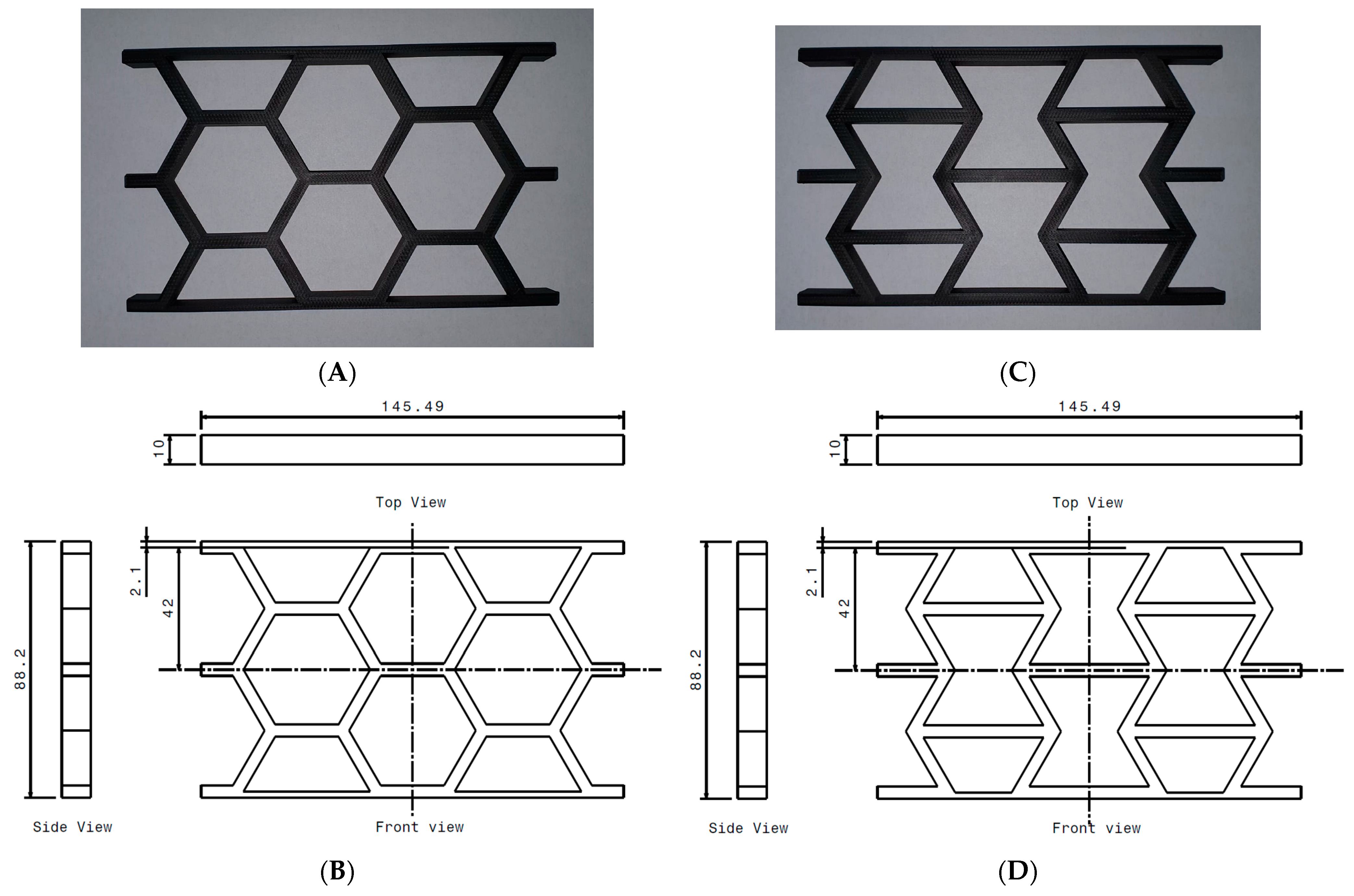
The geometry data of the unit cells has already been provided. Consequently, the technical drawings of the complete panels, as shown in
Figure 3, only display the overall dimensions, specifically the length and height of the panels, including the added face sheets on the top and bottom. For each panel type, 8 panels were printed, as HCB and REN, and unreinforced and reinforced with CCF, with a total of 32 panels.
Additionally, it is important to note that the face sheets were added to the panels after the representative volumes were translated to create the complete parts. These sheets are essential for applying the compressive force to the panels.
The primary distinction between the two types of panels is the use of continuous carbon fiber filaments within their structures. Each panel has a thickness of 10 mm, comprising a total of 80 layers. The software allows users to select specific layers for reinforcement, providing a significant level of customization for part modifications. To prevent the introduction of asymmetric stiffness—which could cause undesirable mechanical behavior, such as bending—reinforcement is concentrated in the central layers of the panels. This strategy ensures that the reinforced area is distributed uniformly throughout the panels.
Table 4 presents data obtained from the slicer software for each type of panel. It is important to note that additively manufactured panels may not all have the same mass due to minor variations.
Table 5 displays the actual weighted mass of each printed panel, highlighting differences among the 3D-printed panels, which are generally lighter than the theoretical values predicted by the slicer. For honeycomb core (HCB) panels, the actual mean mass is 4.83% lower, while for reinforced (REN) panels, the mass variation is 7.23%. This comparison indicates that the honeycomb panels align more closely with the values predicted by the slicer.
For unreinforced parts, users have the flexibility to choose the printing layer thickness. However, for reinforced parts, the layer thickness is dictated by the thickness of the continuous fiber filament used. To ensure consistency in printing parameters, it is important to verify the layer thickness set when carbon fiber is selected as the reinforcement method. When carbon fiber is chosen, the software automatically adjusts the layer thickness to 0.125 mm. Therefore, to maintain uniformity in the production of all parts, the selected layer thickness will be 0.125 mm for both unreinforced and reinforced batches.
As mentioned previously, the panels have a thickness of 10 mm. To reduce carbon fiber consumption and cost, the reinforced layers were situated only in the middle of the specimen through the thickness over the whole surface of the panel. The first layer begins at 3.75 mm from the surface, and consecutive layers extend up to 6.25 mm, with a total of 80 layers. This means that layers 31 to 50 are reinforced.
Table 6 shows the data collected from the slicer for each type of reinforced panel, which is similar to the values recorded for the unreinforced panels.
In
Table 7, the average values of the weighted panels show slight differences compared to those in
Table 5. The deviation between the two tables is consistent, with an average lower difference of 6.32% for honeycomb panels and 6.67% for re-entrant panels. These measurements indicate that although using filament for reinforcement may increase mass variation (for two panels out of eight compared to unreinforced panels), it also produces uniform results across the different additively manufactured panels.
Upon examining the fiber distribution in the panels, as presented in
Table 6 and
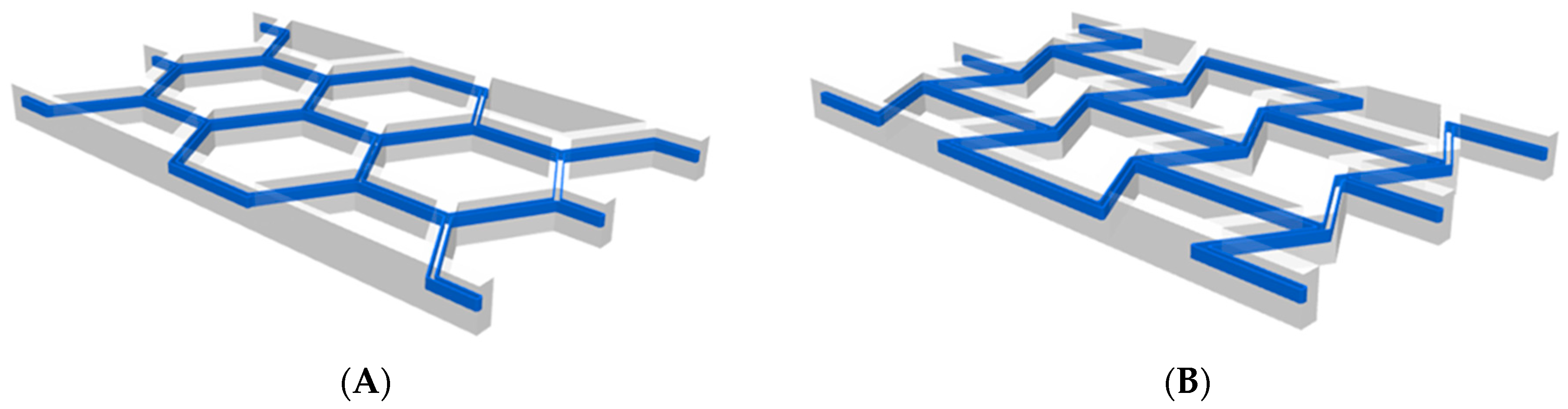
Table 7, it is clear that the REN panels utilize the highest amount of reinforced material in relation to the total volume of the panel. This indicates a more effective distribution of mechanical loads within the structure, although it also signifies a greater consumption of CCF. The distribution of the continuous carbon filament for both topologies is depicted in
Figure 4.
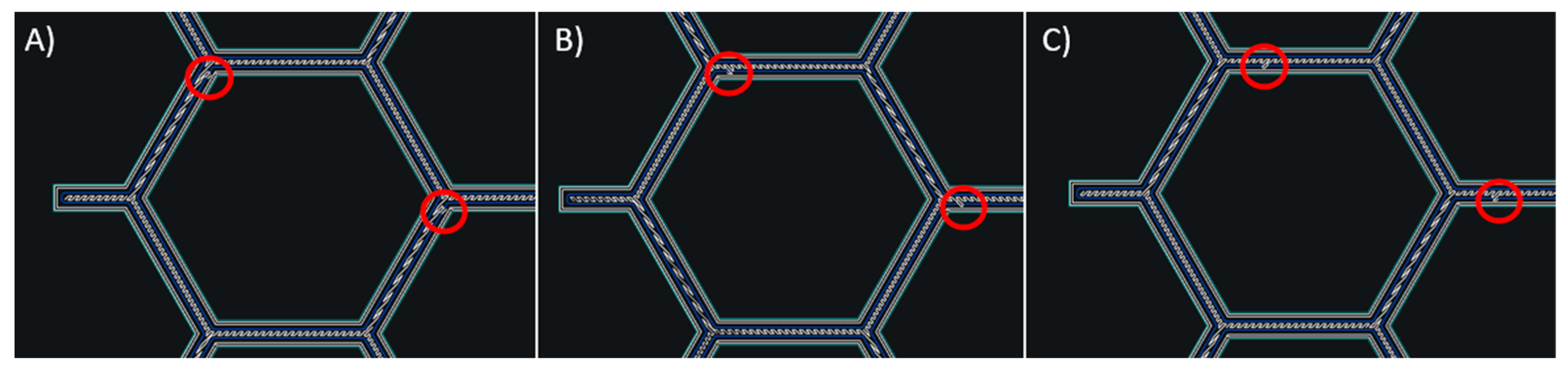
During the additive manufacturing process, the slicer program implements offsets for the starting points of the continuous carbon fiber in each subsequent layer to minimize the risk of defects or weak spots in the produced parts. Each layer incorporates five different carbon fiber filaments distributed across the surface of the panel. This method ensures that interruptions in the filament printing do not lead to printing issues in the components leading to major defects. As illustrated in
Figure 5, the starting point for the printing process varies for each layer as marked by the red dot.
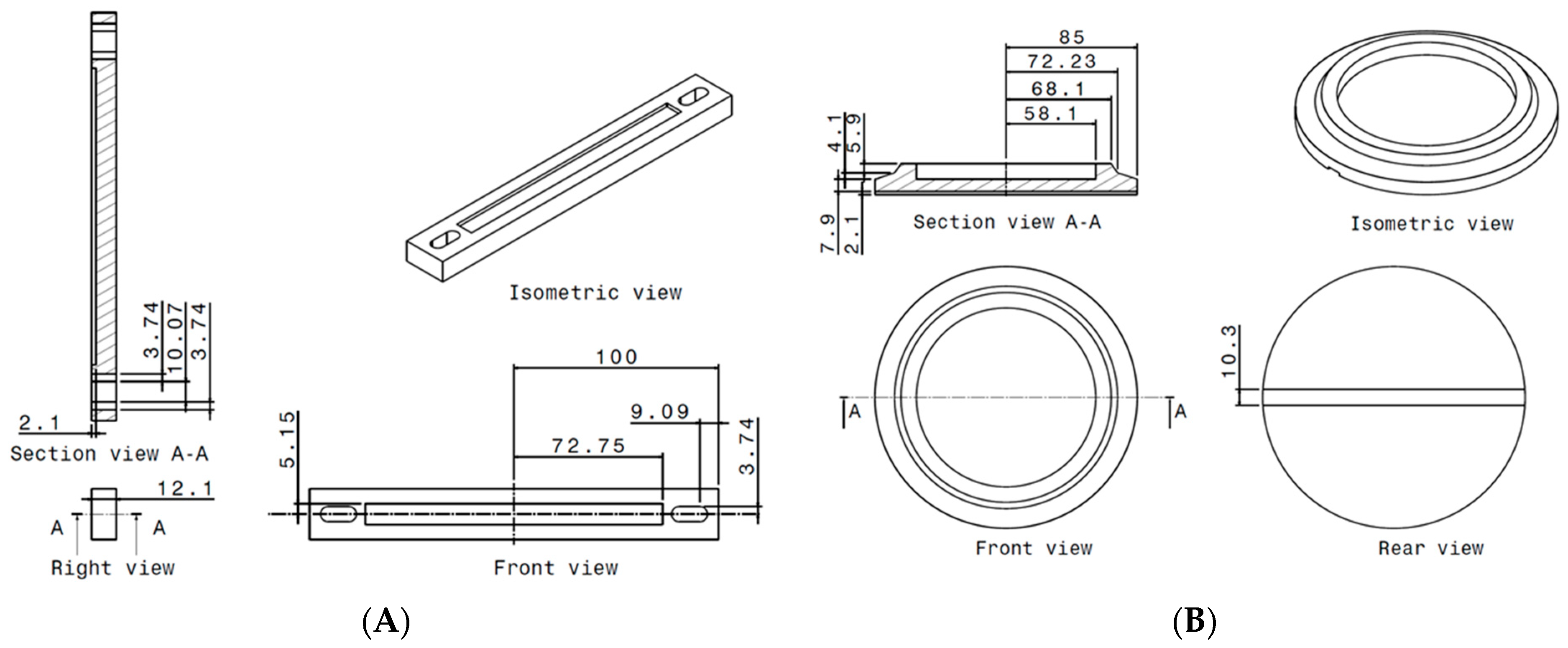
To conduct compression tests on the panels, two auxiliary components were fabricated using additive manufacturing, as shown in
Figure 6. These components were designed to securely hold and guide the specimens during testing, preventing any lateral movement.
2.4. Experimental Testing
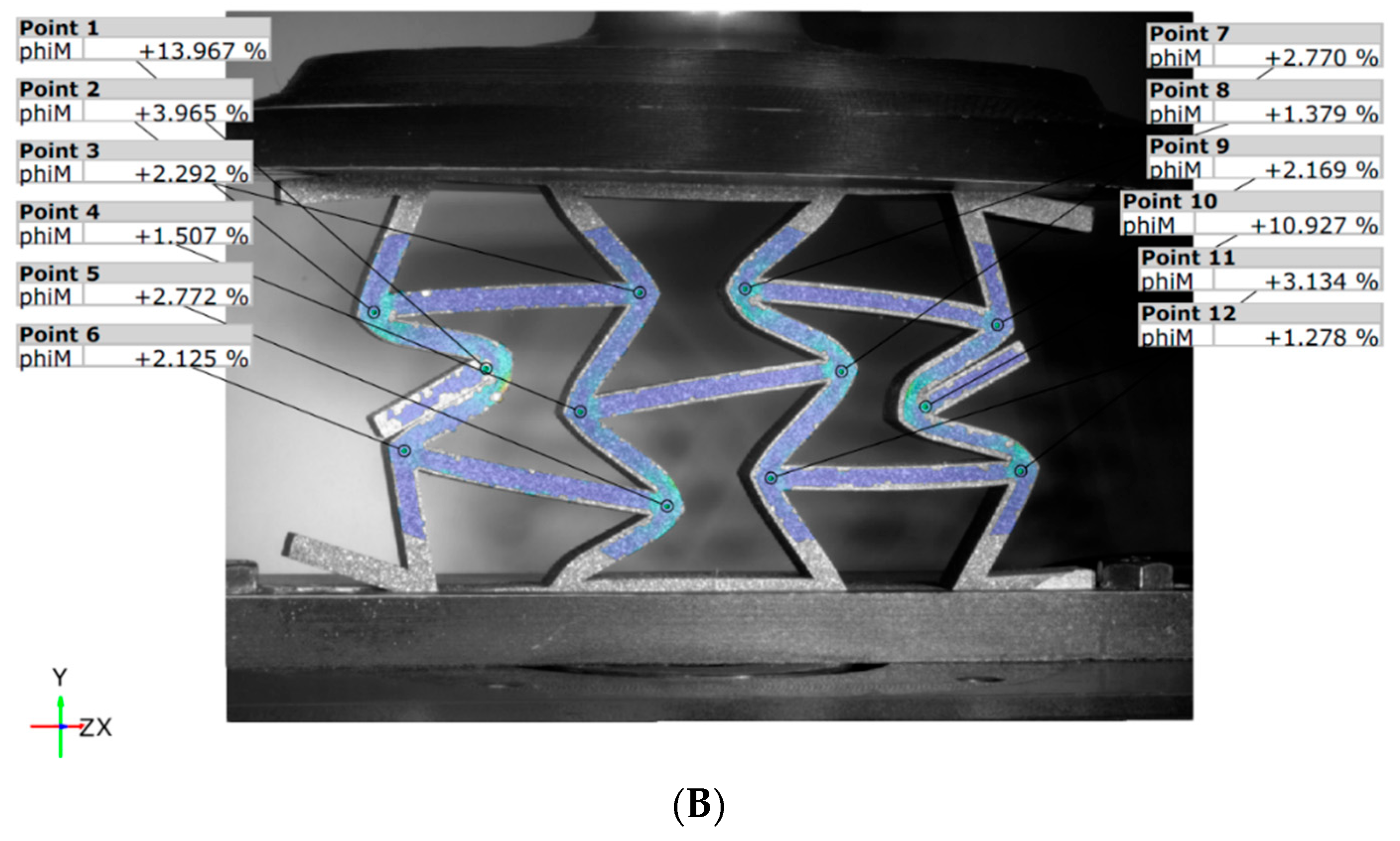
The mechanical tests on the panels were carried out using the ZwickRoell (ZwickRuell, Ulm, Germany) Z010 universal testing machine. To analyze the detailed behavior of the panels during these tests, the digital image correlation (DIC) system, ZEISS ARAMIS 12 MP (Carl Zeiss GOM Metrology GmbH, Braunschweig, Germany) was utilized. A caliber CP40/170) was used for the measurements. The DIC analysis was performed using a facet size of 25 pixels and a facet step of 15 pixels, ensuring increased accuracy and overlap for evaluating the strain field. A mask has been placed in order to measure only the panel’s deformations.
For the assessment of the components’ mechanical behavior, in-plane compression testing was performed at a controlled loading speed of 1 mm/min. Tests were performed at room temperature (21–22 °C) and humidity of 55–60%. Prior to testing, the panels were kept in a closed environment to avoid the influences of humidity.
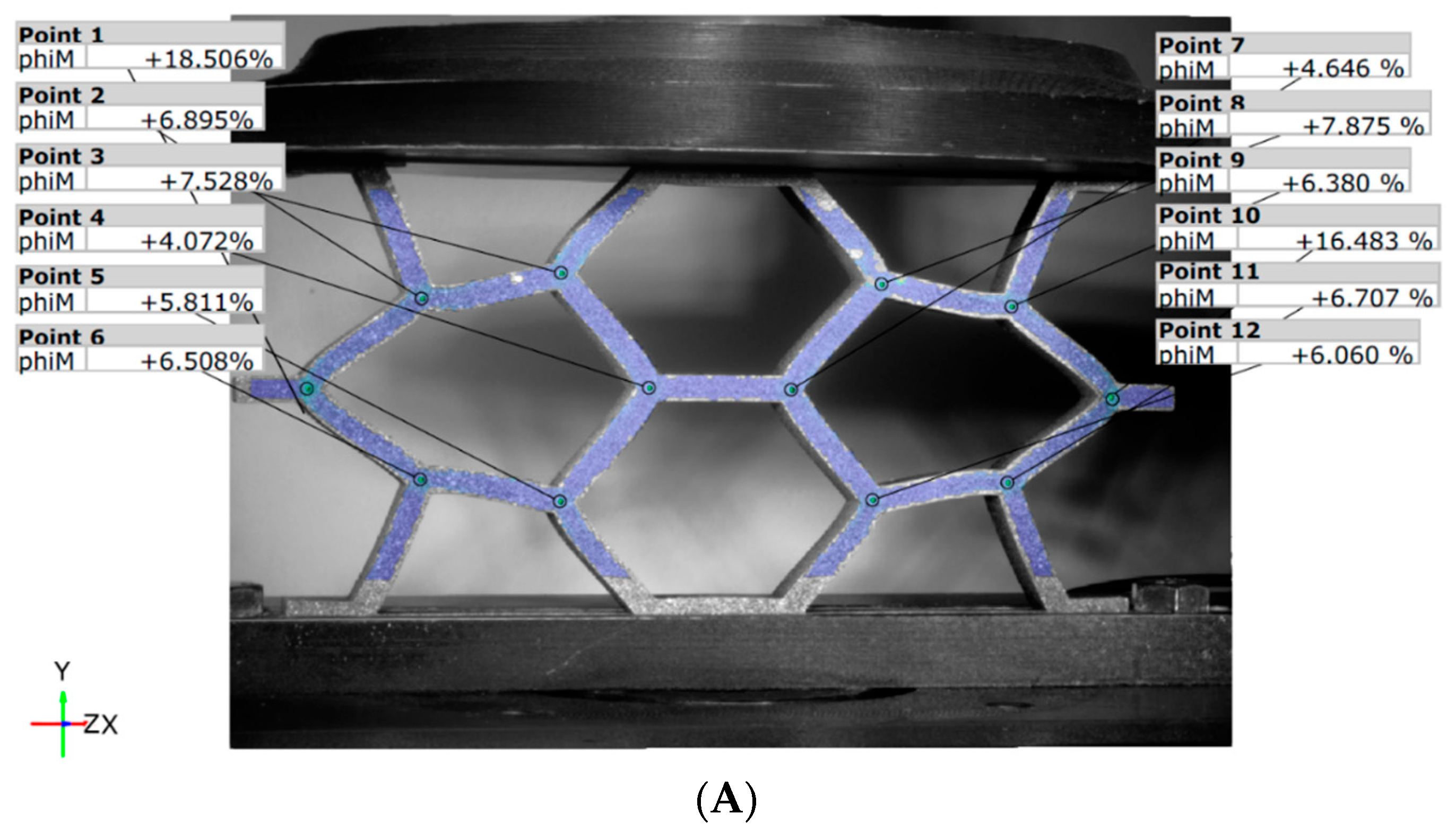
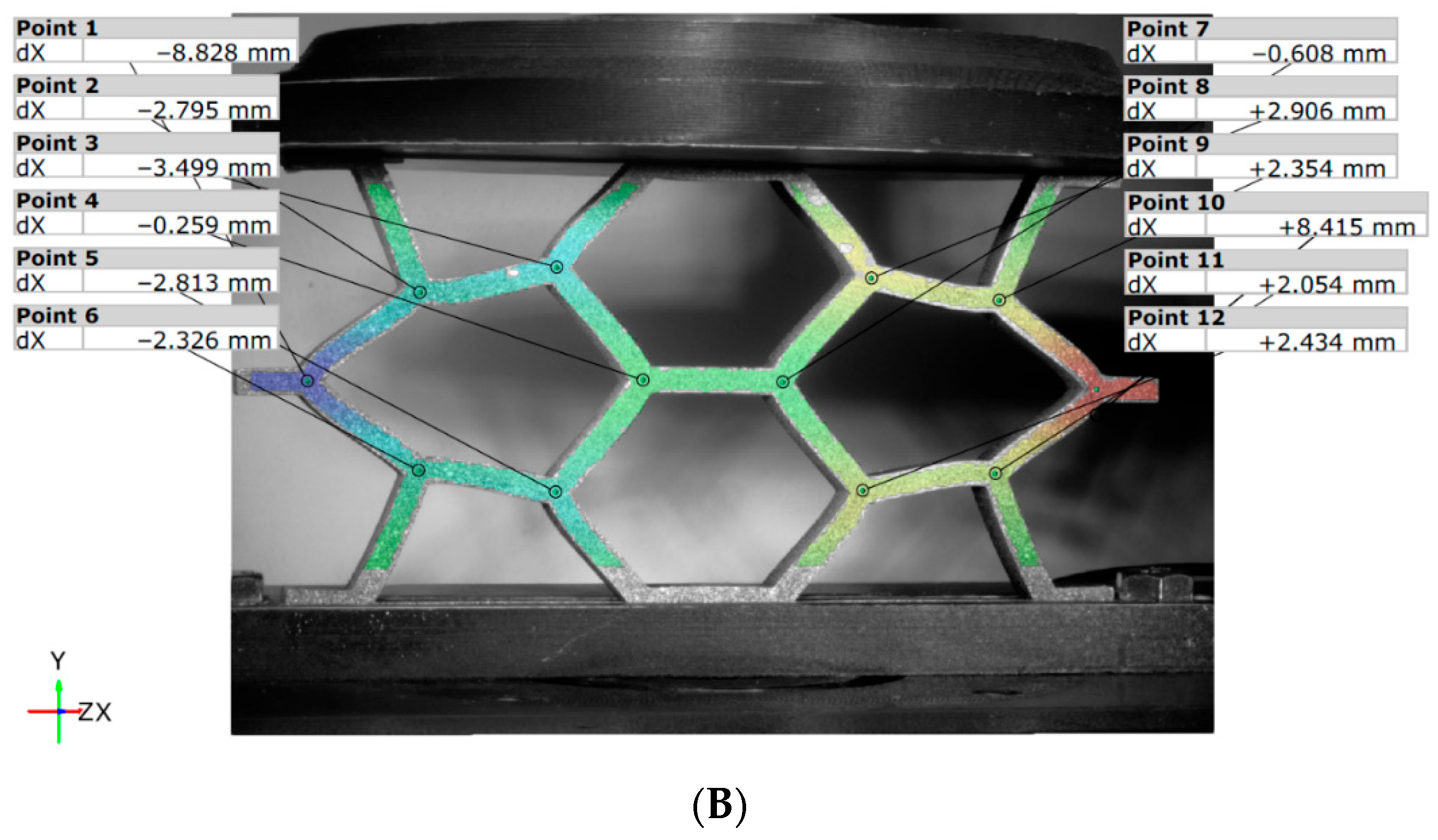
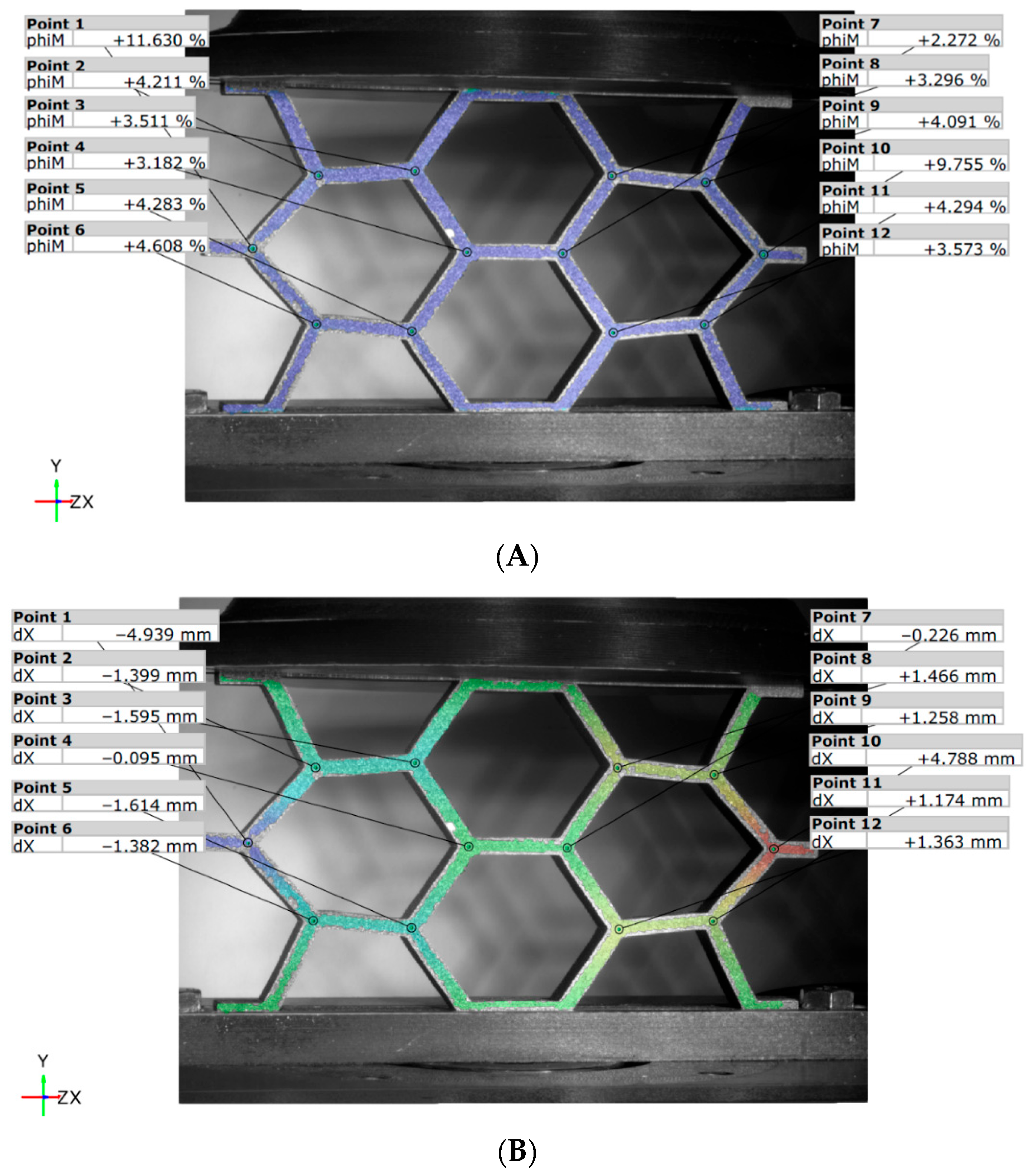
This DIC method enables a thorough examination of the deformation, including possible crack initiation, local failure, and the emergence of potential instability zones. Additionally, it allows for the identification of any differences among the panels or unique structural features that may influence their response to in-plane compression.
During the test, each specimen is accurately positioned within the additively manufactured components of the testing machine. Both force and displacement are continuously recorded throughout the process. The results are then analyzed to evaluate the behavior of each panel and to identify any variations that may be related to geometry or manufacturing defects.
2.5. Finite Element Modelling
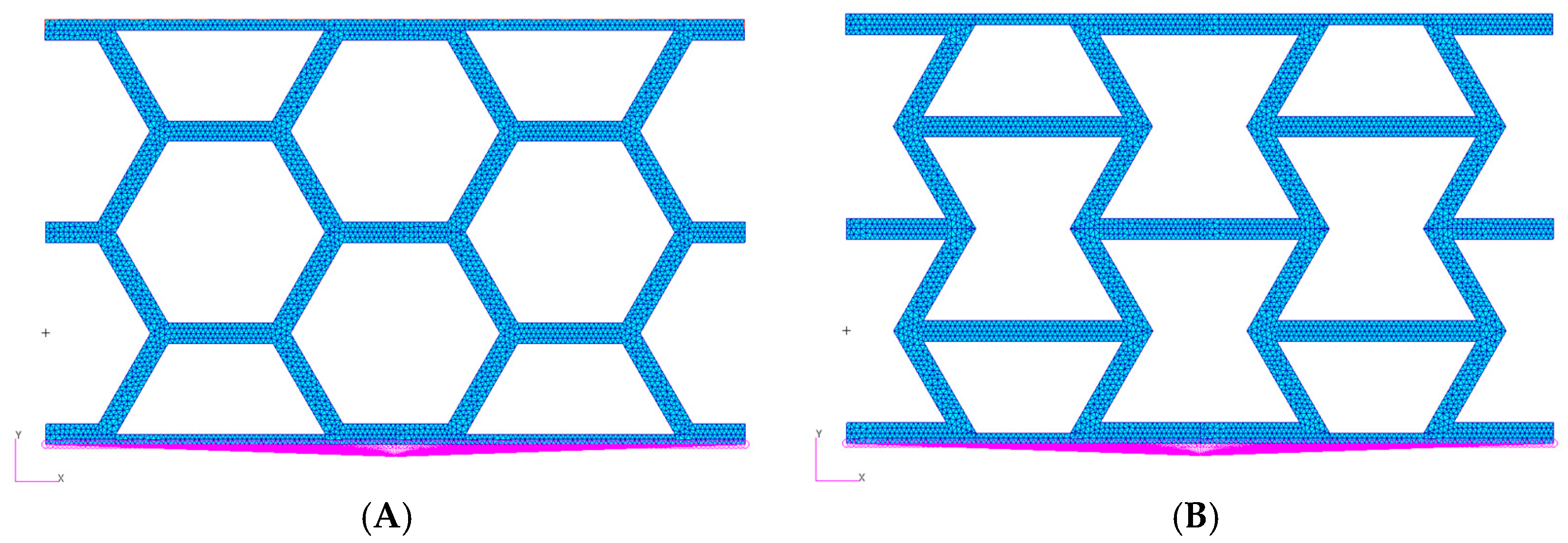
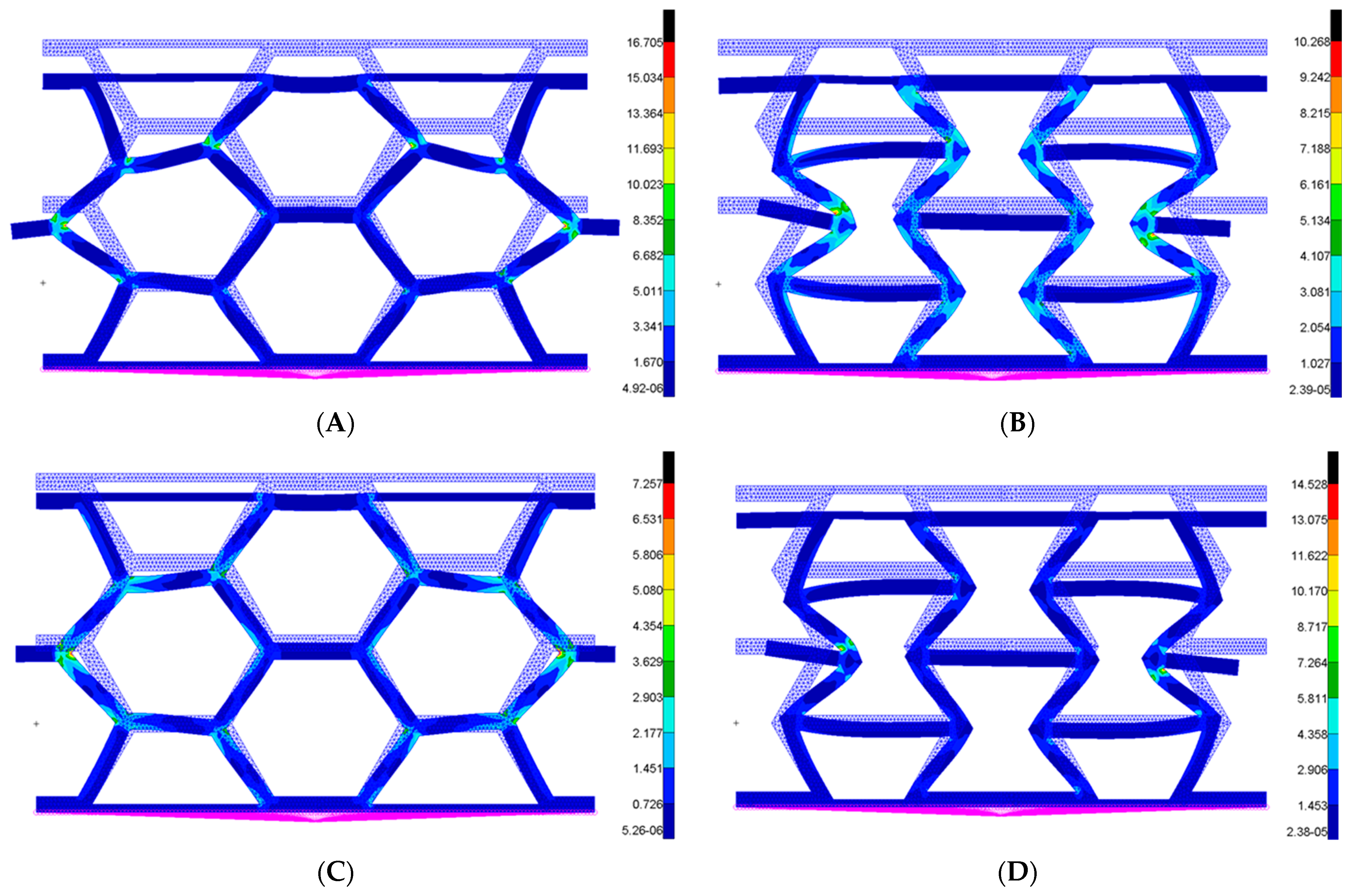
To conduct the finite element simulations (FEM), we developed two distinct models: one for the hexagonal cell configuration and another for the re-entrant cell configuration, as shown in
Figure 7. To accurately replicate the boundary conditions from the experimental tests, all translational degrees of freedom at the bottom of each model were constrained using an RBE2 rigid element. This rigid element was also used to extract the reaction force from the panel, facilitating direct comparison with the experimental results. At the top of the model, another rigid element was implemented to simulate the upper grip of the testing machine, to which a total displacement of 15 mm, identical to that applied during the physical tests, was imposed.
The hexagonal configuration model comprises 3578 nodes and 5616 elements, while the re-entrant configuration model includes 4342 nodes and 6936 elements.
The finite element models were developed using pre- and post-processing MSC.Patran 2017.0.2, and the solver MSC.Nastran 2017.0. A nonlinear solution was adopted. Materials were defined using MAT1 for Onyx and MAT8 for Onyx + CCF. The structural components were modeled with 2D thin shell elements (CTRIA3) with a uniform mesh size of 1 mm. Shell elements were selected to represent the 10 mm thick structures, enabling the development of a simplified equivalent model capable of capturing the global structural behavior while maintaining computational efficiency.
The finite element model was formulated as a simplified representation using homogenized panel properties derived from experimental tests. This approach excluded an explicit representation of the CCF + Onyx interface, interlayer bonding, porosity, and other microstructural imperfections. While this simplification allowed for efficient computation and accurate prediction of global stiffness and deformation for Onyx-only panels, it introduced limitations when applied to reinforced panels (Onyx + CCF). Specifically, the model overestimates reaction forces in these multi-material panels due to its inability to capture complex interfacial interactions, local delamination, and other failure mechanisms.
The analysis was performed as a quasi-static nonlinear simulation using 30 load increments, with a maximum of 20 iterations allowed per increment. Convergence criteria were set at 1% for both displacement and load errors to ensure reliable prediction of the global structural response.
A mesh sensitivity study was not conducted because the primary objective was to evaluate global structural trends rather than localized phenomena, which typically require finer meshes.
Although solid elements would have been more suitable for investigating local effects such as interlaminar stresses, delamination initiation, and local buckling, future studies will address these phenomena highlighting areas for potential refinement.
For this study, the shell-based approach provides favorable numerical stability, reduces the number of degrees of freedom, and facilitates incorporating homogenized properties. This enables a practical, computationally efficient modelling framework.
The modelling assumptions and simplifications are justified because the finite element model effectively captures global structural behavior for single-material configurations but demonstrates limitations for multi-material panels, where the interactions between the constituent materials and interfaces are critical. Despite these limitations, the approach reliably and efficiently predicts overall panel behavior, consistent with established practices in the literature.
Prior to the FEM modeling, tensile tests were conducted on both material configurations, one for the base material (Onyx) and the other for the reinforced configuration with continuous carbon fiber (Onyx + CCF). These experimental results (presented in detail in [
31]) allowed the panels to be modeled as homogeneous with accurately defined mechanical properties, as shown in
Table 8.
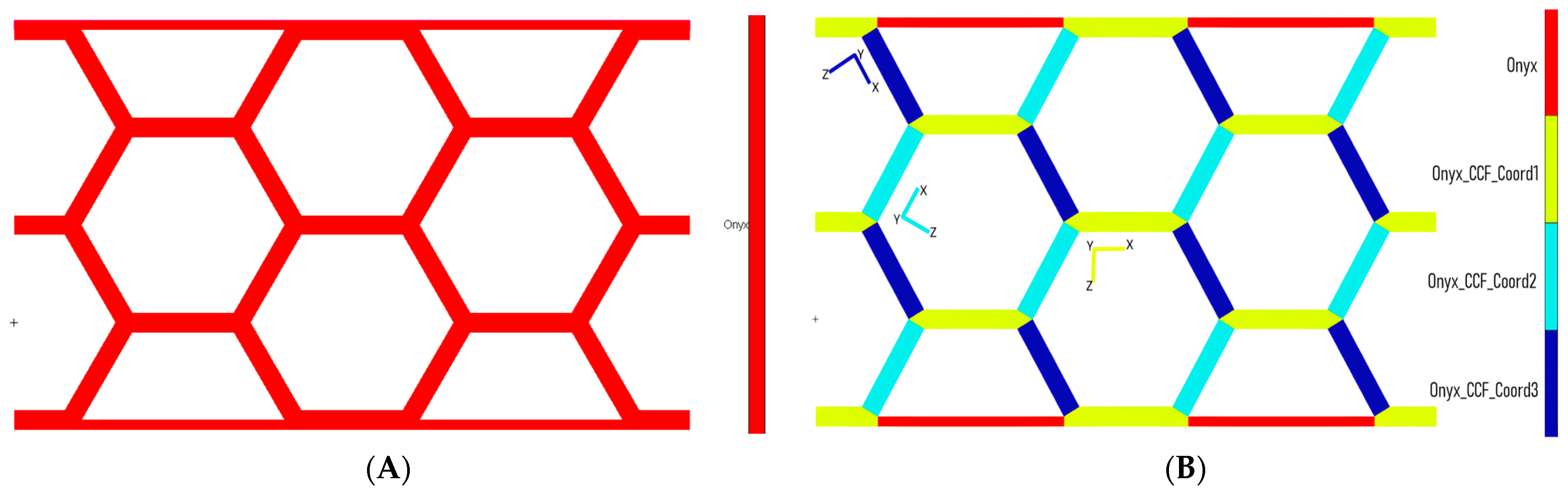
For the unreinforced panels, the material was assumed to be isotropic. In contrast, for the reinforced configurations, the carbon fibers were oriented parallel to the edges of the cells. This necessitated the definition of multiple local coordinate systems, which allowed for the assignment of material properties relative to these systems to accurately represent the distribution of the fibers. The reinforced material was modeled as 2D orthotropic, with its properties derived directly from experimental data. The failure criteria for both configurations were defined using the maximum stress criterion, based on the results of tensile tests.
Figure 8 illustrates how the properties were defined for the two material configurations.
4. Discussion
As already presented, the objective was to assess the influence of fiber reinforcement on the mechanical performance and deformation response of the panel structures. In-plane compression tests were conducted to determine the stiffness, strength, and failure modes of the specimens [
32,
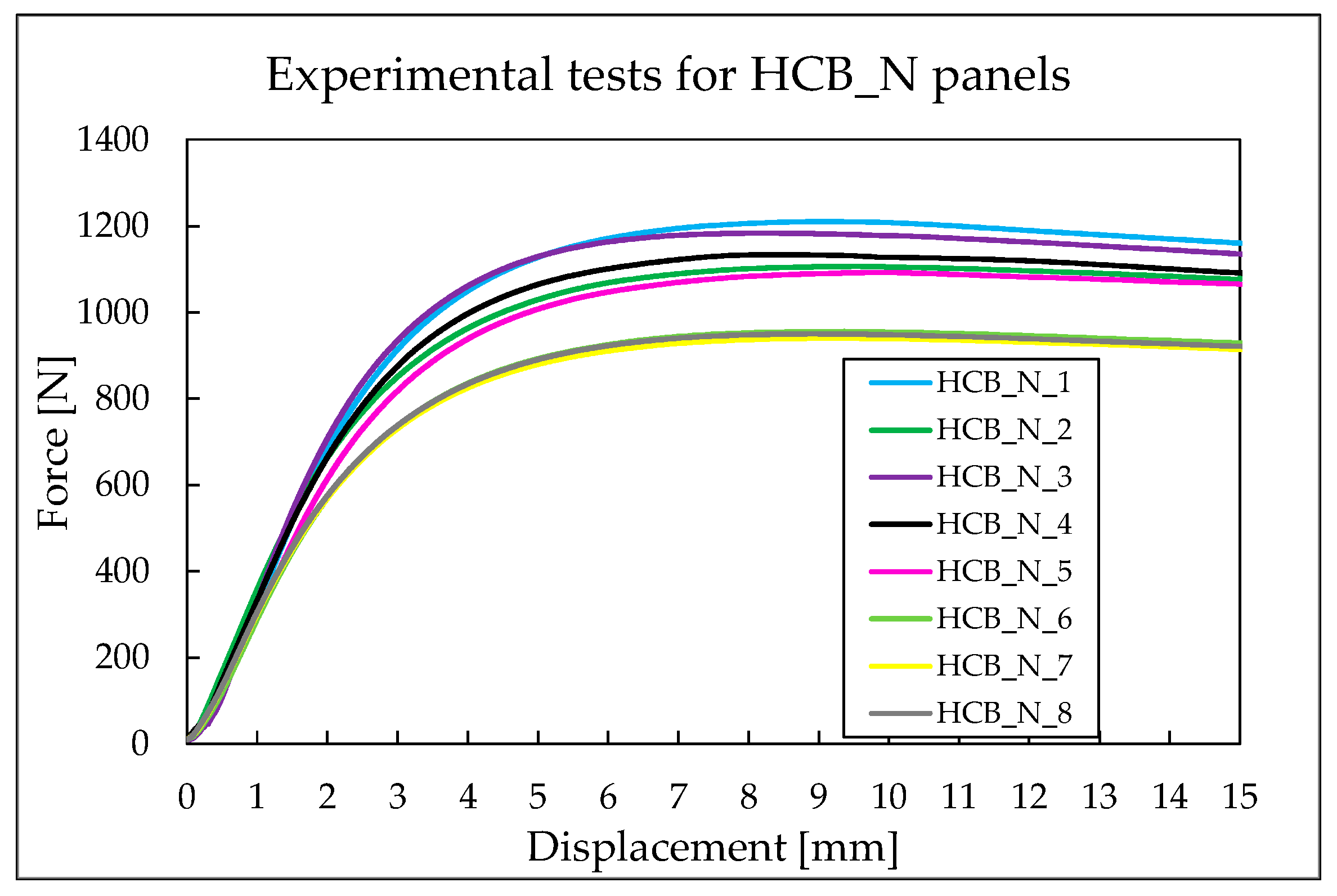
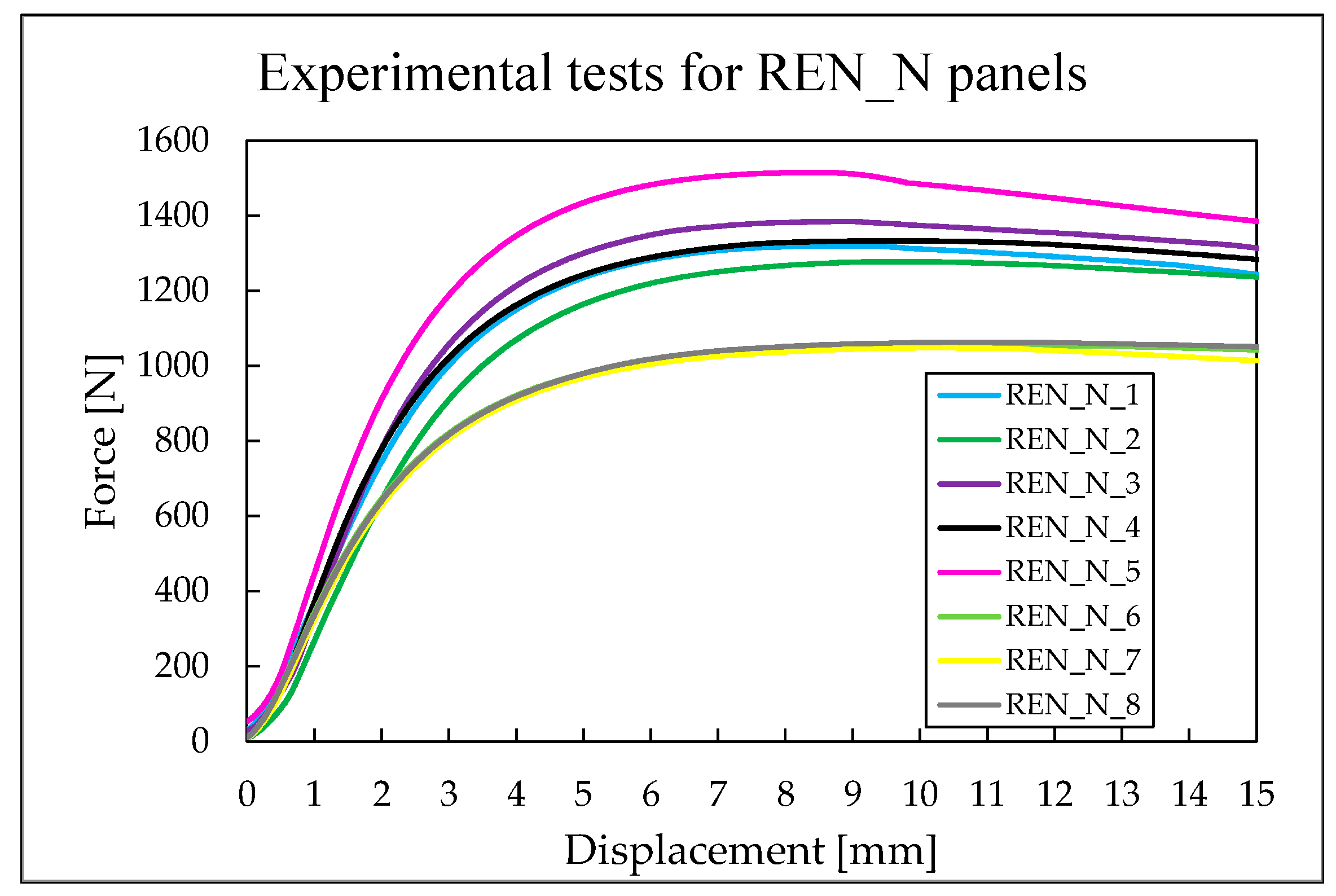
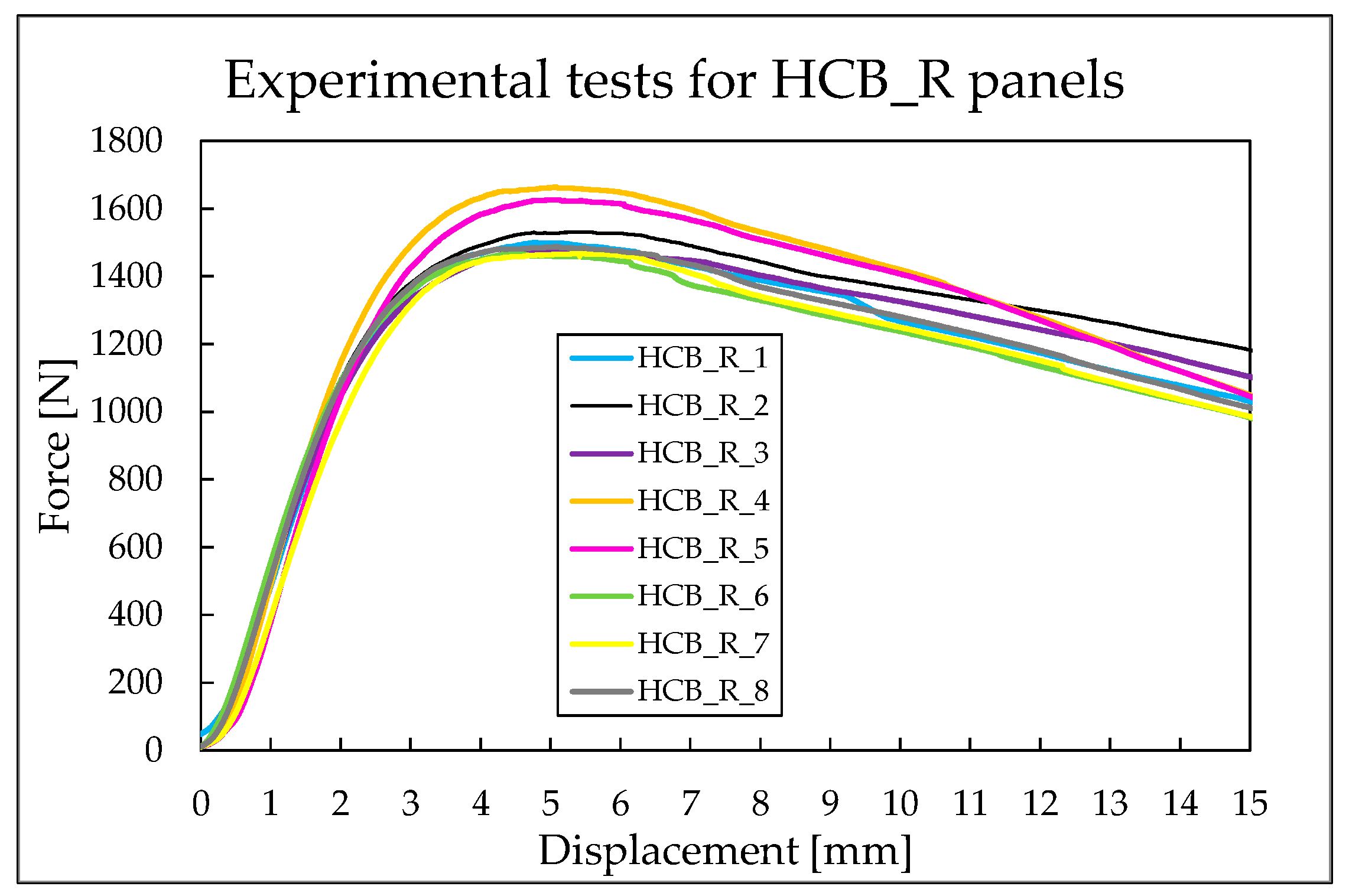
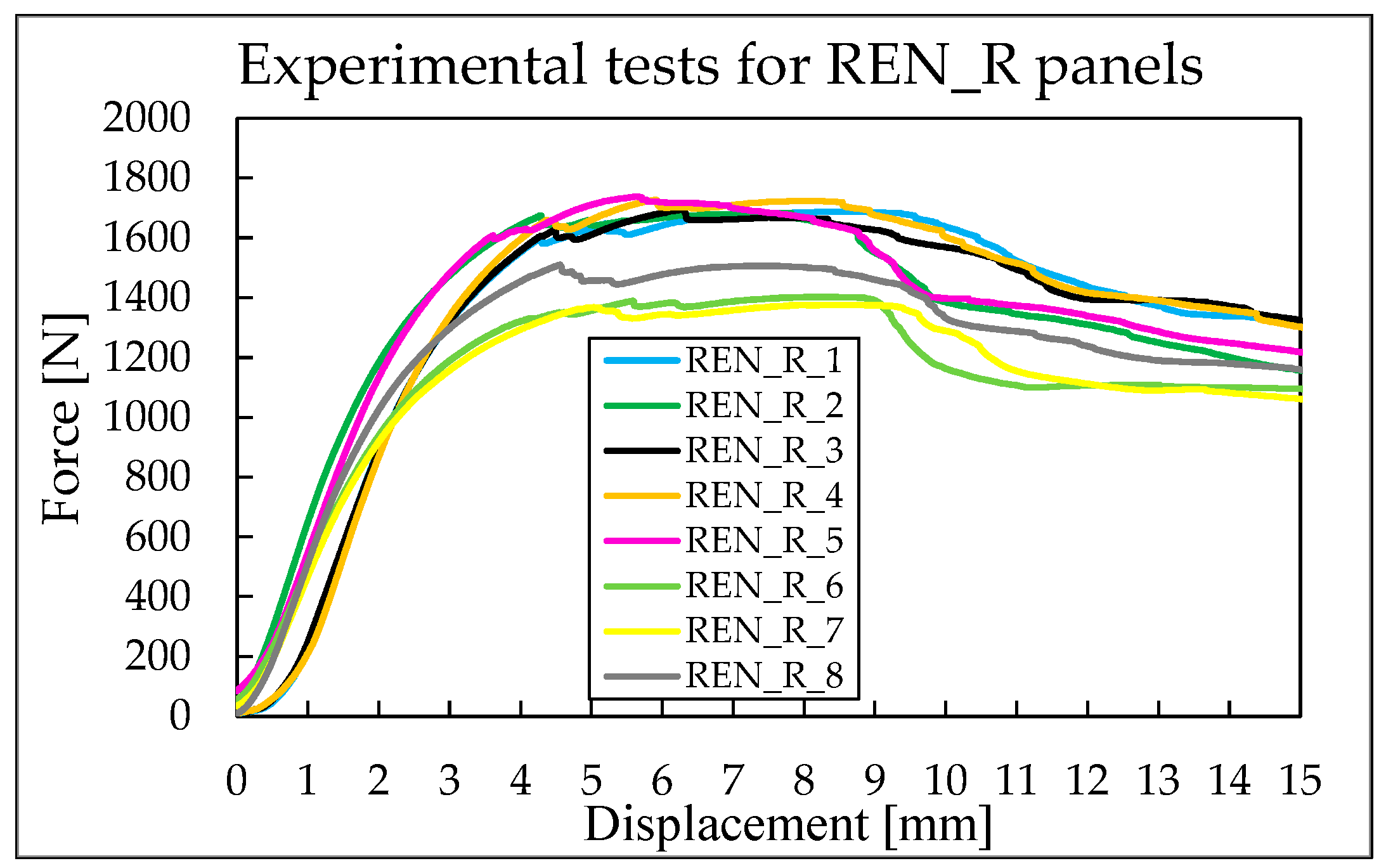
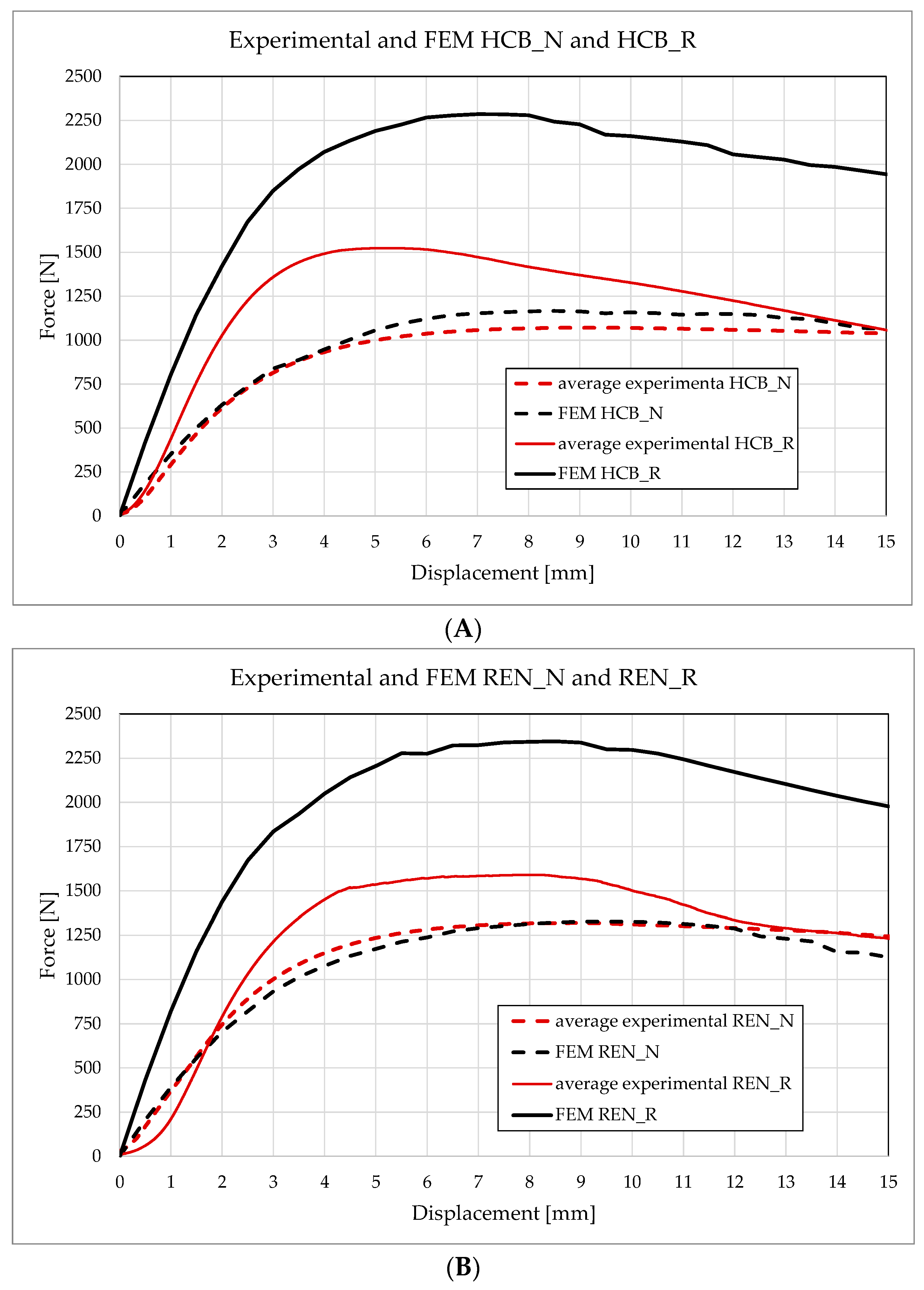
33]. Although reinforced honeycomb panels have an average load capacity that is 35% higher, they fail at a displacement that is approximately 55% smaller compared to unreinforced panels. Despite accounting for only 25% of the total number of layers and 10% of the panel’s mass, the reinforcement achieved superior strength. Re-entrant panels testing showed a 25% force increase in favor of the reinforced variant. They fail at a displacement that is 36.5% greater than that of reinforced honeycombs. This demonstrates a more compliant response while maintaining also 4.9% greater strength, indicating the superior behavior of auxetic reinforced sandwich panels. Introducing CCF reinforcement increased the load-bearing capacity and reduced localized strain concentrations without altering the overall deformation pattern.
In conclusion, the behavior of the REN_R panels demonstrated that cell geometry significantly impacts the structural performance of the panels. For the same type of reinforcement, these panels are less rigid but more compliant. Based on the comparative analysis, it can be concluded that reinforcing the cells with continuous carbon fiber has a positive structural effect, especially for re-entrant panels. However, due to their auxetic geometry, these panels exhibit a more complex response when experiencing extensive deformations.
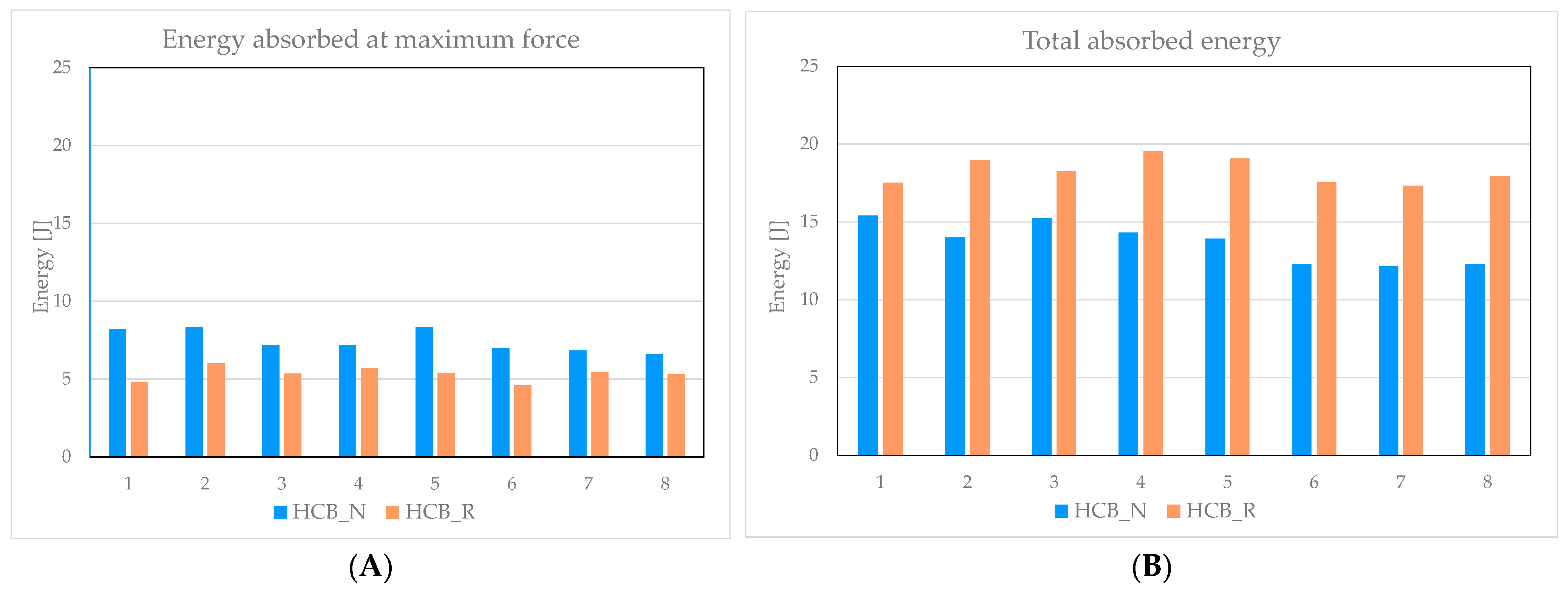
Another important aspect is the energy absorption capability of the two topologies, HCB and REN, in both unreinforced and reinforced variants. The energy absorbed was evaluated until the maximum force was reached and until the end of the experimental testing, which was conducted at a 15 mm displacement under compression. As shown in
Figure 22A, the energy absorbed at maximum force differs by 33% between the two panel categories, favoring the HCB_N configuration. This difference mainly arises because the unreinforced panels fail at a later stage compared to the reinforced ones. However, a review of the data in
Figure 22B reveals that throughout the entire test, the HCB_R panels absorb, on average, 29% more total energy than the HCB_N panels. This indicates an overall improvement in the energy absorption capacity of the reinforced configuration.
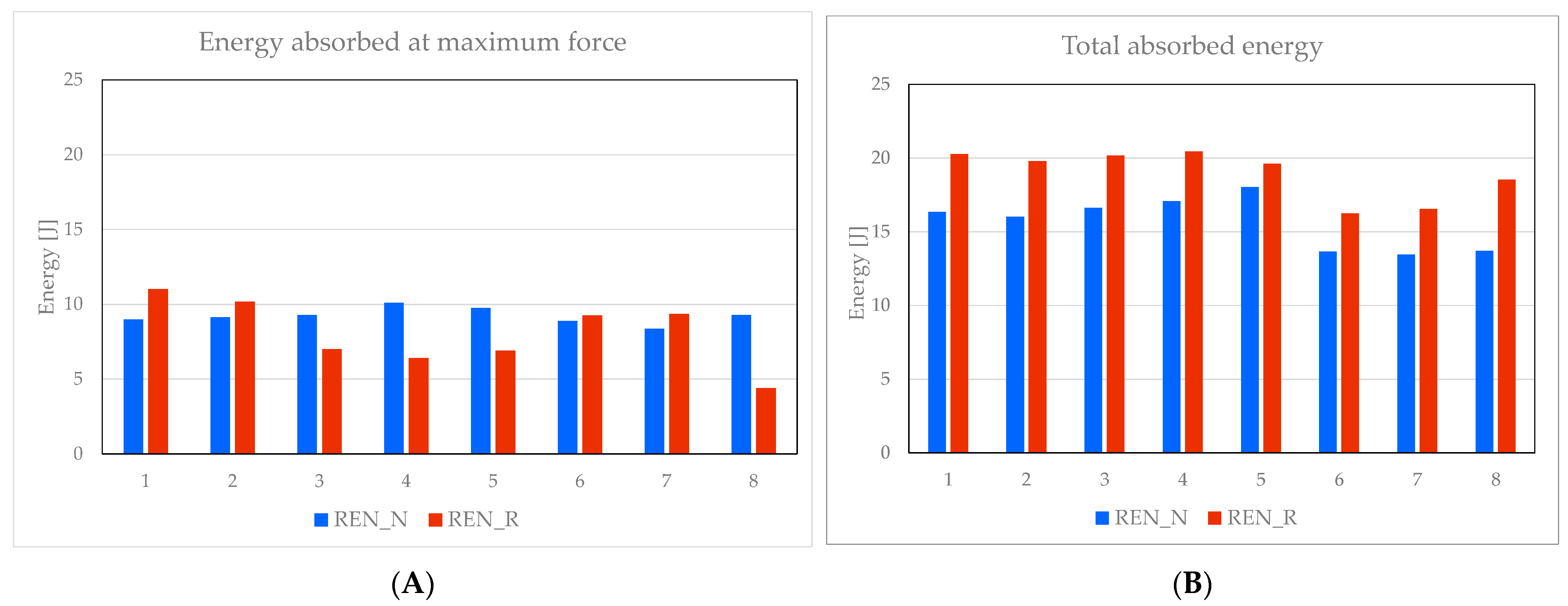
Figure 23A indicates that, until reaching the maximum force, the competition between the REN_N and REN_R panels regarding absorbed energy is quite complex. In some cases, such as panels 3, 4, 5, and 8, the unreinforced panels absorb more energy. Conversely, in other tests, the reinforced panels (specifically panels 1, 2, 6 and 7) demonstrate greater energy absorption. By the conclusion of testing, the total absorbed energy displayed in
Figure 23B clearly favors the reinforced panels across all tested samples. On average, when comparing
Figure 23B to
Figure 22B, the total absorbed energy of the REN_R panels surpasses that of their HCB_R counterparts.
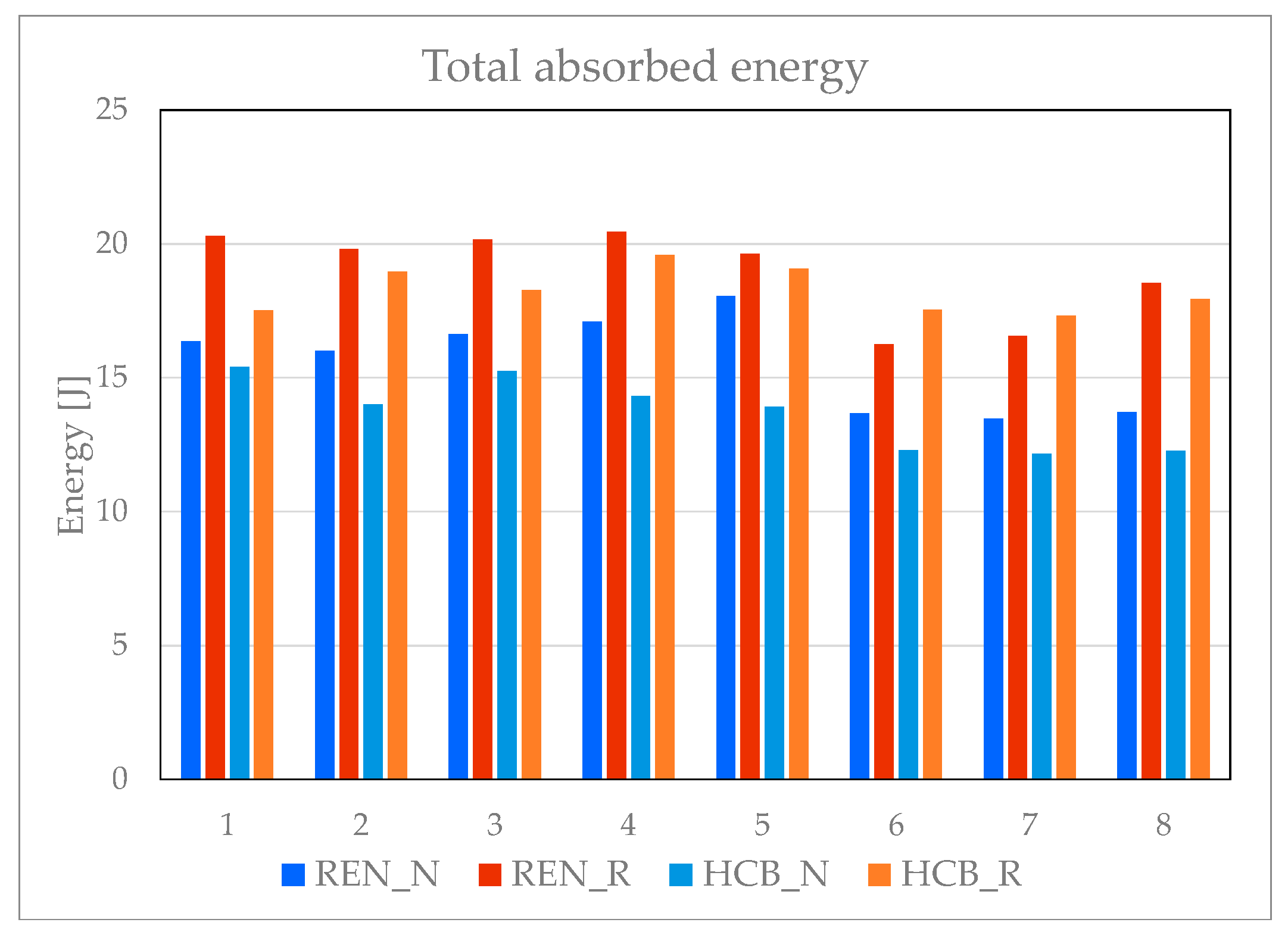
As illustrated in
Figure 24, the reinforced re-entrant panels demonstrate the best overall performance in terms of energy absorption. While the difference in performance is not substantial—the average total energy absorbed by the panels is 19 J for the HCB_R panels compared to 18.3 J for the REN_R panels—the re-entrant panels offer greater compliance. This flexible behavior provides a significant advantage in various engineering applications. As for the unreinforced panels, the re-entrant configuration absorbs also more energy than the hexagonal honeycomb.
Table 13 provides a comprehensive overview of the performance of all panels by statistically quantifying the absorbed energy at maximum force and the total absorbed energy until an imposed vertical displacement of 15 mm. For each panel topology, the absorbed energies are given as average value, standard deviation, and coefficient of variation. Until the maximum registered force, the reinforced panels absorb less energy due to their rigidity, favoring the re-entrant panel with an average value of almost 51% compared to the honeycomb. By the end of testing, the reinforced panels absorbed more energy than the unreinforced panels, with 33% greater for the honeycomb panels and 21.4% for the re-entrant panels. Re-entrant panels absorb more total energy than honeycomb panels, both unreinforced and reinforced, because they are more compliant. The highest coefficient of variation is obtained for the reinforced re-entrant panels at the maximum force, at almost 26%. The other values are less than 10%.