Article

Dissimilar Gas Tungsten Arc Welding of (FeCoNi)96Al4 High-Entropy Alloy and Q235 Structural Steel

by
Zhen Yang
1,*,
Guorui Sun
2 and
Chao Chen
2,*
1
College of Mechanical Engineering and Automation, Dalian Polytechnic University, Dalian 116034, China
2
Key Laboratory of Automobile Materials, School of Materials Science and Engineering, Jilin University, Changchun 130025, China
*
Authors to whom correspondence should be addressed.
Materials 2025, 18(2), 280; https://doi.org/10.3390/ma18020280
Submission received: 10 November 2024 / Revised: 29 December 2024 / Accepted: 6 January 2025 / Published: 10 January 2025

Abstract

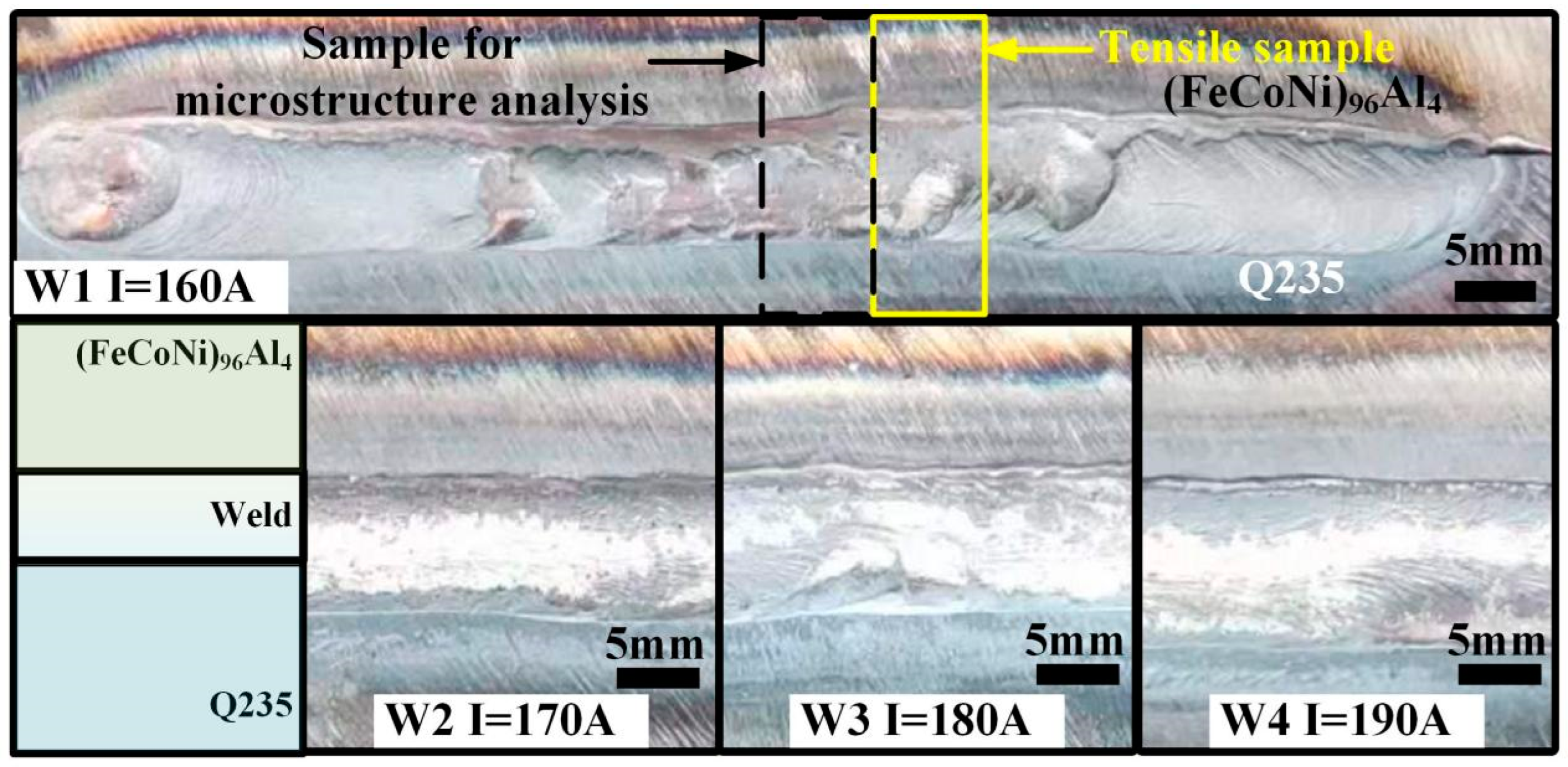
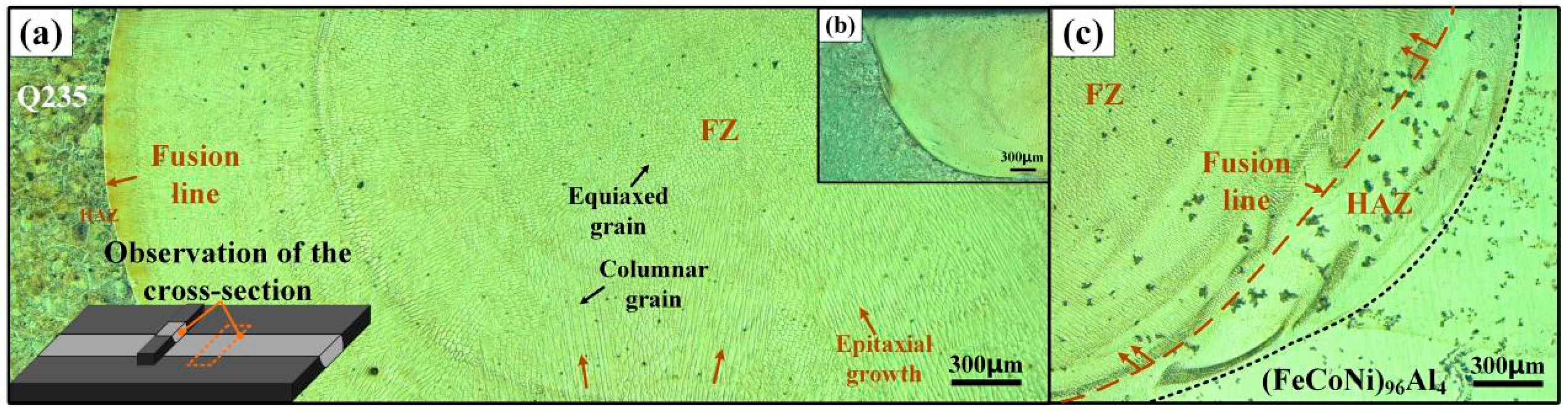
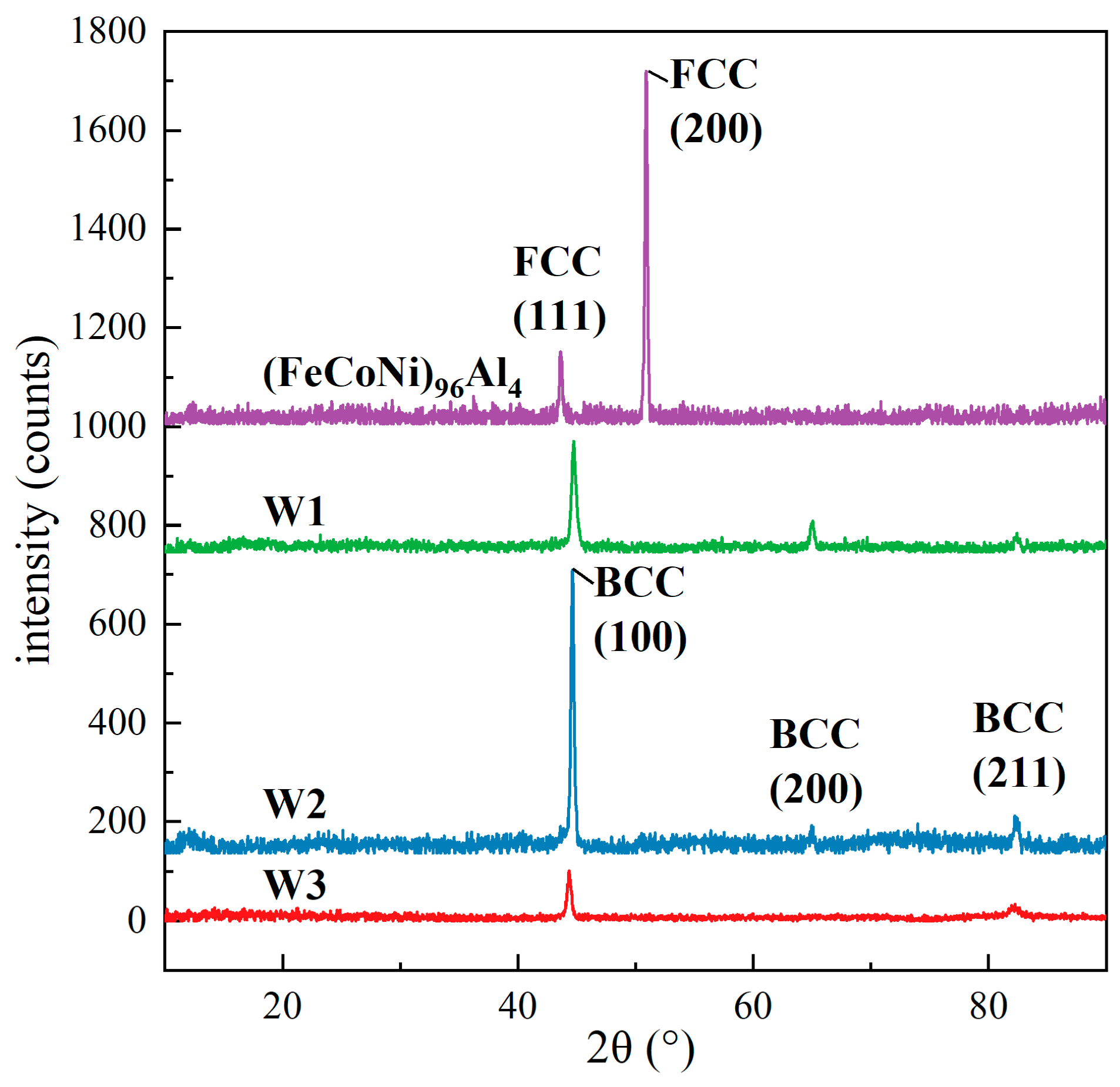
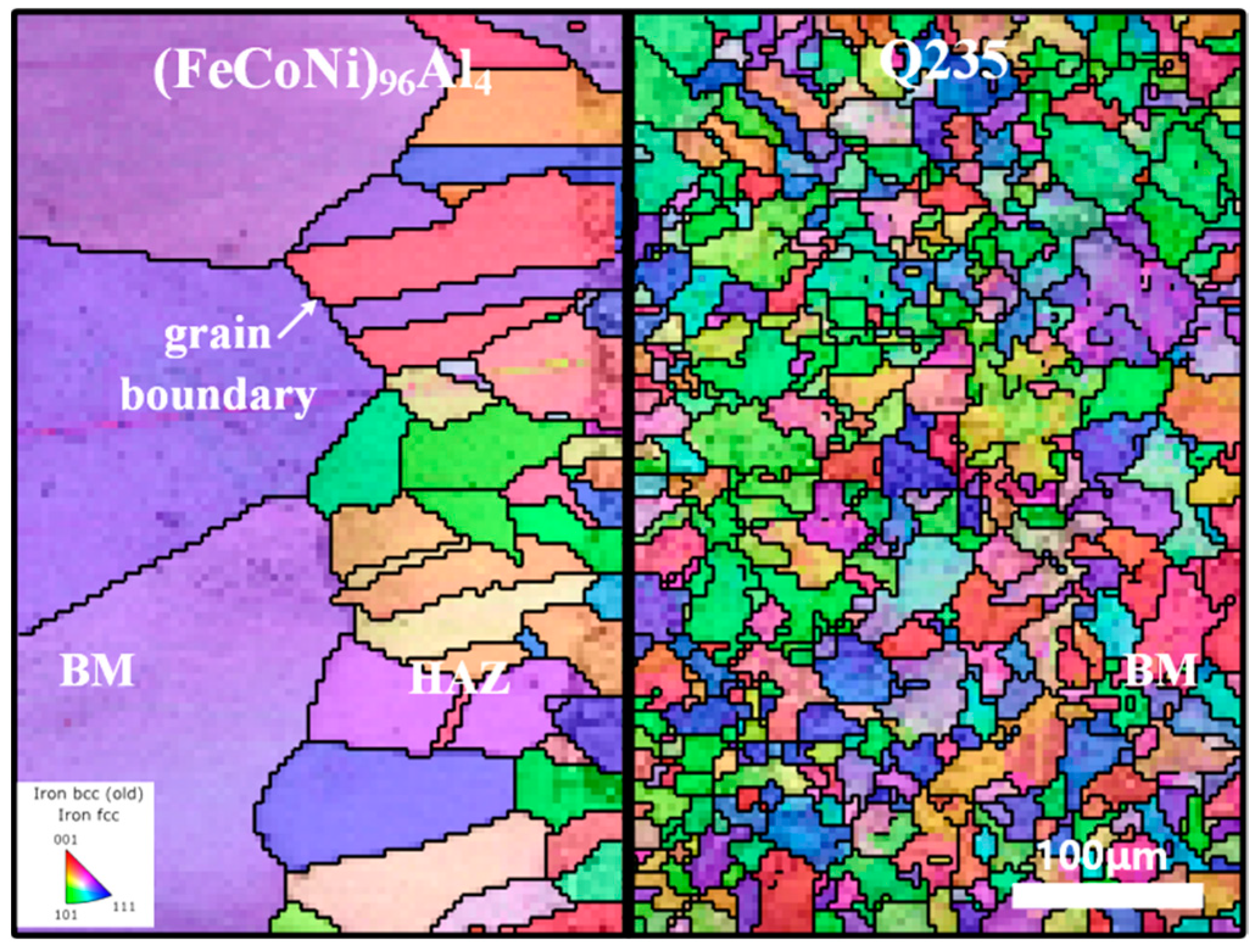
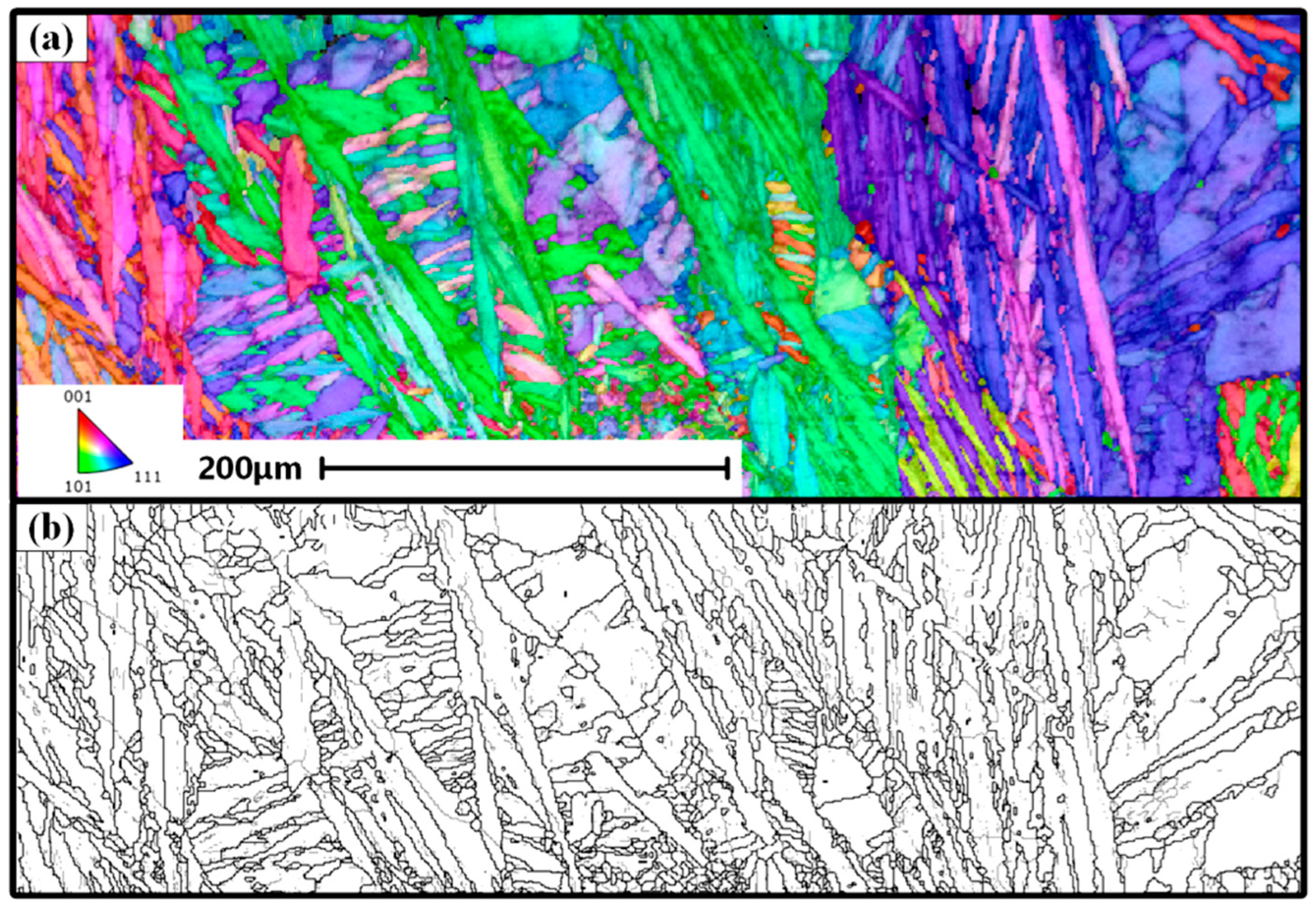
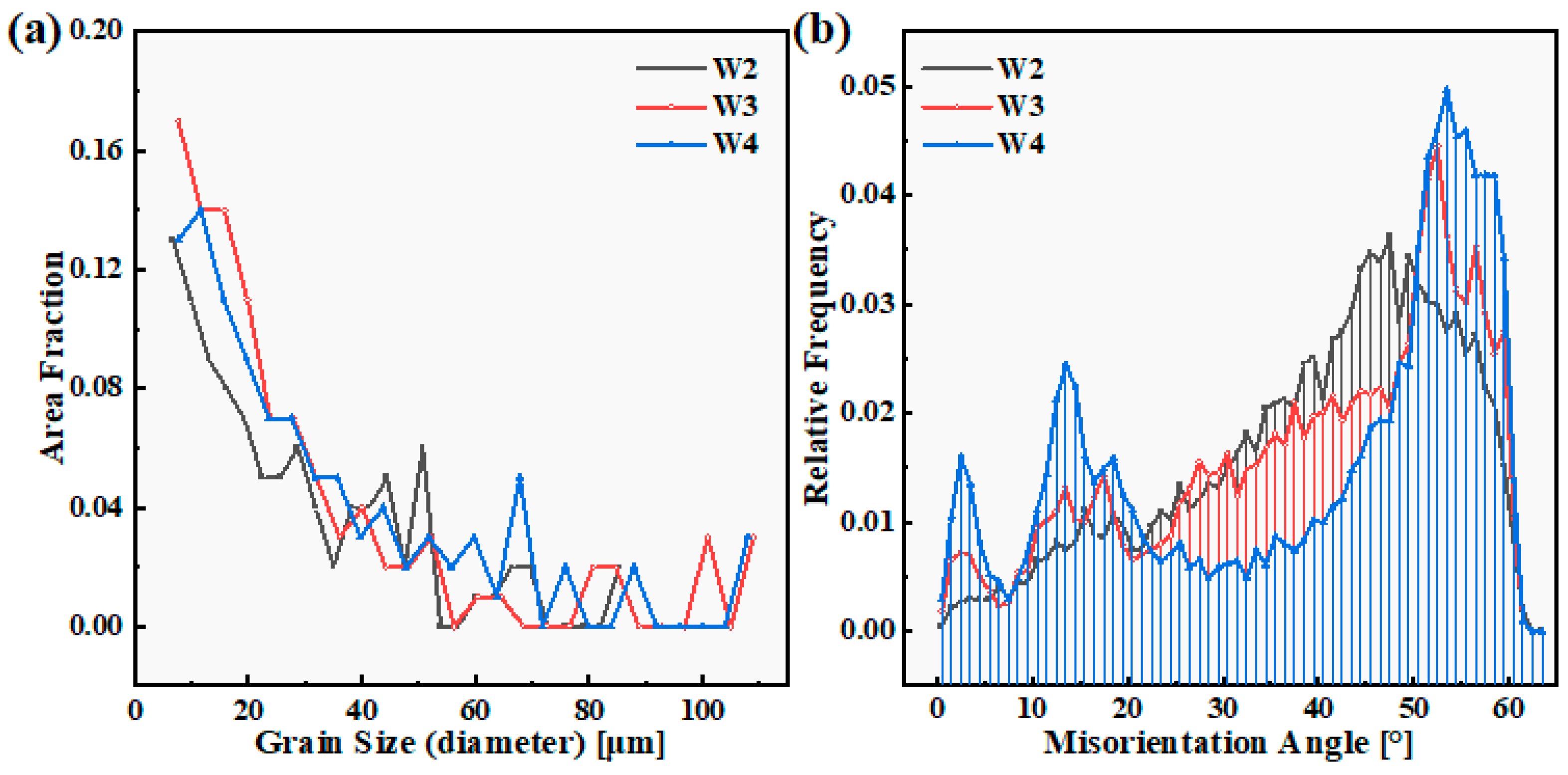
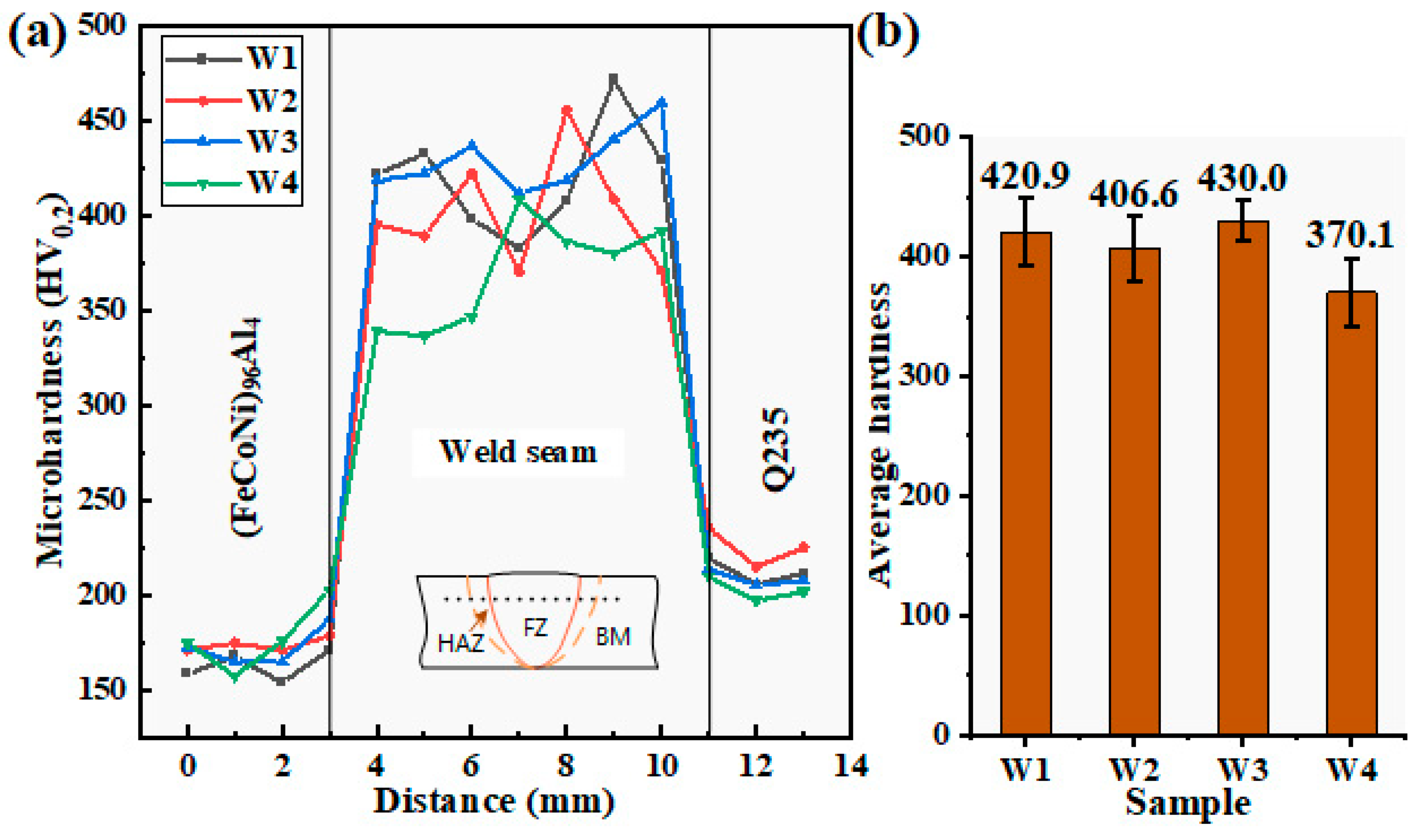
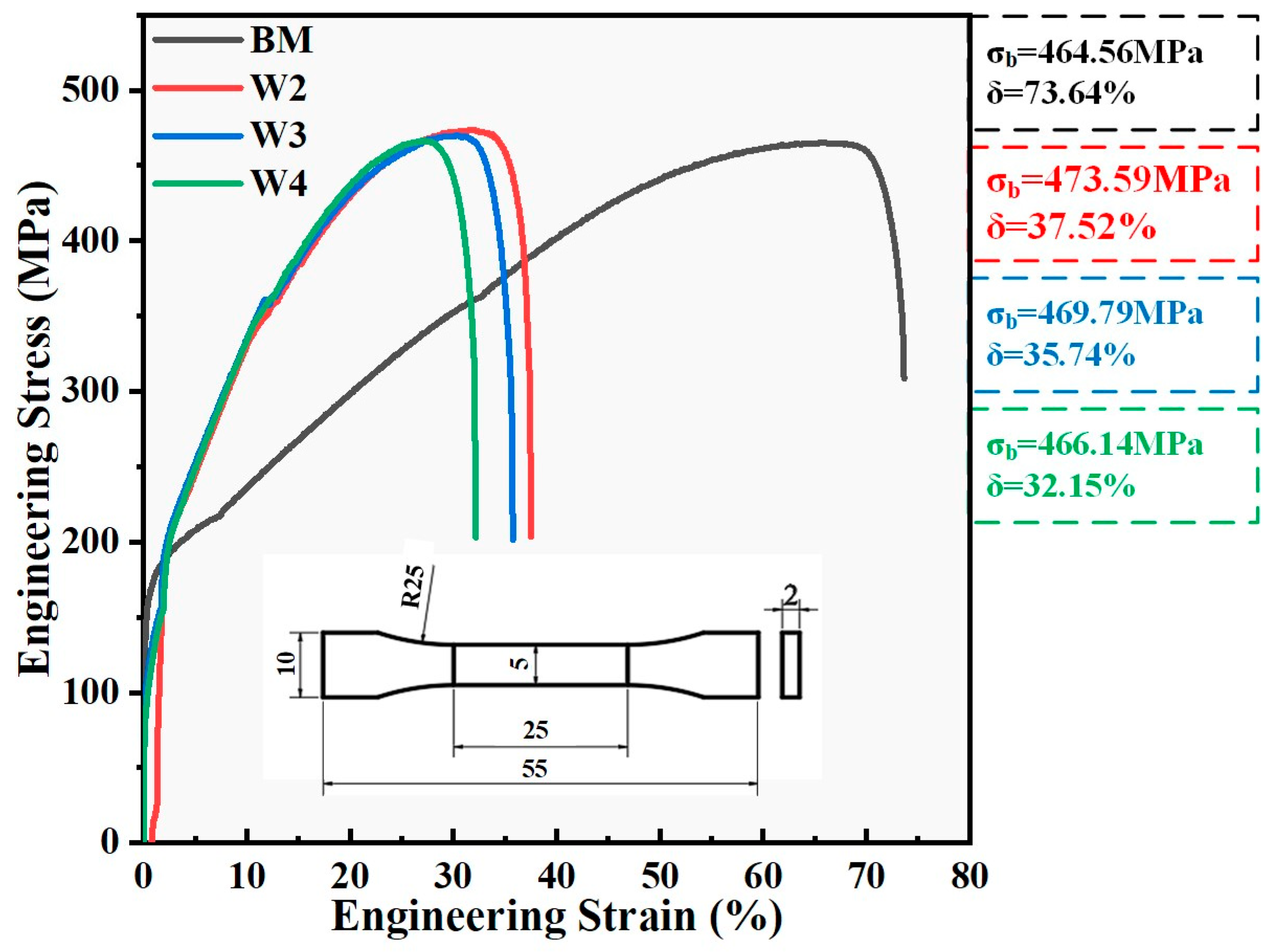
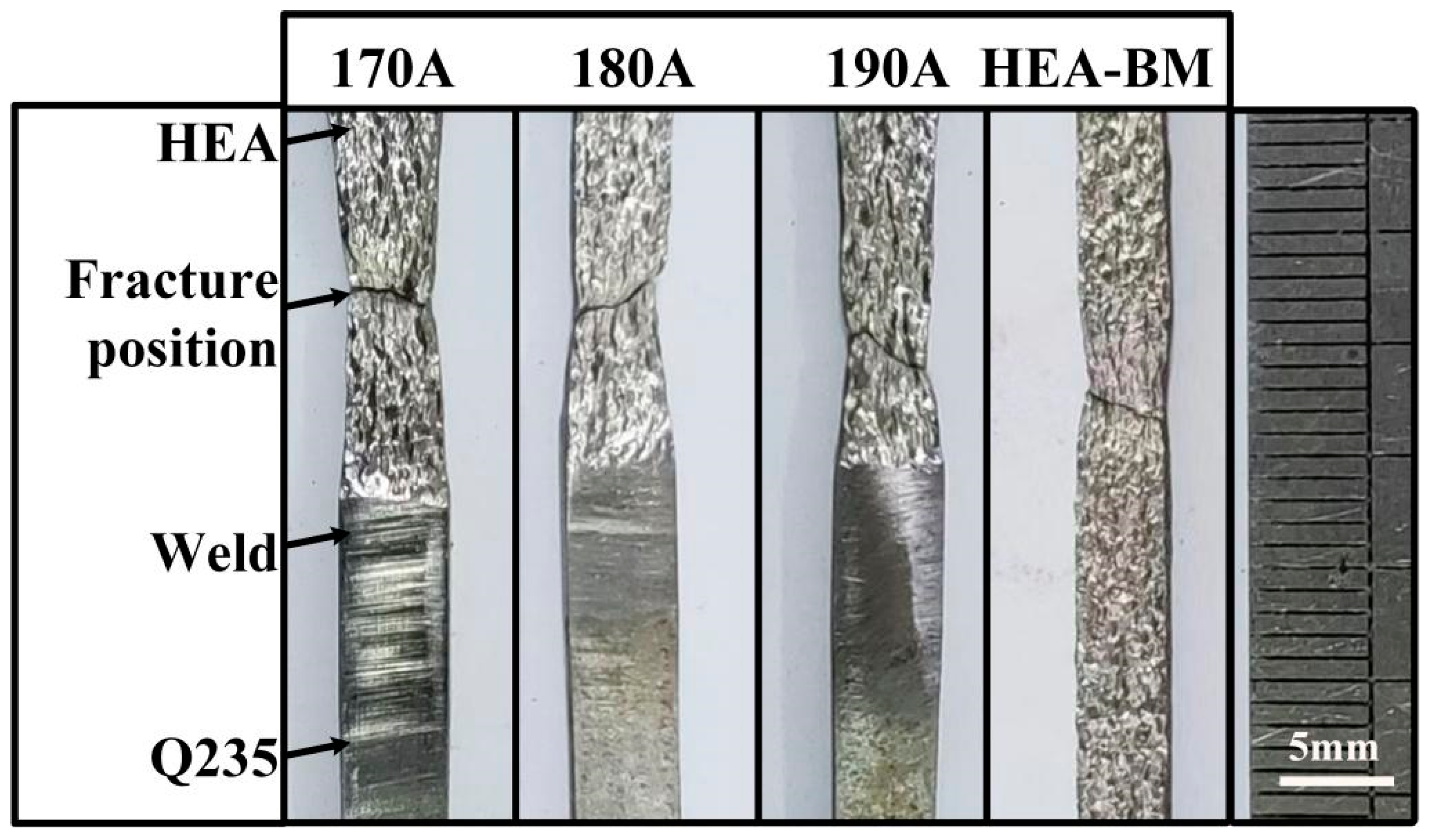
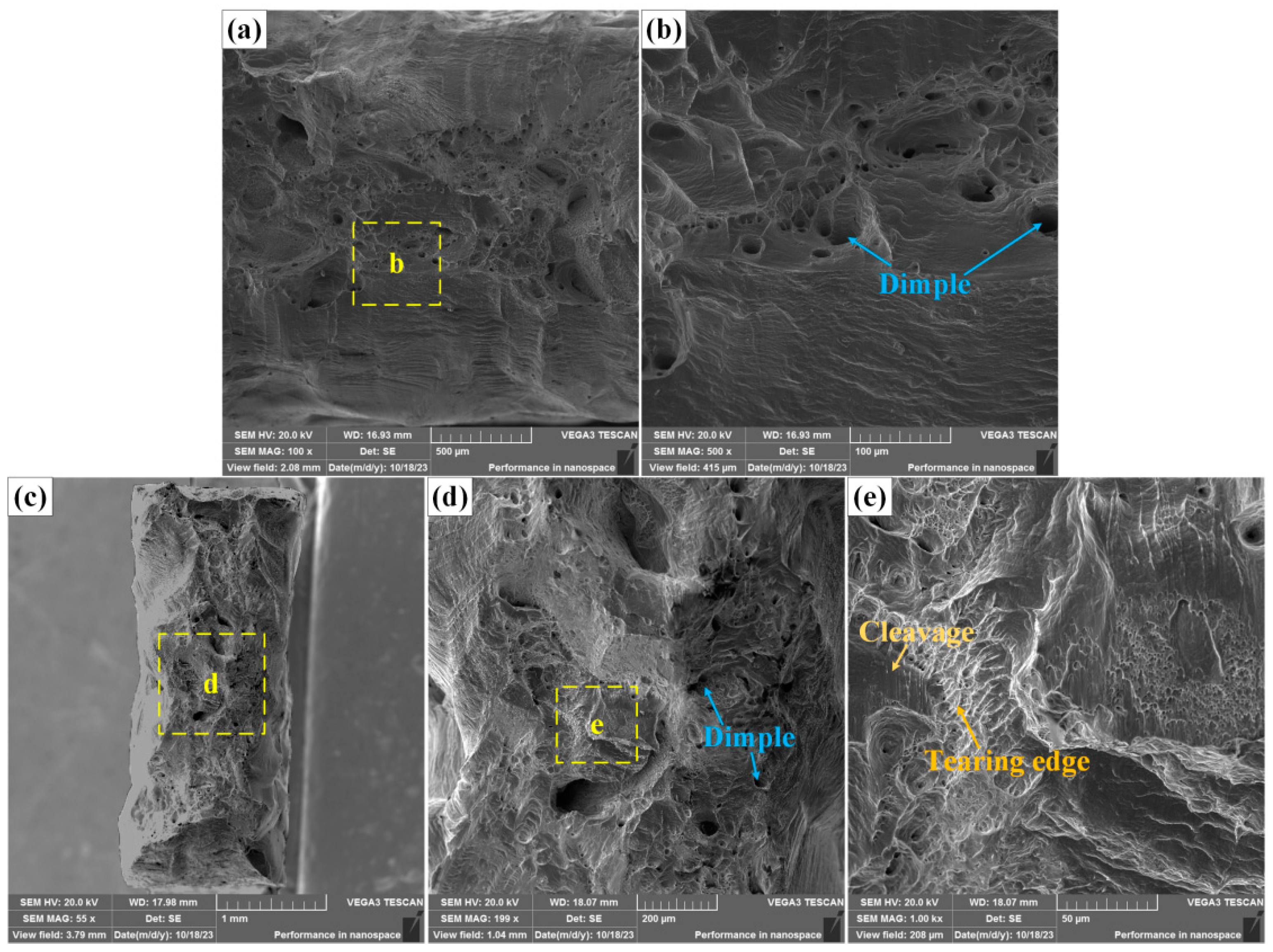
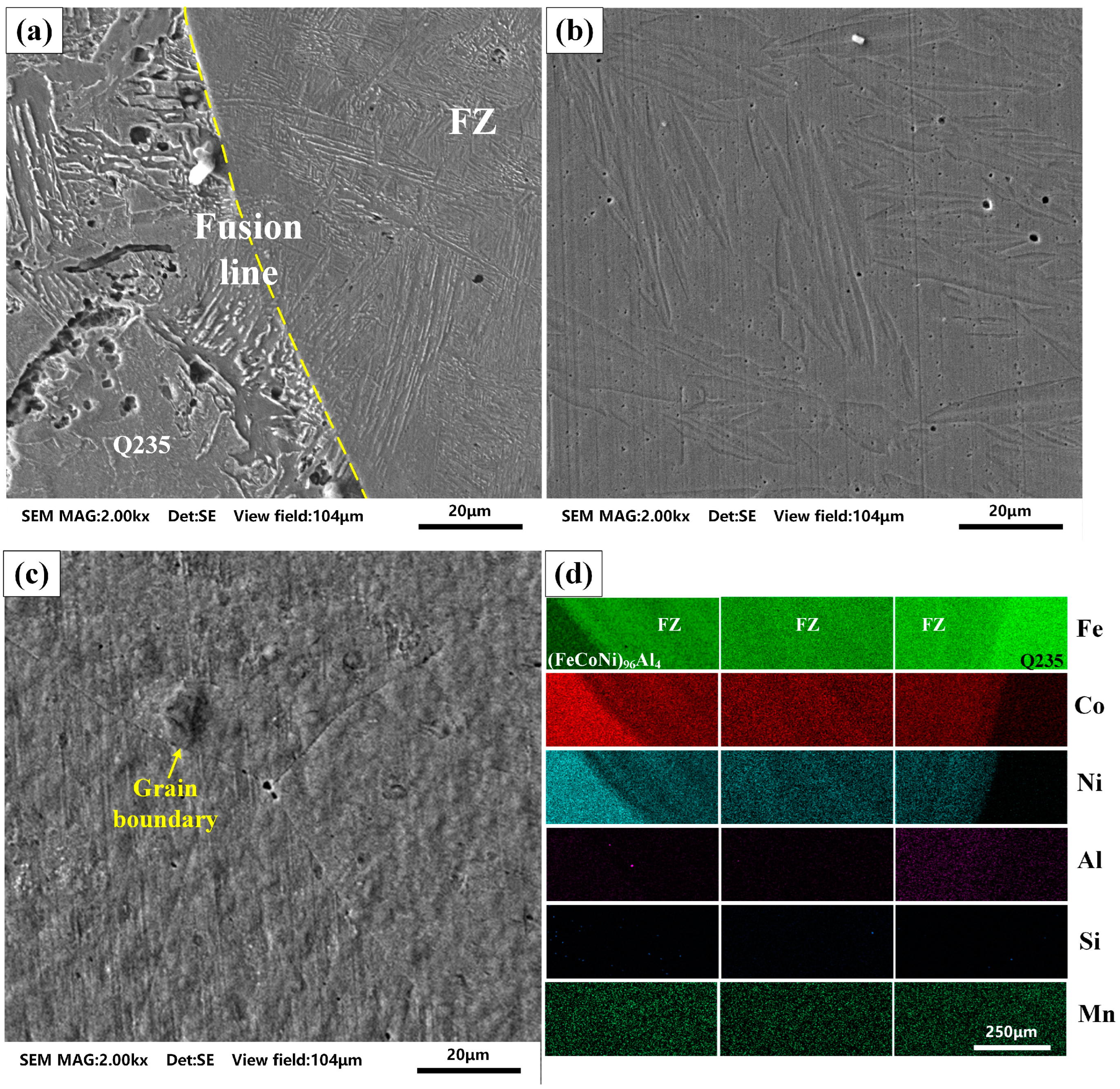
(FeCoNi)96Al4 high-entropy alloy (HEA) is a new material with a strength similar to that of commercial Q235 structural steel, and its elongation is nearly three times greater than that of Q235 steel. Studying the welding process of the (FeCoNi)96Al4 HEA and Q235 steel is expected to further expand the application range of commercial Q235 structural steel and provide a foundation for the engineering application of the (FeCoNi)96Al4 HEA. This study focuses on the dissimilar welded components of (FeCoNi)96Al4 HEA and Q235 steel and analyzes the forming quality, microstructure, and mechanical properties of dissimilar welded samples under different currents. The results show that when the welding current is above 170 A, the 3 mm sheet metal is completely penetrated, and a well-formed weld seam is obtained. The base metal of the (FeCoNi)96Al4 HEA has an FCC structure, whereas the fusion zone of the weld seam is almost entirely a BCC structure. The microstructure of the weld seam exhibits needle-like and block-like grains that are different from those of the base metal. Owing to the difference in microstructure between the weld seam and the base metal, the average microhardness of the welded joint is twice that of the base metal. The strength of the dissimilar welded components reached 460 MPa, maintaining the tensile strength of the (FeCoNi)96Al4 HEA, which is similar to that of the Q235 structural steel. The elongation reached over 30%, which was significantly greater than that of the Q235 structural steel.
Keywords: gas tungsten arc welding; high-entropy alloy; structural steels; microstructure; mechanical properties gas tungsten arc welding; high-entropy alloy; structural steels; microstructure; mechanical properties