Article

Novel Additives in Copper Electrorefining—Small Laboratory Scale
by
Patrycja Kowalik
1,2,*,
Dorota Kopyto
1,
Katarzyna Leszczyńska-Sejda
1 and
Wojciech Simka
2
1
Łukasiewicz Research Network—Institute of Non-Ferrous Metals, Sowińskiego 5, 44-100 Gliwice, Poland
2
Department of Inorganic Chemistry, Analytical Chemistry and Electrochemistry, Faculty of Chemistry, Silesian University of Technology, B. Krzywoustego 6, 44-100 Gliwice, Poland
*
Author to whom correspondence should be addressed.
Materials 2024, 17(6), 1262; https://doi.org/10.3390/ma17061262
Submission received: 15 February 2024 / Revised: 5 March 2024 / Accepted: 7 March 2024 / Published: 8 March 2024
(This article belongs to the Special Issue Corrosion Technology and Electrochemistry of Metals and Alloys)

Abstract

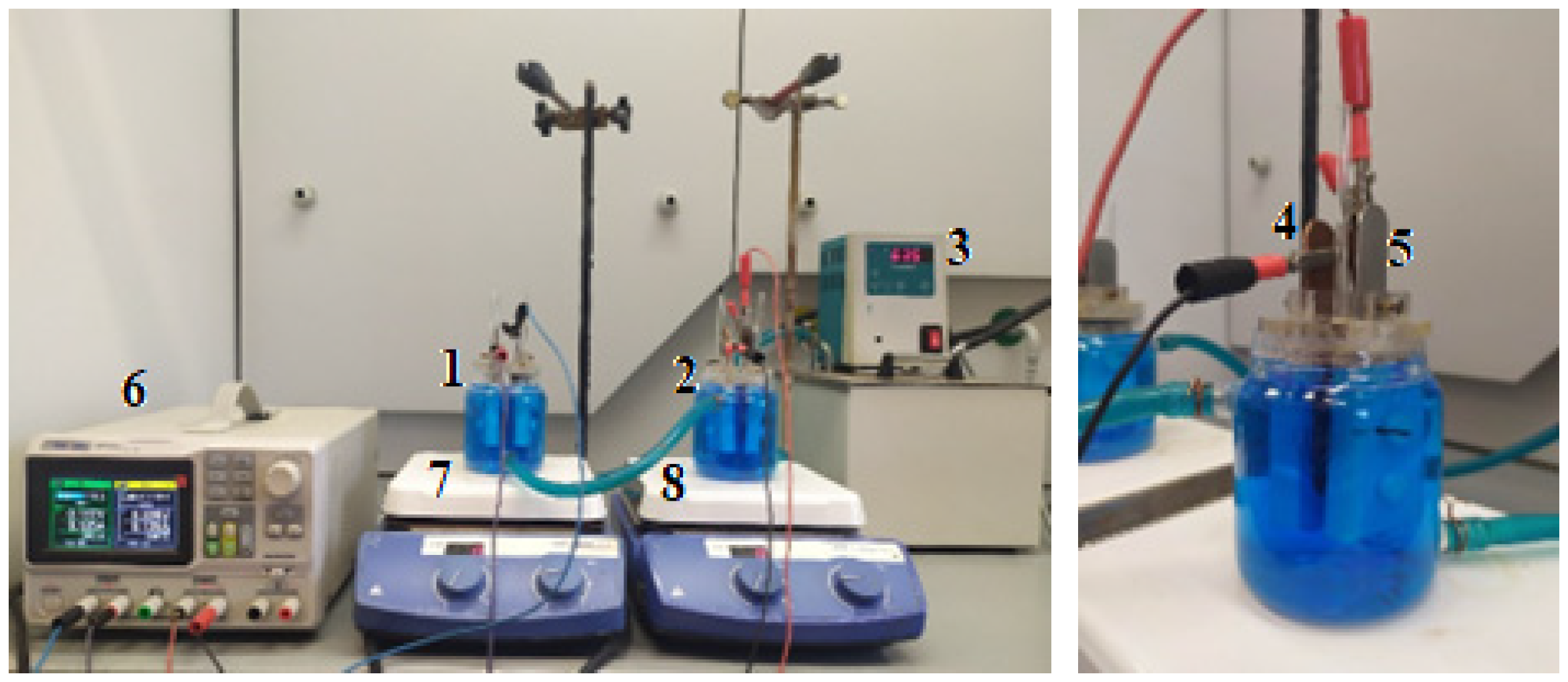
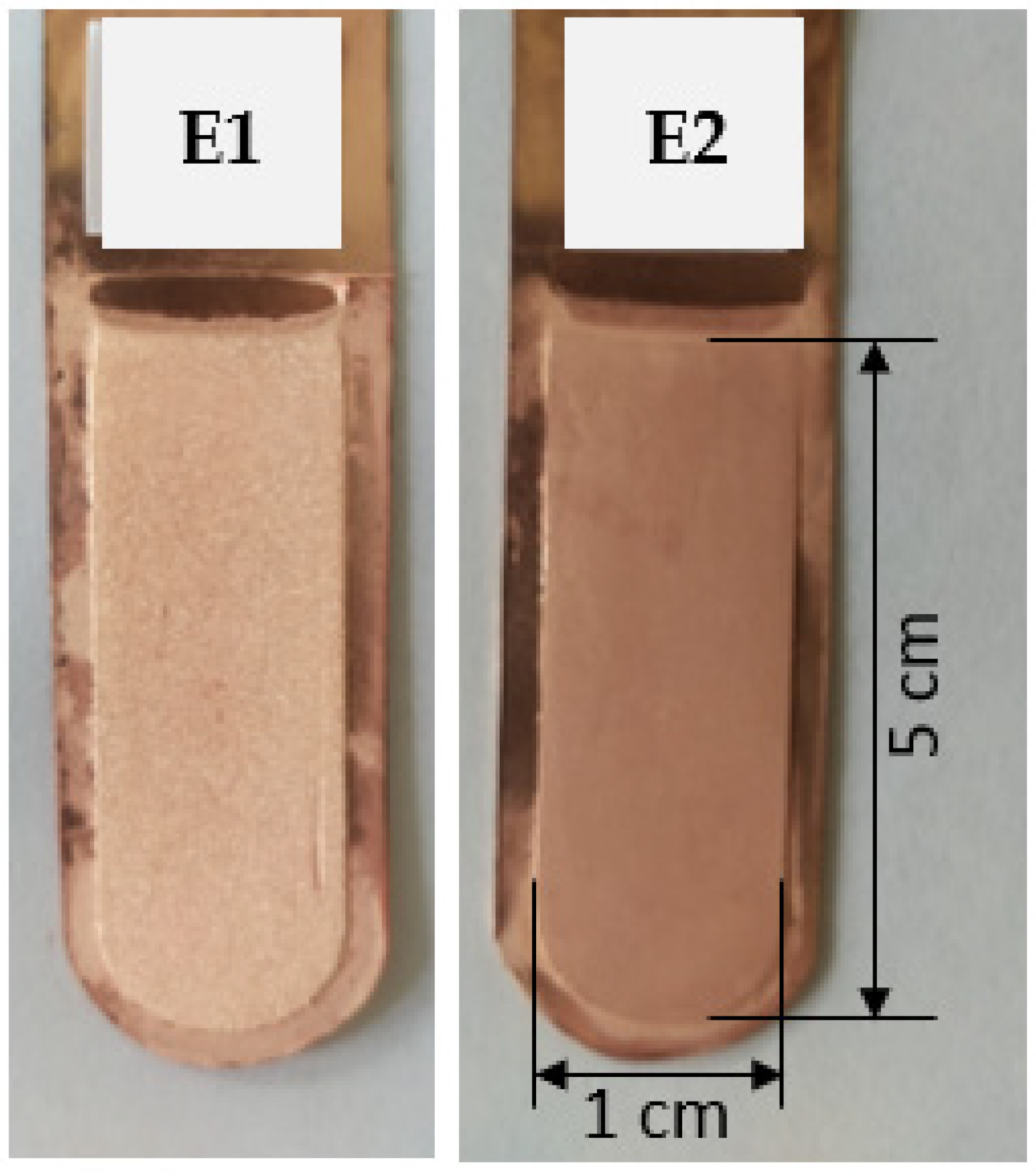
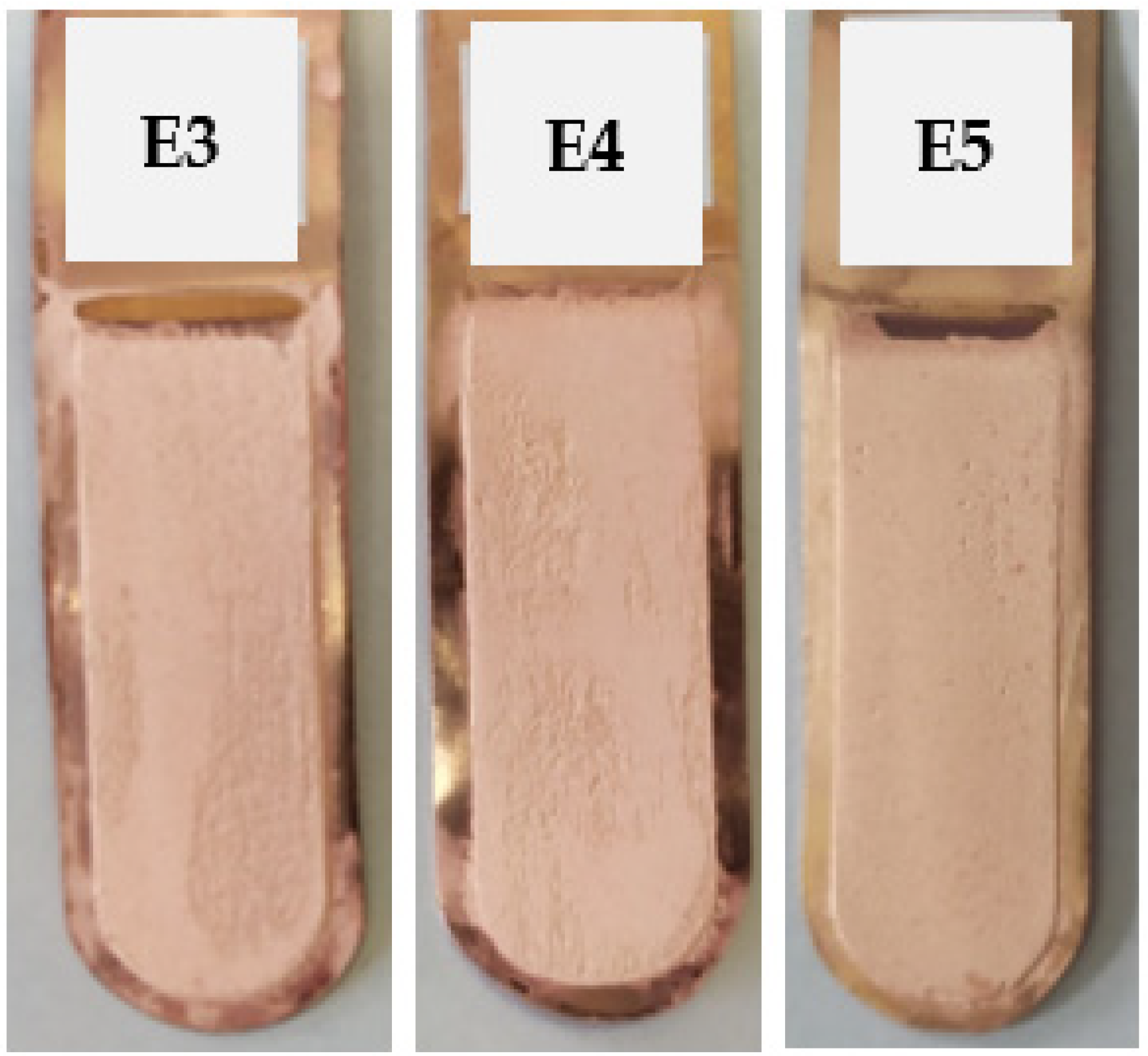
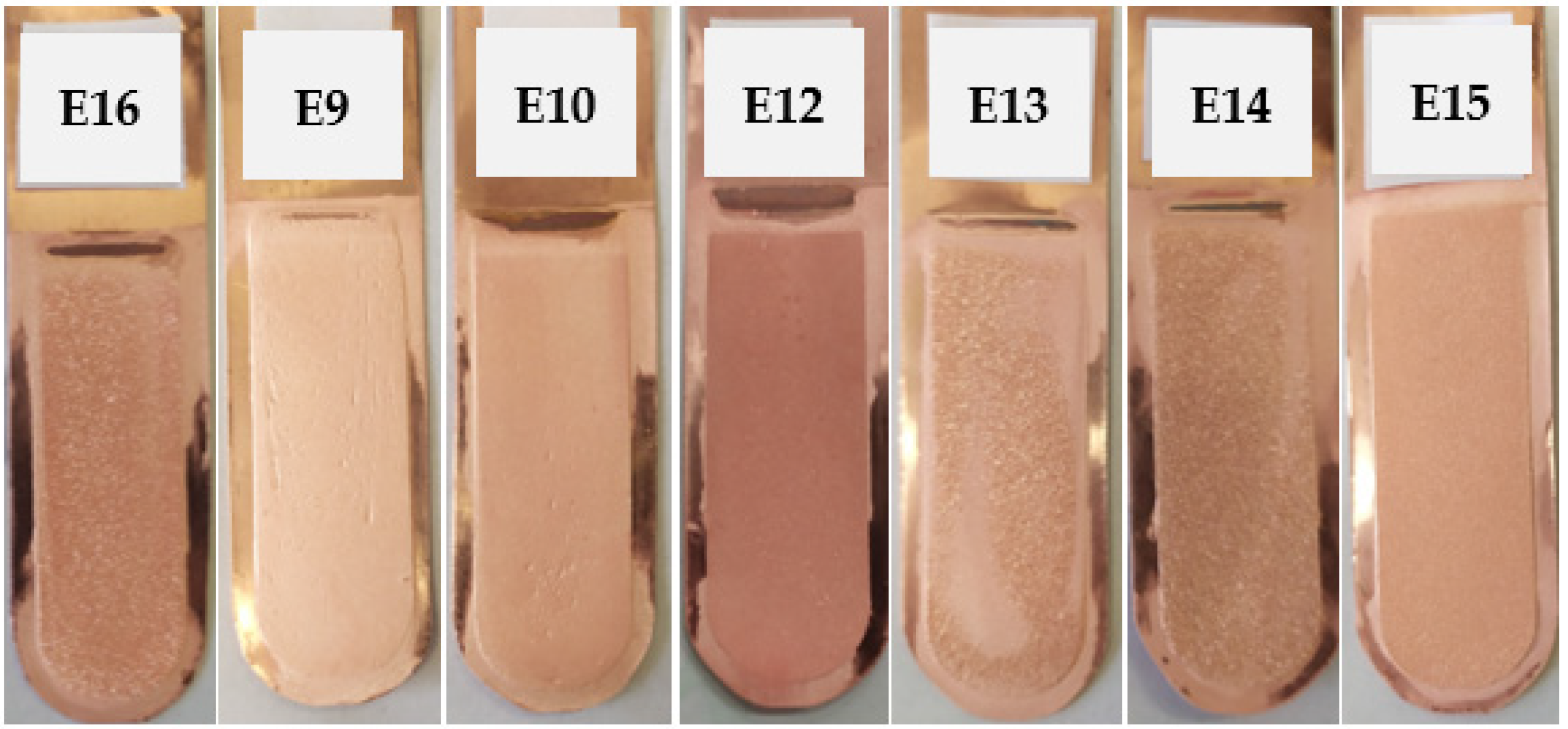
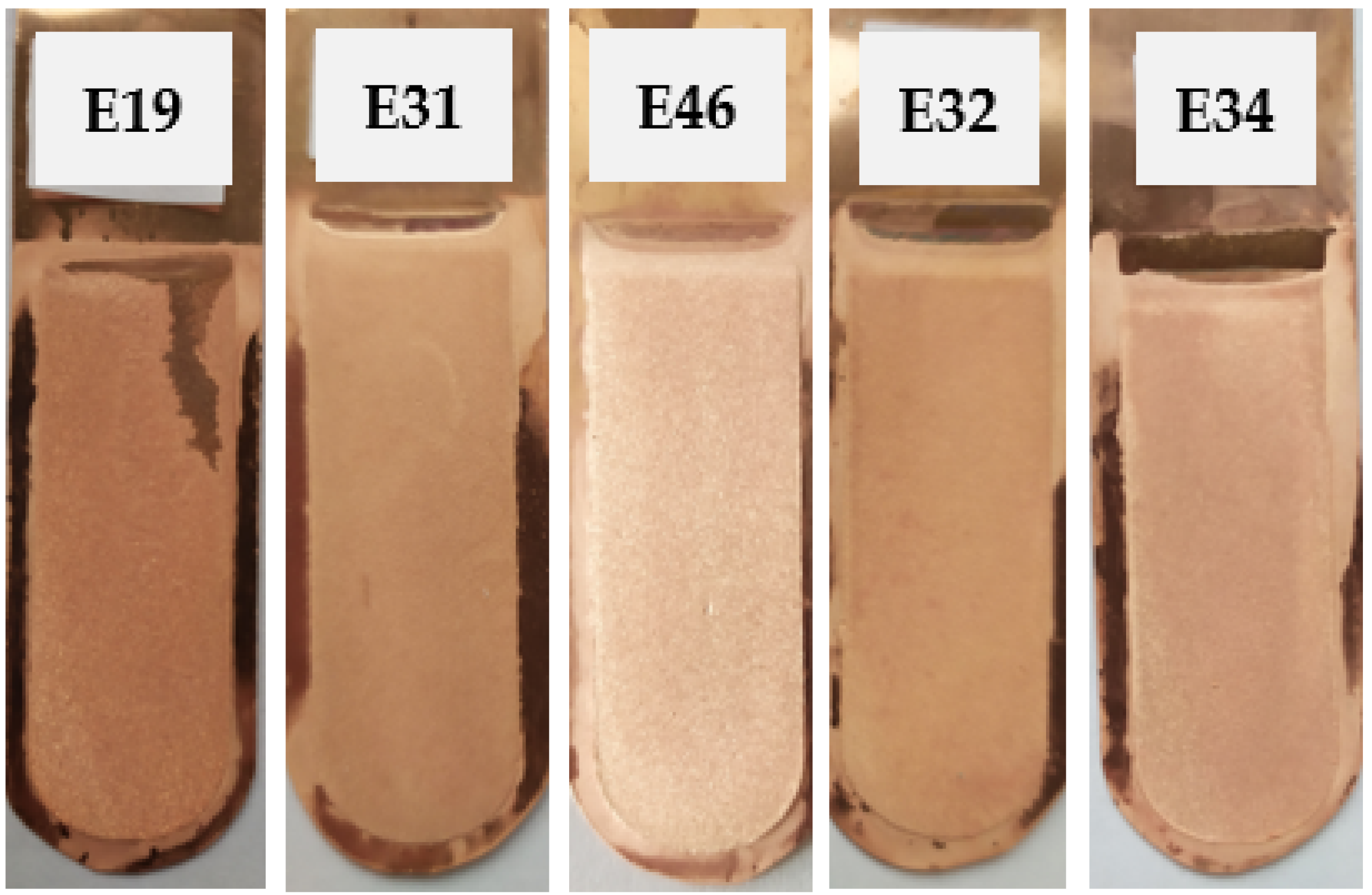
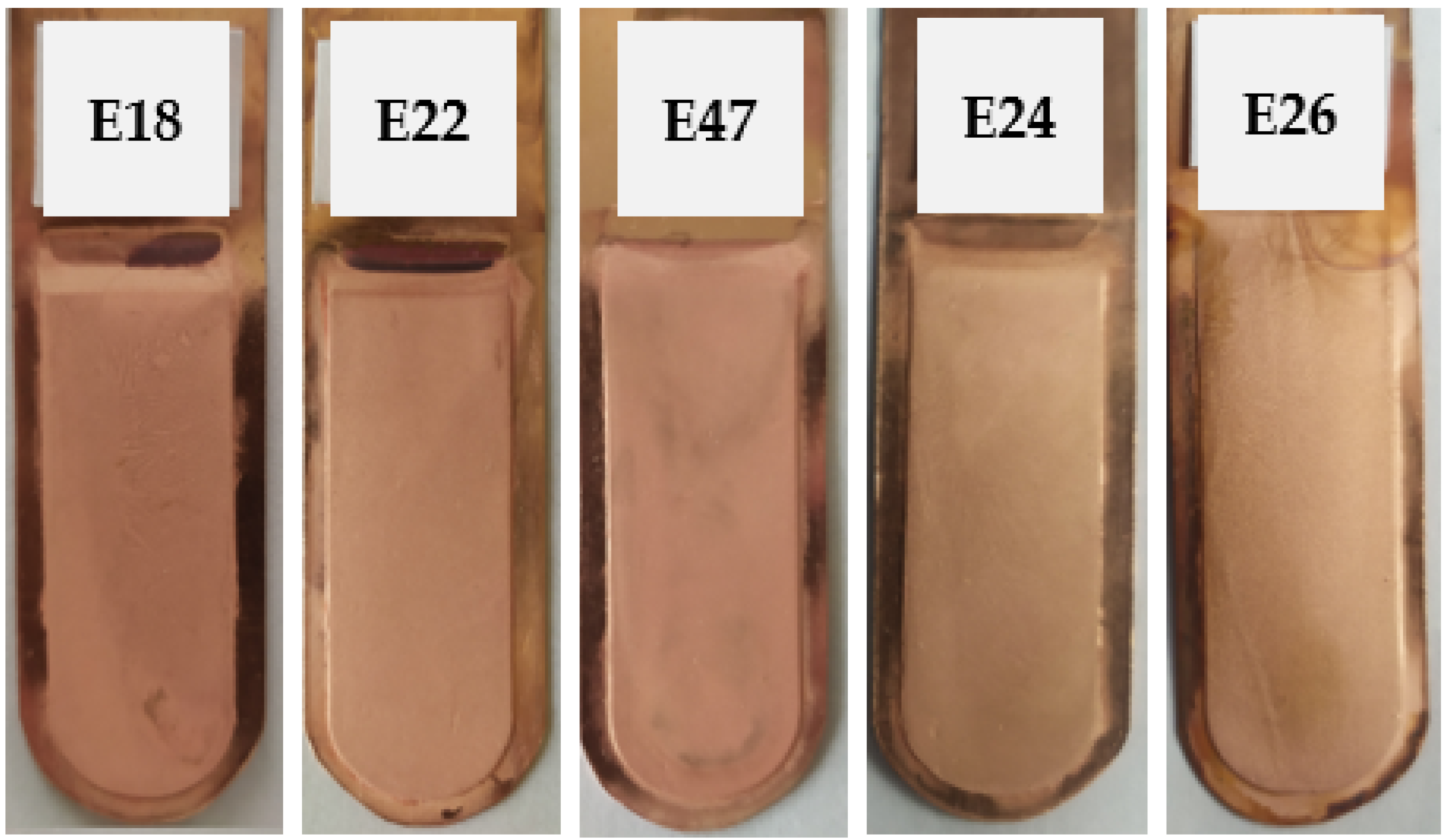
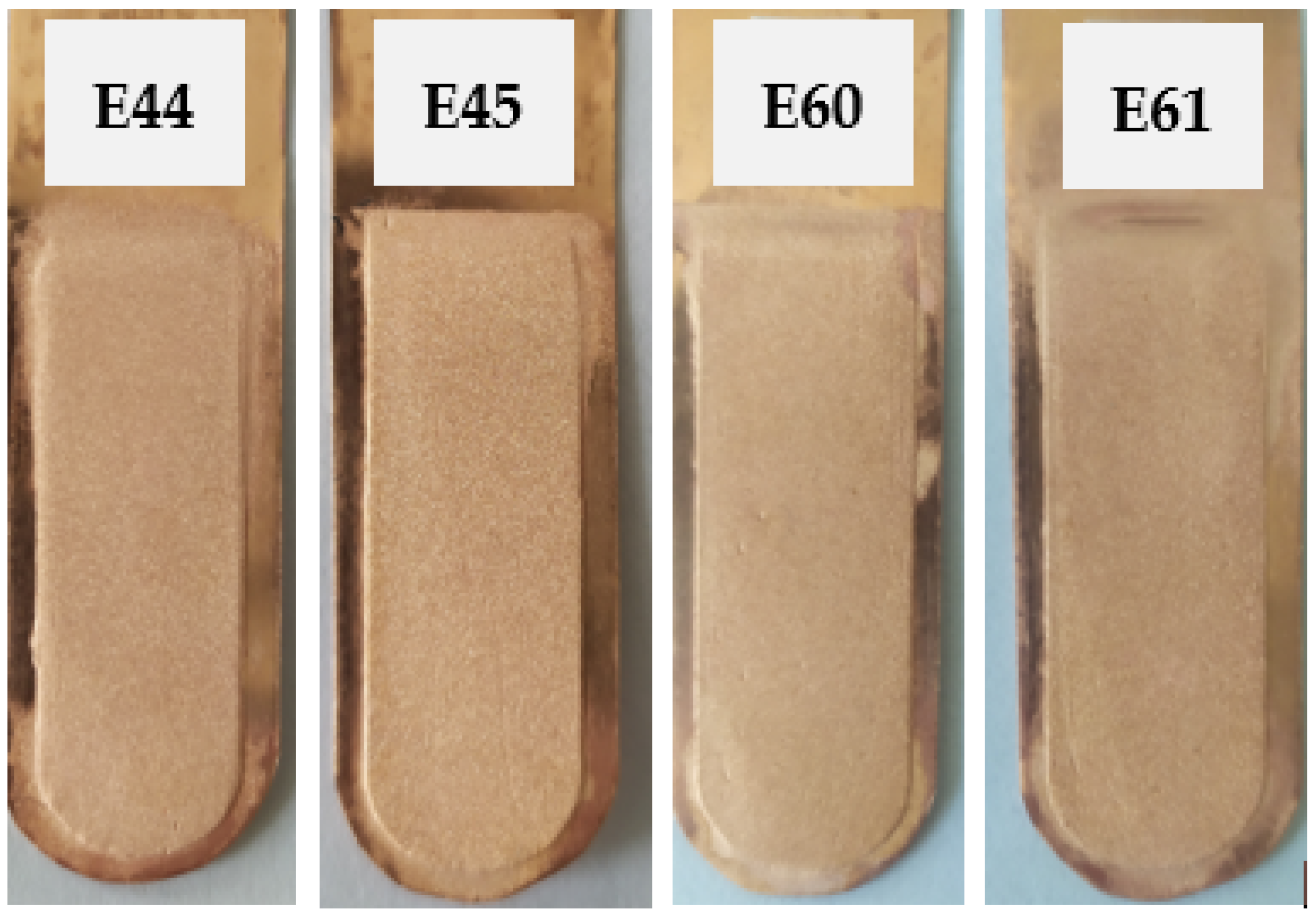
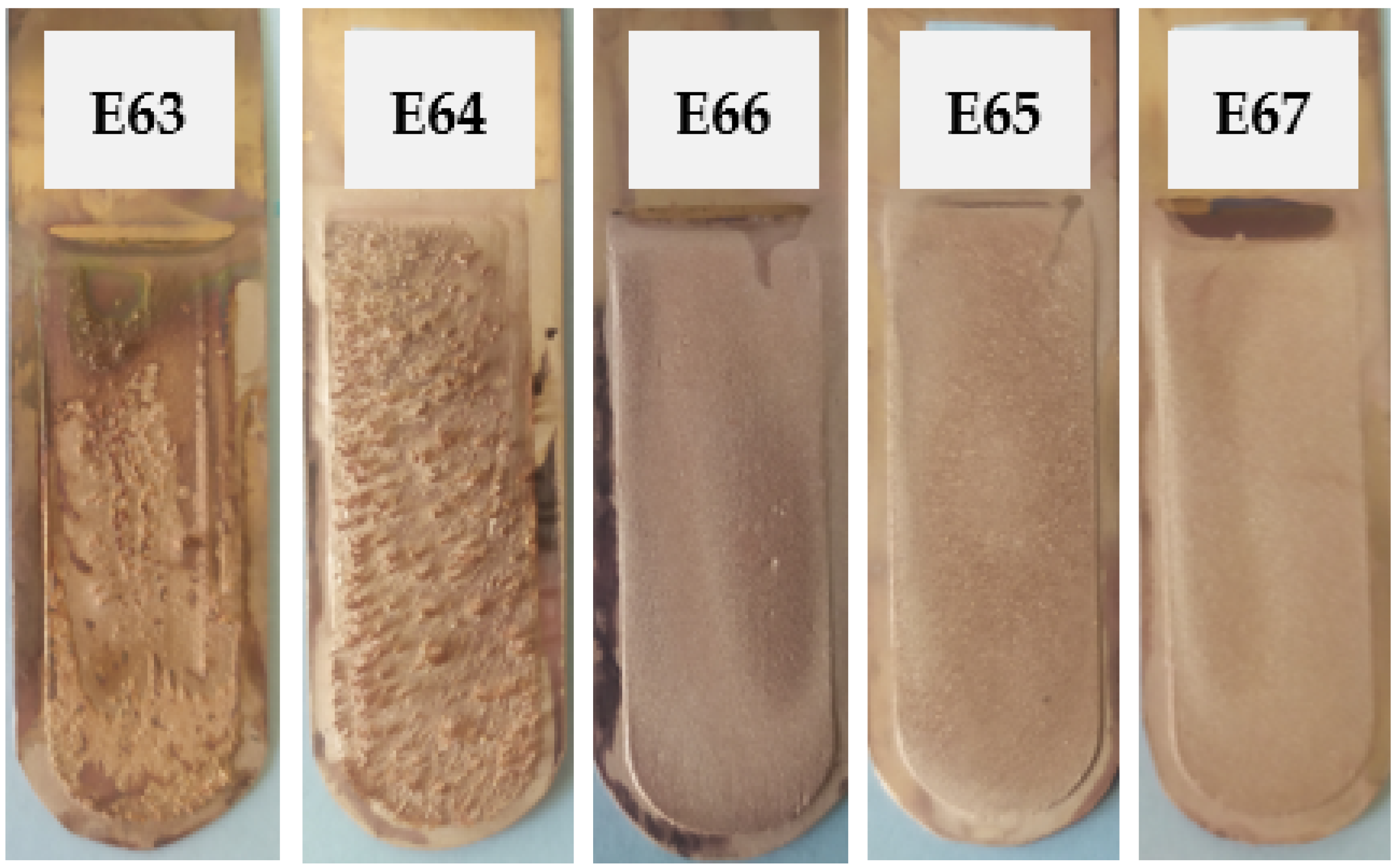
This research aimed to evaluate the effectiveness of new organic substances, including a novel ionic liquid based on polyhexamethylenebiguanidine, polyhexamethyleneguanidine, and safranin in the copper electrorefining process. Experiments were conducted on a small laboratory scale using industrial copper anodes. Single doses of new additives did not improve process indicators (current efficiency, average cell voltage, specific energy consumption) or the quality of copper cathode deposits. However, a combination of a new ionic liquid based on polyhexamethylenebiguanidine and thiourea resulted in a satisfactory current efficiency of 97%, an average cell voltage of 0.110 V, a low specific energy consumption index of approximately 100 kWh/tCu, and smooth cathode surfaces. These results were superior to those obtained with industrial additives (bone glue and thiourea). The findings enhance our understanding of how these substances influence the electrorefining process and suggest the potential for more efficient and sustainable methods. Further research is recommended to validate these findings and explore their industrial applications.
Keywords: copper; electrorefining; electrodeposition; electrolyte additive; addition agent; ionic liquid copper; electrorefining; electrodeposition; electrolyte additive; addition agent; ionic liquid