Article

Study on Cavity Filling Defects and Tensile Properties of L-Shaped Profiled Rings

1
Light Alloy Research Institute, Central South University, Changsha 410083, China
2
State Key Laboratory of Precision Manufacturing for Extreme Service Performance, Central South University, Changsha 410083, China
3
Tianjin Heavy Industry Co., Ltd., China First Heavy Industries, Dalian 116600, China
*
Author to whom correspondence should be addressed.
Materials 2024, 17(19), 4930; https://doi.org/10.3390/ma17194930
Submission received: 9 September 2024 / Revised: 4 October 2024 / Accepted: 6 October 2024 / Published: 9 October 2024

Abstract

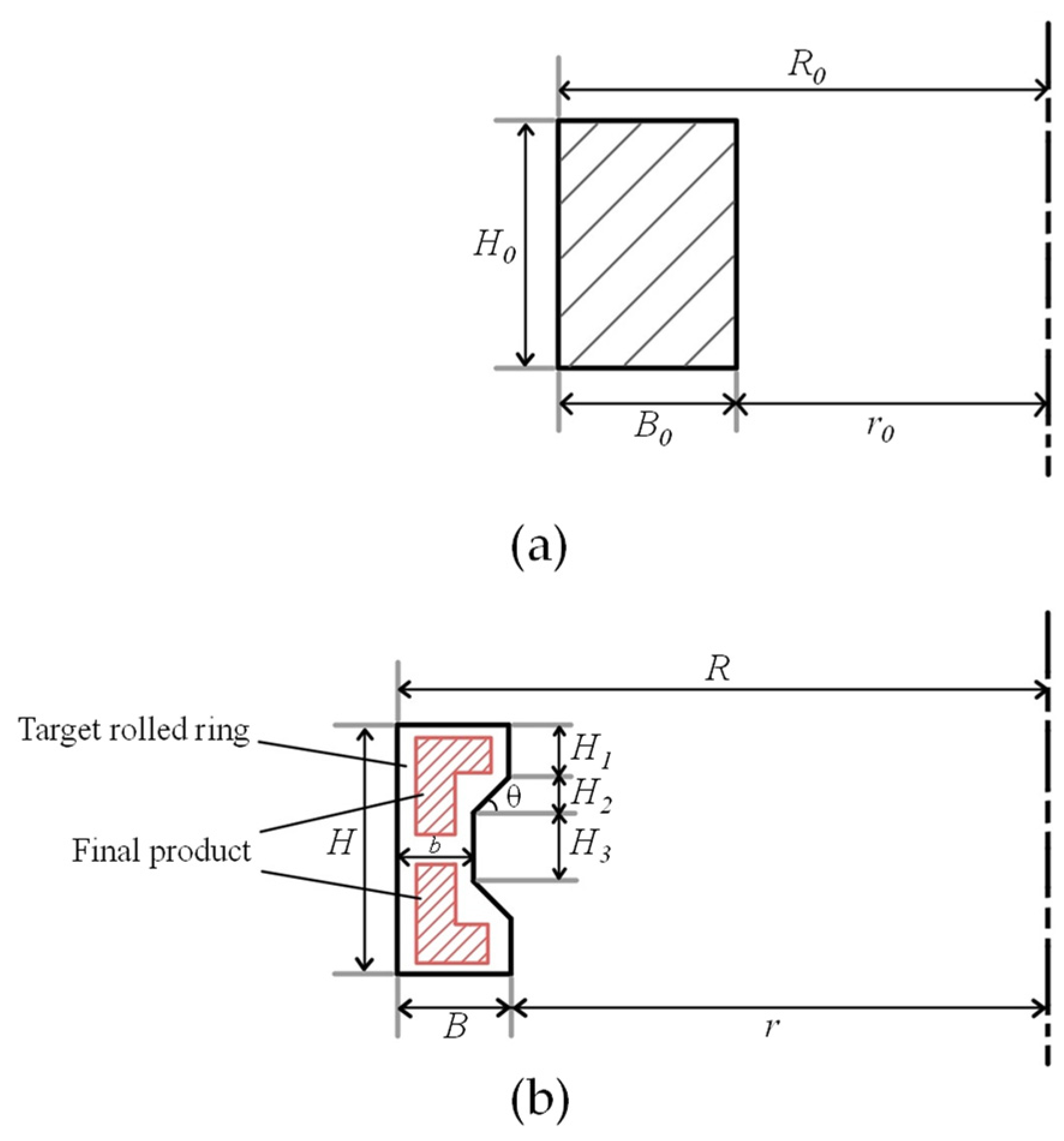
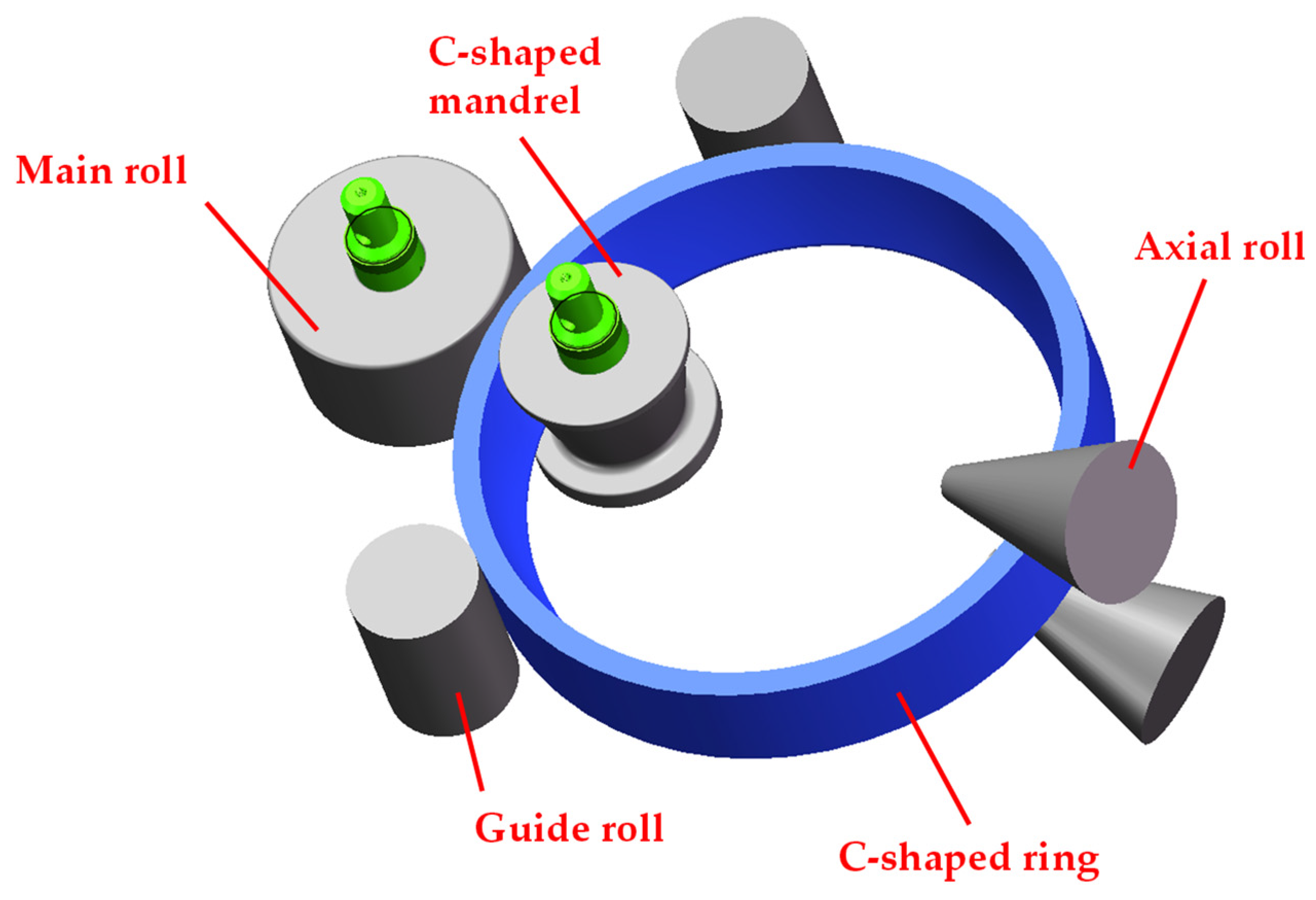
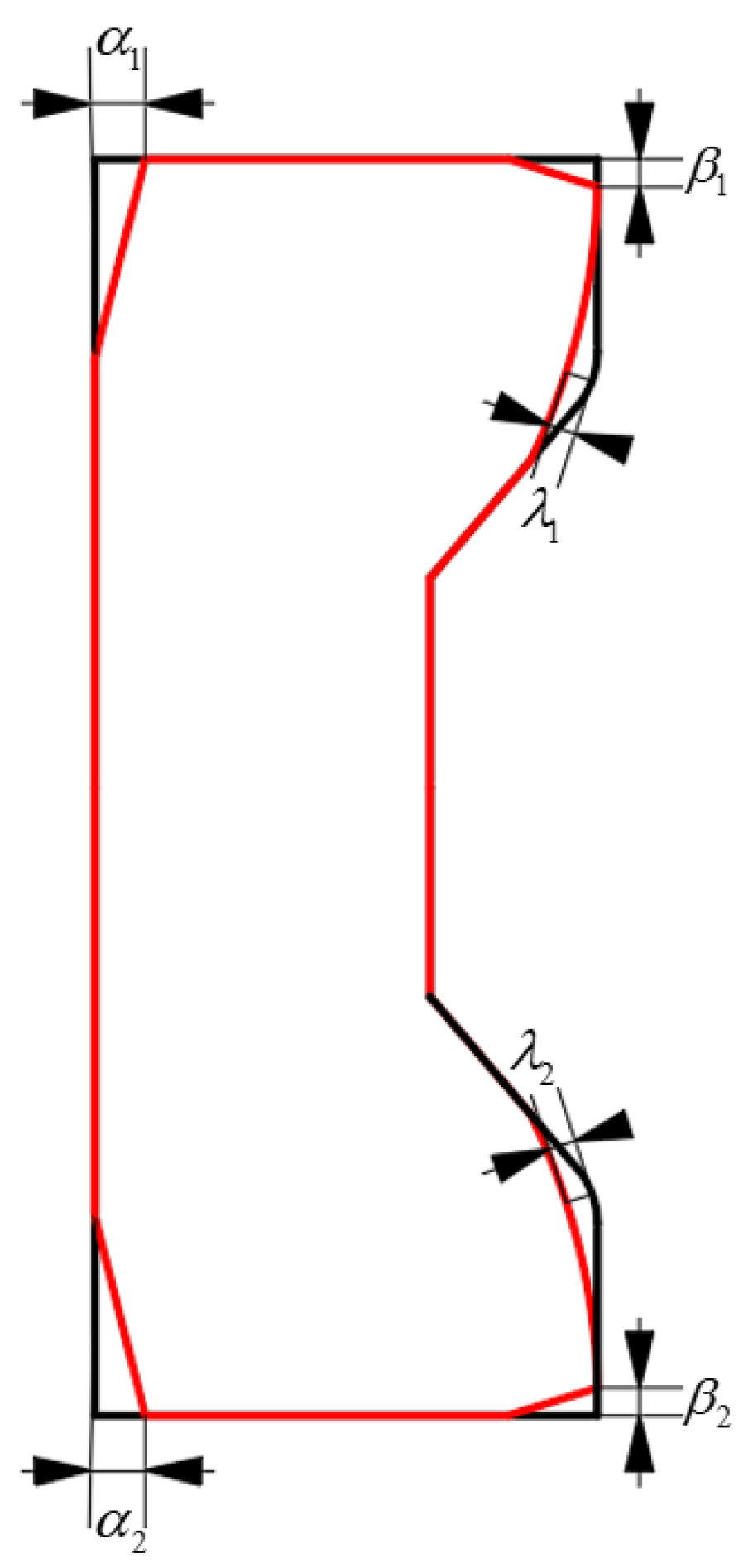
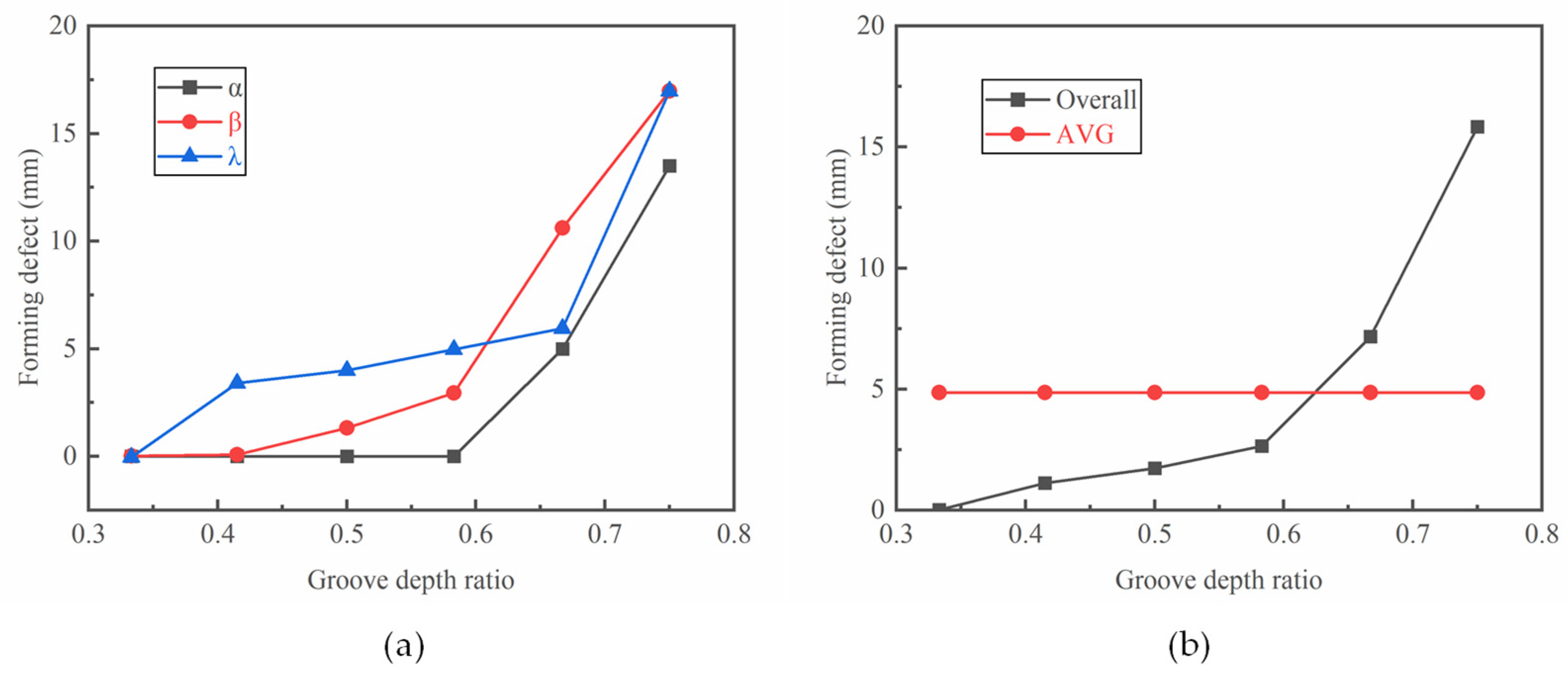
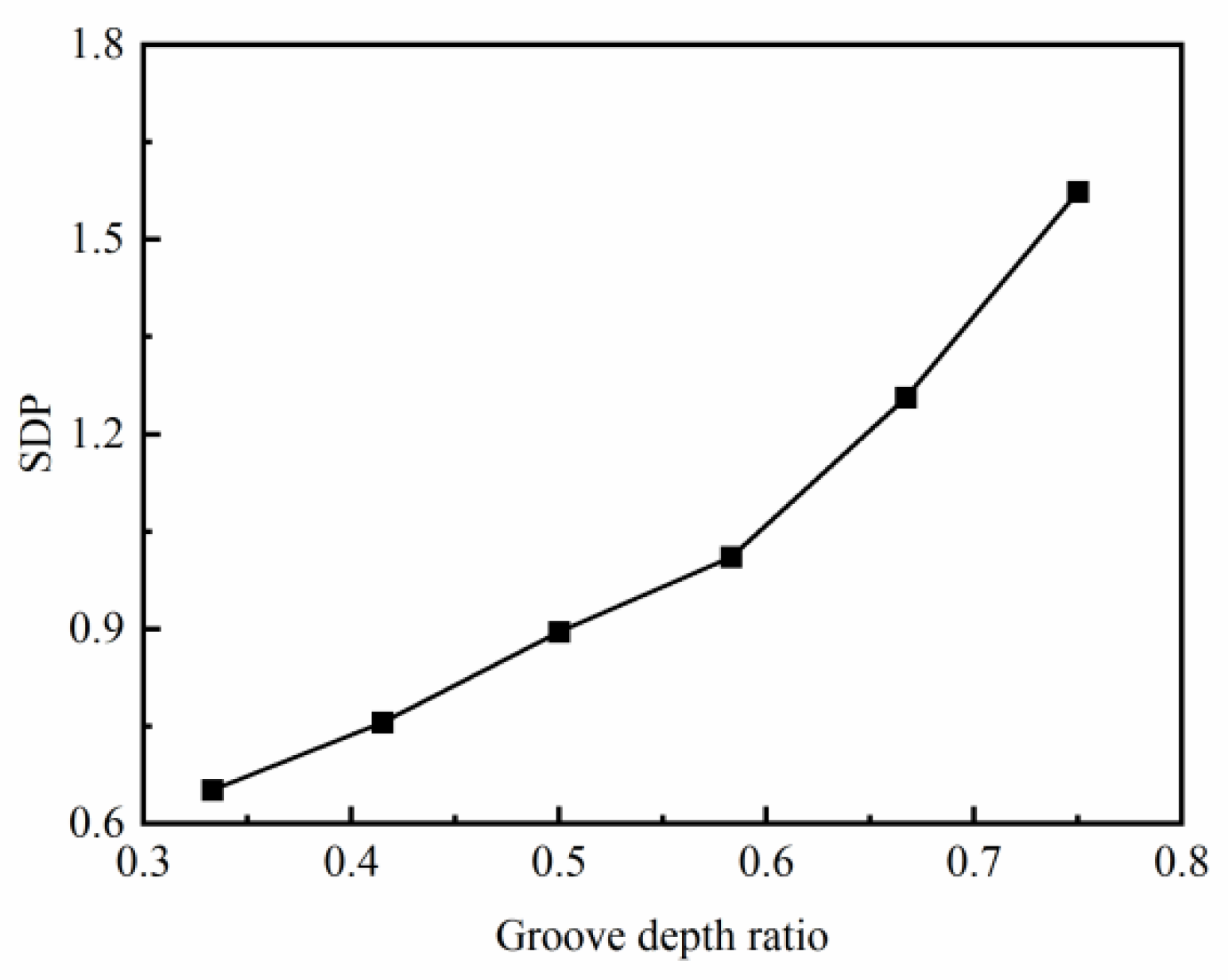
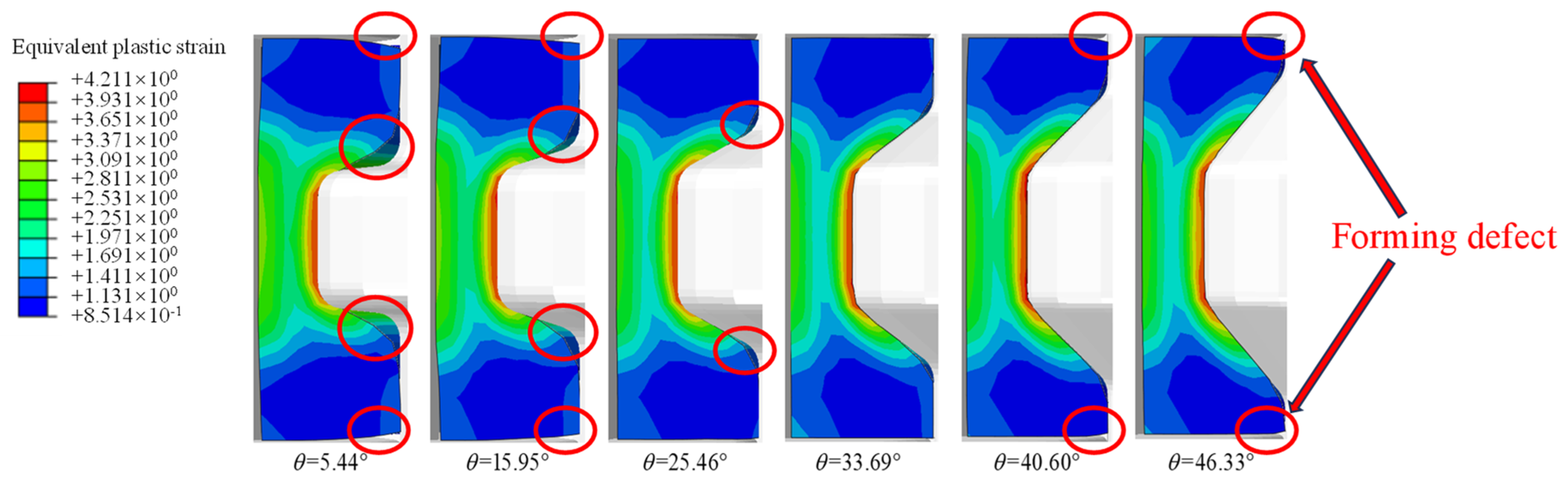
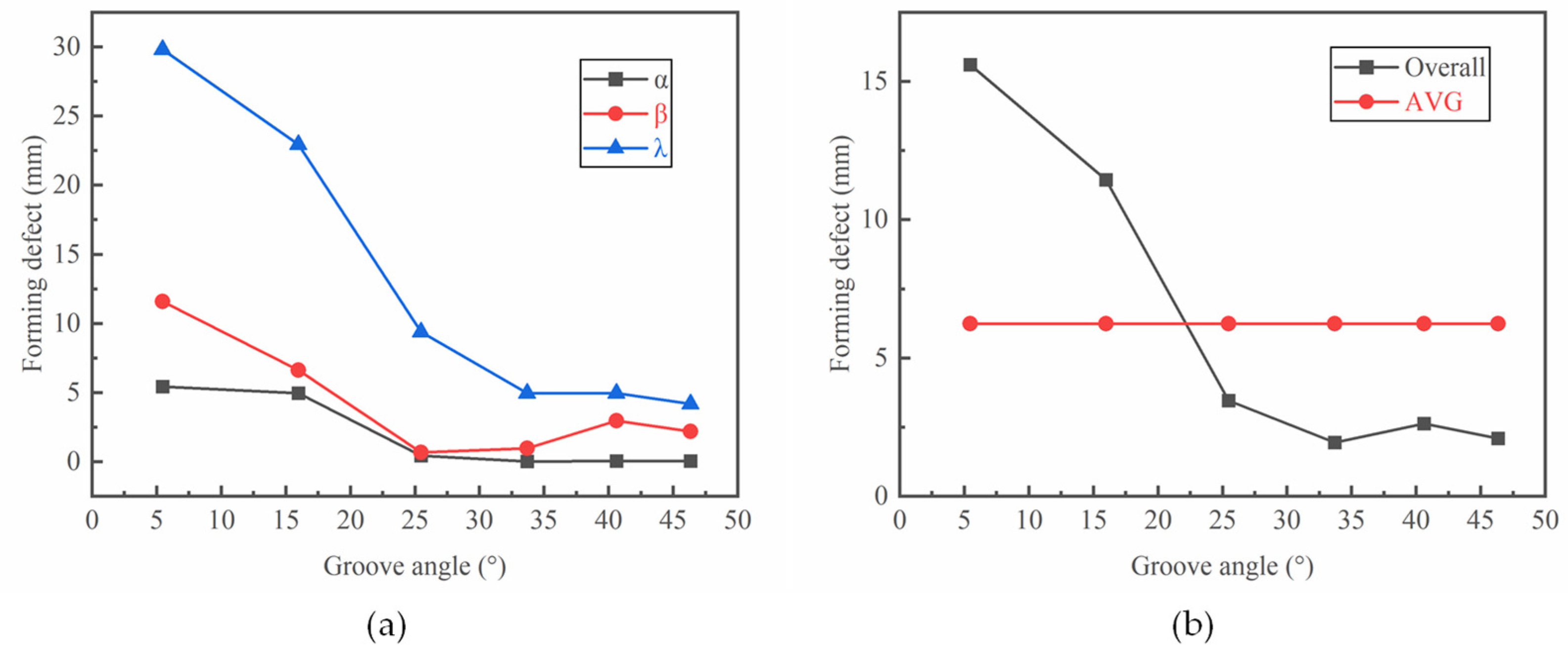
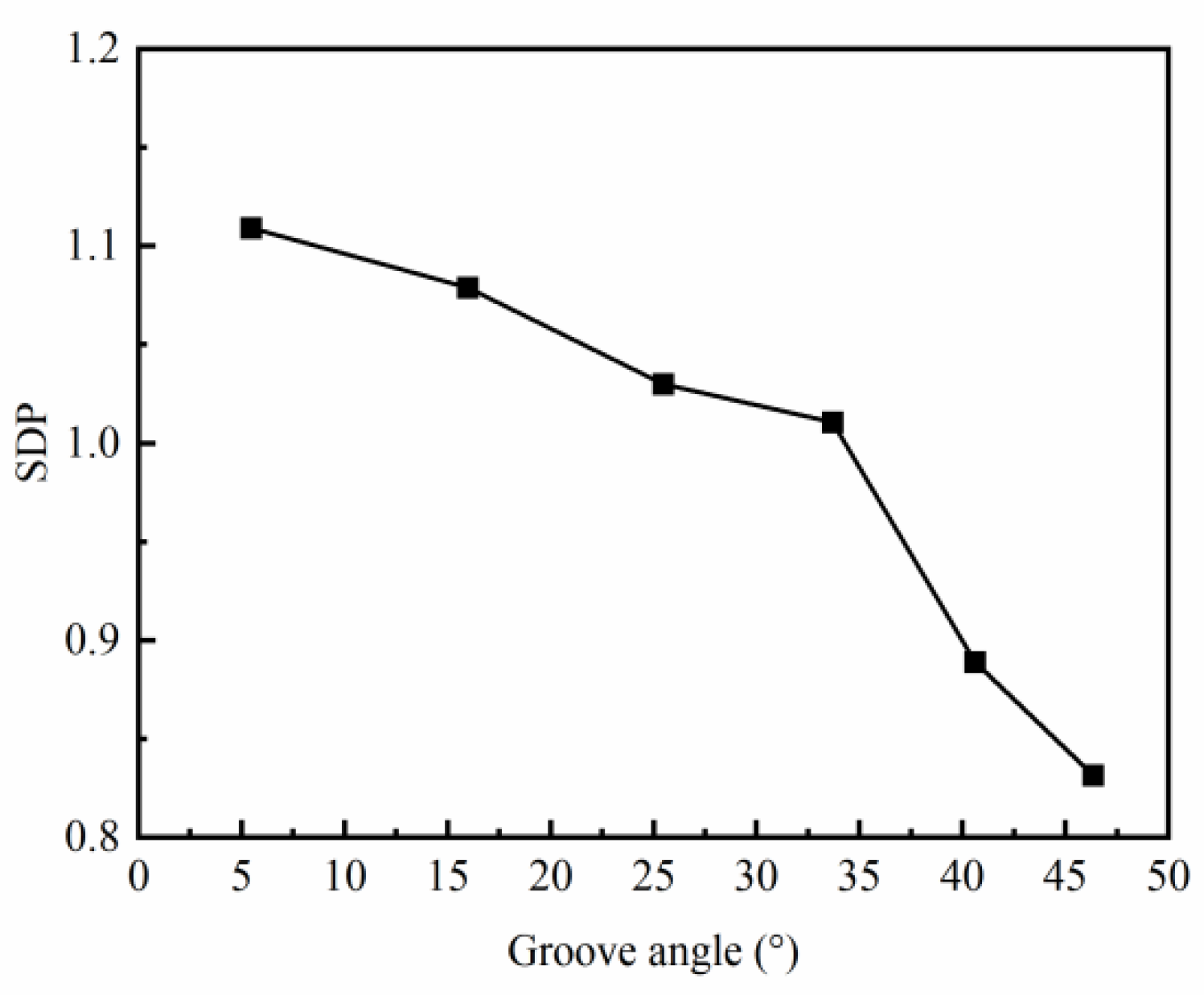
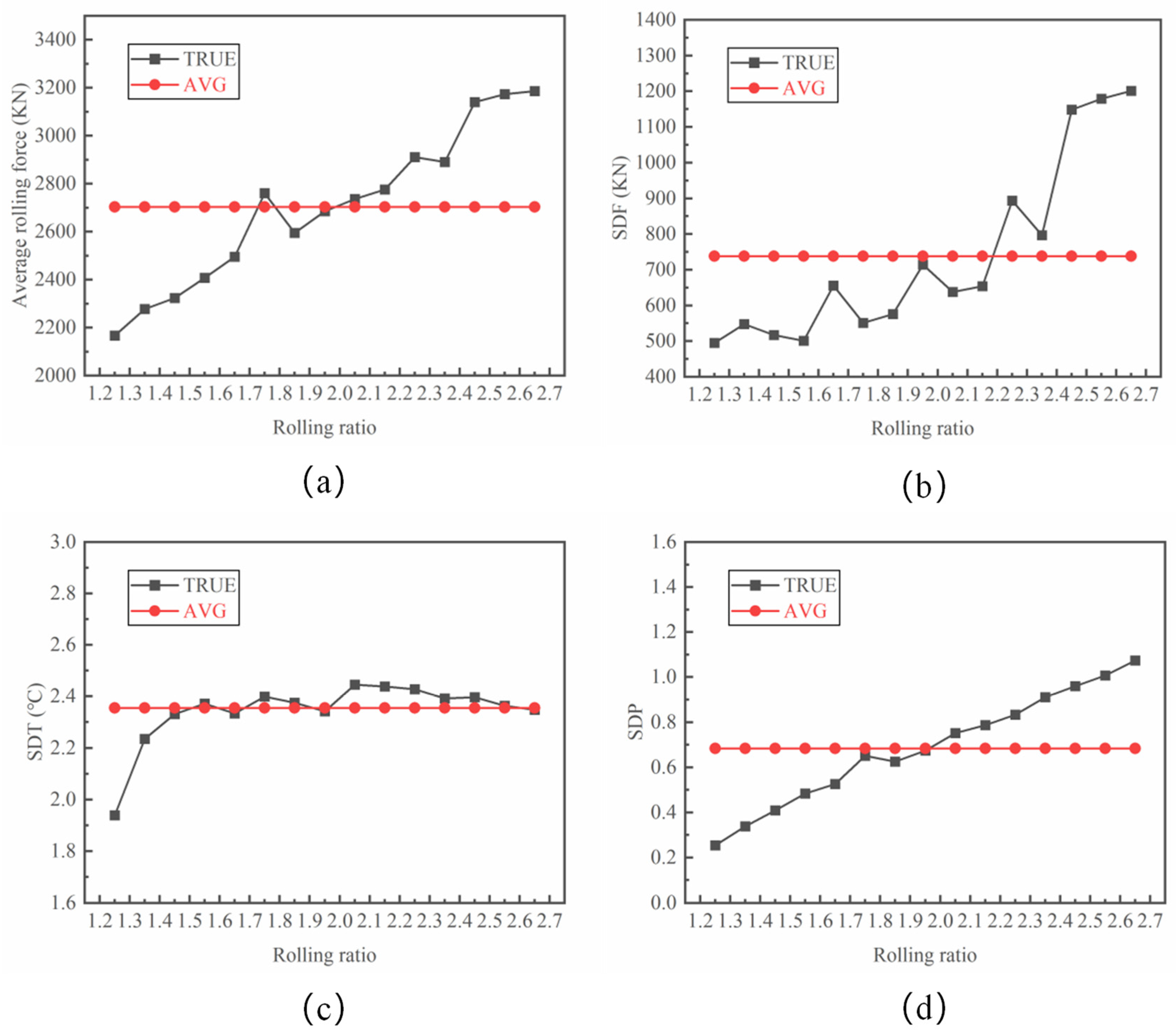
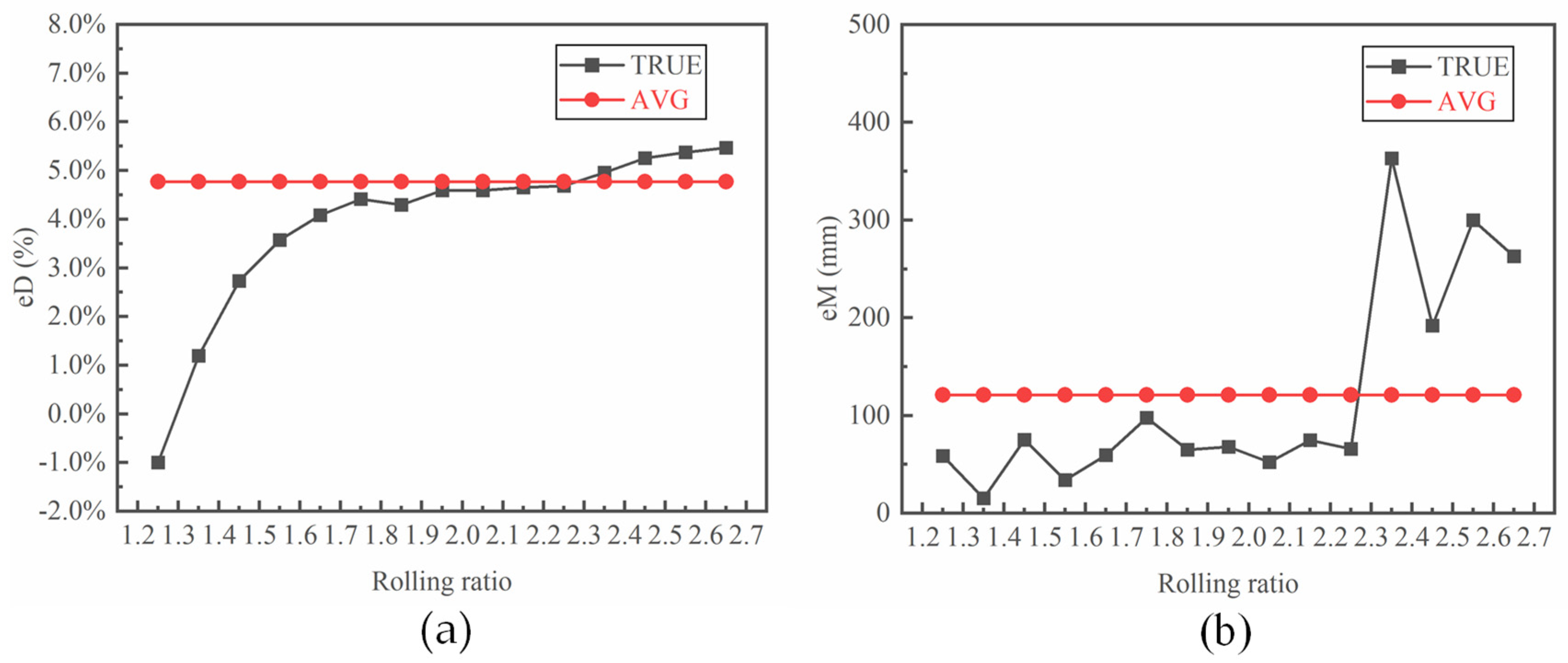
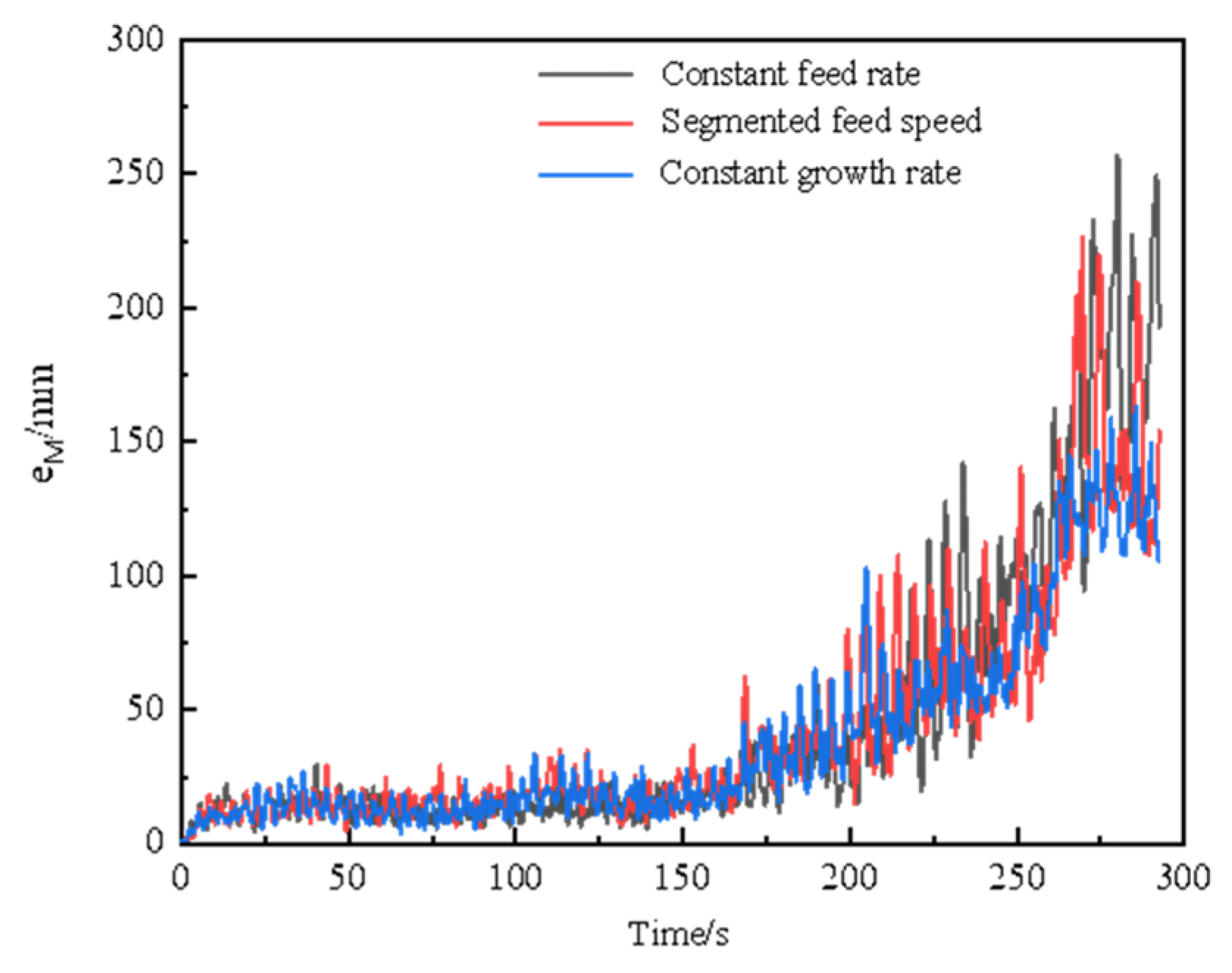
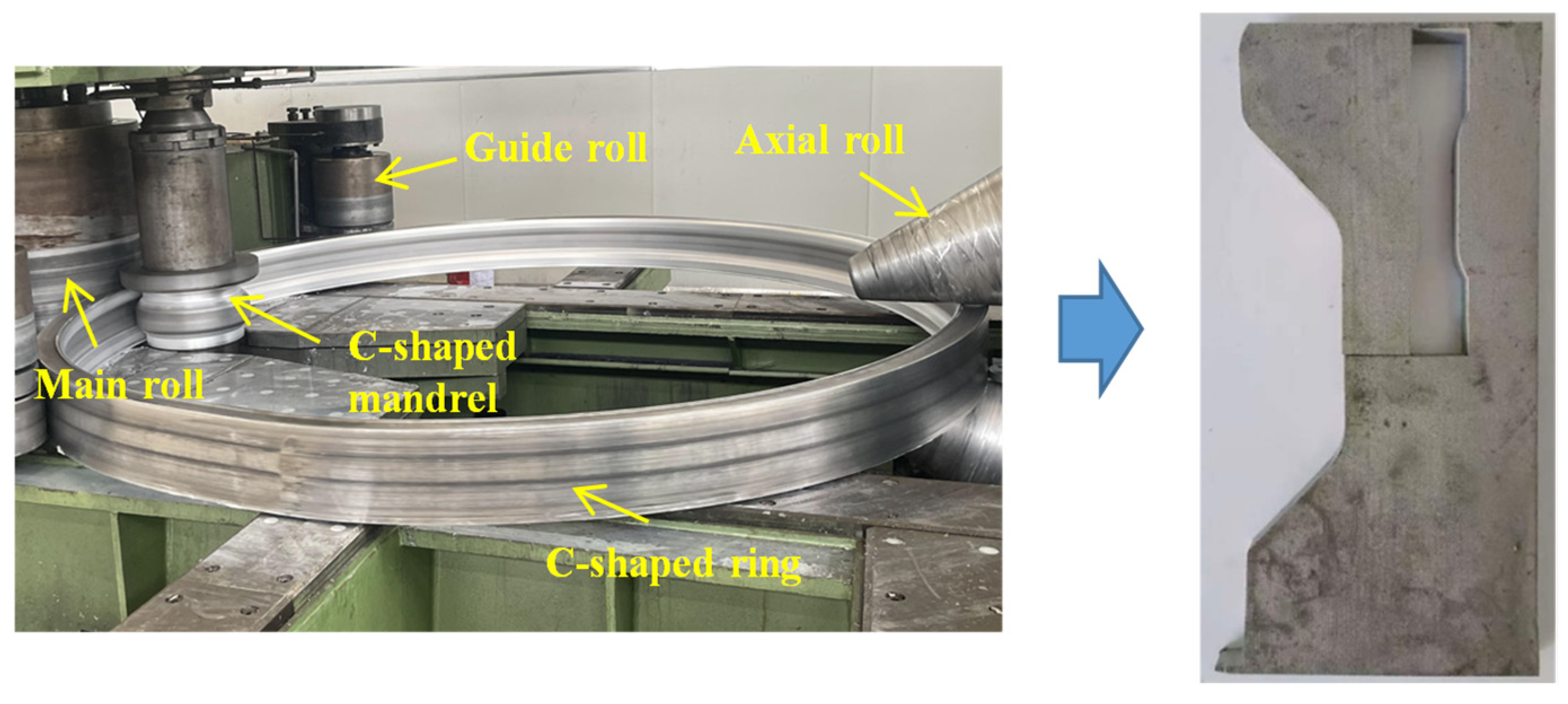
Severe cavity filling defects and poor mechanical properties increase the difficulty in the integrated forming of L-shaped profiled rings due to its asymmetrical section geometry. A novel rolling method of a C-shaped ring was proposed in this study, and two symmetric L-shaped rings were prepared simultaneously. A numerical model of C-shaped ring rolling was established, and the cavity filling defects in different directions and the overall forming defect were defined for a qualitative analysis of the geometry’s accuracy. The effect of the rolling parameters on the forming defects and ring quality was investigated. The forming defects increased with an increase in the groove depth ratio as well as decreases in the groove angle and rolling ratio. The feeding strategy with a constant ring growth velocity led to the best geometric accuracy and strain uniformity of the C-shaped rings. Optimized rolling parameters can be acquired by the Box–Behnken optimization method with multi-objective optimization of the rolling stability and ring quality. An experiment of C-shaped ring rolling was successfully prepared, based on the optimized parameters. The hardness distribution on the cross-section was symmetric and uniform. The C-shaped ring showed obvious anisotropy of the tensile properties of the cast ring’s blank, and heat treatment had little effect on the improvement of the isotropy.
Keywords: L-shaped ring; cavity filling defect; ring quality; hardness; tensile properties L-shaped ring; cavity filling defect; ring quality; hardness; tensile properties