Article

Study on the Application of Kramers–Kronig Relation for Polyurethane Mixture

1
Key Laboratory of Highway Maintain Technology Ministry of Communication, Jinan 250102, China
2
School of Highway, Chang’an University, Xi’an 710064, China
3
Shandong Expressway Group Innovation Research Institute, Jinan 250101, China
4
Shandong Tongda Luqiao Planning & Design Co., Ltd., Yantai 264119, China
5
Wanhua Chemical Group Co., Ltd., Yantai 265599, China
*
Author to whom correspondence should be addressed.
Materials 2024, 17(12), 2909; https://doi.org/10.3390/ma17122909
Submission received: 18 April 2024 / Revised: 11 June 2024 / Accepted: 12 June 2024 / Published: 14 June 2024
(This article belongs to the Section Polymeric Materials)

Abstract

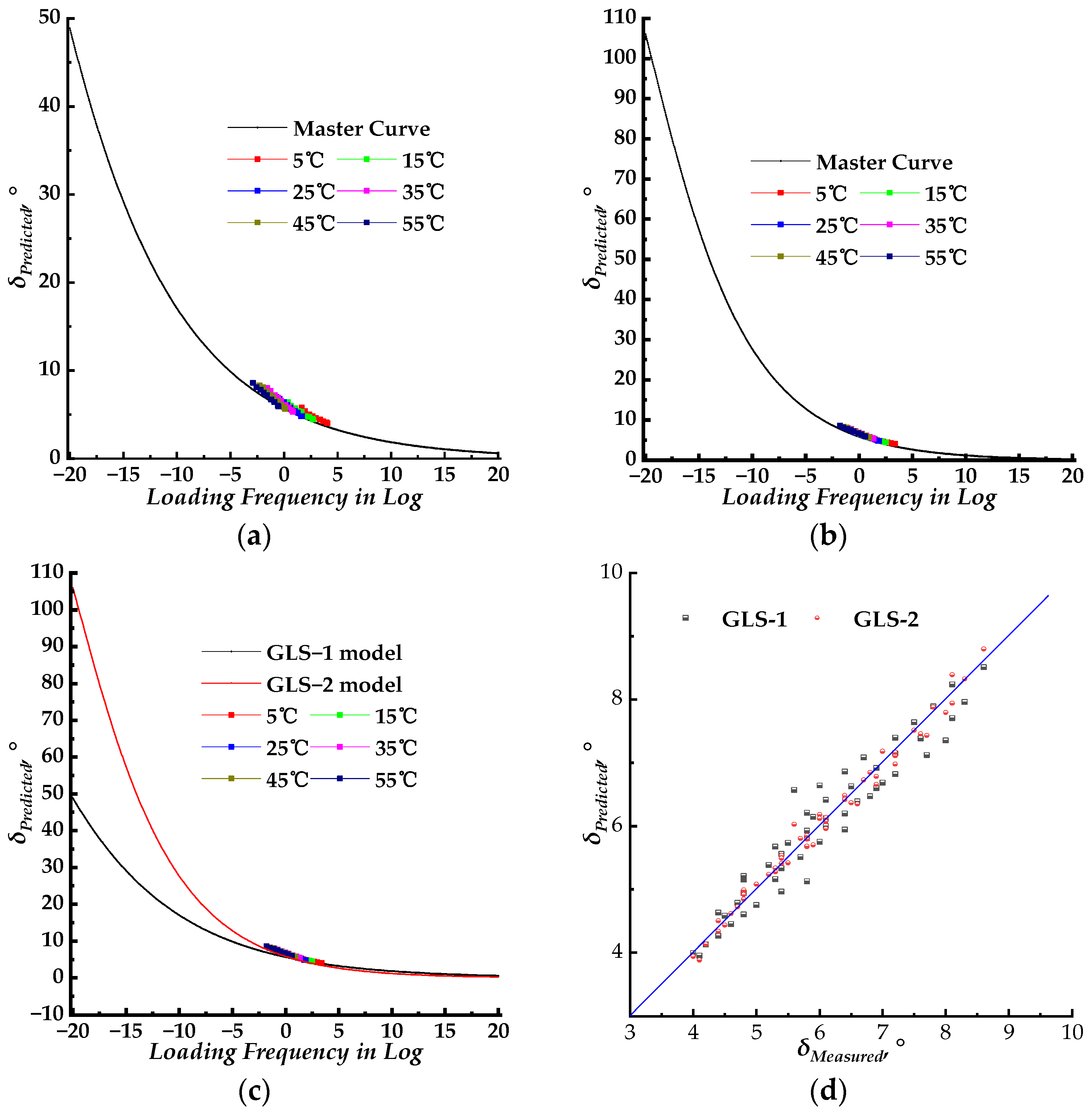
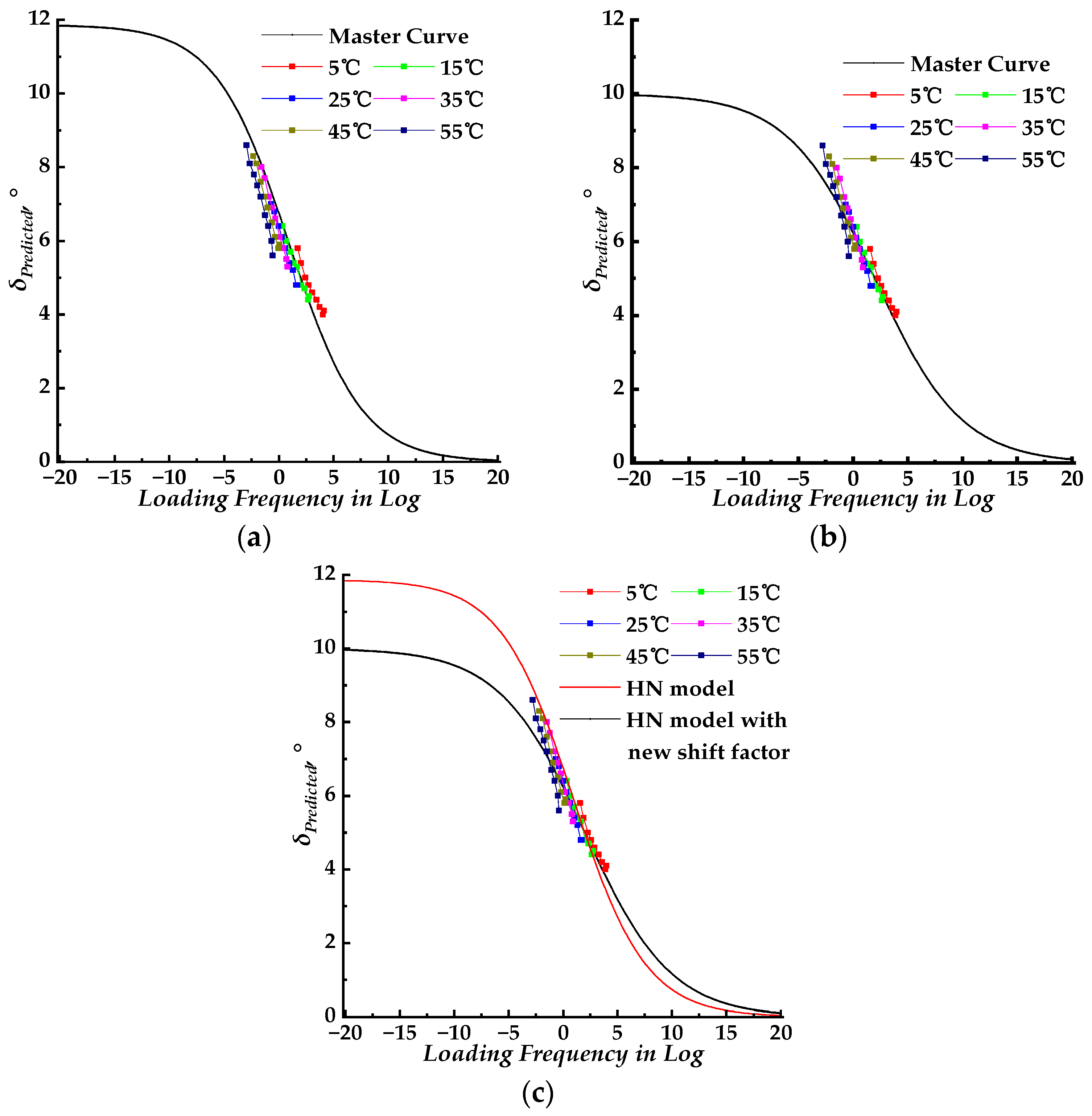
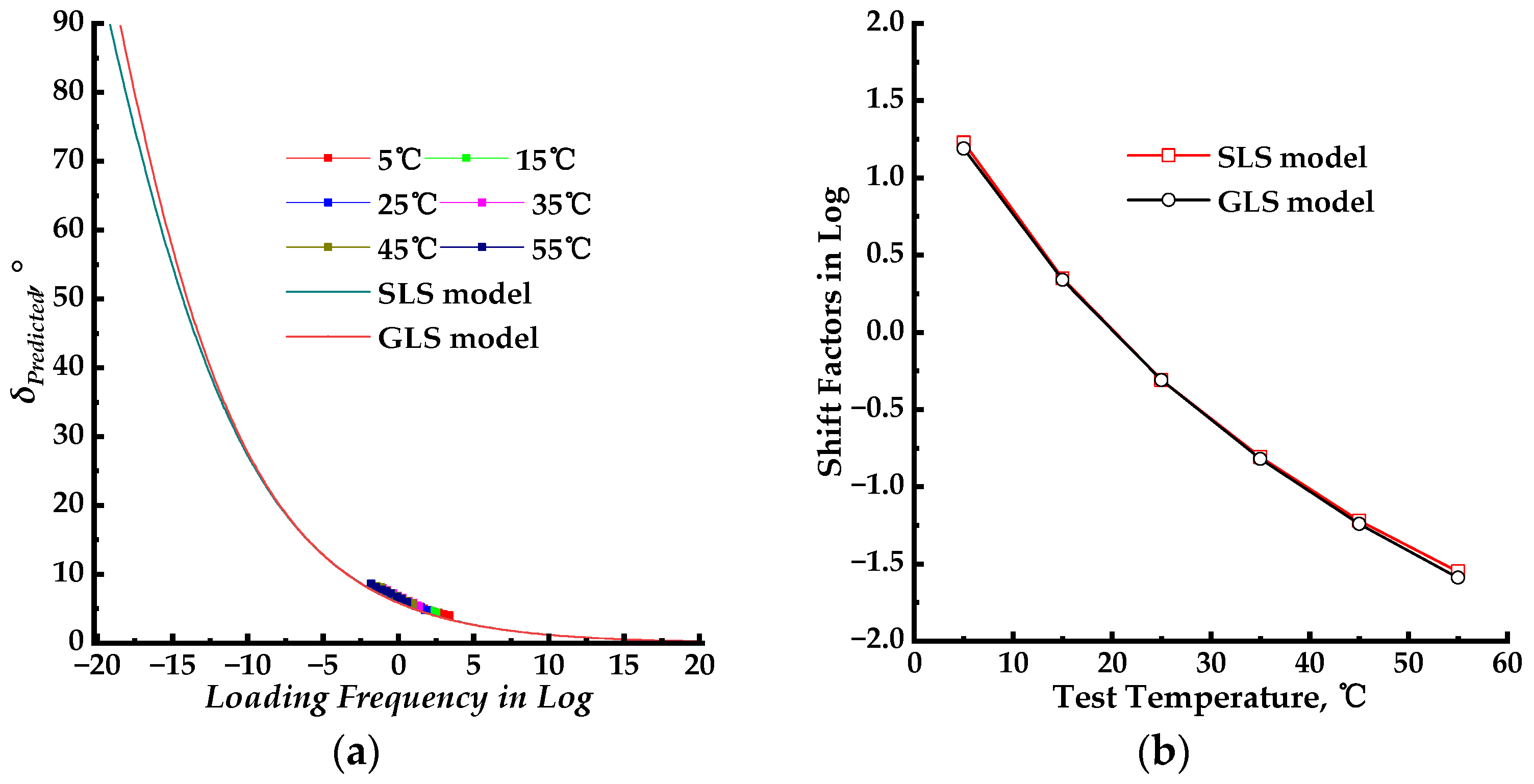
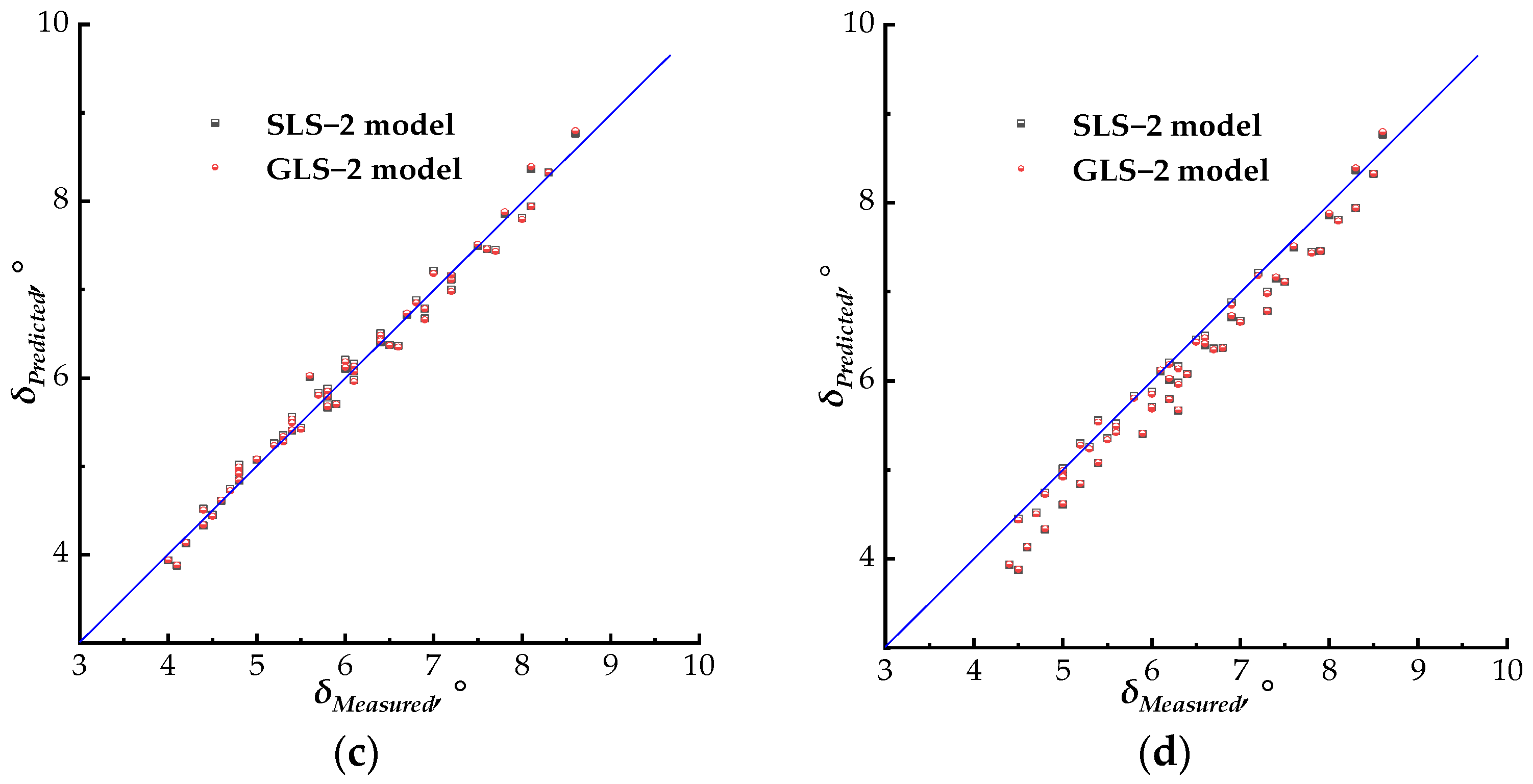
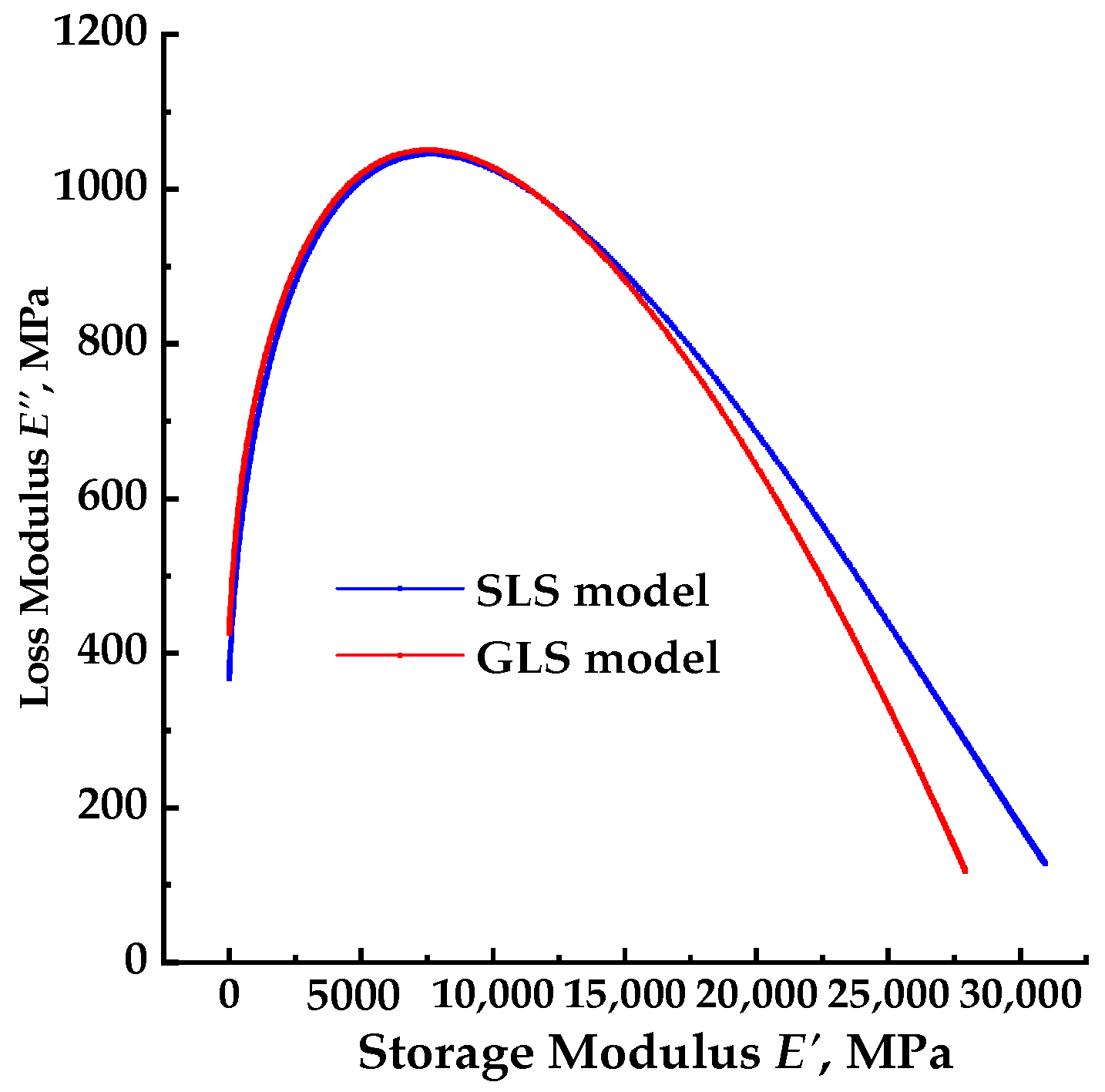
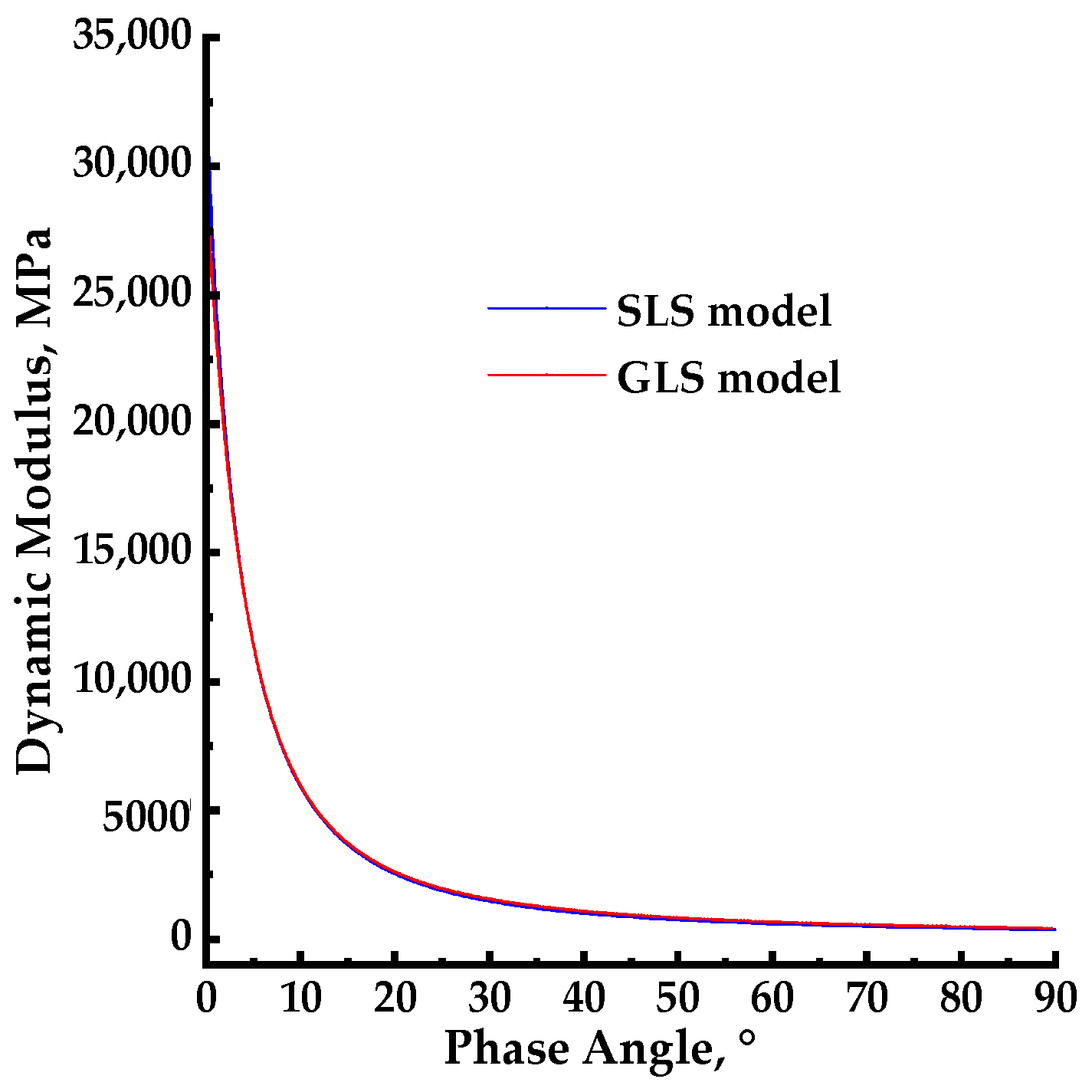
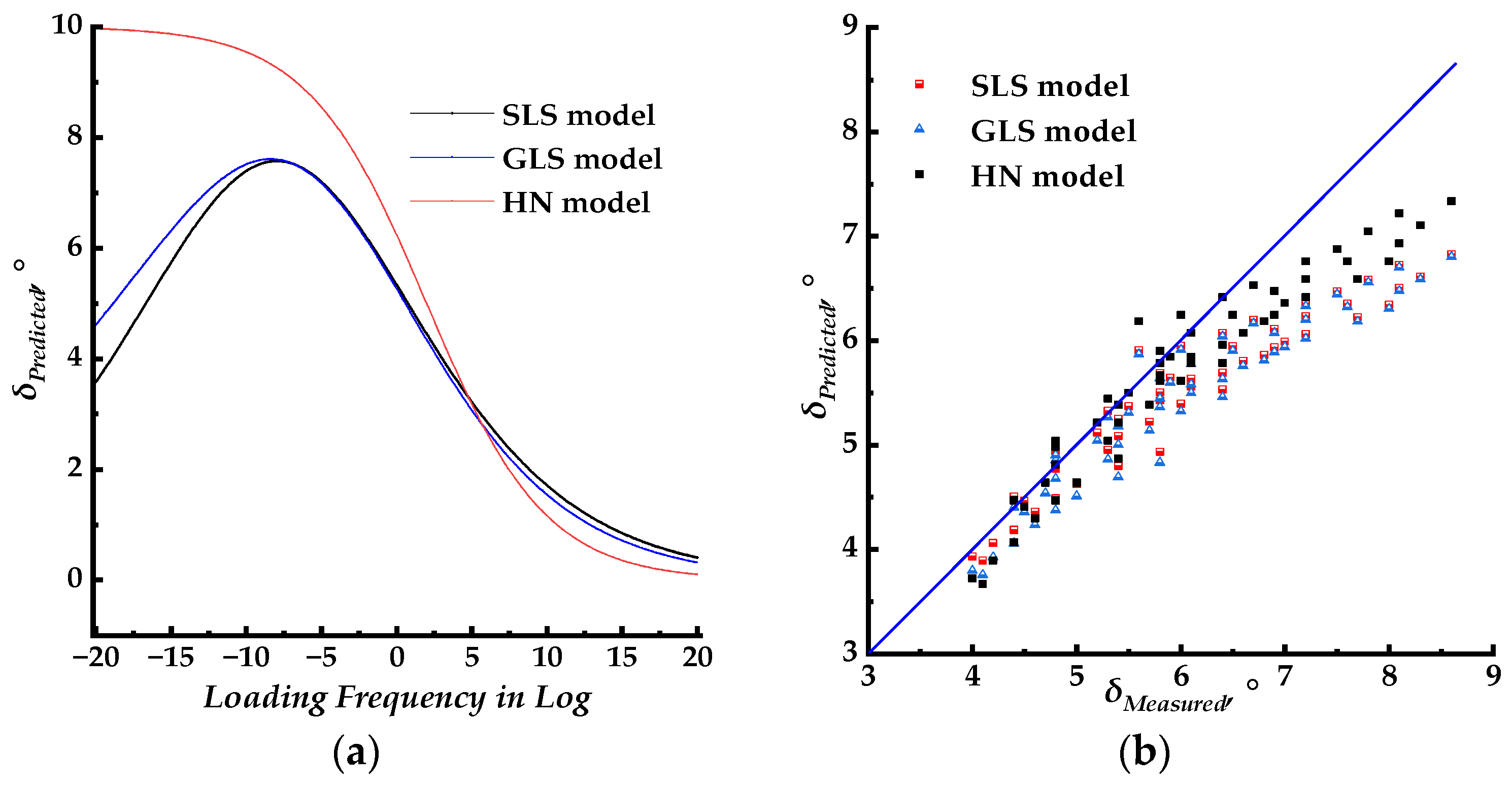
Polyurethane (PU) mixture, which is a new pavement mixture, exhibits different dynamic properties compared to a hot-mixed asphalt mixture (HMA). This paper analyzed whether the Kramers–Kronig (K–K) relation and thermorheologically simple properties applied to the PU mixture. Based on the results, the PU mixture exhibited thermorheologically simple properties within the test conditions. The time–temperature superposition principle (TTSP) was applicable for the PU mixture to construct a dynamic modulus master curve using the standard logistic sigmoidal (SLS) model, the generalized logistic sigmoidal (GLS) model, and the Havriliak–Negami (HN) model. The Hilbert integral transformed SLS and GLS models for the phase angle can accurately fit the measured phase angle data with newly fitted shift factors and predict the phase angle within the viscoelastic range. The core–core and black space diagrams both displayed single continuous smooth curves, which can be utilized to characterize the viscoelastic property of the PU mixture. The K–K relation is applicable for the PU mixture to obtain the phase angle master curve model, storage modulus, and loss modulus from the complex modulus test results with the test temperatures and loading frequencies. The phase angle of the PU mixture at extremely high or low test temperatures cannot be derived from the dynamic modulus data.
Keywords: Kramers–Kronig relation; thermorheologically simple property; Hilbert integral transform; dynamic modulus; core–core; black space diagram Kramers–Kronig relation; thermorheologically simple property; Hilbert integral transform; dynamic modulus; core–core; black space diagram