Abstract
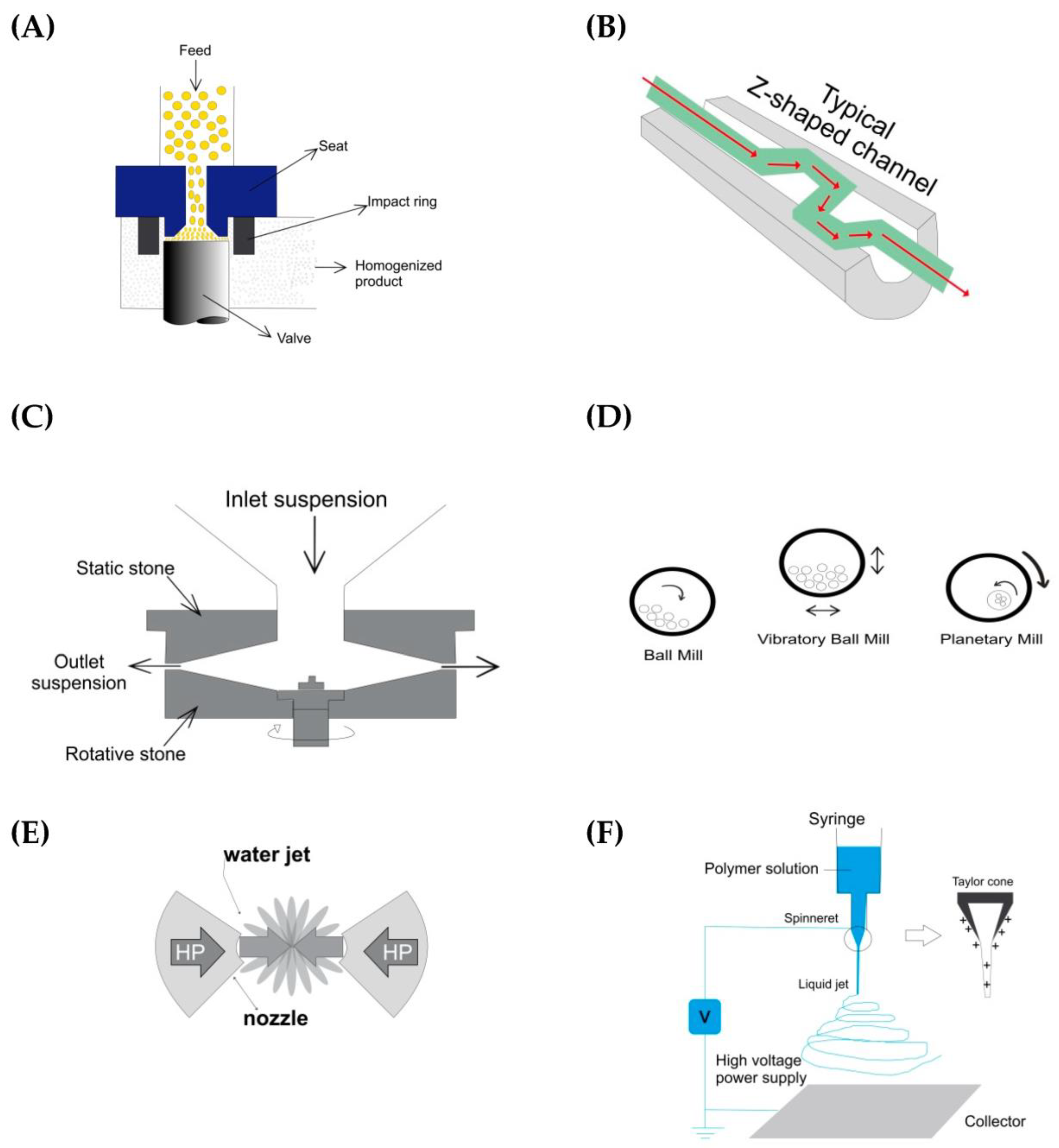
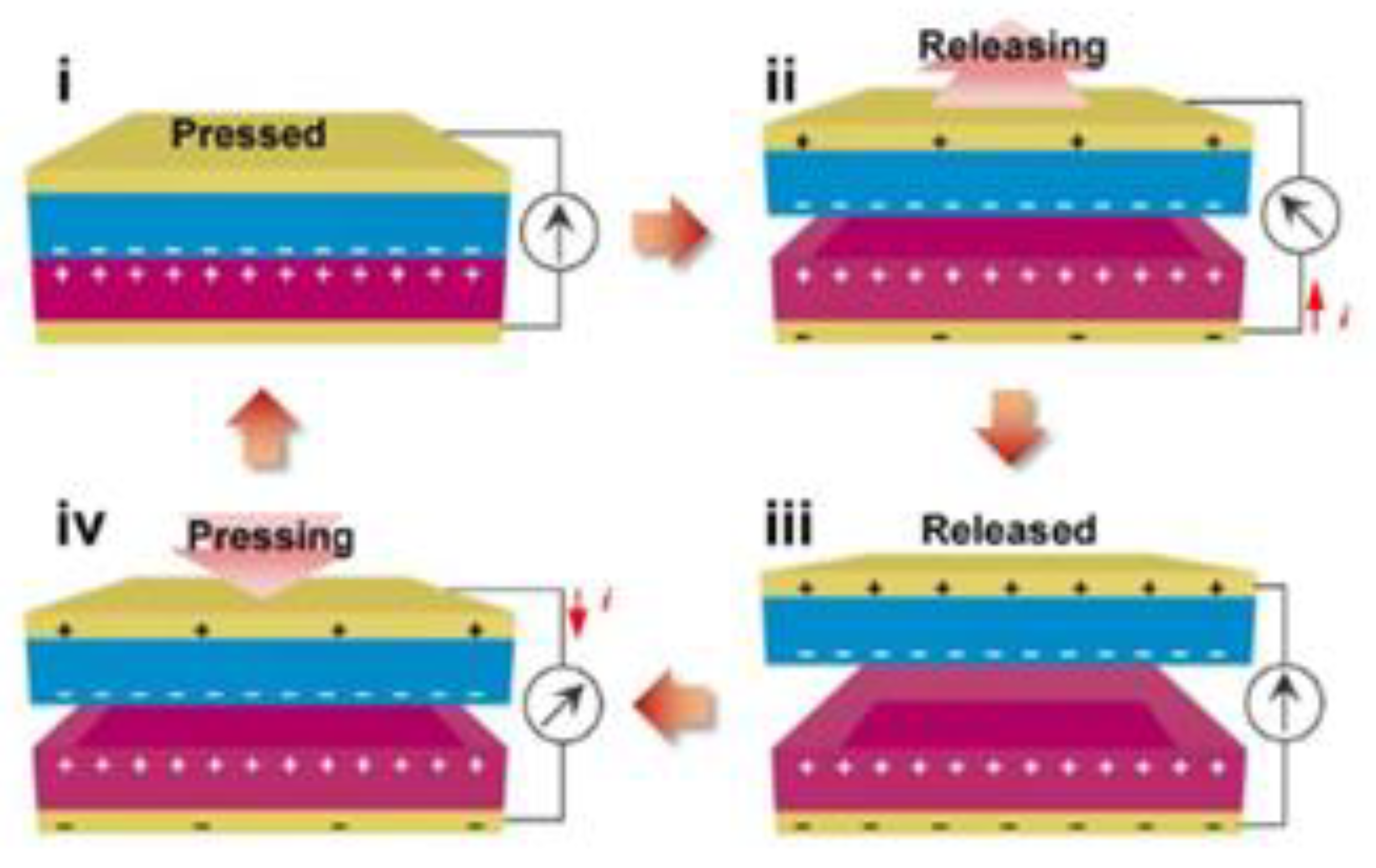
In recent years, nanocellulosic materials have attracted special attention because of their performance in different advanced applications, biodegradability, availability, and biocompatibility. Nanocellulosic materials can assume three distinct morphologies, including cellulose nanocrystals (CNC), cellulose nanofibers (CNF), and bacterial cellulose (BC). This review consists of two main parts related to obtaining and applying nanocelluloses in advanced materials. In the first part, the mechanical, chemical, and enzymatic treatments necessary for the production of nanocelluloses are discussed. Among chemical pretreatments, the most common approaches are described, such as acid- and alkali-catalyzed organosolvation, 2,2,6,6-tetramethylpiperidine-1-oxyl (TEMPO)-mediated oxidation, ammonium persulfate (APS) and sodium persulfate (SPS) oxidative treatments, ozone, extraction with ionic liquids, and acid hydrolysis. As for mechanical/physical treatments, methods reviewed include refining, high-pressure homogenization, microfluidization, grinding, cryogenic crushing, steam blasting, ultrasound, extrusion, aqueous counter collision, and electrospinning. The application of nanocellulose focused, in particular, on triboelectric nanogenerators (TENGs) with CNC, CNF, and BC. With the development of TENGs, an unparalleled revolution is expected; there will be self-powered sensors, wearable and implantable electronic components, and a series of other innovative applications. In the future new era of TENGs, nanocellulose will certainly be a promising material in their constitution.