Article

Effect of Rolling Resistance Model Parameters on 3D DEM Modeling of Coarse Sand Direct Shear Test

by
Mohamed Amine Benmebarek
and
Majid Movahedi Rad
*
Department of Structural and Geotechnical Engineering, Faculty of Architecture, Civil Engineering and Transport Sciences, Széchenyi István University, Egyetem tér 1, 9026 Gyor, Hungary
*
Author to whom correspondence should be addressed.
Materials 2023, 16(5), 2077; https://doi.org/10.3390/ma16052077
Submission received: 5 February 2023 / Revised: 28 February 2023 / Accepted: 1 March 2023 / Published: 3 March 2023
(This article belongs to the Special Issue Modeling and Simulations of Construction Materials)

Abstract

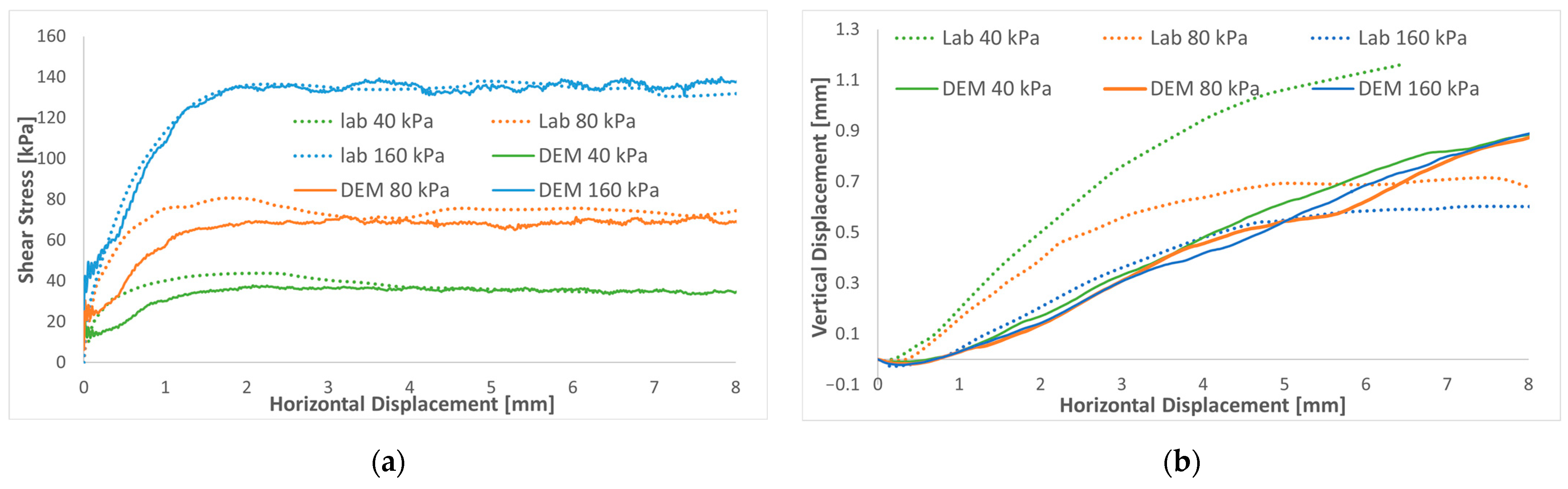
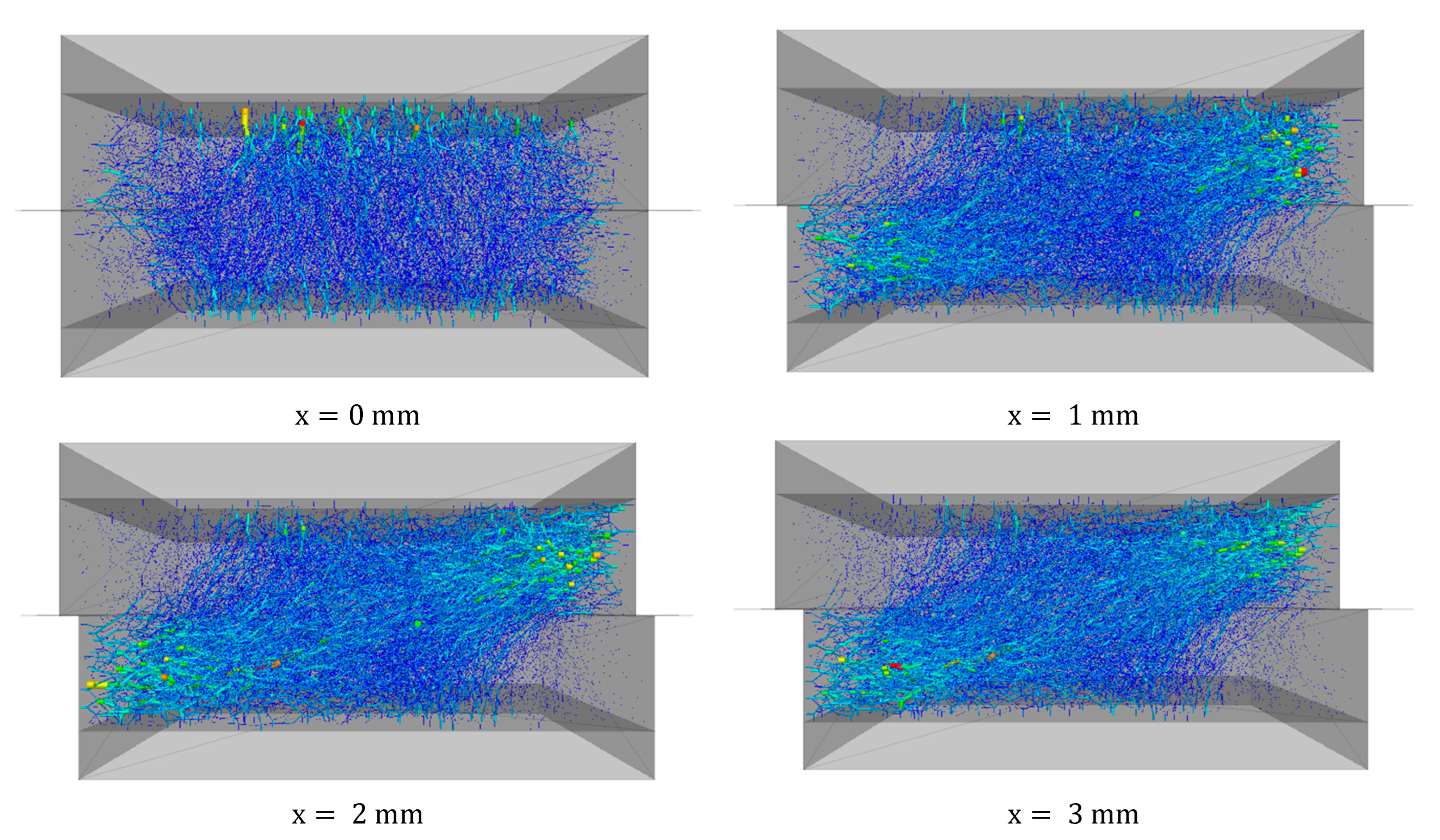
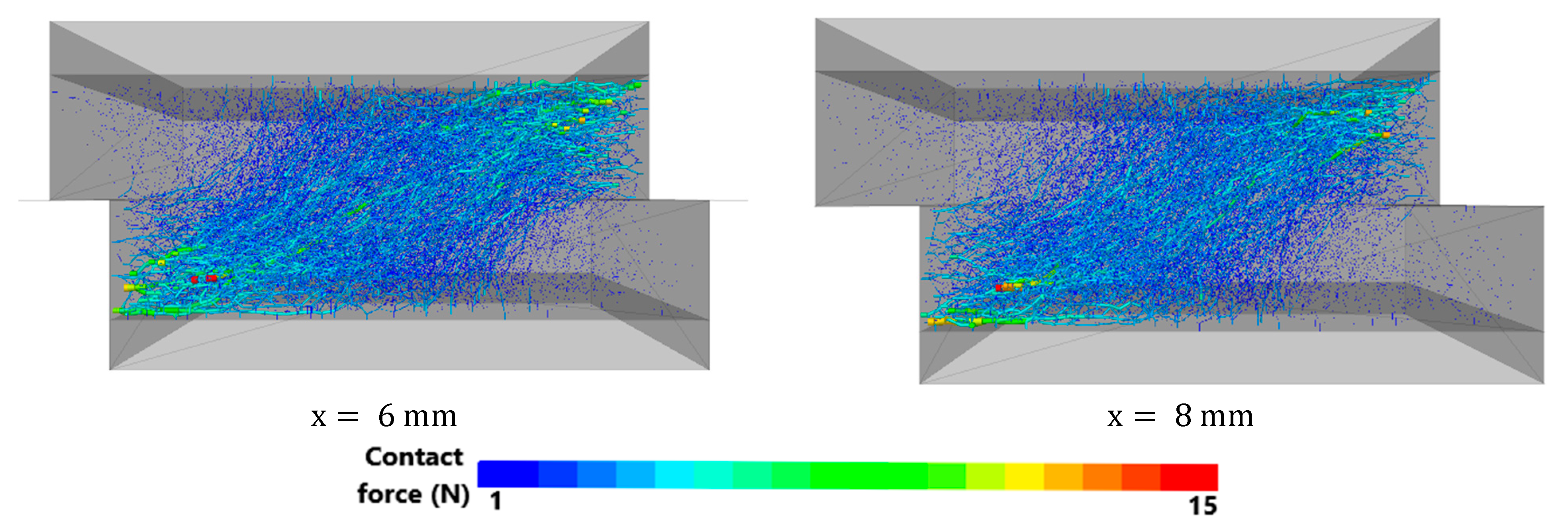
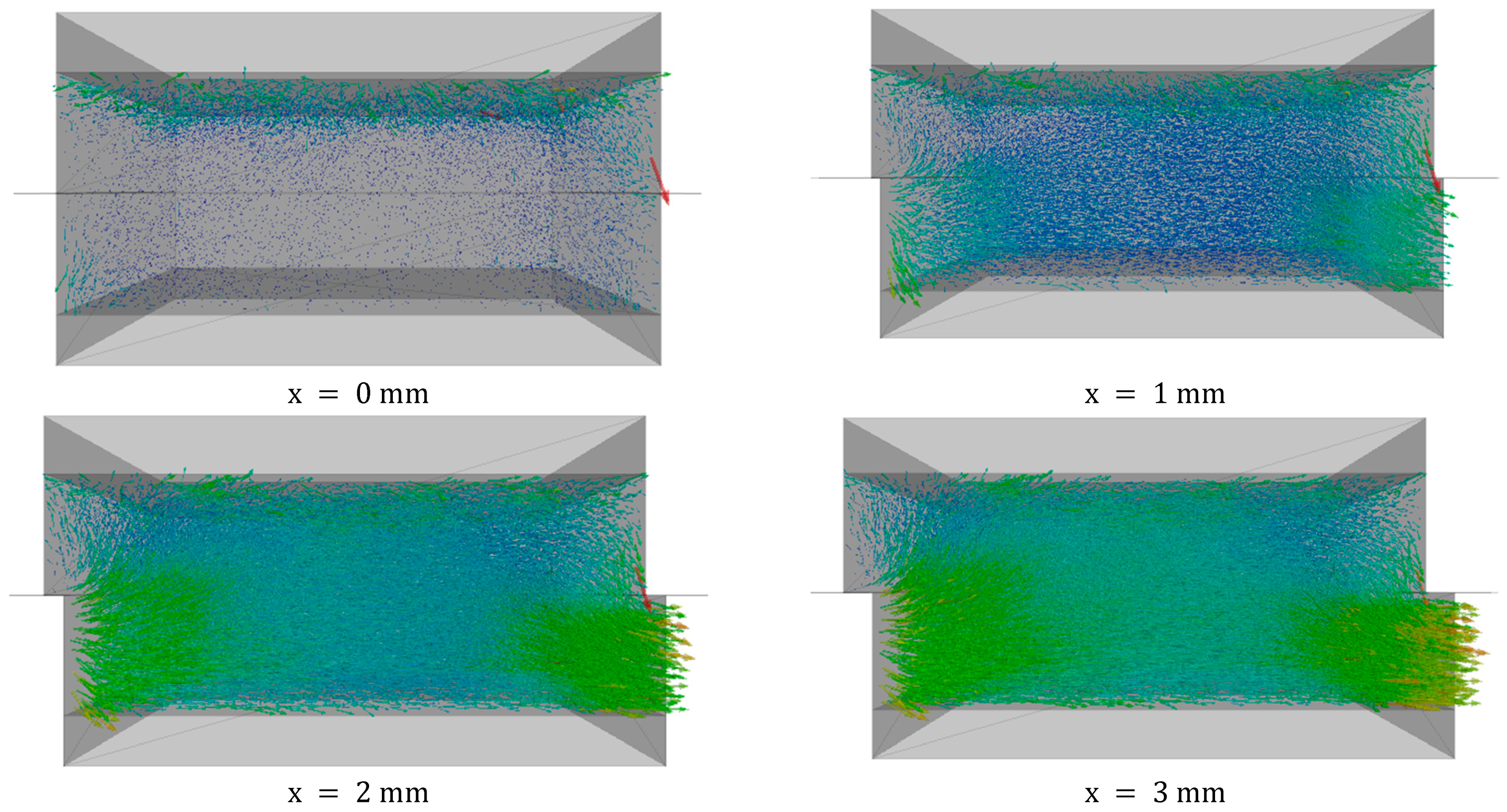
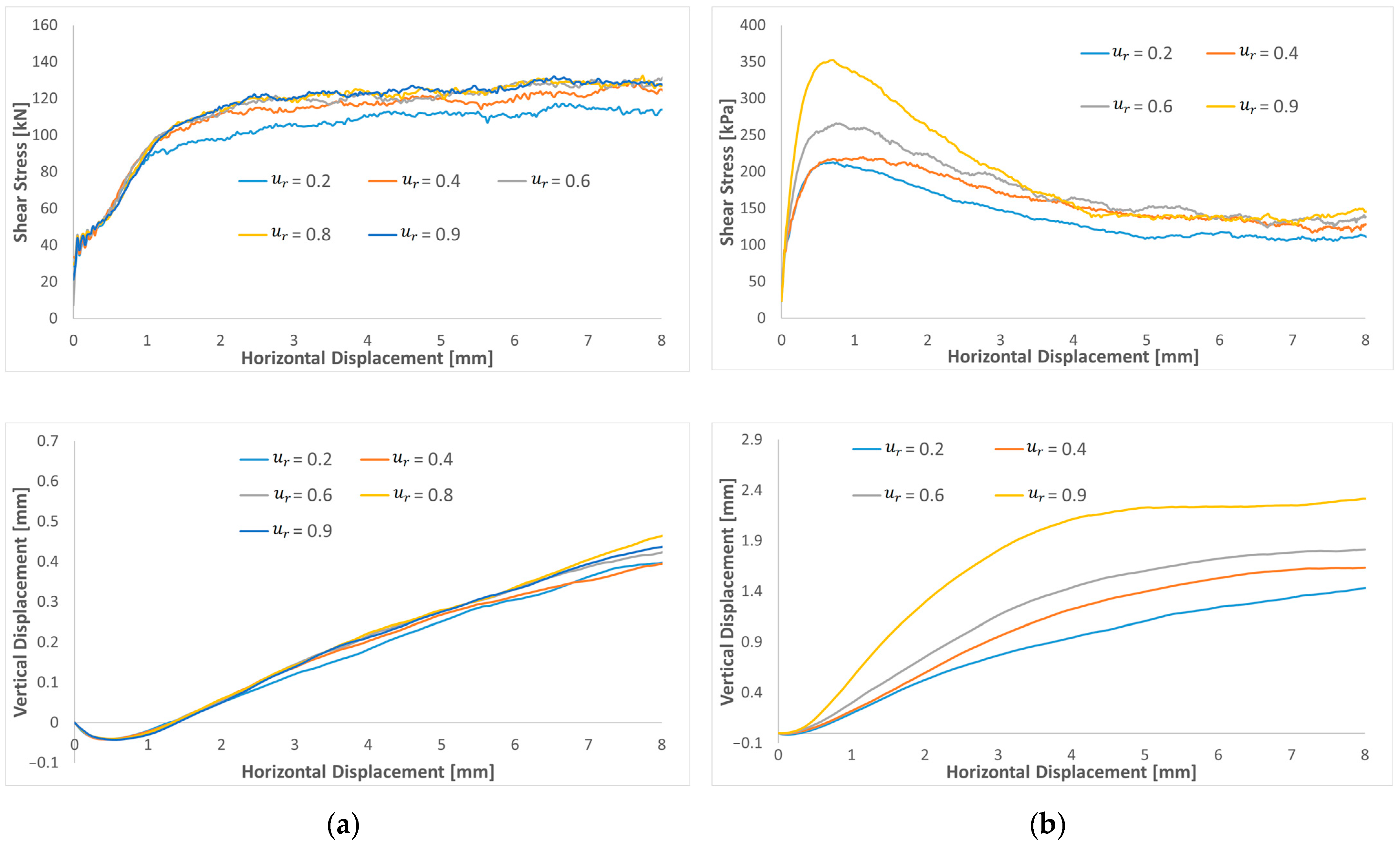
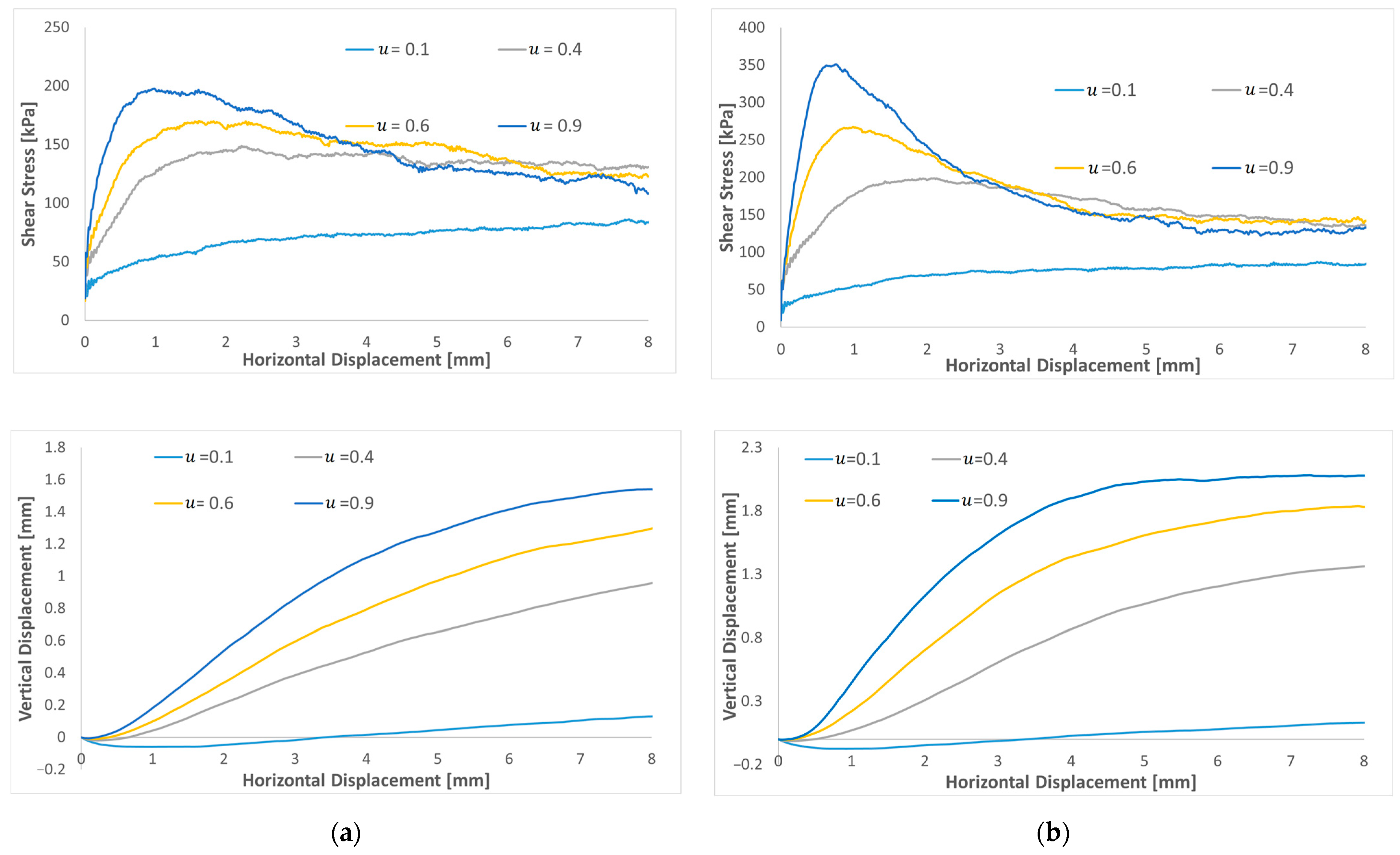
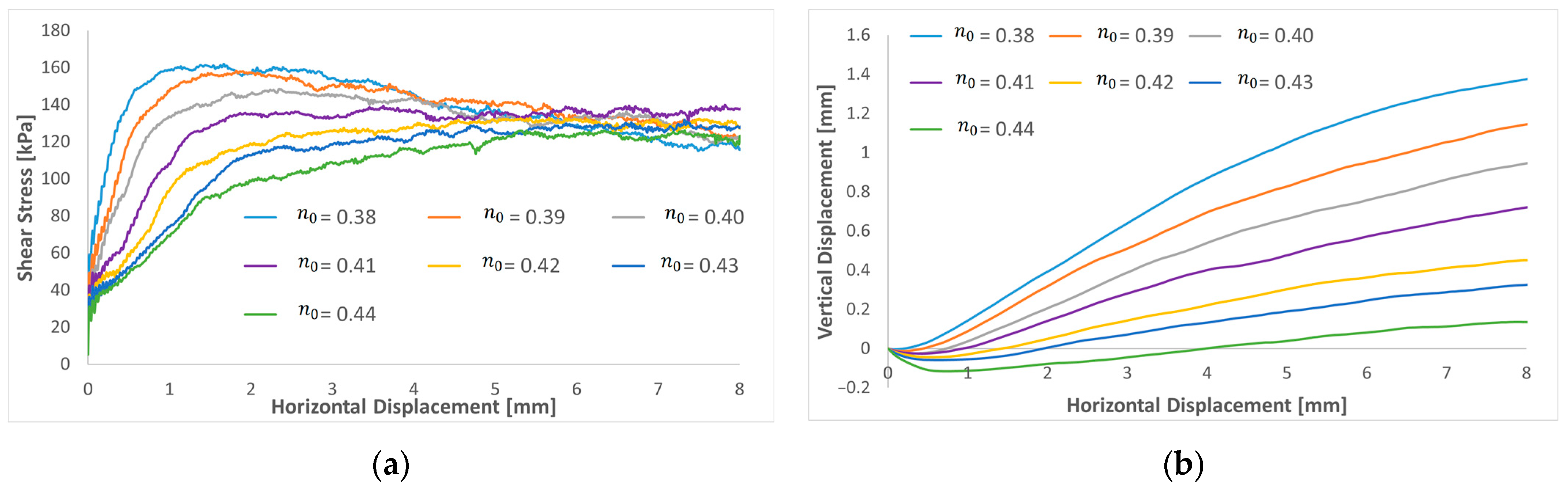
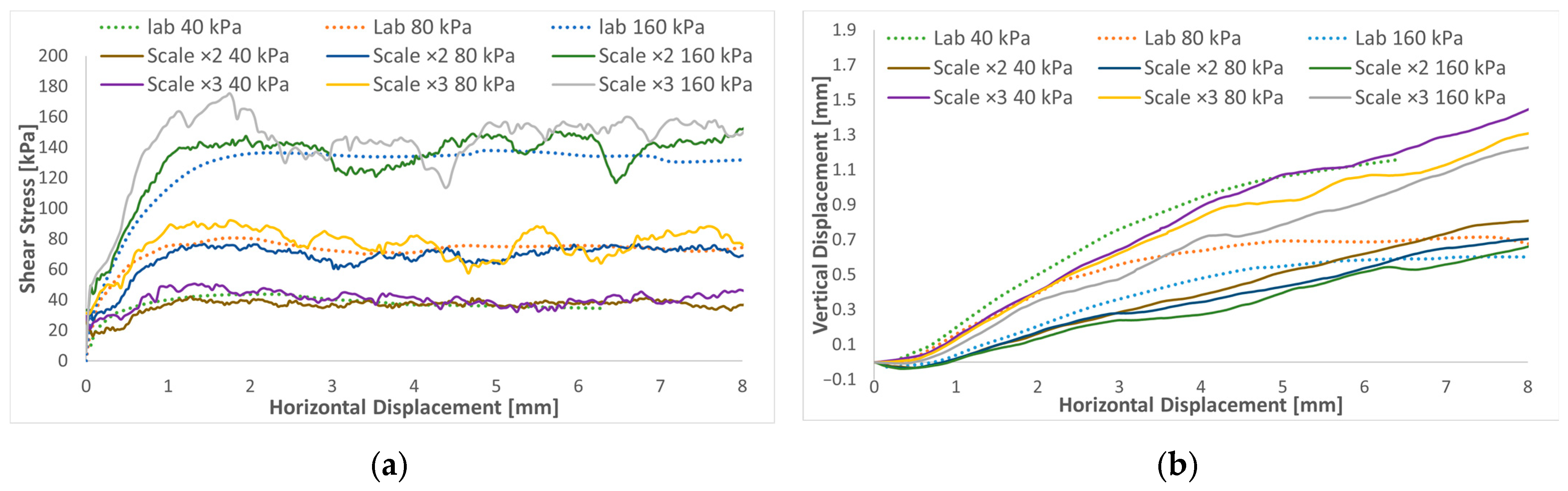
This paper deals with the micro and macro behaviors of coarse sand inside a direct shear box during a geotechnical test. A 3D discrete element method (DEM) model of the direct shear of sand was performed using sphere particles to explore the ability of the rolling resistance linear contact model to reproduce this commonly used test considering real-size particles. The focus was on the effect of the interaction of the main contact model parameters and particle size on maximum shear stress, residual shear stress, and sand volume change. The performed model was calibrated and validated with experimental data and followed by sensitive analyses. It is shown that the stress path can be reproduced appropriately. For a high coefficient of friction, the peak shear stress and volume change during the shearing process were mainly affected by increasing the rolling resistance coefficient. However, for a low coefficient of friction, shear stress and volume change were marginally affected by the rolling resistance coefficient. As expected, varying the friction and rolling resistance coefficients was found to have less influence on the residual shear stress.
Keywords: DEM; direct shear box; contact model; sensitive analyses; peak shear stress; residual shear stress DEM; direct shear box; contact model; sensitive analyses; peak shear stress; residual shear stress