Article

Analysis of the Technical Condition of a Late 19th Century Public Building in Łódź

by
Wioletta Grzmil
*,
Justyna Zapała-Sławeta
and
Jagoda Juruś
Faculty of Civil Engineering and Architecture, Kielce University of Technology, 25-314 Kielce, Poland
*
Author to whom correspondence should be addressed.
Materials 2023, 16(5), 1983; https://doi.org/10.3390/ma16051983
Submission received: 29 December 2022 / Revised: 23 February 2023 / Accepted: 26 February 2023 / Published: 28 February 2023
(This article belongs to the Special Issue Advanced Construction Materials and Processes in Poland)

Abstract

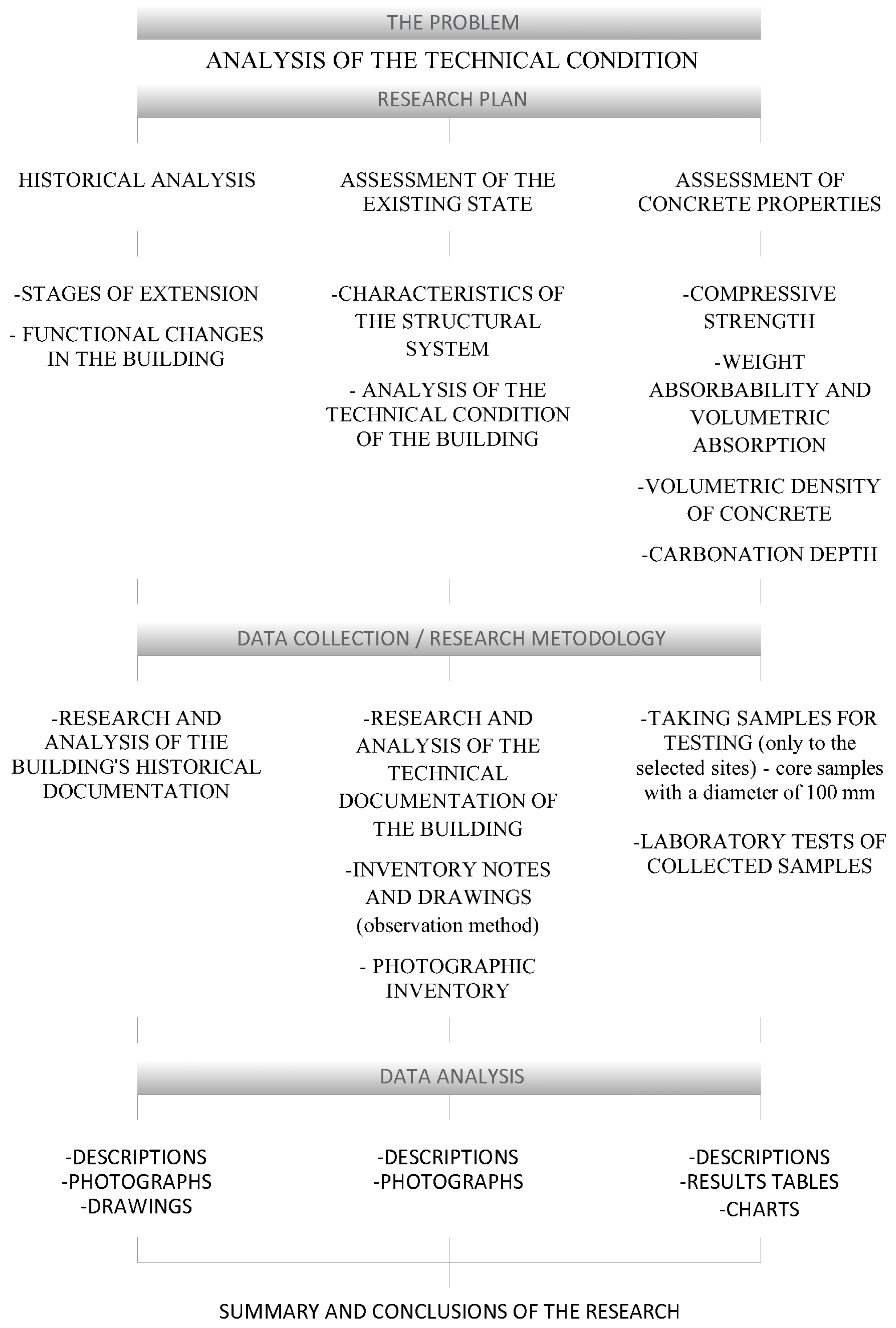
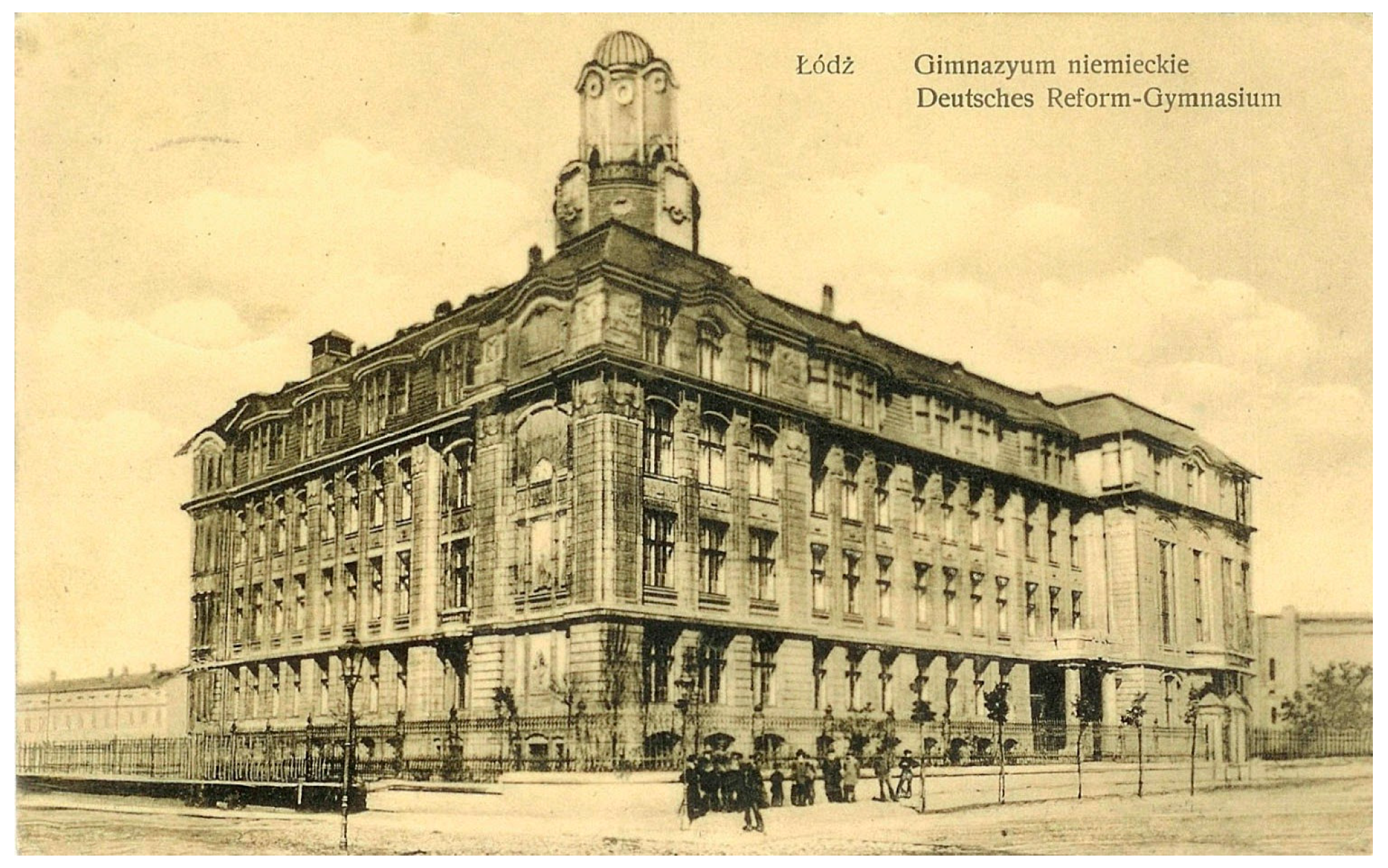
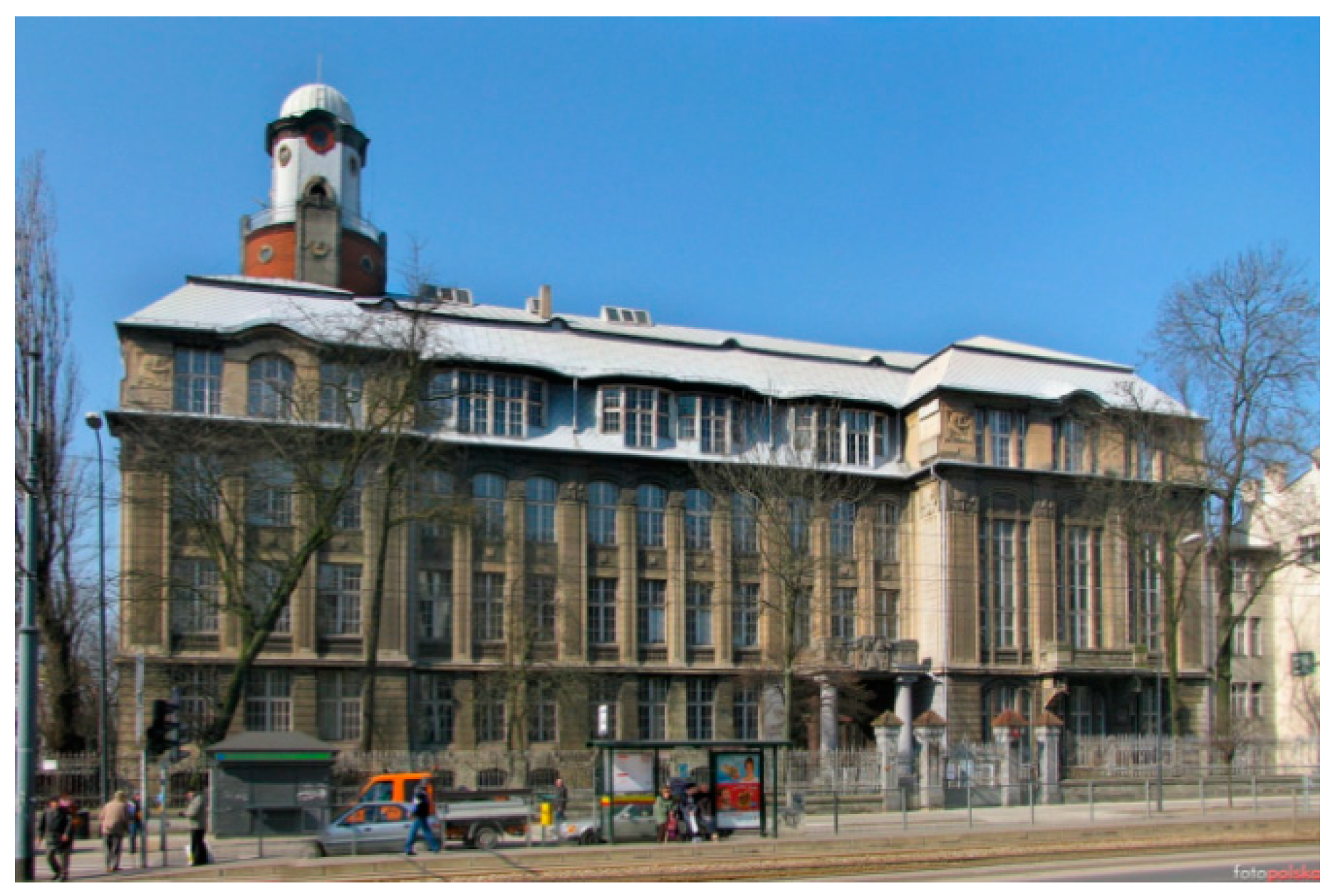
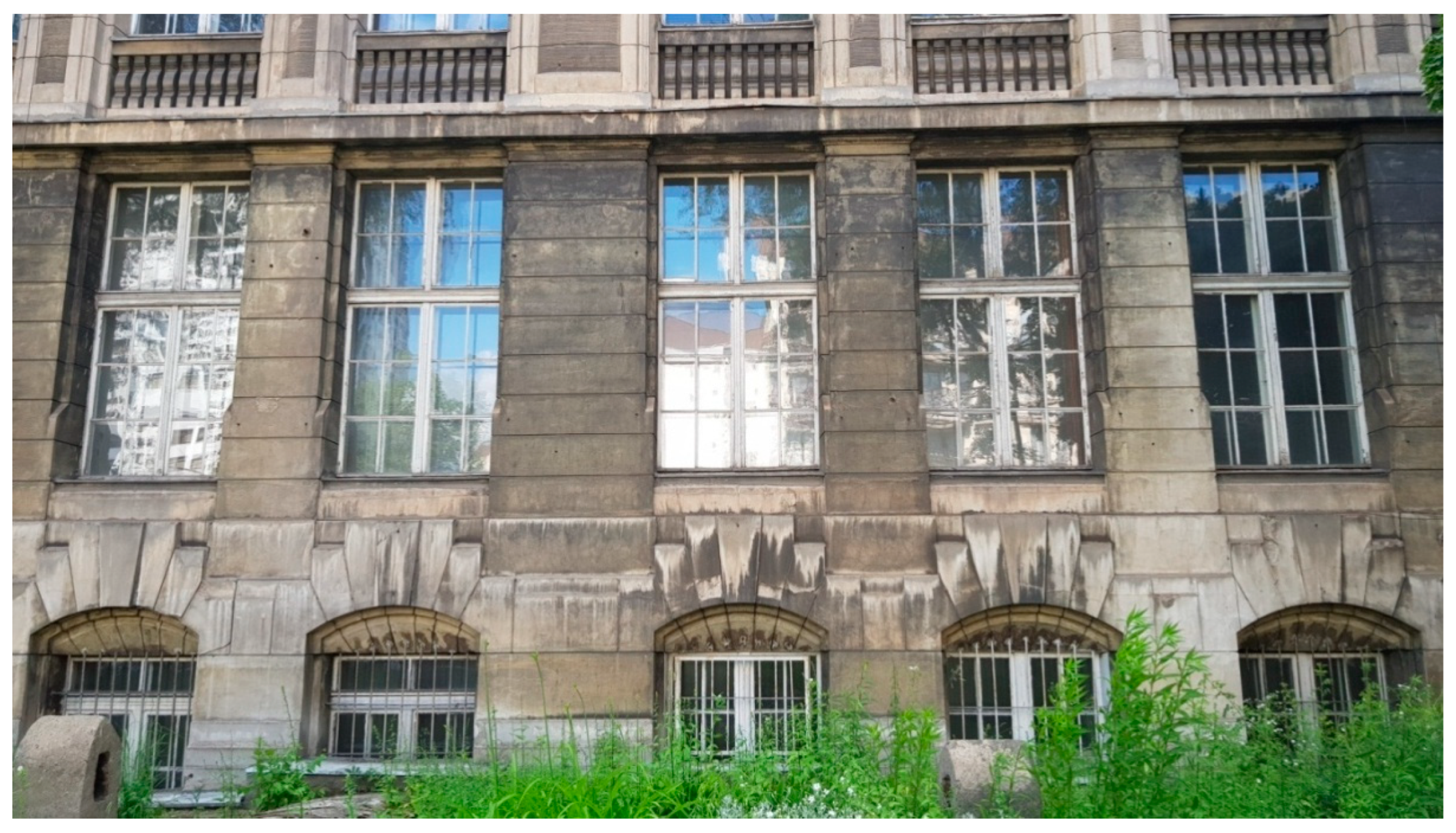
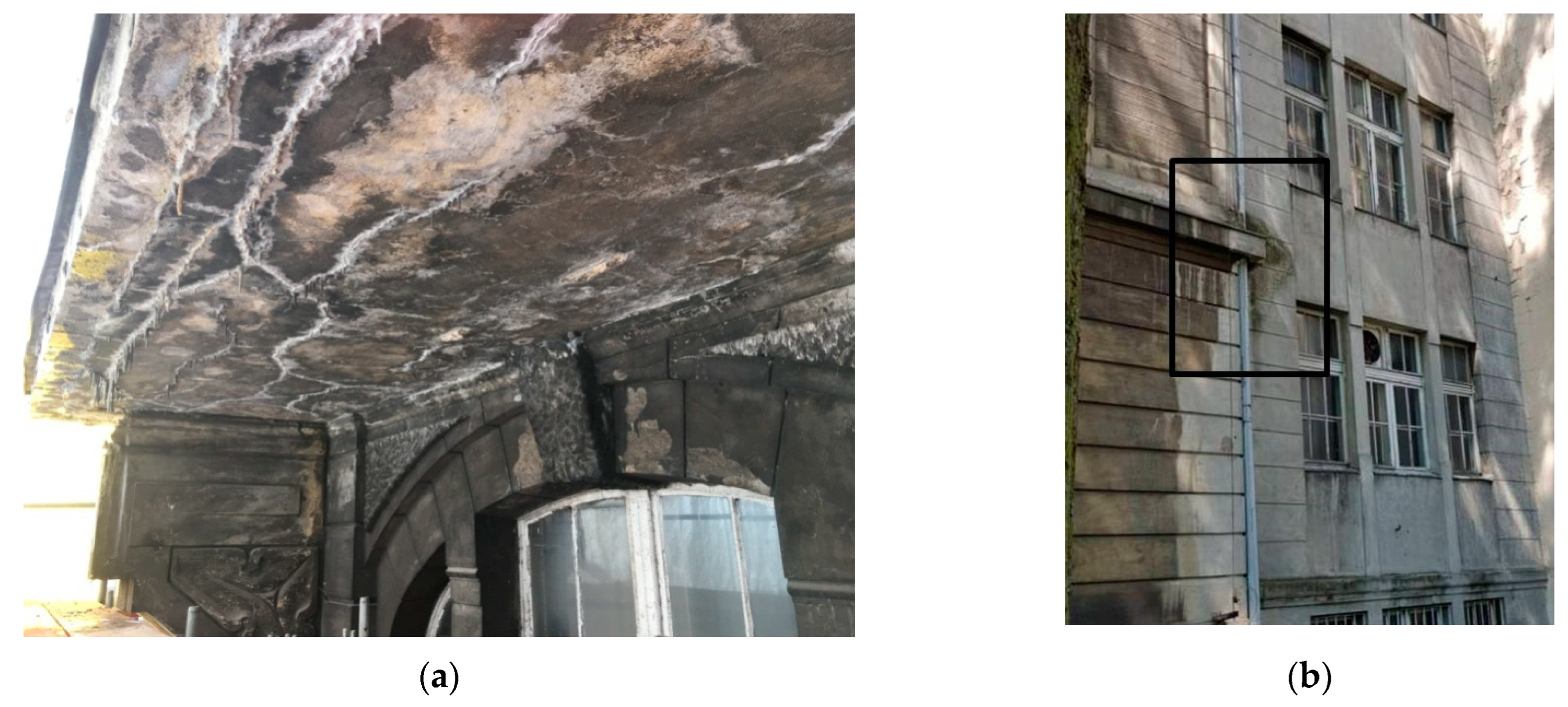
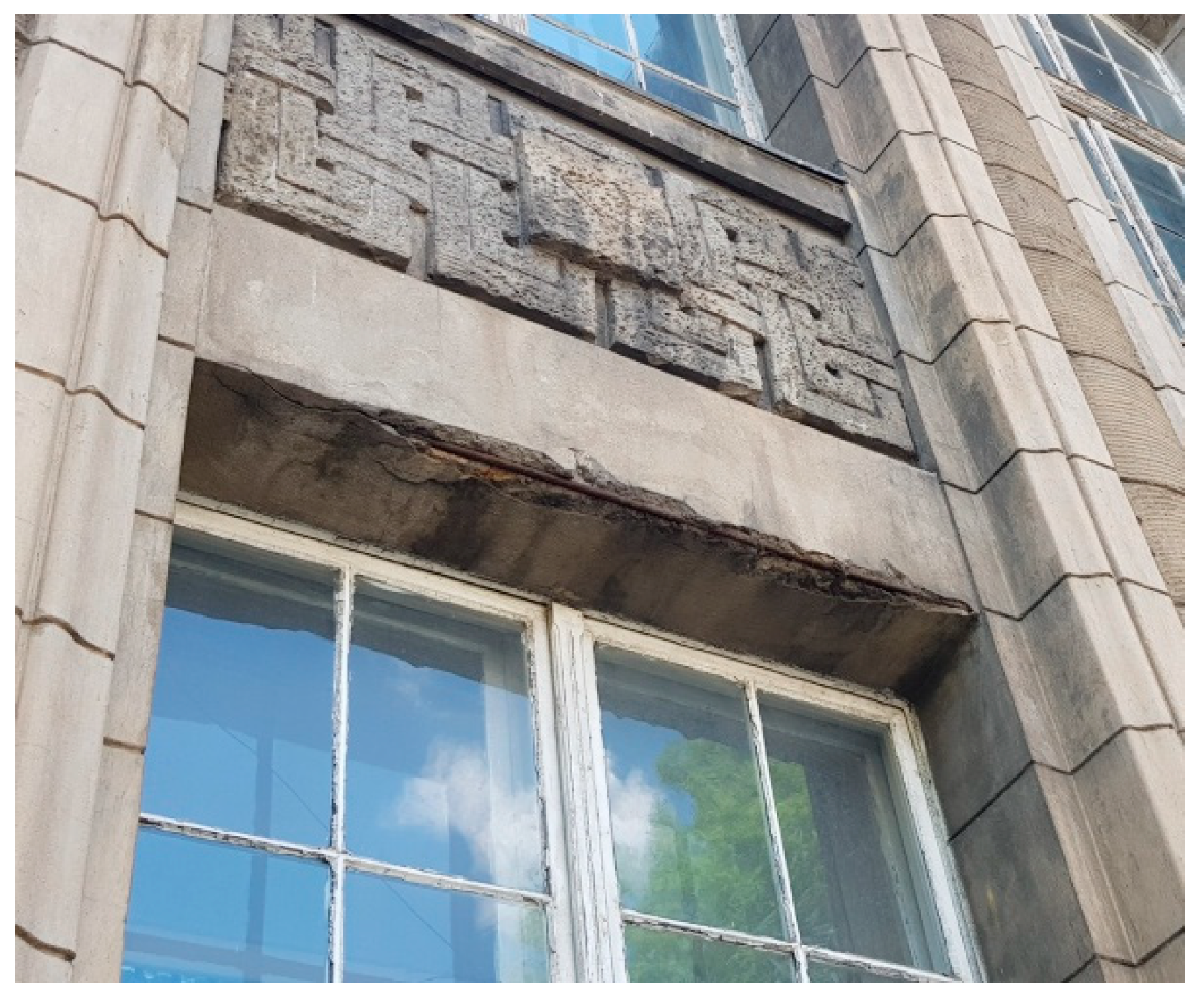
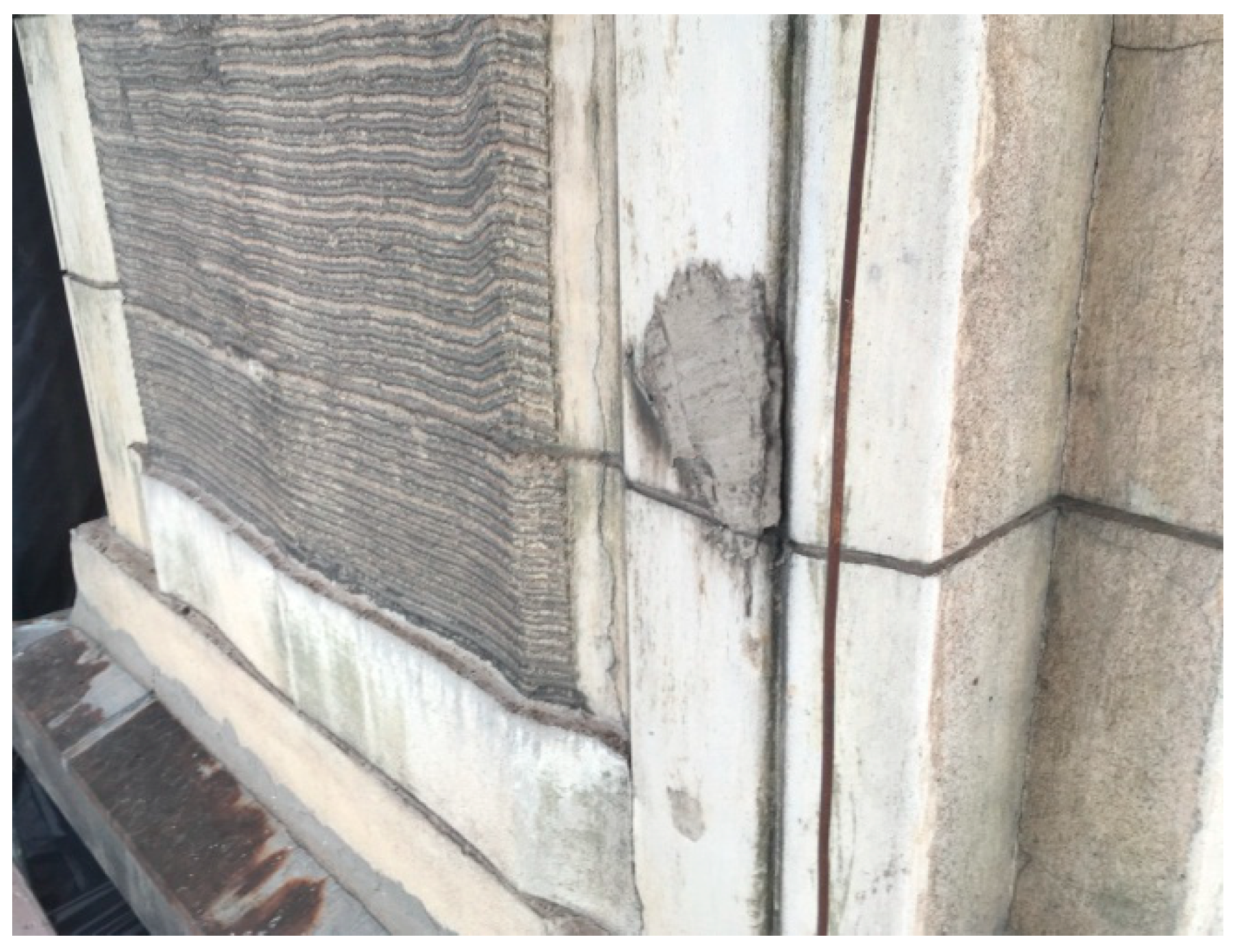
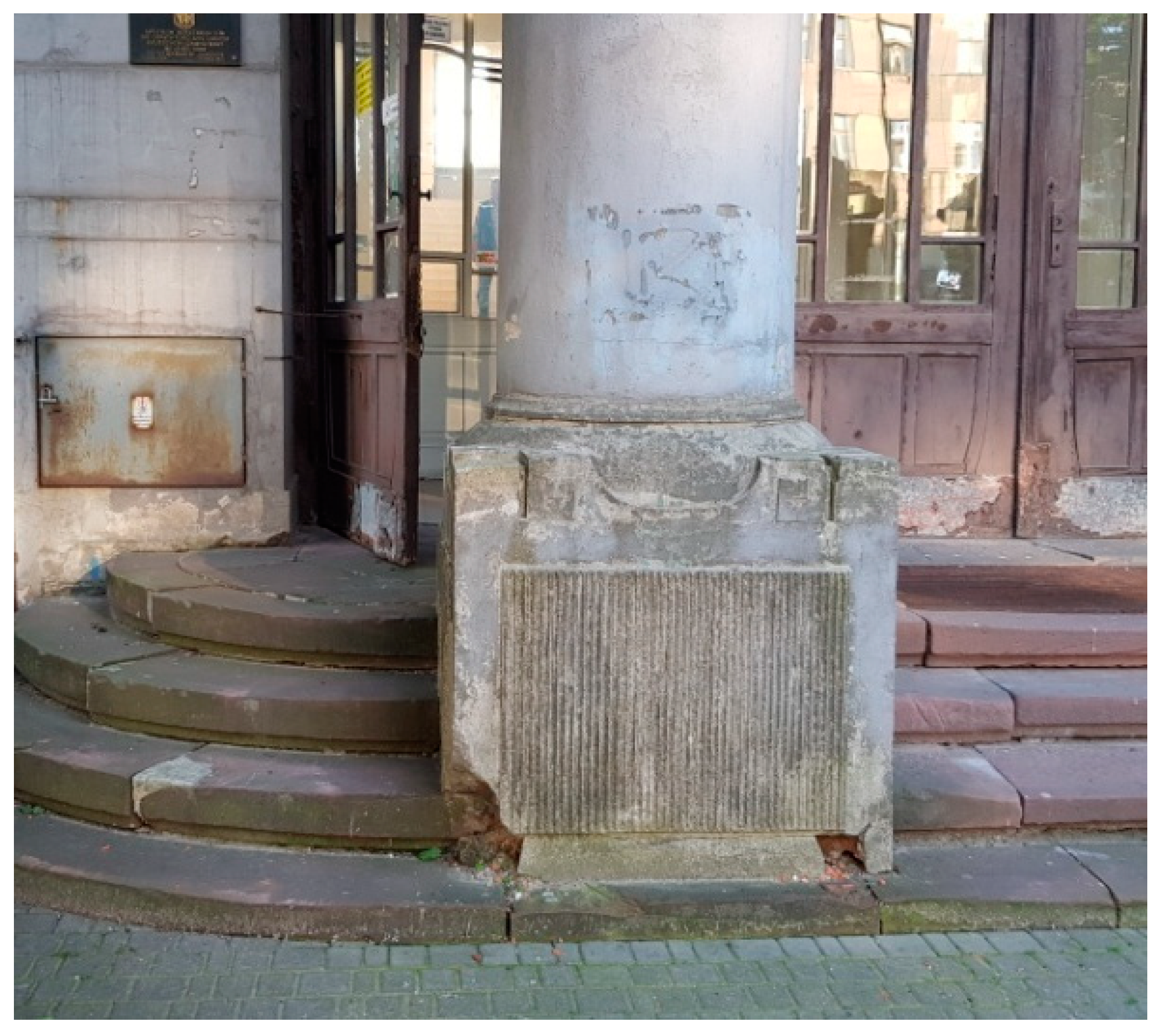
Heritage building structures in many situations contribute unique value to national cultural heritage. In engineering practice, monitoring of historic structures includes visual assessment. This article assesses the condition of the concrete in one of the most recognizable buildings in Łódź, the former German Reformed Gymnasium, located at Tadeusza Kościuszki Avenue. The paper reports a visual assessment of the structure and the degree of technical wear affecting selected structural components of the building. A historical analysis of the building’s state of preservation, characterization of the structural system, and an assessment of the condition of the floor-slab concrete were carried out. The state of preservation of the eastern and southern facades of the building was found to be satisfactory, while on the western side (with the courtyard) the facade is in a poor state of preservation. Tests were also conducted out on concrete samples taken from individual ceilings. The concrete cores were tested for compressive strength, water absorption, density, porosity, and carbonation depth. Corrosion processes including the degree of carbonization and the phase composition of the concrete were identified by X-ray diffraction. The results are indicative of the high quality of the concrete produced more than 100 years ago.
Keywords: heritage structures; concrete; strength; carbonation; water absorption heritage structures; concrete; strength; carbonation; water absorption