Article

Fermat Principle, Ramsey Theory and Metamaterials

1
Chemical Engineering Department, Engineering Faculty, Ariel University, Ariel 407000, Israel
2
Department of Industrial Engineering and Management, Faculty of Engineering, Ariel University, Ariel 407000, Israel
*
Author to whom correspondence should be addressed.
Materials 2023, 16(24), 7571; https://doi.org/10.3390/ma16247571
Submission received: 21 November 2023 / Revised: 5 December 2023 / Accepted: 7 December 2023 / Published: 9 December 2023

Abstract

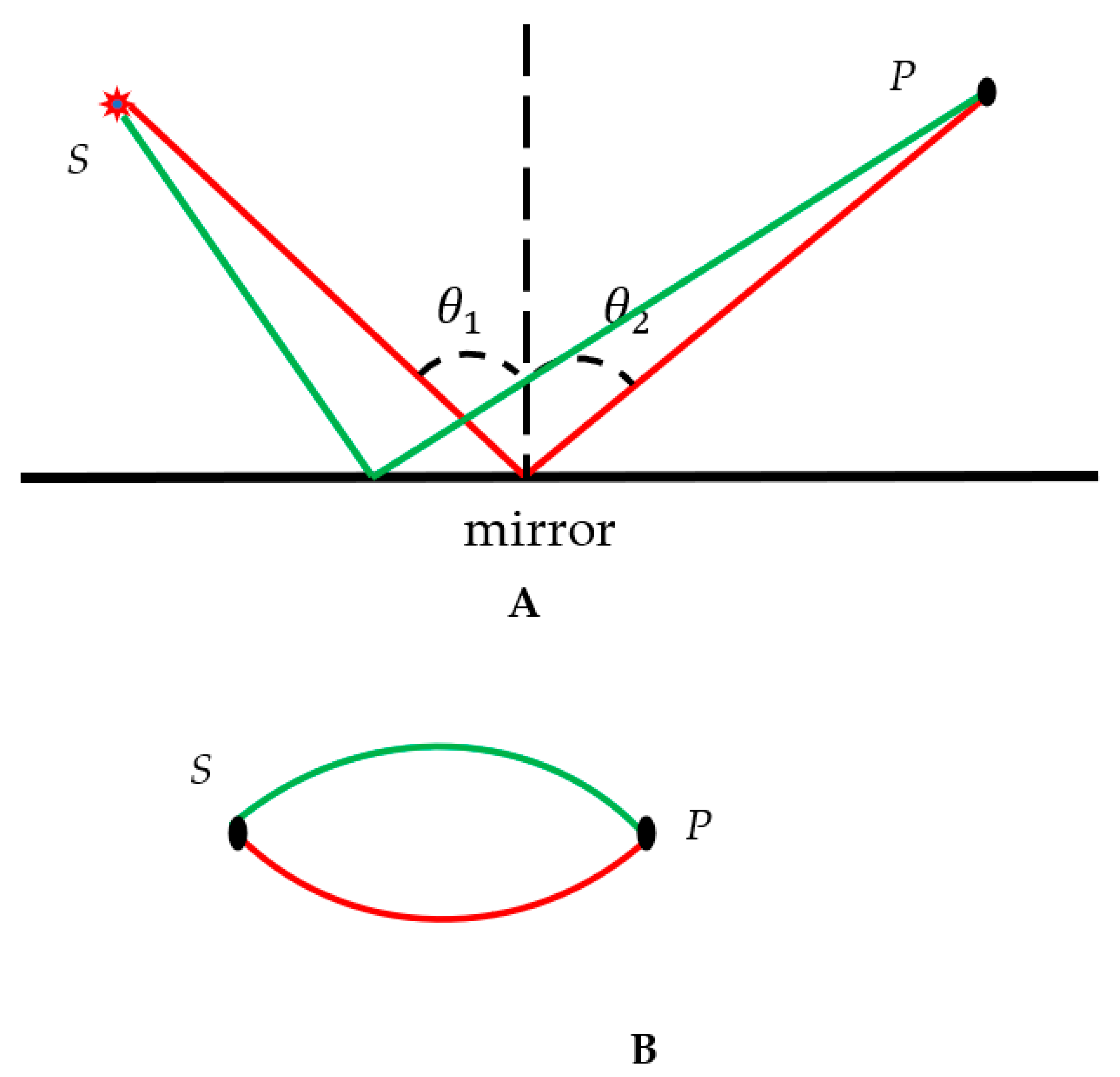
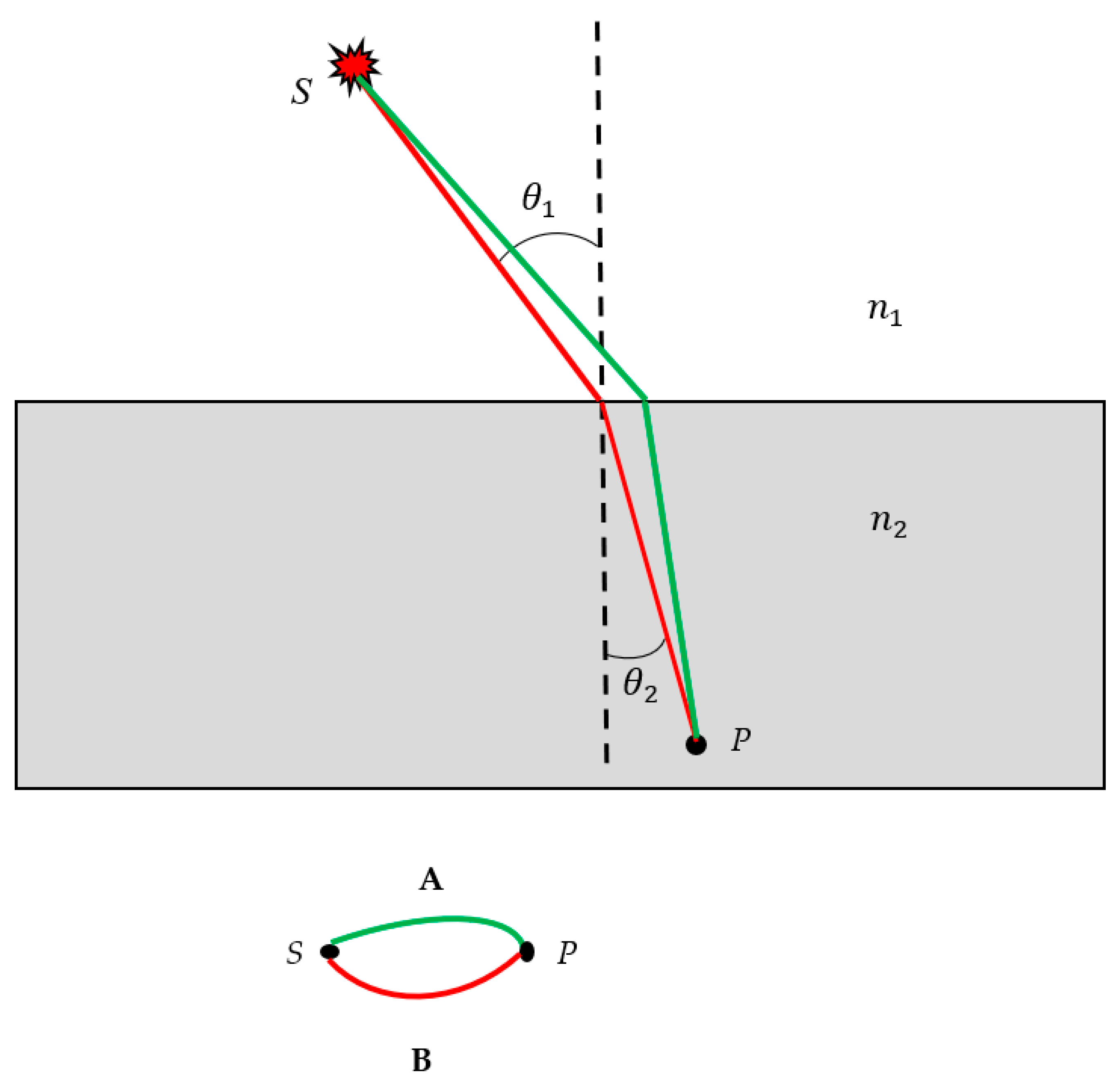
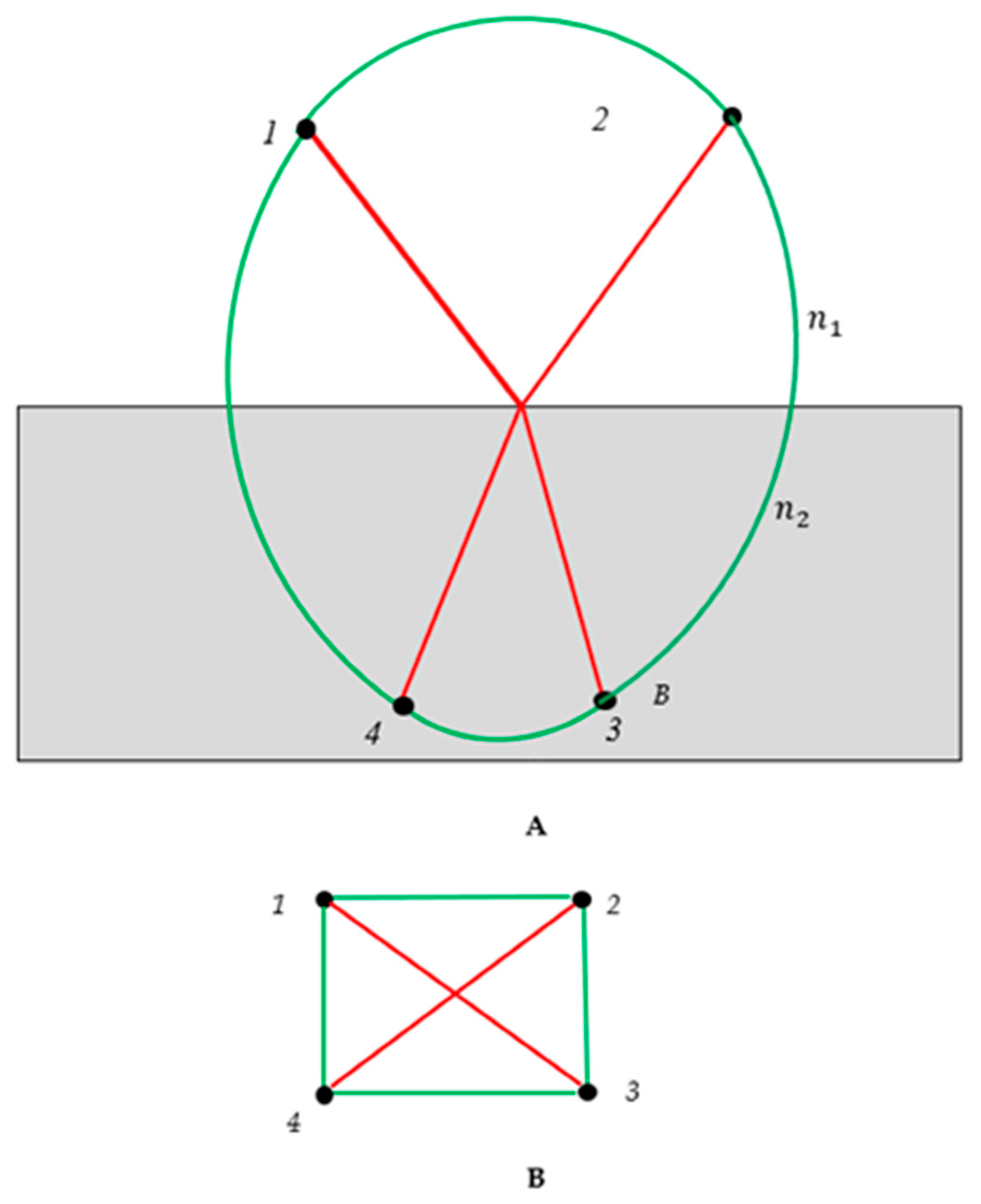
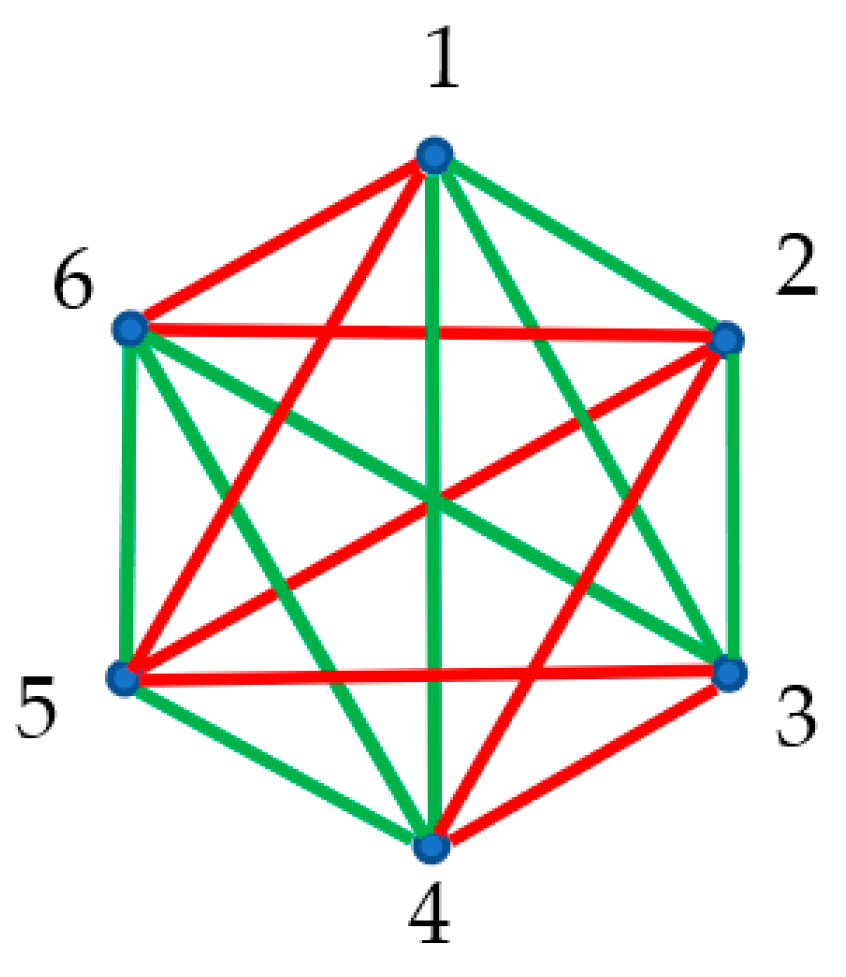
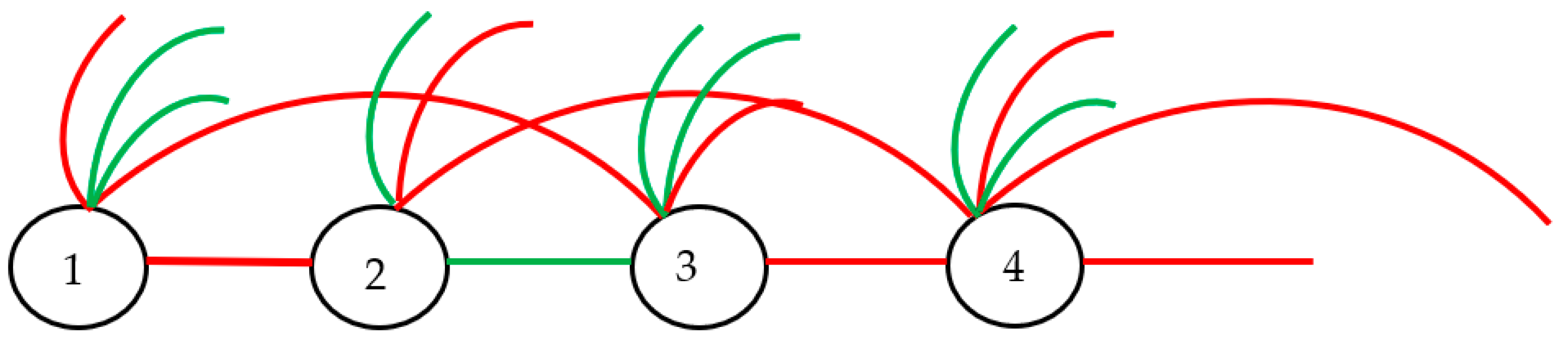
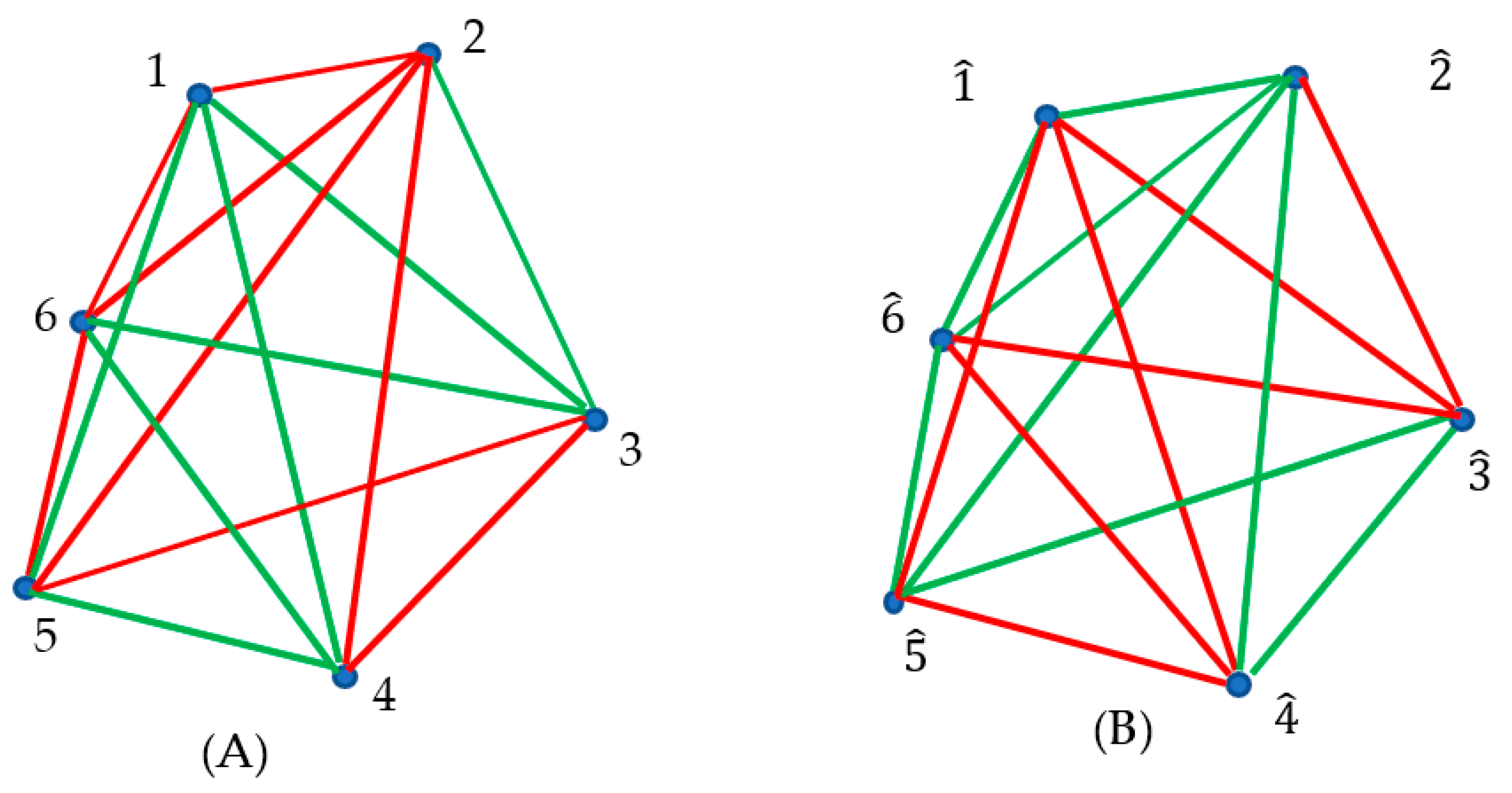
Reinterpretation of the Fermat principle governing the propagation of light in media within the Ramsey theory is suggested. Complete bi-colored graphs corresponding to light propagation in media are considered. The vertices of the graphs correspond to the points in real physical space in which the light sources or sensors are placed. Red links in the graphs correspond to the actual optical paths, emerging from the Fermat principle. A variety of optical events, such as refraction and reflection, may be involved in light propagation. Green links, in turn, denote the trial/virtual optical paths, which actually do not occur. The Ramsey theorem states that within the graph containing six points, inevitably, the actual or virtual optical cycle will be present. The implementation of the Ramsey theorem with regard to light propagation in metamaterials is discussed. The Fermat principle states that in metamaterials, a light ray, in going from point S to point P, must traverse an optical path length L that is stationary with respect to variations of this path. Thus, bi-colored graphs consisting of links corresponding to maxima or minima of the optical paths become possible. The graphs, comprising six vertices, will inevitably demonstrate optical cycles consisting of the mono-colored links corresponding to the maxima or minima of the optical path. The notion of the “inverse graph” is introduced and discussed. The total number of triangles in the “direct” (source) and “inverse” Ramsey optical graphs is the same. The applications of “Ramsey optics” are discussed, and an optical interpretation of the infinite Ramsey theorem is suggested.
Keywords: Fermat principle; optical path; metamaterials; left-handed materials; graphs; Ramsey theory; Ramsey theorem; optical cycle Fermat principle; optical path; metamaterials; left-handed materials; graphs; Ramsey theory; Ramsey theorem; optical cycle